
As the saying goes, repay debts and repay debts as a matter of course. But something happened in the industry in the past two days. It is said that one day, Xiao Ming lent Xiao Gang 80,000 yuan.#USDT , and promised to return it to him within six months. But after the agreed time, Xiaogang did not return it, so Xiaoming went to court to file a lawsuit. But what is surprising is that after the court heard that since USDT is not a currency publicly issued in accordance with the law, it is not legally compensable, so this lawsuit is not within the scope of accepting civil lawsuits. Xiao Ming was not convinced and appealed to the court of second instance. The result was that the original ruling was upheld.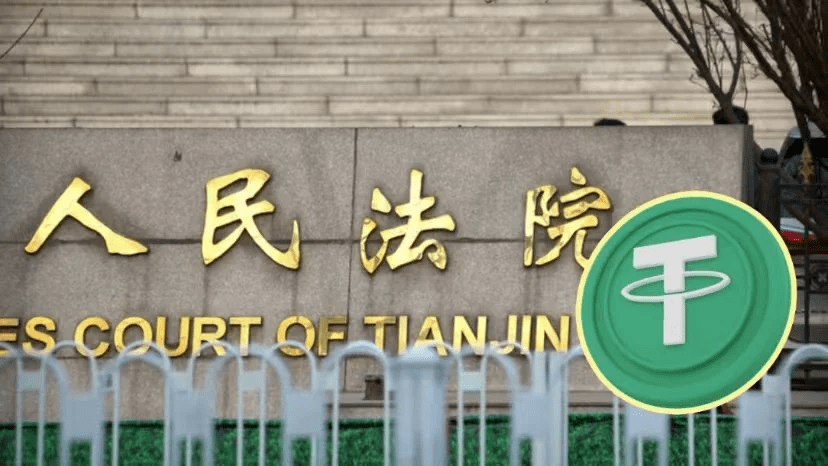
After such an incident, I have learned a lesson for everyone. In China, don’t borrow U indiscriminately, and don’t participate in some junk funds. If you are really cheated, there is no place to sue. go. But the good thing is that China has gradually opened up the Hong Kong pilot program for cryptocurrency this year. Let’s take a look at the recent situation in Hong Kong.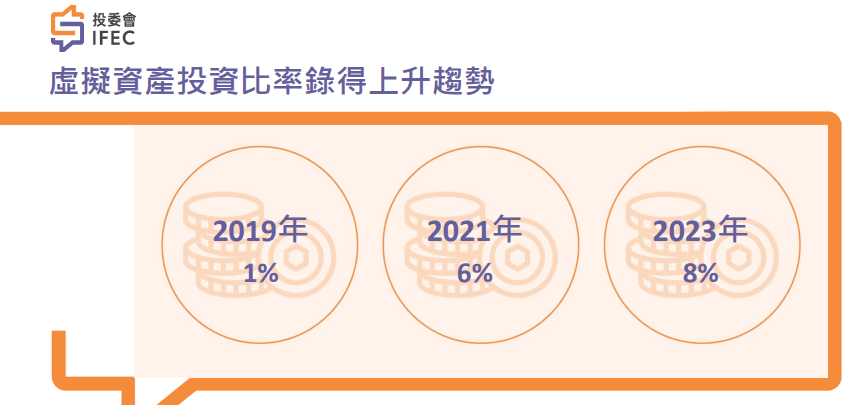
As Hong Kong strives to re-establish itself as Asia’s cryptocurrency hub, questions have also emerged about whether Beijing is quietly backing the move. Because Hong Kong’s recent interest in the cryptocurrency space is diametrically opposed to global developments. Strong markets such as Singapore and the United States have recently tightened regulations. But domestically, there are no clear signs of easing the cryptocurrency ban. However, Hong Kong’s changing attitude towards cryptocurrencies also signals an official agreement to grant Hong Kong pilot status to conduct some forward-looking experiments on how best to adopt cryptocurrencies and localize them to suit the huge domestic market.
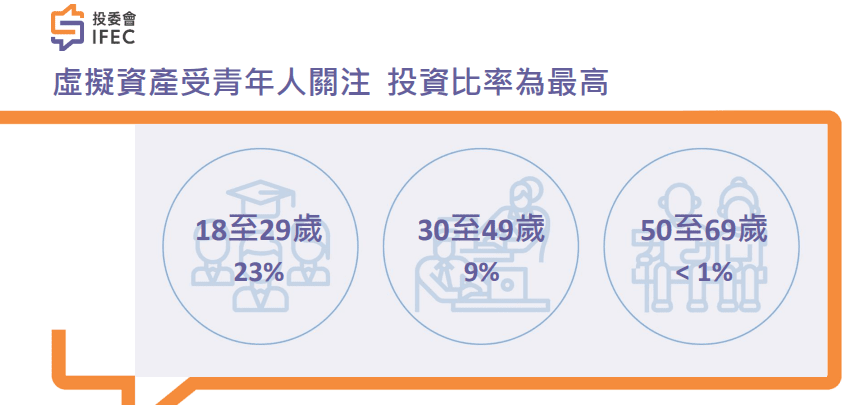
In the past two days, we have counted the willingness of 1,000 Hong Kong retail investors to invest in cryptocurrencies, which shows that everyone’s interest in investing in the crypto market has increased significantly. Young people aged 18 to 29 have invested in virtual assets and related products in the past year, and their proportion is about three times that of the overall respondents. It shows that everyone is paying more and more attention to the encryption market.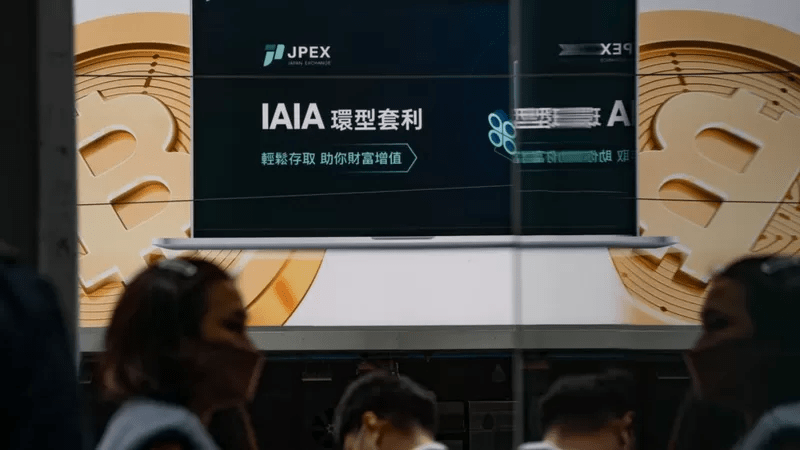
However, a fraud incident on the exchange JPEX also occurred in Hong Kong some time ago. Thousands of Hong Kong investors were defrauded, and the amount exceeded HK$1.5 billion. Li Wanqiu, general manager of the Hong Kong Investment Committee, said that the Investment Committee will continue to strengthen education on investment behavior and attitudes, and will launch immersive experience projects in the future to use simulated cases to educate the public.
Although Hong Kong ranks first among 26 economies and ranks first in financial knowledge, Chui Wing-kang, chairman of the Department of Applied Social Sciences at Hong Kong Polytechnic University, pointed out that virtual asset investors tend to rely on shortcuts to select information when making investment decisions. , and showed overconfidence. According to a survey by the Hong Kong Polytechnic University, investors’ common shortcuts for inertial thinking include availability (that is, investors tend to rely on readily available, easy-to-recall, and familiar information); anchoring (that is, investors pay too much attention to past information) , such as the initial offering price); overconfidence (overconfidence, that is, investors overestimate their abilities and blindly believe that they can outperform the market), etc. The Hong Kong Investment Council recommends that investors should be vigilant and think carefully before making investment decisions. Hasty investment may lead to traps.
As for the country, there is a long way to go! When do you think you will relax?