


Beware of this scam 💥
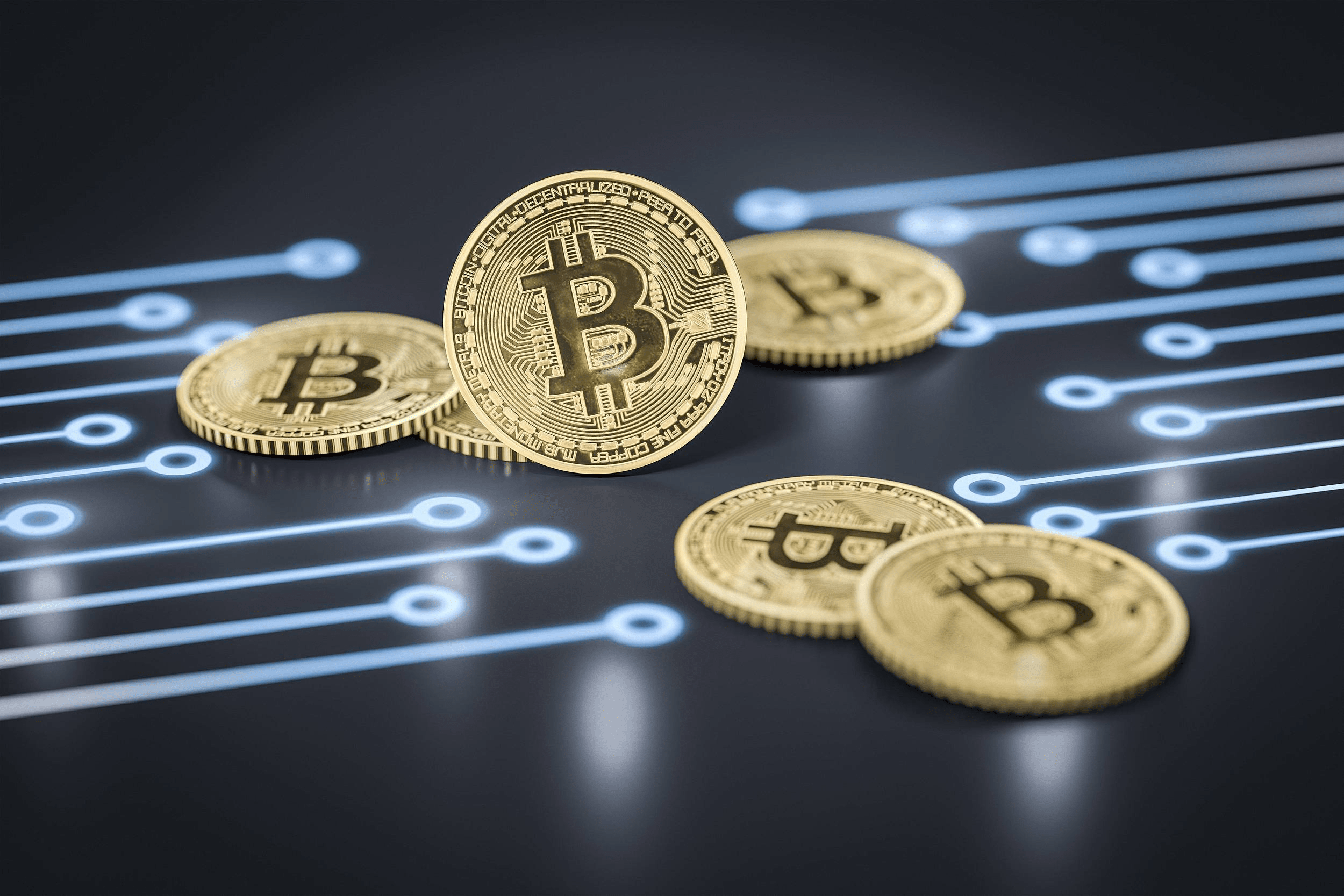
I recently saw a piece of news. The general situation is that a friend who often hangs out in the currency circle sold his Tether (USDT) on a well-known overseas cryptocurrency derivatives trading platform. The buyer claimed that he had a Hong Kong account and only You can pay in Hong Kong dollars and ask your friends to provide their Hong Kong bank account number. So, the friend sent his Hong Kong bank account number to the buyer without thinking. After a while, I received a notification that a sum of Hong Kong dollars had been credited to my account.
After seeing the notification, the friend thought the money had arrived, so he transferred his Tether (USDT) to the address provided by the buyer without hesitation. Who knows! Not long after, my friend discovered that all the Hong Kong dollars entered into his account had been withdrawn. At this time, the friend realized that he had been deceived.
Scams like this are actually very common. So let’s take a look at the common tricks below and be careful not to be deceived👨✈️
01What are the common tricks of check scams? 👇
There are three most popular fraud methods for overseas check payments in the past two years:
The first is to cancel the invoice after taking advantage of the time difference, the second is to bounce the invoice (short position, etc.), and the third is to fraudulently obtain the payment difference.
1. Cancellation after invoicing. Just like the method in the above scam, the scammer takes advantage of the time difference to first make the other party mistakenly think that the transfer has been received, but it has not actually reached the account. After the other party pays the virtual currency, he quickly withdraws it.
2. A bounced check is like a bad check. When a check is deposited into the account, most banks have a freezing period (recourse period), some of which are as long as half a year. If the check subsequently bounces, not only will the money be returned, but also a handling fee will have to be paid. This kind of scam is generally common in foreign trade transactions.
3. Fraudulently obtain the payment difference. This method is a worse method than the first two scams. The scammer deliberately pays an extra amount of money when issuing the ticket. After the payee mistakenly thinks that he has received the money, the scammer will negotiate with you and say that you accidentally overpaid and please refund the difference.
02 Check scam targets virtual currency transactions
The liar's learning ability and diligence are as good as any newcomer in the workplace. In the new round of scams, scammers not only target physical enterprises, but also target the emerging virtual currency trading market.
Here, scammers usually pretend to be buyers, communicate briefly with virtual currency sellers automatically matched by the system on the trading platform, and gain initial trust. Because the check payment scam requires a local account in Hong Kong to complete, they will next ask the seller to provide a local account in Hong Kong. Then, taking advantage of the fact that everyone, especially mainland friends, do not understand the operation of Hong Kong's 24-hour check accounting system, the "exchange ticket" for the transaction amount is issued as scheduled and credited to the Hong Kong account provided by the seller. After the seller receives the first credit notification, the scammer They began to urgently urge the seller to transfer the virtual coins to their designated address. After receiving the virtual coins, they transferred the check and used various excuses such as inconsistent signatures, incorrect amounts, etc. to withdraw the payment.
Therefore, although the above-mentioned scam seems to be an old routine many years ago, it is still "very fruitful" in the emerging business format. At the same time, scammers also do a good job of protecting themselves. They are usually not from Hong Kong. After being deceived, the road to recovery is extremely difficult.
03Final reminder💌
1. First of all, we must be more vigilant in our daily lives.
2. Secondly, we must pay special attention to the buyer's information when we trade.
3. Finally, if we contact the customer to freeze the account, we must call the police in time.