
#validator
validator
22,813 views
82 Discussing
Hot
Latest

·
--
🔐 Secure the network. Support validators. Earn rewards.
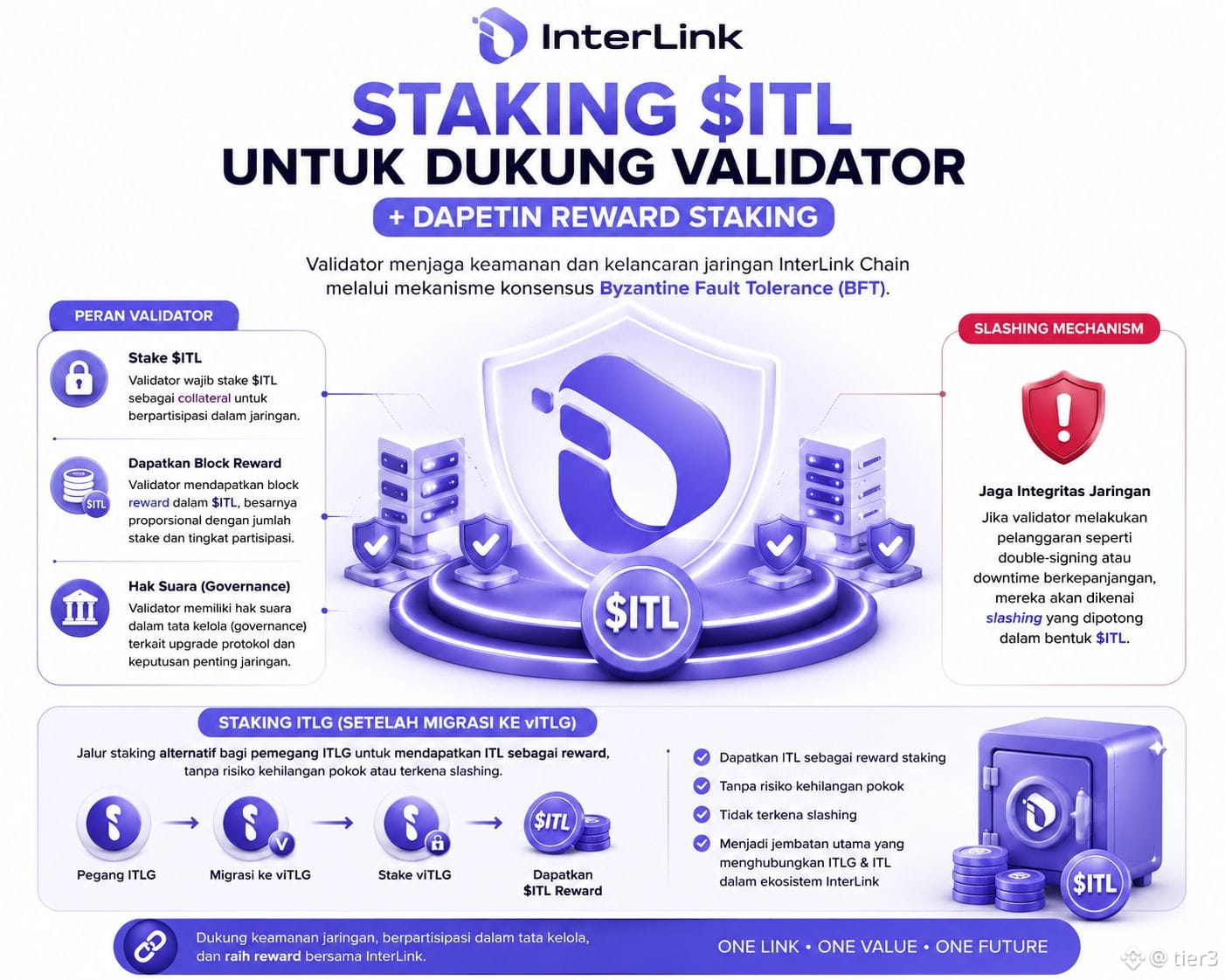
On the InterLink Chain, validators must stake $ITL as collateral to maintain network security through a Byzantine Fault Tolerance (BFT) mechanism.
💜 Validators get:
✅ Block rewards in $ITL
✅ Voting rights in governance
✅ Incentives based on the amount staked & participation
Meanwhile, ITLG holders who migrate to vITLG can also stake to earn $ITL rewards, without the risk of slashing or losing principal.
One ecosystem. Two staking paths. One goal: building a stronger network. 🚀
#InterLink #ITL #ITLG #Staking #Validator
🔐 Secure the network. Support validators. Earn rewards.
On the InterLink Chain, validators must stake $ITL as collateral to maintain network security through a Byzantine Fault Tolerance (BFT) mechanism.
💜 Validators get:
✅ Block rewards in $ITL
✅ Voting rights in governance
✅ Incentives based on the amount staked & participation
Meanwhile, ITLG holders who migrate to vITLG can also stake to earn $ITL rewards, without the risk of slashing or losing principal.
One ecosystem. Two staking paths. One goal: building a stronger network. 🚀
#InterLink #ITL #ITLG #Staking #Validator
On the InterLink Chain, validators must stake $ITL as collateral to maintain network security through a Byzantine Fault Tolerance (BFT) mechanism.
💜 Validators get:
✅ Block rewards in $ITL
✅ Voting rights in governance
✅ Incentives based on the amount staked & participation
Meanwhile, ITLG holders who migrate to vITLG can also stake to earn $ITL rewards, without the risk of slashing or losing principal.
One ecosystem. Two staking paths. One goal: building a stronger network. 🚀
#InterLink #ITL #ITLG #Staking #Validator
1
37

$XRP VALIDATORS HIT 89% UPGRADE — AMENDMENT VOTE NEXT 🔥
Node adoption is at 43%, but the real story is validators — 31 of 35 on the U.N.L. have already upgraded, crossing the 80% threshold needed for activation support. The fixCleanup3_2_0 amendment is still being voted on, bringing security fixes and new features like single-asset vaults and a lending protocol.
Validators that don't upgrade before activation risk getting blocked from the ledger entirely. That kind of pressure usually speeds up the remaining holdouts — and once the amendment passes, it's a clean network-wide upgrade.
Are you watching this upgrade vote carefully?
Not financial advice. Always manage your risk.
#XRP #XRPUpgrade #Validator #DeFi
⚡
$XRP VALIDATORS HIT 89% UPGRADE — AMENDMENT VOTE NEXT 🔥
Node adoption is at 43%, but the real story is validators — 31 of 35 on the U.N.L. have already upgraded, crossing the 80% threshold needed for activation support. The fixCleanup3_2_0 amendment is still being voted on, bringing security fixes and new features like single-asset vaults and a lending protocol.
Validators that don't upgrade before activation risk getting blocked from the ledger entirely. That kind of pressure usually speeds up the remaining holdouts — and once the amendment passes, it's a clean network-wide upgrade.
Are you watching this upgrade vote carefully?
Not financial advice. Always manage your risk.
#XRP #XRPUpgrade #Validator #DeFi
⚡
Node adoption is at 43%, but the real story is validators — 31 of 35 on the U.N.L. have already upgraded, crossing the 80% threshold needed for activation support. The fixCleanup3_2_0 amendment is still being voted on, bringing security fixes and new features like single-asset vaults and a lending protocol.
Validators that don't upgrade before activation risk getting blocked from the ledger entirely. That kind of pressure usually speeds up the remaining holdouts — and once the amendment passes, it's a clean network-wide upgrade.
Are you watching this upgrade vote carefully?
Not financial advice. Always manage your risk.
#XRP #XRPUpgrade #Validator #DeFi
⚡
32

·
--
$ASTR BINANCE WALLET BECOMES VALIDATOR ON ASTER NETWORK – MORE ACTIVITIES COMING 🔥
Binance Wallet has officially joined the Aster Network as a validator, reinforcing its role as a key infrastructure provider for on-chain accessibility and network participation. This move signals deeper integration between the wallet and the Aster ecosystem, with perpetual contract activities teased for the near term.
Validator status often precedes increased liquidity and user engagement on emerging networks. Are you staking $ASTR or waiting for the contract rollout?
Not financial advice. Always manage your risk.
#ASTR #Validator #BinanceWallet #OnChainInfrastructure
🔥
$ASTR BINANCE WALLET BECOMES VALIDATOR ON ASTER NETWORK – MORE ACTIVITIES COMING 🔥
Binance Wallet has officially joined the Aster Network as a validator, reinforcing its role as a key infrastructure provider for on-chain accessibility and network participation. This move signals deeper integration between the wallet and the Aster ecosystem, with perpetual contract activities teased for the near term.
Validator status often precedes increased liquidity and user engagement on emerging networks. Are you staking $ASTR or waiting for the contract rollout?
Not financial advice. Always manage your risk.
#ASTR #Validator #BinanceWallet #OnChainInfrastructure
🔥
Binance Wallet has officially joined the Aster Network as a validator, reinforcing its role as a key infrastructure provider for on-chain accessibility and network participation. This move signals deeper integration between the wallet and the Aster ecosystem, with perpetual contract activities teased for the near term.
Validator status often precedes increased liquidity and user engagement on emerging networks. Are you staking $ASTR or waiting for the contract rollout?
Not financial advice. Always manage your risk.
#ASTR #Validator #BinanceWallet #OnChainInfrastructure
🔥
108

·
--
Partly True
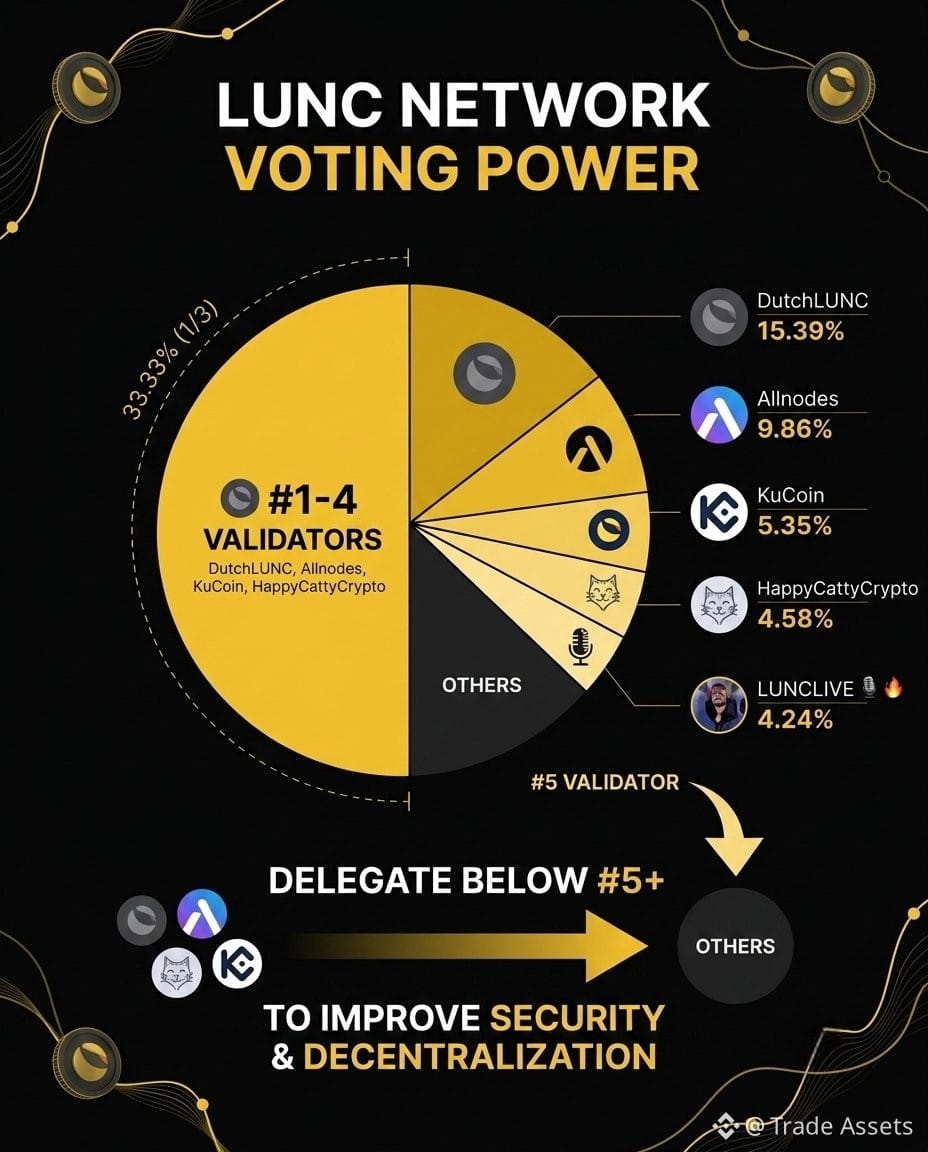
Update: Top LUNC validators (#1-4), led by DutchLUNC, hold over 33.33% of total stakes. Users are advised to delegate to lower-ranked validators to improve network security and decentralization.
#LUNC #USTC #Lunccommunity #Validator
$LUNC
{spot}(LUNCUSDT)
$USTC
{future}(USTCUSDT)
Update: Top LUNC validators (#1-4), led by DutchLUNC, hold over 33.33% of total stakes. Users are advised to delegate to lower-ranked validators to improve network security and decentralization.
#LUNC #USTC #Lunccommunity #Validator
$LUNC
$USTC
#LUNC #USTC #Lunccommunity #Validator
$LUNC
$USTC
3
625
An Ethereum vulnerability has just been patched, but what’s notable isn’t the patch itself—it's the way AI and humans collaborate to find it. The Ethereum Foundation for AI hunts for bugs in the gossipsub system, uncovering a remotely triggerable crash bug (CVE-2026-34219) that could cause a validator to stop functioning. However, most AI-generated reports are false positives: detailed, convincing descriptions of bugs that don’t actually exist in reality. Humans are the ones who must screen and verify each item.
This is a lesson for both security and trading: technical news is often exaggerated. The vulnerability has been fixed, but the sense of panic can create short-term volatility. Stay disciplined, DYOR, and don’t let AI or emotions steer your decisions.
#ETH #Bảomật #Côngnghệ #Validator
An Ethereum vulnerability has just been patched, but what’s notable isn’t the patch itself—it's the way AI and humans collaborate to find it. The Ethereum Foundation for AI hunts for bugs in the gossipsub system, uncovering a remotely triggerable crash bug (CVE-2026-34219) that could cause a validator to stop functioning. However, most AI-generated reports are false positives: detailed, convincing descriptions of bugs that don’t actually exist in reality. Humans are the ones who must screen and verify each item.
This is a lesson for both security and trading: technical news is often exaggerated. The vulnerability has been fixed, but the sense of panic can create short-term volatility. Stay disciplined, DYOR, and don’t let AI or emotions steer your decisions.
#ETH #Bảomật #Côngnghệ #Validator
This is a lesson for both security and trading: technical news is often exaggerated. The vulnerability has been fixed, but the sense of panic can create short-term volatility. Stay disciplined, DYOR, and don’t let AI or emotions steer your decisions.
#ETH #Bảomật #Côngnghệ #Validator

117
·
--
💰 DELEGATE = BONUS REWARDS 💰
Why earn just base staking when you can get KICKBACK on top?!
Our validator is secure, community-first, and now PAYS YOU EXTRA at luncback.com
👇 Do this NOW:
Delegate to LUNC KICKBACK VALIDATOR
Go to luncback.com
Claim your BONUS REWARDS
Let's pump LUNC back together! 🔥
#LUNC #LUNACLASSIC #LuncArmy #Crypto #Validator #Delegate #LUNCBack #Bonus #LUNCCommunity
$LUNC
{spot}(LUNCUSDT)
💰 DELEGATE = BONUS REWARDS 💰
Why earn just base staking when you can get KICKBACK on top?!
Our validator is secure, community-first, and now PAYS YOU EXTRA at luncback.com
👇 Do this NOW:
Delegate to LUNC KICKBACK VALIDATOR
Go to luncback.com
Claim your BONUS REWARDS
Let's pump LUNC back together! 🔥
#LUNC #LUNACLASSIC #LuncArmy #Crypto #Validator #Delegate #LUNCBack #Bonus #LUNCCommunity
$LUNC
Why earn just base staking when you can get KICKBACK on top?!
Our validator is secure, community-first, and now PAYS YOU EXTRA at luncback.com
👇 Do this NOW:
Delegate to LUNC KICKBACK VALIDATOR
Go to luncback.com
Claim your BONUS REWARDS
Let's pump LUNC back together! 🔥
#LUNC #LUNACLASSIC #LuncArmy #Crypto #Validator #Delegate #LUNCBack #Bonus #LUNCCommunity
$LUNC

2
133

·
--
DEEP PROTOCOL AUDIT REVEALS WHY $DUSK VALIDATOR PERFORMANCE TRUMPS RAW STAKE 🔍
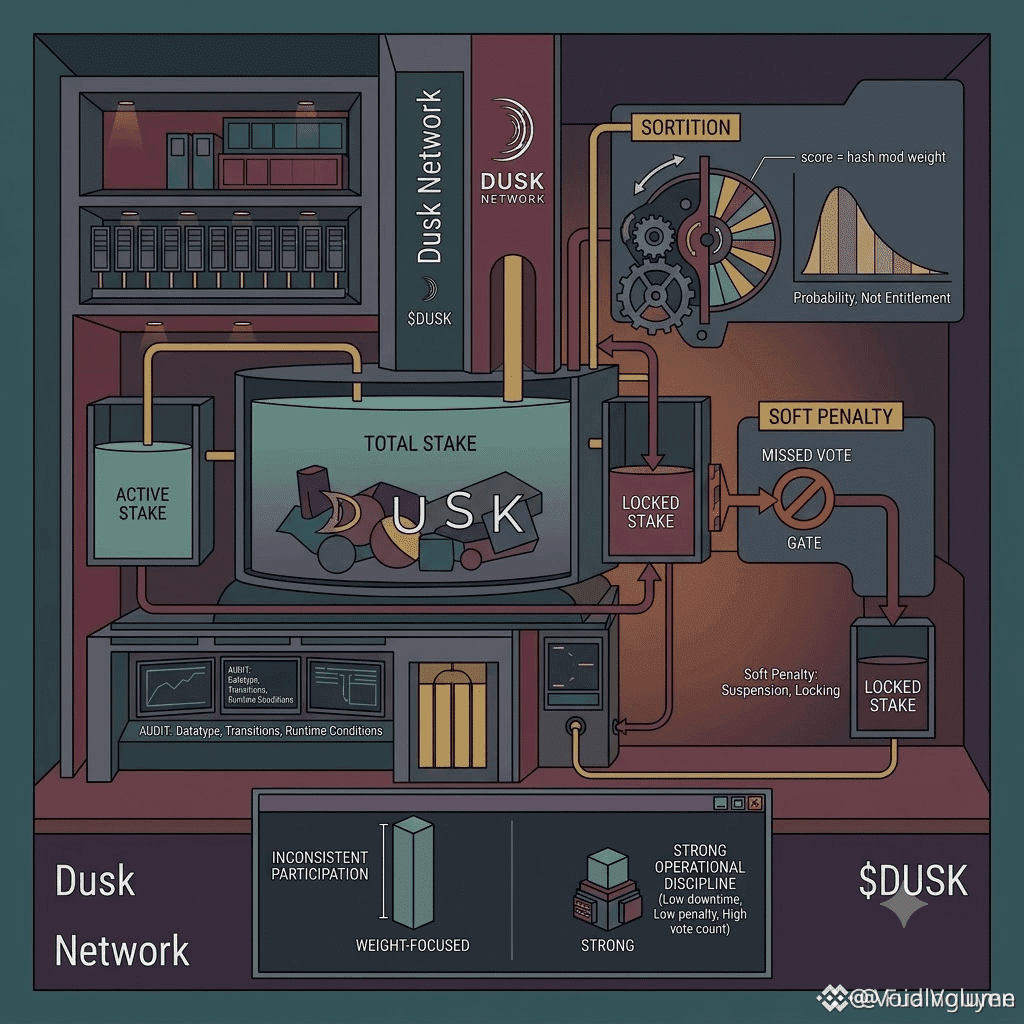
Tracing the underlying protocol architecture of $DUSK reveals that consensus relies far more on operational execution than raw capital. 🔍 Inspecting sortition parameters and state transitions shows how soft penalties and locked top-up splits can rapidly degrade eligibility if node uptime slips.
📌 Smart consensus participants understand that minimum stake thresholds are merely initialization parameters, not guarantees of selection weight. Continuous machine availability and voting compliance ultimately dictate true institutional security. 💡
🤔 If you were managing network infrastructure, would you prioritize expanding your stake weight or optimizing uptime to eliminate voting penalties? 👇
⚠️ Not financial advice. Always manage your risk. 🛡️
🏷️ #DUSK #Validator #Staking #Crypto #Node Architecture
🎯 🛡️
DEEP PROTOCOL AUDIT REVEALS WHY $DUSK VALIDATOR PERFORMANCE TRUMPS RAW STAKE 🔍
Tracing the underlying protocol architecture of $DUSK reveals that consensus relies far more on operational execution than raw capital. 🔍 Inspecting sortition parameters and state transitions shows how soft penalties and locked top-up splits can rapidly degrade eligibility if node uptime slips.
📌 Smart consensus participants understand that minimum stake thresholds are merely initialization parameters, not guarantees of selection weight. Continuous machine availability and voting compliance ultimately dictate true institutional security. 💡
🤔 If you were managing network infrastructure, would you prioritize expanding your stake weight or optimizing uptime to eliminate voting penalties? 👇
⚠️ Not financial advice. Always manage your risk. 🛡️
🏷️ #DUSK #Validator #Staking #Crypto #Node Architecture
🎯 🛡️
Tracing the underlying protocol architecture of $DUSK reveals that consensus relies far more on operational execution than raw capital. 🔍 Inspecting sortition parameters and state transitions shows how soft penalties and locked top-up splits can rapidly degrade eligibility if node uptime slips.
📌 Smart consensus participants understand that minimum stake thresholds are merely initialization parameters, not guarantees of selection weight. Continuous machine availability and voting compliance ultimately dictate true institutional security. 💡
🤔 If you were managing network infrastructure, would you prioritize expanding your stake weight or optimizing uptime to eliminate voting penalties? 👇
⚠️ Not financial advice. Always manage your risk. 🛡️
🏷️ #DUSK #Validator #Staking #Crypto #Node Architecture
🎯 🛡️
1
1
15
·
--
$TON
TONCOIN JUST SOARED 30% AS TELEGRAM TAKES OVER THE TON ECOSYSTEM!
PAVEL DUROV IS MAKING TON GREAT AGAIN — TELEGRAM IS NOW THE BIGGEST VALIDATOR, STAKING MILLIONS OF TON, SLASHING FEES 6X TO ALMOST ZERO, AND PUSHING FULL INTEGRATION!
#TON #crypto #Validator #staking #Telegram
$TON
TONCOIN JUST SOARED 30% AS TELEGRAM TAKES OVER THE TON ECOSYSTEM!
PAVEL DUROV IS MAKING TON GREAT AGAIN — TELEGRAM IS NOW THE BIGGEST VALIDATOR, STAKING MILLIONS OF TON, SLASHING FEES 6X TO ALMOST ZERO, AND PUSHING FULL INTEGRATION!
#TON #crypto #Validator #staking #Telegram
TONCOIN JUST SOARED 30% AS TELEGRAM TAKES OVER THE TON ECOSYSTEM!
PAVEL DUROV IS MAKING TON GREAT AGAIN — TELEGRAM IS NOW THE BIGGEST VALIDATOR, STAKING MILLIONS OF TON, SLASHING FEES 6X TO ALMOST ZERO, AND PUSHING FULL INTEGRATION!
#TON #crypto #Validator #staking #Telegram

1
146

Solana considers removing Block limit, boosting network performance
The development team #solana is considering a proposal to remove the compute limit per block, allowing flexible block size expansion based on the hardware power of each validator. This move aims to accelerate the processing speed of the network, bringing Solana closer to high-speed Internet infrastructure.
Block Expansion Mechanism and Alpenglow
The new model is likened to removing speed limits on highways, allowing strong validators to process more transactions and collect more fees. Conversely, #Validator weak validators can use the skip-vote feature (temporarily abstaining from validating overly heavy blocks) to maintain consensus without slowing down the network.
This change will be implemented after the upcoming Alpenglow upgrade, which promises to significantly reduce block finality time from 12.8 seconds to just 150 milliseconds.
Risks of Centralization and Security
Despite the significant performance benefits, this proposal faces concerns regarding centralization risks. Experts warn that the new system could create a substantial advantage for wealthy validators who own powerful hardware, skewing rewards in their favor and risking the elimination of smaller validators.
Additionally, excessively large blocks could lead to network overload or reduced security. Solana is striving to balance enhancing performance while maintaining the decentralization of the network. #anhbacong
{future}(BTCUSDT)
{spot}(BNBUSDT)
{future}(SOLUSDT)
Solana considers removing Block limit, boosting network performance
The development team #solana is considering a proposal to remove the compute limit per block, allowing flexible block size expansion based on the hardware power of each validator. This move aims to accelerate the processing speed of the network, bringing Solana closer to high-speed Internet infrastructure.
Block Expansion Mechanism and Alpenglow
The new model is likened to removing speed limits on highways, allowing strong validators to process more transactions and collect more fees. Conversely, #Validator weak validators can use the skip-vote feature (temporarily abstaining from validating overly heavy blocks) to maintain consensus without slowing down the network.
This change will be implemented after the upcoming Alpenglow upgrade, which promises to significantly reduce block finality time from 12.8 seconds to just 150 milliseconds.
Risks of Centralization and Security
Despite the significant performance benefits, this proposal faces concerns regarding centralization risks. Experts warn that the new system could create a substantial advantage for wealthy validators who own powerful hardware, skewing rewards in their favor and risking the elimination of smaller validators.
Additionally, excessively large blocks could lead to network overload or reduced security. Solana is striving to balance enhancing performance while maintaining the decentralization of the network. #anhbacong
The development team #solana is considering a proposal to remove the compute limit per block, allowing flexible block size expansion based on the hardware power of each validator. This move aims to accelerate the processing speed of the network, bringing Solana closer to high-speed Internet infrastructure.
Block Expansion Mechanism and Alpenglow
The new model is likened to removing speed limits on highways, allowing strong validators to process more transactions and collect more fees. Conversely, #Validator weak validators can use the skip-vote feature (temporarily abstaining from validating overly heavy blocks) to maintain consensus without slowing down the network.
This change will be implemented after the upcoming Alpenglow upgrade, which promises to significantly reduce block finality time from 12.8 seconds to just 150 milliseconds.
Risks of Centralization and Security
Despite the significant performance benefits, this proposal faces concerns regarding centralization risks. Experts warn that the new system could create a substantial advantage for wealthy validators who own powerful hardware, skewing rewards in their favor and risking the elimination of smaller validators.
Additionally, excessively large blocks could lead to network overload or reduced security. Solana is striving to balance enhancing performance while maintaining the decentralization of the network. #anhbacong

1
9.6k

🚨 $XRP ESCROW BATTLE: 32B TOKENS STUCK IN VALIDATOR LIMBO 🔥
📢 The debate over burning 32 billion XRP locked in escrow just got real — but here’s the kicker: no single entity can torch them. The XRP Ledger demands 80% validator consensus to execute a burn, making unilateral action a pipe dream.
📊 Ripple execs argue burning won’t boost price or ecosystem health, while the community smells an opportunity to cut supply. 📌 This sets up a classic tug-of-war between institutional logic and retail hope. 💡 The outcome? Uncertainty that could keep XRP range-bound until a clear catalyst emerges.
💬 Do you side with the validators holding the keys or the community calling for fire? 👇
⚠️ Not financial advice. Always manage your risk. 🛡️
🏷️ #XRP #Escrow #Ripple #CryptoDebate #Validator
🔥 🦈
🚨 $XRP ESCROW BATTLE: 32B TOKENS STUCK IN VALIDATOR LIMBO 🔥
📢 The debate over burning 32 billion XRP locked in escrow just got real — but here’s the kicker: no single entity can torch them. The XRP Ledger demands 80% validator consensus to execute a burn, making unilateral action a pipe dream.
📊 Ripple execs argue burning won’t boost price or ecosystem health, while the community smells an opportunity to cut supply. 📌 This sets up a classic tug-of-war between institutional logic and retail hope. 💡 The outcome? Uncertainty that could keep XRP range-bound until a clear catalyst emerges.
💬 Do you side with the validators holding the keys or the community calling for fire? 👇
⚠️ Not financial advice. Always manage your risk. 🛡️
🏷️ #XRP #Escrow #Ripple #CryptoDebate #Validator
🔥 🦈
📢 The debate over burning 32 billion XRP locked in escrow just got real — but here’s the kicker: no single entity can torch them. The XRP Ledger demands 80% validator consensus to execute a burn, making unilateral action a pipe dream.
📊 Ripple execs argue burning won’t boost price or ecosystem health, while the community smells an opportunity to cut supply. 📌 This sets up a classic tug-of-war between institutional logic and retail hope. 💡 The outcome? Uncertainty that could keep XRP range-bound until a clear catalyst emerges.
💬 Do you side with the validators holding the keys or the community calling for fire? 👇
⚠️ Not financial advice. Always manage your risk. 🛡️
🏷️ #XRP #Escrow #Ripple #CryptoDebate #Validator
🔥 🦈
1
73
Wormhole launches reserve fund, reinforcing the value of token W
Wormhole has just announced the launch of a new reserve fund, linking the revenue of the protocol with the value of token W. This is part of the major update W 2.0, aimed at reinforcing the value of this token in the long term.
Mechanism and benefits
The new reserve fund, called Wormhole Reserve, will collect revenue from on-chain and off-chain applications and protocols to buy back and lock token W in the fund. This not only helps create a store of value but also ensures that the value of token W is reinforced according to the development of #Wormhole .
Additionally, W 2.0 also introduces a base interest rate of 4% for those holding tokens and participating in governance. Rewards will be drawn from the existing supply and revenues of the protocol, ensuring that the token supply does not face inflation.
Promoting stability and transparency
To create a more stable investment environment, Wormhole will change the token unlocking schedule from the "cliff" model (unlocking a large amount at once) to regular unlocking every two weeks starting from 3/10/2025. The locking periods for certain groups, including both #Validator and investors, will also be extended by an additional 6 months. These changes aim to reduce sell pressure and create transparency, reinforcing investor confidence in the long-term potential of Wormhole and token W. #anhbacong
{future}(BTCUSDT)
{spot}(BNBUSDT)
{spot}(USDCUSDT)
Wormhole launches reserve fund, reinforcing the value of token W
Wormhole has just announced the launch of a new reserve fund, linking the revenue of the protocol with the value of token W. This is part of the major update W 2.0, aimed at reinforcing the value of this token in the long term.
Mechanism and benefits
The new reserve fund, called Wormhole Reserve, will collect revenue from on-chain and off-chain applications and protocols to buy back and lock token W in the fund. This not only helps create a store of value but also ensures that the value of token W is reinforced according to the development of #Wormhole .
Additionally, W 2.0 also introduces a base interest rate of 4% for those holding tokens and participating in governance. Rewards will be drawn from the existing supply and revenues of the protocol, ensuring that the token supply does not face inflation.
Promoting stability and transparency
To create a more stable investment environment, Wormhole will change the token unlocking schedule from the "cliff" model (unlocking a large amount at once) to regular unlocking every two weeks starting from 3/10/2025. The locking periods for certain groups, including both #Validator and investors, will also be extended by an additional 6 months. These changes aim to reduce sell pressure and create transparency, reinforcing investor confidence in the long-term potential of Wormhole and token W. #anhbacong
Wormhole has just announced the launch of a new reserve fund, linking the revenue of the protocol with the value of token W. This is part of the major update W 2.0, aimed at reinforcing the value of this token in the long term.
Mechanism and benefits
The new reserve fund, called Wormhole Reserve, will collect revenue from on-chain and off-chain applications and protocols to buy back and lock token W in the fund. This not only helps create a store of value but also ensures that the value of token W is reinforced according to the development of #Wormhole .
Additionally, W 2.0 also introduces a base interest rate of 4% for those holding tokens and participating in governance. Rewards will be drawn from the existing supply and revenues of the protocol, ensuring that the token supply does not face inflation.
Promoting stability and transparency
To create a more stable investment environment, Wormhole will change the token unlocking schedule from the "cliff" model (unlocking a large amount at once) to regular unlocking every two weeks starting from 3/10/2025. The locking periods for certain groups, including both #Validator and investors, will also be extended by an additional 6 months. These changes aim to reduce sell pressure and create transparency, reinforcing investor confidence in the long-term potential of Wormhole and token W. #anhbacong

9.1k
·
--
TON REACHES RECORD DISTRIBUTION WITH 400 VALIDATORS 🌐
Telegram’s validator now tops $TON’s network, allowing exchanges and custodians to offer staking services without materially increasing centralization risk. The ecosystem operates across six continents; no single hosting provider holds more than 17% of the stake and no country exceeds 19% of validator nodes.
The diversified validator set improves resilience and may encourage broader institutional participation, as risk‑adjusted exposure to a single jurisdiction remains limited. Liquidity on top‑tier exchanges appears stable, supporting modest staking inflows while maintaining price integrity.
Not financial advice. Manage your risk.
#TON #CryptoStaking #Blockchain #DeFi #Validator
✅
{future}(TONUSDT)
TON REACHES RECORD DISTRIBUTION WITH 400 VALIDATORS 🌐
Telegram’s validator now tops $TON’s network, allowing exchanges and custodians to offer staking services without materially increasing centralization risk. The ecosystem operates across six continents; no single hosting provider holds more than 17% of the stake and no country exceeds 19% of validator nodes.
The diversified validator set improves resilience and may encourage broader institutional participation, as risk‑adjusted exposure to a single jurisdiction remains limited. Liquidity on top‑tier exchanges appears stable, supporting modest staking inflows while maintaining price integrity.
Not financial advice. Manage your risk.
#TON #CryptoStaking #Blockchain #DeFi #Validator
✅
Telegram’s validator now tops $TON’s network, allowing exchanges and custodians to offer staking services without materially increasing centralization risk. The ecosystem operates across six continents; no single hosting provider holds more than 17% of the stake and no country exceeds 19% of validator nodes.
The diversified validator set improves resilience and may encourage broader institutional participation, as risk‑adjusted exposure to a single jurisdiction remains limited. Liquidity on top‑tier exchanges appears stable, supporting modest staking inflows while maintaining price integrity.
Not financial advice. Manage your risk.
#TON #CryptoStaking #Blockchain #DeFi #Validator
✅
87

·
--
Bullish
Verified
DeFi Development Corp Makes a Strong Leap into Solana Exposure
DeFi Development Corp announced that the Fully Converted SOL per Share has surged by 108% over the past year, from 0.0322 to 0.0670.
What's behind this growth?
Expansion of Validator Operations on the Solana network
Enhanced yield strategies through Onchain DeFi Deployment
Increased efficiency of digital asset utilization within treasury and institutional investment
What does this mean for the market?
This kind of growth reflects a shift for listed companies towards:
Maximizing returns via blockchain infrastructure
Viewing SOL not just as an investment asset, but also as a yield-generating asset
Deepening the integration of traditional markets with the DeFi economy
The most crucial message:
Institutional investment in Solana is no longer just about holding... it has become an active operation within the network to achieve compounded returns.
#sol #defi #CryptoNews
#Validator #Onchain
{future}(SOLUSDT)
DeFi Development Corp Makes a Strong Leap into Solana Exposure
DeFi Development Corp announced that the Fully Converted SOL per Share has surged by 108% over the past year, from 0.0322 to 0.0670.
What's behind this growth?
Expansion of Validator Operations on the Solana network
Enhanced yield strategies through Onchain DeFi Deployment
Increased efficiency of digital asset utilization within treasury and institutional investment
What does this mean for the market?
This kind of growth reflects a shift for listed companies towards:
Maximizing returns via blockchain infrastructure
Viewing SOL not just as an investment asset, but also as a yield-generating asset
Deepening the integration of traditional markets with the DeFi economy
The most crucial message:
Institutional investment in Solana is no longer just about holding... it has become an active operation within the network to achieve compounded returns.
#sol #defi #CryptoNews
#Validator #Onchain
DeFi Development Corp announced that the Fully Converted SOL per Share has surged by 108% over the past year, from 0.0322 to 0.0670.
What's behind this growth?
Expansion of Validator Operations on the Solana network
Enhanced yield strategies through Onchain DeFi Deployment
Increased efficiency of digital asset utilization within treasury and institutional investment
What does this mean for the market?
This kind of growth reflects a shift for listed companies towards:
Maximizing returns via blockchain infrastructure
Viewing SOL not just as an investment asset, but also as a yield-generating asset
Deepening the integration of traditional markets with the DeFi economy
The most crucial message:
Institutional investment in Solana is no longer just about holding... it has become an active operation within the network to achieve compounded returns.
#sol #defi #CryptoNews
#Validator #Onchain

2
744
$ASTR NETWORK JUST LANDED BINANCE WALLET AS A VALIDATOR – BIG MOVE 📈
Binance Wallet going live as a validator on Aster Network is more than a label – it’s a direct vote of confidence from the biggest wallet infrastructure in crypto. They’re signaling deeper integration and hinted at perpetual contract products coming soon on their platform.
That means more liquidity, more eyes, and more real utility flowing into the $ASTR ecosystem. Validator slots from top-tier players don't happen by accident. Are you paying attention to what this could mean for network activity in the coming weeks?
Not financial advice. Always manage your risk.
#ASTR #AsterNetwork #Validator #BinanceWallet #Altcoin
🚀
$ASTR NETWORK JUST LANDED BINANCE WALLET AS A VALIDATOR – BIG MOVE 📈
Binance Wallet going live as a validator on Aster Network is more than a label – it’s a direct vote of confidence from the biggest wallet infrastructure in crypto. They’re signaling deeper integration and hinted at perpetual contract products coming soon on their platform.
That means more liquidity, more eyes, and more real utility flowing into the $ASTR ecosystem. Validator slots from top-tier players don't happen by accident. Are you paying attention to what this could mean for network activity in the coming weeks?
Not financial advice. Always manage your risk.
#ASTR #AsterNetwork #Validator #BinanceWallet #Altcoin
🚀
Binance Wallet going live as a validator on Aster Network is more than a label – it’s a direct vote of confidence from the biggest wallet infrastructure in crypto. They’re signaling deeper integration and hinted at perpetual contract products coming soon on their platform.
That means more liquidity, more eyes, and more real utility flowing into the $ASTR ecosystem. Validator slots from top-tier players don't happen by accident. Are you paying attention to what this could mean for network activity in the coming weeks?
Not financial advice. Always manage your risk.
#ASTR #AsterNetwork #Validator #BinanceWallet #Altcoin
🚀
84

·
--
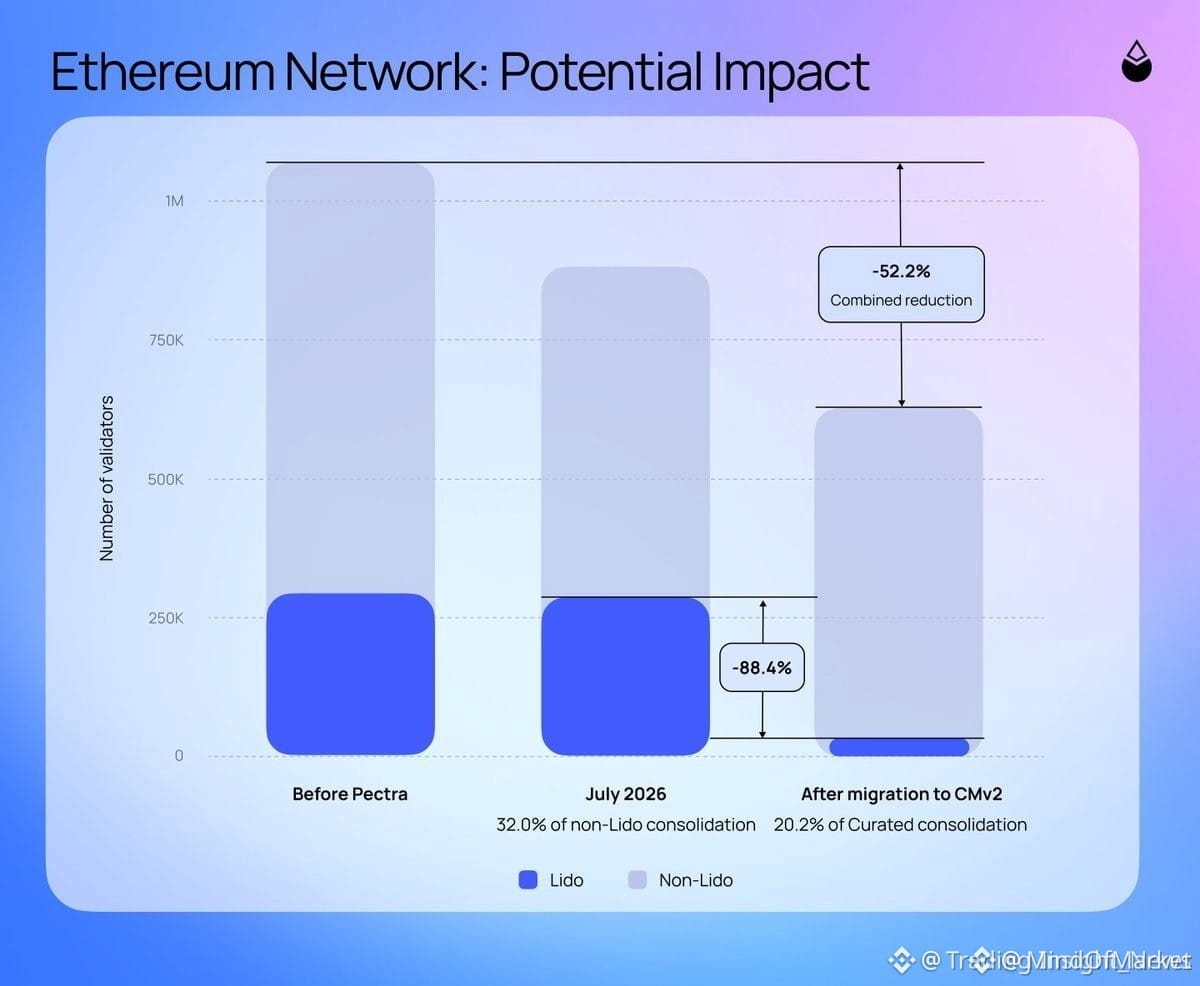
🚨 $LDO LIDO MOVES 8M ETH – VALIDATOR COUNT DROPS 33% 💥
Lido’s architectural shift is infrastructure-level optimization few are watching. Moving 8 million ETH into Curated Module v2 merges smaller validators into fewer, larger entities—trimming total validators by a third while cutting epoch confirmation load by ~29%. 🔍 This isn’t a random upgrade; it’s a structural recalibration designed to ease Ethereum’s network congestion post-Pectra. 💡
The new bond requirement for node operators adds a layer of accountability but concentrates power among 34 managers. 📊 Efficiency gains are clear, but the decentralization trade-off demands scrutiny. 💬 Do you see this as a net positive for Ethereum scalability or a step toward validator centralization? 👇
⚠️ Not financial advice. Always manage your risk. 🛡️
🏷️ #LDO #Ethereum #LidoFinance #Validator #Crypto
🦈 🔍
🚨 $LDO LIDO MOVES 8M ETH – VALIDATOR COUNT DROPS 33% 💥
Lido’s architectural shift is infrastructure-level optimization few are watching. Moving 8 million ETH into Curated Module v2 merges smaller validators into fewer, larger entities—trimming total validators by a third while cutting epoch confirmation load by ~29%. 🔍 This isn’t a random upgrade; it’s a structural recalibration designed to ease Ethereum’s network congestion post-Pectra. 💡
The new bond requirement for node operators adds a layer of accountability but concentrates power among 34 managers. 📊 Efficiency gains are clear, but the decentralization trade-off demands scrutiny. 💬 Do you see this as a net positive for Ethereum scalability or a step toward validator centralization? 👇
⚠️ Not financial advice. Always manage your risk. 🛡️
🏷️ #LDO #Ethereum #LidoFinance #Validator #Crypto
🦈 🔍
Lido’s architectural shift is infrastructure-level optimization few are watching. Moving 8 million ETH into Curated Module v2 merges smaller validators into fewer, larger entities—trimming total validators by a third while cutting epoch confirmation load by ~29%. 🔍 This isn’t a random upgrade; it’s a structural recalibration designed to ease Ethereum’s network congestion post-Pectra. 💡
The new bond requirement for node operators adds a layer of accountability but concentrates power among 34 managers. 📊 Efficiency gains are clear, but the decentralization trade-off demands scrutiny. 💬 Do you see this as a net positive for Ethereum scalability or a step toward validator centralization? 👇
⚠️ Not financial advice. Always manage your risk. 🛡️
🏷️ #LDO #Ethereum #LidoFinance #Validator #Crypto
🦈 🔍
40

🚀 $XRP LEDGER UPGRADE HITS CRITICAL MASS – 85.71% SUPPORT! 🦈
Validators are racing toward the v3.2.0 finish line with 66% adoption and the fixCleanup3_2_0 amendment at an overwhelming 85.71% consensus. 📊 That’s a clear signal the network is ready for July 29 activation — and the last time this kind of upgrade momentum surfaced, XRP rebalanced its order book in days.
📌 This isn’t just a code patch. It’s a liquidity event signaling deeper institutional coordination. When validators move this fast, smart money tends to follow. 💡 Are you watching the bid support build, or waiting for the confirmation spike to chase? 👇
⚠️ Not financial advice. Always manage your risk. 🛡️
🏷️ #XRP #XRPUpgrade #Altcoin #CryptoNews #Validator
🦈 💡
🚀 $XRP LEDGER UPGRADE HITS CRITICAL MASS – 85.71% SUPPORT! 🦈
Validators are racing toward the v3.2.0 finish line with 66% adoption and the fixCleanup3_2_0 amendment at an overwhelming 85.71% consensus. 📊 That’s a clear signal the network is ready for July 29 activation — and the last time this kind of upgrade momentum surfaced, XRP rebalanced its order book in days.
📌 This isn’t just a code patch. It’s a liquidity event signaling deeper institutional coordination. When validators move this fast, smart money tends to follow. 💡 Are you watching the bid support build, or waiting for the confirmation spike to chase? 👇
⚠️ Not financial advice. Always manage your risk. 🛡️
🏷️ #XRP #XRPUpgrade #Altcoin #CryptoNews #Validator
🦈 💡
Validators are racing toward the v3.2.0 finish line with 66% adoption and the fixCleanup3_2_0 amendment at an overwhelming 85.71% consensus. 📊 That’s a clear signal the network is ready for July 29 activation — and the last time this kind of upgrade momentum surfaced, XRP rebalanced its order book in days.
📌 This isn’t just a code patch. It’s a liquidity event signaling deeper institutional coordination. When validators move this fast, smart money tends to follow. 💡 Are you watching the bid support build, or waiting for the confirmation spike to chase? 👇
⚠️ Not financial advice. Always manage your risk. 🛡️
🏷️ #XRP #XRPUpgrade #Altcoin #CryptoNews #Validator
🦈 💡
60
Log in to explore more content
Join global crypto users on Binance Square
⚡️ Get latest and useful information about crypto.
💬 Trusted by the world’s largest crypto exchange.
👍 Discover real insights from verified creators.
Email / Phone number
Trending Topics
1
#FedRateWatch
253,085 views
1,626 Discussing
2
#BitcoinSlidesTo$76000
2,923 views
52 Discussing
3
#BitcoinReboundsTo$79K
48,951 views
355 Discussing
4
#StrategyMarketCapPassesFord
8,223 views
305 Discussing
5
#ClarityActOddsHalveOnPolymarket
6,002 views
242 Discussing
6
#US30YTreasuryYieldTops5.40%
9,094 views
207 Discussing
7
#BessentEndorsesFinalClarityActDraft
26,154 views
509 Discussing
8
#ZamaOpens16ConfidentialMorphoVaults
9,838 views
246 Discussing
9
#USDCOnChainVolumeTops$100Trillion
1,490 views
37 Discussing
10
#BitcoinSpotETFsNetInflow$160M
2,371 views
92 Discussing