
#polygonpol
polygonpol
336,176 views
805 Discussing
Hot
Latest

🔥 #PolygonPOL ($POL ) – BLOCKCHAIN IS ENTERING A NEW PHASE
Polygon is one of the standout blockchain ecosystems, built with the goal of addressing Ethereum’s limitations in terms of speed, transaction fees, and scalability. Starting as a project focused on Layer-2 solutions, Polygon has been gradually evolving into a broader blockchain ecosystem with a wide range of applications and products.
One notable strength of Polygon is its ability to support developers in building dApps with low costs and fast processing speeds. This ecosystem has attracted many projects in DeFi, NFTs, gaming, and Web3, forming a relatively large user community.
🚀 Another important factor is POL, the token used in the Polygon ecosystem after the transition from MATIC. The development of the ecosystem, expanding real-world applications, and attracting users could directly influence long-term demand for POL.
However, POL still faces intense competition from Ethereum Layer-2 and many other high-speed blockchains. Therefore, investors should not rely solely on the current price; instead, they need to monitor metrics such as TVL, the number of users, network activity, fund flows, and the ecosystem’s development speed.
📊 Viewpoint: Polygon is still a project worth tracking within the blockchain infrastructure group. If the ecosystem continues to expand and the crypto market enters a strong growth cycle, POL could become one of the more noteworthy altcoins.
⚠️ This is not investment advice. Do your own research before putting money in.
@0xPolygon
🔥 #PolygonPOL ($POL ) – BLOCKCHAIN IS ENTERING A NEW PHASE
Polygon is one of the standout blockchain ecosystems, built with the goal of addressing Ethereum’s limitations in terms of speed, transaction fees, and scalability. Starting as a project focused on Layer-2 solutions, Polygon has been gradually evolving into a broader blockchain ecosystem with a wide range of applications and products.
One notable strength of Polygon is its ability to support developers in building dApps with low costs and fast processing speeds. This ecosystem has attracted many projects in DeFi, NFTs, gaming, and Web3, forming a relatively large user community.
🚀 Another important factor is POL, the token used in the Polygon ecosystem after the transition from MATIC. The development of the ecosystem, expanding real-world applications, and attracting users could directly influence long-term demand for POL.
However, POL still faces intense competition from Ethereum Layer-2 and many other high-speed blockchains. Therefore, investors should not rely solely on the current price; instead, they need to monitor metrics such as TVL, the number of users, network activity, fund flows, and the ecosystem’s development speed.
📊 Viewpoint: Polygon is still a project worth tracking within the blockchain infrastructure group. If the ecosystem continues to expand and the crypto market enters a strong growth cycle, POL could become one of the more noteworthy altcoins.
⚠️ This is not investment advice. Do your own research before putting money in.
@Polygon
Polygon is one of the standout blockchain ecosystems, built with the goal of addressing Ethereum’s limitations in terms of speed, transaction fees, and scalability. Starting as a project focused on Layer-2 solutions, Polygon has been gradually evolving into a broader blockchain ecosystem with a wide range of applications and products.
One notable strength of Polygon is its ability to support developers in building dApps with low costs and fast processing speeds. This ecosystem has attracted many projects in DeFi, NFTs, gaming, and Web3, forming a relatively large user community.
🚀 Another important factor is POL, the token used in the Polygon ecosystem after the transition from MATIC. The development of the ecosystem, expanding real-world applications, and attracting users could directly influence long-term demand for POL.
However, POL still faces intense competition from Ethereum Layer-2 and many other high-speed blockchains. Therefore, investors should not rely solely on the current price; instead, they need to monitor metrics such as TVL, the number of users, network activity, fund flows, and the ecosystem’s development speed.
📊 Viewpoint: Polygon is still a project worth tracking within the blockchain infrastructure group. If the ecosystem continues to expand and the crypto market enters a strong growth cycle, POL could become one of the more noteworthy altcoins.
⚠️ This is not investment advice. Do your own research before putting money in.
@Polygon
140

·
--
Bullish
Polygon Selected by Bank of England for Digital Pound Lab Stablecoin Test
#pol #Polygon #PolygonPOL #PolygonMATIC $POL
{spot}(POLUSDT)
Read Here: https://altcoinsanalysis.com/polygon-selected-by-bank-of-england-for-digital-pound-lab-stablecoin-test/
Polygon Selected by Bank of England for Digital Pound Lab Stablecoin Test
#pol #Polygon #PolygonPOL #PolygonMATIC $POL
Read Here: https://altcoinsanalysis.com/polygon-selected-by-bank-of-england-for-digital-pound-lab-stablecoin-test/
#pol #Polygon #PolygonPOL #PolygonMATIC $POL
Read Here: https://altcoinsanalysis.com/polygon-selected-by-bank-of-england-for-digital-pound-lab-stablecoin-test/
121
·
--
Bullish
Polygon Integrates PayPal USD to Boost Cross-Border Stablecoin Transactions
#Polygon #PolygonPOL #PolygonMATIC #pol $POL
{spot}(POLUSDT)
Read Here: https://altcoinsanalysis.com/polygon-integrates-paypal-usd-to-boost-cross-border-stablecoin-transactions/
Polygon Integrates PayPal USD to Boost Cross-Border Stablecoin Transactions
#Polygon #PolygonPOL #PolygonMATIC #pol $POL
Read Here: https://altcoinsanalysis.com/polygon-integrates-paypal-usd-to-boost-cross-border-stablecoin-transactions/
#Polygon #PolygonPOL #PolygonMATIC #pol $POL
Read Here: https://altcoinsanalysis.com/polygon-integrates-paypal-usd-to-boost-cross-border-stablecoin-transactions/
148

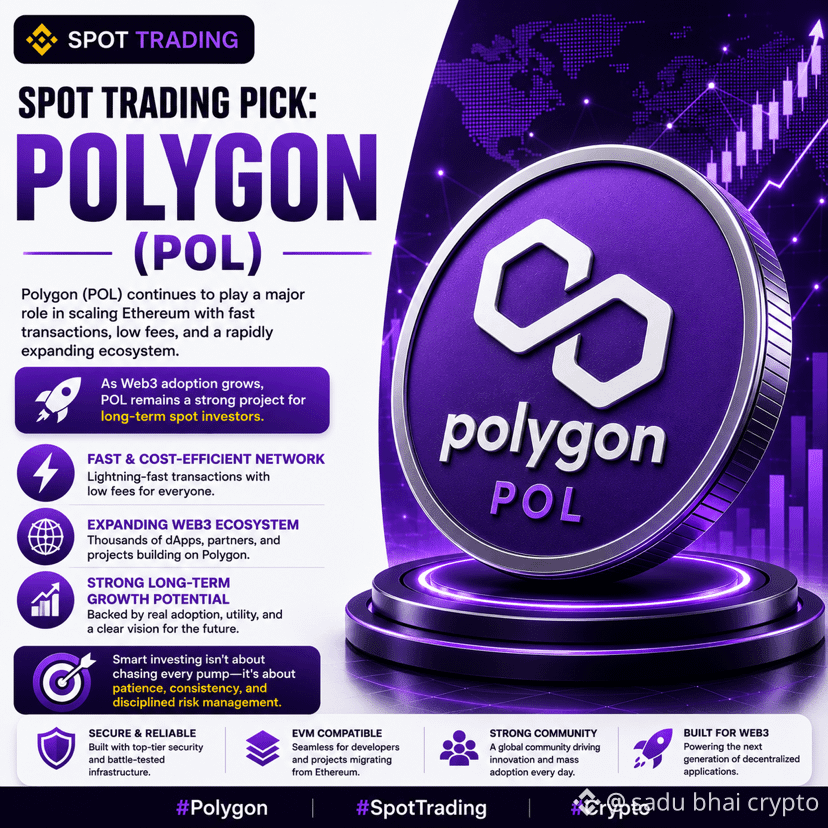
🔥 Spot Trading Pick: $POL (POL)
Polygon (POL) continues to play a major role in scaling Ethereum with fast transactions, low fees, and a rapidly expanding ecosystem. As Web3 adoption grows, POL remains a strong project for long-term spot investors.
⚡ Fast & cost-efficient network
🌐 Expanding Web3 ecosystem
📈 Strong long-term growth potential
Smart investing isn’t about chasing every pump—it’s about patience, consistency, and disciplined risk management.
#PolygonPOL #SpotTrading. #Crypto
{spot}(POLUSDT)
{spot}(BTCUSDT)
🔥 Spot Trading Pick: $POL (POL)
Polygon (POL) continues to play a major role in scaling Ethereum with fast transactions, low fees, and a rapidly expanding ecosystem. As Web3 adoption grows, POL remains a strong project for long-term spot investors.
⚡ Fast & cost-efficient network
🌐 Expanding Web3 ecosystem
📈 Strong long-term growth potential
Smart investing isn’t about chasing every pump—it’s about patience, consistency, and disciplined risk management.
#PolygonPOL #SpotTrading. #Crypto
Polygon (POL) continues to play a major role in scaling Ethereum with fast transactions, low fees, and a rapidly expanding ecosystem. As Web3 adoption grows, POL remains a strong project for long-term spot investors.
⚡ Fast & cost-efficient network
🌐 Expanding Web3 ecosystem
📈 Strong long-term growth potential
Smart investing isn’t about chasing every pump—it’s about patience, consistency, and disciplined risk management.
#PolygonPOL #SpotTrading. #Crypto
1
112
·
--
Bullish
Polygon Announces New Wave of Stablecoin, Identity and RWA Developments
#Polygon #PolygonPOL #pol #MATIC $POL
{spot}(POLUSDT)
Read Here: https://altcoinsanalysis.com/polygon-announces-new-wave-of-stablecoin-identity-and-rwa-developments/
Polygon Announces New Wave of Stablecoin, Identity and RWA Developments
#Polygon #PolygonPOL #pol #MATIC $POL
Read Here: https://altcoinsanalysis.com/polygon-announces-new-wave-of-stablecoin-identity-and-rwa-developments/
#Polygon #PolygonPOL #pol #MATIC $POL
Read Here: https://altcoinsanalysis.com/polygon-announces-new-wave-of-stablecoin-identity-and-rwa-developments/
66


💎 $ADA
{spot}(ADAUSDT)
holders are playing the long game 📈
#ADABullish #Cardano #Crypto
🌊 Big news brewing around $XRP 👀
#xrp #Ripple #Crypto
⚙️ $MATIC could explode with Ethereum growth 🚀
#MATIC #PolygonPOL #Layer2
💎 $ADA
holders are playing the long game 📈
#ADABullish #Cardano #Crypto
🌊 Big news brewing around $XRP 👀
#xrp #Ripple #Crypto
⚙️ $MATIC could explode with Ethereum growth 🚀
#MATIC #PolygonPOL #Layer2
holders are playing the long game 📈
#ADABullish #Cardano #Crypto
🌊 Big news brewing around $XRP 👀
#xrp #Ripple #Crypto
⚙️ $MATIC could explode with Ethereum growth 🚀
#MATIC #PolygonPOL #Layer2
1
113

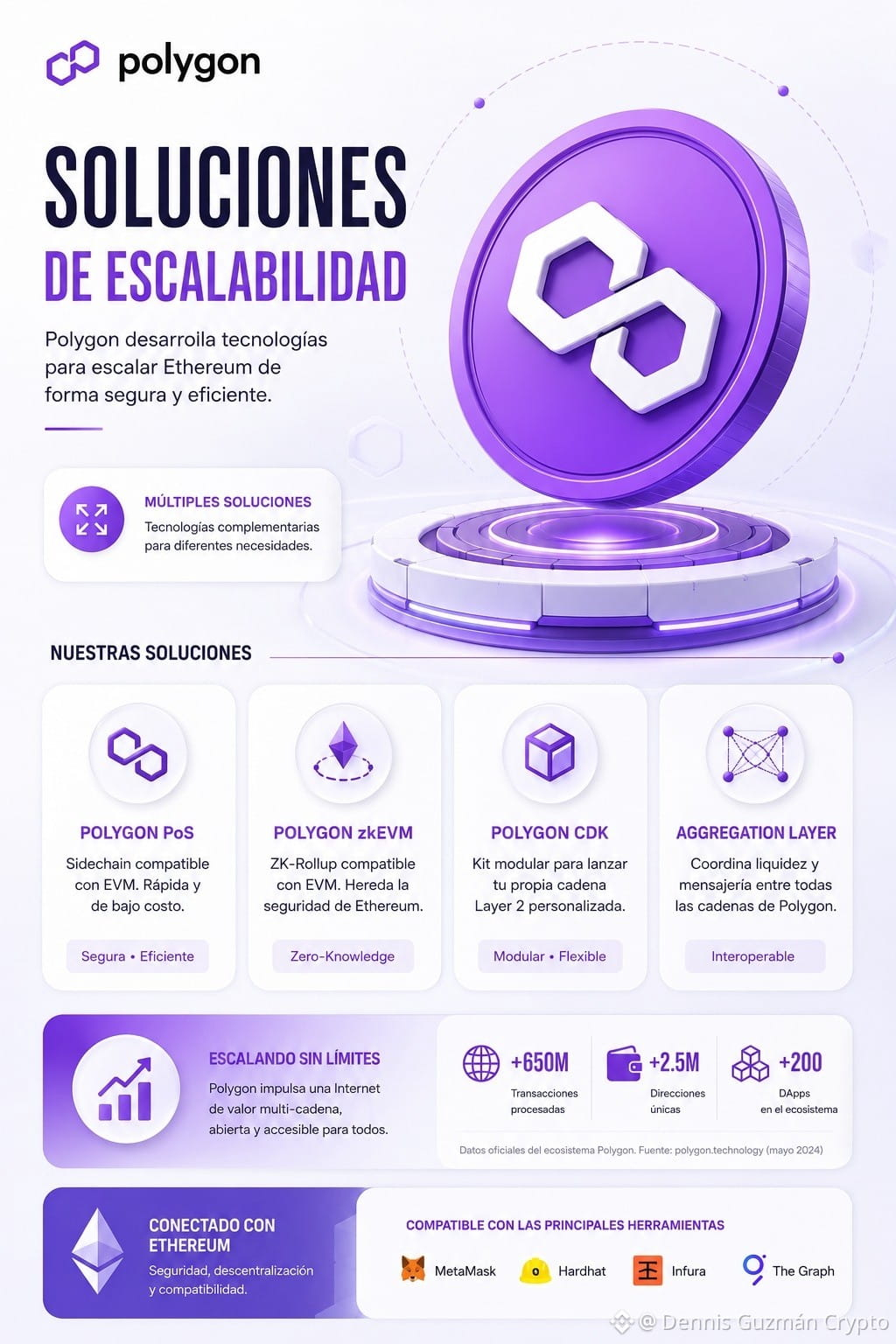
THE lifesaver of commissions, using main networks is sometimes very expensive. The technology of $MATIC ay helps process transactions outside Ethereum's main network, lowering costs to just pennies.
{future}(POLYXUSDT)
#PolygonPOL #CryptoLayer2Solutions
THE lifesaver of commissions, using main networks is sometimes very expensive. The technology of $MATIC ay helps process transactions outside Ethereum's main network, lowering costs to just pennies.
#PolygonPOL #CryptoLayer2Solutions
#PolygonPOL #CryptoLayer2Solutions
1
44



·
--
Bullish
Polygon Powers New Stablecoin Rewards Program for One of Japan’s Largest Utility Companies
#pol #Polygon #PolygonPOL #PolygonMATIC $POL
{spot}(POLUSDT)
Read Here: https://altcoinsanalysis.com/polygon-powers-new-stablecoin-rewards-program-for-one-of-japans-largest-utility-companies/
Polygon Powers New Stablecoin Rewards Program for One of Japan’s Largest Utility Companies
#pol #Polygon #PolygonPOL #PolygonMATIC $POL
Read Here: https://altcoinsanalysis.com/polygon-powers-new-stablecoin-rewards-program-for-one-of-japans-largest-utility-companies/
#pol #Polygon #PolygonPOL #PolygonMATIC $POL
Read Here: https://altcoinsanalysis.com/polygon-powers-new-stablecoin-rewards-program-for-one-of-japans-largest-utility-companies/
1
307
·
--
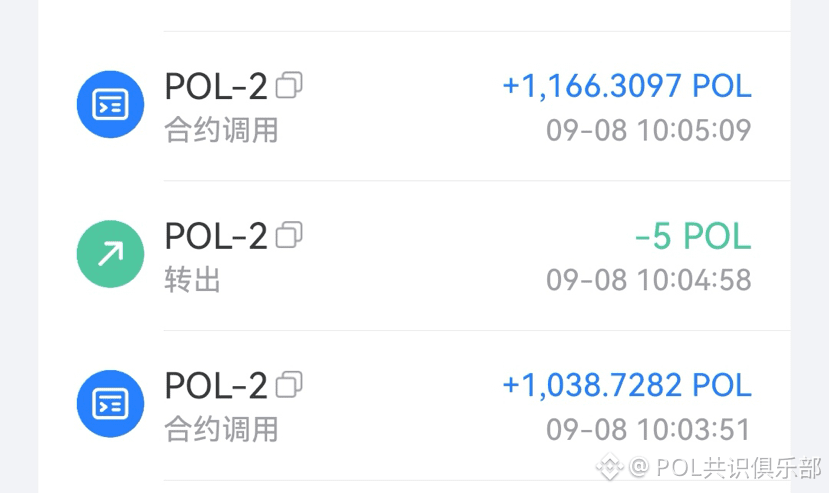
The harder you work, the luckier you get—only when you’re truly amazing do you know how wise your current efforts are!
#PolygonPOL #Horse Hoof Club
The harder you work, the luckier you get—only when you’re truly amazing do you know how wise your current efforts are!
#PolygonPOL #Horse Hoof Club
#PolygonPOL #Horse Hoof Club

59


·
--
Bullish
POL/USDT
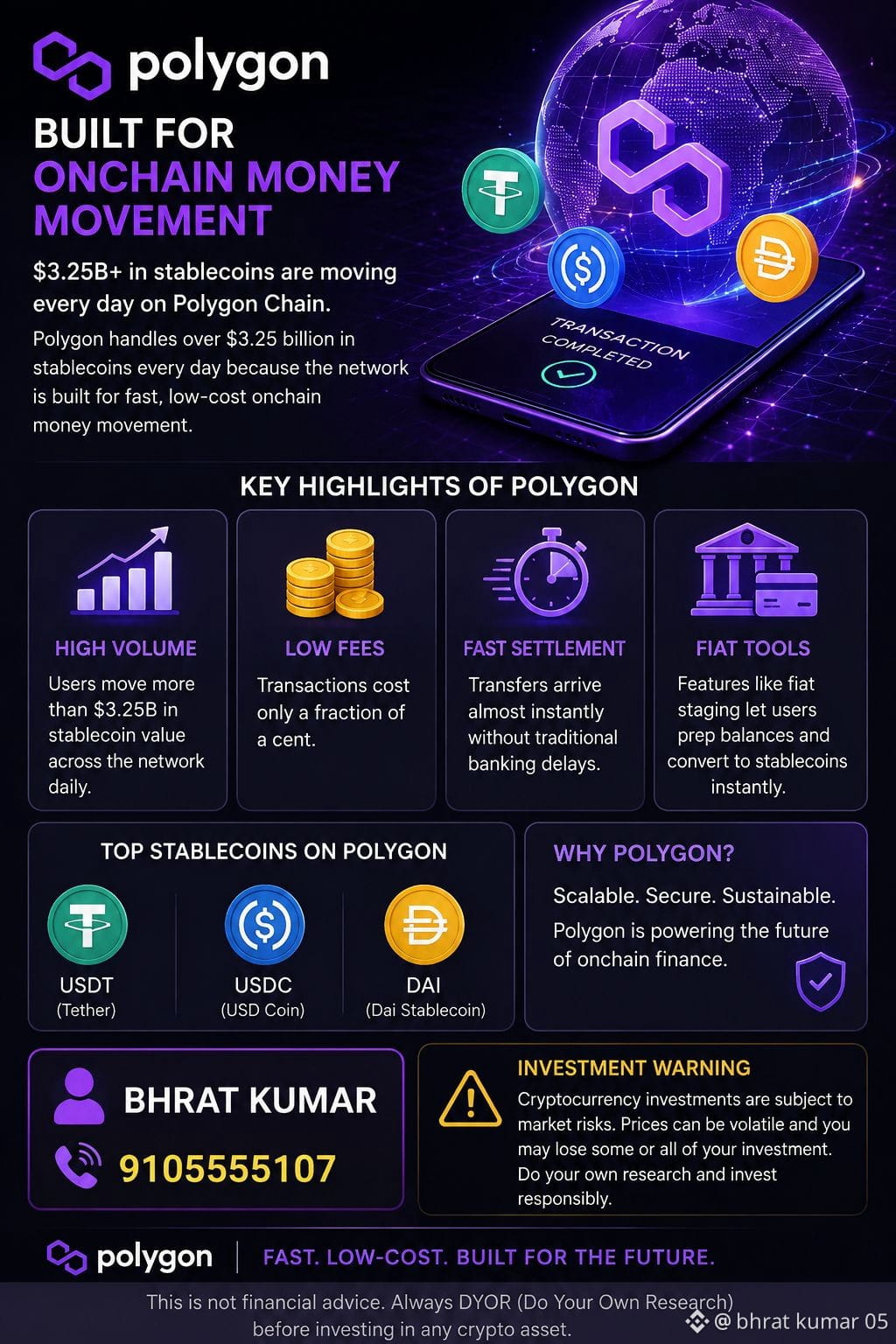
🚀 TRADING SIGNAL: BULLISH BREAKOUT MOMENTUM 🚀
📈 Current Price: $0.08182 (+4.98%)
🎯 Entry Zone: $0.08000 – $0.08180
🎯 Targets: $0.08650 | $0.09200 | $0.10000
🛑 Stop Loss: $0.07680
$POL
{future}(POLUSDT)
POL (Polygon Ecosystem Token) leads today's momentum chart with a +4.98% surge, breaking out from a local consolidation triangle. Heightened retail search volume confirms a strong trend shift toward Polygon's upgraded scaling architecture.
Technical Analysis & Market Drivers
Breakout Pattern: POL has reclaimed its key 50-day Exponential Moving Average (EMA) on the 4-hour chart, turning previous resistance around $0.08000 into dynamic support.
Momentum Oscillators: MACD has printed a clear bullish crossover above the signal line. RSI sits comfortably at 62, leaving ample room before hitting overbought levels.
Volume Surge: A 24-hour volume spike corroborates buyer dominance, suggesting this pump has fundamental backing behind it.
Risk Management Strategy
Enter partial positions on minor retests of $0.08050. Protect your account by placing a hard stop below $0.07680. Take 50% profit at Target 1 and let the rest run toward the $0.10 psychological resistance level.
#pol #PolygonPOL #cryptosignals #AltcoinRally #breakouts
POL/USDT
🚀 TRADING SIGNAL: BULLISH BREAKOUT MOMENTUM 🚀
📈 Current Price: $0.08182 (+4.98%)
🎯 Entry Zone: $0.08000 – $0.08180
🎯 Targets: $0.08650 | $0.09200 | $0.10000
🛑 Stop Loss: $0.07680
$POL
POL (Polygon Ecosystem Token) leads today's momentum chart with a +4.98% surge, breaking out from a local consolidation triangle. Heightened retail search volume confirms a strong trend shift toward Polygon's upgraded scaling architecture.
Technical Analysis & Market Drivers
Breakout Pattern: POL has reclaimed its key 50-day Exponential Moving Average (EMA) on the 4-hour chart, turning previous resistance around $0.08000 into dynamic support.
Momentum Oscillators: MACD has printed a clear bullish crossover above the signal line. RSI sits comfortably at 62, leaving ample room before hitting overbought levels.
Volume Surge: A 24-hour volume spike corroborates buyer dominance, suggesting this pump has fundamental backing behind it.
Risk Management Strategy
Enter partial positions on minor retests of $0.08050. Protect your account by placing a hard stop below $0.07680. Take 50% profit at Target 1 and let the rest run toward the $0.10 psychological resistance level.
#pol #PolygonPOL #cryptosignals #AltcoinRally #breakouts
🚀 TRADING SIGNAL: BULLISH BREAKOUT MOMENTUM 🚀
📈 Current Price: $0.08182 (+4.98%)
🎯 Entry Zone: $0.08000 – $0.08180
🎯 Targets: $0.08650 | $0.09200 | $0.10000
🛑 Stop Loss: $0.07680
$POL
POL (Polygon Ecosystem Token) leads today's momentum chart with a +4.98% surge, breaking out from a local consolidation triangle. Heightened retail search volume confirms a strong trend shift toward Polygon's upgraded scaling architecture.
Technical Analysis & Market Drivers
Breakout Pattern: POL has reclaimed its key 50-day Exponential Moving Average (EMA) on the 4-hour chart, turning previous resistance around $0.08000 into dynamic support.
Momentum Oscillators: MACD has printed a clear bullish crossover above the signal line. RSI sits comfortably at 62, leaving ample room before hitting overbought levels.
Volume Surge: A 24-hour volume spike corroborates buyer dominance, suggesting this pump has fundamental backing behind it.
Risk Management Strategy
Enter partial positions on minor retests of $0.08050. Protect your account by placing a hard stop below $0.07680. Take 50% profit at Target 1 and let the rest run toward the $0.10 psychological resistance level.
#pol #PolygonPOL #cryptosignals #AltcoinRally #breakouts
1
92
·
--

Article
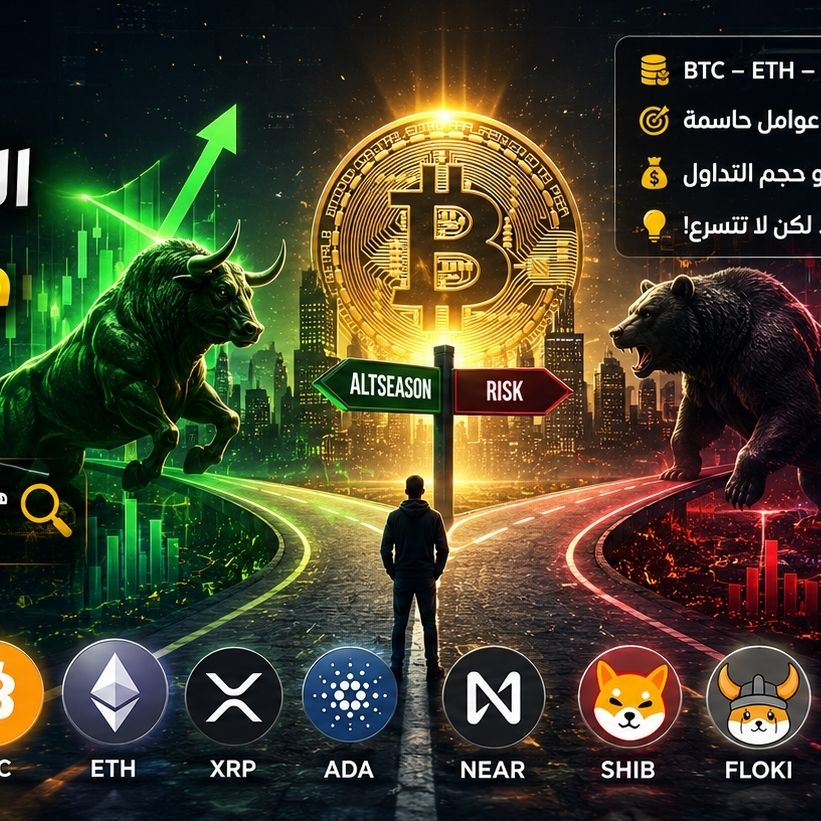
🚨 POL… Is it preparing for the strongest comeback in this cycle? 🔥Has the POL story ended? Or has the market not started pricing in the next phase yet?
One important point that many traders overlook: POL is not just a rebrand of MATIC. Since the upgrade, POL has become the gas and core staking token on Polygon PoS, and Polygon is moving toward an interconnected ecosystem through AggLayer.
🎯 Why is POL worth watching?
🚨 POL… Is it preparing for the strongest comeback in this cycle? 🔥
Has the POL story ended? Or has the market not started pricing in the next phase yet?
One important point that many traders overlook: POL is not just a rebrand of MATIC. Since the upgrade, POL has become the gas and core staking token on Polygon PoS, and Polygon is moving toward an interconnected ecosystem through AggLayer.
🎯 Why is POL worth watching?
One important point that many traders overlook: POL is not just a rebrand of MATIC. Since the upgrade, POL has become the gas and core staking token on Polygon PoS, and Polygon is moving toward an interconnected ecosystem through AggLayer.
🎯 Why is POL worth watching?
1
218

·
--
$POL (Polygon) is worth watching
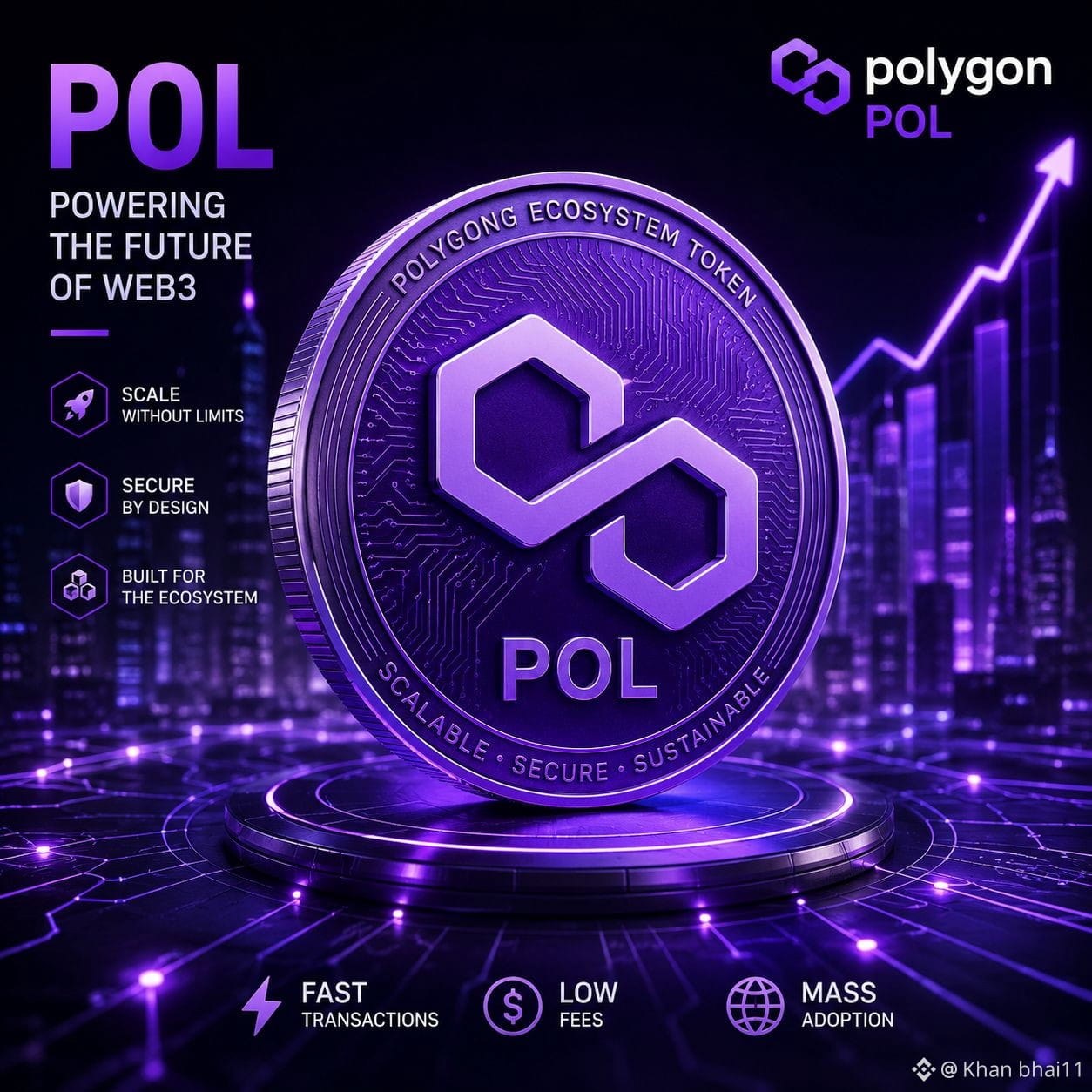
POL is powering Polygon’s next phase with a focus on scalability, utility, and a stronger ecosystem. market momentum returns, POL could attract fresh attention from traders and investors. 📈
Always DYOR and manage risk. 🔥
#POL #PolygonPOL #crypto #altcoins
#web3_binance
$POL (Polygon) is worth watching
POL is powering Polygon’s next phase with a focus on scalability, utility, and a stronger ecosystem. market momentum returns, POL could attract fresh attention from traders and investors. 📈
Always DYOR and manage risk. 🔥
#POL #PolygonPOL #crypto #altcoins
#web3_binance
POL is powering Polygon’s next phase with a focus on scalability, utility, and a stronger ecosystem. market momentum returns, POL could attract fresh attention from traders and investors. 📈
Always DYOR and manage risk. 🔥
#POL #PolygonPOL #crypto #altcoins
#web3_binance
124

·
--
Bearish
Building the future of Web3 starts with scalability and community — and @0xPolygon is leading that charge. From zkEVM innovations to real-world adoption, $POL is powering the next era of Ethereum scaling. Excited to see how #PolygonPOL continues to push the boundaries of performance and decentralization! 🚀
Building the future of Web3 starts with scalability and community — and @Polygon is leading that charge. From zkEVM innovations to real-world adoption, $POL is powering the next era of Ethereum scaling. Excited to see how #PolygonPOL continues to push the boundaries of performance and decentralization! 🚀
1

·
--
TOP ALTCOINS UNDER $1 THAT COULD EXPLODE
#1 $HBAR (Hedera Hashgraph) — ~$0.07
Risk: Medium
Google, IBM, and LG are on the governing council.
Enterprise blockchain with real institutional backing.
One major partnership announcement = 3x easily.
#2 $TRX (Tron) — $0.32
Risk: Low-Medium
Top-10 market cap. Dominant network for USDT transfers.
Billions in daily stablecoin volume. Rock solid.
This is the most underrated large-cap under $1.
#3 $POL (Polygon) — ~$0.30
Risk: Medium
Core Ethereum scaling infrastructure.
Mature project, massive ecosystem, under $1.
ETH pumps = POL follows.
Remember: low price does NOT mean low market cap. Do your research.
Which one would you bet on? Drop a comment.
Not financial advice.
#hbar #TRX #PolygonPOL #Cryptogems01 #altcoins
TOP ALTCOINS UNDER $1 THAT COULD EXPLODE
#1 $HBAR (Hedera Hashgraph) — ~$0.07
Risk: Medium
Google, IBM, and LG are on the governing council.
Enterprise blockchain with real institutional backing.
One major partnership announcement = 3x easily.
#2 $TRX (Tron) — $0.32
Risk: Low-Medium
Top-10 market cap. Dominant network for USDT transfers.
Billions in daily stablecoin volume. Rock solid.
This is the most underrated large-cap under $1.
#3 $POL (Polygon) — ~$0.30
Risk: Medium
Core Ethereum scaling infrastructure.
Mature project, massive ecosystem, under $1.
ETH pumps = POL follows.
Remember: low price does NOT mean low market cap. Do your research.
Which one would you bet on? Drop a comment.
Not financial advice.
#hbar #TRX #PolygonPOL #Cryptogems01 #altcoins
#1 $HBAR (Hedera Hashgraph) — ~$0.07
Risk: Medium
Google, IBM, and LG are on the governing council.
Enterprise blockchain with real institutional backing.
One major partnership announcement = 3x easily.
#2 $TRX (Tron) — $0.32
Risk: Low-Medium
Top-10 market cap. Dominant network for USDT transfers.
Billions in daily stablecoin volume. Rock solid.
This is the most underrated large-cap under $1.
#3 $POL (Polygon) — ~$0.30
Risk: Medium
Core Ethereum scaling infrastructure.
Mature project, massive ecosystem, under $1.
ETH pumps = POL follows.
Remember: low price does NOT mean low market cap. Do your research.
Which one would you bet on? Drop a comment.
Not financial advice.
#hbar #TRX #PolygonPOL #Cryptogems01 #altcoins
1
16

I LOVE $POL
POL/USDT : 0.0985 + 0.20%
24h High : 0.1001
24h Low : 0.0976
24h Vol(POL) : 38,385,536.40
Polygon Ecosystem Token Price
Buy / Sell #POL Rise
$POL
{spot}(POLUSDT)
Current Price #Binance
Binance Square #加密行情
#Binance #Polygon #PolygonPOL
I LOVE $POL
POL/USDT : 0.0985 + 0.20%
24h High : 0.1001
24h Low : 0.0976
24h Vol(POL) : 38,385,536.40
Polygon Ecosystem Token Price
Buy / Sell #POL Rise
$POL
Current Price #Binance
Binance Square #加密行情
#Binance #Polygon #PolygonPOL
POL/USDT : 0.0985 + 0.20%
24h High : 0.1001
24h Low : 0.0976
24h Vol(POL) : 38,385,536.40
Polygon Ecosystem Token Price
Buy / Sell #POL Rise
$POL
Current Price #Binance
Binance Square #加密行情
#Binance #Polygon #PolygonPOL

1
165


Article
Polygon Network: Scaling Ethereum to Build the Future of Web3Introduction: The Ethereum Scalability Problem
Ethereum is the world's leading smart contract platform, powering a vast ecosystem of decentralized applications (dApps), DeFi protocols, and NFTs. However, its success has been a double-edged sword. As usage grew, the network became congested, leading to painfully slow transaction times and exorbitant gas fees (transaction costs). This "scalability trilemma"—balancing security, decentralization, and scalability—became Ethereum's biggest challenge.
Enter the Polygon Network.
Originally known as Matic Network, Polygon is a Layer-2 scaling solution and a framework for building and connecting Ethereum-compatible blockchain networks. Its primary goal is to transform Ethereum into a full-fledged multi-chain system (akin to "Polkadot on Ethereum" or "Cosmos on Ethereum"), making it faster, cheaper, and more scalable without sacrificing security
What Exactly is Polygon?
At its core, Polygon is a sidechain. It operates alongside the Ethereum mainnet, handling transactions off-chain before periodically bundling them and committing a cryptographic proof back to Ethereum. This process combines the security of Ethereum with the speed and low cost of a dedicated blockchain.
Think of it like this: If Ethereum is a congested downtown highway, Polygon is a high-speed express toll lane that runs parallel to it. You get to the same destination faster and cheaper, while still being connected to the main road.
How Does Polygon Work? The Key Technology
Polygon's architecture is versatile, but its most widely used component is the Polygon PoS (Proof-of-Stake) Chain. Here's a simplified breakdown of how it works:
1. Proof-of-Stake Consensus: The Polygon network is secured by validators who stake their native cryptocurrency, POL (formerly MATIC). These validators are responsible for producing blocks, validating transactions, and committing checkpoints to Ethereum. In return, they earn staking rewards.
2. Heimdall and Bor Layers: The PoS chain has two main layers:
· Bor (Block Producer Layer): This is the block production layer. It is a committee of validators selected from the larger pool who are responsible for creating blocks.
· Heimdall (Checkpoint Layer): This layer runs parallel to Bor. It collects blocks from Bor, creates a Merkle tree, and periodically publishes a checkpoint (a snapshot of the blockchain state) to the Ethereum mainnet. This is crucial as it finalizes transactions and inherits Ethereum's security.
3. Plasma Bridges: To move assets between Ethereum and Polygon, users employ bridges. Polygon initially used Plasma bridges for enhanced security, which are particularly secure for asset transfers but less flexible for complex dApp interactions.
4. The Polygon SDK: This is a modular, flexible framework that allows developers to build their own custom-built blockchains, such as Optimistic Rollup chains, ZK Rollup chains, or standalone sidechains, all compatible with the Ethereum ecosystem.
Key Features and Advantages
· High Speed and Low Cost: The Polygon PoS chain can process up to 65,000 transactions per second (TPS) with a block time of about 2 seconds. Transaction fees are a fraction of a cent, making micro-transactions and frequent interactions with dApps feasible.
· Ethereum Compatibility: Polygon is fully compatible with the Ethereum Virtual Machine (EVM). This means developers can easily port their existing Ethereum dApps to Polygon with minimal code changes, leveraging familiar tools like Metamask, Remix, and Truffle.
· Security: The network leverages Ethereum's robust security by periodically committing checkpoints to the mainnet. The PoS consensus mechanism also has a strong security model with a large number of stakers and validators.
· Thriving Ecosystem: Polygon boasts one of the largest and most active ecosystems in crypto. It hosts major DeFi protocols like Aave, Uniswap, and Curve, popular NFT marketplaces like OpenSea, and groundbreaking blockchain games and metaverse projects.
· Multi-Chain Vision: Polygon is not a single solution. Its "Internet of Blockchains" vision supports a suite of scaling solutions, including its PoS chain, zkRollups (Zero-Knowledge Rollups) with projects like Polygon zkEVM, and other Layer-2 technologies.
The POL Token: Fueling the Network
The native token of the Polygon ecosystem, POL (which replaced MATIC in a recent upgrade), is central to the network's operations. Its utilities include:
· Gas Fees: Paying for transaction fees on the network.
· Staking: Validators and delegators stake POL to secure the network and earn rewards.
· Governance: POL holders can participate in the governance of the network, voting on key protocol upgrades and changes.
Challenges and The Road Ahead
No project is without its challenges. Polygon has faced criticism for being a sidechain that, while secured by its own PoS mechanism, does not inherit Ethereum's full security guarantees in the same way as rollups. There is also intense competition from other Layer-2 solutions like Arbitrum and Optimism.
Polygon's future strategy is heavily focused on advancing Zero-Knowledge (ZK) technology. Projects like Polygon zkEVM represent the next evolution, offering Ethereum-level security with the scalability and low costs of a Layer-2 by using cryptographic validity proofs.
Conclusion
The Polygon Network has successfully positioned itself as a cornerstone of the Ethereum scaling narrative. By providing a fast, cheap, and user-friendly environment, it has onboarded millions of users into the Web3 space. While the landscape is competitive, Polygon's commitment to innovation, its massive dApp ecosystem, and its strategic pivot towards ZK-proofs make it a formidable and essential player in the mission to scale blockchain for global adoption.
@0xPolygon #Polygon #MATIC #PolygonPOL $MATIC $POL
{spot}(POLUSDT)
Polygon Network: Scaling Ethereum to Build the Future of Web3
Introduction: The Ethereum Scalability Problem
Ethereum is the world's leading smart contract platform, powering a vast ecosystem of decentralized applications (dApps), DeFi protocols, and NFTs. However, its success has been a double-edged sword. As usage grew, the network became congested, leading to painfully slow transaction times and exorbitant gas fees (transaction costs). This "scalability trilemma"—balancing security, decentralization, and scalability—became Ethereum's biggest challenge.
Enter the Polygon Network.
Originally known as Matic Network, Polygon is a Layer-2 scaling solution and a framework for building and connecting Ethereum-compatible blockchain networks. Its primary goal is to transform Ethereum into a full-fledged multi-chain system (akin to "Polkadot on Ethereum" or "Cosmos on Ethereum"), making it faster, cheaper, and more scalable without sacrificing security
What Exactly is Polygon?
At its core, Polygon is a sidechain. It operates alongside the Ethereum mainnet, handling transactions off-chain before periodically bundling them and committing a cryptographic proof back to Ethereum. This process combines the security of Ethereum with the speed and low cost of a dedicated blockchain.
Think of it like this: If Ethereum is a congested downtown highway, Polygon is a high-speed express toll lane that runs parallel to it. You get to the same destination faster and cheaper, while still being connected to the main road.
How Does Polygon Work? The Key Technology
Polygon's architecture is versatile, but its most widely used component is the Polygon PoS (Proof-of-Stake) Chain. Here's a simplified breakdown of how it works:
1. Proof-of-Stake Consensus: The Polygon network is secured by validators who stake their native cryptocurrency, POL (formerly MATIC). These validators are responsible for producing blocks, validating transactions, and committing checkpoints to Ethereum. In return, they earn staking rewards.
2. Heimdall and Bor Layers: The PoS chain has two main layers:
· Bor (Block Producer Layer): This is the block production layer. It is a committee of validators selected from the larger pool who are responsible for creating blocks.
· Heimdall (Checkpoint Layer): This layer runs parallel to Bor. It collects blocks from Bor, creates a Merkle tree, and periodically publishes a checkpoint (a snapshot of the blockchain state) to the Ethereum mainnet. This is crucial as it finalizes transactions and inherits Ethereum's security.
3. Plasma Bridges: To move assets between Ethereum and Polygon, users employ bridges. Polygon initially used Plasma bridges for enhanced security, which are particularly secure for asset transfers but less flexible for complex dApp interactions.
4. The Polygon SDK: This is a modular, flexible framework that allows developers to build their own custom-built blockchains, such as Optimistic Rollup chains, ZK Rollup chains, or standalone sidechains, all compatible with the Ethereum ecosystem.
Key Features and Advantages
· High Speed and Low Cost: The Polygon PoS chain can process up to 65,000 transactions per second (TPS) with a block time of about 2 seconds. Transaction fees are a fraction of a cent, making micro-transactions and frequent interactions with dApps feasible.
· Ethereum Compatibility: Polygon is fully compatible with the Ethereum Virtual Machine (EVM). This means developers can easily port their existing Ethereum dApps to Polygon with minimal code changes, leveraging familiar tools like Metamask, Remix, and Truffle.
· Security: The network leverages Ethereum's robust security by periodically committing checkpoints to the mainnet. The PoS consensus mechanism also has a strong security model with a large number of stakers and validators.
· Thriving Ecosystem: Polygon boasts one of the largest and most active ecosystems in crypto. It hosts major DeFi protocols like Aave, Uniswap, and Curve, popular NFT marketplaces like OpenSea, and groundbreaking blockchain games and metaverse projects.
· Multi-Chain Vision: Polygon is not a single solution. Its "Internet of Blockchains" vision supports a suite of scaling solutions, including its PoS chain, zkRollups (Zero-Knowledge Rollups) with projects like Polygon zkEVM, and other Layer-2 technologies.
The POL Token: Fueling the Network
The native token of the Polygon ecosystem, POL (which replaced MATIC in a recent upgrade), is central to the network's operations. Its utilities include:
· Gas Fees: Paying for transaction fees on the network.
· Staking: Validators and delegators stake POL to secure the network and earn rewards.
· Governance: POL holders can participate in the governance of the network, voting on key protocol upgrades and changes.
Challenges and The Road Ahead
No project is without its challenges. Polygon has faced criticism for being a sidechain that, while secured by its own PoS mechanism, does not inherit Ethereum's full security guarantees in the same way as rollups. There is also intense competition from other Layer-2 solutions like Arbitrum and Optimism.
Polygon's future strategy is heavily focused on advancing Zero-Knowledge (ZK) technology. Projects like Polygon zkEVM represent the next evolution, offering Ethereum-level security with the scalability and low costs of a Layer-2 by using cryptographic validity proofs.
Conclusion
The Polygon Network has successfully positioned itself as a cornerstone of the Ethereum scaling narrative. By providing a fast, cheap, and user-friendly environment, it has onboarded millions of users into the Web3 space. While the landscape is competitive, Polygon's commitment to innovation, its massive dApp ecosystem, and its strategic pivot towards ZK-proofs make it a formidable and essential player in the mission to scale blockchain for global adoption.
@0xPolygon #Polygon #MATIC #PolygonPOL $MATIC $POL
Ethereum is the world's leading smart contract platform, powering a vast ecosystem of decentralized applications (dApps), DeFi protocols, and NFTs. However, its success has been a double-edged sword. As usage grew, the network became congested, leading to painfully slow transaction times and exorbitant gas fees (transaction costs). This "scalability trilemma"—balancing security, decentralization, and scalability—became Ethereum's biggest challenge.
Enter the Polygon Network.
Originally known as Matic Network, Polygon is a Layer-2 scaling solution and a framework for building and connecting Ethereum-compatible blockchain networks. Its primary goal is to transform Ethereum into a full-fledged multi-chain system (akin to "Polkadot on Ethereum" or "Cosmos on Ethereum"), making it faster, cheaper, and more scalable without sacrificing security
What Exactly is Polygon?
At its core, Polygon is a sidechain. It operates alongside the Ethereum mainnet, handling transactions off-chain before periodically bundling them and committing a cryptographic proof back to Ethereum. This process combines the security of Ethereum with the speed and low cost of a dedicated blockchain.
Think of it like this: If Ethereum is a congested downtown highway, Polygon is a high-speed express toll lane that runs parallel to it. You get to the same destination faster and cheaper, while still being connected to the main road.
How Does Polygon Work? The Key Technology
Polygon's architecture is versatile, but its most widely used component is the Polygon PoS (Proof-of-Stake) Chain. Here's a simplified breakdown of how it works:
1. Proof-of-Stake Consensus: The Polygon network is secured by validators who stake their native cryptocurrency, POL (formerly MATIC). These validators are responsible for producing blocks, validating transactions, and committing checkpoints to Ethereum. In return, they earn staking rewards.
2. Heimdall and Bor Layers: The PoS chain has two main layers:
· Bor (Block Producer Layer): This is the block production layer. It is a committee of validators selected from the larger pool who are responsible for creating blocks.
· Heimdall (Checkpoint Layer): This layer runs parallel to Bor. It collects blocks from Bor, creates a Merkle tree, and periodically publishes a checkpoint (a snapshot of the blockchain state) to the Ethereum mainnet. This is crucial as it finalizes transactions and inherits Ethereum's security.
3. Plasma Bridges: To move assets between Ethereum and Polygon, users employ bridges. Polygon initially used Plasma bridges for enhanced security, which are particularly secure for asset transfers but less flexible for complex dApp interactions.
4. The Polygon SDK: This is a modular, flexible framework that allows developers to build their own custom-built blockchains, such as Optimistic Rollup chains, ZK Rollup chains, or standalone sidechains, all compatible with the Ethereum ecosystem.
Key Features and Advantages
· High Speed and Low Cost: The Polygon PoS chain can process up to 65,000 transactions per second (TPS) with a block time of about 2 seconds. Transaction fees are a fraction of a cent, making micro-transactions and frequent interactions with dApps feasible.
· Ethereum Compatibility: Polygon is fully compatible with the Ethereum Virtual Machine (EVM). This means developers can easily port their existing Ethereum dApps to Polygon with minimal code changes, leveraging familiar tools like Metamask, Remix, and Truffle.
· Security: The network leverages Ethereum's robust security by periodically committing checkpoints to the mainnet. The PoS consensus mechanism also has a strong security model with a large number of stakers and validators.
· Thriving Ecosystem: Polygon boasts one of the largest and most active ecosystems in crypto. It hosts major DeFi protocols like Aave, Uniswap, and Curve, popular NFT marketplaces like OpenSea, and groundbreaking blockchain games and metaverse projects.
· Multi-Chain Vision: Polygon is not a single solution. Its "Internet of Blockchains" vision supports a suite of scaling solutions, including its PoS chain, zkRollups (Zero-Knowledge Rollups) with projects like Polygon zkEVM, and other Layer-2 technologies.
The POL Token: Fueling the Network
The native token of the Polygon ecosystem, POL (which replaced MATIC in a recent upgrade), is central to the network's operations. Its utilities include:
· Gas Fees: Paying for transaction fees on the network.
· Staking: Validators and delegators stake POL to secure the network and earn rewards.
· Governance: POL holders can participate in the governance of the network, voting on key protocol upgrades and changes.
Challenges and The Road Ahead
No project is without its challenges. Polygon has faced criticism for being a sidechain that, while secured by its own PoS mechanism, does not inherit Ethereum's full security guarantees in the same way as rollups. There is also intense competition from other Layer-2 solutions like Arbitrum and Optimism.
Polygon's future strategy is heavily focused on advancing Zero-Knowledge (ZK) technology. Projects like Polygon zkEVM represent the next evolution, offering Ethereum-level security with the scalability and low costs of a Layer-2 by using cryptographic validity proofs.
Conclusion
The Polygon Network has successfully positioned itself as a cornerstone of the Ethereum scaling narrative. By providing a fast, cheap, and user-friendly environment, it has onboarded millions of users into the Web3 space. While the landscape is competitive, Polygon's commitment to innovation, its massive dApp ecosystem, and its strategic pivot towards ZK-proofs make it a formidable and essential player in the mission to scale blockchain for global adoption.
@0xPolygon #Polygon #MATIC #PolygonPOL $MATIC $POL
3
1
20
3.7k
Log in to explore more content
Join global crypto users on Binance Square
⚡️ Get latest and useful information about crypto.
💬 Trusted by the world’s largest crypto exchange.
👍 Discover real insights from verified creators.
Email / Phone number
Trending Topics
1
#BitcoinReboundsTo$79K
13,247 views
126 Discussing
2
#SouthKoreaCryptoTaxDelayPetitionTops50000
2 views
9 Discussing
3
#SolanaTransactionV1GoesLiveOnMainnet
16 views
5 Discussing
4
#RussianCentralBankFlagsCryptoAsFinancialRisk
1,470 views
74 Discussing
5
#GrayscalePutsXRPAt26.11%InAdvisorPortfolio
5,236 views
159 Discussing
6
#PhiladelphiaSemiconductorIndexFalls5.9%
2,658 views
90 Discussing
7
#SECChairUrgesCongressToAdvanceClarityAct
5,175 views
102 Discussing
8
#FedHikeOddsRiseTo89%
86,515 views
1,104 Discussing
9
#RLUSDSupplyHitsRecord$2.442B
6,608 views
66 Discussing
10
#AvalancheIntegratesIntoUAEPassDigitalVault
78,212 views
1,031 Discussing