
#olarjohn
olarjohn
84,699 views
970 Discussing
Hot
Latest



Bilverse
·
--
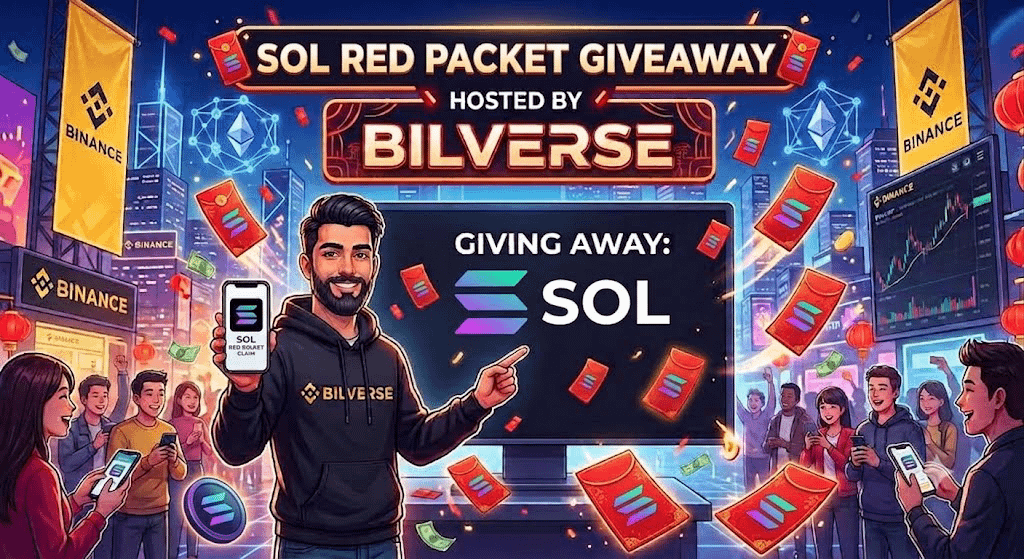
🔥 MASSIVE SOL RED PACKET GIVEAWAY! 🧧💰
Who’s ready to grab some Big SOL right now? I’m dropping heavy Solana Red Packets—and you definitely don't want to miss this one.
Getting your share takes less than 10 seconds:
❤️ Like this post
💬 Drop a comment “SOL”
🔁 Repost to share the wealth with the squad
👥 Follow to lock in your spot for every future drop
Let’s blow this community up and keep the SOL drops coming.
#SOL #Bilverse #RedPacketMission
Who’s ready to grab some Big SOL right now? I’m dropping heavy Solana Red Packets—and you definitely don't want to miss this one.
Getting your share takes less than 10 seconds:
❤️ Like this post
💬 Drop a comment “SOL”
🔁 Repost to share the wealth with the squad
👥 Follow to lock in your spot for every future drop
Let’s blow this community up and keep the SOL drops coming.
#SOL #Bilverse #RedPacketMission

NAJAF_加密 143
·
--
‼️$BTC 🐕 Reward is here ‼️
I’m sharing $BTC rewards with the community as a Bigger thank-you.
✨ Just claim your reward and enjoy! ✨
Claim it. Get rewarded
$BTC #BTC #bitcoin
I’m sharing $BTC rewards with the community as a Bigger thank-you.
✨ Just claim your reward and enjoy! ✨
Claim it. Get rewarded
$BTC #BTC #bitcoin


iQ Star我的愛
·
--
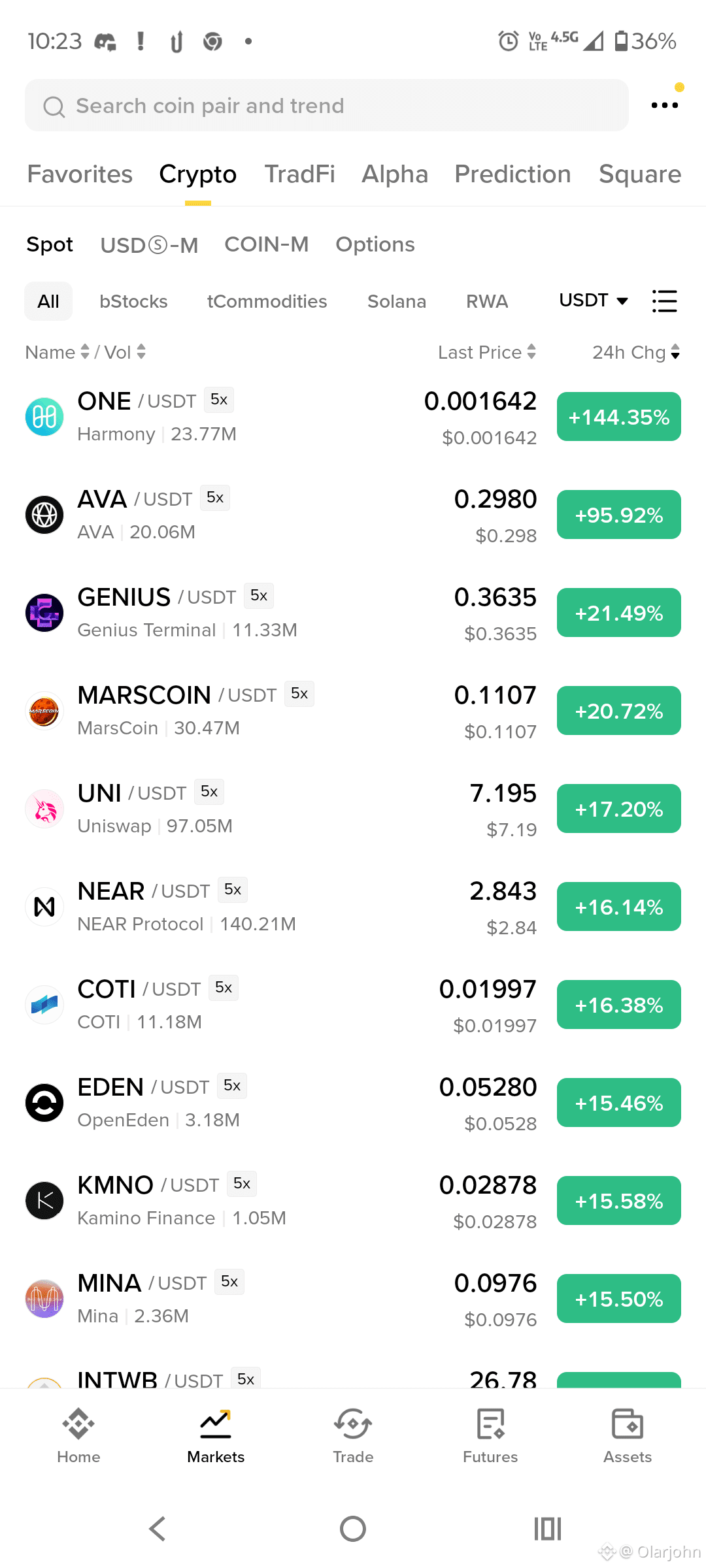
$PONS ka ye target main kal dala tha aur aj pons is target tak bohat pas akar down diya hai par aj isko anlyise kar ke pata laga ye last hi brake karega 0.9780 tak Tp laga k hold kardo spot par pons ko #FedRateWatch #Write2Earn

PK Aima
·
--
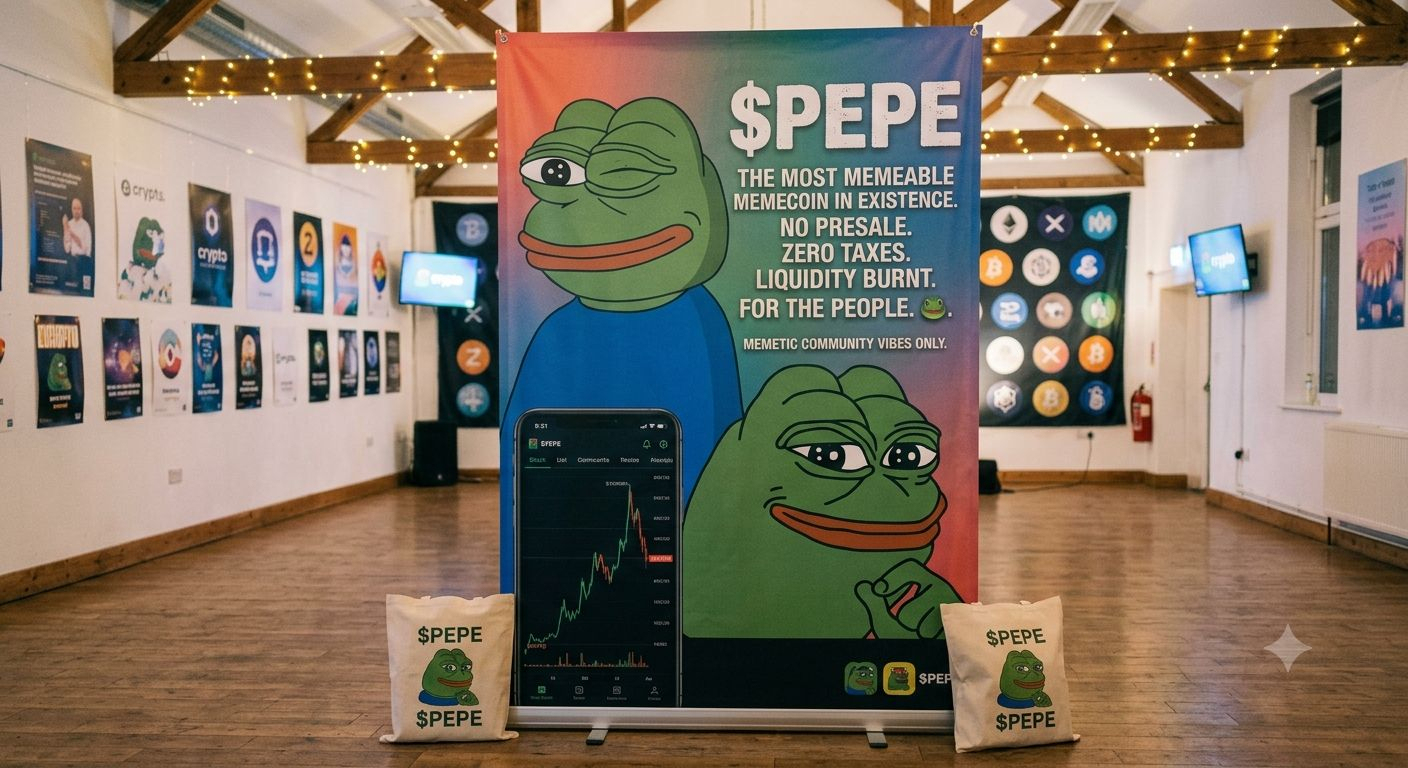
Memes move fast but $PEPE proved that pure cultural momentum can build a permanent footprint in crypto. Launching with zero pre sales, zero taxes and a burned liquidity pool, $PEPE revived classic, unfiltered memecoin culture by relying entirely on community virality rather than corporate playbooks. It successfully transformed one of the internet’s most iconic memes into a top tier liquid asset with deep market liquidity and high daily turnover across major exchanges. By eliminating transaction taxes and complex fee mechanics, it offered straightforward buy and sell dynamics that resonated with traders worldwide. This frictionless model helped spark a broader resurgence across the entire memecoin sector, establishing a clear blueprint for modern community tokens. While high volatility remains inherent to meme-driven assets, $PEPE has secured its place as a cornerstone of crypto culture, demonstrating how raw internet consensus and organic community engagement can command serious market attention.

Bilawal Ashiq
·
--
🧧🧧 Clam Repost And Like Pls Gift 🎉🎉
$BNB
$BNB

Hadia-BTC
·
--
Good night 😴
Claim reward 🧧
#HadiaBTC $AIN
$POWER
$AKE
#GrayscalePutsXRPAt26.11%InAdvisorPortfolio #RussianCentralBankFlagsCryptoAsFinancialRisk #SolanaTransactionV1GoesLiveOnMainnet #SouthKoreaCryptoTaxDelayPetitionTops50000
Claim reward 🧧
#HadiaBTC $AIN
$POWER
$AKE
#GrayscalePutsXRPAt26.11%InAdvisorPortfolio #RussianCentralBankFlagsCryptoAsFinancialRisk #SolanaTransactionV1GoesLiveOnMainnet #SouthKoreaCryptoTaxDelayPetitionTops50000


Syco 疯子
·
--
💫💖🌹 Hey there, 🔥A Poem about humanity in a digital world
On #BİNANCE just like anywhere else, crowds rush where it’s hot.
A drama, a drop, a tear and everyone’s watching.
People feast on misfortune as if suffering shines brighter than light.
They share the lies,
they comment on the scams,
they amplify the noise of chaos.
But when you offer them
a sweet word,
a bit of peace,
a breath of beauty…
they walk on by.
Kindness 💖 doesn’t make a sound, so it stays invisible.
Yet, it’s what saves us.
People click faster on the drops than on peace.
Dramas explode,
lies circulate,
scams make more noise
than a sweet word.
Kindness?
Invisible.
A like?
Too slow.
But the real strength
is to keep sowing beauty
in a world that cheers for chaos.
Have a great day
Kindly ✨️
#Syco 🌹💖💫 $BTC $HOME
On #BİNANCE just like anywhere else, crowds rush where it’s hot.
A drama, a drop, a tear and everyone’s watching.
People feast on misfortune as if suffering shines brighter than light.
They share the lies,
they comment on the scams,
they amplify the noise of chaos.
But when you offer them
a sweet word,
a bit of peace,
a breath of beauty…
they walk on by.
Kindness 💖 doesn’t make a sound, so it stays invisible.
Yet, it’s what saves us.
People click faster on the drops than on peace.
Dramas explode,
lies circulate,
scams make more noise
than a sweet word.
Kindness?
Invisible.
A like?
Too slow.
But the real strength
is to keep sowing beauty
in a world that cheers for chaos.
Have a great day
Kindly ✨️
#Syco 🌹💖💫 $BTC $HOME


Sara_ k
·
--
Binance web3 wallet 🧧
🎁 Exclusive Web3 rewards are waiting!
Click below and claim yours now 👇
.
claim 1 🎁🎁🎁
.
claim 2 🧧🧧🧧🧧
.
🎁 Exclusive Web3 rewards are waiting!
Click below and claim yours now 👇
.
claim 1 🎁🎁🎁
.
claim 2 🧧🧧🧧🧧
.


MAYA_
·
--
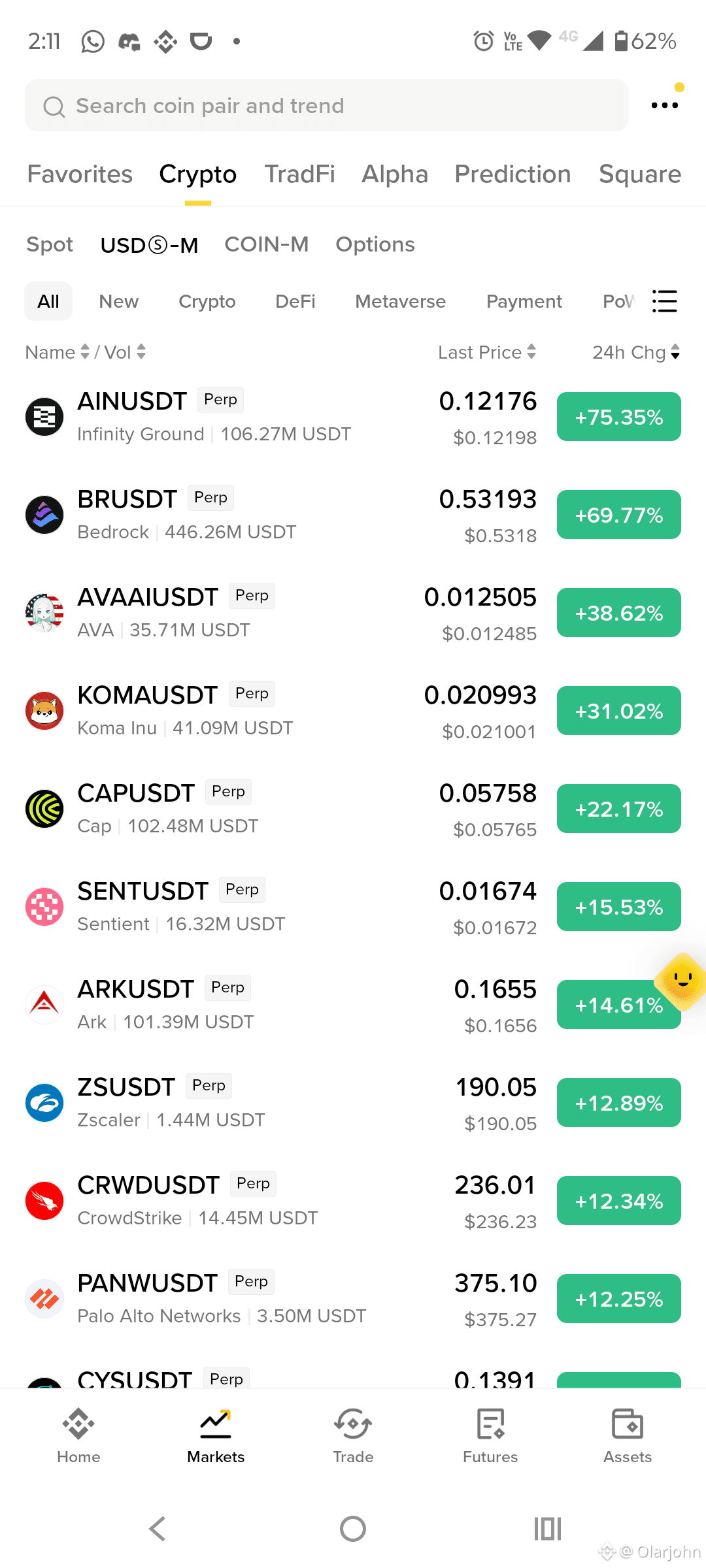
$BTC $85k coming soon 🚀🔥

RCB signal
·
--
Don’t Miss Today’s Reward — Click & Claim Now! 🔥
.
claim web3 benefits 👈
.
claim web3 benefits 👈
Ahli Hidaya
·
--
BullishRipple CLO Stuart Alderoty Calls on Senators to Meet Real Crypto Holders Ahead of CLARITY Act Vote
Ripple Chief Legal Officer Stuart Alderoty has taken a direct approach as the U.S. Senate prepares for a crucial procedural vote on the CLARITY Act. Alderoty is actively urging undecided and opposing senators to step away from corporate lobbyists and meet face-to-face with everyday cryptocurrency holders before casting their votes.
Key highlights surrounding the push include:
The Human Element: Alderoty emphasized that senators need to hear real stories from ordinary citizens who own digital assets rather than just listening to industry executives.
Massive Scale: Highlighting the weight of the community, Ripple pointed out that the U.S. currently has 67 million crypto holders, an ecosystem supporting 232,000 jobs, and a sector generating roughly $55 billion in economic activity.
The Legislative Hurdle: The upcoming Senate procedural vote faces a strict threshold requiring at least 60 votes to clear the way for formal debate, amid growing political scrutiny and ethical concerns raised by some lawmakers.
As the crypto industry pushes for a clear federal regulatory framework, this grassroots-focused appeal aims to remind lawmakers of the millions of everyday Americans directly impacted by digital asset policies.
#Ripple #XRP #CryptoRegulation #CLARITYAct #BinanceSquare #CryptoNews$XRP $USDC #dyor
Ripple Chief Legal Officer Stuart Alderoty has taken a direct approach as the U.S. Senate prepares for a crucial procedural vote on the CLARITY Act. Alderoty is actively urging undecided and opposing senators to step away from corporate lobbyists and meet face-to-face with everyday cryptocurrency holders before casting their votes.
Key highlights surrounding the push include:
The Human Element: Alderoty emphasized that senators need to hear real stories from ordinary citizens who own digital assets rather than just listening to industry executives.
Massive Scale: Highlighting the weight of the community, Ripple pointed out that the U.S. currently has 67 million crypto holders, an ecosystem supporting 232,000 jobs, and a sector generating roughly $55 billion in economic activity.
The Legislative Hurdle: The upcoming Senate procedural vote faces a strict threshold requiring at least 60 votes to clear the way for formal debate, amid growing political scrutiny and ethical concerns raised by some lawmakers.
As the crypto industry pushes for a clear federal regulatory framework, this grassroots-focused appeal aims to remind lawmakers of the millions of everyday Americans directly impacted by digital asset policies.
#Ripple #XRP #CryptoRegulation #CLARITYAct #BinanceSquare #CryptoNews$XRP $USDC #dyor

Leo - F0
·
--
Bullish🧧🧧🔥GOOD MORNING FROM DUBAİ, FAMİLY. I'VE PREPARED A SPECIAL GİFT FOR YOU.🔥🧧🧧
As I told you before, $ZEC 💛 will be 3K.💎
$ZEC
$BTC 🔥🔥🧧🧧
#1688家族family 💚 @周周1688
#比特币突破8万美元 @Hawk自由哥 #xrp #TRUMP #DOGE
As I told you before, $ZEC 💛 will be 3K.💎
$ZEC
$BTC 🔥🔥🧧🧧
#1688家族family 💚 @周周1688
#比特币突破8万美元 @Hawk自由哥 #xrp #TRUMP #DOGE

NAJAF_加密 143
·
--
‼️$XRP 🐕 Reward is here ‼️
I’m sharing $XRP rewards with the community as a Bigger thank-you.
✨ Just claim your reward and enjoy! ✨
Claim it. Get rewarded
@XRP _ $XRP #xrp
I’m sharing $XRP rewards with the community as a Bigger thank-you.
✨ Just claim your reward and enjoy! ✨
Claim it. Get rewarded
@XRP _ $XRP #xrp

Quoted content has been removed
Quoted content has been removed
Leo - F0
·
--
Bullish🧧🧧🔥GOOD MORNING FROM DUBAİ, FAMİLY. I'VE PREPARED A SPECIAL GİFT FOR YOU.🔥🧧🧧
#Dubái
$BTC 🔥🔥🧧🧧
$BNB $ETH
#1688家族family 💚 @周周1688
#altcoins #TRUMP #DOGE
@Hawk自由哥
#Dubái
$BTC 🔥🔥🧧🧧
$BNB $ETH
#1688家族family 💚 @周周1688
#altcoins #TRUMP #DOGE
@Hawk自由哥

Quoted content has been removed
Log in to explore more content