
#modaseniat
modaseniat
1 views
2 Discussing
Hot
Latest

·
--
Article
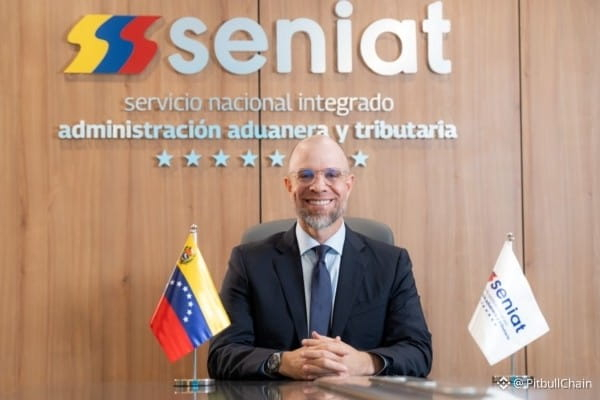
Seniat digitizes tax administration: the watchful eye on P2P and USDTSeniat superintendent Román Maniglia stepped in to cool down the tax debate. In an interview with Banca y Negocios, he explained that the model they dubbed Moda Seniat—modernization, digitalization, and automation—is not intended to pursue anyone or pry into taxpayers’ accounts. Its stated goal is different: to broaden the tax base and make formalizing cheaper and less cumbersome than staying outside the system.
For Venezuela’s P2P market and crypto ecosystem, however, the message has a second meaning. When the tax authorities start cross-checking information with banks and other public agencies, the digital trail of every bolívar—and every USDT converted into bolívars—becomes clearer. And whether we like it or not, that changes the rules of the game for anyone operating in the hazy borderland between the informal and the illegal.
Seniat digitizes tax administration: the watchful eye on P2P and USDT
Seniat superintendent Román Maniglia stepped in to cool down the tax debate. In an interview with Banca y Negocios, he explained that the model they dubbed Moda Seniat—modernization, digitalization, and automation—is not intended to pursue anyone or pry into taxpayers’ accounts. Its stated goal is different: to broaden the tax base and make formalizing cheaper and less cumbersome than staying outside the system.
For Venezuela’s P2P market and crypto ecosystem, however, the message has a second meaning. When the tax authorities start cross-checking information with banks and other public agencies, the digital trail of every bolívar—and every USDT converted into bolívars—becomes clearer. And whether we like it or not, that changes the rules of the game for anyone operating in the hazy borderland between the informal and the illegal.
For Venezuela’s P2P market and crypto ecosystem, however, the message has a second meaning. When the tax authorities start cross-checking information with banks and other public agencies, the digital trail of every bolívar—and every USDT converted into bolívars—becomes clearer. And whether we like it or not, that changes the rules of the game for anyone operating in the hazy borderland between the informal and the illegal.
2
Log in to explore more content
Join global crypto users on Binance Square
⚡️ Get latest and useful information about crypto.
💬 Trusted by the world’s largest crypto exchange.
👍 Discover real insights from verified creators.
Email / Phone number
Trending Topics
1
#BinanceWithdrawalScamWarning
41,873 views
656 Discussing
2
#USMidtermElections
606,191 views
3,229 Discussing
3
#USOctoberNFP-AreRateCutsStillPossible
48,086 views
537 Discussing
4
#AppleEarningsAhead-CanStockHitNewHigh
18,566 views
383 Discussing
5
#Verify1to1BinanceReserves
41,091 views
416 Discussing
6
#BinanceRestores28FiatWithdrawals
158,902 views
1,044 Discussing
7
#StrategyRepurchases$208MSTRCAdds811Bitcoin
7,675 views
18 Discussing
8
#FATFLaunchesReviewOfCryptoHubsMoneyLaunderingControls
738 views
16 Discussing
9
#BinanceProcesses$4.65BWithdrawals
118,697 views
368 Discussing
10
#HKMALaunchesSAGEAgenticFinanceProject
4,348 views
187 Discussing