
#kyc
kyc
1M views
930 Discussing
Hot
Latest

·
--
Article
Revolut’s KYC Leak: How a Fake Gov. Request Exposed Bitcoin UsersRevolut’s KYC Leak: How a Fake Gov. Request Exposed Bitcoin Users
Have you ever wondered what happens when a bank’s security system is tricked by a phishing email that looks like a government request? A recent incident at Revolut, a popular fintech app, shows that even the most trusted platforms can be vulnerable to clever social engineering, and that the fallout can touch high‑net‑worth crypto users in ways we didn’t anticipate.
The Concept: Social Engineering Meets KYC Compliance
When a company receives a request from a government agency to provide customer data, it is standard practice to comply after verifying the request’s authenticity. Unfortunately, scammers can spoof official email domains, creating a “fake gov. request” that looks legitimate. In Revolut’s case, the attackers sent an email that appeared to come from a government authority, prompting the bank’s compliance team to release sensitive KYC and Bitcoin transaction data. The result? A breach that exposed personal information and transaction histories of many users, including those with significant crypto holdings. #SocialEngineering #KYC
Real‑World Example: High‑Net‑Worth Users in the Crosshairs
Onchain investigator ZachXBT, known for tracking suspicious crypto activity, speculated that the breach may have targeted high‑net‑worth individuals. These users often hold large balances of $BTC and other tokens, making them attractive targets for theft or blackmail. By exposing their KYC details and transaction patterns, attackers could map wallet addresses to real identities, potentially facilitating future scams or targeted phishing. The incident underscores how a single weak link—an unverified email—can cascade into a broader security failure, especially for those with substantial crypto assets.
Takeaway: Strengthen Your Own Security Practices
If you’re using Revolut or any crypto‑friendly platform, here are three steps you can take right now:
1. Verify any government or regulatory request by contacting the agency directly using a phone number or email you know is legitimate.
2. Enable two‑factor authentication (2FA) on all accounts, and consider using a hardware wallet for large crypto holdings.
3. Regularly review your account activity and KYC information for any unauthorized changes.
By staying vigilant and double‑checking every request, you can protect yourself from similar social‑engineering attacks. #CryptoSecurity
What steps have you taken to verify the authenticity of requests to your financial institutions? Let me know in the comments!
Revolut’s KYC Leak: How a Fake Gov. Request Exposed Bitcoin Users
Revolut’s KYC Leak: How a Fake Gov. Request Exposed Bitcoin Users
Have you ever wondered what happens when a bank’s security system is tricked by a phishing email that looks like a government request? A recent incident at Revolut, a popular fintech app, shows that even the most trusted platforms can be vulnerable to clever social engineering, and that the fallout can touch high‑net‑worth crypto users in ways we didn’t anticipate.
The Concept: Social Engineering Meets KYC Compliance
When a company receives a request from a government agency to provide customer data, it is standard practice to comply after verifying the request’s authenticity. Unfortunately, scammers can spoof official email domains, creating a “fake gov. request” that looks legitimate. In Revolut’s case, the attackers sent an email that appeared to come from a government authority, prompting the bank’s compliance team to release sensitive KYC and Bitcoin transaction data. The result? A breach that exposed personal information and transaction histories of many users, including those with significant crypto holdings. #SocialEngineering #KYC
Real‑World Example: High‑Net‑Worth Users in the Crosshairs
Onchain investigator ZachXBT, known for tracking suspicious crypto activity, speculated that the breach may have targeted high‑net‑worth individuals. These users often hold large balances of $BTC and other tokens, making them attractive targets for theft or blackmail. By exposing their KYC details and transaction patterns, attackers could map wallet addresses to real identities, potentially facilitating future scams or targeted phishing. The incident underscores how a single weak link—an unverified email—can cascade into a broader security failure, especially for those with substantial crypto assets.
Takeaway: Strengthen Your Own Security Practices
If you’re using Revolut or any crypto‑friendly platform, here are three steps you can take right now:
1. Verify any government or regulatory request by contacting the agency directly using a phone number or email you know is legitimate.
2. Enable two‑factor authentication (2FA) on all accounts, and consider using a hardware wallet for large crypto holdings.
3. Regularly review your account activity and KYC information for any unauthorized changes.
By staying vigilant and double‑checking every request, you can protect yourself from similar social‑engineering attacks. #CryptoSecurity
What steps have you taken to verify the authenticity of requests to your financial institutions? Let me know in the comments!
Have you ever wondered what happens when a bank’s security system is tricked by a phishing email that looks like a government request? A recent incident at Revolut, a popular fintech app, shows that even the most trusted platforms can be vulnerable to clever social engineering, and that the fallout can touch high‑net‑worth crypto users in ways we didn’t anticipate.
The Concept: Social Engineering Meets KYC Compliance
When a company receives a request from a government agency to provide customer data, it is standard practice to comply after verifying the request’s authenticity. Unfortunately, scammers can spoof official email domains, creating a “fake gov. request” that looks legitimate. In Revolut’s case, the attackers sent an email that appeared to come from a government authority, prompting the bank’s compliance team to release sensitive KYC and Bitcoin transaction data. The result? A breach that exposed personal information and transaction histories of many users, including those with significant crypto holdings. #SocialEngineering #KYC
Real‑World Example: High‑Net‑Worth Users in the Crosshairs
Onchain investigator ZachXBT, known for tracking suspicious crypto activity, speculated that the breach may have targeted high‑net‑worth individuals. These users often hold large balances of $BTC and other tokens, making them attractive targets for theft or blackmail. By exposing their KYC details and transaction patterns, attackers could map wallet addresses to real identities, potentially facilitating future scams or targeted phishing. The incident underscores how a single weak link—an unverified email—can cascade into a broader security failure, especially for those with substantial crypto assets.
Takeaway: Strengthen Your Own Security Practices
If you’re using Revolut or any crypto‑friendly platform, here are three steps you can take right now:
1. Verify any government or regulatory request by contacting the agency directly using a phone number or email you know is legitimate.
2. Enable two‑factor authentication (2FA) on all accounts, and consider using a hardware wallet for large crypto holdings.
3. Regularly review your account activity and KYC information for any unauthorized changes.
By staying vigilant and double‑checking every request, you can protect yourself from similar social‑engineering attacks. #CryptoSecurity
What steps have you taken to verify the authenticity of requests to your financial institutions? Let me know in the comments!
14
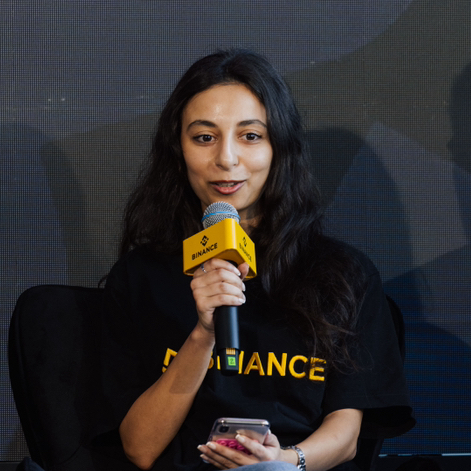
Did You Know? Binance Bahrain 🇧🇭 Series | Episode 4
Your National ID can be part of the onboarding journey: Getting started with Binance Bahrain begins with identity verification. For the Binance Bahrain onboarding journey, users select their country of residence and complete identity verification. Binance's guidance specifies using the relevant identity document for the user's country of residence.
And there's an important detail for existing Binance users:
If you already have a Binance Global account, you may need a different email or phone number when creating the Binance Bahrain account.
Why does KYC matter?
Because Binance Bahrain operates as a regulated platform in Bahrain. Binance states that Binance Bahrain B.S.C. is licensed by the Central Bank of Bahrain as a Category 4 Crypto Asset licensee.
So onboarding isn't just: “Create account → let's go.”
There is a verification journey designed around the applicable regulatory requirements. Verify first. Then discover what's available to you. 🔐 #BinanceBahrain #KYC #ID #Vérification
Did You Know? Binance Bahrain 🇧🇭 Series | Episode 4
Your National ID can be part of the onboarding journey: Getting started with Binance Bahrain begins with identity verification. For the Binance Bahrain onboarding journey, users select their country of residence and complete identity verification. Binance's guidance specifies using the relevant identity document for the user's country of residence.
And there's an important detail for existing Binance users:
If you already have a Binance Global account, you may need a different email or phone number when creating the Binance Bahrain account.
Why does KYC matter?
Because Binance Bahrain operates as a regulated platform in Bahrain. Binance states that Binance Bahrain B.S.C. is licensed by the Central Bank of Bahrain as a Category 4 Crypto Asset licensee.
So onboarding isn't just: “Create account → let's go.”
There is a verification journey designed around the applicable regulatory requirements. Verify first. Then discover what's available to you. 🔐 #BinanceBahrain #KYC #ID #Vérification
Your National ID can be part of the onboarding journey: Getting started with Binance Bahrain begins with identity verification. For the Binance Bahrain onboarding journey, users select their country of residence and complete identity verification. Binance's guidance specifies using the relevant identity document for the user's country of residence.
And there's an important detail for existing Binance users:
If you already have a Binance Global account, you may need a different email or phone number when creating the Binance Bahrain account.
Why does KYC matter?
Because Binance Bahrain operates as a regulated platform in Bahrain. Binance states that Binance Bahrain B.S.C. is licensed by the Central Bank of Bahrain as a Category 4 Crypto Asset licensee.
So onboarding isn't just: “Create account → let's go.”
There is a verification journey designed around the applicable regulatory requirements. Verify first. Then discover what's available to you. 🔐 #BinanceBahrain #KYC #ID #Vérification
1
73
SIDRACHAIN KYC UPDATE
KYC verification is entering an advanced phase with improved face-verification technology.
A smoother faster and more reliable verification experience is the goal.
The next major step is getting closer.
Stay tuned for the official announcement.
#SidraChain #KYC #SDA #usdt #trade
$KSM
{future}(KSMUSDT)
$LTC
{future}(LTCUSDT)
$USDT
SIDRACHAIN KYC UPDATE
KYC verification is entering an advanced phase with improved face-verification technology.
A smoother faster and more reliable verification experience is the goal.
The next major step is getting closer.
Stay tuned for the official announcement.
#SidraChain #KYC #SDA #usdt #trade
$KSM
$LTC
$USDT
KYC verification is entering an advanced phase with improved face-verification technology.
A smoother faster and more reliable verification experience is the goal.
The next major step is getting closer.
Stay tuned for the official announcement.
#SidraChain #KYC #SDA #usdt #trade
$KSM
$LTC
$USDT

162

·
--
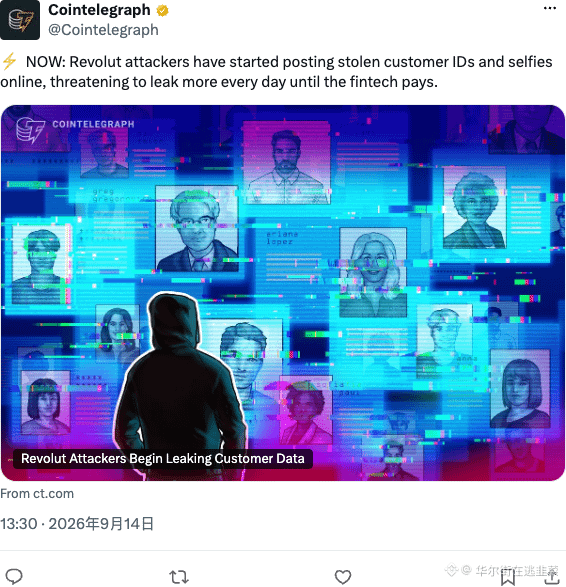
Revolut user’s ID card + selfie were posted online by someone 🤡 The attacker said: pay up or they’ll release a batch every day. It’s the fintech version of “no money, no mercy”—same old routine.
Watch the drama if you want, but the lesson is still this: centralized platforms have your entire KYC package, and when something happens, you’re left exposed. Use multisig, audit regularly, and minimize data—don’t wait to be doxxed before you take action.
$BTC #Revolut #KYC
Revolut user’s ID card + selfie were posted online by someone 🤡 The attacker said: pay up or they’ll release a batch every day. It’s the fintech version of “no money, no mercy”—same old routine.
Watch the drama if you want, but the lesson is still this: centralized platforms have your entire KYC package, and when something happens, you’re left exposed. Use multisig, audit regularly, and minimize data—don’t wait to be doxxed before you take action.
$BTC #Revolut #KYC
Watch the drama if you want, but the lesson is still this: centralized platforms have your entire KYC package, and when something happens, you’re left exposed. Use multisig, audit regularly, and minimize data—don’t wait to be doxxed before you take action.
$BTC #Revolut #KYC
24
·
--
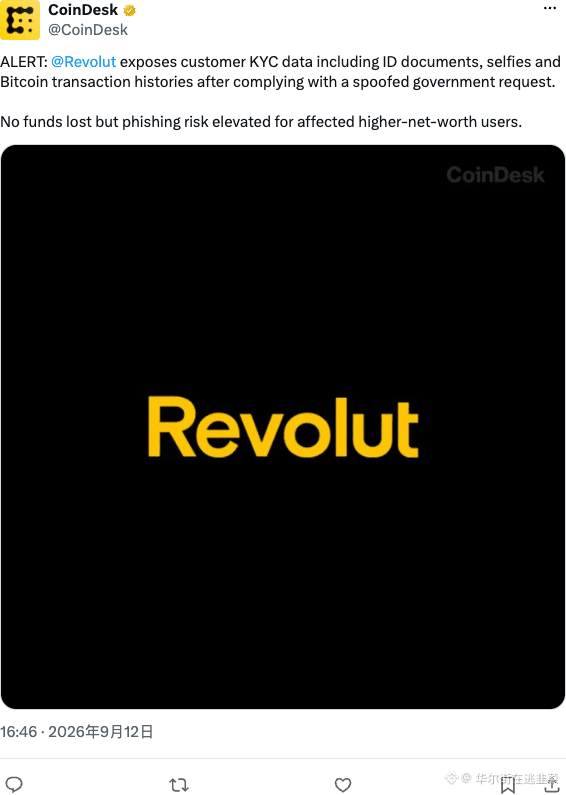
Revolut handed over all of its customers’ KYC documents—ID cards, selfies, and even bundled Bitcoin transaction records—just because it received a forged government directive. The money wasn’t lost, but high-net-worth users are now sitting ducks for scam groups.
Centralized platforms hold your entire set of private information, yet they can’t even verify a fake official document. Once again, the old saying in crypto proves true: not your keys, not your coins. Where your identity data is stored, the risk is there too.
$BTC #KYC #Revolut
Revolut handed over all of its customers’ KYC documents—ID cards, selfies, and even bundled Bitcoin transaction records—just because it received a forged government directive. The money wasn’t lost, but high-net-worth users are now sitting ducks for scam groups.
Centralized platforms hold your entire set of private information, yet they can’t even verify a fake official document. Once again, the old saying in crypto proves true: not your keys, not your coins. Where your identity data is stored, the risk is there too.
$BTC #KYC #Revolut
Centralized platforms hold your entire set of private information, yet they can’t even verify a fake official document. Once again, the old saying in crypto proves true: not your keys, not your coins. Where your identity data is stored, the risk is there too.
$BTC #KYC #Revolut
20
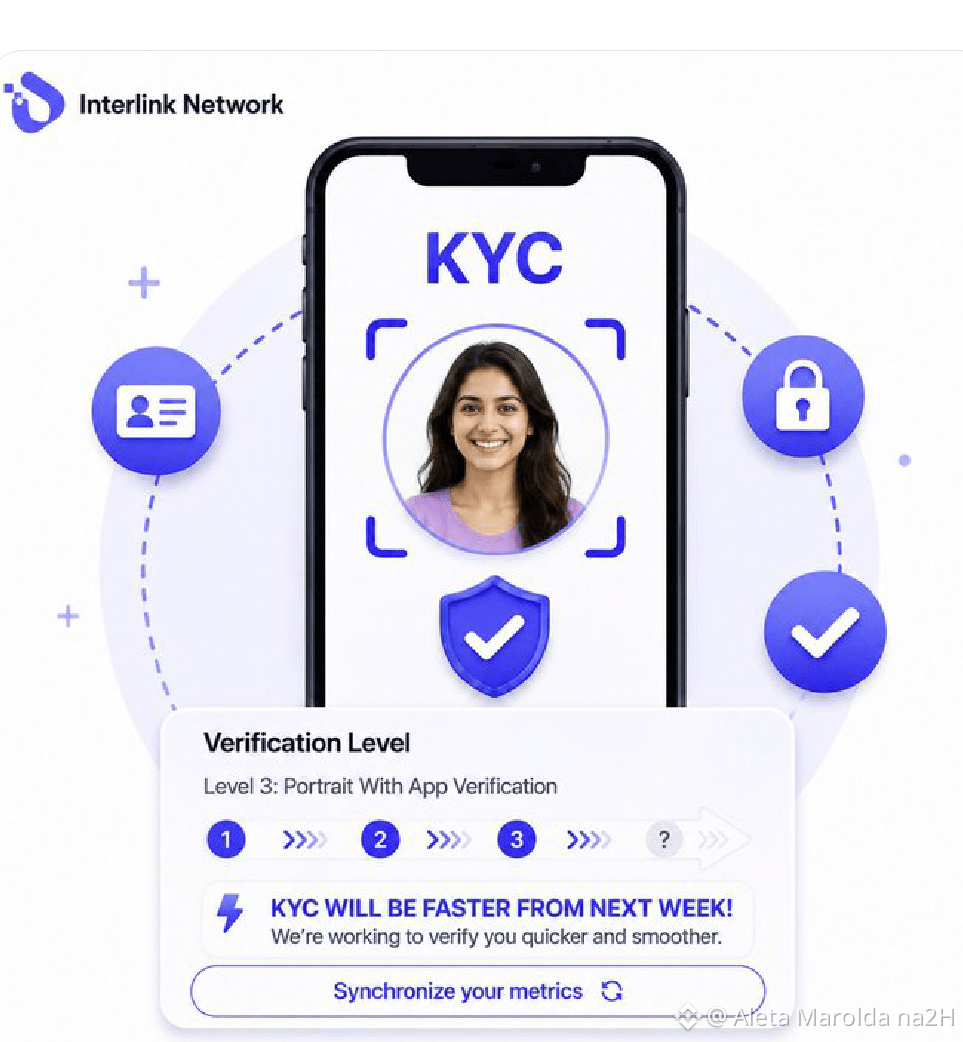
INTERLINK KYC Verification Just Got Easier! 🚀
Quick KYC Guide
🔹 1. Open the App
Launch the InterLink Labs app and log in to your account.
🔹 2. Go to KYC
Head to your home screen or profile and tap “KYC Synchronization.”
🔹 3. Double-Check Your Details
Make sure all your information is correct before moving forward.
🔹 4. Get Verified
Simply follow the on-screen steps to submit the required documents or complete facial verification.
🔹 5. That’s It! 🎉
Once submitted, your KYC will be processed and your status will update accordingly.
✅ Complete your KYC carefully, keep your information accurate, and get ready — KYC processing is expected to get faster starting next week! ⚡
#InterLink #ITLG #ITL #KYC #bnb
$INJ
{future}(INJUSDT)
$INIT
{future}(INITUSDT)
$INTC
{future}(INTCUSDT)
INTERLINK KYC Verification Just Got Easier! 🚀
Quick KYC Guide
🔹 1. Open the App
Launch the InterLink Labs app and log in to your account.
🔹 2. Go to KYC
Head to your home screen or profile and tap “KYC Synchronization.”
🔹 3. Double-Check Your Details
Make sure all your information is correct before moving forward.
🔹 4. Get Verified
Simply follow the on-screen steps to submit the required documents or complete facial verification.
🔹 5. That’s It! 🎉
Once submitted, your KYC will be processed and your status will update accordingly.
✅ Complete your KYC carefully, keep your information accurate, and get ready — KYC processing is expected to get faster starting next week! ⚡
#InterLink #ITLG #ITL #KYC #bnb
$INJ
$INIT
$INTC
Quick KYC Guide
🔹 1. Open the App
Launch the InterLink Labs app and log in to your account.
🔹 2. Go to KYC
Head to your home screen or profile and tap “KYC Synchronization.”
🔹 3. Double-Check Your Details
Make sure all your information is correct before moving forward.
🔹 4. Get Verified
Simply follow the on-screen steps to submit the required documents or complete facial verification.
🔹 5. That’s It! 🎉
Once submitted, your KYC will be processed and your status will update accordingly.
✅ Complete your KYC carefully, keep your information accurate, and get ready — KYC processing is expected to get faster starting next week! ⚡
#InterLink #ITLG #ITL #KYC #bnb
$INJ
$INIT
$INTC

222

·
--
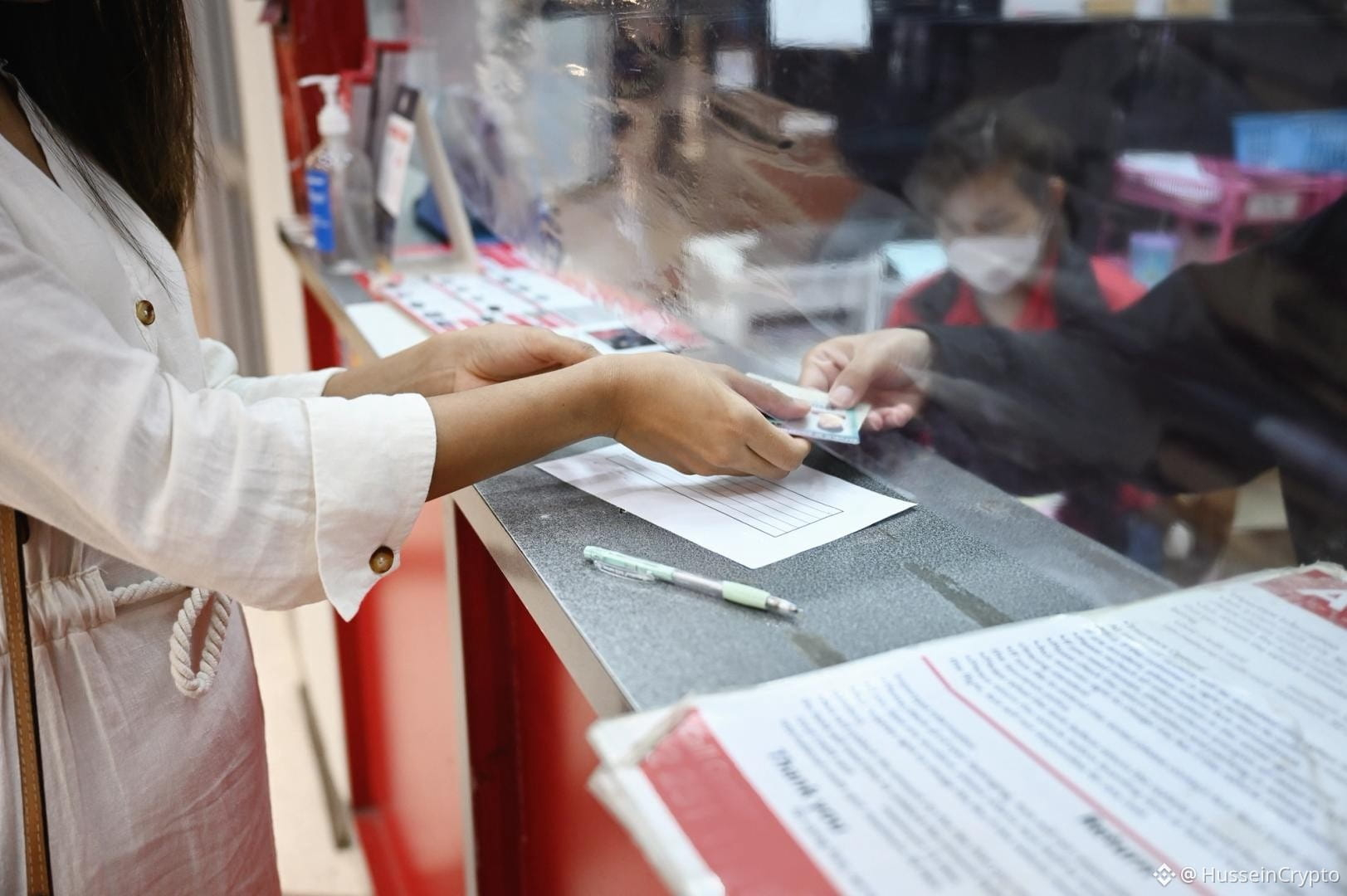
KYC data is an irresistible honeypot for hackers, and privacy-preserving identity verification could change how it's collected. Coin Center’s Laz Pieper advocates systems that prove only what a service needs, while keeping your data under your control. A must for crypto users. $BTC #Privacy #KYC #Crypto
KYC data is an irresistible honeypot for hackers, and privacy-preserving identity verification could change how it's collected. Coin Center’s Laz Pieper advocates systems that prove only what a service needs, while keeping your data under your control. A must for crypto users. $BTC #Privacy #KYC #Crypto
16

KYC data: An attractive lure for hackers, we need to change how it’s collected
- KYC data is an ideal target for hacker attacks.
- We need to change the way identity data is collected and managed.
- A secure privacy-preserving authentication system allows proving the correct, necessary information.
- The original data remains under the user’s control.
- Analysis by Laz Pieper of Coin Center.
#BinanceSquare #CryptoNews #KYC #Web3 #Privacy
$btc $eth
vlikevn Titanbot
Source: CoinDesk
KYC data: An attractive lure for hackers, we need to change how it’s collected
- KYC data is an ideal target for hacker attacks.
- We need to change the way identity data is collected and managed.
- A secure privacy-preserving authentication system allows proving the correct, necessary information.
- The original data remains under the user’s control.
- Analysis by Laz Pieper of Coin Center.
#BinanceSquare #CryptoNews #KYC #Web3 #Privacy
$btc $eth
vlikevn Titanbot
Source: CoinDesk
- KYC data is an ideal target for hacker attacks.
- We need to change the way identity data is collected and managed.
- A secure privacy-preserving authentication system allows proving the correct, necessary information.
- The original data remains under the user’s control.
- Analysis by Laz Pieper of Coin Center.
#BinanceSquare #CryptoNews #KYC #Web3 #Privacy
$btc $eth
vlikevn Titanbot
Source: CoinDesk
114

🔐 KYC & AML on Crypto Exchanges: What They Actually Are (And Why You Can’t Skip Them)
If you’ve ever wondered why Binance asks for ID verification before you can fully use the platform, here’s the plain English version.
KYC (Know Your Customer)
This is the identity verification step. It usually involves uploading a government issued ID and, depending on the platform and your circumstances, a selfie, proof of address, or other information.
Exchanges do this mainly because financial regulations require them to know who their customers are and to take measures against money laundering, fraud and terrorist financing.
International standards such as those developed by the Financial Action Task Force (FATF) require virtual asset service providers to apply customer due diligence and other anti money laundering measures. Countries then implement these standards through their own laws and regulations. (fatf-gafi.org)
So when Binance asks for your ID, it isn’t simply being “nosy.” KYC is part of the broader AML compliance system used by financial institutions and crypto exchanges around the world.
And KYC is only one part of the picture. There is also AML, transaction monitoring, risk based verification and, in some cases, additional checks when a transaction or account activity appears unusual.
In simple terms, KYC answers one basic question:
“Who are you?”
AML then focuses on another:
“Is the money moving through the platform connected to suspicious or illegal activity?”
That’s why exchanges may sometimes ask for additional information or flag certain transactions.
#kyc #aml #Binance #CryptoCompliance #BinanceSquare
🔐 KYC & AML on Crypto Exchanges: What They Actually Are (And Why You Can’t Skip Them)
If you’ve ever wondered why Binance asks for ID verification before you can fully use the platform, here’s the plain English version.
KYC (Know Your Customer)
This is the identity verification step. It usually involves uploading a government issued ID and, depending on the platform and your circumstances, a selfie, proof of address, or other information.
Exchanges do this mainly because financial regulations require them to know who their customers are and to take measures against money laundering, fraud and terrorist financing.
International standards such as those developed by the Financial Action Task Force (FATF) require virtual asset service providers to apply customer due diligence and other anti money laundering measures. Countries then implement these standards through their own laws and regulations. (fatf-gafi.org)
So when Binance asks for your ID, it isn’t simply being “nosy.” KYC is part of the broader AML compliance system used by financial institutions and crypto exchanges around the world.
And KYC is only one part of the picture. There is also AML, transaction monitoring, risk based verification and, in some cases, additional checks when a transaction or account activity appears unusual.
In simple terms, KYC answers one basic question:
“Who are you?”
AML then focuses on another:
“Is the money moving through the platform connected to suspicious or illegal activity?”
That’s why exchanges may sometimes ask for additional information or flag certain transactions.
#kyc #aml #Binance #CryptoCompliance #BinanceSquare
If you’ve ever wondered why Binance asks for ID verification before you can fully use the platform, here’s the plain English version.
KYC (Know Your Customer)
This is the identity verification step. It usually involves uploading a government issued ID and, depending on the platform and your circumstances, a selfie, proof of address, or other information.
Exchanges do this mainly because financial regulations require them to know who their customers are and to take measures against money laundering, fraud and terrorist financing.
International standards such as those developed by the Financial Action Task Force (FATF) require virtual asset service providers to apply customer due diligence and other anti money laundering measures. Countries then implement these standards through their own laws and regulations. (fatf-gafi.org)
So when Binance asks for your ID, it isn’t simply being “nosy.” KYC is part of the broader AML compliance system used by financial institutions and crypto exchanges around the world.
And KYC is only one part of the picture. There is also AML, transaction monitoring, risk based verification and, in some cases, additional checks when a transaction or account activity appears unusual.
In simple terms, KYC answers one basic question:
“Who are you?”
AML then focuses on another:
“Is the money moving through the platform connected to suspicious or illegal activity?”
That’s why exchanges may sometimes ask for additional information or flag certain transactions.
#kyc #aml #Binance #CryptoCompliance #BinanceSquare
1
98
KYC Verification Just Got Easier! 🚀
Quick KYC Guide
🔹 1. Open the App
Launch the InterLink Labs app and log in to your account.
🔹 2. Go to KYC
Head to your home screen or profile and tap “KYC Synchronization.”
🔹 3. Double-Check Your Details
Make sure all your information is correct before moving forward.
🔹 4. Get Verified
Simply follow the on-screen steps to submit the required documents or complete facial verification.
🔹 5. That’s It! 🎉
Once submitted, your KYC will be processed and your status will update accordingly.
✅ Complete your KYC carefully, keep your information accurate, and get ready — KYC processing is expected to get faster starting next week! ⚡
#kyc #bnb #btc #trade #usdt
$NEO
{future}(NEOUSDT)
$GNO
{spot}(GNOUSDT)
$LDO
{future}(LDOUSDT)
KYC Verification Just Got Easier! 🚀
Quick KYC Guide
🔹 1. Open the App
Launch the InterLink Labs app and log in to your account.
🔹 2. Go to KYC
Head to your home screen or profile and tap “KYC Synchronization.”
🔹 3. Double-Check Your Details
Make sure all your information is correct before moving forward.
🔹 4. Get Verified
Simply follow the on-screen steps to submit the required documents or complete facial verification.
🔹 5. That’s It! 🎉
Once submitted, your KYC will be processed and your status will update accordingly.
✅ Complete your KYC carefully, keep your information accurate, and get ready — KYC processing is expected to get faster starting next week! ⚡
#kyc #bnb #btc #trade #usdt
$NEO
$GNO
$LDO
Quick KYC Guide
🔹 1. Open the App
Launch the InterLink Labs app and log in to your account.
🔹 2. Go to KYC
Head to your home screen or profile and tap “KYC Synchronization.”
🔹 3. Double-Check Your Details
Make sure all your information is correct before moving forward.
🔹 4. Get Verified
Simply follow the on-screen steps to submit the required documents or complete facial verification.
🔹 5. That’s It! 🎉
Once submitted, your KYC will be processed and your status will update accordingly.
✅ Complete your KYC carefully, keep your information accurate, and get ready — KYC processing is expected to get faster starting next week! ⚡
#kyc #bnb #btc #trade #usdt
$NEO
$GNO
$LDO
195

#BPIUrgesFinCENExpandStablecoinIDRulesToSecondaryMa
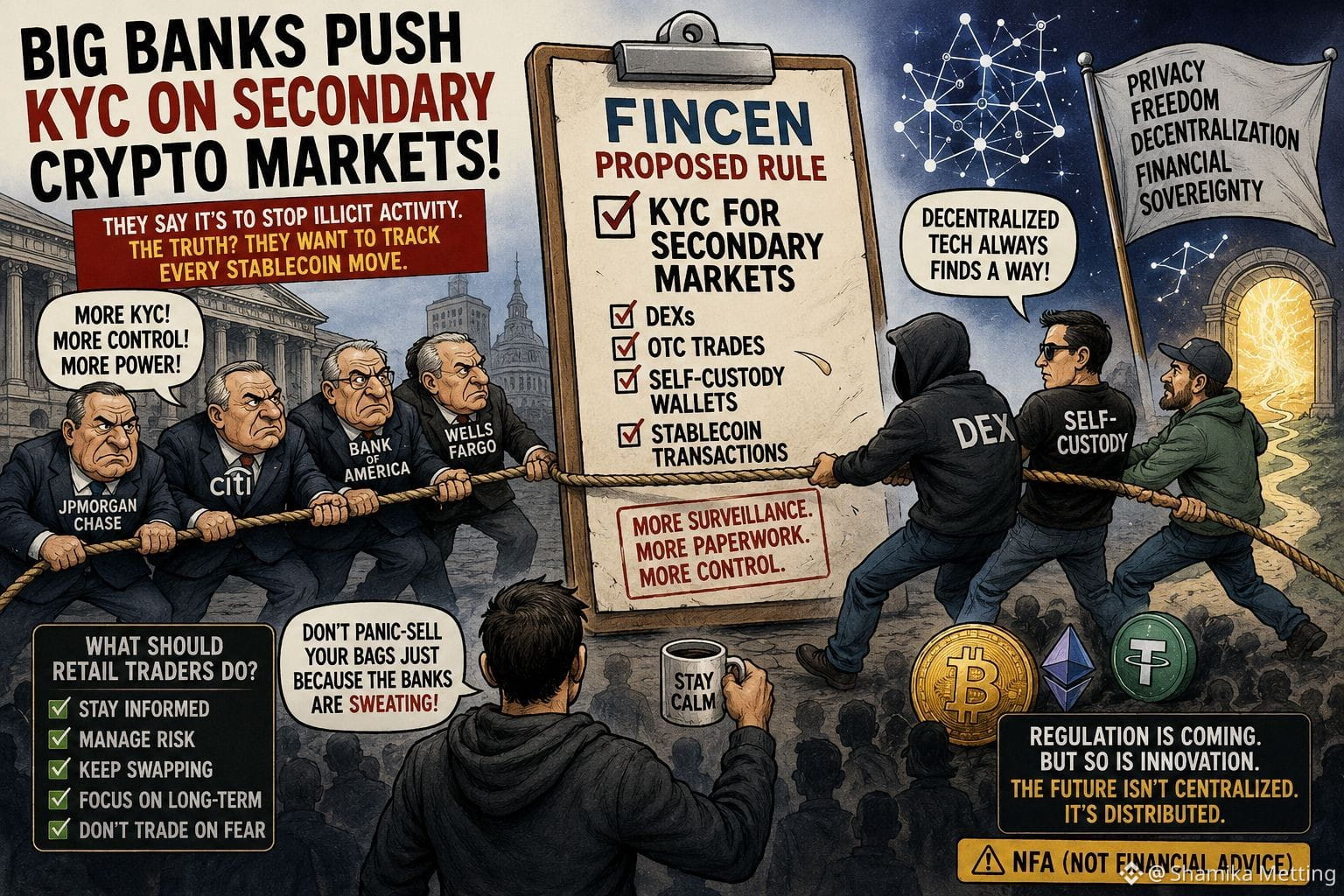
🚨 Do major banks require KYC in secondary crypto markets? 😱
Wait, what?! Reports suggest that major banks are pushing for stricter KYC requirements around secondary digital asset markets — raising new questions about DEX, over-the-counter (OTC) trading, stablecoins, and self-custody. 👀
🏦 Why does this matter?
Banks argue that tighter oversight can help curb illicit activity. Critics worry that broader rules will increase tracking and compliance pressure across the crypto market.
🛡️ Advice for retail traders
• Don’t panic buy or sell at a loss based on headlines.
• Watch the actual regulatory proposals.
• Follow stablecoin and DEX rules.
• Understand risks instead of trading out of fear.
The big question: Will regulations strengthen the future of crypto — or will they increase pressure on decentralization? 🤔
⚠️ NFA (not financial advice).
Follow-up, please
#Crypto #KYC #DeFi #DEX
$BTC
$ETH
$BNB
#BPIUrgesFinCENExpandStablecoinIDRulesToSecondaryMa
🚨 Do major banks require KYC in secondary crypto markets? 😱
Wait, what?! Reports suggest that major banks are pushing for stricter KYC requirements around secondary digital asset markets — raising new questions about DEX, over-the-counter (OTC) trading, stablecoins, and self-custody. 👀
🏦 Why does this matter?
Banks argue that tighter oversight can help curb illicit activity. Critics worry that broader rules will increase tracking and compliance pressure across the crypto market.
🛡️ Advice for retail traders
• Don’t panic buy or sell at a loss based on headlines.
• Watch the actual regulatory proposals.
• Follow stablecoin and DEX rules.
• Understand risks instead of trading out of fear.
The big question: Will regulations strengthen the future of crypto — or will they increase pressure on decentralization? 🤔
⚠️ NFA (not financial advice).
Follow-up, please
#Crypto #KYC #DeFi #DEX
$BTC
$ETH
$BNB
🚨 Do major banks require KYC in secondary crypto markets? 😱
Wait, what?! Reports suggest that major banks are pushing for stricter KYC requirements around secondary digital asset markets — raising new questions about DEX, over-the-counter (OTC) trading, stablecoins, and self-custody. 👀
🏦 Why does this matter?
Banks argue that tighter oversight can help curb illicit activity. Critics worry that broader rules will increase tracking and compliance pressure across the crypto market.
🛡️ Advice for retail traders
• Don’t panic buy or sell at a loss based on headlines.
• Watch the actual regulatory proposals.
• Follow stablecoin and DEX rules.
• Understand risks instead of trading out of fear.
The big question: Will regulations strengthen the future of crypto — or will they increase pressure on decentralization? 🤔
⚠️ NFA (not financial advice).
Follow-up, please
#Crypto #KYC #DeFi #DEX
$BTC
$ETH
$BNB
1
39

·
--
#BPIUrgesFinCENExpandStablecoinIDRulesToSecondaryMarkets"
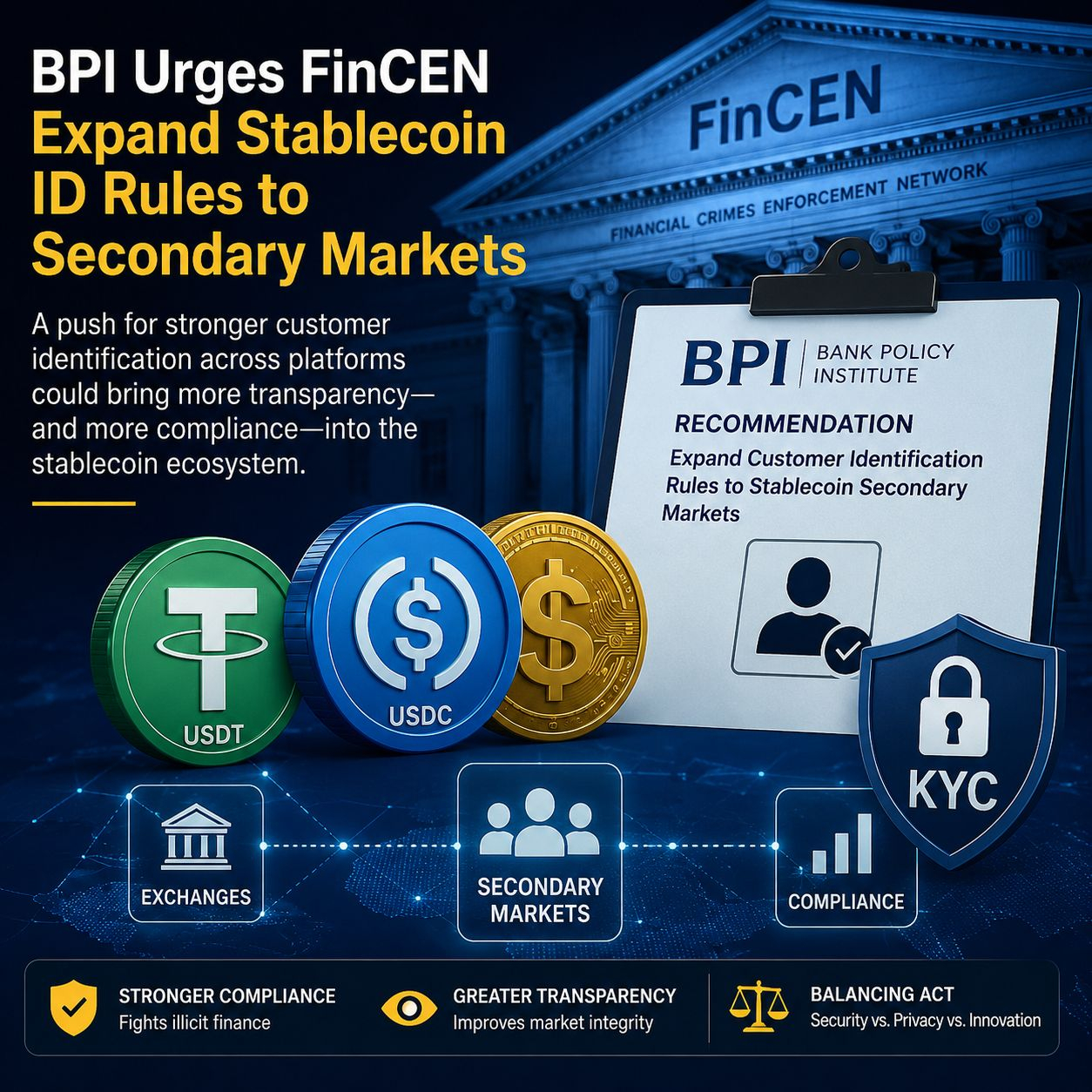
Crypto Perspective"} 🔎 A major regulatory debate is heating up around stablecoins. BPI is asking FinCEN to consider customer-identification rules for secondary-market participants, arguing that significant stablecoi activity happens beyond the issuer level. This could reshape how exchanges and other platforms handle compliance. For crypto users, the balance between financial security, privacy, and decentralization will be worth watching closely. 🚀
$BTC $ETH $USDT $USDC
#BPI #FinCEN #Stablecoins #KYC #CryptoRegulation #DeFi :::
citeturn0search3turn0search8
#BPIUrgesFinCENExpandStablecoinIDRulesToSecondaryMarkets"
Crypto Perspective"} 🔎 A major regulatory debate is heating up around stablecoins. BPI is asking FinCEN to consider customer-identification rules for secondary-market participants, arguing that significant stablecoi activity happens beyond the issuer level. This could reshape how exchanges and other platforms handle compliance. For crypto users, the balance between financial security, privacy, and decentralization will be worth watching closely. 🚀
$BTC $ETH $USDT $USDC
#BPI #FinCEN #Stablecoins #KYC #CryptoRegulation #DeFi :::
citeturn0search3turn0search8
Crypto Perspective"} 🔎 A major regulatory debate is heating up around stablecoins. BPI is asking FinCEN to consider customer-identification rules for secondary-market participants, arguing that significant stablecoi activity happens beyond the issuer level. This could reshape how exchanges and other platforms handle compliance. For crypto users, the balance between financial security, privacy, and decentralization will be worth watching closely. 🚀
$BTC $ETH $USDT $USDC
#BPI #FinCEN #Stablecoins #KYC #CryptoRegulation #DeFi :::
citeturn0search3turn0search8
86
·
--
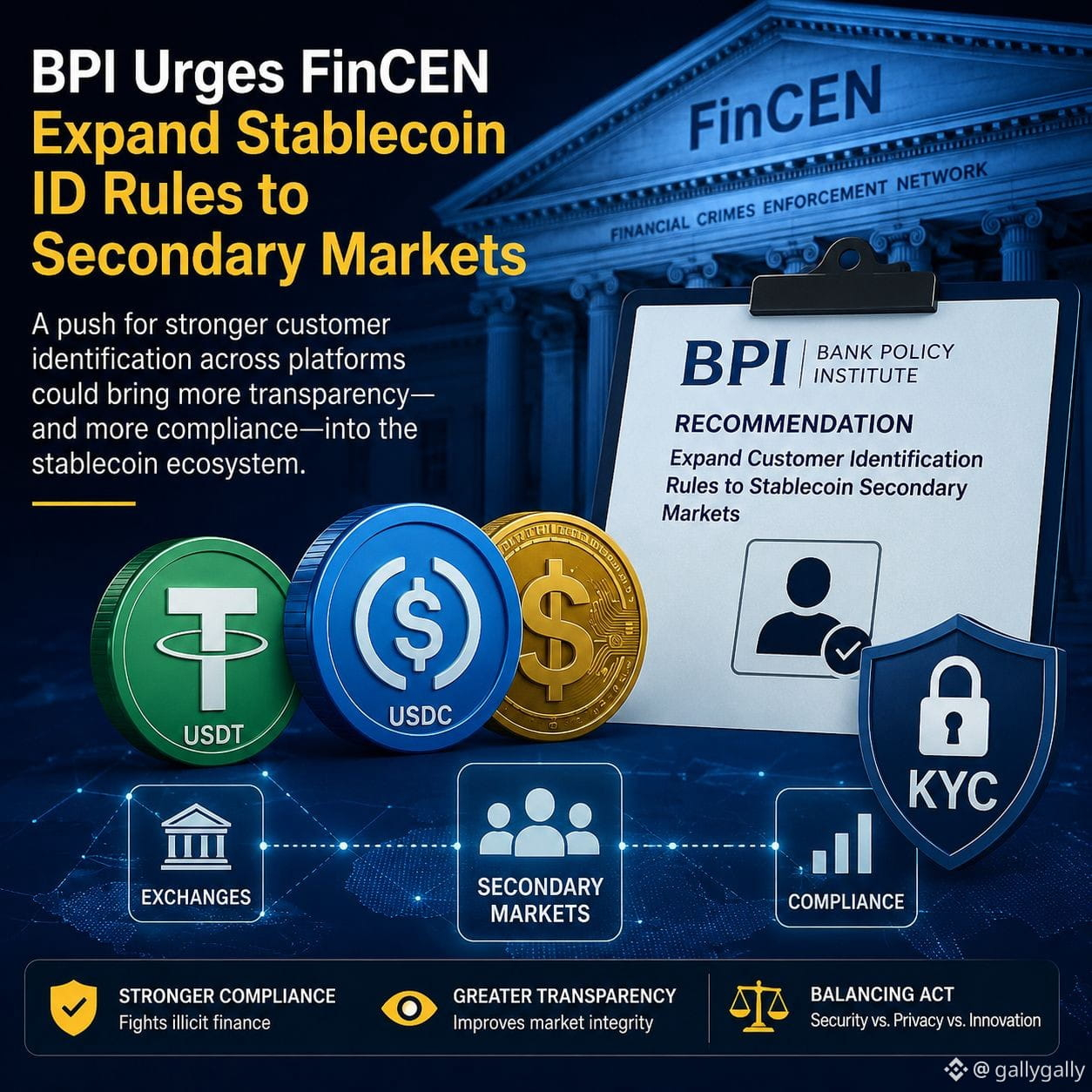
#BPIUrgesFinCENExpandStablecoinIDRulesToSecondaryMarkets 🏦 The Bank Policy Institute is urging FinCEN to expand customer-identification requirements into stablecoin secondary markets, including platforms serving retail users. The move could bring tighter KYC standards across more of the crypto ecosystem. For stablecoin, stronger compliance may improve transparency—but it could also raise privacy and decentralization concerns. The next step is watching how regulators balance security, innovation, and user access. 💵
$USDC $USDT $BTC $ETH
#Stablecoins #FinCEN #KYC #DeFi #blockchain
#BPIUrgesFinCENExpandStablecoinIDRulesToSecondaryMarkets 🏦 The Bank Policy Institute is urging FinCEN to expand customer-identification requirements into stablecoin secondary markets, including platforms serving retail users. The move could bring tighter KYC standards across more of the crypto ecosystem. For stablecoin, stronger compliance may improve transparency—but it could also raise privacy and decentralization concerns. The next step is watching how regulators balance security, innovation, and user access. 💵
$USDC $USDT $BTC $ETH
#Stablecoins #FinCEN #KYC #DeFi #blockchain
$USDC $USDT $BTC $ETH
#Stablecoins #FinCEN #KYC #DeFi #blockchain
117

Stablecoins are almost everyone’s business, but the KYC threshold may be getting higher. A U.S. large bank group, the BPI (representing JPMorgan, Bank of America, Wells Fargo, and Citigroup), has formally proposed that FinCEN expand customer identity verification requirements to the secondary stablecoin market. Exchanges and DEXs may be unable to escape. This is not the final rule, but the direction is worth watching.
Source: BPI believes the relevant platforms handle a large amount of stablecoin buying and selling, and most illegal activity occurs in the secondary market. FinCEN also acknowledges that on-chain transactions can be anonymous and that issuers have difficulty collecting customer information. If adopted, exchanges would need to collect identity information in accordance with the Bank Secrecy Act, and DEXs may also be covered.
The contrast is this: traditional banks are not banning stablecoins, but are requiring stricter compliance—making stablecoins more like traditional finance. However, this is only a proposal; we can’t infer the specific implementation time frame or scope, and it may not ultimately be carried out.
Next, watch whether FinCEN advances the rule and how major exchanges’ KYC requirements change. Would you be willing to submit more personal information to trade stablecoins? #稳定币 #KYC
Stablecoins are almost everyone’s business, but the KYC threshold may be getting higher. A U.S. large bank group, the BPI (representing JPMorgan, Bank of America, Wells Fargo, and Citigroup), has formally proposed that FinCEN expand customer identity verification requirements to the secondary stablecoin market. Exchanges and DEXs may be unable to escape. This is not the final rule, but the direction is worth watching.
Source: BPI believes the relevant platforms handle a large amount of stablecoin buying and selling, and most illegal activity occurs in the secondary market. FinCEN also acknowledges that on-chain transactions can be anonymous and that issuers have difficulty collecting customer information. If adopted, exchanges would need to collect identity information in accordance with the Bank Secrecy Act, and DEXs may also be covered.
The contrast is this: traditional banks are not banning stablecoins, but are requiring stricter compliance—making stablecoins more like traditional finance. However, this is only a proposal; we can’t infer the specific implementation time frame or scope, and it may not ultimately be carried out.
Next, watch whether FinCEN advances the rule and how major exchanges’ KYC requirements change. Would you be willing to submit more personal information to trade stablecoins? #稳定币 #KYC
Source: BPI believes the relevant platforms handle a large amount of stablecoin buying and selling, and most illegal activity occurs in the secondary market. FinCEN also acknowledges that on-chain transactions can be anonymous and that issuers have difficulty collecting customer information. If adopted, exchanges would need to collect identity information in accordance with the Bank Secrecy Act, and DEXs may also be covered.
The contrast is this: traditional banks are not banning stablecoins, but are requiring stricter compliance—making stablecoins more like traditional finance. However, this is only a proposal; we can’t infer the specific implementation time frame or scope, and it may not ultimately be carried out.
Next, watch whether FinCEN advances the rule and how major exchanges’ KYC requirements change. Would you be willing to submit more personal information to trade stablecoins? #稳定币 #KYC
10


Stop Sharing Your Passport For Every KYC 🌙
A KYC check today usually means handing an exchange a passport scan and trusting it to hold the copy.
That leaves another copy of your most sensitive data sitting with a third party, and handing your prompts to an AI company creates the same privacy problem.
That's why 3 million registered users on Venice AI, the platform behind $VVV , route their prompts through independent GPU operators instead of one company's servers.
That need for privacy turns up in institutional markets too, where organizations transact privately on $CC while giving authorized parties access to the information required for compliance.
Midnight puts that decision inside the application, where a Compact circuit shows a counterparty one cleared fact and keeps the underlying private data off the public ledger.
Midnight Expert gives Claude Code the tools to build and check Compact contracts, from getting the contract started to catching errors before the code ships.
So a verified user clears a check by proving one fact about themselves, which means the scan behind it is not published on-chain. Applications built that way are what put programmable privacy in front of retail.
#Privacy #kyc
Stop Sharing Your Passport For Every KYC 🌙
A KYC check today usually means handing an exchange a passport scan and trusting it to hold the copy.
That leaves another copy of your most sensitive data sitting with a third party, and handing your prompts to an AI company creates the same privacy problem.
That's why 3 million registered users on Venice AI, the platform behind $VVV , route their prompts through independent GPU operators instead of one company's servers.
That need for privacy turns up in institutional markets too, where organizations transact privately on $CC while giving authorized parties access to the information required for compliance.
Midnight puts that decision inside the application, where a Compact circuit shows a counterparty one cleared fact and keeps the underlying private data off the public ledger.
Midnight Expert gives Claude Code the tools to build and check Compact contracts, from getting the contract started to catching errors before the code ships.
So a verified user clears a check by proving one fact about themselves, which means the scan behind it is not published on-chain. Applications built that way are what put programmable privacy in front of retail.
#Privacy #kyc
A KYC check today usually means handing an exchange a passport scan and trusting it to hold the copy.
That leaves another copy of your most sensitive data sitting with a third party, and handing your prompts to an AI company creates the same privacy problem.
That's why 3 million registered users on Venice AI, the platform behind $VVV , route their prompts through independent GPU operators instead of one company's servers.
That need for privacy turns up in institutional markets too, where organizations transact privately on $CC while giving authorized parties access to the information required for compliance.
Midnight puts that decision inside the application, where a Compact circuit shows a counterparty one cleared fact and keeps the underlying private data off the public ledger.
Midnight Expert gives Claude Code the tools to build and check Compact contracts, from getting the contract started to catching errors before the code ships.
So a verified user clears a check by proving one fact about themselves, which means the scan behind it is not published on-chain. Applications built that way are what put programmable privacy in front of retail.
#Privacy #kyc
4
380

Another KYC leak. This time, ~200,000 crypto customers. 💀
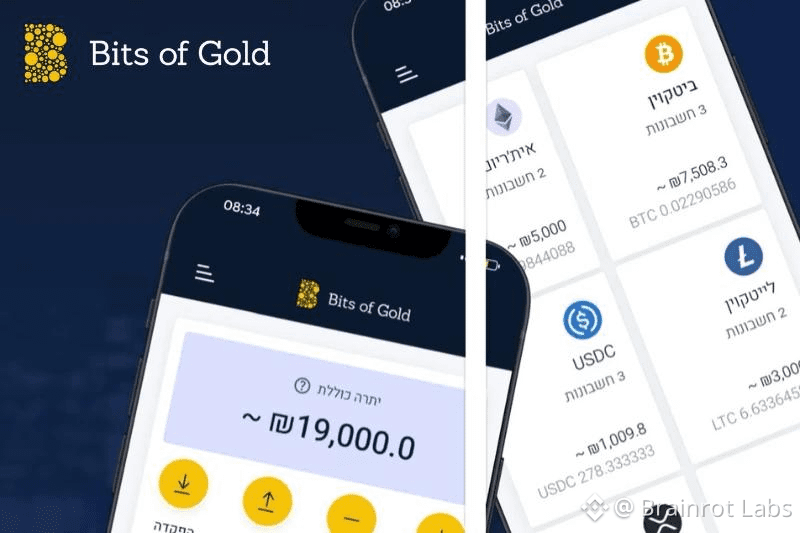
Bits of Gold, one of the large crypto brokers in Israel, said that data of about 200,000 customers was leaked following a cyber incident.
The affected information is believed to include:
🪪 Full name + ID number
📱 Phone number
📧 Email
🌐 IP address
🏦 Bank account details
👛 Public wallet addresses
Key point: according to the information available so far, customers’ cryptocurrency and assets are not affected.
According to the company, the attacker gained unauthorized access to a support system used for data analysis and stole personal information.
Crypto: “Not your keys, not your coins.”
KYC database: “But what about your name, phone and bank account?” 💀
This is a painful reminder that self-custody doesn’t solve KYC data risks. You can keep your private key safe, but your personal information still sits with a third party.
Brothers, how much responsibility should a crypto broker take when the KYC database is leaked, even if on-chain assets remain safe? 👀
#BrainrotCrypto #kyc
Another KYC leak. This time, ~200,000 crypto customers. 💀
Bits of Gold, one of the large crypto brokers in Israel, said that data of about 200,000 customers was leaked following a cyber incident.
The affected information is believed to include:
🪪 Full name + ID number
📱 Phone number
📧 Email
🌐 IP address
🏦 Bank account details
👛 Public wallet addresses
Key point: according to the information available so far, customers’ cryptocurrency and assets are not affected.
According to the company, the attacker gained unauthorized access to a support system used for data analysis and stole personal information.
Crypto: “Not your keys, not your coins.”
KYC database: “But what about your name, phone and bank account?” 💀
This is a painful reminder that self-custody doesn’t solve KYC data risks. You can keep your private key safe, but your personal information still sits with a third party.
Brothers, how much responsibility should a crypto broker take when the KYC database is leaked, even if on-chain assets remain safe? 👀
#BrainrotCrypto #kyc
Bits of Gold, one of the large crypto brokers in Israel, said that data of about 200,000 customers was leaked following a cyber incident.
The affected information is believed to include:
🪪 Full name + ID number
📱 Phone number
🌐 IP address
🏦 Bank account details
👛 Public wallet addresses
Key point: according to the information available so far, customers’ cryptocurrency and assets are not affected.
According to the company, the attacker gained unauthorized access to a support system used for data analysis and stole personal information.
Crypto: “Not your keys, not your coins.”
KYC database: “But what about your name, phone and bank account?” 💀
This is a painful reminder that self-custody doesn’t solve KYC data risks. You can keep your private key safe, but your personal information still sits with a third party.
Brothers, how much responsibility should a crypto broker take when the KYC database is leaked, even if on-chain assets remain safe? 👀
#BrainrotCrypto #kyc
643

·
--
The illusion of anonymity in crypto... let’s talk about it?
Before starting my 30-day challenge, I thought that $BTC was the ultra-secret, untraceable, mysterious thing hackers use in movies.
Reality? To open my account and make my first deposit, I had to provide my ID, do a video selfie by turning my head, and prove my address (the famous KYC). It’s almost stricter than opening a normal bank account!
I made a little visual to sum up this amusing disillusionment. Did it surprise you too when you signed up, or was I the one who watched too many sci-fi movies? 👇
#kyc #sécurité #EducationCrypto #Bitcoi $BTC
{spot}(BTCUSDT)
The illusion of anonymity in crypto... let’s talk about it?
Before starting my 30-day challenge, I thought that $BTC was the ultra-secret, untraceable, mysterious thing hackers use in movies.
Reality? To open my account and make my first deposit, I had to provide my ID, do a video selfie by turning my head, and prove my address (the famous KYC). It’s almost stricter than opening a normal bank account!
I made a little visual to sum up this amusing disillusionment. Did it surprise you too when you signed up, or was I the one who watched too many sci-fi movies? 👇
#kyc #sécurité #EducationCrypto #Bitcoi $BTC
Before starting my 30-day challenge, I thought that $BTC was the ultra-secret, untraceable, mysterious thing hackers use in movies.
Reality? To open my account and make my first deposit, I had to provide my ID, do a video selfie by turning my head, and prove my address (the famous KYC). It’s almost stricter than opening a normal bank account!
I made a little visual to sum up this amusing disillusionment. Did it surprise you too when you signed up, or was I the one who watched too many sci-fi movies? 👇
#kyc #sécurité #EducationCrypto #Bitcoi $BTC

2
575

⚡️ JUST IN !!!
POLYMARKET MANDATES KYC TO TACKLE LEGAL RISKS AND SANCTIONS 🔥
Polymarket — the largest prediction market in the world — requires traders to complete identity verification (KYC) to address regulatory risks and sanctions 🛠
Some users are still accessing restricted markets through automated trading bots, including the gray area in Russia 📊
Developers are using Telegram and other tools to navigate trading flows, adding further challenges to compliance 🎯
DeFi and prediction markets are gradually having to adopt KYC — an inevitable trend as the scale becomes large enough to attract regulatory attention. Complete decentralization is becoming increasingly difficult to maintain.
#Polymarket #KYC
$BTC $ETH $BEAT
⚡️ JUST IN !!!
POLYMARKET MANDATES KYC TO TACKLE LEGAL RISKS AND SANCTIONS 🔥
Polymarket — the largest prediction market in the world — requires traders to complete identity verification (KYC) to address regulatory risks and sanctions 🛠
Some users are still accessing restricted markets through automated trading bots, including the gray area in Russia 📊
Developers are using Telegram and other tools to navigate trading flows, adding further challenges to compliance 🎯
DeFi and prediction markets are gradually having to adopt KYC — an inevitable trend as the scale becomes large enough to attract regulatory attention. Complete decentralization is becoming increasingly difficult to maintain.
#Polymarket #KYC
$BTC $ETH $BEAT
POLYMARKET MANDATES KYC TO TACKLE LEGAL RISKS AND SANCTIONS 🔥
Polymarket — the largest prediction market in the world — requires traders to complete identity verification (KYC) to address regulatory risks and sanctions 🛠
Some users are still accessing restricted markets through automated trading bots, including the gray area in Russia 📊
Developers are using Telegram and other tools to navigate trading flows, adding further challenges to compliance 🎯
DeFi and prediction markets are gradually having to adopt KYC — an inevitable trend as the scale becomes large enough to attract regulatory attention. Complete decentralization is becoming increasingly difficult to maintain.
#Polymarket #KYC
$BTC $ETH $BEAT
433

Article
🔐 KYC on Polymarket: what's changed in June 2026📊 As of June 2026, Polymarket has NOT implemented mandatory KYC for all users on the main platform. Company representatives have publicly denied reports of full mandatory verification for all traders.
🌍 For most international users, trading via crypto wallet remains accessible without standard document verification.
🔐 KYC on Polymarket: what's changed in June 2026
📊 As of June 2026, Polymarket has NOT implemented mandatory KYC for all users on the main platform. Company representatives have publicly denied reports of full mandatory verification for all traders.
🌍 For most international users, trading via crypto wallet remains accessible without standard document verification.
🌍 For most international users, trading via crypto wallet remains accessible without standard document verification.
2
231

🚨 Crypto Regulation Alert: Stablecoins under the scanner! 🚨
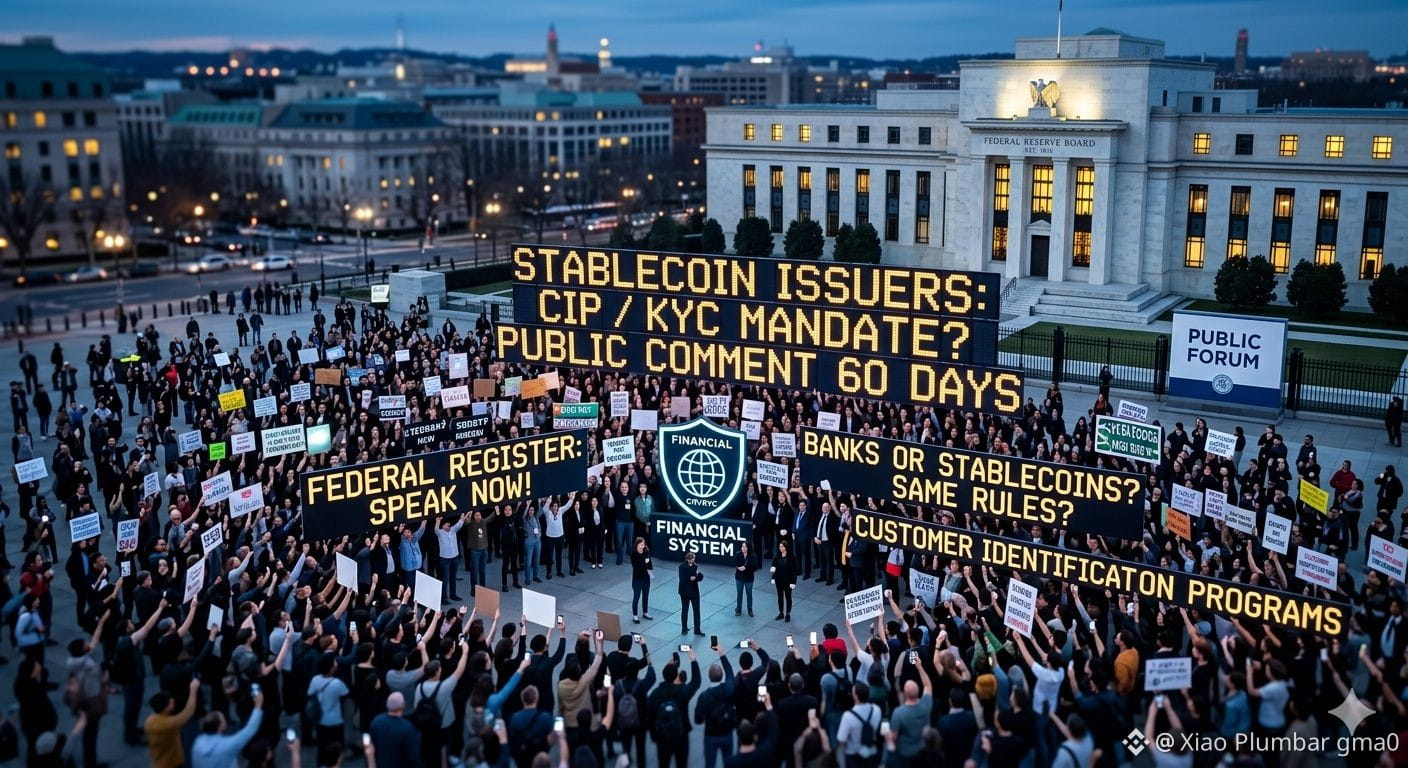
The Federal Reserve Board and 4 other agencies have teamed up to propose new rules tightening regulations for stablecoin issuers.
Now, certain payment stablecoin issuers will need to maintain proper Customer Identification Programs (CIP) just like banks and credit unions. This means that KYC/AML standards for stablecoins will become as solid as those for banks.
Once published in the Federal Register, there will be a 60-day comment period for the public to provide feedback.
What do you think, will this move boost trust in stablecoins or impact the decentralization of crypto? Thoughts? 👇
#CryptoRegulation #Stablecoins #FederalReserve #Web3 #KYC
🚨 Crypto Regulation Alert: Stablecoins under the scanner! 🚨
The Federal Reserve Board and 4 other agencies have teamed up to propose new rules tightening regulations for stablecoin issuers.
Now, certain payment stablecoin issuers will need to maintain proper Customer Identification Programs (CIP) just like banks and credit unions. This means that KYC/AML standards for stablecoins will become as solid as those for banks.
Once published in the Federal Register, there will be a 60-day comment period for the public to provide feedback.
What do you think, will this move boost trust in stablecoins or impact the decentralization of crypto? Thoughts? 👇
#CryptoRegulation #Stablecoins #FederalReserve #Web3 #KYC
The Federal Reserve Board and 4 other agencies have teamed up to propose new rules tightening regulations for stablecoin issuers.
Now, certain payment stablecoin issuers will need to maintain proper Customer Identification Programs (CIP) just like banks and credit unions. This means that KYC/AML standards for stablecoins will become as solid as those for banks.
Once published in the Federal Register, there will be a 60-day comment period for the public to provide feedback.
What do you think, will this move boost trust in stablecoins or impact the decentralization of crypto? Thoughts? 👇
#CryptoRegulation #Stablecoins #FederalReserve #Web3 #KYC
106
Log in to explore more content
Join global crypto users on Binance Square
⚡️ Get latest and useful information about crypto.
💬 Trusted by the world’s largest crypto exchange.
👍 Discover real insights from verified creators.
Email / Phone number
Trending Topics
1
#BitcoinReboundsTo$79K
22,220 views
202 Discussing
2
#BitcoinSpotETFsNetInflow$160M
515 views
44 Discussing
3
#SouthKoreaCryptoTaxDelayPetitionTops50000
14,635 views
408 Discussing
4
#SolanaTransactionV1GoesLiveOnMainnet
9,045 views
271 Discussing
5
#RussianCentralBankFlagsCryptoAsFinancialRisk
8,140 views
255 Discussing
6
#GrayscalePutsXRPAt26.11%InAdvisorPortfolio
21,414 views
355 Discussing
7
#PhiladelphiaSemiconductorIndexFalls5.9%
7,217 views
219 Discussing
8
#SECChairUrgesCongressToAdvanceClarityAct
21,091 views
241 Discussing
9
#FedHikeOddsRiseTo89%
117,222 views
1,270 Discussing
10
#RLUSDSupplyHitsRecord$2.442B
8,417 views
71 Discussing