

#hack
hack
1.1M views
960 Discussing
Hot
Latest
·
--
Article
📽️🍿 And the Media Circus 🎪 around the Bitget hack continues !What happened & timeline of events
🦹The Hacker has entered Bitget exchange draining it for $385M 💰 in various crypto currencies.
⏳The first "suspicious" transfer was noticed 3 HOURS BEFORE Bitget actualy reacted
They have been alerted more times during this 3 hours ,one time by Bubblemaps who saw huge amounts being drained to a new wallet and split into more places right after - which is well known tackics hackers use.
🤯 There was NO 🙂↔️ private keys exploit, the whole heist happened because Bitget's system itself ALLOWED it to happened.
👉 3hours later.... They finally reacted and stoped the withdrawals.
🔶Big exchanges reacted to the news and offered help, among them was our very own @CZ showing it's full support and offering help to Bitget in this troubled times . Other exchanges offered help also, showing sympathy and crypto communities standing together in the face of unfortunate events 🌪️
💱 Tether and Circle have jumped in to help, promising they I'll freeze the hackers known address stablecoins . Now this guest as noble as it looks opened a whole avalanche of questions
👉 It Tether and Circle can Freeze someone's address, what's stoping them from freezing our assets if some bank or organisation SKS them ? The very nature of crypto is being put under a big question ❓ Decentralisation or Not quite ?
This spiced up even more when Bitget's CEO Gracy Chan reached out to Thor Chain - the chain that stands by decentralisation stronger than many others Also, one of the most attacked and blamed for "not helping " in many cases like this one Thor Chain makes their point - we are truly decentralised, we can't just pause all withdrawals for all users cause it's convenient Also have you asked Bitcoin, Etherium , BNB CHAIN to stop their withdrawals too - cause most of the money is going through those chains?
Making a hard point on decentralisation and the nature of crypto , Thor Chain ⛓️ Takes their stand here. Users are devided - half say great for Thor, decentralisation should always be respected , that's why it exists , while the other half say
Thor Chain uses double standards - when they were hacked they did stoped withdrawals for 13h so it is possible.
Thor Chain ⛓️ sais - ask $BTC , $ETH and other chains to stop withdrawals, why are we always attacked ?
What is your take ?
Decentralisation on demand or always ?
#Hack
#CircleTetherFreezeBitgetHackerWallet
📽️🍿 And the Media Circus 🎪 around the Bitget hack continues !
What happened & timeline of events
🦹The Hacker has entered Bitget exchange draining it for $385M 💰 in various crypto currencies.
⏳The first "suspicious" transfer was noticed 3 HOURS BEFORE Bitget actualy reacted
They have been alerted more times during this 3 hours ,one time by Bubblemaps who saw huge amounts being drained to a new wallet and split into more places right after - which is well known tackics hackers use.
🤯 There was NO 🙂↔️ private keys exploit, the whole heist happened because Bitget's system itself ALLOWED it to happened.
👉 3hours later.... They finally reacted and stoped the withdrawals.
🔶Big exchanges reacted to the news and offered help, among them was our very own @CZ showing it's full support and offering help to Bitget in this troubled times . Other exchanges offered help also, showing sympathy and crypto communities standing together in the face of unfortunate events 🌪️
💱 Tether and Circle have jumped in to help, promising they I'll freeze the hackers known address stablecoins . Now this guest as noble as it looks opened a whole avalanche of questions
👉 It Tether and Circle can Freeze someone's address, what's stoping them from freezing our assets if some bank or organisation SKS them ? The very nature of crypto is being put under a big question ❓ Decentralisation or Not quite ?
This spiced up even more when Bitget's CEO Gracy Chan reached out to Thor Chain - the chain that stands by decentralisation stronger than many others Also, one of the most attacked and blamed for "not helping " in many cases like this one Thor Chain makes their point - we are truly decentralised, we can't just pause all withdrawals for all users cause it's convenient Also have you asked Bitcoin, Etherium , BNB CHAIN to stop their withdrawals too - cause most of the money is going through those chains?
Making a hard point on decentralisation and the nature of crypto , Thor Chain ⛓️ Takes their stand here. Users are devided - half say great for Thor, decentralisation should always be respected , that's why it exists , while the other half say
Thor Chain uses double standards - when they were hacked they did stoped withdrawals for 13h so it is possible.
Thor Chain ⛓️ sais - ask $BTC , $ETH and other chains to stop withdrawals, why are we always attacked ?
What is your take ?
Decentralisation on demand or always ?
#Hack
#CircleTetherFreezeBitgetHackerWallet
🦹The Hacker has entered Bitget exchange draining it for $385M 💰 in various crypto currencies.
⏳The first "suspicious" transfer was noticed 3 HOURS BEFORE Bitget actualy reacted
They have been alerted more times during this 3 hours ,one time by Bubblemaps who saw huge amounts being drained to a new wallet and split into more places right after - which is well known tackics hackers use.
🤯 There was NO 🙂↔️ private keys exploit, the whole heist happened because Bitget's system itself ALLOWED it to happened.
👉 3hours later.... They finally reacted and stoped the withdrawals.
🔶Big exchanges reacted to the news and offered help, among them was our very own @CZ showing it's full support and offering help to Bitget in this troubled times . Other exchanges offered help also, showing sympathy and crypto communities standing together in the face of unfortunate events 🌪️
💱 Tether and Circle have jumped in to help, promising they I'll freeze the hackers known address stablecoins . Now this guest as noble as it looks opened a whole avalanche of questions
👉 It Tether and Circle can Freeze someone's address, what's stoping them from freezing our assets if some bank or organisation SKS them ? The very nature of crypto is being put under a big question ❓ Decentralisation or Not quite ?
This spiced up even more when Bitget's CEO Gracy Chan reached out to Thor Chain - the chain that stands by decentralisation stronger than many others Also, one of the most attacked and blamed for "not helping " in many cases like this one Thor Chain makes their point - we are truly decentralised, we can't just pause all withdrawals for all users cause it's convenient Also have you asked Bitcoin, Etherium , BNB CHAIN to stop their withdrawals too - cause most of the money is going through those chains?
Making a hard point on decentralisation and the nature of crypto , Thor Chain ⛓️ Takes their stand here. Users are devided - half say great for Thor, decentralisation should always be respected , that's why it exists , while the other half say
Thor Chain uses double standards - when they were hacked they did stoped withdrawals for 13h so it is possible.
Thor Chain ⛓️ sais - ask $BTC , $ETH and other chains to stop withdrawals, why are we always attacked ?
What is your take ?
Decentralisation on demand or always ?
#Hack
#CircleTetherFreezeBitgetHackerWallet
3
2.2k

·
--
Bullish
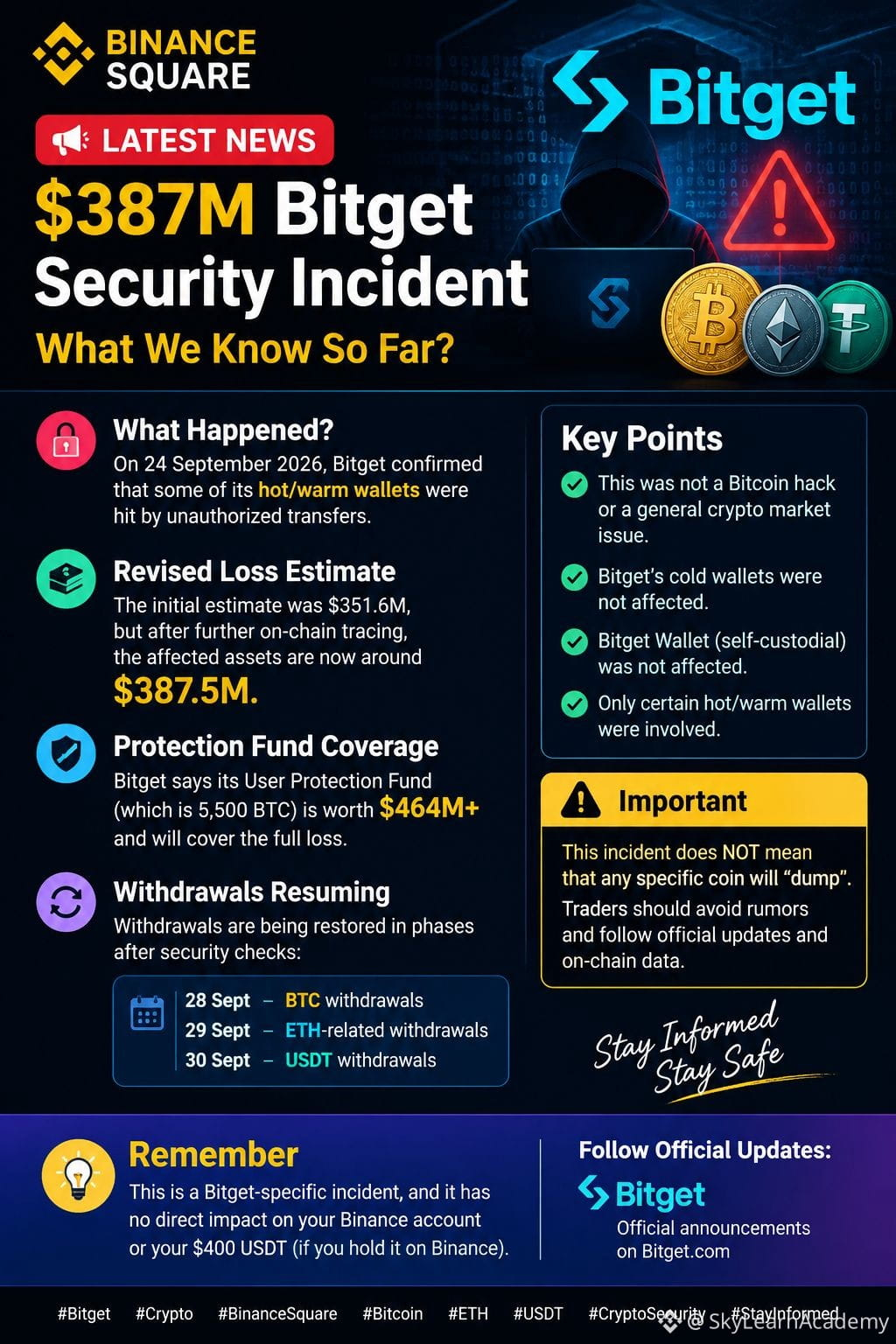
🚨 $387M Bitget Security Incident — Crypto Market Alert
Bitget ne confirm kiya hai ke 24 September ko uske kuch hot/warm wallets se unauthorized transfers hue.
Initial estimate $351.6M tha, lekin further on-chain tracing ke baad affected assets ka estimate ~$387.5M ho gaya. Bitget ka kehna hai ke uska $464M+ User Protection Fund is loss ko cover karta hai. �
Bitget +1
Withdrawals ko security checks ke baad phased manner mein restore kiya ja raha hai. BTC withdrawals 28 Sept, ETH-related withdrawals 29 Sept aur USDT withdrawals 30 Sept se scheduled hain. �
Bitget
⚠️ Important: Is incident ko kisi specific coin ke “dump hone ki guarantee” na samjhein. Traders ko rumors ke bajaye verified on-chain data aur official exchange updates follow karne chahiye.
#Bitget #Crypto #BinanceSquare #Bitcoin #ETH #USDT #CryptoSecurity #Hack $BTC $BNB $QNT
🚨 $387M Bitget Security Incident — Crypto Market Alert
Bitget ne confirm kiya hai ke 24 September ko uske kuch hot/warm wallets se unauthorized transfers hue.
Initial estimate $351.6M tha, lekin further on-chain tracing ke baad affected assets ka estimate ~$387.5M ho gaya. Bitget ka kehna hai ke uska $464M+ User Protection Fund is loss ko cover karta hai. �
Bitget +1
Withdrawals ko security checks ke baad phased manner mein restore kiya ja raha hai. BTC withdrawals 28 Sept, ETH-related withdrawals 29 Sept aur USDT withdrawals 30 Sept se scheduled hain. �
Bitget
⚠️ Important: Is incident ko kisi specific coin ke “dump hone ki guarantee” na samjhein. Traders ko rumors ke bajaye verified on-chain data aur official exchange updates follow karne chahiye.
#Bitget #Crypto #BinanceSquare #Bitcoin #ETH #USDT #CryptoSecurity #Hack $BTC $BNB $QNT
Bitget ne confirm kiya hai ke 24 September ko uske kuch hot/warm wallets se unauthorized transfers hue.
Initial estimate $351.6M tha, lekin further on-chain tracing ke baad affected assets ka estimate ~$387.5M ho gaya. Bitget ka kehna hai ke uska $464M+ User Protection Fund is loss ko cover karta hai. �
Bitget +1
Withdrawals ko security checks ke baad phased manner mein restore kiya ja raha hai. BTC withdrawals 28 Sept, ETH-related withdrawals 29 Sept aur USDT withdrawals 30 Sept se scheduled hain. �
Bitget
⚠️ Important: Is incident ko kisi specific coin ke “dump hone ki guarantee” na samjhein. Traders ko rumors ke bajaye verified on-chain data aur official exchange updates follow karne chahiye.
#Bitget #Crypto #BinanceSquare #Bitcoin #ETH #USDT #CryptoSecurity #Hack $BTC $BNB $QNT
308

·
--
If you're still parking large sums on centralized exchanges, stop now.
Losing $350 million overnight is every trader's nightmare, and this Bitget incident proves how fast it can happen. People chase pumps but forget that one hack can wipe out years of gains.
Bitget CEO Gracy Chen reported that preliminary checks show IP and VPN traces similar to past North Korean operations. Some in the community say we should wait for the full investigation before pointing fingers at Lazarus. I see the pattern matching previous heists and believe it's them again.
These groups have stolen billions over the years by hitting exchanges where $BTC $ETH and $USDT pile up. Centralized platforms will always be targets no matter the security spend.
Do you think this changes how we view CEX safety, or is it just another isolated event?
#Crypto #Hack #NorthKorea
If you're still parking large sums on centralized exchanges, stop now.
Losing $350 million overnight is every trader's nightmare, and this Bitget incident proves how fast it can happen. People chase pumps but forget that one hack can wipe out years of gains.
Bitget CEO Gracy Chen reported that preliminary checks show IP and VPN traces similar to past North Korean operations. Some in the community say we should wait for the full investigation before pointing fingers at Lazarus. I see the pattern matching previous heists and believe it's them again.
These groups have stolen billions over the years by hitting exchanges where $BTC $ETH and $USDT pile up. Centralized platforms will always be targets no matter the security spend.
Do you think this changes how we view CEX safety, or is it just another isolated event?
#Crypto #Hack #NorthKorea
Losing $350 million overnight is every trader's nightmare, and this Bitget incident proves how fast it can happen. People chase pumps but forget that one hack can wipe out years of gains.
Bitget CEO Gracy Chen reported that preliminary checks show IP and VPN traces similar to past North Korean operations. Some in the community say we should wait for the full investigation before pointing fingers at Lazarus. I see the pattern matching previous heists and believe it's them again.
These groups have stolen billions over the years by hitting exchanges where $BTC $ETH and $USDT pile up. Centralized platforms will always be targets no matter the security spend.
Do you think this changes how we view CEX safety, or is it just another isolated event?
#Crypto #Hack #NorthKorea

35

·
--
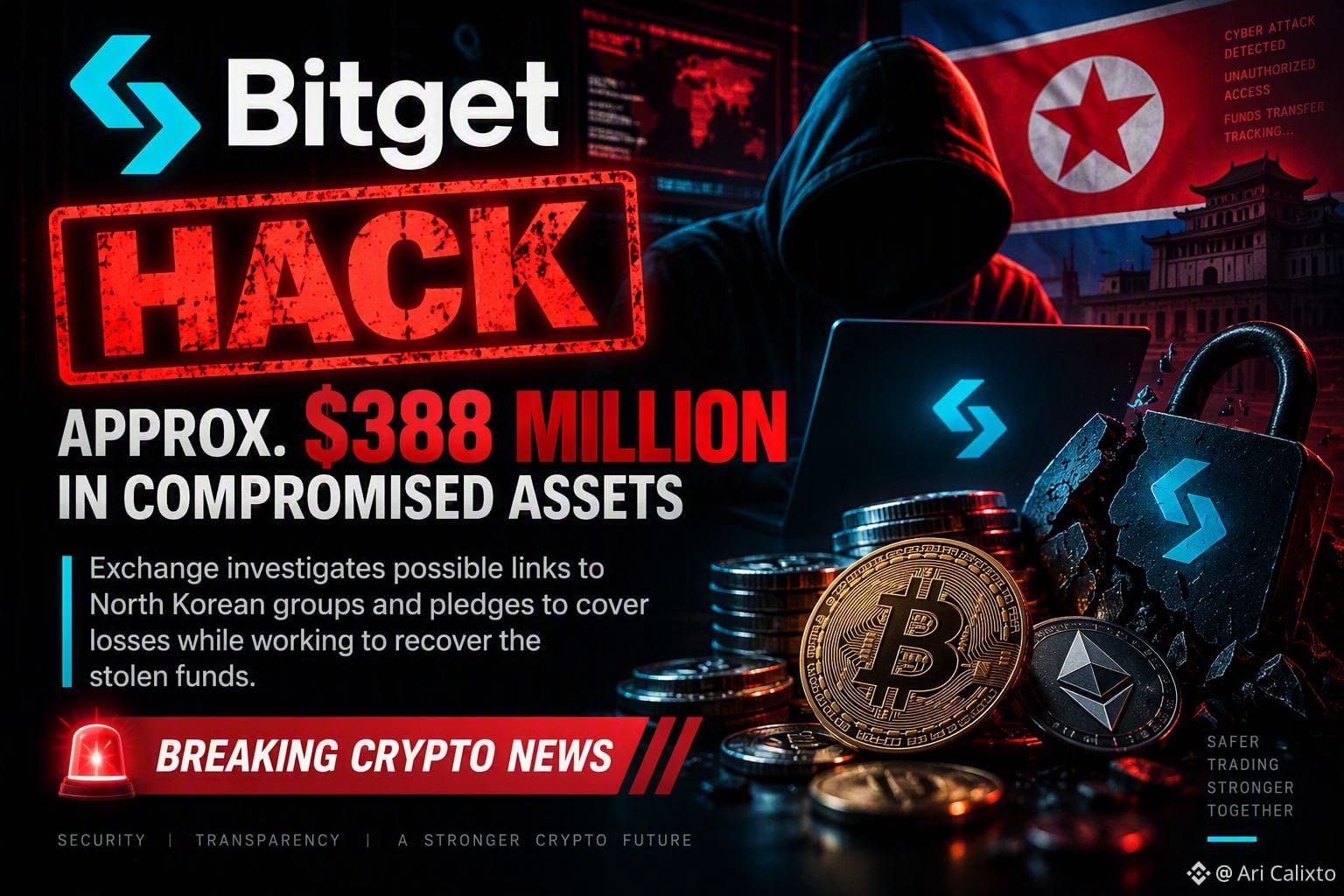
🚨 The hack on Bitget now totals approximately $388 million in compromised assets. The exchange is investigating a possible link to North Korean groups and promises to cover losses while seeking to recover the funds. 🚨
#bitget #hack #TradingCommunity
🚨 The hack on Bitget now totals approximately $388 million in compromised assets. The exchange is investigating a possible link to North Korean groups and promises to cover losses while seeking to recover the funds. 🚨
#bitget #hack #TradingCommunity
#bitget #hack #TradingCommunity
1
296

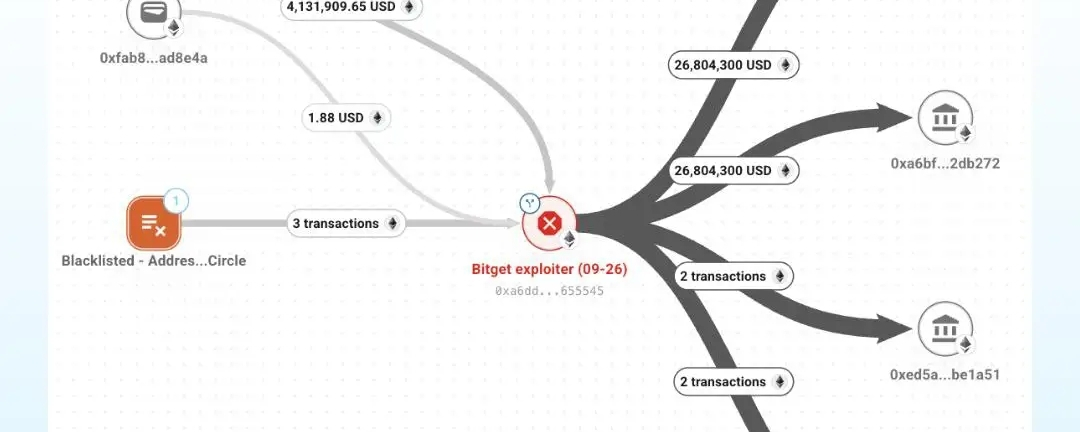
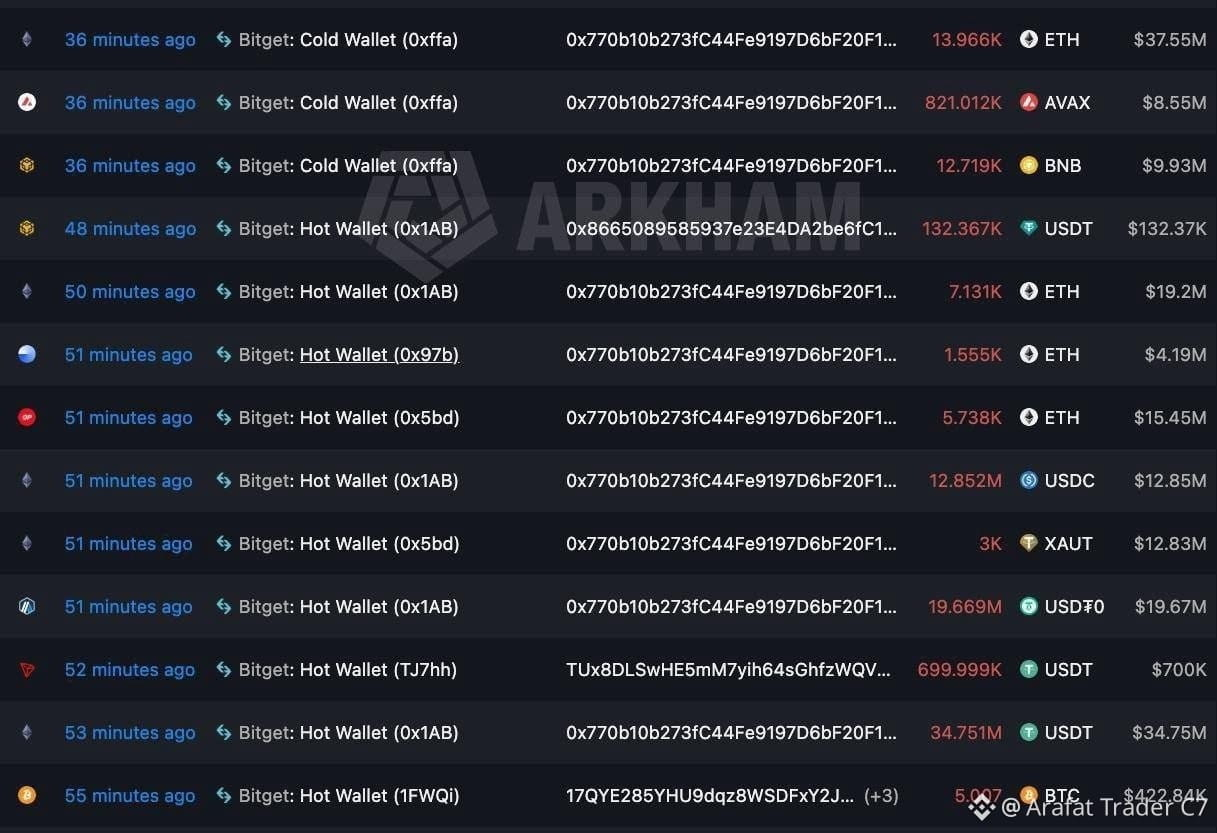
The Hacker Team Was Transfer Almost 350M$Their team consists of 90 people, and they have been waiting four years to execute this project; people from Bitget are also involved. Follow me for more information, and all transaction details are provided below.
#BitgetWallet #hack #bitgethack
The Hacker Team Was Transfer Almost 350M$Their team consists of 90 people, and they have been waiting four years to execute this project; people from Bitget are also involved. Follow me for more information, and all transaction details are provided below.
#BitgetWallet #hack #bitgethack
#BitgetWallet #hack #bitgethack
1
308

·
--
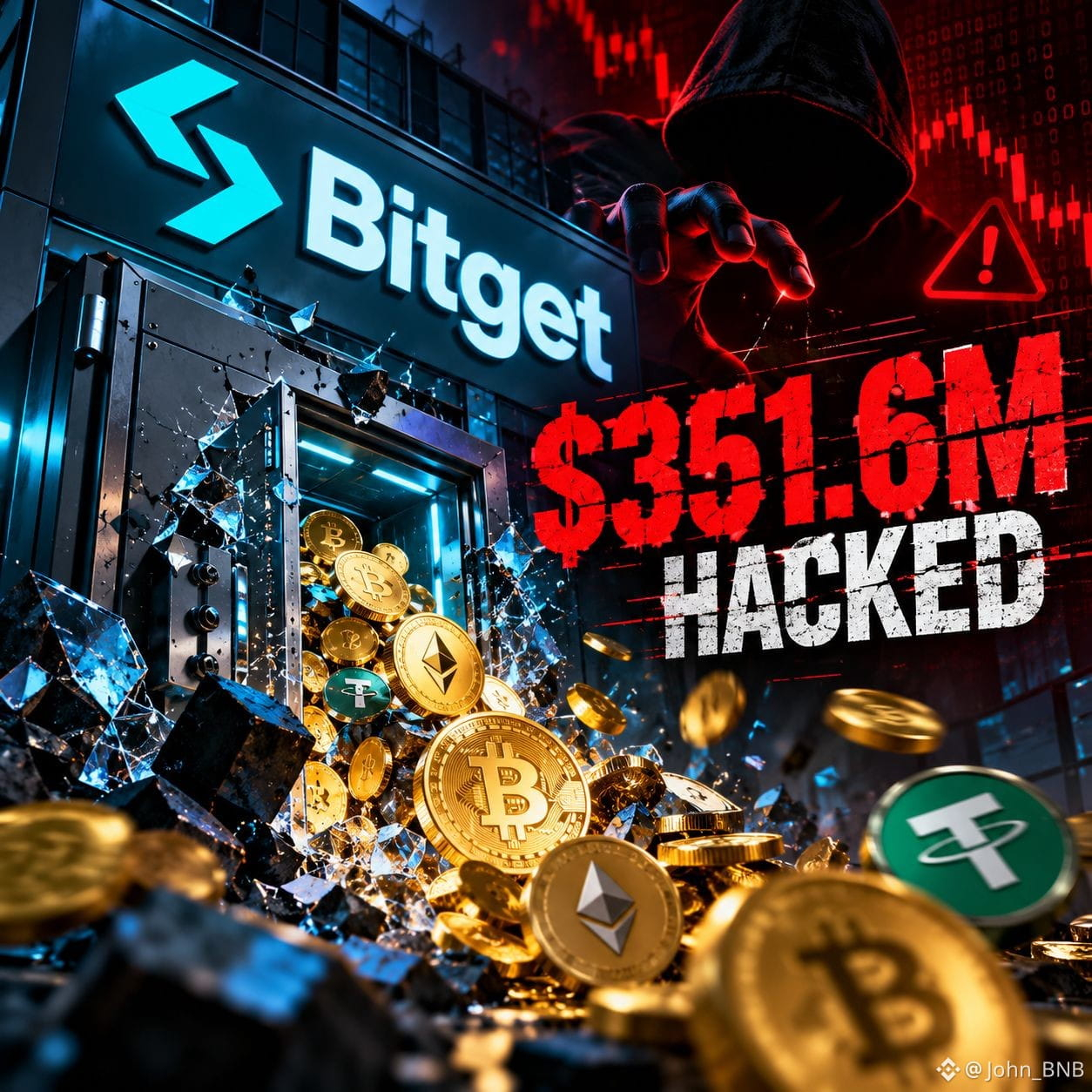
According to Bitget's own security notice published September 24, 2026:
1. ~$351.6M affected Unauthorized transfers came from portions of its hot and warm wallet infrastructure
2. Cold wallets were not affected, according to Bitget
3. Bitget says user account balances remain accurate Withdrawals were temporarily suspended
4. Trading and deposits reportedly remained operational
5. Bitget says its User Protection Fund exceeds $464M, which it says is sufficient to cover the affected amount
6. The actual attack vector/root cause has not yet been disclosed; Bitget says it is investigating.
#Bitgetgothacked #Hack
According to Bitget's own security notice published September 24, 2026:
1. ~$351.6M affected Unauthorized transfers came from portions of its hot and warm wallet infrastructure
2. Cold wallets were not affected, according to Bitget
3. Bitget says user account balances remain accurate Withdrawals were temporarily suspended
4. Trading and deposits reportedly remained operational
5. Bitget says its User Protection Fund exceeds $464M, which it says is sufficient to cover the affected amount
6. The actual attack vector/root cause has not yet been disclosed; Bitget says it is investigating.
#Bitgetgothacked #Hack
1. ~$351.6M affected Unauthorized transfers came from portions of its hot and warm wallet infrastructure
2. Cold wallets were not affected, according to Bitget
3. Bitget says user account balances remain accurate Withdrawals were temporarily suspended
4. Trading and deposits reportedly remained operational
5. Bitget says its User Protection Fund exceeds $464M, which it says is sufficient to cover the affected amount
6. The actual attack vector/root cause has not yet been disclosed; Bitget says it is investigating.
#Bitgetgothacked #Hack
2
238

·
--
Emergency! Bitget has frozen XRP withdrawals after 27M tokens were stolen! The stolen tokens are being transferred but have not yet entered the spot market. XRP users, please watch your funds’ safety! The platform is handling the issue urgently. $XRP #交易所安全 #Hack
Breaking! Bitget freezes XRP withdrawals after 27M tokens stolen! The stolen tokens are on the move but haven't hit spot markets yet. XRP holders, be cautious! Platform working to resolve the issue. $XRP #ExchangeSecurity #Hack
Emergency! Bitget has frozen XRP withdrawals after 27M tokens were stolen! The stolen tokens are being transferred but have not yet entered the spot market. XRP users, please watch your funds’ safety! The platform is handling the issue urgently. $XRP #交易所安全 #Hack
Breaking! Bitget freezes XRP withdrawals after 27M tokens stolen! The stolen tokens are on the move but haven't hit spot markets yet. XRP holders, be cautious! Platform working to resolve the issue. $XRP #ExchangeSecurity #Hack
Breaking! Bitget freezes XRP withdrawals after 27M tokens stolen! The stolen tokens are on the move but haven't hit spot markets yet. XRP holders, be cautious! Platform working to resolve the issue. $XRP #ExchangeSecurity #Hack
Carolyn Wedding jaP4:
吓死,还好我资金全在币安,而且现在根本不自己瞎操作了。全权交给这个全自动策略跑,严格止损绝不扛单,遇到这种突发暴跌也能保住本金,想安稳睡觉的强烈建议研究下 他的说明帖
1
176
·
--
Bitget hacker strikes again! $83M in stolen XRP moved, and Ripple can't freeze it. Two wallets almost empty, third being drained. Exchange security concerns! #crypto #hack $XRP $Bitget
Bitget hacker strikes again! $83M in stolen XRP moved, and Ripple can't freeze it. Two wallets almost empty, third being drained. Exchange security concerns! #crypto #hack $XRP $Bitget
Bitget hacker strikes again! $83M in stolen XRP moved, and Ripple can't freeze it. Two wallets almost empty, third being drained. Exchange security concerns! #crypto #hack $XRP $Bitget
Bitget hacker strikes again! $83M in stolen XRP moved, and Ripple can't freeze it. Two wallets almost empty, third being drained. Exchange security concerns! #crypto #hack $XRP $Bitget
Bitget hacker strikes again! $83M in stolen XRP moved, and Ripple can't freeze it. Two wallets almost empty, third being drained. Exchange security concerns! #crypto #hack $XRP $Bitget
160

Article
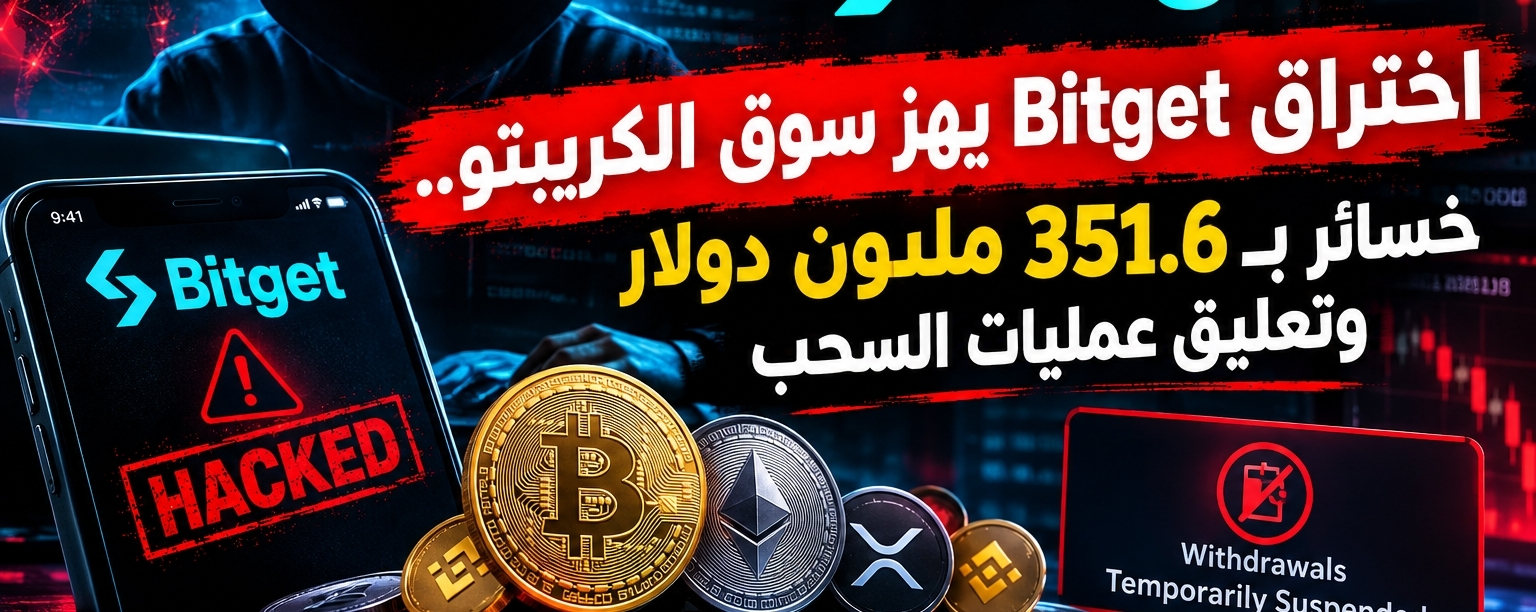
🚨 Bitget breach shakes the crypto market... losses of $351.6 million and suspension of withdrawals🚨 Breaking | Bitget halts withdrawals after a breach worth $351.6 million
The cryptocurrency exchange platform Bitget suffered a major security incident that led to unauthorized transfers currently estimated at around $351.6 million from part of its hot and warm wallets.
🔴 What happened?
• Unauthorized transfers were discovered on September 24, 2026 at 18:31 UTC.
🚨 Bitget breach shakes the crypto market... losses of $351.6 million and suspension of withdrawals
🚨 Breaking | Bitget halts withdrawals after a breach worth $351.6 million
The cryptocurrency exchange platform Bitget suffered a major security incident that led to unauthorized transfers currently estimated at around $351.6 million from part of its hot and warm wallets.
🔴 What happened?
• Unauthorized transfers were discovered on September 24, 2026 at 18:31 UTC.
The cryptocurrency exchange platform Bitget suffered a major security incident that led to unauthorized transfers currently estimated at around $351.6 million from part of its hot and warm wallets.
🔴 What happened?
• Unauthorized transfers were discovered on September 24, 2026 at 18:31 UTC.
235
·
--
Chinese:
Bitget hacked for $387M! Hackers faked transfers to drain hot and warm wallets, CEO hints North Korea may be involved. Crypto security alert! #crypto #hack $BTC $ETH
English:
Bitget hacked for $387M! Hackers faked transfers to drain wallets, CEO hints North Korea connection. Crypto security alert! #crypto #hack $BTC $ETH
Chinese:
Bitget hacked for $387M! Hackers faked transfers to drain hot and warm wallets, CEO hints North Korea may be involved. Crypto security alert! #crypto #hack $BTC $ETH
English:
Bitget hacked for $387M! Hackers faked transfers to drain wallets, CEO hints North Korea connection. Crypto security alert! #crypto #hack $BTC $ETH
Bitget hacked for $387M! Hackers faked transfers to drain hot and warm wallets, CEO hints North Korea may be involved. Crypto security alert! #crypto #hack $BTC $ETH
English:
Bitget hacked for $387M! Hackers faked transfers to drain wallets, CEO hints North Korea connection. Crypto security alert! #crypto #hack $BTC $ETH
359

·
--
🚨 Breach
Bitget platform’s wallets were subjected to a security hack on September 24, involving the transfer of digital assets worth approximately $351.6 million.
🔐 Bitget confirmed that the cold wallets were not affected, and that users’ funds are covered by a protection fund exceeding $464 million.
Investigations are ongoing to uncover the exact method used in the breach. ⚠️
#Hack #blockchain #bitcoin
🚨 Breach
Bitget platform’s wallets were subjected to a security hack on September 24, involving the transfer of digital assets worth approximately $351.6 million.
🔐 Bitget confirmed that the cold wallets were not affected, and that users’ funds are covered by a protection fund exceeding $464 million.
Investigations are ongoing to uncover the exact method used in the breach. ⚠️
#Hack #blockchain #bitcoin
Bitget platform’s wallets were subjected to a security hack on September 24, involving the transfer of digital assets worth approximately $351.6 million.
🔐 Bitget confirmed that the cold wallets were not affected, and that users’ funds are covered by a protection fund exceeding $464 million.
Investigations are ongoing to uncover the exact method used in the breach. ⚠️
#Hack #blockchain #bitcoin
159

·
--
At 1:31 AM (Vietnam time), the Bitget exchange was attacked. Hot wallet losses amount to $351.6M; the cold wallet is not affected.
- The cause has not been announced yet.
- This amount is in the reserve fund.
- Deposits and trading are still operating normally.
- Withdrawals are currently temporarily locked.
- Users’ accounts still show the amount currently held.
#Bitget #hack
At 1:31 AM (Vietnam time), the Bitget exchange was attacked. Hot wallet losses amount to $351.6M; the cold wallet is not affected.
- The cause has not been announced yet.
- This amount is in the reserve fund.
- Deposits and trading are still operating normally.
- Withdrawals are currently temporarily locked.
- Users’ accounts still show the amount currently held.
#Bitget #hack
- The cause has not been announced yet.
- This amount is in the reserve fund.
- Deposits and trading are still operating normally.
- Withdrawals are currently temporarily locked.
- Users’ accounts still show the amount currently held.
#Bitget #hack
70

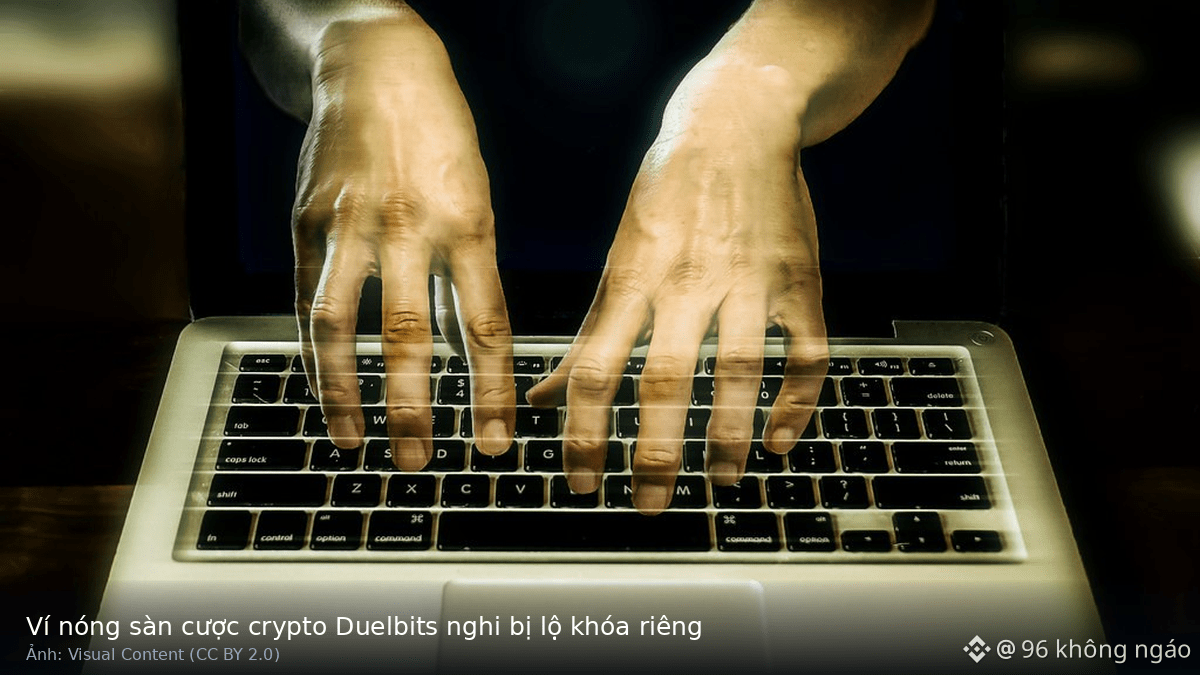
$ETH và 4.2 million USD moved out of the hot wallet of a crypto betting platform, reportedly exposing a private key.
Duelbits, a crypto betting platform fairly familiar on X, has just moved the hot wallet across three chains—Ethereum, BNB Chain, and Tron—transferring a total of about $4.2 million to a series of newly created addresses.
Scam Sniffer was the party that spotted this unusual flow of funds. Foresight News provided more specific details: 836 ETH, 1.62 million USDT, 97,000 USDC, 209 BNB, and 192,000 TRX were withdrawn from the wallet; most of these were later consolidated into ETH.
So far, Duelbits has not issued an official statement. It remains unclear whether this was an attack from outside or whether an internal private key was leaked.
For people who deposit money into crypto betting platforms, this is a familiar reminder—but still painful: money sitting in a platform’s hot wallet isn’t your money.
What to watch today: whether Duelbits has temporarily suspended deposits and withdrawals, and whether that ETH has started flowing through anonymous coin-mixing services.
Personal observation, not investment advice
#ETH #Crypto #CryptoNews #Hack #Web3
$ETH và 4.2 million USD moved out of the hot wallet of a crypto betting platform, reportedly exposing a private key.
Duelbits, a crypto betting platform fairly familiar on X, has just moved the hot wallet across three chains—Ethereum, BNB Chain, and Tron—transferring a total of about $4.2 million to a series of newly created addresses.
Scam Sniffer was the party that spotted this unusual flow of funds. Foresight News provided more specific details: 836 ETH, 1.62 million USDT, 97,000 USDC, 209 BNB, and 192,000 TRX were withdrawn from the wallet; most of these were later consolidated into ETH.
So far, Duelbits has not issued an official statement. It remains unclear whether this was an attack from outside or whether an internal private key was leaked.
For people who deposit money into crypto betting platforms, this is a familiar reminder—but still painful: money sitting in a platform’s hot wallet isn’t your money.
What to watch today: whether Duelbits has temporarily suspended deposits and withdrawals, and whether that ETH has started flowing through anonymous coin-mixing services.
Personal observation, not investment advice
#ETH #Crypto #CryptoNews #Hack #Web3
Duelbits, a crypto betting platform fairly familiar on X, has just moved the hot wallet across three chains—Ethereum, BNB Chain, and Tron—transferring a total of about $4.2 million to a series of newly created addresses.
Scam Sniffer was the party that spotted this unusual flow of funds. Foresight News provided more specific details: 836 ETH, 1.62 million USDT, 97,000 USDC, 209 BNB, and 192,000 TRX were withdrawn from the wallet; most of these were later consolidated into ETH.
So far, Duelbits has not issued an official statement. It remains unclear whether this was an attack from outside or whether an internal private key was leaked.
For people who deposit money into crypto betting platforms, this is a familiar reminder—but still painful: money sitting in a platform’s hot wallet isn’t your money.
What to watch today: whether Duelbits has temporarily suspended deposits and withdrawals, and whether that ETH has started flowing through anonymous coin-mixing services.
Personal observation, not investment advice
#ETH #Crypto #CryptoNews #Hack #Web3
WhiteBlack:
Điểm cần theo dõi là phản ứng của Duelbits và đường đi tiếp theo của số tài sản này.
Một lần nữa, ví nóng của nền tảng vẫn là một rủi ro đối tác cần tính đến.
2
1
321

#Hack #BTC
There are rumors of a possible cyber attack by Iran on the crypto world within the next few weeks.....
so keep your crypto in your wallets, hardware, etc.
even if it’s just a rumor, it’s better to be cautious.
maybe that’s why tamto.btc is moving to private wallets and white-hat hackers are attacking liquidity.
watch the chessboard!
#Hack #BTC
There are rumors of a possible cyber attack by Iran on the crypto world within the next few weeks.....
so keep your crypto in your wallets, hardware, etc.
even if it’s just a rumor, it’s better to be cautious.
maybe that’s why tamto.btc is moving to private wallets and white-hat hackers are attacking liquidity.
watch the chessboard!
There are rumors of a possible cyber attack by Iran on the crypto world within the next few weeks.....
so keep your crypto in your wallets, hardware, etc.
even if it’s just a rumor, it’s better to be cautious.
maybe that’s why tamto.btc is moving to private wallets and white-hat hackers are attacking liquidity.
watch the chessboard!
119

·
--
Article
Trezor says third-party security breach led to phishing emails from legitimate domainTrezor warned of a phishing email that has been sent out from its official domain due to a third-party security breach.
This follows last month’s security breach at shipping provider ShipMonk, which exposed the personal information of Trezor customers.
Hardware wallet maker Trezor said its third-party email provider had been breached, enabling phishing emails to be sent from its official domain.
"Please be aware that the email named 'Critical Security Alert: STM32 Entropy Vulnerability' is not coming from us, and it's a phishing attempt. Do not click on any link," Trezor wrote in an X post on Wednesday.
Trezor said it has since taken down the domain and is investigating the situation, including how the hackers were able to use its official domain for the phishing emails.
On the same day, BitBox, a Swiss bitcoin BTC-0.50%
hardware walletmaker,reporteda similar phishing email circulating under its disguise.
Marcello Paz, a crypto commentator with X username "MHPaz," said he received the phishing email, sharing screenshots showing that it asked customers to update their hardware wallets due to a "critical" vulnerability that could affect newer devices. The email credentials show official domain names and signatures, unlike typical phishing emails that use similar but fake addresses.
Not the first
Just last month, Trezor disclosed a major security incident in which a breach at its shipping provider, ShipMonk, exposed customers' personal information. While Trezor initially said around 13,700 customers had their names, cities, and email addresses leaked, the company said earlier this month that another 67,000 U.S. customers were affected by the same breach.
In June, Ledger's Donjon security research team disclosed a hardware vulnerability in the TROPIC01 chip used inside the Trezor Safe 7, demonstrating a lab-based laser attack that bypassed the chip's firmware verification system. Trezor said at the time no user funds were at risk.
A 2020 Ledger breach exposed information belonging to more than 270,000 customers, with names, email addresses, phone numbers and, in some cases, home addresses later published on a hacking forum. Ledger customers have continued to report receiving scam phone calls and physical letters years later.
#Bitcoin #Hack #hardware
$BTC
{future}(BTCUSDT)
Trezor says third-party security breach led to phishing emails from legitimate domain
Trezor warned of a phishing email that has been sent out from its official domain due to a third-party security breach.
This follows last month’s security breach at shipping provider ShipMonk, which exposed the personal information of Trezor customers.
Hardware wallet maker Trezor said its third-party email provider had been breached, enabling phishing emails to be sent from its official domain.
"Please be aware that the email named 'Critical Security Alert: STM32 Entropy Vulnerability' is not coming from us, and it's a phishing attempt. Do not click on any link," Trezor wrote in an X post on Wednesday.
Trezor said it has since taken down the domain and is investigating the situation, including how the hackers were able to use its official domain for the phishing emails.
On the same day, BitBox, a Swiss bitcoin BTC-0.50%
hardware walletmaker,reporteda similar phishing email circulating under its disguise.
Marcello Paz, a crypto commentator with X username "MHPaz," said he received the phishing email, sharing screenshots showing that it asked customers to update their hardware wallets due to a "critical" vulnerability that could affect newer devices. The email credentials show official domain names and signatures, unlike typical phishing emails that use similar but fake addresses.
Not the first
Just last month, Trezor disclosed a major security incident in which a breach at its shipping provider, ShipMonk, exposed customers' personal information. While Trezor initially said around 13,700 customers had their names, cities, and email addresses leaked, the company said earlier this month that another 67,000 U.S. customers were affected by the same breach.
In June, Ledger's Donjon security research team disclosed a hardware vulnerability in the TROPIC01 chip used inside the Trezor Safe 7, demonstrating a lab-based laser attack that bypassed the chip's firmware verification system. Trezor said at the time no user funds were at risk.
A 2020 Ledger breach exposed information belonging to more than 270,000 customers, with names, email addresses, phone numbers and, in some cases, home addresses later published on a hacking forum. Ledger customers have continued to report receiving scam phone calls and physical letters years later.
#Bitcoin #Hack #hardware
$BTC
This follows last month’s security breach at shipping provider ShipMonk, which exposed the personal information of Trezor customers.
Hardware wallet maker Trezor said its third-party email provider had been breached, enabling phishing emails to be sent from its official domain.
"Please be aware that the email named 'Critical Security Alert: STM32 Entropy Vulnerability' is not coming from us, and it's a phishing attempt. Do not click on any link," Trezor wrote in an X post on Wednesday.
Trezor said it has since taken down the domain and is investigating the situation, including how the hackers were able to use its official domain for the phishing emails.
On the same day, BitBox, a Swiss bitcoin BTC-0.50%
hardware walletmaker,reporteda similar phishing email circulating under its disguise.
Marcello Paz, a crypto commentator with X username "MHPaz," said he received the phishing email, sharing screenshots showing that it asked customers to update their hardware wallets due to a "critical" vulnerability that could affect newer devices. The email credentials show official domain names and signatures, unlike typical phishing emails that use similar but fake addresses.
Not the first
Just last month, Trezor disclosed a major security incident in which a breach at its shipping provider, ShipMonk, exposed customers' personal information. While Trezor initially said around 13,700 customers had their names, cities, and email addresses leaked, the company said earlier this month that another 67,000 U.S. customers were affected by the same breach.
In June, Ledger's Donjon security research team disclosed a hardware vulnerability in the TROPIC01 chip used inside the Trezor Safe 7, demonstrating a lab-based laser attack that bypassed the chip's firmware verification system. Trezor said at the time no user funds were at risk.
A 2020 Ledger breach exposed information belonging to more than 270,000 customers, with names, email addresses, phone numbers and, in some cases, home addresses later published on a hacking forum. Ledger customers have continued to report receiving scam phone calls and physical letters years later.
#Bitcoin #Hack #hardware
$BTC
2
41

·
--
Bearish
💥 US$320 MILLIONs IN BTC WERE STOLEN
The hack of Liquid Network resulted in the theft of about 4.000 $BTC and the temporary suspension of transactions. The impact could affect market confidence. 😰
Prediction: 🔴 BEARISH in the short term due to fear and uncertainty. $BTC $USDC
#BTC #Bitcoin #Hack #CryptoNews
{spot}(BTCUSDT)
💥 US$320 MILLIONs IN BTC WERE STOLEN
The hack of Liquid Network resulted in the theft of about 4.000 $BTC and the temporary suspension of transactions. The impact could affect market confidence. 😰
Prediction: 🔴 BEARISH in the short term due to fear and uncertainty. $BTC $USDC
#BTC #Bitcoin #Hack #CryptoNews
The hack of Liquid Network resulted in the theft of about 4.000 $BTC and the temporary suspension of transactions. The impact could affect market confidence. 😰
Prediction: 🔴 BEARISH in the short term due to fear and uncertainty. $BTC $USDC
#BTC #Bitcoin #Hack #CryptoNews
1
78

·
--
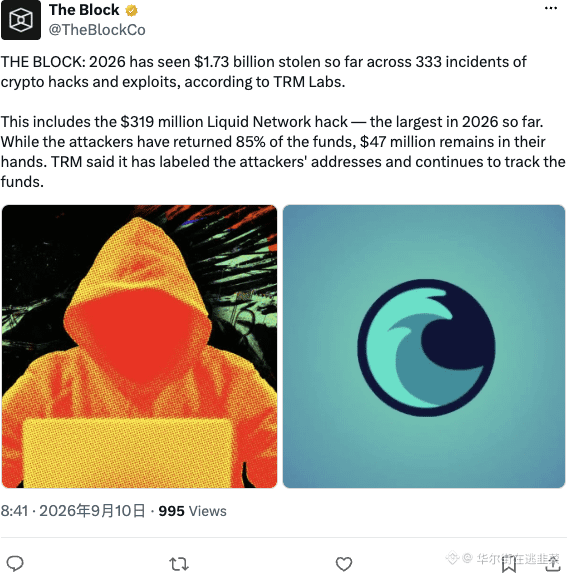
This year, crypto was stolen for 1.73 billion yuan, with 333 cases—an average of one every two days. The hackers are even more diligent than the Federal Reserve. Liquid Network’s 319 million is the largest single incident this year. Getting back 85% is decent; the remaining 47 million is basically tuition. On-chain isn’t without opportunities—it’s that there are too many, and you can’t stop getting burned.
$BTC $ETH #CryptoSecurity #Hack
This year, crypto was stolen for 1.73 billion yuan, with 333 cases—an average of one every two days. The hackers are even more diligent than the Federal Reserve. Liquid Network’s 319 million is the largest single incident this year. Getting back 85% is decent; the remaining 47 million is basically tuition. On-chain isn’t without opportunities—it’s that there are too many, and you can’t stop getting burned.
$BTC $ETH #CryptoSecurity #Hack
$BTC $ETH #CryptoSecurity #Hack
222


🚨 JUST IN: Over $1M stolen from users of Solana neobank Avici.
A prolonged attack caused the attacker to withdraw more than $1M in users’ assets.
The attacker is currently believed to hold:
• 10,005 SOL ≈ $1.07M
• ~$11.6K USDC + USDT
Notably: Avici’s upgrade permission system is said to use a regular Solana account instead of a multisig.
And Avici only confirmed the incident 1 hour 53 minutes after the first stolen transaction.
DeFi lesson of the day:
“Multisig? Nah, one wallet is enough.” 💀
#solana #defi #crypto #Hack
🚨 JUST IN: Over $1M stolen from users of Solana neobank Avici.
A prolonged attack caused the attacker to withdraw more than $1M in users’ assets.
The attacker is currently believed to hold:
• 10,005 SOL ≈ $1.07M
• ~$11.6K USDC + USDT
Notably: Avici’s upgrade permission system is said to use a regular Solana account instead of a multisig.
And Avici only confirmed the incident 1 hour 53 minutes after the first stolen transaction.
DeFi lesson of the day:
“Multisig? Nah, one wallet is enough.” 💀
#solana #defi #crypto #Hack
A prolonged attack caused the attacker to withdraw more than $1M in users’ assets.
The attacker is currently believed to hold:
• 10,005 SOL ≈ $1.07M
• ~$11.6K USDC + USDT
Notably: Avici’s upgrade permission system is said to use a regular Solana account instead of a multisig.
And Avici only confirmed the incident 1 hour 53 minutes after the first stolen transaction.
DeFi lesson of the day:
“Multisig? Nah, one wallet is enough.” 💀
#solana #defi #crypto #Hack
484

Log in to explore more content
Join global crypto users on Binance Square
⚡️ Get latest and useful information about crypto.
💬 Trusted by the world’s largest crypto exchange.
👍 Discover real insights from verified creators.
Email / Phone number
Trending Topics
1
#ChinaIndustrialProfitGrowthSlowsFourthMonth
100 views
34 Discussing
2
#BitwiseFilesFinalNEARSpotETFProspectus
94,512 views
1,504 Discussing
3
#BitgetHackerMoves$83MStolenXRP
34,659 views
167 Discussing
4
#SOLSpotETFWeeklyInflow$188M
22,799 views
133 Discussing
5
#DogecoinETFsPostBiggestWeekSinceLaunch
58,308 views
1,016 Discussing
6
#StrategyStriveAdd2305BitcoinThisWeek
150,786 views
2,221 Discussing
7
#TrumpRejectsIranHormuzReopening
129,749 views
1,674 Discussing
8
#TokenizedStockDEXVolumeHits$20.9B
204 views
8 Discussing
9
#CircleTetherFreezeBitgetHackerWallet
110,353 views
1,535 Discussing
10
#SECSaysTokenBuybacksNotAutoSecurities
75,085 views
916 Discussing