

#ftx
ftx
3.5M views
2,959 Discussing
Hot
Latest

·
--
Lawyers for former FTX founder Sam Bankman-Fried are asking the U.S. Supreme Court to hear his appeal against his criminal conviction, marking SBF’s last legal avenue to overturn it.
Attorney Jeffrey Fisher said the court has extended the U.S. government’s deadline to respond to November 16. The justices may decide whether to hear the case between late 2026 and early 2027. The appeal focuses on two points: first, the trial court ruled that “whether users actually suffered losses was irrelevant to the conviction” and excluded related evidence, which may have constituted prejudice; second, the $11 billion forfeiture order allegedly violates the Eighth Amendment’s prohibition on excessive fines. SBF was sentenced to 25 years in prison after being convicted on seven counts of fraud in 2023.
#FTX #SBF
(Source: Cointelegraph)
⚠️Risk warning: The above is shared for market information purposes only and does not constitute investment advice. Investing involves risk; please exercise caution.
Lawyers for former FTX founder Sam Bankman-Fried are asking the U.S. Supreme Court to hear his appeal against his criminal conviction, marking SBF’s last legal avenue to overturn it.
Attorney Jeffrey Fisher said the court has extended the U.S. government’s deadline to respond to November 16. The justices may decide whether to hear the case between late 2026 and early 2027. The appeal focuses on two points: first, the trial court ruled that “whether users actually suffered losses was irrelevant to the conviction” and excluded related evidence, which may have constituted prejudice; second, the $11 billion forfeiture order allegedly violates the Eighth Amendment’s prohibition on excessive fines. SBF was sentenced to 25 years in prison after being convicted on seven counts of fraud in 2023.
#FTX #SBF
(Source: Cointelegraph)
⚠️Risk warning: The above is shared for market information purposes only and does not constitute investment advice. Investing involves risk; please exercise caution.
Attorney Jeffrey Fisher said the court has extended the U.S. government’s deadline to respond to November 16. The justices may decide whether to hear the case between late 2026 and early 2027. The appeal focuses on two points: first, the trial court ruled that “whether users actually suffered losses was irrelevant to the conviction” and excluded related evidence, which may have constituted prejudice; second, the $11 billion forfeiture order allegedly violates the Eighth Amendment’s prohibition on excessive fines. SBF was sentenced to 25 years in prison after being convicted on seven counts of fraud in 2023.
#FTX #SBF
(Source: Cointelegraph)
⚠️Risk warning: The above is shared for market information purposes only and does not constitute investment advice. Investing involves risk; please exercise caution.
59
·
--
【Market Update】SBF’s lawyer reveals timeline for appeal to the U.S. Supreme Court.
After FTX’s former CEO Sam Bankman-Fried was convicted and his appeal was rejected, he is now seeking Supreme Court review. The deadline for the government to respond has been extended to November 16. The justices may decide by the end of the year or early next year whether to hear the case; if they do, a ruling could come as early as June 2027.
SBF was convicted on seven felony fraud counts for misappropriating customer funds and sentenced to 25 years in prison, with $11 billion in forfeitures. His appeal makes two main arguments: the lower court’s evidence of “victim losses” is questionable, and the forfeiture order violates the Eighth Amendment. He is still seeking a presidential pardon.
(Source: Cointelegraph)
#SBF #FTX #Cryptocurrency
⚠️Risk warning: The above is shared for market information only and does not constitute investment advice. Investing involves risk; please exercise caution.
【Market Update】SBF’s lawyer reveals timeline for appeal to the U.S. Supreme Court.
After FTX’s former CEO Sam Bankman-Fried was convicted and his appeal was rejected, he is now seeking Supreme Court review. The deadline for the government to respond has been extended to November 16. The justices may decide by the end of the year or early next year whether to hear the case; if they do, a ruling could come as early as June 2027.
SBF was convicted on seven felony fraud counts for misappropriating customer funds and sentenced to 25 years in prison, with $11 billion in forfeitures. His appeal makes two main arguments: the lower court’s evidence of “victim losses” is questionable, and the forfeiture order violates the Eighth Amendment. He is still seeking a presidential pardon.
(Source: Cointelegraph)
#SBF #FTX #Cryptocurrency
⚠️Risk warning: The above is shared for market information only and does not constitute investment advice. Investing involves risk; please exercise caution.
After FTX’s former CEO Sam Bankman-Fried was convicted and his appeal was rejected, he is now seeking Supreme Court review. The deadline for the government to respond has been extended to November 16. The justices may decide by the end of the year or early next year whether to hear the case; if they do, a ruling could come as early as June 2027.
SBF was convicted on seven felony fraud counts for misappropriating customer funds and sentenced to 25 years in prison, with $11 billion in forfeitures. His appeal makes two main arguments: the lower court’s evidence of “victim losses” is questionable, and the forfeiture order violates the Eighth Amendment. He is still seeking a presidential pardon.
(Source: Cointelegraph)
#SBF #FTX #Cryptocurrency
⚠️Risk warning: The above is shared for market information only and does not constitute investment advice. Investing involves risk; please exercise caution.
315

·
--
SBF still isn’t giving up—he’s taken his appeal all the way to the Supreme Court, hoping to overturn his fraud conviction and the $11 billion forfeiture order 🤡
Even behind bars, he’s still hoping to turn things around. His legal fees are piling up faster than FTX users are getting refunded. Even if the Supreme Court takes the case, a ruling won’t come until June 2027 at the earliest—so the drama could last into next year.
A reminder of the old lesson: don’t trust a “genius founder.” Custody and reserves are what really matter.
$BTC #SBF #FTX
SBF still isn’t giving up—he’s taken his appeal all the way to the Supreme Court, hoping to overturn his fraud conviction and the $11 billion forfeiture order 🤡
Even behind bars, he’s still hoping to turn things around. His legal fees are piling up faster than FTX users are getting refunded. Even if the Supreme Court takes the case, a ruling won’t come until June 2027 at the earliest—so the drama could last into next year.
A reminder of the old lesson: don’t trust a “genius founder.” Custody and reserves are what really matter.
$BTC #SBF #FTX
Even behind bars, he’s still hoping to turn things around. His legal fees are piling up faster than FTX users are getting refunded. Even if the Supreme Court takes the case, a ruling won’t come until June 2027 at the earliest—so the drama could last into next year.
A reminder of the old lesson: don’t trust a “genius founder.” Custody and reserves are what really matter.
$BTC #SBF #FTX
77

·
--
🚨【Don’t be fooled by FTX’s “resurrection”! Mining firms are pivoting to AI—but what’s the big play behind it?】
Retail traders are still mocking the bankrupt estate for desperately throwing things at the wall, but smart money has already seen through the game!
Bitcoin is currently pulling back and hovering around $81,447, shaking out leveraged positions. FTX’s mining holdings have suddenly pivoted to AI, and there are two major plays behind it:
1️⃣ Valuation rescue: Mining companies are moving into the high-premium AI computing sector. The liquidation team is trying to secure a higher sale price to plug the hole, completely dispelling fears of chaotic sell-offs in the secondary market;
2️⃣ Changing hands: Institutions are exploiting macro sentiment to hunt for liquidity. The breakdown amid volatility is a deliberate scare tactic by the big players to force retail traders to sell at a loss. Don’t make the rookie mistake of chasing pumps or dumps at support!
👉 Follow @响马Btc for market insights explained in plain language for everyday traders. Every day, we’ll break down the market makers’ playbook from an institutional perspective and help you avoid years of costly detours!
Bitcoin is testing support around $81,300. Are you scaling in on dips, or staying on the sidelines with no position? Share your entry price, and we’ll review them one by one in the comments!
$BTC $ETH #FTX #AI概念
🚨【Don’t be fooled by FTX’s “resurrection”! Mining firms are pivoting to AI—but what’s the big play behind it?】
Retail traders are still mocking the bankrupt estate for desperately throwing things at the wall, but smart money has already seen through the game!
Bitcoin is currently pulling back and hovering around $81,447, shaking out leveraged positions. FTX’s mining holdings have suddenly pivoted to AI, and there are two major plays behind it:
1️⃣ Valuation rescue: Mining companies are moving into the high-premium AI computing sector. The liquidation team is trying to secure a higher sale price to plug the hole, completely dispelling fears of chaotic sell-offs in the secondary market;
2️⃣ Changing hands: Institutions are exploiting macro sentiment to hunt for liquidity. The breakdown amid volatility is a deliberate scare tactic by the big players to force retail traders to sell at a loss. Don’t make the rookie mistake of chasing pumps or dumps at support!
👉 Follow @响马Btc for market insights explained in plain language for everyday traders. Every day, we’ll break down the market makers’ playbook from an institutional perspective and help you avoid years of costly detours!
Bitcoin is testing support around $81,300. Are you scaling in on dips, or staying on the sidelines with no position? Share your entry price, and we’ll review them one by one in the comments!
$BTC $ETH #FTX #AI概念
Retail traders are still mocking the bankrupt estate for desperately throwing things at the wall, but smart money has already seen through the game!
Bitcoin is currently pulling back and hovering around $81,447, shaking out leveraged positions. FTX’s mining holdings have suddenly pivoted to AI, and there are two major plays behind it:
1️⃣ Valuation rescue: Mining companies are moving into the high-premium AI computing sector. The liquidation team is trying to secure a higher sale price to plug the hole, completely dispelling fears of chaotic sell-offs in the secondary market;
2️⃣ Changing hands: Institutions are exploiting macro sentiment to hunt for liquidity. The breakdown amid volatility is a deliberate scare tactic by the big players to force retail traders to sell at a loss. Don’t make the rookie mistake of chasing pumps or dumps at support!
👉 Follow @响马Btc for market insights explained in plain language for everyday traders. Every day, we’ll break down the market makers’ playbook from an institutional perspective and help you avoid years of costly detours!
Bitcoin is testing support around $81,300. Are you scaling in on dips, or staying on the sidelines with no position? Share your entry price, and we’ll review them one by one in the comments!
$BTC $ETH #FTX #AI概念
190

FTX’s crypto mining project shifts to AI development
- FTX bought a 20% stake in Genesis Digital Assets before its bankruptcy in November 2022
- The mining project is now being redirected toward AI
- The RSS source provides no further details
#BinanceSquare #CryptoNews #FTX #AI #Mining
$btc $eth
vlikevn Titanbot
Source: CoinTelegraph
FTX’s crypto mining project shifts to AI development
- FTX bought a 20% stake in Genesis Digital Assets before its bankruptcy in November 2022
- The mining project is now being redirected toward AI
- The RSS source provides no further details
#BinanceSquare #CryptoNews #FTX #AI #Mining
$btc $eth
vlikevn Titanbot
Source: CoinTelegraph
- FTX bought a 20% stake in Genesis Digital Assets before its bankruptcy in November 2022
- The mining project is now being redirected toward AI
- The RSS source provides no further details
#BinanceSquare #CryptoNews #FTX #AI #Mining
$btc $eth
vlikevn Titanbot
Source: CoinTelegraph
321

·
--
What remains of FTX's mining business is taking an unexpected turn.
The former platform had a 20% stake in Genesis Digital Assets before collapsing in 2022.
Now, that mining infrastructure is being used to power artificial intelligence projects.
It's interesting to see how the assets of a bankrupt company end up serving another tech sector.
What do you think of this change in direction?
$BTC #FTX #AI
What remains of FTX's mining business is taking an unexpected turn.
The former platform had a 20% stake in Genesis Digital Assets before collapsing in 2022.
Now, that mining infrastructure is being used to power artificial intelligence projects.
It's interesting to see how the assets of a bankrupt company end up serving another tech sector.
What do you think of this change in direction?
$BTC #FTX #AI
The former platform had a 20% stake in Genesis Digital Assets before collapsing in 2022.
Now, that mining infrastructure is being used to power artificial intelligence projects.
It's interesting to see how the assets of a bankrupt company end up serving another tech sector.
What do you think of this change in direction?
$BTC #FTX #AI
23
·
--
【Market Update】Former FTX COO Constance Wang publicly criticized Netflix’s new series “The Altruists,” saying its trailer made her “physically sick.” She believes the show seriously distorts what really happened during FTX’s collapse, turning the exchange’s high-profile implosion into a love story—something she says is completely unacceptable.
(Source: The Block)
⚠️Risk warning: The above is shared for informational purposes only and does not constitute investment advice. Investing involves risks; please exercise caution.
#FTX #MarketUpdates
【Market Update】Former FTX COO Constance Wang publicly criticized Netflix’s new series “The Altruists,” saying its trailer made her “physically sick.” She believes the show seriously distorts what really happened during FTX’s collapse, turning the exchange’s high-profile implosion into a love story—something she says is completely unacceptable.
(Source: The Block)
⚠️Risk warning: The above is shared for informational purposes only and does not constitute investment advice. Investing involves risks; please exercise caution.
#FTX #MarketUpdates
(Source: The Block)
⚠️Risk warning: The above is shared for informational purposes only and does not constitute investment advice. Investing involves risks; please exercise caution.
#FTX #MarketUpdates
11

🚨 Constance Wang Says FTX Netflix Show Made Her Sick
📊 Alpha Breakdown:
Former FTX COO Constance Wang criticized the Netflix series 'The Altruists' trailer for romanticizing the exchange collapse. The show ignores that $8 billion in customer funds vanished. This media distortion affects public trust in crypto assets and complicates regulatory recovery efforts for affected users....
🔗 Full Breakdown on YourWeb3Guy:
https://www.yourweb3guy.com/news/constance-wang-says-ftx-netflix-show-made-her-sick
#FTX #Netflix #Regulation #RiskManagement
🚨 Constance Wang Says FTX Netflix Show Made Her Sick
📊 Alpha Breakdown:
Former FTX COO Constance Wang criticized the Netflix series 'The Altruists' trailer for romanticizing the exchange collapse. The show ignores that $8 billion in customer funds vanished. This media distortion affects public trust in crypto assets and complicates regulatory recovery efforts for affected users....
🔗 Full Breakdown on YourWeb3Guy:
https://www.yourweb3guy.com/news/constance-wang-says-ftx-netflix-show-made-her-sick
#FTX #Netflix #Regulation #RiskManagement
📊 Alpha Breakdown:
Former FTX COO Constance Wang criticized the Netflix series 'The Altruists' trailer for romanticizing the exchange collapse. The show ignores that $8 billion in customer funds vanished. This media distortion affects public trust in crypto assets and complicates regulatory recovery efforts for affected users....
🔗 Full Breakdown on YourWeb3Guy:
https://www.yourweb3guy.com/news/constance-wang-says-ftx-netflix-show-made-her-sick
#FTX #Netflix #Regulation #RiskManagement
15

·
--
FORMER FTX COO SLAMS NETFLIX NARRATIVE AS $FTT DISTORTION CONTINUES TO UNFOLD 🚨 🔍
Media portrayals often craft simplified retail narratives around complex structural failures. Former FTX COO Constance Wang recently pushed back against Netflix’s dramatization of the collapse, highlighting a stark disconnect between sensationalized mainstream storytelling and actual operational realities. 💡
Institutional mechanics usually reveal that sentiment-driven media cycles distract from core structural lessons. As sensationalism overshadows genuine order flow and governance breakdowns, disciplined market participants must separate external noise from pure execution data. 📊 💬 How do you filter out media narratives when evaluating structural market risk? 👇
⚠️ Not financial advice. Always manage your risk. 🛡️
🏷️ #FTT #FTX #CryptoNews #MarketInsights
🔍 ⚖️
FORMER FTX COO SLAMS NETFLIX NARRATIVE AS $FTT DISTORTION CONTINUES TO UNFOLD 🚨 🔍
Media portrayals often craft simplified retail narratives around complex structural failures. Former FTX COO Constance Wang recently pushed back against Netflix’s dramatization of the collapse, highlighting a stark disconnect between sensationalized mainstream storytelling and actual operational realities. 💡
Institutional mechanics usually reveal that sentiment-driven media cycles distract from core structural lessons. As sensationalism overshadows genuine order flow and governance breakdowns, disciplined market participants must separate external noise from pure execution data. 📊 💬 How do you filter out media narratives when evaluating structural market risk? 👇
⚠️ Not financial advice. Always manage your risk. 🛡️
🏷️ #FTT #FTX #CryptoNews #MarketInsights
🔍 ⚖️
Media portrayals often craft simplified retail narratives around complex structural failures. Former FTX COO Constance Wang recently pushed back against Netflix’s dramatization of the collapse, highlighting a stark disconnect between sensationalized mainstream storytelling and actual operational realities. 💡
Institutional mechanics usually reveal that sentiment-driven media cycles distract from core structural lessons. As sensationalism overshadows genuine order flow and governance breakdowns, disciplined market participants must separate external noise from pure execution data. 📊 💬 How do you filter out media narratives when evaluating structural market risk? 👇
⚠️ Not financial advice. Always manage your risk. 🛡️
🏷️ #FTT #FTX #CryptoNews #MarketInsights
🔍 ⚖️
175

·
--
🚨 FORMER FTX COO TRASHES NETFLIX DRAMA AS SHAMEFUL DISTORTION $FTT ⚡
Hollywood is spinning crypto tragedy into sensationalized romance, but insiders are calling out the revisionist history. 🔍 Former FTX COO Constance Wang publicly torched Netflix’s upcoming series, pointing out how 18-hour workdays were replaced on screen with cheap Bahamas party tropes.
When mainstream media reshapes real institutional collapse into a prime-time soap opera, it disconnects retail traders from actual market lessons. 📊 The harsh reality of risk management and systemic failure gets buried beneath cinematic narratives designed for clicks.
Narrative shifts like this often trigger temporary sentiment shifts around legacy exchange tokens as headlines resurface. 💡 Will mainstream documentaries bring fresh capital into crypto or just reignite past trauma? 🤔
⚠️ Not financial advice. Always manage your risk. 🛡️
🏷️ #FTT #FTX #CryptoNews #MarketAnalysis
🎯 👁️
🚨 FORMER FTX COO TRASHES NETFLIX DRAMA AS SHAMEFUL DISTORTION $FTT ⚡
Hollywood is spinning crypto tragedy into sensationalized romance, but insiders are calling out the revisionist history. 🔍 Former FTX COO Constance Wang publicly torched Netflix’s upcoming series, pointing out how 18-hour workdays were replaced on screen with cheap Bahamas party tropes.
When mainstream media reshapes real institutional collapse into a prime-time soap opera, it disconnects retail traders from actual market lessons. 📊 The harsh reality of risk management and systemic failure gets buried beneath cinematic narratives designed for clicks.
Narrative shifts like this often trigger temporary sentiment shifts around legacy exchange tokens as headlines resurface. 💡 Will mainstream documentaries bring fresh capital into crypto or just reignite past trauma? 🤔
⚠️ Not financial advice. Always manage your risk. 🛡️
🏷️ #FTT #FTX #CryptoNews #MarketAnalysis
🎯 👁️
Hollywood is spinning crypto tragedy into sensationalized romance, but insiders are calling out the revisionist history. 🔍 Former FTX COO Constance Wang publicly torched Netflix’s upcoming series, pointing out how 18-hour workdays were replaced on screen with cheap Bahamas party tropes.
When mainstream media reshapes real institutional collapse into a prime-time soap opera, it disconnects retail traders from actual market lessons. 📊 The harsh reality of risk management and systemic failure gets buried beneath cinematic narratives designed for clicks.
Narrative shifts like this often trigger temporary sentiment shifts around legacy exchange tokens as headlines resurface. 💡 Will mainstream documentaries bring fresh capital into crypto or just reignite past trauma? 🤔
⚠️ Not financial advice. Always manage your risk. 🛡️
🏷️ #FTT #FTX #CryptoNews #MarketAnalysis
🎯 👁️
162
·
--
🚨Never thought we’d see the day! Netflix has officially dropped a trailer for its FTX series, bringing SBF and Caroline’s spectacular downfall to screens around the world!
SBF is still serving time in federal prison, while Caroline has already been released. The darkest moment in crypto history has now become Hollywood clickbait, shining a spotlight on some of the industry’s biggest pain points:
1️⃣ Mainstream attention and regulatory sentiment: Mainstream media is once again capitalizing on the trauma of Web3’s spectacular collapse. In the short term, this could prompt outsiders to scrutinize crypto assets, but sentiment alone is unlikely to put any meaningful selling pressure on underlying liquidity;
2️⃣ Cyclical shakeout and a reshaped landscape: The FTX collapse wiped out leveraged positions back then, but the market has changed dramatically since. $BTC is currently trading steadily around $82854.7, while compliance narratives and proof of reserves have already rebuilt the foundations of trust.
Will you watch the series when it comes out? Do you think this will give crypto a bad name, or bring it to a wider audience in an unexpected way? Share your thoughts in the comments!
$BTC $SOL $BNB #FTX #Netflix #币安广场 #TradingStrategy
🚨Never thought we’d see the day! Netflix has officially dropped a trailer for its FTX series, bringing SBF and Caroline’s spectacular downfall to screens around the world!
SBF is still serving time in federal prison, while Caroline has already been released. The darkest moment in crypto history has now become Hollywood clickbait, shining a spotlight on some of the industry’s biggest pain points:
1️⃣ Mainstream attention and regulatory sentiment: Mainstream media is once again capitalizing on the trauma of Web3’s spectacular collapse. In the short term, this could prompt outsiders to scrutinize crypto assets, but sentiment alone is unlikely to put any meaningful selling pressure on underlying liquidity;
2️⃣ Cyclical shakeout and a reshaped landscape: The FTX collapse wiped out leveraged positions back then, but the market has changed dramatically since. $BTC is currently trading steadily around $82854.7, while compliance narratives and proof of reserves have already rebuilt the foundations of trust.
Will you watch the series when it comes out? Do you think this will give crypto a bad name, or bring it to a wider audience in an unexpected way? Share your thoughts in the comments!
$BTC $SOL $BNB #FTX #Netflix #币安广场 #TradingStrategy
SBF is still serving time in federal prison, while Caroline has already been released. The darkest moment in crypto history has now become Hollywood clickbait, shining a spotlight on some of the industry’s biggest pain points:
1️⃣ Mainstream attention and regulatory sentiment: Mainstream media is once again capitalizing on the trauma of Web3’s spectacular collapse. In the short term, this could prompt outsiders to scrutinize crypto assets, but sentiment alone is unlikely to put any meaningful selling pressure on underlying liquidity;
2️⃣ Cyclical shakeout and a reshaped landscape: The FTX collapse wiped out leveraged positions back then, but the market has changed dramatically since. $BTC is currently trading steadily around $82854.7, while compliance narratives and proof of reserves have already rebuilt the foundations of trust.
Will you watch the series when it comes out? Do you think this will give crypto a bad name, or bring it to a wider audience in an unexpected way? Share your thoughts in the comments!
$BTC $SOL $BNB #FTX #Netflix #币安广场 #TradingStrategy
136

Just came across the trailer for Netflix’s The Altruists—and former FTX COO Constance Wang is calling it out: “I’m sick of it.” Her point was basically: the collapse ruined so many people’s lives, and you’re turning it into a love story. The series premieres November 19. So, guys, are you going to watch for the drama, or are you sick of it too? $FTT #FTX #Netflix
Just came across the trailer for Netflix’s The Altruists—and former FTX COO Constance Wang is calling it out: “I’m sick of it.” Her point was basically: the collapse ruined so many people’s lives, and you’re turning it into a love story. The series premieres November 19. So, guys, are you going to watch for the drama, or are you sick of it too? $FTT #FTX #Netflix
472

·
--
A trailer meant to build hype just detonated in the crypto community — and not the way Netflix intended.
On Oct 9, former FTX COO Constance Wang posted on X that the full trailer for Netflix's eight-episode FTX drama "The Altruists" made her "physically throw up." She called its portrayal of the 2022 collapse inaccurate: the real FTX ran on fewer than 200 core employees working 16-to-18-hour days — "the place I worked looked nothing like" the party-in-the-Bahamas narrative.
Wang also disputes the show's framing of Caroline Ellison, saying most staff only learned about her relationship with Sam Bankman-Fried after the bankruptcy. The series premieres Nov 19, 2026.
Hollywood wants a love story; the people who lived through the wreckage want a reckoning. Which version will history remember?
---
Netflix's full-length trailer for its FTX limited series "The Altruists" has dropped, drawing fire from someone who was there. On Oct 9, former FTX COO Constance Wang posted on X that watching the trailer made her "physically throw up" — saying the show's portrayal of the 2022 collapse was grossly inaccurate: FTX had fewer than 200 core employees, working 16–18 hours a day, and there was no "wild party scene in the Bahamas." Most employees didn't learn about SBF and Caroline Ellison's relationship until after the bankruptcy. The eight-episode series premieres Nov 19.
Hollywood wants to tell a love story; those who lived through it just want the truth. Which version will history remember?
#TheAltruists #FTX #Netflix #CryptoStories
A trailer meant to build hype just detonated in the crypto community — and not the way Netflix intended.
On Oct 9, former FTX COO Constance Wang posted on X that the full trailer for Netflix's eight-episode FTX drama "The Altruists" made her "physically throw up." She called its portrayal of the 2022 collapse inaccurate: the real FTX ran on fewer than 200 core employees working 16-to-18-hour days — "the place I worked looked nothing like" the party-in-the-Bahamas narrative.
Wang also disputes the show's framing of Caroline Ellison, saying most staff only learned about her relationship with Sam Bankman-Fried after the bankruptcy. The series premieres Nov 19, 2026.
Hollywood wants a love story; the people who lived through the wreckage want a reckoning. Which version will history remember?
---
Netflix's full-length trailer for its FTX limited series "The Altruists" has dropped, drawing fire from someone who was there. On Oct 9, former FTX COO Constance Wang posted on X that watching the trailer made her "physically throw up" — saying the show's portrayal of the 2022 collapse was grossly inaccurate: FTX had fewer than 200 core employees, working 16–18 hours a day, and there was no "wild party scene in the Bahamas." Most employees didn't learn about SBF and Caroline Ellison's relationship until after the bankruptcy. The eight-episode series premieres Nov 19.
Hollywood wants to tell a love story; those who lived through it just want the truth. Which version will history remember?
#TheAltruists #FTX #Netflix #CryptoStories
On Oct 9, former FTX COO Constance Wang posted on X that the full trailer for Netflix's eight-episode FTX drama "The Altruists" made her "physically throw up." She called its portrayal of the 2022 collapse inaccurate: the real FTX ran on fewer than 200 core employees working 16-to-18-hour days — "the place I worked looked nothing like" the party-in-the-Bahamas narrative.
Wang also disputes the show's framing of Caroline Ellison, saying most staff only learned about her relationship with Sam Bankman-Fried after the bankruptcy. The series premieres Nov 19, 2026.
Hollywood wants a love story; the people who lived through the wreckage want a reckoning. Which version will history remember?
---
Netflix's full-length trailer for its FTX limited series "The Altruists" has dropped, drawing fire from someone who was there. On Oct 9, former FTX COO Constance Wang posted on X that watching the trailer made her "physically throw up" — saying the show's portrayal of the 2022 collapse was grossly inaccurate: FTX had fewer than 200 core employees, working 16–18 hours a day, and there was no "wild party scene in the Bahamas." Most employees didn't learn about SBF and Caroline Ellison's relationship until after the bankruptcy. The eight-episode series premieres Nov 19.
Hollywood wants to tell a love story; those who lived through it just want the truth. Which version will history remember?
#TheAltruists #FTX #Netflix #CryptoStories
51

·
--
Saw this on The Block: former FTX COO Constance Wang blasted Netflix’s new series trailer for <t-1>The Altruists</t-1> — saying that after watching it, she felt “physically sick.”
Her point was straightforward: the media loves to tell the Bahamas-party-collapses narrative, but that was not what she experienced at the time. FTX had fewer than 200 people, and many of them worked 16–18 hours a day; she was the last person to leave the Bahamas after SBF was extradited, and she herself lost everything, so she has no interest in whitewashing the person responsible. The trailer portrays the SBF × Caroline Ellison storyline as a romance, and she also said most employees had no idea the two were together before the collapse.
The eight-episode limited series arrives on Netflix on November 19. The collapse ruined a lot of people, and turning it into a love story—her “Shame on you” line is pretty harsh, but also understandable.
#FTX #Netflix #cryptocurrency
Saw this on The Block: former FTX COO Constance Wang blasted Netflix’s new series trailer for <t-1>The Altruists</t-1> — saying that after watching it, she felt “physically sick.”
Her point was straightforward: the media loves to tell the Bahamas-party-collapses narrative, but that was not what she experienced at the time. FTX had fewer than 200 people, and many of them worked 16–18 hours a day; she was the last person to leave the Bahamas after SBF was extradited, and she herself lost everything, so she has no interest in whitewashing the person responsible. The trailer portrays the SBF × Caroline Ellison storyline as a romance, and she also said most employees had no idea the two were together before the collapse.
The eight-episode limited series arrives on Netflix on November 19. The collapse ruined a lot of people, and turning it into a love story—her “Shame on you” line is pretty harsh, but also understandable.
#FTX #Netflix #cryptocurrency
Her point was straightforward: the media loves to tell the Bahamas-party-collapses narrative, but that was not what she experienced at the time. FTX had fewer than 200 people, and many of them worked 16–18 hours a day; she was the last person to leave the Bahamas after SBF was extradited, and she herself lost everything, so she has no interest in whitewashing the person responsible. The trailer portrays the SBF × Caroline Ellison storyline as a romance, and she also said most employees had no idea the two were together before the collapse.
The eight-episode limited series arrives on Netflix on November 19. The collapse ruined a lot of people, and turning it into a love story—her “Shame on you” line is pretty harsh, but also understandable.
#FTX #Netflix #cryptocurrency
403
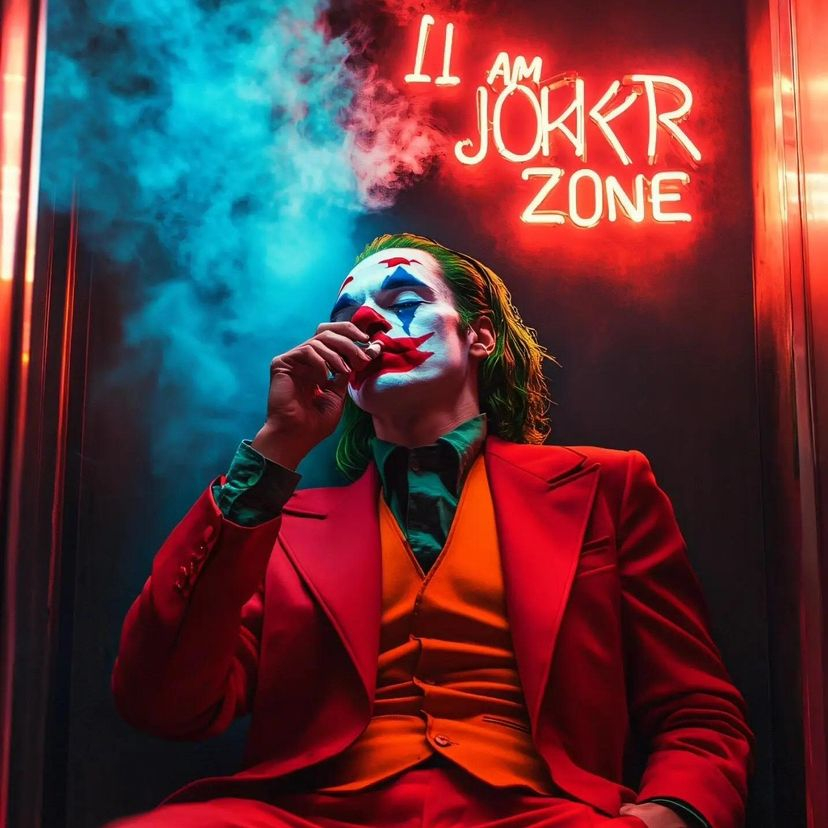
The genius undone by love behind the FTX scandal
Netflix has turned FTX into a series, premiering November 19.
They’re accused of stealing $8 billion. In real life, one was sentenced to 25 years and is expected to get out at Christmas in 2043. The other was sentenced to 2 years, got out this January, and recently started a job. The showrunner says he genuinely believes the two of them initially wanted to do good.
Sounds like there’s some big cousin CZ drama too—kind of looking forward to it!
#FTX
The genius undone by love behind the FTX scandal
Netflix has turned FTX into a series, premiering November 19.
They’re accused of stealing $8 billion. In real life, one was sentenced to 25 years and is expected to get out at Christmas in 2043. The other was sentenced to 2 years, got out this January, and recently started a job. The showrunner says he genuinely believes the two of them initially wanted to do good.
Sounds like there’s some big cousin CZ drama too—kind of looking forward to it!
#FTX
Netflix has turned FTX into a series, premiering November 19.
They’re accused of stealing $8 billion. In real life, one was sentenced to 25 years and is expected to get out at Christmas in 2043. The other was sentenced to 2 years, got out this January, and recently started a job. The showrunner says he genuinely believes the two of them initially wanted to do good.
Sounds like there’s some big cousin CZ drama too—kind of looking forward to it!
#FTX
221
·
--
Former FTX executives publicly criticize Netflix, and the new series trailer sparks controversy.
Former FTX Chief Operating Officer Constance Wang posted on X on October 9 that she felt "physically ill" after seeing the trailer for Netflix's upcoming FTX collapse-themed series. She accused Netflix of turning the $8 billion fraud scandal into a "love story" and bluntly said it was "shameful." Public records show that Wang joined FTX in early 2019 and served as co-CEO in the final months before the company collapsed.
(Source: X)
⚠️ Risk reminder: The above is for market information sharing only and does not constitute investment advice; investing involves risk, so proceed with caution.
#FTX #加密货币 #Market News
Former FTX executives publicly criticize Netflix, and the new series trailer sparks controversy.
Former FTX Chief Operating Officer Constance Wang posted on X on October 9 that she felt "physically ill" after seeing the trailer for Netflix's upcoming FTX collapse-themed series. She accused Netflix of turning the $8 billion fraud scandal into a "love story" and bluntly said it was "shameful." Public records show that Wang joined FTX in early 2019 and served as co-CEO in the final months before the company collapsed.
(Source: X)
⚠️ Risk reminder: The above is for market information sharing only and does not constitute investment advice; investing involves risk, so proceed with caution.
#FTX #加密货币 #Market News
Former FTX Chief Operating Officer Constance Wang posted on X on October 9 that she felt "physically ill" after seeing the trailer for Netflix's upcoming FTX collapse-themed series. She accused Netflix of turning the $8 billion fraud scandal into a "love story" and bluntly said it was "shameful." Public records show that Wang joined FTX in early 2019 and served as co-CEO in the final months before the company collapsed.
(Source: X)
⚠️ Risk reminder: The above is for market information sharing only and does not constitute investment advice; investing involves risk, so proceed with caution.
#FTX #加密货币 #Market News
11
Former FTX COO complains Netflix’s ‘The Altruists’ trailer makes people vomit
- Constance Wang, former FTX COO, says Netflix’s “The Altruists” distorts FTX’s collapse and turns it into a love story.
- She says the trailer made her feel physically sick.
- No further details are available from the RSS source.
#BinanceSquare #CryptoNews #FTX
$btc $eth
#vlikevn #Titanbot
Source: The Block
Former FTX COO complains Netflix’s ‘The Altruists’ trailer makes people vomit
- Constance Wang, former FTX COO, says Netflix’s “The Altruists” distorts FTX’s collapse and turns it into a love story.
- She says the trailer made her feel physically sick.
- No further details are available from the RSS source.
#BinanceSquare #CryptoNews #FTX
$btc $eth
#vlikevn #Titanbot
Source: The Block
- Constance Wang, former FTX COO, says Netflix’s “The Altruists” distorts FTX’s collapse and turns it into a love story.
- She says the trailer made her feel physically sick.
- No further details are available from the RSS source.
#BinanceSquare #CryptoNews #FTX
$btc $eth
#vlikevn #Titanbot
Source: The Block
119

·
--
Netflix is dramatizing the FTX collapse with "The Altruists," focusing on the relationship between Sam Bankman-Fried and Caroline Ellison. While Hollywood gets its next big drama, many in the crypto space are asking: what about the victims? Turning an $8B fraud into mainstream entertainment risks sidelining those who actually lost their life savings.
Will you be watching, or is this a step too far?
#FTX #SBF #CryptoNews
Netflix is dramatizing the FTX collapse with "The Altruists," focusing on the relationship between Sam Bankman-Fried and Caroline Ellison. While Hollywood gets its next big drama, many in the crypto space are asking: what about the victims? Turning an $8B fraud into mainstream entertainment risks sidelining those who actually lost their life savings.
Will you be watching, or is this a step too far?
#FTX #SBF #CryptoNews
Will you be watching, or is this a step too far?
#FTX #SBF #CryptoNews
39
·
--
Netflix turned FTX into a series, and its former COO watched the trailer and straight-up puked 🤮
Constance Wang slammed The Altruists for making up her story. The whole show revolves around SBF and Caroline, while she’s reduced to a background character.
It’s called The Altruists, but everyone’s acting purely out of self-interest. The writers are even better storytellers than SBF.
Putting the gossip aside: exchanges that talk a big game about idealism are quicker than anyone to bolt when things go south. You only feel safe when you hold your own coins.
$FTT #FTX
Netflix turned FTX into a series, and its former COO watched the trailer and straight-up puked 🤮
Constance Wang slammed The Altruists for making up her story. The whole show revolves around SBF and Caroline, while she’s reduced to a background character.
It’s called The Altruists, but everyone’s acting purely out of self-interest. The writers are even better storytellers than SBF.
Putting the gossip aside: exchanges that talk a big game about idealism are quicker than anyone to bolt when things go south. You only feel safe when you hold your own coins.
$FTT #FTX
Constance Wang slammed The Altruists for making up her story. The whole show revolves around SBF and Caroline, while she’s reduced to a background character.
It’s called The Altruists, but everyone’s acting purely out of self-interest. The writers are even better storytellers than SBF.
Putting the gossip aside: exchanges that talk a big game about idealism are quicker than anyone to bolt when things go south. You only feel safe when you hold your own coins.
$FTT #FTX
250

Netflix is officially bringing the FTX saga to our screens with a new series on SBF and Caroline Ellison. While SBF serves his sentence and Ellison moves past her release, this cinematic retelling will definitely reignite mainstream interest in crypto's dark side. Expect plenty of fresh conversations around market regulation and risk management as Hollywood dramatizes the infamous collapse. Popcorn ready? $FTT #CryptoNews #FTX #Netflix
Netflix is officially bringing the FTX saga to our screens with a new series on SBF and Caroline Ellison. While SBF serves his sentence and Ellison moves past her release, this cinematic retelling will definitely reignite mainstream interest in crypto's dark side. Expect plenty of fresh conversations around market regulation and risk management as Hollywood dramatizes the infamous collapse. Popcorn ready? $FTT #CryptoNews #FTX #Netflix
444
Log in to explore more content
Join global crypto users on Binance Square
⚡️ Get latest and useful information about crypto.
💬 Trusted by the world’s largest crypto exchange.
👍 Discover real insights from verified creators.
Email / Phone number
Trending Topics
1
#BitcoinShortTermHoldersReach4.08MBTC
43,911 views
628 Discussing
2
#BitcoinRecoversTo$82K
74,341 views
147 Discussing
3
#OctoberFedHikeOddsFallToAround17%
14,286 views
404 Discussing
4
#NEARRisesNearly10%
103,730 views
1,007 Discussing
5
#SouthKoreaTightensOversightOfOverseasPerpetualContracts
3,072 views
59 Discussing
6
#RiksbankUrgesLawmakersToPrepareDigitalKronaLegislation
2,992 views
64 Discussing
7
#AIAndSemiconductorStocksLoseOver$1TThisWeek
4,278 views
57 Discussing
8
#AustraliaProposesCryptoTransactionReportingLaw
73,250 views
1,056 Discussing
9
#SolanaAlpenglowUpgradeToActivateOnOct21
47,043 views
824 Discussing
10
#USSeptemberPPIRisesTo6.3%
39,943 views
672 Discussing