
#fedratedecisions
fedratedecisions
2.6M views
1,397 Discussing
Hot
Latest

·
--
Bullish
Fed Raises Rates by 25 Basis Points
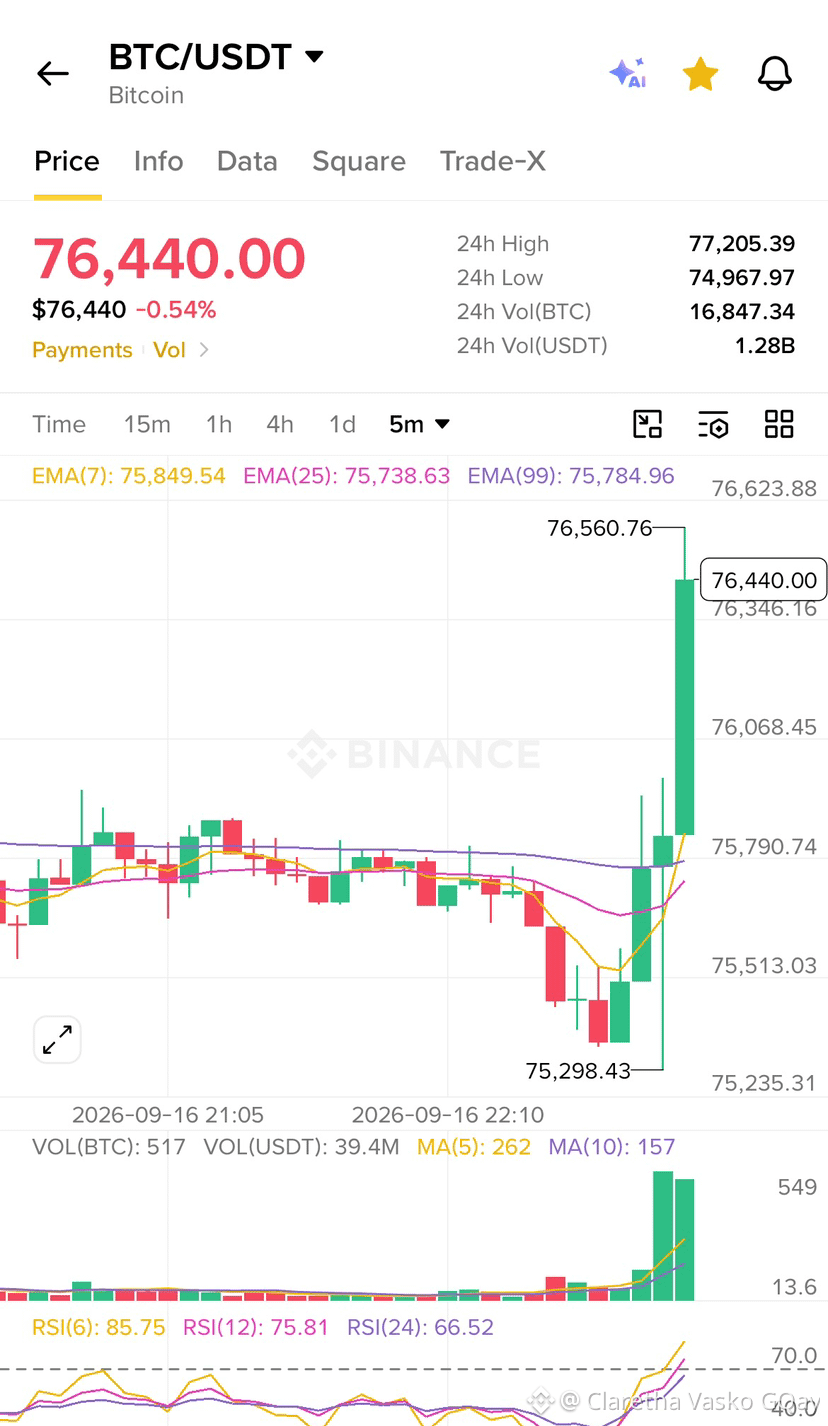
The Federal Reserve increased interest rates by 25 basis points to a range of 3.75%–4.00%, its first rate hike since 2023. Markets had largely anticipated the move, with pricing implying about a 90% probability beforehand.
Chair Kevin Warsh said future policy decisions would remain dependent on incoming economic data. Market participants are divided on whether the increase is a one-time adjustment or the beginning of a broader tightening cycle. Bitcoin traded near $76,000 after the announcement.
#FedRateDecisions #CLARITYAct
{spot}(BTCUSDT)
{spot}(ETHUSDT)
{spot}(BNBUSDT)
Fed Raises Rates by 25 Basis Points
The Federal Reserve increased interest rates by 25 basis points to a range of 3.75%–4.00%, its first rate hike since 2023. Markets had largely anticipated the move, with pricing implying about a 90% probability beforehand.
Chair Kevin Warsh said future policy decisions would remain dependent on incoming economic data. Market participants are divided on whether the increase is a one-time adjustment or the beginning of a broader tightening cycle. Bitcoin traded near $76,000 after the announcement.
#FedRateDecisions #CLARITYAct
The Federal Reserve increased interest rates by 25 basis points to a range of 3.75%–4.00%, its first rate hike since 2023. Markets had largely anticipated the move, with pricing implying about a 90% probability beforehand.
Chair Kevin Warsh said future policy decisions would remain dependent on incoming economic data. Market participants are divided on whether the increase is a one-time adjustment or the beginning of a broader tightening cycle. Bitcoin traded near $76,000 after the announcement.
#FedRateDecisions #CLARITYAct
120

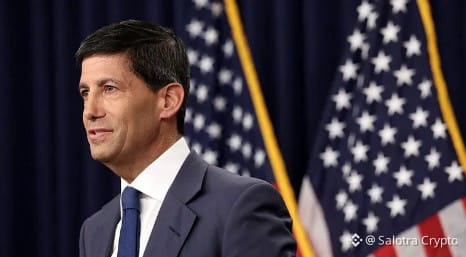
🚨 BREAKING: FED RATE DECISION TODAY — CRYPTO BRACES FOR VOLATILITY! 🇺🇸⚡
⏰ Rate Decision: 2:00 PM ET — 11:00 PM PKT 🇵🇰
🎙️ Chair Warsh Press Conference: 2:30 PM ET — 11:30 PM PKT
📈📉 Markets are watching closely as the Fed reveals its latest interest-rate decision, followed by Chair Warsh’s comments on the future policy path.
🔥 The countdown is on — will crypto pump or dump after the Fed? 👀
Follow for daily updates 🚨
$SYN $AKE $LSK
#FedRateWatch #FedRateDecisions
🚨 BREAKING: FED RATE DECISION TODAY — CRYPTO BRACES FOR VOLATILITY! 🇺🇸⚡
⏰ Rate Decision: 2:00 PM ET — 11:00 PM PKT 🇵🇰
🎙️ Chair Warsh Press Conference: 2:30 PM ET — 11:30 PM PKT
📈📉 Markets are watching closely as the Fed reveals its latest interest-rate decision, followed by Chair Warsh’s comments on the future policy path.
🔥 The countdown is on — will crypto pump or dump after the Fed? 👀
Follow for daily updates 🚨
$SYN $AKE $LSK
#FedRateWatch #FedRateDecisions
⏰ Rate Decision: 2:00 PM ET — 11:00 PM PKT 🇵🇰
🎙️ Chair Warsh Press Conference: 2:30 PM ET — 11:30 PM PKT
📈📉 Markets are watching closely as the Fed reveals its latest interest-rate decision, followed by Chair Warsh’s comments on the future policy path.
🔥 The countdown is on — will crypto pump or dump after the Fed? 👀
Follow for daily updates 🚨
$SYN $AKE $LSK
#FedRateWatch #FedRateDecisions
195


·
--
Bullish
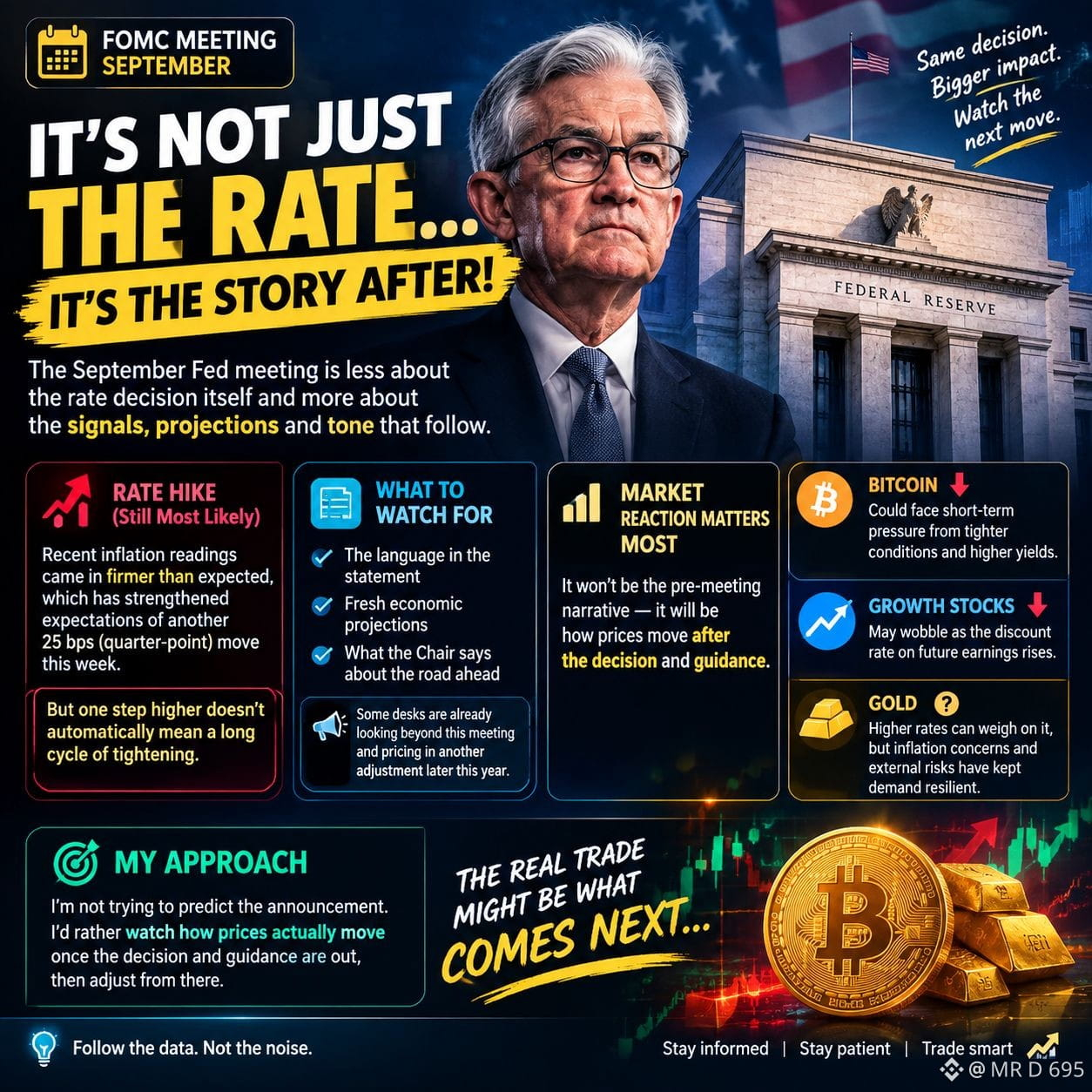
The September Fed meeting is less about the rate decision itself and more about the story that follows.
Recent inflation readings came in firmer than expected, enough to swing consensus firmly toward another quarter-point move this week. That outcome still looks like the most probable path. One step higher, however, does not automatically reopen a prolonged tightening campaign. Policymakers continue to walk a narrow line between lingering price pressure and the risk of slowing growth too much.
The real clues will sit in the language of the statement, the fresh set of economic projections, and whatever the chair chooses to stress about the road ahead. A few desks have already begun looking past this meeting and floating the possibility of another adjustment later in the year.
Market reaction will matter more than any pre-meeting narrative. Bitcoin could feel short-term pressure from tighter conditions and higher yields. Growth stocks may also wobble as the discount rate on future earnings rises. Gold remains the more complicated case—higher rates can weigh on it, yet inflation concerns and external risks have repeatedly kept demand resilient.
I’m not trying to anticipate the announcement. I’d rather watch how prices actually move once the decision and guidance are out, then adjust from there. The near-term step is largely expected. The more interesting trade may be whatever the Fed signals comes next.
$BTC
{spot}(BTCUSDT)
$LSK
{spot}(LSKUSDT)
$ZEC
{spot}(ZECUSDT)
#FedRateWatch #FedRateDecisions
The September Fed meeting is less about the rate decision itself and more about the story that follows.
Recent inflation readings came in firmer than expected, enough to swing consensus firmly toward another quarter-point move this week. That outcome still looks like the most probable path. One step higher, however, does not automatically reopen a prolonged tightening campaign. Policymakers continue to walk a narrow line between lingering price pressure and the risk of slowing growth too much.
The real clues will sit in the language of the statement, the fresh set of economic projections, and whatever the chair chooses to stress about the road ahead. A few desks have already begun looking past this meeting and floating the possibility of another adjustment later in the year.
Market reaction will matter more than any pre-meeting narrative. Bitcoin could feel short-term pressure from tighter conditions and higher yields. Growth stocks may also wobble as the discount rate on future earnings rises. Gold remains the more complicated case—higher rates can weigh on it, yet inflation concerns and external risks have repeatedly kept demand resilient.
I’m not trying to anticipate the announcement. I’d rather watch how prices actually move once the decision and guidance are out, then adjust from there. The near-term step is largely expected. The more interesting trade may be whatever the Fed signals comes next.
$BTC
$LSK
$ZEC
#FedRateWatch #FedRateDecisions
Recent inflation readings came in firmer than expected, enough to swing consensus firmly toward another quarter-point move this week. That outcome still looks like the most probable path. One step higher, however, does not automatically reopen a prolonged tightening campaign. Policymakers continue to walk a narrow line between lingering price pressure and the risk of slowing growth too much.
The real clues will sit in the language of the statement, the fresh set of economic projections, and whatever the chair chooses to stress about the road ahead. A few desks have already begun looking past this meeting and floating the possibility of another adjustment later in the year.
Market reaction will matter more than any pre-meeting narrative. Bitcoin could feel short-term pressure from tighter conditions and higher yields. Growth stocks may also wobble as the discount rate on future earnings rises. Gold remains the more complicated case—higher rates can weigh on it, yet inflation concerns and external risks have repeatedly kept demand resilient.
I’m not trying to anticipate the announcement. I’d rather watch how prices actually move once the decision and guidance are out, then adjust from there. The near-term step is largely expected. The more interesting trade may be whatever the Fed signals comes next.
$BTC
$LSK
$ZEC
#FedRateWatch #FedRateDecisions
389

·
--
Verified
#fedratewatch
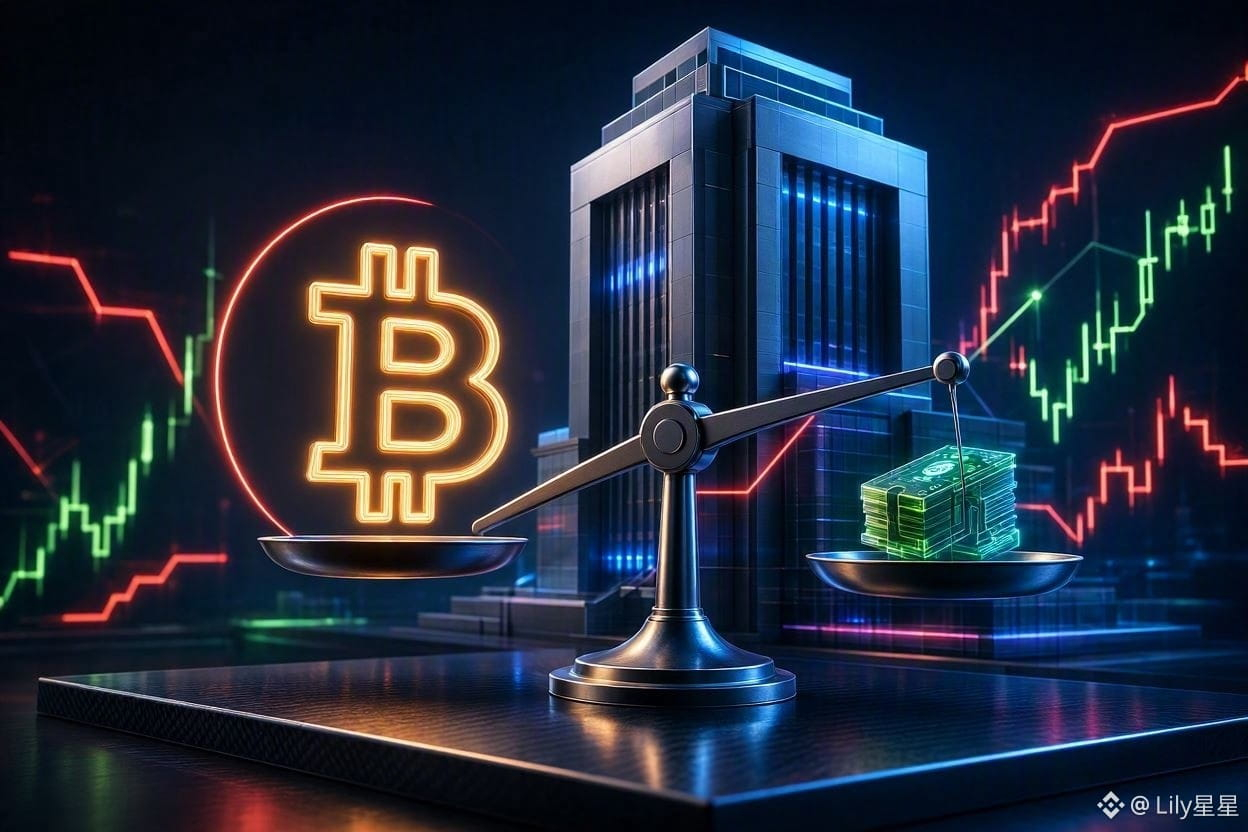
August Core CPI rose 0.3% MoM (above the 0.2% estimate), pushing market odds for a 25bps Federal Reserve interest rate hike to near 90%. High energy costs and service inflation keep persistent pressure on the market.
1️⃣ Do you anticipate a rate hike this week?
Yes, a 25bps hike is almost fully priced in by traders. With core inflation picking up, the Fed is likely to intervene to keep long-term inflation expectations anchored.
2️⃣ Is it a one-off or a longer hiking cycle?
This appears to be a one-off adjustment / tactical pause-breaker rather than the start of an aggressive, long-term hiking cycle. Unless energy prices explode further, economic growth constraints will likely prevent a prolonged tightening streak.
⚡ Impact on Crypto:
Short-Term: Expect localized volatility in BTC & ETH as liquidity tightens and DXY gains short-term strength.
Medium-Term: Once interest rate trajectory clarity stabilizes, markets traditionally absorb the decision and resume macro-driven trends.
What’s your strategy—accumulating during dips or holding cash? Drop your thoughts below! 👇
#FedRateDecisions #CryptoMarketMoves $BTC
{future}(BTCUSDT)
#fedratewatch
August Core CPI rose 0.3% MoM (above the 0.2% estimate), pushing market odds for a 25bps Federal Reserve interest rate hike to near 90%. High energy costs and service inflation keep persistent pressure on the market.
1️⃣ Do you anticipate a rate hike this week?
Yes, a 25bps hike is almost fully priced in by traders. With core inflation picking up, the Fed is likely to intervene to keep long-term inflation expectations anchored.
2️⃣ Is it a one-off or a longer hiking cycle?
This appears to be a one-off adjustment / tactical pause-breaker rather than the start of an aggressive, long-term hiking cycle. Unless energy prices explode further, economic growth constraints will likely prevent a prolonged tightening streak.
⚡ Impact on Crypto:
Short-Term: Expect localized volatility in BTC & ETH as liquidity tightens and DXY gains short-term strength.
Medium-Term: Once interest rate trajectory clarity stabilizes, markets traditionally absorb the decision and resume macro-driven trends.
What’s your strategy—accumulating during dips or holding cash? Drop your thoughts below! 👇
#FedRateDecisions #CryptoMarketMoves $BTC
August Core CPI rose 0.3% MoM (above the 0.2% estimate), pushing market odds for a 25bps Federal Reserve interest rate hike to near 90%. High energy costs and service inflation keep persistent pressure on the market.
1️⃣ Do you anticipate a rate hike this week?
Yes, a 25bps hike is almost fully priced in by traders. With core inflation picking up, the Fed is likely to intervene to keep long-term inflation expectations anchored.
2️⃣ Is it a one-off or a longer hiking cycle?
This appears to be a one-off adjustment / tactical pause-breaker rather than the start of an aggressive, long-term hiking cycle. Unless energy prices explode further, economic growth constraints will likely prevent a prolonged tightening streak.
⚡ Impact on Crypto:
Short-Term: Expect localized volatility in BTC & ETH as liquidity tightens and DXY gains short-term strength.
Medium-Term: Once interest rate trajectory clarity stabilizes, markets traditionally absorb the decision and resume macro-driven trends.
What’s your strategy—accumulating during dips or holding cash? Drop your thoughts below! 👇
#FedRateDecisions #CryptoMarketMoves $BTC
1
25

#FedRateDecisions 🇺🇸💵
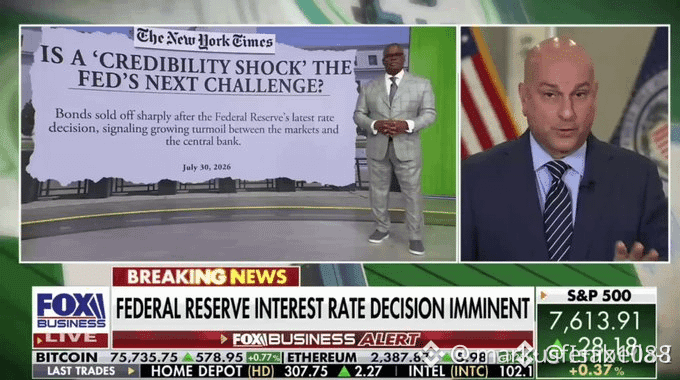
The Federal Reserve raises rates by 25 basis points
Defying Trump’s threats. TRUMP ONCE AGAIN LOST!
Trump spent months yelling, demanding rate cuts, threatening to cut trade with entire countries if rates weren’t lowered, and insisting that the United States should have the “lowest rates in the world”.
However, his own man raised them anyway because inflation is still out of control thanks to Trump’s stupid wars and tariffs.$PLAY $FLNC $ONDO
{future}(ONDOUSDT)
#FedRateDecisions 🇺🇸💵
The Federal Reserve raises rates by 25 basis points
Defying Trump’s threats. TRUMP ONCE AGAIN LOST!
Trump spent months yelling, demanding rate cuts, threatening to cut trade with entire countries if rates weren’t lowered, and insisting that the United States should have the “lowest rates in the world”.
However, his own man raised them anyway because inflation is still out of control thanks to Trump’s stupid wars and tariffs.$PLAY $FLNC $ONDO
The Federal Reserve raises rates by 25 basis points
Defying Trump’s threats. TRUMP ONCE AGAIN LOST!
Trump spent months yelling, demanding rate cuts, threatening to cut trade with entire countries if rates weren’t lowered, and insisting that the United States should have the “lowest rates in the world”.
However, his own man raised them anyway because inflation is still out of control thanks to Trump’s stupid wars and tariffs.$PLAY $FLNC $ONDO
192

·
--
Article
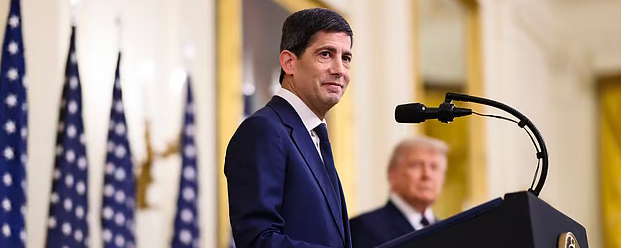
Will the Fed Really Raise Rates This Week? Bitcoin and U.S. Stocks Could Be at a Turning PointOh no—is the Federal Reserve really going to raise interest rates this week?
And if it does, are Bitcoin and U.S. stocks about to fall hard?
At first glance, the situation looks pretty scary.
Inflation has remained stubborn, the latest CPI report has strengthened the case for tighter monetary policy, and the market has already moved heavily toward expecting another rate increase.
But here's the interesting part.
I don't think the biggest risk for Bitcoin or the stock market is actually the rate hike itself.
The real risk could be what the Federal Reserve says after the hike.
Because at this point, the market may already be prepared for 25 basis points.
What investors are not prepared for is the possibility that the Fed tells them:
"This isn't the last one."
And that's where things could get very interesting.
The CPI Changed Everything
Let's start with the inflation data.
In August, core CPI increased 0.3% month over month.
That number may not sound dramatic by itself, but for a Federal Reserve that is still trying to convince the market that inflation is moving sustainably toward its 2% target, it was not exactly the kind of number policymakers wanted to see.
The immediate reaction was predictable.
Expectations for another rate hike increased sharply.
Some major Wall Street institutions also moved their forecasts toward a 25-basis-point increase.
And once the market begins pricing a particular outcome with very high probability, the Fed finds itself in a difficult position.
If it raises rates, nobody should be shocked.
But if it suddenly refuses to move, the market could start asking questions about whether the Federal Reserve is actually serious about fighting inflation.
And that brings us to the most important word in this entire discussion:
Credibility.
The Fed Has Put Its Credibility on the Line
Remember what Federal Reserve officials have been saying.
The message has been consistent:
Inflation has improved, but the fight isn't over.
The Fed cannot declare victory too early.
If inflation remains elevated, monetary policy needs to stay restrictive.
That sounds reasonable.
But once central bankers repeatedly communicate this message, markets begin to price it in.
Investors start believing that if inflation surprises to the upside, the Fed will respond.
That's how central-bank credibility works.
The problem comes when reality changes.
If inflation suddenly becomes hotter than expected and the Fed does nothing, investors may begin questioning whether the Fed's previous warnings were genuine.
Was the central bank really willing to keep rates higher for longer?
Or was it simply trying to manage expectations?
This is why the decision could become much bigger than a simple 25-basis-point move.
The Fed isn't only setting interest rates.
It's also trying to convince the financial markets that its future promises are credible.
Why Treasury Yields Matter So Much
Now let's talk about something that doesn't always get enough attention from retail investors:
The U.S. Treasury market.
Especially the long end of the curve.
A 30-year Treasury yield isn't determined simply by what the Fed does at its next meeting.
It reflects expectations for inflation, economic growth, future interest rates, government borrowing, and the compensation investors demand for holding long-duration debt.
So when long-term yields rise, it can be a warning sign for risk assets.
Why?
Because higher yields make bonds more attractive relative to stocks.
They also increase the discount rate applied to future corporate earnings.
And that can hit high-valuation growth stocks particularly hard.
The same logic can extend to Bitcoin.
Bitcoin doesn't generate traditional cash flows like a company does, but it often trades as a liquidity-sensitive risk asset.
When financial conditions become easier, speculative assets can benefit.
When liquidity becomes tighter and real yields rise, those same assets can come under pressure.
So if the Fed raises rates and simultaneously pushes long-term yields higher through a more hawkish outlook, Bitcoin could feel the pressure.
But again, there's a big difference between a hike that everybody expects and a surprise in the Fed's future guidance.
The Market Has Already Priced in the Hike
Here's where things become interesting.
If traders already believe there is a very high probability of a 25-basis-point hike, then that information is already reflected in market prices.
This is one of the most important principles in financial markets:
Markets don't react simply to what happens.
They react to what happens relative to expectations.
If everybody expects a rate hike and the Fed delivers one, the reaction could actually be fairly limited.
The real volatility could come from the message surrounding the decision.
Imagine the Fed raises rates by 25 basis points and then says:
"Inflation is still a concern, but we are approaching the end of this tightening cycle."
That could be interpreted as relatively dovish.
Stocks might stabilize.
Bitcoin could recover.
Treasury yields could stop rising.
And investors could start looking beyond the current tightening cycle.
Now imagine the opposite.
The Fed raises rates by 25 basis points and the new projections suggest that several more increases could be necessary.
Suddenly, the market has a completely different problem.
Investors would have to reprice the entire interest-rate path.
And that's where valuations could get hit.
The Dot Plot May Be More Important Than the Rate Decision
This is why I think investors should pay extremely close attention to the Fed's dot plot.
The question isn't simply:
Will the Fed raise rates this week?
The more important question is:
How many more hikes does the Fed expect after this one?
There is a huge difference between these two scenarios.
Scenario One: One More Hike and Then a Pause
In this scenario, the Fed raises rates by 25 basis points but signals that it is getting close to the end.
Maybe there is one additional hike later, or perhaps none at all if inflation continues to cool.
That would give markets some breathing room.
Long-term yields might stabilize.
Stock valuations could recover.
Bitcoin could benefit from renewed risk appetite.
In this situation, the rate hike itself could actually become a "buy the news" event.
Scenario Two: The Tightening Cycle Continues
Now imagine the dot plot shows that policymakers expect several more increases.
That's a completely different story.
Investors would suddenly realize that monetary policy may remain restrictive for much longer than previously expected.
Treasury yields could move higher.
Growth stocks could suffer.
Liquidity conditions could tighten further.
And Bitcoin could face another wave of selling pressure.
That's why one small change in the dot plot can have a much bigger effect than the 25-basis-point hike itself.
Could the Fed Actually Be Bullish for Stocks?
Here's the part that many investors may be missing.
A rate hike isn't necessarily bearish if the market already expects it.
Suppose everyone expects a hike.
The Fed delivers it.
But then policymakers signal that the end of the tightening cycle is approaching.
Investors could interpret that as confirmation that the worst is behind them.
And when uncertainty falls, money can flow back into risk assets.
That's why simply saying:
"The Fed is raising rates, therefore stocks will crash"
is too simplistic.
The real question is:
What did the market expect, and what did the Fed actually deliver?
If the Fed is less hawkish than expected, markets can rally even when rates go higher.
The headline sounds bearish.
The details can be bullish.
But What About Bitcoin?
Bitcoin is particularly interesting here.
The cryptocurrency market is extremely sensitive to changes in liquidity and investor risk appetite.
When investors become more confident that monetary policy is becoming less restrictive, speculative assets can benefit.
When the opposite happens—when yields rise and liquidity becomes tighter—Bitcoin can struggle.
So if the Fed's meeting produces a more hawkish message than expected, Bitcoin could potentially experience a sharp move lower.
But if the Fed gives investors confidence that the tightening cycle is approaching its final stage, Bitcoin could react very differently.
This is why I wouldn't look at the rate decision in isolation.
I'd watch:
The Fed's interest-rate decisionThe updated dot plotPowell's press conferenceTreasury yieldsThe U.S. dollarMarket expectations for future rate cutsBitcoin's reaction to the initial announcement
Sometimes the most important signal isn't what happens immediately after the Fed speaks.
It's what happens several hours later, once traders have had time to digest the message.
The Biggest Risk Is a Policy Path Nobody Expected
Here's what really worries me.
If the market is prepared for one rate hike but suddenly gets a message suggesting that the Fed may need to keep tightening aggressively, the repricing could be violent.
That's because financial markets don't just price today's interest rate.
They price the entire expected path of monetary policy.
If investors suddenly move from:
"Maybe we're near the end"
to:
"There could be several more hikes"
then Treasury yields can jump.
And when yields jump, valuations can compress.
That's when the pressure spreads from bonds to stocks, from stocks to crypto, and potentially across the entire risk-asset complex.
So the danger isn't necessarily the first 25 basis points.
It's the possibility that those 25 basis points become the beginning of another tightening phase.
The Fed Is Walking a Very Fine Line
The Federal Reserve has a difficult balancing act.
On one side, it needs to make sure inflation doesn't become entrenched.
On the other, it doesn't want to tighten monetary policy so aggressively that it causes unnecessary damage to the economy and financial markets.
And then there's the Treasury market.
If long-term yields continue climbing, financial conditions can tighten even without the Fed aggressively raising its policy rate.
That means policymakers have to pay attention not only to CPI and employment but also to how markets are responding to their communication.
The Fed needs to be tough enough to maintain credibility.
But not so hawkish that it creates an unnecessary financial shock.
That's a very difficult line to walk.
So, Will the Fed Raise Rates This Week?
If the market is already pricing a very high probability of a 25-basis-point hike, I don't think the hike itself should be the thing that scares investors the most.
The bigger question is what comes next.
If the dot plot suggests that this could be one of the final moves, the market may actually take the decision surprisingly well.
Stocks could stabilize.
Bitcoin could find buyers.
And Treasury yields could finally cool down.
But if the Fed signals that inflation remains serious enough to justify multiple additional hikes, then the story changes completely.
That would mean the tightening cycle isn't finished.
Long-term yields could continue moving higher.
Equity valuations could remain under pressure.
And Bitcoin could face another round of volatility.
So, in my opinion, don't just watch the headline:
"Fed raises rates."
Watch the sentence that comes after it.
Watch the dot plot.
Watch the Treasury market.
Watch Powell's tone.
Because the market already knows what the Fed might do today.
What investors really want to know is:
What will the Fed do tomorrow?
And that answer could determine whether Bitcoin and U.S. stocks experience a relief rally—or another painful sell-off.
At the end of the day, this isn't just a story about 25 basis points.
It's a story about inflation.
It's a story about credibility.
It's a story about Treasury yields.
And most importantly, it's a story about whether the Federal Reserve is approaching the end of its tightening cycle—or preparing to keep going.
What do you think? Will the Fed raise rates this week, and if it does, will Bitcoin and U.S. stocks rally after the initial volatility—or are we heading toward another major correction?
#FedRateDecisions #UKSeeksViewsOnTokenizingGold #Bilverse #CryptoNews
{future}(NVDAUSDT)
{future}(SPCXUSDT)
{future}(GOOGLUSDT)
Will the Fed Really Raise Rates This Week? Bitcoin and U.S. Stocks Could Be at a Turning Point
Oh no—is the Federal Reserve really going to raise interest rates this week?
And if it does, are Bitcoin and U.S. stocks about to fall hard?
At first glance, the situation looks pretty scary.
Inflation has remained stubborn, the latest CPI report has strengthened the case for tighter monetary policy, and the market has already moved heavily toward expecting another rate increase.
But here's the interesting part.
I don't think the biggest risk for Bitcoin or the stock market is actually the rate hike itself.
The real risk could be what the Federal Reserve says after the hike.
Because at this point, the market may already be prepared for 25 basis points.
What investors are not prepared for is the possibility that the Fed tells them:
"This isn't the last one."
And that's where things could get very interesting.
The CPI Changed Everything
Let's start with the inflation data.
In August, core CPI increased 0.3% month over month.
That number may not sound dramatic by itself, but for a Federal Reserve that is still trying to convince the market that inflation is moving sustainably toward its 2% target, it was not exactly the kind of number policymakers wanted to see.
The immediate reaction was predictable.
Expectations for another rate hike increased sharply.
Some major Wall Street institutions also moved their forecasts toward a 25-basis-point increase.
And once the market begins pricing a particular outcome with very high probability, the Fed finds itself in a difficult position.
If it raises rates, nobody should be shocked.
But if it suddenly refuses to move, the market could start asking questions about whether the Federal Reserve is actually serious about fighting inflation.
And that brings us to the most important word in this entire discussion:
Credibility.
The Fed Has Put Its Credibility on the Line
Remember what Federal Reserve officials have been saying.
The message has been consistent:
Inflation has improved, but the fight isn't over.
The Fed cannot declare victory too early.
If inflation remains elevated, monetary policy needs to stay restrictive.
That sounds reasonable.
But once central bankers repeatedly communicate this message, markets begin to price it in.
Investors start believing that if inflation surprises to the upside, the Fed will respond.
That's how central-bank credibility works.
The problem comes when reality changes.
If inflation suddenly becomes hotter than expected and the Fed does nothing, investors may begin questioning whether the Fed's previous warnings were genuine.
Was the central bank really willing to keep rates higher for longer?
Or was it simply trying to manage expectations?
This is why the decision could become much bigger than a simple 25-basis-point move.
The Fed isn't only setting interest rates.
It's also trying to convince the financial markets that its future promises are credible.
Why Treasury Yields Matter So Much
Now let's talk about something that doesn't always get enough attention from retail investors:
The U.S. Treasury market.
Especially the long end of the curve.
A 30-year Treasury yield isn't determined simply by what the Fed does at its next meeting.
It reflects expectations for inflation, economic growth, future interest rates, government borrowing, and the compensation investors demand for holding long-duration debt.
So when long-term yields rise, it can be a warning sign for risk assets.
Why?
Because higher yields make bonds more attractive relative to stocks.
They also increase the discount rate applied to future corporate earnings.
And that can hit high-valuation growth stocks particularly hard.
The same logic can extend to Bitcoin.
Bitcoin doesn't generate traditional cash flows like a company does, but it often trades as a liquidity-sensitive risk asset.
When financial conditions become easier, speculative assets can benefit.
When liquidity becomes tighter and real yields rise, those same assets can come under pressure.
So if the Fed raises rates and simultaneously pushes long-term yields higher through a more hawkish outlook, Bitcoin could feel the pressure.
But again, there's a big difference between a hike that everybody expects and a surprise in the Fed's future guidance.
The Market Has Already Priced in the Hike
Here's where things become interesting.
If traders already believe there is a very high probability of a 25-basis-point hike, then that information is already reflected in market prices.
This is one of the most important principles in financial markets:
Markets don't react simply to what happens.
They react to what happens relative to expectations.
If everybody expects a rate hike and the Fed delivers one, the reaction could actually be fairly limited.
The real volatility could come from the message surrounding the decision.
Imagine the Fed raises rates by 25 basis points and then says:
"Inflation is still a concern, but we are approaching the end of this tightening cycle."
That could be interpreted as relatively dovish.
Stocks might stabilize.
Bitcoin could recover.
Treasury yields could stop rising.
And investors could start looking beyond the current tightening cycle.
Now imagine the opposite.
The Fed raises rates by 25 basis points and the new projections suggest that several more increases could be necessary.
Suddenly, the market has a completely different problem.
Investors would have to reprice the entire interest-rate path.
And that's where valuations could get hit.
The Dot Plot May Be More Important Than the Rate Decision
This is why I think investors should pay extremely close attention to the Fed's dot plot.
The question isn't simply:
Will the Fed raise rates this week?
The more important question is:
How many more hikes does the Fed expect after this one?
There is a huge difference between these two scenarios.
Scenario One: One More Hike and Then a Pause
In this scenario, the Fed raises rates by 25 basis points but signals that it is getting close to the end.
Maybe there is one additional hike later, or perhaps none at all if inflation continues to cool.
That would give markets some breathing room.
Long-term yields might stabilize.
Stock valuations could recover.
Bitcoin could benefit from renewed risk appetite.
In this situation, the rate hike itself could actually become a "buy the news" event.
Scenario Two: The Tightening Cycle Continues
Now imagine the dot plot shows that policymakers expect several more increases.
That's a completely different story.
Investors would suddenly realize that monetary policy may remain restrictive for much longer than previously expected.
Treasury yields could move higher.
Growth stocks could suffer.
Liquidity conditions could tighten further.
And Bitcoin could face another wave of selling pressure.
That's why one small change in the dot plot can have a much bigger effect than the 25-basis-point hike itself.
Could the Fed Actually Be Bullish for Stocks?
Here's the part that many investors may be missing.
A rate hike isn't necessarily bearish if the market already expects it.
Suppose everyone expects a hike.
The Fed delivers it.
But then policymakers signal that the end of the tightening cycle is approaching.
Investors could interpret that as confirmation that the worst is behind them.
And when uncertainty falls, money can flow back into risk assets.
That's why simply saying:
"The Fed is raising rates, therefore stocks will crash"
is too simplistic.
The real question is:
What did the market expect, and what did the Fed actually deliver?
If the Fed is less hawkish than expected, markets can rally even when rates go higher.
The headline sounds bearish.
The details can be bullish.
But What About Bitcoin?
Bitcoin is particularly interesting here.
The cryptocurrency market is extremely sensitive to changes in liquidity and investor risk appetite.
When investors become more confident that monetary policy is becoming less restrictive, speculative assets can benefit.
When the opposite happens—when yields rise and liquidity becomes tighter—Bitcoin can struggle.
So if the Fed's meeting produces a more hawkish message than expected, Bitcoin could potentially experience a sharp move lower.
But if the Fed gives investors confidence that the tightening cycle is approaching its final stage, Bitcoin could react very differently.
This is why I wouldn't look at the rate decision in isolation.
I'd watch:
The Fed's interest-rate decisionThe updated dot plotPowell's press conferenceTreasury yieldsThe U.S. dollarMarket expectations for future rate cutsBitcoin's reaction to the initial announcement
Sometimes the most important signal isn't what happens immediately after the Fed speaks.
It's what happens several hours later, once traders have had time to digest the message.
The Biggest Risk Is a Policy Path Nobody Expected
Here's what really worries me.
If the market is prepared for one rate hike but suddenly gets a message suggesting that the Fed may need to keep tightening aggressively, the repricing could be violent.
That's because financial markets don't just price today's interest rate.
They price the entire expected path of monetary policy.
If investors suddenly move from:
"Maybe we're near the end"
to:
"There could be several more hikes"
then Treasury yields can jump.
And when yields jump, valuations can compress.
That's when the pressure spreads from bonds to stocks, from stocks to crypto, and potentially across the entire risk-asset complex.
So the danger isn't necessarily the first 25 basis points.
It's the possibility that those 25 basis points become the beginning of another tightening phase.
The Fed Is Walking a Very Fine Line
The Federal Reserve has a difficult balancing act.
On one side, it needs to make sure inflation doesn't become entrenched.
On the other, it doesn't want to tighten monetary policy so aggressively that it causes unnecessary damage to the economy and financial markets.
And then there's the Treasury market.
If long-term yields continue climbing, financial conditions can tighten even without the Fed aggressively raising its policy rate.
That means policymakers have to pay attention not only to CPI and employment but also to how markets are responding to their communication.
The Fed needs to be tough enough to maintain credibility.
But not so hawkish that it creates an unnecessary financial shock.
That's a very difficult line to walk.
So, Will the Fed Raise Rates This Week?
If the market is already pricing a very high probability of a 25-basis-point hike, I don't think the hike itself should be the thing that scares investors the most.
The bigger question is what comes next.
If the dot plot suggests that this could be one of the final moves, the market may actually take the decision surprisingly well.
Stocks could stabilize.
Bitcoin could find buyers.
And Treasury yields could finally cool down.
But if the Fed signals that inflation remains serious enough to justify multiple additional hikes, then the story changes completely.
That would mean the tightening cycle isn't finished.
Long-term yields could continue moving higher.
Equity valuations could remain under pressure.
And Bitcoin could face another round of volatility.
So, in my opinion, don't just watch the headline:
"Fed raises rates."
Watch the sentence that comes after it.
Watch the dot plot.
Watch the Treasury market.
Watch Powell's tone.
Because the market already knows what the Fed might do today.
What investors really want to know is:
What will the Fed do tomorrow?
And that answer could determine whether Bitcoin and U.S. stocks experience a relief rally—or another painful sell-off.
At the end of the day, this isn't just a story about 25 basis points.
It's a story about inflation.
It's a story about credibility.
It's a story about Treasury yields.
And most importantly, it's a story about whether the Federal Reserve is approaching the end of its tightening cycle—or preparing to keep going.
What do you think? Will the Fed raise rates this week, and if it does, will Bitcoin and U.S. stocks rally after the initial volatility—or are we heading toward another major correction?
#FedRateDecisions #UKSeeksViewsOnTokenizingGold #Bilverse #CryptoNews
And if it does, are Bitcoin and U.S. stocks about to fall hard?
At first glance, the situation looks pretty scary.
Inflation has remained stubborn, the latest CPI report has strengthened the case for tighter monetary policy, and the market has already moved heavily toward expecting another rate increase.
But here's the interesting part.
I don't think the biggest risk for Bitcoin or the stock market is actually the rate hike itself.
The real risk could be what the Federal Reserve says after the hike.
Because at this point, the market may already be prepared for 25 basis points.
What investors are not prepared for is the possibility that the Fed tells them:
"This isn't the last one."
And that's where things could get very interesting.
The CPI Changed Everything
Let's start with the inflation data.
In August, core CPI increased 0.3% month over month.
That number may not sound dramatic by itself, but for a Federal Reserve that is still trying to convince the market that inflation is moving sustainably toward its 2% target, it was not exactly the kind of number policymakers wanted to see.
The immediate reaction was predictable.
Expectations for another rate hike increased sharply.
Some major Wall Street institutions also moved their forecasts toward a 25-basis-point increase.
And once the market begins pricing a particular outcome with very high probability, the Fed finds itself in a difficult position.
If it raises rates, nobody should be shocked.
But if it suddenly refuses to move, the market could start asking questions about whether the Federal Reserve is actually serious about fighting inflation.
And that brings us to the most important word in this entire discussion:
Credibility.
The Fed Has Put Its Credibility on the Line
Remember what Federal Reserve officials have been saying.
The message has been consistent:
Inflation has improved, but the fight isn't over.
The Fed cannot declare victory too early.
If inflation remains elevated, monetary policy needs to stay restrictive.
That sounds reasonable.
But once central bankers repeatedly communicate this message, markets begin to price it in.
Investors start believing that if inflation surprises to the upside, the Fed will respond.
That's how central-bank credibility works.
The problem comes when reality changes.
If inflation suddenly becomes hotter than expected and the Fed does nothing, investors may begin questioning whether the Fed's previous warnings were genuine.
Was the central bank really willing to keep rates higher for longer?
Or was it simply trying to manage expectations?
This is why the decision could become much bigger than a simple 25-basis-point move.
The Fed isn't only setting interest rates.
It's also trying to convince the financial markets that its future promises are credible.
Why Treasury Yields Matter So Much
Now let's talk about something that doesn't always get enough attention from retail investors:
The U.S. Treasury market.
Especially the long end of the curve.
A 30-year Treasury yield isn't determined simply by what the Fed does at its next meeting.
It reflects expectations for inflation, economic growth, future interest rates, government borrowing, and the compensation investors demand for holding long-duration debt.
So when long-term yields rise, it can be a warning sign for risk assets.
Why?
Because higher yields make bonds more attractive relative to stocks.
They also increase the discount rate applied to future corporate earnings.
And that can hit high-valuation growth stocks particularly hard.
The same logic can extend to Bitcoin.
Bitcoin doesn't generate traditional cash flows like a company does, but it often trades as a liquidity-sensitive risk asset.
When financial conditions become easier, speculative assets can benefit.
When liquidity becomes tighter and real yields rise, those same assets can come under pressure.
So if the Fed raises rates and simultaneously pushes long-term yields higher through a more hawkish outlook, Bitcoin could feel the pressure.
But again, there's a big difference between a hike that everybody expects and a surprise in the Fed's future guidance.
The Market Has Already Priced in the Hike
Here's where things become interesting.
If traders already believe there is a very high probability of a 25-basis-point hike, then that information is already reflected in market prices.
This is one of the most important principles in financial markets:
Markets don't react simply to what happens.
They react to what happens relative to expectations.
If everybody expects a rate hike and the Fed delivers one, the reaction could actually be fairly limited.
The real volatility could come from the message surrounding the decision.
Imagine the Fed raises rates by 25 basis points and then says:
"Inflation is still a concern, but we are approaching the end of this tightening cycle."
That could be interpreted as relatively dovish.
Stocks might stabilize.
Bitcoin could recover.
Treasury yields could stop rising.
And investors could start looking beyond the current tightening cycle.
Now imagine the opposite.
The Fed raises rates by 25 basis points and the new projections suggest that several more increases could be necessary.
Suddenly, the market has a completely different problem.
Investors would have to reprice the entire interest-rate path.
And that's where valuations could get hit.
The Dot Plot May Be More Important Than the Rate Decision
This is why I think investors should pay extremely close attention to the Fed's dot plot.
The question isn't simply:
Will the Fed raise rates this week?
The more important question is:
How many more hikes does the Fed expect after this one?
There is a huge difference between these two scenarios.
Scenario One: One More Hike and Then a Pause
In this scenario, the Fed raises rates by 25 basis points but signals that it is getting close to the end.
Maybe there is one additional hike later, or perhaps none at all if inflation continues to cool.
That would give markets some breathing room.
Long-term yields might stabilize.
Stock valuations could recover.
Bitcoin could benefit from renewed risk appetite.
In this situation, the rate hike itself could actually become a "buy the news" event.
Scenario Two: The Tightening Cycle Continues
Now imagine the dot plot shows that policymakers expect several more increases.
That's a completely different story.
Investors would suddenly realize that monetary policy may remain restrictive for much longer than previously expected.
Treasury yields could move higher.
Growth stocks could suffer.
Liquidity conditions could tighten further.
And Bitcoin could face another wave of selling pressure.
That's why one small change in the dot plot can have a much bigger effect than the 25-basis-point hike itself.
Could the Fed Actually Be Bullish for Stocks?
Here's the part that many investors may be missing.
A rate hike isn't necessarily bearish if the market already expects it.
Suppose everyone expects a hike.
The Fed delivers it.
But then policymakers signal that the end of the tightening cycle is approaching.
Investors could interpret that as confirmation that the worst is behind them.
And when uncertainty falls, money can flow back into risk assets.
That's why simply saying:
"The Fed is raising rates, therefore stocks will crash"
is too simplistic.
The real question is:
What did the market expect, and what did the Fed actually deliver?
If the Fed is less hawkish than expected, markets can rally even when rates go higher.
The headline sounds bearish.
The details can be bullish.
But What About Bitcoin?
Bitcoin is particularly interesting here.
The cryptocurrency market is extremely sensitive to changes in liquidity and investor risk appetite.
When investors become more confident that monetary policy is becoming less restrictive, speculative assets can benefit.
When the opposite happens—when yields rise and liquidity becomes tighter—Bitcoin can struggle.
So if the Fed's meeting produces a more hawkish message than expected, Bitcoin could potentially experience a sharp move lower.
But if the Fed gives investors confidence that the tightening cycle is approaching its final stage, Bitcoin could react very differently.
This is why I wouldn't look at the rate decision in isolation.
I'd watch:
The Fed's interest-rate decisionThe updated dot plotPowell's press conferenceTreasury yieldsThe U.S. dollarMarket expectations for future rate cutsBitcoin's reaction to the initial announcement
Sometimes the most important signal isn't what happens immediately after the Fed speaks.
It's what happens several hours later, once traders have had time to digest the message.
The Biggest Risk Is a Policy Path Nobody Expected
Here's what really worries me.
If the market is prepared for one rate hike but suddenly gets a message suggesting that the Fed may need to keep tightening aggressively, the repricing could be violent.
That's because financial markets don't just price today's interest rate.
They price the entire expected path of monetary policy.
If investors suddenly move from:
"Maybe we're near the end"
to:
"There could be several more hikes"
then Treasury yields can jump.
And when yields jump, valuations can compress.
That's when the pressure spreads from bonds to stocks, from stocks to crypto, and potentially across the entire risk-asset complex.
So the danger isn't necessarily the first 25 basis points.
It's the possibility that those 25 basis points become the beginning of another tightening phase.
The Fed Is Walking a Very Fine Line
The Federal Reserve has a difficult balancing act.
On one side, it needs to make sure inflation doesn't become entrenched.
On the other, it doesn't want to tighten monetary policy so aggressively that it causes unnecessary damage to the economy and financial markets.
And then there's the Treasury market.
If long-term yields continue climbing, financial conditions can tighten even without the Fed aggressively raising its policy rate.
That means policymakers have to pay attention not only to CPI and employment but also to how markets are responding to their communication.
The Fed needs to be tough enough to maintain credibility.
But not so hawkish that it creates an unnecessary financial shock.
That's a very difficult line to walk.
So, Will the Fed Raise Rates This Week?
If the market is already pricing a very high probability of a 25-basis-point hike, I don't think the hike itself should be the thing that scares investors the most.
The bigger question is what comes next.
If the dot plot suggests that this could be one of the final moves, the market may actually take the decision surprisingly well.
Stocks could stabilize.
Bitcoin could find buyers.
And Treasury yields could finally cool down.
But if the Fed signals that inflation remains serious enough to justify multiple additional hikes, then the story changes completely.
That would mean the tightening cycle isn't finished.
Long-term yields could continue moving higher.
Equity valuations could remain under pressure.
And Bitcoin could face another round of volatility.
So, in my opinion, don't just watch the headline:
"Fed raises rates."
Watch the sentence that comes after it.
Watch the dot plot.
Watch the Treasury market.
Watch Powell's tone.
Because the market already knows what the Fed might do today.
What investors really want to know is:
What will the Fed do tomorrow?
And that answer could determine whether Bitcoin and U.S. stocks experience a relief rally—or another painful sell-off.
At the end of the day, this isn't just a story about 25 basis points.
It's a story about inflation.
It's a story about credibility.
It's a story about Treasury yields.
And most importantly, it's a story about whether the Federal Reserve is approaching the end of its tightening cycle—or preparing to keep going.
What do you think? Will the Fed raise rates this week, and if it does, will Bitcoin and U.S. stocks rally after the initial volatility—or are we heading toward another major correction?
#FedRateDecisions #UKSeeksViewsOnTokenizingGold #Bilverse #CryptoNews
2
275
·
--
#bitcoin #Ethereum #FedRateDecisions #FedMeeting
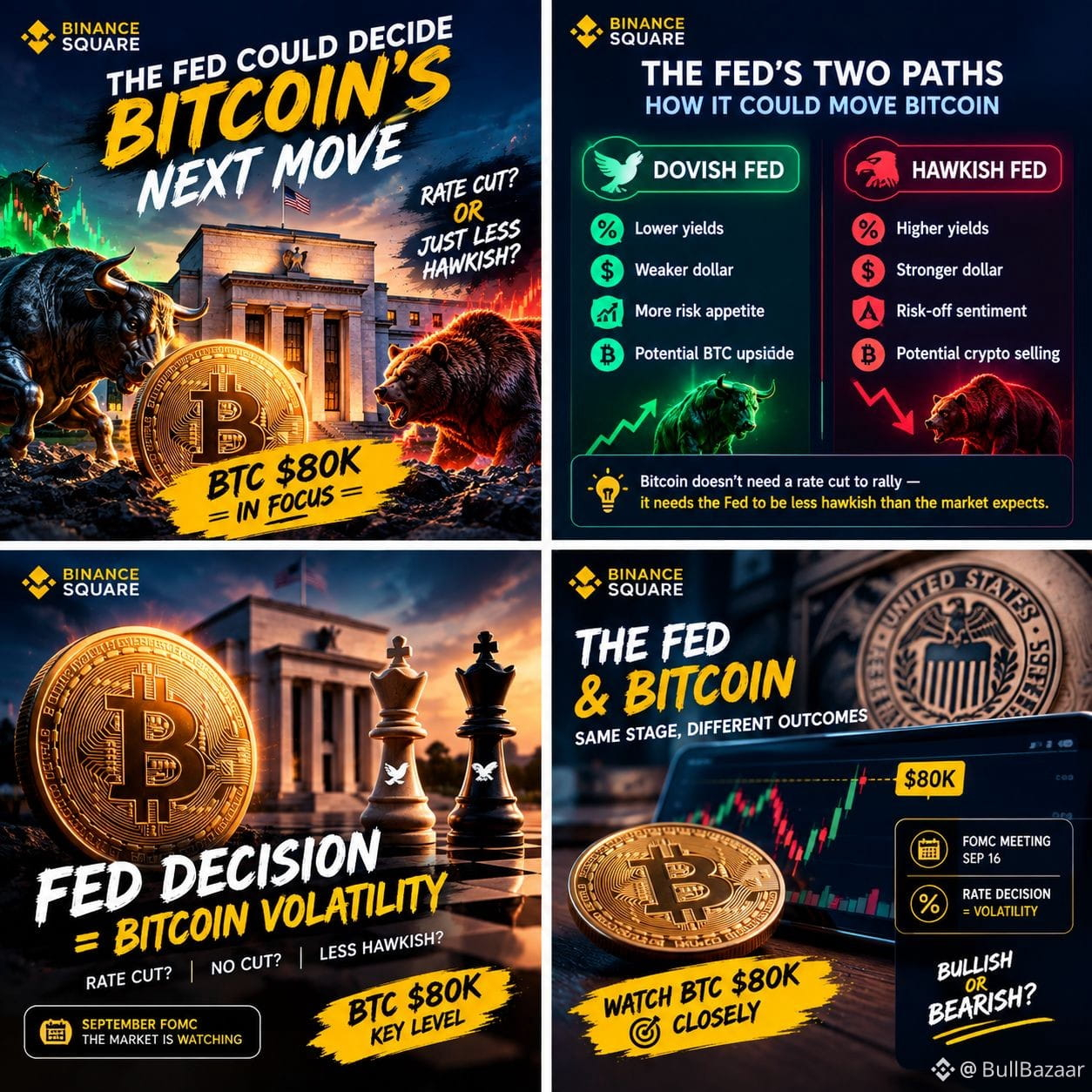
🏦 THE FED COULD DECIDE BITCOIN'S NEXT MOVE
Bitcoin is trading around the high-$70K area while markets prepare for the Federal Reserve's September policy decision.
BTC remains below the key $80K psychological level, making the Fed decision especially important for risk assets.
Here's the battle:
🐂 Dovish Fed
→ Lower yields
→ Weaker dollar
→ More risk appetite
→ Potential BTC upside
🐻 Hawkish Fed
→ Higher yields
→ Stronger dollar
→ Risk-off sentiment
→ Potential crypto selling
The interesting part?
Bitcoin doesn't need a rate cut to rally — it needs the Fed to be less hawkish than the market expects.
That's where the volatility could come from.
🎯 Watch BTC $80K closely.
#Bitcoin #BTC #FederalReserve #Fed #CryptoTrading #BinanceSquare
#bitcoin #Ethereum #FedRateDecisions #FedMeeting
🏦 THE FED COULD DECIDE BITCOIN'S NEXT MOVE
Bitcoin is trading around the high-$70K area while markets prepare for the Federal Reserve's September policy decision.
BTC remains below the key $80K psychological level, making the Fed decision especially important for risk assets.
Here's the battle:
🐂 Dovish Fed
→ Lower yields
→ Weaker dollar
→ More risk appetite
→ Potential BTC upside
🐻 Hawkish Fed
→ Higher yields
→ Stronger dollar
→ Risk-off sentiment
→ Potential crypto selling
The interesting part?
Bitcoin doesn't need a rate cut to rally — it needs the Fed to be less hawkish than the market expects.
That's where the volatility could come from.
🎯 Watch BTC $80K closely.
#Bitcoin #BTC #FederalReserve #Fed #CryptoTrading #BinanceSquare
🏦 THE FED COULD DECIDE BITCOIN'S NEXT MOVE
Bitcoin is trading around the high-$70K area while markets prepare for the Federal Reserve's September policy decision.
BTC remains below the key $80K psychological level, making the Fed decision especially important for risk assets.
Here's the battle:
🐂 Dovish Fed
→ Lower yields
→ Weaker dollar
→ More risk appetite
→ Potential BTC upside
🐻 Hawkish Fed
→ Higher yields
→ Stronger dollar
→ Risk-off sentiment
→ Potential crypto selling
The interesting part?
Bitcoin doesn't need a rate cut to rally — it needs the Fed to be less hawkish than the market expects.
That's where the volatility could come from.
🎯 Watch BTC $80K closely.
#Bitcoin #BTC #FederalReserve #Fed #CryptoTrading #BinanceSquare
40

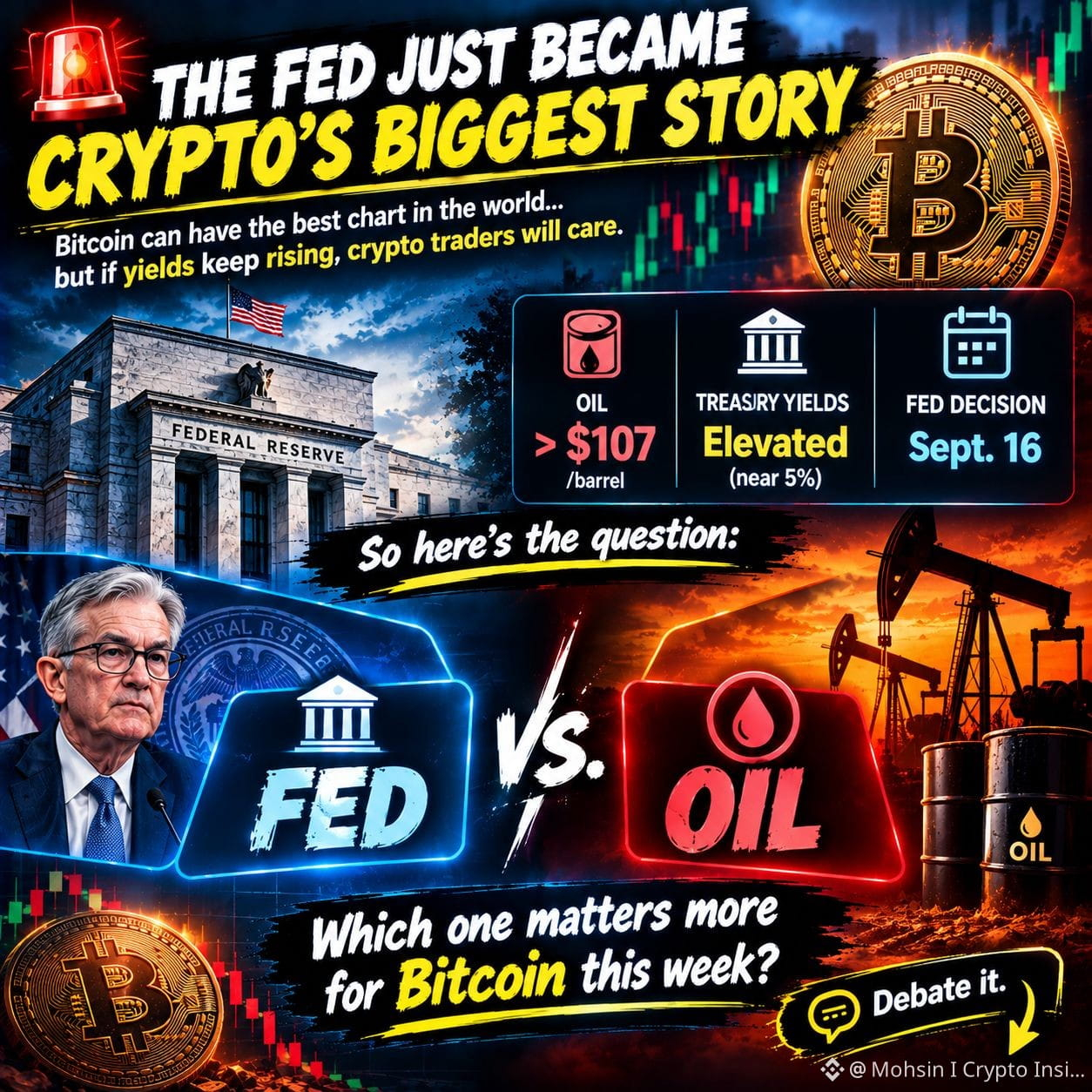
🚨 THE FED JUST BECAME CRYPTO'S BIGGEST STORY
$BTC can have the best chart in the world...
But if yields keep rising, crypto traders will care.
Oil has moved back above $107, Treasury yields remain elevated, and markets are preparing for the Sept. 16 Fed decision.
So here's the question:
🏦 FED
vs.
🛢️ OIL
Which one matters more for $BTC this week?
👇 Debate it.
#Bitcoin❗ #BTC☀ #FedRateDecisions #Macro
🚨 THE FED JUST BECAME CRYPTO'S BIGGEST STORY
$BTC can have the best chart in the world...
But if yields keep rising, crypto traders will care.
Oil has moved back above $107, Treasury yields remain elevated, and markets are preparing for the Sept. 16 Fed decision.
So here's the question:
🏦 FED
vs.
🛢️ OIL
Which one matters more for $BTC this week?
👇 Debate it.
#Bitcoin❗ #BTC☀ #FedRateDecisions #Macro
$BTC can have the best chart in the world...
But if yields keep rising, crypto traders will care.
Oil has moved back above $107, Treasury yields remain elevated, and markets are preparing for the Sept. 16 Fed decision.
So here's the question:
🏦 FED
vs.
🛢️ OIL
Which one matters more for $BTC this week?
👇 Debate it.
#Bitcoin❗ #BTC☀ #FedRateDecisions #Macro
44

·
--
Market expectations for the Fed rate cut
Traders in the futures markets are currently pricing in two main scenarios for the Fed’s decision:
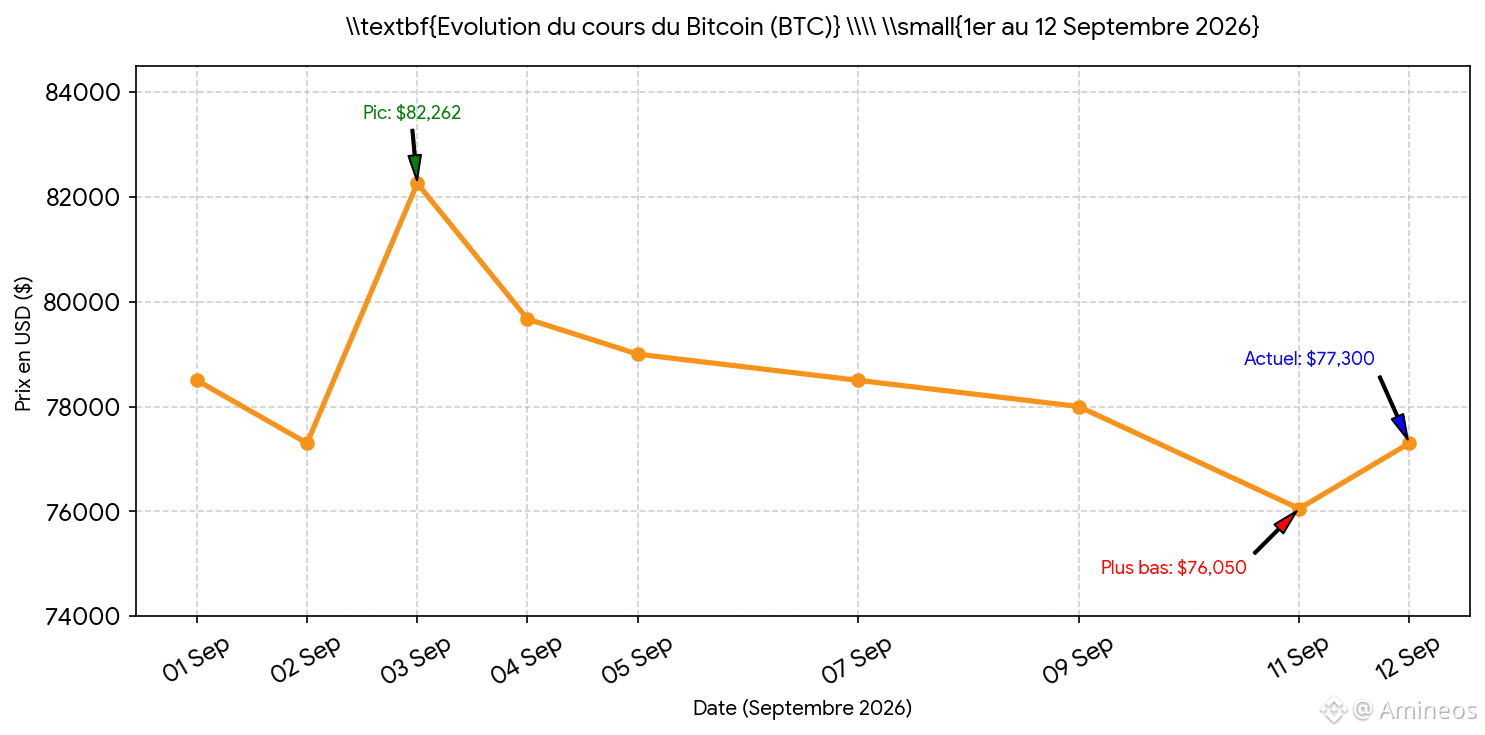
Main scenario (65% probability) – 25 basis point cut (0.25%): A measured cut. The market has already partially priced it in. Bitcoin would react calmly and maintain its consolidation momentum around **77 000 – 79 000 **.
Optimistic scenario (35% probability) – 50 basis point cut (0.50%): An aggressive cut to stimulate the economy. This signal would inject strong global liquidity, immediately propelling Bitcoin beyond its major resistance at 82 000 $ to target the 88,000 zone$.
{spot}(BTCUSDT)
#BTC☀ #FedRateDecisions
Market expectations for the Fed rate cut
Traders in the futures markets are currently pricing in two main scenarios for the Fed’s decision:
Main scenario (65% probability) – 25 basis point cut (0.25%): A measured cut. The market has already partially priced it in. Bitcoin would react calmly and maintain its consolidation momentum around **77 000 – 79 000 **.
Optimistic scenario (35% probability) – 50 basis point cut (0.50%): An aggressive cut to stimulate the economy. This signal would inject strong global liquidity, immediately propelling Bitcoin beyond its major resistance at 82 000 $ to target the 88,000 zone$.
#BTC☀ #FedRateDecisions
Traders in the futures markets are currently pricing in two main scenarios for the Fed’s decision:
Main scenario (65% probability) – 25 basis point cut (0.25%): A measured cut. The market has already partially priced it in. Bitcoin would react calmly and maintain its consolidation momentum around **77 000 – 79 000 **.
Optimistic scenario (35% probability) – 50 basis point cut (0.50%): An aggressive cut to stimulate the economy. This signal would inject strong global liquidity, immediately propelling Bitcoin beyond its major resistance at 82 000 $ to target the 88,000 zone$.
#BTC☀ #FedRateDecisions
Mellissa Prach:
Good point $BTC always a fake out before the break out..
1
1
27
·
--
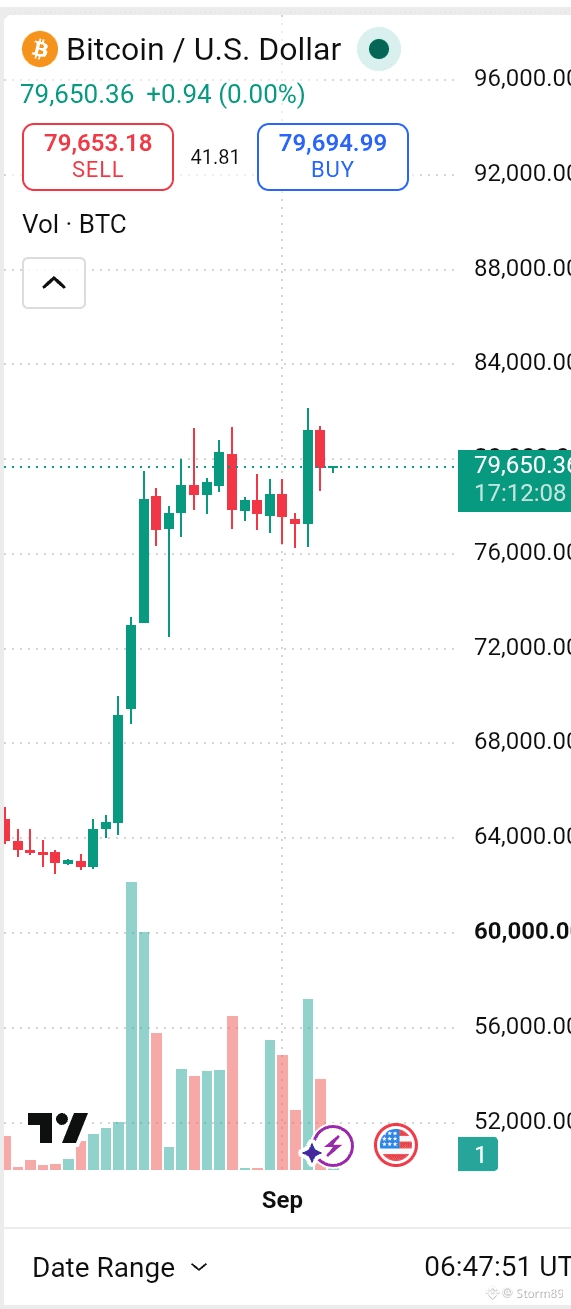
🌅 Bitcoin started the morning at 82K, and suddenly crashed to 79K within hours. What happened?
📖 First event: jobs numbers surprised everyone!
Analysts expected only 56K jobs to be added in August. But the reported number was 162K jobs! Imagine that—the surprise was 3x the forecast! The market couldn’t digest the news, and the result? A crash!
✅ Second event: Trump steps in and flips the table!
Instead of the market celebrating the strong numbers, Trump came out and said: "The numbers are excellent, cut interest rates now" and added: if you don’t cut them, I’ll stop trade with countries that have a trade surplus with America
✅ Third event: the Federal Reserve shocks everyone
On the other side, Fed Chair Kevin Warsh hinted in his Jackson Hole speech at raising interest rates in September, meaning the hawks are still there
And the result? A three-dimensional clash scrambled the market
⚠️ Despite the crash, Bitcoin ETF funds recorded their biggest inflow since January at $730.9 million in a single day. BlackRock alone pulled in $454 million, meaning institutions are buying while the market is going down!
💰 More than $2.6 billion in short positions were wiped out
Binance recorded an outflow of $331 million USDT within 24 hours
BTC futures contracts reached $570 million, the highest level since May
💬 Trump is trying to lower interest rates. The Fed is threatening to raise them. Are we seeing a crash to 75K or a rebound to 82K? Share your thoughts👇
$BTC
#FedRateDecisions
#ETFs
🌅 Bitcoin started the morning at 82K, and suddenly crashed to 79K within hours. What happened?
📖 First event: jobs numbers surprised everyone!
Analysts expected only 56K jobs to be added in August. But the reported number was 162K jobs! Imagine that—the surprise was 3x the forecast! The market couldn’t digest the news, and the result? A crash!
✅ Second event: Trump steps in and flips the table!
Instead of the market celebrating the strong numbers, Trump came out and said: "The numbers are excellent, cut interest rates now" and added: if you don’t cut them, I’ll stop trade with countries that have a trade surplus with America
✅ Third event: the Federal Reserve shocks everyone
On the other side, Fed Chair Kevin Warsh hinted in his Jackson Hole speech at raising interest rates in September, meaning the hawks are still there
And the result? A three-dimensional clash scrambled the market
⚠️ Despite the crash, Bitcoin ETF funds recorded their biggest inflow since January at $730.9 million in a single day. BlackRock alone pulled in $454 million, meaning institutions are buying while the market is going down!
💰 More than $2.6 billion in short positions were wiped out
Binance recorded an outflow of $331 million USDT within 24 hours
BTC futures contracts reached $570 million, the highest level since May
💬 Trump is trying to lower interest rates. The Fed is threatening to raise them. Are we seeing a crash to 75K or a rebound to 82K? Share your thoughts👇
$BTC
#FedRateDecisions
#ETFs
📖 First event: jobs numbers surprised everyone!
Analysts expected only 56K jobs to be added in August. But the reported number was 162K jobs! Imagine that—the surprise was 3x the forecast! The market couldn’t digest the news, and the result? A crash!
✅ Second event: Trump steps in and flips the table!
Instead of the market celebrating the strong numbers, Trump came out and said: "The numbers are excellent, cut interest rates now" and added: if you don’t cut them, I’ll stop trade with countries that have a trade surplus with America
✅ Third event: the Federal Reserve shocks everyone
On the other side, Fed Chair Kevin Warsh hinted in his Jackson Hole speech at raising interest rates in September, meaning the hawks are still there
And the result? A three-dimensional clash scrambled the market
⚠️ Despite the crash, Bitcoin ETF funds recorded their biggest inflow since January at $730.9 million in a single day. BlackRock alone pulled in $454 million, meaning institutions are buying while the market is going down!
💰 More than $2.6 billion in short positions were wiped out
Binance recorded an outflow of $331 million USDT within 24 hours
BTC futures contracts reached $570 million, the highest level since May
💬 Trump is trying to lower interest rates. The Fed is threatening to raise them. Are we seeing a crash to 75K or a rebound to 82K? Share your thoughts👇
$BTC
#FedRateDecisions
#ETFs
2
171
·
--

Article
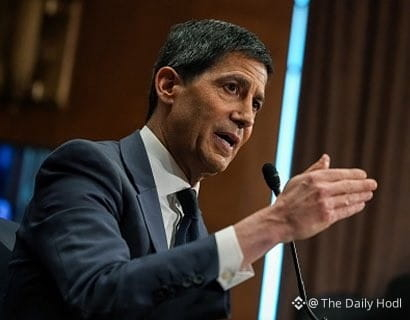
Federal rate-hike odds fall to 38% as Waller awaits CPI dataThe odds of a September rate hike fell to 38% on the Polymarket platform after Federal Reserve Governor Christopher Waller said that the August inflation slowdown could persuade him to support keeping rates unchanged.
Key points
- Polymarket priced in a 38% chance of a September rate hike after statements by Wa(r)r.
- Waller said that an “hot” August inflation report could lead him to support a more hawkish policy.
Federal rate-hike odds fall to 38% as Waller awaits CPI data
The odds of a September rate hike fell to 38% on the Polymarket platform after Federal Reserve Governor Christopher Waller said that the August inflation slowdown could persuade him to support keeping rates unchanged.
Key points
- Polymarket priced in a 38% chance of a September rate hike after statements by Wa(r)r.
- Waller said that an “hot” August inflation report could lead him to support a more hawkish policy.
Key points
- Polymarket priced in a 38% chance of a September rate hike after statements by Wa(r)r.
- Waller said that an “hot” August inflation report could lead him to support a more hawkish policy.
33
$BTC
{future}(BTCUSDT)
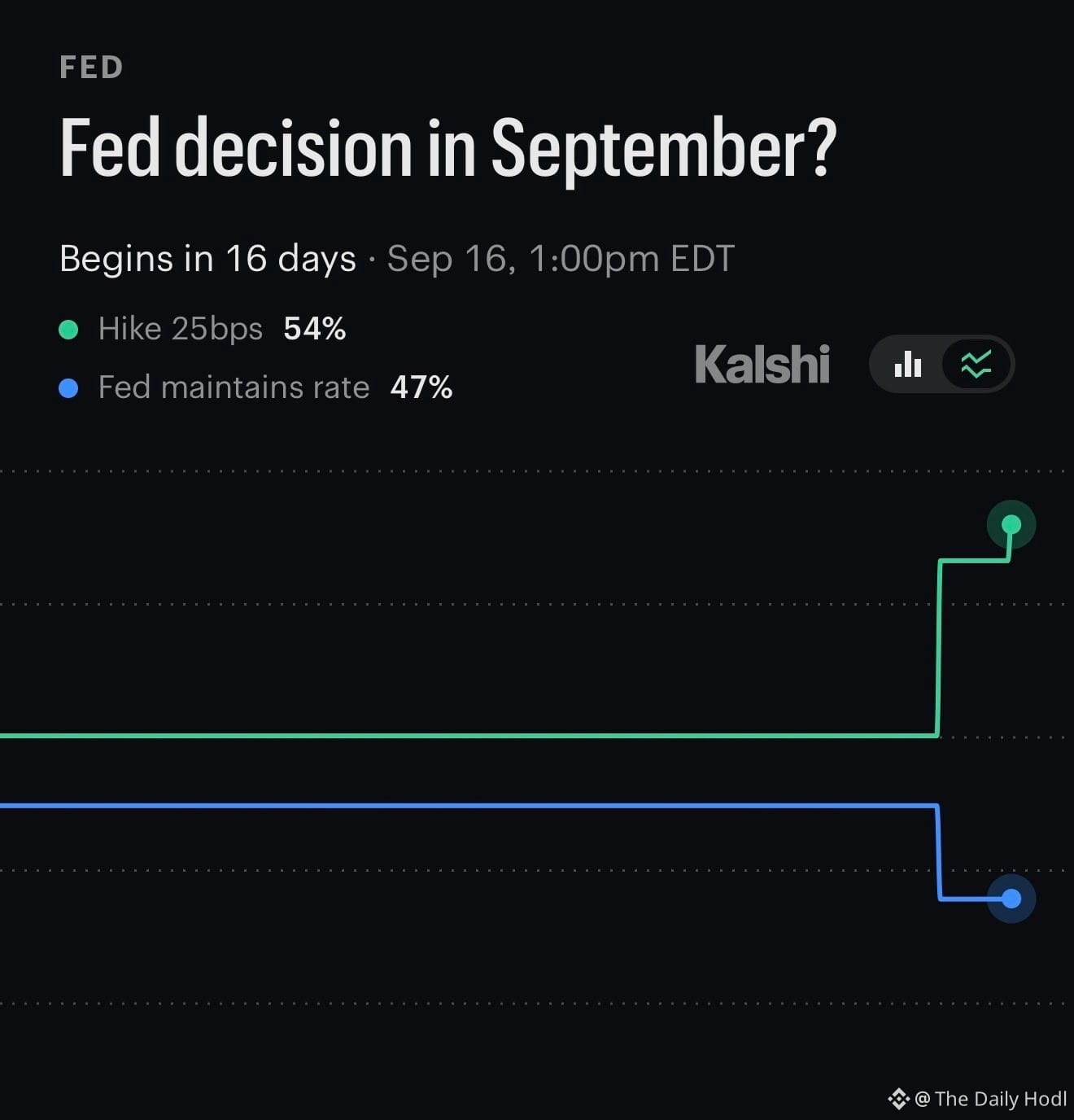
🚨 JUST IN: Markets are now pricing higher odds of a September Fed rate hike than no change. 📈⚠️ A hawkish surprise could hit risk assets hard. 💥#FedRateDecisions
$BTC
🚨 JUST IN: Markets are now pricing higher odds of a September Fed rate hike than no change. 📈⚠️ A hawkish surprise could hit risk assets hard. 💥#FedRateDecisions
🚨 JUST IN: Markets are now pricing higher odds of a September Fed rate hike than no change. 📈⚠️ A hawkish surprise could hit risk assets hard. 💥#FedRateDecisions
10

·
--
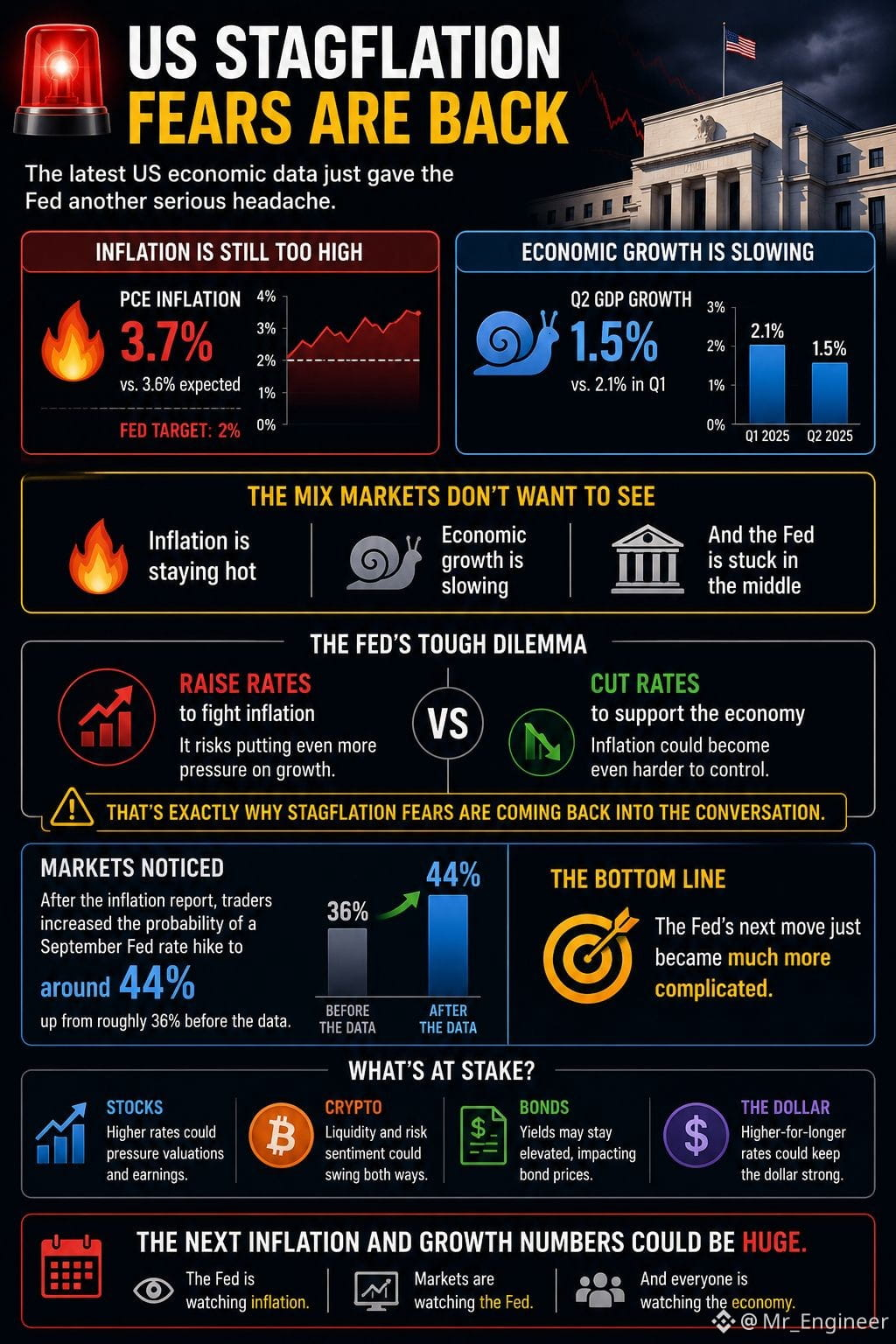
STAGFLATION WARNING: THE FED IS IN A TOUGH SPOT
US economic data is sending a mixed signal that could make the Fed’s next decision extremely difficult.
Inflation is still proving stubborn.
📈 PCE inflation: 3.7%
vs. 3.6% expected
🎯 Fed target: 2%
Meanwhile, economic growth is losing momentum.
📉 Q2 GDP: 1.5%
vs. 2.1% in Q1
Put those numbers together and you get a combination investors hate:
Prices are still rising while economic activity is cooling.
That creates a major policy dilemma for the Federal Reserve.
➡️ Keep rates high or raise them → inflation may cool, but economic growth could take another hit.
➡️ Cut rates → growth could get support, but inflation may become even more persistent.
This is why stagflation risk is once again becoming a serious market narrative.
And traders are already adjusting their expectations.
Following the latest inflation data, the implied probability of a September Fed rate hike climbed to around 44%, compared with roughly 36% previously.
That’s a meaningful shift.
The problem for markets is that there may no longer be an easy policy choice for the Fed.
And if inflation remains elevated while growth continues weakening, the impact could spread across stocks, crypto, bonds and the US dollar.
🔥 The next few economic reports could matter more than the market expects.
The Fed is watching inflation.
Markets are watching the Fed.
And everyone is watching the economy.
#BTC☀ #Ethereum #FedRateDecisions #FedMeeting
STAGFLATION WARNING: THE FED IS IN A TOUGH SPOT
US economic data is sending a mixed signal that could make the Fed’s next decision extremely difficult.
Inflation is still proving stubborn.
📈 PCE inflation: 3.7%
vs. 3.6% expected
🎯 Fed target: 2%
Meanwhile, economic growth is losing momentum.
📉 Q2 GDP: 1.5%
vs. 2.1% in Q1
Put those numbers together and you get a combination investors hate:
Prices are still rising while economic activity is cooling.
That creates a major policy dilemma for the Federal Reserve.
➡️ Keep rates high or raise them → inflation may cool, but economic growth could take another hit.
➡️ Cut rates → growth could get support, but inflation may become even more persistent.
This is why stagflation risk is once again becoming a serious market narrative.
And traders are already adjusting their expectations.
Following the latest inflation data, the implied probability of a September Fed rate hike climbed to around 44%, compared with roughly 36% previously.
That’s a meaningful shift.
The problem for markets is that there may no longer be an easy policy choice for the Fed.
And if inflation remains elevated while growth continues weakening, the impact could spread across stocks, crypto, bonds and the US dollar.
🔥 The next few economic reports could matter more than the market expects.
The Fed is watching inflation.
Markets are watching the Fed.
And everyone is watching the economy.
#BTC☀ #Ethereum #FedRateDecisions #FedMeeting
US economic data is sending a mixed signal that could make the Fed’s next decision extremely difficult.
Inflation is still proving stubborn.
📈 PCE inflation: 3.7%
vs. 3.6% expected
🎯 Fed target: 2%
Meanwhile, economic growth is losing momentum.
📉 Q2 GDP: 1.5%
vs. 2.1% in Q1
Put those numbers together and you get a combination investors hate:
Prices are still rising while economic activity is cooling.
That creates a major policy dilemma for the Federal Reserve.
➡️ Keep rates high or raise them → inflation may cool, but economic growth could take another hit.
➡️ Cut rates → growth could get support, but inflation may become even more persistent.
This is why stagflation risk is once again becoming a serious market narrative.
And traders are already adjusting their expectations.
Following the latest inflation data, the implied probability of a September Fed rate hike climbed to around 44%, compared with roughly 36% previously.
That’s a meaningful shift.
The problem for markets is that there may no longer be an easy policy choice for the Fed.
And if inflation remains elevated while growth continues weakening, the impact could spread across stocks, crypto, bonds and the US dollar.
🔥 The next few economic reports could matter more than the market expects.
The Fed is watching inflation.
Markets are watching the Fed.
And everyone is watching the economy.
#BTC☀ #Ethereum #FedRateDecisions #FedMeeting
86

·
--
Bullish
$BTC
{spot}(BTCUSDT)
🚨🚨 With expectations of rate hikes receding, why on earth are long-term yields rising? 🚨
US stocks have taken a fair bit of a beating this week
S&P 500 & Nasdaq are down
US 30-year treasury yield hovering near 5.25%
Crude oil sitting in the $90s
Walmart down by roughly 9%
₿ Meanwhile, Bitcoin has reclaimed the $70,000 mark
What’s fascinating is that this isn't a simple case of "risk-off" sentiment
The VIX sits in the 16s, and the Fear & Greed Index is at 52 (Neutral). Appetite for high-yield bonds remains remarkably sturdy, and capital is actively flowing into crypto
According to FedWatch, a pause in September is the favored outcome at 65.4%. Yet, despite that, long-term yields keep climbing
Underneath the bonnet, this is being driven by US national debt hitting the $40 trillion mark, massive private sector demand for capital (including AI investments), and inflationary pressure from elevated oil prices
What’s shifting in the market right now is that we may no longer be in an environment focused purely on the "Fed’s policy rate." Instead, long-term yields themselves are becoming the primary anchor for equity valuations 📢
#FedRateDecisions #USGovernment #Market_Update
$ETH
{spot}(ETHUSDT)
$XRP
{spot}(XRPUSDT)
$BTC
🚨🚨 With expectations of rate hikes receding, why on earth are long-term yields rising? 🚨
US stocks have taken a fair bit of a beating this week
S&P 500 & Nasdaq are down
US 30-year treasury yield hovering near 5.25%
Crude oil sitting in the $90s
Walmart down by roughly 9%
₿ Meanwhile, Bitcoin has reclaimed the $70,000 mark
What’s fascinating is that this isn't a simple case of "risk-off" sentiment
The VIX sits in the 16s, and the Fear & Greed Index is at 52 (Neutral). Appetite for high-yield bonds remains remarkably sturdy, and capital is actively flowing into crypto
According to FedWatch, a pause in September is the favored outcome at 65.4%. Yet, despite that, long-term yields keep climbing
Underneath the bonnet, this is being driven by US national debt hitting the $40 trillion mark, massive private sector demand for capital (including AI investments), and inflationary pressure from elevated oil prices
What’s shifting in the market right now is that we may no longer be in an environment focused purely on the "Fed’s policy rate." Instead, long-term yields themselves are becoming the primary anchor for equity valuations 📢
#FedRateDecisions #USGovernment #Market_Update
$ETH
$XRP
🚨🚨 With expectations of rate hikes receding, why on earth are long-term yields rising? 🚨
US stocks have taken a fair bit of a beating this week
S&P 500 & Nasdaq are down
US 30-year treasury yield hovering near 5.25%
Crude oil sitting in the $90s
Walmart down by roughly 9%
₿ Meanwhile, Bitcoin has reclaimed the $70,000 mark
What’s fascinating is that this isn't a simple case of "risk-off" sentiment
The VIX sits in the 16s, and the Fear & Greed Index is at 52 (Neutral). Appetite for high-yield bonds remains remarkably sturdy, and capital is actively flowing into crypto
According to FedWatch, a pause in September is the favored outcome at 65.4%. Yet, despite that, long-term yields keep climbing
Underneath the bonnet, this is being driven by US national debt hitting the $40 trillion mark, massive private sector demand for capital (including AI investments), and inflationary pressure from elevated oil prices
What’s shifting in the market right now is that we may no longer be in an environment focused purely on the "Fed’s policy rate." Instead, long-term yields themselves are becoming the primary anchor for equity valuations 📢
#FedRateDecisions #USGovernment #Market_Update
$ETH
$XRP
1
479
·
--
Bullish
Verified
$WLD
{spot}(WLDUSDT)
🚨 The Fed's just dropped one of its proper Bleak warnings on the markets this year, innit
A fair few bigwigs warned we might need more rate hikes if inflation doesn't give it a rest. Three FOMC geezers already voted to push 'em up by a quarter point back in July, mind
The Fed reckons inflation risks are still looking dodgy on the high side, while some reckon money conditions ain't tight enough yet. At the same time, they're saying stock prices are at proper mad levels, only worse during that dot-com bubble back in the day
They also warned that if this whole AI thing turns out to be a let-down, it could trigger a proper nasty stock crash and tighten up the purse strings. Hedge fund leverage is pretty much at all-time highs, while repo and prime brokerage borrowing have hit record numbers
So now the Fed’s dealing with stubborn inflation, sky-high valuations, and record leverage all at once. Absolute recipe for disaster for the markets, mate 👀
$ATOM
{spot}(ATOMUSDT)
$ADA
{spot}(ADAUSDT)
#FedRateDecisions #FOMCWatch #USGovernment
$WLD
🚨 The Fed's just dropped one of its proper Bleak warnings on the markets this year, innit
A fair few bigwigs warned we might need more rate hikes if inflation doesn't give it a rest. Three FOMC geezers already voted to push 'em up by a quarter point back in July, mind
The Fed reckons inflation risks are still looking dodgy on the high side, while some reckon money conditions ain't tight enough yet. At the same time, they're saying stock prices are at proper mad levels, only worse during that dot-com bubble back in the day
They also warned that if this whole AI thing turns out to be a let-down, it could trigger a proper nasty stock crash and tighten up the purse strings. Hedge fund leverage is pretty much at all-time highs, while repo and prime brokerage borrowing have hit record numbers
So now the Fed’s dealing with stubborn inflation, sky-high valuations, and record leverage all at once. Absolute recipe for disaster for the markets, mate 👀
$ATOM
$ADA
#FedRateDecisions #FOMCWatch #USGovernment
🚨 The Fed's just dropped one of its proper Bleak warnings on the markets this year, innit
A fair few bigwigs warned we might need more rate hikes if inflation doesn't give it a rest. Three FOMC geezers already voted to push 'em up by a quarter point back in July, mind
The Fed reckons inflation risks are still looking dodgy on the high side, while some reckon money conditions ain't tight enough yet. At the same time, they're saying stock prices are at proper mad levels, only worse during that dot-com bubble back in the day
They also warned that if this whole AI thing turns out to be a let-down, it could trigger a proper nasty stock crash and tighten up the purse strings. Hedge fund leverage is pretty much at all-time highs, while repo and prime brokerage borrowing have hit record numbers
So now the Fed’s dealing with stubborn inflation, sky-high valuations, and record leverage all at once. Absolute recipe for disaster for the markets, mate 👀
$ATOM
$ADA
#FedRateDecisions #FOMCWatch #USGovernment
2
1.8k

·
--
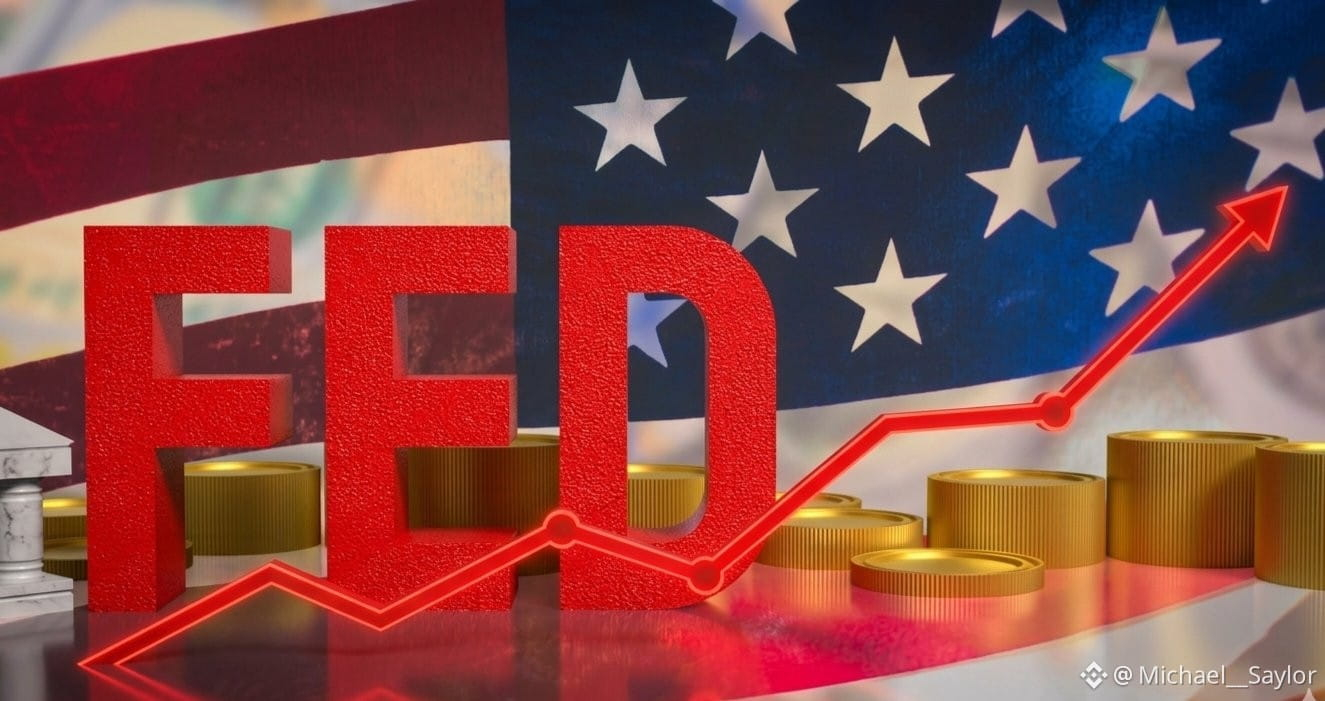
⚡Fed Rate Decision Probabilities Updated 📊🚀
CME FedWatch data shows 33% probability of Federal Reserve maintaining interest rates unchanged in September, while 67% probability of 25 basis point rate hike as inflation concerns persist amid geopolitical tensions affecting global markets$AKE $UAI $BEAT
{future}(BEATUSDT)
{future}(UAIUSDT)
{future}(AKEUSDT)
#FedRateDecisions
⚡Fed Rate Decision Probabilities Updated 📊🚀
CME FedWatch data shows 33% probability of Federal Reserve maintaining interest rates unchanged in September, while 67% probability of 25 basis point rate hike as inflation concerns persist amid geopolitical tensions affecting global markets$AKE $UAI $BEAT
#FedRateDecisions
CME FedWatch data shows 33% probability of Federal Reserve maintaining interest rates unchanged in September, while 67% probability of 25 basis point rate hike as inflation concerns persist amid geopolitical tensions affecting global markets$AKE $UAI $BEAT
#FedRateDecisions
1
350

Partly True
The US Fed is expected to add more liquidity this week — about $8.6 billion — and claims that since QT ended last December, around $212 billion has already flowed into the economy.
The main idea is: more liquidity can support risk assets and also boost interest in gold, which is why the post mentions XAU / XAUUSDT futures.
In Summary: This is hinting that fresh money entering the system could be bullish for gold and possibly other markets too.#NFA✅ #FedRateDecisions #FedRates #MastercardCompletesBVNKStablecoinAcquisition #KOSPINikkeiOpenHigherOnChipStocks $Jager
{alpha}(560x74836cc0e821a6be18e407e6388e430b689c66e9)
$BOS
{alpha}(560xae1e85c3665b70b682defd778e3dafdf09ed3b0f)
The US Fed is expected to add more liquidity this week — about $8.6 billion — and claims that since QT ended last December, around $212 billion has already flowed into the economy.
The main idea is: more liquidity can support risk assets and also boost interest in gold, which is why the post mentions XAU / XAUUSDT futures.
In Summary: This is hinting that fresh money entering the system could be bullish for gold and possibly other markets too.#NFA✅ #FedRateDecisions #FedRates #MastercardCompletesBVNKStablecoinAcquisition #KOSPINikkeiOpenHigherOnChipStocks $Jager
$BOS
The main idea is: more liquidity can support risk assets and also boost interest in gold, which is why the post mentions XAU / XAUUSDT futures.
In Summary: This is hinting that fresh money entering the system could be bullish for gold and possibly other markets too.#NFA✅ #FedRateDecisions #FedRates #MastercardCompletesBVNKStablecoinAcquisition #KOSPINikkeiOpenHigherOnChipStocks $Jager
$BOS
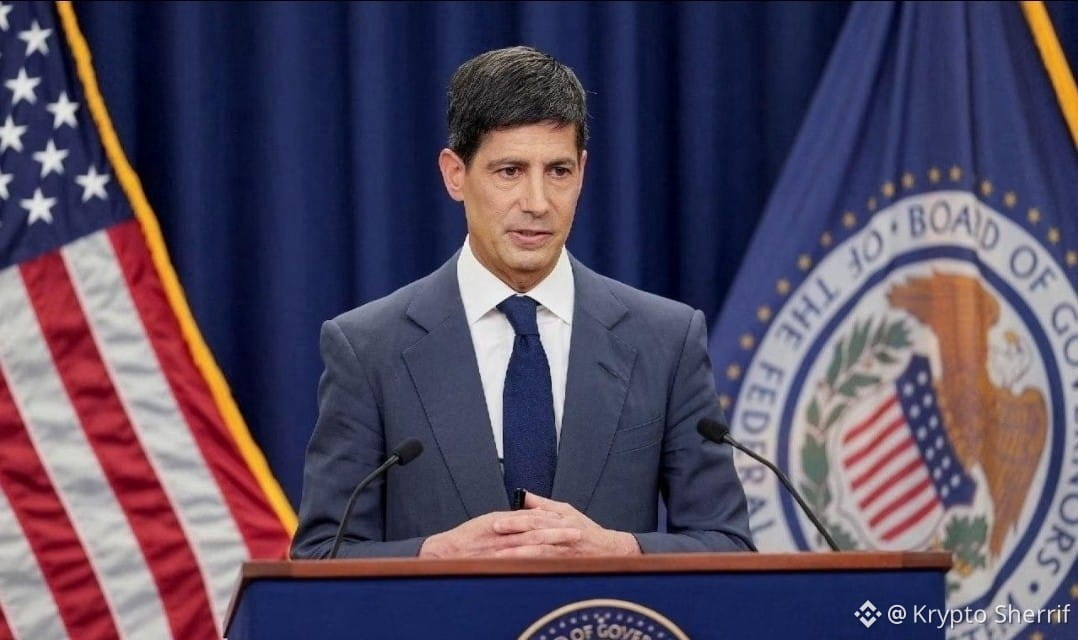
1
6
2k

🚨President Donald Trump was reported pressuring the Federal Reserve to cut interest rates, arguing the U.S. “should have the lowest rates in the world.”
{spot}(BTCUSDT)
Speaking to reporters on Air Force One, he pointed to other countries with lower rates and pushed for the Fed to follow suit. He also commented on Fed Chair candidate Kevin Warsh, calling him “an outstanding guy” but claiming the Fed board is “very political” and suggesting he knows what Warsh wants to do.
The timing is hard to ignore. Trump made these comments just two days before the FOMC was set to announce its next rate decision, where markets overwhelmingly expect rates to stay unchanged, as they have all year.
Publicly demanding rate cuts and calling out individual board members undermines the Fed’s independence and turns monetary policy into political theater. It pressures the central bank to chase headlines instead of data, and risks eroding credibility right when markets need the Fed to stay consistent, not reactive to political talking points.
#FedRateDecisions
🚨President Donald Trump was reported pressuring the Federal Reserve to cut interest rates, arguing the U.S. “should have the lowest rates in the world.”
Speaking to reporters on Air Force One, he pointed to other countries with lower rates and pushed for the Fed to follow suit. He also commented on Fed Chair candidate Kevin Warsh, calling him “an outstanding guy” but claiming the Fed board is “very political” and suggesting he knows what Warsh wants to do.
The timing is hard to ignore. Trump made these comments just two days before the FOMC was set to announce its next rate decision, where markets overwhelmingly expect rates to stay unchanged, as they have all year.
Publicly demanding rate cuts and calling out individual board members undermines the Fed’s independence and turns monetary policy into political theater. It pressures the central bank to chase headlines instead of data, and risks eroding credibility right when markets need the Fed to stay consistent, not reactive to political talking points.
#FedRateDecisions
Speaking to reporters on Air Force One, he pointed to other countries with lower rates and pushed for the Fed to follow suit. He also commented on Fed Chair candidate Kevin Warsh, calling him “an outstanding guy” but claiming the Fed board is “very political” and suggesting he knows what Warsh wants to do.
The timing is hard to ignore. Trump made these comments just two days before the FOMC was set to announce its next rate decision, where markets overwhelmingly expect rates to stay unchanged, as they have all year.
Publicly demanding rate cuts and calling out individual board members undermines the Fed’s independence and turns monetary policy into political theater. It pressures the central bank to chase headlines instead of data, and risks eroding credibility right when markets need the Fed to stay consistent, not reactive to political talking points.
#FedRateDecisions
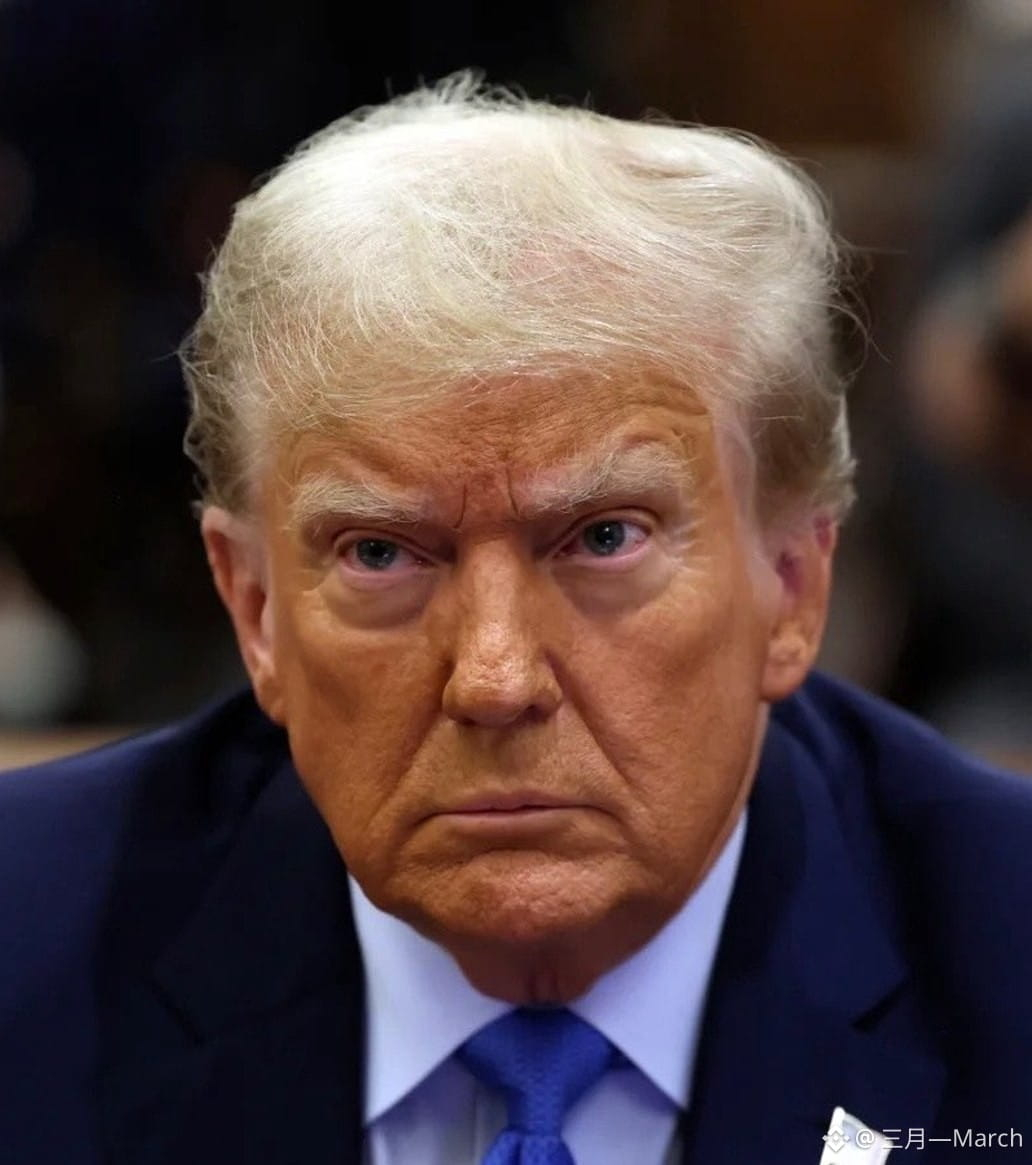
1
143

·
--
🇺🇸 FED HOLDS RATES UNCHANGED — KEVIN WARSH SIGNALS WAIT-AND-SEE POLICY 👀
Markets stay data-dependent as inflation, jobs, and growth keep steering the next move — liquidity conditions remain in focus.
For Bitcoin ⚡️
• Potential USD strength slowdown
• Capital rotation into scarce assets
• Volatility setup building
₿ BITCOIN STAYS AT THE CENTER OF GLOBAL LIQUIDITY WATCH 🚀
#FedRateDecisions
🇺🇸 FED HOLDS RATES UNCHANGED — KEVIN WARSH SIGNALS WAIT-AND-SEE POLICY 👀
Markets stay data-dependent as inflation, jobs, and growth keep steering the next move — liquidity conditions remain in focus.
For Bitcoin ⚡️
• Potential USD strength slowdown
• Capital rotation into scarce assets
• Volatility setup building
₿ BITCOIN STAYS AT THE CENTER OF GLOBAL LIQUIDITY WATCH 🚀
#FedRateDecisions
Markets stay data-dependent as inflation, jobs, and growth keep steering the next move — liquidity conditions remain in focus.
For Bitcoin ⚡️
• Potential USD strength slowdown
• Capital rotation into scarce assets
• Volatility setup building
₿ BITCOIN STAYS AT THE CENTER OF GLOBAL LIQUIDITY WATCH 🚀
#FedRateDecisions
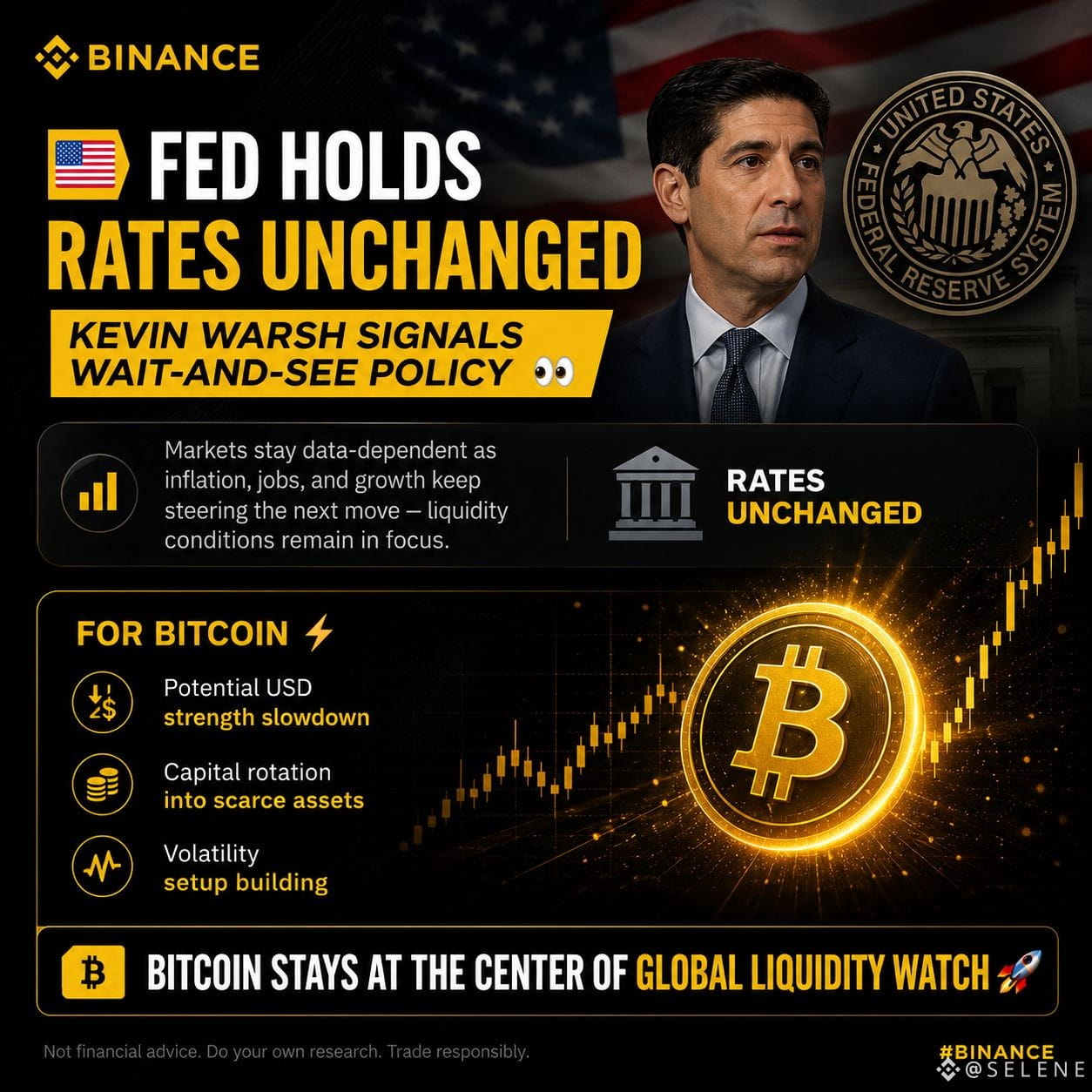
1
212

🚨 𝗕𝗥𝗘𝗔𝗞𝗜𝗡𝗚: 𝗧𝗵𝗲 𝗨.𝗦. 𝗙𝗲𝗱 𝗸𝗲𝗲𝗽𝘀 𝗶𝗻𝘁𝗲𝗿𝗲𝘀𝘁 𝗿𝗮𝘁𝗲𝘀 𝗨𝗡𝗖𝗛𝗔𝗡𝗚𝗘𝗗 🇺🇸
Markets got what they expected—but the real move is in the Fed's next signal.
👀 Will liquidity increase?
📈 Will risk assets like crypto and altcoins benefit next?
Crypto traders are now watching every word from the Fed.
Bullish or bearish from here? Drop your view below 👇🔥
Follow me for more crypto updates 🔔
#USADPEmploymentChangeSlipsTo25500 #SpaceXStockOptionsBeginTrading #altcoins #FedRateDecisions #USStockRallyPausesBeforeWarshFed
$PORTAL $WLD $STG
{spot}(STGUSDT)
{spot}(WLDUSDT)
{spot}(PORTALUSDT)
🚨 𝗕𝗥𝗘𝗔𝗞𝗜𝗡𝗚: 𝗧𝗵𝗲 𝗨.𝗦. 𝗙𝗲𝗱 𝗸𝗲𝗲𝗽𝘀 𝗶𝗻𝘁𝗲𝗿𝗲𝘀𝘁 𝗿𝗮𝘁𝗲𝘀 𝗨𝗡𝗖𝗛𝗔𝗡𝗚𝗘𝗗 🇺🇸
Markets got what they expected—but the real move is in the Fed's next signal.
👀 Will liquidity increase?
📈 Will risk assets like crypto and altcoins benefit next?
Crypto traders are now watching every word from the Fed.
Bullish or bearish from here? Drop your view below 👇🔥
Follow me for more crypto updates 🔔
#USADPEmploymentChangeSlipsTo25500 #SpaceXStockOptionsBeginTrading #altcoins #FedRateDecisions #USStockRallyPausesBeforeWarshFed
$PORTAL $WLD $STG
Markets got what they expected—but the real move is in the Fed's next signal.
👀 Will liquidity increase?
📈 Will risk assets like crypto and altcoins benefit next?
Crypto traders are now watching every word from the Fed.
Bullish or bearish from here? Drop your view below 👇🔥
Follow me for more crypto updates 🔔
#USADPEmploymentChangeSlipsTo25500 #SpaceXStockOptionsBeginTrading #altcoins #FedRateDecisions #USStockRallyPausesBeforeWarshFed
$PORTAL $WLD $STG
202
Log in to explore more content
Join global crypto users on Binance Square
⚡️ Get latest and useful information about crypto.
💬 Trusted by the world’s largest crypto exchange.
👍 Discover real insights from verified creators.
Email / Phone number
Trending Topics
1
#BitcoinSurpasses$77000
10,818 views
165 Discussing
2
#ParadigmDisclosesZECHolding
41,714 views
796 Discussing
3
#BitcoinETFsShed$450M
20,835 views
187 Discussing
4
#USWeeklyJoblessClaimsFallTo196K
21,998 views
469 Discussing
5
#ArkhamSaysBlackRockBuys$1.5BInETH
3,991 views
51 Discussing
6
#ElSalvadorBTCHoldingsRiseTo7777
48,194 views
773 Discussing
7
#MemeLaunchpads82%OfArcDayOneVolume
52,250 views
959 Discussing
8
#OstiumLoanDisputeHearingSetInNYFederalCourt
42,423 views
685 Discussing
9
#HyperliquidUSDCSupplyOvertakesSolana
18,804 views
339 Discussing
10
#SKPoliceRefer18PolymarketUsersToProsecutors
24,339 views
501 Discussing