
#defi:
defi:
419,452 views
1,782 Discussing
Hot
Latest

·
--
@termmax #TermMax
In DeFi , we often focus on one question: “How much yield can I earn ?” But I think a more interesting question is : how intelligently can we structure the capital we already have ?
That’s what makes TermMax interesting to me . Its ecosystem goes beyond looking at capital from just one angle , with lending , borrowing , leverage and different on-chain financial positions creating more ways for users to approach their strategies .
But having more features doesn’t automatically make a protocol better . What matters is whether users can clearly understand why they are using a particular strategy , what risks they are taking , and what they are trying to achieve with their capital .
👉 That’s why I’m more interested in watching TermMax’s long-term development than simply looking at short-term market movements . The real question is whether this infrastructure can turn into meaningful and sustainable financial activity on-chain . #defi #DeFi:
🗳️ What matters most for the future of DeFi ?
@TermMax #TermMax
In DeFi , we often focus on one question: “How much yield can I earn ?” But I think a more interesting question is : how intelligently can we structure the capital we already have ?
That’s what makes TermMax interesting to me . Its ecosystem goes beyond looking at capital from just one angle , with lending , borrowing , leverage and different on-chain financial positions creating more ways for users to approach their strategies .
But having more features doesn’t automatically make a protocol better . What matters is whether users can clearly understand why they are using a particular strategy , what risks they are taking , and what they are trying to achieve with their capital .
👉 That’s why I’m more interested in watching TermMax’s long-term development than simply looking at short-term market movements . The real question is whether this infrastructure can turn into meaningful and sustainable financial activity on-chain . #defi #DeFi:
🗳️ What matters most for the future of DeFi ?
In DeFi , we often focus on one question: “How much yield can I earn ?” But I think a more interesting question is : how intelligently can we structure the capital we already have ?
That’s what makes TermMax interesting to me . Its ecosystem goes beyond looking at capital from just one angle , with lending , borrowing , leverage and different on-chain financial positions creating more ways for users to approach their strategies .
But having more features doesn’t automatically make a protocol better . What matters is whether users can clearly understand why they are using a particular strategy , what risks they are taking , and what they are trying to achieve with their capital .
👉 That’s why I’m more interested in watching TermMax’s long-term development than simply looking at short-term market movements . The real question is whether this infrastructure can turn into meaningful and sustainable financial activity on-chain . #defi #DeFi:
🗳️ What matters most for the future of DeFi ?
Better liquidity
8%
Smart strategies
17%
More real use
8%
All of these
67%
12 votes • Voting closed
13
4
12
103

·
--
$1.1M Gone in Minutes: DeFi Exploit Strikes Again!
⚠️ A hacker found a weakness in Allbridge Core's Solana stablecoin pool and manipulated the exchange rate to steal over $1.1 million.
💸 The attacker used a flash loan (a large temporary loan) from Kamino to carry out the exploit and profit before the system could react.
Market Impact:
🔹 Shows that DeFi protocols can still have smart contract risks.
🔹 Investors may become more cautious about cross-chain and stablecoin platforms. #FootballSeason2026 #DeFi:
$1.1M Gone in Minutes: DeFi Exploit Strikes Again!
⚠️ A hacker found a weakness in Allbridge Core's Solana stablecoin pool and manipulated the exchange rate to steal over $1.1 million.
💸 The attacker used a flash loan (a large temporary loan) from Kamino to carry out the exploit and profit before the system could react.
Market Impact:
🔹 Shows that DeFi protocols can still have smart contract risks.
🔹 Investors may become more cautious about cross-chain and stablecoin platforms. #FootballSeason2026 #DeFi:
⚠️ A hacker found a weakness in Allbridge Core's Solana stablecoin pool and manipulated the exchange rate to steal over $1.1 million.
💸 The attacker used a flash loan (a large temporary loan) from Kamino to carry out the exploit and profit before the system could react.
Market Impact:
🔹 Shows that DeFi protocols can still have smart contract risks.
🔹 Investors may become more cautious about cross-chain and stablecoin platforms. #FootballSeason2026 #DeFi:

3
2
108

📊 Terra Classic Ecosystem Update: Juris Protocol Development Progress
Recent developments around Juris Protocol mark a notable step forward for the Terra Classic ecosystem, particularly in the DeFi lending sector.
The protocol has reportedly achieved successful implementation of full credit-based lending and borrowing functionality on the Terra Classic chain, with testing phases currently in progress. A closed alpha launch is anticipated around June 27, 2026, pending final validation.
Juris Protocol is being positioned as a next-generation lending layer, drawing comparisons to earlier DeFi leaders such as Anchor Protocol, but with a broader and more flexible architecture aimed at improving capital efficiency and user participation.
If these milestones are delivered as expected, Juris could play a meaningful role in:
• Strengthening liquidity flow within Terra Classic
• Expanding on-chain credit markets
• Supporting long-term ecosystem utility and demand
Overall, this development reflects continued builder activity within Terra Classic and ongoing efforts to restore and enhance DeFi infrastructure on the chain.
📌 Market participants will be closely watching testing results and alpha rollout progress for confirmation of real on-chain traction.
#LUNC✅ #TerraClassic #JurisProtocol #DeFi:
{spot}(LUNCUSDT)
📊 Terra Classic Ecosystem Update: Juris Protocol Development Progress
Recent developments around Juris Protocol mark a notable step forward for the Terra Classic ecosystem, particularly in the DeFi lending sector.
The protocol has reportedly achieved successful implementation of full credit-based lending and borrowing functionality on the Terra Classic chain, with testing phases currently in progress. A closed alpha launch is anticipated around June 27, 2026, pending final validation.
Juris Protocol is being positioned as a next-generation lending layer, drawing comparisons to earlier DeFi leaders such as Anchor Protocol, but with a broader and more flexible architecture aimed at improving capital efficiency and user participation.
If these milestones are delivered as expected, Juris could play a meaningful role in:
• Strengthening liquidity flow within Terra Classic
• Expanding on-chain credit markets
• Supporting long-term ecosystem utility and demand
Overall, this development reflects continued builder activity within Terra Classic and ongoing efforts to restore and enhance DeFi infrastructure on the chain.
📌 Market participants will be closely watching testing results and alpha rollout progress for confirmation of real on-chain traction.
#LUNC✅ #TerraClassic #JurisProtocol #DeFi:
Recent developments around Juris Protocol mark a notable step forward for the Terra Classic ecosystem, particularly in the DeFi lending sector.
The protocol has reportedly achieved successful implementation of full credit-based lending and borrowing functionality on the Terra Classic chain, with testing phases currently in progress. A closed alpha launch is anticipated around June 27, 2026, pending final validation.
Juris Protocol is being positioned as a next-generation lending layer, drawing comparisons to earlier DeFi leaders such as Anchor Protocol, but with a broader and more flexible architecture aimed at improving capital efficiency and user participation.
If these milestones are delivered as expected, Juris could play a meaningful role in:
• Strengthening liquidity flow within Terra Classic
• Expanding on-chain credit markets
• Supporting long-term ecosystem utility and demand
Overall, this development reflects continued builder activity within Terra Classic and ongoing efforts to restore and enhance DeFi infrastructure on the chain.
📌 Market participants will be closely watching testing results and alpha rollout progress for confirmation of real on-chain traction.
#LUNC✅ #TerraClassic #JurisProtocol #DeFi:
271

·
--
Bearish
*Headline: Restaking Boom: Security Goldmine or Risk Stack?*
#restaking #Ethereum(ETH) #DeFi:
EigenLayer TVL just crossed $15B, letting ETH secure AVS like rollups and oracles. More yield for stakers, more security for new chains. But slashing risk now cascades across protocols. One bug could impact billions.
*Visual idea*: Infographic showing ETH flowing from LSTs → EigenLayer → multiple AVS with risk arrows.
Building the future means weighing tradeoffs together. @sreeramkannan @liam_east what’s your take: is restaking net positive for Ethereum security?
$BTC
{spot}(BTCUSDT)
$ETH
{spot}(ETHUSDT)
$BNB
{spot}(BNBUSDT)
*Headline: Restaking Boom: Security Goldmine or Risk Stack?*
#restaking #Ethereum(ETH) #DeFi:
EigenLayer TVL just crossed $15B, letting ETH secure AVS like rollups and oracles. More yield for stakers, more security for new chains. But slashing risk now cascades across protocols. One bug could impact billions.
*Visual idea*: Infographic showing ETH flowing from LSTs → EigenLayer → multiple AVS with risk arrows.
Building the future means weighing tradeoffs together. @sreeramkannan @liam_east what’s your take: is restaking net positive for Ethereum security?
$BTC
$ETH
$BNB
#restaking #Ethereum(ETH) #DeFi:
EigenLayer TVL just crossed $15B, letting ETH secure AVS like rollups and oracles. More yield for stakers, more security for new chains. But slashing risk now cascades across protocols. One bug could impact billions.
*Visual idea*: Infographic showing ETH flowing from LSTs → EigenLayer → multiple AVS with risk arrows.
Building the future means weighing tradeoffs together. @sreeramkannan @liam_east what’s your take: is restaking net positive for Ethereum security?
$BTC
$ETH
$BNB

1
2
120

·
--
Transitioning from traditional finance to Web3 requires zero compromise on user security and control. By implementing advanced smart contract wallets alongside robust self-custody frameworks, @grvt_io grvt_io is making sure that traders retain full ownership of their digital assets at all times. This decentralized setup eliminates single points of failure while still delivering the high performance and ultra-low latency required for competitive on-chain trading. Exploring how their network integrates these safety mechanisms is essential for understanding the future of decentralized exchange infrastructure. 🛡️💻
#grvt #SelfCustody #DeFi: #Web3Security
Transitioning from traditional finance to Web3 requires zero compromise on user security and control. By implementing advanced smart contract wallets alongside robust self-custody frameworks, @grvt_io grvt_io is making sure that traders retain full ownership of their digital assets at all times. This decentralized setup eliminates single points of failure while still delivering the high performance and ultra-low latency required for competitive on-chain trading. Exploring how their network integrates these safety mechanisms is essential for understanding the future of decentralized exchange infrastructure. 🛡️💻
#grvt #SelfCustody #DeFi: #Web3Security
#grvt #SelfCustody #DeFi: #Web3Security
81

Unlocking New Possibilities with @termmax !
The DeFi landscape is constantly evolving, and projects focused on yield optimization and structured financial products are leading the way. @termmax is bringing fresh utility and efficient solutions to crypto users!
Key highlights to watch out for:
Fixed-rate borrowing and lending mechanism
Maximizing capital efficiency for traders
Seamless user experience in the Web3 ecosystem
Stay tuned for more updates and insights!
#TermMax #CryptoTrends2024 #DeFi: #BinanceSquareFamily
Unlocking New Possibilities with @TermMax !
The DeFi landscape is constantly evolving, and projects focused on yield optimization and structured financial products are leading the way. @TermMax is bringing fresh utility and efficient solutions to crypto users!
Key highlights to watch out for:
Fixed-rate borrowing and lending mechanism
Maximizing capital efficiency for traders
Seamless user experience in the Web3 ecosystem
Stay tuned for more updates and insights!
#TermMax #CryptoTrends2024 #DeFi: #BinanceSquareFamily
The DeFi landscape is constantly evolving, and projects focused on yield optimization and structured financial products are leading the way. @TermMax is bringing fresh utility and efficient solutions to crypto users!
Key highlights to watch out for:
Fixed-rate borrowing and lending mechanism
Maximizing capital efficiency for traders
Seamless user experience in the Web3 ecosystem
Stay tuned for more updates and insights!
#TermMax #CryptoTrends2024 #DeFi: #BinanceSquareFamily
2
80

Most people think cross-chain finance means more opportunity.
It also means more places where things can go wrong.
Every additional chain creates another environment where the same assets can behave differently. Same token. Different liquidity assumptions. Different settlement speeds. Different risk conditions. When an automated system operates across multiple chains simultaneously, what looks like unified exposure is often fragmented behavior waiting to reveal itself under stress.
I have watched this create problems that nobody anticipated during design. A position that appeared hedged across chains turned out to be correlated in ways the models never captured. The automation executed correctly on every chain. The combined exposure was the actual risk.
That is one reason the Newton Protocol approach to cross-chain authorization caught my attention.
Instead of applying policies at the individual transaction level only, @NewtonProtocol explores authorization that can operate across multiple environments — evaluating conditions before execution regardless of which chain a transaction is targeting.
Spending limits, risk thresholds, and compliance rules that apply consistently across chains may change what unified cross-chain finance actually means in practice.
$NEWT powers the economic security behind that policy layer, creating validator incentives aligned with consistent enforcement across environments.
What I still do not know is whether cross-chain authorization standards will emerge from protocol-level coordination or from institutional demand forcing the conversation.
More chains means more reach.
It also means more ways for correct behavior to produce unexpected outcomes.
@NewtonProtocol #Newt #CryptoTrading #DeFi: #BinanceSquareTalks #BinanceSquareFamily
{spot}(NEWTUSDT)
$ANOME
{alpha}(560x6bc3855827fa6ee1229c937a26bb9fca1a0ffbf0)
$AOP
{alpha}(560xd5df4d260d7a0145f655bcbf3b398076f21016c7)
Biggest cross-chain DeFi risk?
Most people think cross-chain finance means more opportunity.
It also means more places where things can go wrong.
Every additional chain creates another environment where the same assets can behave differently. Same token. Different liquidity assumptions. Different settlement speeds. Different risk conditions. When an automated system operates across multiple chains simultaneously, what looks like unified exposure is often fragmented behavior waiting to reveal itself under stress.
I have watched this create problems that nobody anticipated during design. A position that appeared hedged across chains turned out to be correlated in ways the models never captured. The automation executed correctly on every chain. The combined exposure was the actual risk.
That is one reason the Newton Protocol approach to cross-chain authorization caught my attention.
Instead of applying policies at the individual transaction level only, @NewtonProtocol explores authorization that can operate across multiple environments — evaluating conditions before execution regardless of which chain a transaction is targeting.
Spending limits, risk thresholds, and compliance rules that apply consistently across chains may change what unified cross-chain finance actually means in practice.
$NEWT powers the economic security behind that policy layer, creating validator incentives aligned with consistent enforcement across environments.
What I still do not know is whether cross-chain authorization standards will emerge from protocol-level coordination or from institutional demand forcing the conversation.
More chains means more reach.
It also means more ways for correct behavior to produce unexpected outcomes.
@NewtonProtocol #Newt #CryptoTrading #DeFi: #BinanceSquareTalks #BinanceSquareFamily
$ANOME
$AOP
Biggest cross-chain DeFi risk?
It also means more places where things can go wrong.
Every additional chain creates another environment where the same assets can behave differently. Same token. Different liquidity assumptions. Different settlement speeds. Different risk conditions. When an automated system operates across multiple chains simultaneously, what looks like unified exposure is often fragmented behavior waiting to reveal itself under stress.
I have watched this create problems that nobody anticipated during design. A position that appeared hedged across chains turned out to be correlated in ways the models never captured. The automation executed correctly on every chain. The combined exposure was the actual risk.
That is one reason the Newton Protocol approach to cross-chain authorization caught my attention.
Instead of applying policies at the individual transaction level only, @NewtonProtocol explores authorization that can operate across multiple environments — evaluating conditions before execution regardless of which chain a transaction is targeting.
Spending limits, risk thresholds, and compliance rules that apply consistently across chains may change what unified cross-chain finance actually means in practice.
$NEWT powers the economic security behind that policy layer, creating validator incentives aligned with consistent enforcement across environments.
What I still do not know is whether cross-chain authorization standards will emerge from protocol-level coordination or from institutional demand forcing the conversation.
More chains means more reach.
It also means more ways for correct behavior to produce unexpected outcomes.
@NewtonProtocol #Newt #CryptoTrading #DeFi: #BinanceSquareTalks #BinanceSquareFamily
$ANOME
$AOP
Biggest cross-chain DeFi risk?
🔹Fragmented liquidity
0%
🔹No unified standards
100%
1 votes • Voting closed
34
20
205

·
--
Bullish
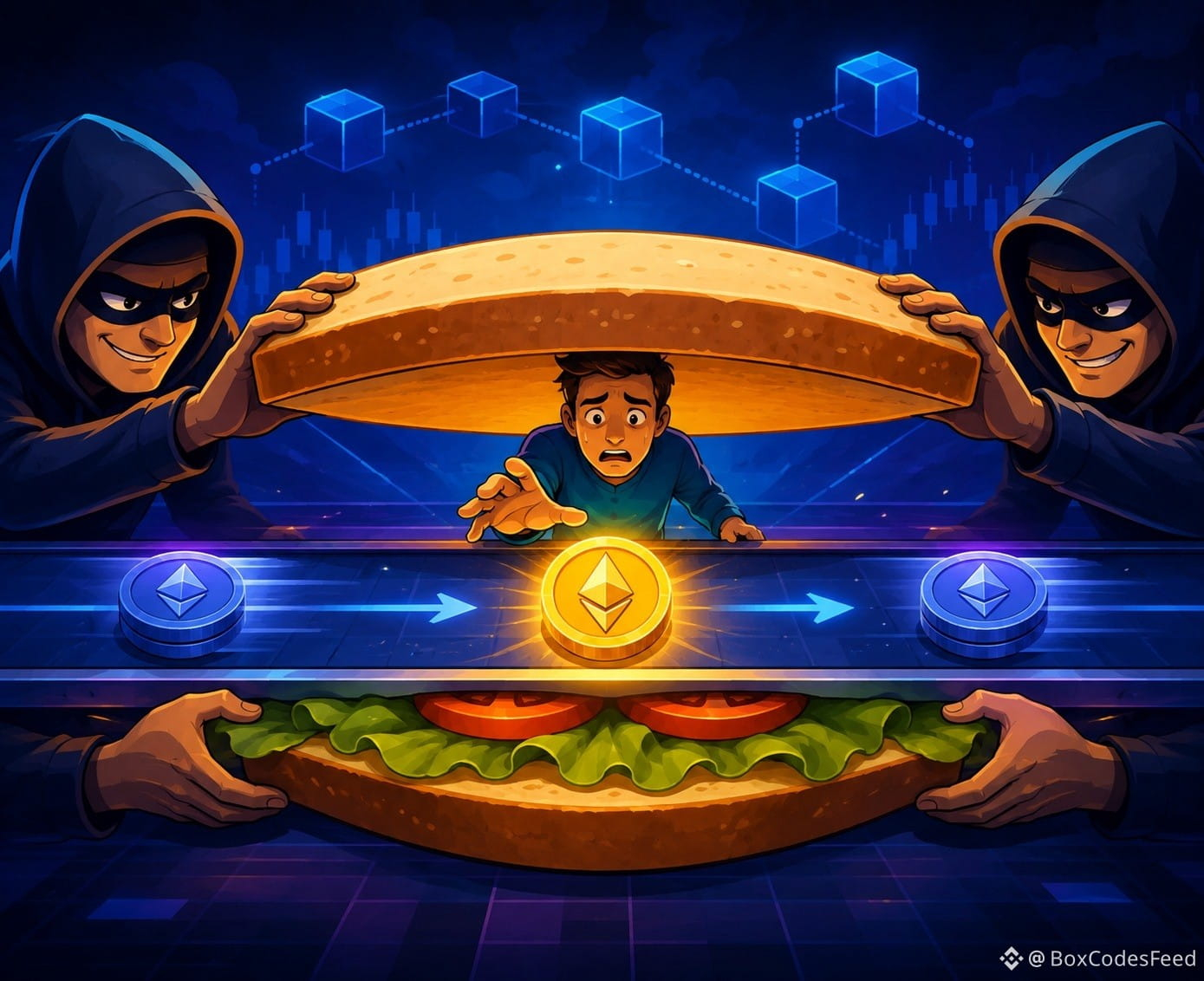
What is a Sandwich Attack?
A sandwich attack happens when a bot places transactions before and after your trade.
The bot takes advantage of the price movement caused by your transaction.
This can result in you receiving a worse price than expected.
#SandwichAttack #MEVProtection #DeFi: #crypto
What is a Sandwich Attack?
A sandwich attack happens when a bot places transactions before and after your trade.
The bot takes advantage of the price movement caused by your transaction.
This can result in you receiving a worse price than expected.
#SandwichAttack #MEVProtection #DeFi: #crypto
A sandwich attack happens when a bot places transactions before and after your trade.
The bot takes advantage of the price movement caused by your transaction.
This can result in you receiving a worse price than expected.
#SandwichAttack #MEVProtection #DeFi: #crypto
1
153
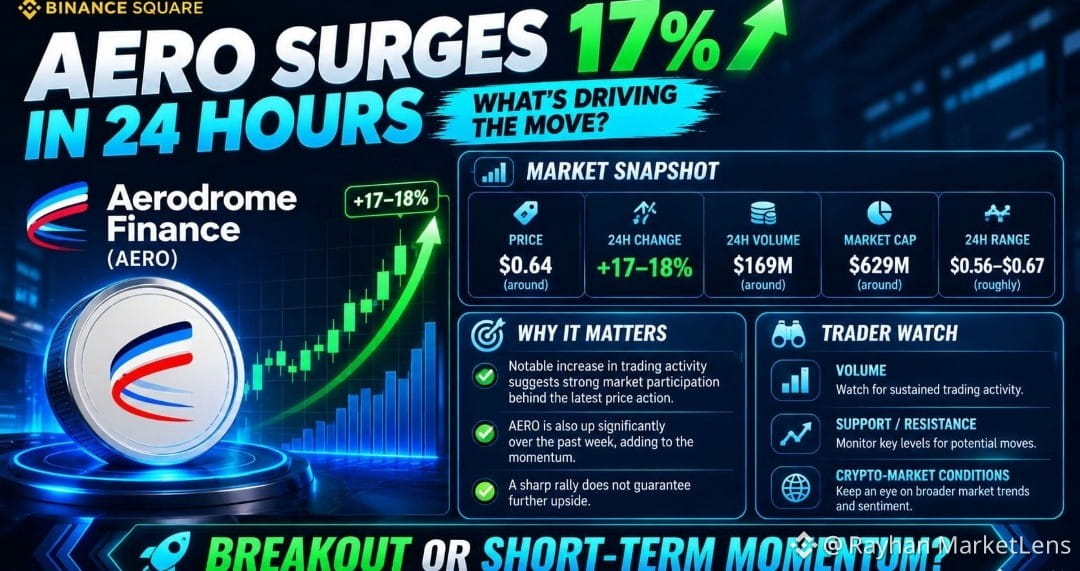
$AERO pumped nearly 20% today before settling around +11%. 📈
For $AERO to build a sustained comeback, Base needs to keep attracting liquidity and driving DEX volume.
Technically, two heavy resistance zones lie ahead. Given the overhead supply, a single-attempt breakout looks unrealistic—expecting some consolidation or support retests before the next major move.
Will $AERO break through, or are you taking profits here? 💭
#Aero #BaseEcosystem #DeFi: #crypto
$AERO pumped nearly 20% today before settling around +11%. 📈
For $AERO to build a sustained comeback, Base needs to keep attracting liquidity and driving DEX volume.
Technically, two heavy resistance zones lie ahead. Given the overhead supply, a single-attempt breakout looks unrealistic—expecting some consolidation or support retests before the next major move.
Will $AERO break through, or are you taking profits here? 💭
#Aero #BaseEcosystem #DeFi: #crypto
For $AERO to build a sustained comeback, Base needs to keep attracting liquidity and driving DEX volume.
Technically, two heavy resistance zones lie ahead. Given the overhead supply, a single-attempt breakout looks unrealistic—expecting some consolidation or support retests before the next major move.
Will $AERO break through, or are you taking profits here? 💭
#Aero #BaseEcosystem #DeFi: #crypto
1
1
80

·
--
Bearish
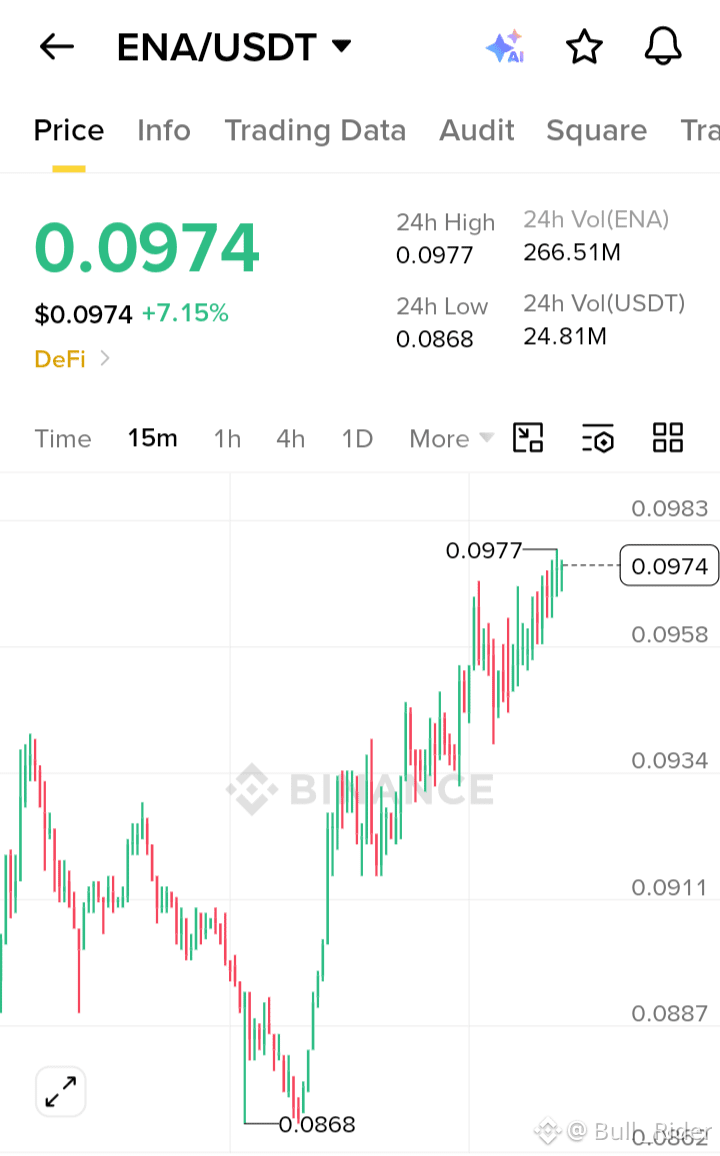
$ENA continues to show steady bullish strength, trading near its 24-hour high at 0.0977 while maintaining strong volume activity. The price has been forming higher levels throughout the session, reflecting sustained buyer interest. If momentum remains intact and resistance is cleared, $ENA could extend its upward move in the short term.
Targets:
0.1000
0.1100
0.1200
#ENA #DeFi: #DeFi $ENA
{future}(ENAUSDT)
$ENA continues to show steady bullish strength, trading near its 24-hour high at 0.0977 while maintaining strong volume activity. The price has been forming higher levels throughout the session, reflecting sustained buyer interest. If momentum remains intact and resistance is cleared, $ENA could extend its upward move in the short term.
Targets:
0.1000
0.1100
0.1200
#ENA #DeFi: #DeFi $ENA
Targets:
0.1000
0.1100
0.1200
#ENA #DeFi: #DeFi $ENA
1
105

$ETH
“Building on Ethereum—where ideas turn into code and code turns into value.”
“Ethereum isn’t just crypto, it’s an ecosystem of possibilities.”
“Powered by Ethereum. Future is decentralized.”
“Smart contracts, real impact—Ethereum keeps evolving.”
If you want, I can make it more hype, professional, or meme-style.
#ETH #Ethereum #DeFi: #web3兼职
{spot}(ETHUSDT)
$ETH
“Building on Ethereum—where ideas turn into code and code turns into value.”
“Ethereum isn’t just crypto, it’s an ecosystem of possibilities.”
“Powered by Ethereum. Future is decentralized.”
“Smart contracts, real impact—Ethereum keeps evolving.”
If you want, I can make it more hype, professional, or meme-style.
#ETH #Ethereum #DeFi: #web3兼职
“Building on Ethereum—where ideas turn into code and code turns into value.”
“Ethereum isn’t just crypto, it’s an ecosystem of possibilities.”
“Powered by Ethereum. Future is decentralized.”
“Smart contracts, real impact—Ethereum keeps evolving.”
If you want, I can make it more hype, professional, or meme-style.
#ETH #Ethereum #DeFi: #web3兼职
33

#CircleDrives$330MStablecoinInflowsToSolana
🚨 $330M Just Entered Solana. This Isn't Retail FOMO... It's Liquidity Loading.
While traders are busy chasing green candles, Circle has pushed nearly $330 million in fresh stablecoin liquidity onto Solana. That isn't the kind of money that appears for no reason. Stablecoins are the fuel of on-chain markets, and when liquidity arrives before price, I pay attention. Recent inflows have been led by USDC and come alongside renewed institutional interest in the Solana ecosystem.
I've learned one thing: capital usually moves before narratives do.
If this liquidity starts flowing into DeFi, perpetuals, and spot buying, SOL could be setting up for a much bigger move than most traders expect.
The crowd waits for the pump. Smart money watches the stablecoins first. That's where the real signal begins. 🔥
#SolanaUSTD #USDC/USDT #DeFi: #crypto
#CircleDrives$330MStablecoinInflowsToSolana
🚨 $330M Just Entered Solana. This Isn't Retail FOMO... It's Liquidity Loading.
While traders are busy chasing green candles, Circle has pushed nearly $330 million in fresh stablecoin liquidity onto Solana. That isn't the kind of money that appears for no reason. Stablecoins are the fuel of on-chain markets, and when liquidity arrives before price, I pay attention. Recent inflows have been led by USDC and come alongside renewed institutional interest in the Solana ecosystem.
I've learned one thing: capital usually moves before narratives do.
If this liquidity starts flowing into DeFi, perpetuals, and spot buying, SOL could be setting up for a much bigger move than most traders expect.
The crowd waits for the pump. Smart money watches the stablecoins first. That's where the real signal begins. 🔥
#SolanaUSTD #USDC/USDT #DeFi: #crypto
🚨 $330M Just Entered Solana. This Isn't Retail FOMO... It's Liquidity Loading.
While traders are busy chasing green candles, Circle has pushed nearly $330 million in fresh stablecoin liquidity onto Solana. That isn't the kind of money that appears for no reason. Stablecoins are the fuel of on-chain markets, and when liquidity arrives before price, I pay attention. Recent inflows have been led by USDC and come alongside renewed institutional interest in the Solana ecosystem.
I've learned one thing: capital usually moves before narratives do.
If this liquidity starts flowing into DeFi, perpetuals, and spot buying, SOL could be setting up for a much bigger move than most traders expect.
The crowd waits for the pump. Smart money watches the stablecoins first. That's where the real signal begins. 🔥
#SolanaUSTD #USDC/USDT #DeFi: #crypto
193

·
--
Since AI is currently trending downwards, which sector will go up?👀
#RWA板块涨势强劲 #DeFi: #GameFi. #blockchain
$ONDO $DEXE $AXS
Since AI is currently trending downwards, which sector will go up?👀
#RWA板块涨势强劲 #DeFi: #GameFi. #blockchain
$ONDO $DEXE $AXS
#RWA板块涨势强劲 #DeFi: #GameFi. #blockchain
$ONDO $DEXE $AXS
RWA (Real World Assets)
50%
DeFi (Decentralized Finance)
41%
Gaming/GameFi
5%
Infrastructure/Blockchains
4%
22 votes • Voting closed
1
1.6k

·
--
What Happens When a Cross-Chain Swap Fails?The first thing I learned about cross-chain swaps is that “failed” doesn’t automatically mean “lost.”
When something goes wrong, the important question is what the underlying architecture does next.
A bridge transfer and an atomic cross-chain swap can fail in completely different ways.
One may leave you trying to figure out whether a relay, destination transaction or refund step is still pending.
The other can be designed so that if the swap doesn't complete, the contracts automatically move toward an unwind.
That distinction is important when you’re moving real assets across chains.
Failure Depends on the Architecture
A cross-chain transaction isn't one single event.
There can be a source-chain transaction, confirmations, a destination-side transaction, liquidity or resolver execution, and settlement.
If one part doesn't complete, what happens next depends on how the system was designed.
In some bridge architectures, funds can remain locked in a contract, wait for a relay process, or require a manual refund or retry.
That doesn't necessarily mean the funds have disappeared. It means the route has entered an intermediate state that needs to be resolved.
This is why the architecture matters just as much when a transaction fails as when it succeeds.
The Difference Between “Stuck” and “Atomic”
This is where I find the idea of atomic execution interesting.
An open-ended cross-chain route can potentially leave the user asking:
Where did my funds stop?
Did the source transaction confirm?
Did the destination transaction fail?
Is a relayer still processing it?
Is there a refund available?
An atomic design tries to narrow those possibilities.
The goal is simple:
Either the agreed swap completes, or the assets return according to the protocol's refund conditions.
That doesn't mean failures never happen.
It means failure has been considered as part of the transaction design rather than treated as an unusual situation that requires someone to figure out what to do afterward.
How Omniston Handles the Failure Case
Omniston takes a resolver-based approach using paired Hashed Timelock Contracts (HTLCs).
For a cross-chain swap, there is an HTLC on the source side and another on the destination side.
Both are connected through the same cryptographic condition.
The resolver locks the destination-side asset.
The user's source-side asset is also locked.
When the required secret is revealed, the conditions allow the swap to settle: the user receives the destination asset, while the resolver can claim the source asset.
That's the successful path.
But the more interesting part is what happens when that path doesn't complete.
What If the Resolver Doesn't Respond?
Suppose I request a cross-chain swap and a resolver commits to the quote but doesn't complete its side of the transaction.
The system isn't supposed to leave my funds sitting there indefinitely.
The HTLC has a timelock.
If the required condition isn't fulfilled within the defined time window, the timelock allows the appropriate party to recover its locked funds.
For the user, that means the transaction can unwind instead of becoming an open-ended mystery.
What If the Secret Is Never Revealed?
The same principle applies if the secret needed to complete settlement is never disclosed.
Without the secret, the linked HTLCs cannot complete the normal settlement path.
Once the relevant timelock expires, the locked assets become refundable according to the contract logic.
This is what makes the design all-or-nothing.
The intended outcome is not:
«“The swap failed, so one side keeps the money.”»
It is:
«“The swap completed, or the relevant funds become recoverable through the timelock.”»
STON.fi describes Omniston's design as having three possible outcomes: both parties receive the quoted assets, the user is refunded if the resolver fails to respond, or the resolver is refunded if the secret is never disclosed.
An Unwind Isn't Your Money Disappearing
This is probably the most important part to understand.
When you see the word unwind, it can sound like something went terribly wrong.
But in this context, the unwind is actually a protection mechanism.
The assets were temporarily locked to make the cross-chain settlement possible.
If the settlement conditions aren't met, the timelock provides the path back to the original owner.
So the sequence is closer to:
Lock → attempt settlement → conditions met → complete
or
Lock → settlement doesn't complete → timelock → refund
The second path isn't a failure of the protection mechanism.
It is the protection mechanism working.
What Should You Check When a Swap Looks Stuck?
I wouldn't immediately submit another transaction.
First, I'd check the status of the original one.
1. Check the transaction status
Look at the status shown by the application handling the swap.
Is it pending?
Is the source transaction confirmed?
Is the destination leg still being processed?
Is there a failure message?
The status can tell you which part of the route you're actually waiting for.
2. Save the transaction hash
The transaction hash is one of the most useful pieces of information you can have.
It gives you a way to trace what happened on-chain.
If you eventually need support, sending the transaction hash is far more useful than simply saying:
«“My swap is stuck.”»
3. Check the relevant blockchain explorer
Don't rely only on the app interface.
Look at the source-chain transaction and, where applicable, the destination-side transaction.
You can verify whether the transaction was confirmed, reverted, or is still pending.
4. Check whether the timelock has expired
For an HTLC-based transaction, the timing of the refund condition matters.
If the swap hasn't completed and the relevant timelock has not expired, the funds may simply still be locked under the contract's conditions.
If it has expired, check the wallet and relevant contract state to confirm the refund path has completed.
What Information Should You Collect Before Contacting Support?
If I ever need to contact support about a cross-chain transaction, I'd collect everything first.
At minimum:
- Source wallet address
- Destination wallet address
- Transaction hash
- Source network
- Destination network
- Asset sent
- Asset expected
- Amount
- Approximate time the swap was initiated
- Current transaction status
- Any error message shown by the application
- Relevant explorer links
This makes it much easier to identify where the transaction stopped.
And importantly, never share your seed phrase or private key with anyone claiming to provide support.
A transaction hash is useful.
A private key is not something support should ever need.
Why This Matters
Cross-chain swaps are more complicated than normal same-chain swaps because multiple networks and settlement conditions are involved.
So failure handling deserves just as much attention as the successful transaction flow.
That's one reason the Omniston model interests me.
The paired HTLC architecture doesn't pretend that every cross-chain transaction will always go perfectly.
Instead, it builds a defined recovery path into the transaction itself.
Complete the quoted swap, or let the timelock logic unwind the locked funds.
For me, that's a much easier failure state to understand than simply wondering where my assets went.
A cross-chain system shouldn't only answer:
“How do I get my assets across?”
It should also answer:
“What happens to my assets if the swap doesn't complete?”
That second question is where the architecture really starts to matter.
🌐 STON.fi: app.ston.fi
📝 STON.fi Blog: blog.ston.fi
#STONfi #TON #Omniston #DeFi: #CrossChain $HYPE $TRUMP $G
{spot}(TRUMPUSDT)
What Happens When a Cross-Chain Swap Fails?
The first thing I learned about cross-chain swaps is that “failed” doesn’t automatically mean “lost.”
When something goes wrong, the important question is what the underlying architecture does next.
A bridge transfer and an atomic cross-chain swap can fail in completely different ways.
One may leave you trying to figure out whether a relay, destination transaction or refund step is still pending.
The other can be designed so that if the swap doesn't complete, the contracts automatically move toward an unwind.
That distinction is important when you’re moving real assets across chains.
Failure Depends on the Architecture
A cross-chain transaction isn't one single event.
There can be a source-chain transaction, confirmations, a destination-side transaction, liquidity or resolver execution, and settlement.
If one part doesn't complete, what happens next depends on how the system was designed.
In some bridge architectures, funds can remain locked in a contract, wait for a relay process, or require a manual refund or retry.
That doesn't necessarily mean the funds have disappeared. It means the route has entered an intermediate state that needs to be resolved.
This is why the architecture matters just as much when a transaction fails as when it succeeds.
The Difference Between “Stuck” and “Atomic”
This is where I find the idea of atomic execution interesting.
An open-ended cross-chain route can potentially leave the user asking:
Where did my funds stop?
Did the source transaction confirm?
Did the destination transaction fail?
Is a relayer still processing it?
Is there a refund available?
An atomic design tries to narrow those possibilities.
The goal is simple:
Either the agreed swap completes, or the assets return according to the protocol's refund conditions.
That doesn't mean failures never happen.
It means failure has been considered as part of the transaction design rather than treated as an unusual situation that requires someone to figure out what to do afterward.
How Omniston Handles the Failure Case
Omniston takes a resolver-based approach using paired Hashed Timelock Contracts (HTLCs).
For a cross-chain swap, there is an HTLC on the source side and another on the destination side.
Both are connected through the same cryptographic condition.
The resolver locks the destination-side asset.
The user's source-side asset is also locked.
When the required secret is revealed, the conditions allow the swap to settle: the user receives the destination asset, while the resolver can claim the source asset.
That's the successful path.
But the more interesting part is what happens when that path doesn't complete.
What If the Resolver Doesn't Respond?
Suppose I request a cross-chain swap and a resolver commits to the quote but doesn't complete its side of the transaction.
The system isn't supposed to leave my funds sitting there indefinitely.
The HTLC has a timelock.
If the required condition isn't fulfilled within the defined time window, the timelock allows the appropriate party to recover its locked funds.
For the user, that means the transaction can unwind instead of becoming an open-ended mystery.
What If the Secret Is Never Revealed?
The same principle applies if the secret needed to complete settlement is never disclosed.
Without the secret, the linked HTLCs cannot complete the normal settlement path.
Once the relevant timelock expires, the locked assets become refundable according to the contract logic.
This is what makes the design all-or-nothing.
The intended outcome is not:
«“The swap failed, so one side keeps the money.”»
It is:
«“The swap completed, or the relevant funds become recoverable through the timelock.”»
STON.fi describes Omniston's design as having three possible outcomes: both parties receive the quoted assets, the user is refunded if the resolver fails to respond, or the resolver is refunded if the secret is never disclosed.
An Unwind Isn't Your Money Disappearing
This is probably the most important part to understand.
When you see the word unwind, it can sound like something went terribly wrong.
But in this context, the unwind is actually a protection mechanism.
The assets were temporarily locked to make the cross-chain settlement possible.
If the settlement conditions aren't met, the timelock provides the path back to the original owner.
So the sequence is closer to:
Lock → attempt settlement → conditions met → complete
or
Lock → settlement doesn't complete → timelock → refund
The second path isn't a failure of the protection mechanism.
It is the protection mechanism working.
What Should You Check When a Swap Looks Stuck?
I wouldn't immediately submit another transaction.
First, I'd check the status of the original one.
1. Check the transaction status
Look at the status shown by the application handling the swap.
Is it pending?
Is the source transaction confirmed?
Is the destination leg still being processed?
Is there a failure message?
The status can tell you which part of the route you're actually waiting for.
2. Save the transaction hash
The transaction hash is one of the most useful pieces of information you can have.
It gives you a way to trace what happened on-chain.
If you eventually need support, sending the transaction hash is far more useful than simply saying:
«“My swap is stuck.”»
3. Check the relevant blockchain explorer
Don't rely only on the app interface.
Look at the source-chain transaction and, where applicable, the destination-side transaction.
You can verify whether the transaction was confirmed, reverted, or is still pending.
4. Check whether the timelock has expired
For an HTLC-based transaction, the timing of the refund condition matters.
If the swap hasn't completed and the relevant timelock has not expired, the funds may simply still be locked under the contract's conditions.
If it has expired, check the wallet and relevant contract state to confirm the refund path has completed.
What Information Should You Collect Before Contacting Support?
If I ever need to contact support about a cross-chain transaction, I'd collect everything first.
At minimum:
- Source wallet address
- Destination wallet address
- Transaction hash
- Source network
- Destination network
- Asset sent
- Asset expected
- Amount
- Approximate time the swap was initiated
- Current transaction status
- Any error message shown by the application
- Relevant explorer links
This makes it much easier to identify where the transaction stopped.
And importantly, never share your seed phrase or private key with anyone claiming to provide support.
A transaction hash is useful.
A private key is not something support should ever need.
Why This Matters
Cross-chain swaps are more complicated than normal same-chain swaps because multiple networks and settlement conditions are involved.
So failure handling deserves just as much attention as the successful transaction flow.
That's one reason the Omniston model interests me.
The paired HTLC architecture doesn't pretend that every cross-chain transaction will always go perfectly.
Instead, it builds a defined recovery path into the transaction itself.
Complete the quoted swap, or let the timelock logic unwind the locked funds.
For me, that's a much easier failure state to understand than simply wondering where my assets went.
A cross-chain system shouldn't only answer:
“How do I get my assets across?”
It should also answer:
“What happens to my assets if the swap doesn't complete?”
That second question is where the architecture really starts to matter.
🌐 STON.fi: app.ston.fi
📝 STON.fi Blog: blog.ston.fi
#STONfi #TON #Omniston #DeFi: #CrossChain $HYPE $TRUMP $G
When something goes wrong, the important question is what the underlying architecture does next.
A bridge transfer and an atomic cross-chain swap can fail in completely different ways.
One may leave you trying to figure out whether a relay, destination transaction or refund step is still pending.
The other can be designed so that if the swap doesn't complete, the contracts automatically move toward an unwind.
That distinction is important when you’re moving real assets across chains.
Failure Depends on the Architecture
A cross-chain transaction isn't one single event.
There can be a source-chain transaction, confirmations, a destination-side transaction, liquidity or resolver execution, and settlement.
If one part doesn't complete, what happens next depends on how the system was designed.
In some bridge architectures, funds can remain locked in a contract, wait for a relay process, or require a manual refund or retry.
That doesn't necessarily mean the funds have disappeared. It means the route has entered an intermediate state that needs to be resolved.
This is why the architecture matters just as much when a transaction fails as when it succeeds.
The Difference Between “Stuck” and “Atomic”
This is where I find the idea of atomic execution interesting.
An open-ended cross-chain route can potentially leave the user asking:
Where did my funds stop?
Did the source transaction confirm?
Did the destination transaction fail?
Is a relayer still processing it?
Is there a refund available?
An atomic design tries to narrow those possibilities.
The goal is simple:
Either the agreed swap completes, or the assets return according to the protocol's refund conditions.
That doesn't mean failures never happen.
It means failure has been considered as part of the transaction design rather than treated as an unusual situation that requires someone to figure out what to do afterward.
How Omniston Handles the Failure Case
Omniston takes a resolver-based approach using paired Hashed Timelock Contracts (HTLCs).
For a cross-chain swap, there is an HTLC on the source side and another on the destination side.
Both are connected through the same cryptographic condition.
The resolver locks the destination-side asset.
The user's source-side asset is also locked.
When the required secret is revealed, the conditions allow the swap to settle: the user receives the destination asset, while the resolver can claim the source asset.
That's the successful path.
But the more interesting part is what happens when that path doesn't complete.
What If the Resolver Doesn't Respond?
Suppose I request a cross-chain swap and a resolver commits to the quote but doesn't complete its side of the transaction.
The system isn't supposed to leave my funds sitting there indefinitely.
The HTLC has a timelock.
If the required condition isn't fulfilled within the defined time window, the timelock allows the appropriate party to recover its locked funds.
For the user, that means the transaction can unwind instead of becoming an open-ended mystery.
What If the Secret Is Never Revealed?
The same principle applies if the secret needed to complete settlement is never disclosed.
Without the secret, the linked HTLCs cannot complete the normal settlement path.
Once the relevant timelock expires, the locked assets become refundable according to the contract logic.
This is what makes the design all-or-nothing.
The intended outcome is not:
«“The swap failed, so one side keeps the money.”»
It is:
«“The swap completed, or the relevant funds become recoverable through the timelock.”»
STON.fi describes Omniston's design as having three possible outcomes: both parties receive the quoted assets, the user is refunded if the resolver fails to respond, or the resolver is refunded if the secret is never disclosed.
An Unwind Isn't Your Money Disappearing
This is probably the most important part to understand.
When you see the word unwind, it can sound like something went terribly wrong.
But in this context, the unwind is actually a protection mechanism.
The assets were temporarily locked to make the cross-chain settlement possible.
If the settlement conditions aren't met, the timelock provides the path back to the original owner.
So the sequence is closer to:
Lock → attempt settlement → conditions met → complete
or
Lock → settlement doesn't complete → timelock → refund
The second path isn't a failure of the protection mechanism.
It is the protection mechanism working.
What Should You Check When a Swap Looks Stuck?
I wouldn't immediately submit another transaction.
First, I'd check the status of the original one.
1. Check the transaction status
Look at the status shown by the application handling the swap.
Is it pending?
Is the source transaction confirmed?
Is the destination leg still being processed?
Is there a failure message?
The status can tell you which part of the route you're actually waiting for.
2. Save the transaction hash
The transaction hash is one of the most useful pieces of information you can have.
It gives you a way to trace what happened on-chain.
If you eventually need support, sending the transaction hash is far more useful than simply saying:
«“My swap is stuck.”»
3. Check the relevant blockchain explorer
Don't rely only on the app interface.
Look at the source-chain transaction and, where applicable, the destination-side transaction.
You can verify whether the transaction was confirmed, reverted, or is still pending.
4. Check whether the timelock has expired
For an HTLC-based transaction, the timing of the refund condition matters.
If the swap hasn't completed and the relevant timelock has not expired, the funds may simply still be locked under the contract's conditions.
If it has expired, check the wallet and relevant contract state to confirm the refund path has completed.
What Information Should You Collect Before Contacting Support?
If I ever need to contact support about a cross-chain transaction, I'd collect everything first.
At minimum:
- Source wallet address
- Destination wallet address
- Transaction hash
- Source network
- Destination network
- Asset sent
- Asset expected
- Amount
- Approximate time the swap was initiated
- Current transaction status
- Any error message shown by the application
- Relevant explorer links
This makes it much easier to identify where the transaction stopped.
And importantly, never share your seed phrase or private key with anyone claiming to provide support.
A transaction hash is useful.
A private key is not something support should ever need.
Why This Matters
Cross-chain swaps are more complicated than normal same-chain swaps because multiple networks and settlement conditions are involved.
So failure handling deserves just as much attention as the successful transaction flow.
That's one reason the Omniston model interests me.
The paired HTLC architecture doesn't pretend that every cross-chain transaction will always go perfectly.
Instead, it builds a defined recovery path into the transaction itself.
Complete the quoted swap, or let the timelock logic unwind the locked funds.
For me, that's a much easier failure state to understand than simply wondering where my assets went.
A cross-chain system shouldn't only answer:
“How do I get my assets across?”
It should also answer:
“What happens to my assets if the swap doesn't complete?”
That second question is where the architecture really starts to matter.
🌐 STON.fi: app.ston.fi
📝 STON.fi Blog: blog.ston.fi
#STONfi #TON #Omniston #DeFi: #CrossChain $HYPE $TRUMP $G
79

Project Update: 2HATS Ecosystem Transition to BTCB Mining
The bonding curve phase is officially complete, and the 2HATS mining pool is now live. The core utility mechanism is fully operational, introducing a structured reward framework for participants.
How the System Works
* Deposit: Stake 2HATS into the active mining pool.
* Share: Establish your pool share relative to your total contribution.
* Earn: Receive regular BTCB rewards distributed proportionately based on your share.
Core Economic Structure
The project operates on a transparent revenue allocation model:
* 90% — Revenue Allocation
* 5% — Token Burn
* 5% — Liquidity Provision
Revenue Distribution Breakdown:
* 65% — Treasury
* 30% — Mining Rewards Pool
* 5% — BNB Reserve
This architecture integrates project activity, treasury growth, and BTCB mining incentives into a unified, sustainable ecosystem flow.
Strategic Takeaway:
Shift the focus from simple price action to the underlying protocol mechanics. Active systems, transparent flows, and utility-driven rewards define the next phase of 2HATSJACK.
Stack 2HATS. Build your share. Mine BTCB.
#2HATSJACK #DeFi: #wep3 #Binance
@Earnpii @Keanu_Leafes @Yahia1974
$BNB $BTC
Project Update: 2HATS Ecosystem Transition to BTCB Mining
The bonding curve phase is officially complete, and the 2HATS mining pool is now live. The core utility mechanism is fully operational, introducing a structured reward framework for participants.
How the System Works
* Deposit: Stake 2HATS into the active mining pool.
* Share: Establish your pool share relative to your total contribution.
* Earn: Receive regular BTCB rewards distributed proportionately based on your share.
Core Economic Structure
The project operates on a transparent revenue allocation model:
* 90% — Revenue Allocation
* 5% — Token Burn
* 5% — Liquidity Provision
Revenue Distribution Breakdown:
* 65% — Treasury
* 30% — Mining Rewards Pool
* 5% — BNB Reserve
This architecture integrates project activity, treasury growth, and BTCB mining incentives into a unified, sustainable ecosystem flow.
Strategic Takeaway:
Shift the focus from simple price action to the underlying protocol mechanics. Active systems, transparent flows, and utility-driven rewards define the next phase of 2HATSJACK.
Stack 2HATS. Build your share. Mine BTCB.
#2HATSJACK #DeFi: #wep3 #Binance
@EarnPii - 2 HATS JACK @Keanuleafes - 2 HATS JACK @Giovanni - 2HATS JACK
$BNB $BTC
The bonding curve phase is officially complete, and the 2HATS mining pool is now live. The core utility mechanism is fully operational, introducing a structured reward framework for participants.
How the System Works
* Deposit: Stake 2HATS into the active mining pool.
* Share: Establish your pool share relative to your total contribution.
* Earn: Receive regular BTCB rewards distributed proportionately based on your share.
Core Economic Structure
The project operates on a transparent revenue allocation model:
* 90% — Revenue Allocation
* 5% — Token Burn
* 5% — Liquidity Provision
Revenue Distribution Breakdown:
* 65% — Treasury
* 30% — Mining Rewards Pool
* 5% — BNB Reserve
This architecture integrates project activity, treasury growth, and BTCB mining incentives into a unified, sustainable ecosystem flow.
Strategic Takeaway:
Shift the focus from simple price action to the underlying protocol mechanics. Active systems, transparent flows, and utility-driven rewards define the next phase of 2HATSJACK.
Stack 2HATS. Build your share. Mine BTCB.
#2HATSJACK #DeFi: #wep3 #Binance
@EarnPii - 2 HATS JACK @Keanuleafes - 2 HATS JACK @Giovanni - 2HATS JACK
$BNB $BTC
2
2
55

·
--
**OSTIUM LOAN DISPUTE — HEARING TODAY**
A crypto legal battle is now in focus in **New York federal court.**
⚖️ **Case:** ESS Frontier LLC v. Ostium Foundation et al.
💰 **Dispute:** ~$15M crypto loan
🏛️ **Court:** U.S. District Court, Southern District of New York
📅 **Hearing:** Sept. 17, 2026
⏰ **2:00 PM — Courtroom 21B**
The case involves a request for **arbitration and other emergency relief** following a dispute involving Ostium.
The court has scheduled arguments on the pending motions — and **the outcome is still uncertain.**
👀 **#Cryptotraders :**
Will this become a bigger story for the DeFi/perpetuals sector?
**Watch the court, not the rumors.**
#Ostium #DeFi: #Bitcoin❗ $ETH $WEBL.ETF #BinanceSquare
**OSTIUM LOAN DISPUTE — HEARING TODAY**
A crypto legal battle is now in focus in **New York federal court.**
⚖️ **Case:** ESS Frontier LLC v. Ostium Foundation et al.
💰 **Dispute:** ~$15M crypto loan
🏛️ **Court:** U.S. District Court, Southern District of New York
📅 **Hearing:** Sept. 17, 2026
⏰ **2:00 PM — Courtroom 21B**
The case involves a request for **arbitration and other emergency relief** following a dispute involving Ostium.
The court has scheduled arguments on the pending motions — and **the outcome is still uncertain.**
👀 **#Cryptotraders :**
Will this become a bigger story for the DeFi/perpetuals sector?
**Watch the court, not the rumors.**
#Ostium #DeFi: #Bitcoin❗ $ETH $WEBL.ETF #BinanceSquare
A crypto legal battle is now in focus in **New York federal court.**
⚖️ **Case:** ESS Frontier LLC v. Ostium Foundation et al.
💰 **Dispute:** ~$15M crypto loan
🏛️ **Court:** U.S. District Court, Southern District of New York
📅 **Hearing:** Sept. 17, 2026
⏰ **2:00 PM — Courtroom 21B**
The case involves a request for **arbitration and other emergency relief** following a dispute involving Ostium.
The court has scheduled arguments on the pending motions — and **the outcome is still uncertain.**
👀 **#Cryptotraders :**
Will this become a bigger story for the DeFi/perpetuals sector?
**Watch the court, not the rumors.**
#Ostium #DeFi: #Bitcoin❗ $ETH $WEBL.ETF #BinanceSquare



ETH+2.40%
WEBLETF-3.30%
60
·
--

Article
Solana’s Moment? Why Everyone’s Looking at SOL Right Now 🚀🔥The crypto market moves fast, and if there’s an ecosystem that keeps grabbing headlines, generating volume, and proving its resilience, it’s Solana ($SOL). While investors analyze every move in the market, SOL continues to consolidate as the go-to option for developers and users thanks to its unmatched speed and its minimal transaction costs.
But what’s behind the current buzz? Let’s get to the point.
📊 The Key Factors Behind SOL’s Momentum
1. Mass Adoption and Real Utility:
Solana’s Moment? Why Everyone’s Looking at SOL Right Now 🚀🔥
The crypto market moves fast, and if there’s an ecosystem that keeps grabbing headlines, generating volume, and proving its resilience, it’s Solana ($SOL). While investors analyze every move in the market, SOL continues to consolidate as the go-to option for developers and users thanks to its unmatched speed and its minimal transaction costs.
But what’s behind the current buzz? Let’s get to the point.
📊 The Key Factors Behind SOL’s Momentum
1. Mass Adoption and Real Utility:
But what’s behind the current buzz? Let’s get to the point.
📊 The Key Factors Behind SOL’s Momentum
1. Mass Adoption and Real Utility:
1
145


·
--
🚨 WAIT… Before You Buy Another Crypto!
Everyone wants to catch the next 🚀 100x coin.
But here’s the truth nobody likes to hear:
The biggest crypto gains don’t come from chasing hype.
They come from surviving the market long enough to catch the right opportunity. 🧠
📉 Market drops?
Don’t panic.
📈 Market pumps?
Don’t FOMO.
🔥 Everyone is talking about a coin?
That’s exactly when you should DYOR.
My Crypto Rules 👇
💰 Never risk money you can’t afford to lose
📊 Always have a risk-management plan
🧠 DYOR before buying any token
⏳ Patience beats emotional trading
🎯 Don’t put everything into one coin
🔒 Protect your capital before chasing profit
Remember:
“You don’t need to catch every pump.
You only need to survive until the right one comes.” ⚡
👇 NOW THE BIG QUESTION:
If the next major crypto rally starts tomorrow, which sector do you think will lead?
🟠 BTC
🔵 AI
🟣 DeFi
🟢 Gaming
🔴 Memecoins
Drop your pick below 👇 Let’s see what Binance Square thinks!
#Binance #BinanceSquare #Crypto #Bitcoin #BTC #Altcoins #CryptoTrading #DeFi: #AI #Web3 #CryptoCommunity #DYOR🟢
🚨 WAIT… Before You Buy Another Crypto!
Everyone wants to catch the next 🚀 100x coin.
But here’s the truth nobody likes to hear:
The biggest crypto gains don’t come from chasing hype.
They come from surviving the market long enough to catch the right opportunity. 🧠
📉 Market drops?
Don’t panic.
📈 Market pumps?
Don’t FOMO.
🔥 Everyone is talking about a coin?
That’s exactly when you should DYOR.
My Crypto Rules 👇
💰 Never risk money you can’t afford to lose
📊 Always have a risk-management plan
🧠 DYOR before buying any token
⏳ Patience beats emotional trading
🎯 Don’t put everything into one coin
🔒 Protect your capital before chasing profit
Remember:
“You don’t need to catch every pump.
You only need to survive until the right one comes.” ⚡
👇 NOW THE BIG QUESTION:
If the next major crypto rally starts tomorrow, which sector do you think will lead?
🟠 BTC
🔵 AI
🟣 DeFi
🟢 Gaming
🔴 Memecoins
Drop your pick below 👇 Let’s see what Binance Square thinks!
#Binance #BinanceSquare #Crypto #Bitcoin #BTC #Altcoins #CryptoTrading #DeFi: #AI #Web3 #CryptoCommunity #DYOR🟢
Everyone wants to catch the next 🚀 100x coin.
But here’s the truth nobody likes to hear:
The biggest crypto gains don’t come from chasing hype.
They come from surviving the market long enough to catch the right opportunity. 🧠
📉 Market drops?
Don’t panic.
📈 Market pumps?
Don’t FOMO.
🔥 Everyone is talking about a coin?
That’s exactly when you should DYOR.
My Crypto Rules 👇
💰 Never risk money you can’t afford to lose
📊 Always have a risk-management plan
🧠 DYOR before buying any token
⏳ Patience beats emotional trading
🎯 Don’t put everything into one coin
🔒 Protect your capital before chasing profit
Remember:
“You don’t need to catch every pump.
You only need to survive until the right one comes.” ⚡
👇 NOW THE BIG QUESTION:
If the next major crypto rally starts tomorrow, which sector do you think will lead?
🟠 BTC
🔵 AI
🟣 DeFi
🟢 Gaming
🔴 Memecoins
Drop your pick below 👇 Let’s see what Binance Square thinks!
#Binance #BinanceSquare #Crypto #Bitcoin #BTC #Altcoins #CryptoTrading #DeFi: #AI #Web3 #CryptoCommunity #DYOR🟢
88

Why the Market is Finally Catching Up to My $UNI Thesis 🔥
Over the past few weeks, I’ve noticed more people across crypto Twitter and forums discussing $UNI—and surprisingly, many of the arguments are aligning with the exact outlook I shared two years ago.
Why did it take the market two full years to realize this?
Because the majority of retail participants focus purely on short-term price charts, hype cycles, and hype-driven narratives. Very few actually analyze protocols through an operational and core business logic lens.
Here is what I’ve been analyzing behind the scenes:
🌐 Ecosystem Moat: Deep liquidity, user mindshare, and habit-driven DEX routing.
⚡ Structural Shifts: The rollout of Unichain, protocol fee activations, and continuous token burns.
📊 Long-term Value Capture: Real protocol revenue over short-lived speculation.
Once a project establishes deep user habits and institutional-grade infrastructure, long-term value accumulation is simply a matter of time.
This is why my core conviction has always remained anchored in $ETH—and why I hold a heavy strategic position in $UNI.
Crypto is officially shifting from "trading hype narratives" to "competing on real business metrics." This fundamental shift can be painful, but the absolute biggest opportunities are born right inside these market transitions.
What’s your take on $UNI for this cycle? Are you holding or watching from the sidelines? Let’s discuss below! 👇
#uniswap #UNI #CryptoAnalysis #DeFi: #Web3metaverse
Why the Market is Finally Catching Up to My $UNI Thesis 🔥
Over the past few weeks, I’ve noticed more people across crypto Twitter and forums discussing $UNI —and surprisingly, many of the arguments are aligning with the exact outlook I shared two years ago.
Why did it take the market two full years to realize this?
Because the majority of retail participants focus purely on short-term price charts, hype cycles, and hype-driven narratives. Very few actually analyze protocols through an operational and core business logic lens.
Here is what I’ve been analyzing behind the scenes:
🌐 Ecosystem Moat: Deep liquidity, user mindshare, and habit-driven DEX routing.
⚡ Structural Shifts: The rollout of Unichain, protocol fee activations, and continuous token burns.
📊 Long-term Value Capture: Real protocol revenue over short-lived speculation.
Once a project establishes deep user habits and institutional-grade infrastructure, long-term value accumulation is simply a matter of time.
This is why my core conviction has always remained anchored in $ETH—and why I hold a heavy strategic position in $UNI .
Crypto is officially shifting from "trading hype narratives" to "competing on real business metrics." This fundamental shift can be painful, but the absolute biggest opportunities are born right inside these market transitions.
What’s your take on $UNI for this cycle? Are you holding or watching from the sidelines? Let’s discuss below! 👇
#uniswap #UNI #CryptoAnalysis #DeFi: #Web3metaverse
Over the past few weeks, I’ve noticed more people across crypto Twitter and forums discussing $UNI —and surprisingly, many of the arguments are aligning with the exact outlook I shared two years ago.
Why did it take the market two full years to realize this?
Because the majority of retail participants focus purely on short-term price charts, hype cycles, and hype-driven narratives. Very few actually analyze protocols through an operational and core business logic lens.
Here is what I’ve been analyzing behind the scenes:
🌐 Ecosystem Moat: Deep liquidity, user mindshare, and habit-driven DEX routing.
⚡ Structural Shifts: The rollout of Unichain, protocol fee activations, and continuous token burns.
📊 Long-term Value Capture: Real protocol revenue over short-lived speculation.
Once a project establishes deep user habits and institutional-grade infrastructure, long-term value accumulation is simply a matter of time.
This is why my core conviction has always remained anchored in $ETH—and why I hold a heavy strategic position in $UNI .
Crypto is officially shifting from "trading hype narratives" to "competing on real business metrics." This fundamental shift can be painful, but the absolute biggest opportunities are born right inside these market transitions.
What’s your take on $UNI for this cycle? Are you holding or watching from the sidelines? Let’s discuss below! 👇
#uniswap #UNI #CryptoAnalysis #DeFi: #Web3metaverse
98
Log in to explore more content
Join global crypto users on Binance Square
⚡️ Get latest and useful information about crypto.
💬 Trusted by the world’s largest crypto exchange.
👍 Discover real insights from verified creators.
Email / Phone number
Trending Topics
1
#BOJRaisesRatesTo31YearHigh
6,781 views
266 Discussing
2
#BuffettStepsDownAsBerkshireChairman
80 views
20 Discussing
3
#XRPExchangeReservesHitSevenYearLow
1,157 views
85 Discussing
4
#HKCompletesFirstHKDStablecoinUseCase
26,658 views
636 Discussing
5
#VietnamPlansFirstCryptoLicensesIn2026
20,122 views
442 Discussing
6
#BTCBreaks80K
252,037 views
3,829 Discussing
7
#BitcoinMarketCapTopsTesla
35,878 views
784 Discussing
8
#SOLJumpsAbout10%
49,301 views
817 Discussing
9
#EthereumReclaims$2600
4,179 views
96 Discussing
10
#LineraShutsDownAfterFundraisingFallsShort
12,495 views
223 Discussing