

#circle
circle
1.1M views
2,893 Discussing
Hot
Latest

·
--
🇪🇺 Circle Urges EU to Revise MiCA Stablecoin Rules
💵 Circle has submitted proposals to the European Commission calling for changes to MiCA rules affecting foreign stablecoins.
🌍 The company also proposed a recognition mechanism for overseas stablecoin issuers, aiming to make cross-border stablecoin markets more integrated.
⚖️ The debate highlights the EU’s challenge of balancing market access, consumer protection and regulatory oversight.
👀 Could clearer recognition rules accelerate global stablecoin adoption?
#Stablecoins #MiCA #Circle #CryptoRegulation
🇪🇺 Circle Urges EU to Revise MiCA Stablecoin Rules
💵 Circle has submitted proposals to the European Commission calling for changes to MiCA rules affecting foreign stablecoins.
🌍 The company also proposed a recognition mechanism for overseas stablecoin issuers, aiming to make cross-border stablecoin markets more integrated.
⚖️ The debate highlights the EU’s challenge of balancing market access, consumer protection and regulatory oversight.
👀 Could clearer recognition rules accelerate global stablecoin adoption?
#Stablecoins #MiCA #Circle #CryptoRegulation
💵 Circle has submitted proposals to the European Commission calling for changes to MiCA rules affecting foreign stablecoins.
🌍 The company also proposed a recognition mechanism for overseas stablecoin issuers, aiming to make cross-border stablecoin markets more integrated.
⚖️ The debate highlights the EU’s challenge of balancing market access, consumer protection and regulatory oversight.
👀 Could clearer recognition rules accelerate global stablecoin adoption?
#Stablecoins #MiCA #Circle #CryptoRegulation

1
88

·
--
📰 Circle Urges EU to Scrap Strict Bank Deposit Rules for Stablecoins
Source : Bitcoin News
description: The issuer of the second-largest stablecoin in the crypto world proposed a new regime for foreign-regulated stablecoins, where international issuers would be primarily supervised in their home jurisdiction with measures equivalent to those applied in the EU, allowing locally licensed institutions to handle distribution. Circle Proposes New Foreign Stablecoin Regime Under MiCA Circle, the issuer […]
Time : 2026-10-03 14:15:34
Credit : sergio goschenko
Link : https://news.bitcoin.com/regulation-and-legal/circle-urges-eu-to-scrap-strict-bank-deposit-rules-for-stablecoins/
#regulation_&_legal #circle #regulation
📰 Circle Urges EU to Scrap Strict Bank Deposit Rules for Stablecoins
Source : Bitcoin News
description: The issuer of the second-largest stablecoin in the crypto world proposed a new regime for foreign-regulated stablecoins, where international issuers would be primarily supervised in their home jurisdiction with measures equivalent to those applied in the EU, allowing locally licensed institutions to handle distribution. Circle Proposes New Foreign Stablecoin Regime Under MiCA Circle, the issuer […]
Time : 2026-10-03 14:15:34
Credit : sergio goschenko
Link : https://news.bitcoin.com/regulation-and-legal/circle-urges-eu-to-scrap-strict-bank-deposit-rules-for-stablecoins/
#regulation_&_legal #circle #regulation
Source : Bitcoin News
description: The issuer of the second-largest stablecoin in the crypto world proposed a new regime for foreign-regulated stablecoins, where international issuers would be primarily supervised in their home jurisdiction with measures equivalent to those applied in the EU, allowing locally licensed institutions to handle distribution. Circle Proposes New Foreign Stablecoin Regime Under MiCA Circle, the issuer […]
Time : 2026-10-03 14:15:34
Credit : sergio goschenko
Link : https://news.bitcoin.com/regulation-and-legal/circle-urges-eu-to-scrap-strict-bank-deposit-rules-for-stablecoins/
#regulation_&_legal #circle #regulation
147


·
--
Verified
Circle minted $2.75 billion worth of USDC on Solana in 7 days. What does this signal?
Circle minted approximately $2.75 billion worth of USDC on Solana over the past 7 days—a staggering amount.
But there’s one detail to keep in mind:
Minting ≠ $2.75 billion immediately entering the market.
1️⃣ Circle can mint USDC to pre-mint addresses first, then put it into circulation as needed.
2️⃣ What’s really worth watching is that stablecoin liquidity on Solana continues to deepen. By the end of September, the total stablecoin supply on Solana had reached an all-time high of approximately $17.3 billion.
3️⃣ What does the growing amount of USDC mean?
DEX trading, DeFi lending, and payment settlements all need dollar liquidity.
So I’d rather interpret this as:
Circle is continuing to treat Solana as an important “digital dollar highway.”
And in September, Circle minted approximately $13.5 billion worth of USDC on Solana, according to estimates—setting new records for volume for consecutive periods.
Stablecoin growth tends to be fastest wherever capital and applications are gathering.
#USDC #solana #Circle #circle7天在solana铸造27.5亿美元usdc
Circle minted $2.75 billion worth of USDC on Solana in 7 days. What does this signal?
Circle minted approximately $2.75 billion worth of USDC on Solana over the past 7 days—a staggering amount.
But there’s one detail to keep in mind:
Minting ≠ $2.75 billion immediately entering the market.
1️⃣ Circle can mint USDC to pre-mint addresses first, then put it into circulation as needed.
2️⃣ What’s really worth watching is that stablecoin liquidity on Solana continues to deepen. By the end of September, the total stablecoin supply on Solana had reached an all-time high of approximately $17.3 billion.
3️⃣ What does the growing amount of USDC mean?
DEX trading, DeFi lending, and payment settlements all need dollar liquidity.
So I’d rather interpret this as:
Circle is continuing to treat Solana as an important “digital dollar highway.”
And in September, Circle minted approximately $13.5 billion worth of USDC on Solana, according to estimates—setting new records for volume for consecutive periods.
Stablecoin growth tends to be fastest wherever capital and applications are gathering.
#USDC #solana #Circle #circle7天在solana铸造27.5亿美元usdc
Circle minted approximately $2.75 billion worth of USDC on Solana over the past 7 days—a staggering amount.
But there’s one detail to keep in mind:
Minting ≠ $2.75 billion immediately entering the market.
1️⃣ Circle can mint USDC to pre-mint addresses first, then put it into circulation as needed.
2️⃣ What’s really worth watching is that stablecoin liquidity on Solana continues to deepen. By the end of September, the total stablecoin supply on Solana had reached an all-time high of approximately $17.3 billion.
3️⃣ What does the growing amount of USDC mean?
DEX trading, DeFi lending, and payment settlements all need dollar liquidity.
So I’d rather interpret this as:
Circle is continuing to treat Solana as an important “digital dollar highway.”
And in September, Circle minted approximately $13.5 billion worth of USDC on Solana, according to estimates—setting new records for volume for consecutive periods.
Stablecoin growth tends to be fastest wherever capital and applications are gathering.
#USDC #solana #Circle #circle7天在solana铸造27.5亿美元usdc
1
11
10.9k

⚡ CRCLB — Latest Snapshot
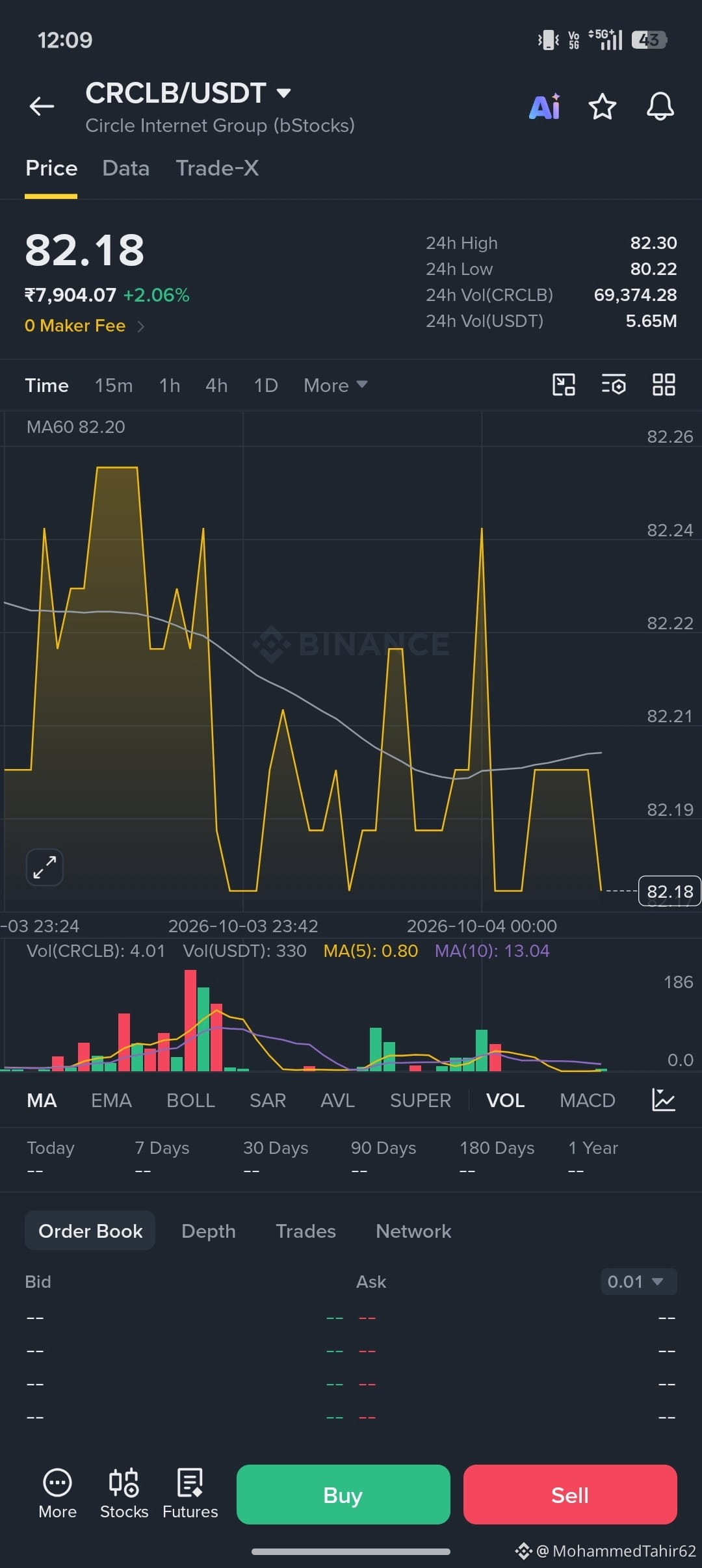
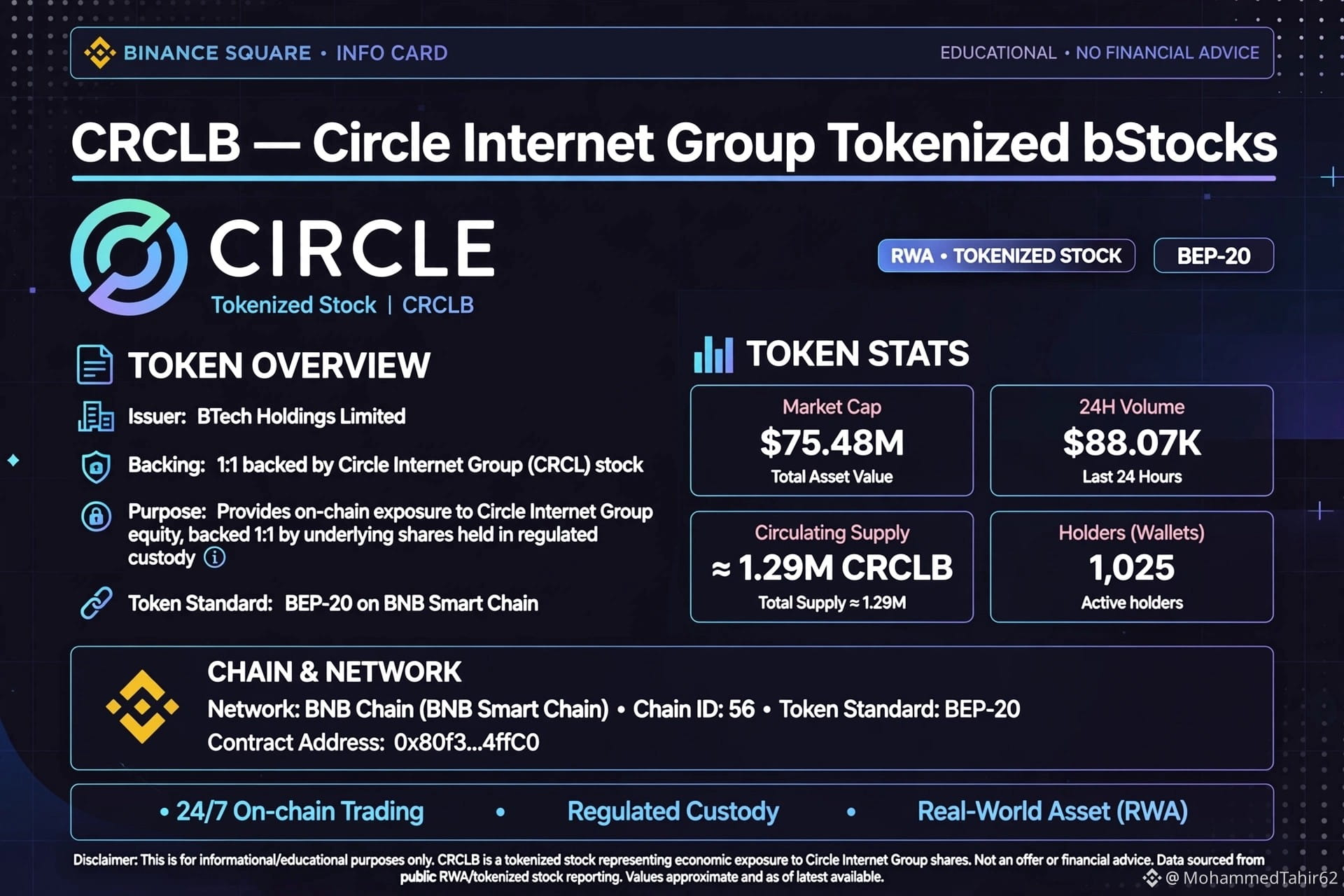
#CRCLB (Circle Internet Group tokenized stock) is showing a +2.06% move to $82.18 in your screenshot, with a 24h range of $80.22–$82.30. 📊
👀 Technical watch:
• $82.30 — session high/resistance area
• $82.20 — MA60 area shown on the chart
• $80.22 — session low/support area
• Volume is relatively active, but price is moving close to the MA60.
🌐 Circle's business is centered on USDC, stablecoin infrastructure, payments and blockchain applications, so developments in the stablecoin sector remain relevant to CRCL/CRCLB.
⚠️ CRCLB can be volatile. This is market information, not a buy/sell recommendation.
#CRCLB #CRCL #Circle #USDC
{spot}(CRCLBUSDT)
⚡ CRCLB — Latest Snapshot
#CRCLB (Circle Internet Group tokenized stock) is showing a +2.06% move to $82.18 in your screenshot, with a 24h range of $80.22–$82.30. 📊
👀 Technical watch:
• $82.30 — session high/resistance area
• $82.20 — MA60 area shown on the chart
• $80.22 — session low/support area
• Volume is relatively active, but price is moving close to the MA60.
🌐 Circle's business is centered on USDC, stablecoin infrastructure, payments and blockchain applications, so developments in the stablecoin sector remain relevant to CRCL/CRCLB.
⚠️ CRCLB can be volatile. This is market information, not a buy/sell recommendation.
#CRCLB #CRCL #Circle #USDC
#CRCLB (Circle Internet Group tokenized stock) is showing a +2.06% move to $82.18 in your screenshot, with a 24h range of $80.22–$82.30. 📊
👀 Technical watch:
• $82.30 — session high/resistance area
• $82.20 — MA60 area shown on the chart
• $80.22 — session low/support area
• Volume is relatively active, but price is moving close to the MA60.
🌐 Circle's business is centered on USDC, stablecoin infrastructure, payments and blockchain applications, so developments in the stablecoin sector remain relevant to CRCL/CRCLB.
⚠️ CRCLB can be volatile. This is market information, not a buy/sell recommendation.
#CRCLB #CRCL #Circle #USDC
1
203

⚙️ Circle launches new developer tools to integrate stablecoins and lending on the Arc platform
Circle has announced the launch of software development kits (SDKs) to simplify the integration of stablecoin purchases and lending services into applications on the Arc platform. The move aims to enable developers to easily integrate essential financial features, potentially helping expand the reach of decentralized financial services.
━━━━━━━━━━━━━━
📊 Impact: 📈 High
🏷️ DEFI
#Circle #Stablecoins #DeFi #Developers #Blockchain
📰 Source: cryptobriefing.com
⚙️ Circle launches new developer tools to integrate stablecoins and lending on the Arc platform
Circle has announced the launch of software development kits (SDKs) to simplify the integration of stablecoin purchases and lending services into applications on the Arc platform. The move aims to enable developers to easily integrate essential financial features, potentially helping expand the reach of decentralized financial services.
━━━━━━━━━━━━━━
📊 Impact: 📈 High
🏷️ DEFI
#Circle #Stablecoins #DeFi #Developers #Blockchain
📰 Source: cryptobriefing.com
Circle has announced the launch of software development kits (SDKs) to simplify the integration of stablecoin purchases and lending services into applications on the Arc platform. The move aims to enable developers to easily integrate essential financial features, potentially helping expand the reach of decentralized financial services.
━━━━━━━━━━━━━━
📊 Impact: 📈 High
🏷️ DEFI
#Circle #Stablecoins #DeFi #Developers #Blockchain
📰 Source: cryptobriefing.com
18

·
--
Verified
#crcl
Captured and studied again
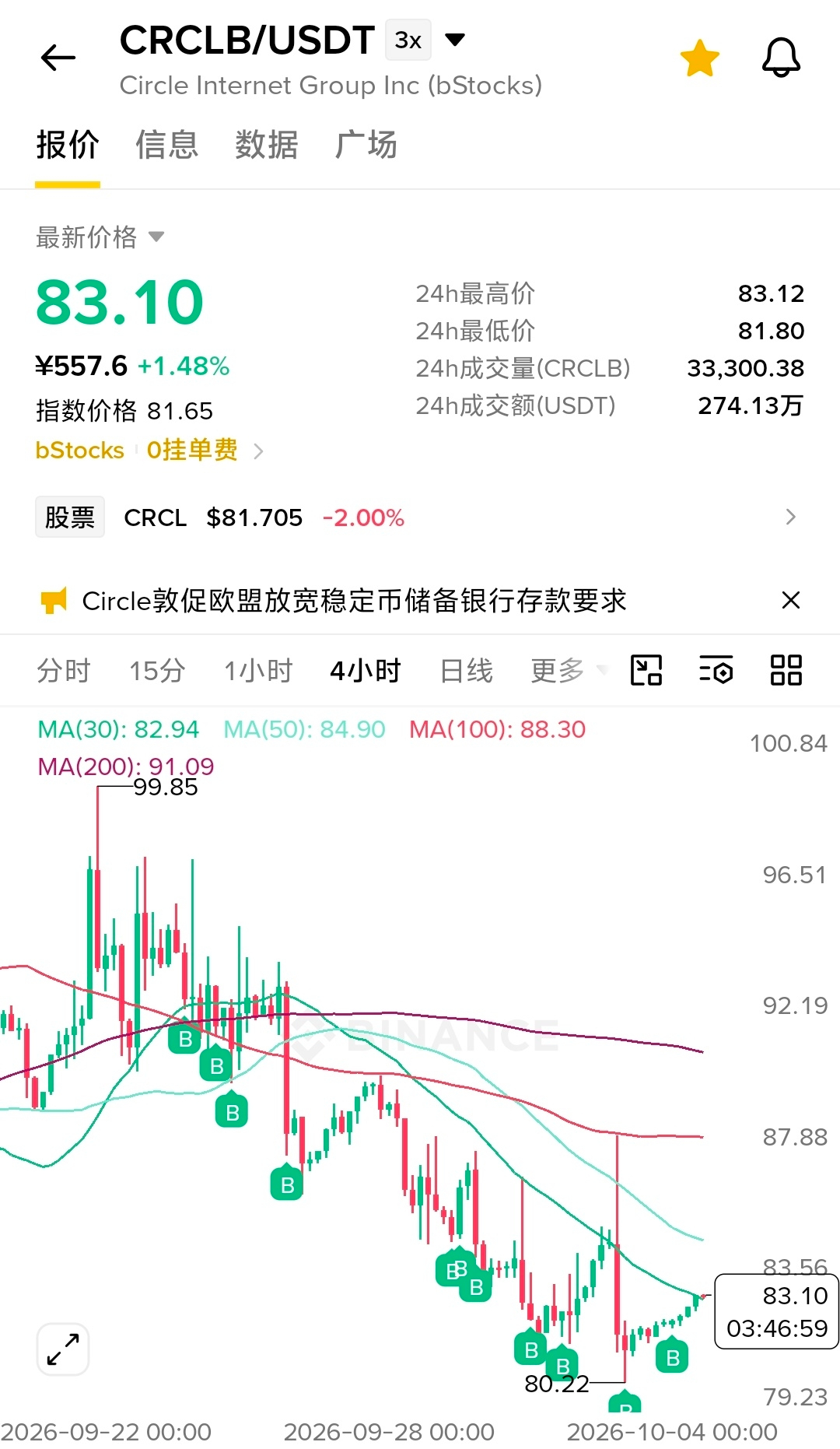
CRCL has continued to fall recently, with sudden management changes that have sparked market concerns
On September 25, the company simultaneously announced the departure of CFO Jeremy Fox-Geen and that co-founder P. Sean Neville stepped down from the board. Although the official statement said the exits were “amicable” and without disagreement over operations, the market responded with a sharp sell-off. The CFO was a key figure in guiding the company through its IPO, and the co-founder’s departure has further intensified investors’ doubts about the company’s future stability.
Core financial metrics came in below expectations, putting pressure on the growth engine
The Q2 2026 results show that while earnings per share met expectations, revenue missed. More importantly, the circulating supply of the core product USDC fell 4.8% quarter-over-quarter to $73.3 billion at quarter-end. The market share also dipped slightly year-over-year; against a backdrop of tightening industry supply, this actually indicates a mild loss of traction.
Wall Street’s major banks have been cutting ratings in large numbers. Competition dynamics and regulatory uncertainty are also weighing on sentiment.
Most importantly, insiders have continued to reduce their holdings and cash out, dealing a blow to market confidence. On September 8, 2026, CEO Jeremy Allaire sold 22,100 shares. Since the IPO, President Heath Tarbert has made 73 sales and 0 buys, cashing out approximately $664M. Continued one-way selling by management is especially evident as a drag on market confidence when the share price is already at a low level.
Circle’s revenue largely comes from interest on USDC reserves; its income statement “tracks the Fed rather than customer growth.” Even though higher interest rates may boost revenue in the short term, a long-term high-rate environment can dampen economic activity and, in turn, constrain the circulation speed and growth of stablecoins.
Recent positive developments include: receiving OCC approval to establish a national trust bank; Binance investing $100M and renewing a five-year commercial agreement; issuing an additional 750 million USDC on the Solana chain over 24 hours; and acquiring Tazapay to expand its Asia-Pacific payments network.
From a technical analysis perspective, $83 is a key support level. If it breaks, it could test $76 next. Resistance sits in the $94–$95 area. The stock has fallen more than 70% from its all-time high and is in a deeply oversold state, with about 12% of float currently sold short—creating potential for a short-squeeze rebound.
What #Circle currently faces is the pain of transitioning from “single-source reserve interest” to “diversified revenue.” In the short term, concentrated negative factors have been released all at once, putting heavy pressure on the share price. Going forward, the key items to watch include: the selection of the new CFO, the Q3 earnings report (expected in November), the final direction of stablecoin regulatory legislation, and the real-world market penetration speed of Open USD.
#crcl
Captured and studied again
CRCL has continued to fall recently, with sudden management changes that have sparked market concerns
On September 25, the company simultaneously announced the departure of CFO Jeremy Fox-Geen and that co-founder P. Sean Neville stepped down from the board. Although the official statement said the exits were “amicable” and without disagreement over operations, the market responded with a sharp sell-off. The CFO was a key figure in guiding the company through its IPO, and the co-founder’s departure has further intensified investors’ doubts about the company’s future stability.
Core financial metrics came in below expectations, putting pressure on the growth engine
The Q2 2026 results show that while earnings per share met expectations, revenue missed. More importantly, the circulating supply of the core product USDC fell 4.8% quarter-over-quarter to $73.3 billion at quarter-end. The market share also dipped slightly year-over-year; against a backdrop of tightening industry supply, this actually indicates a mild loss of traction.
Wall Street’s major banks have been cutting ratings in large numbers. Competition dynamics and regulatory uncertainty are also weighing on sentiment.
Most importantly, insiders have continued to reduce their holdings and cash out, dealing a blow to market confidence. On September 8, 2026, CEO Jeremy Allaire sold 22,100 shares. Since the IPO, President Heath Tarbert has made 73 sales and 0 buys, cashing out approximately $664M. Continued one-way selling by management is especially evident as a drag on market confidence when the share price is already at a low level.
Circle’s revenue largely comes from interest on USDC reserves; its income statement “tracks the Fed rather than customer growth.” Even though higher interest rates may boost revenue in the short term, a long-term high-rate environment can dampen economic activity and, in turn, constrain the circulation speed and growth of stablecoins.
Recent positive developments include: receiving OCC approval to establish a national trust bank; Binance investing $100M and renewing a five-year commercial agreement; issuing an additional 750 million USDC on the Solana chain over 24 hours; and acquiring Tazapay to expand its Asia-Pacific payments network.
From a technical analysis perspective, $83 is a key support level. If it breaks, it could test $76 next. Resistance sits in the $94–$95 area. The stock has fallen more than 70% from its all-time high and is in a deeply oversold state, with about 12% of float currently sold short—creating potential for a short-squeeze rebound.
What #Circle currently faces is the pain of transitioning from “single-source reserve interest” to “diversified revenue.” In the short term, concentrated negative factors have been released all at once, putting heavy pressure on the share price. Going forward, the key items to watch include: the selection of the new CFO, the Q3 earnings report (expected in November), the final direction of stablecoin regulatory legislation, and the real-world market penetration speed of Open USD.
Captured and studied again
CRCL has continued to fall recently, with sudden management changes that have sparked market concerns
On September 25, the company simultaneously announced the departure of CFO Jeremy Fox-Geen and that co-founder P. Sean Neville stepped down from the board. Although the official statement said the exits were “amicable” and without disagreement over operations, the market responded with a sharp sell-off. The CFO was a key figure in guiding the company through its IPO, and the co-founder’s departure has further intensified investors’ doubts about the company’s future stability.
Core financial metrics came in below expectations, putting pressure on the growth engine
The Q2 2026 results show that while earnings per share met expectations, revenue missed. More importantly, the circulating supply of the core product USDC fell 4.8% quarter-over-quarter to $73.3 billion at quarter-end. The market share also dipped slightly year-over-year; against a backdrop of tightening industry supply, this actually indicates a mild loss of traction.
Wall Street’s major banks have been cutting ratings in large numbers. Competition dynamics and regulatory uncertainty are also weighing on sentiment.
Most importantly, insiders have continued to reduce their holdings and cash out, dealing a blow to market confidence. On September 8, 2026, CEO Jeremy Allaire sold 22,100 shares. Since the IPO, President Heath Tarbert has made 73 sales and 0 buys, cashing out approximately $664M. Continued one-way selling by management is especially evident as a drag on market confidence when the share price is already at a low level.
Circle’s revenue largely comes from interest on USDC reserves; its income statement “tracks the Fed rather than customer growth.” Even though higher interest rates may boost revenue in the short term, a long-term high-rate environment can dampen economic activity and, in turn, constrain the circulation speed and growth of stablecoins.
Recent positive developments include: receiving OCC approval to establish a national trust bank; Binance investing $100M and renewing a five-year commercial agreement; issuing an additional 750 million USDC on the Solana chain over 24 hours; and acquiring Tazapay to expand its Asia-Pacific payments network.
From a technical analysis perspective, $83 is a key support level. If it breaks, it could test $76 next. Resistance sits in the $94–$95 area. The stock has fallen more than 70% from its all-time high and is in a deeply oversold state, with about 12% of float currently sold short—creating potential for a short-squeeze rebound.
What #Circle currently faces is the pain of transitioning from “single-source reserve interest” to “diversified revenue.” In the short term, concentrated negative factors have been released all at once, putting heavy pressure on the share price. Going forward, the key items to watch include: the selection of the new CFO, the Q3 earnings report (expected in November), the final direction of stablecoin regulatory legislation, and the real-world market penetration speed of Open USD.
1
1
2.4k

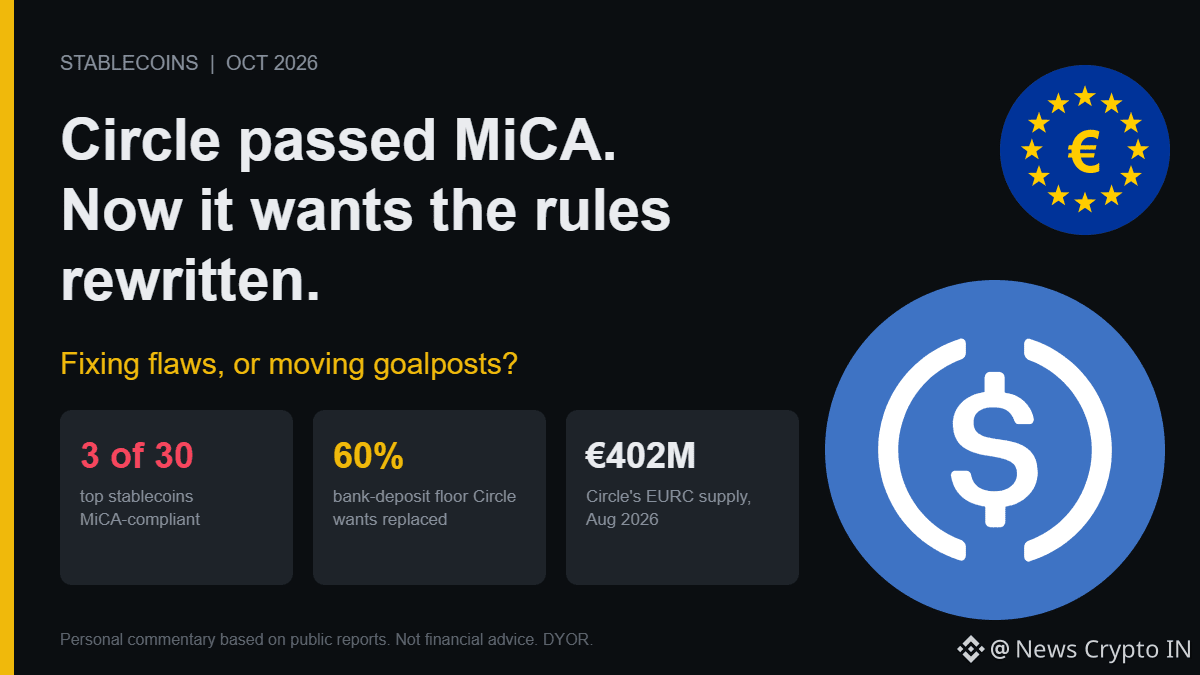
Only 3 of the top 30 stablecoins comply with Europe's MiCA rules: USDC, USDG and EURC. Two of those three are Circle's. And on Oct 1, Circle asked the European Commission to rewrite the rules anyway.
What Circle wants changed:
- Reserves: MiCA forces issuers to hold 30% of reserves as bank deposits, 60% for "significant" ones. Circle wants liquidity-based rules instead, plus looser concentration caps (35% per sovereign, 1.5% of a bank's assets per counterparty).
- Cross-border issuance: keep letting an EU-licensed entity issue the same token alongside affiliates abroad.
- Foreign recognition: let foreign-regulated stablecoins distribute through EU-licensed firms, modelled on the US GENIUS Act.
The cynical read writes itself: the company that already passed the test is lobbying to change the test, and every proposal happens to fit how a US-based global issuer operates.
But the reserve point has real history behind it. In March 2023, USDC briefly broke its peg because $3.3B of its reserves sat at Silicon Valley Bank when it failed. Forcing 60% of reserves into bank deposits puts more of a stablecoin's safety on the health of a few banks, the exact risk that already bit Circle once.
Is Circle fixing a genuine design flaw in MiCA, or using its compliant status to write the rules competitors will have to follow?
#Circle #MiCA
Only 3 of the top 30 stablecoins comply with Europe's MiCA rules: USDC, USDG and EURC. Two of those three are Circle's. And on Oct 1, Circle asked the European Commission to rewrite the rules anyway.
What Circle wants changed:
- Reserves: MiCA forces issuers to hold 30% of reserves as bank deposits, 60% for "significant" ones. Circle wants liquidity-based rules instead, plus looser concentration caps (35% per sovereign, 1.5% of a bank's assets per counterparty).
- Cross-border issuance: keep letting an EU-licensed entity issue the same token alongside affiliates abroad.
- Foreign recognition: let foreign-regulated stablecoins distribute through EU-licensed firms, modelled on the US GENIUS Act.
The cynical read writes itself: the company that already passed the test is lobbying to change the test, and every proposal happens to fit how a US-based global issuer operates.
But the reserve point has real history behind it. In March 2023, USDC briefly broke its peg because $3.3B of its reserves sat at Silicon Valley Bank when it failed. Forcing 60% of reserves into bank deposits puts more of a stablecoin's safety on the health of a few banks, the exact risk that already bit Circle once.
Is Circle fixing a genuine design flaw in MiCA, or using its compliant status to write the rules competitors will have to follow?
#Circle #MiCA
What Circle wants changed:
- Reserves: MiCA forces issuers to hold 30% of reserves as bank deposits, 60% for "significant" ones. Circle wants liquidity-based rules instead, plus looser concentration caps (35% per sovereign, 1.5% of a bank's assets per counterparty).
- Cross-border issuance: keep letting an EU-licensed entity issue the same token alongside affiliates abroad.
- Foreign recognition: let foreign-regulated stablecoins distribute through EU-licensed firms, modelled on the US GENIUS Act.
The cynical read writes itself: the company that already passed the test is lobbying to change the test, and every proposal happens to fit how a US-based global issuer operates.
But the reserve point has real history behind it. In March 2023, USDC briefly broke its peg because $3.3B of its reserves sat at Silicon Valley Bank when it failed. Forcing 60% of reserves into bank deposits puts more of a stablecoin's safety on the health of a few banks, the exact risk that already bit Circle once.
Is Circle fixing a genuine design flaw in MiCA, or using its compliant status to write the rules competitors will have to follow?
#Circle #MiCA
1
564
MUB, CRCLB & MSTRB: Tokenized Equities Show Broad-Based Strength
Micron Technology bStocks (MUB) is trading at $1,091.78, up +2.31% from its session open of $1,067.12. Price moved between $1,023.91 and $1,098.33, with MUB finishing near the upper end of that range. Approximately $16.72M in trading turnover points to active participation around semiconductor-linked exposure.
Circle Internet Group bStocks (CRCLB) is changing hands near $83.15, up +1.28% from its open of $82.10. Its range of $81.50–$84.50 reflects a more measured advance, while roughly $15.22M in turnover indicates sustained liquidity and balanced market interest.
Strategy bStocks (MSTRB) is trading around $160.88, up +4.77% from the session open of $153.55. After reaching a low of $152.64, MSTRB climbed toward its high of $161.54, supported by about $14.65M in turnover. This places it at the front of the group’s latest price momentum.
Across these tokenized equity markets, MSTRB is showing the strongest percentage move, MUB is maintaining constructive strength near its session high, and CRCLB is advancing with comparatively steadier price action. Market performance can shift with underlying equity-market sentiment, sector developments, and broader risk appetite.
#bStocks #MicronTechnology #Circle #Strategy #Binance
$MUB
{spot}(MUBUSDT)
$CRCLB
{spot}(CRCLBUSDT)
$MSTRB
{spot}(MSTRBUSDT)
MUB, CRCLB & MSTRB: Tokenized Equities Show Broad-Based Strength
Micron Technology bStocks (MUB) is trading at $1,091.78, up +2.31% from its session open of $1,067.12. Price moved between $1,023.91 and $1,098.33, with MUB finishing near the upper end of that range. Approximately $16.72M in trading turnover points to active participation around semiconductor-linked exposure.
Circle Internet Group bStocks (CRCLB) is changing hands near $83.15, up +1.28% from its open of $82.10. Its range of $81.50–$84.50 reflects a more measured advance, while roughly $15.22M in turnover indicates sustained liquidity and balanced market interest.
Strategy bStocks (MSTRB) is trading around $160.88, up +4.77% from the session open of $153.55. After reaching a low of $152.64, MSTRB climbed toward its high of $161.54, supported by about $14.65M in turnover. This places it at the front of the group’s latest price momentum.
Across these tokenized equity markets, MSTRB is showing the strongest percentage move, MUB is maintaining constructive strength near its session high, and CRCLB is advancing with comparatively steadier price action. Market performance can shift with underlying equity-market sentiment, sector developments, and broader risk appetite.
#bStocks #MicronTechnology #Circle #Strategy #Binance
$MUB
$CRCLB
$MSTRB
Micron Technology bStocks (MUB) is trading at $1,091.78, up +2.31% from its session open of $1,067.12. Price moved between $1,023.91 and $1,098.33, with MUB finishing near the upper end of that range. Approximately $16.72M in trading turnover points to active participation around semiconductor-linked exposure.
Circle Internet Group bStocks (CRCLB) is changing hands near $83.15, up +1.28% from its open of $82.10. Its range of $81.50–$84.50 reflects a more measured advance, while roughly $15.22M in turnover indicates sustained liquidity and balanced market interest.
Strategy bStocks (MSTRB) is trading around $160.88, up +4.77% from the session open of $153.55. After reaching a low of $152.64, MSTRB climbed toward its high of $161.54, supported by about $14.65M in turnover. This places it at the front of the group’s latest price momentum.
Across these tokenized equity markets, MSTRB is showing the strongest percentage move, MUB is maintaining constructive strength near its session high, and CRCLB is advancing with comparatively steadier price action. Market performance can shift with underlying equity-market sentiment, sector developments, and broader risk appetite.
#bStocks #MicronTechnology #Circle #Strategy #Binance
$MUB
$CRCLB
$MSTRB
50

·
--
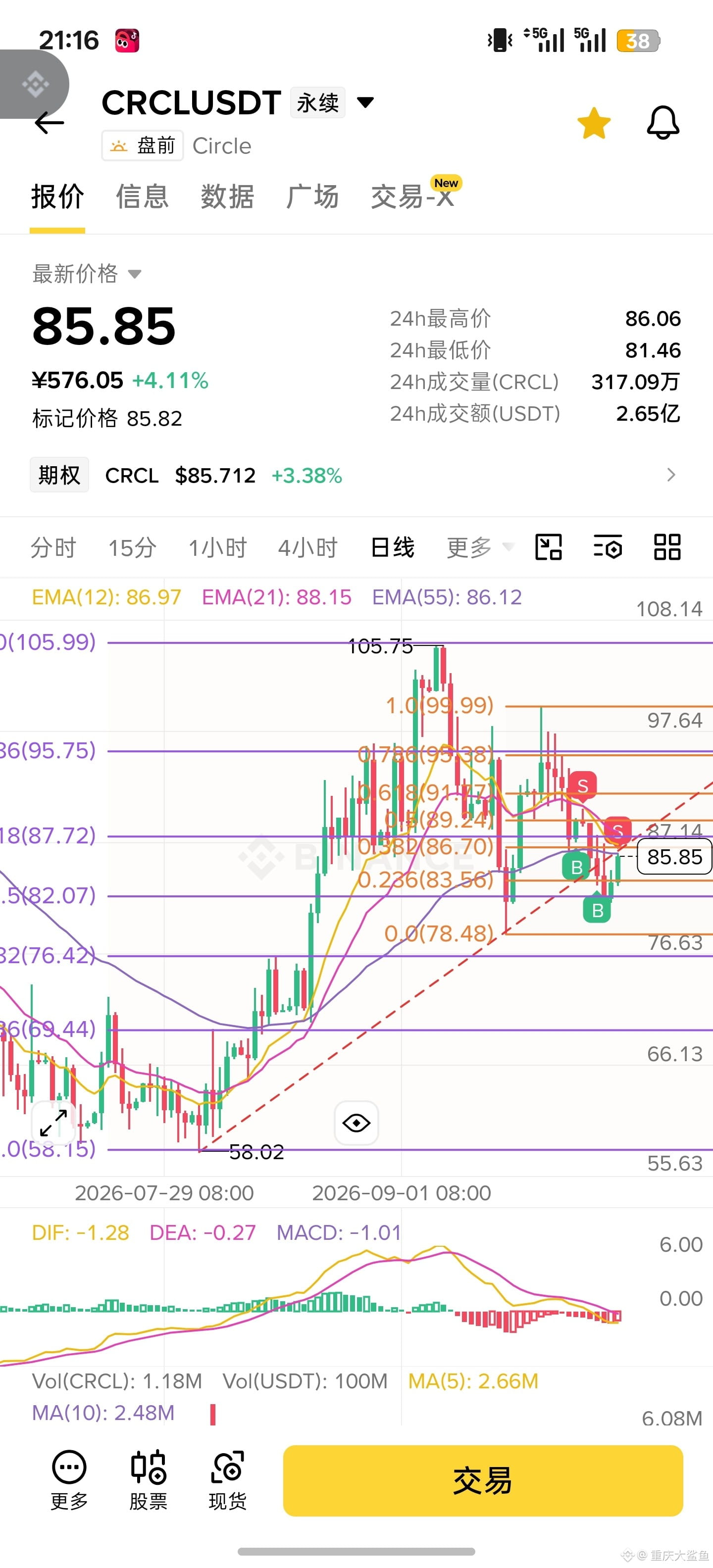
The circle costs have gone down, and I really don’t want to hold it anymore. At the moment, based on my own view, I’m bullish, but there’s a daily-level trendline here that has been broken. I should have cut my loss when it broke the trendline a few days ago, but I held on a bit. Now it has come down to this level—I'm not sure whether it will act as resistance. When you're out playing, unrealized losses in your position really affect your mood#Circle
The circle costs have gone down, and I really don’t want to hold it anymore. At the moment, based on my own view, I’m bullish, but there’s a daily-level trendline here that has been broken. I should have cut my loss when it broke the trendline a few days ago, but I held on a bit. Now it has come down to this level—I'm not sure whether it will act as resistance. When you're out playing, unrealized losses in your position really affect your mood#Circle
Adelle Lambdin WgmD:
可以拿现货
6
961

Circle calls on EU to amend stablecoin reserve rules under MiCA
- Circle proposes that the EU replace the minimum requirement for bank deposits with more flexible liquidity rules.
- The company also wants to maintain the ability to issue stablecoins across borders.
- This move comes as the EU reviews its MiCA regulations.
- The RSS source has not provided any further specific details.
#Circle #Stablecoin #MiCA #EU #CryptoNews BinanceSquare
$btc $eth
vlikevn Titanbot
Source: CoinTelegraph
Circle calls on EU to amend stablecoin reserve rules under MiCA
- Circle proposes that the EU replace the minimum requirement for bank deposits with more flexible liquidity rules.
- The company also wants to maintain the ability to issue stablecoins across borders.
- This move comes as the EU reviews its MiCA regulations.
- The RSS source has not provided any further specific details.
#Circle #Stablecoin #MiCA #EU #CryptoNews BinanceSquare
$btc $eth
vlikevn Titanbot
Source: CoinTelegraph
- Circle proposes that the EU replace the minimum requirement for bank deposits with more flexible liquidity rules.
- The company also wants to maintain the ability to issue stablecoins across borders.
- This move comes as the EU reviews its MiCA regulations.
- The RSS source has not provided any further specific details.
#Circle #Stablecoin #MiCA #EU #CryptoNews BinanceSquare
$btc $eth
vlikevn Titanbot
Source: CoinTelegraph
25

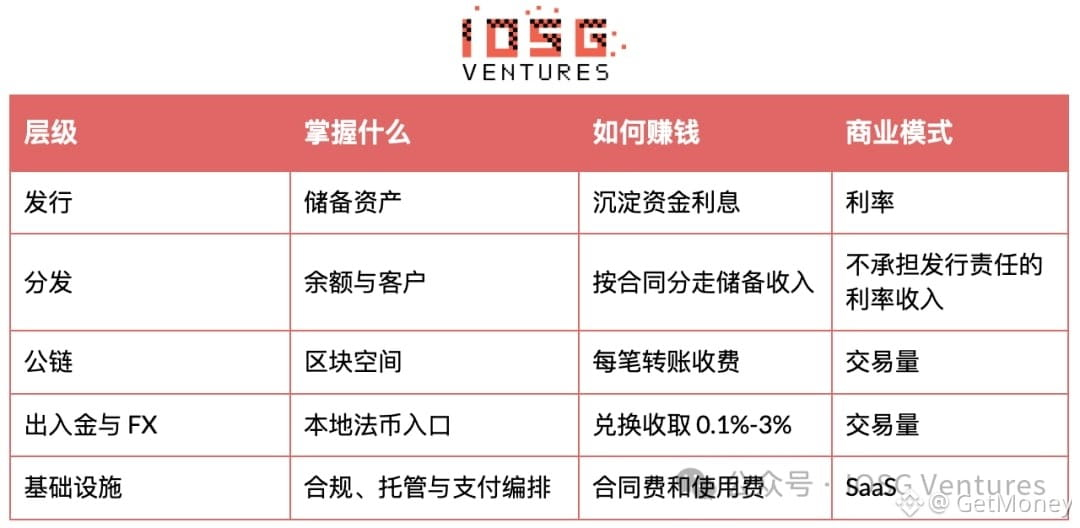
Who’s collecting the interest on the USDC in your hands? The biggest secret of stablecoins is the interest you can’t getThe stablecoin supply has already reached about $300 billion (USDT about $183.4 billion, USDC about $74.2 billion). But many people haven’t thought about one thing: if you hold stablecoins, you don’t get even a dime of interest—so where does that interest go?
1. In essence, you’re loaning the U.S. dollar to the issuer for free.
When you hold 1 USDC, the issuer takes your $1 and uses it to buy short-term U.S. Treasuries / T-bills to earn interest. With current interest rates, the interest generated in a year from a $300 billion reserve is on the order of tens of billions of dollars—and 100% of that money goes into the issuer’s pocket. Circle’s vast majority of revenue comes from this reserve interest.
Who’s collecting the interest on the USDC in your hands? The biggest secret of stablecoins is the interest you can’t get
The stablecoin supply has already reached about $300 billion (USDT about $183.4 billion, USDC about $74.2 billion). But many people haven’t thought about one thing: if you hold stablecoins, you don’t get even a dime of interest—so where does that interest go?
1. In essence, you’re loaning the U.S. dollar to the issuer for free.
When you hold 1 USDC, the issuer takes your $1 and uses it to buy short-term U.S. Treasuries / T-bills to earn interest. With current interest rates, the interest generated in a year from a $300 billion reserve is on the order of tens of billions of dollars—and 100% of that money goes into the issuer’s pocket. Circle’s vast majority of revenue comes from this reserve interest.
1. In essence, you’re loaning the U.S. dollar to the issuer for free.
When you hold 1 USDC, the issuer takes your $1 and uses it to buy short-term U.S. Treasuries / T-bills to earn interest. With current interest rates, the interest generated in a year from a $300 billion reserve is on the order of tens of billions of dollars—and 100% of that money goes into the issuer’s pocket. Circle’s vast majority of revenue comes from this reserve interest.
365

·
--
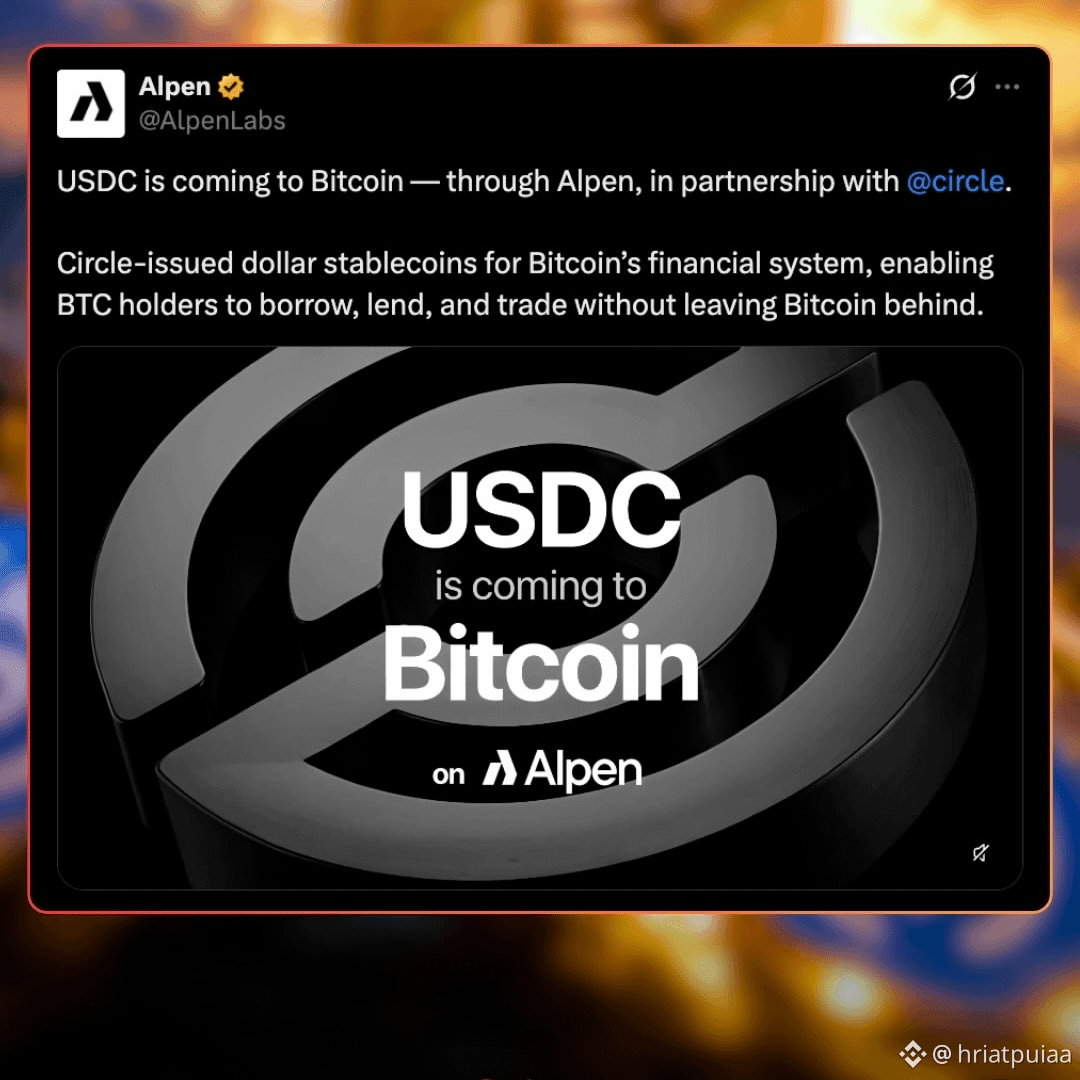
🧧🧧🎉Circle and Alpen Labs announced an agreement to integrate USD Coin (USDC) and the Cross-Chain Transfer Protocol (CCTP) into the Bitcoin ecosystem. $USDC $BTC
{future}(USDCUSDT)
{spot}(BTCUSDT)
#BTC #Circle #CryptoNewss
🧧🧧🎉Circle and Alpen Labs announced an agreement to integrate USD Coin (USDC) and the Cross-Chain Transfer Protocol (CCTP) into the Bitcoin ecosystem. $USDC $BTC
#BTC #Circle #CryptoNewss
#BTC #Circle #CryptoNewss
Bandook:
1
1
1
104

·
--
📰 Circle issues USDC in partnership with Coinbase, who controls the users—so who has the real say when it comes time to split the money? This past August, the two companies’ revenue-sharing agreement was extended to 2029 under the original terms. Circle obtained the license as well, but even in this renewal, it couldn’t change the existing arrangement.
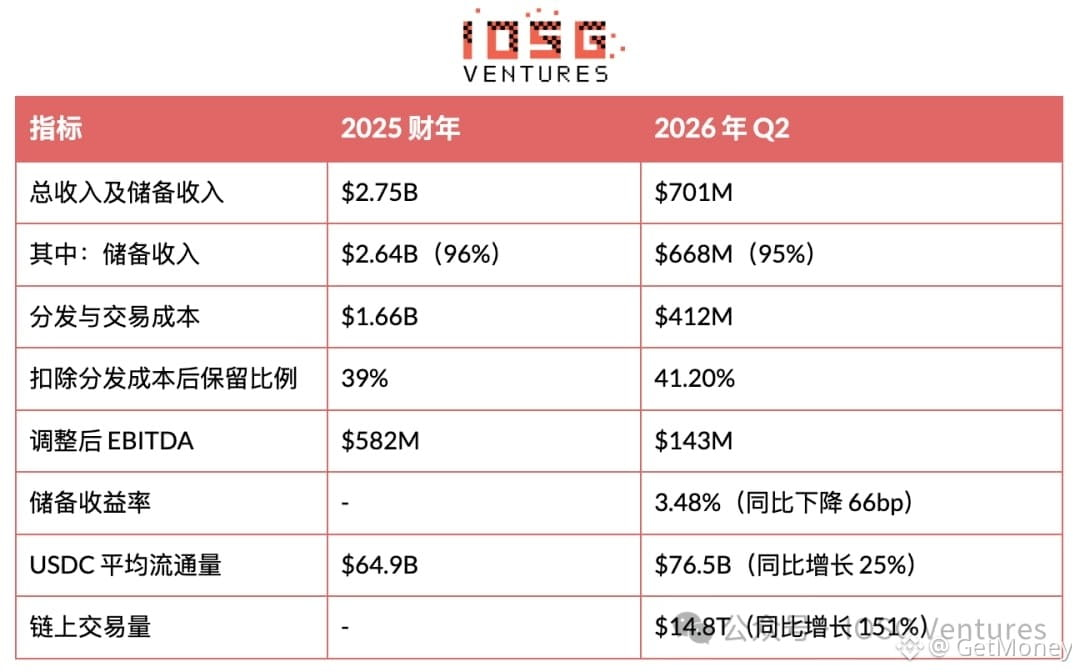
🔥 In plain terms: in Q2 2026, Circle paid Coinbase $324.6 million in related distribution costs. In the same period, the average USDC balance in Coinbase’s products reached $20 billion, accounting for more than 30% of the USDC circulating supply at quarter-end. Both users and balances are on the platform—so for the issuer to bypass the channel, it’s not that easy.
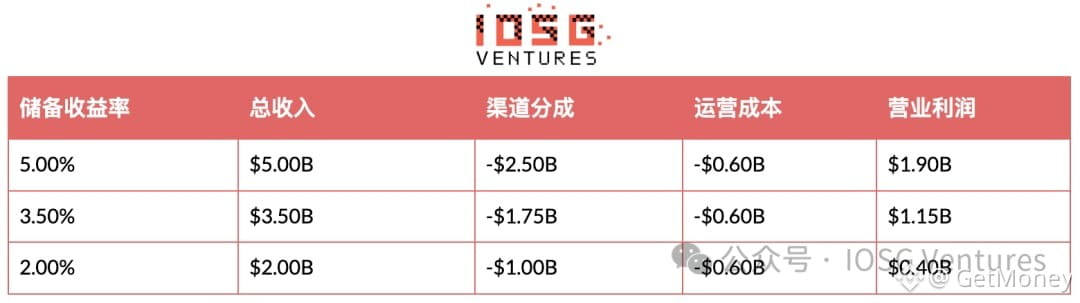
To be honest, using USDC more often doesn’t automatically mean Circle can earn more profit by the same amount. In that quarter, on-chain USDC transaction volume grew 151%, average circulating supply rose 25%, but reserve revenue only increased 5%. The reserve yield fell by 66 basis points, and a large portion of the revenue uplift from balance growth was absorbed.
💡 This made me rethink the payment story for stablecoins: the faster money moves, the more it may not require keeping ever more USDC sitting in accounts earning interest. Circle needs to look at interest rates, and it also has to split revenues with the channels that control the users. Business is bustling, but that doesn’t mean the issuer can keep all the proceeds.
🤔 When it’s time to discuss renewal again in 2029, do you think Circle most needs to change its reliance on distribution via Coinbase, or its reliance on reserve interest?
#USDC #Circle #Coinbase #stablecoin
📰 Circle issues USDC in partnership with Coinbase, who controls the users—so who has the real say when it comes time to split the money? This past August, the two companies’ revenue-sharing agreement was extended to 2029 under the original terms. Circle obtained the license as well, but even in this renewal, it couldn’t change the existing arrangement.
🔥 In plain terms: in Q2 2026, Circle paid Coinbase $324.6 million in related distribution costs. In the same period, the average USDC balance in Coinbase’s products reached $20 billion, accounting for more than 30% of the USDC circulating supply at quarter-end. Both users and balances are on the platform—so for the issuer to bypass the channel, it’s not that easy.
To be honest, using USDC more often doesn’t automatically mean Circle can earn more profit by the same amount. In that quarter, on-chain USDC transaction volume grew 151%, average circulating supply rose 25%, but reserve revenue only increased 5%. The reserve yield fell by 66 basis points, and a large portion of the revenue uplift from balance growth was absorbed.
💡 This made me rethink the payment story for stablecoins: the faster money moves, the more it may not require keeping ever more USDC sitting in accounts earning interest. Circle needs to look at interest rates, and it also has to split revenues with the channels that control the users. Business is bustling, but that doesn’t mean the issuer can keep all the proceeds.
🤔 When it’s time to discuss renewal again in 2029, do you think Circle most needs to change its reliance on distribution via Coinbase, or its reliance on reserve interest?
#USDC #Circle #Coinbase #stablecoin
🔥 In plain terms: in Q2 2026, Circle paid Coinbase $324.6 million in related distribution costs. In the same period, the average USDC balance in Coinbase’s products reached $20 billion, accounting for more than 30% of the USDC circulating supply at quarter-end. Both users and balances are on the platform—so for the issuer to bypass the channel, it’s not that easy.
To be honest, using USDC more often doesn’t automatically mean Circle can earn more profit by the same amount. In that quarter, on-chain USDC transaction volume grew 151%, average circulating supply rose 25%, but reserve revenue only increased 5%. The reserve yield fell by 66 basis points, and a large portion of the revenue uplift from balance growth was absorbed.
💡 This made me rethink the payment story for stablecoins: the faster money moves, the more it may not require keeping ever more USDC sitting in accounts earning interest. Circle needs to look at interest rates, and it also has to split revenues with the channels that control the users. Business is bustling, but that doesn’t mean the issuer can keep all the proceeds.
🤔 When it’s time to discuss renewal again in 2029, do you think Circle most needs to change its reliance on distribution via Coinbase, or its reliance on reserve interest?
#USDC #Circle #Coinbase #stablecoin
345

·
--
Binance invests $100M in @circle. Partnership extended 5 years.
A trusted digital dollar for more people, in more places.
This is a major commitment to regulated stablecoins - and on the infrastructure the next decade of finance gets built on. read more binace officeal site #Circle $BNB
{future}(BNBUSDT)
Binance invests $100M in @circle. Partnership extended 5 years.
A trusted digital dollar for more people, in more places.
This is a major commitment to regulated stablecoins - and on the infrastructure the next decade of finance gets built on. read more binace officeal site #Circle $BNB
A trusted digital dollar for more people, in more places.
This is a major commitment to regulated stablecoins - and on the infrastructure the next decade of finance gets built on. read more binace officeal site #Circle $BNB
336
Sean Neville leaves the Circle board after Catena receives conditional approval from the OCC
- Sean Neville has stepped down from the Circle Internet Group board, effective 25/9.
- Catena Labs, Neville’s AI project, is nearing the establishment of a national trust bank in the US that has received conditional approval from the OCC.
- Circle is the issuer of USDT, a major stablecoin.
#BinanceSquare #CryptoNews #USDT #Circle #Catena OCC
$usdt
vlikevn Titanbot
Source: CoinGape
Sean Neville leaves the Circle board after Catena receives conditional approval from the OCC
- Sean Neville has stepped down from the Circle Internet Group board, effective 25/9.
- Catena Labs, Neville’s AI project, is nearing the establishment of a national trust bank in the US that has received conditional approval from the OCC.
- Circle is the issuer of USDT, a major stablecoin.
#BinanceSquare #CryptoNews #USDT #Circle #Catena OCC
$usdt
vlikevn Titanbot
Source: CoinGape
- Sean Neville has stepped down from the Circle Internet Group board, effective 25/9.
- Catena Labs, Neville’s AI project, is nearing the establishment of a national trust bank in the US that has received conditional approval from the OCC.
- Circle is the issuer of USDT, a major stablecoin.
#BinanceSquare #CryptoNews #USDT #Circle #Catena OCC
$usdt
vlikevn Titanbot
Source: CoinGape
97

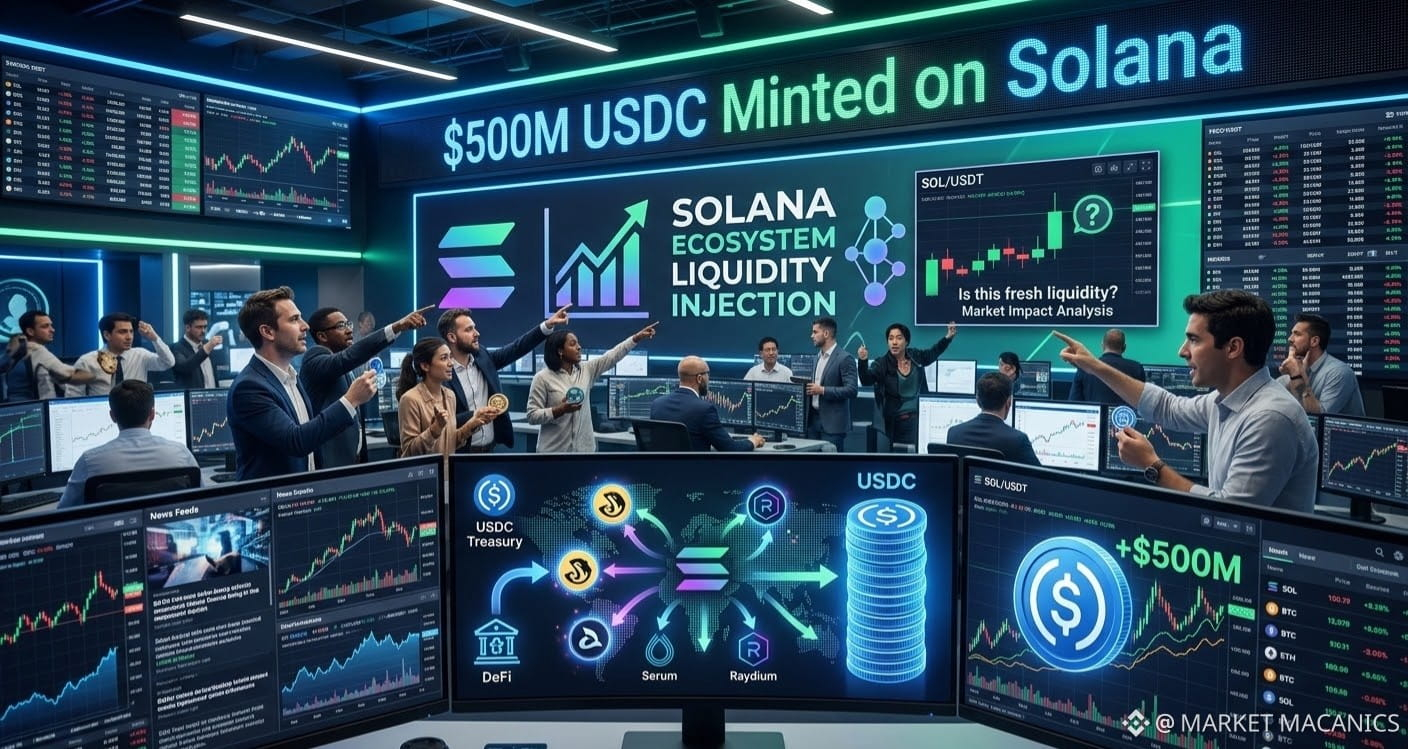
$SOL 💰🚨 $500 MILLION USDC JUST APPEARED ON SOLANA — WHAT’S COMING NEXT?
Circle has minted 500 MILLION USDC on Solana across two separate $250M transactions. 👀
And the timing is getting crypto traders’ attention.
Why?
Because stablecoins are the liquidity layer of crypto.
More USDC can mean more potential firepower for:
💱 DEX trading
🏦 DeFi
⚡ On-chain payments
🐋 Large transactions
🔥 Solana ecosystem activity
But here’s where it gets interesting…
A $500M mint does NOT automatically mean $500M has already entered the market or is about to buy SOL.
Circle can hold newly minted USDC in treasury/pre-mint addresses before it becomes circulating supply. So the REAL signal isn’t simply the mint.
It’s what happens AFTER the mint. 👀
Will this USDC move toward exchanges?
Will it enter DeFi?
Will large wallets start deploying it?
Or will it simply remain in treasury inventory?
That’s the part traders should watch. 📊
And there’s another reason this matters:
Solana already has billions of dollars of stablecoin liquidity on-chain, making it one of the major venues for dollar-based crypto activity.
So the question isn't:
“Will $500M make SOL pump?”
The better question is:
🔥 WHERE WILL THE $500M GO NEXT?
If those coins start moving into exchanges and DeFi, the market could have a very different story to tell.
👇 Your take?
🟢 MORE LIQUIDITY = MORE OPPORTUNITY
🔴 JUST TREASURY REBALANCING
#Solana #SOL #USDC #Circle #Crypto #DeFi #BinanceSquare
$SOL 💰🚨 $500 MILLION USDC JUST APPEARED ON SOLANA — WHAT’S COMING NEXT?
Circle has minted 500 MILLION USDC on Solana across two separate $250M transactions. 👀
And the timing is getting crypto traders’ attention.
Why?
Because stablecoins are the liquidity layer of crypto.
More USDC can mean more potential firepower for:
💱 DEX trading
🏦 DeFi
⚡ On-chain payments
🐋 Large transactions
🔥 Solana ecosystem activity
But here’s where it gets interesting…
A $500M mint does NOT automatically mean $500M has already entered the market or is about to buy SOL.
Circle can hold newly minted USDC in treasury/pre-mint addresses before it becomes circulating supply. So the REAL signal isn’t simply the mint.
It’s what happens AFTER the mint. 👀
Will this USDC move toward exchanges?
Will it enter DeFi?
Will large wallets start deploying it?
Or will it simply remain in treasury inventory?
That’s the part traders should watch. 📊
And there’s another reason this matters:
Solana already has billions of dollars of stablecoin liquidity on-chain, making it one of the major venues for dollar-based crypto activity.
So the question isn't:
“Will $500M make SOL pump?”
The better question is:
🔥 WHERE WILL THE $500M GO NEXT?
If those coins start moving into exchanges and DeFi, the market could have a very different story to tell.
👇 Your take?
🟢 MORE LIQUIDITY = MORE OPPORTUNITY
🔴 JUST TREASURY REBALANCING
#Solana #SOL #USDC #Circle #Crypto #DeFi #BinanceSquare
Circle has minted 500 MILLION USDC on Solana across two separate $250M transactions. 👀
And the timing is getting crypto traders’ attention.
Why?
Because stablecoins are the liquidity layer of crypto.
More USDC can mean more potential firepower for:
💱 DEX trading
🏦 DeFi
⚡ On-chain payments
🐋 Large transactions
🔥 Solana ecosystem activity
But here’s where it gets interesting…
A $500M mint does NOT automatically mean $500M has already entered the market or is about to buy SOL.
Circle can hold newly minted USDC in treasury/pre-mint addresses before it becomes circulating supply. So the REAL signal isn’t simply the mint.
It’s what happens AFTER the mint. 👀
Will this USDC move toward exchanges?
Will it enter DeFi?
Will large wallets start deploying it?
Or will it simply remain in treasury inventory?
That’s the part traders should watch. 📊
And there’s another reason this matters:
Solana already has billions of dollars of stablecoin liquidity on-chain, making it one of the major venues for dollar-based crypto activity.
So the question isn't:
“Will $500M make SOL pump?”
The better question is:
🔥 WHERE WILL THE $500M GO NEXT?
If those coins start moving into exchanges and DeFi, the market could have a very different story to tell.
👇 Your take?
🟢 MORE LIQUIDITY = MORE OPPORTUNITY
🔴 JUST TREASURY REBALANCING
#Solana #SOL #USDC #Circle #Crypto #DeFi #BinanceSquare
435

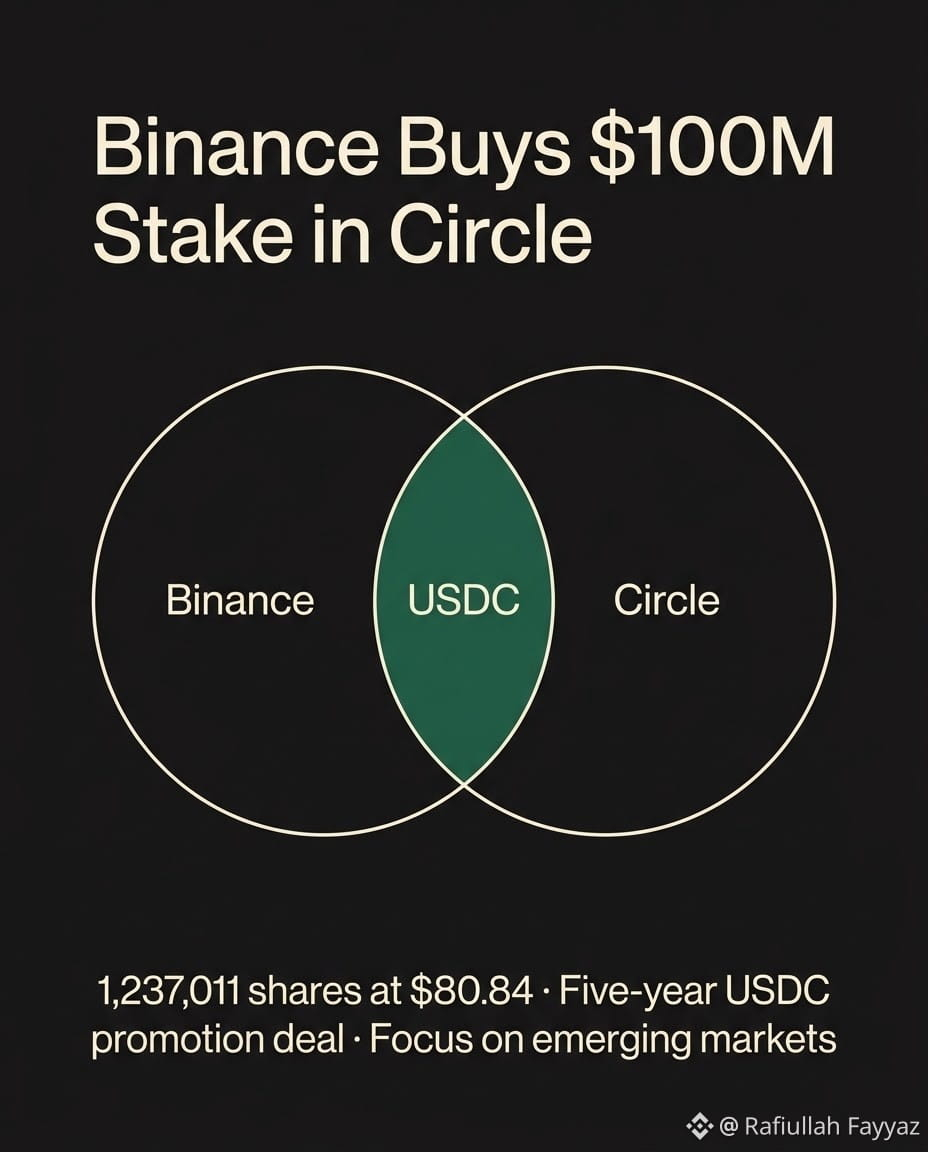
Binance bought $100 million worth of Circle stock. And signed a five-year deal to promote USDC.
The details: Binance acquired 1,237,011 shares of Circle Class A stock at $80.84 per share — a 5% discount to market price. The transaction closed on September 17 and was disclosed in an SEC filing. Binance also renewed its commercial agreement with Circle for five years, focused on expanding USDC adoption in emerging markets.
Why this matters: Circle is the company behind USDC. Binance is the largest crypto exchange. A $100 million equity stake plus a five-year partnership means Binance is betting on USDC as a core part of its stablecoin strategy.
This isn't just a marketing deal. Binance now owns a piece of Circle. That aligns their incentives.
What I'm watching: does USDC gain share on Binance against USDT? And does this deal push more stablecoin activity toward regulated, transparent issuers?
$USDC
#Binance #Circle #Stablecoins
{spot}(USDCUSDT)
Binance bought $100 million worth of Circle stock. And signed a five-year deal to promote USDC.
The details: Binance acquired 1,237,011 shares of Circle Class A stock at $80.84 per share — a 5% discount to market price. The transaction closed on September 17 and was disclosed in an SEC filing. Binance also renewed its commercial agreement with Circle for five years, focused on expanding USDC adoption in emerging markets.
Why this matters: Circle is the company behind USDC. Binance is the largest crypto exchange. A $100 million equity stake plus a five-year partnership means Binance is betting on USDC as a core part of its stablecoin strategy.
This isn't just a marketing deal. Binance now owns a piece of Circle. That aligns their incentives.
What I'm watching: does USDC gain share on Binance against USDT? And does this deal push more stablecoin activity toward regulated, transparent issuers?
$USDC
#Binance #Circle #Stablecoins
The details: Binance acquired 1,237,011 shares of Circle Class A stock at $80.84 per share — a 5% discount to market price. The transaction closed on September 17 and was disclosed in an SEC filing. Binance also renewed its commercial agreement with Circle for five years, focused on expanding USDC adoption in emerging markets.
Why this matters: Circle is the company behind USDC. Binance is the largest crypto exchange. A $100 million equity stake plus a five-year partnership means Binance is betting on USDC as a core part of its stablecoin strategy.
This isn't just a marketing deal. Binance now owns a piece of Circle. That aligns their incentives.
What I'm watching: does USDC gain share on Binance against USDT? And does this deal push more stablecoin activity toward regulated, transparent issuers?
$USDC
#Binance #Circle #Stablecoins
239

·
--
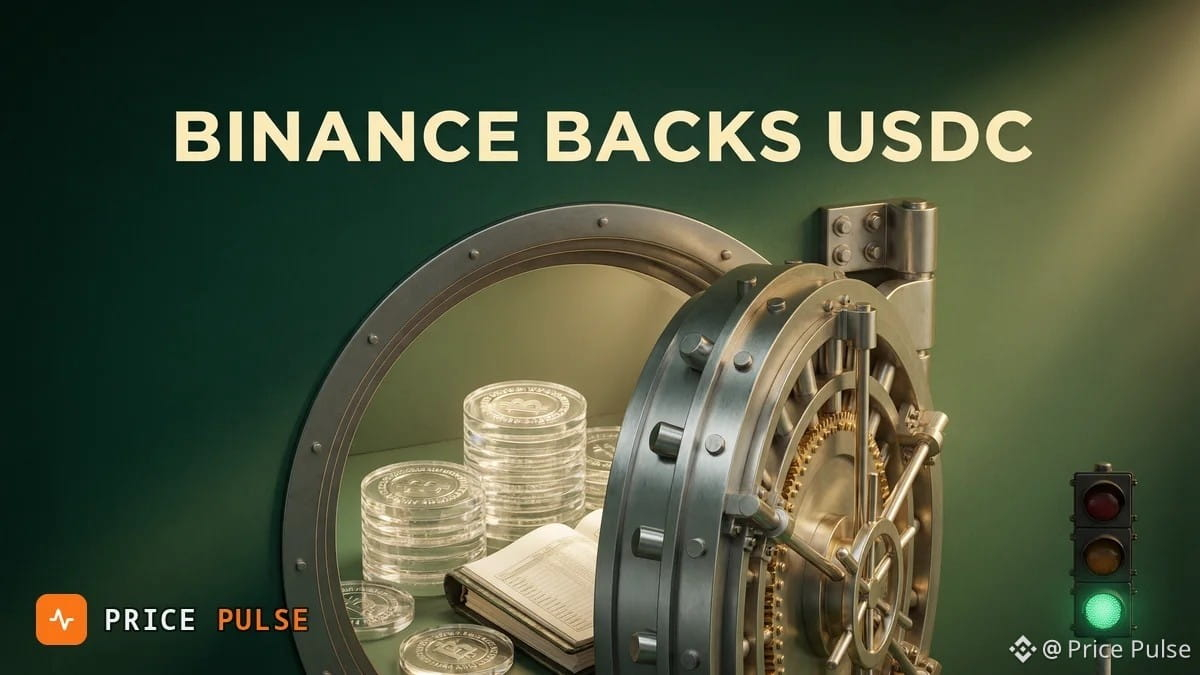
🟢 Binance has invested $100 million in Circle alongside a five-year commitment to deepen USDC liquidity ⚡ across its trading platform. The strategic move directly challenges Tether's dominance by embedding Circle's fully audited stablecoin into the world's largest exchange ecosystem. Expect tighter USDC order-book spreads and shifting derivative 📈 quote pairs as institutional venues prioritize balance-sheet transparency.
Will Binance's five-year backing allow USDC to meaningfully erode Tether's market dominance in offshore derivatives? 👇
#circle #usdc #binance #stablecoins #tether
🟢 Binance has invested $100 million in Circle alongside a five-year commitment to deepen USDC liquidity ⚡ across its trading platform. The strategic move directly challenges Tether's dominance by embedding Circle's fully audited stablecoin into the world's largest exchange ecosystem. Expect tighter USDC order-book spreads and shifting derivative 📈 quote pairs as institutional venues prioritize balance-sheet transparency.
Will Binance's five-year backing allow USDC to meaningfully erode Tether's market dominance in offshore derivatives? 👇
#circle #usdc #binance #stablecoins #tether
Will Binance's five-year backing allow USDC to meaningfully erode Tether's market dominance in offshore derivatives? 👇
#circle #usdc #binance #stablecoins #tether
116

·
--
🚨 Binance is now a shareholder in Circle! 🔥$CRCLB $CRCL
Binance has invested $100M in Circle and signed a 5-year partnership to accelerate USDC adoption, with a strong focus on emerging markets.
A major step forward for stablecoin adoption. 🚀
#Circle #CircleTetherFreezeBitgetHackerWallet #StrategyStriveAdd2305BitcoinThisWeek #BinanceNews
🚨 Binance is now a shareholder in Circle! 🔥$CRCLB $CRCL
Binance has invested $100M in Circle and signed a 5-year partnership to accelerate USDC adoption, with a strong focus on emerging markets.
A major step forward for stablecoin adoption. 🚀
#Circle #CircleTetherFreezeBitgetHackerWallet #StrategyStriveAdd2305BitcoinThisWeek #BinanceNews
Binance has invested $100M in Circle and signed a 5-year partnership to accelerate USDC adoption, with a strong focus on emerging markets.
A major step forward for stablecoin adoption. 🚀
#Circle #CircleTetherFreezeBitgetHackerWallet #StrategyStriveAdd2305BitcoinThisWeek #BinanceNews

1
166

·
--
Binance Invests $100M in Circle
Binance has acquired approximately 1.24 million shares of Circle $CRCLB through a private placement. Concurrently, the two entities entered into a new five-year agreement under which Binance will actively promote and expand the adoption of $USDC across its global platform, with a strategic focus on emerging markets.
This transaction moves the relationship beyond a standard partnership, making Binance an equity shareholder in the issuer of USDC.
In turn, Circle will provide the custody and transactional infrastructure for USDC, while Binance will receive monthly incentive payments tied directly to the volume of USDC routed through the designated infrastructure.
Binance + Circle + USDC - major industry players appear to be placing another significant bet on the scaling of the digital dollar.
#Circle #stocks #Stablecoins #CryptoNewss
Binance Invests $100M in Circle
Binance has acquired approximately 1.24 million shares of Circle $CRCLB through a private placement. Concurrently, the two entities entered into a new five-year agreement under which Binance will actively promote and expand the adoption of $USDC across its global platform, with a strategic focus on emerging markets.
This transaction moves the relationship beyond a standard partnership, making Binance an equity shareholder in the issuer of USDC.
In turn, Circle will provide the custody and transactional infrastructure for USDC, while Binance will receive monthly incentive payments tied directly to the volume of USDC routed through the designated infrastructure.
Binance + Circle + USDC - major industry players appear to be placing another significant bet on the scaling of the digital dollar.
#Circle #stocks #Stablecoins #CryptoNewss
Binance has acquired approximately 1.24 million shares of Circle $CRCLB through a private placement. Concurrently, the two entities entered into a new five-year agreement under which Binance will actively promote and expand the adoption of $USDC across its global platform, with a strategic focus on emerging markets.
This transaction moves the relationship beyond a standard partnership, making Binance an equity shareholder in the issuer of USDC.
In turn, Circle will provide the custody and transactional infrastructure for USDC, while Binance will receive monthly incentive payments tied directly to the volume of USDC routed through the designated infrastructure.
Binance + Circle + USDC - major industry players appear to be placing another significant bet on the scaling of the digital dollar.
#Circle #stocks #Stablecoins #CryptoNewss
103
Log in to explore more content
Join global crypto users on Binance Square
⚡️ Get latest and useful information about crypto.
💬 Trusted by the world’s largest crypto exchange.
👍 Discover real insights from verified creators.
Email / Phone number
Trending Topics
1
#BinanceLaunchesBinanceIntelligence
680,498 views
4,229 Discussing
2
#BTCFallsBelow$84K
18,084 views
76 Discussing
3
#DubaiVARAIssuesReserveAssetAuditCircular
1,694 views
165 Discussing
4
#SECApproves3XBitcoinETF
1,717 views
146 Discussing
5
#WinklevossFilesSpotZcashETFApplication
10,815 views
271 Discussing
6
#SouthKoreaAITradeLiftsWorldcoinTo$7.41B
1,208 views
27 Discussing
7
#StrategyEstimates$4.1BIncomeTaxBenefit
1,122 views
18 Discussing
8
#IglooShutsDownAbstractBlockchain
4,054 views
126 Discussing
9
#StrategyMarketCapSurpassesRumble
40,897 views
832 Discussing
10
#StriveBuys2000BTCFor$169M
18,027 views
158 Discussing