

#chine
chine
12,639 views
45 Discussing
Hot
Latest

·
--
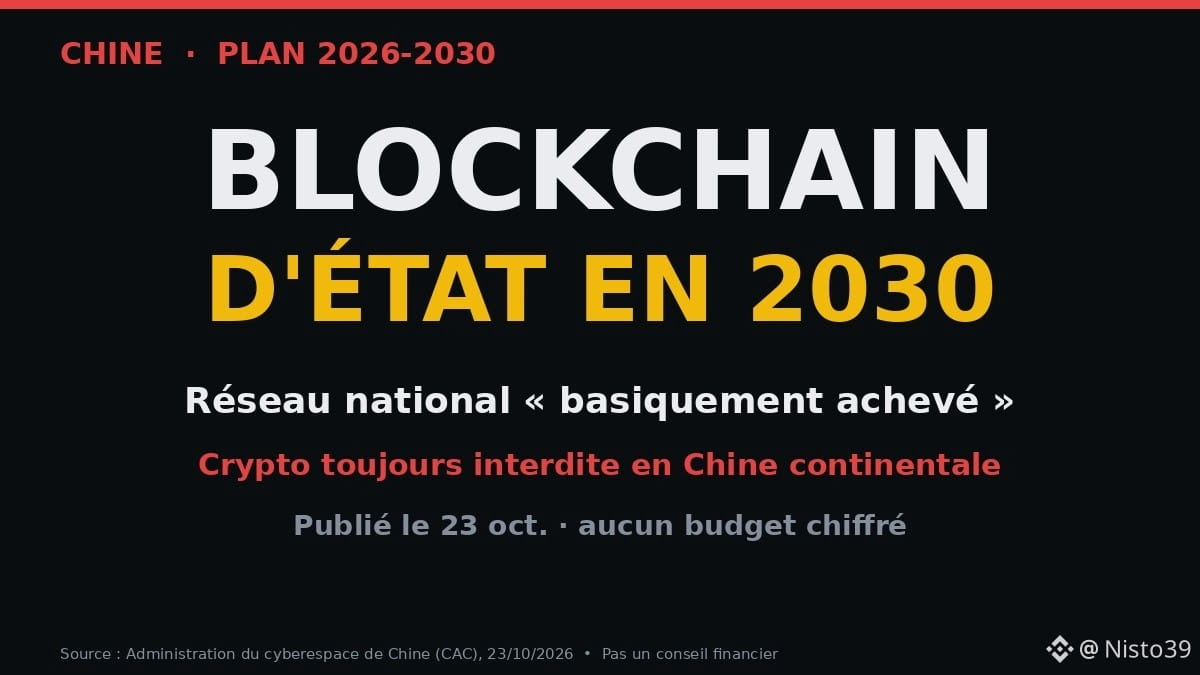
🇨🇳 China wants its own “blockchain highway” by 2030… while keeping crypto banned. A paradox? Not really.
📌 The facts (October 23, 2026)
• The 2026–2030 national informatization plan (15th Five-Year Plan), published by the Cyberspace Administration of China, sets a goal: a national blockchain network to be “basically completed” by 2030
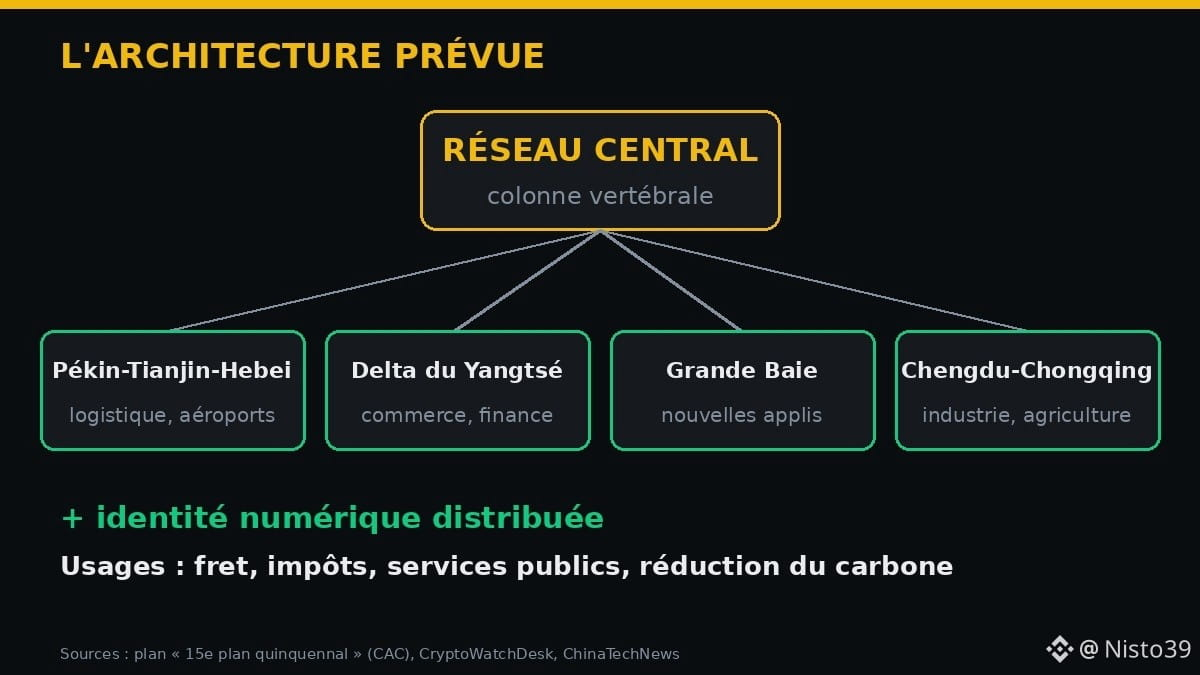
• The plan: a central network (the “backbone”), connected regional hubs, and a distributed digital identity
• Intended uses: freight and maritime transport, trade, finance, taxes, public services, agriculture, carbon reduction
• No specific budget, no cryptocurrency, no stablecoin mentioned in the text
• The digital yuan (the central bank’s currency) remains part of the plan
🔍 Why does it matter?
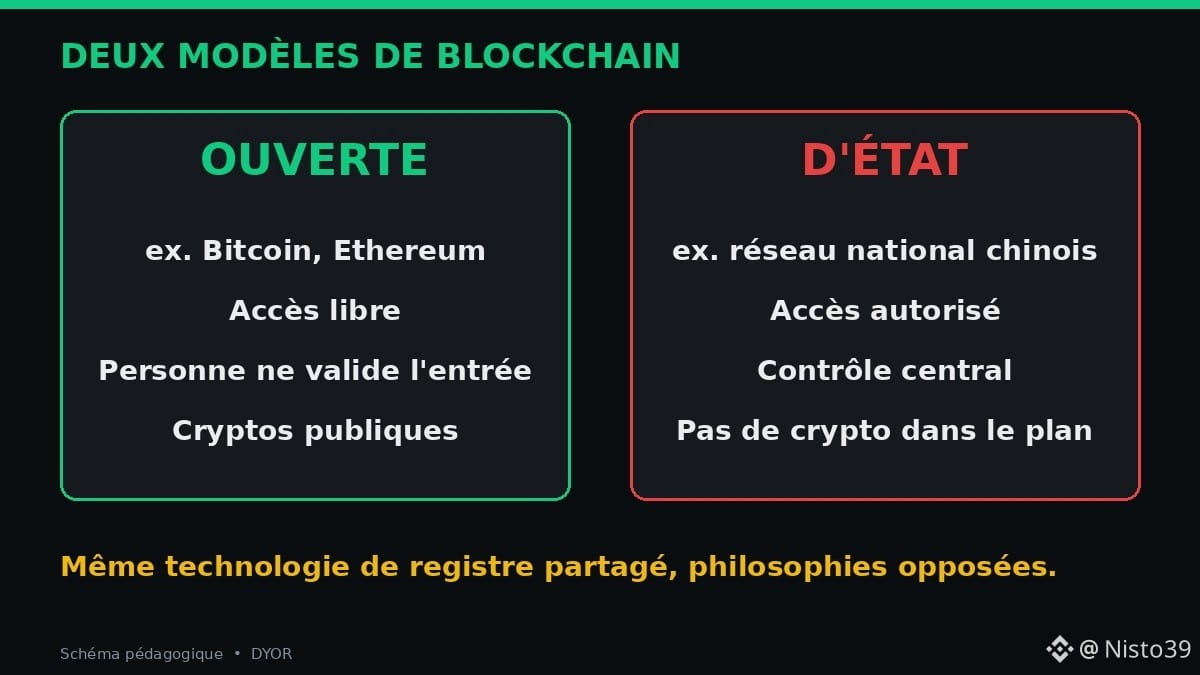
Blockchain is first and foremost a shared ledger that no one can change on their own. Beijing keeps the tool (for tracing documents, payments, and goods) without the freedom of public cryptocurrencies like Bitcoin, which anyone can use without permission.
⚖️ A few nuances
• This isn’t new: the network was already included in the national plan in March
• It’s a goal, not a network that’s already up and running
• The ban on crypto activities in mainland China remains unchanged
👤 Koffi (a fictional character) is a freight forwarder in Lomé who receives containers from China. If bills of lading (transport documents) are eventually recorded on this network, his Chinese partners could verify the origin of goods more quickly. For him, nothing changes tomorrow.
💡 Two models are clashing: open blockchain vs. state-run blockchain. China is Africa’s largest trading partner, so this concerns us.
💬 State-run blockchain: progress 👍 or control 👀? 👇
Not financial advice. DYOR.
Sources: CAC (10/23), Xinhua (10/23), CryptoWatchDesk, ChinaTechNews (10/24).
#CryptoNews #Chine #Blockchain #Africa
10

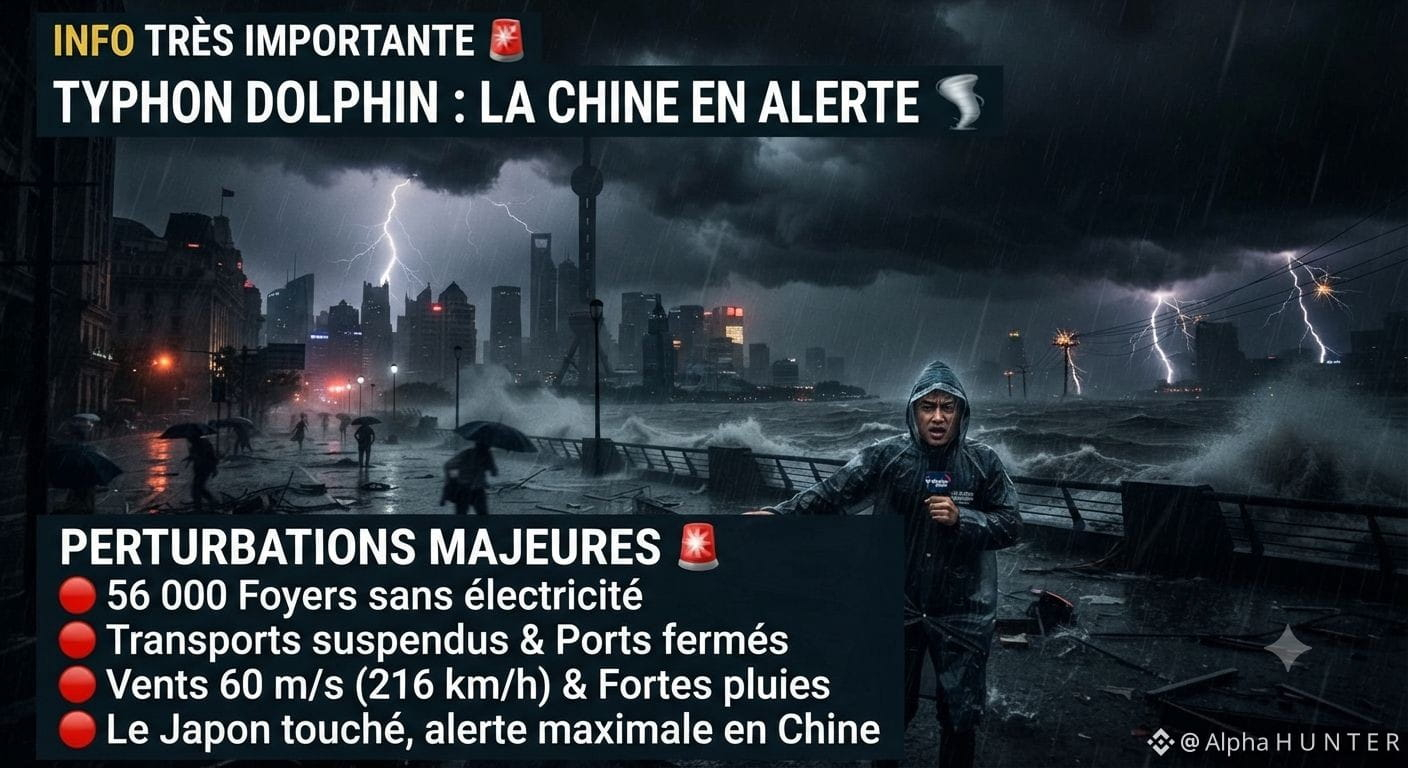
VERY IMPORTANT INFORMATION 🚨
Typhoon Dolphin strikes Japan and is heading toward China, causing widespread disruption.
Power outages affect 56,000 households and transport services are suspended.
China has closed its ports and suspended ferry lines, with wind gusts reaching 60 m/s and heavy rains expected. 🌪️
Stay tuned for updates 🚨
#TyphoonDolphin #Chine #Japon
$TUT $BLUAI $BTC
{future}(TUTUSDT)
VERY IMPORTANT INFORMATION 🚨
Typhoon Dolphin strikes Japan and is heading toward China, causing widespread disruption.
Power outages affect 56,000 households and transport services are suspended.
China has closed its ports and suspended ferry lines, with wind gusts reaching 60 m/s and heavy rains expected. 🌪️
Stay tuned for updates 🚨
#TyphoonDolphin #Chine #Japon
$TUT $BLUAI $BTC
99

·
--
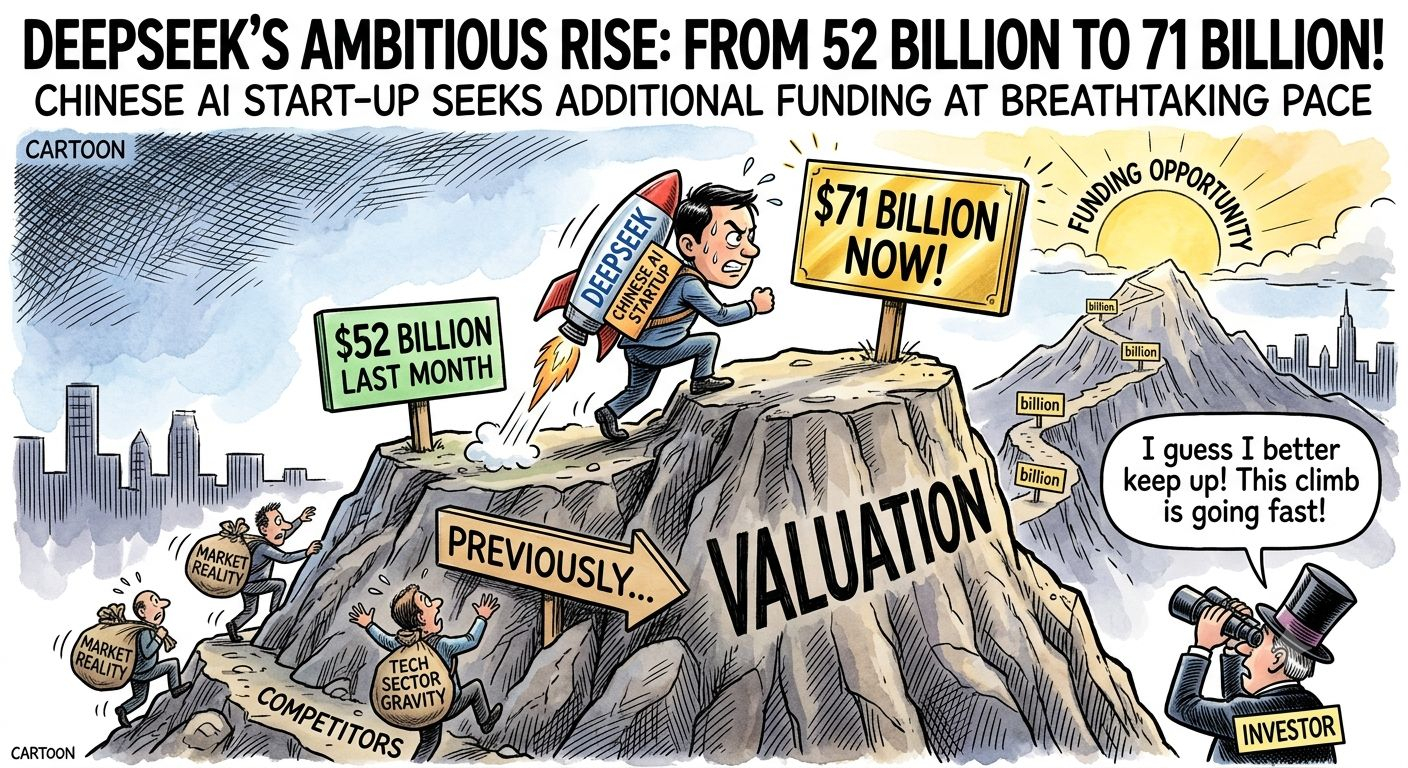
🚨 URGENT : 🇨🇳 The Chinese AI start-up DeepSeek is looking for additional funding to reach a valuation of $71 billion, up from $52 billion last month, according to the Financial Times.
#DeepSeek #IA #Chine #BinanceSquare #BinanceTurns9
$EVAA
{future}(EVAAUSDT)
$BSB
{future}(BSBUSDT)
$HEI
{future}(HEIUSDT)
🚨 URGENT : 🇨🇳 The Chinese AI start-up DeepSeek is looking for additional funding to reach a valuation of $71 billion, up from $52 billion last month, according to the Financial Times.
#DeepSeek #IA #Chine #BinanceSquare #BinanceTurns9
$EVAA
$BSB
$HEI
#DeepSeek #IA #Chine #BinanceSquare #BinanceTurns9
$EVAA
$BSB
$HEI
1
154

·
--
Bullish
May 13, Trump just landed in China, first time in 9 years!
We're anticipating a green market!
Are we going green?
Buy/Sell/Convert
>>>>>>>>>$TRUMP $MELANIA $TON <<<<<<<
#TrumpCrypto #usa #Chine #MELANIAUSDT
{future}(TRUMPUSDT)
May 13, Trump just landed in China, first time in 9 years!
We're anticipating a green market!
Are we going green?
Buy/Sell/Convert
>>>>>>>>>$TRUMP $MELANIA $TON <<<<<<<
#TrumpCrypto #usa #Chine #MELANIAUSDT
We're anticipating a green market!
Are we going green?
Buy/Sell/Convert
>>>>>>>>>$TRUMP $MELANIA $TON <<<<<<<
#TrumpCrypto #usa #Chine #MELANIAUSDT
3
2
152
Log in to explore more content
Join global crypto users on Binance Square
⚡️ Get latest and useful information about crypto.
💬 Trusted by the world’s largest crypto exchange.
👍 Discover real insights from verified creators.
Email / Phone number
Trending Topics
1
#BinancePick
3M views
152,223 Discussing
2
#EarningsSeason
5.3M views
25,868 Discussing
3
#AnthropicTTMRevenueGrewAbout1200%
24,259 views
362 Discussing
4
#AnthropicS1ExpectedToday
23,502 views
308 Discussing
5
#SouthKoreaReportedlyWeighsFourthCryptoTaxDelay
28,122 views
432 Discussing
6
#FranklinTempletonFilesForTwoDividendToBitcoinETFs
36,936 views
519 Discussing
7
#StrategyMSTRSurpassesNasdaqInMarketCap
27,810 views
375 Discussing
8
#CanadaProposesStablecoinRedemptionWithin3BusinessDays
1,251 views
36 Discussing
9
#ElectrumWalletBugLetRogueServersStealFunds
29,283 views
453 Discussing
10
#ArgentineCourtDismissesLIBRACaseAgainstMilei
44,192 views
560 Discussing