

#api
api
60,143 views
255 Discussing
Hot
Latest

·
--
🎯 Managed service provider hacked, 15 institutions implicated
📰 Haruko faced a targeted attack; 15 client exchanges' APIs and trading data were leaked. A few small funds reportedly lost money directly. GSR denies being involved
💬 For performance, they use bare-metal servers; the security boundary is left exposed. When something goes wrong, the entire institutional chain has to run alongside. No matter how loud they shout about compliance, if the supply chain leaks, it's all for nothing—you still have to hold the private keys yourself
🏷️ #Haruko #安全事件 #机构 #API
🎯 Managed service provider hacked, 15 institutions implicated
📰 Haruko faced a targeted attack; 15 client exchanges' APIs and trading data were leaked. A few small funds reportedly lost money directly. GSR denies being involved
💬 For performance, they use bare-metal servers; the security boundary is left exposed. When something goes wrong, the entire institutional chain has to run alongside. No matter how loud they shout about compliance, if the supply chain leaks, it's all for nothing—you still have to hold the private keys yourself
🏷️ #Haruko #安全事件 #机构 #API
📰 Haruko faced a targeted attack; 15 client exchanges' APIs and trading data were leaked. A few small funds reportedly lost money directly. GSR denies being involved
💬 For performance, they use bare-metal servers; the security boundary is left exposed. When something goes wrong, the entire institutional chain has to run alongside. No matter how loud they shout about compliance, if the supply chain leaks, it's all for nothing—you still have to hold the private keys yourself
🏷️ #Haruko #安全事件 #机构 #API
51

·
--
📰 DeepSeek Open Platform Announcement: Starting at 12:00 PM (Beijing time) on September 10, the pricing for calls to the Flash series models has been reduced.
This isn’t just a simple, uniform discount. Cache hits, cache misses, and output prices are all adjusted separately.
🔥 Honestly, the biggest drop is in the cache-hit pricing. For scenarios with repeated calls involving similar content, cost changes will be more direct. Cache-miss pricing and output pricing are also lowered, but the reductions are not as large.
In reality, API price adjustments like this affect more than just developers’ bills. They also make it easier for everyone to re-evaluate how they use model calls: which requests are suitable for caching, and which content is worth handling with Flash—these choices become simpler to compare.
💡 The announcement states the changes take effect tomorrow at 12:00 PM. It’s already quite close. Teams building AI tools, robots, or automation services will likely first review their call structure and costs.
🤔 Will you increase your usage of DeepSeek Flash calls because of this price cut?
#DeepSeek #AI #API #加密行业
📰 DeepSeek Open Platform Announcement: Starting at 12:00 PM (Beijing time) on September 10, the pricing for calls to the Flash series models has been reduced.
This isn’t just a simple, uniform discount. Cache hits, cache misses, and output prices are all adjusted separately.
🔥 Honestly, the biggest drop is in the cache-hit pricing. For scenarios with repeated calls involving similar content, cost changes will be more direct. Cache-miss pricing and output pricing are also lowered, but the reductions are not as large.
In reality, API price adjustments like this affect more than just developers’ bills. They also make it easier for everyone to re-evaluate how they use model calls: which requests are suitable for caching, and which content is worth handling with Flash—these choices become simpler to compare.
💡 The announcement states the changes take effect tomorrow at 12:00 PM. It’s already quite close. Teams building AI tools, robots, or automation services will likely first review their call structure and costs.
🤔 Will you increase your usage of DeepSeek Flash calls because of this price cut?
#DeepSeek #AI #API #加密行业
This isn’t just a simple, uniform discount. Cache hits, cache misses, and output prices are all adjusted separately.
🔥 Honestly, the biggest drop is in the cache-hit pricing. For scenarios with repeated calls involving similar content, cost changes will be more direct. Cache-miss pricing and output pricing are also lowered, but the reductions are not as large.
In reality, API price adjustments like this affect more than just developers’ bills. They also make it easier for everyone to re-evaluate how they use model calls: which requests are suitable for caching, and which content is worth handling with Flash—these choices become simpler to compare.
💡 The announcement states the changes take effect tomorrow at 12:00 PM. It’s already quite close. Teams building AI tools, robots, or automation services will likely first review their call structure and costs.
🤔 Will you increase your usage of DeepSeek Flash calls because of this price cut?
#DeepSeek #AI #API #加密行业

1
235
DeepSeek V4 Pro has been officially released. The app, web, and API have all been fully updated in sync. To try the new model, open the app or switch to the “Expert Mode” on the web version—you can use it directly. The API model name remains unchanged.
This time, the API pricing mechanism change is especially worth noting. DeepSeek has introduced peak/off-peak pricing for the first time: during peak hours (Beijing time 9:00–12:00 and 14:00–18:00), charges apply at the standard rate; during off-peak hours, the price is cut in half—effectively giving a 50% discount for non-peak usage scenarios. The new pricing takes effect at 0:00 on August 17, 2026.
For users running quant trading or batch jobs, calling at off-peak times can save a substantial amount of cost. For individual developers, running inference tasks in the evening and early morning offers noticeably better cost-effectiveness.
Interestingly, the release notification for DeepSeek-V4-Pro-0813 had previously been withdrawn, and the silent rollout was pulled down in under 24 hours. Now it has been re-released under the name “official version.” Whether this move was driven by technical issues or a strategy adjustment is worth watching.
#DeepSeek #AI #API
DeepSeek V4 Pro has been officially released. The app, web, and API have all been fully updated in sync. To try the new model, open the app or switch to the “Expert Mode” on the web version—you can use it directly. The API model name remains unchanged.
This time, the API pricing mechanism change is especially worth noting. DeepSeek has introduced peak/off-peak pricing for the first time: during peak hours (Beijing time 9:00–12:00 and 14:00–18:00), charges apply at the standard rate; during off-peak hours, the price is cut in half—effectively giving a 50% discount for non-peak usage scenarios. The new pricing takes effect at 0:00 on August 17, 2026.
For users running quant trading or batch jobs, calling at off-peak times can save a substantial amount of cost. For individual developers, running inference tasks in the evening and early morning offers noticeably better cost-effectiveness.
Interestingly, the release notification for DeepSeek-V4-Pro-0813 had previously been withdrawn, and the silent rollout was pulled down in under 24 hours. Now it has been re-released under the name “official version.” Whether this move was driven by technical issues or a strategy adjustment is worth watching.
#DeepSeek #AI #API
This time, the API pricing mechanism change is especially worth noting. DeepSeek has introduced peak/off-peak pricing for the first time: during peak hours (Beijing time 9:00–12:00 and 14:00–18:00), charges apply at the standard rate; during off-peak hours, the price is cut in half—effectively giving a 50% discount for non-peak usage scenarios. The new pricing takes effect at 0:00 on August 17, 2026.
For users running quant trading or batch jobs, calling at off-peak times can save a substantial amount of cost. For individual developers, running inference tasks in the evening and early morning offers noticeably better cost-effectiveness.
Interestingly, the release notification for DeepSeek-V4-Pro-0813 had previously been withdrawn, and the silent rollout was pulled down in under 24 hours. Now it has been re-released under the name “official version.” Whether this move was driven by technical issues or a strategy adjustment is worth watching.
#DeepSeek #AI #API
73
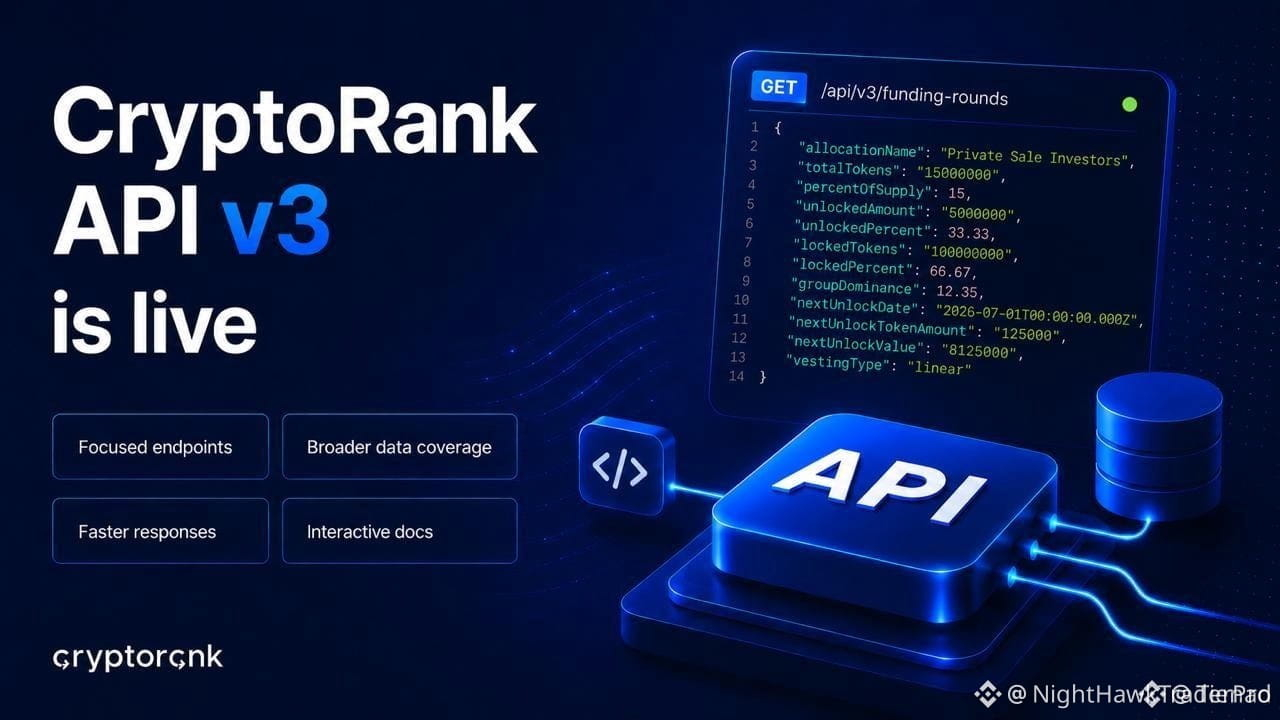
$NFP GETS A DATA BOOST WITH CRYPTORANK API V3 🔥
CryptoRank just dropped API v3 — faster endpoints, broader coverage, and the kind of efficiency that attracts serious capital. This is the infrastructure layer that smart money watches before they move.
Lower latency means tighter spreads on data-driven plays, and tokens like $NFP and $ZBT often lead when the info flow improves. The community's already voting on impact — are you buying the upgrade or waiting for confirmation?
Not financial advice. Always manage your risk.
#NFP #ZBT #CryptoNews #API #Bullish
🔥
$NFP GETS A DATA BOOST WITH CRYPTORANK API V3 🔥
CryptoRank just dropped API v3 — faster endpoints, broader coverage, and the kind of efficiency that attracts serious capital. This is the infrastructure layer that smart money watches before they move.
Lower latency means tighter spreads on data-driven plays, and tokens like $NFP and $ZBT often lead when the info flow improves. The community's already voting on impact — are you buying the upgrade or waiting for confirmation?
Not financial advice. Always manage your risk.
#NFP #ZBT #CryptoNews #API #Bullish
🔥
CryptoRank just dropped API v3 — faster endpoints, broader coverage, and the kind of efficiency that attracts serious capital. This is the infrastructure layer that smart money watches before they move.
Lower latency means tighter spreads on data-driven plays, and tokens like $NFP and $ZBT often lead when the info flow improves. The community's already voting on impact — are you buying the upgrade or waiting for confirmation?
Not financial advice. Always manage your risk.
#NFP #ZBT #CryptoNews #API #Bullish
🔥
221

SOLANA PUSHES 80M TXNS DAILY — NOW THE API LAYER BECOMES THE BOTTLENECK. $EDEN $ACE $AKE IN FOCUS ⚡
Solana moves like a runaway freight train — 80M+ transactions hammering the rails every single day. But the real battleground isn't the chain itself; it's the API layer. That's the choke point where momentum meets friction, and right now everyone's watching who can hold the line ⚡
$EDEN , $ACE , and $AKE are suddenly under the microscope. If their infrastructure can keep data flowing at Solana's velocity, they become the unsung heroes of this narrative. If they crack under pressure, the whole trade flips faster than a panic sell 📊
The market is pricing the unknown right now. Which API stack absorbs this scale first — the battle-tested veterans or the fresh challengers? 🔥
⚠️ Not financial advice. Always manage your risk. 🛡️
🏷️ $EDEN #Solana #API #Infrastructure #Crypto
🔥⚡
SOLANA PUSHES 80M TXNS DAILY — NOW THE API LAYER BECOMES THE BOTTLENECK. $EDEN $ACE $AKE IN FOCUS ⚡
Solana moves like a runaway freight train — 80M+ transactions hammering the rails every single day. But the real battleground isn't the chain itself; it's the API layer. That's the choke point where momentum meets friction, and right now everyone's watching who can hold the line ⚡
$EDEN , $ACE , and $AKE are suddenly under the microscope. If their infrastructure can keep data flowing at Solana's velocity, they become the unsung heroes of this narrative. If they crack under pressure, the whole trade flips faster than a panic sell 📊
The market is pricing the unknown right now. Which API stack absorbs this scale first — the battle-tested veterans or the fresh challengers? 🔥
⚠️ Not financial advice. Always manage your risk. 🛡️
🏷️ $EDEN #Solana #API #Infrastructure #Crypto
🔥⚡
Solana moves like a runaway freight train — 80M+ transactions hammering the rails every single day. But the real battleground isn't the chain itself; it's the API layer. That's the choke point where momentum meets friction, and right now everyone's watching who can hold the line ⚡
$EDEN , $ACE , and $AKE are suddenly under the microscope. If their infrastructure can keep data flowing at Solana's velocity, they become the unsung heroes of this narrative. If they crack under pressure, the whole trade flips faster than a panic sell 📊
The market is pricing the unknown right now. Which API stack absorbs this scale first — the battle-tested veterans or the fresh challengers? 🔥
⚠️ Not financial advice. Always manage your risk. 🛡️
🏷️ $EDEN #Solana #API #Infrastructure #Crypto
🔥⚡
187

·
--
#API
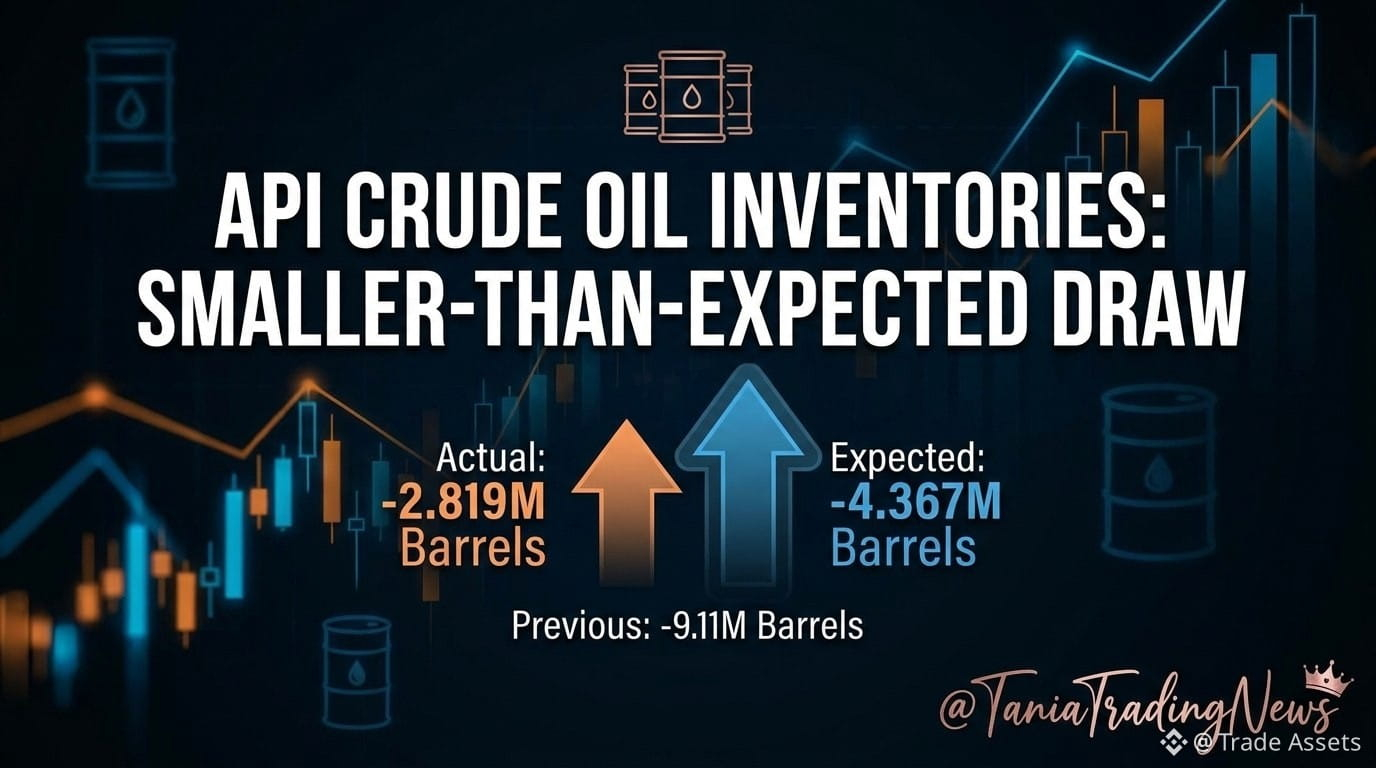
The most recent API data indicates that crude oil inventories dropped by 2.819 million barrels, which is less than the expected decrease of 4.367 million barrels. In the previous week, inventories had declined by 9.11 million barrels.
#API
The most recent API data indicates that crude oil inventories dropped by 2.819 million barrels, which is less than the expected decrease of 4.367 million barrels. In the previous week, inventories had declined by 9.11 million barrels.
The most recent API data indicates that crude oil inventories dropped by 2.819 million barrels, which is less than the expected decrease of 4.367 million barrels. In the previous week, inventories had declined by 9.11 million barrels.
1
236

·
--
Bullish
Ever wondered what happens after you click "Pay"? 🤔
Think of an API like the ordering system in a restaurant.
🍽️ You place an order.
👨🍳 The kitchen prepares it.
📲 The system connects both sides and brings the result back.
Crypto payments work the same way.
When a user clicks Pay, the API sends the request, processes the transaction, confirms the payment, and returns the result—all within seconds.
That's why APIs matter.
They aren't just code.
They're the invisible infrastructure powering every smooth payment experience.
With UPay Business API, developers can integrate:
• Crypto Pay-In
• Payment confirmation
• Settlement
• Payment status updates
…without building the entire payment infrastructure from scratch.
The best payment experience is the one users never have to think about. 💚
#Crypto #API #Web3 #CryptoPayments #Fintech
Ever wondered what happens after you click "Pay"? 🤔
Think of an API like the ordering system in a restaurant.
🍽️ You place an order.
👨🍳 The kitchen prepares it.
📲 The system connects both sides and brings the result back.
Crypto payments work the same way.
When a user clicks Pay, the API sends the request, processes the transaction, confirms the payment, and returns the result—all within seconds.
That's why APIs matter.
They aren't just code.
They're the invisible infrastructure powering every smooth payment experience.
With UPay Business API, developers can integrate:
• Crypto Pay-In
• Payment confirmation
• Settlement
• Payment status updates
…without building the entire payment infrastructure from scratch.
The best payment experience is the one users never have to think about. 💚
#Crypto #API #Web3 #CryptoPayments #Fintech
Think of an API like the ordering system in a restaurant.
🍽️ You place an order.
👨🍳 The kitchen prepares it.
📲 The system connects both sides and brings the result back.
Crypto payments work the same way.
When a user clicks Pay, the API sends the request, processes the transaction, confirms the payment, and returns the result—all within seconds.
That's why APIs matter.
They aren't just code.
They're the invisible infrastructure powering every smooth payment experience.
With UPay Business API, developers can integrate:
• Crypto Pay-In
• Payment confirmation
• Settlement
• Payment status updates
…without building the entire payment infrastructure from scratch.
The best payment experience is the one users never have to think about. 💚
#Crypto #API #Web3 #CryptoPayments #Fintech

93

·
--
Bullish
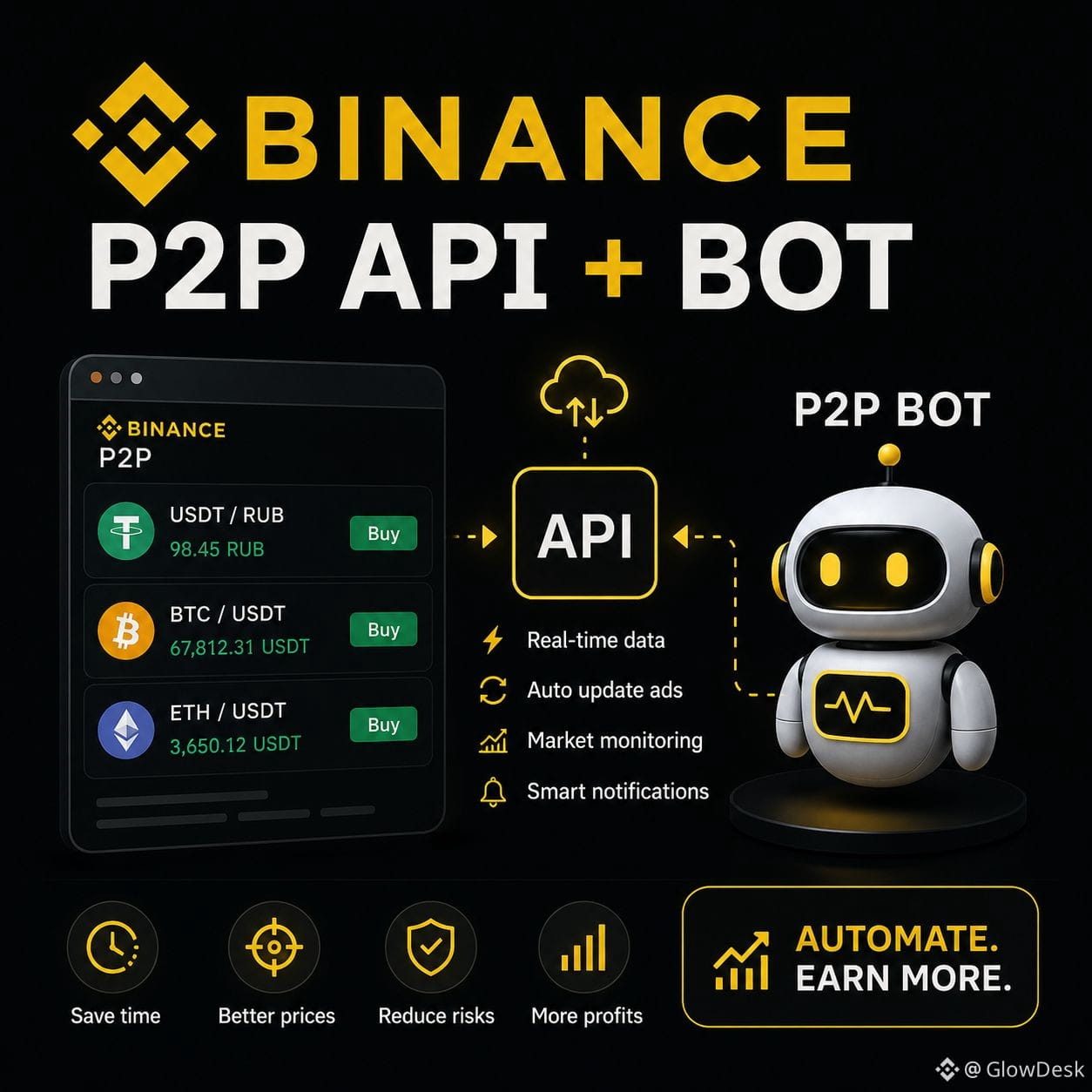
🟢 P2P Merchants, are you using P2P API or are you still manually updating your listings? 👀
For those out of the loop — P2P API allows you to automate part of the routine processes when dealing with P2P.
What does this mean in practice:
⚡ Quick price updates in your listings.
📊 Access to real-time market data.
🔄 Automatic response to competitors' price changes.
⏳ Time savings on constant monitoring.
The more active the market, the harder it is to keep track of all the changes manually. Especially when prices can change multiple times within an hour.
That's why many merchants are gradually transitioning to automation and working through API.
🤖 By the way, data through P2P API can be connected to PricePulseBot to gain even more capabilities for market monitoring and tracking price changes in one place.
Technology doesn’t replace experience, but it definitely helps to use it more effectively.
Are you using P2P API or are you still fully manual? 👇
#P2PTrading #API
🟢 P2P Merchants, are you using P2P API or are you still manually updating your listings? 👀
For those out of the loop — P2P API allows you to automate part of the routine processes when dealing with P2P.
What does this mean in practice:
⚡ Quick price updates in your listings.
📊 Access to real-time market data.
🔄 Automatic response to competitors' price changes.
⏳ Time savings on constant monitoring.
The more active the market, the harder it is to keep track of all the changes manually. Especially when prices can change multiple times within an hour.
That's why many merchants are gradually transitioning to automation and working through API.
🤖 By the way, data through P2P API can be connected to PricePulseBot to gain even more capabilities for market monitoring and tracking price changes in one place.
Technology doesn’t replace experience, but it definitely helps to use it more effectively.
Are you using P2P API or are you still fully manual? 👇
#P2PTrading #API
For those out of the loop — P2P API allows you to automate part of the routine processes when dealing with P2P.
What does this mean in practice:
⚡ Quick price updates in your listings.
📊 Access to real-time market data.
🔄 Automatic response to competitors' price changes.
⏳ Time savings on constant monitoring.
The more active the market, the harder it is to keep track of all the changes manually. Especially when prices can change multiple times within an hour.
That's why many merchants are gradually transitioning to automation and working through API.
🤖 By the way, data through P2P API can be connected to PricePulseBot to gain even more capabilities for market monitoring and tracking price changes in one place.
Technology doesn’t replace experience, but it definitely helps to use it more effectively.
Are you using P2P API or are you still fully manual? 👇
#P2PTrading #API
1
244

The debate about Bitcoin’s current situation revolves around very clear technical signals and on-chain metrics that support the start or confirmation of a new bullish phase, with the key resistance level of US$90,000 in focus. Historically, when BTC trades and closes in a sustained manner above its 365-day moving average—around US$80,500—this has been the fundamental indicator marking the official transition into a bull market.
The band between US$88,000 and US$91,000 matches the upper limit of the realized price band by traders. This means there is a significant cluster of investors who bought in prior ranges and may seek to regain capital or lock in profits. When BTC approaches major resistance zones, short-term investors often choose to take profits, which increases the likelihood of temporary pullbacks or consolidation phases before a final attempt at a decisive breakout.
Cardano’s monetary network has joined the official x402 kit, enabling developers to create applications and AI agents that pay for online services using the ADA token or tokens issued by Cardano. The official adoption of the x402 standard into the Cardano ecosystem marks an important milestone for the development of decentralized applications and the agent economy for artificial intelligence.
The protocol restores the Web status code Payment Required, allowing applications and AI agents to pay for services and API calls for each request automatically, without the need for prior accounts, credit cards, or subscriptions. This update makes it easier to create autonomous agents capable of renting compute power, buying real-time databases, or running web microservices completely independently.
#AI #API #Cardano #BTC #x402 $BTC $ADA
The debate about Bitcoin’s current situation revolves around very clear technical signals and on-chain metrics that support the start or confirmation of a new bullish phase, with the key resistance level of US$90,000 in focus. Historically, when BTC trades and closes in a sustained manner above its 365-day moving average—around US$80,500—this has been the fundamental indicator marking the official transition into a bull market.
The band between US$88,000 and US$91,000 matches the upper limit of the realized price band by traders. This means there is a significant cluster of investors who bought in prior ranges and may seek to regain capital or lock in profits. When BTC approaches major resistance zones, short-term investors often choose to take profits, which increases the likelihood of temporary pullbacks or consolidation phases before a final attempt at a decisive breakout.
Cardano’s monetary network has joined the official x402 kit, enabling developers to create applications and AI agents that pay for online services using the ADA token or tokens issued by Cardano. The official adoption of the x402 standard into the Cardano ecosystem marks an important milestone for the development of decentralized applications and the agent economy for artificial intelligence.
The protocol restores the Web status code Payment Required, allowing applications and AI agents to pay for services and API calls for each request automatically, without the need for prior accounts, credit cards, or subscriptions. This update makes it easier to create autonomous agents capable of renting compute power, buying real-time databases, or running web microservices completely independently.
#AI #API #Cardano #BTC #x402 $BTC $ADA
The band between US$88,000 and US$91,000 matches the upper limit of the realized price band by traders. This means there is a significant cluster of investors who bought in prior ranges and may seek to regain capital or lock in profits. When BTC approaches major resistance zones, short-term investors often choose to take profits, which increases the likelihood of temporary pullbacks or consolidation phases before a final attempt at a decisive breakout.
Cardano’s monetary network has joined the official x402 kit, enabling developers to create applications and AI agents that pay for online services using the ADA token or tokens issued by Cardano. The official adoption of the x402 standard into the Cardano ecosystem marks an important milestone for the development of decentralized applications and the agent economy for artificial intelligence.
The protocol restores the Web status code Payment Required, allowing applications and AI agents to pay for services and API calls for each request automatically, without the need for prior accounts, credit cards, or subscriptions. This update makes it easier to create autonomous agents capable of renting compute power, buying real-time databases, or running web microservices completely independently.
#AI #API #Cardano #BTC #x402 $BTC $ADA

76

🦈 $BTC RESERVES BACK CFD API EXPANSION FOR ALGOS
A top-tier exchange is folding CFD access into the same API rails traders already use for digital assets. 🦈 That means algo desks can run crypto and traditional-market strategies from one stack: orders, balances, live pricing, transfers, TP/SL logic. 💡
The real edge is infrastructure: lower execution friction, one liquidity map across $BTC and macro CFDs, and programmable risk across assets. 📊 For systematic traders, unified rails can tighten monitoring, reduce fragmentation, and make multi-asset strategy deployment cleaner. 💬 Does one API layer change how you allocate between crypto and traditional exposure?
⚠️ Not financial advice. Always manage your risk. 🛡️
🏷️ #BTC #CFD #API #AlgoTrading #Crypto
🎯
🦈 $BTC RESERVES BACK CFD API EXPANSION FOR ALGOS
A top-tier exchange is folding CFD access into the same API rails traders already use for digital assets. 🦈 That means algo desks can run crypto and traditional-market strategies from one stack: orders, balances, live pricing, transfers, TP/SL logic. 💡
The real edge is infrastructure: lower execution friction, one liquidity map across $BTC and macro CFDs, and programmable risk across assets. 📊 For systematic traders, unified rails can tighten monitoring, reduce fragmentation, and make multi-asset strategy deployment cleaner. 💬 Does one API layer change how you allocate between crypto and traditional exposure?
⚠️ Not financial advice. Always manage your risk. 🛡️
🏷️ #BTC #CFD #API #AlgoTrading #Crypto
🎯
A top-tier exchange is folding CFD access into the same API rails traders already use for digital assets. 🦈 That means algo desks can run crypto and traditional-market strategies from one stack: orders, balances, live pricing, transfers, TP/SL logic. 💡
The real edge is infrastructure: lower execution friction, one liquidity map across $BTC and macro CFDs, and programmable risk across assets. 📊 For systematic traders, unified rails can tighten monitoring, reduce fragmentation, and make multi-asset strategy deployment cleaner. 💬 Does one API layer change how you allocate between crypto and traditional exposure?
⚠️ Not financial advice. Always manage your risk. 🛡️
🏷️ #BTC #CFD #API #AlgoTrading #Crypto
🎯
6

🚨 $BTC RESERVES MEET CFD API EXPANSION: INSTITUTIONAL HYBRID ERA 🦈
A top-tier exchange just widened its open API into CFDs, letting algo traders run $BTC alongside gold, FX, indices, and oil without rebuilding infrastructure. 📊 This is not a novelty—it is a liquidity bridge between crypto volatility and traditional finance.
With up to 40% of trading volume already in non-crypto products and a $BTC -based reserve pool, the platform is positioning for cross-market strategies. ⚡ The edge? One system, multi-asset execution, faster adaptation. 💬 Are hybrid APIs the next unlock for quant traders?
⚠️ Not financial advice. Always manage your risk. 🛡️
🏷️ #BTC #CFD #API #Quant #Crypto
🎯
🚨 $BTC RESERVES MEET CFD API EXPANSION: INSTITUTIONAL HYBRID ERA 🦈
A top-tier exchange just widened its open API into CFDs, letting algo traders run $BTC alongside gold, FX, indices, and oil without rebuilding infrastructure. 📊 This is not a novelty—it is a liquidity bridge between crypto volatility and traditional finance.
With up to 40% of trading volume already in non-crypto products and a $BTC -based reserve pool, the platform is positioning for cross-market strategies. ⚡ The edge? One system, multi-asset execution, faster adaptation. 💬 Are hybrid APIs the next unlock for quant traders?
⚠️ Not financial advice. Always manage your risk. 🛡️
🏷️ #BTC #CFD #API #Quant #Crypto
🎯
A top-tier exchange just widened its open API into CFDs, letting algo traders run $BTC alongside gold, FX, indices, and oil without rebuilding infrastructure. 📊 This is not a novelty—it is a liquidity bridge between crypto volatility and traditional finance.
With up to 40% of trading volume already in non-crypto products and a $BTC -based reserve pool, the platform is positioning for cross-market strategies. ⚡ The edge? One system, multi-asset execution, faster adaptation. 💬 Are hybrid APIs the next unlock for quant traders?
⚠️ Not financial advice. Always manage your risk. 🛡️
🏷️ #BTC #CFD #API #Quant #Crypto
🎯
9

8 best stablecoin APIs in 2026 for payments and infrastructure
- A stablecoin API is a tool for developers, enabling businesses to send, receive, convert, hold, issue, or pay with stablecoins through programming.
- Use cases include: incoming payments, outgoing payments, wallets, fiat ramps, treasury transfers, payments to merchants, remittances, payroll, and embedded finance.
- Choosing the right stablecoin API depends on each business’s specific needs.
- The RSS source has not provided any further details about the list of 8 specific APIs.
#Stablecoin #API #CryptoNews #BinanceSquare
$btc $eth
#vlikevn Titanbot
Source: CoinGape
8 best stablecoin APIs in 2026 for payments and infrastructure
- A stablecoin API is a tool for developers, enabling businesses to send, receive, convert, hold, issue, or pay with stablecoins through programming.
- Use cases include: incoming payments, outgoing payments, wallets, fiat ramps, treasury transfers, payments to merchants, remittances, payroll, and embedded finance.
- Choosing the right stablecoin API depends on each business’s specific needs.
- The RSS source has not provided any further details about the list of 8 specific APIs.
#Stablecoin #API #CryptoNews #BinanceSquare
$btc $eth
#vlikevn Titanbot
Source: CoinGape
- A stablecoin API is a tool for developers, enabling businesses to send, receive, convert, hold, issue, or pay with stablecoins through programming.
- Use cases include: incoming payments, outgoing payments, wallets, fiat ramps, treasury transfers, payments to merchants, remittances, payroll, and embedded finance.
- Choosing the right stablecoin API depends on each business’s specific needs.
- The RSS source has not provided any further details about the list of 8 specific APIs.
#Stablecoin #API #CryptoNews #BinanceSquare
$btc $eth
#vlikevn Titanbot
Source: CoinGape
62

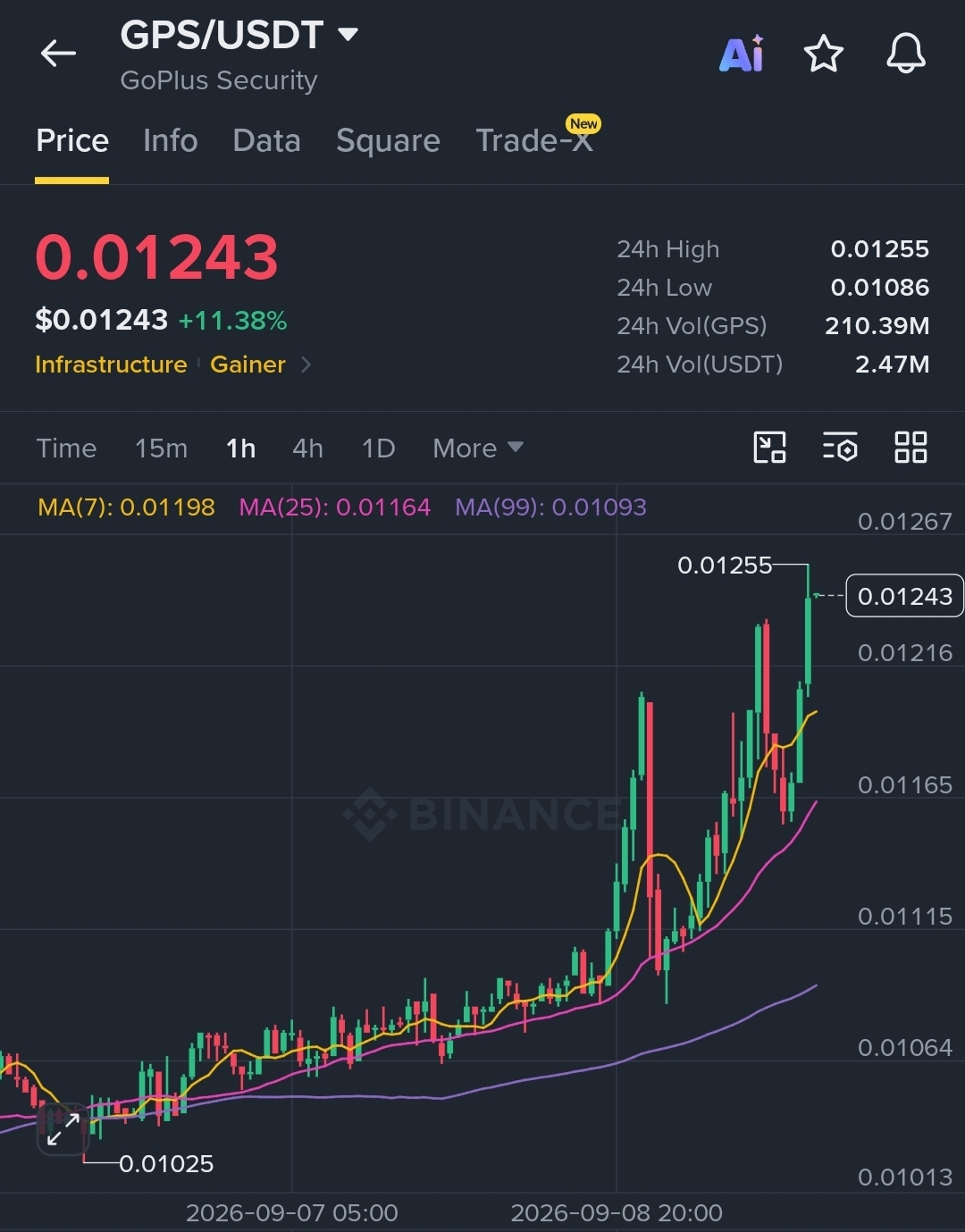
$GPS /USDT — 🟢 LONG · Conf 80%
📍 Entry: 0.01239 – 0.01247
🛑 SL: 0.01053
🎯 TP1: 0.01305
✅ TP2: 0.01355
🏆 TP3: 0.01430
1H MA7 crossed above MA25 mid-chart and price is now extended above both with a near-vertical impulse — momentum is live but candles are thinning near the 0.01255 high, watch for a pullback retest of MA7.
$GPS : GoPlus Security is an on-chain security layer offering real-time threat detection APIs for wallets and dApps — the token is utility-driven for access fees, but with only $2.47M in 24H USDT volume, liquidity risk on exits is real.
Does decentralized security infrastructure actually need a token, or is GPS just a fee switch that could be removed without breaking the product?
#GPS #GoPlusSecurity #Security #API #Crypto
{future}(GPSUSDT)
$GPS /USDT — 🟢 LONG · Conf 80%
📍 Entry: 0.01239 – 0.01247
🛑 SL: 0.01053
🎯 TP1: 0.01305
✅ TP2: 0.01355
🏆 TP3: 0.01430
1H MA7 crossed above MA25 mid-chart and price is now extended above both with a near-vertical impulse — momentum is live but candles are thinning near the 0.01255 high, watch for a pullback retest of MA7.
$GPS : GoPlus Security is an on-chain security layer offering real-time threat detection APIs for wallets and dApps — the token is utility-driven for access fees, but with only $2.47M in 24H USDT volume, liquidity risk on exits is real.
Does decentralized security infrastructure actually need a token, or is GPS just a fee switch that could be removed without breaking the product?
#GPS #GoPlusSecurity #Security #API #Crypto
📍 Entry: 0.01239 – 0.01247
🛑 SL: 0.01053
🎯 TP1: 0.01305
✅ TP2: 0.01355
🏆 TP3: 0.01430
1H MA7 crossed above MA25 mid-chart and price is now extended above both with a near-vertical impulse — momentum is live but candles are thinning near the 0.01255 high, watch for a pullback retest of MA7.
$GPS : GoPlus Security is an on-chain security layer offering real-time threat detection APIs for wallets and dApps — the token is utility-driven for access fees, but with only $2.47M in 24H USDT volume, liquidity risk on exits is real.
Does decentralized security infrastructure actually need a token, or is GPS just a fee switch that could be removed without breaking the product?
#GPS #GoPlusSecurity #Security #API #Crypto

1
222

🔄 New CCXT API interface update reaches version 4.5.77
Update 4.5.77 has been released for the CCXT API interface, which is an open-source library used for trading cryptocurrencies. The library supports more than 100 trading exchanges and is available in multiple programming languages, including Python and JavaScript.
━━━━━━━━━━━━━━
📊 Impact: 📊 Medium
🏷️ OTHER
#CCXT #API #Blockchain #TradingTools #Development
📰 Source: pypi.org
🔄 New CCXT API interface update reaches version 4.5.77
Update 4.5.77 has been released for the CCXT API interface, which is an open-source library used for trading cryptocurrencies. The library supports more than 100 trading exchanges and is available in multiple programming languages, including Python and JavaScript.
━━━━━━━━━━━━━━
📊 Impact: 📊 Medium
🏷️ OTHER
#CCXT #API #Blockchain #TradingTools #Development
📰 Source: pypi.org
Update 4.5.77 has been released for the CCXT API interface, which is an open-source library used for trading cryptocurrencies. The library supports more than 100 trading exchanges and is available in multiple programming languages, including Python and JavaScript.
━━━━━━━━━━━━━━
📊 Impact: 📊 Medium
🏷️ OTHER
#CCXT #API #Blockchain #TradingTools #Development
📰 Source: pypi.org
2
⚙️ Update the CCXT library to support more than 100 trading platforms
A new update has been released for the CCXT programming library, version 4.5.71, which provides a unified programming interface (API) for trading in digital currencies. The library now supports more than 100 digital currency trading platforms, and it is available in multiple programming languages such as JavaScript and Python.
━━━━━━━━━━━━━━
📊 Impact: 📊 Medium
🏷️ EXCHANGE
#CCXT #API #Cryptocurrency #Trading #Development
📰 Source: pypi.org
⚙️ Update the CCXT library to support more than 100 trading platforms
A new update has been released for the CCXT programming library, version 4.5.71, which provides a unified programming interface (API) for trading in digital currencies. The library now supports more than 100 digital currency trading platforms, and it is available in multiple programming languages such as JavaScript and Python.
━━━━━━━━━━━━━━
📊 Impact: 📊 Medium
🏷️ EXCHANGE
#CCXT #API #Cryptocurrency #Trading #Development
📰 Source: pypi.org
A new update has been released for the CCXT programming library, version 4.5.71, which provides a unified programming interface (API) for trading in digital currencies. The library now supports more than 100 digital currency trading platforms, and it is available in multiple programming languages such as JavaScript and Python.
━━━━━━━━━━━━━━
📊 Impact: 📊 Medium
🏷️ EXCHANGE
#CCXT #API #Cryptocurrency #Trading #Development
📰 Source: pypi.org
1
31

·
--
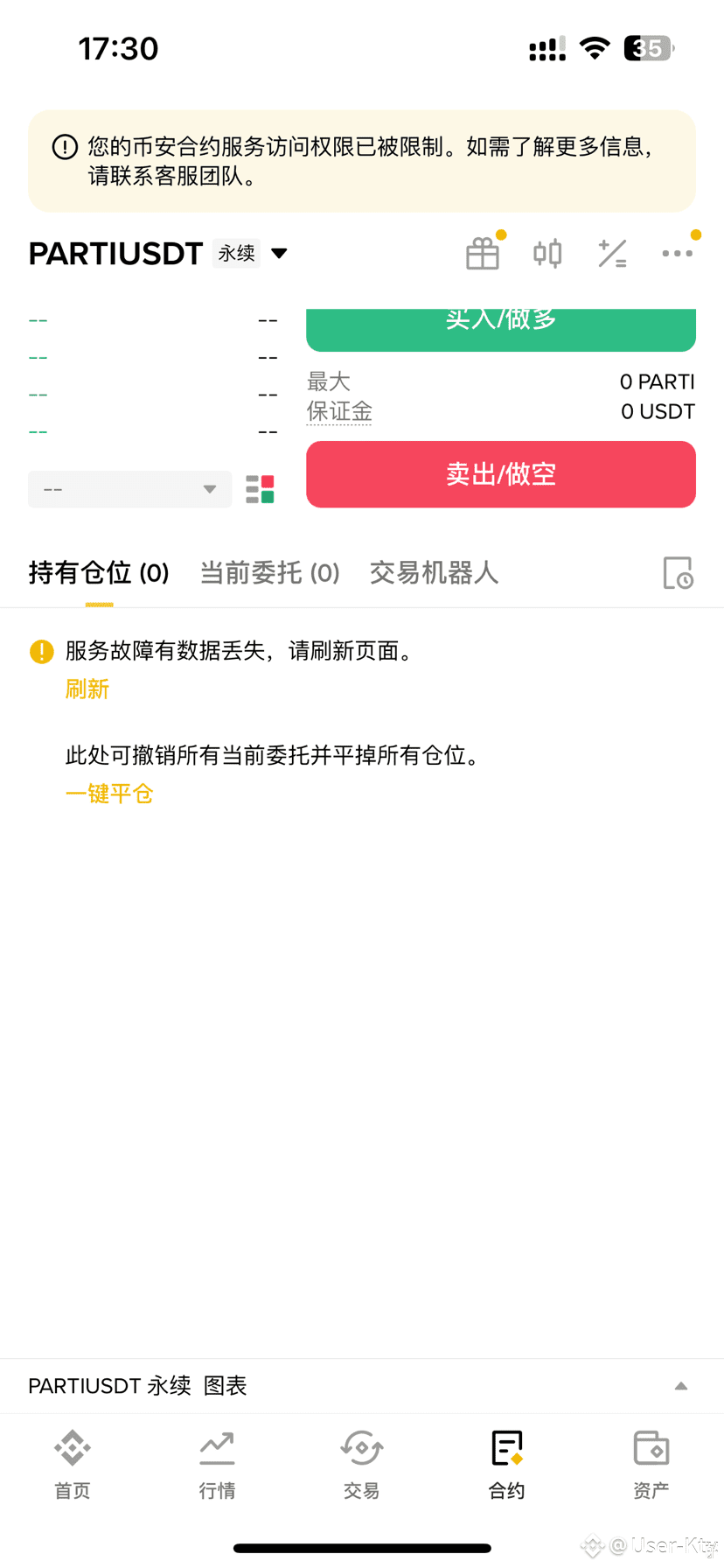
Contract trading restricted? What situation suddenly appeared #api #无法提币联系客户不回邮件
Contract trading restricted? What situation suddenly appeared #api #无法提币联系客户不回邮件
1
123

·
--
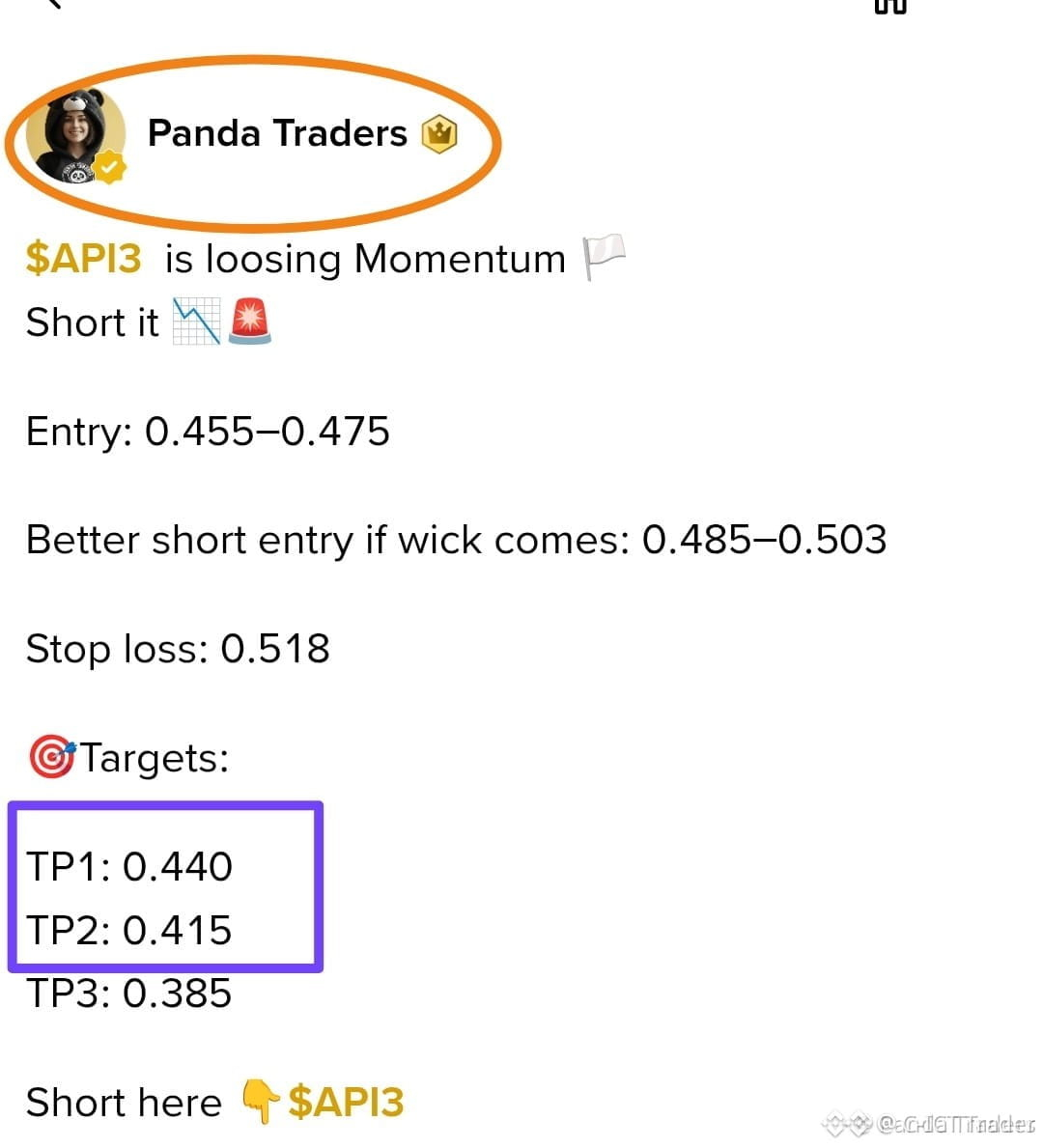
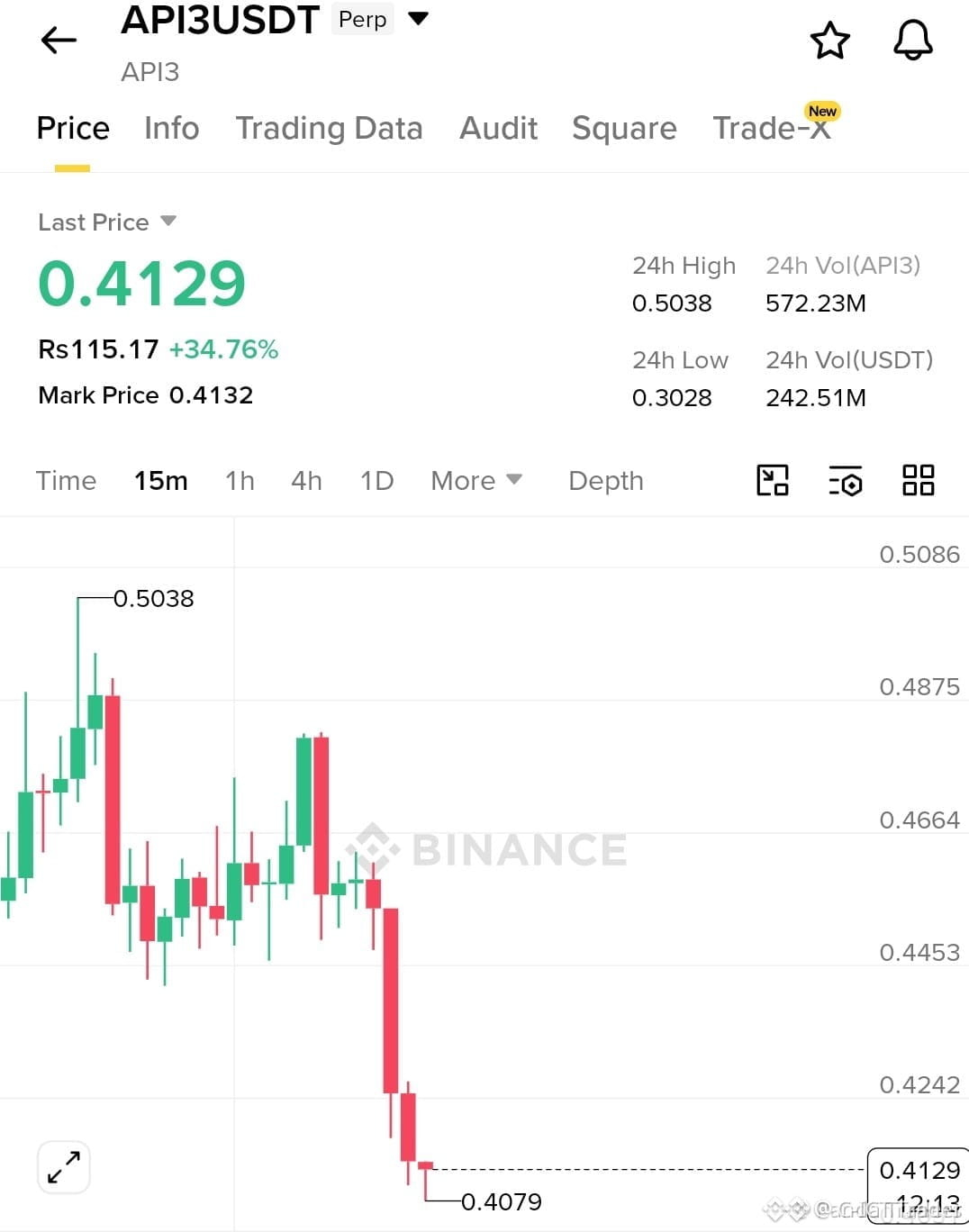
$API3 is breaking down fast after the second target print 🔻
The tape looks like profit-taking is taking over while bids fade and liquidity thins out. That kind of move usually tells you larger players are unloading into strength, while late buyers get forced to chase the slide. The clean read here is simple: the market is breathing out, not building a base yet.
Not financial advice. Manage your risk and protect your capital.
#API #Crypto #Altcoins #DeFi #Trading
✌️
{future}(API3USDT)
$API3 is breaking down fast after the second target print 🔻
The tape looks like profit-taking is taking over while bids fade and liquidity thins out. That kind of move usually tells you larger players are unloading into strength, while late buyers get forced to chase the slide. The clean read here is simple: the market is breathing out, not building a base yet.
Not financial advice. Manage your risk and protect your capital.
#API #Crypto #Altcoins #DeFi #Trading
✌️
The tape looks like profit-taking is taking over while bids fade and liquidity thins out. That kind of move usually tells you larger players are unloading into strength, while late buyers get forced to chase the slide. The clean read here is simple: the market is breathing out, not building a base yet.
Not financial advice. Manage your risk and protect your capital.
#API #Crypto #Altcoins #DeFi #Trading
✌️
66


·
--
#openledger $OPEN
I cloned OpenLedger's newly open-sourced backend this morning and had the dev server running in under ten minutes, which honestly surprised me given how much setup most crypto infrastructure projects require.
Looking through the repository, the framework already includes Express.js, PostgreSQL integration through Sequelize, wallet-based authentication, six dedicated #API endpoints, application management, chat history, and a clean structure across routes, controllers, middleware, and models. For most developers, that foundation alone saves days of boilerplate work before any real product building starts.
One detail that stayed in my mind is how complete the application flow already is. Wallet-linked ownership, branding assets, prompt management, multi-network configuration, and chat initialization are all handled. It doesn't feel like a demo release. It feels like usable infrastructure. $MEME
I keep seeing projects announce future AI agents and decentralized tools. What makes this different is that it moves the conversation from announcements to execution. A developer could take this today and start building a research tool, trading assistant, or something completely unexpected without touching the backend from scratch.
The #OpenCode challenge makes more sense viewed from that angle. It's not a content campaign. It's a live test of whether smaller barriers actually attract builders.
Ecosystems aren't defined by what teams announce. They're defined by the niche products the community builds afterward. Attracting builders who turn this into products people actually use is what determines whether OpenLedger grows beyond its current narrative.
@Openledger $OPEN #OpenLedger
#openledger $OPEN
I cloned OpenLedger's newly open-sourced backend this morning and had the dev server running in under ten minutes, which honestly surprised me given how much setup most crypto infrastructure projects require.
Looking through the repository, the framework already includes Express.js, PostgreSQL integration through Sequelize, wallet-based authentication, six dedicated #API endpoints, application management, chat history, and a clean structure across routes, controllers, middleware, and models. For most developers, that foundation alone saves days of boilerplate work before any real product building starts.
One detail that stayed in my mind is how complete the application flow already is. Wallet-linked ownership, branding assets, prompt management, multi-network configuration, and chat initialization are all handled. It doesn't feel like a demo release. It feels like usable infrastructure. $MEME
I keep seeing projects announce future AI agents and decentralized tools. What makes this different is that it moves the conversation from announcements to execution. A developer could take this today and start building a research tool, trading assistant, or something completely unexpected without touching the backend from scratch.
The #OpenCode challenge makes more sense viewed from that angle. It's not a content campaign. It's a live test of whether smaller barriers actually attract builders.
Ecosystems aren't defined by what teams announce. They're defined by the niche products the community builds afterward. Attracting builders who turn this into products people actually use is what determines whether OpenLedger grows beyond its current narrative.
@OpenLedger $OPEN #OpenLedger
I cloned OpenLedger's newly open-sourced backend this morning and had the dev server running in under ten minutes, which honestly surprised me given how much setup most crypto infrastructure projects require.
Looking through the repository, the framework already includes Express.js, PostgreSQL integration through Sequelize, wallet-based authentication, six dedicated #API endpoints, application management, chat history, and a clean structure across routes, controllers, middleware, and models. For most developers, that foundation alone saves days of boilerplate work before any real product building starts.
One detail that stayed in my mind is how complete the application flow already is. Wallet-linked ownership, branding assets, prompt management, multi-network configuration, and chat initialization are all handled. It doesn't feel like a demo release. It feels like usable infrastructure. $MEME
I keep seeing projects announce future AI agents and decentralized tools. What makes this different is that it moves the conversation from announcements to execution. A developer could take this today and start building a research tool, trading assistant, or something completely unexpected without touching the backend from scratch.
The #OpenCode challenge makes more sense viewed from that angle. It's not a content campaign. It's a live test of whether smaller barriers actually attract builders.
Ecosystems aren't defined by what teams announce. They're defined by the niche products the community builds afterward. Attracting builders who turn this into products people actually use is what determines whether OpenLedger grows beyond its current narrative.
@OpenLedger $OPEN #OpenLedger
33
19
967

·
--
Article
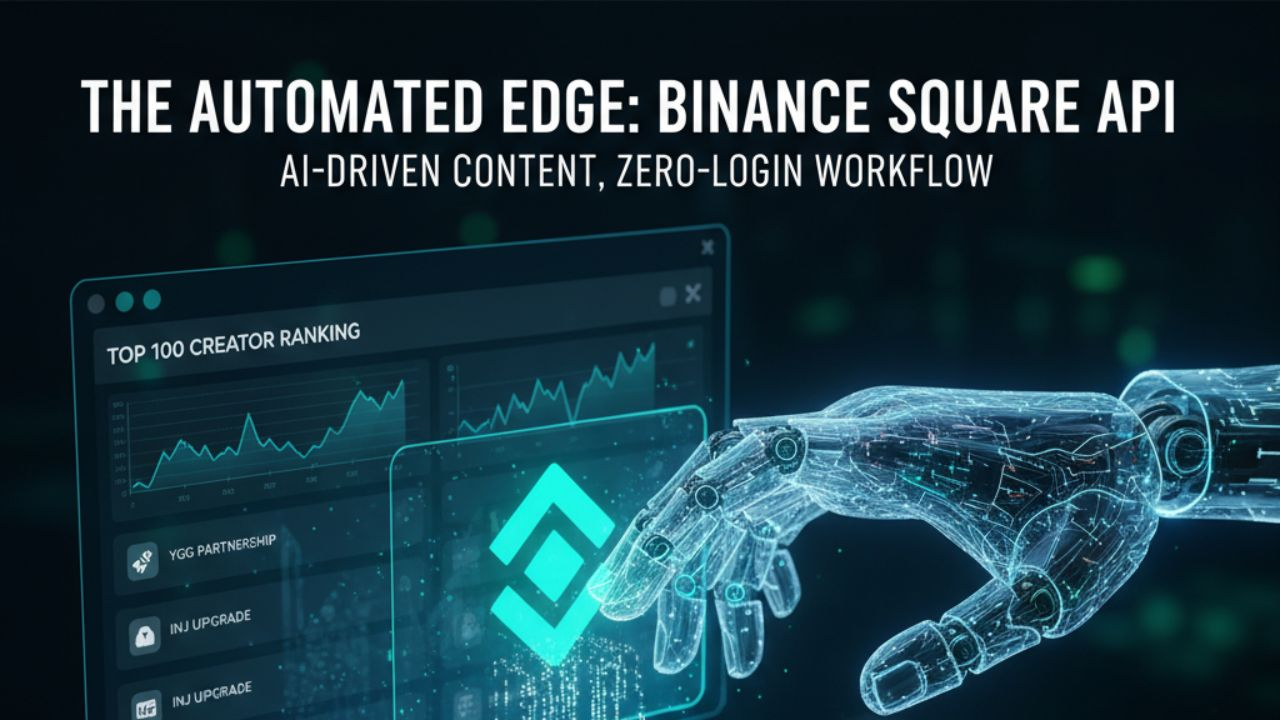
The Content Creator’s Edge: Mastering the New Binance Square API for AI-Driven AutomationIn the fast-evolving world of Web3 content creation, "Consistency is King." For creators aiming for the Binance Square Top 100, the barrier has never been about the quality of ideas, but the sheer manual labor required to post, engage, and update in real-time.
Recognizing this, Binance has officially launched the Binance Square Skill, a revolutionary API-driven feature within the Binance Skills Hub. This update allows creators to programmatically publish content via AI agents—all without needing to manually log into the app for every single update.
This article provides an exhaustive 2,000-word deep dive into how this technology works, why it is a game-changer for high-volume creators, and a step-by-step guide to setting up your own "AI Content Factory."
1. The Paradigm Shift: Why an API for Content?
Traditionally, social platforms have been "walled gardens." To post, you had to use the UI. For a creator managing multiple projects—like Yield Guild Games (YGG) for gaming, Injective for DeFi, or Linea for L2 scaling—this meant hours of copy-pasting and manual scheduling.
The new Binance Square Skill changes the game by treating content as data. By exposing a dedicated "Posting API," Binance allows external "brains" (AI Agents) to talk directly to your Square profile.
Key Benefits of the API Update:
Zero-Login Workflow: Once configured, your AI agent can post while you sleep.Security Isolation: The API key is restricted only to posting. It has no access to your wallet, spot balance, or trading features.High-Volume Scalability: With a limit of 100 posts per day, creators can finally maintain the frequency required to dominate the "Discover" feed.Real-Time Response: You can program your system to post the moment an on-chain event happens (e.g., a new Morpho vault opening or a major YGG partnership).
2. Technical Architecture: How the "AI Agent" Setup Works
To understand the setup, you must understand the three pillars of this new system:
A. The Binance Square Creator Center
This is your "Control Tower." It is where you generate the credentials. Unlike standard Trading APIs, the Square Posting API is a specialized key designed specifically for the "Skills Hub."
B. The AI Agent (e.g., OpenClaw, Claude Code)
The "Agent" is the engine. It isn't just a chatbot; it is a piece of software capable of executing "Skills." When you give it the Binance Square Skill, it gains the "hand" it needs to write to the blockchain-social interface.
C. The Binance Skills Hub
This is the bridge. It contains the standardized code (the "Skill") that tells the AI Agent exactly how to format a request so that Binance’s servers accept it as a valid post.
3. Step-by-Step Implementation Guide
Setting up your automated system takes about 10 minutes. Here is the exact path to follow:
Step 1: Generate your Specialized API Key
Log into the Binance Square Creator Center.Navigate to the AI Skills / API Management section.Click "Create API Key."Crucial: Ensure only the "Square Publishing" permission is checked.Save your API Key and Secret Key immediately in a secure location (like a password manager).
Step 2: Choose and Initialize Your AI Agent
While many agents work, OpenClaw is currently the community favorite for Binance integration due to its native support for the "Skills Hub."
Install the agent on your local machine or a VPS (Virtual Private Server) if you want 24/7 uptime.
Step 3: Install the "Square-Post" Skill
In your agent's command interface, you need to point it to the official Binance GitHub repository for skills. Use the command:
help me install the skill: https://github.com/binance/binance-skills-hub/tree/main/skills/binance/square-post
Step 4: Configure the Connection
Give the agent your credentials by saying:
"My Square posting API Key is [YOUR_KEY]."
The agent will now run a handshake protocol to verify it can talk to your account.
4. Advanced Strategy: Automating "Alpha" for Specific Projects
Since your goal is to support specific projects like Injective, Morpho, and YGG, a generic "post everything" bot won't work. You need Context-Aware Automation.
For DeFi (Injective & Morpho):
Set up your AI Agent to monitor the official RSS feeds or Twitter accounts of these projects.
Logic: If Injective announces a new dApp, the AI summarizes the technical docs and posts a "Top 3 Things to Know" thread to Square within 60 seconds.
For L2 Scaling (Plasma & Linea):
Automation is perfect for technical explainers. You can program the AI to post "L2 Educational Series: Part 1-50" at a rate of 3 posts per day, ensuring your profile becomes a hub for newcomers to the Linea ecosystem.
For P2E Gaming (Yield Guild Games):
Use the API to post daily "Gaming Quests" or scholarship updates. Since the gaming market moves fast, being the first to post about a new YGG sub-DAO on Square can yield massive engagement.
5. Staying Compliant: The "Human-in-the-Loop" Model
While the API allows for 100% automation, Binance Square rewards Quality. Over-posting low-quality AI "slop" will lead to shadowbans or low reach.
The Pro Workflow:
AI Drafts: The agent creates 70 posts based on the day’s crypto news.Human Review: You spend 20 minutes in the morning scanning the queue.API Execution: You give the command: "Everything looks good. Release the queue at 15-minute intervals."
This allows you to keep your "Human Touch" while leveraging the "Robot’s Speed."
6. Limits and Safety Precautions
The 100-Post Cap: This is a "soft limit" to prevent spam. If you hit 100 posts, the API will return a 429 Error (Too Many Requests).Plain Text vs. Media: Currently, the API focus is on text and emojis. For cinematic photography or collages, you may still need to manually upload images to the Square UI, though future updates are expected to support image URLs.Rotation: It is recommended to regenerate your API key every 30-90 days as a security best practice.
7. Conclusion: The Path to the Top 100
The new Binance Square API update isn't just a technical feature; it’s a competitive advantage. By removing the friction of "logging in" and "manual typing," creators can pivot their focus to Strategy and Community Building.
If you are serious about becoming a top creator for Injective, Linea, or Morpho, start by automating your news-curation. Let the AI handle the "what happened," so you can spend your time on Square replying to comments and building the "who" (your followers).
The future of content on Binance Square is automated, AI-augmented, and faster than ever. Are you ready to plug in?
Disclaimer: This article is for educational purposes only. Always ensure your content complies with the Binance Square Community Guidelines.
#API #binanceapi #newfeature
The Content Creator’s Edge: Mastering the New Binance Square API for AI-Driven Automation
In the fast-evolving world of Web3 content creation, "Consistency is King." For creators aiming for the Binance Square Top 100, the barrier has never been about the quality of ideas, but the sheer manual labor required to post, engage, and update in real-time.
Recognizing this, Binance has officially launched the Binance Square Skill, a revolutionary API-driven feature within the Binance Skills Hub. This update allows creators to programmatically publish content via AI agents—all without needing to manually log into the app for every single update.
This article provides an exhaustive 2,000-word deep dive into how this technology works, why it is a game-changer for high-volume creators, and a step-by-step guide to setting up your own "AI Content Factory."
1. The Paradigm Shift: Why an API for Content?
Traditionally, social platforms have been "walled gardens." To post, you had to use the UI. For a creator managing multiple projects—like Yield Guild Games (YGG) for gaming, Injective for DeFi, or Linea for L2 scaling—this meant hours of copy-pasting and manual scheduling.
The new Binance Square Skill changes the game by treating content as data. By exposing a dedicated "Posting API," Binance allows external "brains" (AI Agents) to talk directly to your Square profile.
Key Benefits of the API Update:
Zero-Login Workflow: Once configured, your AI agent can post while you sleep.Security Isolation: The API key is restricted only to posting. It has no access to your wallet, spot balance, or trading features.High-Volume Scalability: With a limit of 100 posts per day, creators can finally maintain the frequency required to dominate the "Discover" feed.Real-Time Response: You can program your system to post the moment an on-chain event happens (e.g., a new Morpho vault opening or a major YGG partnership).
2. Technical Architecture: How the "AI Agent" Setup Works
To understand the setup, you must understand the three pillars of this new system:
A. The Binance Square Creator Center
This is your "Control Tower." It is where you generate the credentials. Unlike standard Trading APIs, the Square Posting API is a specialized key designed specifically for the "Skills Hub."
B. The AI Agent (e.g., OpenClaw, Claude Code)
The "Agent" is the engine. It isn't just a chatbot; it is a piece of software capable of executing "Skills." When you give it the Binance Square Skill, it gains the "hand" it needs to write to the blockchain-social interface.
C. The Binance Skills Hub
This is the bridge. It contains the standardized code (the "Skill") that tells the AI Agent exactly how to format a request so that Binance’s servers accept it as a valid post.
3. Step-by-Step Implementation Guide
Setting up your automated system takes about 10 minutes. Here is the exact path to follow:
Step 1: Generate your Specialized API Key
Log into the Binance Square Creator Center.Navigate to the AI Skills / API Management section.Click "Create API Key."Crucial: Ensure only the "Square Publishing" permission is checked.Save your API Key and Secret Key immediately in a secure location (like a password manager).
Step 2: Choose and Initialize Your AI Agent
While many agents work, OpenClaw is currently the community favorite for Binance integration due to its native support for the "Skills Hub."
Install the agent on your local machine or a VPS (Virtual Private Server) if you want 24/7 uptime.
Step 3: Install the "Square-Post" Skill
In your agent's command interface, you need to point it to the official Binance GitHub repository for skills. Use the command:
help me install the skill: https://github.com/binance/binance-skills-hub/tree/main/skills/binance/square-post
Step 4: Configure the Connection
Give the agent your credentials by saying:
"My Square posting API Key is [YOUR_KEY]."
The agent will now run a handshake protocol to verify it can talk to your account.
4. Advanced Strategy: Automating "Alpha" for Specific Projects
Since your goal is to support specific projects like Injective, Morpho, and YGG, a generic "post everything" bot won't work. You need Context-Aware Automation.
For DeFi (Injective & Morpho):
Set up your AI Agent to monitor the official RSS feeds or Twitter accounts of these projects.
Logic: If Injective announces a new dApp, the AI summarizes the technical docs and posts a "Top 3 Things to Know" thread to Square within 60 seconds.
For L2 Scaling (Plasma & Linea):
Automation is perfect for technical explainers. You can program the AI to post "L2 Educational Series: Part 1-50" at a rate of 3 posts per day, ensuring your profile becomes a hub for newcomers to the Linea ecosystem.
For P2E Gaming (Yield Guild Games):
Use the API to post daily "Gaming Quests" or scholarship updates. Since the gaming market moves fast, being the first to post about a new YGG sub-DAO on Square can yield massive engagement.
5. Staying Compliant: The "Human-in-the-Loop" Model
While the API allows for 100% automation, Binance Square rewards Quality. Over-posting low-quality AI "slop" will lead to shadowbans or low reach.
The Pro Workflow:
AI Drafts: The agent creates 70 posts based on the day’s crypto news.Human Review: You spend 20 minutes in the morning scanning the queue.API Execution: You give the command: "Everything looks good. Release the queue at 15-minute intervals."
This allows you to keep your "Human Touch" while leveraging the "Robot’s Speed."
6. Limits and Safety Precautions
The 100-Post Cap: This is a "soft limit" to prevent spam. If you hit 100 posts, the API will return a 429 Error (Too Many Requests).Plain Text vs. Media: Currently, the API focus is on text and emojis. For cinematic photography or collages, you may still need to manually upload images to the Square UI, though future updates are expected to support image URLs.Rotation: It is recommended to regenerate your API key every 30-90 days as a security best practice.
7. Conclusion: The Path to the Top 100
The new Binance Square API update isn't just a technical feature; it’s a competitive advantage. By removing the friction of "logging in" and "manual typing," creators can pivot their focus to Strategy and Community Building.
If you are serious about becoming a top creator for Injective, Linea, or Morpho, start by automating your news-curation. Let the AI handle the "what happened," so you can spend your time on Square replying to comments and building the "who" (your followers).
The future of content on Binance Square is automated, AI-augmented, and faster than ever. Are you ready to plug in?
Disclaimer: This article is for educational purposes only. Always ensure your content complies with the Binance Square Community Guidelines.
#API #binanceapi #newfeature
Recognizing this, Binance has officially launched the Binance Square Skill, a revolutionary API-driven feature within the Binance Skills Hub. This update allows creators to programmatically publish content via AI agents—all without needing to manually log into the app for every single update.
This article provides an exhaustive 2,000-word deep dive into how this technology works, why it is a game-changer for high-volume creators, and a step-by-step guide to setting up your own "AI Content Factory."
1. The Paradigm Shift: Why an API for Content?
Traditionally, social platforms have been "walled gardens." To post, you had to use the UI. For a creator managing multiple projects—like Yield Guild Games (YGG) for gaming, Injective for DeFi, or Linea for L2 scaling—this meant hours of copy-pasting and manual scheduling.
The new Binance Square Skill changes the game by treating content as data. By exposing a dedicated "Posting API," Binance allows external "brains" (AI Agents) to talk directly to your Square profile.
Key Benefits of the API Update:
Zero-Login Workflow: Once configured, your AI agent can post while you sleep.Security Isolation: The API key is restricted only to posting. It has no access to your wallet, spot balance, or trading features.High-Volume Scalability: With a limit of 100 posts per day, creators can finally maintain the frequency required to dominate the "Discover" feed.Real-Time Response: You can program your system to post the moment an on-chain event happens (e.g., a new Morpho vault opening or a major YGG partnership).
2. Technical Architecture: How the "AI Agent" Setup Works
To understand the setup, you must understand the three pillars of this new system:
A. The Binance Square Creator Center
This is your "Control Tower." It is where you generate the credentials. Unlike standard Trading APIs, the Square Posting API is a specialized key designed specifically for the "Skills Hub."
B. The AI Agent (e.g., OpenClaw, Claude Code)
The "Agent" is the engine. It isn't just a chatbot; it is a piece of software capable of executing "Skills." When you give it the Binance Square Skill, it gains the "hand" it needs to write to the blockchain-social interface.
C. The Binance Skills Hub
This is the bridge. It contains the standardized code (the "Skill") that tells the AI Agent exactly how to format a request so that Binance’s servers accept it as a valid post.
3. Step-by-Step Implementation Guide
Setting up your automated system takes about 10 minutes. Here is the exact path to follow:
Step 1: Generate your Specialized API Key
Log into the Binance Square Creator Center.Navigate to the AI Skills / API Management section.Click "Create API Key."Crucial: Ensure only the "Square Publishing" permission is checked.Save your API Key and Secret Key immediately in a secure location (like a password manager).
Step 2: Choose and Initialize Your AI Agent
While many agents work, OpenClaw is currently the community favorite for Binance integration due to its native support for the "Skills Hub."
Install the agent on your local machine or a VPS (Virtual Private Server) if you want 24/7 uptime.
Step 3: Install the "Square-Post" Skill
In your agent's command interface, you need to point it to the official Binance GitHub repository for skills. Use the command:
help me install the skill: https://github.com/binance/binance-skills-hub/tree/main/skills/binance/square-post
Step 4: Configure the Connection
Give the agent your credentials by saying:
"My Square posting API Key is [YOUR_KEY]."
The agent will now run a handshake protocol to verify it can talk to your account.
4. Advanced Strategy: Automating "Alpha" for Specific Projects
Since your goal is to support specific projects like Injective, Morpho, and YGG, a generic "post everything" bot won't work. You need Context-Aware Automation.
For DeFi (Injective & Morpho):
Set up your AI Agent to monitor the official RSS feeds or Twitter accounts of these projects.
Logic: If Injective announces a new dApp, the AI summarizes the technical docs and posts a "Top 3 Things to Know" thread to Square within 60 seconds.
For L2 Scaling (Plasma & Linea):
Automation is perfect for technical explainers. You can program the AI to post "L2 Educational Series: Part 1-50" at a rate of 3 posts per day, ensuring your profile becomes a hub for newcomers to the Linea ecosystem.
For P2E Gaming (Yield Guild Games):
Use the API to post daily "Gaming Quests" or scholarship updates. Since the gaming market moves fast, being the first to post about a new YGG sub-DAO on Square can yield massive engagement.
5. Staying Compliant: The "Human-in-the-Loop" Model
While the API allows for 100% automation, Binance Square rewards Quality. Over-posting low-quality AI "slop" will lead to shadowbans or low reach.
The Pro Workflow:
AI Drafts: The agent creates 70 posts based on the day’s crypto news.Human Review: You spend 20 minutes in the morning scanning the queue.API Execution: You give the command: "Everything looks good. Release the queue at 15-minute intervals."
This allows you to keep your "Human Touch" while leveraging the "Robot’s Speed."
6. Limits and Safety Precautions
The 100-Post Cap: This is a "soft limit" to prevent spam. If you hit 100 posts, the API will return a 429 Error (Too Many Requests).Plain Text vs. Media: Currently, the API focus is on text and emojis. For cinematic photography or collages, you may still need to manually upload images to the Square UI, though future updates are expected to support image URLs.Rotation: It is recommended to regenerate your API key every 30-90 days as a security best practice.
7. Conclusion: The Path to the Top 100
The new Binance Square API update isn't just a technical feature; it’s a competitive advantage. By removing the friction of "logging in" and "manual typing," creators can pivot their focus to Strategy and Community Building.
If you are serious about becoming a top creator for Injective, Linea, or Morpho, start by automating your news-curation. Let the AI handle the "what happened," so you can spend your time on Square replying to comments and building the "who" (your followers).
The future of content on Binance Square is automated, AI-augmented, and faster than ever. Are you ready to plug in?
Disclaimer: This article is for educational purposes only. Always ensure your content complies with the Binance Square Community Guidelines.
#API #binanceapi #newfeature
6
373

·
--
🛢️ Oil Market Update: Big inventory draw, what is expected to happen to prices?
According to the latest report released by the American Petroleum Institute (API), US refined oil inventories have seen a significant decline in the week ending April 17.
Key points from the report:
Big draw: Stocks have recorded an unexpected decline of 4.59 million barrels.
Expectations vs. Reality: The market had expected a decline of only 2.5 million barrels, meaning that the decline is much higher than expectations.
Previous record: This was also the result of a decline of 3.363 million barrels seen last week, indicating that the balance of supply and demand in the market is changing rapidly.
Market Impact:
Such a large and sustained decline in oil inventories usually signals a bullish trend in the market. When supply is tight and demand is strong, it can put upward pressure on oil prices in the global market.
This is an important signal for investors and traders that volatility in the energy sector may be in store in the coming days. 📈
Follow me for more market analysis and important updates!
$CL $BAS $RAVE
#OilMarket #EnergyNews #API #crudeoil #MarketAnalysis #BinanceSquare
🛢️ Oil Market Update: Big inventory draw, what is expected to happen to prices?
According to the latest report released by the American Petroleum Institute (API), US refined oil inventories have seen a significant decline in the week ending April 17.
Key points from the report:
Big draw: Stocks have recorded an unexpected decline of 4.59 million barrels.
Expectations vs. Reality: The market had expected a decline of only 2.5 million barrels, meaning that the decline is much higher than expectations.
Previous record: This was also the result of a decline of 3.363 million barrels seen last week, indicating that the balance of supply and demand in the market is changing rapidly.
Market Impact:
Such a large and sustained decline in oil inventories usually signals a bullish trend in the market. When supply is tight and demand is strong, it can put upward pressure on oil prices in the global market.
This is an important signal for investors and traders that volatility in the energy sector may be in store in the coming days. 📈
Follow me for more market analysis and important updates!
$CL $BAS $RAVE
#OilMarket #EnergyNews #API #crudeoil #MarketAnalysis #BinanceSquare
According to the latest report released by the American Petroleum Institute (API), US refined oil inventories have seen a significant decline in the week ending April 17.
Key points from the report:
Big draw: Stocks have recorded an unexpected decline of 4.59 million barrels.
Expectations vs. Reality: The market had expected a decline of only 2.5 million barrels, meaning that the decline is much higher than expectations.
Previous record: This was also the result of a decline of 3.363 million barrels seen last week, indicating that the balance of supply and demand in the market is changing rapidly.
Market Impact:
Such a large and sustained decline in oil inventories usually signals a bullish trend in the market. When supply is tight and demand is strong, it can put upward pressure on oil prices in the global market.
This is an important signal for investors and traders that volatility in the energy sector may be in store in the coming days. 📈
Follow me for more market analysis and important updates!
$CL $BAS $RAVE
#OilMarket #EnergyNews #API #crudeoil #MarketAnalysis #BinanceSquare
456
Log in to explore more content
Join global crypto users on Binance Square
⚡️ Get latest and useful information about crypto.
💬 Trusted by the world’s largest crypto exchange.
👍 Discover real insights from verified creators.
Email / Phone number
Trending Topics
1
#CircleMints500MUSDCOnSolana
58,368 views
1,462 Discussing
2
#PolymarketBankFailureBetsDrawFDICConcern
71,560 views
1,466 Discussing
3
#BlackRockBuildsTokenizedPortfoliosForOndo
57,826 views
1,022 Discussing
4
#BitwiseFilesToListNEARETFOnNYSEArca
54,675 views
882 Discussing
5
#SECCommissionerPeirceToLeaveOct2
50,501 views
709 Discussing
6
#SECSaysBuybacksUpgradesDontMakeTokenSecurity
43,604 views
553 Discussing
7
#StrategyProposesDailyDividendsForPreferreds
8,774 views
196 Discussing
8
#CircleTetherFreezeBitgetHackerWallet
8,534 views
112 Discussing
9
#CoinMarketCapCompletesCoinglassAcquisition
10,602 views
147 Discussing
10
#QNTRises39%
104,627 views
1,611 Discussing