
#agriculturalcommodities
agriculturalcommodities
157 views
3 Discussing
Hot
Latest

Agricultural commodities Aug 31–Sep 4: Grains cool after a strong rally, soybeans remain firm ahead of WASDE
🌾 Chicago wheat ended near $7.34/bu, down about 40–50 cents after gaining nearly 12% the previous week. Hopes for Russia–Ukraine talks removed part of the geopolitical premium, but physical flows remain constrained as Russian exports stay weak and more cargoes shift toward Baltic routes.
🌽 Corn was nearly flat around $5.37/bu as markets waited for the Sep 11 WASDE. The gap between USDA’s 180.7 bu/acre yield estimate and Pro Farmer’s 173.2 remains the key issue. A small USDA cut could disappoint crowded longs, while a deeper revision would support another move higher.
🫘 Soybeans rose for a fourth straight week, closing near $13.10/bu. Chinese buying remains supportive, while much of the U.S. crop is still in seed fill and sensitive to hot, dry early-September weather. Crush and biofuel demand also provide support.
📊 Positioning is increasingly important. Corn, soybeans, sugar and cotton carry heavy speculative longs, while wheat has recently shifted from net short to net long. That raises the risk of sharper profit-taking if weather or WASDE falls short of bullish expectations.
☕ Soft commodities stayed mixed. Coffee fell to a five-week low after StoneX raised Brazil’s crop outlook to a record level. Sugar retreated from a 16-month high, cotton sold off on profit-taking, while cocoa remains caught between comfortable current stocks and weaker next-season production prospects.
🌍 FAO’s August Food Price Index rose to 133.3, the highest since late 2022. Higher freight and fertilizer costs are also lifting the cost floor for agricultural markets, though not yet creating a broad uptrend.
📅 Focus now turns to Corn Belt weather, Chinese soybean demand and the Sep 11 WASDE, with crowded positioning likely to amplify two-way volatility.
#AgriculturalCommodities $BNB
🌾 Chicago wheat ended near $7.34/bu, down about 40–50 cents after gaining nearly 12% the previous week. Hopes for Russia–Ukraine talks removed part of the geopolitical premium, but physical flows remain constrained as Russian exports stay weak and more cargoes shift toward Baltic routes.
🌽 Corn was nearly flat around $5.37/bu as markets waited for the Sep 11 WASDE. The gap between USDA’s 180.7 bu/acre yield estimate and Pro Farmer’s 173.2 remains the key issue. A small USDA cut could disappoint crowded longs, while a deeper revision would support another move higher.
🫘 Soybeans rose for a fourth straight week, closing near $13.10/bu. Chinese buying remains supportive, while much of the U.S. crop is still in seed fill and sensitive to hot, dry early-September weather. Crush and biofuel demand also provide support.
📊 Positioning is increasingly important. Corn, soybeans, sugar and cotton carry heavy speculative longs, while wheat has recently shifted from net short to net long. That raises the risk of sharper profit-taking if weather or WASDE falls short of bullish expectations.
☕ Soft commodities stayed mixed. Coffee fell to a five-week low after StoneX raised Brazil’s crop outlook to a record level. Sugar retreated from a 16-month high, cotton sold off on profit-taking, while cocoa remains caught between comfortable current stocks and weaker next-season production prospects.
🌍 FAO’s August Food Price Index rose to 133.3, the highest since late 2022. Higher freight and fertilizer costs are also lifting the cost floor for agricultural markets, though not yet creating a broad uptrend.
📅 Focus now turns to Corn Belt weather, Chinese soybean demand and the Sep 11 WASDE, with crowded positioning likely to amplify two-way volatility.
#AgriculturalCommodities $BNB

El Niño’s 82% probability is becoming an early signal for weather, agricultural commodity and food inflation risks in the second half of 2026
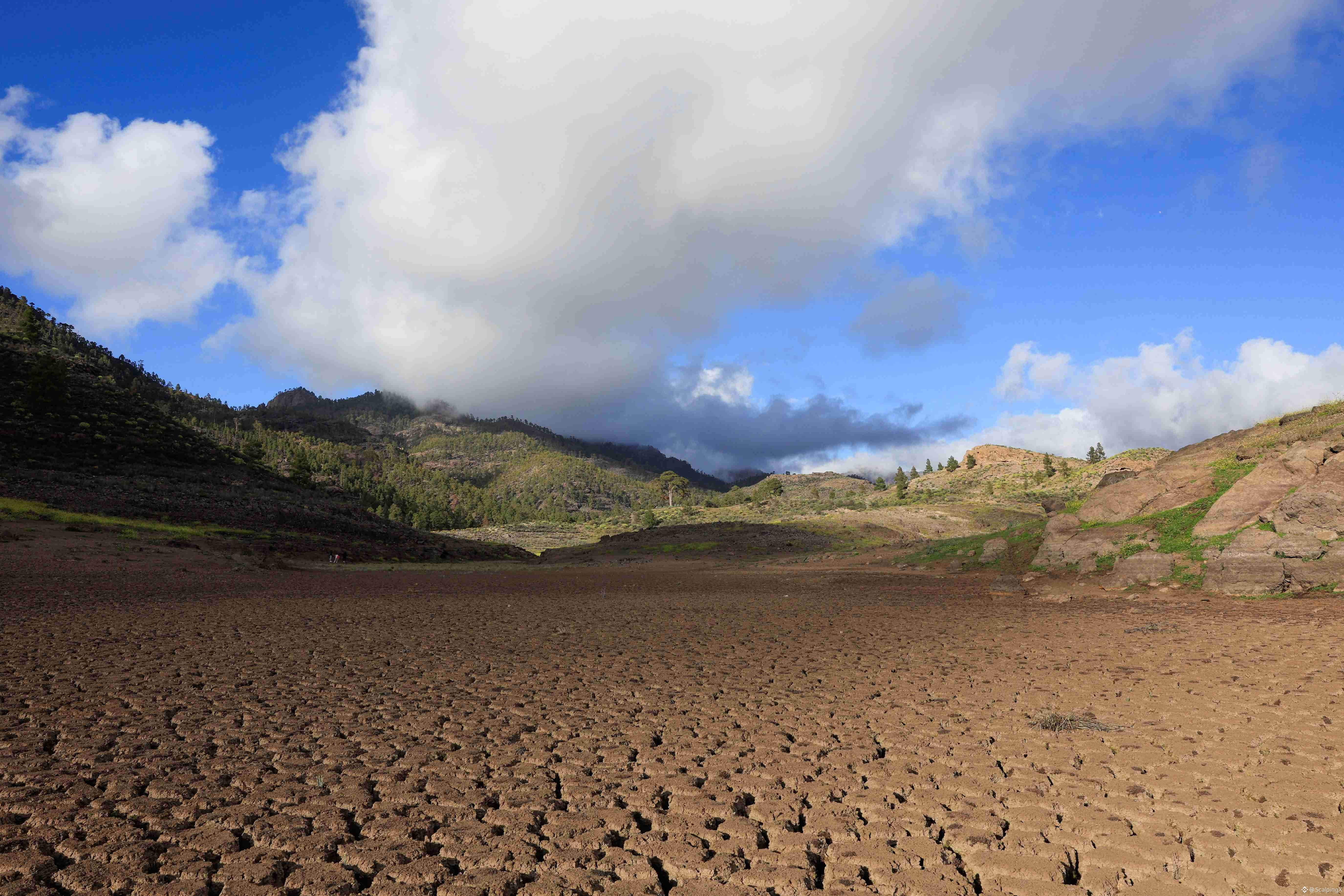
📌 The latest CPC/NOAA forecast shows the probability of El Niño developing during May–July 2026 has risen to 82%, significantly higher than last month. If this scenario extends into the Northern Hemisphere winter, agricultural markets could enter a more sensitive phase from Q3 onward.
🌾 The most notable impact is likely to be in Southeast Asia and Australia, where El Niño is usually linked to hotter, drier weather and below-normal rainfall. This could pressure palm oil, rice, coffee, rubber and wheat, especially as many producing regions are already facing higher fertilizer and fuel costs.
⚠️ Indonesia is a key area to watch, as crude palm oil output this year could fall by up to 2 million tons compared with 2025 due to dry conditions and rising input costs. If CPO supply tightens, vegetable oil prices across Asia could react more sharply in the coming months.
🔎 Rice risk is also worth monitoring, as Asian farmers may reduce planting areas if unfavorable weather overlaps with high production costs. With global food supply already sensitive, El Niño could become a factor that amplifies price volatility.
⏱️ Although the probability of El Niño forming is already high, its peak intensity remains uncertain. Markets are therefore likely to react step by step to Niño-3.4 updates, monthly CPC reports and actual production signals from major growing regions.
✅ For agricultural commodities, this should be viewed as an early warning rather than an immediate trading signal. Palm oil, rice, wheat, corn and soybeans may become key markets to watch once weather risks start showing more clearly in supply-demand dynamics.
#AgriculturalCommodities $BTC $TON $DOGE
📌 The latest CPC/NOAA forecast shows the probability of El Niño developing during May–July 2026 has risen to 82%, significantly higher than last month. If this scenario extends into the Northern Hemisphere winter, agricultural markets could enter a more sensitive phase from Q3 onward.
🌾 The most notable impact is likely to be in Southeast Asia and Australia, where El Niño is usually linked to hotter, drier weather and below-normal rainfall. This could pressure palm oil, rice, coffee, rubber and wheat, especially as many producing regions are already facing higher fertilizer and fuel costs.
⚠️ Indonesia is a key area to watch, as crude palm oil output this year could fall by up to 2 million tons compared with 2025 due to dry conditions and rising input costs. If CPO supply tightens, vegetable oil prices across Asia could react more sharply in the coming months.
🔎 Rice risk is also worth monitoring, as Asian farmers may reduce planting areas if unfavorable weather overlaps with high production costs. With global food supply already sensitive, El Niño could become a factor that amplifies price volatility.
⏱️ Although the probability of El Niño forming is already high, its peak intensity remains uncertain. Markets are therefore likely to react step by step to Niño-3.4 updates, monthly CPC reports and actual production signals from major growing regions.
✅ For agricultural commodities, this should be viewed as an early warning rather than an immediate trading signal. Palm oil, rice, wheat, corn and soybeans may become key markets to watch once weather risks start showing more clearly in supply-demand dynamics.
#AgriculturalCommodities $BTC $TON $DOGE
Log in to explore more content