
#satoshinakamoto
satoshinakamoto
2.7M views
1,640 Discussing
Hot
Latest
·
--
Article
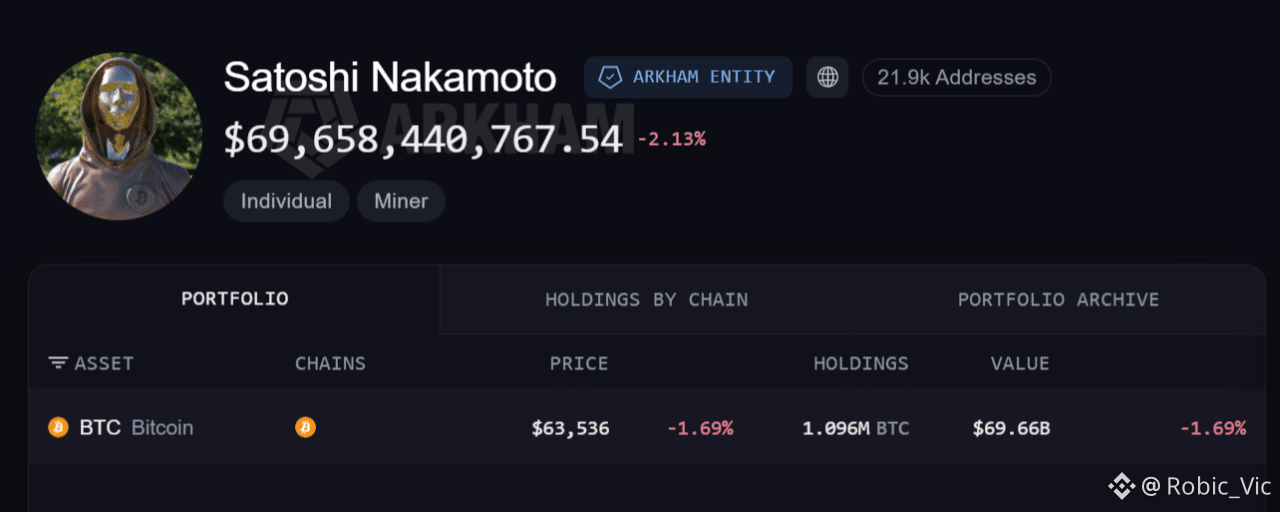
The $70 Billion Bitcoin Mystery: 21,000 Wallet Addresses Linked to Satoshi Nakamoto.Imagine creating something that changes the world, accumulating a fortune worth billions and then simply disappearing without a trace.
Sounds like a movie, right?
But this is the mystery surrounding Satoshi Nakamoto the anonymous creator of Bitcoin.
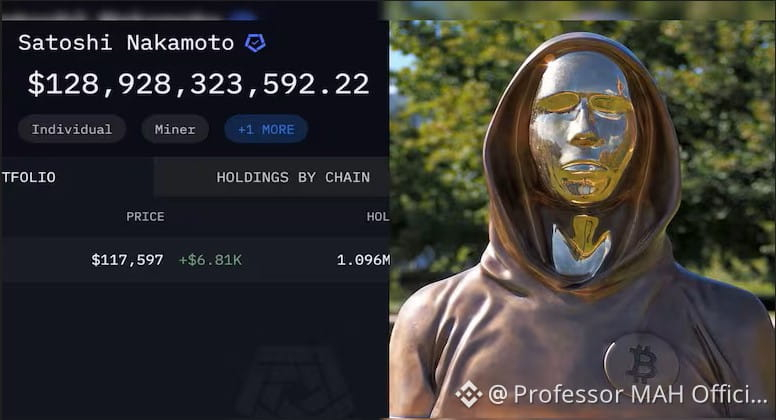
Recently, Arkham Intelligence's tracking of Satoshi's suspected Bitcoin holdings caught my attention. The platform attributes approximately 21,945 wallet addresses holding around 1.096 million BTC to Bitcoin's mysterious creator.
We're talking about more than a million Bitcoin potentially worth tens of billions of dollars.
These wallets have remained largely dormant for years. While Bitcoin has gone through multiple bull runs, brutal crashes, institutional adoption and global attention, the overwhelming majority of these attributed coins have remained unspent.
How did researchers connect these wallets?
One major clue is the famous Patoshi Pattern, a mining pattern found in Bitcoin's earliest blocks that researchers associate with Satoshi.
Of course, there's a catch; these are blockchain based attributions not proof that Satoshi personally controls every wallet.
And that leaves us with two fascinating possibilities.
Are the keys deliberately being kept untouched or could access to this legendary fortune be lost forever?
Imagine seeing one of these wallets suddenly move thousands of BTC. The entire crypto market would be watching.
Sometimes, the biggest story in Bitcoin isn't what is being traded. It's what hasn't moved.
What do you think happened to Satoshi's Bitcoin?
#bitcoin #SatoshiNakamoto #blockchain $BTC
The $70 Billion Bitcoin Mystery: 21,000 Wallet Addresses Linked to Satoshi Nakamoto.
Imagine creating something that changes the world, accumulating a fortune worth billions and then simply disappearing without a trace.
Sounds like a movie, right?
But this is the mystery surrounding Satoshi Nakamoto the anonymous creator of Bitcoin.
Recently, Arkham Intelligence's tracking of Satoshi's suspected Bitcoin holdings caught my attention. The platform attributes approximately 21,945 wallet addresses holding around 1.096 million BTC to Bitcoin's mysterious creator.
We're talking about more than a million Bitcoin potentially worth tens of billions of dollars.
These wallets have remained largely dormant for years. While Bitcoin has gone through multiple bull runs, brutal crashes, institutional adoption and global attention, the overwhelming majority of these attributed coins have remained unspent.
How did researchers connect these wallets?
One major clue is the famous Patoshi Pattern, a mining pattern found in Bitcoin's earliest blocks that researchers associate with Satoshi.
Of course, there's a catch; these are blockchain based attributions not proof that Satoshi personally controls every wallet.
And that leaves us with two fascinating possibilities.
Are the keys deliberately being kept untouched or could access to this legendary fortune be lost forever?
Imagine seeing one of these wallets suddenly move thousands of BTC. The entire crypto market would be watching.
Sometimes, the biggest story in Bitcoin isn't what is being traded. It's what hasn't moved.
What do you think happened to Satoshi's Bitcoin?
#bitcoin #SatoshiNakamoto #blockchain $BTC
Trader M08:
At about 63,200 on Binance spot right now, 1.096 million BTC works out to roughly 69 billion, and every 1,000 move in price shifts that stash by about 1.1 billion. I agree the caveat is the key part. The Patoshi pattern points to one early miner, but it can't tell us who holds the keys today.
1
3
175

·
--
👀 Interesting Bitcoin theory!
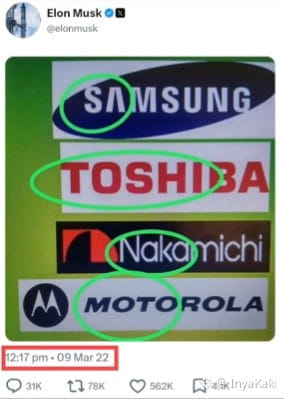
SA + TOSHI + NAKA + MOTO = SATOSHI NAKAMOTO?
Samsung + Toshiba + Nakamichi + Motorola.
Could this be a hidden clue about Bitcoin's mysterious creator, or just another Elon Musk mystery? 👀
What do you think? 🤔
#Bitcoin #BTC #SatoshiNakamoto #ElonMusk
👀 Interesting Bitcoin theory!
SA + TOSHI + NAKA + MOTO = SATOSHI NAKAMOTO?
Samsung + Toshiba + Nakamichi + Motorola.
Could this be a hidden clue about Bitcoin's mysterious creator, or just another Elon Musk mystery? 👀
What do you think? 🤔
#Bitcoin #BTC #SatoshiNakamoto #ElonMusk
SA + TOSHI + NAKA + MOTO = SATOSHI NAKAMOTO?
Samsung + Toshiba + Nakamichi + Motorola.
Could this be a hidden clue about Bitcoin's mysterious creator, or just another Elon Musk mystery? 👀
What do you think? 🤔
#Bitcoin #BTC #SatoshiNakamoto #ElonMusk
2
115
·
--
Article
The Mystery Behind Bitcoin's Creator 👀Someone Created Bitcoin, Changed the World, and Then Disappeared. Who Was Satoshi Nakamoto🕵️?
Imagine creating a technology that could change the global financial system, potentially holding billions of dollars in Bitcoin, and then disappearing without anyone knowing who you really are.
Sounds like something from a movie, right?
But that's exactly why the story of Satoshi Nakamoto has always fascinated me.
It all started in 2008.
The world was going through a massive financial crisis. Banks were collapsing, people were losing trust in traditional financial institutions, and uncertainty was everywhere.
Then, on October 31, 2008, someone using the name Satoshi Nakamoto published a nine-page document called Bitcoin: A Peer-to-Peer Electronic Cash System.
The idea was revolutionary.
What if people could send money directly to each other without needing a bank or any central authority to approve the transaction?
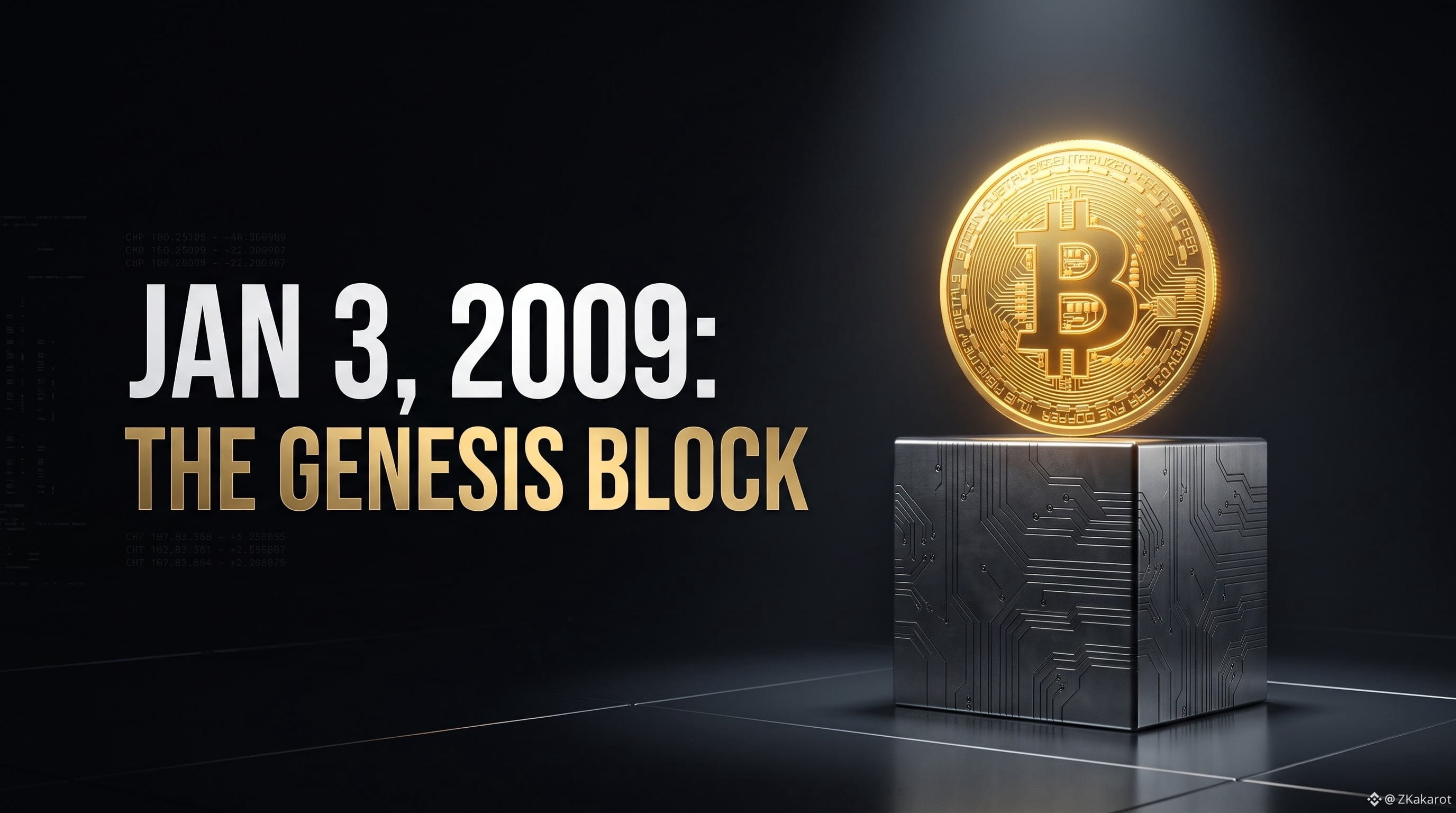
On January 3, 2009, Satoshi mined Bitcoin's very first block, known as the Genesis Block.
And hidden inside that block was a message referencing a newspaper headline:
"The Times 03/Jan/2009 Chancellor on brink of second bailout for banks"
I've always found that detail interesting. Many interpret it as a statement about the financial system Bitcoin was designed to challenge, although Satoshi never publicly confirmed that interpretation.
But here's where the mystery gets even more interesting.
Satoshi wasn't completely silent in Bitcoin's early days.
They actively communicated with developers, answered questions, discussed improvements, and helped build the network.
Then, around 2011, Satoshi disappeared from public communication.
No confirmed identity. No official explanation. Just silence.
Over the years, people have suggested numerous names, from computer scientists to cryptographers. Some even believe Satoshi was a group rather than one person.
But despite all the theories, nobody has publicly provided conclusive proof of Satoshi's real identity.
And here's something I find remarkable.
Bitcoin continued growing without its creator.
No CEO. No founder giving daily interviews. No central company controlling the network.
Just open-source software, miners, developers, and a global community.
Maybe that's the most fascinating part of Bitcoin's story.
Satoshi created a system designed to operate without depending on any single person, then stepped away and left the world to decide what to do with it.
More than a decade later, the mystery remains.
💭 What do you think? Should Satoshi Nakamoto's identity remain a secret forever, or does the world deserve to know?
If you enjoy discovering the fascinating stories behind cryptocurrency, drop a like and follow me for more crypto history, interesting projects, and market discussions! 🚀
{future}(BTCUSDT)
$BTC $BTC
#Bitcoin #SatoshiNakamoto #CryptoHistory #BTC #Blockchain
The Mystery Behind Bitcoin's Creator 👀
Someone Created Bitcoin, Changed the World, and Then Disappeared. Who Was Satoshi Nakamoto🕵️?
Imagine creating a technology that could change the global financial system, potentially holding billions of dollars in Bitcoin, and then disappearing without anyone knowing who you really are.
Sounds like something from a movie, right?
But that's exactly why the story of Satoshi Nakamoto has always fascinated me.
It all started in 2008.
The world was going through a massive financial crisis. Banks were collapsing, people were losing trust in traditional financial institutions, and uncertainty was everywhere.
Then, on October 31, 2008, someone using the name Satoshi Nakamoto published a nine-page document called Bitcoin: A Peer-to-Peer Electronic Cash System.
The idea was revolutionary.
What if people could send money directly to each other without needing a bank or any central authority to approve the transaction?
On January 3, 2009, Satoshi mined Bitcoin's very first block, known as the Genesis Block.
And hidden inside that block was a message referencing a newspaper headline:
"The Times 03/Jan/2009 Chancellor on brink of second bailout for banks"
I've always found that detail interesting. Many interpret it as a statement about the financial system Bitcoin was designed to challenge, although Satoshi never publicly confirmed that interpretation.
But here's where the mystery gets even more interesting.
Satoshi wasn't completely silent in Bitcoin's early days.
They actively communicated with developers, answered questions, discussed improvements, and helped build the network.
Then, around 2011, Satoshi disappeared from public communication.
No confirmed identity. No official explanation. Just silence.
Over the years, people have suggested numerous names, from computer scientists to cryptographers. Some even believe Satoshi was a group rather than one person.
But despite all the theories, nobody has publicly provided conclusive proof of Satoshi's real identity.
And here's something I find remarkable.
Bitcoin continued growing without its creator.
No CEO. No founder giving daily interviews. No central company controlling the network.
Just open-source software, miners, developers, and a global community.
Maybe that's the most fascinating part of Bitcoin's story.
Satoshi created a system designed to operate without depending on any single person, then stepped away and left the world to decide what to do with it.
More than a decade later, the mystery remains.
💭 What do you think? Should Satoshi Nakamoto's identity remain a secret forever, or does the world deserve to know?
If you enjoy discovering the fascinating stories behind cryptocurrency, drop a like and follow me for more crypto history, interesting projects, and market discussions! 🚀
$BTC $BTC
#Bitcoin #SatoshiNakamoto #CryptoHistory #BTC #Blockchain
50
·
--
Satoshi Nakamoto — The Man Who Changed Money Forever. ₿
No one knows who he really is.
No one knows where he is.
He created Bitcoin, changed the world's understanding of money, and disappeared.
He didn't ask for fame.
He didn't ask for power.
He gave the world an idea that could change the future.
The greatest mystery in the history of money.
Respect to Satoshi Nakamoto. 🧡₿
#Bitcoin #SatoshiNakamoto to #BTC #decentralization
76

·
--
SECRET MESSAGE HIDDEN INSIDE BITCOIN’S FIRST BLOCK
Bitcoin was not created to be a speculative tech stock. It was engineered as a direct response to the 2008 global financial crisis.
The Historic Timestamp: On January 3, 2009, Satoshi Nakamoto mined Block 0—known as the Genesis Block—creating the very first 50 Bitcoins.
The Permanent Headline: Embedded directly into the raw code of that block was a newspaper headline from The Times: "Chancellor on brink of second bailout for banks."
The Purpose: While governments used taxpayer money to rescue failing financial institutions, Bitcoin introduced a transparent, rules-based monetary system that no central authority can manipulate or bail out.
Every block added to the blockchain since 2009 builds upon that exact foundation of financial accountability.
Do you believe Bitcoin has fulfilled its original mission of offering an alternative to traditional banking? Share your view in the comments.
#Bitcoin #SatoshiNakamoto #blockchain #BTC #BinanceSquare
{future}(BTCUSDT)
{future}(ZECUSDT)
SECRET MESSAGE HIDDEN INSIDE BITCOIN’S FIRST BLOCK
Bitcoin was not created to be a speculative tech stock. It was engineered as a direct response to the 2008 global financial crisis.
The Historic Timestamp: On January 3, 2009, Satoshi Nakamoto mined Block 0—known as the Genesis Block—creating the very first 50 Bitcoins.
The Permanent Headline: Embedded directly into the raw code of that block was a newspaper headline from The Times: "Chancellor on brink of second bailout for banks."
The Purpose: While governments used taxpayer money to rescue failing financial institutions, Bitcoin introduced a transparent, rules-based monetary system that no central authority can manipulate or bail out.
Every block added to the blockchain since 2009 builds upon that exact foundation of financial accountability.
Do you believe Bitcoin has fulfilled its original mission of offering an alternative to traditional banking? Share your view in the comments.
#Bitcoin #SatoshiNakamoto #blockchain #BTC #BinanceSquare
131

Who created Bitcoin?
Bitcoin was created by **Satoshi Nakamoto**, a pseudonym that conceals the real identity of its author (or authors). On October 31, 2008, Nakamoto published the white paper describing a peer-to-peer electronic cash system. On January 3, 2009, they mined the first block, known as the **genesis block**.
Nobody knows whether Satoshi is one person or a group. They wrote in British English, had a strong command of cryptography and programming, and controlled nearly 1 million BTC that they never moved. In 2011, they disappeared without a trace.
Several candidates have emerged—Hal Finney, Nick Szabo, Craig Wright—but none has been able to prove it conclusively.
Why does anonymity matter? Because **without an identifiable leader, Bitcoin has no single point of failure**. There’s no CEO to pressure, no founder with majority control. That decentralization is part of the design.
Knowing its origins gives you context: Bitcoin was designed to resist censorship and operate without intermediaries. That explains why it reacts differently from other assets to regulations or exchange crises.
Follow us for more guides to help you understand the market’s structure, not just its price.
#SatoshiNakamoto
Mr_Prots:
сатоши....а не сятосьи
1
55
·
--
Article
🕵️
THE MYSTERY OF SATOSHI NAKAMOTO: WHO CREATED BITCOIN AND WHY DID THEY DISAPPEAR?One of the greatest technological and financial revolutions of our time was born from an identity that no one has yet been able to uncover. How is it possible that a tool moving billions of dollars has no visible owner?
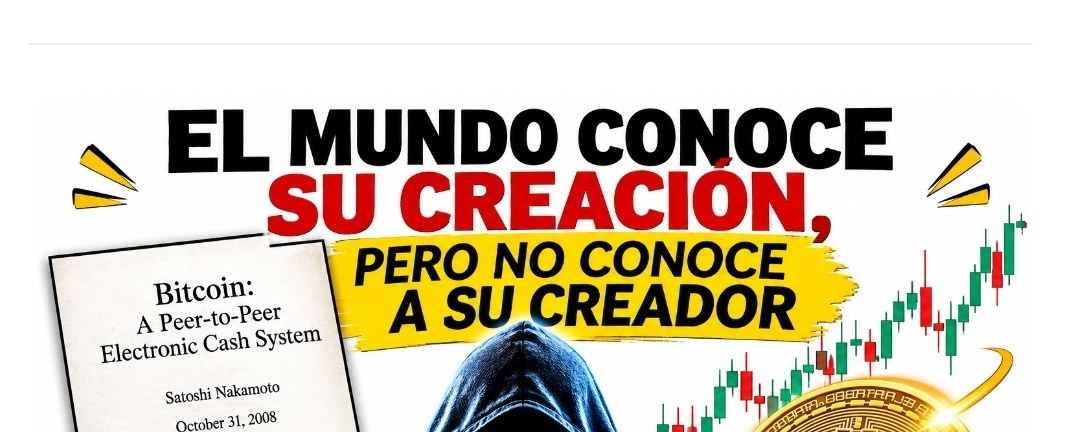
To understand Bitcoin, we have to go back to 2008. The world was going through a deep financial crisis, and trust in banks had completely collapsed. In the midst of this, a nine-page document appeared titled: Bitcoin: A Peer-to-Peer Electronic Cash System.
🕵️ THE MYSTERY OF SATOSHI NAKAMOTO: WHO CREATED BITCOIN AND WHY DID THEY DISAPPEAR?
One of the greatest technological and financial revolutions of our time was born from an identity that no one has yet been able to uncover. How is it possible that a tool moving billions of dollars has no visible owner?
To understand Bitcoin, we have to go back to 2008. The world was going through a deep financial crisis, and trust in banks had completely collapsed. In the midst of this, a nine-page document appeared titled: Bitcoin: A Peer-to-Peer Electronic Cash System.
To understand Bitcoin, we have to go back to 2008. The world was going through a deep financial crisis, and trust in banks had completely collapsed. In the midst of this, a nine-page document appeared titled: Bitcoin: A Peer-to-Peer Electronic Cash System.
3
996

·
--
Quantum Landmines: The New Plan to Protect Satoshi’s $BTC from Future Quantum Theft
Could Satoshi Nakamoto’s ~1.1M dormant Bitcoins ever be cracked by a quantum supercomputer? A new proposal by Bitcoin Core developer Cory Fields introduces an economic defense designed to make attacking legacy wallets financially suicidal.
The Core Mechanism: Put Up Collateral or Back Off
Instead of trying to outpace quantum hardware through rushed cryptographic hard forks, Fields proposes an economic trap:
Mandatory Collateral: Once quantum threats become viable, anyone attempting to spend $BTC from legacy, non-quantum-resistant addresses would be required to lock up an equal 1:1 amount of modern, quantum-safe BTC as collateral during a mandatory lock-up window.
Quantum Landmines: Legitimate wallet owners can pre-commit cryptographic proofs. If an attacker tries to drain their address, the real owner reveals the proof, cancels the transaction, and seizes the attacker's locked collateral.
Staked & Sats Auctions (For Lost Coins): To protect truly dormant or lost addresses (like Satoshi's untouched holdings), the network would trigger a public auction mechanism. Third parties could submit counter-bids to confiscate or permanently burn the attacker’s collateral, ensuring attackers face guaranteed capital loss even if the original owner is gone.
The Takeaway
Fields' proposal shifts the quantum battleground from pure encryption to game theory: turning an attacker’s potential payout into an asymmetric economic trap where the thief risks losing their own capital on every attempt.
What do you think—will economic penalties be enough to deter quantum exploits on legacy wallets?
#Bitcoin #BTC #QuantumComputing #CryptoSecurity #SatoshiNakamoto
$BTC
{future}(BTCUSDT)
Quantum Landmines: The New Plan to Protect Satoshi’s $BTC from Future Quantum Theft
Could Satoshi Nakamoto’s ~1.1M dormant Bitcoins ever be cracked by a quantum supercomputer? A new proposal by Bitcoin Core developer Cory Fields introduces an economic defense designed to make attacking legacy wallets financially suicidal.
The Core Mechanism: Put Up Collateral or Back Off
Instead of trying to outpace quantum hardware through rushed cryptographic hard forks, Fields proposes an economic trap:
Mandatory Collateral: Once quantum threats become viable, anyone attempting to spend $BTC from legacy, non-quantum-resistant addresses would be required to lock up an equal 1:1 amount of modern, quantum-safe BTC as collateral during a mandatory lock-up window.
Quantum Landmines: Legitimate wallet owners can pre-commit cryptographic proofs. If an attacker tries to drain their address, the real owner reveals the proof, cancels the transaction, and seizes the attacker's locked collateral.
Staked & Sats Auctions (For Lost Coins): To protect truly dormant or lost addresses (like Satoshi's untouched holdings), the network would trigger a public auction mechanism. Third parties could submit counter-bids to confiscate or permanently burn the attacker’s collateral, ensuring attackers face guaranteed capital loss even if the original owner is gone.
The Takeaway
Fields' proposal shifts the quantum battleground from pure encryption to game theory: turning an attacker’s potential payout into an asymmetric economic trap where the thief risks losing their own capital on every attempt.
What do you think—will economic penalties be enough to deter quantum exploits on legacy wallets?
#Bitcoin #BTC #QuantumComputing #CryptoSecurity #SatoshiNakamoto
$BTC
1
81
·
--
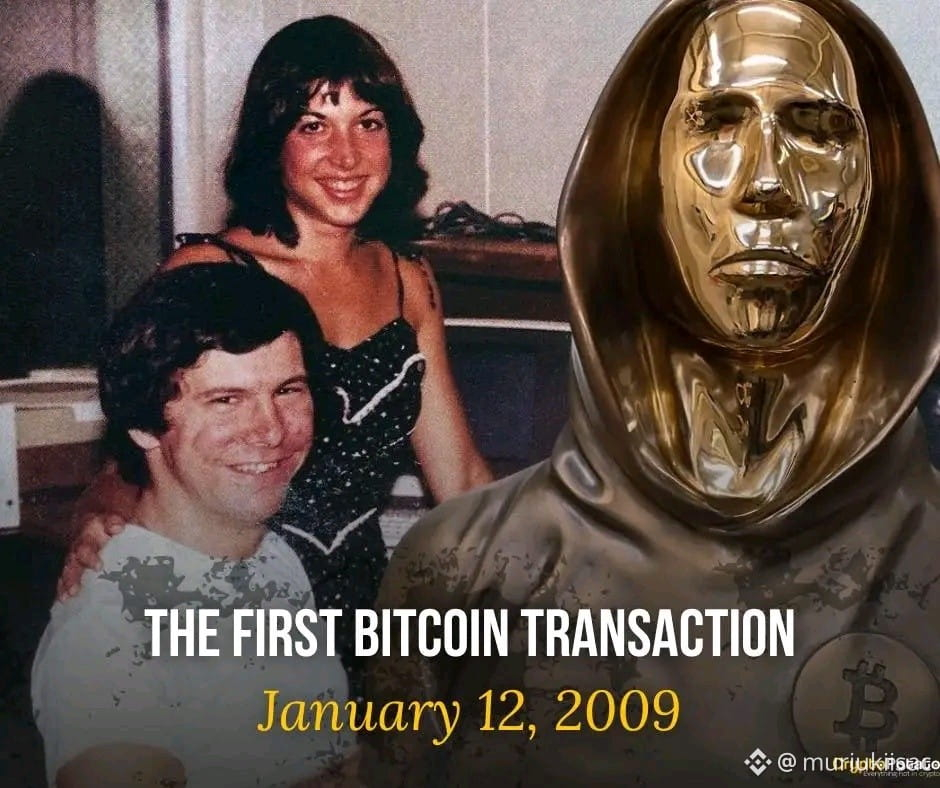
🚨 $BTC HISTORY:⏳THE FIRST BITCOIN TRANSACTION (JAN 12, 2009)
On January 12, 2009, Satoshi Nakamoto sent the first Bitcoin transaction to Hal Finney, marking a key moment in Bitcoin’s early history.
Finney later said that Satoshi’s real identity was unknown to him. Based on their communication, he believed Satoshi to be “a young man of Japanese origin, very intelligent and sincere.”
Looking back in 2014, Finney reflected on his early experience with Bitcoin. At the time, the network was still experimental, mining difficulty was 1, and blocks could be mined using a regular CPU. He mined a few blocks but eventually shut down his computer due to heat and fan noise - unaware of what Bitcoin would later become.
This moment highlights how modest and uncertain Bitcoin’s beginnings were, even to those closest to its launch.
#binancepick #BinanceReopensWithdrawalsForMoreAssets #Binance98PercentReplenished #USMidterms-WhatAreMarketsExpecting? #SatoshiNakamoto
1
111

🚨 SATOSHI NAKAMOTO: THE LEGEND BEHIND BITCOIN! ₿
One mysterious creator. One revolutionary idea. A global financial movement. 🌍
Satoshi introduced Bitcoin and changed the future of digital money forever.
🔐 Decentralization
₿ Financial freedom
🌐 A borderless financial vision
👀 Is Satoshi's original vision still alive in today's crypto market?
Share your thoughts! 👇
#bitcoin #BTC #SatoshiNakamoto
{future}(BTCUSDT)
🚨 SATOSHI NAKAMOTO: THE LEGEND BEHIND BITCOIN! ₿
One mysterious creator. One revolutionary idea. A global financial movement. 🌍
Satoshi introduced Bitcoin and changed the future of digital money forever.
🔐 Decentralization
₿ Financial freedom
🌐 A borderless financial vision
👀 Is Satoshi's original vision still alive in today's crypto market?
Share your thoughts! 👇
#bitcoin #BTC #SatoshiNakamoto
70


Article
Our Unusual Crypto Universe #37:In 2010, they were giving away 5 Bitcoin online, and Satoshi Nakamoto celebrated it!
We’re kicking off week 13 with a story that seems incredible today: there was a time when you could get 5 BTC just by visiting a website.
In June 2010, when Bitcoin was still virtually unknown, developer Gavin Andresen had a rather unusual idea: give away bitcoins so more people could try them out.
He created a page called Bitcoin Faucet, something like a cryptocurrency faucet. Anyone could visit, complete a simple verification, and receive 5 BTC.
Our Unusual Crypto Universe #37:
In 2010, they were giving away 5 Bitcoin online, and Satoshi Nakamoto celebrated it!
We’re kicking off week 13 with a story that seems incredible today: there was a time when you could get 5 BTC just by visiting a website.
In June 2010, when Bitcoin was still virtually unknown, developer Gavin Andresen had a rather unusual idea: give away bitcoins so more people could try them out.
He created a page called Bitcoin Faucet, something like a cryptocurrency faucet. Anyone could visit, complete a simple verification, and receive 5 BTC.
2
147

·
--
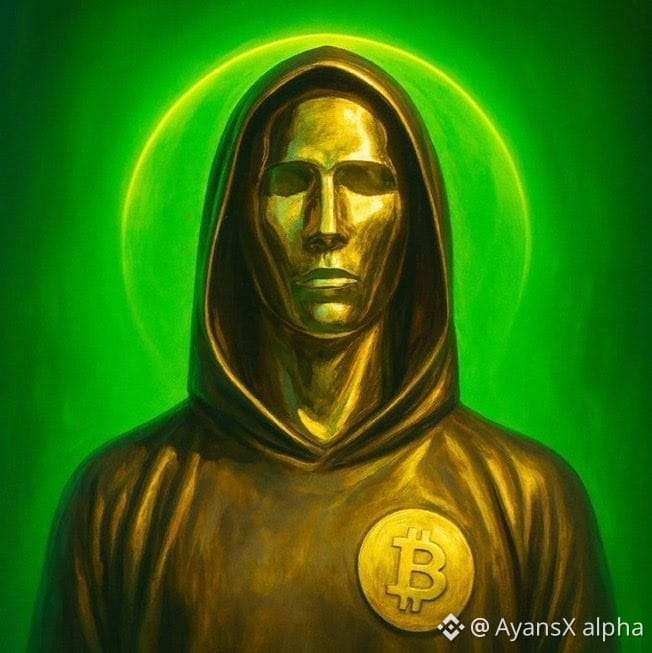
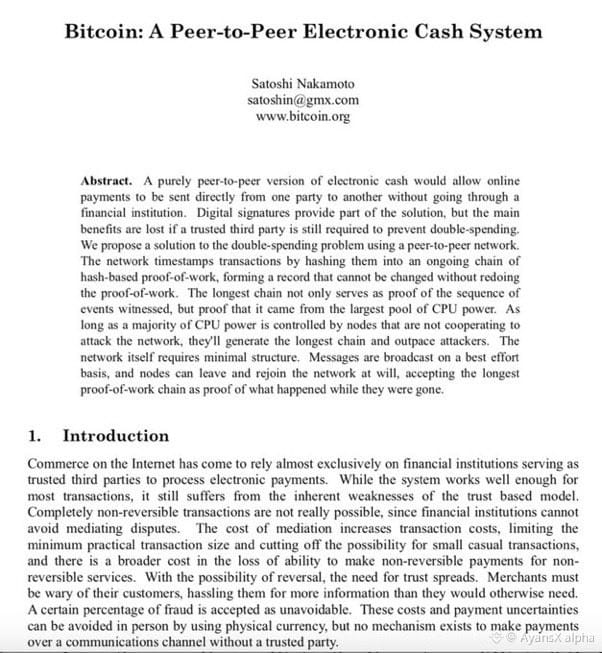
Headline: 9 pages. 18 years. 1 revolution. 📄🚀
$BTC
18 years ago today, Satoshi Nakamoto dropped the Bitcoin whitepaper.
They said it was a scam.
They said it would die.
They said it was too volatile.
Yet here we are. The network has never been hacked. The supply has never been inflated. The blocks keep coming every 10 minutes.
To the cypherpunks who paved the way and the miners who keep it running: Thank you.
The revolution will not be centralized.
#bitcoin #BTC #SatoshiNakamoto #Anniversary
1
160

·
--
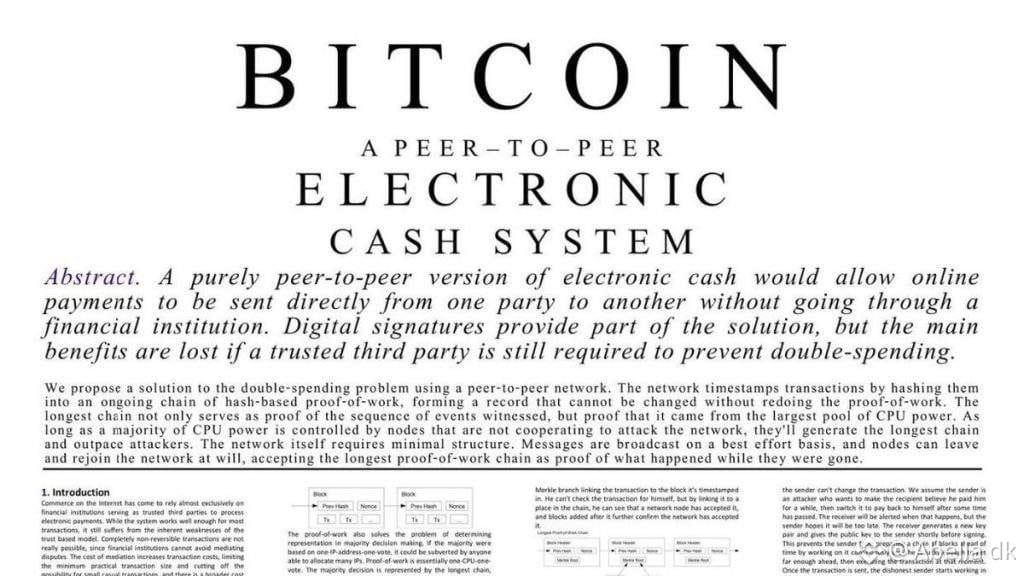
🔥 ON THIS DAY: BITCOIN'S FIRST BIG DEBATE! $ESPORTS
On November 2, 2008, Bitcoin received its first public response just two days after Satoshi Nakamoto shared the whitepaper.
$IDOL
💬 "We very, very much need such a system… it does not seem to scale to the required size."
Interestingly, Bitcoin's first major criticism was about SCALABILITY.
$BTC
That single concern eventually sparked:
⚡ The 2017 Block Size Wars
⚡ Lightning Network
⚡ Bitcoin Layer 2 solutions
Nearly 18 years later, Bitcoin is still evolving.
The question is: Has Bitcoin finally solved its scaling problem, or is the biggest challenge still ahead? 👀
#Bitcoin #BTC #SatoshiNakamoto #CryptoHistory
1
718

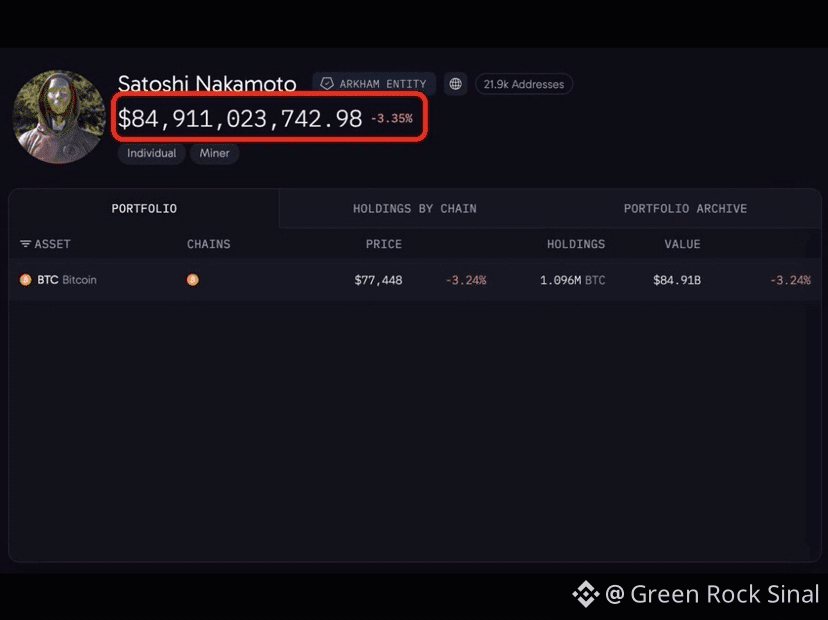
While exchanges lose billions in hacks, Bitcoin’s greatest fortune remains untouched.
We’re talking about more than 84 billion dollars belonging to Satoshi Nakamoto. The reason it’s safe isn’t luck—it’s blockchain mathematics.
$ESPORTS
There’s no tech support to recover a password. There’s no central server to hack. And nobody knows who owns these keys. The only way to move these coins is to have the exact cryptographic code.
$AIN
Nobody knows whether Satoshi still has the keys or whether they’re lost forever. But one thing is certain: the security of the decentralized network is doing its job.
$BTC
Do you believe these keys still exist somewhere, or were they lost to time?
#Bitcoin #SatoshiNakamoto #CryptoSecurity #blockchain
{spot}(BTCUSDT)
{future}(AINUSDT)
{future}(ESPORTSUSDT)
While exchanges lose billions in hacks, Bitcoin’s greatest fortune remains untouched.
We’re talking about more than 84 billion dollars belonging to Satoshi Nakamoto. The reason it’s safe isn’t luck—it’s blockchain mathematics.
$ESPORTS
There’s no tech support to recover a password. There’s no central server to hack. And nobody knows who owns these keys. The only way to move these coins is to have the exact cryptographic code.
$AIN
Nobody knows whether Satoshi still has the keys or whether they’re lost forever. But one thing is certain: the security of the decentralized network is doing its job.
$BTC
Do you believe these keys still exist somewhere, or were they lost to time?
#Bitcoin #SatoshiNakamoto #CryptoSecurity #blockchain
1
404

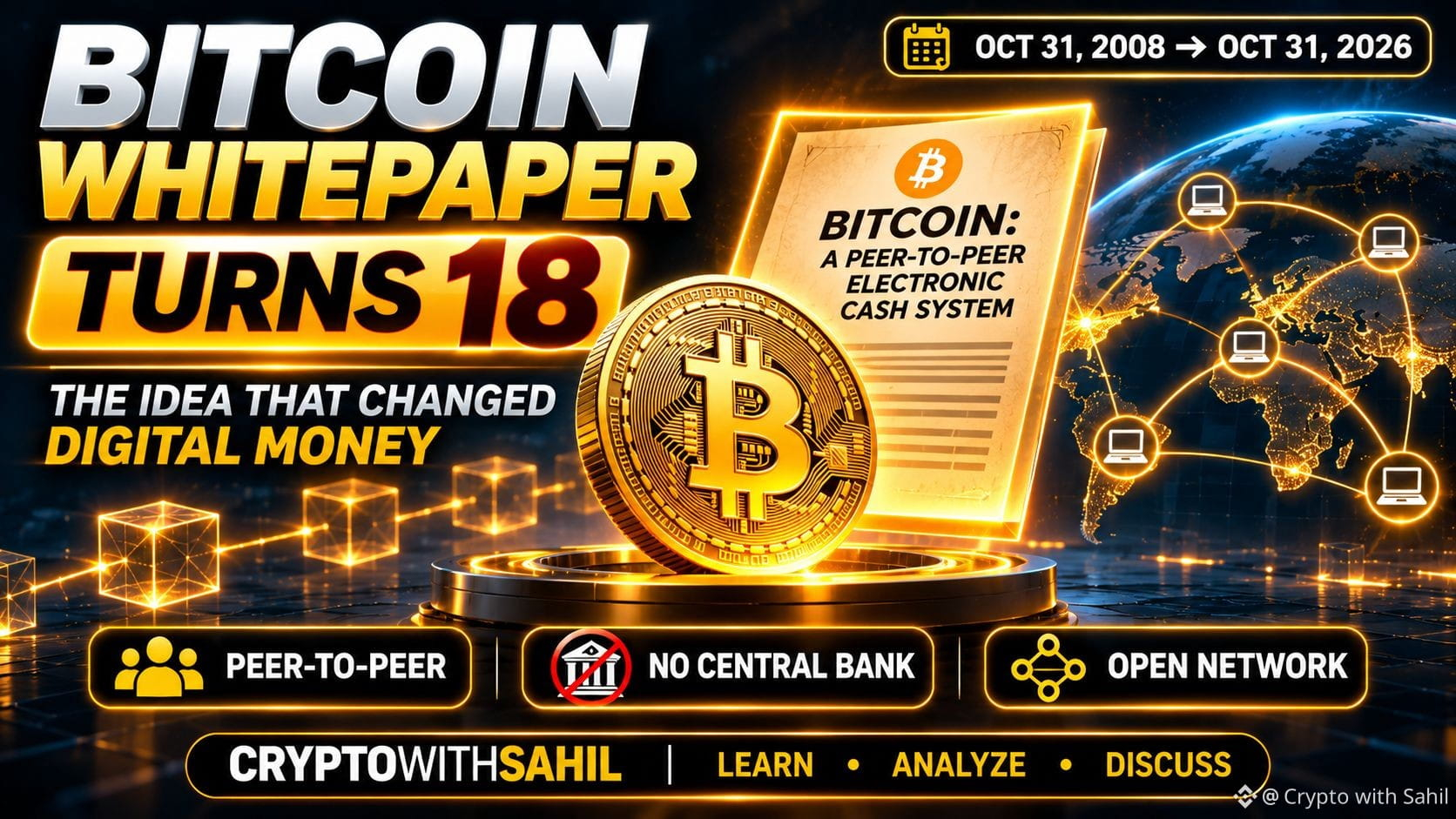
🎂 BITCOIN'S WHITEPAPER TURNS 18!
On October 31, 2008, a person or group using the name Satoshi Nakamoto published a paper titled:
📄 “Bitcoin: A Peer-to-Peer Electronic Cash System.”
That document introduced a revolutionary idea: digital money that could move directly between people without depending on a central bank or traditional payment intermediary.
🔍 Why was it important?
1️⃣ Peer-to-peer payments: People could send value directly to one another.
2️⃣ Blockchain technology: Transactions could be recorded on a shared public ledger.
3️⃣ Decentralization: The network could operate without one central authority controlling it.
4️⃣ Digital scarcity: Bitcoin introduced a maximum supply of 21 million BTC.
🌍 Eighteen years later, Bitcoin has become one of the most recognized digital assets in the world.
The technology has evolved, but the original idea remains important.
💬 Discussion: What do you think is Bitcoin's biggest achievement: decentralization, limited supply, or creating a new financial system?
🔔 Follow CryptoWithSahil for daily crypto news, market insights, and blockchain updates!
#Bitcoin #BTC #SatoshiNakamoto #Blockchain #CryptoEducation
1
109
·
--
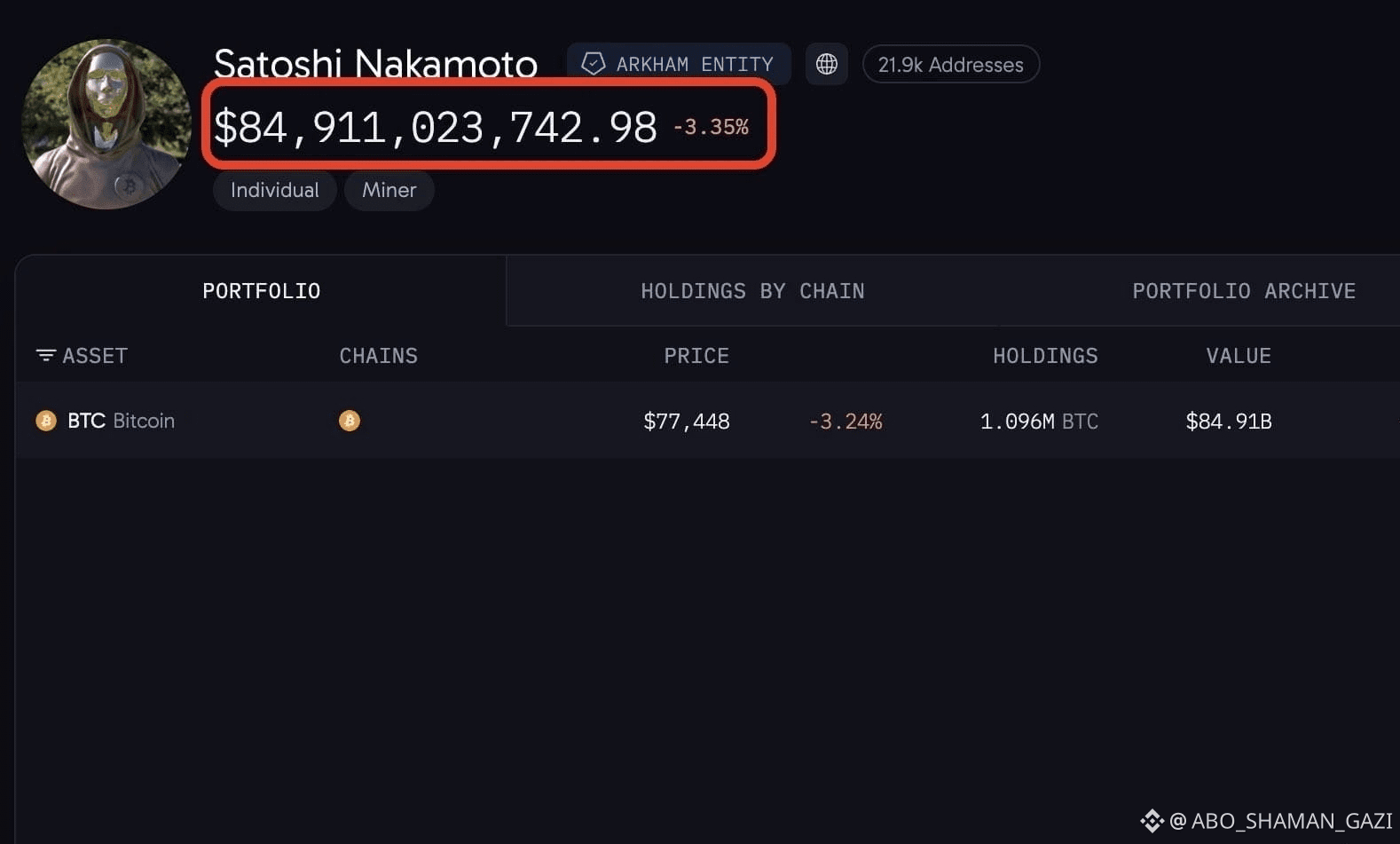
🚨 The mystery of Satoshi Nakamoto’s billion-dollar wallet... Are hackers really unable to crack it? 📉 The strongest firewall!
The mysterious founder of Bitcoin’s wallet, #Satoshi, holds astronomical sums worth tens of billions of dollars, and it is publicly visible to every hacker in the world.
But why can nobody touch a single cent of it?
The scientific truth lies in the genius of “decentralized encryption” (SHA-256): this isn’t about hacking a server or a company. It would take extraordinary computing power, exceeding that of the entire planet, just to guess the private key.
👇 Follow liquidity movements and the stability of the king of cryptocurrencies live on the chart:
$BTC
Fill the comments with blessings upon the Prophet Muhammad ﷺ, and share your thoughts: Do you think Satoshi is one person or a secret organization? 👇👀
#BinanceSquare #Bitcoin #SatoshiNakamoto #العملات_الرقمية #ABO_SHAMAN
5
10
4.5k

·
--
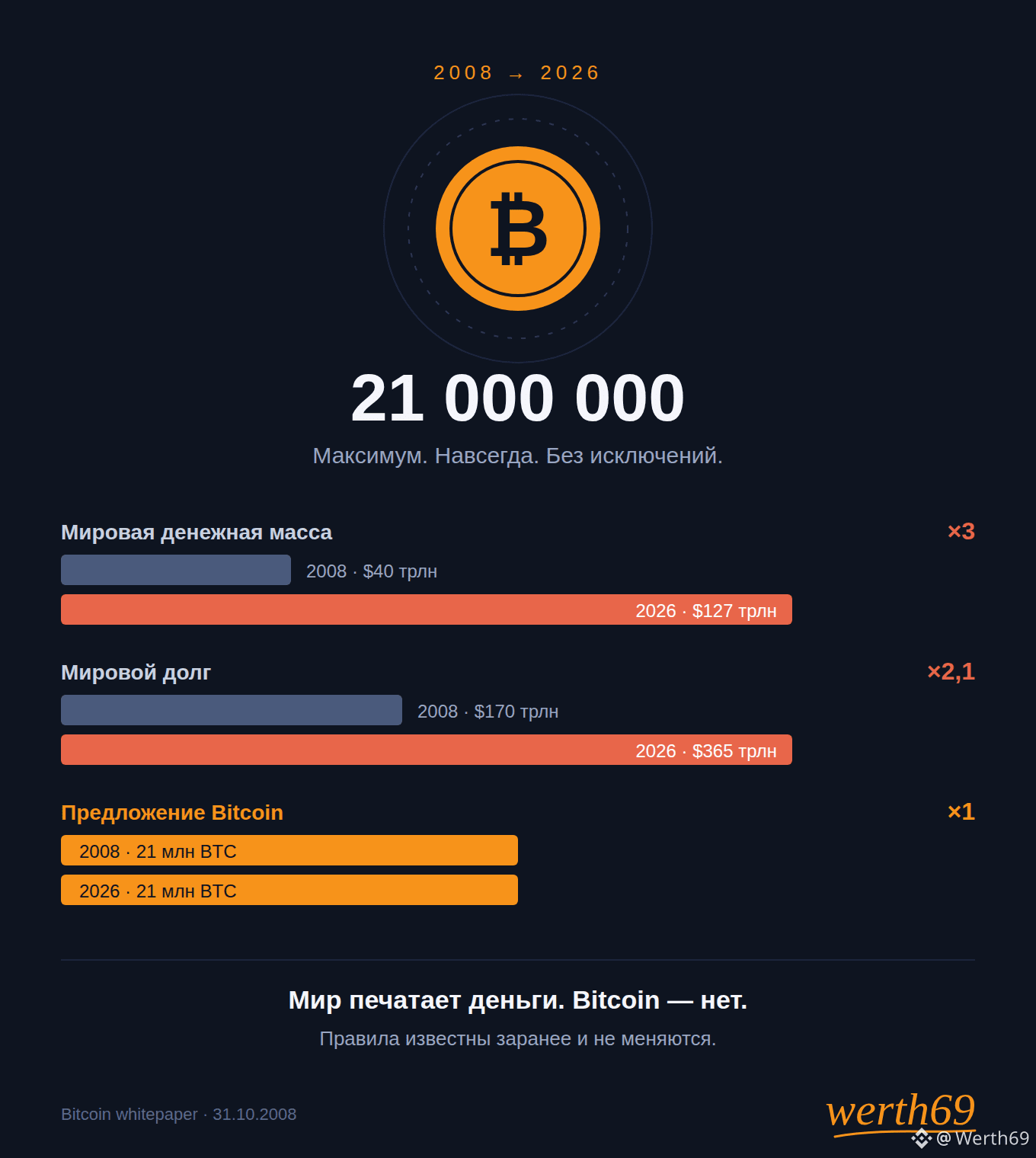
18 years ago, Satoshi Nakamoto published a document describing Bitcoin.
In 2008:
— The global money supply was about $40 trillion.
— Global debt was about $170 trillion.
— Bitcoin’s maximum supply was 21 million coins.
18 years have passed. Today, in 2026:
— The global money supply is about $127 trillion.
— Global debt is about $365 trillion.
— Bitcoin’s maximum supply is still 21 million coins.
During this time, the amount of money in the world has roughly tripled.
Global debt has more than doubled.
And Satoshi changed nothing.
Because the key difference between Bitcoin and government-issued currencies is that its supply cannot be increased by a decision of a central bank or government.
The rules are known in advance. The maximum is 21 million coins.
The world continues to create new money and accumulate debt.
And Bitcoin continues to operate according to the rules established back in 2008.
#bitcoin #SatoshiNakamoto #CryptoHistory #HODL
$BTC
{future}(BTCUSDT)
18 years ago, Satoshi Nakamoto published a document describing Bitcoin.
In 2008:
— The global money supply was about $40 trillion.
— Global debt was about $170 trillion.
— Bitcoin’s maximum supply was 21 million coins.
18 years have passed. Today, in 2026:
— The global money supply is about $127 trillion.
— Global debt is about $365 trillion.
— Bitcoin’s maximum supply is still 21 million coins.
During this time, the amount of money in the world has roughly tripled.
Global debt has more than doubled.
And Satoshi changed nothing.
Because the key difference between Bitcoin and government-issued currencies is that its supply cannot be increased by a decision of a central bank or government.
The rules are known in advance. The maximum is 21 million coins.
The world continues to create new money and accumulate debt.
And Bitcoin continues to operate according to the rules established back in 2008.
#bitcoin #SatoshiNakamoto #CryptoHistory #HODL
$BTC
2
10
10.3k


·
--
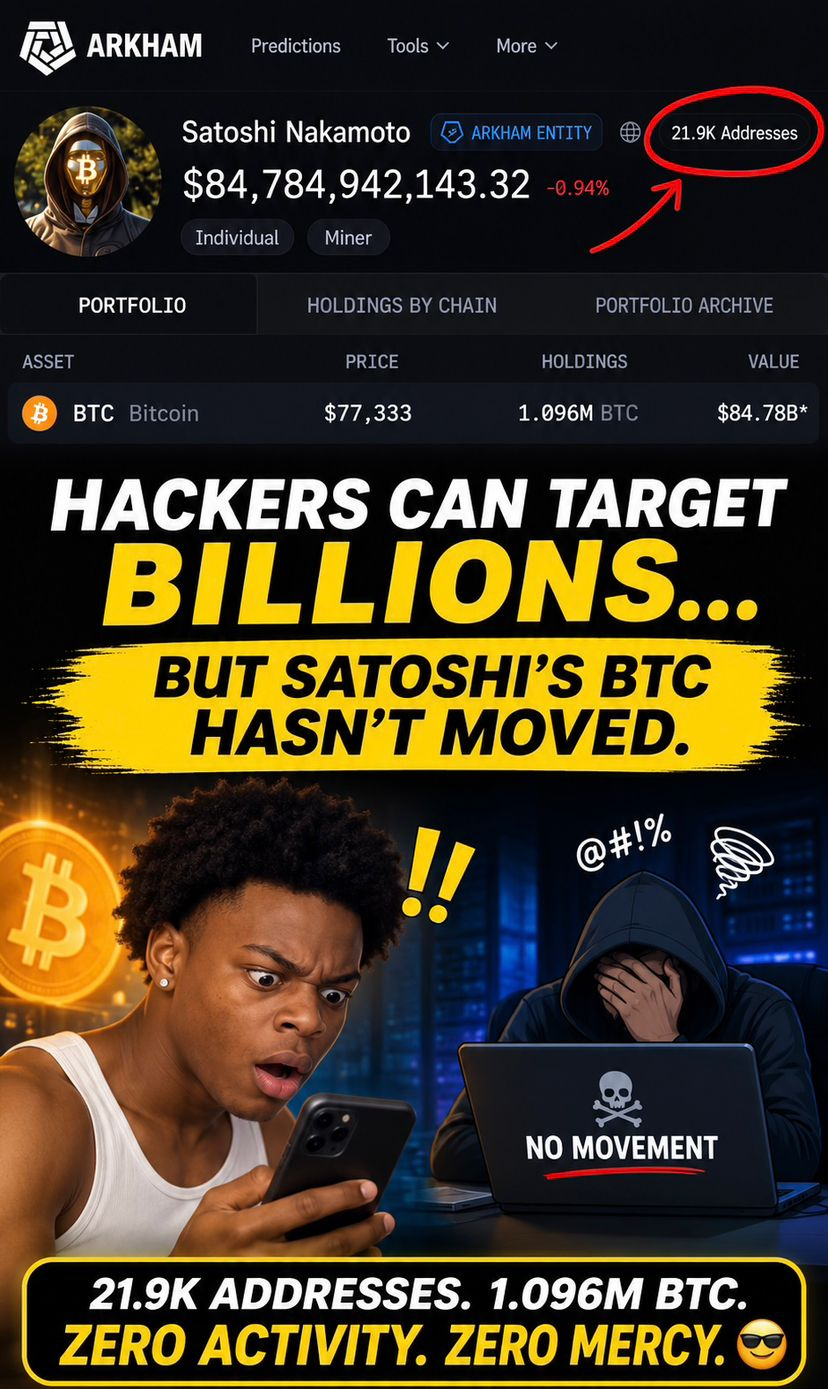
21,900+ ADDRESSES. 1.096 MILLION $BTC near around $84.8 BILLION. ♟️🤝
Hackers have stolen billions across crypto.
#AI is getting smarter. Exploits are getting more sophisticated.
But Satoshi’s estimated Bitcoin fortune? Still dormant. Not a single coin moved.
Imagine being a hacker and seeing $84.8 Billion sitting there and having absolutely nothing to show for it. 😂
Satoshi remains crypto’s ultimate HODLer. 🔒
Arkham attribution based on the Patoshi Pattern.
Ownership is not cryptographically proven. ✅
#satoshi #SatoshiNakamoto #Bitcoin $BTC
1
1.3k

·
--
Bullish
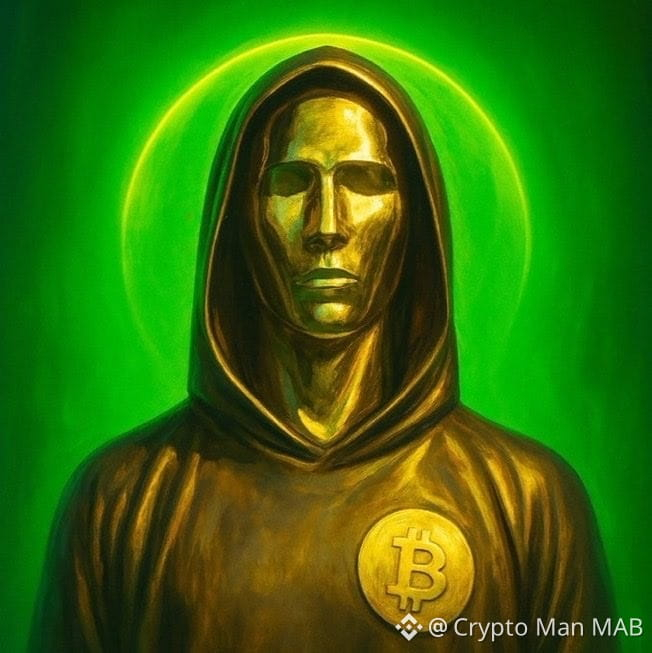
18 Years Ago Today.
October 31, 2008. Halloween.
The world was in the middle of a financial crisis. Banks were failing. Trust was collapsing.
And on a cryptography mailing list, a pseudonym posted this:
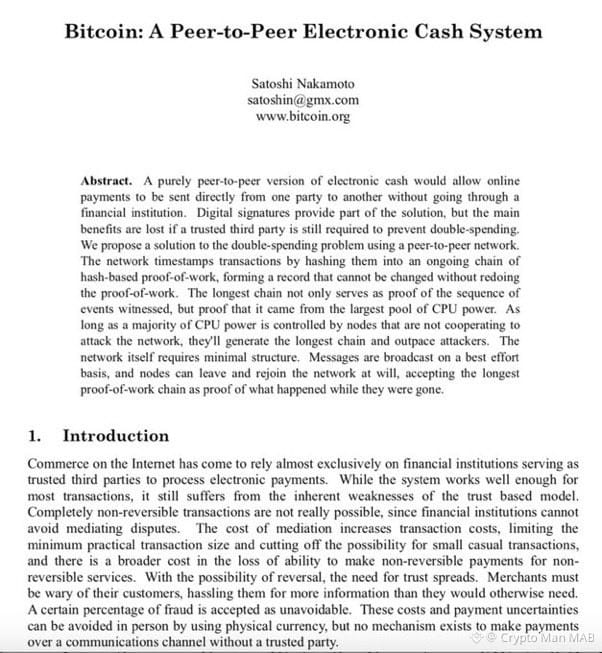
"I've been working on a new electronic cash system that's fully peer-to-peer, with no trusted third party."
Attached was a 9-page PDF titled:
Bitcoin: A Peer-to-Peer Electronic Cash System.
No company. No CEO. No VC funding. No marketing.
Just a simple, radical idea: We can replace trust in institutions with cryptographic proof.
That paper laid out how to solve double spending, how to let nodes agree without a central authority, and how to create scarce digital money.
Two months later, Bitcoin went live.
Today, that 9 page document has become a multi trillion dollar network, an entire industry, and for millions a new financial system.
Satoshi disappeared. The idea didn't.
Happy 18th Anniversary to the Bitcoin Whitepaper. 🎃
#Bitcoin #SatoshiNakamoto
3
7
1.3k

·
--
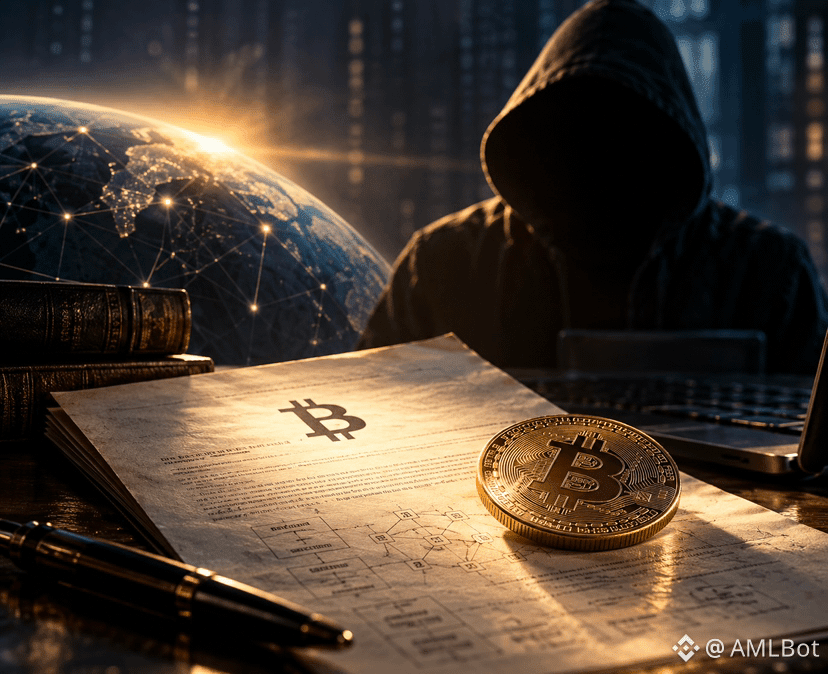
18 YEARS AGO, AN IDEA CHANGED THE COURSE OF FINANCIAL HISTORY.
An email from an unknown person calling himself Satoshi Nakamoto appeared on a cryptography mailing list.
Attached was a document that would challenge the traditional financial system:
Bitcoin: A Peer-to-Peer Electronic Cash System.
No central bank. No financial intermediary. No trusted third party.
Just a revolutionary idea: financial transactions based on cryptographic proof rather than institutional trust.
18 years later, Bitcoin is much more than digital money. It has become a symbol of financial independence and an entirely new approach to ownership and value.
But every financial revolution creates new responsibilities.
As digital assets enter the global economy, security, transaction transparency, blockchain intelligence and effective AML compliance become increasingly important.
Decentralization gives people freedom.
Intelligence helps protect that freedom.
The next chapter of crypto will not be defined by technology alone, but by our ability to build an ecosystem that is innovative, secure and trustworthy.
Perhaps Satoshi’s greatest achievement was not creating a new currency.
It was changing the way humanity thinks about trust.
18 years later, the revolution is still unfolding.
#bitcoin #SatoshiNakamoto #aml #BlockchainIntelligence #Crypto
42
Log in to explore more content
Join global crypto users on Binance Square
⚡️ Get latest and useful information about crypto.
💬 Trusted by the world’s largest crypto exchange.
👍 Discover real insights from verified creators.
Email / Phone number
Trending Topics
1
#MoreHikesExpectedIsBTCUnderPressure
0 views
0 Discussing
2
#NvidiaBeatsEstimatesWith$130BQ4Outlook
60,100 views
284 Discussing
3
#AnthropicIPOPriceCouldExceed$80
61,226 views
240 Discussing
4
#RussiaCentralBankAddsAlfaBankToCryptoExchangeRegister
4,125 views
50 Discussing
5
#RussianCentralBankPlansToAllowFundsToHoldCryptoIn2027
2,530 views
37 Discussing
6
#VisaPlansStablecoinPrefundingForAPACCrossBorderPayments
4,188 views
38 Discussing
7
#CanNvidia’sDataCenterGrowthContinue?
158,615 views
1,493 Discussing
8
#CanadaAndUSLaunchOperationNiagaraAgainstApprovalPhishing
36,886 views
54 Discussing
9
#BankOfEnglandUnveilsClearingHousePathwayCoveringDLTFirms
4,428 views
66 Discussing
10
#DBSAndCirclePartnerToExpandAsianInstitutionsUSDCAccess
5,642 views
66 Discussing