

#economics
economics
250,241 views
275 Discussing
Hot
Latest

·
--
Institutional $ETH ETFs are less about crypto demand and more about the global mood.
When central banks tighten liquidity, the cost of capital spikes, forcing managers to dump volatile bets. This is why ETF inflows stall even when the charts look great. Stop treating these flows as isolated crypto signals; they are a direct proxy for how much risk the world is willing to swallow. $SOL
$ETH #CryptoMacro #Economics #ETF
Institutional $ETH ETFs are less about crypto demand and more about the global mood.
When central banks tighten liquidity, the cost of capital spikes, forcing managers to dump volatile bets. This is why ETF inflows stall even when the charts look great. Stop treating these flows as isolated crypto signals; they are a direct proxy for how much risk the world is willing to swallow. $SOL
$ETH #CryptoMacro #Economics #ETF
When central banks tighten liquidity, the cost of capital spikes, forcing managers to dump volatile bets. This is why ETF inflows stall even when the charts look great. Stop treating these flows as isolated crypto signals; they are a direct proxy for how much risk the world is willing to swallow. $SOL
$ETH #CryptoMacro #Economics #ETF

64

·
--
The secret to understanding the current crypto bear market might just be hiding in plain sight - most traders watch price, but smart money watches Bitcoin mining difficulty.
Yesterday's 14% drop in mining difficulty marked a significant shift from this year's high, a clear sign that plummeting revenues are forcing operators to adapt. Weaker mining economics have led to reduced capacity, as seen in the falling difficulty.
But here's the kicker: forward markets are signaling little relief through year-end, indicating that miners may need to stay in a cost-cutting mode for a while longer. This means investors should keep a close eye on #BitcoinMining #Economics and how it impacts the broader market.
To stay ahead of the game, keep an eye on #MiningRevenues as a gauge of miners' ability to stay afloat.
Can we expect a sustained period of miner capitulation to further drive down Bitcoin's price?
The secret to understanding the current crypto bear market might just be hiding in plain sight - most traders watch price, but smart money watches Bitcoin mining difficulty.
Yesterday's 14% drop in mining difficulty marked a significant shift from this year's high, a clear sign that plummeting revenues are forcing operators to adapt. Weaker mining economics have led to reduced capacity, as seen in the falling difficulty.
But here's the kicker: forward markets are signaling little relief through year-end, indicating that miners may need to stay in a cost-cutting mode for a while longer. This means investors should keep a close eye on #BitcoinMining #Economics and how it impacts the broader market.
To stay ahead of the game, keep an eye on #MiningRevenues as a gauge of miners' ability to stay afloat.
Can we expect a sustained period of miner capitulation to further drive down Bitcoin's price?
Yesterday's 14% drop in mining difficulty marked a significant shift from this year's high, a clear sign that plummeting revenues are forcing operators to adapt. Weaker mining economics have led to reduced capacity, as seen in the falling difficulty.
But here's the kicker: forward markets are signaling little relief through year-end, indicating that miners may need to stay in a cost-cutting mode for a while longer. This means investors should keep a close eye on #BitcoinMining #Economics and how it impacts the broader market.
To stay ahead of the game, keep an eye on #MiningRevenues as a gauge of miners' ability to stay afloat.
Can we expect a sustained period of miner capitulation to further drive down Bitcoin's price?
22

·
--
Article
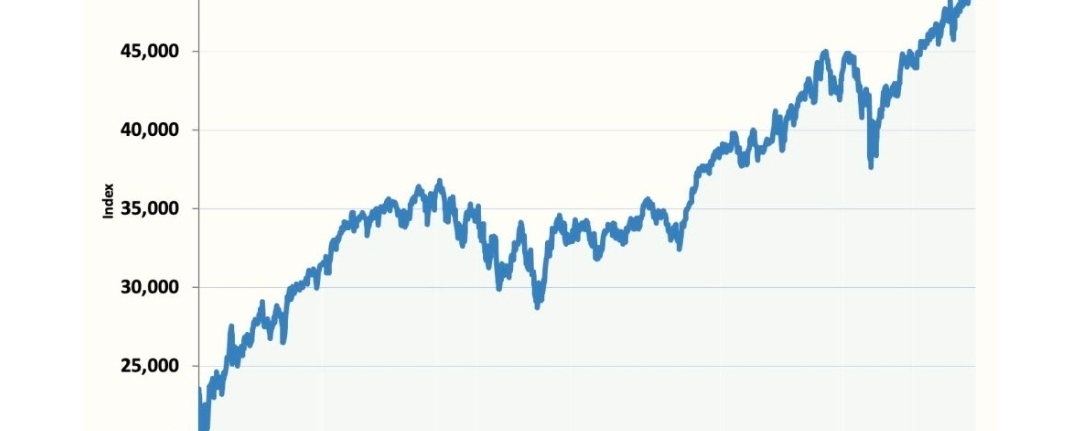
Will Markets Crash in 2026?In 2025, the global economy was a rollercoaster – and normally Erratic tariffs, rising public debt, higher bond yields and a cost-of-living squeeze would unsettle markets but the truth is stock markets loved it.
They surged to their highest ever levels. The most dangerous time in markets is when bad news stops mattering. In the US the S&P 500 index now pays 40 times cyclically adjusted earnings – a multiple very close to the dot com bubble. Another thing that is soaring – Gold all the uncertainty has people talking of $7,000, just a reminder gold can fall in value too.
$BNB
$BTC
#Economics
Will Markets Crash in 2026?
In 2025, the global economy was a rollercoaster – and normally Erratic tariffs, rising public debt, higher bond yields and a cost-of-living squeeze would unsettle markets but the truth is stock markets loved it.
They surged to their highest ever levels. The most dangerous time in markets is when bad news stops mattering. In the US the S&P 500 index now pays 40 times cyclically adjusted earnings – a multiple very close to the dot com bubble. Another thing that is soaring – Gold all the uncertainty has people talking of $7,000, just a reminder gold can fall in value too.
$BNB
$BTC
#Economics
They surged to their highest ever levels. The most dangerous time in markets is when bad news stops mattering. In the US the S&P 500 index now pays 40 times cyclically adjusted earnings – a multiple very close to the dot com bubble. Another thing that is soaring – Gold all the uncertainty has people talking of $7,000, just a reminder gold can fall in value too.
$BNB
$BTC
#Economics
68

·
--
Market watch mode: ON. 👁️💼The ultimate economic double-header drops this week. Whether you are trading equities, crypto, or forex, the upcoming CPI and PPI releases are bound to move the charts.
💡 Quick tip: Keep an eye on the core metrics, stay patient, and protect your capital.
Drop your predictions below—are we looking at a hot report or a cooling trend?
👇#USJulyCPI&PPIDueThisWeek #DayTradingTips #cryptotrading #InvestorLife #FinancialLiteracyJourney #Economics
Market watch mode: ON.
👁️💼The ultimate economic double-header drops this week. Whether you are trading equities, crypto, or forex, the upcoming CPI and PPI releases are bound to move the charts.
💡 Quick tip: Keep an eye on the core metrics, stay patient, and protect your capital.
Drop your predictions below—are we looking at a hot report or a cooling trend?
👇#USJulyCPI&PPIDueThisWeek #DayTradingTips #cryptotrading #InvestorLife #FinancialLiteracyJourney #Economics
💡 Quick tip: Keep an eye on the core metrics, stay patient, and protect your capital.
Drop your predictions below—are we looking at a hot report or a cooling trend?
👇#USJulyCPI&PPIDueThisWeek #DayTradingTips #cryptotrading #InvestorLife #FinancialLiteracyJourney #Economics
1
94

Singapore is gearing up to take a new step that will directly impact global capital flows, as the Monetary Authority of Singapore starts rolling out a revised framework for "single family offices" starting June 15.
This change aims to strike a smart balance: simplifying the setup process for wealthy families' investment entities to attract investments while tightening oversight to combat money laundering more effectively.
What does this mean for investors?
Easier expansion: Streamlining the establishment process makes Singapore a more attractive destination for wealth management.
Higher security: Enhancing defenses against illicit financing adds a more stable institutional character.
Positive impact: A clearer regulatory environment often boosts confidence in markets and supports sustainable investment growth.
This move sets a new standard for how countries handle private wealth flows, further solidifying Singapore's position as a global financial hub that keeps pace with developments.
In your opinion, will these stricter regulations lead to an increase in capital flows to the region or will they complicate the processes? Share your insights in the comments. 👇
#SingaporeGDP #Finance #WealthManagement #Investment #Crypto #Economics #BinanceSquare
Singapore is gearing up to take a new step that will directly impact global capital flows, as the Monetary Authority of Singapore starts rolling out a revised framework for "single family offices" starting June 15.
This change aims to strike a smart balance: simplifying the setup process for wealthy families' investment entities to attract investments while tightening oversight to combat money laundering more effectively.
What does this mean for investors?
Easier expansion: Streamlining the establishment process makes Singapore a more attractive destination for wealth management.
Higher security: Enhancing defenses against illicit financing adds a more stable institutional character.
Positive impact: A clearer regulatory environment often boosts confidence in markets and supports sustainable investment growth.
This move sets a new standard for how countries handle private wealth flows, further solidifying Singapore's position as a global financial hub that keeps pace with developments.
In your opinion, will these stricter regulations lead to an increase in capital flows to the region or will they complicate the processes? Share your insights in the comments. 👇
#SingaporeGDP #Finance #WealthManagement #Investment #Crypto #Economics #BinanceSquare
This change aims to strike a smart balance: simplifying the setup process for wealthy families' investment entities to attract investments while tightening oversight to combat money laundering more effectively.
What does this mean for investors?
Easier expansion: Streamlining the establishment process makes Singapore a more attractive destination for wealth management.
Higher security: Enhancing defenses against illicit financing adds a more stable institutional character.
Positive impact: A clearer regulatory environment often boosts confidence in markets and supports sustainable investment growth.
This move sets a new standard for how countries handle private wealth flows, further solidifying Singapore's position as a global financial hub that keeps pace with developments.
In your opinion, will these stricter regulations lead to an increase in capital flows to the region or will they complicate the processes? Share your insights in the comments. 👇
#SingaporeGDP #Finance #WealthManagement #Investment #Crypto #Economics #BinanceSquare

1
696
·
--
Article
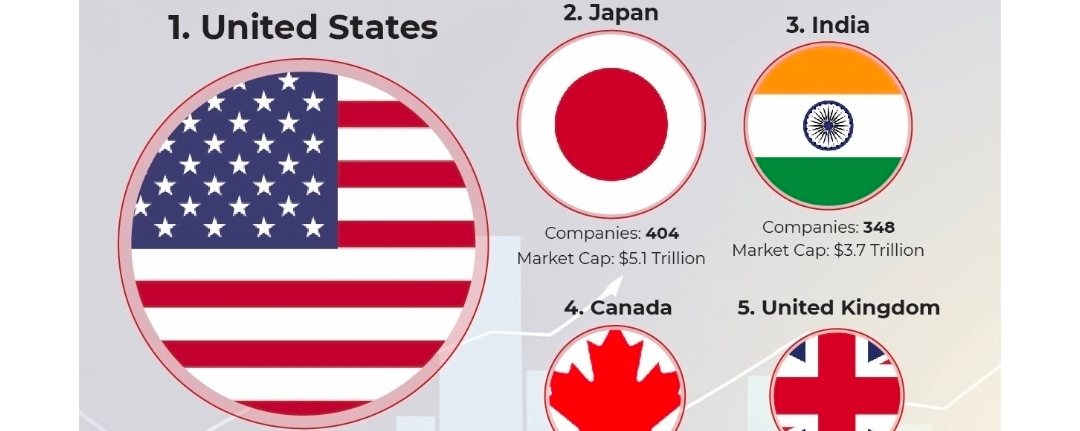
📈Top Countries With the Highest Number of Billion-Dollar Companies in 2025The United States dominates the most billion-dollar companies rank both in number (1,873) and total market capitalization ($57T).China has fewer billion-dollar companies (216) than India or Japan, but its companies have the second largest market capitalization after the United States.Europe, with countries like the UK, Germany, France, and Switzerland, has a strong presence in the top 10 rankings for the most valued companies.
🇺🇸United States
The United States has the world’s most billion-dollar firms. These firms have a total market capitalization of more than $57 trillion. This shows the strength and size of the U.S. economy.
Many of the most popular and influential business firms worldwide are located in the United States. They include Apple, Microsoft, Amazon, Google (Alphabet), and Meta (Facebook). The United States possesses one of the finest start-up environment, access to capital, and sophisticated infrastructure globally.
🇯🇵 Japan
Japan stands at number two with 404 billion-dollar firms and a total market capitalization of more than $5 trillion. The country boasts a rich history of innovation and possesses the world’s most valuable brands. Companies such as Toyota, Sony, and Panasonic are renowned for the quality products globally. Toyota, in particular, is a leading car producer in the world.
🇨🇳 China
China ranks sixth with 216 billion-dollar firms, but it stands out with a higher combined market value of approximately $7.7 trillion. In other words, although China has fewer such firms than the rest of the leading countries, they are extremely big with respect to market value.
Tencent, Alibaba, and Huawei are some of the giant Chinese firms. These companies have emerged as major players in e-commerce, telecommunications, and digital services.
In China and India, the number of billion-dollar companies is increasing, even though the number of companies per 1 million people remains low. That is due to their huge populations. But in absolute terms, both nations are rapidly expanding their presence in the global corporate landscape.
On the other hand, countries with smaller populations like Switzerland, Canada, and Australia have high numbers of per-million-citizen companies, which indicates a more concentrated level of corporate success.
Billion-dollar corporations are not merely technology giants such as Apple or Google. They also encompass drug companies, banks, oil giants, and manufacturing industries. Their success is the result of beneficial policies, high domestic demand, innovation, and access to capital.
$GAL
$HOT
$LTC
#Economics
📈Top Countries With the Highest Number of Billion-Dollar Companies in 2025
The United States dominates the most billion-dollar companies rank both in number (1,873) and total market capitalization ($57T).China has fewer billion-dollar companies (216) than India or Japan, but its companies have the second largest market capitalization after the United States.Europe, with countries like the UK, Germany, France, and Switzerland, has a strong presence in the top 10 rankings for the most valued companies.
🇺🇸United States
The United States has the world’s most billion-dollar firms. These firms have a total market capitalization of more than $57 trillion. This shows the strength and size of the U.S. economy.
Many of the most popular and influential business firms worldwide are located in the United States. They include Apple, Microsoft, Amazon, Google (Alphabet), and Meta (Facebook). The United States possesses one of the finest start-up environment, access to capital, and sophisticated infrastructure globally.
🇯🇵 Japan
Japan stands at number two with 404 billion-dollar firms and a total market capitalization of more than $5 trillion. The country boasts a rich history of innovation and possesses the world’s most valuable brands. Companies such as Toyota, Sony, and Panasonic are renowned for the quality products globally. Toyota, in particular, is a leading car producer in the world.
🇨🇳 China
China ranks sixth with 216 billion-dollar firms, but it stands out with a higher combined market value of approximately $7.7 trillion. In other words, although China has fewer such firms than the rest of the leading countries, they are extremely big with respect to market value.
Tencent, Alibaba, and Huawei are some of the giant Chinese firms. These companies have emerged as major players in e-commerce, telecommunications, and digital services.
In China and India, the number of billion-dollar companies is increasing, even though the number of companies per 1 million people remains low. That is due to their huge populations. But in absolute terms, both nations are rapidly expanding their presence in the global corporate landscape.
On the other hand, countries with smaller populations like Switzerland, Canada, and Australia have high numbers of per-million-citizen companies, which indicates a more concentrated level of corporate success.
Billion-dollar corporations are not merely technology giants such as Apple or Google. They also encompass drug companies, banks, oil giants, and manufacturing industries. Their success is the result of beneficial policies, high domestic demand, innovation, and access to capital.
$GAL
$HOT
$LTC
#Economics
🇺🇸United States
The United States has the world’s most billion-dollar firms. These firms have a total market capitalization of more than $57 trillion. This shows the strength and size of the U.S. economy.
Many of the most popular and influential business firms worldwide are located in the United States. They include Apple, Microsoft, Amazon, Google (Alphabet), and Meta (Facebook). The United States possesses one of the finest start-up environment, access to capital, and sophisticated infrastructure globally.
🇯🇵 Japan
Japan stands at number two with 404 billion-dollar firms and a total market capitalization of more than $5 trillion. The country boasts a rich history of innovation and possesses the world’s most valuable brands. Companies such as Toyota, Sony, and Panasonic are renowned for the quality products globally. Toyota, in particular, is a leading car producer in the world.
🇨🇳 China
China ranks sixth with 216 billion-dollar firms, but it stands out with a higher combined market value of approximately $7.7 trillion. In other words, although China has fewer such firms than the rest of the leading countries, they are extremely big with respect to market value.
Tencent, Alibaba, and Huawei are some of the giant Chinese firms. These companies have emerged as major players in e-commerce, telecommunications, and digital services.
In China and India, the number of billion-dollar companies is increasing, even though the number of companies per 1 million people remains low. That is due to their huge populations. But in absolute terms, both nations are rapidly expanding their presence in the global corporate landscape.
On the other hand, countries with smaller populations like Switzerland, Canada, and Australia have high numbers of per-million-citizen companies, which indicates a more concentrated level of corporate success.
Billion-dollar corporations are not merely technology giants such as Apple or Google. They also encompass drug companies, banks, oil giants, and manufacturing industries. Their success is the result of beneficial policies, high domestic demand, innovation, and access to capital.
$GAL
$HOT
$LTC
#Economics
AAPLUS+0.95%
METAUS+0.22%
GOOGLUS+1.33%
32
·
--
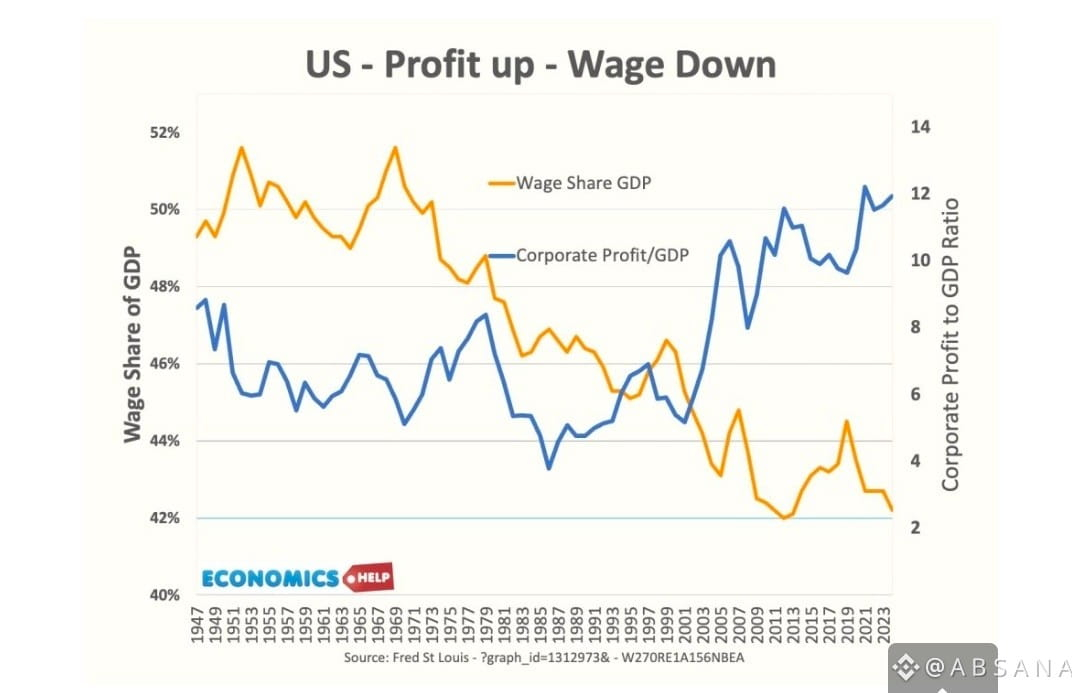
Wage Share of GDP (Orange Line): Shows a long-term decline. In the post-war era (1940s–1970s), wages typically accounted for 48% to 51% of the GDP. Since the early 2000s, this has dropped sharply, hitting lows around 42%.
Corporate Profit to GDP Ratio (Blue Line): Shows a long-term increase. While volatile, profits have trended upward from roughly 6–8% of GDP in the mid-20th century to peaks above 12% in recent years.
$BTC
$ETH
#Economics
Wage Share of GDP (Orange Line): Shows a long-term decline. In the post-war era (1940s–1970s), wages typically accounted for 48% to 51% of the GDP. Since the early 2000s, this has dropped sharply, hitting lows around 42%.
Corporate Profit to GDP Ratio (Blue Line): Shows a long-term increase. While volatile, profits have trended upward from roughly 6–8% of GDP in the mid-20th century to peaks above 12% in recent years.
$BTC
$ETH
#Economics
Corporate Profit to GDP Ratio (Blue Line): Shows a long-term increase. While volatile, profits have trended upward from roughly 6–8% of GDP in the mid-20th century to peaks above 12% in recent years.
$BTC
$ETH
#Economics
50

·
--
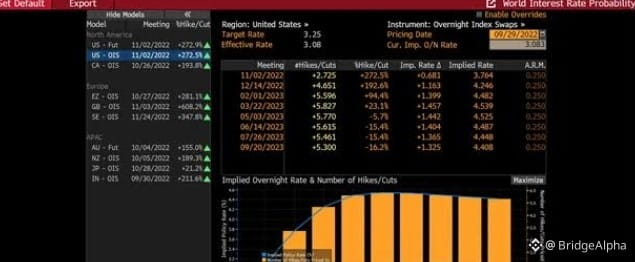
The real story from the latest Fed minutes? It's not just a pauseit's a regime change.
Here is what the smart money is digesting today:
🔑 The Bias is Shifting: "Many" officials want to explicitly drop the easing bias.
🔑 Hikes are on the Table: A "majority" see tightening as appropriate if inflation holds >2%.
🔑 The Culprits: Rising oil prices, shipping costs, and tariffs are keeping inflation sticky.
The committee is divided, but the momentum is hawkish. Adjust your risk accordingly. 📉📈
#FedMinutesSignalPolicyShift #Economics #SP500 #Markets#FedMinutesSignalPolicyShift
The real story from the latest Fed minutes? It's not just a pauseit's a regime change.
Here is what the smart money is digesting today:
🔑 The Bias is Shifting: "Many" officials want to explicitly drop the easing bias.
🔑 Hikes are on the Table: A "majority" see tightening as appropriate if inflation holds >2%.
🔑 The Culprits: Rising oil prices, shipping costs, and tariffs are keeping inflation sticky.
The committee is divided, but the momentum is hawkish. Adjust your risk accordingly. 📉📈
#FedMinutesSignalPolicyShift #Economics #SP500 #Markets#FedMinutesSignalPolicyShift
Here is what the smart money is digesting today:
🔑 The Bias is Shifting: "Many" officials want to explicitly drop the easing bias.
🔑 Hikes are on the Table: A "majority" see tightening as appropriate if inflation holds >2%.
🔑 The Culprits: Rising oil prices, shipping costs, and tariffs are keeping inflation sticky.
The committee is divided, but the momentum is hawkish. Adjust your risk accordingly. 📉📈
#FedMinutesSignalPolicyShift #Economics #SP500 #Markets#FedMinutesSignalPolicyShift

85
·
--
Are prediction markets our new decentralized oracles for $BTC and $ETH policy?
These platforms treat sentiment as a wager, building a real-time ledger of raw, skin-in-the-game consensus. It’s a brutal alternative to centralized forecasts. But we have to ask: are we watching economic reality, or just the echo chamber of the loudest liquidity chasers?
$BTC $ETH #CryptoMacro #Economics #Blockchain
Are prediction markets our new decentralized oracles for $BTC and $ETH policy?
These platforms treat sentiment as a wager, building a real-time ledger of raw, skin-in-the-game consensus. It’s a brutal alternative to centralized forecasts. But we have to ask: are we watching economic reality, or just the echo chamber of the loudest liquidity chasers?
$BTC $ETH #CryptoMacro #Economics #Blockchain
These platforms treat sentiment as a wager, building a real-time ledger of raw, skin-in-the-game consensus. It’s a brutal alternative to centralized forecasts. But we have to ask: are we watching economic reality, or just the echo chamber of the loudest liquidity chasers?
$BTC $ETH #CryptoMacro #Economics #Blockchain

33

·
--
GLOBAL MACRO INDICATORS SIGNAL SHIFTING LIQUIDITY ACROSS MAJOR ECONOMIES 📊
The latest data from Goldman Sachs and the Dallas Fed highlights a divergence in economic resilience. While South Korean chip exports are projected to hit record highs due to AI capital expenditure, the U.S. economy shows improved shock absorption against energy price volatility compared to historical cycles.
Meanwhile, the Eurozone faces a contractionary PMI environment, likely forcing a more dovish stance from central banks. Conversely, Australia faces persistent inflationary pressure from supply chain shocks, suggesting a tightening bias remains in play. How do you see these macro divergences impacting your current portfolio allocation?
Not financial advice. Always manage your risk.
#Macro #Economics #MarketAnalysis #TradingStrategy
🎯
GLOBAL MACRO INDICATORS SIGNAL SHIFTING LIQUIDITY ACROSS MAJOR ECONOMIES 📊
The latest data from Goldman Sachs and the Dallas Fed highlights a divergence in economic resilience. While South Korean chip exports are projected to hit record highs due to AI capital expenditure, the U.S. economy shows improved shock absorption against energy price volatility compared to historical cycles.
Meanwhile, the Eurozone faces a contractionary PMI environment, likely forcing a more dovish stance from central banks. Conversely, Australia faces persistent inflationary pressure from supply chain shocks, suggesting a tightening bias remains in play. How do you see these macro divergences impacting your current portfolio allocation?
Not financial advice. Always manage your risk.
#Macro #Economics #MarketAnalysis #TradingStrategy
🎯
The latest data from Goldman Sachs and the Dallas Fed highlights a divergence in economic resilience. While South Korean chip exports are projected to hit record highs due to AI capital expenditure, the U.S. economy shows improved shock absorption against energy price volatility compared to historical cycles.
Meanwhile, the Eurozone faces a contractionary PMI environment, likely forcing a more dovish stance from central banks. Conversely, Australia faces persistent inflationary pressure from supply chain shocks, suggesting a tightening bias remains in play. How do you see these macro divergences impacting your current portfolio allocation?
Not financial advice. Always manage your risk.
#Macro #Economics #MarketAnalysis #TradingStrategy
🎯
19
·
--
MACRO DATA SUGGESTS INFLATION IS COOLING FASTER THAN OFFICIAL STATISTICS INDICATE 📉
The latest data from Truflation shows a significant contraction in core inflation, dropping to 1.4% year-on-year. This aligns with a 3% increase in productivity, which historically acts as a powerful deflationary force in the broader economy.
Market participants are currently pricing in higher interest rates, but these real-time metrics suggest a potential pivot point in monetary policy. If productivity continues to outpace wage growth, the narrative surrounding cost-push inflation may shift rapidly.
Do you believe the market is mispricing the current inflationary environment?
Not financial advice. Always manage your risk.
#Macro #Inflation #Economics #MarketAnalysis
🎯
MACRO DATA SUGGESTS INFLATION IS COOLING FASTER THAN OFFICIAL STATISTICS INDICATE 📉
The latest data from Truflation shows a significant contraction in core inflation, dropping to 1.4% year-on-year. This aligns with a 3% increase in productivity, which historically acts as a powerful deflationary force in the broader economy.
Market participants are currently pricing in higher interest rates, but these real-time metrics suggest a potential pivot point in monetary policy. If productivity continues to outpace wage growth, the narrative surrounding cost-push inflation may shift rapidly.
Do you believe the market is mispricing the current inflationary environment?
Not financial advice. Always manage your risk.
#Macro #Inflation #Economics #MarketAnalysis
🎯
The latest data from Truflation shows a significant contraction in core inflation, dropping to 1.4% year-on-year. This aligns with a 3% increase in productivity, which historically acts as a powerful deflationary force in the broader economy.
Market participants are currently pricing in higher interest rates, but these real-time metrics suggest a potential pivot point in monetary policy. If productivity continues to outpace wage growth, the narrative surrounding cost-push inflation may shift rapidly.
Do you believe the market is mispricing the current inflationary environment?
Not financial advice. Always manage your risk.
#Macro #Inflation #Economics #MarketAnalysis
🎯
21
·
--
The $40T US debt milestone is forcing a brutal choice between $BTC as a hard-asset hedge and $ETH as a yield-bearing network.
Bitcoin bets on absolute scarcity to outrun currency dilution, while Ethereum ties its value to the network's raw throughput via fee burns. Your conviction hinges on a simple question: do you fear the collapse of the dollar more than you value the utility of decentralized compute?
$BTC $ETH #Macro #Crypto #Economics
The $40T US debt milestone is forcing a brutal choice between $BTC as a hard-asset hedge and $ETH as a yield-bearing network.
Bitcoin bets on absolute scarcity to outrun currency dilution, while Ethereum ties its value to the network's raw throughput via fee burns. Your conviction hinges on a simple question: do you fear the collapse of the dollar more than you value the utility of decentralized compute?
$BTC $ETH #Macro #Crypto #Economics
Bitcoin bets on absolute scarcity to outrun currency dilution, while Ethereum ties its value to the network's raw throughput via fee burns. Your conviction hinges on a simple question: do you fear the collapse of the dollar more than you value the utility of decentralized compute?
$BTC $ETH #Macro #Crypto #Economics

70

·
--

Article
ICPay — Economic Predictability: The Impact of Fixed 0.0001 ICP FeesEliminating Gas Volatility and Priority Bidding Wars in Digital Commerce
Dynamic gas fee auction mechanisms present on legacy layer-1 and layer-2 networks make budgeting impossible for consumers and merchants alike. A sudden surge in network activity can spike transaction fees from pennies to tens of dollars.
ICPay leverages the Internet Computer fixed ledger model to deliver permanent economic predictability.
───────────────
Core Technical Architecture & Mechanisms
───────────────
1. Fixed 0.0001 ICP Fee Structure
Every standard transfer costs exactly 0.0001 ICP (fractions of a single US cent). The fee remains constant regardless of transaction volume or network demand.
2. Viability of High-Frequency Micro-Payments
Sub-cent transfer fees make micropayments, content tipping, and small-denomination merchant payments economically practical.
3. No Gas Bidding or Slippage Extortion
Users never compete in mempool front-running auctions or pay priority tips to ensure their transactions are included in the next block.
$ICP #ICP #Economics
ICPay — Economic Predictability: The Impact of Fixed 0.0001 ICP Fees
Eliminating Gas Volatility and Priority Bidding Wars in Digital Commerce
Dynamic gas fee auction mechanisms present on legacy layer-1 and layer-2 networks make budgeting impossible for consumers and merchants alike. A sudden surge in network activity can spike transaction fees from pennies to tens of dollars.
ICPay leverages the Internet Computer fixed ledger model to deliver permanent economic predictability.
───────────────
Core Technical Architecture & Mechanisms
───────────────
1. Fixed 0.0001 ICP Fee Structure
Every standard transfer costs exactly 0.0001 ICP (fractions of a single US cent). The fee remains constant regardless of transaction volume or network demand.
2. Viability of High-Frequency Micro-Payments
Sub-cent transfer fees make micropayments, content tipping, and small-denomination merchant payments economically practical.
3. No Gas Bidding or Slippage Extortion
Users never compete in mempool front-running auctions or pay priority tips to ensure their transactions are included in the next block.
$ICP #ICP #Economics
Dynamic gas fee auction mechanisms present on legacy layer-1 and layer-2 networks make budgeting impossible for consumers and merchants alike. A sudden surge in network activity can spike transaction fees from pennies to tens of dollars.
ICPay leverages the Internet Computer fixed ledger model to deliver permanent economic predictability.
───────────────
Core Technical Architecture & Mechanisms
───────────────
1. Fixed 0.0001 ICP Fee Structure
Every standard transfer costs exactly 0.0001 ICP (fractions of a single US cent). The fee remains constant regardless of transaction volume or network demand.
2. Viability of High-Frequency Micro-Payments
Sub-cent transfer fees make micropayments, content tipping, and small-denomination merchant payments economically practical.
3. No Gas Bidding or Slippage Extortion
Users never compete in mempool front-running auctions or pay priority tips to ensure their transactions are included in the next block.
$ICP #ICP #Economics
1
537

#CanadaToImpose15%To50%TariffsOnUSGoods
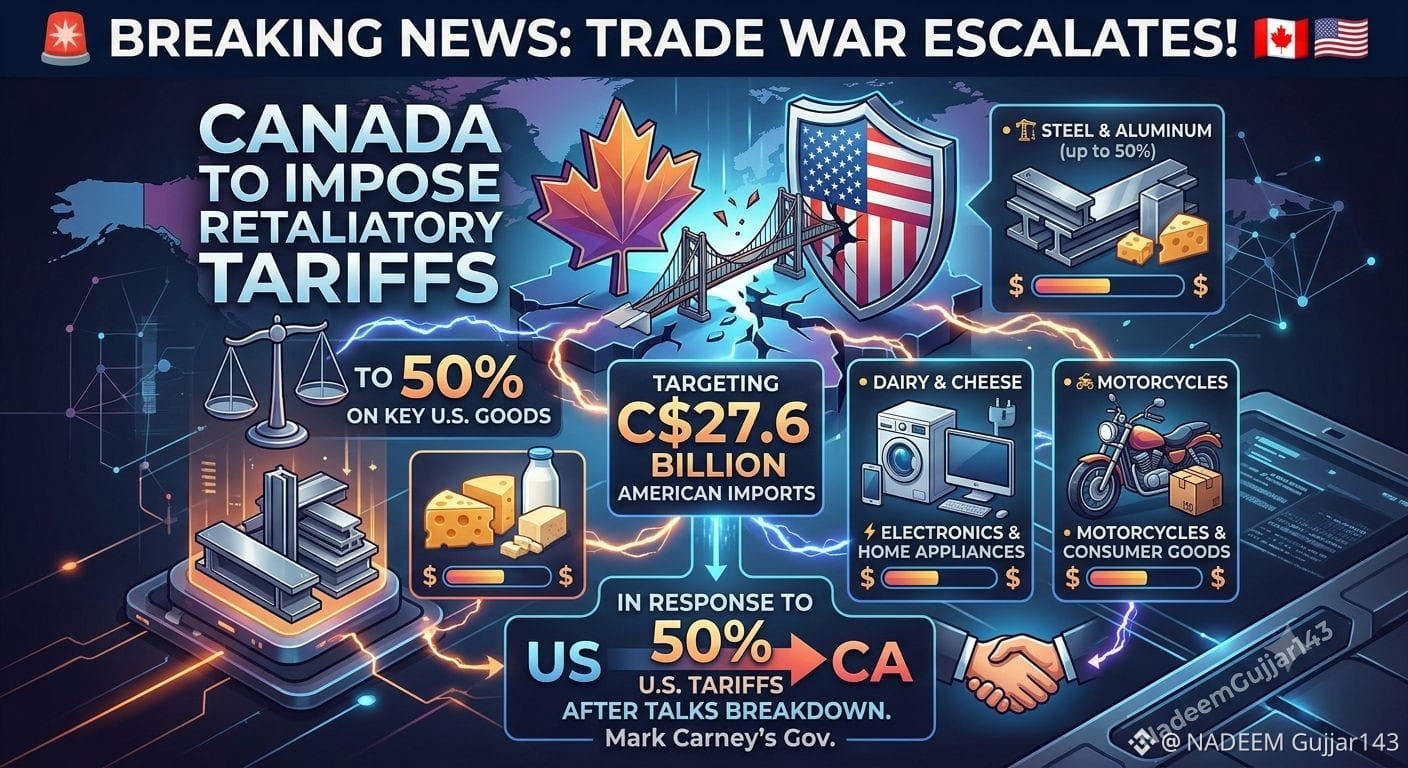
🚨 BREAKING NEWS: Trade War Escalates! 🇨🇦🇺🇸
Canada is imposing new retaliatory tariffs ranging from 15% to 50% on key U.S. goods.
The new duties target C$27.6 billion worth of American imports, directly hitting major sectors:
• 🏗️ Steel & Aluminum (up to 50%)
• 🧀 Dairy & Cheese
• 🔌 Electronics & Home Appliances
• 🏍️ Motorcycles & Consumer Goods
This move by Prime Minister Mark Carney's government comes in direct response to 50% U.S. tariffs following the breakdown of bilateral trade talks. 📈 All eyes are now on Washington for a possible response.
#TradeWar #Economics #SideSwapSuspendsLiquidServices
#Nadeemgujjar143
@NADEEMGujjar
$BTC
{spot}(BTCUSDT)
$BNB
{spot}(BNBUSDT)
$ETH
{future}(ETHUSDT)
#CanadaToImpose15%To50%TariffsOnUSGoods
🚨 BREAKING NEWS: Trade War Escalates! 🇨🇦🇺🇸
Canada is imposing new retaliatory tariffs ranging from 15% to 50% on key U.S. goods.
The new duties target C$27.6 billion worth of American imports, directly hitting major sectors:
• 🏗️ Steel & Aluminum (up to 50%)
• 🧀 Dairy & Cheese
• 🔌 Electronics & Home Appliances
• 🏍️ Motorcycles & Consumer Goods
This move by Prime Minister Mark Carney's government comes in direct response to 50% U.S. tariffs following the breakdown of bilateral trade talks. 📈 All eyes are now on Washington for a possible response.
#TradeWar #Economics #SideSwapSuspendsLiquidServices
#Nadeemgujjar143
@NADEEM Gujjar143
$BTC
$BNB
$ETH
🚨 BREAKING NEWS: Trade War Escalates! 🇨🇦🇺🇸
Canada is imposing new retaliatory tariffs ranging from 15% to 50% on key U.S. goods.
The new duties target C$27.6 billion worth of American imports, directly hitting major sectors:
• 🏗️ Steel & Aluminum (up to 50%)
• 🧀 Dairy & Cheese
• 🔌 Electronics & Home Appliances
• 🏍️ Motorcycles & Consumer Goods
This move by Prime Minister Mark Carney's government comes in direct response to 50% U.S. tariffs following the breakdown of bilateral trade talks. 📈 All eyes are now on Washington for a possible response.
#TradeWar #Economics #SideSwapSuspendsLiquidServices
#Nadeemgujjar143
@NADEEM Gujjar143
$BTC
$BNB
$ETH
152

·
--

Article
🚨 MASSIVE RECALIBRATION: Saudi Arabia Reinvests $925B Locally! 🇸🇦💰🔥The tides of global finance just took a sharp turn.
Saudi Arabia is executing a historic pivot. Under the strategic direction of Crown Prince Mohammed bin Salman, the **$925 billion Public Investment Fund (PIF)** is shifting its primary focus. The message is clear: the era of aggressive global expansion is evolving into a period of **unprecedented domestic building.**
### **The Breakdown of the Shift:**
* **🇸🇦 Home-Grown Power:** Billions that once flowed into Silicon Valley and global equities are now being funneled directly into the Kingdom’s own soil.
* **🏗️ Giga-Projects on Hyperdrive:** With the official **2026-2030 Strategy** now in play, NEOM, New Murabba, and the Red Sea projects are shifting from "planning" to "delivery" mode.
* **📉 Global Liquidity Shock:** International markets that have grown accustomed to Saudi capital may face a new reality as the Kingdom prioritizes "Value Realization" at home.
* **✨ Economic Explosion:** By focusing on 13 strategic sectors—from AI and digital infrastructure to tourism—the goal is to create a self-sustaining, high-tech industrial hub.
> "The 2026-2030 strategy marks a natural evolution as PIF moves from a period of rapid growth to a new phase of sustained value creation." — **PIF Strategy Announcement, April 2026**
>
### **The Vision for 2030 and Beyond**
This isn't just about spending; it's about **dominance**. By redirecting $925B inward, Saudi Arabia is betting everything on becoming the undisputed economic and technological heart of the Middle East.
**The Question remains…**
Can this inward surge successfully insulate the Kingdom from global volatility and cement its place as a top-tier global economic force? 🤔🔥
| Asset | Price | 24h Change |
|---|---|---|
| **$SUI ** | 0.9467 | -5.48% |
| **$ADA ** | 0.2473 | -4.11%
#SaudiArabia #PIF #pixel #EconomicS
hift #GlobalEconomy @pixels $PIXEL
{spot}(PIXELUSDT)
🚨 MASSIVE RECALIBRATION: Saudi Arabia Reinvests $925B Locally! 🇸🇦💰🔥
The tides of global finance just took a sharp turn.
Saudi Arabia is executing a historic pivot. Under the strategic direction of Crown Prince Mohammed bin Salman, the **$925 billion Public Investment Fund (PIF)** is shifting its primary focus. The message is clear: the era of aggressive global expansion is evolving into a period of **unprecedented domestic building.**
### **The Breakdown of the Shift:**
* **🇸🇦 Home-Grown Power:** Billions that once flowed into Silicon Valley and global equities are now being funneled directly into the Kingdom’s own soil.
* **🏗️ Giga-Projects on Hyperdrive:** With the official **2026-2030 Strategy** now in play, NEOM, New Murabba, and the Red Sea projects are shifting from "planning" to "delivery" mode.
* **📉 Global Liquidity Shock:** International markets that have grown accustomed to Saudi capital may face a new reality as the Kingdom prioritizes "Value Realization" at home.
* **✨ Economic Explosion:** By focusing on 13 strategic sectors—from AI and digital infrastructure to tourism—the goal is to create a self-sustaining, high-tech industrial hub.
> "The 2026-2030 strategy marks a natural evolution as PIF moves from a period of rapid growth to a new phase of sustained value creation." — **PIF Strategy Announcement, April 2026**
>
### **The Vision for 2030 and Beyond**
This isn't just about spending; it's about **dominance**. By redirecting $925B inward, Saudi Arabia is betting everything on becoming the undisputed economic and technological heart of the Middle East.
**The Question remains…**
Can this inward surge successfully insulate the Kingdom from global volatility and cement its place as a top-tier global economic force? 🤔🔥
| Asset | Price | 24h Change |
|---|---|---|
| **$SUI ** | 0.9467 | -5.48% |
| **$ADA ** | 0.2473 | -4.11%
#SaudiArabia #PIF #pixel #EconomicS
hift #GlobalEconomy @Pixels $PIXEL
Saudi Arabia is executing a historic pivot. Under the strategic direction of Crown Prince Mohammed bin Salman, the **$925 billion Public Investment Fund (PIF)** is shifting its primary focus. The message is clear: the era of aggressive global expansion is evolving into a period of **unprecedented domestic building.**
### **The Breakdown of the Shift:**
* **🇸🇦 Home-Grown Power:** Billions that once flowed into Silicon Valley and global equities are now being funneled directly into the Kingdom’s own soil.
* **🏗️ Giga-Projects on Hyperdrive:** With the official **2026-2030 Strategy** now in play, NEOM, New Murabba, and the Red Sea projects are shifting from "planning" to "delivery" mode.
* **📉 Global Liquidity Shock:** International markets that have grown accustomed to Saudi capital may face a new reality as the Kingdom prioritizes "Value Realization" at home.
* **✨ Economic Explosion:** By focusing on 13 strategic sectors—from AI and digital infrastructure to tourism—the goal is to create a self-sustaining, high-tech industrial hub.
> "The 2026-2030 strategy marks a natural evolution as PIF moves from a period of rapid growth to a new phase of sustained value creation." — **PIF Strategy Announcement, April 2026**
>
### **The Vision for 2030 and Beyond**
This isn't just about spending; it's about **dominance**. By redirecting $925B inward, Saudi Arabia is betting everything on becoming the undisputed economic and technological heart of the Middle East.
**The Question remains…**
Can this inward surge successfully insulate the Kingdom from global volatility and cement its place as a top-tier global economic force? 🤔🔥
| Asset | Price | 24h Change |
|---|---|---|
| **$SUI ** | 0.9467 | -5.48% |
| **$ADA ** | 0.2473 | -4.11%
#SaudiArabia #PIF #pixel #EconomicS
hift #GlobalEconomy @Pixels $PIXEL
2
403

·
--
Bullish
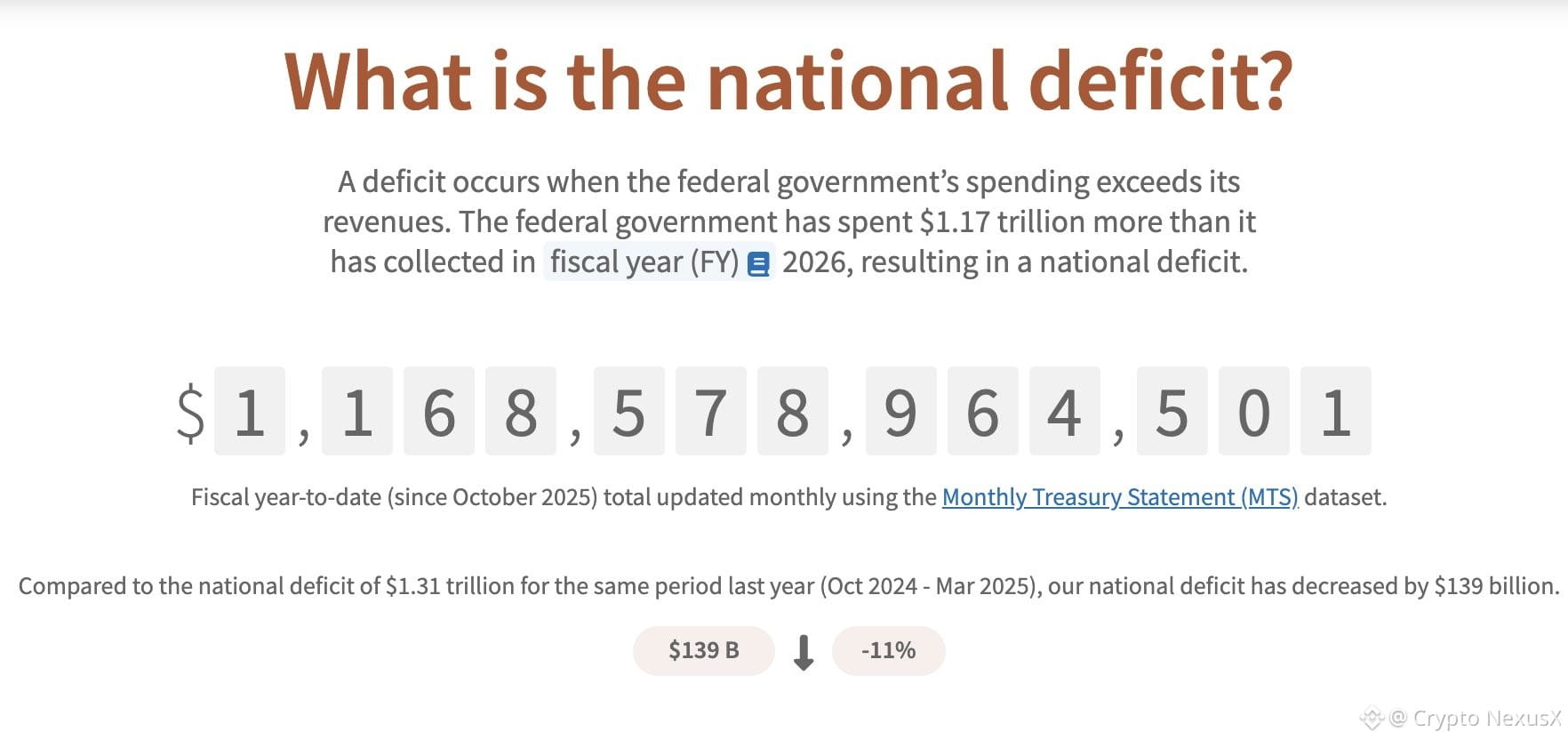
once joked he could fix the U.S. deficit in five minutes:
“Make it law: if the deficit exceeds 3% of GDP, every sitting member of Congress is banned from reelection.”
His point wasn’t about money — it was about incentives. Change the rules, change the behavior.
#Economics #Incentives #Policy
once joked he could fix the U.S. deficit in five minutes:
“Make it law: if the deficit exceeds 3% of GDP, every sitting member of Congress is banned from reelection.”
His point wasn’t about money — it was about incentives. Change the rules, change the behavior.
#Economics #Incentives #Policy
“Make it law: if the deficit exceeds 3% of GDP, every sitting member of Congress is banned from reelection.”
His point wasn’t about money — it was about incentives. Change the rules, change the behavior.
#Economics #Incentives #Policy

403

·
--

Article
The Halving Cycle: Exploring $BTC Scarcity and Market Dynamics⏳
Understanding the programmatic supply issuance of the network is fundamental to evaluating its long-term market structure. Unlike traditional central banking systems that operate on discretionary monetary policies, @Bitcoinworld functions on an immutable, pre-determined schedule that enforces absolute digital scarcity. $BTC
{spot}(BTCUSDT)
At the core of this economic model is the halving mechanism. This event slashes the issuance rate of new block rewards by fifty percent roughly every four years, creating a structural supply shock in the market. As the daily production of new coins decreases, the incoming sell pressure from miners diminishes significantly, fundamentally shifting the equilibrium between supply and demand. $AI
{spot}(AIUSDT)
When this decreasing supply intersects with steady or growing institutional demand via spot markets, it historically triggers a powerful multi-month macroeconomic expansion cycle. This predictable reduction in asset inflation showcases the stark contrast between debased fiat systems and a truly hard, mathematical monetary standard. $SOLV
{spot}(SOLVUSDT)
#SECTokenizedStockExemption #Economics #blockchain #CryptoNewss #Web3支付
The Halving Cycle: Exploring $BTC Scarcity and Market Dynamics
⏳
Understanding the programmatic supply issuance of the network is fundamental to evaluating its long-term market structure. Unlike traditional central banking systems that operate on discretionary monetary policies, @Bitcoinworld functions on an immutable, pre-determined schedule that enforces absolute digital scarcity. $BTC
At the core of this economic model is the halving mechanism. This event slashes the issuance rate of new block rewards by fifty percent roughly every four years, creating a structural supply shock in the market. As the daily production of new coins decreases, the incoming sell pressure from miners diminishes significantly, fundamentally shifting the equilibrium between supply and demand. $AI
When this decreasing supply intersects with steady or growing institutional demand via spot markets, it historically triggers a powerful multi-month macroeconomic expansion cycle. This predictable reduction in asset inflation showcases the stark contrast between debased fiat systems and a truly hard, mathematical monetary standard. $SOLV
#SECTokenizedStockExemption #Economics #blockchain #CryptoNewss #Web3支付
Understanding the programmatic supply issuance of the network is fundamental to evaluating its long-term market structure. Unlike traditional central banking systems that operate on discretionary monetary policies, @Bitcoinworld functions on an immutable, pre-determined schedule that enforces absolute digital scarcity. $BTC
At the core of this economic model is the halving mechanism. This event slashes the issuance rate of new block rewards by fifty percent roughly every four years, creating a structural supply shock in the market. As the daily production of new coins decreases, the incoming sell pressure from miners diminishes significantly, fundamentally shifting the equilibrium between supply and demand. $AI
When this decreasing supply intersects with steady or growing institutional demand via spot markets, it historically triggers a powerful multi-month macroeconomic expansion cycle. This predictable reduction in asset inflation showcases the stark contrast between debased fiat systems and a truly hard, mathematical monetary standard. $SOLV
#SECTokenizedStockExemption #Economics #blockchain #CryptoNewss #Web3支付
164

$DXY IS APPROACHING A CRITICAL DATA JUNCTURE THAT WILL DICTATE MARKET DIRECTION 📊
The upcoming PCE inflation data and nonfarm payrolls are the primary catalysts for the current dollar trend. If the labor market and inflation figures continue to justify higher rates for longer, the dollar will likely hold its current strength.
Conversely, any sign of cooling price pressures will force the market to reprice expectations aggressively. I am watching the Thursday print closely to see if we get a sustained breakout or a sharp rejection from these levels. How are you positioning your portfolio ahead of this data?
Not financial advice. Always manage your risk.
#DXY #Macro #Trading #Economics #MarketUpdate
⚡
$DXY IS APPROACHING A CRITICAL DATA JUNCTURE THAT WILL DICTATE MARKET DIRECTION 📊
The upcoming PCE inflation data and nonfarm payrolls are the primary catalysts for the current dollar trend. If the labor market and inflation figures continue to justify higher rates for longer, the dollar will likely hold its current strength.
Conversely, any sign of cooling price pressures will force the market to reprice expectations aggressively. I am watching the Thursday print closely to see if we get a sustained breakout or a sharp rejection from these levels. How are you positioning your portfolio ahead of this data?
Not financial advice. Always manage your risk.
#DXY #Macro #Trading #Economics #MarketUpdate
⚡
The upcoming PCE inflation data and nonfarm payrolls are the primary catalysts for the current dollar trend. If the labor market and inflation figures continue to justify higher rates for longer, the dollar will likely hold its current strength.
Conversely, any sign of cooling price pressures will force the market to reprice expectations aggressively. I am watching the Thursday print closely to see if we get a sustained breakout or a sharp rejection from these levels. How are you positioning your portfolio ahead of this data?
Not financial advice. Always manage your risk.
#DXY #Macro #Trading #Economics #MarketUpdate
⚡
57

·
--
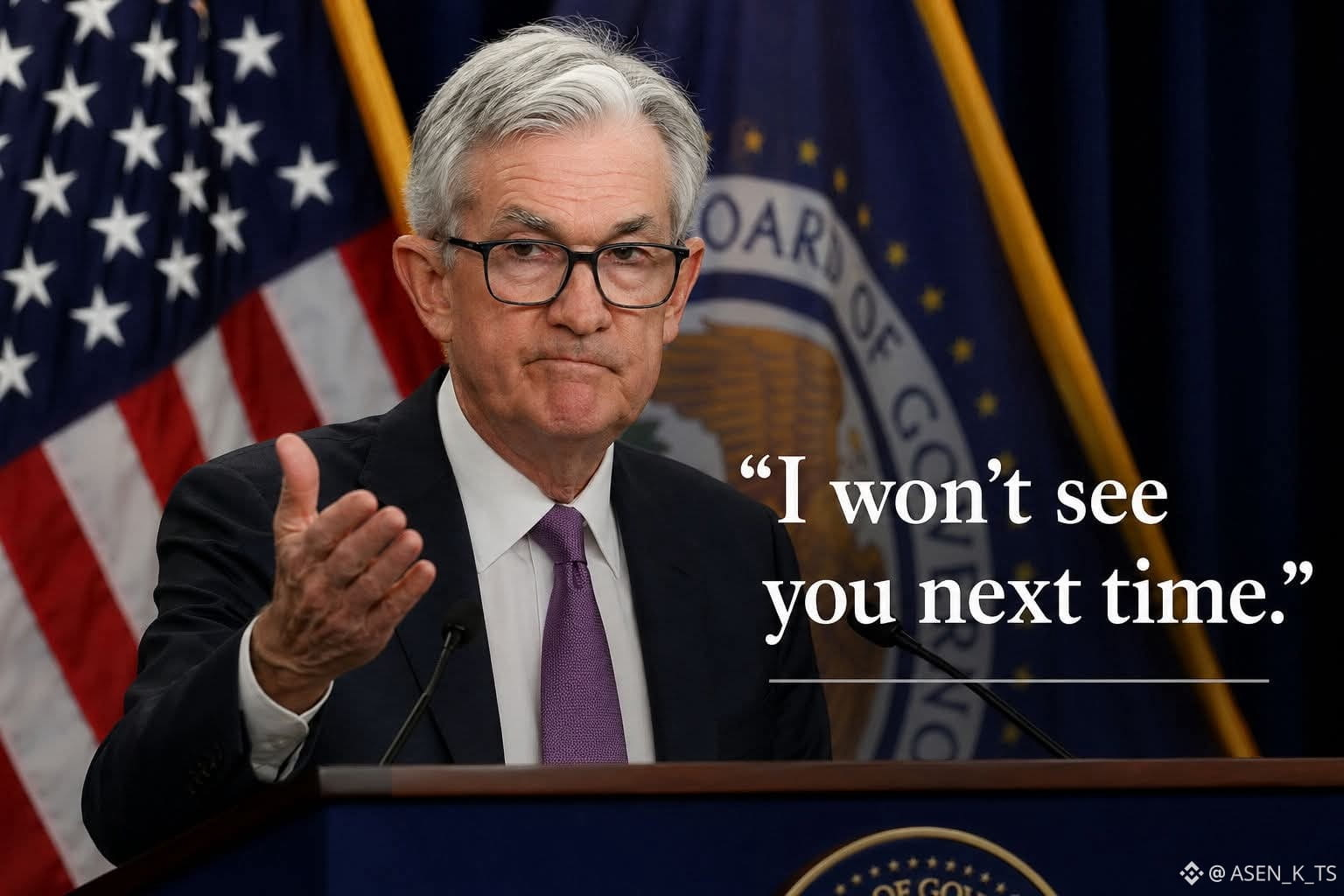
💥"We won't see each other next time." With these words, Jerome Powell wrapped up his last press conference as the FOMC chair. But what's next from here?
🧐 Rules against practice. Formally, the FOMC selects its chair through an internal vote. However, in history, the head of the Federal Reserve has always become the leader of the FOMC.
🔄 Theoretical paradox. Since Powell remains a member of the Fed board, he could theoretically be re-elected as chair of the Committee, although in practice, this is unlikely.
📚 Greenspan's historical fear. When Ronald Reagan nominated Alan Greenspan in 1987, the economist's biggest fear was whether the system would accept him. In "The Age of Turbulence," he describes his concern about looking independent enough from the White House to secure the vote from his colleagues on the FOMC.
⚖️ The question of independence. Today, this debate is more relevant than ever. The primary concern in the markets is whether potential successor Kevin Warsh can maintain distance from Donald Trump's political influence.
❓What's your opinion? 🤔
#FederalReserve #JeromePowell #fomc #Economics #MarketAnalysis
$BTC $ETH $BNB
💥"We won't see each other next time." With these words, Jerome Powell wrapped up his last press conference as the FOMC chair. But what's next from here?
🧐 Rules against practice. Formally, the FOMC selects its chair through an internal vote. However, in history, the head of the Federal Reserve has always become the leader of the FOMC.
🔄 Theoretical paradox. Since Powell remains a member of the Fed board, he could theoretically be re-elected as chair of the Committee, although in practice, this is unlikely.
📚 Greenspan's historical fear. When Ronald Reagan nominated Alan Greenspan in 1987, the economist's biggest fear was whether the system would accept him. In "The Age of Turbulence," he describes his concern about looking independent enough from the White House to secure the vote from his colleagues on the FOMC.
⚖️ The question of independence. Today, this debate is more relevant than ever. The primary concern in the markets is whether potential successor Kevin Warsh can maintain distance from Donald Trump's political influence.
❓What's your opinion? 🤔
#FederalReserve #JeromePowell #fomc #Economics #MarketAnalysis
$BTC $ETH $BNB
🧐 Rules against practice. Formally, the FOMC selects its chair through an internal vote. However, in history, the head of the Federal Reserve has always become the leader of the FOMC.
🔄 Theoretical paradox. Since Powell remains a member of the Fed board, he could theoretically be re-elected as chair of the Committee, although in practice, this is unlikely.
📚 Greenspan's historical fear. When Ronald Reagan nominated Alan Greenspan in 1987, the economist's biggest fear was whether the system would accept him. In "The Age of Turbulence," he describes his concern about looking independent enough from the White House to secure the vote from his colleagues on the FOMC.
⚖️ The question of independence. Today, this debate is more relevant than ever. The primary concern in the markets is whether potential successor Kevin Warsh can maintain distance from Donald Trump's political influence.
❓What's your opinion? 🤔
#FederalReserve #JeromePowell #fomc #Economics #MarketAnalysis
$BTC $ETH $BNB
4
743

The United States is $39 trillion in debt.
And it added $7 trillion of that in just four years.
Let that velocity sink in.
It took America over 200 years to accumulate its first $10 trillion in debt.
It added $7 trillion in a single presidential term.
The math is no longer a political argument. It's an arithmetic problem. And arithmetic doesn't care which party is in power, which talking head defends it, or which committee promises to fix it next quarter.
$39 trillion is a number so large the human brain isn't built to process it.
So here's a frame that might help.
If you spent $1 million every single day since the birth of Christ every day, without stopping, for over 2,000 years you still wouldn't have spent $1 trillion.
The U.S. owes thirty-nine of those.
And the interest payments alone are now the single largest line item in the federal budget exceeding defense spending for the first time in history.
America is paying more to service its past than to protect its future.
$40 trillion is coming. Possibly this year.
And here's the question nobody in Washington wants to answer out loud
At what number does the world stop treating U.S. debt as the risk-free asset that the entire global financial system is built on?
Nobody knows.
But every year we get closer to finding out.
Bitcoin was invented in 2009.
The timing was not a coincidence.
#USDebt #Bitcoin #Macro #FederalReserve #Economics
The United States is $39 trillion in debt.
And it added $7 trillion of that in just four years.
Let that velocity sink in.
It took America over 200 years to accumulate its first $10 trillion in debt.
It added $7 trillion in a single presidential term.
The math is no longer a political argument. It's an arithmetic problem. And arithmetic doesn't care which party is in power, which talking head defends it, or which committee promises to fix it next quarter.
$39 trillion is a number so large the human brain isn't built to process it.
So here's a frame that might help.
If you spent $1 million every single day since the birth of Christ every day, without stopping, for over 2,000 years you still wouldn't have spent $1 trillion.
The U.S. owes thirty-nine of those.
And the interest payments alone are now the single largest line item in the federal budget exceeding defense spending for the first time in history.
America is paying more to service its past than to protect its future.
$40 trillion is coming. Possibly this year.
And here's the question nobody in Washington wants to answer out loud
At what number does the world stop treating U.S. debt as the risk-free asset that the entire global financial system is built on?
Nobody knows.
But every year we get closer to finding out.
Bitcoin was invented in 2009.
The timing was not a coincidence.
#USDebt #Bitcoin #Macro #FederalReserve #Economics
And it added $7 trillion of that in just four years.
Let that velocity sink in.
It took America over 200 years to accumulate its first $10 trillion in debt.
It added $7 trillion in a single presidential term.
The math is no longer a political argument. It's an arithmetic problem. And arithmetic doesn't care which party is in power, which talking head defends it, or which committee promises to fix it next quarter.
$39 trillion is a number so large the human brain isn't built to process it.
So here's a frame that might help.
If you spent $1 million every single day since the birth of Christ every day, without stopping, for over 2,000 years you still wouldn't have spent $1 trillion.
The U.S. owes thirty-nine of those.
And the interest payments alone are now the single largest line item in the federal budget exceeding defense spending for the first time in history.
America is paying more to service its past than to protect its future.
$40 trillion is coming. Possibly this year.
And here's the question nobody in Washington wants to answer out loud
At what number does the world stop treating U.S. debt as the risk-free asset that the entire global financial system is built on?
Nobody knows.
But every year we get closer to finding out.
Bitcoin was invented in 2009.
The timing was not a coincidence.
#USDebt #Bitcoin #Macro #FederalReserve #Economics


310
Log in to explore more content
Join global crypto users on Binance Square
⚡️ Get latest and useful information about crypto.
💬 Trusted by the world’s largest crypto exchange.
👍 Discover real insights from verified creators.
Email / Phone number
Trending Topics
1
#BitcoinSpotETFsDraw$6.34BInflowsInQ3
9 views
9 Discussing
2
#EthereumValidatorExitQueueJumps392%
4,402 views
119 Discussing
3
#IMFApprovesElSalvador$138MWithBitcoinWaiver
348 views
10 Discussing
4
#SECHaltsCryptoETFReviewsAmidFundingLapse
135,887 views
1,073 Discussing
5
#ZcashETFPostsFirstWeeklyOutflow$93.6M
72,001 views
230 Discussing
6
#GreekPoliceBustCryptoScamRingArrest17
266,989 views
1,810 Discussing
7
#BitcoinRejectedAt$87K
179,727 views
286 Discussing
8
#FedOctoberRateHikeOddsFallTo17%
274,099 views
1,955 Discussing
9
#NvidiaHitsRecordHighUp2.4%
184,797 views
1,342 Discussing
10
#CanaryFilesAmendedS1ForPEPEETF
60,006 views
882 Discussing