
#aisa
aisa
72 views
9 Discussing
Hot
Latest


·
--
Tether has joined HIVEN as a strategic investor in AIsa’s seed extension round, pushing the startup’s total funding above $9 million. The round also counts Alibaba, Tribe Capital, Sumitomo Corporation, Draper Associates, Saison Capital and other backers among its supporters. AIsa says the money will help build its Trusted Resource and Transaction Network for Enterprise AI Agents, a platform that lets agents discover, access and pay for external data, AI models, APIs and software tools while giving enterprises control over permissions, spending and settlements. The network combines governed access with usage‑based metering, billing and settlement. Tether’s investment comes after it reported a net operating profit of $1.5 billion for the second quarter of 2026, driven mainly by interest on its US Treasury holdings.
#Tether #AIsa #AIAgents
#Tether #AIsa #AIAgents

17

·
--
Article
Globel marketThe Global Market Selloff: Correction or Liquidity Crisis?
Right now, financial markets all over the world are dropping fast. Investors are selling off risky assets—like technology stocks and cryptocurrencies—and moving their money into safer options, such as government bonds. This sudden drop is happening because three major problems have hit the economy at the exact same time.
1. The AI Tech Bubble is Slowing Down
For a long time, tech companies spent billions of dollars on Artificial Intelligence (AI), data centers, and computer chips. Now, investors are worried that these companies might not make enough profit to justify all that spending. As a result, major stock markets are falling:
• The U.S. Nasdaq is down about 15% from its October high.
• Asian tech markets are struggling too, with Japan's Nikkei dropping 5%, South Korea's Kospi losing 5.2%, and Taiwan's market falling 17% in just one week.
2. Cryptocurrency is Taking a Heavy Hit
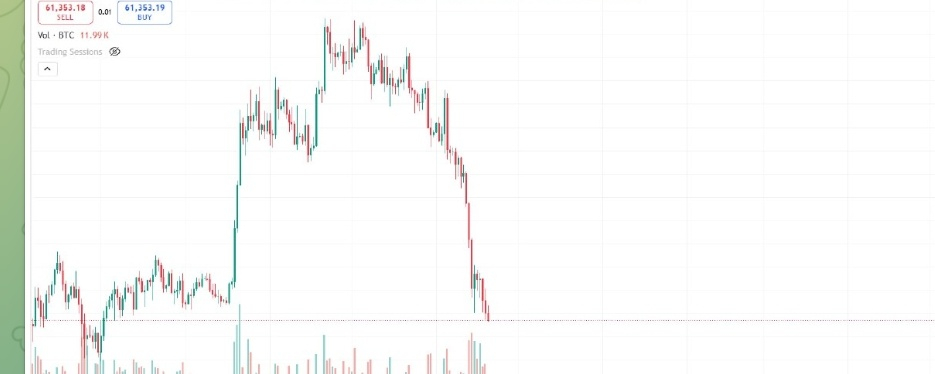
When tech stocks fall, crypto usually follows. Bitcoin dropped to around $61,273 (its lowest price since July), and Ethereum fell near $1,750. Big financial institutions are pulling their money out of Bitcoin funds—with nearly $3.5 billion withdrawn in November alone. Because of this, about $700 million in risky crypto trades were automatically wiped out, pushing prices down even further.
3. Interest Rate Fears from the Federal Reserve
The U.S. Federal Reserve (the central bank) hinted that it might raise interest rates again in December to fight inflation. Higher interest rates make borrowing money more expensive and strengthen the U.S. dollar. When the dollar gets stronger, investors usually pull away from risky investments like stocks and crypto.
Conclusion: Is This a Liquidity Crisis?
A "liquidity crisis" happens when the banking system runs out of cash and completely freezes up. Right now, economists believe this is not a full liquidity crisis. Instead, it is a "risk-off" phase—meaning investors are simply being cautious and playing it safe. To see if the market will recover soon, experts are closely watching three things: whether big investors start buying Bitcoin again, how the U.S. dollar performs, and if tech stocks can stop falling. For now, $60,000 is the most important price level to watch for Bitcoin.
If you'd like, I can help you:
#bitcoin # world#Binance #TradingCommunity ##AIsa
Globel market
The Global Market Selloff: Correction or Liquidity Crisis?
Right now, financial markets all over the world are dropping fast. Investors are selling off risky assets—like technology stocks and cryptocurrencies—and moving their money into safer options, such as government bonds. This sudden drop is happening because three major problems have hit the economy at the exact same time.
1. The AI Tech Bubble is Slowing Down
For a long time, tech companies spent billions of dollars on Artificial Intelligence (AI), data centers, and computer chips. Now, investors are worried that these companies might not make enough profit to justify all that spending. As a result, major stock markets are falling:
• The U.S. Nasdaq is down about 15% from its October high.
• Asian tech markets are struggling too, with Japan's Nikkei dropping 5%, South Korea's Kospi losing 5.2%, and Taiwan's market falling 17% in just one week.
2. Cryptocurrency is Taking a Heavy Hit
When tech stocks fall, crypto usually follows. Bitcoin dropped to around $61,273 (its lowest price since July), and Ethereum fell near $1,750. Big financial institutions are pulling their money out of Bitcoin funds—with nearly $3.5 billion withdrawn in November alone. Because of this, about $700 million in risky crypto trades were automatically wiped out, pushing prices down even further.
3. Interest Rate Fears from the Federal Reserve
The U.S. Federal Reserve (the central bank) hinted that it might raise interest rates again in December to fight inflation. Higher interest rates make borrowing money more expensive and strengthen the U.S. dollar. When the dollar gets stronger, investors usually pull away from risky investments like stocks and crypto.
Conclusion: Is This a Liquidity Crisis?
A "liquidity crisis" happens when the banking system runs out of cash and completely freezes up. Right now, economists believe this is not a full liquidity crisis. Instead, it is a "risk-off" phase—meaning investors are simply being cautious and playing it safe. To see if the market will recover soon, experts are closely watching three things: whether big investors start buying Bitcoin again, how the U.S. dollar performs, and if tech stocks can stop falling. For now, $60,000 is the most important price level to watch for Bitcoin.
If you'd like, I can help you:
#bitcoin # world#Binance #TradingCommunity ##AIsa
1
161
·
--

Article
PULLED FROM BITCOIN$2.9 Billion Pulled from Bitcoin ETFs: Are Big Investors Losing Faith in Crypto?
Right now, the crypto market is facing heavy pressure, mainly because big U.S. institutional investors are pulling billions of dollars out of Spot Bitcoin ETFs.
November 2026 has turned into one of the worst months for ETF demand this year. By November 18, U.S. spot Bitcoin funds had seen around $2.9 billion in net outflows. It’s not just Bitcoin—Ethereum ETFs have also lost about $841 million this month.
This raises a big question: Are big investors just playing it safe during a market dip, or is Wall Street actually losing confidence in Bitcoin?
The $2.9 Billion Outflow: What’s Going On?
On November 18 alone, U.S. spot Bitcoin ETFs saw $306.4 million leave the market, right after losing $239.9 million the day before. That means over $546 million was wiped out in just two days.
Looking at the whole month of November, the numbers look pretty rough:
Roughly $2.9 billion in net Bitcoin ETF outflows since the start of the month.Around $538 million withdrawn between November 16 and 18.Only 2 positive days out of the last 13 trading sessions.On the bright side, total net inflows since the ETFs launched in January 2024 are still strong at $54.1 billion.
The selling is happening across almost all major funds. On November 18, BlackRock’s IBIT lost $148.7 million, Fidelity’s FBTC lost $69.3 million, and Bitwise’s BITB lost $36.6 million. BlackRock is taking the biggest hit—IBIT alone has lost about $2.4 billion this month, which is more than 80% of all Bitcoin ETF outflows.
Ethereum Funds Are Under Even More Pressure
The slowdown isn't limited to Bitcoin. U.S. spot Ethereum ETFs have lost about $841.5 million in November, with money flowing out on almost every trading day. On November 18, ETH funds lost $39.8 million, making it three negative days in a row.
The main difference is that Bitcoin ETFs still have a massive cushion of past investments, while Ethereum funds have been struggling continuously since October. This shows that big investors are cutting back on crypto overall, and Ethereum demand is especially weak.
Wall Street’s Recent Buyers Are in the Red
According to an analysis by Bitfinex, U.S. spot Bitcoin ETFs brought in about $6.36 billion during Q3 2026 (July–September). Most of that money came in between August and September, when the average buying price was estimated at $80,070.
With Bitcoin trading around $63,800 on November 19, the market is roughly 20% below that average entry price. While this is just an estimate based on daily flows, it shows that investors who bought during the late-summer rally are currently sitting on losses. In fact, Q4 outflows have already hit $3.4 billion, wiping out more than half of Q3's gains.
Why BlackRock’s IBIT Is the Center of Attention
Since its launch, BlackRock’s Bitcoin ETF has pulled in $63.9 billion, making it the biggest spot Bitcoin fund by far. So, seeing $2.4 billion leave IBIT in November is a huge deal.
However, this doesn’t mean BlackRock itself is giving up on Bitcoin. ETF flows simply show investors buying or selling shares of the fund—BlackRock just manages it. Still, such massive withdrawals from IBIT prove that heavy selling is happening through the market's biggest institutional channel.
Is This Just a Temporary Dip or a Bigger Shift?
ETF outflows don't tell the whole story. There are a few reasons why institutions might be selling right now:
Some investors are simply locking in profits or moving their money into safer options like cash and traditional assets.Falling tech stocks, tighter financial conditions, and uncertainty around the Federal Reserve's next moves are making investors nervous.A drop in Bitcoin futures open interest on the CME also shows that big players are reducing their risk in derivatives markets.
At the same time, having $54.1 billion in cumulative inflows since 2024 proves that long-term institutional interest hasn't vanished. The next few weeks will show whether this is just a temporary cooldown or a real change in sentiment.
What Happens Next?
Three key signs will help show if the selling is finally slowing down:
ETF Flows: Seeing money flow back into multiple funds for several days in a row—not just one good day.Bitcoin Price: Bitcoin climbing back toward $65,000 alongside positive ETF inflows.Futures Positioning: CME open interest stabilizing, which would mean big investors are done cutting their positions.
Bitfinex points to $61,300 as a major support level. If Bitcoin drops and stays below that mark, prices could fall further. If fund flows improve, the market could start to stabilize.
#Binance #bitcoin #aisa #WorldCoin.
PULLED FROM BITCOIN
$2.9 Billion Pulled from Bitcoin ETFs: Are Big Investors Losing Faith in Crypto?
Right now, the crypto market is facing heavy pressure, mainly because big U.S. institutional investors are pulling billions of dollars out of Spot Bitcoin ETFs.
November 2026 has turned into one of the worst months for ETF demand this year. By November 18, U.S. spot Bitcoin funds had seen around $2.9 billion in net outflows. It’s not just Bitcoin—Ethereum ETFs have also lost about $841 million this month.
This raises a big question: Are big investors just playing it safe during a market dip, or is Wall Street actually losing confidence in Bitcoin?
The $2.9 Billion Outflow: What’s Going On?
On November 18 alone, U.S. spot Bitcoin ETFs saw $306.4 million leave the market, right after losing $239.9 million the day before. That means over $546 million was wiped out in just two days.
Looking at the whole month of November, the numbers look pretty rough:
Roughly $2.9 billion in net Bitcoin ETF outflows since the start of the month.Around $538 million withdrawn between November 16 and 18.Only 2 positive days out of the last 13 trading sessions.On the bright side, total net inflows since the ETFs launched in January 2024 are still strong at $54.1 billion.
The selling is happening across almost all major funds. On November 18, BlackRock’s IBIT lost $148.7 million, Fidelity’s FBTC lost $69.3 million, and Bitwise’s BITB lost $36.6 million. BlackRock is taking the biggest hit—IBIT alone has lost about $2.4 billion this month, which is more than 80% of all Bitcoin ETF outflows.
Ethereum Funds Are Under Even More Pressure
The slowdown isn't limited to Bitcoin. U.S. spot Ethereum ETFs have lost about $841.5 million in November, with money flowing out on almost every trading day. On November 18, ETH funds lost $39.8 million, making it three negative days in a row.
The main difference is that Bitcoin ETFs still have a massive cushion of past investments, while Ethereum funds have been struggling continuously since October. This shows that big investors are cutting back on crypto overall, and Ethereum demand is especially weak.
Wall Street’s Recent Buyers Are in the Red
According to an analysis by Bitfinex, U.S. spot Bitcoin ETFs brought in about $6.36 billion during Q3 2026 (July–September). Most of that money came in between August and September, when the average buying price was estimated at $80,070.
With Bitcoin trading around $63,800 on November 19, the market is roughly 20% below that average entry price. While this is just an estimate based on daily flows, it shows that investors who bought during the late-summer rally are currently sitting on losses. In fact, Q4 outflows have already hit $3.4 billion, wiping out more than half of Q3's gains.
Why BlackRock’s IBIT Is the Center of Attention
Since its launch, BlackRock’s Bitcoin ETF has pulled in $63.9 billion, making it the biggest spot Bitcoin fund by far. So, seeing $2.4 billion leave IBIT in November is a huge deal.
However, this doesn’t mean BlackRock itself is giving up on Bitcoin. ETF flows simply show investors buying or selling shares of the fund—BlackRock just manages it. Still, such massive withdrawals from IBIT prove that heavy selling is happening through the market's biggest institutional channel.
Is This Just a Temporary Dip or a Bigger Shift?
ETF outflows don't tell the whole story. There are a few reasons why institutions might be selling right now:
Some investors are simply locking in profits or moving their money into safer options like cash and traditional assets.Falling tech stocks, tighter financial conditions, and uncertainty around the Federal Reserve's next moves are making investors nervous.A drop in Bitcoin futures open interest on the CME also shows that big players are reducing their risk in derivatives markets.
At the same time, having $54.1 billion in cumulative inflows since 2024 proves that long-term institutional interest hasn't vanished. The next few weeks will show whether this is just a temporary cooldown or a real change in sentiment.
What Happens Next?
Three key signs will help show if the selling is finally slowing down:
ETF Flows: Seeing money flow back into multiple funds for several days in a row—not just one good day.Bitcoin Price: Bitcoin climbing back toward $65,000 alongside positive ETF inflows.Futures Positioning: CME open interest stabilizing, which would mean big investors are done cutting their positions.
Bitfinex points to $61,300 as a major support level. If Bitcoin drops and stays below that mark, prices could fall further. If fund flows improve, the market could start to stabilize.
#Binance #bitcoin #aisa #WorldCoin.
1
101

Tether makes a strategic investment in AIsa, completing its seed extension funding round
- Tether officially becomes a strategic investor in startup AIsa.
- This round marks the completion of AIsa’s seed extension funding phase.
- Following this round, AIsa’s total funding has exceeded $9 million.
#BinanceSquare #CryptoNews #USDT #AIsa
$usdt
#vlikevn Titanbot
Source: CoinTelegraph
- Tether officially becomes a strategic investor in startup AIsa.
- This round marks the completion of AIsa’s seed extension funding phase.
- Following this round, AIsa’s total funding has exceeded $9 million.
#BinanceSquare #CryptoNews #USDT #AIsa
$usdt
#vlikevn Titanbot
Source: CoinTelegraph
Log in to explore more content
Join global crypto users on Binance Square
⚡️ Get latest and useful information about crypto.
💬 Trusted by the world’s largest crypto exchange.
👍 Discover real insights from verified creators.
Email / Phone number
Trending Topics
1
#NvidiaLoses$2.7TrillionInMonthAndAHalf
8,880 views
89 Discussing
2
#CanBTCReboundAfterFallingBelow60K?
647,612 views
2,749 Discussing
3
#GlobalStocksFaceLongestLosingStreakSince2023
230,023 views
1,876 Discussing
4
#BlackRockIBITPostsRecord$541MSingleDayOutflow
23,715 views
74 Discussing
5
#AnthropicPlungesTowardIPOPriceonDay2
114,507 views
1,120 Discussing
6
#TwentyOneCapitalAdds172.25BTC
49,919 views
596 Discussing
7
#HKBillWouldExcludeTokenizedDepositsFromVirtualAssets
5,756 views
48 Discussing
8
#BNBDropsBelow540USDTWith8.46%DailyDecline
64,750 views
586 Discussing
9
#HKBillProposesHK$100KFineForUnauthorizedCryptoTitles
2,196 views
21 Discussing
10
#BitMineFaces$10.1BUnrealizedETHLoss
4,443 views
25 Discussing