

LilJamizCript
85 Posts

LilJamizCript
Report
Block User
creator squad
7 Following
8 Followers
17 Liked
Posts
An Apple-approved app hid an exploit capable of emptying your wallet
FomoPeek passed Apple’s review, but it concealed an exploit that read the keys stored in other apps on the phone
SlowMist and OKX confirmed malicious code in versions 1.1 and 1.2 of FomoPeek.
The exploit targets the iOS 12.0–18.7 and 26.0–26.1 kernel using eight different methods.
On September 19, 2026, the security firms SlowMist and OKX confirmed that versions 1.1 and 1.2 of FomoPeek, an app promoted as a tracker for large cryptocurrency holders’ movements, contained an iOS exploit module capable of reading private keys stored in other applications on the same phone.
The report came after several users reported that their funds had been stolen. SlowMist and OKX carried out a joint forensic investigation and found two modules unrelated to the app’s declared function: one of them, a kernel exploit with eight different attack methods, which were selected based on the phone model and the installed iOS version.
On iOS, each app runs within a “sandbox,” an isolated compartment that prevents it from reading data from other apps on the same device. The “kernel” is the core of the operating system, the layer with the highest privilege over the hardware. FomoPeek’s exploit broke that isolation and accessed the Keychain, the encrypted store where iOS keeps passwords and credentials for other apps installed on the same machine.
#news $BTC $ZEC $SPCXB
An Apple-approved app hid an exploit capable of emptying your wallet
FomoPeek passed Apple’s review, but it concealed an exploit that read the keys stored in other apps on the phone
SlowMist and OKX confirmed malicious code in versions 1.1 and 1.2 of FomoPeek.
The exploit targets the iOS 12.0–18.7 and 26.0–26.1 kernel using eight different methods.
On September 19, 2026, the security firms SlowMist and OKX confirmed that versions 1.1 and 1.2 of FomoPeek, an app promoted as a tracker for large cryptocurrency holders’ movements, contained an iOS exploit module capable of reading private keys stored in other applications on the same phone.
The report came after several users reported that their funds had been stolen. SlowMist and OKX carried out a joint forensic investigation and found two modules unrelated to the app’s declared function: one of them, a kernel exploit with eight different attack methods, which were selected based on the phone model and the installed iOS version.
On iOS, each app runs within a “sandbox,” an isolated compartment that prevents it from reading data from other apps on the same device. The “kernel” is the core of the operating system, the layer with the highest privilege over the hardware. FomoPeek’s exploit broke that isolation and accessed the Keychain, the encrypted store where iOS keeps passwords and credentials for other apps installed on the same machine.
#news $BTC $ZEC $SPCXB
FomoPeek passed Apple’s review, but it concealed an exploit that read the keys stored in other apps on the phone
SlowMist and OKX confirmed malicious code in versions 1.1 and 1.2 of FomoPeek.
The exploit targets the iOS 12.0–18.7 and 26.0–26.1 kernel using eight different methods.
On September 19, 2026, the security firms SlowMist and OKX confirmed that versions 1.1 and 1.2 of FomoPeek, an app promoted as a tracker for large cryptocurrency holders’ movements, contained an iOS exploit module capable of reading private keys stored in other applications on the same phone.
The report came after several users reported that their funds had been stolen. SlowMist and OKX carried out a joint forensic investigation and found two modules unrelated to the app’s declared function: one of them, a kernel exploit with eight different attack methods, which were selected based on the phone model and the installed iOS version.
On iOS, each app runs within a “sandbox,” an isolated compartment that prevents it from reading data from other apps on the same device. The “kernel” is the core of the operating system, the layer with the highest privilege over the hardware. FomoPeek’s exploit broke that isolation and accessed the Keychain, the encrypted store where iOS keeps passwords and credentials for other apps installed on the same machine.
#news $BTC $ZEC $SPCXB

103
Family is victim of a cryptocurrency-related kidnapping in France
The case adds to a wave of attacks against cryptocurrency holders linked to leaks of tax data in the country.
The father works in the cryptocurrency industry, although it was not specified which company.
The kidnappers were not captured.
The night between Saturday, September 19 and Sunday, September 20, 2026, a cryptocurrency user was kidnapped along with their partner and their two children (ages 8 and 12) in their own home, in the commune of Vendin-le-Vieil, in northern France.
The news was published by the local newspaper BFM Grand Littoral at midday this same Sunday. The target of the kidnappers was cryptocurrency that the father—who works at a company in the sector, according to police sources—was allegedly holding. The newspaper provides no further details or testimonies from the family: it is not known whether they were able to steal any cryptocurrency or what amount. For now, the criminals remain at large.
A recurring problem
France has hosted many similar crimes over the past year, to the point that the country has become synonymous with insecurity in the cryptocurrency sphere. In this very outlet, we have been closely following the issue.
#news
$BTC $ZEC $SPCXB
Family is victim of a cryptocurrency-related kidnapping in France
The case adds to a wave of attacks against cryptocurrency holders linked to leaks of tax data in the country.
The father works in the cryptocurrency industry, although it was not specified which company.
The kidnappers were not captured.
The night between Saturday, September 19 and Sunday, September 20, 2026, a cryptocurrency user was kidnapped along with their partner and their two children (ages 8 and 12) in their own home, in the commune of Vendin-le-Vieil, in northern France.
The news was published by the local newspaper BFM Grand Littoral at midday this same Sunday. The target of the kidnappers was cryptocurrency that the father—who works at a company in the sector, according to police sources—was allegedly holding. The newspaper provides no further details or testimonies from the family: it is not known whether they were able to steal any cryptocurrency or what amount. For now, the criminals remain at large.
A recurring problem
France has hosted many similar crimes over the past year, to the point that the country has become synonymous with insecurity in the cryptocurrency sphere. In this very outlet, we have been closely following the issue.
#news
$BTC $ZEC $SPCXB
The case adds to a wave of attacks against cryptocurrency holders linked to leaks of tax data in the country.
The father works in the cryptocurrency industry, although it was not specified which company.
The kidnappers were not captured.
The night between Saturday, September 19 and Sunday, September 20, 2026, a cryptocurrency user was kidnapped along with their partner and their two children (ages 8 and 12) in their own home, in the commune of Vendin-le-Vieil, in northern France.
The news was published by the local newspaper BFM Grand Littoral at midday this same Sunday. The target of the kidnappers was cryptocurrency that the father—who works at a company in the sector, according to police sources—was allegedly holding. The newspaper provides no further details or testimonies from the family: it is not known whether they were able to steal any cryptocurrency or what amount. For now, the criminals remain at large.
A recurring problem
France has hosted many similar crimes over the past year, to the point that the country has become synonymous with insecurity in the cryptocurrency sphere. In this very outlet, we have been closely following the issue.
#news
$BTC $ZEC $SPCXB

38
Michael Saylor prefers the regulators’ rules over CLARITY law
Saylor argues that the current regulation provides more opportunities for the industry and questions the restrictions in the final version of CLARITY.
Saylor called the bill’s rejection in the Senate a “positive turning point”
He believes the law imposed many restrictions on the industry
On Saturday, September 19, 2026, businessman-influencer Michael Saylor published an article on X with his stance on the rejection of the CLARITY law during the previous week. In it, he outlines why he considers the rules of the SEC, CFTC, and other regulators preferable to the restrictions that the CLARITY law would have granted in its latest version.
His company echoed this viewpoint by posting the following tweet:
It’s better for the digital assets sector to move forward with favorable rules from the SEC, the CFTC, the Treasury Department, and banking regulators than to accept the restrictions of the final CLARITY agreement.
Strategy
What Saylor says
In his article, Saylor explains that the CLARITY law, with the modifications it had before being discussed last Tuesday, September 15, imposed restrictions on the rewards that providers could offer their users. “Protecting a bank from a liquidity crisis and protecting it from a stronger competitor are different objectives,” he emphasizes. Another key point he mentions is that there are already significant opportunities under the existing legislation. The article calls for taking advantage of them without having to accept CLARITY’s additional restrictions.
#news $BTC $ZEC $SPCXB
Michael Saylor prefers the regulators’ rules over CLARITY law
Saylor argues that the current regulation provides more opportunities for the industry and questions the restrictions in the final version of CLARITY.
Saylor called the bill’s rejection in the Senate a “positive turning point”
He believes the law imposed many restrictions on the industry
On Saturday, September 19, 2026, businessman-influencer Michael Saylor published an article on X with his stance on the rejection of the CLARITY law during the previous week. In it, he outlines why he considers the rules of the SEC, CFTC, and other regulators preferable to the restrictions that the CLARITY law would have granted in its latest version.
His company echoed this viewpoint by posting the following tweet:
It’s better for the digital assets sector to move forward with favorable rules from the SEC, the CFTC, the Treasury Department, and banking regulators than to accept the restrictions of the final CLARITY agreement.
Strategy
What Saylor says
In his article, Saylor explains that the CLARITY law, with the modifications it had before being discussed last Tuesday, September 15, imposed restrictions on the rewards that providers could offer their users. “Protecting a bank from a liquidity crisis and protecting it from a stronger competitor are different objectives,” he emphasizes. Another key point he mentions is that there are already significant opportunities under the existing legislation. The article calls for taking advantage of them without having to accept CLARITY’s additional restrictions.
#news $BTC $ZEC $SPCXB
Saylor argues that the current regulation provides more opportunities for the industry and questions the restrictions in the final version of CLARITY.
Saylor called the bill’s rejection in the Senate a “positive turning point”
He believes the law imposed many restrictions on the industry
On Saturday, September 19, 2026, businessman-influencer Michael Saylor published an article on X with his stance on the rejection of the CLARITY law during the previous week. In it, he outlines why he considers the rules of the SEC, CFTC, and other regulators preferable to the restrictions that the CLARITY law would have granted in its latest version.
His company echoed this viewpoint by posting the following tweet:
It’s better for the digital assets sector to move forward with favorable rules from the SEC, the CFTC, the Treasury Department, and banking regulators than to accept the restrictions of the final CLARITY agreement.
Strategy
What Saylor says
In his article, Saylor explains that the CLARITY law, with the modifications it had before being discussed last Tuesday, September 15, imposed restrictions on the rewards that providers could offer their users. “Protecting a bank from a liquidity crisis and protecting it from a stronger competitor are different objectives,” he emphasizes. Another key point he mentions is that there are already significant opportunities under the existing legislation. The article calls for taking advantage of them without having to accept CLARITY’s additional restrictions.
#news $BTC $ZEC $SPCXB

137
We review Freedomia, a card to pay with cryptocurrencies without your name
Visa cards that can be loaded with Bitcoin, Lightning, Monero, Ethereum, Solana, Tron, Litecoin and stablecoins
Since the beginning of 2026, discussions on BitcoinTalk have been about an anonymous Visa card service that can be loaded with Bitcoin and cryptocurrencies. Now recently, a service called Freedomia has been launched and it offers a way to spend cryptocurrencies without merchants explicitly having to accept them.
Their website explains that it is a virtual Visa card that is loaded with Bitcoin, Lightning, Monero, stablecoins and several other cryptocurrencies. Then, it can be used in any merchant that accepts payments with that card. They also offer a swap service between different chains and different assets, which can be used as an alternative to Boltz after it was taken offline.
What is the service like?
Unlike other anonymous products with Bitcoin and Monero, such as the eSIMs from silent.link, which don’t even require registration, Freedomia asks you to create an account with an email address in order to request one of their cards. Then, their terms and conditions state that they may require a KYC/AML process if the user exceeds USD 5,000 in monthly transactions (section 4.3).
The jurisdiction under which it operates is Delaware, United States. The website has no information about the company or its founders, but the site is available in several languages, including Spanish, Portuguese and Catalan. They have a Telegram group for the community, which includes a channel in Spanish. They use BTCPayServer for payments.
#news $BTC $ZEC $SPCXB
We review Freedomia, a card to pay with cryptocurrencies without your name
Visa cards that can be loaded with Bitcoin, Lightning, Monero, Ethereum, Solana, Tron, Litecoin and stablecoins
Since the beginning of 2026, discussions on BitcoinTalk have been about an anonymous Visa card service that can be loaded with Bitcoin and cryptocurrencies. Now recently, a service called Freedomia has been launched and it offers a way to spend cryptocurrencies without merchants explicitly having to accept them.
Their website explains that it is a virtual Visa card that is loaded with Bitcoin, Lightning, Monero, stablecoins and several other cryptocurrencies. Then, it can be used in any merchant that accepts payments with that card. They also offer a swap service between different chains and different assets, which can be used as an alternative to Boltz after it was taken offline.
What is the service like?
Unlike other anonymous products with Bitcoin and Monero, such as the eSIMs from silent.link, which don’t even require registration, Freedomia asks you to create an account with an email address in order to request one of their cards. Then, their terms and conditions state that they may require a KYC/AML process if the user exceeds USD 5,000 in monthly transactions (section 4.3).
The jurisdiction under which it operates is Delaware, United States. The website has no information about the company or its founders, but the site is available in several languages, including Spanish, Portuguese and Catalan. They have a Telegram group for the community, which includes a channel in Spanish. They use BTCPayServer for payments.
#news $BTC $ZEC $SPCXB
Visa cards that can be loaded with Bitcoin, Lightning, Monero, Ethereum, Solana, Tron, Litecoin and stablecoins
Since the beginning of 2026, discussions on BitcoinTalk have been about an anonymous Visa card service that can be loaded with Bitcoin and cryptocurrencies. Now recently, a service called Freedomia has been launched and it offers a way to spend cryptocurrencies without merchants explicitly having to accept them.
Their website explains that it is a virtual Visa card that is loaded with Bitcoin, Lightning, Monero, stablecoins and several other cryptocurrencies. Then, it can be used in any merchant that accepts payments with that card. They also offer a swap service between different chains and different assets, which can be used as an alternative to Boltz after it was taken offline.
What is the service like?
Unlike other anonymous products with Bitcoin and Monero, such as the eSIMs from silent.link, which don’t even require registration, Freedomia asks you to create an account with an email address in order to request one of their cards. Then, their terms and conditions state that they may require a KYC/AML process if the user exceeds USD 5,000 in monthly transactions (section 4.3).
The jurisdiction under which it operates is Delaware, United States. The website has no information about the company or its founders, but the site is available in several languages, including Spanish, Portuguese and Catalan. They have a Telegram group for the community, which includes a channel in Spanish. They use BTCPayServer for payments.
#news $BTC $ZEC $SPCXB

125
Bureaucrats charge you for the cost of their wars
The Fed admits the damage caused by inflation and the president demands rate hikes by decree: two faces of the same attempt to control money.
The man who sets the price of money in the world’s largest economy stood in front of the press and told two truths. The first, that inflation is too high and has been for too long. And the second, that those who suffer it the most are those who don’t have financial assets. It’s the wage earner—the one who gets paid in dollars and saves in dollars—who doesn’t have stocks or real estate that rise with prices, and who is the most affected by the loss of purchasing power produced by the inflation tax.
Hours later, the man who promoted him to that position replied that money should cost 1% or less, which implies there should be more liquidity in the market, more money supply, regardless of inflation. One admits inflation’s harm; the other demands cutting it by decree without regard for consequences, as if the economy could be controlled through sheer will and mandates. But neither of them asks whether the price of money—the cost of loans—should really be decided by someone on behalf of everyone else.
On September 16, the Federal Reserve (Fed) raised its target range from 3.50%-3.75% to 3.75%-4.00%, its first increase since July 2023. The decision was unanimous and even included the vote of former Fed chair Jerome Powell. Kevin Warsh, its president, justified it with inflation readings from the summer that hadn’t improved, with the estimated August Personal Consumption Expenditures (PCE) index at 3.6% year over year.
According to the Congressional Budget Office (CBO), the war with Iran accounted for more than 40% of second-quarter inflation—especially due to the loss of value of money relative to energy.
#news
$BTC $SPCXB $ZEC
Bureaucrats charge you for the cost of their wars
The Fed admits the damage caused by inflation and the president demands rate hikes by decree: two faces of the same attempt to control money.
The man who sets the price of money in the world’s largest economy stood in front of the press and told two truths. The first, that inflation is too high and has been for too long. And the second, that those who suffer it the most are those who don’t have financial assets. It’s the wage earner—the one who gets paid in dollars and saves in dollars—who doesn’t have stocks or real estate that rise with prices, and who is the most affected by the loss of purchasing power produced by the inflation tax.
Hours later, the man who promoted him to that position replied that money should cost 1% or less, which implies there should be more liquidity in the market, more money supply, regardless of inflation. One admits inflation’s harm; the other demands cutting it by decree without regard for consequences, as if the economy could be controlled through sheer will and mandates. But neither of them asks whether the price of money—the cost of loans—should really be decided by someone on behalf of everyone else.
On September 16, the Federal Reserve (Fed) raised its target range from 3.50%-3.75% to 3.75%-4.00%, its first increase since July 2023. The decision was unanimous and even included the vote of former Fed chair Jerome Powell. Kevin Warsh, its president, justified it with inflation readings from the summer that hadn’t improved, with the estimated August Personal Consumption Expenditures (PCE) index at 3.6% year over year.
According to the Congressional Budget Office (CBO), the war with Iran accounted for more than 40% of second-quarter inflation—especially due to the loss of value of money relative to energy.
#news
$BTC $SPCXB $ZEC
The Fed admits the damage caused by inflation and the president demands rate hikes by decree: two faces of the same attempt to control money.
The man who sets the price of money in the world’s largest economy stood in front of the press and told two truths. The first, that inflation is too high and has been for too long. And the second, that those who suffer it the most are those who don’t have financial assets. It’s the wage earner—the one who gets paid in dollars and saves in dollars—who doesn’t have stocks or real estate that rise with prices, and who is the most affected by the loss of purchasing power produced by the inflation tax.
Hours later, the man who promoted him to that position replied that money should cost 1% or less, which implies there should be more liquidity in the market, more money supply, regardless of inflation. One admits inflation’s harm; the other demands cutting it by decree without regard for consequences, as if the economy could be controlled through sheer will and mandates. But neither of them asks whether the price of money—the cost of loans—should really be decided by someone on behalf of everyone else.
On September 16, the Federal Reserve (Fed) raised its target range from 3.50%-3.75% to 3.75%-4.00%, its first increase since July 2023. The decision was unanimous and even included the vote of former Fed chair Jerome Powell. Kevin Warsh, its president, justified it with inflation readings from the summer that hadn’t improved, with the estimated August Personal Consumption Expenditures (PCE) index at 3.6% year over year.
According to the Congressional Budget Office (CBO), the war with Iran accounted for more than 40% of second-quarter inflation—especially due to the loss of value of money relative to energy.
#news
$BTC $SPCXB $ZEC

194
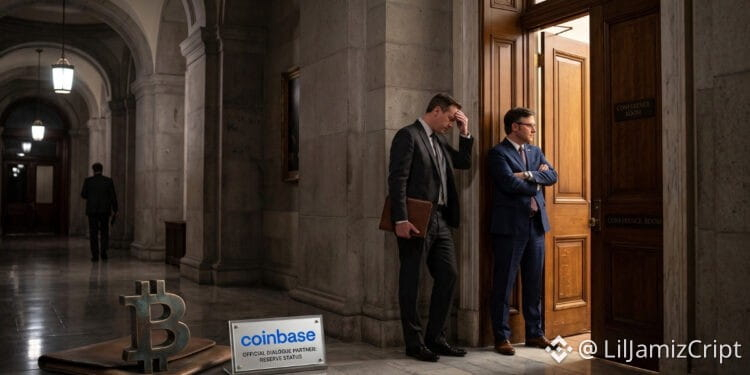
Coinbase negotiates with the U.S. government the future of its Bitcoin Reserve
The Senate stalled the Clarity Act, but the House advanced in committee the bill that seeks to legally protect the Bitcoin Reserve.
The House Financial Services Committee approved H.R. 8957 by a vote of 28 to 21 on September 16.
The Clarity Act fell short of the 60 votes needed in the Senate: it closed 49 in favor and 50 against.
On September 16, 2026, the House Financial Services Committee approved by a vote of 28 to 21 the H.R. 8957 bill, which seeks to turn into law the Strategic Bitcoin Reserve that Donald Trump created by executive order in 2025.
Two days later, Faryar Shirzad, head of policy at Coinbase, confirmed that the company is maintaining active talks with the U.S. Treasury and Commerce departments regarding its implementation.
The announcement comes two days after the Senate blocked the Clarity Act, the other bill the industry had been closely watching to set market rules. Both fronts are moving in parallel: one was temporarily halted in the Senate, while the other—more limited—continues its course in the House.
It is useful to distinguish between the two legal instruments at play. An executive order, like the one that created the Reserve in March 2025, is a presidential instruction that a successor president can reverse. A law passed by Congress, by contrast, requires another law to change it, giving it greater permanence across changes in administration.
H.R. 8957 does not authorize direct purchases of Bitcoin with public funds. It requires the Treasury and Commerce to study, within 180 days, “budget-neutral” methods to accumulate more units, including converting other crypto assets that have already been seized. The reserve would continue to be fed mainly by property confiscated in judicial cases.
#news
$BTC $SPCXB $ZEC
Coinbase negotiates with the U.S. government the future of its Bitcoin Reserve
The Senate stalled the Clarity Act, but the House advanced in committee the bill that seeks to legally protect the Bitcoin Reserve.
The House Financial Services Committee approved H.R. 8957 by a vote of 28 to 21 on September 16.
The Clarity Act fell short of the 60 votes needed in the Senate: it closed 49 in favor and 50 against.
On September 16, 2026, the House Financial Services Committee approved by a vote of 28 to 21 the H.R. 8957 bill, which seeks to turn into law the Strategic Bitcoin Reserve that Donald Trump created by executive order in 2025.
Two days later, Faryar Shirzad, head of policy at Coinbase, confirmed that the company is maintaining active talks with the U.S. Treasury and Commerce departments regarding its implementation.
The announcement comes two days after the Senate blocked the Clarity Act, the other bill the industry had been closely watching to set market rules. Both fronts are moving in parallel: one was temporarily halted in the Senate, while the other—more limited—continues its course in the House.
It is useful to distinguish between the two legal instruments at play. An executive order, like the one that created the Reserve in March 2025, is a presidential instruction that a successor president can reverse. A law passed by Congress, by contrast, requires another law to change it, giving it greater permanence across changes in administration.
H.R. 8957 does not authorize direct purchases of Bitcoin with public funds. It requires the Treasury and Commerce to study, within 180 days, “budget-neutral” methods to accumulate more units, including converting other crypto assets that have already been seized. The reserve would continue to be fed mainly by property confiscated in judicial cases.
#news
$BTC $SPCXB $ZEC
The Senate stalled the Clarity Act, but the House advanced in committee the bill that seeks to legally protect the Bitcoin Reserve.
The House Financial Services Committee approved H.R. 8957 by a vote of 28 to 21 on September 16.
The Clarity Act fell short of the 60 votes needed in the Senate: it closed 49 in favor and 50 against.
On September 16, 2026, the House Financial Services Committee approved by a vote of 28 to 21 the H.R. 8957 bill, which seeks to turn into law the Strategic Bitcoin Reserve that Donald Trump created by executive order in 2025.
Two days later, Faryar Shirzad, head of policy at Coinbase, confirmed that the company is maintaining active talks with the U.S. Treasury and Commerce departments regarding its implementation.
The announcement comes two days after the Senate blocked the Clarity Act, the other bill the industry had been closely watching to set market rules. Both fronts are moving in parallel: one was temporarily halted in the Senate, while the other—more limited—continues its course in the House.
It is useful to distinguish between the two legal instruments at play. An executive order, like the one that created the Reserve in March 2025, is a presidential instruction that a successor president can reverse. A law passed by Congress, by contrast, requires another law to change it, giving it greater permanence across changes in administration.
H.R. 8957 does not authorize direct purchases of Bitcoin with public funds. It requires the Treasury and Commerce to study, within 180 days, “budget-neutral” methods to accumulate more units, including converting other crypto assets that have already been seized. The reserve would continue to be fed mainly by property confiscated in judicial cases.
#news
$BTC $SPCXB $ZEC
132
El Salvador turns tokenization into a real-estate financing channel
A construction boom is aligning with a new way to attract capital outside traditional real-estate credit.
The registered projects total USD 633 million in issuances since 2023.
Real-estate tokenization is contemplated in the Digital Assets Issuance Law.
Tokenization has moved beyond being just a bet tied to the digital asset market and has started to make room in El Salvador’s real-estate financing.
According to Juan Carlos Reyes, president of the National Digital Assets Commission (CNAD), the construction projects registered under this scheme have accumulated USD 633 million in issuances and total 55 registrations since 2023, which were counted through September 4, 2026, as reported by the local outlet Dinero del país. In 2025 alone, they approved a total of 16 real-estate issuances, with an approximate value of USD 452 million.
The progress is happening while construction and real-estate activities continue to grow in the country. In June, Construction activity increased 10.7% year over year, according to the Central Reserve Bank (BCR). The result was accompanied by a 13.1% increase in Apparent Cement Consumption.
The real-estate market also showed positive performance. Real-estate activities grew 7.1% year over year in June, driven by the marketing of new residential and non-residential projects and by greater financing for the acquisition and construction of homes, according to the BCR.
In this context, tokenization appears as an additional way to raise resources. The projects registered by the CNAD do not use a single structure: some issue debt tokens that represent an obligation to pay principal and interest, while others use revenue tokens linked to future cash flows generated by sales, rentals, or real-estate operations.
#news
$BTC $ZEC $SPCXB
El Salvador turns tokenization into a real-estate financing channel
A construction boom is aligning with a new way to attract capital outside traditional real-estate credit.
The registered projects total USD 633 million in issuances since 2023.
Real-estate tokenization is contemplated in the Digital Assets Issuance Law.
Tokenization has moved beyond being just a bet tied to the digital asset market and has started to make room in El Salvador’s real-estate financing.
According to Juan Carlos Reyes, president of the National Digital Assets Commission (CNAD), the construction projects registered under this scheme have accumulated USD 633 million in issuances and total 55 registrations since 2023, which were counted through September 4, 2026, as reported by the local outlet Dinero del país. In 2025 alone, they approved a total of 16 real-estate issuances, with an approximate value of USD 452 million.
The progress is happening while construction and real-estate activities continue to grow in the country. In June, Construction activity increased 10.7% year over year, according to the Central Reserve Bank (BCR). The result was accompanied by a 13.1% increase in Apparent Cement Consumption.
The real-estate market also showed positive performance. Real-estate activities grew 7.1% year over year in June, driven by the marketing of new residential and non-residential projects and by greater financing for the acquisition and construction of homes, according to the BCR.
In this context, tokenization appears as an additional way to raise resources. The projects registered by the CNAD do not use a single structure: some issue debt tokens that represent an obligation to pay principal and interest, while others use revenue tokens linked to future cash flows generated by sales, rentals, or real-estate operations.
#news
$BTC $ZEC $SPCXB
A construction boom is aligning with a new way to attract capital outside traditional real-estate credit.
The registered projects total USD 633 million in issuances since 2023.
Real-estate tokenization is contemplated in the Digital Assets Issuance Law.
Tokenization has moved beyond being just a bet tied to the digital asset market and has started to make room in El Salvador’s real-estate financing.
According to Juan Carlos Reyes, president of the National Digital Assets Commission (CNAD), the construction projects registered under this scheme have accumulated USD 633 million in issuances and total 55 registrations since 2023, which were counted through September 4, 2026, as reported by the local outlet Dinero del país. In 2025 alone, they approved a total of 16 real-estate issuances, with an approximate value of USD 452 million.
The progress is happening while construction and real-estate activities continue to grow in the country. In June, Construction activity increased 10.7% year over year, according to the Central Reserve Bank (BCR). The result was accompanied by a 13.1% increase in Apparent Cement Consumption.
The real-estate market also showed positive performance. Real-estate activities grew 7.1% year over year in June, driven by the marketing of new residential and non-residential projects and by greater financing for the acquisition and construction of homes, according to the BCR.
In this context, tokenization appears as an additional way to raise resources. The projects registered by the CNAD do not use a single structure: some issue debt tokens that represent an obligation to pay principal and interest, while others use revenue tokens linked to future cash flows generated by sales, rentals, or real-estate operations.
#news
$BTC $ZEC $SPCXB

1
305
Verified
Break up of 2 illegal Bitcoin mining farms in Paraguay
Operations in Alto Paraná resulted in 35 seized units. The Chamber of Deputies requested the ANDE provide reports on the sector’s electricity consumption.
Irregular installations were shut down in the localities of Minga Guazú and Remansito.
Irregular installations were shut down in the localities of Minga Guazú and Remansito.
Paraguayan authorities are carrying out a series of operations in the Alto Paraná department aimed at detecting and addressing activities linked to the improper use of electricity.
Over the course of a week, coordinated interventions by Paraguay’s National Electricity Administration (ANDE), the National Police, and the Public Prosecutor’s Office led to the dismantling of clandestine connections and the seizure of 35 units used for Bitcoin and cryptocurrency mining.
The most recent of these operations was made public on September 17 in the Minga Guazú district.
At kilometer 19.5 Acaray, within the María Auxiliadora neighborhood, ANDE staff detected an illegal power supply that was providing electricity to a facility dedicated to this activity. The technicians identified a direct connection on site that had no meter.
The search in Minga Guazú was carried out under the direction of prosecutor Alcides Giménez, head of Penal Unit No. 9, within case file No. 15144/26.
During the procedure, which included support from officials of the state-run company, 10 ASIC mining units (see photo below) were seized and immediately placed at the disposal of the courts.
#news
$BTC $ZEC $SPCXB
Break up of 2 illegal Bitcoin mining farms in Paraguay
Operations in Alto Paraná resulted in 35 seized units. The Chamber of Deputies requested the ANDE provide reports on the sector’s electricity consumption.
Irregular installations were shut down in the localities of Minga Guazú and Remansito.
Irregular installations were shut down in the localities of Minga Guazú and Remansito.
Paraguayan authorities are carrying out a series of operations in the Alto Paraná department aimed at detecting and addressing activities linked to the improper use of electricity.
Over the course of a week, coordinated interventions by Paraguay’s National Electricity Administration (ANDE), the National Police, and the Public Prosecutor’s Office led to the dismantling of clandestine connections and the seizure of 35 units used for Bitcoin and cryptocurrency mining.
The most recent of these operations was made public on September 17 in the Minga Guazú district.
At kilometer 19.5 Acaray, within the María Auxiliadora neighborhood, ANDE staff detected an illegal power supply that was providing electricity to a facility dedicated to this activity. The technicians identified a direct connection on site that had no meter.
The search in Minga Guazú was carried out under the direction of prosecutor Alcides Giménez, head of Penal Unit No. 9, within case file No. 15144/26.
During the procedure, which included support from officials of the state-run company, 10 ASIC mining units (see photo below) were seized and immediately placed at the disposal of the courts.
#news
$BTC $ZEC $SPCXB
Operations in Alto Paraná resulted in 35 seized units. The Chamber of Deputies requested the ANDE provide reports on the sector’s electricity consumption.
Irregular installations were shut down in the localities of Minga Guazú and Remansito.
Irregular installations were shut down in the localities of Minga Guazú and Remansito.
Paraguayan authorities are carrying out a series of operations in the Alto Paraná department aimed at detecting and addressing activities linked to the improper use of electricity.
Over the course of a week, coordinated interventions by Paraguay’s National Electricity Administration (ANDE), the National Police, and the Public Prosecutor’s Office led to the dismantling of clandestine connections and the seizure of 35 units used for Bitcoin and cryptocurrency mining.
The most recent of these operations was made public on September 17 in the Minga Guazú district.
At kilometer 19.5 Acaray, within the María Auxiliadora neighborhood, ANDE staff detected an illegal power supply that was providing electricity to a facility dedicated to this activity. The technicians identified a direct connection on site that had no meter.
The search in Minga Guazú was carried out under the direction of prosecutor Alcides Giménez, head of Penal Unit No. 9, within case file No. 15144/26.
During the procedure, which included support from officials of the state-run company, 10 ASIC mining units (see photo below) were seized and immediately placed at the disposal of the courts.
#news
$BTC $ZEC $SPCXB

1
506
148 bitcoin paid for a ransom led to two convictions in Costa Rica
Years after the crime, the movement of the assets allowed justice to bring the case before Costa Rican courts.
The 148 BTC were worth about USD 1 million when the family made the required payment.
Some of the BTC remained in wallets that were under the control of the now-convicted men.
The kidnapping of a U.S. businessman in Costa Rica in 2018 ended not only in murder, but also in an investigation into the fate of the bitcoin (BTC) that his family handed over in an attempt to save him. Eight years later, two men were convicted for legitimizing part of those funds.
William Sean Creighton Kopko, owner of the betting house 5Dimes, was kidnapped the night of September 24, 2018, after two Traffic officers detained him. The investigation found that the officials were linked to the criminal group that later took the businessman.
During his captivity, Creighton’s family received several demands for money and ultimately transferred approximately 148 BTC as a payment in an attempt to secure his release. According to Costa Rica’s Judiciary, the amount was worth about USD 1 million at the exchange rate at the time. However, the man died within the first 48 hours of the kidnapping due to suffocation, as reported by CriptoNoticias.
The trail of the funds continued to be investigated. The Criminal Court of the Second Judicial Circuit of San José convicted, on September 17, 2026, the men with the last names Morales Vega and Molina Ávila to 12 years in prison each for the crime of money laundering, through judgment 506-2026.
#news
$BTC $ZEC $SPCXB
148 bitcoin paid for a ransom led to two convictions in Costa Rica
Years after the crime, the movement of the assets allowed justice to bring the case before Costa Rican courts.
The 148 BTC were worth about USD 1 million when the family made the required payment.
Some of the BTC remained in wallets that were under the control of the now-convicted men.
The kidnapping of a U.S. businessman in Costa Rica in 2018 ended not only in murder, but also in an investigation into the fate of the bitcoin (BTC) that his family handed over in an attempt to save him. Eight years later, two men were convicted for legitimizing part of those funds.
William Sean Creighton Kopko, owner of the betting house 5Dimes, was kidnapped the night of September 24, 2018, after two Traffic officers detained him. The investigation found that the officials were linked to the criminal group that later took the businessman.
During his captivity, Creighton’s family received several demands for money and ultimately transferred approximately 148 BTC as a payment in an attempt to secure his release. According to Costa Rica’s Judiciary, the amount was worth about USD 1 million at the exchange rate at the time. However, the man died within the first 48 hours of the kidnapping due to suffocation, as reported by CriptoNoticias.
The trail of the funds continued to be investigated. The Criminal Court of the Second Judicial Circuit of San José convicted, on September 17, 2026, the men with the last names Morales Vega and Molina Ávila to 12 years in prison each for the crime of money laundering, through judgment 506-2026.
#news
$BTC $ZEC $SPCXB
Years after the crime, the movement of the assets allowed justice to bring the case before Costa Rican courts.
The 148 BTC were worth about USD 1 million when the family made the required payment.
Some of the BTC remained in wallets that were under the control of the now-convicted men.
The kidnapping of a U.S. businessman in Costa Rica in 2018 ended not only in murder, but also in an investigation into the fate of the bitcoin (BTC) that his family handed over in an attempt to save him. Eight years later, two men were convicted for legitimizing part of those funds.
William Sean Creighton Kopko, owner of the betting house 5Dimes, was kidnapped the night of September 24, 2018, after two Traffic officers detained him. The investigation found that the officials were linked to the criminal group that later took the businessman.
During his captivity, Creighton’s family received several demands for money and ultimately transferred approximately 148 BTC as a payment in an attempt to secure his release. According to Costa Rica’s Judiciary, the amount was worth about USD 1 million at the exchange rate at the time. However, the man died within the first 48 hours of the kidnapping due to suffocation, as reported by CriptoNoticias.
The trail of the funds continued to be investigated. The Criminal Court of the Second Judicial Circuit of San José convicted, on September 17, 2026, the men with the last names Morales Vega and Molina Ávila to 12 years in prison each for the crime of money laundering, through judgment 506-2026.
#news
$BTC $ZEC $SPCXB

65
Launches a tool to use artificial intelligence without exposing private data
AgentCloak ensures that it replaces sensitive information with synthetic data before sending it to chatbots, protecting the user’s privacy.
The extension detects and hides the information on the device without sending it to external servers.
It offers a free version for individuals and an advanced option aimed at businesses.
Developer Peter Yared announced the launch of AgentCloak, a tool that claims to be designed to interact with artificial intelligence (AI) services without revealing private information.
According to the specifications published, this software works autonomously in the browser or on the computer, which would prevent real data from being transmitted to the companies responsible for the language models.
The main mechanism—according to Yared’s post on X and the tool’s website—consists of detecting and hiding confidential elements before they leave the customer’s device.
The platform automatically identifies names, email addresses, phone numbers, and banking data, swapping them for synthetic substitutes that keep the original format through a mapping system called a “digital twin.”
The altered request is sent to platforms such as ChatGPT, Claude, or Gemini, which respond by interacting only with the pseudonyms.
Although Yared claims in his post that the tool is already being used and “trusted by some of the biggest companies in the world,” the official documentation does not provide the name of any client company or verifiable metrics, making these adoption claims unverifiable.
When the chatbot returns the message, AgentCloak restores the authentic information locally. The tool includes a feature to remember the equivalences created, preventing the user from having to approve the replacement in future interactions.
#news
$BTC $ZEC $SPCXB
Launches a tool to use artificial intelligence without exposing private data
AgentCloak ensures that it replaces sensitive information with synthetic data before sending it to chatbots, protecting the user’s privacy.
The extension detects and hides the information on the device without sending it to external servers.
It offers a free version for individuals and an advanced option aimed at businesses.
Developer Peter Yared announced the launch of AgentCloak, a tool that claims to be designed to interact with artificial intelligence (AI) services without revealing private information.
According to the specifications published, this software works autonomously in the browser or on the computer, which would prevent real data from being transmitted to the companies responsible for the language models.
The main mechanism—according to Yared’s post on X and the tool’s website—consists of detecting and hiding confidential elements before they leave the customer’s device.
The platform automatically identifies names, email addresses, phone numbers, and banking data, swapping them for synthetic substitutes that keep the original format through a mapping system called a “digital twin.”
The altered request is sent to platforms such as ChatGPT, Claude, or Gemini, which respond by interacting only with the pseudonyms.
Although Yared claims in his post that the tool is already being used and “trusted by some of the biggest companies in the world,” the official documentation does not provide the name of any client company or verifiable metrics, making these adoption claims unverifiable.
When the chatbot returns the message, AgentCloak restores the authentic information locally. The tool includes a feature to remember the equivalences created, preventing the user from having to approve the replacement in future interactions.
#news
$BTC $ZEC $SPCXB
AgentCloak ensures that it replaces sensitive information with synthetic data before sending it to chatbots, protecting the user’s privacy.
The extension detects and hides the information on the device without sending it to external servers.
It offers a free version for individuals and an advanced option aimed at businesses.
Developer Peter Yared announced the launch of AgentCloak, a tool that claims to be designed to interact with artificial intelligence (AI) services without revealing private information.
According to the specifications published, this software works autonomously in the browser or on the computer, which would prevent real data from being transmitted to the companies responsible for the language models.
The main mechanism—according to Yared’s post on X and the tool’s website—consists of detecting and hiding confidential elements before they leave the customer’s device.
The platform automatically identifies names, email addresses, phone numbers, and banking data, swapping them for synthetic substitutes that keep the original format through a mapping system called a “digital twin.”
The altered request is sent to platforms such as ChatGPT, Claude, or Gemini, which respond by interacting only with the pseudonyms.
Although Yared claims in his post that the tool is already being used and “trusted by some of the biggest companies in the world,” the official documentation does not provide the name of any client company or verifiable metrics, making these adoption claims unverifiable.
When the chatbot returns the message, AgentCloak restores the authentic information locally. The tool includes a feature to remember the equivalences created, preventing the user from having to approve the replacement in future interactions.
#news
$BTC $ZEC $SPCXB

85
The CFTC is taking unregistered cryptocurrency exchanges into its derivatives framework
Without the Clarity Act, the regulator uses its derivatives authority as Plan B: absorbing unregistered exchanges under a “not significant” rule.
Just before the Commodity Futures Trading Commission (CFTC) sent its regulatory proposal to the White House, the agency’s former chair, Christopher Giancarlo, made a key clarification.
On September 15, 2026, he told journalist Eleanor Terrett that the Clarity bill’s stalling in Congress was a disappointment that would not stop the march of innovation in the United States.
Giancarlo stressed that both the Chair of the Securities and Exchange Commission (SEC), Paul Atkins, and the Chair of the CFTC, Michael Selig, were determined to set strong regulatory frameworks to ensure that market modernization would take place within the framework of U.S. law, and not outside it.
Two days later, the agency kept its promise. On September 17, 2026, the CFTC submitted to the Office of Information and Regulatory Affairs (OIRA) the docket titled “Regulation Crypto Asset Transactions and Regulation Crypto Asset Markets,” filed under the code RIN 3038-AF80. For now, the initiative is listed as being in the Pre-rule stage, an initial administrative step that lacks a public draft or a formal proposal open for consultation.
The filing was made only 48 hours after the Senate blocked the Clarity Act. The speed of the move shows that the path had already been laid out since August 4, 2025, through the Crypto Sprint, a twelve-month initiative driven by then-acting chair Caroline Pham.
Despite this, one detail contradicts the official narrative. Although Michael Selig presented the measure as the final framework to codify the structure of the digital asset market, the document was officially classified as “not significant” from the standpoint of
#news
$BTC $ZEC $SPCXB
The CFTC is taking unregistered cryptocurrency exchanges into its derivatives framework
Without the Clarity Act, the regulator uses its derivatives authority as Plan B: absorbing unregistered exchanges under a “not significant” rule.
Just before the Commodity Futures Trading Commission (CFTC) sent its regulatory proposal to the White House, the agency’s former chair, Christopher Giancarlo, made a key clarification.
On September 15, 2026, he told journalist Eleanor Terrett that the Clarity bill’s stalling in Congress was a disappointment that would not stop the march of innovation in the United States.
Giancarlo stressed that both the Chair of the Securities and Exchange Commission (SEC), Paul Atkins, and the Chair of the CFTC, Michael Selig, were determined to set strong regulatory frameworks to ensure that market modernization would take place within the framework of U.S. law, and not outside it.
Two days later, the agency kept its promise. On September 17, 2026, the CFTC submitted to the Office of Information and Regulatory Affairs (OIRA) the docket titled “Regulation Crypto Asset Transactions and Regulation Crypto Asset Markets,” filed under the code RIN 3038-AF80. For now, the initiative is listed as being in the Pre-rule stage, an initial administrative step that lacks a public draft or a formal proposal open for consultation.
The filing was made only 48 hours after the Senate blocked the Clarity Act. The speed of the move shows that the path had already been laid out since August 4, 2025, through the Crypto Sprint, a twelve-month initiative driven by then-acting chair Caroline Pham.
Despite this, one detail contradicts the official narrative. Although Michael Selig presented the measure as the final framework to codify the structure of the digital asset market, the document was officially classified as “not significant” from the standpoint of
#news
$BTC $ZEC $SPCXB
Without the Clarity Act, the regulator uses its derivatives authority as Plan B: absorbing unregistered exchanges under a “not significant” rule.
Just before the Commodity Futures Trading Commission (CFTC) sent its regulatory proposal to the White House, the agency’s former chair, Christopher Giancarlo, made a key clarification.
On September 15, 2026, he told journalist Eleanor Terrett that the Clarity bill’s stalling in Congress was a disappointment that would not stop the march of innovation in the United States.
Giancarlo stressed that both the Chair of the Securities and Exchange Commission (SEC), Paul Atkins, and the Chair of the CFTC, Michael Selig, were determined to set strong regulatory frameworks to ensure that market modernization would take place within the framework of U.S. law, and not outside it.
Two days later, the agency kept its promise. On September 17, 2026, the CFTC submitted to the Office of Information and Regulatory Affairs (OIRA) the docket titled “Regulation Crypto Asset Transactions and Regulation Crypto Asset Markets,” filed under the code RIN 3038-AF80. For now, the initiative is listed as being in the Pre-rule stage, an initial administrative step that lacks a public draft or a formal proposal open for consultation.
The filing was made only 48 hours after the Senate blocked the Clarity Act. The speed of the move shows that the path had already been laid out since August 4, 2025, through the Crypto Sprint, a twelve-month initiative driven by then-acting chair Caroline Pham.
Despite this, one detail contradicts the official narrative. Although Michael Selig presented the measure as the final framework to codify the structure of the digital asset market, the document was officially classified as “not significant” from the standpoint of
#news
$BTC $ZEC $SPCXB

105
Disrupt two fraud networks in Spain linked to cryptocurrencies
Spanish authorities detained dozens of people for alleged frauds exceeding €750,000.
A fake broker led a Ponzi scheme that affected 113 investors in the country.
A criminal network converted money from traditional frauds into crypto-assets to evade tracking.
Agents of the Guardia Civil have dismantled in Spain a suspected criminal group made up of four people that operated a pyramid scheme, or Ponzi scheme, using cryptocurrencies.
As reported by Europa Press on September 18, the organization—whose name was not disclosed—managed to raise funds from 113 affected people, reaching an estimated economic value defrauded of approximately €327,000.
As stated by the Guardia Civil Command (Comandancia) in a communiqué cited by the news agency, the investigation began in October of last year after receiving complaints from victims who had invested their funds after trusting an individual posing as a broker.
The fraudulent scheme worked by attracting future investors with the promise of high returns in a short period of time. Payments of supposed earnings to the first participants were made using the capital provided by new investors, with no real product generating those profits.
Authorities identified that the four alleged individuals had clearly differentiated roles within the structure. One member provided the technological tools and configured the victims’ devices; another was responsible for receiving the money; and the remaining two focused on recruiting the affected people by providing the trust needed to carry out the fraud.
Separately, an operation by the National Police dismantled a second criminal network dedicated to large-scale computer fraud and money laundering.
#news
$BTC $ZEC $SPCXB
Disrupt two fraud networks in Spain linked to cryptocurrencies
Spanish authorities detained dozens of people for alleged frauds exceeding €750,000.
A fake broker led a Ponzi scheme that affected 113 investors in the country.
A criminal network converted money from traditional frauds into crypto-assets to evade tracking.
Agents of the Guardia Civil have dismantled in Spain a suspected criminal group made up of four people that operated a pyramid scheme, or Ponzi scheme, using cryptocurrencies.
As reported by Europa Press on September 18, the organization—whose name was not disclosed—managed to raise funds from 113 affected people, reaching an estimated economic value defrauded of approximately €327,000.
As stated by the Guardia Civil Command (Comandancia) in a communiqué cited by the news agency, the investigation began in October of last year after receiving complaints from victims who had invested their funds after trusting an individual posing as a broker.
The fraudulent scheme worked by attracting future investors with the promise of high returns in a short period of time. Payments of supposed earnings to the first participants were made using the capital provided by new investors, with no real product generating those profits.
Authorities identified that the four alleged individuals had clearly differentiated roles within the structure. One member provided the technological tools and configured the victims’ devices; another was responsible for receiving the money; and the remaining two focused on recruiting the affected people by providing the trust needed to carry out the fraud.
Separately, an operation by the National Police dismantled a second criminal network dedicated to large-scale computer fraud and money laundering.
#news
$BTC $ZEC $SPCXB
Spanish authorities detained dozens of people for alleged frauds exceeding €750,000.
A fake broker led a Ponzi scheme that affected 113 investors in the country.
A criminal network converted money from traditional frauds into crypto-assets to evade tracking.
Agents of the Guardia Civil have dismantled in Spain a suspected criminal group made up of four people that operated a pyramid scheme, or Ponzi scheme, using cryptocurrencies.
As reported by Europa Press on September 18, the organization—whose name was not disclosed—managed to raise funds from 113 affected people, reaching an estimated economic value defrauded of approximately €327,000.
As stated by the Guardia Civil Command (Comandancia) in a communiqué cited by the news agency, the investigation began in October of last year after receiving complaints from victims who had invested their funds after trusting an individual posing as a broker.
The fraudulent scheme worked by attracting future investors with the promise of high returns in a short period of time. Payments of supposed earnings to the first participants were made using the capital provided by new investors, with no real product generating those profits.
Authorities identified that the four alleged individuals had clearly differentiated roles within the structure. One member provided the technological tools and configured the victims’ devices; another was responsible for receiving the money; and the remaining two focused on recruiting the affected people by providing the trust needed to carry out the fraud.
Separately, an operation by the National Police dismantled a second criminal network dedicated to large-scale computer fraud and money laundering.
#news
$BTC $ZEC $SPCXB

20
1 in every 5 companies authorized for cryptocurrencies in Europe are banks
The banking expansion under MiCA changes the composition of the European market and expands financial channels for cryptocurrencies.
Germany concentrates a large share of the new banking entries in the European register.
Registering a bank with ESMA does not confirm that its crypto services are already active.
Banks in the European Union are gaining ground in the regulated crypto market after the approval of the MiCA law. The register of the European Securities and Markets Authority (ESMA) shows that the banking entities identified as cryptoasset service providers rose from about 40 on June 26 to nearly 80 on September 16.
The data shows that growth occurred as the complete register of cryptoasset service providers (CASP) increased from 243 to 349 entities. Although non-bank companies continue to be in the majority, their relative share fell from roughly 84% to 77%, while the banking share rose from 17% to almost 23%.
The change does not mean that specialized companies are leaving the market. On the contrary, they also increased in number, but the accelerated entry of banks altered the composition of the register. This opens the door to a greater role for traditional financial institutions in activities such as custody and other services related to cryptocurrencies.
Germany appears as one of the main engines of this expansion. The register includes major commercial banks and numerous cooperative entities linked to networks such as Volksbank, Raiffeisenbank, and VR Bank. One of the notable cases is Deutsche Bank, which has proposed offering digital asset custody services for institutional and corporate clients in Europe, as CriptoNoticias explained.
#news
$BTC $ZEC $SPCXB
1 in every 5 companies authorized for cryptocurrencies in Europe are banks
The banking expansion under MiCA changes the composition of the European market and expands financial channels for cryptocurrencies.
Germany concentrates a large share of the new banking entries in the European register.
Registering a bank with ESMA does not confirm that its crypto services are already active.
Banks in the European Union are gaining ground in the regulated crypto market after the approval of the MiCA law. The register of the European Securities and Markets Authority (ESMA) shows that the banking entities identified as cryptoasset service providers rose from about 40 on June 26 to nearly 80 on September 16.
The data shows that growth occurred as the complete register of cryptoasset service providers (CASP) increased from 243 to 349 entities. Although non-bank companies continue to be in the majority, their relative share fell from roughly 84% to 77%, while the banking share rose from 17% to almost 23%.
The change does not mean that specialized companies are leaving the market. On the contrary, they also increased in number, but the accelerated entry of banks altered the composition of the register. This opens the door to a greater role for traditional financial institutions in activities such as custody and other services related to cryptocurrencies.
Germany appears as one of the main engines of this expansion. The register includes major commercial banks and numerous cooperative entities linked to networks such as Volksbank, Raiffeisenbank, and VR Bank. One of the notable cases is Deutsche Bank, which has proposed offering digital asset custody services for institutional and corporate clients in Europe, as CriptoNoticias explained.
#news
$BTC $ZEC $SPCXB
The banking expansion under MiCA changes the composition of the European market and expands financial channels for cryptocurrencies.
Germany concentrates a large share of the new banking entries in the European register.
Registering a bank with ESMA does not confirm that its crypto services are already active.
Banks in the European Union are gaining ground in the regulated crypto market after the approval of the MiCA law. The register of the European Securities and Markets Authority (ESMA) shows that the banking entities identified as cryptoasset service providers rose from about 40 on June 26 to nearly 80 on September 16.
The data shows that growth occurred as the complete register of cryptoasset service providers (CASP) increased from 243 to 349 entities. Although non-bank companies continue to be in the majority, their relative share fell from roughly 84% to 77%, while the banking share rose from 17% to almost 23%.
The change does not mean that specialized companies are leaving the market. On the contrary, they also increased in number, but the accelerated entry of banks altered the composition of the register. This opens the door to a greater role for traditional financial institutions in activities such as custody and other services related to cryptocurrencies.
Germany appears as one of the main engines of this expansion. The register includes major commercial banks and numerous cooperative entities linked to networks such as Volksbank, Raiffeisenbank, and VR Bank. One of the notable cases is Deutsche Bank, which has proposed offering digital asset custody services for institutional and corporate clients in Europe, as CriptoNoticias explained.
#news
$BTC $ZEC $SPCXB

14
Evernorth will allocate $30 million to XRP and Tron Inc. increases its TRX reserves
Both lead the race to accumulate their respective selected cryptocurrencies.
Evernorth will issue corporate debt to accumulate more XRP.
Tron Inc. acquired more than 295,000 TRX in two consecutive purchases.
Evernorth Holdings Inc. —the leading corporate treasury of the XRP cryptocurrency— filed with the U.S. Securities and Exchange Commission (SEC) a report on Form 8-K in which it formalized an agreement to purchase convertible notes with a principal amount of $30 million.
According to the documentation submitted to the regulator, the entity intends to use the net proceeds from this transaction for general corporate purposes, explicitly including the acquisition of additional XRP and the carrying out of other activities within the ecosystem of that digital asset.
The transaction includes the issuance of senior convertible notes with an interest rate payable in kind of 4.00% per year, with maturity set for 2031.
At the time of this publication, Evernorth has accumulated the equivalent of 473,276,430 XRP, worth approximately $681 million.
Meanwhile, Tron Inc., which is listed on the NASDAQ market under the ticker TRON and the primary corporate holder of the TRX cryptocurrency, announced new purchases of that digital asset to strengthen its treasury reserves.
In statements released on September 17 and 18, 2026, the company detailed the execution of two consecutive TRX acquisitions.
The first involved 148,299 TRX at an average price of $0.3372 per unit, bringing the total balance to more than 714.9 million TRX. On the following day, the firm added another 147,132 TRX at a mean price of $0.3398, bringing its accumulated balance in its institutional wallet to over 715.0 million TRX.
#news
$BTC $SPCXB $ZEC
Evernorth will allocate $30 million to XRP and Tron Inc. increases its TRX reserves
Both lead the race to accumulate their respective selected cryptocurrencies.
Evernorth will issue corporate debt to accumulate more XRP.
Tron Inc. acquired more than 295,000 TRX in two consecutive purchases.
Evernorth Holdings Inc. —the leading corporate treasury of the XRP cryptocurrency— filed with the U.S. Securities and Exchange Commission (SEC) a report on Form 8-K in which it formalized an agreement to purchase convertible notes with a principal amount of $30 million.
According to the documentation submitted to the regulator, the entity intends to use the net proceeds from this transaction for general corporate purposes, explicitly including the acquisition of additional XRP and the carrying out of other activities within the ecosystem of that digital asset.
The transaction includes the issuance of senior convertible notes with an interest rate payable in kind of 4.00% per year, with maturity set for 2031.
At the time of this publication, Evernorth has accumulated the equivalent of 473,276,430 XRP, worth approximately $681 million.
Meanwhile, Tron Inc., which is listed on the NASDAQ market under the ticker TRON and the primary corporate holder of the TRX cryptocurrency, announced new purchases of that digital asset to strengthen its treasury reserves.
In statements released on September 17 and 18, 2026, the company detailed the execution of two consecutive TRX acquisitions.
The first involved 148,299 TRX at an average price of $0.3372 per unit, bringing the total balance to more than 714.9 million TRX. On the following day, the firm added another 147,132 TRX at a mean price of $0.3398, bringing its accumulated balance in its institutional wallet to over 715.0 million TRX.
#news
$BTC $SPCXB $ZEC
Both lead the race to accumulate their respective selected cryptocurrencies.
Evernorth will issue corporate debt to accumulate more XRP.
Tron Inc. acquired more than 295,000 TRX in two consecutive purchases.
Evernorth Holdings Inc. —the leading corporate treasury of the XRP cryptocurrency— filed with the U.S. Securities and Exchange Commission (SEC) a report on Form 8-K in which it formalized an agreement to purchase convertible notes with a principal amount of $30 million.
According to the documentation submitted to the regulator, the entity intends to use the net proceeds from this transaction for general corporate purposes, explicitly including the acquisition of additional XRP and the carrying out of other activities within the ecosystem of that digital asset.
The transaction includes the issuance of senior convertible notes with an interest rate payable in kind of 4.00% per year, with maturity set for 2031.
At the time of this publication, Evernorth has accumulated the equivalent of 473,276,430 XRP, worth approximately $681 million.
Meanwhile, Tron Inc., which is listed on the NASDAQ market under the ticker TRON and the primary corporate holder of the TRX cryptocurrency, announced new purchases of that digital asset to strengthen its treasury reserves.
In statements released on September 17 and 18, 2026, the company detailed the execution of two consecutive TRX acquisitions.
The first involved 148,299 TRX at an average price of $0.3372 per unit, bringing the total balance to more than 714.9 million TRX. On the following day, the firm added another 147,132 TRX at a mean price of $0.3398, bringing its accumulated balance in its institutional wallet to over 715.0 million TRX.
#news
$BTC $SPCXB $ZEC

73
Bitcoin could withstand further interest-rate hikes by the Fed, according to Grayscale
The firm distinguishes the current scenario from the sharp monetary tightening that hit BTC from 2022
Grayscale notes that the impact of rates is not uniform across crypto assets.
Bitcoin would face a different environment than in 2022 if the next rate hikes are limited.
The Federal Reserve’s (Fed) upcoming interest-rate decisions could have a more limited effect on the digital-asset market than the 2022–2023 monetary-tightening cycle, according to a Grayscale reading. The firm believes that one or two additional rate hikes during 2026 would not necessarily trigger a major shift of capital toward cryptocurrencies.
Recall that on September 16, the Fed raised its benchmark rate by 25 basis points to a range of 3.75%–4%, its first increase since 2023, as reported by CriptoNoticias. The central bank said that inflation remains elevated and that the measure aims to speed up its return to the 2% target.
The outlook for the coming months already factors in the possibility of another increase. Projections published by the Fed show a median of 4.1% for the federal funds rate by the end of 2026, versus 3.8% forecast in June. The figure implies an additional 25 basis-point increase from the current midpoint, although the projections do not represent a commitment to monetary policy.
For Zach Pandl, head of research at Grayscale, the key difference lies in the size of the adjustment. The firm interprets the September move as a mid-cycle adjustment rather than the start of a tightening process comparable to that of 2022. Between March of that year and July 2023, the Fed raised rates by 525 basis points, increasing the opportunity cost of holding non-interest-bearing assets such as bitcoin (BTC).
#news
$BTC $ZEC $SPCXB
Bitcoin could withstand further interest-rate hikes by the Fed, according to Grayscale
The firm distinguishes the current scenario from the sharp monetary tightening that hit BTC from 2022
Grayscale notes that the impact of rates is not uniform across crypto assets.
Bitcoin would face a different environment than in 2022 if the next rate hikes are limited.
The Federal Reserve’s (Fed) upcoming interest-rate decisions could have a more limited effect on the digital-asset market than the 2022–2023 monetary-tightening cycle, according to a Grayscale reading. The firm believes that one or two additional rate hikes during 2026 would not necessarily trigger a major shift of capital toward cryptocurrencies.
Recall that on September 16, the Fed raised its benchmark rate by 25 basis points to a range of 3.75%–4%, its first increase since 2023, as reported by CriptoNoticias. The central bank said that inflation remains elevated and that the measure aims to speed up its return to the 2% target.
The outlook for the coming months already factors in the possibility of another increase. Projections published by the Fed show a median of 4.1% for the federal funds rate by the end of 2026, versus 3.8% forecast in June. The figure implies an additional 25 basis-point increase from the current midpoint, although the projections do not represent a commitment to monetary policy.
For Zach Pandl, head of research at Grayscale, the key difference lies in the size of the adjustment. The firm interprets the September move as a mid-cycle adjustment rather than the start of a tightening process comparable to that of 2022. Between March of that year and July 2023, the Fed raised rates by 525 basis points, increasing the opportunity cost of holding non-interest-bearing assets such as bitcoin (BTC).
#news
$BTC $ZEC $SPCXB
The firm distinguishes the current scenario from the sharp monetary tightening that hit BTC from 2022
Grayscale notes that the impact of rates is not uniform across crypto assets.
Bitcoin would face a different environment than in 2022 if the next rate hikes are limited.
The Federal Reserve’s (Fed) upcoming interest-rate decisions could have a more limited effect on the digital-asset market than the 2022–2023 monetary-tightening cycle, according to a Grayscale reading. The firm believes that one or two additional rate hikes during 2026 would not necessarily trigger a major shift of capital toward cryptocurrencies.
Recall that on September 16, the Fed raised its benchmark rate by 25 basis points to a range of 3.75%–4%, its first increase since 2023, as reported by CriptoNoticias. The central bank said that inflation remains elevated and that the measure aims to speed up its return to the 2% target.
The outlook for the coming months already factors in the possibility of another increase. Projections published by the Fed show a median of 4.1% for the federal funds rate by the end of 2026, versus 3.8% forecast in June. The figure implies an additional 25 basis-point increase from the current midpoint, although the projections do not represent a commitment to monetary policy.
For Zach Pandl, head of research at Grayscale, the key difference lies in the size of the adjustment. The firm interprets the September move as a mid-cycle adjustment rather than the start of a tightening process comparable to that of 2022. Between March of that year and July 2023, the Fed raised rates by 525 basis points, increasing the opportunity cost of holding non-interest-bearing assets such as bitcoin (BTC).
#news
$BTC $ZEC $SPCXB
42
Ban stablecoin yields as soon as bank credit picks up
According to White House advisors, the cost to users far outweighs the minimal increase in bank lending if these payments are prohibited.
Banning interest would add USD 2.1 billion to loans, or 0.02% of the banking total.
The measure would represent an annual negative welfare cost of USD 800 million for users.
The Council of Economic Advisers of the White House (CEA) determined that prohibiting payments of yields to holders of stablecoins would have an insignificant effect on the volume of bank loans.
In an update to its research published on September 15, 2026, the agency assessed the justifications behind restrictive regulations and concluded that the economic costs of implementing such a ban would outweigh the assumed credit benefits by a ratio of 6.6 to 1.
The regulatory debate is based on the GENIUS Act, enacted in July 2025. This legislation requires stablecoin issuers to maintain a one-to-one backing in specific reserve assets and bans offering direct yields.
Since the law left a legal gap regarding interest-bearing products offered by third parties or affiliates, complementary proposals such as the Clarity Act (which was recently rejected for a vote in the Senate, as reported by CriptoNoticias) seek to definitively close this loophole.
The traditional banking sector argues that if stablecoins offer competitive returns, users will withdraw their funds from conventional accounts, reducing the system’s capacity to extend commercial and personal credit
#news
$BTC $ZEC $SPCXB
Ban stablecoin yields as soon as bank credit picks up
According to White House advisors, the cost to users far outweighs the minimal increase in bank lending if these payments are prohibited.
Banning interest would add USD 2.1 billion to loans, or 0.02% of the banking total.
The measure would represent an annual negative welfare cost of USD 800 million for users.
The Council of Economic Advisers of the White House (CEA) determined that prohibiting payments of yields to holders of stablecoins would have an insignificant effect on the volume of bank loans.
In an update to its research published on September 15, 2026, the agency assessed the justifications behind restrictive regulations and concluded that the economic costs of implementing such a ban would outweigh the assumed credit benefits by a ratio of 6.6 to 1.
The regulatory debate is based on the GENIUS Act, enacted in July 2025. This legislation requires stablecoin issuers to maintain a one-to-one backing in specific reserve assets and bans offering direct yields.
Since the law left a legal gap regarding interest-bearing products offered by third parties or affiliates, complementary proposals such as the Clarity Act (which was recently rejected for a vote in the Senate, as reported by CriptoNoticias) seek to definitively close this loophole.
The traditional banking sector argues that if stablecoins offer competitive returns, users will withdraw their funds from conventional accounts, reducing the system’s capacity to extend commercial and personal credit
#news
$BTC $ZEC $SPCXB
According to White House advisors, the cost to users far outweighs the minimal increase in bank lending if these payments are prohibited.
Banning interest would add USD 2.1 billion to loans, or 0.02% of the banking total.
The measure would represent an annual negative welfare cost of USD 800 million for users.
The Council of Economic Advisers of the White House (CEA) determined that prohibiting payments of yields to holders of stablecoins would have an insignificant effect on the volume of bank loans.
In an update to its research published on September 15, 2026, the agency assessed the justifications behind restrictive regulations and concluded that the economic costs of implementing such a ban would outweigh the assumed credit benefits by a ratio of 6.6 to 1.
The regulatory debate is based on the GENIUS Act, enacted in July 2025. This legislation requires stablecoin issuers to maintain a one-to-one backing in specific reserve assets and bans offering direct yields.
Since the law left a legal gap regarding interest-bearing products offered by third parties or affiliates, complementary proposals such as the Clarity Act (which was recently rejected for a vote in the Senate, as reported by CriptoNoticias) seek to definitively close this loophole.
The traditional banking sector argues that if stablecoins offer competitive returns, users will withdraw their funds from conventional accounts, reducing the system’s capacity to extend commercial and personal credit
#news
$BTC $ZEC $SPCXB

94
South America doesn’t lack energy to mine bitcoin; it lacks rules that would allow it to use it.
In Paraguay, Argentina, Bolivia, and Venezuela, there is plenty of energy, but their problems lie in whether the State allows it to be sold to bitcoin miners.
Paraguay has hydroelectric dams capable of supplying half of South America, and its miners contribute about 4% of the world’s bitcoin computing power. Argentina has in Vaca Muerta one of the planet’s largest unconventional gas deposits. Brazil wastes wind electricity that no transmission line can carry. Bolivia and Venezuela add up flared gas and hydroelectricity that has been stranded by billions of dollars.
All five have surplus energy, but the issue is not each country’s reserves—it’s who decides to whom it gets sold. Therefore, the variable that maps bitcoin mining across those Latin American countries is regulatory, not geological.
Where the State allows selling the surplus to a buyer that can shut down in minutes, mining shows up and stays. Where subsidies, exchange restrictions, or sanctions apply, the same resource enters and exits the business as it suits them.
The Paraguay case: mining yes, mining no
Paraguay illustrates the first scenario. The National Electricity Administration (ANDE) set December 31, 2027 as the expiration date for contracts with miners, despite them providing about 60% of its revenues from selling excess energy.
The government of Paraguay is considering reallocating those megawatts to artificial intelligence (AI), which potentially promises a higher economic return, as well as more job creation.
However, stopping the mining flow isn’t free. Part of ANDE’s debt to Itaipú is financed with those revenues, and if they disappear, the State will have to cover the shortfall with more debt.
The Paraguayan situation shows that energy exists, but the rules move away from bitcoin mining in South America.
#news
$BTC $SPCXB $ZEC
South America doesn’t lack energy to mine bitcoin; it lacks rules that would allow it to use it.
In Paraguay, Argentina, Bolivia, and Venezuela, there is plenty of energy, but their problems lie in whether the State allows it to be sold to bitcoin miners.
Paraguay has hydroelectric dams capable of supplying half of South America, and its miners contribute about 4% of the world’s bitcoin computing power. Argentina has in Vaca Muerta one of the planet’s largest unconventional gas deposits. Brazil wastes wind electricity that no transmission line can carry. Bolivia and Venezuela add up flared gas and hydroelectricity that has been stranded by billions of dollars.
All five have surplus energy, but the issue is not each country’s reserves—it’s who decides to whom it gets sold. Therefore, the variable that maps bitcoin mining across those Latin American countries is regulatory, not geological.
Where the State allows selling the surplus to a buyer that can shut down in minutes, mining shows up and stays. Where subsidies, exchange restrictions, or sanctions apply, the same resource enters and exits the business as it suits them.
The Paraguay case: mining yes, mining no
Paraguay illustrates the first scenario. The National Electricity Administration (ANDE) set December 31, 2027 as the expiration date for contracts with miners, despite them providing about 60% of its revenues from selling excess energy.
The government of Paraguay is considering reallocating those megawatts to artificial intelligence (AI), which potentially promises a higher economic return, as well as more job creation.
However, stopping the mining flow isn’t free. Part of ANDE’s debt to Itaipú is financed with those revenues, and if they disappear, the State will have to cover the shortfall with more debt.
The Paraguayan situation shows that energy exists, but the rules move away from bitcoin mining in South America.
#news
$BTC $SPCXB $ZEC
In Paraguay, Argentina, Bolivia, and Venezuela, there is plenty of energy, but their problems lie in whether the State allows it to be sold to bitcoin miners.
Paraguay has hydroelectric dams capable of supplying half of South America, and its miners contribute about 4% of the world’s bitcoin computing power. Argentina has in Vaca Muerta one of the planet’s largest unconventional gas deposits. Brazil wastes wind electricity that no transmission line can carry. Bolivia and Venezuela add up flared gas and hydroelectricity that has been stranded by billions of dollars.
All five have surplus energy, but the issue is not each country’s reserves—it’s who decides to whom it gets sold. Therefore, the variable that maps bitcoin mining across those Latin American countries is regulatory, not geological.
Where the State allows selling the surplus to a buyer that can shut down in minutes, mining shows up and stays. Where subsidies, exchange restrictions, or sanctions apply, the same resource enters and exits the business as it suits them.
The Paraguay case: mining yes, mining no
Paraguay illustrates the first scenario. The National Electricity Administration (ANDE) set December 31, 2027 as the expiration date for contracts with miners, despite them providing about 60% of its revenues from selling excess energy.
The government of Paraguay is considering reallocating those megawatts to artificial intelligence (AI), which potentially promises a higher economic return, as well as more job creation.
However, stopping the mining flow isn’t free. Part of ANDE’s debt to Itaipú is financed with those revenues, and if they disappear, the State will have to cover the shortfall with more debt.
The Paraguayan situation shows that energy exists, but the rules move away from bitcoin mining in South America.
#news
$BTC $SPCXB $ZEC
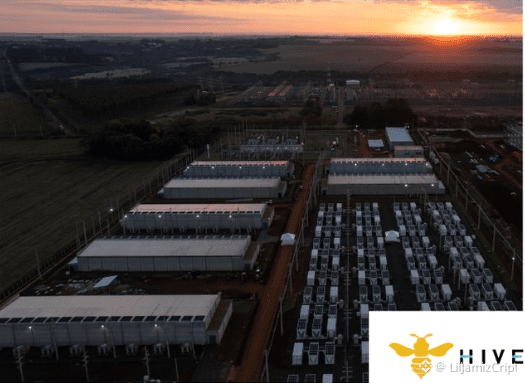
130
Bitcoin consolidates at $81,000 as analysts debate the next moves
The asset absorbed the regulatory and macroeconomic impact in the United States. Analysts assess the strength of demand and possible corrections.
The adjusted SOPR indicator by entities remains above 1, a bullish market metric.
Ted Pillows believes it is necessary to break above $83,000 to confirm that the bearish trend has ended.
Bitcoin’s price (BTC) is above the $81,000 mark this Saturday, September 19, 2026, ending a week of an upward trend despite recent regulatory and macroeconomic turbulence originating in the United States.
As shown in the price history from the past seven days, the asset’s quotation managed to recover from the declines recorded midweek—"ignoring" factors that threatened to pressure the market downward.
This bitcoin rebound is happening in a context where the Federal Reserve (FED) announced an increase in interest rates of 25 basis points, bringing the benchmark rate to between 3.75% and 4.00%.
To this restrictive monetary backdrop was added the legislative pause on the Clarity Act on September 15, a bill that did not reach the 60 votes needed in the Senate to define the jurisdictions of federal agencies.
But in light of this parliamentary interruption, the Commodity Futures Trading Commission (CFTC) moved forward by submitting its own regulatory filing on September 17 to the White House.
#news
$BTC $ZEC $SPCXB
Bitcoin consolidates at $81,000 as analysts debate the next moves
The asset absorbed the regulatory and macroeconomic impact in the United States. Analysts assess the strength of demand and possible corrections.
The adjusted SOPR indicator by entities remains above 1, a bullish market metric.
Ted Pillows believes it is necessary to break above $83,000 to confirm that the bearish trend has ended.
Bitcoin’s price (BTC) is above the $81,000 mark this Saturday, September 19, 2026, ending a week of an upward trend despite recent regulatory and macroeconomic turbulence originating in the United States.
As shown in the price history from the past seven days, the asset’s quotation managed to recover from the declines recorded midweek—"ignoring" factors that threatened to pressure the market downward.
This bitcoin rebound is happening in a context where the Federal Reserve (FED) announced an increase in interest rates of 25 basis points, bringing the benchmark rate to between 3.75% and 4.00%.
To this restrictive monetary backdrop was added the legislative pause on the Clarity Act on September 15, a bill that did not reach the 60 votes needed in the Senate to define the jurisdictions of federal agencies.
But in light of this parliamentary interruption, the Commodity Futures Trading Commission (CFTC) moved forward by submitting its own regulatory filing on September 17 to the White House.
#news
$BTC $ZEC $SPCXB
The asset absorbed the regulatory and macroeconomic impact in the United States. Analysts assess the strength of demand and possible corrections.
The adjusted SOPR indicator by entities remains above 1, a bullish market metric.
Ted Pillows believes it is necessary to break above $83,000 to confirm that the bearish trend has ended.
Bitcoin’s price (BTC) is above the $81,000 mark this Saturday, September 19, 2026, ending a week of an upward trend despite recent regulatory and macroeconomic turbulence originating in the United States.
As shown in the price history from the past seven days, the asset’s quotation managed to recover from the declines recorded midweek—"ignoring" factors that threatened to pressure the market downward.
This bitcoin rebound is happening in a context where the Federal Reserve (FED) announced an increase in interest rates of 25 basis points, bringing the benchmark rate to between 3.75% and 4.00%.
To this restrictive monetary backdrop was added the legislative pause on the Clarity Act on September 15, a bill that did not reach the 60 votes needed in the Senate to define the jurisdictions of federal agencies.
But in light of this parliamentary interruption, the Commodity Futures Trading Commission (CFTC) moved forward by submitting its own regulatory filing on September 17 to the White House.
#news
$BTC $ZEC $SPCXB
24
Lemon will end its operations in Brazil
The company attributes the decision to regulatory requirements from Brazil’s Central Bank.
The exchange will suspend its Lemon Card on September 30.
The regulatory deadline to apply for the operating license expires on October 30.
The Argentine cryptocurrency exchange Lemon announced the final shutdown of its operations in Brazil. The platform will interrupt service for its Lemon Card on September 30. Afterwards, the firm will carry out the automatic closure of all its Brazilian accounts on October 16, it said in a statement to its customers.
As reported by the local outlet Portal do Bitcoin, Lemon told its customers that the regulation of Brazil’s Central Bank establishes “rules and requirements that do not favor the development of products in our sector.” Despite this statement, the company did not specify the exact provision that made its activity in Brazilian territory unworkable.
“In Argentina, regulation brought clear rules and a security environment that enabled the expansion of the entire local digital asset ecosystem,” company sources told the newspaper Clarín.
“In Brazil, on the other hand, the regulatory requirement ended up driving out players who were looking to invest, innovate, and expand the range of services available in the country,” they added, according to the Argentine outlet.
“By the end of October, the deadline to apply for the license that would allow us to operate with cryptocurrencies in Brazil will expire,” company spokespersons detailed one day after the initial notice. “Obtaining it means tying up a disproportionate amount of capital for the size of our operations in that market,” the corporate sources explained in their statements to the Argentine newspaper.
#news $BTC $ZEC $SPCXB
Lemon will end its operations in Brazil
The company attributes the decision to regulatory requirements from Brazil’s Central Bank.
The exchange will suspend its Lemon Card on September 30.
The regulatory deadline to apply for the operating license expires on October 30.
The Argentine cryptocurrency exchange Lemon announced the final shutdown of its operations in Brazil. The platform will interrupt service for its Lemon Card on September 30. Afterwards, the firm will carry out the automatic closure of all its Brazilian accounts on October 16, it said in a statement to its customers.
As reported by the local outlet Portal do Bitcoin, Lemon told its customers that the regulation of Brazil’s Central Bank establishes “rules and requirements that do not favor the development of products in our sector.” Despite this statement, the company did not specify the exact provision that made its activity in Brazilian territory unworkable.
“In Argentina, regulation brought clear rules and a security environment that enabled the expansion of the entire local digital asset ecosystem,” company sources told the newspaper Clarín.
“In Brazil, on the other hand, the regulatory requirement ended up driving out players who were looking to invest, innovate, and expand the range of services available in the country,” they added, according to the Argentine outlet.
“By the end of October, the deadline to apply for the license that would allow us to operate with cryptocurrencies in Brazil will expire,” company spokespersons detailed one day after the initial notice. “Obtaining it means tying up a disproportionate amount of capital for the size of our operations in that market,” the corporate sources explained in their statements to the Argentine newspaper.
#news $BTC $ZEC $SPCXB
The company attributes the decision to regulatory requirements from Brazil’s Central Bank.
The exchange will suspend its Lemon Card on September 30.
The regulatory deadline to apply for the operating license expires on October 30.
The Argentine cryptocurrency exchange Lemon announced the final shutdown of its operations in Brazil. The platform will interrupt service for its Lemon Card on September 30. Afterwards, the firm will carry out the automatic closure of all its Brazilian accounts on October 16, it said in a statement to its customers.
As reported by the local outlet Portal do Bitcoin, Lemon told its customers that the regulation of Brazil’s Central Bank establishes “rules and requirements that do not favor the development of products in our sector.” Despite this statement, the company did not specify the exact provision that made its activity in Brazilian territory unworkable.
“In Argentina, regulation brought clear rules and a security environment that enabled the expansion of the entire local digital asset ecosystem,” company sources told the newspaper Clarín.
“In Brazil, on the other hand, the regulatory requirement ended up driving out players who were looking to invest, innovate, and expand the range of services available in the country,” they added, according to the Argentine outlet.
“By the end of October, the deadline to apply for the license that would allow us to operate with cryptocurrencies in Brazil will expire,” company spokespersons detailed one day after the initial notice. “Obtaining it means tying up a disproportionate amount of capital for the size of our operations in that market,” the corporate sources explained in their statements to the Argentine newspaper.
#news $BTC $ZEC $SPCXB

76
Buffett leaves Berkshire after 56 years and revives a debate that bitcoin seeks to resolve
An old concern from Buffett about fiat currencies finds a contrast in bitcoin’s monetary rules.
Buffett questioned the risk that inflation reduces the purchasing power of currencies.
BTC’s monetary policy contrasts with governments’ ability to change the fiat supply
Warren Buffett leaves the presidency of the U.S. holding company Berkshire Hathaway after 56 years at the helm of the company. At 96 years old, he will move into the role of executive chairman and remain on the board, while his son Howard Buffett will take over as president. His departure puts back under the spotlight a warning the investor made about fiat currencies—one that connects to a core argument of bitcoin.
At Berkshire’s 2025 annual meeting, Buffett expressed his concern about the tendency of governments to devalue their currencies. As he explained, governments’ natural course can lead them to reduce the value of their currency over time—a risk he considers relevant for investors.
#news
$BTC $ZEC $SPCXB
Buffett leaves Berkshire after 56 years and revives a debate that bitcoin seeks to resolve
An old concern from Buffett about fiat currencies finds a contrast in bitcoin’s monetary rules.
Buffett questioned the risk that inflation reduces the purchasing power of currencies.
BTC’s monetary policy contrasts with governments’ ability to change the fiat supply
Warren Buffett leaves the presidency of the U.S. holding company Berkshire Hathaway after 56 years at the helm of the company. At 96 years old, he will move into the role of executive chairman and remain on the board, while his son Howard Buffett will take over as president. His departure puts back under the spotlight a warning the investor made about fiat currencies—one that connects to a core argument of bitcoin.
At Berkshire’s 2025 annual meeting, Buffett expressed his concern about the tendency of governments to devalue their currencies. As he explained, governments’ natural course can lead them to reduce the value of their currency over time—a risk he considers relevant for investors.
#news
$BTC $ZEC $SPCXB
An old concern from Buffett about fiat currencies finds a contrast in bitcoin’s monetary rules.
Buffett questioned the risk that inflation reduces the purchasing power of currencies.
BTC’s monetary policy contrasts with governments’ ability to change the fiat supply
Warren Buffett leaves the presidency of the U.S. holding company Berkshire Hathaway after 56 years at the helm of the company. At 96 years old, he will move into the role of executive chairman and remain on the board, while his son Howard Buffett will take over as president. His departure puts back under the spotlight a warning the investor made about fiat currencies—one that connects to a core argument of bitcoin.
At Berkshire’s 2025 annual meeting, Buffett expressed his concern about the tendency of governments to devalue their currencies. As he explained, governments’ natural course can lead them to reduce the value of their currency over time—a risk he considers relevant for investors.
#news
$BTC $ZEC $SPCXB
76
Log in to explore more content
Join global crypto users on Binance Square
⚡️ Get latest and useful information about crypto.
💬 Trusted by the world’s largest crypto exchange.
👍 Discover real insights from verified creators.
Email / Phone number