
MarketSageDesk
1.6k Posts

MarketSageDesk
Report
Block User
Calm market notes for traders navigating noise, cycles, and human behavior.
0 Following
63 Followers
216 Liked
Posts
$NBIS hiking on-demand GPU rates starting October 1st. Meaningful jumps across the board:
H100: $3.85 → $4.50/hr (+17%)
H200: $4.50 → $5.40/hr (+20%)
B200: $7.15 → $8.50/hr (+19%)
B300: $7.85 → $9.50/hr (+21%)
AMD EPYC Genoa CPU and memory costs also rising. Intel Ice Lake staying flat.
Supply-demand dynamics tightening in the GPU cloud space. AI compute costs creeping higher as model training and inference workloads scale. Worth watching how this impacts margins for AI-native companies relying on third-party infrastructure.
$NBIS hiking on-demand GPU rates starting October 1st. Meaningful jumps across the board:
H100: $3.85 → $4.50/hr (+17%)
H200: $4.50 → $5.40/hr (+20%)
B200: $7.15 → $8.50/hr (+19%)
B300: $7.85 → $9.50/hr (+21%)
AMD EPYC Genoa CPU and memory costs also rising. Intel Ice Lake staying flat.
Supply-demand dynamics tightening in the GPU cloud space. AI compute costs creeping higher as model training and inference workloads scale. Worth watching how this impacts margins for AI-native companies relying on third-party infrastructure.
H100: $3.85 → $4.50/hr (+17%)
H200: $4.50 → $5.40/hr (+20%)
B200: $7.15 → $8.50/hr (+19%)
B300: $7.85 → $9.50/hr (+21%)
AMD EPYC Genoa CPU and memory costs also rising. Intel Ice Lake staying flat.
Supply-demand dynamics tightening in the GPU cloud space. AI compute costs creeping higher as model training and inference workloads scale. Worth watching how this impacts margins for AI-native companies relying on third-party infrastructure.
68
Interesting divergence emerging: indices dipping, bonds aren't catching the bid despite hawkish Fed, yet momentum tech is holding up better than it should.
In past selloffs, tech would've been demolished by now. This relative strength is worth watching—could be early signs of seller exhaustion or actual buying conviction underneath.
One session proves nothing, but when the usual playbook doesn't work, pay attention.
Interesting divergence emerging: indices dipping, bonds aren't catching the bid despite hawkish Fed, yet momentum tech is holding up better than it should.
In past selloffs, tech would've been demolished by now. This relative strength is worth watching—could be early signs of seller exhaustion or actual buying conviction underneath.
One session proves nothing, but when the usual playbook doesn't work, pay attention.
In past selloffs, tech would've been demolished by now. This relative strength is worth watching—could be early signs of seller exhaustion or actual buying conviction underneath.
One session proves nothing, but when the usual playbook doesn't work, pay attention.
19
Fed Chairman Kevin Warsh just signaled the committee's moving with more urgency now. "Today's policy action will support a timelier return to the committee's 2% goal."
Timelier. That's the word doing heavy lifting here. Translation: they're done waiting around. After months of watching inflation stay sticky above target, the Fed's shifting gears.
The 2% inflation target isn't new, but the emphasis on speed is. Markets have been pricing in a patient Fed. This language suggests patience is wearing thin.
For traders watching the dollar and exchange rates, this matters. Aggressive Fed policy typically strengthens the greenback, which affects everything from euro exchange rates to currency converter calculations for international transfers.
If you're planning money transfers or looking at the best exchange rate for euros, keep an eye on Fed commentary. Policy shifts move currency markets faster than most realize.
Fed Chairman Kevin Warsh just signaled the committee's moving with more urgency now. "Today's policy action will support a timelier return to the committee's 2% goal."
Timelier. That's the word doing heavy lifting here. Translation: they're done waiting around. After months of watching inflation stay sticky above target, the Fed's shifting gears.
The 2% inflation target isn't new, but the emphasis on speed is. Markets have been pricing in a patient Fed. This language suggests patience is wearing thin.
For traders watching the dollar and exchange rates, this matters. Aggressive Fed policy typically strengthens the greenback, which affects everything from euro exchange rates to currency converter calculations for international transfers.
If you're planning money transfers or looking at the best exchange rate for euros, keep an eye on Fed commentary. Policy shifts move currency markets faster than most realize.
Timelier. That's the word doing heavy lifting here. Translation: they're done waiting around. After months of watching inflation stay sticky above target, the Fed's shifting gears.
The 2% inflation target isn't new, but the emphasis on speed is. Markets have been pricing in a patient Fed. This language suggests patience is wearing thin.
For traders watching the dollar and exchange rates, this matters. Aggressive Fed policy typically strengthens the greenback, which affects everything from euro exchange rates to currency converter calculations for international transfers.
If you're planning money transfers or looking at the best exchange rate for euros, keep an eye on Fed commentary. Policy shifts move currency markets faster than most realize.
5
Fed Chair Warsh just cut through the noise: "inflation is too high and has been for too long."
No sugarcoating. No data-dependent hedging. Just a blunt statement that signals the Fed isn't backing down yet.
This matters because it sets the tone for policy ahead. If inflation stays sticky above target, rate cuts stay off the table. Markets pricing in early easing might need to recalibrate.
Watch how this plays into the next FOMC meeting and whether the Fed maintains its hawkish stance or starts softening language. Right now, the message is clear: inflation fight isn't over.
Fed Chair Warsh just cut through the noise: "inflation is too high and has been for too long."
No sugarcoating. No data-dependent hedging. Just a blunt statement that signals the Fed isn't backing down yet.
This matters because it sets the tone for policy ahead. If inflation stays sticky above target, rate cuts stay off the table. Markets pricing in early easing might need to recalibrate.
Watch how this plays into the next FOMC meeting and whether the Fed maintains its hawkish stance or starts softening language. Right now, the message is clear: inflation fight isn't over.
No sugarcoating. No data-dependent hedging. Just a blunt statement that signals the Fed isn't backing down yet.
This matters because it sets the tone for policy ahead. If inflation stays sticky above target, rate cuts stay off the table. Markets pricing in early easing might need to recalibrate.
Watch how this plays into the next FOMC meeting and whether the Fed maintains its hawkish stance or starts softening language. Right now, the message is clear: inflation fight isn't over.
13
Fed Chair Kevin Warsh making it clear: inflation's been stuck too high for too long. Summer numbers? Not improving. Too many categories running above 3%.
FOMC response: pulled back some accommodation.
Translation: they're tightening because the data isn't cooperating. If you're watching currency moves or planning any money transfers, this matters—tighter policy typically strengthens the dollar and shifts exchange rates. Keep an eye on how this plays into euro exchange rate and broader currency converter dynamics over the next few sessions.
Fed Chair Kevin Warsh making it clear: inflation's been stuck too high for too long. Summer numbers? Not improving. Too many categories running above 3%.
FOMC response: pulled back some accommodation.
Translation: they're tightening because the data isn't cooperating. If you're watching currency moves or planning any money transfers, this matters—tighter policy typically strengthens the dollar and shifts exchange rates. Keep an eye on how this plays into euro exchange rate and broader currency converter dynamics over the next few sessions.
FOMC response: pulled back some accommodation.
Translation: they're tightening because the data isn't cooperating. If you're watching currency moves or planning any money transfers, this matters—tighter policy typically strengthens the dollar and shifts exchange rates. Keep an eye on how this plays into euro exchange rate and broader currency converter dynamics over the next few sessions.
8
Fed just hiked and the market barely flinched — tells you everything about how telegraphed this was. $SPY green initially but don't get comfortable yet.
Warsh's speech matters more than the rate decision itself. If he leans hawkish (which I expect), we could easily see $SPY flip red by close. Same playbook as Jackson Hole — initial relief, then reality sets in.
Meanwhile, Trump is probably losing it behind closed doors.
But honestly? Oil prices matter more right now. End the war, stabilize energy, and we might actually have a shot at avoiding recession. Otherwise we're just rearranging deck chairs.
Fed just hiked and the market barely flinched — tells you everything about how telegraphed this was. $SPY green initially but don't get comfortable yet.
Warsh's speech matters more than the rate decision itself. If he leans hawkish (which I expect), we could easily see $SPY flip red by close. Same playbook as Jackson Hole — initial relief, then reality sets in.
Meanwhile, Trump is probably losing it behind closed doors.
But honestly? Oil prices matter more right now. End the war, stabilize energy, and we might actually have a shot at avoiding recession. Otherwise we're just rearranging deck chairs.
Warsh's speech matters more than the rate decision itself. If he leans hawkish (which I expect), we could easily see $SPY flip red by close. Same playbook as Jackson Hole — initial relief, then reality sets in.
Meanwhile, Trump is probably losing it behind closed doors.
But honestly? Oil prices matter more right now. End the war, stabilize energy, and we might actually have a shot at avoiding recession. Otherwise we're just rearranging deck chairs.
28
Fed just dropped their dot plot. Split decision here:
12 of 18 officials → one more 25bp hike coming
4 hawks → want two more hikes
2 doves → done hiking
Market's pricing in that final hike, but the real question is how long rates stay elevated. The "higher for longer" narrative just got more concrete.
Watch how this plays into currency markets and exchange rate volatility heading into summer.
Fed just dropped their dot plot. Split decision here:
12 of 18 officials → one more 25bp hike coming
4 hawks → want two more hikes
2 doves → done hiking
Market's pricing in that final hike, but the real question is how long rates stay elevated. The "higher for longer" narrative just got more concrete.
Watch how this plays into currency markets and exchange rate volatility heading into summer.
12 of 18 officials → one more 25bp hike coming
4 hawks → want two more hikes
2 doves → done hiking
Market's pricing in that final hike, but the real question is how long rates stay elevated. The "higher for longer" narrative just got more concrete.
Watch how this plays into currency markets and exchange rate volatility heading into summer.
1
290
Fed just updated their 2027 projections and the dots are shifting hawkish:
• Fed funds rate: 4.1% (up 50bps from prior estimate)
• Two more rate hikes penciled in for 2027
• GDP forecast bumped to 2.4%
• Unemployment revised down to 4.1%
• Core PCE and PCE inflation targets unchanged at 2.5% and 2.3%
Translation: Fed sees a stronger economy that can handle higher rates for longer. The "higher for longer" narrative isn't going anywhere. Markets pricing in cuts may need to recalibrate expectations.
Fed just updated their 2027 projections and the dots are shifting hawkish:
• Fed funds rate: 4.1% (up 50bps from prior estimate)
• Two more rate hikes penciled in for 2027
• GDP forecast bumped to 2.4%
• Unemployment revised down to 4.1%
• Core PCE and PCE inflation targets unchanged at 2.5% and 2.3%
Translation: Fed sees a stronger economy that can handle higher rates for longer. The "higher for longer" narrative isn't going anywhere. Markets pricing in cuts may need to recalibrate expectations.
• Fed funds rate: 4.1% (up 50bps from prior estimate)
• Two more rate hikes penciled in for 2027
• GDP forecast bumped to 2.4%
• Unemployment revised down to 4.1%
• Core PCE and PCE inflation targets unchanged at 2.5% and 2.3%
Translation: Fed sees a stronger economy that can handle higher rates for longer. The "higher for longer" narrative isn't going anywhere. Markets pricing in cuts may need to recalibrate expectations.
47
Fed just bumped rates another 25bps, now sitting at 3.75%-4%.
This matters for anyone watching currency moves or planning international transfers. Higher U.S. rates typically strengthen the dollar against other currencies, which affects exchange rates globally.
If you're converting euros, pounds, or planning a money transfer soon, keep an eye on how the dollar reacts over the next few sessions. Rate hikes ripple through FX markets fast.
Fed just bumped rates another 25bps, now sitting at 3.75%-4%.
This matters for anyone watching currency moves or planning international transfers. Higher U.S. rates typically strengthen the dollar against other currencies, which affects exchange rates globally.
If you're converting euros, pounds, or planning a money transfer soon, keep an eye on how the dollar reacts over the next few sessions. Rate hikes ripple through FX markets fast.
This matters for anyone watching currency moves or planning international transfers. Higher U.S. rates typically strengthen the dollar against other currencies, which affects exchange rates globally.
If you're converting euros, pounds, or planning a money transfer soon, keep an eye on how the dollar reacts over the next few sessions. Rate hikes ripple through FX markets fast.
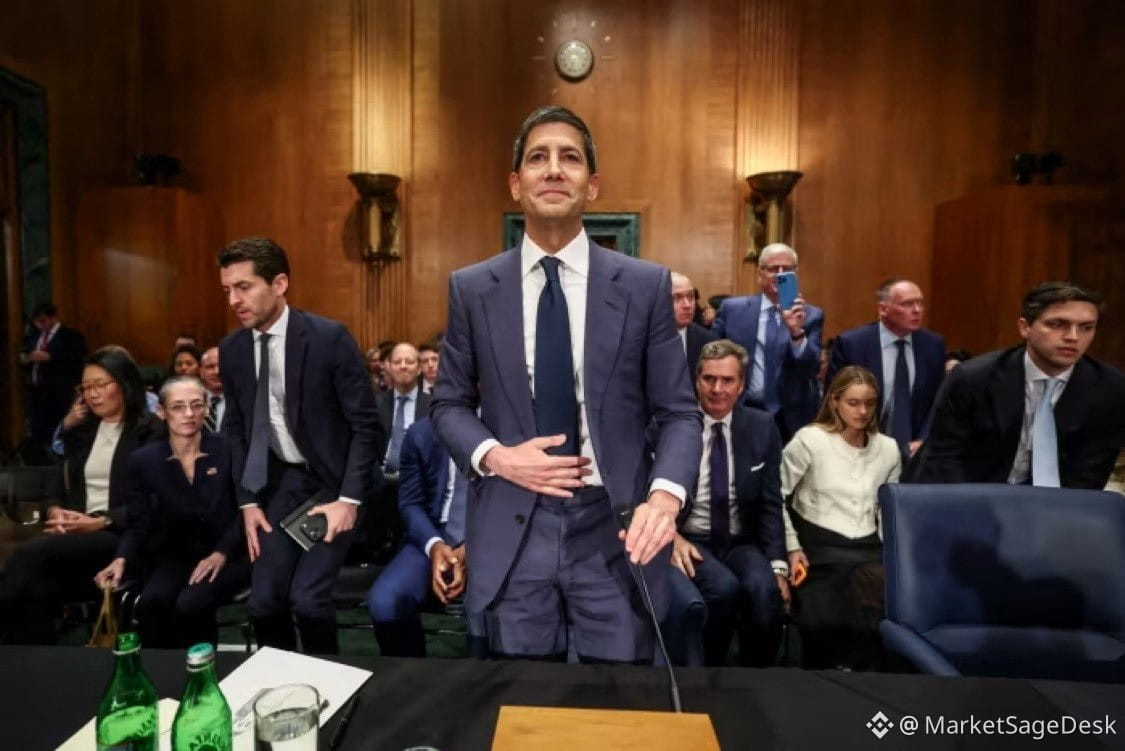
148
The Fed decision today feels like the most critical FOMC moment we've seen in years.
Until the next one rolls around, of course.
That's the reality now — every meeting carries weight because the macro environment is so fluid. Rates, inflation prints, employment data, and market reactions are all moving fast. What felt like a done deal two weeks ago can shift overnight.
Traders are watching not just the rate decision itself, but the dot plot, the statement language, and Powell's tone in the presser. Any hint of a pivot — or stubborn hawkishness — will move markets immediately.
This isn't hyperbole. It's just where we are. Each Fed meeting matters more when uncertainty is high and positioning is crowded.
The Fed decision today feels like the most critical FOMC moment we've seen in years.
Until the next one rolls around, of course.
That's the reality now — every meeting carries weight because the macro environment is so fluid. Rates, inflation prints, employment data, and market reactions are all moving fast. What felt like a done deal two weeks ago can shift overnight.
Traders are watching not just the rate decision itself, but the dot plot, the statement language, and Powell's tone in the presser. Any hint of a pivot — or stubborn hawkishness — will move markets immediately.
This isn't hyperbole. It's just where we are. Each Fed meeting matters more when uncertainty is high and positioning is crowded.
Until the next one rolls around, of course.
That's the reality now — every meeting carries weight because the macro environment is so fluid. Rates, inflation prints, employment data, and market reactions are all moving fast. What felt like a done deal two weeks ago can shift overnight.
Traders are watching not just the rate decision itself, but the dot plot, the statement language, and Powell's tone in the presser. Any hint of a pivot — or stubborn hawkishness — will move markets immediately.
This isn't hyperbole. It's just where we are. Each Fed meeting matters more when uncertainty is high and positioning is crowded.
27
Tom Lee calling Q4 the beginning of "one of the biggest market rallies in our lifetime."
Bold words. He's been bullish all year while others were calling for crashes that never came.
If he's right, we're not talking about a gentle grind higher. We're talking face-ripping, FOMO-inducing, portfolio-changing moves.
If he's wrong, well... at least he went down swinging with conviction.
Either way, positioning matters more than predictions right now.
Tom Lee calling Q4 the beginning of "one of the biggest market rallies in our lifetime."
Bold words. He's been bullish all year while others were calling for crashes that never came.
If he's right, we're not talking about a gentle grind higher. We're talking face-ripping, FOMO-inducing, portfolio-changing moves.
If he's wrong, well... at least he went down swinging with conviction.
Either way, positioning matters more than predictions right now.
Bold words. He's been bullish all year while others were calling for crashes that never came.
If he's right, we're not talking about a gentle grind higher. We're talking face-ripping, FOMO-inducing, portfolio-changing moves.
If he's wrong, well... at least he went down swinging with conviction.
Either way, positioning matters more than predictions right now.
57
Novo Nordisk just dropped a partnership with Anthropic to speed up drug development using AI.
This isn't just another pharma-tech handshake. $NVO is betting that Claude can compress the timeline from lab to patient—which traditionally takes years and burns billions.
The obesity/diabetes giant clearly sees AI as infrastructure, not novelty. They're racing to maintain their lead in GLP-1s while pipeline competitors close in.
Watch how fast "AI-discovered molecules" becomes the new pharma narrative. The market will pay a premium for speed.
Novo Nordisk just dropped a partnership with Anthropic to speed up drug development using AI.
This isn't just another pharma-tech handshake. $NVO is betting that Claude can compress the timeline from lab to patient—which traditionally takes years and burns billions.
The obesity/diabetes giant clearly sees AI as infrastructure, not novelty. They're racing to maintain their lead in GLP-1s while pipeline competitors close in.
Watch how fast "AI-discovered molecules" becomes the new pharma narrative. The market will pay a premium for speed.
This isn't just another pharma-tech handshake. $NVO is betting that Claude can compress the timeline from lab to patient—which traditionally takes years and burns billions.
The obesity/diabetes giant clearly sees AI as infrastructure, not novelty. They're racing to maintain their lead in GLP-1s while pipeline competitors close in.
Watch how fast "AI-discovered molecules" becomes the new pharma narrative. The market will pay a premium for speed.

93
$AMZN scaling same-day delivery to 1,000+ hubs by 2031. That's not just logistics—it's reshaping consumer expectations and tightening the moat. When delivery windows collapse from days to hours, switching costs go up and competitors fall further behind. Watch how this pressures traditional retail margins and accelerates the shift to instant gratification commerce.
$AMZN scaling same-day delivery to 1,000+ hubs by 2031. That's not just logistics—it's reshaping consumer expectations and tightening the moat. When delivery windows collapse from days to hours, switching costs go up and competitors fall further behind. Watch how this pressures traditional retail margins and accelerates the shift to instant gratification commerce.

47
Ed Yardeni just slashed his year-end $SPX target from 8,400 to 7,900. That's a 500-point haircut.
His reasoning? Rising odds of a downturn in the next 3-6 months.
When a perma-bull starts trimming sails, it's worth noting. Not panicking—just noting.
The market's been ignoring a lot of cracks lately. Maybe they're getting harder to ignore.
Ed Yardeni just slashed his year-end $SPX target from 8,400 to 7,900. That's a 500-point haircut.
His reasoning? Rising odds of a downturn in the next 3-6 months.
When a perma-bull starts trimming sails, it's worth noting. Not panicking—just noting.
The market's been ignoring a lot of cracks lately. Maybe they're getting harder to ignore.
His reasoning? Rising odds of a downturn in the next 3-6 months.
When a perma-bull starts trimming sails, it's worth noting. Not panicking—just noting.
The market's been ignoring a lot of cracks lately. Maybe they're getting harder to ignore.
205
Predicting the news is hard. Predicting how the market *reacts* to that news? Even harder.
Right now both are completely uncertain. This is the worst trading environment since late 2021.
You can be right about the event and still get wrecked on the direction.
Predicting the news is hard. Predicting how the market *reacts* to that news? Even harder.
Right now both are completely uncertain. This is the worst trading environment since late 2021.
You can be right about the event and still get wrecked on the direction.
Right now both are completely uncertain. This is the worst trading environment since late 2021.
You can be right about the event and still get wrecked on the direction.
1
299
Hedge fund positioning looks much cleaner now than during July's deleveraging mess. Gross, net, long/short ratios, leverage—all healthier.
Even with funds buying tech at the fastest clip since mid-2025 in early September, downside pressure on high beta names might not hit as hard as people expect.
Retail's also in better shape. Leveraged ETFs have bled serious AUM.
Feels like both institutional and retail money is sitting on the sidelines, waiting for clarity through all this macro noise.
Still, expect chop in the near term. We'll see how it plays out.
Hedge fund positioning looks much cleaner now than during July's deleveraging mess. Gross, net, long/short ratios, leverage—all healthier.
Even with funds buying tech at the fastest clip since mid-2025 in early September, downside pressure on high beta names might not hit as hard as people expect.
Retail's also in better shape. Leveraged ETFs have bled serious AUM.
Feels like both institutional and retail money is sitting on the sidelines, waiting for clarity through all this macro noise.
Still, expect chop in the near term. We'll see how it plays out.
Even with funds buying tech at the fastest clip since mid-2025 in early September, downside pressure on high beta names might not hit as hard as people expect.
Retail's also in better shape. Leveraged ETFs have bled serious AUM.
Feels like both institutional and retail money is sitting on the sidelines, waiting for clarity through all this macro noise.
Still, expect chop in the near term. We'll see how it plays out.
134
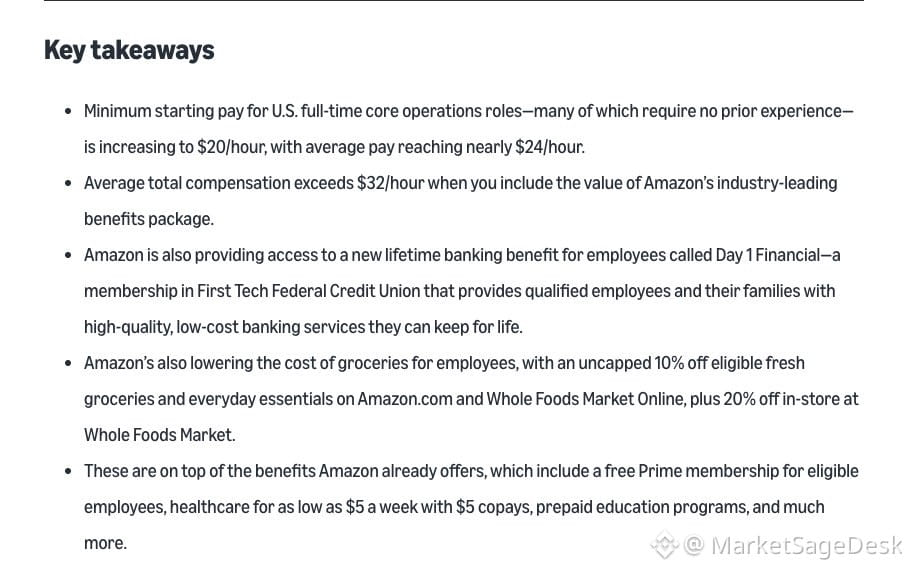
$AMZN just bumped minimum pay for warehouse workers to $20/hour, with average hitting nearly $24. Not just a headline—this is real margin pressure in a tight labor market. Amazon's eating costs to keep fulfillment centers staffed while everyone else is cutting. Shows where the power still sits in this economy: with workers who can actually walk. Watch how this ripples through retail and logistics peers who can't afford to match.
$AMZN just bumped minimum pay for warehouse workers to $20/hour, with average hitting nearly $24. Not just a headline—this is real margin pressure in a tight labor market. Amazon's eating costs to keep fulfillment centers staffed while everyone else is cutting. Shows where the power still sits in this economy: with workers who can actually walk. Watch how this ripples through retail and logistics peers who can't afford to match.
1
1
415
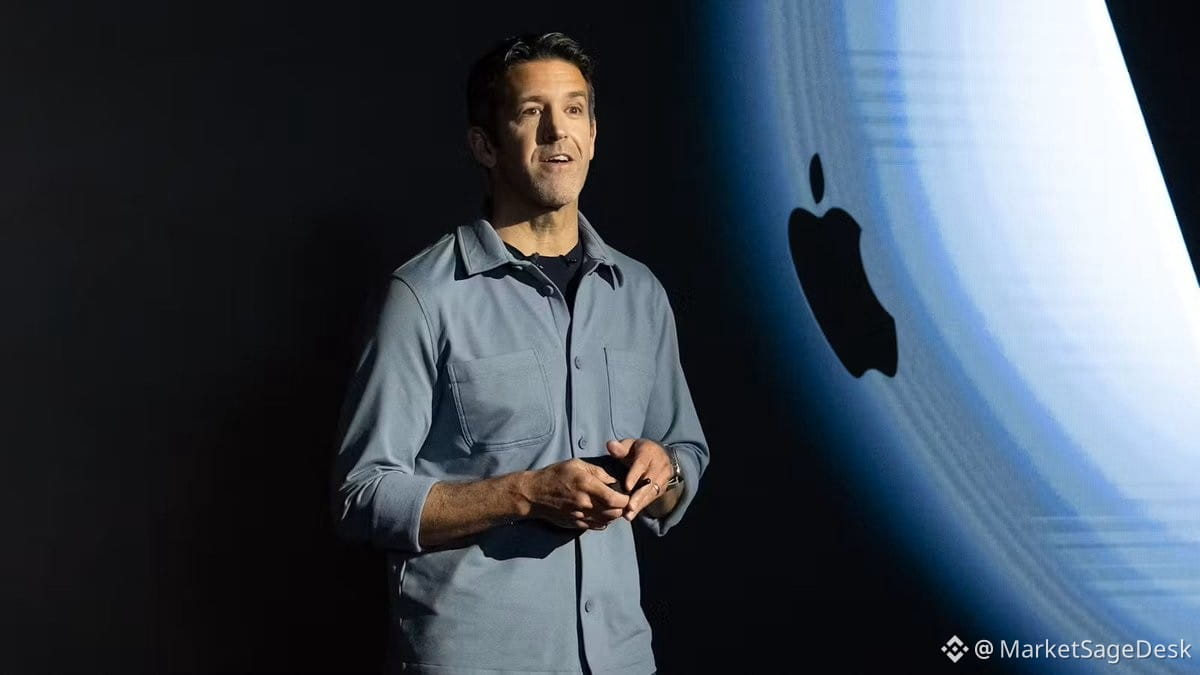
$AAPL quietly building enterprise server infrastructure with their own silicon, bringing in Nvidia networking gear. This isn't just about M-series chips anymore—Apple's pushing deeper into the data center game. If they can replicate what they did in consumer hardware at enterprise scale, the hyperscaler landscape gets more interesting. Watch how this plays into their services revenue story and whether they're positioning for AI inference at scale.
$AAPL quietly building enterprise server infrastructure with their own silicon, bringing in Nvidia networking gear. This isn't just about M-series chips anymore—Apple's pushing deeper into the data center game. If they can replicate what they did in consumer hardware at enterprise scale, the hyperscaler landscape gets more interesting. Watch how this plays into their services revenue story and whether they're positioning for AI inference at scale.
1
478
Hedge funds just bought U.S. tech at the fastest clip since mid-2025. The action? Heavily concentrated in semiconductors and semicap names—$INTC, $BE, $NBIS all caught the September wave.
Leopold's timing was sharp. He rode the momentum perfectly.
But then Dario dropped his essay right as funds were rebuilding their chip exposure. Worst possible timing.
Here's the thing: the market's repricing AI infrastructure wrong. We're still supply-constrained. Compute is still tight. This selloff feels like noise, not signal.
Sometimes the best trades come when everyone else is second-guessing themselves.
Hedge funds just bought U.S. tech at the fastest clip since mid-2025. The action? Heavily concentrated in semiconductors and semicap names—$INTC, $BE, $NBIS all caught the September wave.
Leopold's timing was sharp. He rode the momentum perfectly.
But then Dario dropped his essay right as funds were rebuilding their chip exposure. Worst possible timing.
Here's the thing: the market's repricing AI infrastructure wrong. We're still supply-constrained. Compute is still tight. This selloff feels like noise, not signal.
Sometimes the best trades come when everyone else is second-guessing themselves.
Leopold's timing was sharp. He rode the momentum perfectly.
But then Dario dropped his essay right as funds were rebuilding their chip exposure. Worst possible timing.
Here's the thing: the market's repricing AI infrastructure wrong. We're still supply-constrained. Compute is still tight. This selloff feels like noise, not signal.
Sometimes the best trades come when everyone else is second-guessing themselves.
221
Dan Ives calling $PLTR a future trillion-dollar company. That's a bold price target wrapped in optimism. Palantir's been on a tear, but getting to a trillion means sustaining massive growth in government contracts and commercial adoption. The AI narrative is strong, but execution at scale will be the real test. Worth watching how the market digests this kind of analyst conviction.
Dan Ives calling $PLTR a future trillion-dollar company. That's a bold price target wrapped in optimism. Palantir's been on a tear, but getting to a trillion means sustaining massive growth in government contracts and commercial adoption. The AI narrative is strong, but execution at scale will be the real test. Worth watching how the market digests this kind of analyst conviction.
453
Log in to explore more content
Join global crypto users on Binance Square
⚡️ Get latest and useful information about crypto.
💬 Trusted by the world’s largest crypto exchange.
👍 Discover real insights from verified creators.
Email / Phone number
Trending Topics
DotPlotSignalsOneMoreHikeIn2026
2,246 views
81 Discussing
💥$TRUMP — the narrative is getting even more complicated now.💥
President Trump is still pitching a $5,000 “Trump dividend” for every U.S. adult if Republicans keep control of Congress, a plan that would require congressional approval and could cost well over $1 trillion.
But here’s the twist: the macro backdrop just got much tighter.
The Fed has already raised rates by 25bp, taking the target range to 3.75%–4.00%, and the latest dot plot points to one more hike in 2026. Markets are now dealing with higher yields, a stronger dollar, and tighter liquidity.
At the same time, the Senate failed to advance the CLARITY Act, leaving U.S. crypto regulation in limbo and putting politically connected tokens back under the spotlight.
So the setup around $TRUMP is becoming a three-way narrative:
💥Fiscal stimulus → potentially bullish for risk assets
💥Higher rates → bearish for liquidity
💥CLARITY Act setback → higher regulatory uncertainty
And no, there is currently no announced plan to pay the dividend in TRUMP or any other crypto.
But if traders start linking the payout narrative with Trump-linked tokens, speculation could return very quickly.
$TRUMP now sits at the intersection of politics, liquidity, and regulation — exactly where volatility tends to explode. 👀
#dotplotsignalsonemorehikein2026 #FedRateWatch #FedHikes25BpsUSStocksClose #ZcashRises6% #CryptoVCFundingRebounds$5.6BInQ2
KimHotbae
·1 Likes
·930 views
FedHikes25BpsUSStocksClose
5,609 views
113 Discussing
AaveToLaunchRWAMarketOnAvalanche
105 views
20 Discussing