

Libra
15.4k Posts

Libra
Report
Block User
BNB Holder || Financial Analyst || Providing investors with the latest market news.
Open Trade

BTW Holder
Frequent Trader
5.7 Years
75 Following
639 Followers
2.0K+ Liked
Posts
Portfolio
All
Quotes
·
--
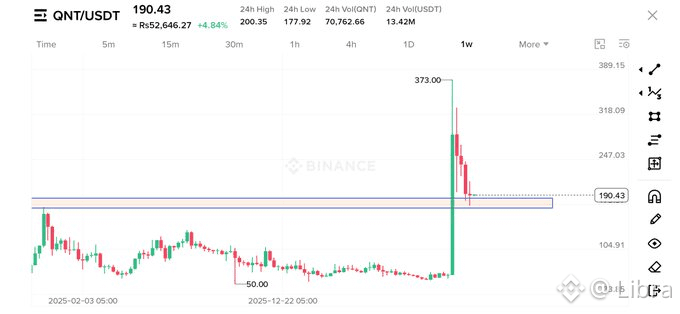
$QNT Looks Bullish Here⚡
Strong Demand Zone HERE....
It Can Fly🚀🚀🚀
$QNT Looks Bullish Here⚡
Strong Demand Zone HERE....
It Can Fly🚀🚀🚀
Strong Demand Zone HERE....
It Can Fly🚀🚀🚀
63
·
--
#BinancePick Vote for the team you like and use your points to do so.
#BinancePick Vote for the team you like and use your points to do so.

12
·
--
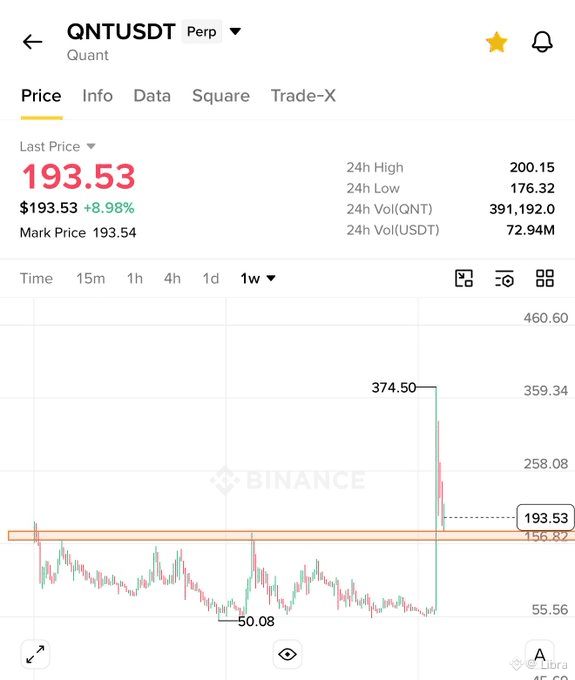
$QNT is ready to pump
✅
Retest done, next target is $500
🤝
$QNT is ready to pump
✅
Retest done, next target is $500
🤝
✅
Retest done, next target is $500
🤝
89
·
--
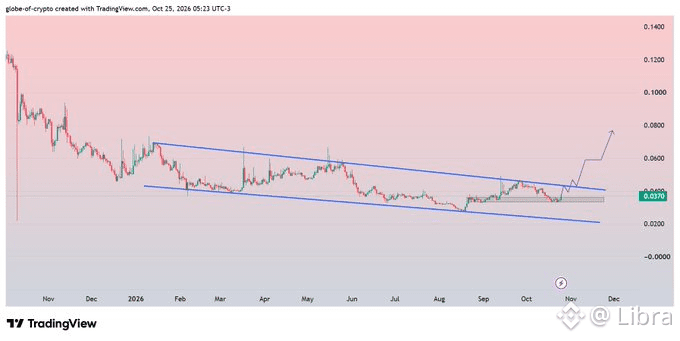
$POLYX #POLYX
Preparing for a bounce towards main resistance.
Breakout could provide a solid rise as marked in our projection
✍️
$POLYX #POLYX
Preparing for a bounce towards main resistance.
Breakout could provide a solid rise as marked in our projection
✍️
Preparing for a bounce towards main resistance.
Breakout could provide a solid rise as marked in our projection
✍️
23
·
--
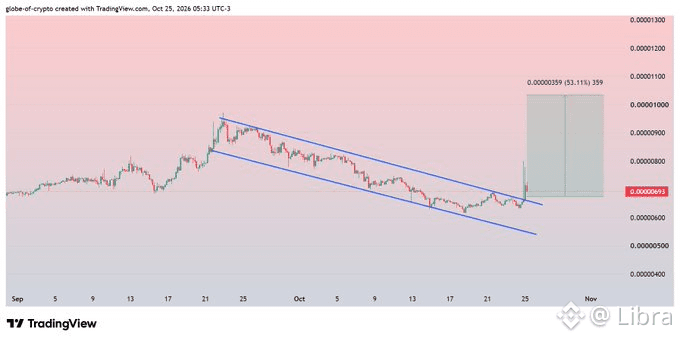
$XEC #XEC
Retest after breaking out of the descending channel on the 4-hour chart.
A successful retest could lead to gains of 50–55%.
✍️
$XEC #XEC
Retest after breaking out of the descending channel on the 4-hour chart.
A successful retest could lead to gains of 50–55%.
✍️
Retest after breaking out of the descending channel on the 4-hour chart.
A successful retest could lead to gains of 50–55%.
✍️
6
·
--
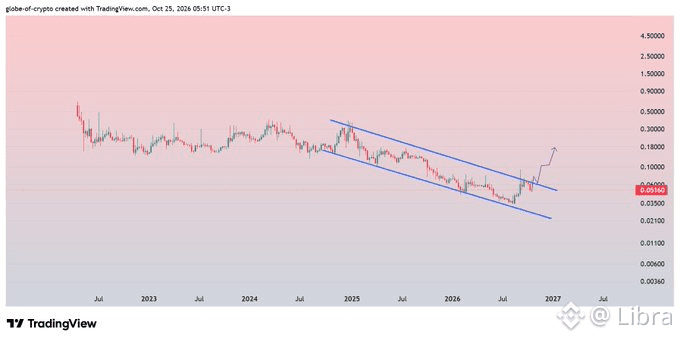
$STEEM #STEEM
Price is approaching the resistance level of the descending channel, despite facing multiple rejections on the weekly chart.
A breakout could trigger a strong bullish wave toward $0.15 and higher in the coming weeks
✍️
$STEEM #STEEM
Price is approaching the resistance level of the descending channel, despite facing multiple rejections on the weekly chart.
A breakout could trigger a strong bullish wave toward $0.15 and higher in the coming weeks
✍️
Price is approaching the resistance level of the descending channel, despite facing multiple rejections on the weekly chart.
A breakout could trigger a strong bullish wave toward $0.15 and higher in the coming weeks
✍️
9
·
--
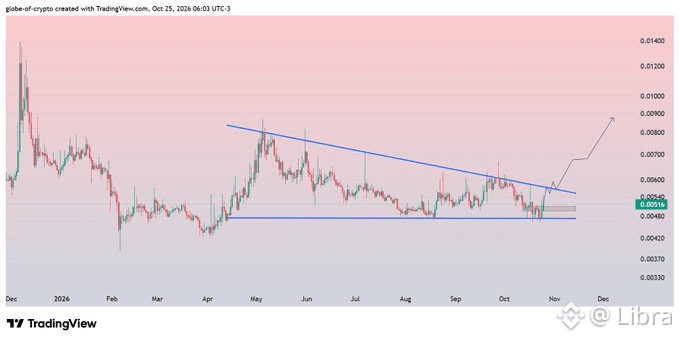
$USTC #USTC
Looking positive in the verge of Descending Triangle.
Bounce could follow our projected move for a breakout and solid rise during coming sessions
✍️
$USTC #USTC
Looking positive in the verge of Descending Triangle.
Bounce could follow our projected move for a breakout and solid rise during coming sessions
✍️
Looking positive in the verge of Descending Triangle.
Bounce could follow our projected move for a breakout and solid rise during coming sessions
✍️
20
·
--
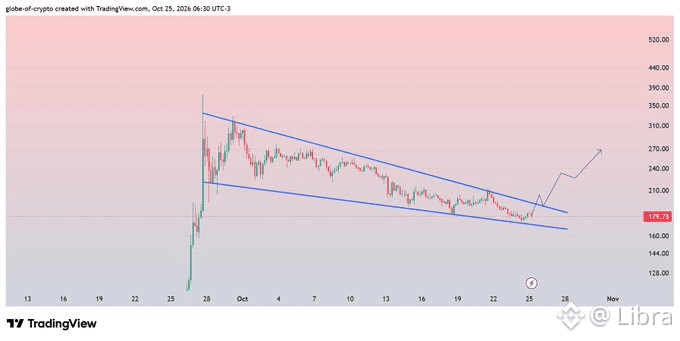
$QNT #QNT
Forming Bullish Pennant after a massive pump on 4H chart.
Breakout could provide another 50-55% spike
✍️
$QNT #QNT
Forming Bullish Pennant after a massive pump on 4H chart.
Breakout could provide another 50-55% spike
✍️
Forming Bullish Pennant after a massive pump on 4H chart.
Breakout could provide another 50-55% spike
✍️
23
·
--
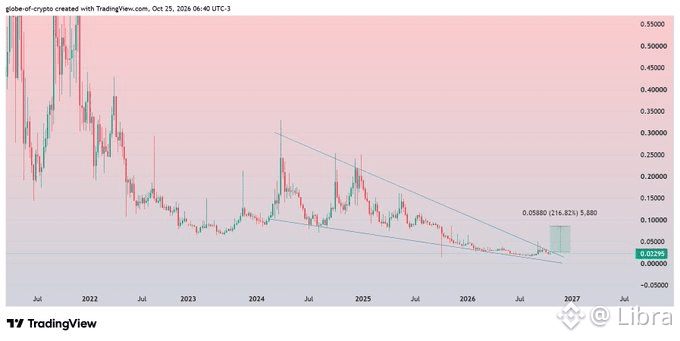
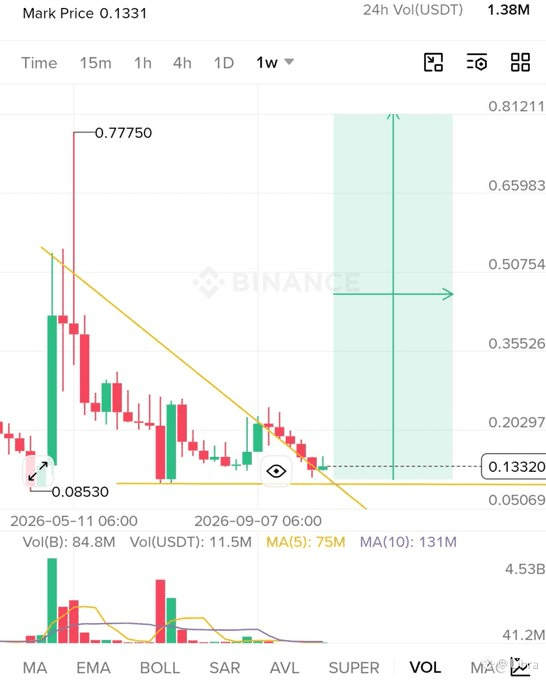
$CVC #CVC
Testing resistance from the verge of Falling Wedge on Weekly chart.
Breakout could trigger 2-3x bullish trend
✍️
$CVC #CVC
Testing resistance from the verge of Falling Wedge on Weekly chart.
Breakout could trigger 2-3x bullish trend
✍️
Testing resistance from the verge of Falling Wedge on Weekly chart.
Breakout could trigger 2-3x bullish trend
✍️
5
·
--
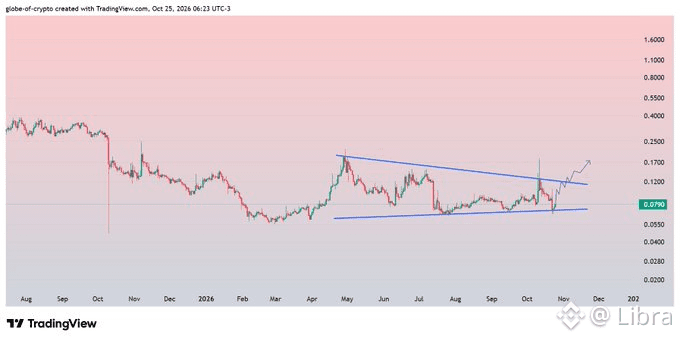
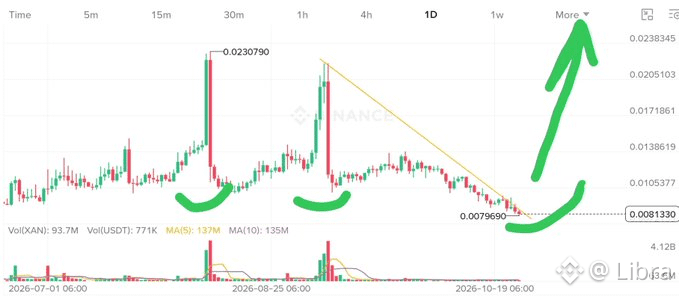
$LUMIA #LUMIA
Getting support in the verge of Triangle.
Bounce could follow our projection for a breakout & recovery
✍️
$LUMIA #LUMIA
Getting support in the verge of Triangle.
Bounce could follow our projection for a breakout & recovery
✍️
Getting support in the verge of Triangle.
Bounce could follow our projection for a breakout & recovery
✍️
13
·
--
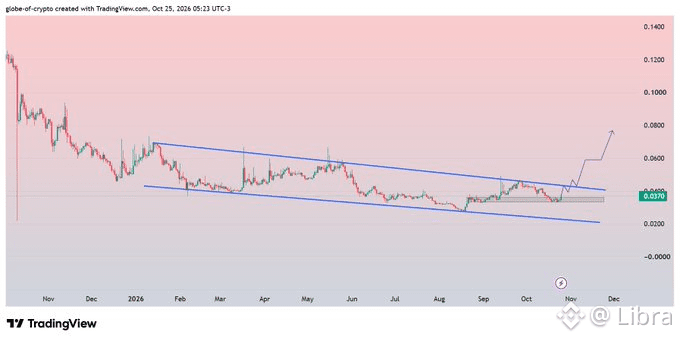
$POLYX #POLYX
Preparing for a bounce towards main resistance.
Breakout could provide a solid rise as marked in our projection
✍️
$POLYX #POLYX
Preparing for a bounce towards main resistance.
Breakout could provide a solid rise as marked in our projection
✍️
Preparing for a bounce towards main resistance.
Breakout could provide a solid rise as marked in our projection
✍️
8
·
--
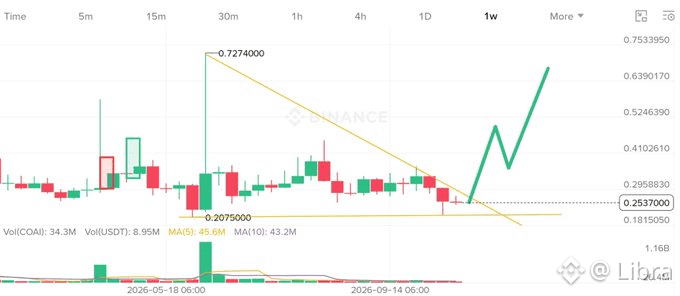
$COAI #COAI || Big bullish soon
🚀
Entry: $0.24-$0.25
Targets: $0.29, $0.35, $0.45, $0.60
Stop loss: $0.20
Hold : $1-$2
$COAI #COAI || Big bullish soon
🚀
Entry: $0.24-$0.25
Targets: $0.29, $0.35, $0.45, $0.60
Stop loss: $0.20
Hold : $1-$2
🚀
Entry: $0.24-$0.25
Targets: $0.29, $0.35, $0.45, $0.60
Stop loss: $0.20
Hold : $1-$2
6
·
--
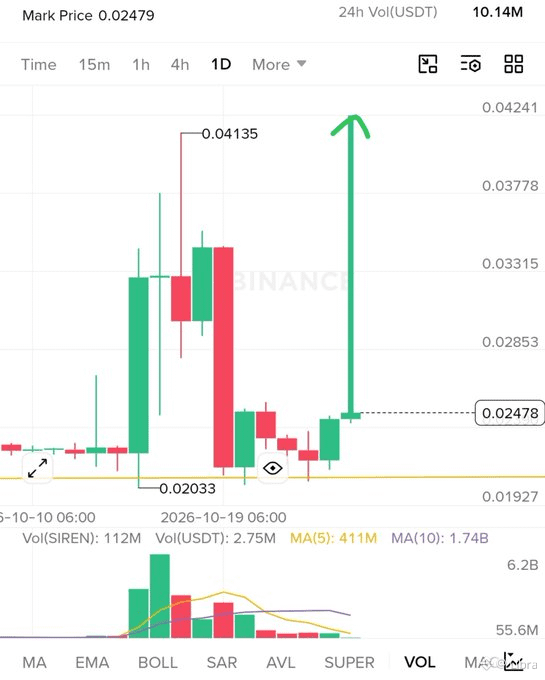
$CYBER Still Looks Bulls ⚡
Infrastructure Play...
Ready To Boom 🚀🚀🚀
$CYBER Still Looks Bulls ⚡
Infrastructure Play...
Ready To Boom 🚀🚀🚀
Infrastructure Play...
Ready To Boom 🚀🚀🚀
13
·
--
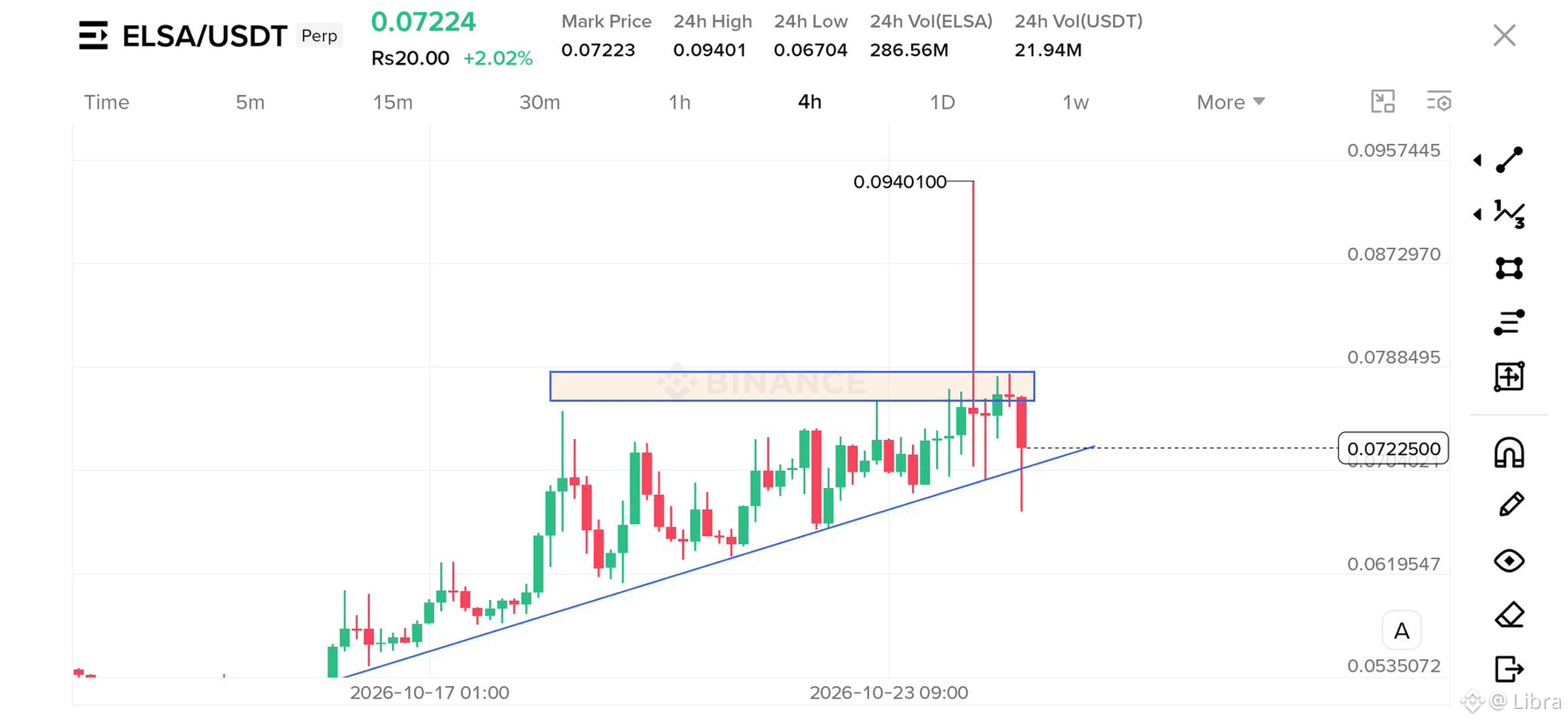
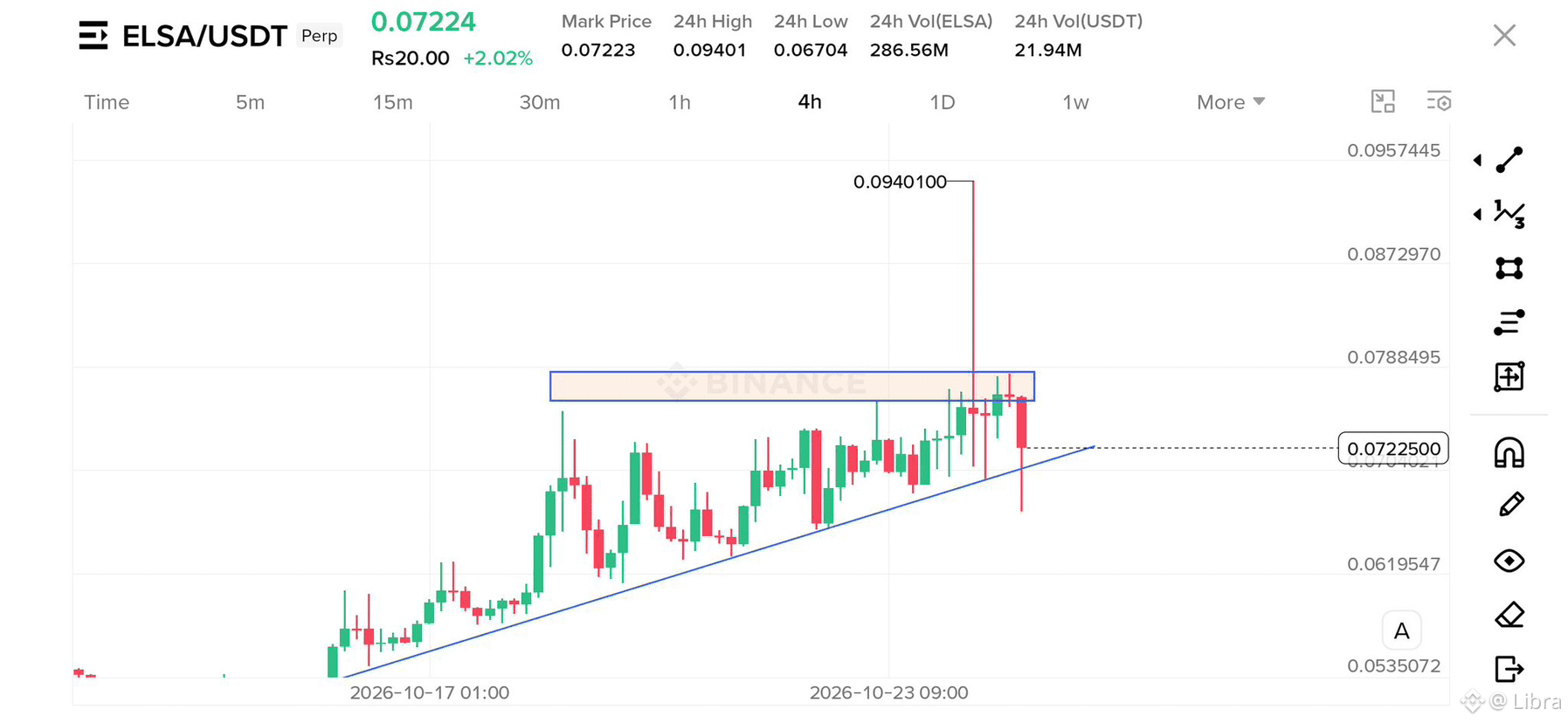
$ELSA Chart Is Bullish Here...
Breaks Above Will Pump Hard🚀🚀🚀
$ELSA Chart Is Bullish Here...
Breaks Above Will Pump Hard🚀🚀🚀
Breaks Above Will Pump Hard🚀🚀🚀
14
·
--
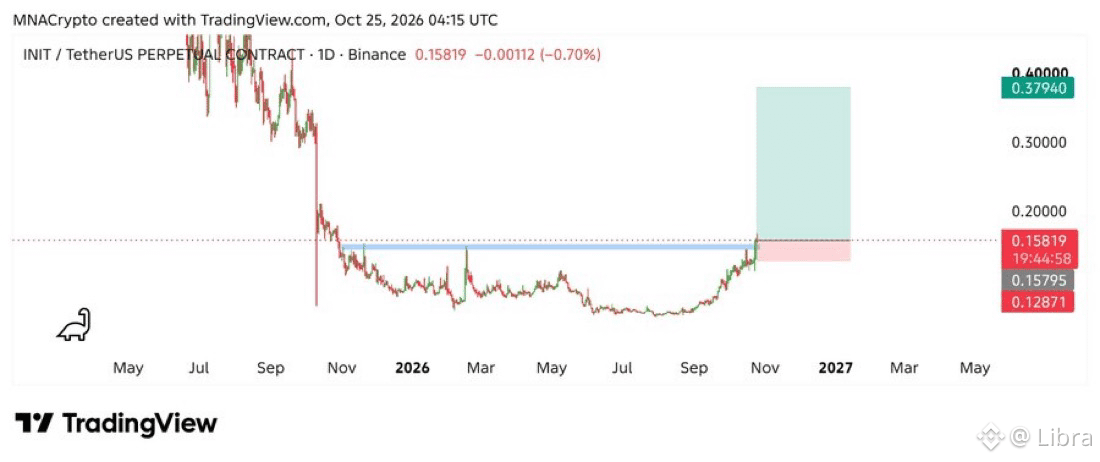
$INIT is breaking out resistance on daily timeframe 👀
Expecting Massive Bullish Rally towards new Highs 📈📈
$INIT is breaking out resistance on daily timeframe 👀
Expecting Massive Bullish Rally towards new Highs 📈📈
Expecting Massive Bullish Rally towards new Highs 📈📈
15
Log in to explore more content
Join global crypto users on Binance Square
⚡️ Get latest and useful information about crypto.
💬 Trusted by the world’s largest crypto exchange.
👍 Discover real insights from verified creators.
Email / Phone number
Trending Topics
BinancePick
2.7M views
144,021 Discussing
Join #EarningsSeason: Predict Earnings on Binance Pick, Share Your Take on Binance Square!
Binance Square Official
·402 Likes
·339.3k views
EarningsSeason
5M views
24,720 Discussing
SouthKoreaReportedlyWeighsFourthCryptoTaxDelay
2,920 views
136 Discussing