

沧楠晟
5k Posts

沧楠晟
 Square Verified+
Report
Block User
公众号:@LF327369 加密飞龙 微博:加密飞龙 :推特 加密飞龙:全网同名 加密飞龙:手续费8折 LN5ZYWQB 邀请码 Web3领域研究,Crypto热点推介,土狗爱好者,一二级市场分析

Traders League Badge Beginner

PENGU Holder
Frequent Trader
5.9 Years
178 Following
31.4K+ Followers
46.7K+ Liked
1 Badges
Posts
All
Quotes
Videos
Live
PINNED
·
--
The meme market is hot right now. With tens of thousands of U trading hands frequently, just the fees alone can burn through several thousand U in a single day. This is absolutely a big problem! Money is money, no matter how little it is, so don’t ever treat it like it doesn’t matter. I strongly recommend everyone try Binance Wallet — the fee rates are really great!
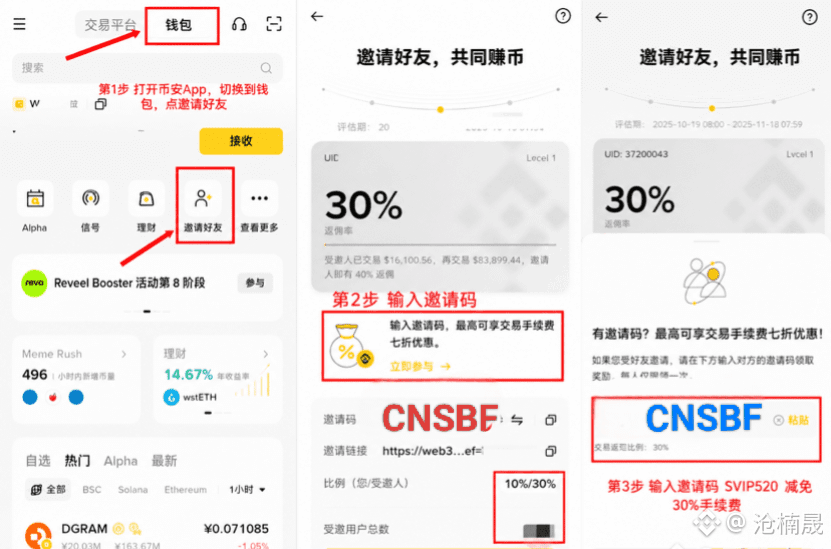
First, as long as it’s an Alpha-listed coin (such as Flork, Niu Lai, etc.), the fee is always 0! The standard fee for ordinary memes is 0.5%, but if you use my referral link, you can enjoy a 30% cashback discount, which works out to only 0.35%. Recently, they also launched a 20% off promotion for the Robinhood chain. Combined with cashback, the fee is as low as 0.28%, absolutely the lowest on the entire web, and extremely friendly for large holders!
Here I’m sharing a “level-one wallet money-making idea”: everyone can register with a wallet, use an invite code to join the community, and discover the next cash cow together as early as possible!
Hurry and register with my invite code [CNSBF],
link: https://web3.binance.com/referral?ref=CNSBF.
[币安ALPHA](https://web3.binance.com/referral?ref=CNSBF) Saving money is making money, come join me and chase the next coin at low cost! $FLOCK
{future}(FLOCKUSDT)
$牛来
{future}(牛来USDT)
#美国8月新增就业16.2万近预期三倍
The meme market is hot right now. With tens of thousands of U trading hands frequently, just the fees alone can burn through several thousand U in a single day. This is absolutely a big problem! Money is money, no matter how little it is, so don’t ever treat it like it doesn’t matter. I strongly recommend everyone try Binance Wallet — the fee rates are really great!
First, as long as it’s an Alpha-listed coin (such as Flork, Niu Lai, etc.), the fee is always 0! The standard fee for ordinary memes is 0.5%, but if you use my referral link, you can enjoy a 30% cashback discount, which works out to only 0.35%. Recently, they also launched a 20% off promotion for the Robinhood chain. Combined with cashback, the fee is as low as 0.28%, absolutely the lowest on the entire web, and extremely friendly for large holders!
Here I’m sharing a “level-one wallet money-making idea”: everyone can register with a wallet, use an invite code to join the community, and discover the next cash cow together as early as possible!
Hurry and register with my invite code [CNSBF],
link: https://web3.binance.com/referral?ref=CNSBF.
币安ALPHA Saving money is making money, come join me and chase the next coin at low cost! $FLOCK
$牛来
#美国8月新增就业16.2万近预期三倍
First, as long as it’s an Alpha-listed coin (such as Flork, Niu Lai, etc.), the fee is always 0! The standard fee for ordinary memes is 0.5%, but if you use my referral link, you can enjoy a 30% cashback discount, which works out to only 0.35%. Recently, they also launched a 20% off promotion for the Robinhood chain. Combined with cashback, the fee is as low as 0.28%, absolutely the lowest on the entire web, and extremely friendly for large holders!
Here I’m sharing a “level-one wallet money-making idea”: everyone can register with a wallet, use an invite code to join the community, and discover the next cash cow together as early as possible!
Hurry and register with my invite code [CNSBF],
link: https://web3.binance.com/referral?ref=CNSBF.
币安ALPHA Saving money is making money, come join me and chase the next coin at low cost! $FLOCK
$牛来
#美国8月新增就业16.2万近预期三倍
7
2k
PINNED
·
--
The market is heating up, and your trading fees are turning into someone else’s “post-sleep income”
With this recent rally, I’m sure everyone has felt it too—BTC once pushed close to $78,000, the altcoin season has fully ignited, and trading volume has visibly surged. But there’s one question worth thinking about:
Where exactly does the trading fee you pay every day end up?
Referral commissions are not just about “saving on fees”
Let’s do some quick math. Binance’s spot and futures base fee rates are relatively low, but if you’re a high-frequency trader or have a certain trading volume, these small amounts add up to an eye-opening figure.
Binance Super Referral Program is designed to return part of the fees you were going to pay anyway back to your own pocket.
According to Binance’s official rules, the referrer can receive up to 40% of the commission rate, while the referred user can receive up to 20% cashback. The combined percentage for the referrer and referred user must not exceed 45%.
The market won’t always be this good, but once the referral commission pipeline is set up, it’s permanent.
When a bull market comes, trading volume grows and referral income rises with it; when a bear market comes, as long as the users you referred are still trading, the referral commissions won’t stop.
Enabling referral commissions is essentially installing a “market amplifier” for yourself—when the market is good, it helps you earn more; when the market is bad, it gives you a baseline income.
If you’re interested, just contact me directly. I’ll help you set up as a referrer and get back the fees that should rightfully belong to you.
If you need the referral commission and the referral commission enabling feature, contact me. Join the chat room to learn the specific setup process.
Click to join the referral program
[CNSBF](https://www.bsmkweb.cc/register?ref=CNSBF)
$TRUMP
{future}(TRUMPUSDT)
$ETH
{future}(ETHUSDT)
$PEPE
{spot}(PEPEUSDT)
#TRUMP突破3.4美元创3月21日以来新高 #美元跌至三个月低点
The market is heating up, and your trading fees are turning into someone else’s “post-sleep income”
With this recent rally, I’m sure everyone has felt it too—BTC once pushed close to $78,000, the altcoin season has fully ignited, and trading volume has visibly surged. But there’s one question worth thinking about:
Where exactly does the trading fee you pay every day end up?
Referral commissions are not just about “saving on fees”
Let’s do some quick math. Binance’s spot and futures base fee rates are relatively low, but if you’re a high-frequency trader or have a certain trading volume, these small amounts add up to an eye-opening figure.
Binance Super Referral Program is designed to return part of the fees you were going to pay anyway back to your own pocket.
According to Binance’s official rules, the referrer can receive up to 40% of the commission rate, while the referred user can receive up to 20% cashback. The combined percentage for the referrer and referred user must not exceed 45%.
The market won’t always be this good, but once the referral commission pipeline is set up, it’s permanent.
When a bull market comes, trading volume grows and referral income rises with it; when a bear market comes, as long as the users you referred are still trading, the referral commissions won’t stop.
Enabling referral commissions is essentially installing a “market amplifier” for yourself—when the market is good, it helps you earn more; when the market is bad, it gives you a baseline income.
If you’re interested, just contact me directly. I’ll help you set up as a referrer and get back the fees that should rightfully belong to you.
If you need the referral commission and the referral commission enabling feature, contact me. Join the chat room to learn the specific setup process.
Click to join the referral program
CNSBF
$TRUMP
$ETH
$PEPE
#TRUMP突破3.4美元创3月21日以来新高 #美元跌至三个月低点
With this recent rally, I’m sure everyone has felt it too—BTC once pushed close to $78,000, the altcoin season has fully ignited, and trading volume has visibly surged. But there’s one question worth thinking about:
Where exactly does the trading fee you pay every day end up?
Referral commissions are not just about “saving on fees”
Let’s do some quick math. Binance’s spot and futures base fee rates are relatively low, but if you’re a high-frequency trader or have a certain trading volume, these small amounts add up to an eye-opening figure.
Binance Super Referral Program is designed to return part of the fees you were going to pay anyway back to your own pocket.
According to Binance’s official rules, the referrer can receive up to 40% of the commission rate, while the referred user can receive up to 20% cashback. The combined percentage for the referrer and referred user must not exceed 45%.
The market won’t always be this good, but once the referral commission pipeline is set up, it’s permanent.
When a bull market comes, trading volume grows and referral income rises with it; when a bear market comes, as long as the users you referred are still trading, the referral commissions won’t stop.
Enabling referral commissions is essentially installing a “market amplifier” for yourself—when the market is good, it helps you earn more; when the market is bad, it gives you a baseline income.
If you’re interested, just contact me directly. I’ll help you set up as a referrer and get back the fees that should rightfully belong to you.
If you need the referral commission and the referral commission enabling feature, contact me. Join the chat room to learn the specific setup process.
Click to join the referral program
CNSBF
$TRUMP
$ETH
$PEPE
#TRUMP突破3.4美元创3月21日以来新高 #美元跌至三个月低点
3
678
·
--
There was a guy at our company who went on a business trip to Hefei and came back with a girlfriend.They met at a karaoke outing arranged by a client. They talked all night, and he was convinced he'd found true love. He insisted on bringing her back to Wuhan.
The people who'd gone with him tried to talk him out of it. Even the client who'd arranged the dinner urged him to get to know her better, but he wouldn't listen to a word. That very night, he left with the woman and moved her into his rental.
For a while after that, we heard him talk about his love life every single day.
Someone waiting for him after work, a meal ready when he got home—even the rental he used to complain about now felt like a home. If anyone tried to give him a little advice, he thought they just couldn't stand seeing him happy.
There was a guy at our company who went on a business trip to Hefei and came back with a girlfriend.
They met at a karaoke outing arranged by a client. They talked all night, and he was convinced he'd found true love. He insisted on bringing her back to Wuhan.
The people who'd gone with him tried to talk him out of it. Even the client who'd arranged the dinner urged him to get to know her better, but he wouldn't listen to a word. That very night, he left with the woman and moved her into his rental.
For a while after that, we heard him talk about his love life every single day.
Someone waiting for him after work, a meal ready when he got home—even the rental he used to complain about now felt like a home. If anyone tried to give him a little advice, he thought they just couldn't stand seeing him happy.
The people who'd gone with him tried to talk him out of it. Even the client who'd arranged the dinner urged him to get to know her better, but he wouldn't listen to a word. That very night, he left with the woman and moved her into his rental.
For a while after that, we heard him talk about his love life every single day.
Someone waiting for him after work, a meal ready when he got home—even the rental he used to complain about now felt like a home. If anyone tried to give him a little advice, he thought they just couldn't stand seeing him happy.
9
1
5.5k
·
--
When the economy is doing well, women have high standards. When the economy gets worse, their standards drop.
Isn’t that how things went in Japan? From having three boyfriends, to a boyfriend with the three highs, to a boyfriend with the three don’ts.
For clarification:
Three boyfriends: one to pick you up and drop you off and hang out with you, one to pay for meals, and one to give you gifts.
The three highs: tall, highly educated, and high-income.
The three don’ts: no domestic violence, no cheating, and no debt. $BTC
{future}(BTCUSDT)
$ETH
{future}(ETHUSDT)
#美国下周将公布Q3GDP和9月PCE #股票财报季
When the economy is doing well, women have high standards. When the economy gets worse, their standards drop.
Isn’t that how things went in Japan? From having three boyfriends, to a boyfriend with the three highs, to a boyfriend with the three don’ts.
For clarification:
Three boyfriends: one to pick you up and drop you off and hang out with you, one to pay for meals, and one to give you gifts.
The three highs: tall, highly educated, and high-income.
The three don’ts: no domestic violence, no cheating, and no debt. $BTC
$ETH
#美国下周将公布Q3GDP和9月PCE #股票财报季
Isn’t that how things went in Japan? From having three boyfriends, to a boyfriend with the three highs, to a boyfriend with the three don’ts.
For clarification:
Three boyfriends: one to pick you up and drop you off and hang out with you, one to pay for meals, and one to give you gifts.
The three highs: tall, highly educated, and high-income.
The three don’ts: no domestic violence, no cheating, and no debt. $BTC
$ETH
#美国下周将公布Q3GDP和9月PCE #股票财报季
1
2
3.4k
·
--
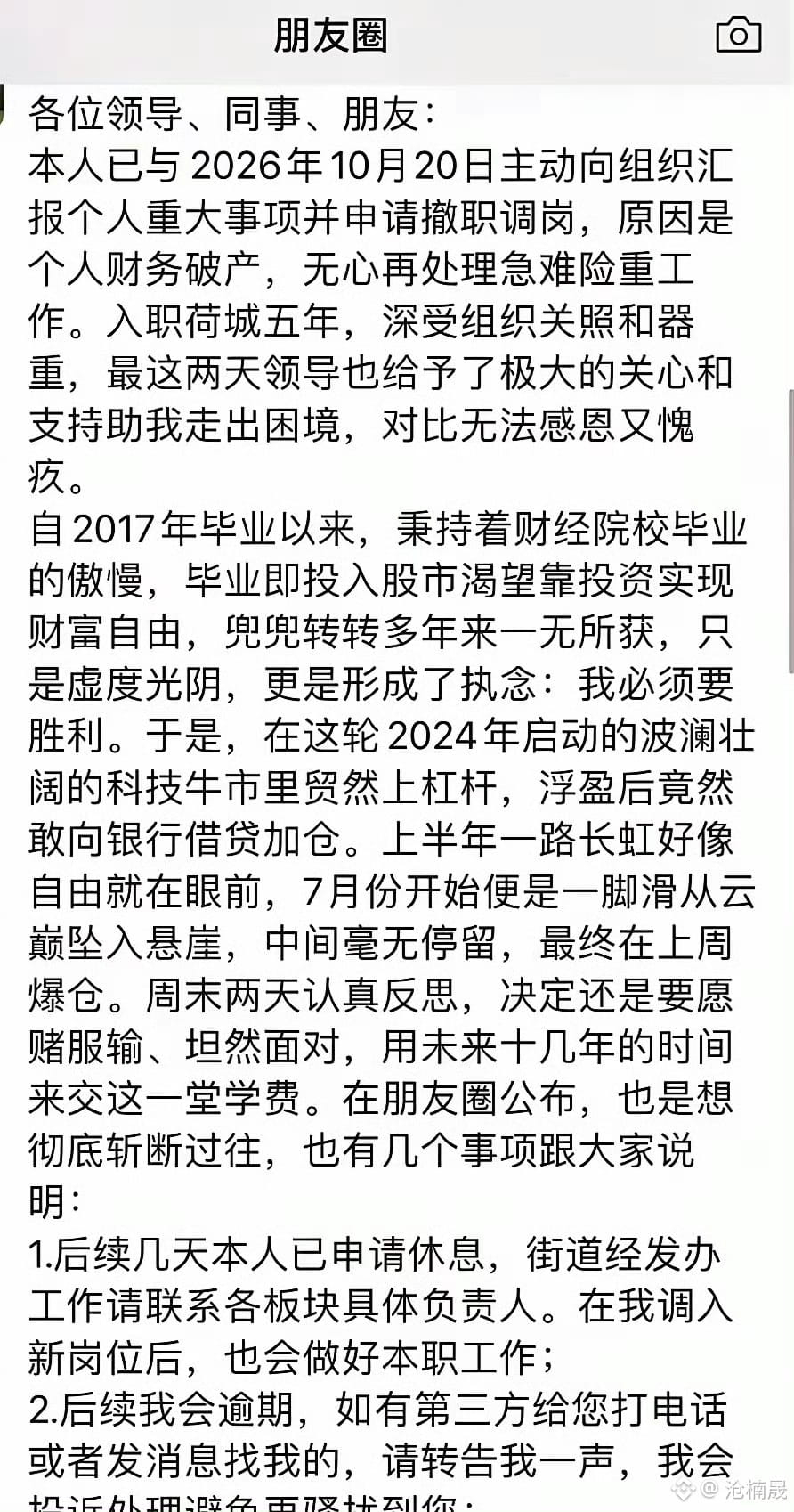
Even people within the system got liquidated. Just like the stock market’s fleeting dream a few days ago.
$BTC
{future}(BTCUSDT)
$ETH
{future}(ETHUSDT)
#股票财报季 #韩国推迟加密货币所得税
Even people within the system got liquidated. Just like the stock market’s fleeting dream a few days ago.
$BTC
$ETH
#股票财报季 #韩国推迟加密货币所得税
$BTC
$ETH
#股票财报季 #韩国推迟加密货币所得税
5
4
5.2k
·
--
Tell me, which of these three is actually the biggest investment failure?In Shanghai, a 38-year-old female fund manager cheated on her husband, who earned a million yuan a year, with a programmer making 8,000 yuan a month. They slept together for two whole years.
The most unbelievable part? It wasn’t until the day they broke up that she found out the man who rode an electric scooter had actually made over 20 million yuan from Nvidia.
The woman, Lin Wei, manages a fund worth over a billion yuan.
Her husband, Mr. Chen, is 45 and a senior executive in the financial industry.
They’ve been married for ten years. They seem loving on the surface, but in reality, they’ve long been seeing other people.
Liu Qiang is a 35-year-old programmer with no house or car, and his clothes all cost just a few dozen yuan.
They met at the gym.
Lin Wei liked how honest he was.
Tell me, which of these three is actually the biggest investment failure?
In Shanghai, a 38-year-old female fund manager cheated on her husband, who earned a million yuan a year, with a programmer making 8,000 yuan a month. They slept together for two whole years.
The most unbelievable part? It wasn’t until the day they broke up that she found out the man who rode an electric scooter had actually made over 20 million yuan from Nvidia.
The woman, Lin Wei, manages a fund worth over a billion yuan.
Her husband, Mr. Chen, is 45 and a senior executive in the financial industry.
They’ve been married for ten years. They seem loving on the surface, but in reality, they’ve long been seeing other people.
Liu Qiang is a 35-year-old programmer with no house or car, and his clothes all cost just a few dozen yuan.
They met at the gym.
Lin Wei liked how honest he was.
The most unbelievable part? It wasn’t until the day they broke up that she found out the man who rode an electric scooter had actually made over 20 million yuan from Nvidia.
The woman, Lin Wei, manages a fund worth over a billion yuan.
Her husband, Mr. Chen, is 45 and a senior executive in the financial industry.
They’ve been married for ten years. They seem loving on the surface, but in reality, they’ve long been seeing other people.
Liu Qiang is a 35-year-old programmer with no house or car, and his clothes all cost just a few dozen yuan.
They met at the gym.
Lin Wei liked how honest he was.
3
1.4k
·
--
A billionaire I know, from Yueqing, Zhejiang, made his fortune selling Dongfeng trucks. In the mid-1990s, he sold dozens of trucks a day and was known as the King of Trucks, with daily sales revenue of 6 million to over 10 million yuan. When Dongfeng was in difficulty, he lent the company 50 million yuan.
From 1995 to 2010, his businesses were everywhere in Shiyan. He owned a self-built office tower in the best location, the area’s best shopping mall, hotels, an auto-parts market, real estate companies—everything. He had dozens of branches across the country… He was riding high!
After a bad investment, he was set up, his cash flow collapsed, and he became a defaulter. Countless assets were auctioned off… He was basically bankrupt.
The most spectacular views are found on the steepest peaks. Take things as they come, and cherish what you have…$BTC
{future}(BTCUSDT)
$ETH
{future}(ETHUSDT)
#股票财报季 #黄金自7月以来首次跌破4000美元
A billionaire I know, from Yueqing, Zhejiang, made his fortune selling Dongfeng trucks. In the mid-1990s, he sold dozens of trucks a day and was known as the King of Trucks, with daily sales revenue of 6 million to over 10 million yuan. When Dongfeng was in difficulty, he lent the company 50 million yuan.
From 1995 to 2010, his businesses were everywhere in Shiyan. He owned a self-built office tower in the best location, the area’s best shopping mall, hotels, an auto-parts market, real estate companies—everything. He had dozens of branches across the country… He was riding high!
After a bad investment, he was set up, his cash flow collapsed, and he became a defaulter. Countless assets were auctioned off… He was basically bankrupt.
The most spectacular views are found on the steepest peaks. Take things as they come, and cherish what you have…$BTC
$ETH
#股票财报季 #黄金自7月以来首次跌破4000美元
From 1995 to 2010, his businesses were everywhere in Shiyan. He owned a self-built office tower in the best location, the area’s best shopping mall, hotels, an auto-parts market, real estate companies—everything. He had dozens of branches across the country… He was riding high!
After a bad investment, he was set up, his cash flow collapsed, and he became a defaulter. Countless assets were auctioned off… He was basically bankrupt.
The most spectacular views are found on the steepest peaks. Take things as they come, and cherish what you have…$BTC
$ETH
#股票财报季 #黄金自7月以来首次跌破4000美元
2
4
5.1k
·
--
When your level of understanding can’t keep up with your wealth, society has a hundred ways to fleece you. The stock market is just one of them.
If you don’t have the wisdom to manage sudden wealth, or the understanding to navigate the life that comes with being rich, then life’s windfall will sooner or later become a trap.
People who have been poor for a long time may be given a sum of money, but the way they use it often ends in bankruptcy, leaving them stuck in poverty for the long term.
That’s because wealth doesn’t necessarily give those who suddenly become rich a positive attitude toward life. Instead, it may foster arrogance and unhealthy habits.
Cao Dewang once said: “Most people aren’t suited to becoming rich, because money can backfire terribly. Without great virtue and wisdom, it’s hard to withstand its effects.”
Once people can no longer control their wealth and desires, they will eventually be consumed by them.
So you have to go through trial after trial and be tempered again and again—to train yourself to think and act like a wealthy person.$BTC
{future}(BTCUSDT)
$ETH
{future}(ETHUSDT)
#特斯拉盘前下跌5% #币安神算子
When your level of understanding can’t keep up with your wealth, society has a hundred ways to fleece you. The stock market is just one of them.
If you don’t have the wisdom to manage sudden wealth, or the understanding to navigate the life that comes with being rich, then life’s windfall will sooner or later become a trap.
People who have been poor for a long time may be given a sum of money, but the way they use it often ends in bankruptcy, leaving them stuck in poverty for the long term.
That’s because wealth doesn’t necessarily give those who suddenly become rich a positive attitude toward life. Instead, it may foster arrogance and unhealthy habits.
Cao Dewang once said: “Most people aren’t suited to becoming rich, because money can backfire terribly. Without great virtue and wisdom, it’s hard to withstand its effects.”
Once people can no longer control their wealth and desires, they will eventually be consumed by them.
So you have to go through trial after trial and be tempered again and again—to train yourself to think and act like a wealthy person.$BTC
$ETH
#特斯拉盘前下跌5% #币安神算子
If you don’t have the wisdom to manage sudden wealth, or the understanding to navigate the life that comes with being rich, then life’s windfall will sooner or later become a trap.
People who have been poor for a long time may be given a sum of money, but the way they use it often ends in bankruptcy, leaving them stuck in poverty for the long term.
That’s because wealth doesn’t necessarily give those who suddenly become rich a positive attitude toward life. Instead, it may foster arrogance and unhealthy habits.
Cao Dewang once said: “Most people aren’t suited to becoming rich, because money can backfire terribly. Without great virtue and wisdom, it’s hard to withstand its effects.”
Once people can no longer control their wealth and desires, they will eventually be consumed by them.
So you have to go through trial after trial and be tempered again and again—to train yourself to think and act like a wealthy person.$BTC
$ETH
#特斯拉盘前下跌5% #币安神算子
1
3
757
·
--
CPI came in hotter than expected, oil prices surged, and Bitcoin fell below $81,000, with nearly 80,000 traders liquidated in 24 hours. Macro conditions are tightening, but project teams haven’t stopped making moves.
Yesterday, Binance Alpha launched NeoSoul (DNA), an AI Agent operating system narrative. It surged more than 230% right after opening, quickly pushing its FDV to around $130 million. In this headwind, capital hasn’t disappeared; it’s simply concentrating more heavily in assets with “clear project team activity + a new narrative.”
Rather than chase a candle that’s already taken off, watch for: airdrop uptake through Alpha points, the pace at which holder addresses are spreading, and whether the AI Agent sector can build a narrative of its own in a weak market. With macro pressure weighing on the market, move quickly—token distribution matters more than directional conviction.$QCOMB
{spot}(QCOMBUSDT)
$q
CPI came in hotter than expected, oil prices surged, and Bitcoin fell below $81,000, with nearly 80,000 traders liquidated in 24 hours. Macro conditions are tightening, but project teams haven’t stopped making moves.
Yesterday, Binance Alpha launched NeoSoul (DNA), an AI Agent operating system narrative. It surged more than 230% right after opening, quickly pushing its FDV to around $130 million. In this headwind, capital hasn’t disappeared; it’s simply concentrating more heavily in assets with “clear project team activity + a new narrative.”
Rather than chase a candle that’s already taken off, watch for: airdrop uptake through Alpha points, the pace at which holder addresses are spreading, and whether the AI Agent sector can build a narrative of its own in a weak market. With macro pressure weighing on the market, move quickly—token distribution matters more than directional conviction.$QCOMB
$q
Yesterday, Binance Alpha launched NeoSoul (DNA), an AI Agent operating system narrative. It surged more than 230% right after opening, quickly pushing its FDV to around $130 million. In this headwind, capital hasn’t disappeared; it’s simply concentrating more heavily in assets with “clear project team activity + a new narrative.”
Rather than chase a candle that’s already taken off, watch for: airdrop uptake through Alpha points, the pace at which holder addresses are spreading, and whether the AI Agent sector can build a narrative of its own in a weak market. With macro pressure weighing on the market, move quickly—token distribution matters more than directional conviction.$QCOMB
$q
1
1
744
·
--
30D trade $SOL 49.9 USDT
I've been keeping an eye on SOL, especially since it climbed from 97 to 120 last month.
But the deeper we get into this volatile shakeout phase, the less I want to focus solely on price movements.
What matters more to me is:
that the broader market doesn't become a drag;
that SOL's breakout is backed by volume;
and that activity and capital flows on the Solana chain are more than just surface-level buzz.
If these three factors come together, SOL's price action will have a much stronger foundation. $SOL #Celestia涨16%创2026年新高 #Strategy周五股价下跌9%
I've been keeping an eye on SOL, especially since it climbed from 97 to 120 last month.
But the deeper we get into this volatile shakeout phase, the less I want to focus solely on price movements.
What matters more to me is:
that the broader market doesn't become a drag;
that SOL's breakout is backed by volume;
and that activity and capital flows on the Solana chain are more than just surface-level buzz.
If these three factors come together, SOL's price action will have a much stronger foundation. $SOL #Celestia涨16%创2026年新高 #Strategy周五股价下跌9%
But the deeper we get into this volatile shakeout phase, the less I want to focus solely on price movements.
What matters more to me is:
that the broader market doesn't become a drag;
that SOL's breakout is backed by volume;
and that activity and capital flows on the Solana chain are more than just surface-level buzz.
If these three factors come together, SOL's price action will have a much stronger foundation. $SOL #Celestia涨16%创2026年新高 #Strategy周五股价下跌9%
2
2.4k
·
--
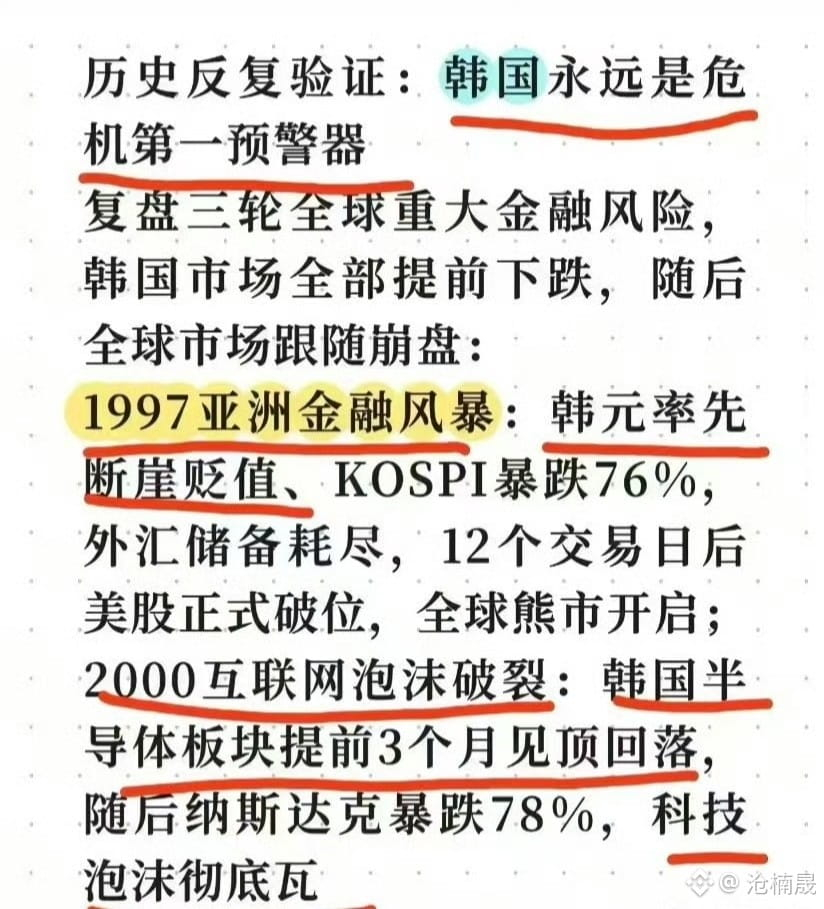
History doesn’t repeat itself; it only bears a striking resemblance.#以太坊跌破2400USDT #布伦特原油自5月来首次触及110美元 $BTC
{future}(BTCUSDT)
$ETH
{future}(ETHUSDT)
History doesn’t repeat itself; it only bears a striking resemblance.#以太坊跌破2400USDT #布伦特原油自5月来首次触及110美元 $BTC
$ETH
$ETH
5
2
6.7k
·
--
How humble can a man at the bottom of society really be?
I know a woman who runs a mahjong parlor. She’s in her thirties and has a certain charm about her.
She told me there’s a regular at her place who drives a forklift at a logistics park. He’s nearly 40, unmarried, and has never had a proper relationship.
He’s a really honest, simple man. Every day after work, covered in dust and without even changing his clothes, he heads straight to her shop.
He’s terrible at cards—he loses eight out of ten games—but he never gets upset. He just smiles and pulls out his money.
Sometimes nobody’s even playing, but he still drops by, buys a couple of drinks, and sits by the counter chatting with the owner about this and that.
When she’s busy, he helps carry beer and clear the tables. He never asks for money afterward.
I asked, “Does he have a thing for you?”
She laughed. “Even a fool can see that. It’s been over two years.”
I said, “Then why do you let him come by every day?”
She said, “He wants to come. What am I supposed to do, chase him away?”
I asked, “Do you like him too?”
She said, “Of course not. My kid’s almost in middle school.”
Once, on his birthday, the man bought a little cake and brought it to the shop. The owner sat and ate a couple of slices with him, and even sang him “Happy Birthday.”
The next day, he transferred 520 yuan to her.
I asked, “You accepted it?”
She said, “Of course. He insisted, saying no one had celebrated his birthday with him in years.”
Then one night, it poured. The man didn’t have an umbrella, so the owner gave him a ride back to his dorm since it was on her way.
When they got downstairs, he lingered in the passenger seat for ages. Just before getting out, he suddenly said:
“You’re the only person who’s ever been this good to me.”
$BTC
{future}(BTCUSDT)
$ETH
{future}(ETHUSDT)
#比特币短期持有者持仓升至408万枚 #比特币回升至8.2万美元
How humble can a man at the bottom of society really be?
I know a woman who runs a mahjong parlor. She’s in her thirties and has a certain charm about her.
She told me there’s a regular at her place who drives a forklift at a logistics park. He’s nearly 40, unmarried, and has never had a proper relationship.
He’s a really honest, simple man. Every day after work, covered in dust and without even changing his clothes, he heads straight to her shop.
He’s terrible at cards—he loses eight out of ten games—but he never gets upset. He just smiles and pulls out his money.
Sometimes nobody’s even playing, but he still drops by, buys a couple of drinks, and sits by the counter chatting with the owner about this and that.
When she’s busy, he helps carry beer and clear the tables. He never asks for money afterward.
I asked, “Does he have a thing for you?”
She laughed. “Even a fool can see that. It’s been over two years.”
I said, “Then why do you let him come by every day?”
She said, “He wants to come. What am I supposed to do, chase him away?”
I asked, “Do you like him too?”
She said, “Of course not. My kid’s almost in middle school.”
Once, on his birthday, the man bought a little cake and brought it to the shop. The owner sat and ate a couple of slices with him, and even sang him “Happy Birthday.”
The next day, he transferred 520 yuan to her.
I asked, “You accepted it?”
She said, “Of course. He insisted, saying no one had celebrated his birthday with him in years.”
Then one night, it poured. The man didn’t have an umbrella, so the owner gave him a ride back to his dorm since it was on her way.
When they got downstairs, he lingered in the passenger seat for ages. Just before getting out, he suddenly said:
“You’re the only person who’s ever been this good to me.”
$BTC
$ETH
#比特币短期持有者持仓升至408万枚 #比特币回升至8.2万美元
I know a woman who runs a mahjong parlor. She’s in her thirties and has a certain charm about her.
She told me there’s a regular at her place who drives a forklift at a logistics park. He’s nearly 40, unmarried, and has never had a proper relationship.
He’s a really honest, simple man. Every day after work, covered in dust and without even changing his clothes, he heads straight to her shop.
He’s terrible at cards—he loses eight out of ten games—but he never gets upset. He just smiles and pulls out his money.
Sometimes nobody’s even playing, but he still drops by, buys a couple of drinks, and sits by the counter chatting with the owner about this and that.
When she’s busy, he helps carry beer and clear the tables. He never asks for money afterward.
I asked, “Does he have a thing for you?”
She laughed. “Even a fool can see that. It’s been over two years.”
I said, “Then why do you let him come by every day?”
She said, “He wants to come. What am I supposed to do, chase him away?”
I asked, “Do you like him too?”
She said, “Of course not. My kid’s almost in middle school.”
Once, on his birthday, the man bought a little cake and brought it to the shop. The owner sat and ate a couple of slices with him, and even sang him “Happy Birthday.”
The next day, he transferred 520 yuan to her.
I asked, “You accepted it?”
She said, “Of course. He insisted, saying no one had celebrated his birthday with him in years.”
Then one night, it poured. The man didn’t have an umbrella, so the owner gave him a ride back to his dorm since it was on her way.
When they got downstairs, he lingered in the passenger seat for ages. Just before getting out, he suddenly said:
“You’re the only person who’s ever been this good to me.”
$BTC
$ETH
#比特币短期持有者持仓升至408万枚 #比特币回升至8.2万美元
1
4
6.2k
·
--
A friend who works in the government told me a true story:
The former county Party secretary was returning to the county after a visit to the countryside. He was in a hurry to attend a meeting, so he told the driver to hurry up and get them to the venue on time.
Just after they came out of a highway tunnel, two auxiliary police officers suddenly jumped out from the greenbelt and stopped the secretary’s car, saying it was speeding.
Later, when the secretary returned to the county for a meeting, this is what he said at the venue:
“Suddenly, two burly bandits jumped out of the greenbelt, like Chao Gai and his gang robbing the birthday tribute. They stopped my car.”
First, the driver rolled down the window and said it was a government leader’s car (without explicitly saying it was the secretary’s) and that they were in a hurry to get back to the county for a meeting.
The two auxiliary officers ignored him and ordered them to get out and deal with the matter, clearly intending to issue a fine.
Then the secretary’s aide, who was in the passenger seat, got out and explicitly said it was the secretary’s car, asking them to let it pass. The two officers still ignored him and insisted on holding them up.
With no other option, the aide called the deputy director in charge at the Public Security Bureau. Only then were they allowed to drive on.
It’s said that that evening, the head of the traffic police brigade cut a branch from the greenbelt, tied it to his back, and went to the secretary’s office to “apologize with a thorn branch on his back.”
A month later, the deputy director in charge at the Public Security Bureau was transferred out of the public security system.
The traffic police brigade chief was reassigned to guard the detention center.
The two auxiliary police officers had their employment contracts terminated—and they’d caused a huge mess!$BTC
{future}(BTCUSDT)
$ETH
{future}(ETHUSDT)
A friend who works in the government told me a true story:
The former county Party secretary was returning to the county after a visit to the countryside. He was in a hurry to attend a meeting, so he told the driver to hurry up and get them to the venue on time.
Just after they came out of a highway tunnel, two auxiliary police officers suddenly jumped out from the greenbelt and stopped the secretary’s car, saying it was speeding.
Later, when the secretary returned to the county for a meeting, this is what he said at the venue:
“Suddenly, two burly bandits jumped out of the greenbelt, like Chao Gai and his gang robbing the birthday tribute. They stopped my car.”
First, the driver rolled down the window and said it was a government leader’s car (without explicitly saying it was the secretary’s) and that they were in a hurry to get back to the county for a meeting.
The two auxiliary officers ignored him and ordered them to get out and deal with the matter, clearly intending to issue a fine.
Then the secretary’s aide, who was in the passenger seat, got out and explicitly said it was the secretary’s car, asking them to let it pass. The two officers still ignored him and insisted on holding them up.
With no other option, the aide called the deputy director in charge at the Public Security Bureau. Only then were they allowed to drive on.
It’s said that that evening, the head of the traffic police brigade cut a branch from the greenbelt, tied it to his back, and went to the secretary’s office to “apologize with a thorn branch on his back.”
A month later, the deputy director in charge at the Public Security Bureau was transferred out of the public security system.
The traffic police brigade chief was reassigned to guard the detention center.
The two auxiliary police officers had their employment contracts terminated—and they’d caused a huge mess!$BTC
$ETH
The former county Party secretary was returning to the county after a visit to the countryside. He was in a hurry to attend a meeting, so he told the driver to hurry up and get them to the venue on time.
Just after they came out of a highway tunnel, two auxiliary police officers suddenly jumped out from the greenbelt and stopped the secretary’s car, saying it was speeding.
Later, when the secretary returned to the county for a meeting, this is what he said at the venue:
“Suddenly, two burly bandits jumped out of the greenbelt, like Chao Gai and his gang robbing the birthday tribute. They stopped my car.”
First, the driver rolled down the window and said it was a government leader’s car (without explicitly saying it was the secretary’s) and that they were in a hurry to get back to the county for a meeting.
The two auxiliary officers ignored him and ordered them to get out and deal with the matter, clearly intending to issue a fine.
Then the secretary’s aide, who was in the passenger seat, got out and explicitly said it was the secretary’s car, asking them to let it pass. The two officers still ignored him and insisted on holding them up.
With no other option, the aide called the deputy director in charge at the Public Security Bureau. Only then were they allowed to drive on.
It’s said that that evening, the head of the traffic police brigade cut a branch from the greenbelt, tied it to his back, and went to the secretary’s office to “apologize with a thorn branch on his back.”
A month later, the deputy director in charge at the Public Security Bureau was transferred out of the public security system.
The traffic police brigade chief was reassigned to guard the detention center.
The two auxiliary police officers had their employment contracts terminated—and they’d caused a huge mess!$BTC
$ETH
7
3
5.7k
·
--
A friend of mine recently found out that his fiancée was cheating on him.
The clues were absurd: she suddenly got hooked on night runs, and one day she came back having somehow lost even her underwear. He didn’t make a scene. He quietly looked into it—and discovered her lover was her direct supervisor, a man in his fifties.
By ordinary logic, catching them in the act and beating the guy senseless would be the standard move. But this friend was a ruthless man with an exceptionally clear head.
The next day, he drove straight to the building where she worked and, in front of all her colleagues, made a very public promise: “Before the wedding, I’ll buy you a spacious apartment outright, and put it in your name alone.”
The entire office floor erupted. Her vanity was sent soaring. In private, the older man was going out of his mind with worry, while she began rapidly icing out her boss for the sake of that “apartment.”
As my friend watched the two of them turn on each other, he quietly dug up everything about the older man’s family, the company’s disciplinary department, and his wife’s background. You don’t need a knife to destroy someone: first build them up with lavish praise, then pull the rug out from under them in public.
A friend of mine recently found out that his fiancée was cheating on him.
The clues were absurd: she suddenly got hooked on night runs, and one day she came back having somehow lost even her underwear. He didn’t make a scene. He quietly looked into it—and discovered her lover was her direct supervisor, a man in his fifties.
By ordinary logic, catching them in the act and beating the guy senseless would be the standard move. But this friend was a ruthless man with an exceptionally clear head.
The next day, he drove straight to the building where she worked and, in front of all her colleagues, made a very public promise: “Before the wedding, I’ll buy you a spacious apartment outright, and put it in your name alone.”
The entire office floor erupted. Her vanity was sent soaring. In private, the older man was going out of his mind with worry, while she began rapidly icing out her boss for the sake of that “apartment.”
As my friend watched the two of them turn on each other, he quietly dug up everything about the older man’s family, the company’s disciplinary department, and his wife’s background. You don’t need a knife to destroy someone: first build them up with lavish praise, then pull the rug out from under them in public.
The clues were absurd: she suddenly got hooked on night runs, and one day she came back having somehow lost even her underwear. He didn’t make a scene. He quietly looked into it—and discovered her lover was her direct supervisor, a man in his fifties.
By ordinary logic, catching them in the act and beating the guy senseless would be the standard move. But this friend was a ruthless man with an exceptionally clear head.
The next day, he drove straight to the building where she worked and, in front of all her colleagues, made a very public promise: “Before the wedding, I’ll buy you a spacious apartment outright, and put it in your name alone.”
The entire office floor erupted. Her vanity was sent soaring. In private, the older man was going out of his mind with worry, while she began rapidly icing out her boss for the sake of that “apartment.”
As my friend watched the two of them turn on each other, he quietly dug up everything about the older man’s family, the company’s disciplinary department, and his wife’s background. You don’t need a knife to destroy someone: first build them up with lavish praise, then pull the rug out from under them in public.
4
6k
·
--
Partly True
2017: Gold price 278 yuan/gram
2018: Gold price 270 yuan/gram
2019: Gold price 312 yuan/gram
2020: Gold price 385 yuan/gram
2021: Gold price 374 yuan/gram
2022: Gold price 392 yuan/gram
2023: Gold price 449 yuan/gram
2024: Gold price 548 yuan/gram
2025: Gold price 970 yuan/gram
2026: Gold price 1,028 yuan/gram
Gold prices have climbed steadily over the past decade. There are no tricks to buying gold—it all comes down to buying early. What price did you buy at? (Poetry World)$XAU
{future}(XAUUSDT)
$XAG
{future}(XAGUSDT)
#以太坊清算额占加密市场60% #9月CPI来袭原油美债走势如何
2017: Gold price 278 yuan/gram
2018: Gold price 270 yuan/gram
2019: Gold price 312 yuan/gram
2020: Gold price 385 yuan/gram
2021: Gold price 374 yuan/gram
2022: Gold price 392 yuan/gram
2023: Gold price 449 yuan/gram
2024: Gold price 548 yuan/gram
2025: Gold price 970 yuan/gram
2026: Gold price 1,028 yuan/gram
Gold prices have climbed steadily over the past decade. There are no tricks to buying gold—it all comes down to buying early. What price did you buy at? (Poetry World)$XAU
$XAG
#以太坊清算额占加密市场60% #9月CPI来袭原油美债走势如何
2018: Gold price 270 yuan/gram
2019: Gold price 312 yuan/gram
2020: Gold price 385 yuan/gram
2021: Gold price 374 yuan/gram
2022: Gold price 392 yuan/gram
2023: Gold price 449 yuan/gram
2024: Gold price 548 yuan/gram
2025: Gold price 970 yuan/gram
2026: Gold price 1,028 yuan/gram
Gold prices have climbed steadily over the past decade. There are no tricks to buying gold—it all comes down to buying early. What price did you buy at? (Poetry World)$XAU
$XAG
#以太坊清算额占加密市场60% #9月CPI来袭原油美债走势如何
1
594
·
--
Well-known KOL Bonk Guy (theunipcs) built a large PONS position early on. The position’s unrealized profit once peaked at $7.5 million, and he chose to hold it long-term.
During the market pullback, PONS suffered a maximum drawdown of nearly 70%, but the address still held on to 10.9 million tokens without selling. The position’s market value also shrank from a peak of $10.3 million to around $3.47 million.
Dragged down by PONS’s steep decline, the value of his overall account fell from a peak of $26 million to $10.4 million—a drawdown of more than $15 million. Most of the unrealized gains he had previously made on PONS were essentially wiped out.
$BTC
{future}(BTCUSDT)
$ETH
{future}(ETHUSDT)
#以太坊跌破2500美元 #9月CPI来袭原油美债走势如何 #OP代币今日上涨19.98%
Well-known KOL Bonk Guy (theunipcs) built a large PONS position early on. The position’s unrealized profit once peaked at $7.5 million, and he chose to hold it long-term.
During the market pullback, PONS suffered a maximum drawdown of nearly 70%, but the address still held on to 10.9 million tokens without selling. The position’s market value also shrank from a peak of $10.3 million to around $3.47 million.
Dragged down by PONS’s steep decline, the value of his overall account fell from a peak of $26 million to $10.4 million—a drawdown of more than $15 million. Most of the unrealized gains he had previously made on PONS were essentially wiped out.
$BTC
$ETH
#以太坊跌破2500美元 #9月CPI来袭原油美债走势如何 #OP代币今日上涨19.98%
During the market pullback, PONS suffered a maximum drawdown of nearly 70%, but the address still held on to 10.9 million tokens without selling. The position’s market value also shrank from a peak of $10.3 million to around $3.47 million.
Dragged down by PONS’s steep decline, the value of his overall account fell from a peak of $26 million to $10.4 million—a drawdown of more than $15 million. Most of the unrealized gains he had previously made on PONS were essentially wiped out.
$BTC
$ETH
#以太坊跌破2500美元 #9月CPI来袭原油美债走势如何 #OP代币今日上涨19.98%
464
·
--
Bullish
There’s CPI tonight, and analysis is already everywhere, so I won’t pretend to be an expert.
But one thing is clear: the market is range-bound right now. CPI might add some short-term volatility at most, but it won’t change the broader picture, especially since there hasn’t been any significant inflow of traditional capital.
There are two areas within the range with particularly dense liquidity: 84400 and 80200.
I think an upward liquidity sweep is more likely, but it probably won’t go far, since there’s daily resistance overhead at 84900–87200.
As for trading: for now, I’m still waiting. If price pulls back below 83000, I’ll go long at a suitable level. If it moves straight up, I’ll open a short at resistance. $ETH
{future}(ETHUSDT)
$BTC
{future}(BTCUSDT)
There’s CPI tonight, and analysis is already everywhere, so I won’t pretend to be an expert.
But one thing is clear: the market is range-bound right now. CPI might add some short-term volatility at most, but it won’t change the broader picture, especially since there hasn’t been any significant inflow of traditional capital.
There are two areas within the range with particularly dense liquidity: 84400 and 80200.
I think an upward liquidity sweep is more likely, but it probably won’t go far, since there’s daily resistance overhead at 84900–87200.
As for trading: for now, I’m still waiting. If price pulls back below 83000, I’ll go long at a suitable level. If it moves straight up, I’ll open a short at resistance. $ETH
$BTC
But one thing is clear: the market is range-bound right now. CPI might add some short-term volatility at most, but it won’t change the broader picture, especially since there hasn’t been any significant inflow of traditional capital.
There are two areas within the range with particularly dense liquidity: 84400 and 80200.
I think an upward liquidity sweep is more likely, but it probably won’t go far, since there’s daily resistance overhead at 84900–87200.
As for trading: for now, I’m still waiting. If price pulls back below 83000, I’ll go long at a suitable level. If it moves straight up, I’ll open a short at resistance. $ETH
$BTC
233
·
--
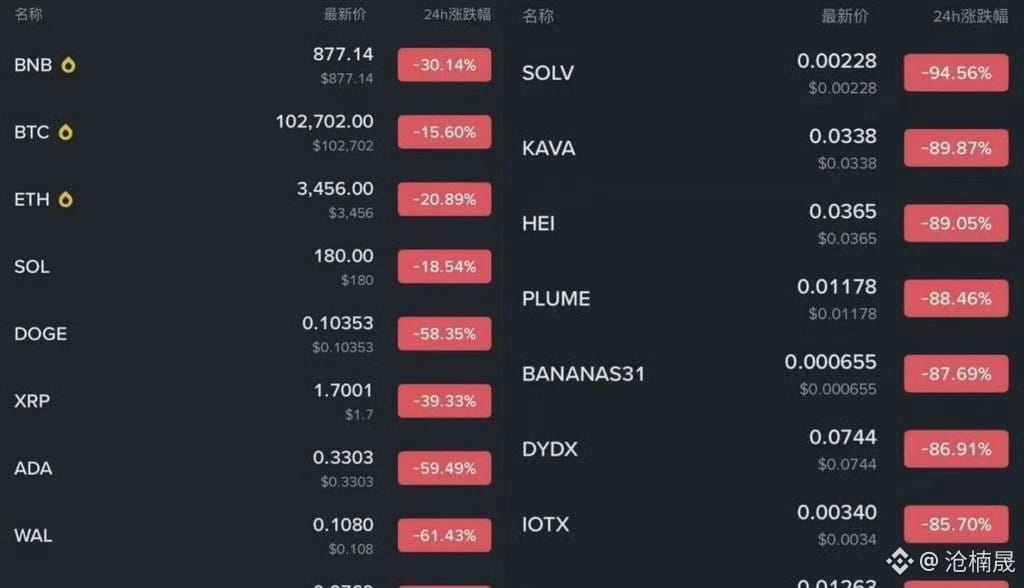
10.11. It's been a year.
The market is still the same market—ups and downs, cycles coming around again.
But everyone who lived through that day remembers how brutal it was.
Treat the market with a little more respect and a little less wishful thinking—this isn't just talk. 🙏 #以太坊突破2500USDT
10.11. It's been a year.
The market is still the same market—ups and downs, cycles coming around again.
But everyone who lived through that day remembers how brutal it was.
Treat the market with a little more respect and a little less wishful thinking—this isn't just talk. 🙏 #以太坊突破2500USDT
The market is still the same market—ups and downs, cycles coming around again.
But everyone who lived through that day remembers how brutal it was.
Treat the market with a little more respect and a little less wishful thinking—this isn't just talk. 🙏 #以太坊突破2500USDT
279
·
--
At 26, Buffett had $174,000
He was ready to retire
But actually, he was planning to quit working for someone else
and start his own business
The Buffett Partnership he founded
raised $100,000 in its first round
The money came from
his father-in-law: $25,000
his aunt: $35,000
his sister: $10,000
his good friend: $5,000
the mother of another good friend: $25,000
his roommate: $5,000
Buffett himself: $100
Even as the child of a member of Congress,
with years of good credit behind him,
his leverage ratio was only 0.5%
Buffett said plainly
that he got leverage from managing the company
So you see,
even Buffett
couldn’t “borrow” more than his own net worth
But CRCL, a company with a $20 billion market cap,
has net assets of less than $2 billion
and has “borrowed” $74 billion to buy U.S. Treasuries
Berkshire’s first $100,000
came from Buffett’s family ties, friendships, and good reputation
But USDC’s funds are underpinned by institutions, laws, and regulation
In the long run, CRCL’s leveraged model
will go further and last longer than Buffett’s model$ETH
{future}(ETHUSDT)
$BTC
{future}(BTCUSDT)
#以太坊ETF连续9日净流出 #以太坊突破2500USDT
At 26, Buffett had $174,000
He was ready to retire
But actually, he was planning to quit working for someone else
and start his own business
The Buffett Partnership he founded
raised $100,000 in its first round
The money came from
his father-in-law: $25,000
his aunt: $35,000
his sister: $10,000
his good friend: $5,000
the mother of another good friend: $25,000
his roommate: $5,000
Buffett himself: $100
Even as the child of a member of Congress,
with years of good credit behind him,
his leverage ratio was only 0.5%
Buffett said plainly
that he got leverage from managing the company
So you see,
even Buffett
couldn’t “borrow” more than his own net worth
But CRCL, a company with a $20 billion market cap,
has net assets of less than $2 billion
and has “borrowed” $74 billion to buy U.S. Treasuries
Berkshire’s first $100,000
came from Buffett’s family ties, friendships, and good reputation
But USDC’s funds are underpinned by institutions, laws, and regulation
In the long run, CRCL’s leveraged model
will go further and last longer than Buffett’s model$ETH
$BTC
#以太坊ETF连续9日净流出 #以太坊突破2500USDT
He was ready to retire
But actually, he was planning to quit working for someone else
and start his own business
The Buffett Partnership he founded
raised $100,000 in its first round
The money came from
his father-in-law: $25,000
his aunt: $35,000
his sister: $10,000
his good friend: $5,000
the mother of another good friend: $25,000
his roommate: $5,000
Buffett himself: $100
Even as the child of a member of Congress,
with years of good credit behind him,
his leverage ratio was only 0.5%
Buffett said plainly
that he got leverage from managing the company
So you see,
even Buffett
couldn’t “borrow” more than his own net worth
But CRCL, a company with a $20 billion market cap,
has net assets of less than $2 billion
and has “borrowed” $74 billion to buy U.S. Treasuries
Berkshire’s first $100,000
came from Buffett’s family ties, friendships, and good reputation
But USDC’s funds are underpinned by institutions, laws, and regulation
In the long run, CRCL’s leveraged model
will go further and last longer than Buffett’s model$ETH
$BTC
#以太坊ETF连续9日净流出 #以太坊突破2500USDT
2
2
2.9k
Log in to explore more content
Join global crypto users on Binance Square
⚡️ Get latest and useful information about crypto.
💬 Trusted by the world’s largest crypto exchange.
👍 Discover real insights from verified creators.
Email / Phone number
Trending Topics
BitcoinSlipsBelow$80KAgain
111 views
14 Discussing
#BitcoinSlipsBelow$80KAgain
Bitcoin's price fell below the $80,000 level again
📉 Sharp Decline: Selling pressure increased across cryptocurrency markets.₿ Bitcoin (BTC): Failed to hold the $80,000 mark, an important psychological support level.🔻 Pullback: Prices slid into the red as bears applied pressure.💸 Investor Unease: Short-term profit-taking and panic selling are being observed in the market.
$BTC $BR $ZEC
Sat_Stacker
·0 Likes
·102 views
ThailandLaunchesWORPTStablecoinToQRPaymentApp
0 views
10 Discussing
StrategySkipsBitcoinPurchasesSpends$205MOnSTRCBuybacks
2,659 views
64 Discussing