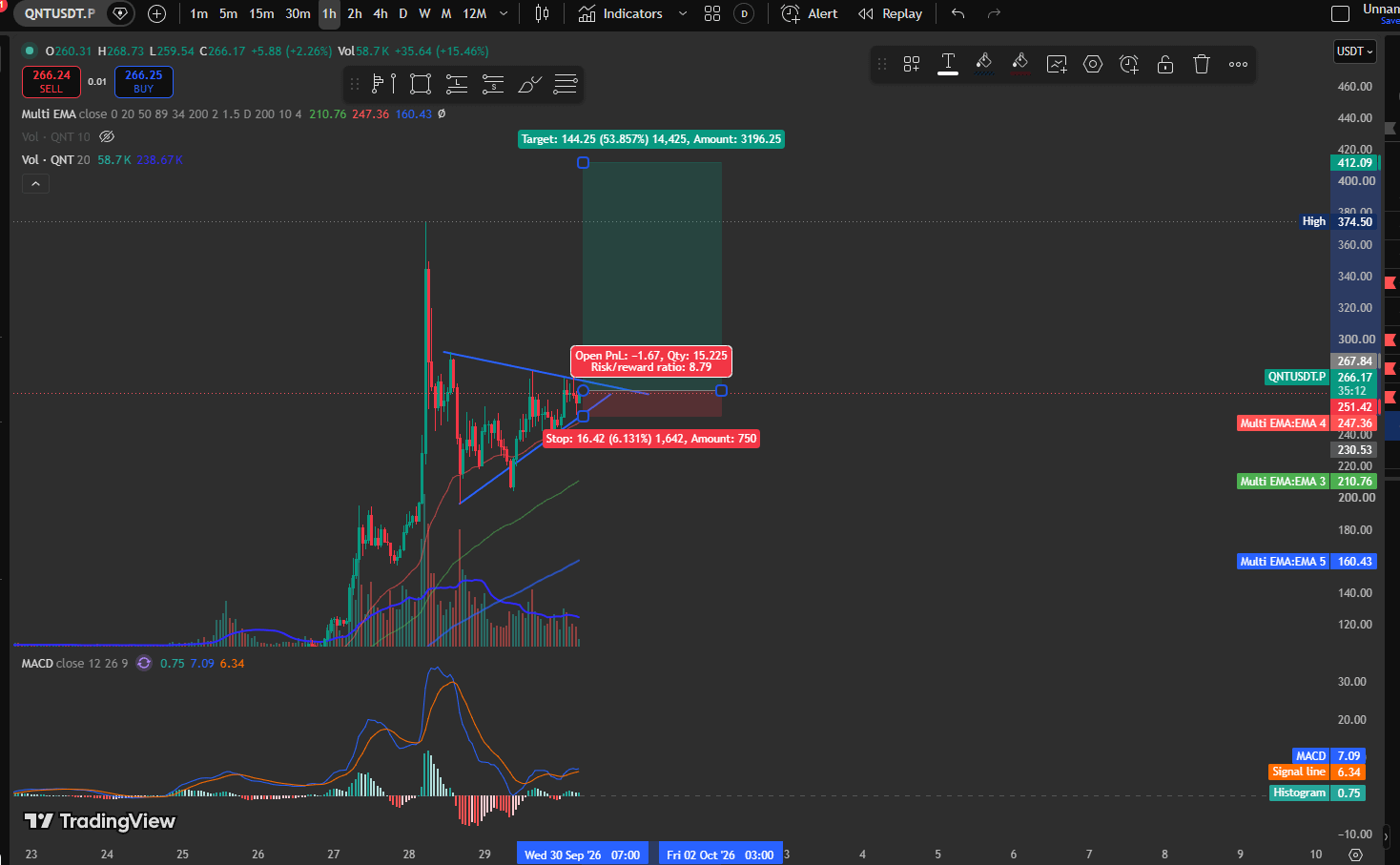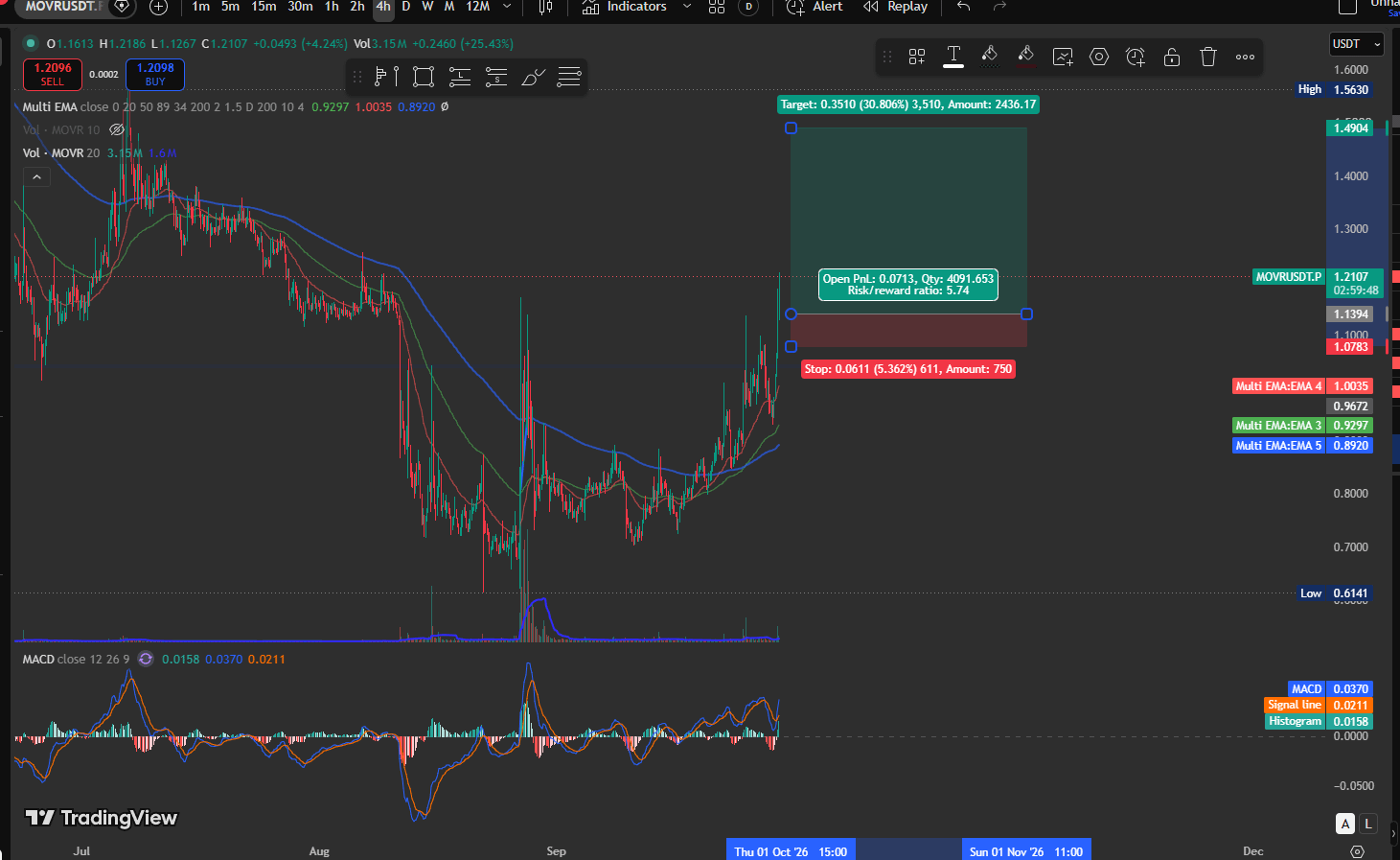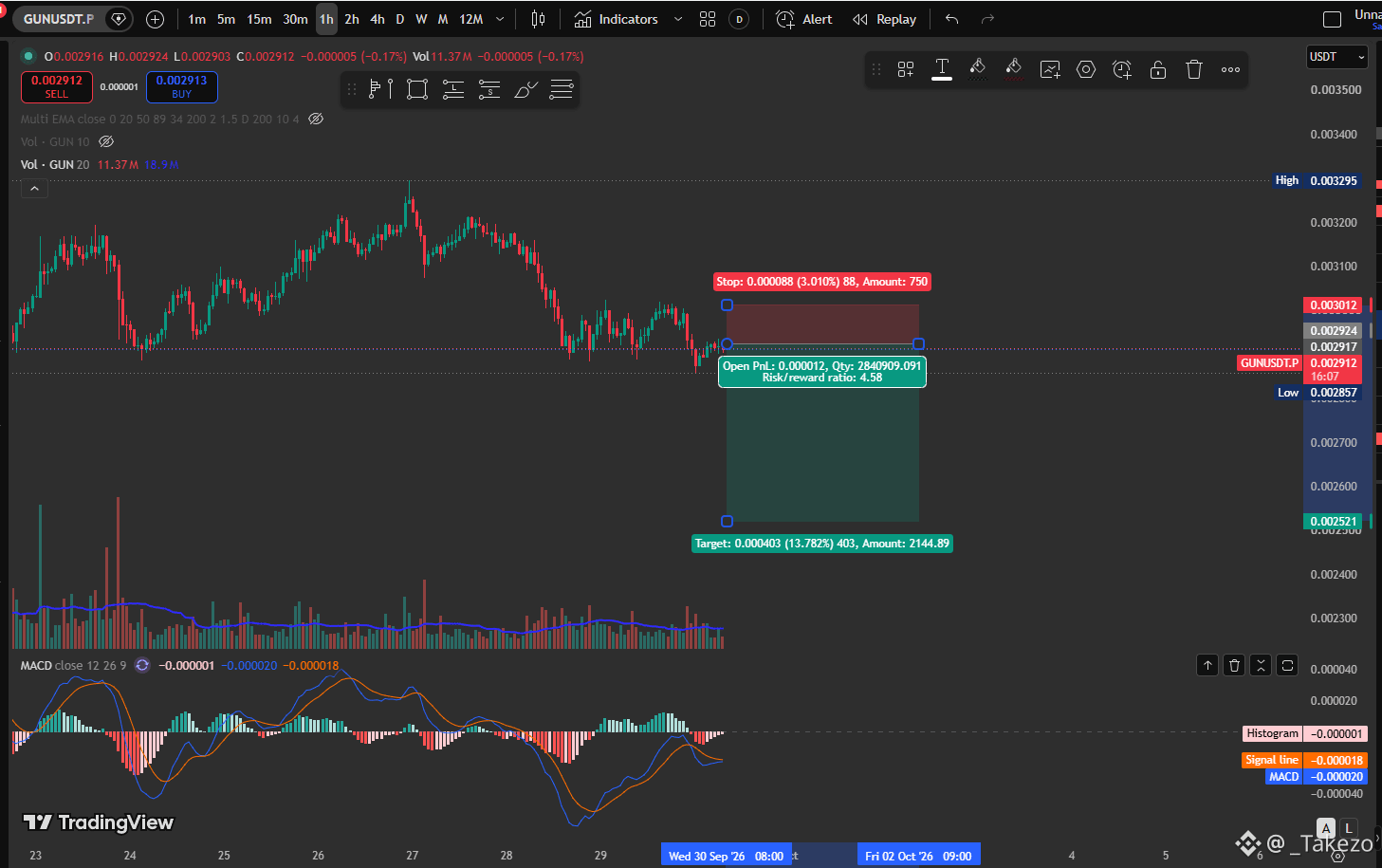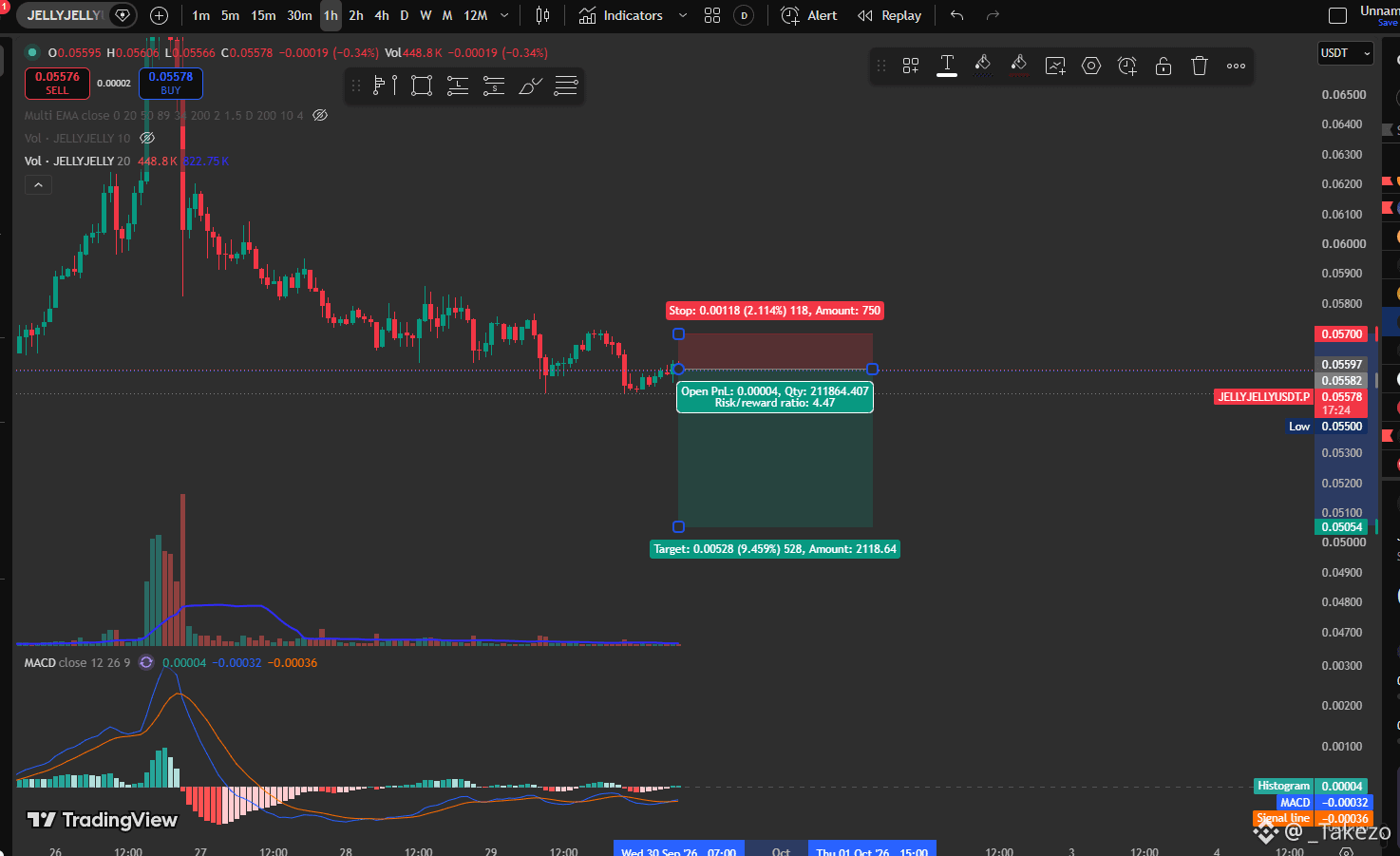
Nếu bạn đang hold $ASTER thì bạn nên đọc gấp bài viết này
Nếu bạn đang hold $ASTER thì bạn nên đọc bài viết này. Ở rất nhiều bài viết trước mình đã chia sẻ về tính ẩn danh — vấn đề cốt lõi mà crypto sinh ra để giải quyết, bên cạnh thanh toán và phi tập trung. Vì sự siết chặt pháp lý nên các đồng coin thuộc mảng privacy bắt đầu lên ngôi, với $ZEC dẫn đầu xu hướng. Mình cũng đã chia sẻ nhiều về $ZEN và $DASH khi chúng tăng mạnh nhờ khả năng che giấu dữ liệu giao dịch, bảo vệ người dùng khỏi việc bị truy vết và khai thác thông tin. Điều này càng quan trọng hơn trong thị trường perpdex, nơi lộ vị thế đồng nghĩa với mất lợi thế. Anh em còn nhớ vài tháng trước thị trường đi săn whale trên Hyperliquid không? Hyperliquid quá minh bạch. Đây là điều whales không thích — và đó là lý do chúng ta có Aster Exchange Aster áp dụng cơ chế confidential order và zk-proof, cho phép ẩn kích thước lệnh, vị thế và chiến lược giao dịch, giảm rủi ro front-running/MEV và bảo vệ chiến thuật của trader. Đây là điểm khác biệt cốt lõi so với các perp DEX phổ biến hiện nay như HyperLiquid, vốn tối ưu tốc độ và trải nghiệm nhưng mọi hoạt động vẫn hiển thị công khai, khiến cá mập, bot và market maker dễ đọc vị thế người dùng. Tóm gọn: • HyperLiquid: nhanh, trải nghiệm tốt → nhưng minh bạch lệnh = dễ bị săn vị thế • Aster: có lớp ẩn danh cho giao dịch phái sinh → bảo vệ chiến lược → lợi thế cạnh tranh thực tế, xu hướng tất yếu Dĩ nhiên HyperLiquid vẫn sẽ giữ vị trí top 1 perpdex và $ASTER đứng top 2. Hiện tại một bên vốn hóa ~40 tỷ, một bên ~2 tỷ, còn rất nhiều dư địa tăng trưởng. CZ đang gặp vấn đề là quá thành công nên bị nhiều thế lực ghét và whales OG không muốn chơi cùng. Nhưng mình tin CZ sẽ pump được $ASTER lên ít nhất 10 tỷ. $BNB anh còn từng pump lên 130 tỷ mà. #Perpdex #Aster
Can Solana and Revolut Challenge Ethereum by 2026?
The year 2025 marks a major turning point for blockchain adoption. Crypto assets are becoming institutionalized and increasingly integrated into real-world use cases, especially payments. With over 30,000 active monthly developers and strong growth in full-time contributors, Layer 1 blockchains are accelerating competition to capture new markets. Ethereum leads with 3,778 full-time developers, followed by Solana at 1,276, yet Solana is rapidly gaining ground.
A major catalyst came from Solana’s new partnership with Revolut, Europe’s leading digital bank with 65 million users and 15 million crypto accounts. The integration allows users to transfer digital assets through the Solana network with lower fees and higher throughput. Strategically, this highlights Solana’s growing relevance in banking and payments, leveraging its speed, low fees, and high TPS capacity. The timing is notable, arriving less than 48 hours after Ethereum completed its Fusaka upgrade.
Despite Ethereum’s Pectra and Fusaka upgrades improving its performance, Solana still processes 47 times more daily non-vote transactions. Ethereum’s seven-day average transactions increased by 180,000 in late November, yet Solana maintains a decisive lead with over 74 million. This strengthens the argument that Revolut’s partnership reflects Solana’s rising dominance rather than coincidence.
However, this performance gap is not fully priced in. The SOL/ETH ratio has fallen 20 percent in 2025, its weakest level since the 2022 bear market. As Solana launches an ETF and expands fintech partnerships, 2026 may become the inflection point. The upcoming Alpenglow upgrade in Q1 2026 could trigger a re-rating cycle that narrows the valuation gap and positions Solana closer to Ethereum’s market leadership.
Ripple CEO Brad Garlinghouse expects Bitcoin to reach 180,000 dollars by the end of 2026. Speaking at Binance Blockchain Week during a panel on the future of crypto, he did not outline specific valuation models but stressed that regulatory progress in the United States will act as a key catalyst for the entire market. Garlinghouse pointed to the long-stalled CLARITY Act, a proposed market structure bill aimed at defining clear rules for digital assets.
“We have been pushing for regulatory clarity for crypto in general through what is often referred to as the CLARITY Act,” he said. While he does not expect it to pass this year, he believes “the first half of next year will bring meaningful regulatory approvals that help unlock further momentum for the industry.”
Users on Myriad, the prediction market platform from Dastan, share similar skepticism, pricing only a 25 percent chance that the US Senate Banking Committee will approve crypto market structure legislation before 2026.
Other panelists were more cautious. Solana Foundation president Lily Liu expects Bitcoin to trade “above 100,000 dollars” next year, while Binance CEO Richard Teng simply projects prices to be “stronger than today.”
Garlinghouse’s long-term target comes as earlier bold forecasts from Tom Lee and Michael Saylor approach their deadlines. Lee has already revised his 2024 target lower, while Saylor maintains his view that Bitcoin can still hit 150,000 dollars this year and reach 1 million dollars within eight years.
Bitcoin is trading around 92,417 dollars, roughly 27 percent below its all-time high. To reach Garlinghouse’s 180,000-dollar target, BTC would need to rally another 95 percent and firmly break above previous highs.
• Retail is already out of the market • The Fed is gearing up for QE • The crypto market bill is nearing approval • Gold looks topped • U.S. stocks are printing new highs
The plan for $BTC is simple: $80.6K → 7–12 days of accumulation → $130K.
On December 4 (ET), digital asset ETFs showed a clear divergence in capital flows across major cryptocurrencies. Spot Bitcoin ETFs recorded 195 million dollars in net outflows, with all 12 funds seeing zero inflows, reflecting cautious sentiment after the market's recent volatility.
Spot Ethereum ETFs also posted negative activity, with 41.57 million dollars in net outflows. Among all issuers, only BlackRock’s ETHA attracted new capital, signaling selective confidence in products backed by large institutional managers.
In contrast, alternative asset ETFs saw a more positive trend. The spot XRP ETF recorded 12.84 million dollars in inflows, indicating renewed investor interest. Spot Solana ETFs also brought in 4.59 million dollars, continuing their steady capital inflow despite the broader market challenges.
Bitcoin’s price remains stuck under its established downtrend, signaling uncertainty as traders watch broader market cues for direction. The crypto king’s next move depends heavily on macro conditions.
If conditions worsen, Bitcoin could break below $91,521 and slide through $89,800 to test $86,822. Such a decline would threaten investor confidence and amplify short-term selling pressure, reinforcing the existing downtrend.
If bullish momentum strengthens, Bitcoin’s price could finally breach the downtrend and push past $95,000 toward $98,000. A breakout above these levels would invalidate the bearish thesis and reestablish upward structure.
VIRTUAL is down 6 percent in the past 24 hours, trading at 0.923 dollars as the Parabolic SAR continues to signal a prevailing downtrend. Selling pressure remains intact, reflecting weaker sentiment and a clear drop in buyer activity.
The token is still holding above the 0.916 dollar support, but a stronger bearish push could drive price below this zone. A breakdown would expose the 0.819 dollar level and signal deeper losses, extending the current decline as sellers maintain control.
If bullish momentum returns, VIRTUAL could rebound from 0.916 dollars and retest the 1.000 dollar psychological barrier. A clean breakout above that level would invalidate the bearish outlook and open room for a move toward 1.05 dollars.
The MYX Finance token is up 4 percent as of Friday, extending its winning streak to eight consecutive sessions. The recovery has pushed MYX close to the 100-day EMA at 3.58 dollars, a key dynamic resistance level in the short term. A successful breakout above this barrier could open the path toward the next target at 4.46 dollars, which aligns with the bottom formed on October 5.
Momentum indicators continue to support the bullish outlook as the RSI has reached 61 and is still trending toward overbought territory, showing that buying pressure remains steady. The MACD and signal line are both above zero and continue to expand in an upward direction.
In a pullback scenario, MYX has notable support zones at the 50-day EMA near 3.24 dollars and deeper at the 200-day EMA at 2.67 dollars.
$ZEC Analysis: Zcash Approaches 400 Dollars as Bulls Target a Breakout
Zcash is up 5 percent on Friday morning, extending the 8 percent rebound from the previous session. The privacy coin has formed a clear V-shaped reversal pattern on the daily logarithmic chart, bouncing strongly from the psychological 300 dollar support with three convincing consecutive green candles.
The recovery is now pressing against the 50-day EMA near 420 dollars, which is the nearest resistance zone. A solid daily close above this level could extend the uptrend and open room for a move toward the 550 dollar supply area.
Daily RSI is sitting at 42 and continues to climb toward the neutral region, showing that selling pressure has eased significantly. At the same time, the MACD line is narrowing its divergence and moving closer to the signal line, increasing the probability of a bullish cross that would confirm a new upward momentum phase.
In a less optimistic scenario, if Zcash fails to hold the 400 dollar region and begins to retrace, the 100-day EMA at 323 dollars will be the next key support to watch.
Dash is extending its recovery into a third consecutive green session, with the focus shifting to a potential breakout above the 100-day EMA at 50.98 dollars. At the time of writing, DASH is trading around 52.00 dollars, up roughly 5 percent on Friday.
A confirmed daily close above 50.98 dollars would strengthen the breakout signal over the 100-day EMA and open room for a move toward the 50-day EMA near 59.50 dollars.
Momentum indicators on the daily timeframe are also turning bullish, similar to what is seen on Zcash. The RSI sits near 42 and is slowly pushing toward the neutral zone, while the MACD is preparing for a bullish crossover.
However, if DASH reverses from the psychological 50.00 dollar level, selling pressure may pull the price back to retest the 200-day EMA at 41.16 dollars.
Binance to Suspend Deposits and Withdrawals for Select Tokens on Specific Networks
Binance has announced that it will temporarily suspend deposits and withdrawals for tokens on certain designated networks starting from 17:00 on December 12, 2025. The affected assets include Tranchess (CHESS on Ethereum), dForce (DF on BNB Chain) and Aavegotchi (GHST on Polygon).
After the cutoff time, any deposits sent through these networks will not be credited and may result in loss of funds. Binance advises users to carefully verify the network before transferring assets to avoid risk.
The suspension applies only to the specified networks. Users can still deposit and withdraw CHESS, DF and GHST through other networks that Binance continues to support.
Binance says the move is intended to maintain system security and that further updates will be provided if anything changes.
$LINK Targets 46 Dollars as Whale Buying and ETF Inflows Accelerate
Chainlink is back in the spotlight after Grayscale officially launched its first Chainlink ETF in the US under the ticker GLNK. The product drew more than 42 million dollars on its first day of trading, an impressive debut for a new offering, especially given the weak market conditions over the past one to two months. GLNK now holds 64 million dollars in assets with steady trading volume, signaling strong institutional interest.
At the same time, whale accumulation is adding momentum to LINK’s market structure. The token is up more than 7.6 percent over the past week, reinforcing the long-term upward trend that began in 2023. LINK is currently sitting right above the key 13-dollar support zone, a level that has historically triggered major upward moves. The last two breakouts from similar multi-month accumulation ranges delivered gains of more than 130 percent.
Analysts now believe LINK could target 46 dollars if it maintains its current structure. This level aligns with the upper boundary of Chainlink’s long-term ascending channel and matches the technical setup playing out across the charts. LINK is consolidating tightly and forming a solid base, suggesting controlled accumulation rather than weakness. If the broader crypto market continues to stabilize and LINK holds the 13-dollar support, a stronger upside expansion becomes increasingly likely.
Beyond Grayscale, Bitwise is also preparing its own Chainlink ETF, though it has not yet been fully approved. Grayscale notes that GLNK carries higher risk and should not be treated as a traditional ETF, but it does provide direct exposure to native LINK tokens, giving investors a clearer path into the core on-chain data infrastructure ecosystem.
Over $4 Billion in Options Expiry Sparks Volatility Amid Mixed Sentiment
Data from Deribit shows that over 4.07 billion dollars in Bitcoin and Ethereum options are set to expire today, creating a potential spike in volatility across the market. Bitcoin dominates the expiry with 3.4 billion dollars in notional value and 36,906 contracts open. Its Put-to-Call ratio sits at 0.91, pointing to a nearly balanced market with a slight lean toward protective positioning. The maximum pain level for BTC options is 91,000 dollars, just below the current spot price of 92,279 dollars, meaning today’s expiry could exert mild downward pressure if price gravitates toward this level.
Ethereum options expiring today total roughly 669 million dollars, with a larger open interest count of 210,304 contracts. ETH’s Put-to-Call ratio stands at 0.78, signaling more call activity and a stronger bullish bias among traders. Its maximum pain point is 3,050 dollars, slightly below the current market price of 3,180 dollars.
The maximum pain concept is important because it reflects the price level at which the greatest number of option holders lose money. Markets often tend to drift toward this level as expiries approach, increasing short-term volatility.
Compared to last week’s massive 15 billion dollar expiry, today’s numbers are significantly smaller. Even so, the structure of the options market shows a clear divergence in sentiment. Bitcoin traders remain cautious, hedging against potential downside, while Ethereum traders are positioning more aggressively for upside. Overall, BTC sentiment is neutral to slightly defensive, whereas ETH displays a more confident bullish outlook.
ADA is extending its recovery for the third consecutive day, trading around 0.4400 USD on Friday morning. The rebound from this week’s low at 0.3707 USD has improved sentiment across the market, raising the possibility of a stronger upside move as December begins.
Market sentiment around ADA has strengthened notably. The Positive Sentiment Index has climbed to 58, up from 40 on November 27 and 30 on November 23. This steady rise suggests growing risk appetite among traders, improving ADA’s short-term recovery potential. Meanwhile, the broader Crypto Fear and Greed Index remains low at 28, indicating a market still dominated by anxiety after recent sell-offs. Historically, fear tends to create favorable accumulation zones, while greed often precedes corrections.
From a technical standpoint, ADA continues to face overhead pressure. The token trades below key exponential moving averages, with the 50-day EMA at 0.5324 USD, the 100-day at 0.6170 USD, and the 200-day at 0.6735 USD. These levels remain strong resistance, limiting momentum for a deeper recovery.
Even so, there are early signs of improvement. The daily MACD histogram has turned green and moved above zero, confirming a bullish crossover and signaling strengthening upward momentum. A close above the 50-day EMA would reduce bearish pressure and open the door toward the 100-day EMA at 0.6170 USD.
The RSI remains subdued at 44, reflecting cautious buying. The long-term downtrend from the 1.3249 USD peak continues to act as resistance. If ADA fails to break above the Parabolic SAR indicator, short-term rallies will likely stay limited, leaving bears in control of the broader trend.
AAVE Expands Partnership with CoW Swap and Integrates Full Swap Functionality
Aave Labs has expanded its collaboration with CoW Swap by bringing CoW Protocol’s MEV-resistant solver network into all swap features on Aave.com. This integration allows users to perform asset swaps, collateral swaps, debt swaps and the “repay with collateral” function in a single unified interface.
According to Aave Labs, CoW Protocol’s batch auction system helps reduce gas costs, removes the need to use multiple interfaces and protects users from frontrunning and sandwich attacks through strong MEV resistance.
Notably, the two teams also launched the first intent-based flash loan product, unlocking more programmable liquidity for developers and advanced users. The model enables more efficient execution of complex transactions and supports use cases such as arbitrage, refinancing and automation.
Aave Labs says it chose CoW Protocol for its user protection, onchain transparency and cost efficiency. CoW Protocol currently processes more than 10 billion dollars in monthly swap volume.
Both teams plan to continue expanding the partnership toward a full intent-driven DeFi product suite where users only need to specify their desired outcome and solvers compete to execute it optimally.
Asset, collateral and debt swap features are live on Aave.com starting today, while aToken swaps will be available through CoW Swap.