
Selena09
3.4k Posts

Selena09
Report
Block User
447 Following
681 Followers
2.4K+ Liked
Posts
All
Quotes
Videos
·
--
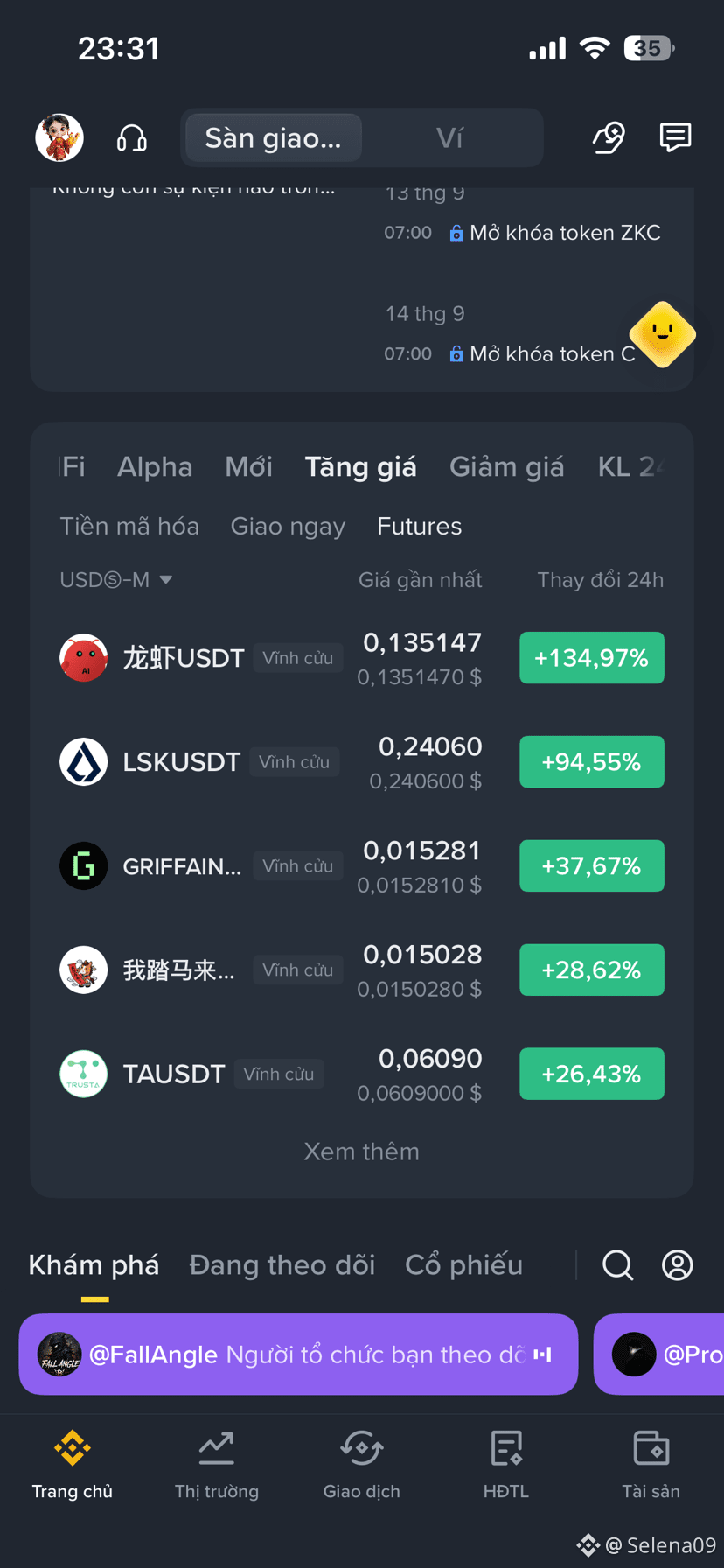
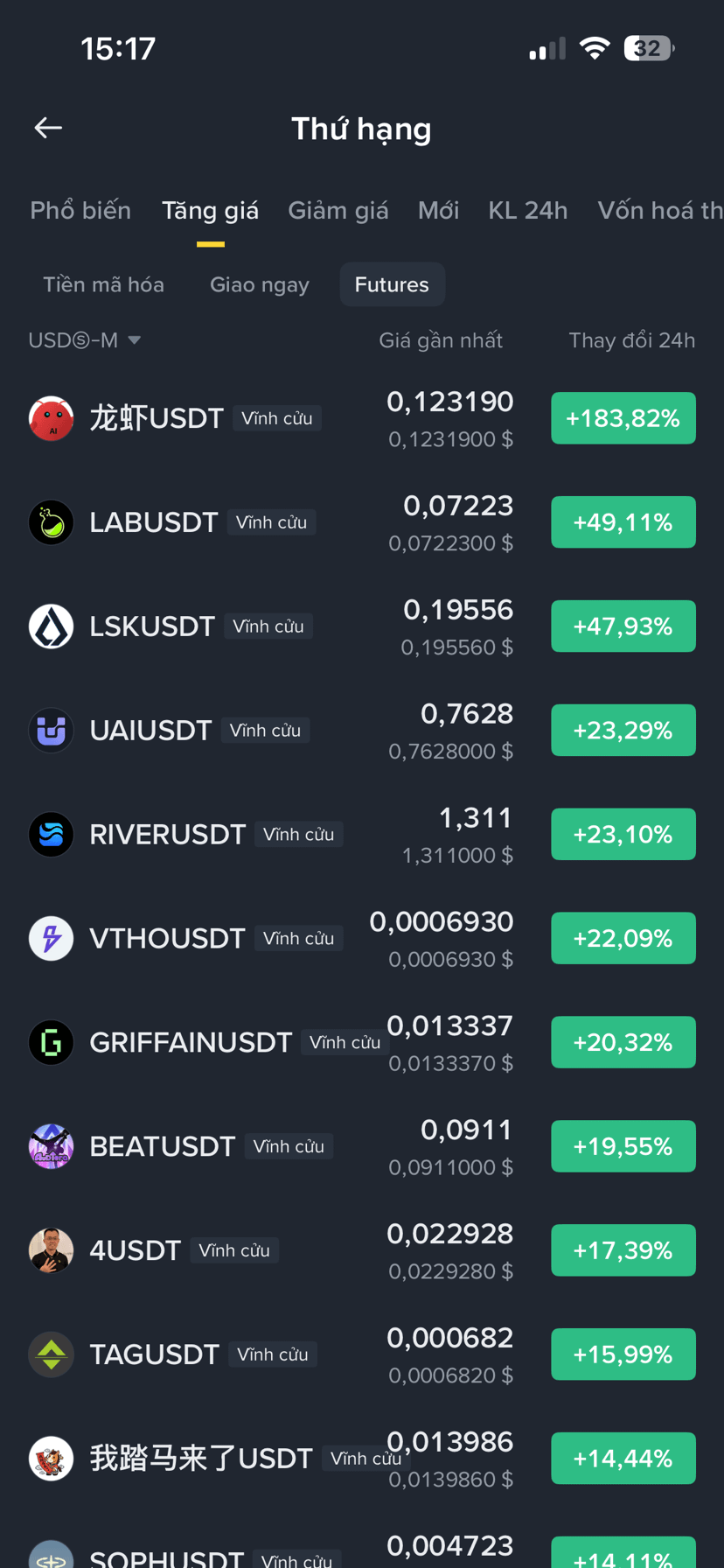
Lobster $龙虾 hard to eat though :) just touch which finger and it’s delicious :)
Go to $LAB $GRIFFAIN to see more gently
{future}(GRIFFAINUSDT)
{future}(LABUSDT)
{future}(龙虾USDT)
Lobster $龙虾 hard to eat though :) just touch which finger and it’s delicious :)
Go to $LAB $GRIFFAIN to see more gently
Go to $LAB $GRIFFAIN to see more gently
274
·
--
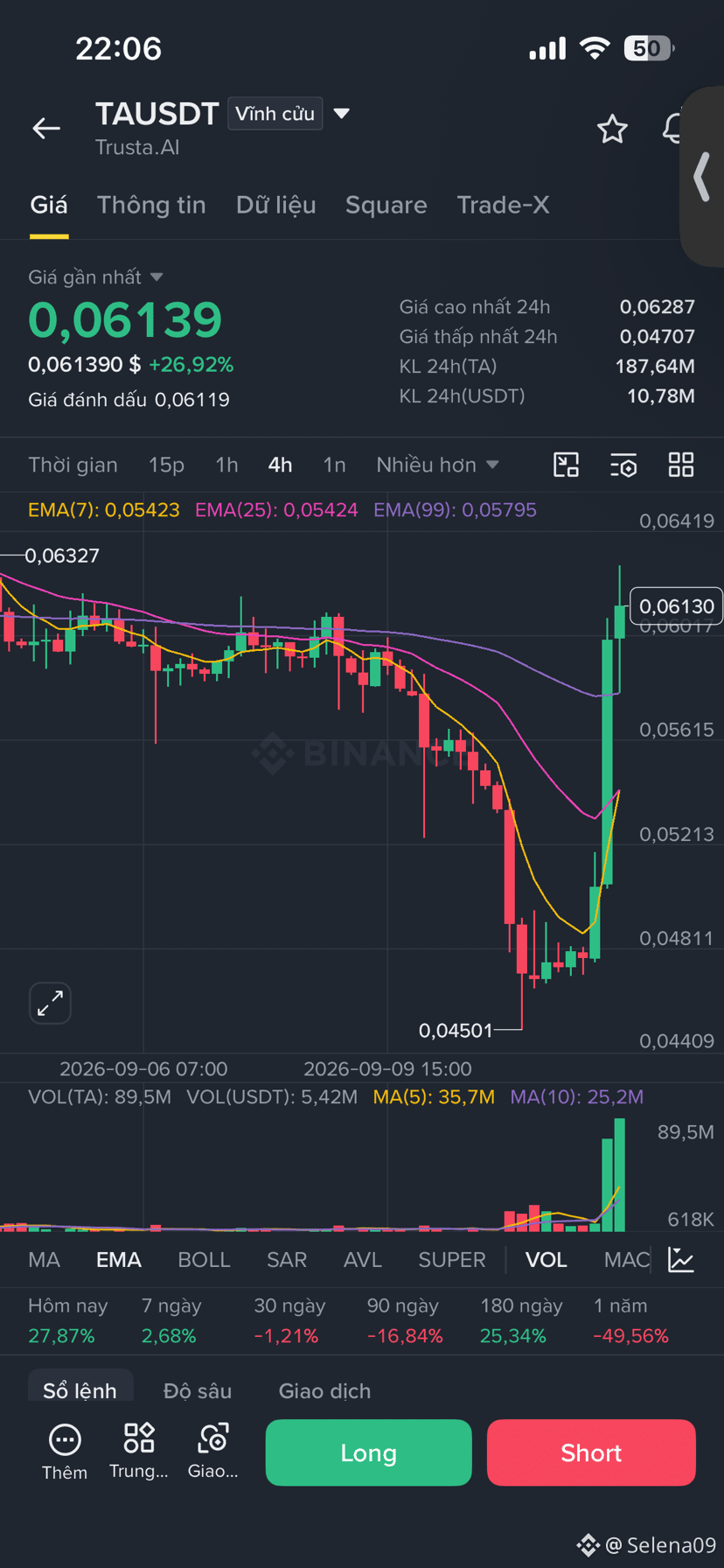
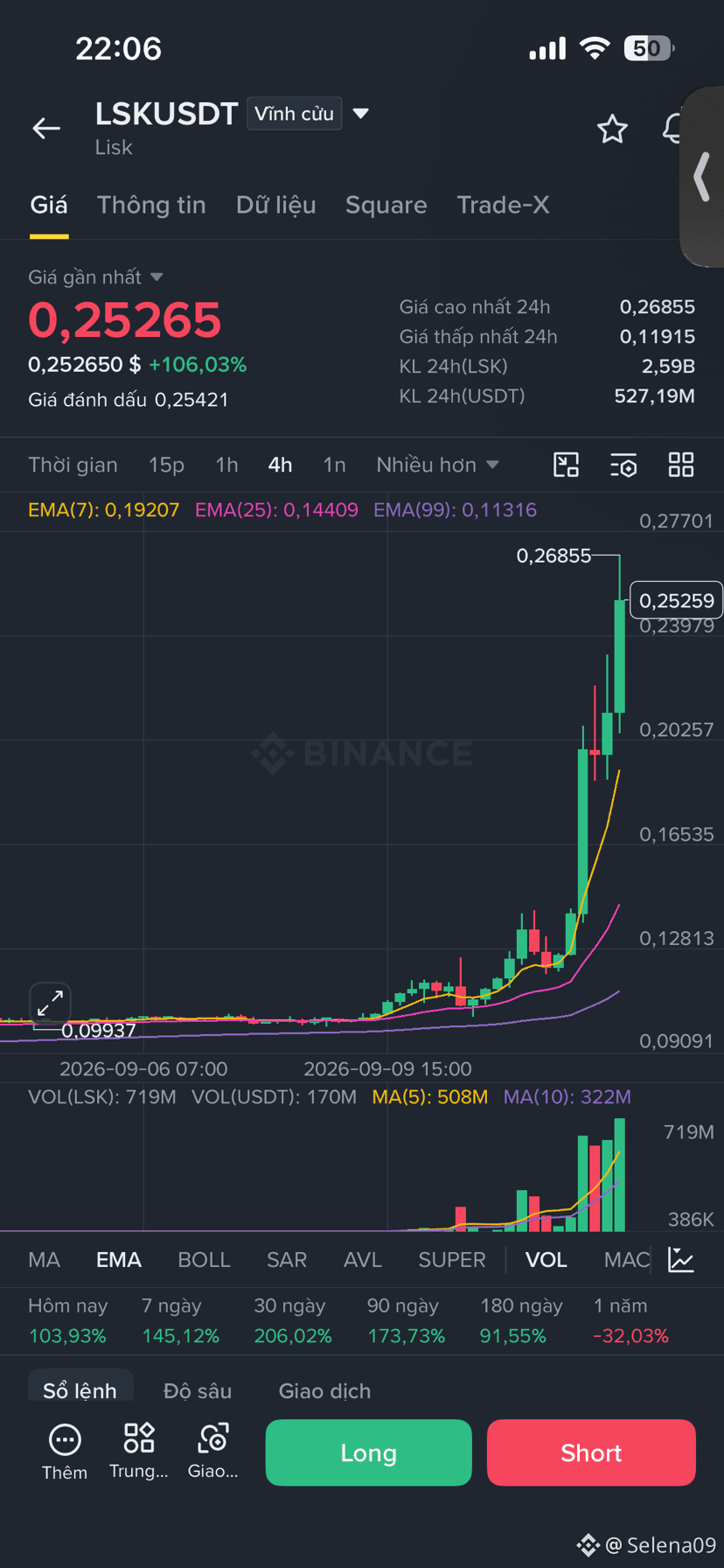
$LSK determination for the shorts to leave, then pushing it close to x3, and let's wait to see if $$我踏马来了 and $TA do the same thing. The coin is flying too, guys—when the market is lively, there's an opportunity to make money, right?
{future}(TAUSDT)
{future}(LSKUSDT)
{future}(我踏马来了USDT)
$LSK determination for the shorts to leave, then pushing it close to x3, and let's wait to see if $$我踏马来了 and $TA do the same thing. The coin is flying too, guys—when the market is lively, there's an opportunity to make money, right?
110
·
--
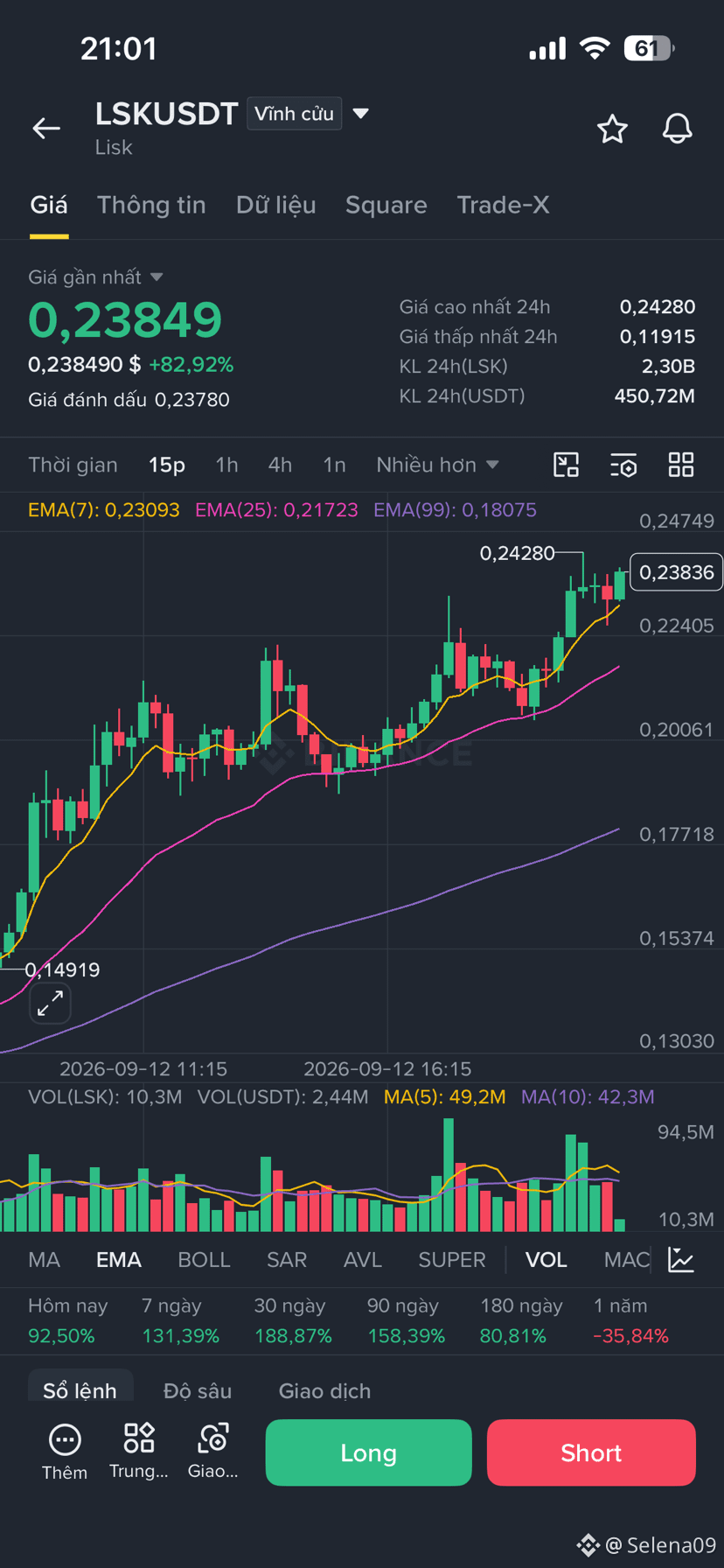
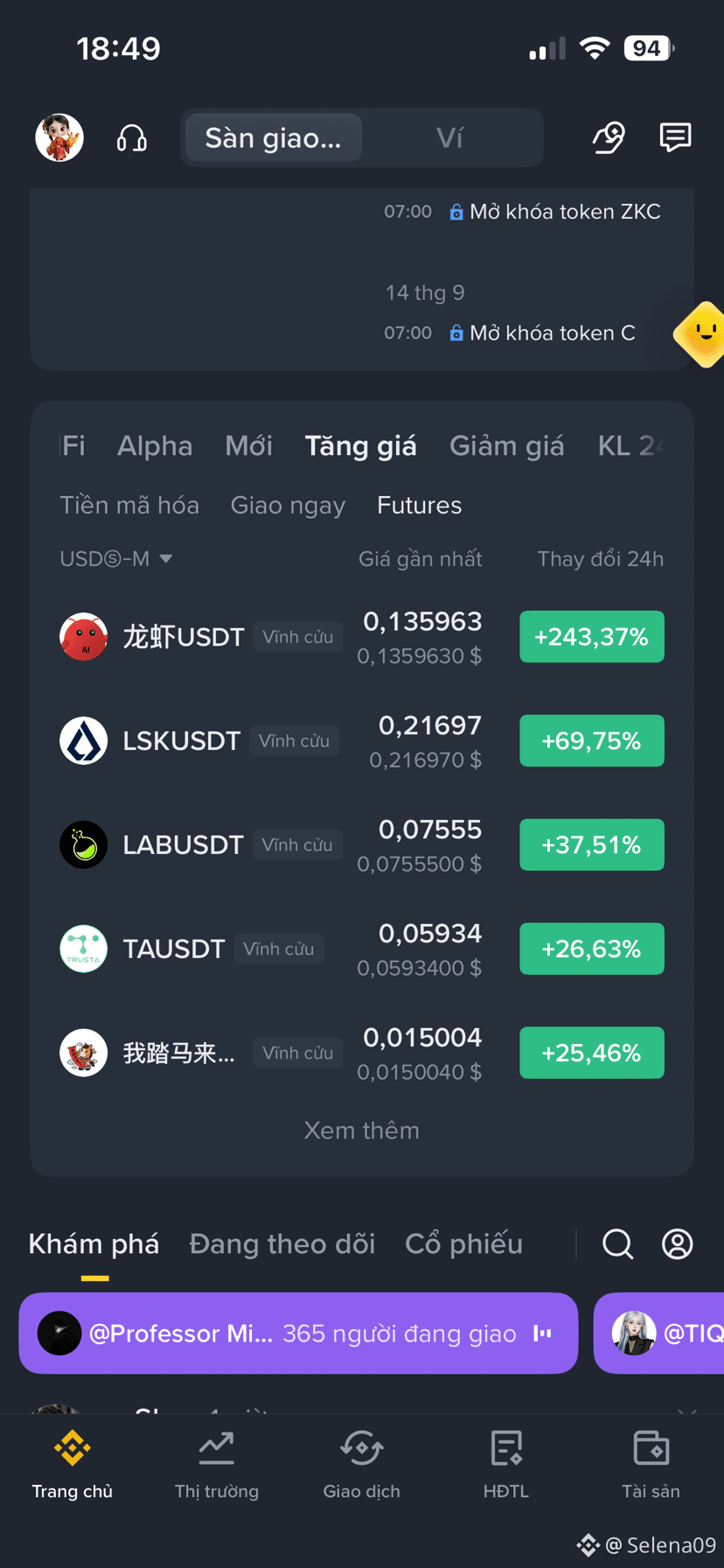
Skip $龙虾 $LSK , I’ll choose $AKE
when everyone is fomo into one, then I’ll choose a new one to wait for it to rise—maybe that’s safer.
{future}(AKEUSDT)
{future}(LSKUSDT)
{future}(龙虾USDT)
Skip $龙虾 $LSK , I’ll choose $AKE
when everyone is fomo into one, then I’ll choose a new one to wait for it to rise—maybe that’s safer.
when everyone is fomo into one, then I’ll choose a new one to wait for it to rise—maybe that’s safer.
552
·
--
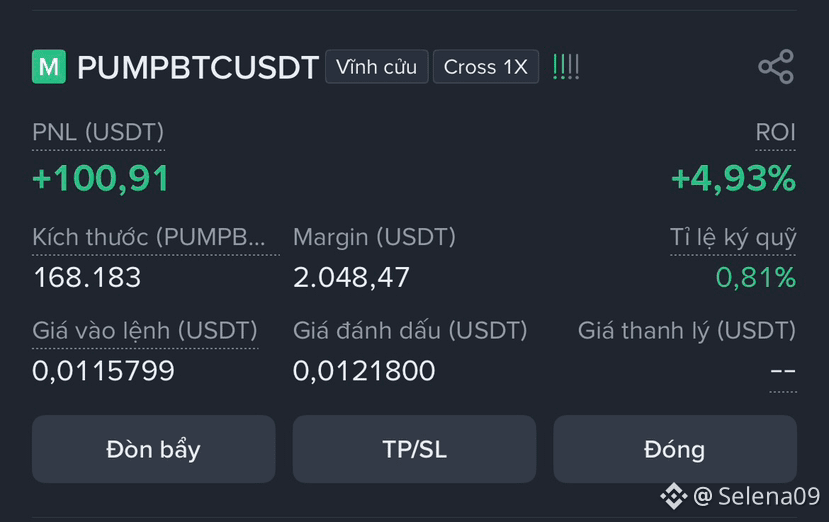
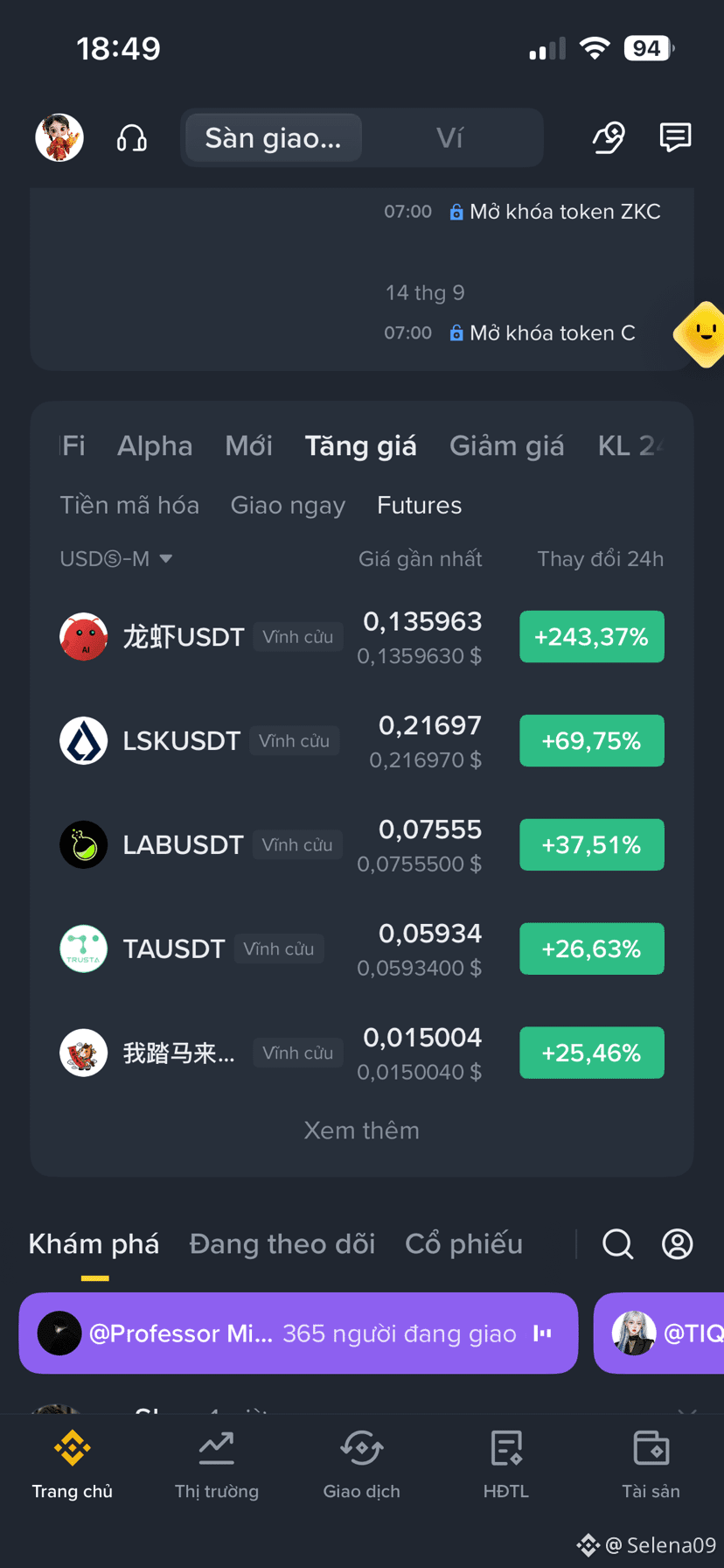
With lobster $龙虾 , if it's too hard to place an order, then I switch to another one; I got 100u $PUMPBTC . Next, I will consider $FLOCK . This stock was only pushed again today
{future}(PUMPBTCUSDT)
{future}(TAUSDT)
{future}(龙虾USDT)
With lobster $龙虾 , if it's too hard to place an order, then I switch to another one; I got 100u $PUMPBTC . Next, I will consider $FLOCK . This stock was only pushed again today
311
·
--
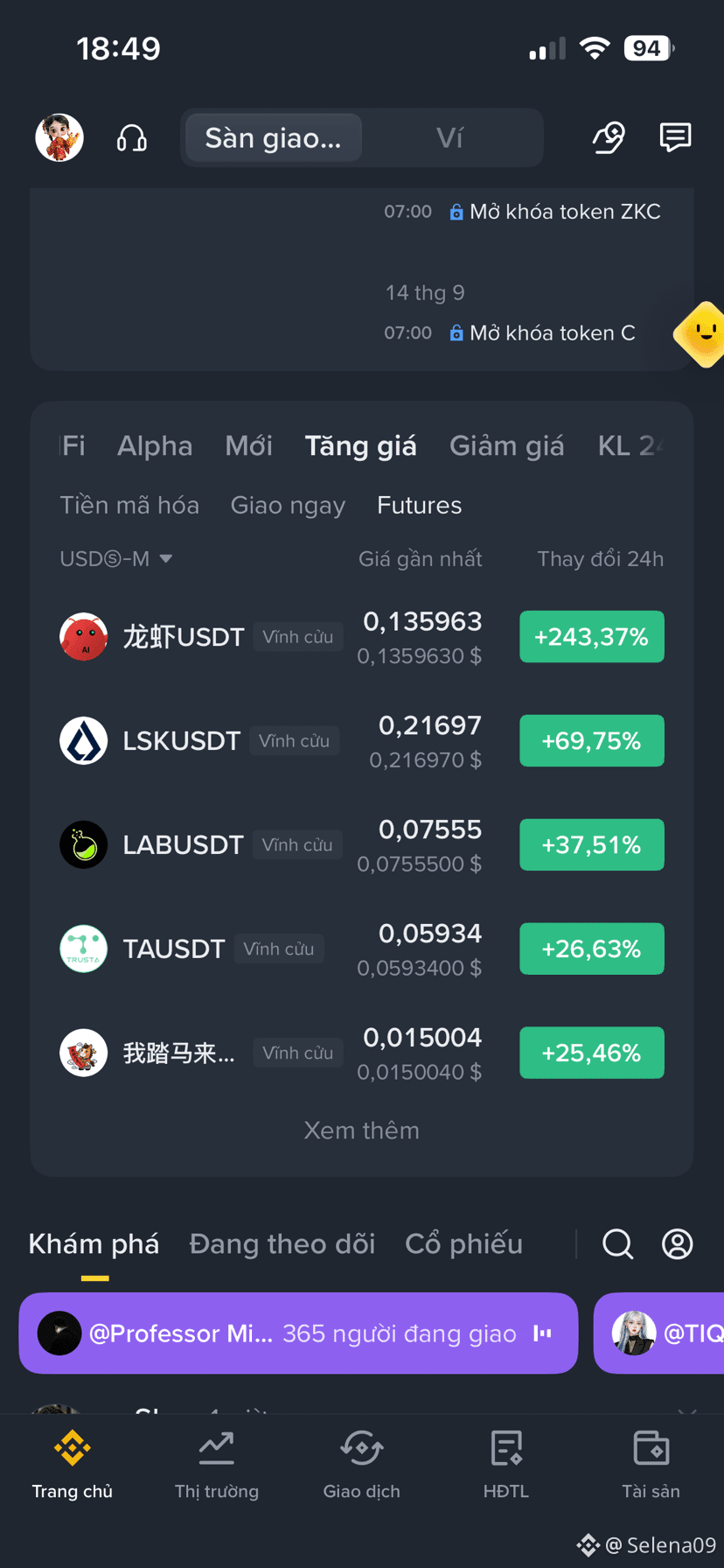
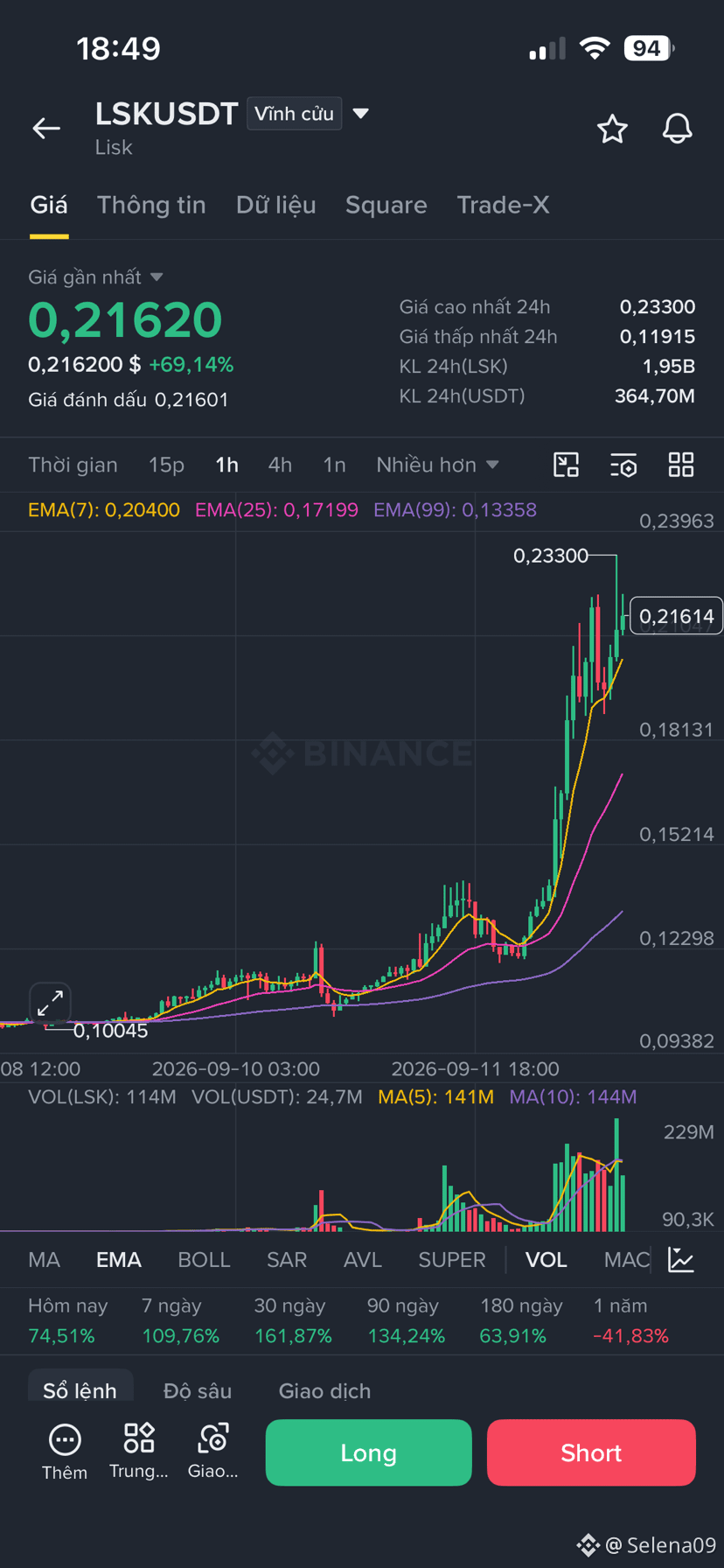
Shrimp $龙虾 đ is so smooth, guys, is anyone able to eat this kind of shrimp?
Tonight I’m probably just going to admire the lobster, $LSK $TA
new TA today
{future}(TAUSDT)
{future}(LSKUSDT)
{future}(龙虾USDT)
Shrimp $龙虾 đ is so smooth, guys, is anyone able to eat this kind of shrimp?
Tonight I’m probably just going to admire the lobster, $LSK $TA
new TA today
Tonight I’m probably just going to admire the lobster, $LSK $TA
new TA today
1
378
·
--
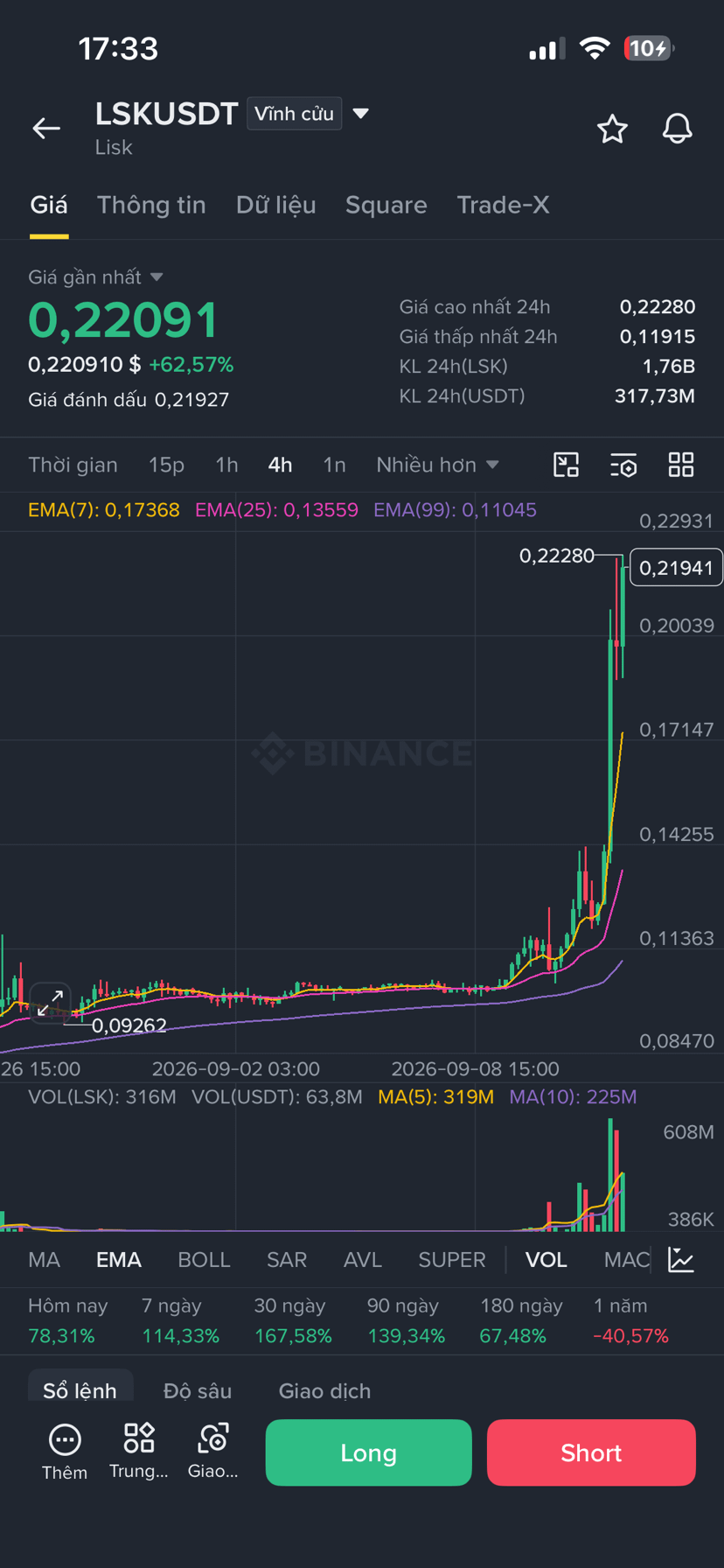
Alright then $LSK stop talking nonsense, what pushing? Pushing a few candles already doubled, and you still make a mess
$VTHO $UAI also pushes pretty hard, too, push it 2 more times :)
{future}(UAIUSDT)
{future}(VTHOUSDT)
{future}(LSKUSDT)
Alright then $LSK stop talking nonsense, what pushing? Pushing a few candles already doubled, and you still make a mess
$VTHO $UAI also pushes pretty hard, too, push it 2 more times :)
$VTHO $UAI also pushes pretty hard, too, push it 2 more times :)
2
369
·
--
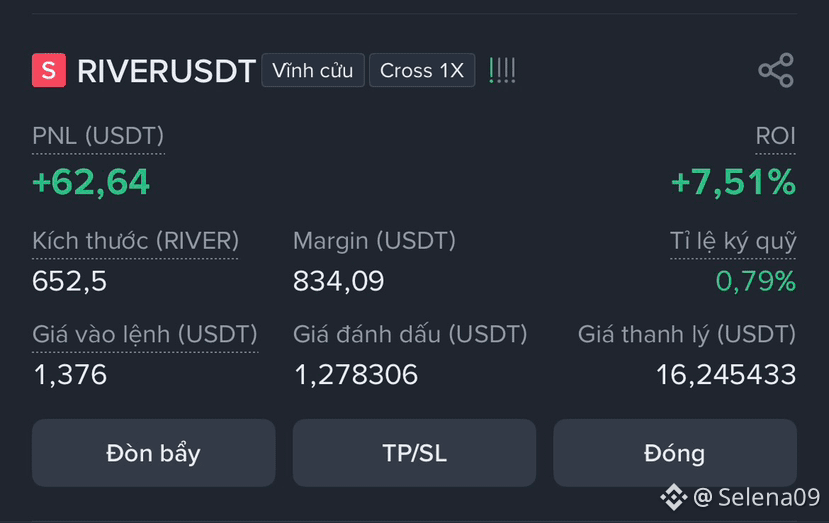
Fomo $BEAT successful, now on to short $LSK $龙虾 , done yet? let's find the entry point to catch the last weekend setup
{future}(BEATUSDT)
{future}(龙虾USDT)
{future}(LSKUSDT)
Fomo $BEAT successful, now on to short $LSK $龙虾 , done yet? let's find the entry point to catch the last weekend setup
2
216
·
--
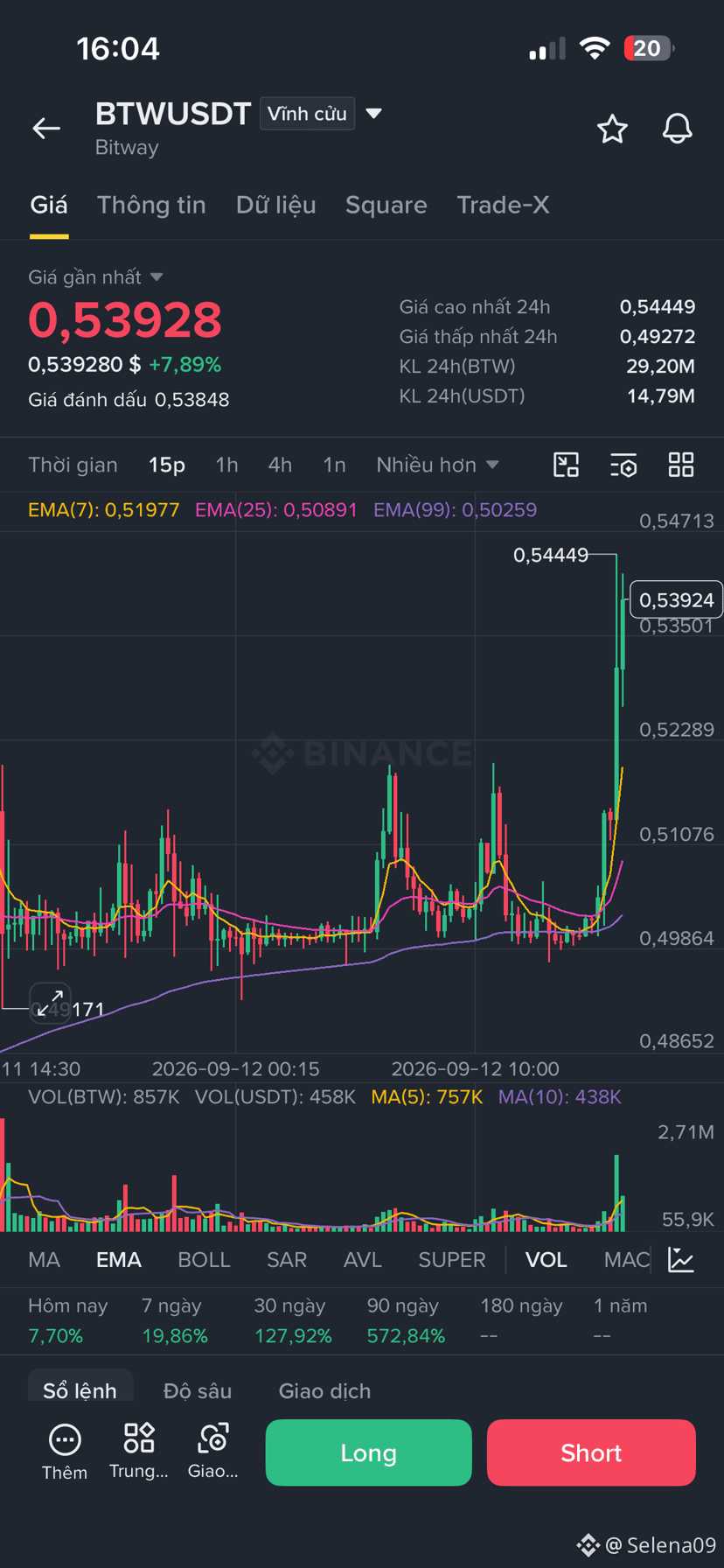
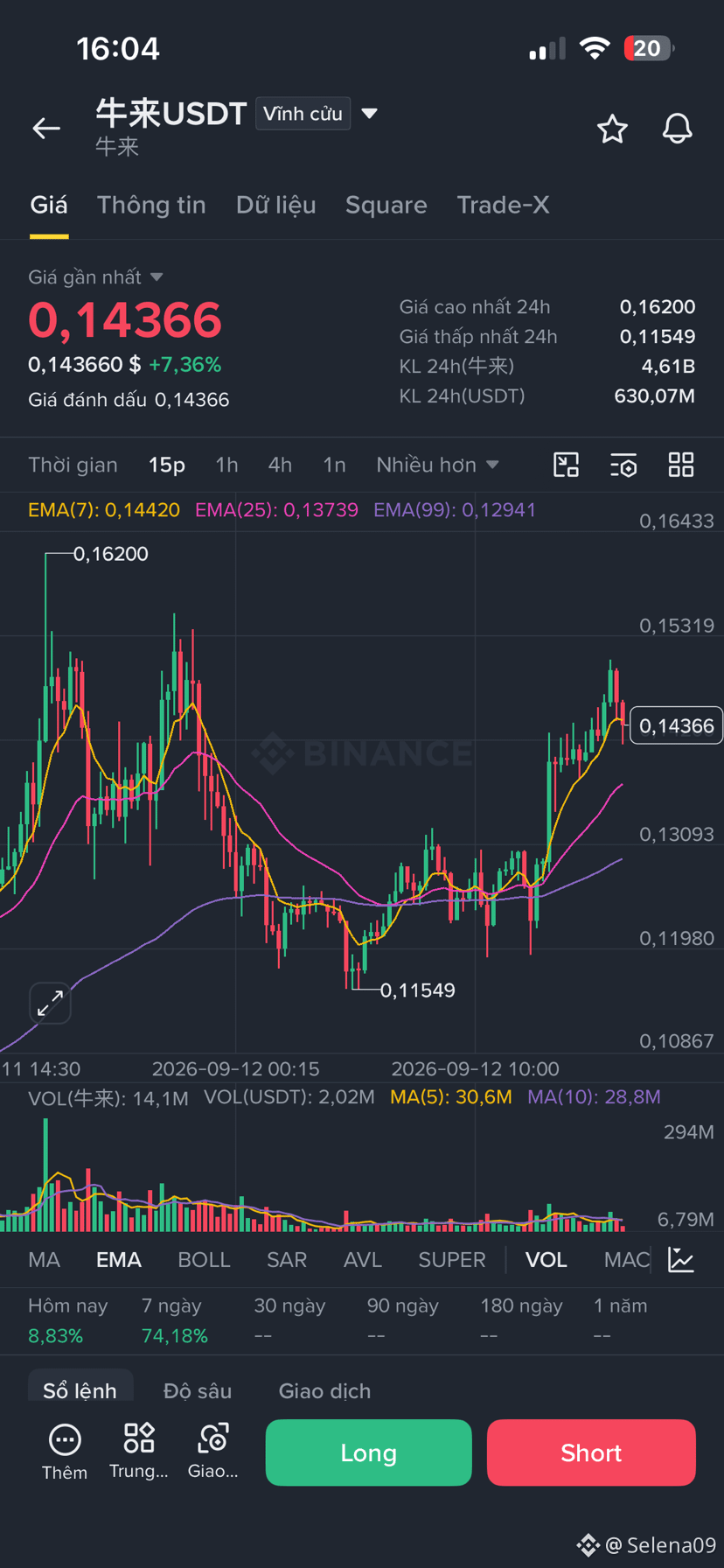
☘️☘️📈📈Just noticed now: $BTW and $牛来 are still rising steadily, everyone
$BTW touched 0.54$
The “new” one is still at 0.14$
This color—if you buy and hold the ones that surge strongly like this, it’s so great. Taking longs so many times gives me a lot of heartache🥂🥂📈📈
☘️☘️📈📈Just noticed now: $BTW and $牛来 are still rising steadily, everyone
$BTW touched 0.54$
The “new” one is still at 0.14$
This color—if you buy and hold the ones that surge strongly like this, it’s so great. Taking longs so many times gives me a lot of heartache🥂🥂📈📈
$BTW touched 0.54$
The “new” one is still at 0.14$
This color—if you buy and hold the ones that surge strongly like this, it’s so great. Taking longs so many times gives me a lot of heartache🥂🥂📈📈
175
·
--
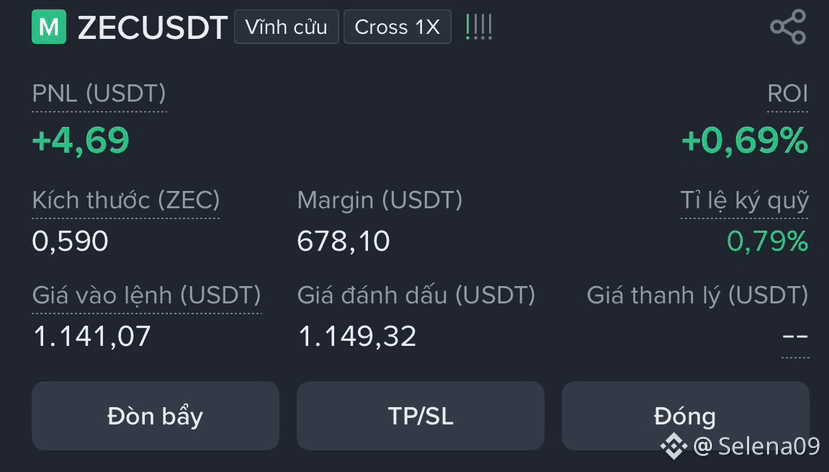
📉Saw $BTC drop out and only 77k3 left, try 1 small command, $ZEC , but it's just staying still like this—does it get shut down and switch over to $LSK instead, quick 📉📉📉
{future}(LSKUSDT)
{future}(BTCUSDT)
{future}(ZECUSDT)
📉Saw $BTC drop out and only 77k3 left, try 1 small command, $ZEC , but it's just staying still like this—does it get shut down and switch over to $LSK instead, quick 📉📉📉
160
·
--
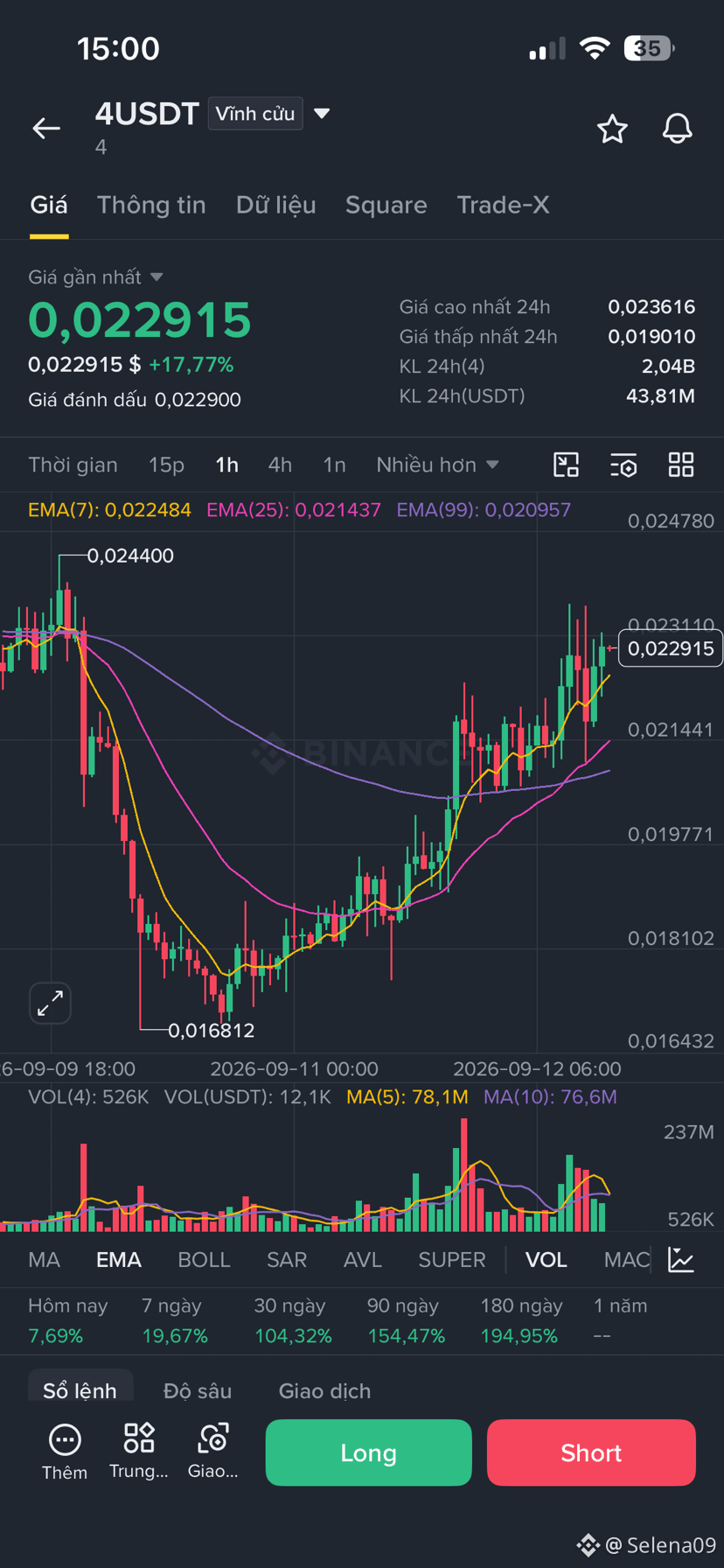
$4 có seems to be very even for sure, guys. this one must have consulted first; still seems quite strong. go check again $CYS and $COLLECT to see if it can get in the trade or not
{future}(COLLECTUSDT)
{future}(CYSUSDT)
{future}(4USDT)
$4 có seems to be very even for sure, guys. this one must have consulted first; still seems quite strong. go check again $CYS and $COLLECT to see if it can get in the trade or not
400
·
--
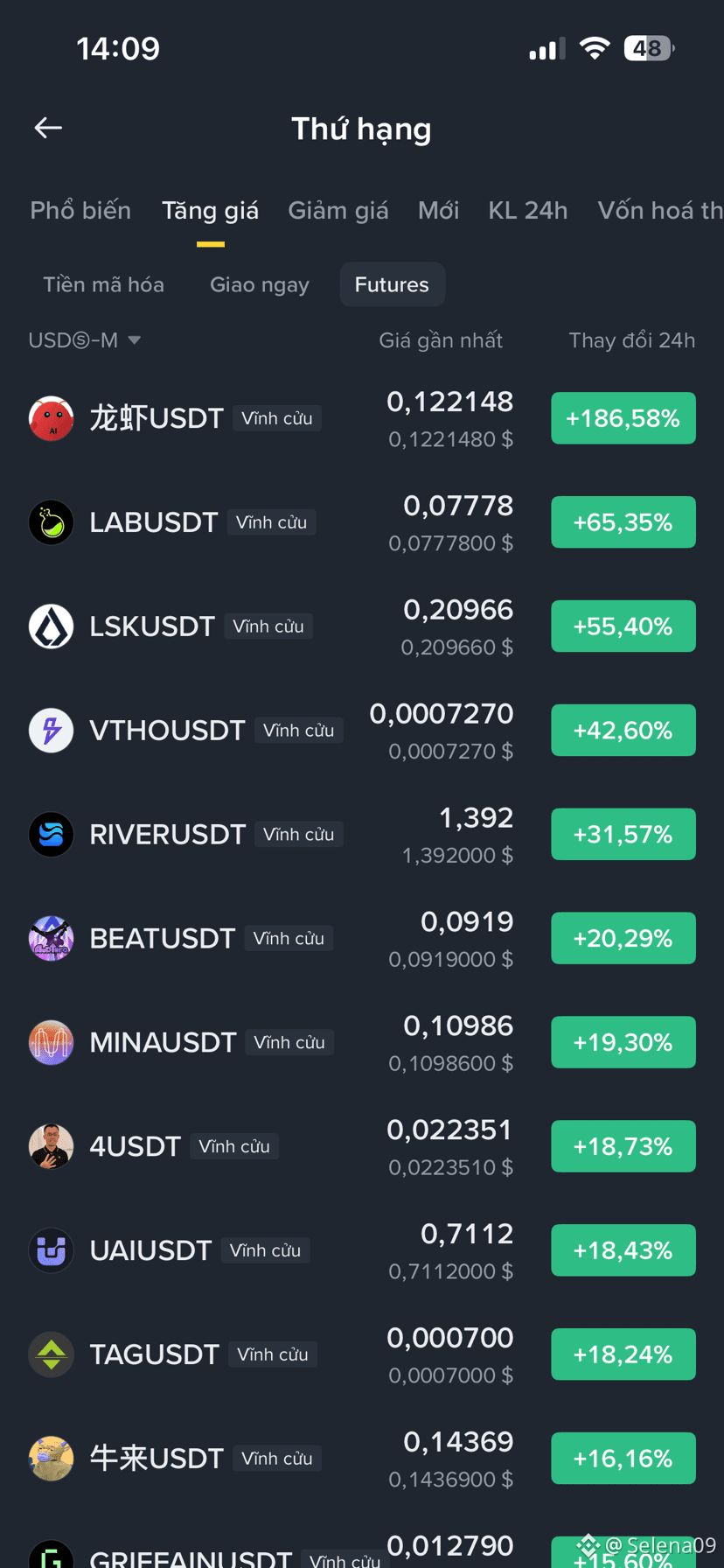
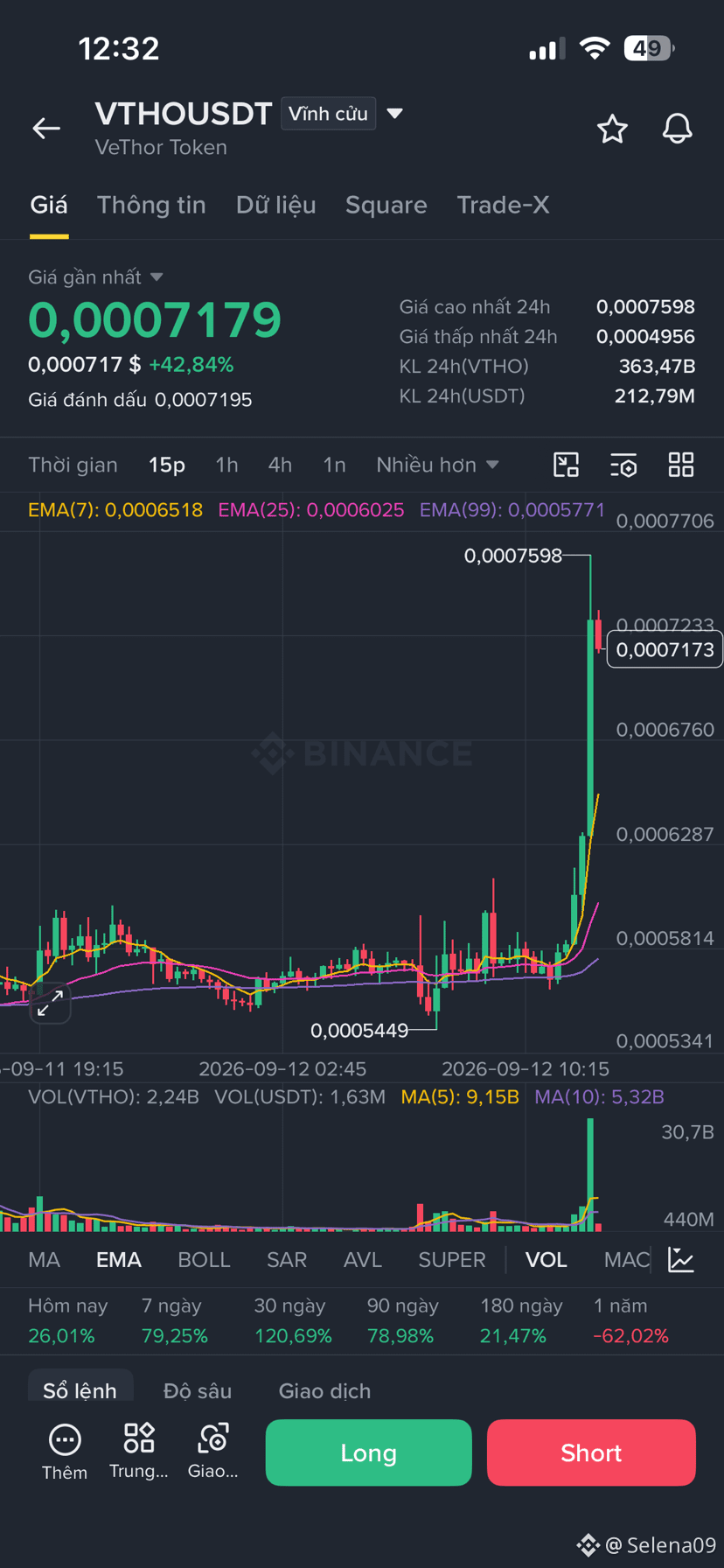
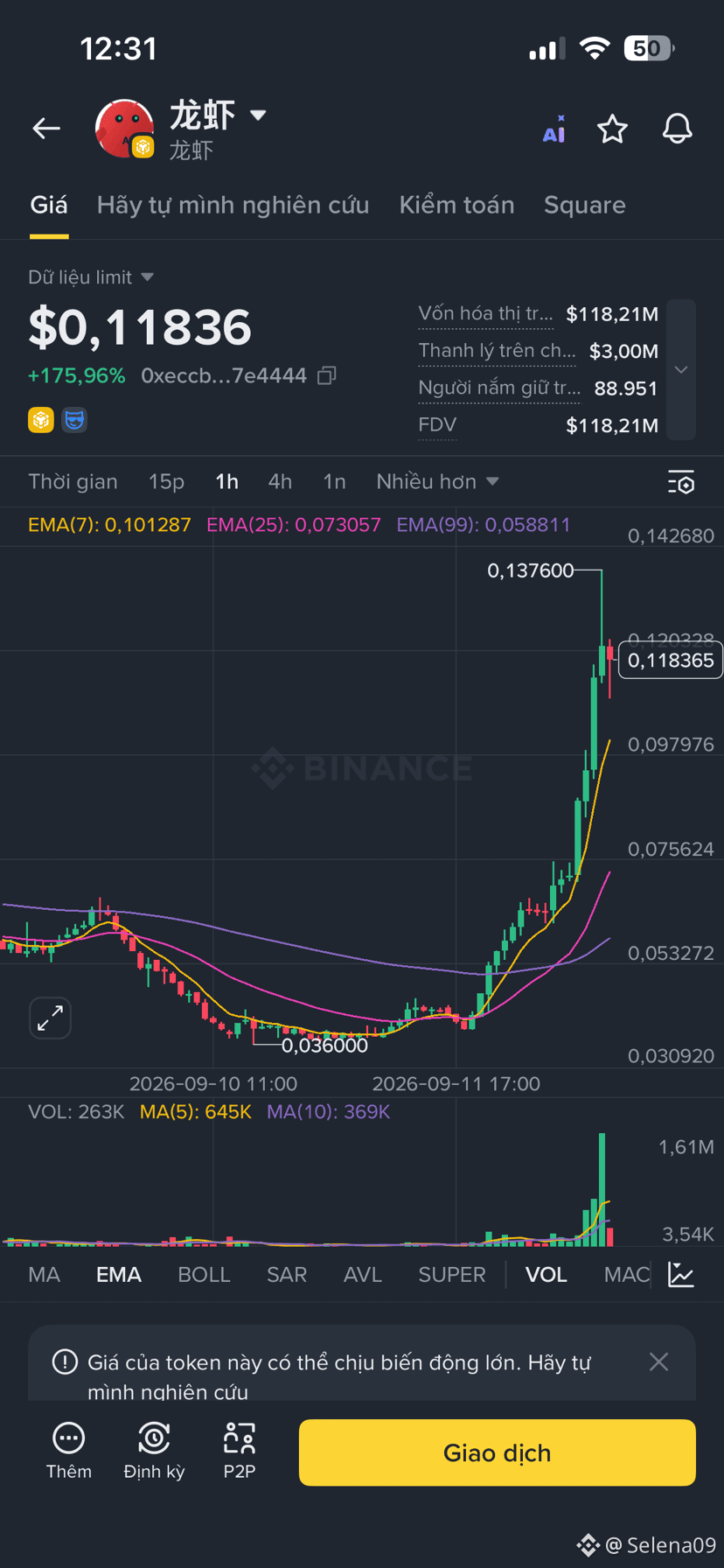
Waking up and still seeing 3 little ones pressing so hard like this: $牛来 $龙虾 $LSK
This is like a lot of short players are sacrificing themselves—reduce it a bit please :(
{future}(LSKUSDT)
{future}(龙虾USDT)
{future}(牛来USDT)
Waking up and still seeing 3 little ones pressing so hard like this: $牛来 $龙虾 $LSK
This is like a lot of short players are sacrificing themselves—reduce it a bit please :(
This is like a lot of short players are sacrificing themselves—reduce it a bit please :(
462
·
--
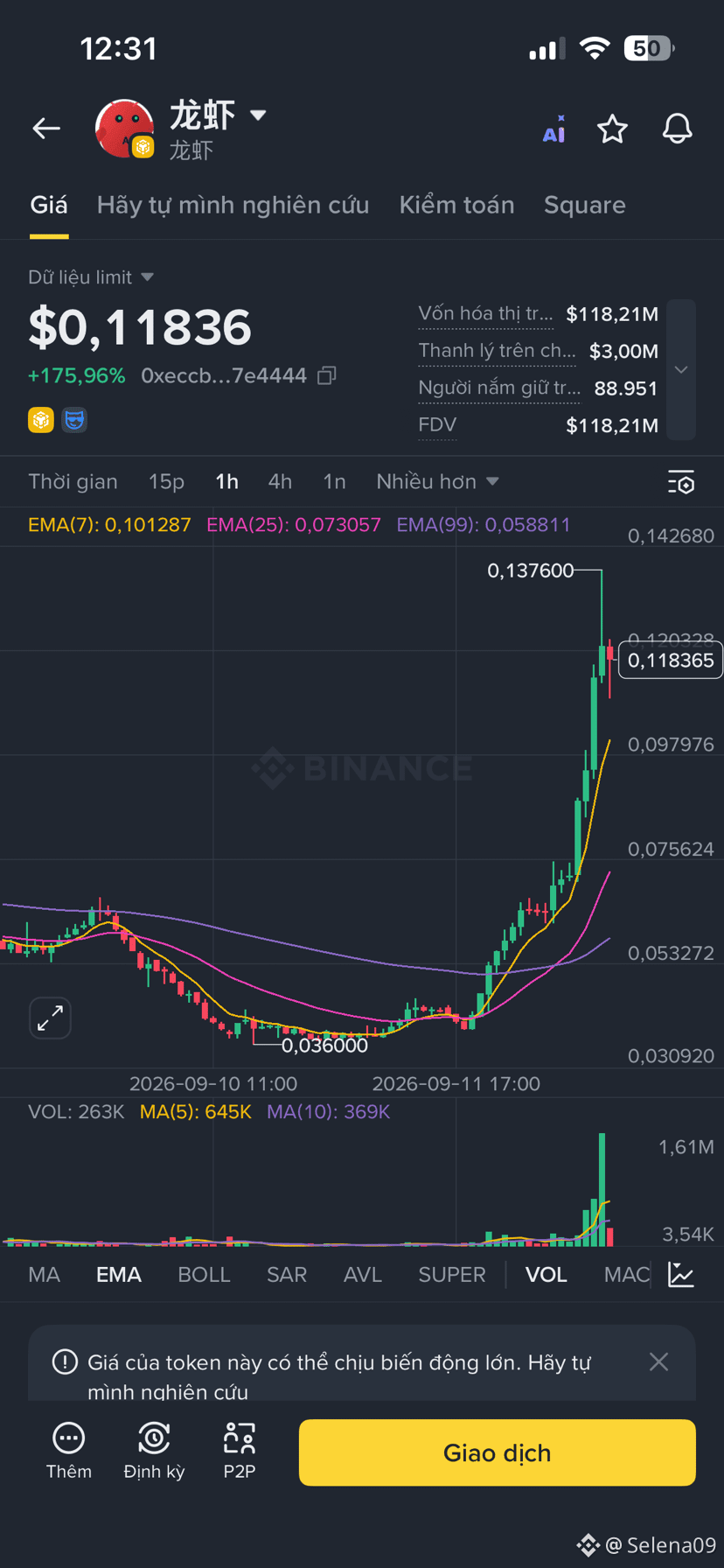
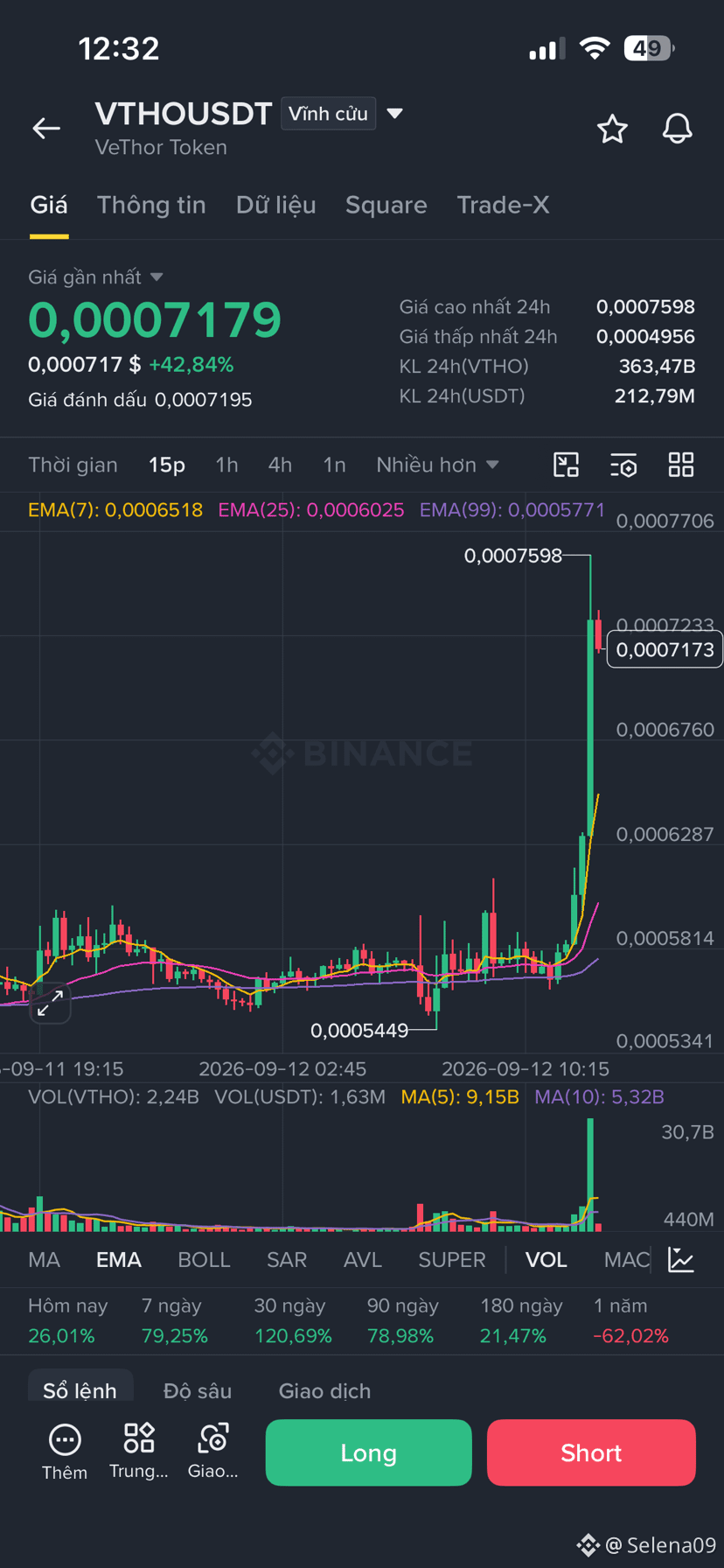
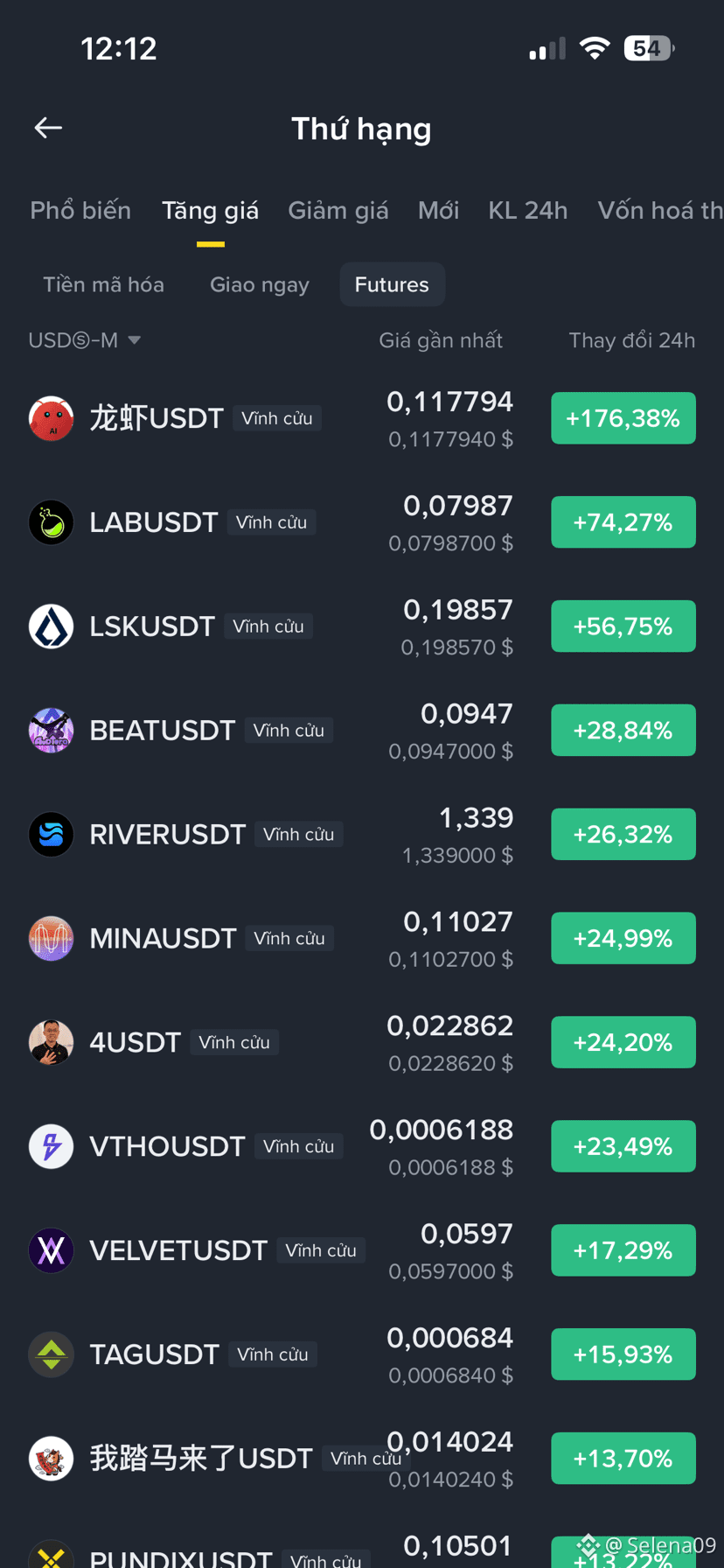
After $龙虾 $4 th, it's the turn of $VTHO to pump hard; today is the weekend and alts are flying like crazy, guys. Any coin that's doing well, rip some coffee, yeah.
{future}(VTHOUSDT)
{future}(4USDT)
{future}(龙虾USDT)
After $龙虾 $4 th, it's the turn of $VTHO to pump hard; today is the weekend and alts are flying like crazy, guys. Any coin that's doing well, rip some coffee, yeah.
475
·
--
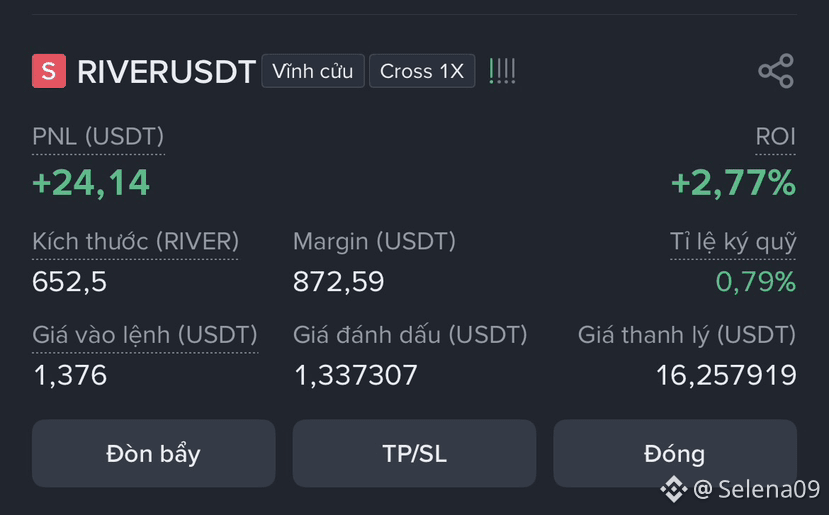
Waited the whole morning and only then did it turn green for it
$RIVER , collapse already. Let’s test it, soi $4 $BANK thử xem nào, this bank still has a little bit left at the tip lol
{future}(BANKUSDT)
{future}(4USDT)
{future}(RIVERUSDT)
Waited the whole morning and only then did it turn green for it
$RIVER , collapse already. Let’s test it, soi $4 $BANK thử xem nào, this bank still has a little bit left at the tip lol
$RIVER , collapse already. Let’s test it, soi $4 $BANK thử xem nào, this bank still has a little bit left at the tip lol
201
·
--
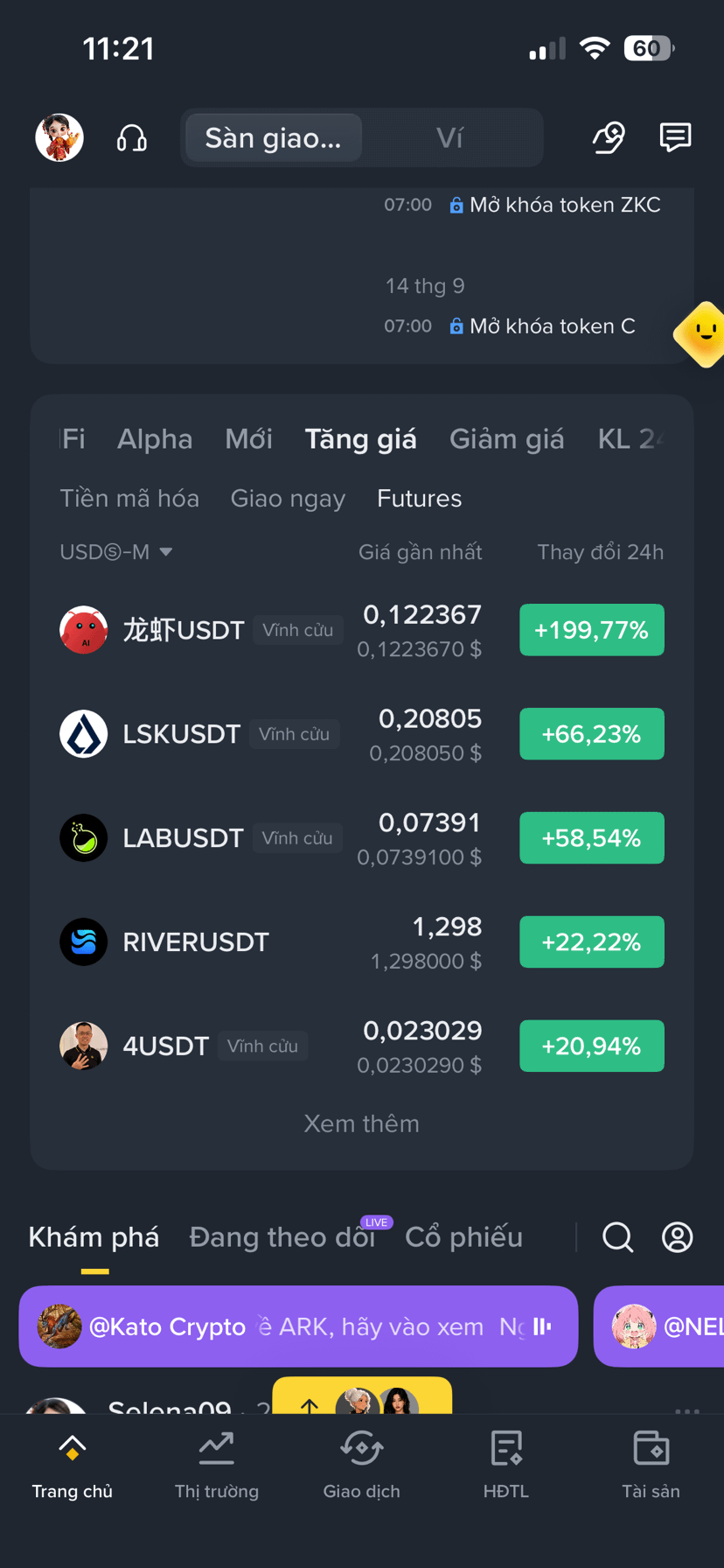
Lobster $龙虾 0.014$, oh my god it’s scorching, it has increased nearly 5x, determined to completely wipe out the striped crew, push it out to the top for the user, remember $LAB $4 , okay everyone
{future}(4USDT)
{future}(龙虾USDT)
{future}(LABUSDT)
Lobster $龙虾 0.014$, oh my god it’s scorching, it has increased nearly 5x, determined to completely wipe out the striped crew, push it out to the top for the user, remember $LAB $4 , okay everyone
543
·
--
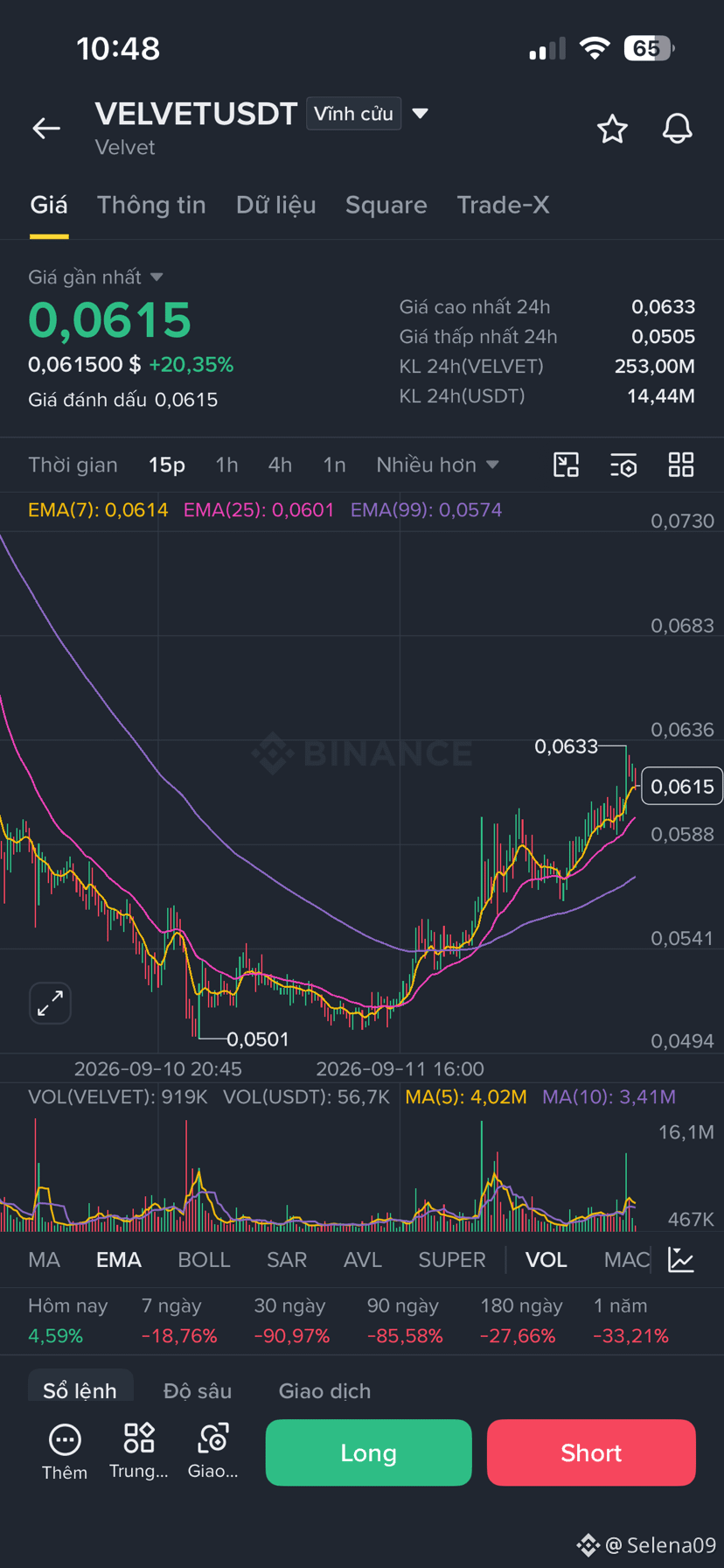
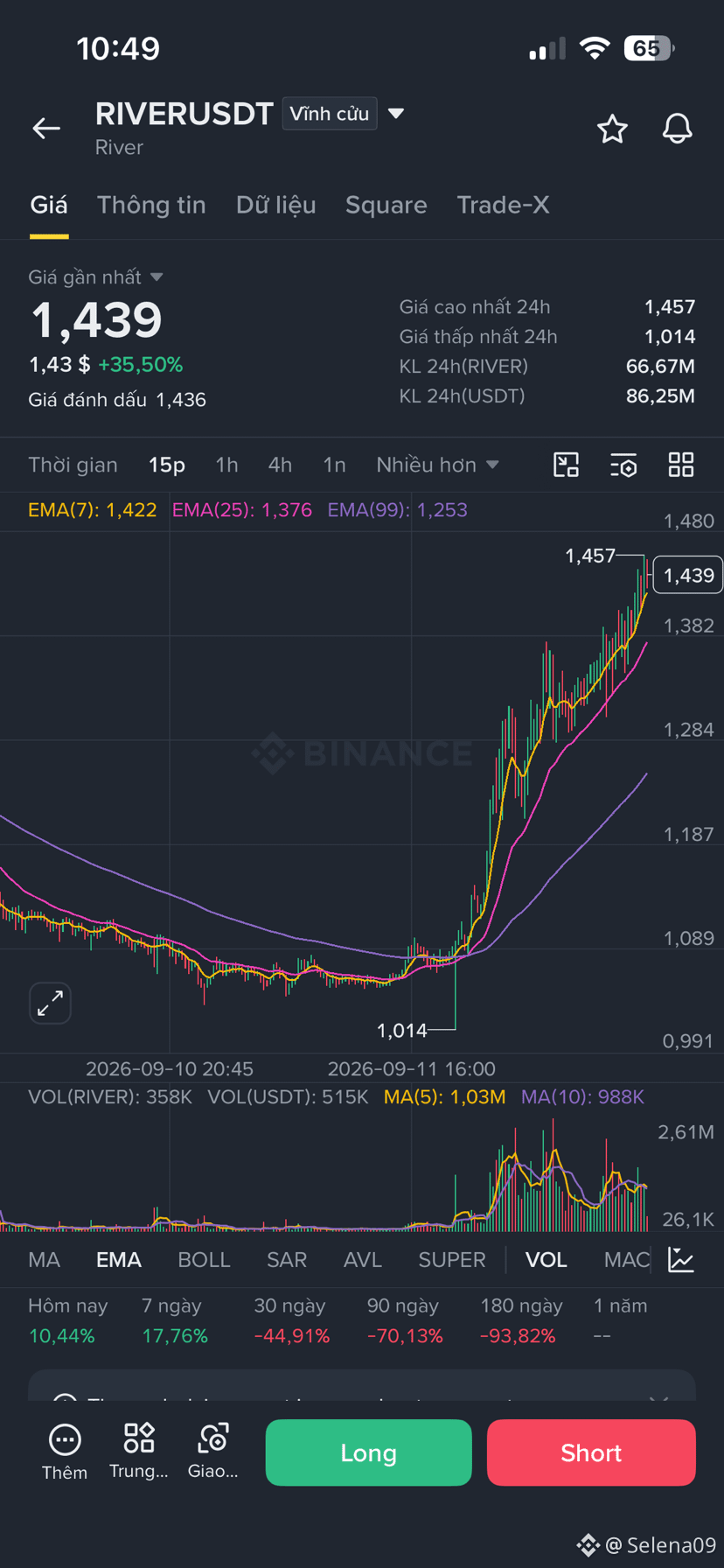
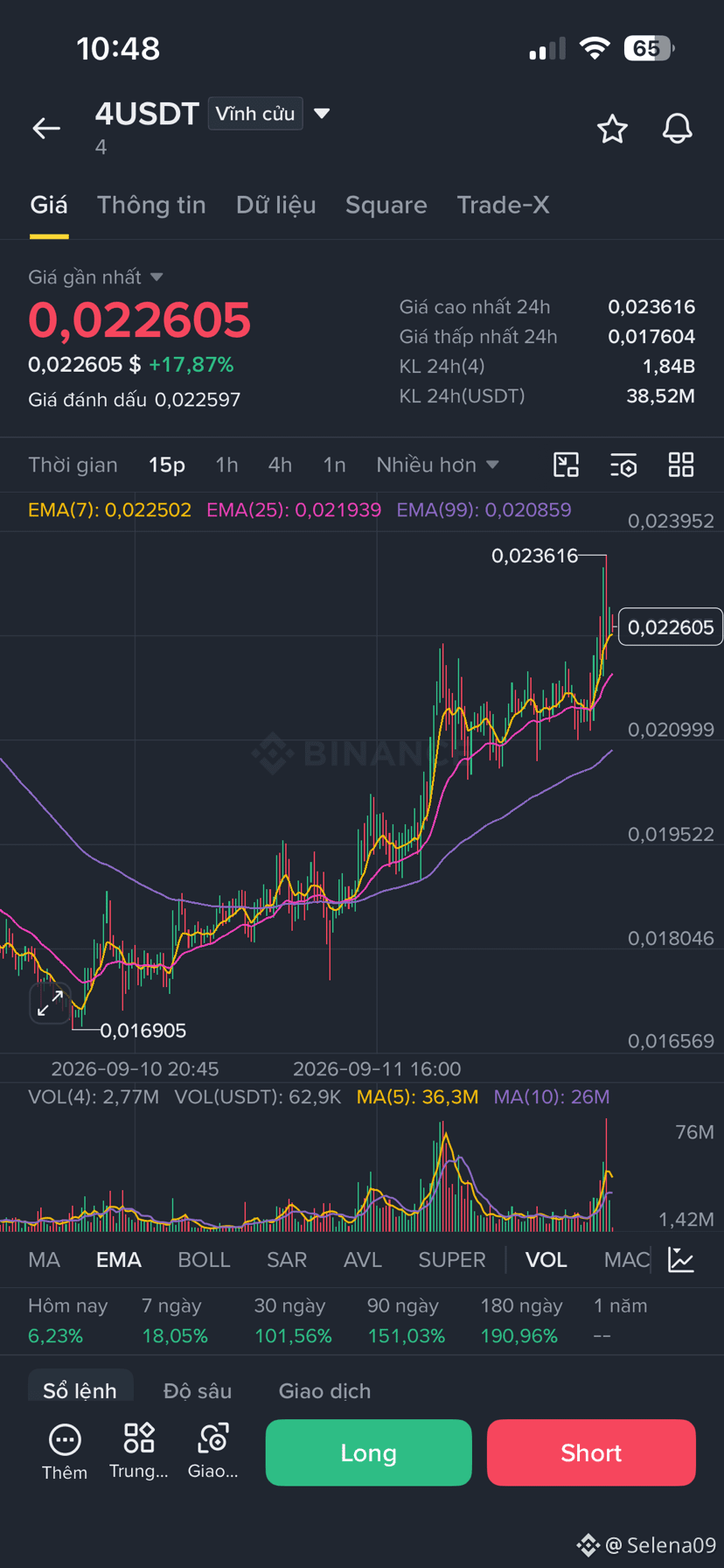
Forget lobster, push it to $RIVER $4 $LSK Vetvet—just go feed, okay? Is it too much for the Lab and the lobster to push the news/report? It doesn’t fit.
{future}(LSKUSDT)
{future}(4USDT)
{future}(RIVERUSDT)
Forget lobster, push it to $RIVER $4 $LSK Vetvet—just go feed, okay? Is it too much for the Lab and the lobster to push the news/report? It doesn’t fit.
1
166
·
--
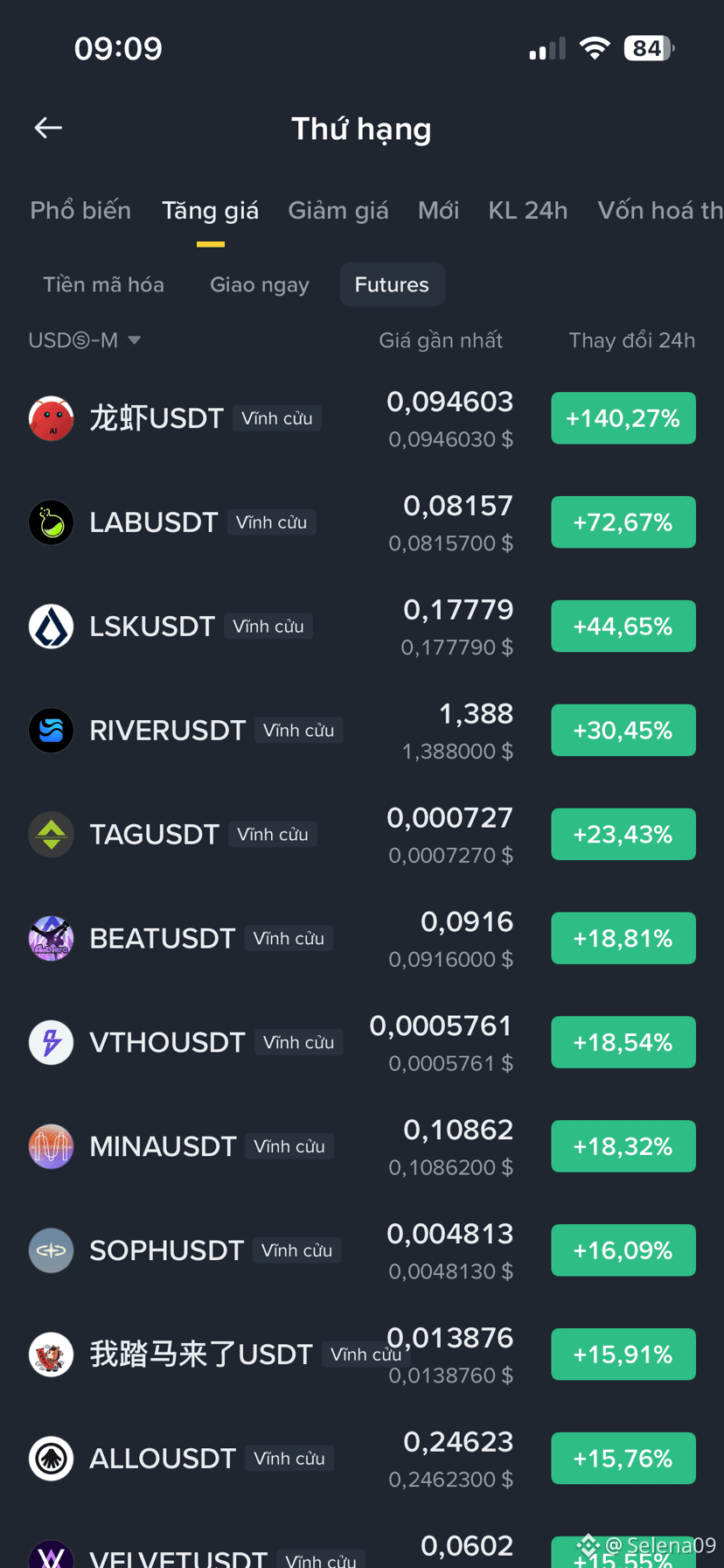
📈📈 Dig through with 3 demons $LAB $BEAT $龙虾 😴😴 Short more and more again, then I'm done :( Drop hard for me 📉📉📉
{future}(LABUSDT)
{future}(BEATUSDT)
{future}(龙虾USDT)
📈📈 Dig through with 3 demons $LAB $BEAT $龙虾 😴😴 Short more and more again, then I'm done :( Drop hard for me 📉📉📉
1
477
·
--
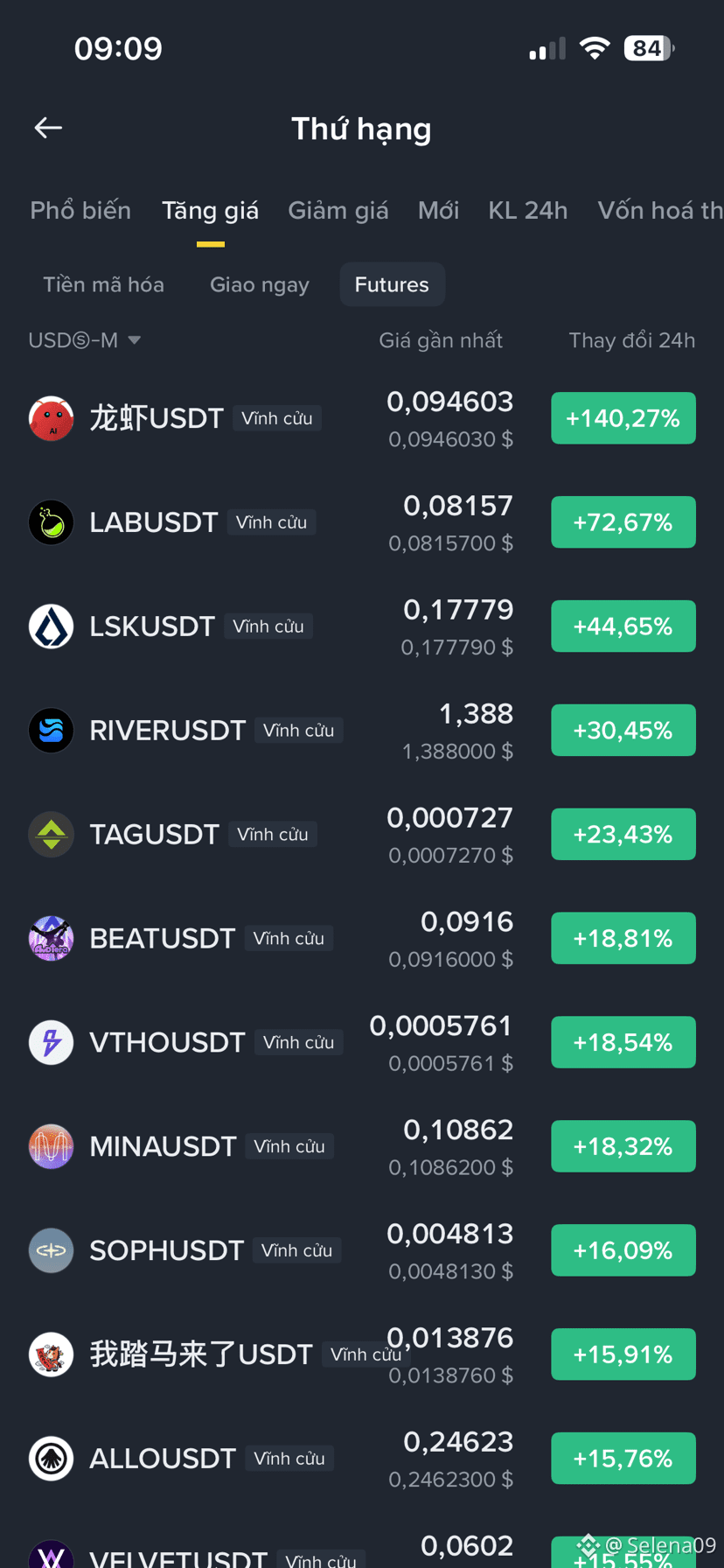
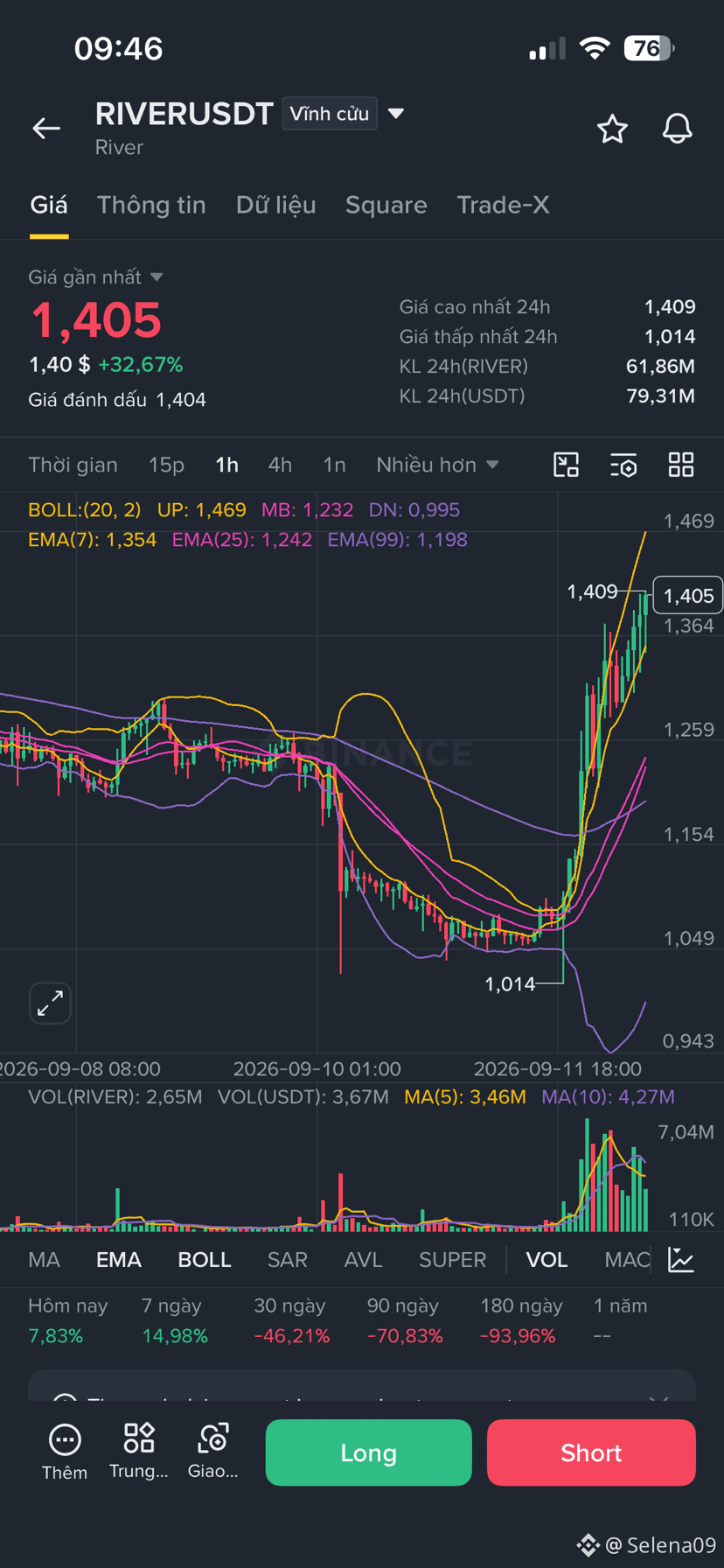
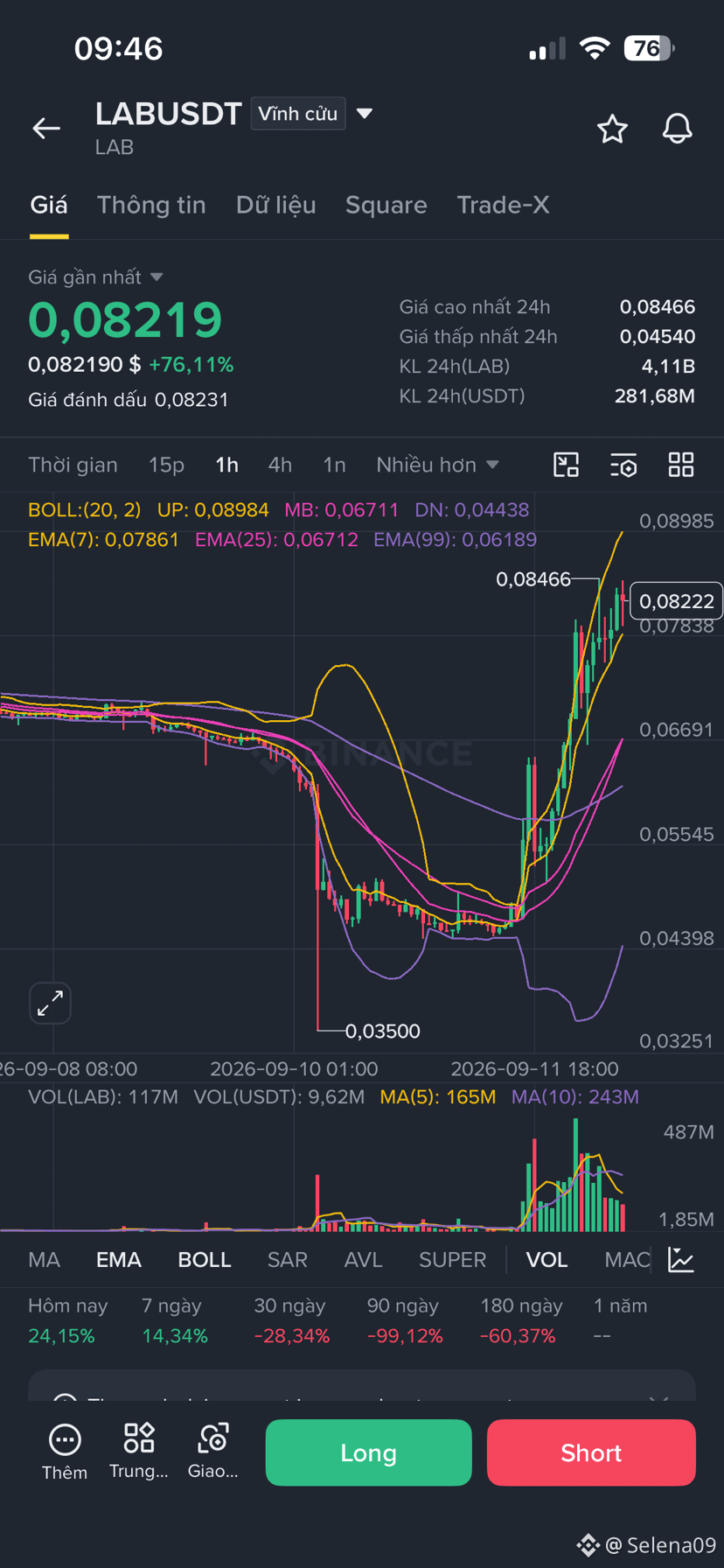
$龙虾 then I entered a test order at 0.0945 (very tiny though), but $LAB got bitten off a piece, and $BEAT is still researching :)
This morning was a bit dark :) only saw dangerous/big-hazard-looking ones, so I backed off kk
$龙虾 then I entered a test order at 0.0945 (very tiny though), but $LAB got bitten off a piece, and $BEAT is still researching :)
This morning was a bit dark :) only saw dangerous/big-hazard-looking ones, so I backed off kk
This morning was a bit dark :) only saw dangerous/big-hazard-looking ones, so I backed off kk
1
284
·
--
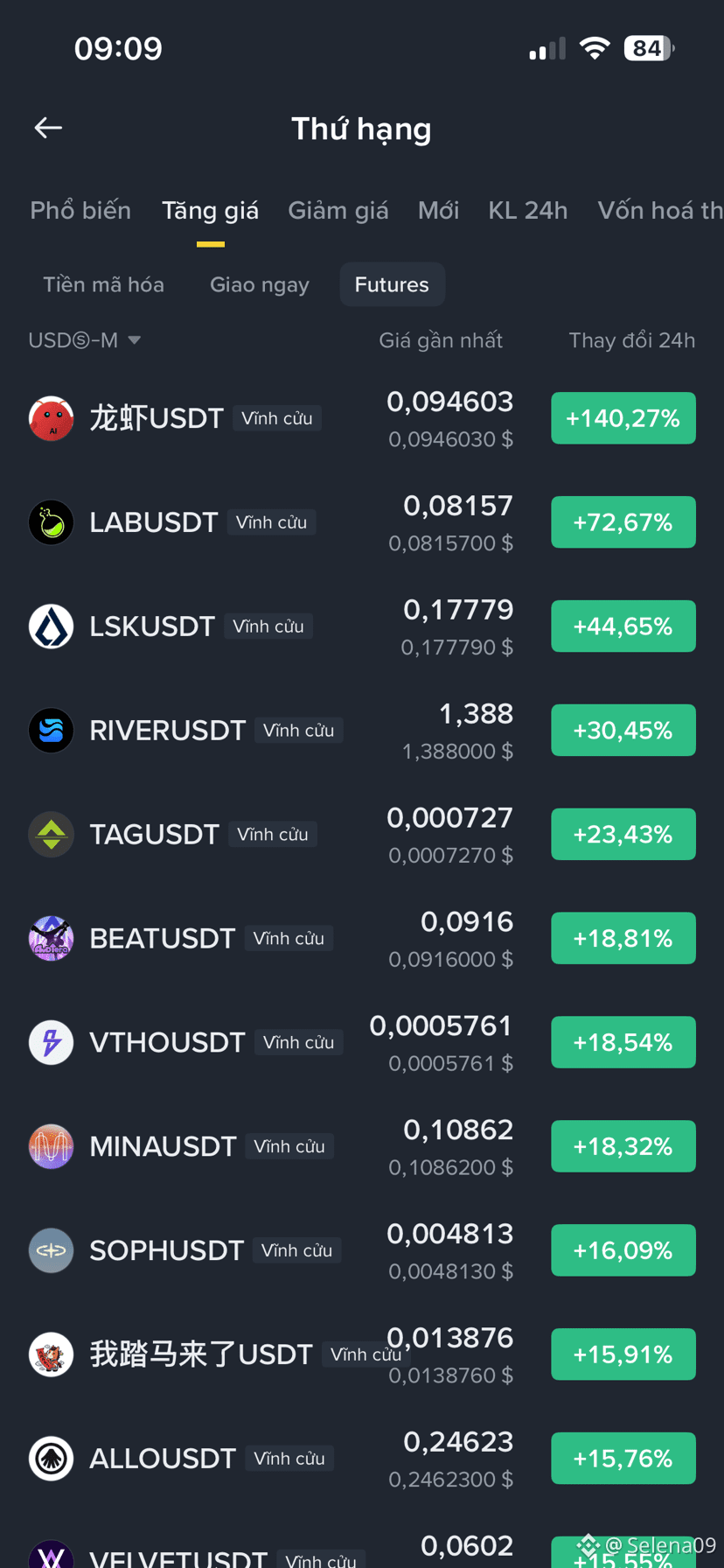
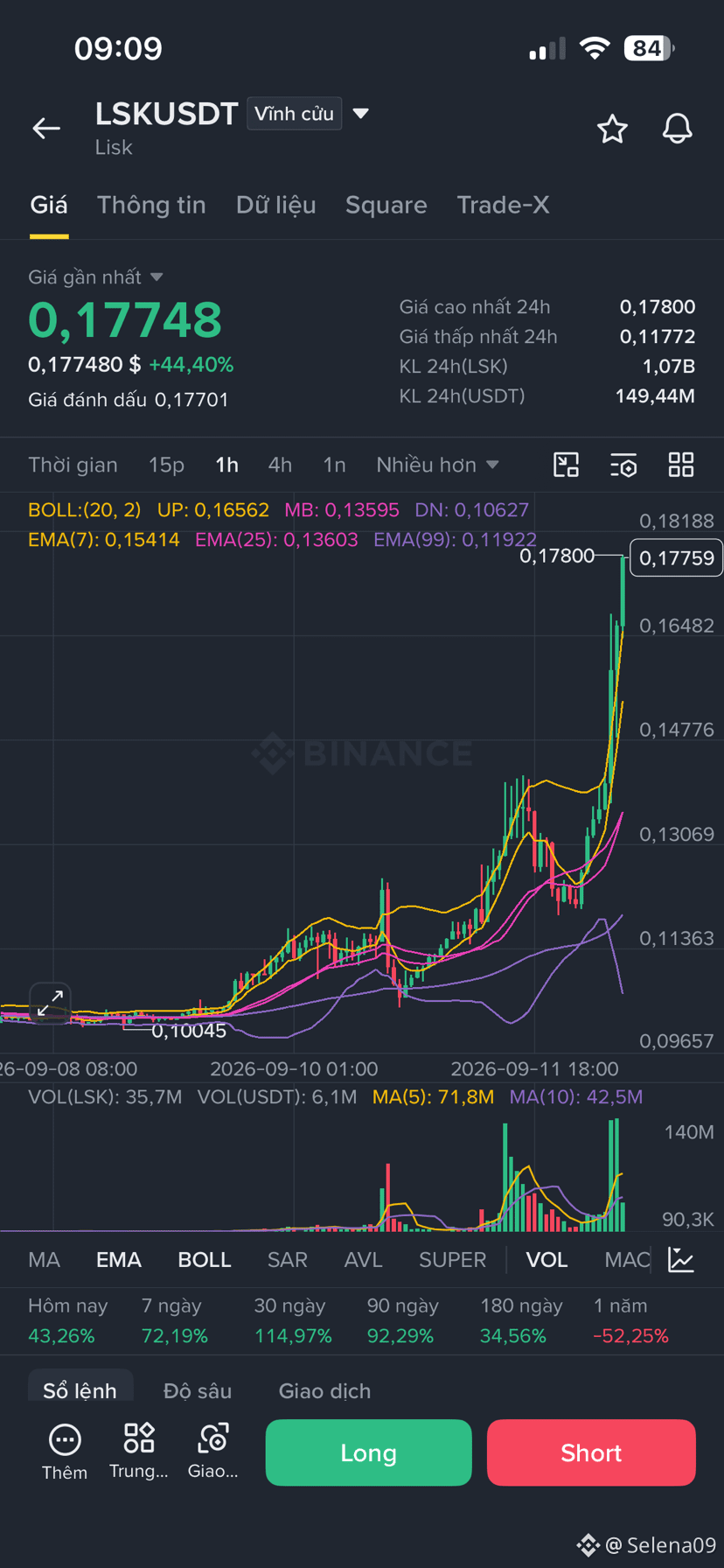
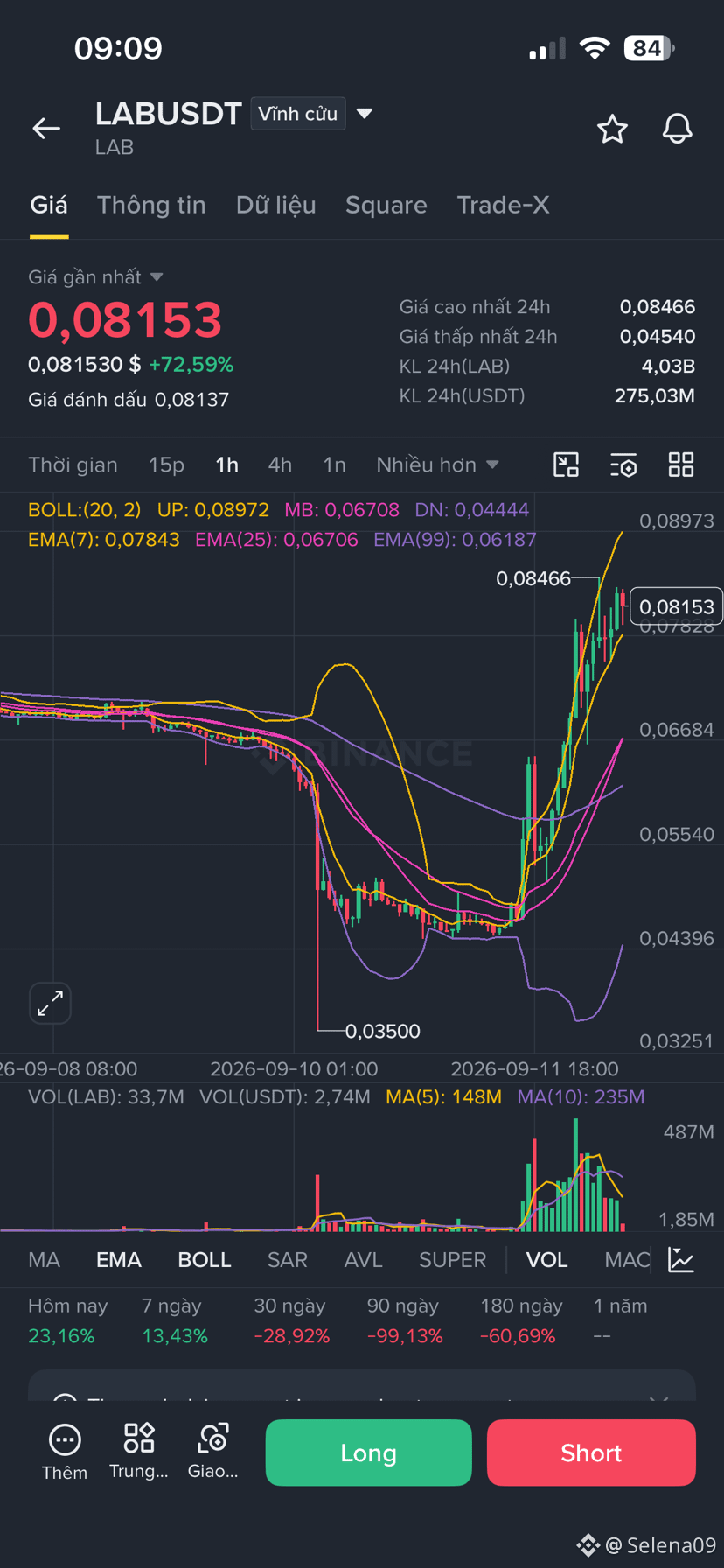
Lobster $龙虾 is really too strong, next comes $LAB and $LSK
Damn, got meat from the Lab again. Every day I get stuck with it—when longs go down, shorts go up; I eat a bit of Met then I make up for the Lab
{future}(LSKUSDT)
{future}(LABUSDT)
{future}(龙虾USDT)
Lobster $龙虾 is really too strong, next comes $LAB and $LSK
Damn, got meat from the Lab again. Every day I get stuck with it—when longs go down, shorts go up; I eat a bit of Met then I make up for the Lab
Damn, got meat from the Lab again. Every day I get stuck with it—when longs go down, shorts go up; I eat a bit of Met then I make up for the Lab
1
779
·
--
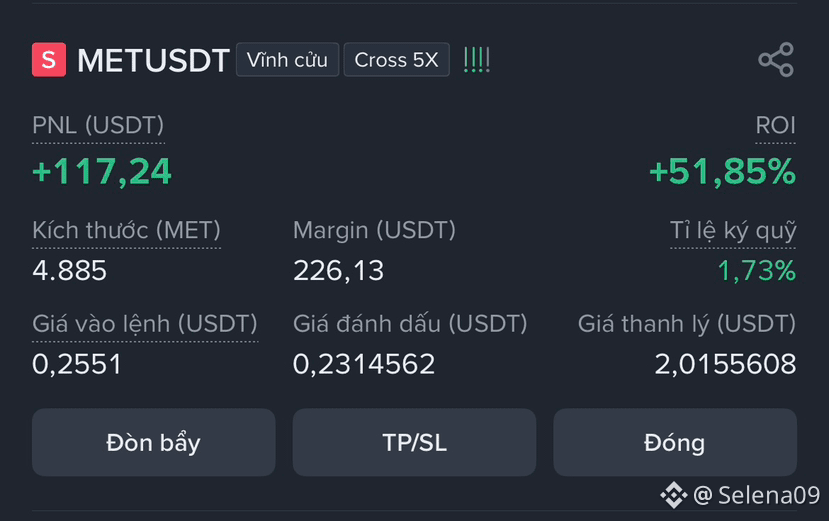
Locked $MET $BEAT but $LAB is still down, this one offsets that one and the other is still able to make a little profit too
Locked $MET $BEAT but $LAB is still down, this one offsets that one and the other is still able to make a little profit too
1
835
·
--
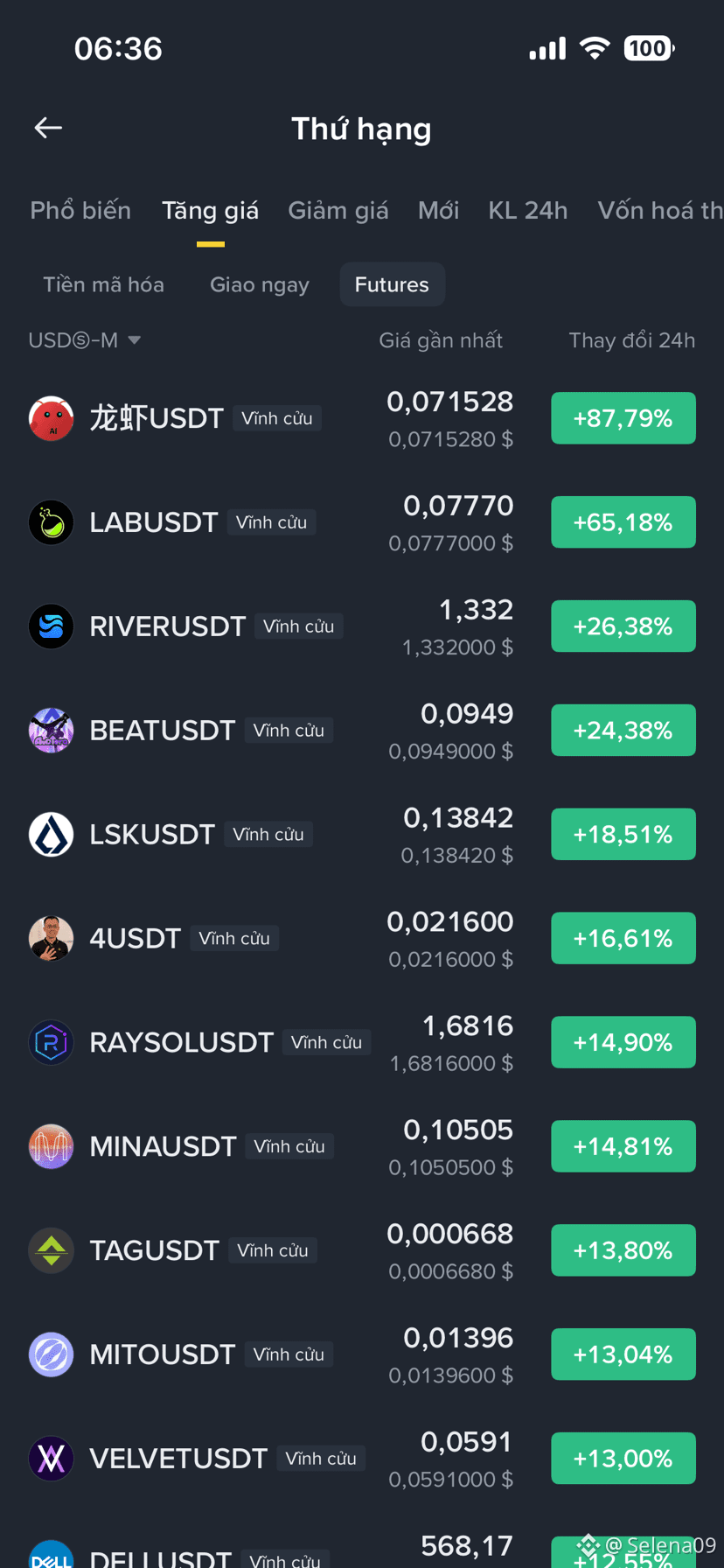
😁😁 This scene is so familiar :) The trio pulling up the $LAB $BEAT $RIVER today went live together to do it the second time? :)
Let’s have fun with the stream 🥂🥂🥂
{future}(RIVERUSDT)
{future}(BEATUSDT)
{future}(LABUSDT)
😁😁 This scene is so familiar :) The trio pulling up the $LAB $BEAT $RIVER today went live together to do it the second time? :)
Let’s have fun with the stream 🥂🥂🥂
Let’s have fun with the stream 🥂🥂🥂


2
1k
Log in to explore more content
Join global crypto users on Binance Square
⚡️ Get latest and useful information about crypto.
💬 Trusted by the world’s largest crypto exchange.
👍 Discover real insights from verified creators.
Email / Phone number
Trending Topics
ClarityActFacesProceduralVoteSept15
70,240 views
909 Discussing
Guys, here’s the next-week update for $BTC and the majors, the trading zones, and the data that will make the move!
I’m going to explain each level, why we could get there, why I’m still calling for a bottom pending under $50,000 for BTC, and why I’m still not bullish on BTC after such an explosive move!
For BTC, as you can see on my chart, I’m using Fibonacci to find the retracement levels. And don’t worry, I’ve been using Fib for quite a long time, tested it, and I believe in these levels.So, the bullish scenario is that the market gets to the 0.5 or 0.618 Fib levels. These two levels are around $72,500 and $70,100 for BTC. This zone must get retraced if BTC wants an explosive move and wants to validate this bullish surge.
While we’re looking through the technicals, the fundamentals come in!
Here comes the CLARITY Act. The September 15 odds are currently high, over 80%. But let’s suppose it gets approved. The maximum level I’m looking for in case the Act gets passed is $84,000–$86,000 in a quick candle.
But, there is FOMC the next day, September 16, which I personally believe could bring a hike. There ain’t no way this time they go for easing. They have to go for monetary tightening. 25 bps must get hiked. Note this!
Wondering what the impact will be?
An absolute 7–10% crash on that single day, September 16!
And it’s not going to stop there. On September 18, we have the BOJ rate decision, which could also bring a 25 bps hike.
These two events could easily take us under $60,000.
Reason? Yen carry trade.
They could sweep liquidity from stocks, which will have a direct impact on risky assets.
Both will get a free fall…
So, conclusion: I don’t want to make this more lengthy
CLARITY ACT REJECTED → $70K–$72.5K RANGE
CLARITY ACT PASSED → $84K–$86K MAXIMUM
Those are the specific reasons I’m still bearish on the majors, and plus, the structure still isn’t shifted bullish on the higher time frames.
Drop a LIKE!
#ClarityActFacesProceduralVoteSept15
$ETH etfs inflow! Note this avoid shorts in eth!
Crypto_LUX
·10 Likes
·3.6k views
US2YearYieldRisesTo4.61%
43,273 views
758 Discussing
US10YearTreasuryYieldNears5%
26,616 views
460 Discussing