Binance Square
yyy
616 Posts

yyy

收手吧,阿祖。 Shitposts. Head of E-beggers. Chief Fud Officer. X 账号:@y_cryptoanalyst
9 Following
673 Followers
23.6K+ Liked
Posts
PINNED
·
--
Bullish
Verified
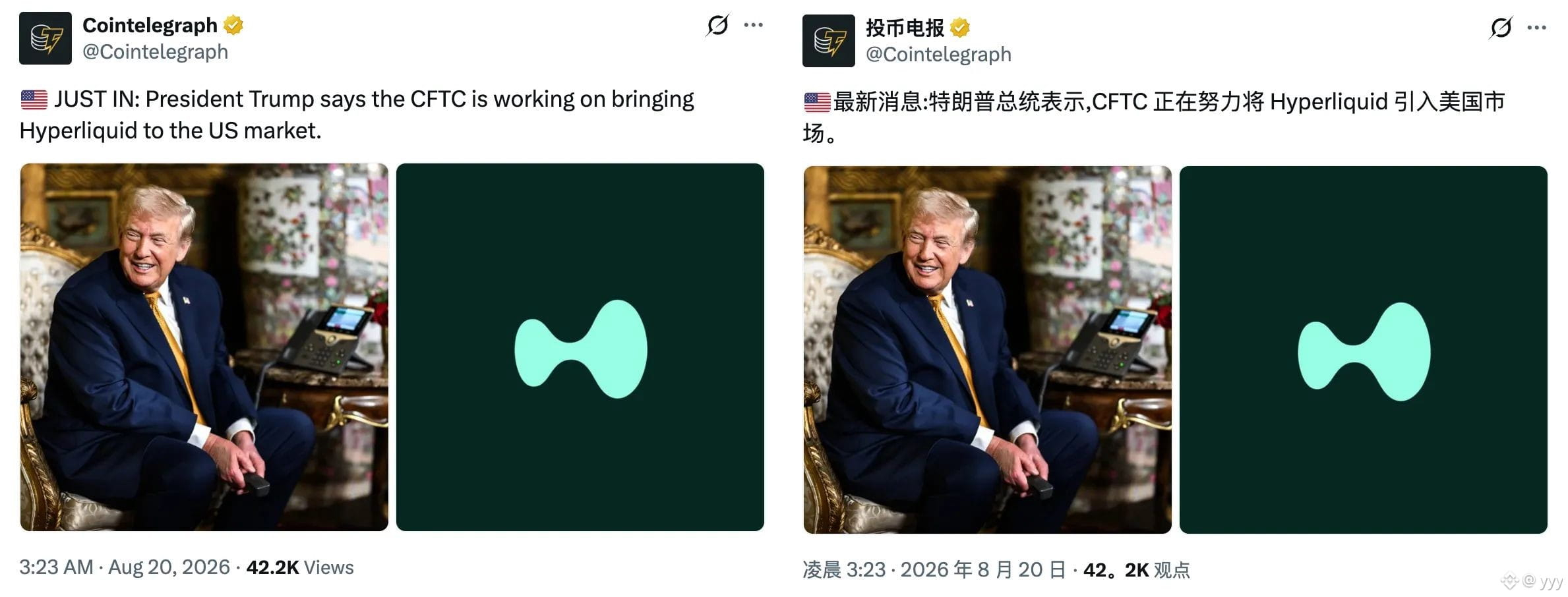
Trump has only done a little something on top of the existing situation rather than helping in a time of need. To bring Hyperliquid into the US market. iykyk. #Hyperliquid $HYPE {future}(HYPEUSDT)
Trump has only done a little something on top of the existing situation rather than helping in a time of need.

To bring Hyperliquid into the US market.

iykyk.

#Hyperliquid $HYPE
·
--
Bullish
Partly True
Interesting facts: pons’s protocol revenue over the past ~30 days is about 17 times that of Near Intents. The former’s protocol revenue is used for buyback and burn, while the latter’s protocol revenue is used for buyback and earn. One is a forced burn; the other is stored in the treasury. #pons $PONS {future}(PONSUSDT)
Interesting facts:
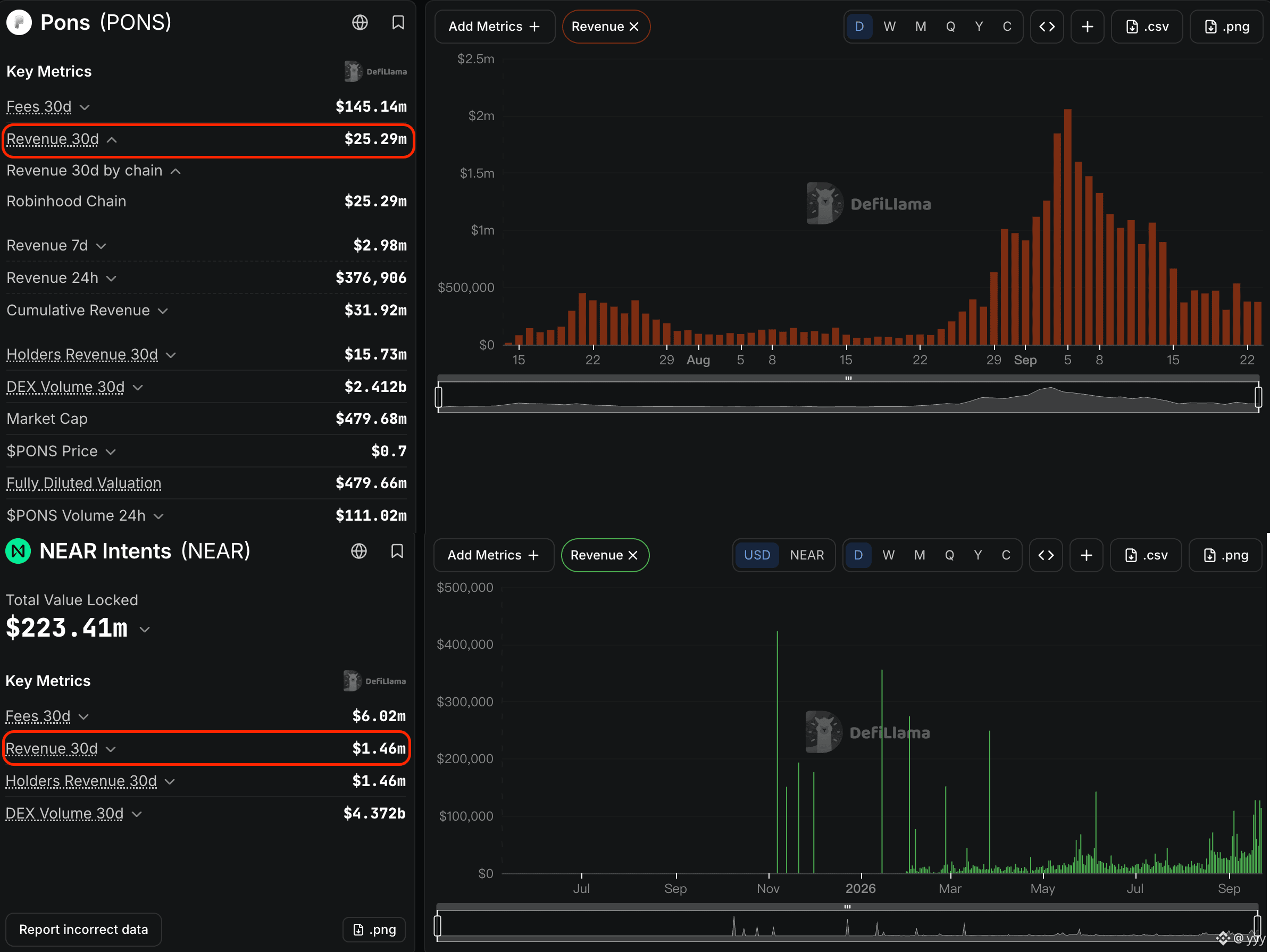
pons’s protocol revenue over the past ~30 days is about 17 times that of Near Intents.

The former’s protocol revenue is used for buyback and burn, while the latter’s protocol revenue is used for buyback and earn.

One is a forced burn; the other is stored in the treasury.

#pons $PONS
·
--
Bearish
Weren’t we supposed to grow the meme-track cake together? So how did the Solana community’s pump inner circle and the stonk inner circle end up fighting each other first? While the snipe and the clam fight, the fisherman profits? $PUMP {future}(PUMPUSDT)
Weren’t we supposed to grow the meme-track cake together?

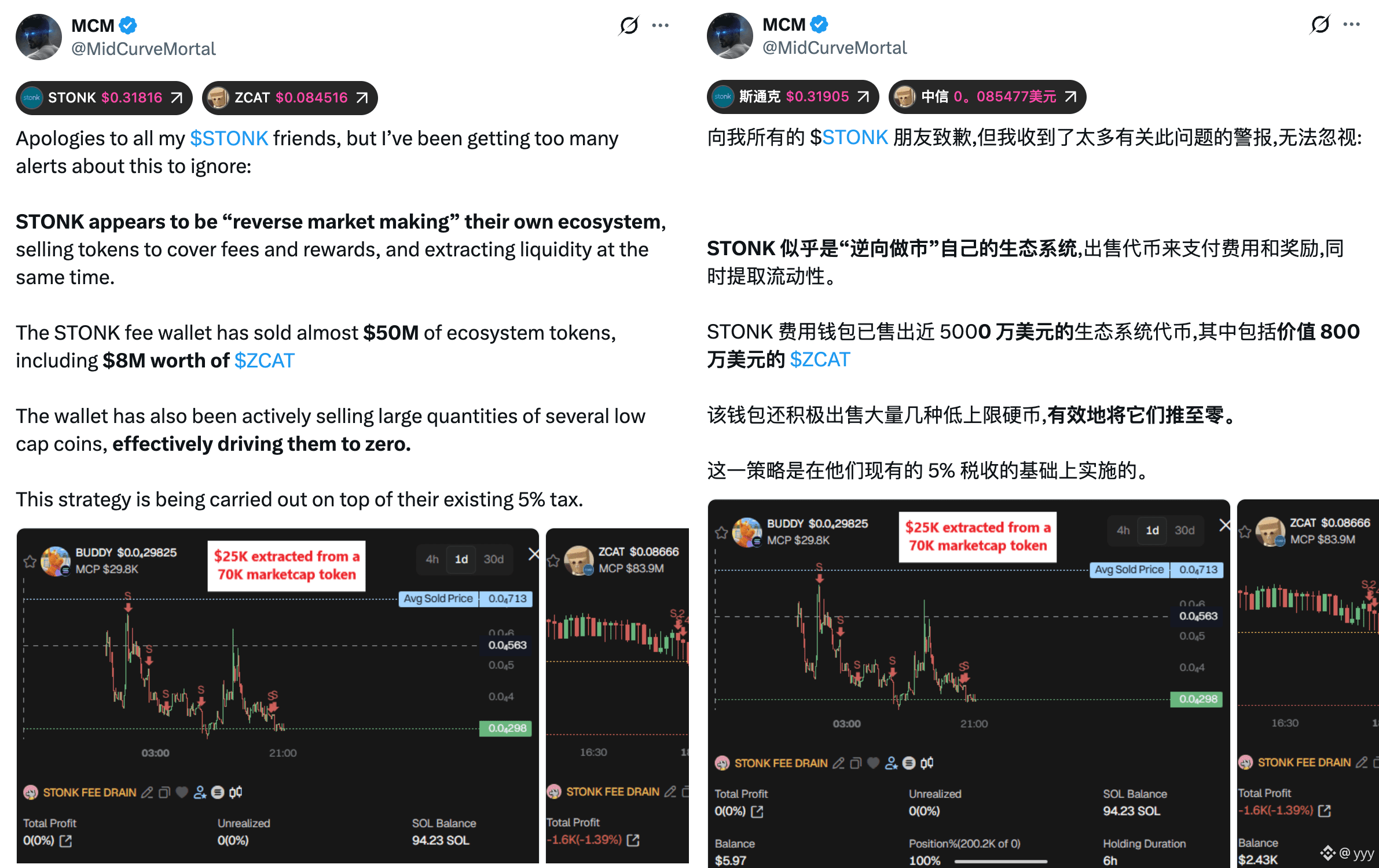
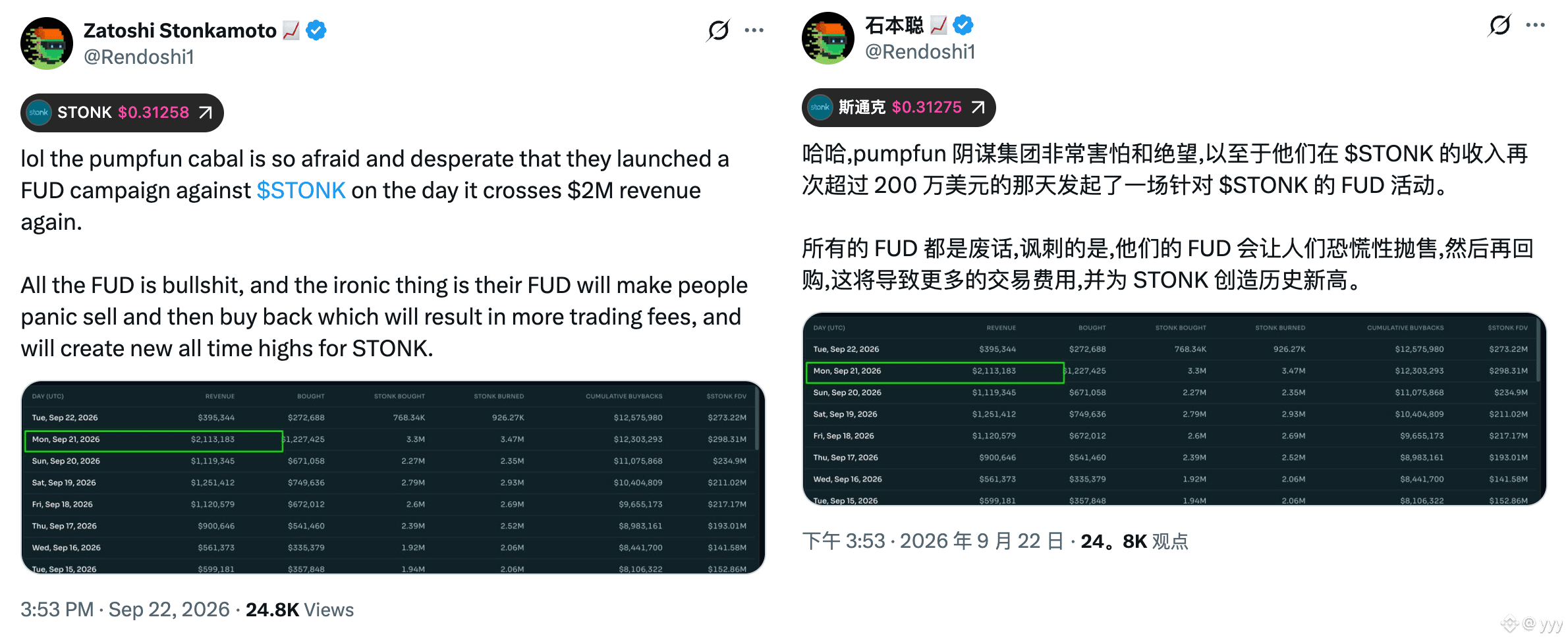
So how did the Solana community’s pump inner circle and the stonk inner circle end up fighting each other first?

While the snipe and the clam fight, the fisherman profits?

$PUMP
·
--
Bullish
Robinhood always seems to stoke the fire at those moments when the hype around the Robinhood Chain slightly dips—it looks like it’s about to stir things up again. A few hours ago, @RobinhoodCrypto posted: “Stock Tokens are coming out with something new.” So what is Robinhood planning to do next? Current known conditions: 1/ The current approximate structure of Robinhood stock tokenization is: - Issued by the Jersey Island entity RHJ, and exists in the form of ERC-20 on the Robinhood Chain; - Stock Tokens represent price exposure to U.S. stocks/ETFs (no shareholder rights, and they also can’t be directly redeemed 1:1 for real stocks); - Can be self-custodied on-chain, and can be used as a DeFi asset. From what we can tell right now, it’s not ownership in the traditional sense—it’s a tracking instrument for the stock price. 2/ On September 17, the SEC approved a time-limited innovative exemption, opening a channel for tokenizing onshore U.S. stocks. @vladtenev followed up immediately: “Tokenization is about to land in the U.S.” The timing of Robinhood’s tease post is pretty subtle. On one side, the rights attached to Stock Tokens still need to be supplemented; on the other, the U.S. regulatory window is open. You think about it—go on, think it through. #robinhoodchain $PONS {future}(PONSUSDT)
Robinhood always seems to stoke the fire at those moments when the hype around the Robinhood Chain slightly dips—it looks like it’s about to stir things up again.

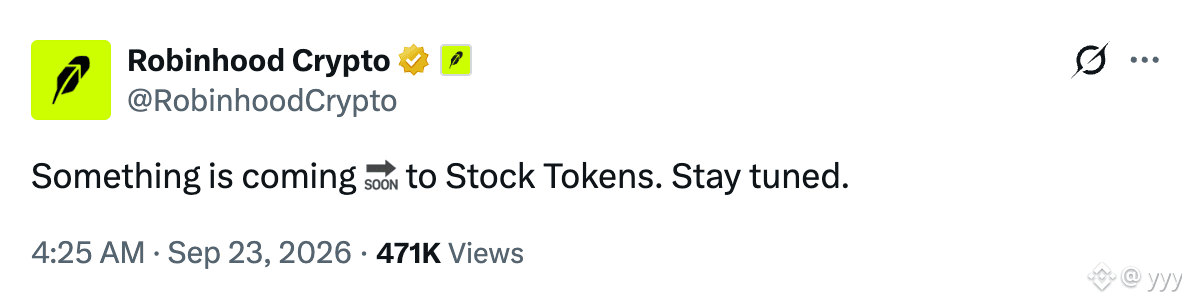
A few hours ago, @RobinhoodCrypto posted: “Stock Tokens are coming out with something new.”

So what is Robinhood planning to do next?

Current known conditions:
1/ The current approximate structure of Robinhood stock tokenization is:
- Issued by the Jersey Island entity RHJ, and exists in the form of ERC-20 on the Robinhood Chain;
- Stock Tokens represent price exposure to U.S. stocks/ETFs (no shareholder rights, and they also can’t be directly redeemed 1:1 for real stocks);
- Can be self-custodied on-chain, and can be used as a DeFi asset.

From what we can tell right now, it’s not ownership in the traditional sense—it’s a tracking instrument for the stock price.

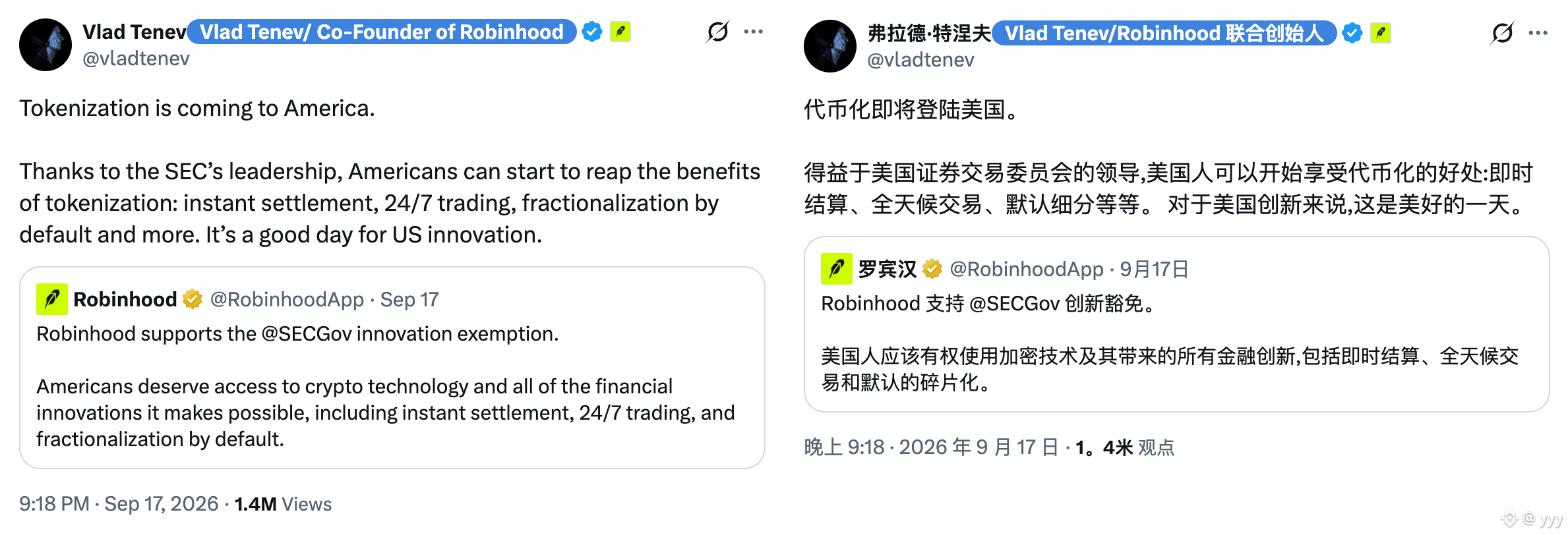
2/ On September 17, the SEC approved a time-limited innovative exemption, opening a channel for tokenizing onshore U.S. stocks.

@vladtenev followed up immediately: “Tokenization is about to land in the U.S.”

The timing of Robinhood’s tease post is pretty subtle. On one side, the rights attached to Stock Tokens still need to be supplemented; on the other, the U.S. regulatory window is open.

You think about it—go on, think it through.

#robinhoodchain $PONS
yyy
·
--
Bullish
Robinhood Chain The first wave has basically finished and the adjustment is complete; we are ready to start the second wave.

RH Chain Yesterday, the average daily network actual liabilities returned to 22.27 million gas/s, surging 45% in the past 24 hours.

It has once again surpassed Base to become the most active Ethereum L2 on-chain.

#robinhoodchain
·
--
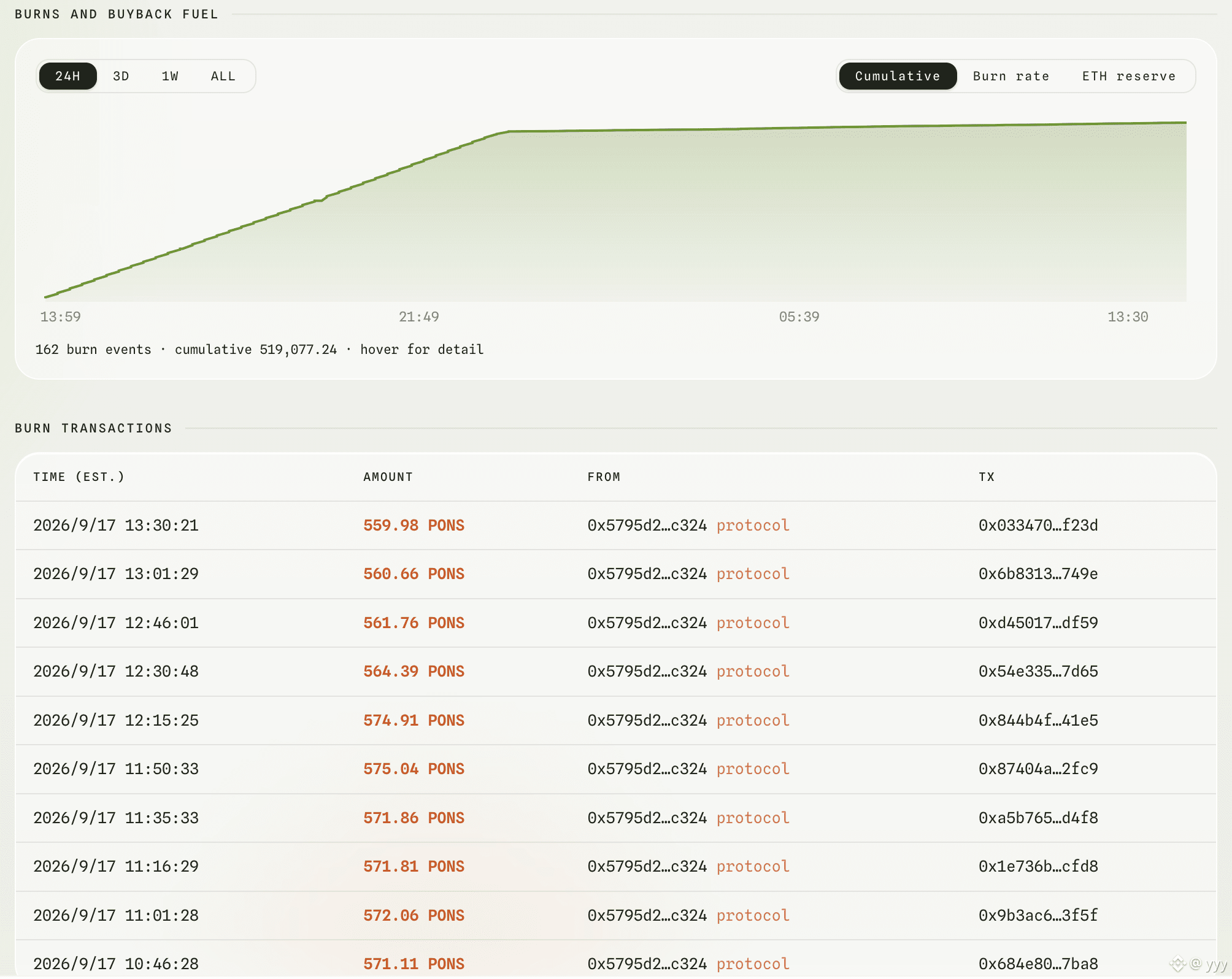
What’s going on with PONS? How did they start controlling the burn rhythm again for $PONS ? Yesterday, after the official party topped up the buyback funds into the buyback distributor, they brutally burned for more than 6 hours, burning the equivalent of about 600,000 U in tokens. In the past few hours, it has dropped again to a burn level of around $5,000 per hour. I just took a look at the ammo left in the buyback distributor—it still has a lot left, with an equivalent value of $1.43 million. #pons $PONS {future}(PONSUSDT)
What’s going on with PONS? How did they start controlling the burn rhythm again for $PONS ?

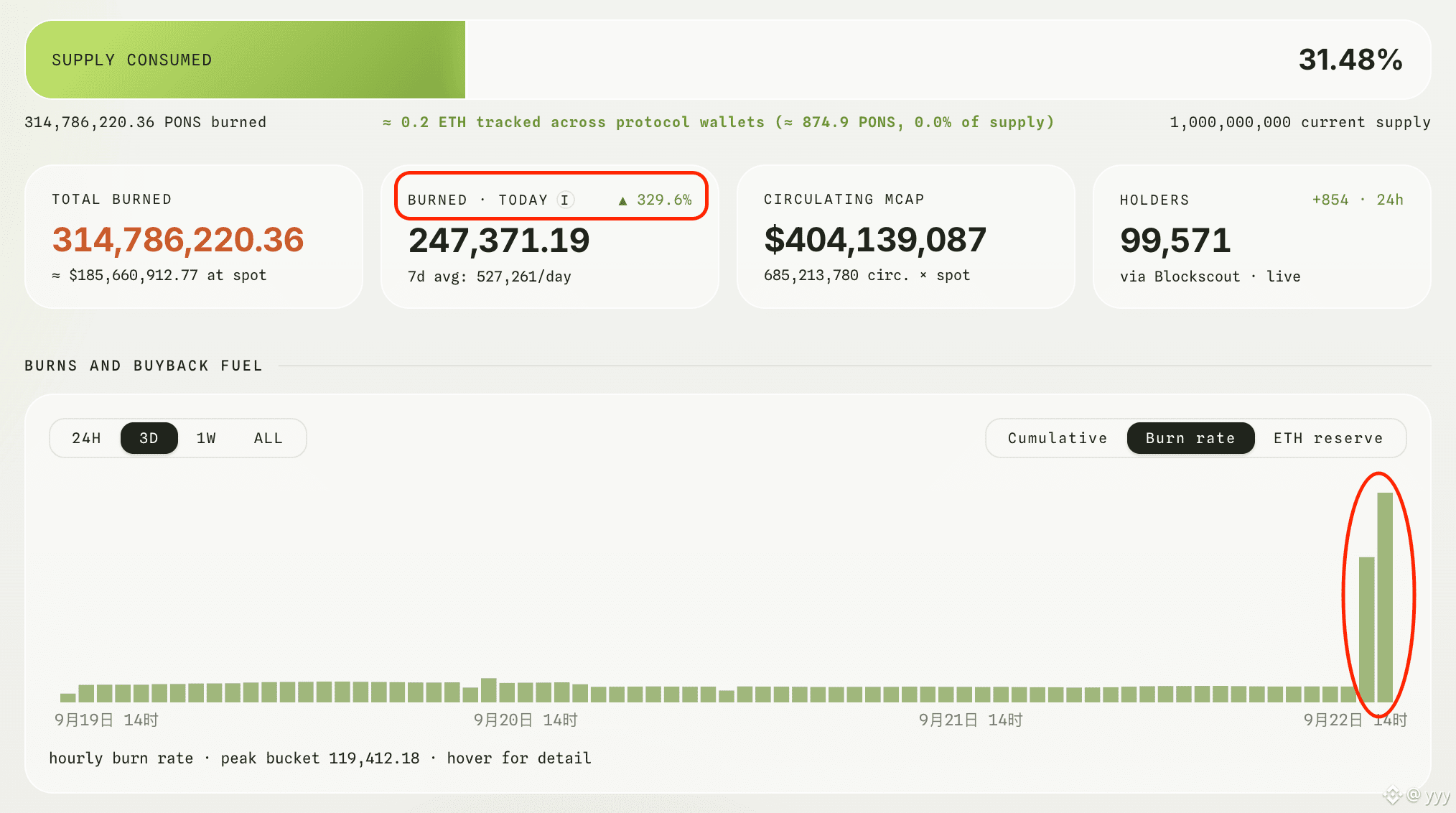
Yesterday, after the official party topped up the buyback funds into the buyback distributor, they brutally burned for more than 6 hours, burning the equivalent of about 600,000 U in tokens. In the past few hours, it has dropped again to a burn level of around $5,000 per hour.

I just took a look at the ammo left in the buyback distributor—it still has a lot left, with an equivalent value of $1.43 million.

#pons $PONS
yyy
·
--
Bullish
Correction:

I compared the data before and after funds were transferred to the buyback distributor, and it can be determined that 80% of the funds in the escrow custody account are used to buy back $PONS .

About one hour ago, the PONS team transferred about $1.6M into the buyback distributor to purchase ammunition for the buyback.

$PONS has started accelerated burning.

#pons $PONS
·
--
Bullish
Partly True
Correction: I compared the data before and after funds were transferred to the buyback distributor, and it can be determined that 80% of the funds in the escrow custody account are used to buy back $PONS . About one hour ago, the PONS team transferred about $1.6M into the buyback distributor to purchase ammunition for the buyback. $PONS has started accelerated burning. #pons $PONS {future}(PONSUSDT)
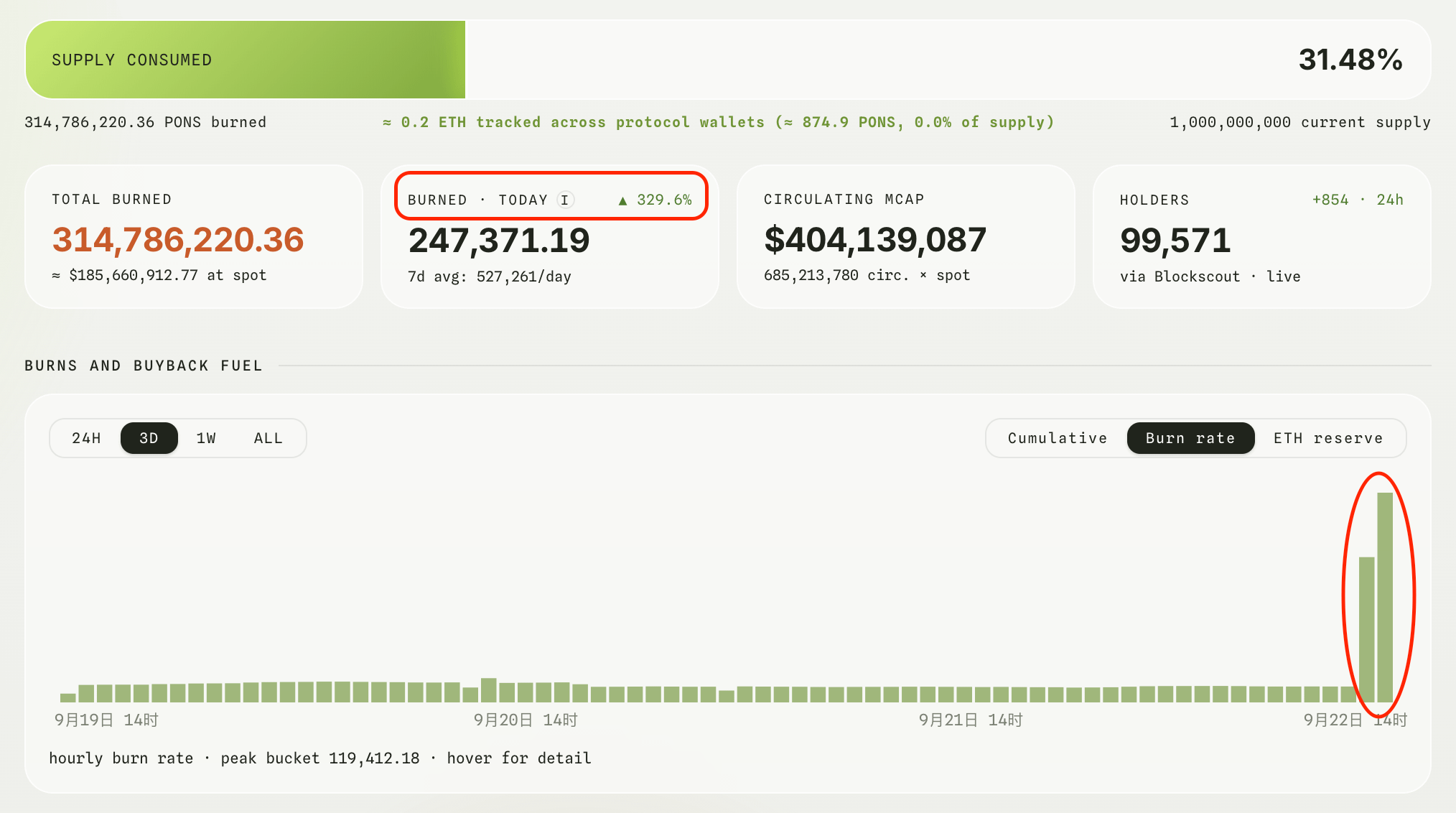
Correction:

I compared the data before and after funds were transferred to the buyback distributor, and it can be determined that 80% of the funds in the escrow custody account are used to buy back $PONS .

About one hour ago, the PONS team transferred about $1.6M into the buyback distributor to purchase ammunition for the buyback.

$PONS has started accelerated burning.

#pons $PONS
yyy
·
--
Bullish
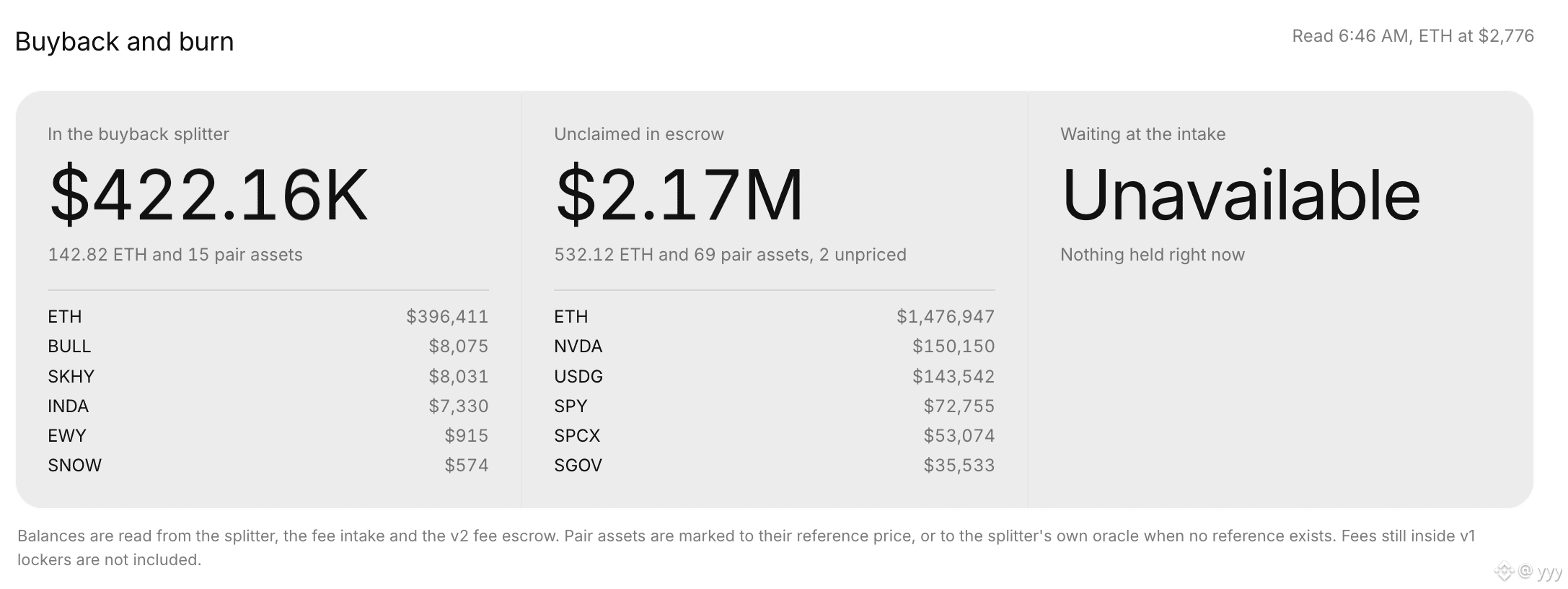
Regarding the $2.3M pending buyback funds mentioned in multiple posts from the English region about pons, this figure is incorrect. The actual amount of pending buyback funds is not that high.

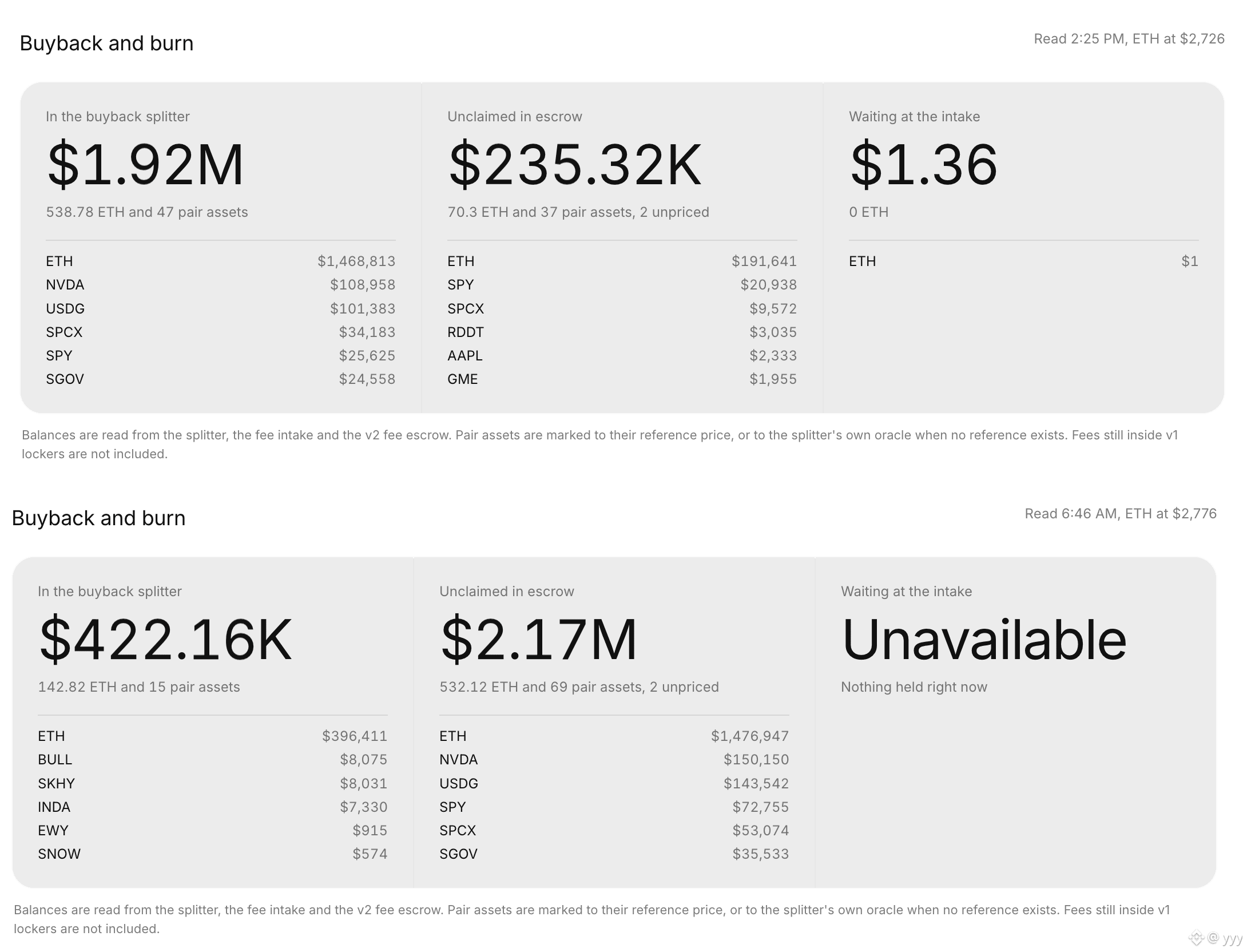
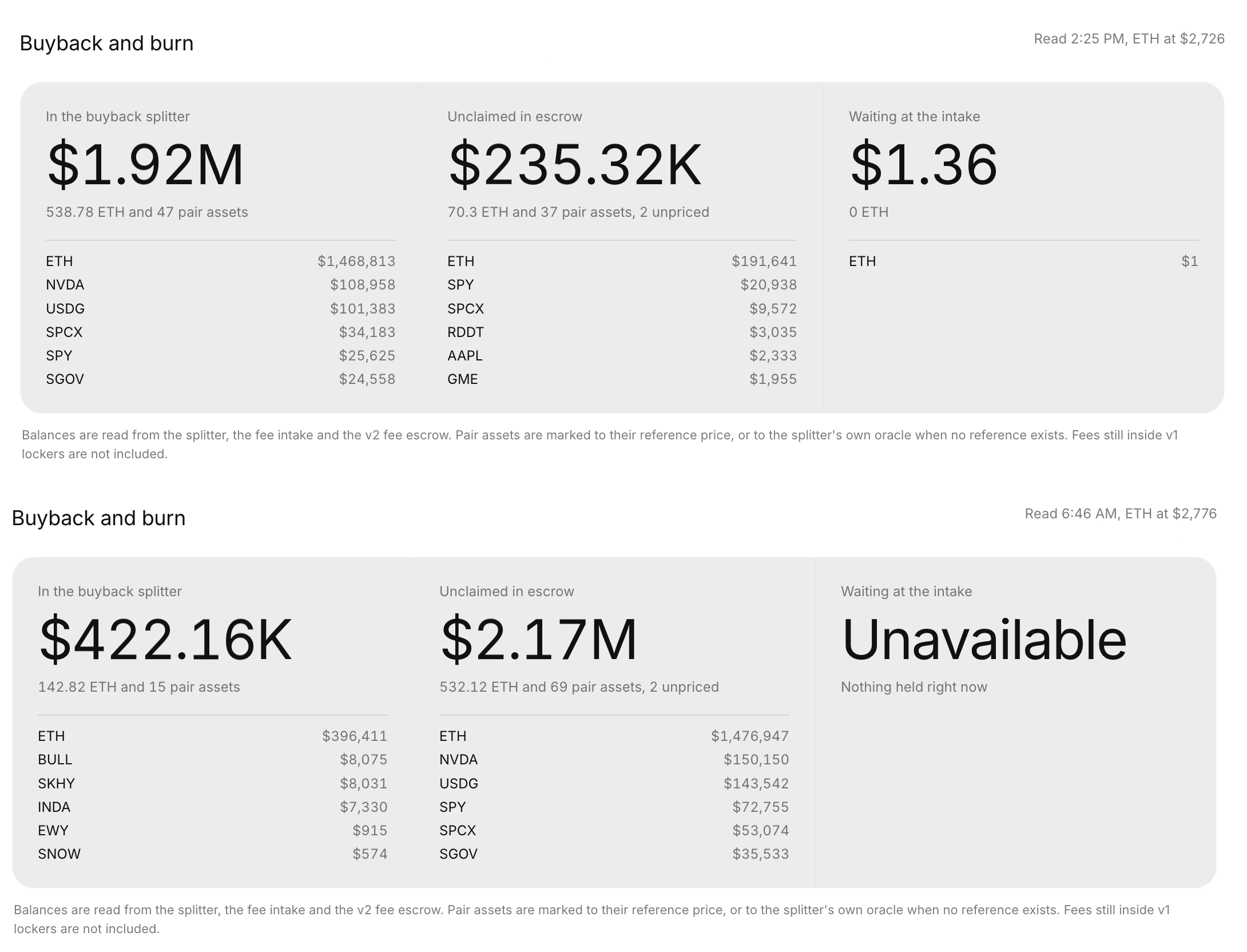
Their counting methodology for pons pending buyback funds is: the remaining amount in the buyback distributor + the amount in escrow that has not yet been claimed. According to pons’ official website data, this figure has now risen to approximately $2.6 million, of which $420k remains in the buyback distributor and $2.17M in escrow has not been claimed.

However, the $2.17M in escrow includes two parts: (1) creator funds that have not yet been withdrawn and (2) the 20% portion that the pons protocol has retained and not yet allocated. Therefore, only after subtracting the creator portion and the protocol-retained 20% portion do you get the funds that are actually available for buyback.

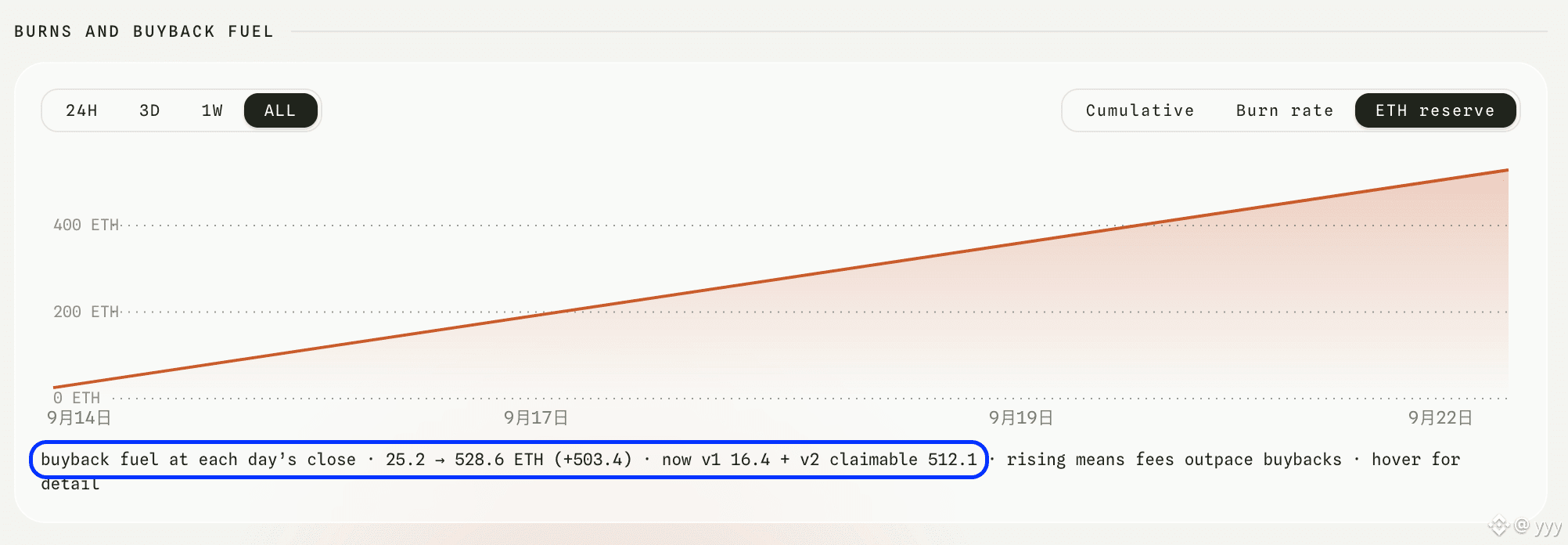
The amount of pending buyback funds reported by the data website pons terminal is 528.6 ETH, about $1.47M. This figure is relatively accurate. That means the unclaimed funds in escrow amount to only $1.47M − $0.42M = $1.05M available for buybacks.

But one thing is beyond doubt: the buyback funds at $PONS are continuously accumulating, waiting for the team’s multisignature claims to be completed before being transferred into the buyback distributor.

#pons $PONS
·
--
Bullish
Robinhood Chain The first wave has basically finished and the adjustment is complete; we are ready to start the second wave. RH Chain Yesterday, the average daily network actual liabilities returned to 22.27 million gas/s, surging 45% in the past 24 hours. It has once again surpassed Base to become the most active Ethereum L2 on-chain. #robinhoodchain
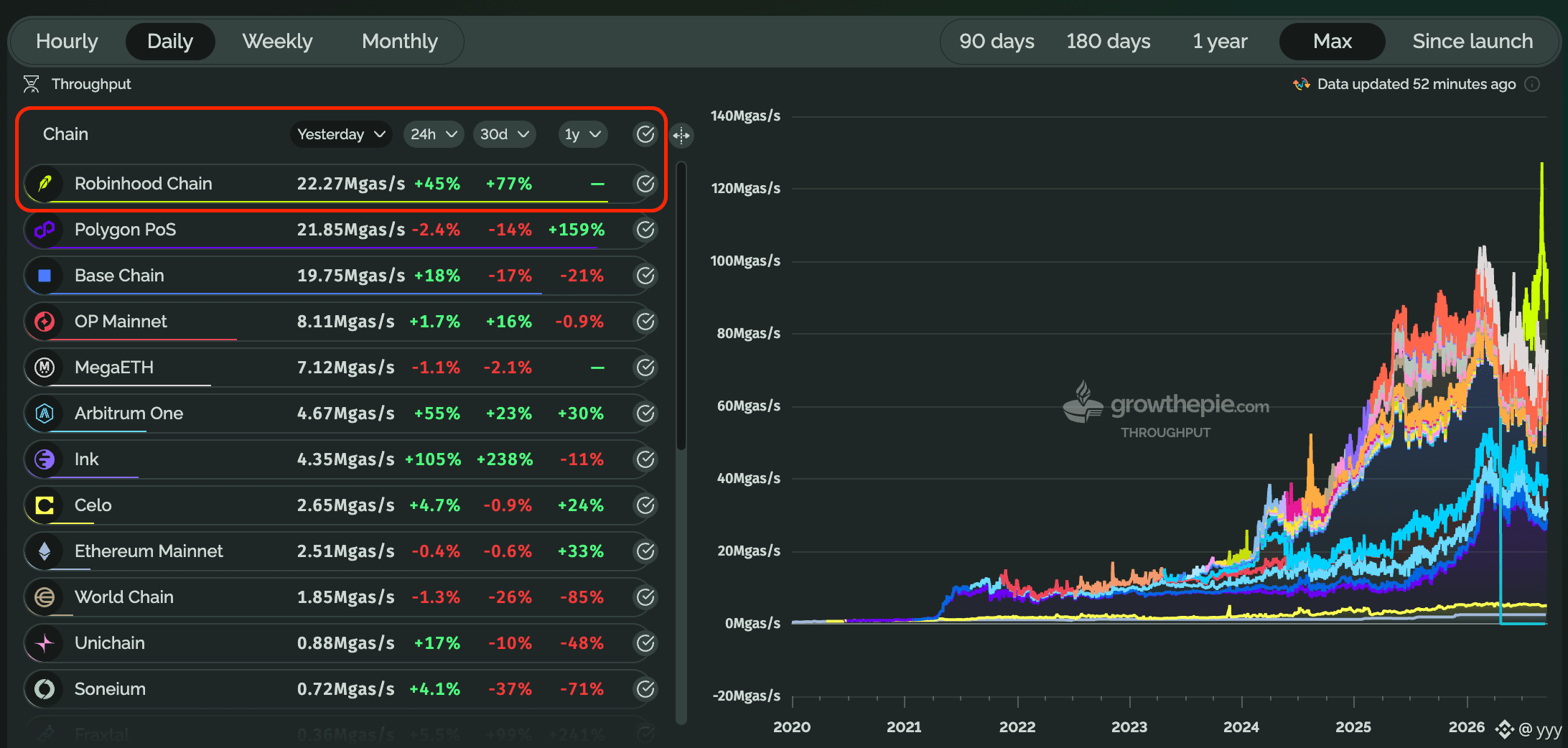
Robinhood Chain The first wave has basically finished and the adjustment is complete; we are ready to start the second wave.

RH Chain Yesterday, the average daily network actual liabilities returned to 22.27 million gas/s, surging 45% in the past 24 hours.

It has once again surpassed Base to become the most active Ethereum L2 on-chain.

#robinhoodchain
yyy
·
--
Bullish
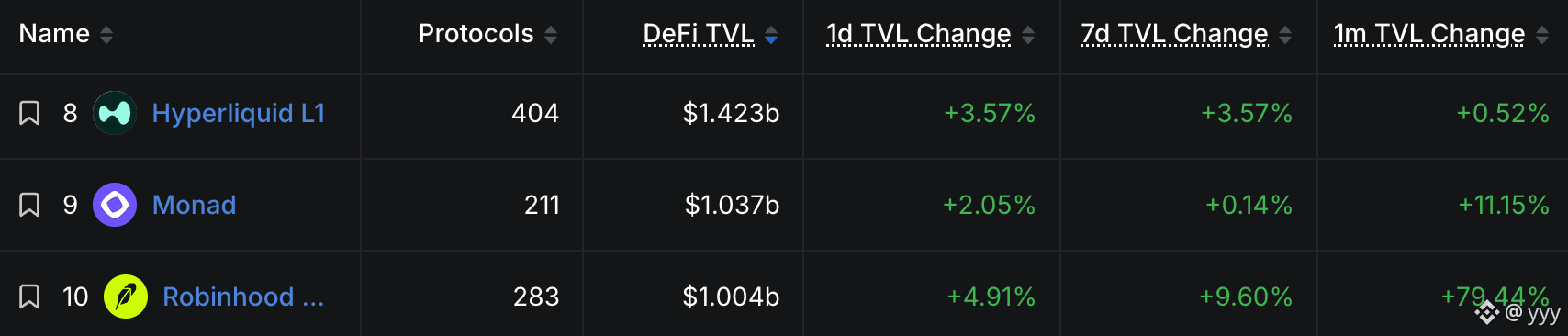
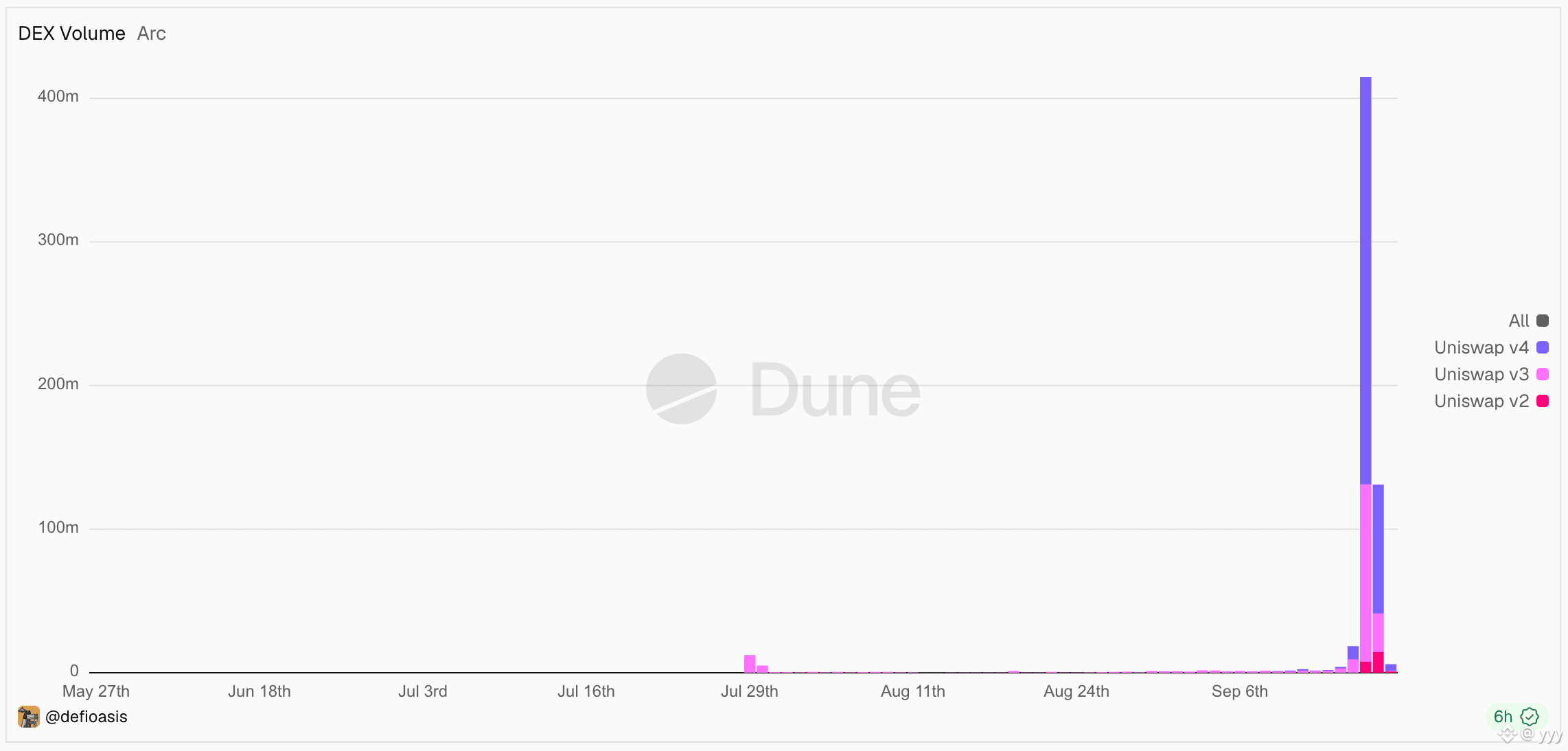
Robinhood Chain’s full-chain DeFi TVL has quietly crossed the $1 billion mark, and Arc has not produced any meaningful diversion.

It is now very close to overtaking the leading Monad at $1.03 billion—so the next DefiLlama data update should be enough to flip Monad.

At that time, RH Chain will become the #9 blockchain by full-chain TVL rankings.

#robinhoodchain
·
--
Bullish
Partly True
Regarding the $2.3M pending buyback funds mentioned in multiple posts from the English region about pons, this figure is incorrect. The actual amount of pending buyback funds is not that high. Their counting methodology for pons pending buyback funds is: the remaining amount in the buyback distributor + the amount in escrow that has not yet been claimed. According to pons’ official website data, this figure has now risen to approximately $2.6 million, of which $420k remains in the buyback distributor and $2.17M in escrow has not been claimed. However, the $2.17M in escrow includes two parts: (1) creator funds that have not yet been withdrawn and (2) the 20% portion that the pons protocol has retained and not yet allocated. Therefore, only after subtracting the creator portion and the protocol-retained 20% portion do you get the funds that are actually available for buyback. The amount of pending buyback funds reported by the data website pons terminal is 528.6 ETH, about $1.47M. This figure is relatively accurate. That means the unclaimed funds in escrow amount to only $1.47M − $0.42M = $1.05M available for buybacks. But one thing is beyond doubt: the buyback funds at $PONS are continuously accumulating, waiting for the team’s multisignature claims to be completed before being transferred into the buyback distributor. #pons $PONS {future}(PONSUSDT)
Regarding the $2.3M pending buyback funds mentioned in multiple posts from the English region about pons, this figure is incorrect. The actual amount of pending buyback funds is not that high.

Their counting methodology for pons pending buyback funds is: the remaining amount in the buyback distributor + the amount in escrow that has not yet been claimed. According to pons’ official website data, this figure has now risen to approximately $2.6 million, of which $420k remains in the buyback distributor and $2.17M in escrow has not been claimed.

However, the $2.17M in escrow includes two parts: (1) creator funds that have not yet been withdrawn and (2) the 20% portion that the pons protocol has retained and not yet allocated. Therefore, only after subtracting the creator portion and the protocol-retained 20% portion do you get the funds that are actually available for buyback.

The amount of pending buyback funds reported by the data website pons terminal is 528.6 ETH, about $1.47M. This figure is relatively accurate. That means the unclaimed funds in escrow amount to only $1.47M − $0.42M = $1.05M available for buybacks.

But one thing is beyond doubt: the buyback funds at $PONS are continuously accumulating, waiting for the team’s multisignature claims to be completed before being transferred into the buyback distributor.

#pons $PONS
yyy
·
--
Bullish
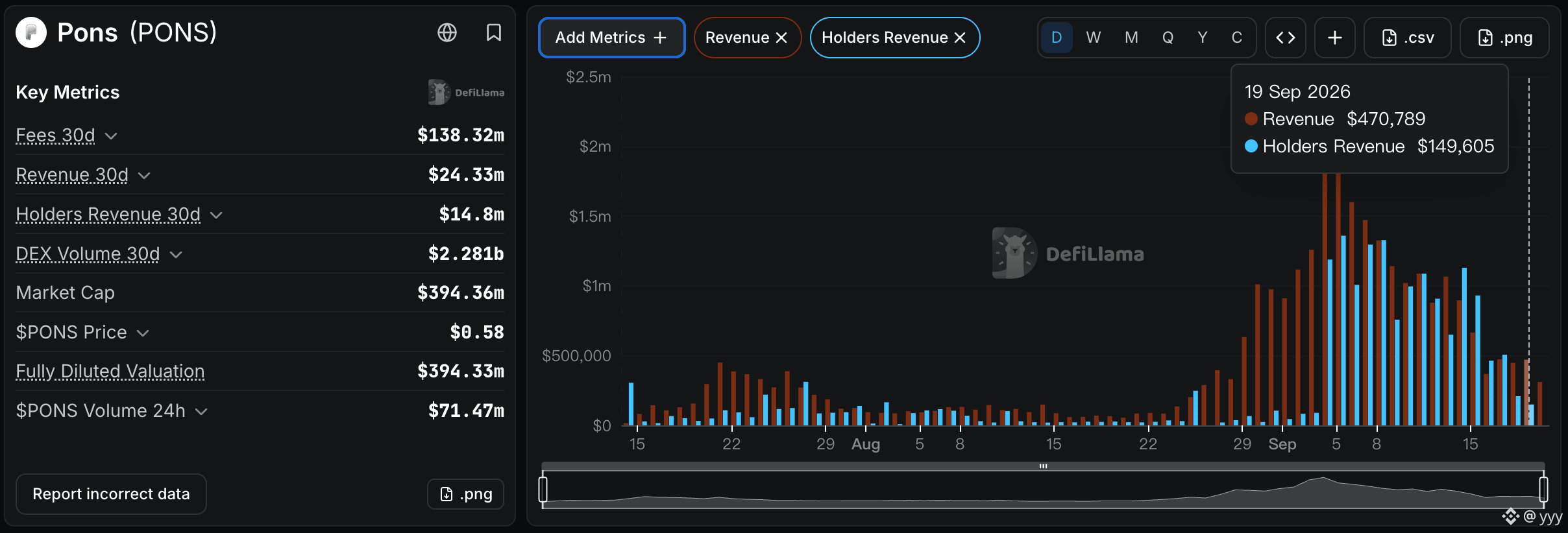
Pons’ buyback and burn strategy isn’t quite the same as Stonk’s, and it may lead to some misunderstandings. Let’s clarify where the differences are.

As everyone knows, @ponsdotfamily uses 80% of protocol revenue for buyback and burn, while @LaunchOnSF uses 60%.

But have you noticed: Stonk’s burn basically stays around 60% of protocol revenue every day, whereas Pons’ burn sometimes is clearly higher than 80% of protocol revenue, sometimes is about the same, and in recent days has been noticeably lower than 80%. Where is the issue?

Stonk’s operations wallet continuously and automatically claims the fees in batches, so there’s almost no accumulation. Then, through a high-frequency cadence of small orders, there are a dozen or so small buyback transactions per minute, and every few minutes they’re bundled and sent to the burn address—so there’s almost never a gap. Whatever ammunition comes in gets sent out; no delays.

Pons, on the other hand, has to have the fee claimed manually with multisig signatures. The funds used for buyback often sit in the custody account. If they aren’t claimed from custody and transferred into the buyback distributor in time, then the TWAP buyback and burn of $PONS every 15 minutes will be lower. So: if more ammunition comes in, more gets sent out; if less comes in, less gets sent out.

However, when you look over a longer timeline, both approaches are ultimately the same in outcome—they both achieve the predetermined buyback-and-burn ratio of protocol revenue.

One thing to note: whether it’s Pons or Stonk, the step of claiming the claim fees has not been decentralized. Stonk has only achieved high-frequency automated claiming.

#pons

$PONS
·
--
Bullish
Verified
Pons’ buyback and burn strategy isn’t quite the same as Stonk’s, and it may lead to some misunderstandings. Let’s clarify where the differences are. As everyone knows, @ponsdotfamily uses 80% of protocol revenue for buyback and burn, while @LaunchOnSF uses 60%. But have you noticed: Stonk’s burn basically stays around 60% of protocol revenue every day, whereas Pons’ burn sometimes is clearly higher than 80% of protocol revenue, sometimes is about the same, and in recent days has been noticeably lower than 80%. Where is the issue? Stonk’s operations wallet continuously and automatically claims the fees in batches, so there’s almost no accumulation. Then, through a high-frequency cadence of small orders, there are a dozen or so small buyback transactions per minute, and every few minutes they’re bundled and sent to the burn address—so there’s almost never a gap. Whatever ammunition comes in gets sent out; no delays. Pons, on the other hand, has to have the fee claimed manually with multisig signatures. The funds used for buyback often sit in the custody account. If they aren’t claimed from custody and transferred into the buyback distributor in time, then the TWAP buyback and burn of $PONS every 15 minutes will be lower. So: if more ammunition comes in, more gets sent out; if less comes in, less gets sent out. However, when you look over a longer timeline, both approaches are ultimately the same in outcome—they both achieve the predetermined buyback-and-burn ratio of protocol revenue. One thing to note: whether it’s Pons or Stonk, the step of claiming the claim fees has not been decentralized. Stonk has only achieved high-frequency automated claiming. #pons $PONS {future}(PONSUSDT)
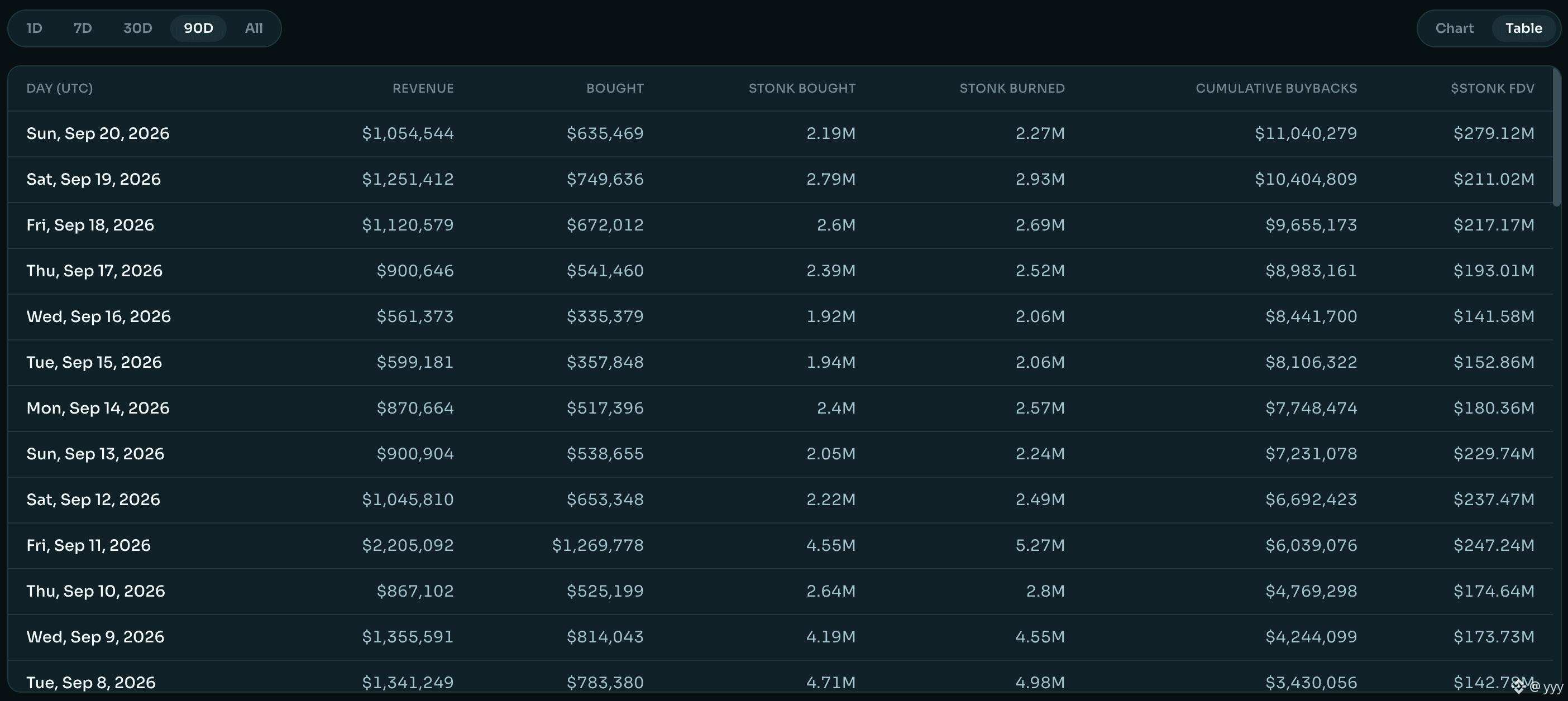
Pons’ buyback and burn strategy isn’t quite the same as Stonk’s, and it may lead to some misunderstandings. Let’s clarify where the differences are.

As everyone knows, @ponsdotfamily uses 80% of protocol revenue for buyback and burn, while @LaunchOnSF uses 60%.

But have you noticed: Stonk’s burn basically stays around 60% of protocol revenue every day, whereas Pons’ burn sometimes is clearly higher than 80% of protocol revenue, sometimes is about the same, and in recent days has been noticeably lower than 80%. Where is the issue?

Stonk’s operations wallet continuously and automatically claims the fees in batches, so there’s almost no accumulation. Then, through a high-frequency cadence of small orders, there are a dozen or so small buyback transactions per minute, and every few minutes they’re bundled and sent to the burn address—so there’s almost never a gap. Whatever ammunition comes in gets sent out; no delays.

Pons, on the other hand, has to have the fee claimed manually with multisig signatures. The funds used for buyback often sit in the custody account. If they aren’t claimed from custody and transferred into the buyback distributor in time, then the TWAP buyback and burn of $PONS every 15 minutes will be lower. So: if more ammunition comes in, more gets sent out; if less comes in, less gets sent out.

However, when you look over a longer timeline, both approaches are ultimately the same in outcome—they both achieve the predetermined buyback-and-burn ratio of protocol revenue.

One thing to note: whether it’s Pons or Stonk, the step of claiming the claim fees has not been decentralized. Stonk has only achieved high-frequency automated claiming.

#pons

$PONS
·
--
Bearish
Harmony L1: from being attacked and declared a chain stop, to a 2-week later surge of 400%. Behind all of this— is it the collapse of some “pro-stall” operator’s ethics, or the distortion of human nature? Let’s peel back the layers of fog and trace the timeline of the operator’s scheme: Before the incident: the plan had already been simmering, waiting for the right moment 08.11: The attack happens—first shot of the scam Self-directed, self-performed reenactment using technically difficult cross-shard receipt replay to mint an enormous amount of $ONE, and publicly claiming that the network suffered a major attack 08.12: Crying “thief!” while arresting the thief—classification, pointing fingers, freezing, and rollback assessment Officially shifts the blame to an external attacker, demands that the CEX freeze assets, pause the bridge, and informs that a rollback is being assessed 08.18-20: Rollback goes live—sets the stage for chain abandonment Using the rollback to erase the dirty, over-minted tokens from the canonical history, while leaving the “dirty water” with the CEX Late August-09.05: The gap period The coin price trades sideways at low levels—an excellent accumulation zone 09.06: Official chain abandonment—migrate funds to Ethereum, pivot to an AI video platform 09.08: Actively reconciles with the CEX to ensure the order book is opened 09.16-20: Violent pump A heavily oversold order book rebounds with volume spikes, handing chips over to the follow-the-crowd buyers I bet you smart ones already know what stance to take when catching the bag. This story is entirely fictional. Any resemblance is purely coincidental. #Harmony $ONE {future}(ONEUSDT)
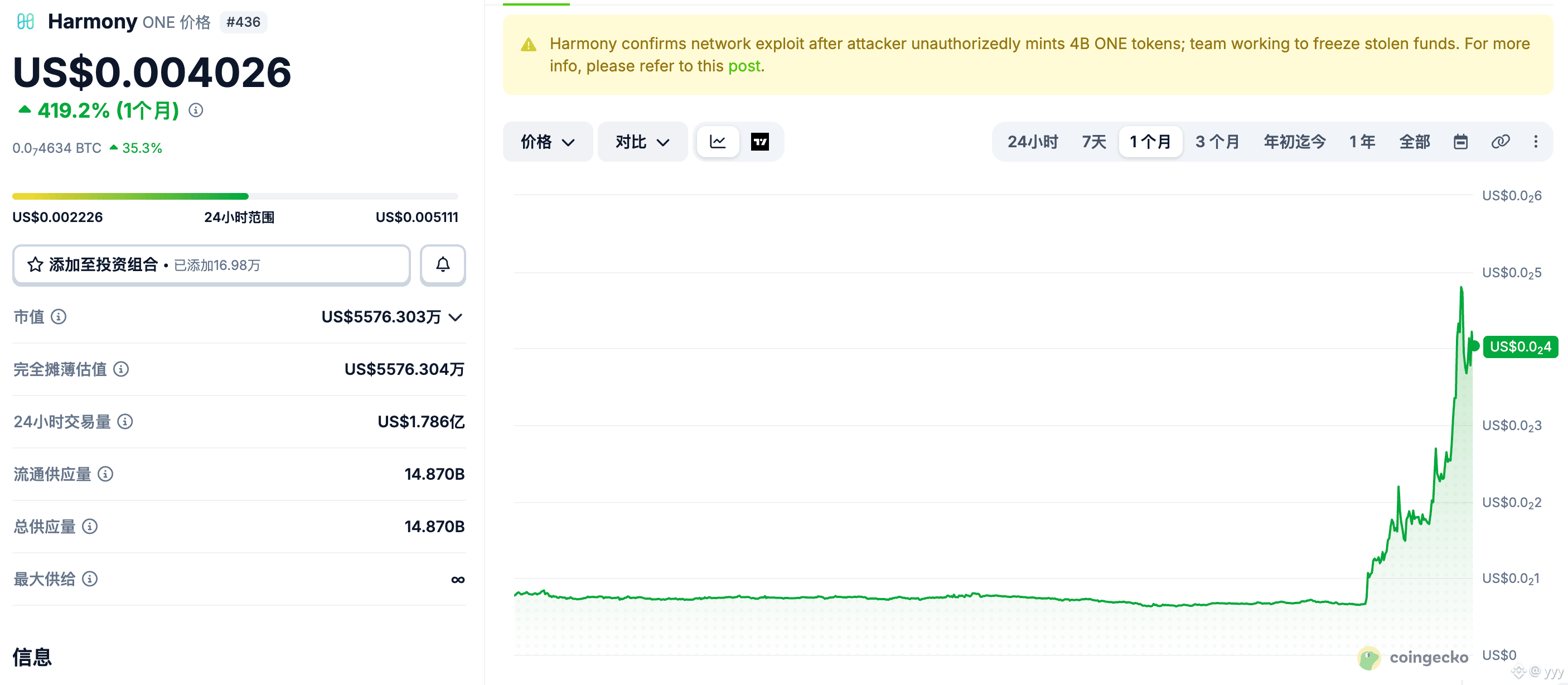
Harmony L1: from being attacked and declared a chain stop, to a 2-week later surge of 400%.

Behind all of this— is it the collapse of some “pro-stall” operator’s ethics, or the distortion of human nature?

Let’s peel back the layers of fog and trace the timeline of the operator’s scheme:

Before the incident: the plan had already been simmering, waiting for the right moment

08.11: The attack happens—first shot of the scam
Self-directed, self-performed reenactment using technically difficult cross-shard receipt replay to mint an enormous amount of $ONE , and publicly claiming that the network suffered a major attack

08.12: Crying “thief!” while arresting the thief—classification, pointing fingers, freezing, and rollback assessment
Officially shifts the blame to an external attacker, demands that the CEX freeze assets, pause the bridge, and informs that a rollback is being assessed

08.18-20: Rollback goes live—sets the stage for chain abandonment
Using the rollback to erase the dirty, over-minted tokens from the canonical history, while leaving the “dirty water” with the CEX

Late August-09.05: The gap period
The coin price trades sideways at low levels—an excellent accumulation zone

09.06: Official chain abandonment—migrate funds to Ethereum, pivot to an AI video platform

09.08: Actively reconciles with the CEX to ensure the order book is opened

09.16-20: Violent pump
A heavily oversold order book rebounds with volume spikes, handing chips over to the follow-the-crowd buyers

I bet you smart ones already know what stance to take when catching the bag.

This story is entirely fictional. Any resemblance is purely coincidental.

#Harmony $ONE
·
--
Bullish
Robinhood Chain’s full-chain DeFi TVL has quietly crossed the $1 billion mark, and Arc has not produced any meaningful diversion. It is now very close to overtaking the leading Monad at $1.03 billion—so the next DefiLlama data update should be enough to flip Monad. At that time, RH Chain will become the #9 blockchain by full-chain TVL rankings. #robinhoodchain
Robinhood Chain’s full-chain DeFi TVL has quietly crossed the $1 billion mark, and Arc has not produced any meaningful diversion.

It is now very close to overtaking the leading Monad at $1.03 billion—so the next DefiLlama data update should be enough to flip Monad.

At that time, RH Chain will become the #9 blockchain by full-chain TVL rankings.

#robinhoodchain
·
--
Bullish
Partly True
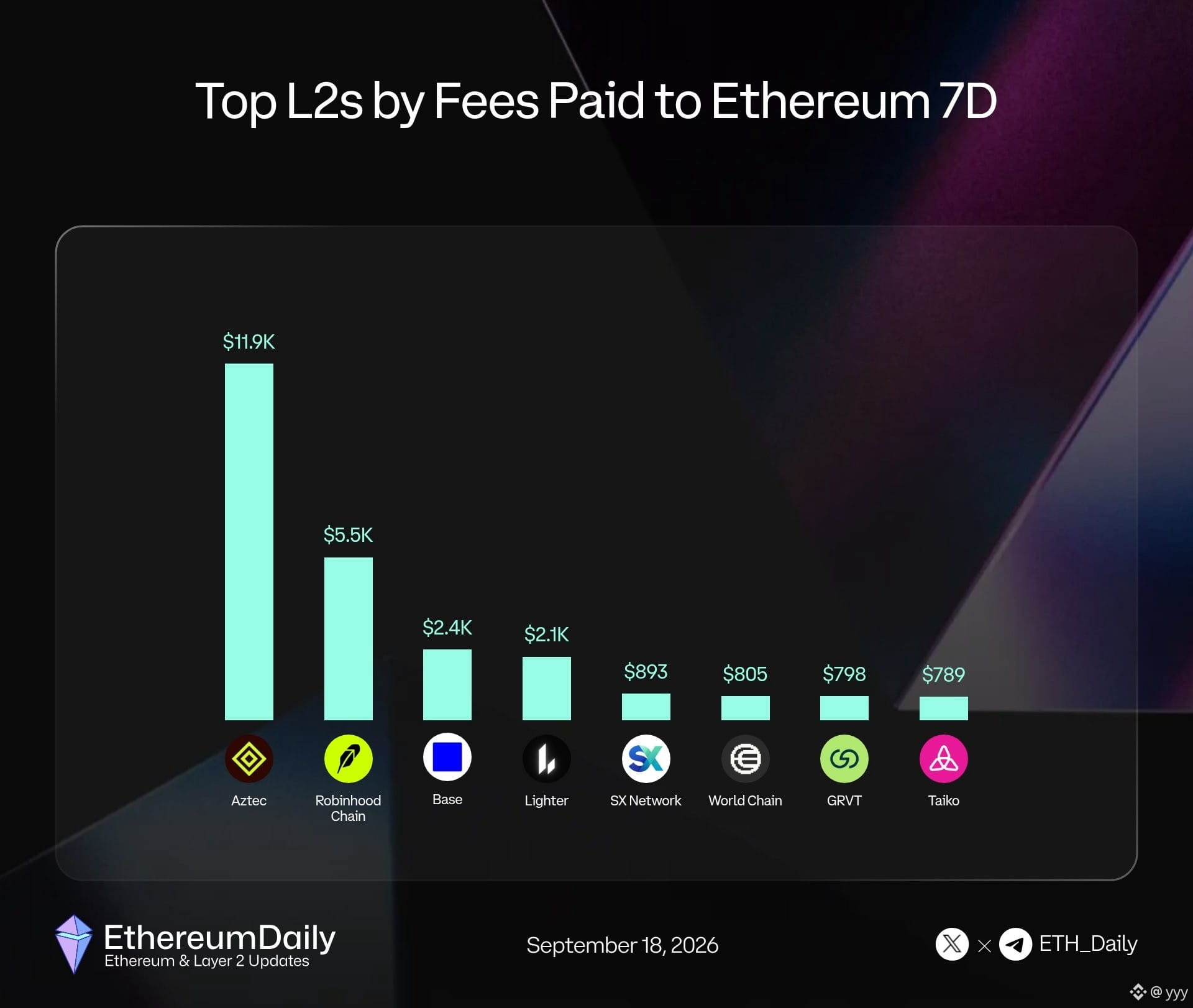
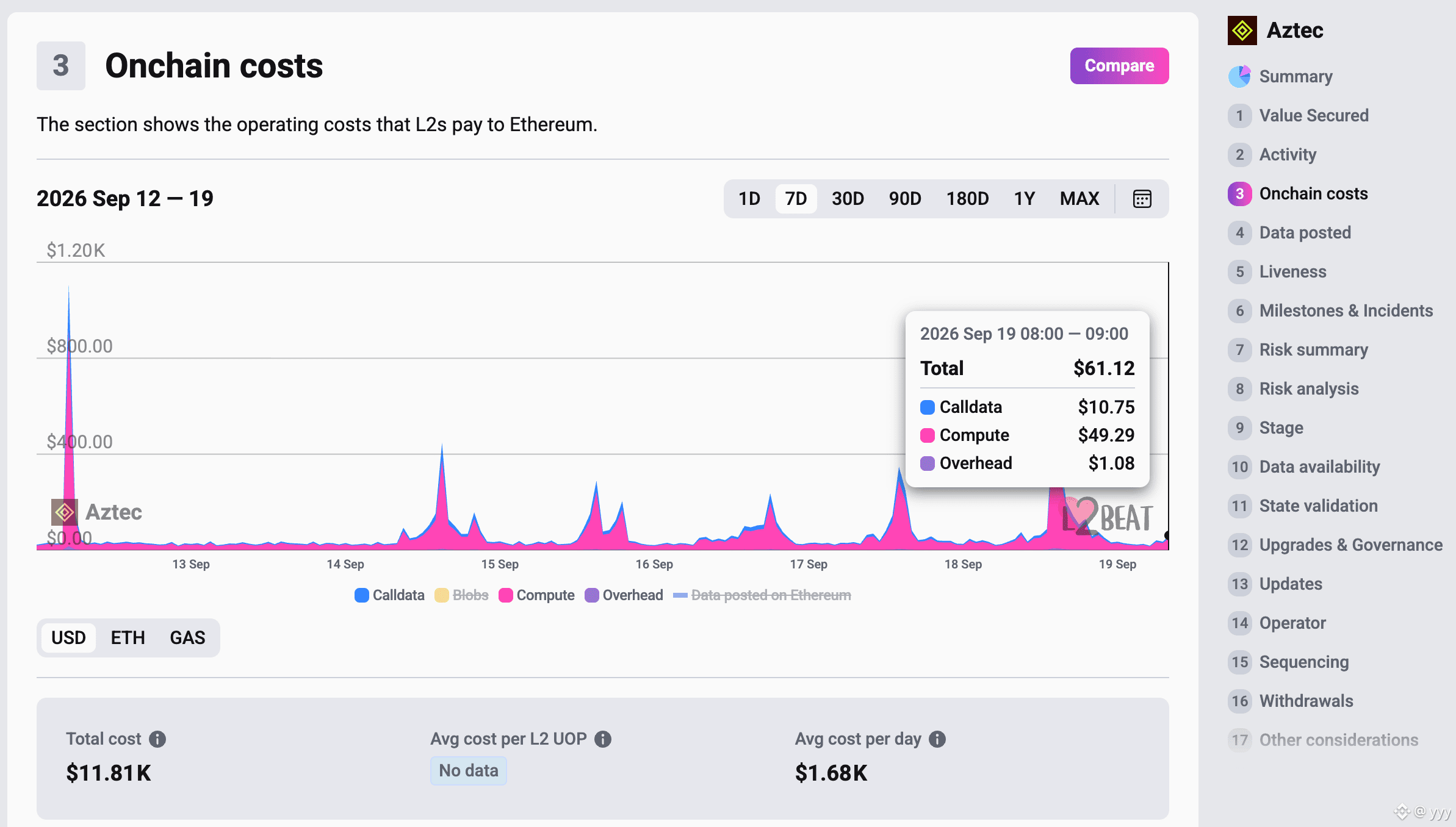
Trivia: The largest L2 tenant on Ethereum is not Base, and not even Robinhood Chain—it’s Aztec. In the past 7 days, the privacy-focused Ethereum L2 chain Aztec has cumulatively paid $120,000 in rent to Ethereum’s settlement layer, with the bulk going to ZK proof verification fees and the smaller portion to block space usage, i.e., DA fees. Meanwhile, chains like RH Chain and Base—those that truly carry most L2 economic activity—pay far less rent to Ethereum L1. #ethreum $ETH {spot}(ETHUSDT) Image source: @ETH_Daily & @l2beat
Trivia:
The largest L2 tenant on Ethereum is not Base, and not even Robinhood Chain—it’s Aztec.

In the past 7 days, the privacy-focused Ethereum L2 chain Aztec has cumulatively paid $120,000 in rent to Ethereum’s settlement layer, with the bulk going to ZK proof verification fees and the smaller portion to block space usage, i.e., DA fees.

Meanwhile, chains like RH Chain and Base—those that truly carry most L2 economic activity—pay far less rent to Ethereum L1.

#ethreum $ETH

Image source: @ETH_Daily & @l2beat
·
--
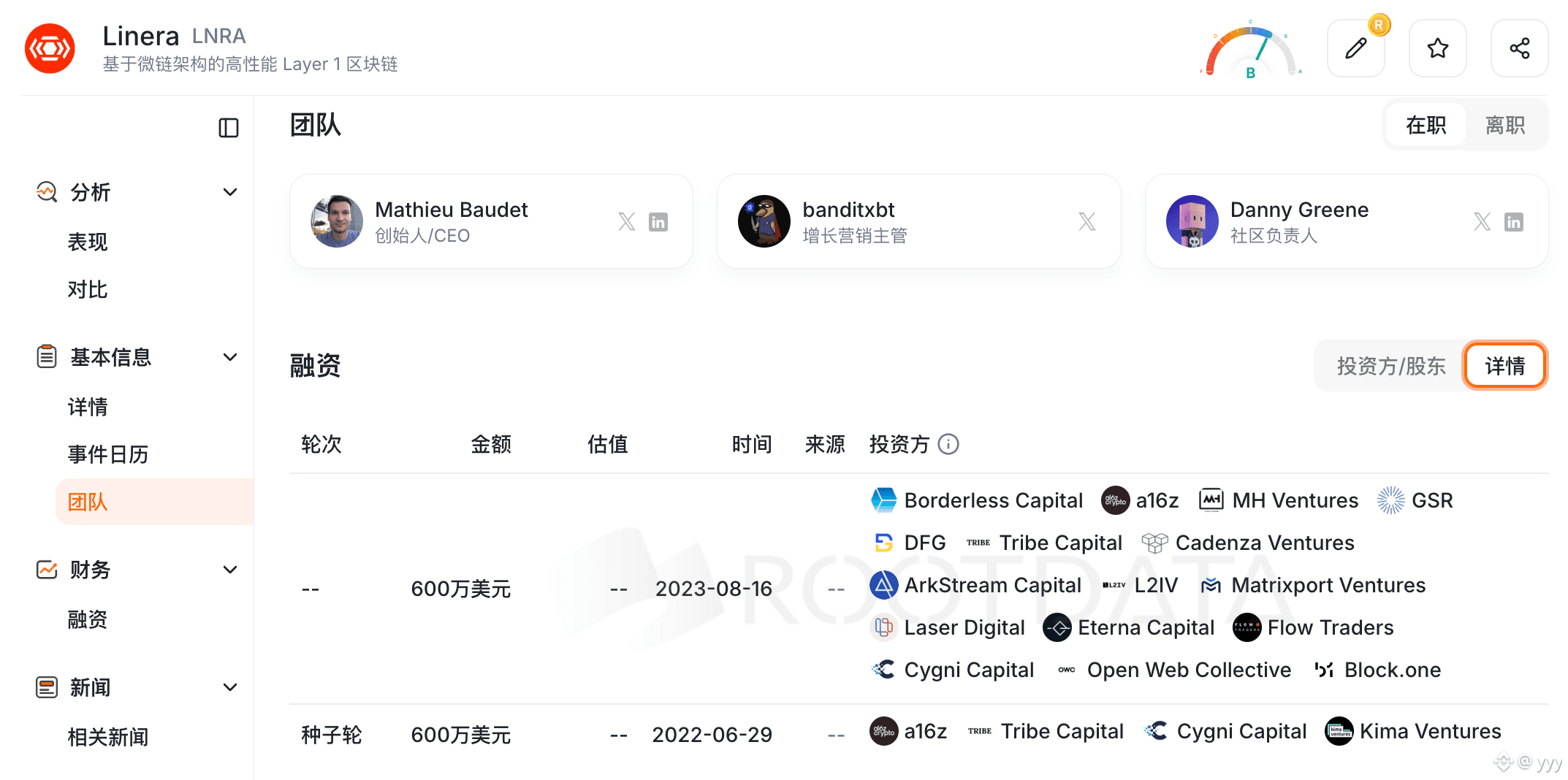
Not every king-of-the-mountain can survive a full cycle of encrypted bull and bear markets by relying on PUA. Linera is a great example. But it’s also true that there are some projects that keep doing PUA and yet manage to live on just fine—not because their PUA techniques are better, but because while they’re doing PUA, they’re already acting as landlords collecting rent. Among the standouts are Opensea, MetaMask, Polymarket, Base, and so on. Opensea’s rent comes from taking a cut of NFT trading fees MetaMask’s rent comes from taking a cut of swap service fees Polymarket’s rent comes from taking a cut of taker (immediate execution) fees Base’s rent comes from charges for sequencers They may be alive, but the rise of competitors in their niche segments is rapidly lowering the valuation ceiling. #Polymarket #OpenSea
Not every king-of-the-mountain can survive a full cycle of encrypted bull and bear markets by relying on PUA. Linera is a great example.

But it’s also true that there are some projects that keep doing PUA and yet manage to live on just fine—not because their PUA techniques are better, but because while they’re doing PUA, they’re already acting as landlords collecting rent. Among the standouts are Opensea, MetaMask, Polymarket, Base, and so on.

Opensea’s rent comes from taking a cut of NFT trading fees
MetaMask’s rent comes from taking a cut of swap service fees
Polymarket’s rent comes from taking a cut of taker (immediate execution) fees
Base’s rent comes from charges for sequencers

They may be alive, but the rise of competitors in their niche segments is rapidly lowering the valuation ceiling.

#Polymarket #OpenSea
yyy
·
--
Let me tell a joke:
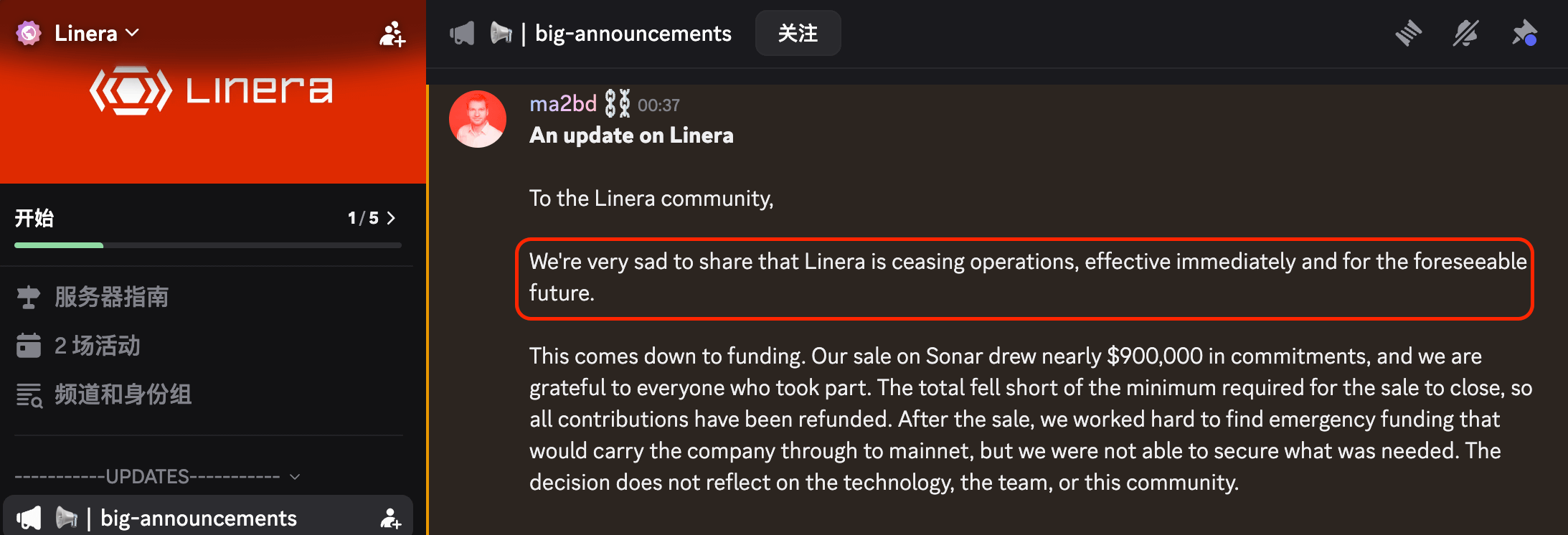
Linera went bankrupt and stopped operations because the public sale failed to raise funds.

@linera_io The founder @ma2bd posted an announcement on Discord saying that, effective immediately, Linera will stop operations. The reason is that the public sale failed to reach the $1.5 million USDC soft cap, so they were forced to issue full refunds. The company has no money left and can’t hold on until Linera’s mainnet goes live.

We failed. Sorry, everyone.

The $16 million raised previously has already been spent. Testnet points have been treated as zero. Thanks to everyone for your participation and contributions.

I want to ask the founder @ma2bd—do you remember the great ambition you made by the Daming Lake back then, to become the next Hyperliquid?

#linera #meta
·
--
Bullish
I’m starting to suspect that PONS has gotten some filthy thing on it. Otherwise, I really can’t explain how, in a market where counterfeit “general rises” and popular concept coins are going crazy, a leading ecosystem coin of the hottest public chain + a strong buyback and burn narrative + an SEC-positive concept sector could have K-line charts that look so terrible. #pons $PONS {future}(PONSUSDT)
I’m starting to suspect that PONS has gotten some filthy thing on it.

Otherwise, I really can’t explain how, in a market where counterfeit “general rises” and popular concept coins are going crazy,

a leading ecosystem coin of the hottest public chain + a strong buyback and burn narrative + an SEC-positive concept sector

could have K-line charts that look so terrible.

#pons $PONS
·
--
Let me tell a joke: Linera went bankrupt and stopped operations because the public sale failed to raise funds. @linera_io The founder @ma2bd posted an announcement on Discord saying that, effective immediately, Linera will stop operations. The reason is that the public sale failed to reach the $1.5 million USDC soft cap, so they were forced to issue full refunds. The company has no money left and can’t hold on until Linera’s mainnet goes live. We failed. Sorry, everyone. The $16 million raised previously has already been spent. Testnet points have been treated as zero. Thanks to everyone for your participation and contributions. I want to ask the founder @ma2bd—do you remember the great ambition you made by the Daming Lake back then, to become the next Hyperliquid? #linera #meta
Let me tell a joke:
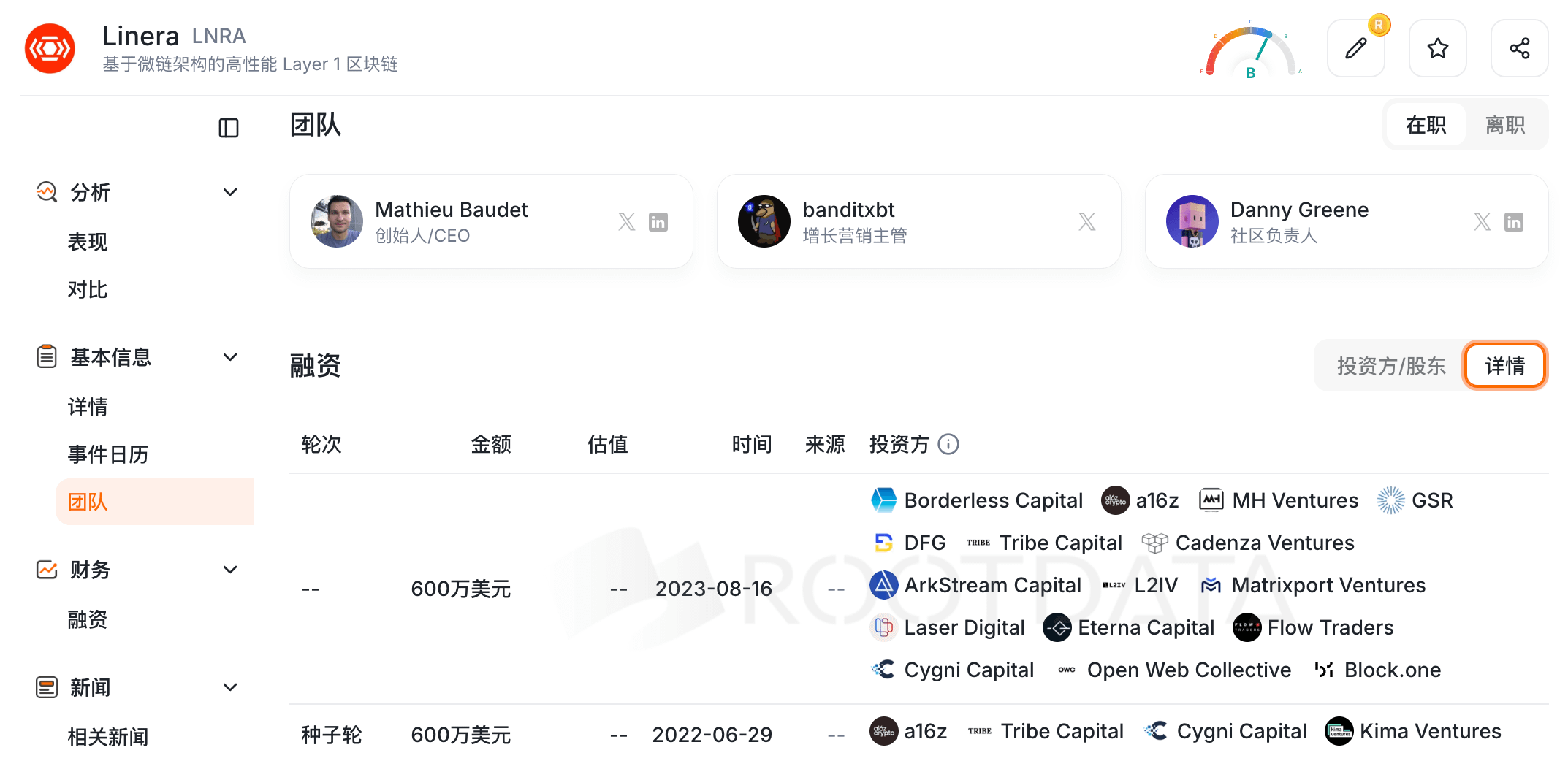
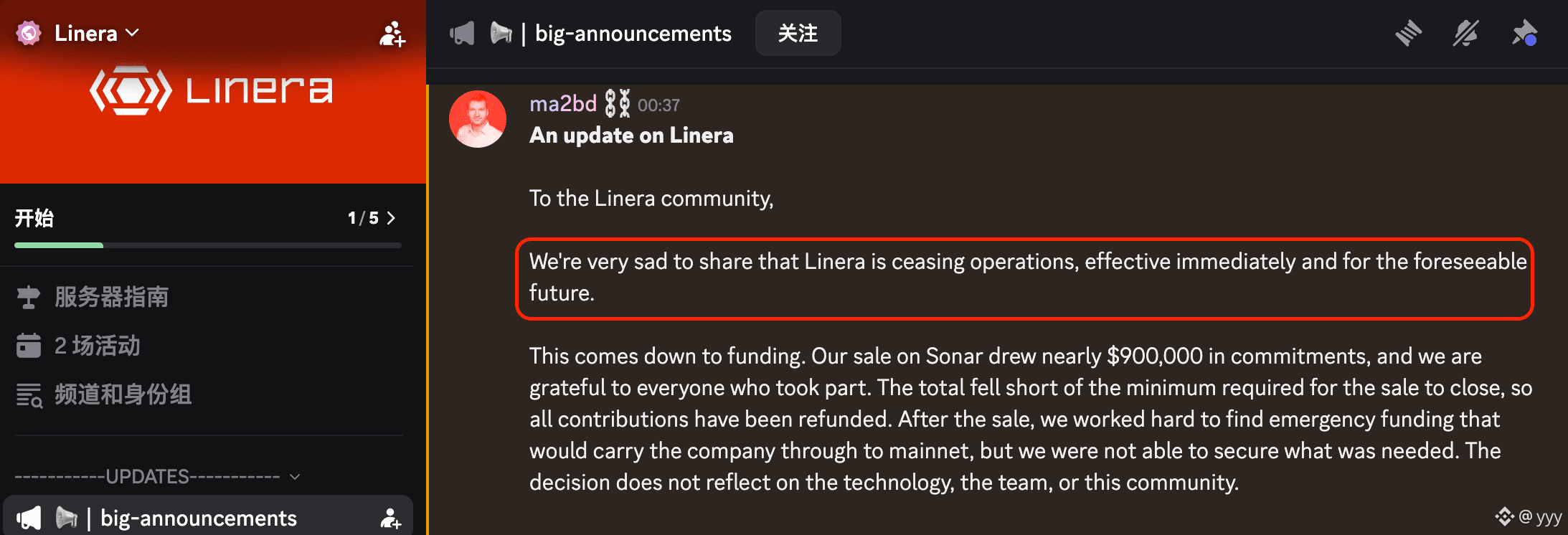
Linera went bankrupt and stopped operations because the public sale failed to raise funds.

@linera_io The founder @ma2bd posted an announcement on Discord saying that, effective immediately, Linera will stop operations. The reason is that the public sale failed to reach the $1.5 million USDC soft cap, so they were forced to issue full refunds. The company has no money left and can’t hold on until Linera’s mainnet goes live.

We failed. Sorry, everyone.

The $16 million raised previously has already been spent. Testnet points have been treated as zero. Thanks to everyone for your participation and contributions.

I want to ask the founder @ma2bd—do you remember the great ambition you made by the Daming Lake back then, to become the next Hyperliquid?

#linera #meta
yyy
·
--
Isn’t Linera supposed to be the next Hyperliquid?

Isn’t it supposed to be the heir of Diem, the king-class chain that top-tier institutions backed?

Isn’t it said that the public sale had the same valuation and concessions as a16z, so retail investors would benefit?

Isn’t it supposed to be a case of stuffing all the eggs into the basket?

Why has the public sale been over for 1 day, and yet only 1.1% has been allocated—how are you all lying to get me to jump on board?
·
--
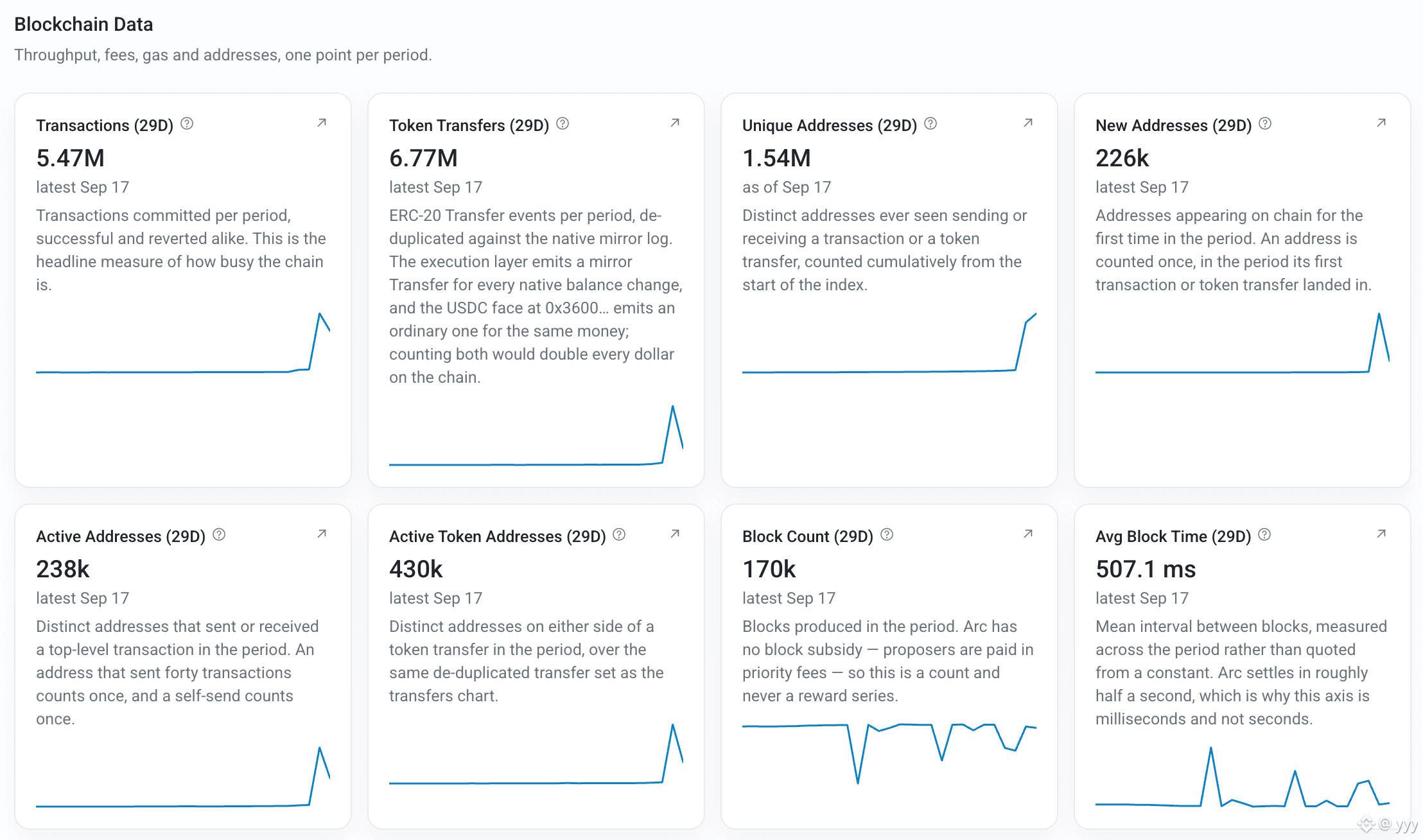
Arc current situation: An expedition is launched, yet victory is not achieved; the general dies before success, forever making heroic tears wet their garments. #ARC
Arc current situation:

An expedition is launched, yet victory is not achieved; the general dies before success, forever making heroic tears wet their garments.

#ARC
·
--
Trivia: If Arc succeeds, it will be the only blockchain in the history of blockchain to successfully use a centralized stablecoin for gas. The definition of “success” is quite simple: it can survive a full cycle of the bull and bear markets and still retain momentum. #ARC
Trivia:
If Arc succeeds, it will be the only blockchain in the history of blockchain to successfully use a centralized stablecoin for gas.

The definition of “success” is quite simple: it can survive a full cycle of the bull and bear markets and still retain momentum.

#ARC
·
--
Bullish
Partly True
Pons’ buyback and burn intensity has clearly dropped by an order of magnitude. Currently, it only burns the equivalent of about $350 worth of crypto every 15 minutes. Don’t panic—this doesn’t mean the protocol’s buyback ammunition has run out. It’s because the team hasn’t replenished the buyback distributor with funds yet. Pons’ buyback mechanism isn’t fully decentralized and follows a two-step process: Step 1: The team transfers funds from the custodial ledger (protocol revenue) to the buyback distributor; Step 2: The buyback distributor automatically executes the TWAP program to buy $PONS and send it to the burn address. There is currently about $1.65 million in the custodial ledger, with 80% intended for buybacks. But the buyback distributor only has $127,000 left—this is why $PONS is burning noticeably more slowly right now. Just wait for the team to top up the buyback distributor, and the firepower will increase. Time to get to work, Oz. #robinhoodchain $PONS {future}(PONSUSDT)
Pons’ buyback and burn intensity has clearly dropped by an order of magnitude. Currently, it only burns the equivalent of about $350 worth of crypto every 15 minutes.

Don’t panic—this doesn’t mean the protocol’s buyback ammunition has run out. It’s because the team hasn’t replenished the buyback distributor with funds yet.

Pons’ buyback mechanism isn’t fully decentralized and follows a two-step process:
Step 1: The team transfers funds from the custodial ledger (protocol revenue) to the buyback distributor;
Step 2: The buyback distributor automatically executes the TWAP program to buy $PONS and send it to the burn address.

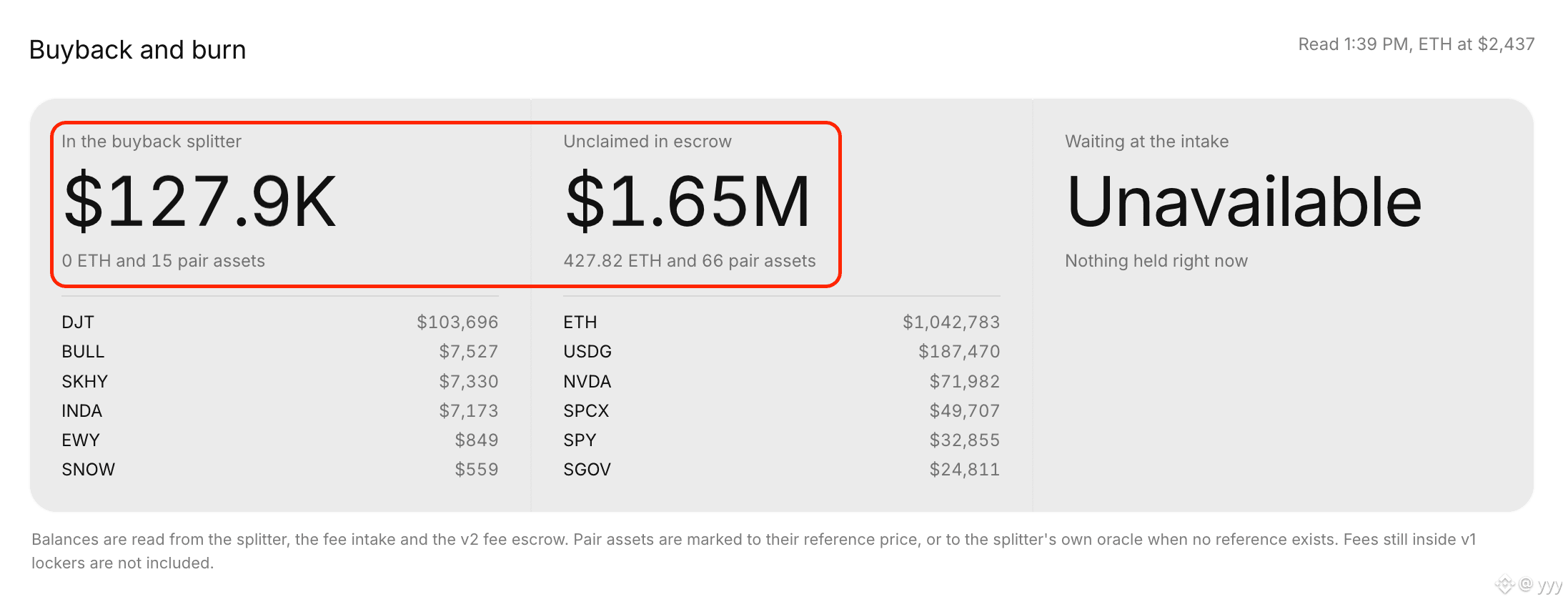
There is currently about $1.65 million in the custodial ledger, with 80% intended for buybacks. But the buyback distributor only has $127,000 left—this is why $PONS is burning noticeably more slowly right now. Just wait for the team to top up the buyback distributor, and the firepower will increase.

Time to get to work, Oz.

#robinhoodchain $PONS
yyy
·
--
Bullish
Pons’s app revenue is becoming stable, with daily income staying above $1 million.

Price drops for $PONS will only accelerate the burn rate, consuming more coins per unit of time.

It’s a simple math problem.

#Robinhood $PONS
·
--
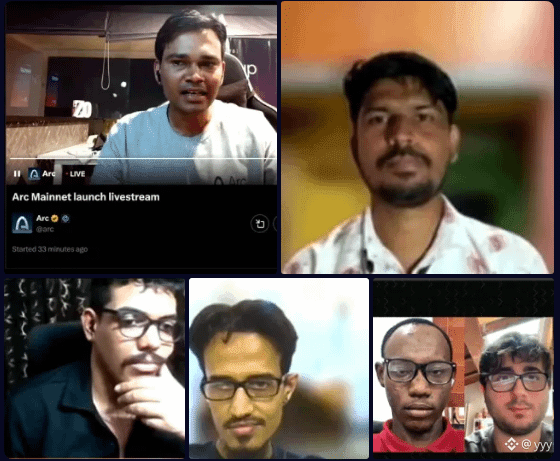
Stop, Azu. The Arc live room is full of arses. #ARC
Stop, Azu.

The Arc live room is full of arses.

#ARC
·
--
Solana’s No. 2 co-founder is going full throttle: First came @toly’s Ying-Yang Robinhood, and now @rajgokal is taking over to continue the Ying-Yang play with Arc. On X, Raji said that he’s currently in the LinkedIn-chain phase of a supercycle. The timing of this post is extremely delicate: roughly about 12 hours after @arc officially announced its mainnet launch. The implication is very clear—it’s mocking Arc as a product of Circle’s in-group collusion. Pumpfun has already been drawing blood from its own veins, which is bad enough. Then Robinhood stepped in to grab a slice of the meme race, making it even more infuriating. Now Arc keeps diverting flows—one could say it’s pouring fuel on the fire. It’s really hard—please try to understand. #ARC #solana
Solana’s No. 2 co-founder is going full throttle:
First came @toly’s Ying-Yang Robinhood, and now @rajgokal is taking over to continue the Ying-Yang play with Arc.

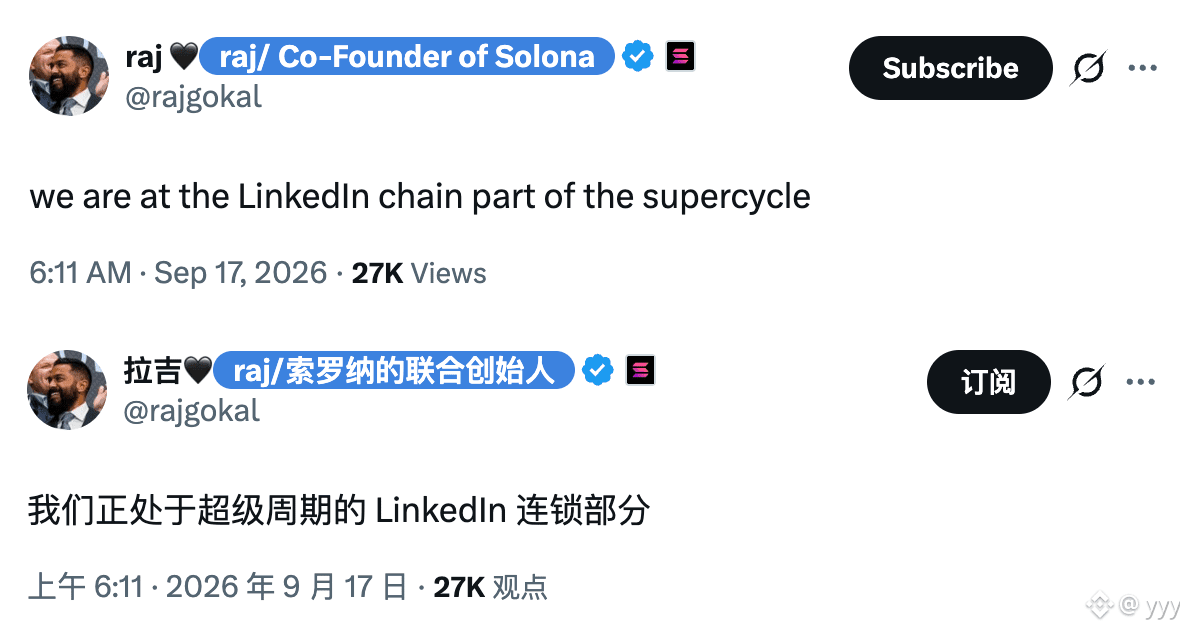
On X, Raji said that he’s currently in the LinkedIn-chain phase of a supercycle.

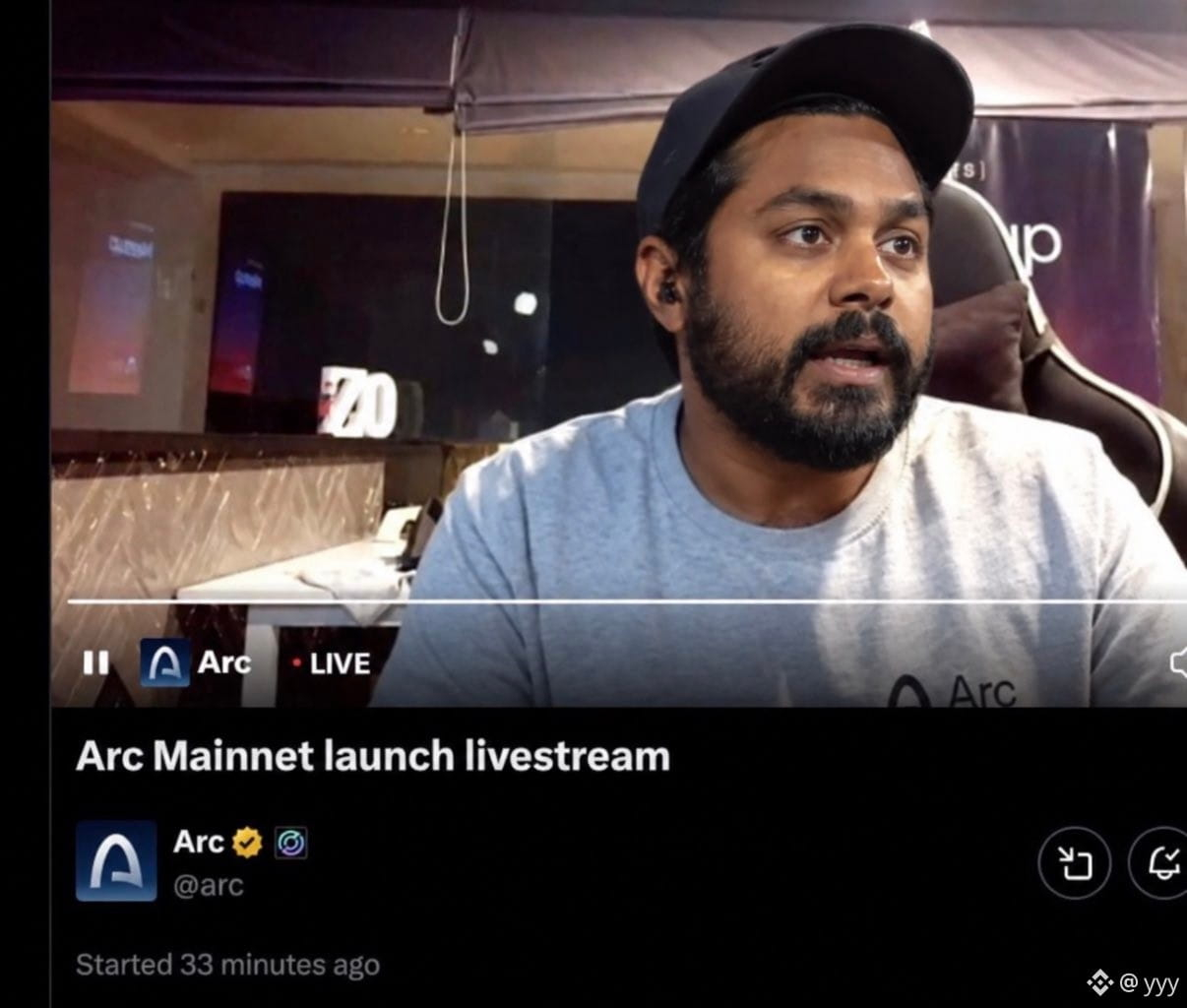
The timing of this post is extremely delicate: roughly about 12 hours after @arc officially announced its mainnet launch. The implication is very clear—it’s mocking Arc as a product of Circle’s in-group collusion.

Pumpfun has already been drawing blood from its own veins, which is bad enough. Then Robinhood stepped in to grab a slice of the meme race, making it even more infuriating. Now Arc keeps diverting flows—one could say it’s pouring fuel on the fire.

It’s really hard—please try to understand.

#ARC #solana
yyy
·
--
It seems Toly still can’t let it go that back then Robinhood didn’t choose to build dapps on Solana, but instead decided to build their own chain. He’s about to get obsessed.

If back then Robinhood had chosen Solana, the ceiling at best would be today’s Backpack.

And now, the RH Chain is an extremely threatening player—enough to make Solana take it seriously.

#solana
Log in to explore more content
Join global crypto users on Binance Square
⚡️ Get latest and useful information about crypto.
💬 Trusted by the world’s largest crypto exchange.
👍 Discover real insights from verified creators.
Email / Phone number
Sitemap
Cookie Preferences
Platform T&Cs