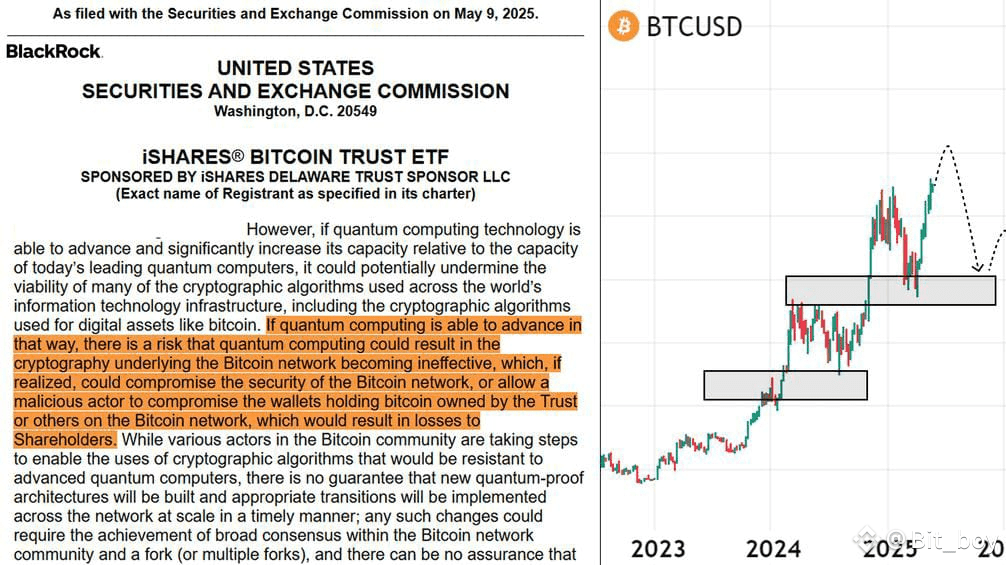
๐จBlackRock: BTC will be compromised and dumped to $40k!
Development of quantum computing might kill the Bitcoin network I researched all the data and learn everything about it. /โฎ Recently, BlackRock warned us about potential risks to the Bitcoin network ๐ท All due to the rapid progress in the field of quantum computing. ๐ท Iโll add their report at the end - but for now, letโs break down what this actually means. /โฎ Bitcoin's security relies on cryptographic algorithms, mainly ECDSA ๐ท It safeguards private keys and ensures transaction integrity ๐ท Quantum computers, leveraging algorithms like Shor's algorithm, could potentially break ECDSA /โฎ How? By efficiently solving complex mathematical problems that are currently infeasible for classical computers ๐ท This will would allow malicious actors to derive private keys from public keys Compromising wallet security and transaction authenticity /โฎ So BlackRock warns that such a development might enable attackers to compromise wallets and transactions ๐ท Which would lead to potential losses for investors ๐ท But when will this happen and how can we protect ourselves? /โฎ Quantum computers capable of breaking Bitcoin's cryptography are not yet operational ๐ท Experts estimate that such capabilities could emerge within 5-7 yeards ๐ท Currently, 25% of BTC is stored in addresses that are vulnerable to quantum attacks /โฎ But it's not all bad - the Bitcoin community and the broader cryptocurrency ecosystem are already exploring several strategies: - Post-Quantum Cryptography - Wallet Security Enhancements - Network Upgrades /โฎ However, if a solution is not found in time, it could seriously undermine trust in digital assets ๐ท Which in turn could reduce demand for BTC and crypto in general ๐ท And the current outlook isn't too optimistic - here's why: /โฎ Google has stated that breaking RSA encryption (tech also used to secure crypto wallets) ๐ท Would require 20x fewer quantum resources than previously expected ๐ท That means we may simply not have enough time to solve the problem before it becomes critical /โฎ For now, I believe the most effective step is encouraging users to transfer funds to addresses with enhanced security, ๐ท Such as Pay-to-Public-Key-Hash (P2PKH) addresses, which do not expose public keys until a transaction is made ๐ท Donโt rush to sell all your BTC or move it off wallets - there is still time ๐ท But it's important to keep an eye on this issue and the progress on solutions Report: sec.gov/Archives/edgarโฆ โฎ Give some love and support ๐ท Follow for even more excitement! ๐ท Remember to like, retweet, and drop a comment. #TrumpMediaBitcoinTreasury #Bitcoin2025 $BTC
Mastering Candlestick Patterns: A Key to Unlocking $1000 a Month in Trading_
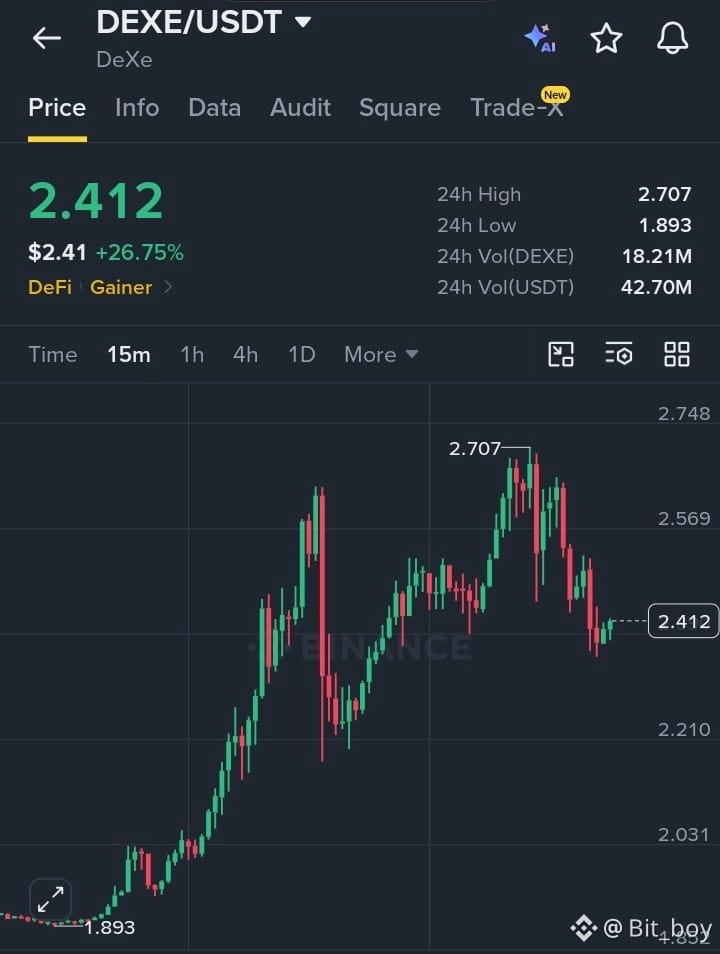
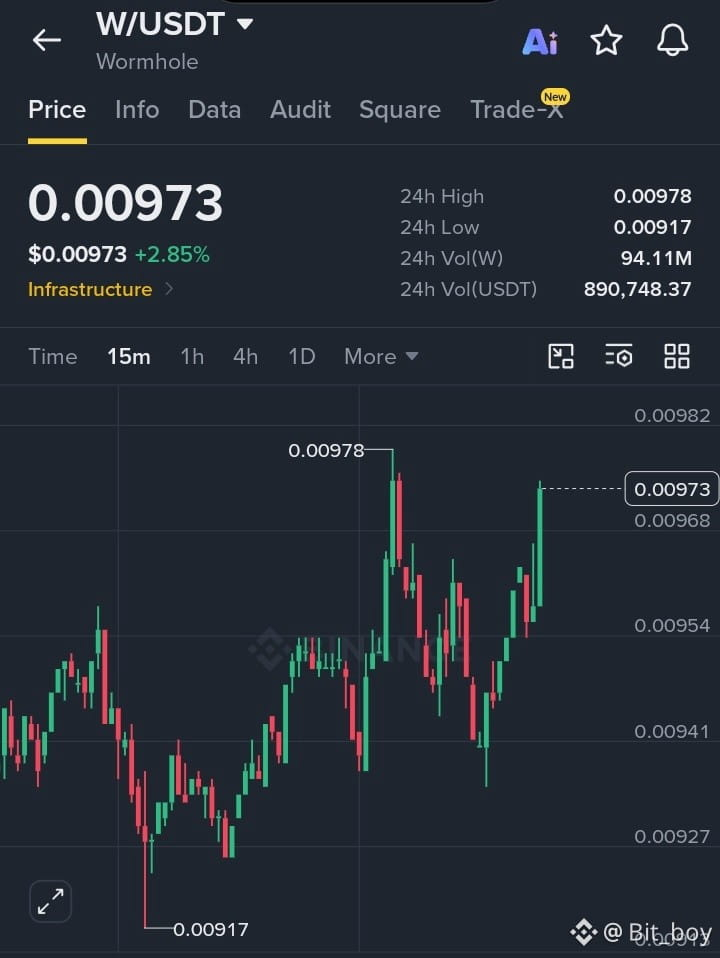
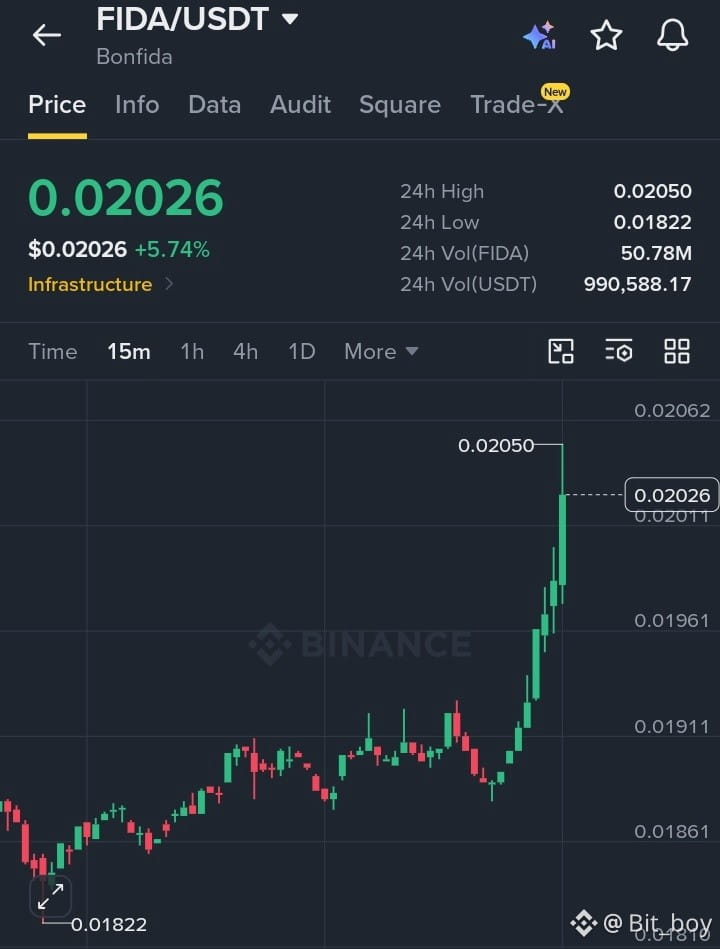
Candlestick patterns are a powerful tool in technical analysis, offering insights into market sentiment and potential price movements. By recognizing and interpreting these patterns, traders can make informed decisions and increase their chances of success. In this article, we'll explore 20 essential candlestick patterns, providing a comprehensive guide to help you enhance your trading strategy and potentially earn $1000 a month. Understanding Candlestick Patterns Before diving into the patterns, it's essential to understand the basics of candlestick charts. Each candle represents a specific time frame, displaying the open, high, low, and close prices. The body of the candle shows the price movement, while the wicks indicate the high and low prices. The 20 Candlestick Patterns 1. Doji: A candle with a small body and long wicks, indicating indecision and potential reversal. 2. Hammer: A bullish reversal pattern with a small body at the top and a long lower wick. 3. Hanging Man: A bearish reversal pattern with a small body at the bottom and a long upper wick. 4. Engulfing Pattern: A two-candle pattern where the second candle engulfs the first, indicating a potential reversal. 5. Piercing Line: A bullish reversal pattern where the second candle opens below the first and closes above its midpoint. 6. Dark Cloud Cover: A bearish reversal pattern where the second candle opens above the first and closes below its midpoint. 7. Morning Star: A three-candle pattern indicating a bullish reversal. 8. Evening Star: A three-candle pattern indicating a bearish reversal. 9. Shooting Star: A bearish reversal pattern with a small body at the bottom and a long upper wick. 10. Inverted Hammer: A bullish reversal pattern with a small body at the top and a long lower wick. 11. Bullish Harami: A two-candle pattern indicating a potential bullish reversal. 12. Bearish Harami: A two-candle pattern indicating a potential bearish reversal. 13. Tweezer Top: A two-candle pattern indicating a potential bearish reversal. 14. Tweezer Bottom: A two-candle pattern indicating a potential bullish reversal. 15. Three White Soldiers: A bullish reversal pattern with three consecutive long-bodied candles. 16. Three Black Crows: A bearish reversal pattern with three consecutive long-bodied candles. 17. Rising Three Methods: A continuation pattern indicating a bullish trend. 18. Falling Three Methods: A continuation pattern indicating a bearish trend. 19. Marubozu: A candle with no wicks and a full-bodied appearance, indicating strong market momentum. 20. Belt Hold Line: A single candle pattern indicating a potential reversal or continuation. Applying Candlestick Patterns in Trading To effectively use these patterns, it's essential to: - Understand the context in which they appear - Combine them with other technical analysis tools - Practice and backtest to develop a deep understanding By mastering these 20 candlestick patterns, you'll be well on your way to enhancing your trading strategy and potentially earning $1000 a month. Remember to stay disciplined, patient, and informed to achieve success in the markets. #CandleStickPatterns #tradingStrategy #TechnicalAnalysis #DayTradingTips #tradingforbeginners
Why I Trust Plasmaโs Bridge Security More Than Most Cross-Chain Solutions
When I look at any cross-chain bridge, the first thing I ask myself is simple: where does the security actually come from? Because in crypto, bridges are usually the weakest link. Weโve all seen enough hacks to know that flashy designs donโt matter if the foundation isnโt solid. Thatโs why Plasmaโs approach feels different to me. It doesnโt try to reinvent everything or chase some experimental design. Instead, it leans into something much more boring but much more reliable: Bitcoin security, distributed validation, and layered protection. Basically, build on whatโs already proven and reduce risk wherever possible. What gives me the most confidence is the Bitcoin anchoring. Since Plasma is a Bitcoin sidechain, assets are regularly anchored back to the Bitcoin mainnet. So if something goes wrong on the sidechain, thereโs still that PoW security and censorship resistance underneath. I see it as a safety net. A lot of bridges rely only on their own chainโs security. Plasma adds Bitcoin as the ultimate fallback, which raises the baseline a lot. Then thereโs the validator setup. Instead of a small group or a single custodian holding everything, Plasma uses decentralized validators. Each one runs a full Bitcoin node, and actions like minting or unlocking assets require threshold signatures. In other words, most of them have to agree. No single party can just run off with funds. Plus, they stake $XPL , so bad behavior actually costs them money. That economic pressure matters. I also like that they clearly learned from past bridge failures. So many exploits in this space came from rushed logic or edge cases people didnโt think about. Plasma seems more cautious. Waiting for multiple Bitcoin confirmations before locking assets, tightening refund logic, and keeping a clean lock โ validate โ mint/burn โ unlock flow. Itโs not exciting, but itโs exactly the kind of discipline bridges need. Another thing I notice is the layered security mindset. Itโs not just โthe contract is safe, weโre done.โ They think about the network, the contracts, and the apps. Encrypted node communication, anti-DDoS, audits, monitoring, wallet protections. And on top of that, compliance tools and integrations like USDT liquidity. That tells me theyโre aiming for real usage, not just crypto natives. Of course, I donโt think anything is risk-free. Early on, the validator set might still be a bit centralized, which is something Iโd keep an eye on. And the pBTC โ BTC mechanism will probably need time to prove itself under stress. Bridges only really show their strength during chaos. But overall, when I step back, I see a design that prioritizes survivability over hype. Less โlook how innovative we areโ and more โhow do we avoid the mistakes everyone else already made.โ For me, thatโs the right trade-off. Especially for stablecoins and BTC transfers, where people care more about safety than speed or fancy features. If Plasma keeps focusing on that solid foundation, I think it has a real shot at being one of the more trustworthy bridges out there. #Plasma $XPL @Plasma
I have been thinking a lot about Vanar lately and whether its tech edge can actually last long term, or if itโs just another short term โAI + Web3โ story that sounds good on paper. Honestly, I donโt think the answer is a simple yes or no. From what I see, the advantages are real. But in this space, having good tech once isnโt enough. You have to keep shipping, keep improving, and keep moving faster than everyone else. Otherwise, someone catches up. What makes me take Vanar seriously is that it doesnโt feel like they just slapped โAIโ onto a normal chain. A lot of projects treat AI like a plugin or a marketing angle. Vanar feels like it was built with AI in mind from day one. When I look at their stack, itโs more like a full system than just a blockchain. The modular L1, Neutron structuring data, Kayon doing on-chain reasoning, Axon handling automated execution, and then Flows packaging everything into real applications. The key idea that stands out to me is that they are not just storing hashes, theyโre trying to store data that AI can actually understand and use. Thatโs a big difference. It turns the chain into something closer to an AI database, not just a ledger. I also think their relationship with NVIDIA is more meaningful than the usual โpartnershipโ headlines we see in crypto. Itโs not just branding. They are integrating with real AI tooling like CUDA and Tensor. To me, that means they are plugging directly into an existing ecosystem instead of trying to build everything from scratch. That kind of access to mature infrastructure saves years of work. Another thing I like is that their direction feels practical. The AI world isnโt just about bigger models anymore. Itโs about stability, costs, and whether systems can actually run in production. Data is messy, modules donโt talk well to each other, and everything gets expensive fast. Vanar seems to be optimizing around those boring but important problems. Thatโs usually where real value is built. And Iโm starting to see the early signs of a loop forming. Games, metaverse stuff, digital content, AI tools like myNeutron, integrations like Fetch.ai. Itโs small, but itโs a start. Tech gets used, usage creates data, data improves the system. That kind of flywheel is healthier than pure hype. But I also donโt want to ignore the risks. AI + Web3 is getting crowded really fast. The more obvious the opportunity, the more competitors show up. Big chains will pivot to AI, and new AI-first chains will launch. So Vanar canโt slow down. If they pause, even for a year, someone else could overtake them. Their architecture is also ambitious, which is great in theory but tough in reality. Five layers mean more complexity, longer development cycles, and more things that can break. Especially the automation and application layers. Those are hard problems. Execution really matters here. Then thereโs regulation. Vanar talks a lot about privacy and compliance, which makes sense if you want real-world adoption. But compliance is a moving target. Rules keep changing. Balancing innovation with regulation isnโt easy, and it could slow things down.
So where do I land personally? I think Vanarโs tech isnโt just a short term narrative. The architecture looks thoughtful, the resources are solid, and thereโs early ecosystem activity. But none of that guarantees leadership. If they keep iterating fast, turn partnerships into real products, and handle compliance without killing innovation, I can see them staying near the front of AI + Web3 over the next few years. If they slow down, the market wonโt wait. For me, itโs simple: the foundation is strong, but the race is ongoing.
Most people think of AI and blockchain as two separate worlds that just happen to talk to each other.
Usually, the AI does the heavy lifting in a private room and then just sends a receipt to the blockchain to prove it happened. @Vanarchain is trying something much more ambitious by actually moving the AIโs "brain" directly onto the chain.
โItโs the difference between a car that sends you a text when it arrives and a car that is built into the road itself. By using NVIDIAโs tech stack, theyโre solving the huge hardware hurdle that usually stops this from working.
If they pull this off, we are not just looking at another crypto project, we are looking at an operating system where AI agents can live and make decisions 24/7 without needing a middleman to keep them running.
Itโs a massive technical leap, but itโs the kind of infrastructure we actually need for a future where AI and finance are inseparable.
Ethereum and Bitcoin and crypto prices have fallen sharply in the past 10 days
- down -40% and Bitcoin -30% - crypto sentiment is reflexive - so there is a lot of โrage quittingโ - and many pundits citing problematic structural and unfixablr reasons for the decline
To me, this type of volatility and drawdown seen in 2026 is very much what happens in crypto. Since 2018, - ETH has seen a drawdown - of -60% or worse 7 times - in 8 years
This is basically every year - in 2025, ETH decline -64%
But it feels worse in 2026, than other declines
- because this price decline matches a โcrypto winterโ - while crypto fundamentals have been improving - in 2022 crypto winter โ๏ธ, NFTs busted and then the collapse of 3 arrows and FTX book-ended the decline
2026 started with the earthquake of Oct 10th and the industry limped along but then took some hits from - Greenland truthsocial tweet - Gold and silver surge - Kevin Warsh annct
All outside of crypto
The decline last 10 days has been punishing and two tweets on X might best explain this.
First is from Parker_ - he notes that it is on possibly linked to $IBIT - evidenced by the huge volume of $IBIT etf and options - and this holder was using options plus funding sources from Asia
There is some credence to this since much of the volume and decline in crypto happened during US trading hours
And I have not realized that NASDAQ lifted the cap on the number of allowable contracts from 25,000 to uncapped
But the real question many ask is โwhat should they do nowโ?
- foremost, the best entry points for crypto and equities come after a decline - this is a time to be looking for opportunities
Think back to 2025. When was the best entry points for stocks?
- it was April 2025, after S&P 500 fell -20% due to tariff wars
Isnโt this the same opportunity in crypto in 2026?
_ There has been a lot of rage quitting and people saying crypto is over
But look at Bitcoin and its price history - BTC has never had a negative 4-year return - hence, Bitcoin rewards the HODLer
Ethereum continues to see strong usage and demand growth - it remains the future of finance
And itโs best to avoid excessive debt leverage in crypto when times are volatile
Conclusion: At the end of the day, markets always test your patience before they reward you. When fear is loud and people are walking away, thatโs usually when the real opportunities show up. Stay calm, avoid leverage, and think long term because the ones who hold steady during the dip are usually the ones smiling later. #MarketRally #squarecreator $BTC $ETH
In This Bear Market, I Care Less About Hype and More About Whether VANRY Can Actually Survive
When the market turns cold, I feel like everything becomes very simple. The hype fades. The big promises stop sounding convincing. All those beautiful PPTs and โnext revolutionโ narratives donโt really matter anymore. In a bear market, time is ruthless. If a project canโt actually survive in the real world, time just slowly erases it. So lately, I have changed how I look at things. I donโt chase stories. I donโt get impressed by fancy roadmaps. I ask myself one basic question: Is this project truly connecting to reality, or is it just entertaining itself? Thatโs why Vanar keeps catching my attention. Not because itโs loud or exciting, but because it feelsโฆ practical. And honestly, practicality is underrated in crypto. A lot of people still think of VANRY as just Terra Virtua with a new name. I used to think that too. But when I zoom out and look at the full timeline, it doesnโt feel like a simple rebrand. It feels more like a team that keeps correcting course. They started with NFTs and the metaverse. Then moved toward GameFi. Now theyโre clearly focused on AI, gaming, and RWAs. Itโs not one big pivot to chase hype. Itโs more like gradual adjustments as the industry changes. To me, that shows something important: theyโre trying to survive, not just trend. Even the TVK to VANRY swap, supported by major exchanges, wasnโt some messy restart. It felt structured and deliberate. A lot of weak projects donโt even make it through that kind of transition. What I notice most is their current mindset. Theyโre not talking about โchanging the worldโ anymore. They are talking about helping businesses use blockchain with less friction. Itโs not sexy. It doesnโt make headlines. But in a bear market, boring and durable often beats exciting and fragile. Performance-wise, I have stopped treating things like TPS or zero gas as special. Every chain claims that now. Itโs basically the minimum requirement just to compete. Itโs like having Wi-Fi in a cafรฉ. If you donโt have it, nobody comes. But having it doesnโt make you unique. So the real question becomes: who is actually willing to build and use this thing? Thatโs where Vanar feels a bit different to me. The cooperation around AI and computing resources, especially with serious tech partners, looks less like marketing and more like infrastructure planning. And their focus on templates and plug-and-play tools for developers makes sense. Most developers donโt want to reinvent everything from scratch. They just want something that works. Vanar seems to treat the chain like commercial infrastructure, not a playground for experiments. Less โlook how cool this is,โ more โhow can a normal business actually use this without breaking things?โ If I were running a company and thinking about Web3, that approach would feel much safer. Of course, I try not to romanticize it. There are still clear risks. Partnerships and frameworks are nice, but they donโt mean much if real users and real transactions donโt show up. At the end of the day, usage is what matters. If apps donโt generate demand, the market wonโt care how good the tech is. Thatโs probably the biggest test ahead for VANRY. Can the ecosystem actually produce steady activity, not just announcements? But even with that uncertainty, Iโd rather watch a project thatโs trying to integrate with the mainstream economy than one that only talks to crypto insiders. If I had to sum up my view in one line, it would be this: VANRY isnโt the kind of project that gives you goosebumps. Itโs a bit utilitarian. A bit realistic. Maybe even a little boring. But when survival matters more than dreams, Iโd rather bet on something grounded than something mythical. In bear markets, the projects that last arenโt the loudest ones. Theyโre the ones quietly building things that people can actually use. And to me, thatโs exactly why VANRY is worth paying attention to. @Vanarchain #vanar $VANRY #VanarChain
There is a weird tension with $VANRY right now. On one hand, you have nearly 30 million wallets and record-low transaction fees, but on the other, the price has hit a major correction and trading volume is still very trader heavy.
The project is leaning into a subscription model for its AI tools to fix this, aiming to create consistent buy pressure from actual users.
It feels like Vanar is done with the hype phase and is now in the "commercial viability" phaseโless about moonshots, more about becoming an essential utility layer.
@Dusk has a massive gap to bridge between its 19k holders and its actual on-chain usage, but the 2026 roadmap is finally putting the pieces together. Integrating with the NPEX exchange to move hundreds of millions in tokenized securities is a huge real-world test.
They aren't trying to make everything private; they are positioning privacy as a specialized tool for institutional finance. If it works, itโs because theyโve built a compliant bridge between Amsterdamโs financial center and Web3, making privacy a feature of the infrastructure rather than a gimmick.
What If Tom Leeโs Billions Moved to Plasma Instead of Sitting in Losses
Sometimes I think people misunderstand losses in crypto. They see a big red number and assume the story is over. But after being in this market for a while, Iโve learned that unrealized losses arenโt an ending. Theyโre more like a filter. They separate the people who actually believe in long term infrastructure from those who are just chasing the next pump. When I looked at the recent numbers from some of the biggest holders in the market, even I had to pause. Billions wiped out on paper. Tom Leeโs Bitmine Immersion building heavy ETH positions near the top and sitting on roughly $7.5 billion in losses. Michael Saylor still holding strong while his average price keeps climbing and the drawdown grows. From the outside, it looks painful. Almost reckless. But the more I think about it, the more I realize these guys arenโt just gambling. Theyโre betting on a shift. Not โnumber go up,โ but crypto becoming actual financial infrastructure. Real rails. Real usage. Real payments. And thatโs where my attention started drifting toward Plasma. I didnโt get interested because of hype or a green candle. I got interested because of the boring stuff that usually matters most in the long run: settlement speed, fees, liquidity, and whether normal people can actually use it. When I tried Plasma and saw stablecoins moving in seconds with zero gas, it didnโt feel like another DeFi toy. It felt practical. Almost too simple. Then I started digging deeper. Liquidity from dozens of chains connected through integrations like NEAR Intents. Real-world settlement partnerships handling actual merchant payments. Cards that work at millions of stores. Not screenshots of APRs, but coffee, salaries, e-commerce checkouts. Thatโs when it clicked for me: this isnโt trying to be another speculative playground. Itโs trying to be plumbing. So sometimes I ask myself a hypothetical question. What if someone like Tom Lee didnโt just keep averaging into ETH, but went all-in on something like Plasma instead? If billions of dollars flowed into a network designed specifically for payments and settlement, the story changes completely. Instead of sitting on idle coins hoping for appreciation, that capital could actually move. It could process transactions, earn fees, and power real economic activity. In my mind, thatโs the difference between holding gold in a vault and owning the highway everyone has to drive on. I can easily imagine the effect. First, credibility. When traditional finance names step in, institutions feel safer following. Second, utility. Plasma becomes not just a chain, but a bridge between compliant dollars and on-chain payments. And third, cash flow. Fees from settlements, transfers, and merchant activity start looking more like a business than a bet. At that point, we wouldnโt be talking about how many billions he lost during a drawdown. Weโd be talking about how much revenue the network generates every year. Personally, this market has made me tired of noise. Leverage, narratives, endless rotations. I donโt really care who shouts the loudest on social media anymore. I care about what actually works when I send money, pay someone, or move funds across borders. If itโs slow or expensive, I wonโt use it. If itโs instant and free, I will. Itโs that simple. Thatโs why Plasma feels different to me. Itโs less about speculation and more about function. Less about charts and more about daily life. Maybe the next winners in crypto wonโt be the ones holding the most coins. Maybe theyโll be the ones building the rails that everyone else depends on. And if we are heading into another cold market cycle, Iโd rather position myself around projects that make money flow, not just promises. Because every time history repeats, the real gains usually come from the quiet infrastructure built during the winter, not the loud tokens everyone chased at the top. @Plasma #Plasma $XPL
I appreciate that @Plasma is not trying to reinvent the wheel for developers. Keeping Ethereum-style tooling while hitting sub-second finality is exactly what you need if you want firms to actually build on-chain.
The zero-fee model for simple stablecoin transfers is a bold moveโit basically turns the chain into a "loss leader" to attract high-volume liquidity before monetizing the more complex DeFi layers.
If they can maintain that performance as the user base scales, it could genuinely become the default bridge between traditional finance and the digital dollar economy.
When I first started learning about tokenization, I thought it was simple. You take something from the real world, put it on a blockchain, and suddenly it becomes more liquid and easier to trade. That was the theory I kept hearing. But the more I looked into regulated assets like shares, bonds, or money-market funds, the more I realized itโs not that straightforward. These arenโt just tokens you can pass around freely. They come with rules, identities, restrictions, and legal responsibilities. Thatโs why Dusk caught my attention. At first I looked at it like any other chain talking about privacy and smart contracts. But after digging deeper, I started to see that Dusk isnโt just trying to be faster or cheaper. Itโs trying to answer a much harder question: how do you put real, regulated finance on-chain without breaking the law? Most blockchains are great at moving tokens. Theyโre not great at following financial regulations. If you tokenize a stock or a fund unit, you canโt just let anyone buy it anonymously. You need identity checks. You need compliant transfers. You need records that regulators can audit. And sometimes, whether we like it or not, you even need mechanisms like forced transfers or recovery. Dusk seems built with that reality in mind from day one. What I like is that they didnโt design the tech first and think about compliance later. They built the architecture specifically to support both privacy and control at the same time. That balance is rare. On one side, users and institutions donโt want their trades exposed to the entire world. On the other side, regulators need visibility and rules. Dusk is trying to give both. One thing that stood out to me is their goal of acting like a blockchain-based securities infrastructure, similar to what traditional markets call a Central Securities Depository. In normal finance, there are multiple layers handling custody, clearing, and settlement. Itโs slow and expensive. Dusk wants to bring all of that on-chain so ownership records and settlement happen directly on the network. If that works, settlement could be faster, cheaper, and easier to audit. From my perspective, thatโs a lot more practical than another DeFi farm promising crazy yields. Then there are the licenses and partnerships, which make it feel more serious. For example, working with regulated venues like NPEX in the Netherlands means this isnโt just a testnet experiment. Real securities can be issued and traded with a licensed exchange using Dusk as the settlement layer. Thatโs a big difference from platforms that operate in legal gray zones. Here, the legal structure and the technology are being built together. Theyโre also collaborating on stablecoin treasury management and other institutional use cases. When I think about stablecoins, I usually focus on transfers. But the reserves behind them are massive and sensitive. Managing those trades privately while still meeting regulatory standards is a real challenge. Duskโs privacy layer seems designed exactly for that type of institutional activity. Another interesting piece is their own trading platform, STOX. Instead of waiting for others to build everything, theyโre creating an in-house environment to list and trade regulated assets. I see it almost like a sandbox where they can test new financial products safely before pushing them to larger markets. That kind of controlled experimentation makes sense to me. What really changed my perspective, though, is how Dusk treats compliance features as normal, not optional. Things like identity verification, restricted transfers, on-chain governance, and even forced transfers for legal cases. In pure crypto culture, those ideas sometimes feel uncomfortable because weโre used to total freedom. But if you want pension funds, bonds, and regulated securities on-chain, those features arenโt enemies. Theyโre requirements. Iโve come to accept that if we want real institutions and trillions of dollars to move on-chain, we canโt ignore those rules. Their long term tokenomics also feels aligned with that mindset. Instead of short-term incentives, they stretch emissions over decades to support network security over time. To me, that matches the kind of assets they want to host. Bonds and funds arenโt short-term games. Theyโre long-term instruments, so the chain securing them should also think long term. Add in cross-chain connections through tools like Chainlink, and it starts to look less like an isolated blockchain and more like a piece of financial infrastructure that can plug into the wider ecosystem. When I step back and look at everything, I donโt see Dusk as another โnext big L1.โ I see it more like an experiment in merging traditional finance with public blockchains in a way regulators might actually accept. Thatโs not as flashy as meme coins or big pumps, but it feels more sustainable. Personally, Iโm starting to believe the next phase of crypto wonโt be about who can launch tokens the fastest. It will be about who can bring real-world assets on-chain in a compliant, usable way. Stocks, funds, stablecoins, settlements โ the boring stuff that actually runs the economy. If Dusk manages to pull that off, it wonโt just be another chain. It could quietly become the rails underneath regulated on-chain finance. And honestly, that kind of slow, infrastructure focused growth is what I trust more these days than any hype cycle.
Why I Think Vanar Makes More Sense for Enterprises Than Most โHigh-Performanceโ Chains
When I look at Vanar next to most mainstream โenterprise chainsโ or L2s, I donโt really see it as another performance race. A lot of projects still talk about TPS, faster blocks, bigger numbers. But whenever I speak with people from traditional industries, thatโs rarely their real problem. Theyโre not saying, โwe need 10x more throughput.โ What I hear instead is confusion and risk. They donโt fully understand how to build on-chain. Their teams arenโt crypto-native. Compliance teams are nervous. Legal is cautious. And when AI is involved, things get even messier because now youโre dealing with data, reasoning, and models that donโt fit neatly into smart contracts. So the real cost for enterprises isnโt speed. Itโs trial and error. Every failed experiment costs time, money, and internal trust. What I think Vanar does differently is that it treats those constraints as the starting point, not as afterthoughts. Instead of adding more โfeatures,โ it tries to remove friction. A lot of chains say theyโre enterprise-ready just because theyโre EVM compatible. But from what Iโve seen, compatibility alone doesnโt solve much. Sure, you can deploy contracts, but you still end up rewriting processes, redesigning architecture, and training teams from scratch. Thatโs not plug-and-play. Thatโs still heavy lifting. With Vanar, the idea feels more practical to me. Itโs not just about running contracts. Itโs about running actual business logic on-chain. They combine EVM compatibility with AI inference and structured data layers. So itโs not only โdeploy your app,โ but more like โbring your workflow.โ Things like game micropayments, metaverse interactions, brand tracking, or compliance checks arenโt treated as custom hacks. Theyโre closer to built-in capabilities. If I were an enterprise team, that would matter a lot. It lowers the mental barrier of getting started. Another thing I notice is how they approach security and openness. Traditional alliance chains feel safe, but they are isolated. They sit behind walls, disconnected from real users and real liquidity. You get control, but you lose the network effect. Public chains are the opposite. Open and liquid, but sometimes too chaotic for enterprise standards. Vanar seems to be trying to sit in the middle. You still get the openness and incentive structure of a public chain, but with privacy and compliance controls that enterprises actually need. For businesses serving regular users, like gaming, entertainment, or payments, that balance feels much more realistic. The AI side is where it gets even more interesting to me. I have seen many โAI + blockchainโ stories that sound good on paper but rely heavily on off-chain services and oracles. In the end, the chain is just storing results. That doesnโt really feel native. Vanarโs approach looks different. With things like a semantic memory layer and on-chain inference, the chain isnโt just recording outcomes. It can actually participate in reasoning and execution. So instead of โAI happens somewhere else and we log it on-chain,โ it becomes โAI logic is part of the protocol itself.โ Thatโs a big shift. It turns the chain into an active system, not just a database. If I had to summarize Vanarโs positioning in simple terms, Iโd say this: Itโs less about building a giant ecosystem first and hoping enterprises show up later. Itโs more about giving enterprises tools they can use immediately, with minimal reconstruction. Low entry barriers. Composable layers. Business logic that plugs in directly. To me, that feels more practical than chasing hype or stacking features nobody asked for. Most universal chains try to connect people and value. Vanar feels like itโs trying to connect enterprise processes and value. And for companies that just want something that works without reinventing everything, thatโs probably the more direct path forward. @Vanar #VanarChain $VANRY
โI have been diving into the @Vanar ecosystem lately, and it is interesting to see an L1 that actually builds for AI from the ground up rather than just tacking it on as a marketing buzzword.
Most chains treat AI as an external add-on, but Vanar embeds it directly into the execution and storage layers. This actually solves real problems, like the "memory loss" issue for AI agents through their myNeutron layer. It creates a much more efficient environment where data, reasoning, and execution all happen in one closed loop.
โWhat stands out to me is how the $VANRY token is tied into this. It isn't just a speculative asset, it is the actual fuel for the networkโs AI services. Whether it is a business calling an AI reasoning engine or a developer using the on-chain memory, they are using the native token to settle those costs.
Seeing them expand into the Base ecosystem as well shows they aren't trying to live in a silo. They are positioning themselves as the foundational intelligence layer for the multi-chain future. Itโs a refreshing shift from the usual TPS-chasing narrative to something with actual commercial logic.
Why I Think Plasma Finally Makes USDT Feel Like Real Money
I have watched stablecoins for years, and honestly, sending USDT on-chain isnโt the hard part anymore. Technically, it works. You can move it from one wallet to another without much trouble. But what I keep noticing is this: people still donโt actually use it like money. Not because they canโt. Because they donโt trust the experience. Some days the gas fee is cheap, other days it suddenly spikes and you feel like youโre overpaying just to send ten dollars. During congestion, youโre stuck refreshing your screen, wondering when the transfer will confirm. And something as simple as sending money ends up feeling like you are interacting with a DeFi protocol. So USDT exists on-chain, but it never really feels like a normal payment tool. Thatโs where Plasma started to make sense to me. Instead of trying to make everything faster for everyone, Plasma takes a different view. It treats stablecoin payments as their own thing, not just another task fighting for block space with NFTs and complex contracts. USDT gets its own execution path. Fewer interruptions. Less switching. Cleaner logic. From the outside, it doesnโt look flashy. It just works. When I send USDT, itโs basically zero fees and near-instant finality. No drama. No guessing. It feels closer to cash than crypto ever did. And thatโs the point. Plasma isnโt chasing better benchmarks. Itโs fixing the last mile of payments. At first, I thought โzero feesโ must just be some kind of subsidy. Like they are burning money to attract users. But when I looked deeper, itโs not about throwing incentives around. Itโs more structural than that. On most chains, everything competes for the same resources. A simple transfer is fighting with NFT mints and heavy smart contracts. Of course fees become unpredictable. Plasma separates stablecoins as core traffic. They plan resources around that specifically. So USDT transfers donโt carry the cost of everyone elseโs complexity. The network becomes more predictable. Congestion matters less. Fees stop jumping around. Thatโs also where XPL fits in. Itโs not just a fee token to me. It feels more like a measurement unit for network resources. Real stablecoin activity maps to real resource usage. The system stays sustainable internally, even if users feel like itโs free. So zero fees arenโt marketing. They are just what naturally happens when the architecture is designed right. What really convinced me, though, is this: payments arenโt about narratives or TPS numbers. Theyโre about habits. Nobody wakes up caring about throughput stats. People just want to send money quickly and move on with their day. I think Plasma understands that better than most projects. Instead of chasing institutions first, theyโre trying to win everyday behavior. Make USDT as easy as handing someone cash. If people start using it daily for transfers, remittances, and small payments, everything else follows. Liquidity grows. Activity grows. Value capture becomes real. And for XPL, that value wouldnโt come from speculation. It would come from actual usage. Thatโs a big difference. A lot of โstable chainsโ compete for headlines and partnerships. Plasma feels like itโs competing for something simpler: being the default button people press when they need to send money. In the end, the winner wonโt be the one on stage at conferences. Itโll be the one I quietly use every day without even thinking about it. If I can just open my wallet, send USDT in seconds, and forget about it, thatโs when I know itโs working. @Plasma #Plasma $XPL
If you have been looking for the most cost-effective way to move funds lately, you might want to check the withdrawal options for Plasma.
Right now, it is showing some of the lowest fees across nearly twenty different networks, even beating out most Layer 2s. For a standard 1U transfer, the fee is sitting around 0.012U, which is practically negligible.
The speed is also a major plus, as transactions usually land in about a minute, though it often feels much faster in practice. With Arbitrum withdrawals currently hit by some delays or suspensions on major exchanges, having a reliable and cheap alternative for stablecoin-specific moves is a lifesaver.
Just a reminder to always double-check your arrival times and address formatting before hitting send, as these small details are where most mistakes happen.
Why Iโm Still Watching DUSK While Everyone Else Forgot About Privacy
Over the past couple of years, I have felt how cold the privacy sector has become. You can almost see it in the charts and the timelines. Projects either pivot to something trendy, go quiet, or slowly fade out. Prices move sideways, narratives lose energy, and suddenly nobody wants to talk about privacy anymore. But then thereโs DUSK. While most teams are chasing the next hot thing โ L2 launches, airdrops, marketing pushes โ DUSK feels like itโs just sitting in the lab, heads down, writing code. Honestly, it doesnโt even look like theyโre trying to survive the market. It looks like theyโre preparing for a future cycle that hasnโt arrived yet. At this stage, I have stopped obsessing over daily price action. I care more about who is still building when nobody is watching. Thatโs usually where the real signal is. What stands out to me about DUSK is how โanti-marketโ its rhythm feels. When everyone else speeds up the hype, they slow down and focus on engineering. Instead of flashy announcements, they push things like Piecrust VM upgrades and real zero-knowledge performance improvements. Going from 1.0 to 2.0 with serious gains isnโt just a cosmetic update. Thatโs the kind of work you only do if youโre thinking long term. Itโs not something you slap on a slide deck. Itโs actual infrastructure. And this isnโt some new project that just showed up. DUSK has been around since 2018. Multiple bear markets. Multiple cycles. Still here. I check GitHub sometimes, and the activity is steady. Not explosive. Not noisy. Just consistent. In an industry that often feels addicted to short-term attention, that kind of persistence feels rare. What really convinces me, though, is their approach to privacy itself. A lot of privacy projects position themselves like theyโre fighting regulation. Total anonymity, total opacity. It sounds cool, but in reality it scares exchanges and institutions away. DUSK took a different path, and honestly, a harder one. They focus on what Iโd call compliant privacy. Using zero-knowledge proofs and selective disclosure, you can prove you follow the rules without exposing everything about yourself. You donโt have to show your entire identity or balances, just enough to show youโre legitimate. To me, that makes way more sense for the real world. Institutions donโt want darkness. They want verifiability with protection. Their work with regulated environments, like collaborations tied to real-world assets, shows this isnโt just theory. Itโs actually being tested in practice. Thatโs a big difference from projects that only talk about RWAs but never integrate them. Then thereโs the execution side. I pay attention to whether a chain actually works, not just what it promises. DUSKโs testnets, staking systems, node elections โ these arenโt vague roadmaps. They are running systems with rules and incentives. Things like fast finality and succinct attestations might sound technical, but they matter a lot. If you want financial apps to run on-chain, they need to settle quickly and be verifiable. Otherwise nobody serious will trust them. Thatโs the kind of foundation you build before institutions show up, not after. Style-wise, Iโll admit DUSK isnโt exciting. Itโs not loud. It doesnโt chase every narrative. Sometimes it almost feels indifferent, like โwe are building, join if you want.โ But lately I have started to appreciate that. Too many projects rely on marketing to justify their value. When the marketing stops, thereโs nothing underneath. With DUSK, it feels like the opposite. The tech comes first, attention later. The token itself reflects that too. DUSK isnโt just a speculative ticker. Itโs tied to gas, staking, governance, and even funding ongoing research. Its value feels connected to the network actually being used and improved, not just traded. Privacy and compliance together were never going to be the sexy part of crypto. But if regulation tightens and real institutions finally step in, I doubt theyโll choose the loudest chain on Twitter. Theyโll choose the one that quietly works, day after day. From where I stand, DUSK feels like that kind of project. Maybe not flashy. Maybe not trending. But the type that sticks around long enough to see spring when everyone else has already disappeared. @Dusk #dusk $DUSK
There is a lot of talk about transaction speed in the L1 space, but for big institutions, certainty matters a lot more than just being fast.
@Dusk Network seems to understand this better than most by focusing on what they call deterministic finality. In simple terms, it means once a transaction is confirmed, it is final and cannot be reversed or reorganized. If you are moving millions in tokenized securities or real-world assets, you cannot afford the "probabilistic" waiting game that most chains require.
By prioritizing stability and immutability over chasing superficial speed metrics, Dusk is positioning itself as the adult in the room for compliant finance. It is refreshing to see a protocol that treats blockchain more like market infrastructure and less like a speculative experiment.