
加密野狼
415 Posts

加密野狼
 Square Verified+
X:@cryptionwolf
Web3从业者|神龙社区发起人|金狗捕手|多个大社区主讲|专业承接宣发|开发|商学院,持续扎根加密圈全靠ip信誉生存,欢迎交流
Open Trade

BNB Holder
Frequent Trader
9.1 Years
845 Following
50.2K+ Followers
21.7K+ Liked
Posts
Portfolio
All
Quotes
Live
PINNED

晚风Vesper_1688
·
--
🌙 As the night grows quieter, a cup of clear tea settles the restlessness within 🍃
The noise of rise and fall on the board will eventually end 📊,
and the cultivation of trading is hidden between choosing and waiting 🕯️.
Don’t obsess over daily gains or losses—learn to stop at the right time and reflect in calmness.
Opportunities never fail to appear; only by staying steady and focused can you see the cycle ✨.
Simplify and let go of the unnecessary, stick to your trading principles, and quietly wait for your moment 💎.
Wishing fellow travelers: let go of impatience, and keep your heart in harmony 🌌
#交易心理
#原油涨至7月来最高
#1688家族family
The noise of rise and fall on the board will eventually end 📊,
and the cultivation of trading is hidden between choosing and waiting 🕯️.
Don’t obsess over daily gains or losses—learn to stop at the right time and reflect in calmness.
Opportunities never fail to appear; only by staying steady and focused can you see the cycle ✨.
Simplify and let go of the unnecessary, stick to your trading principles, and quietly wait for your moment 💎.
Wishing fellow travelers: let go of impatience, and keep your heart in harmony 🌌
#交易心理
#原油涨至7月来最高
#1688家族family

Quoted content has been removed

易琳Ten
·
--
Trading has never been just a test of intelligence
Traditional IQ tests measure language, logic, and spatial reasoning—but none of these determine whether a trader can reach the top of the market.
Real top-tier trading ability comes from three core qualities:
First, probabilistic intuition.
It’s not about predicting the future; it’s about quickly judging win probability amid uncertainty—knowing when to act and when to wait.
Second, emotional control.
When facing massive unrealized losses, consecutive stop-outs, and market panic, you can still stay calm and not be ruled by greed or fear.
Third, pattern recognition ability.
By reading complex price fluctuations, fund flows, and market sentiment, you can capture patterns others can’t see.
Real top-tier trading ability comes from three core qualities:
First, probabilistic intuition.
It’s not about predicting the future; it’s about quickly judging win probability amid uncertainty—knowing when to act and when to wait.
Second, emotional control.
When facing massive unrealized losses, consecutive stop-outs, and market panic, you can still stay calm and not be ruled by greed or fear.
Third, pattern recognition ability.
By reading complex price fluctuations, fund flows, and market sentiment, you can capture patterns others can’t see.


路人1688luren
·
--
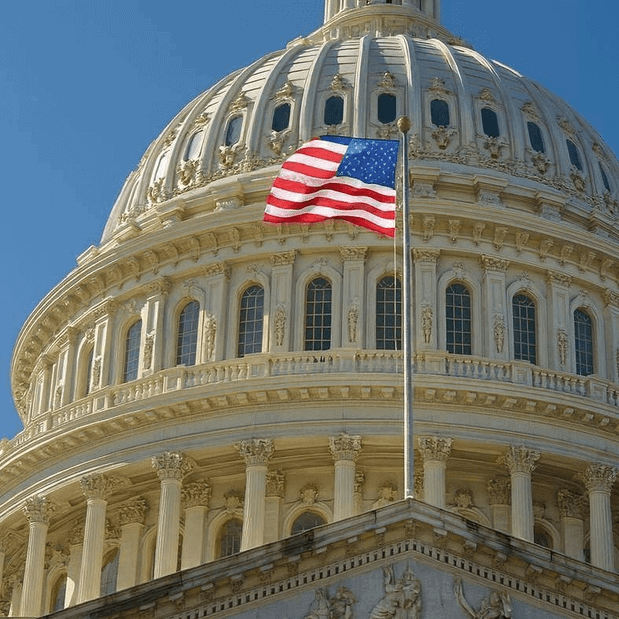
#灰度ZcashETF资产突破5亿美元 9月15日Ripple's Chief Legal Officer Stuart Alderoty stated at a blockchain seminar in Wyoming that September 15 will serve as a key indicator of the prospects for the CLARITY Act—on that day, the Senate will hold its first procedural vote, and the legislation can move forward only with the support of 60 votes. Alderoty said that if the bill fails, the SEC and the CFTC will continue to advance their respective rulemaking, and he hopes the bill can pass. Citing research data from the National Crypto Association, he warned that if the legislation cannot be passed, the United States could push 232,000 crypto-related jobs and $55 billion in economic activity overseas. On the same day, the SEC proposed a new rule titled “Regulation Crypto Assets,” providing an exemption pathway for digital asset financing.$BNB




橙子Joyce
·
--
Underestimated Risks in the U.S. Midterm Elections?
The market is seriously underestimating the risk that the results of the U.S. midterm elections could be challenged, triggering political and legal disputes. At the same time, hedging costs on Wall Street have fallen to their lowest level of the year, and the implied volatility of S&P 500 put options for November has dropped below 15%, creating a low-cost window to buy protection early.
The probability that the election results could be disputed, or even spark political turmoil, is being severely underestimated by the market, and current pricing in the options market does not fully reflect this tail risk.
As the market calmed in August, the implied volatility of S&P 500 put options has fallen significantly from its July highs. The calmer the market, the cheaper protection becomes; but once election risk is truly priced into assets, volatility could rise rapidly, and the cost of hedging at that point would increase markedly.
The core logic is built on the current polling situation. Polls generally show Trump’s approval rating slipping, Democrats likely to regain control of the House, and Republicans expected to keep their Senate majority.
What the market is truly overlooking is not the election result itself, but the political and legal disputes that could emerge if the result is challenged. If the final outcome is unfavorable to Trump, the market is severely underestimating the likelihood that Trump would react strongly and challenge results in certain districts.
In that scenario, Trump may launch legal challenges to every “contested” district, delaying the certification process and triggering a wave of media coverage around disputes such as “what happens next” and claims that the election was “stolen.”
This political uncertainty could ultimately spill over into financial markets and drive volatility sharply higher. For markets, the most dangerous outcome is not necessarily that one side wins, but that the election result remains unconfirmed for an extended period, creating persistent uncertainty.
The market is seriously underestimating the risk that the results of the U.S. midterm elections could be challenged, triggering political and legal disputes. At the same time, hedging costs on Wall Street have fallen to their lowest level of the year, and the implied volatility of S&P 500 put options for November has dropped below 15%, creating a low-cost window to buy protection early.
The probability that the election results could be disputed, or even spark political turmoil, is being severely underestimated by the market, and current pricing in the options market does not fully reflect this tail risk.
As the market calmed in August, the implied volatility of S&P 500 put options has fallen significantly from its July highs. The calmer the market, the cheaper protection becomes; but once election risk is truly priced into assets, volatility could rise rapidly, and the cost of hedging at that point would increase markedly.
The core logic is built on the current polling situation. Polls generally show Trump’s approval rating slipping, Democrats likely to regain control of the House, and Republicans expected to keep their Senate majority.
What the market is truly overlooking is not the election result itself, but the political and legal disputes that could emerge if the result is challenged. If the final outcome is unfavorable to Trump, the market is severely underestimating the likelihood that Trump would react strongly and challenge results in certain districts.
In that scenario, Trump may launch legal challenges to every “contested” district, delaying the certification process and triggering a wave of media coverage around disputes such as “what happens next” and claims that the election was “stolen.”
This political uncertainty could ultimately spill over into financial markets and drive volatility sharply higher. For markets, the most dangerous outcome is not necessarily that one side wins, but that the election result remains unconfirmed for an extended period, creating persistent uncertainty.

520龙行天下
·
--
[Ended] 🎙️ Laptop Biden's son's issued token is now listed online—are you excited or not?
14.3k listens

金爷指南
·
--
Please follow and support your friends


只会呐喊的尖刀手
·
--
1. BTC is ranging between 77,800–79,200 (RMB), and has not yet reclaimed the 790,000 level. The market is waiting for Thursday’s PPI and Friday’s CPI.
2. ETH is hovering around 2,490; SOL is around 103. Altcoins are diverging: ZEC is strong, while WLD/MORPHO are weak.
3. Brent is edging toward $100 intraday. Attacks by Iran/Iranian-linked forces + the Houthis on Saudi facilities have heightened geopolitical risk, weighing on risk assets.
4. The probability of a Fed rate hike in September is about 60%. 10Y U.S. Treasuries are near 4.8%. A stronger dollar is bearish for crypto and gold in the short term.
5. Spot BTC ETFs saw net outflows of about $47 million yesterday. IBIT/BITB/ARKB had inflows, while GBTC is lagging.
6. ETH ETFs posted small net outflows as well. XRP ETFs bucked the trend, attracting about $2 million; capital is selecting specific targets to buy.
7. Zcash (ZEC): Grayscale’s ZCSH assets broke through $500 million. Privacy coins remain one of the strongest narratives in a weak market.
8. RWA/stablecoins continue to outperform: bank-backed euro stablecoins, an Uzbekistan pilot, and Circle’s cross-border payments expansion.
9. Block has applied to the OCC for a national trust bank charter, aiming to provide BTC + stablecoin custody—an additional step for institutional infrastructure.
10. Robinhood is betting on prediction markets, connecting with Crypto.com/OG.com. Exchanges are looking for incremental growth in “non-crypto” business.
11. The Liquid Network security incident is unfolding. BTC L2 security audits and custody trust are back in focus.
12. HYPE’s unlock selling pressure hasn’t fully cleared. Multicoin is accused of selling about 1.725M HYPE since the end of July, netting $77 million in profit.
13. Derivatives longs hold a slight edge (BTC long/short ratio about 1.11), but a break above 81,000 could trigger liquidation of nearly $860 million in short positions.
14. Copper on the LME hit a record high of $14,779 per ton intraday. AI + power grids + EVs + Chile disruptions are drawing commodities to absorb some speculative capital.
15. Gold first sold off then rallied: spot gold has returned to 4,400. The narrative has shifted from “safe-haven” to “rate-hike pressure vs central bank gold buying.”
16. Supply disruptions in rare earths/antimony/tungsten plus Middle East oil prices. Capital preference: crude oil, copper, rare earths, and precious/rare metals > high-FDV altcoins.
17. Total crypto market cap is about $2.7–2.8 trillion. The Altcoin Season Index is 47/100—still not at a full altcoin season.
This isn’t a “bull-market pullback”—it’s a “macros tied-up period.” As long as oil prices/CPI/Fed don’t clear, BTC is hard to trade directionally.
2. ETH is hovering around 2,490; SOL is around 103. Altcoins are diverging: ZEC is strong, while WLD/MORPHO are weak.
3. Brent is edging toward $100 intraday. Attacks by Iran/Iranian-linked forces + the Houthis on Saudi facilities have heightened geopolitical risk, weighing on risk assets.
4. The probability of a Fed rate hike in September is about 60%. 10Y U.S. Treasuries are near 4.8%. A stronger dollar is bearish for crypto and gold in the short term.
5. Spot BTC ETFs saw net outflows of about $47 million yesterday. IBIT/BITB/ARKB had inflows, while GBTC is lagging.
6. ETH ETFs posted small net outflows as well. XRP ETFs bucked the trend, attracting about $2 million; capital is selecting specific targets to buy.
7. Zcash (ZEC): Grayscale’s ZCSH assets broke through $500 million. Privacy coins remain one of the strongest narratives in a weak market.
8. RWA/stablecoins continue to outperform: bank-backed euro stablecoins, an Uzbekistan pilot, and Circle’s cross-border payments expansion.
9. Block has applied to the OCC for a national trust bank charter, aiming to provide BTC + stablecoin custody—an additional step for institutional infrastructure.
10. Robinhood is betting on prediction markets, connecting with Crypto.com/OG.com. Exchanges are looking for incremental growth in “non-crypto” business.
11. The Liquid Network security incident is unfolding. BTC L2 security audits and custody trust are back in focus.
12. HYPE’s unlock selling pressure hasn’t fully cleared. Multicoin is accused of selling about 1.725M HYPE since the end of July, netting $77 million in profit.
13. Derivatives longs hold a slight edge (BTC long/short ratio about 1.11), but a break above 81,000 could trigger liquidation of nearly $860 million in short positions.
14. Copper on the LME hit a record high of $14,779 per ton intraday. AI + power grids + EVs + Chile disruptions are drawing commodities to absorb some speculative capital.
15. Gold first sold off then rallied: spot gold has returned to 4,400. The narrative has shifted from “safe-haven” to “rate-hike pressure vs central bank gold buying.”
16. Supply disruptions in rare earths/antimony/tungsten plus Middle East oil prices. Capital preference: crude oil, copper, rare earths, and precious/rare metals > high-FDV altcoins.
17. Total crypto market cap is about $2.7–2.8 trillion. The Altcoin Season Index is 47/100—still not at a full altcoin season.
This isn’t a “bull-market pullback”—it’s a “macros tied-up period.” As long as oil prices/CPI/Fed don’t clear, BTC is hard to trade directionally.


静心1688
·
--
💥People often mistakenly believe that the wisdom of the “Tao Te Ching” is passive retreat, lying flat, doing nothing. In fact, that’s not the case. What Laozi meant by “wu wei” (“non-action”) does not mean doing nothing; it means not acting chaotically, not acting blindly, and not forcing things. In life, one should have something to do—stay grounded, work diligently, and strive to do every task well. One should also know when not to do certain things—hold to your true intentions, keep your moral bottom line, and never do what violates the natural order or righteousness. Acting in accordance with the times is wisdom; knowing contentment and knowing when to stop is clarity; being yielding and not contending is magnanimity.
#比特币ETF年内仍缺10亿美元 #加拿大对美关税正式生效
#比特币ETF年内仍缺10亿美元 #加拿大对美关税正式生效


白鲨观点
·
--
LAPTOP just launched today—Hunter Biden’s meme coin: opportunity or trap?
$LAPTOP launched on Base today.
It was posted by Hunter Biden—he basically made fun of the whole thing by using the name “laptop.”
Here’s the opening data I’ve整理 for everyone:
Total supply is 1 billion coins. 80% is locked in the same multi-sig wallet, but the burn-and-destroy mechanism hasn’t been written into the contract yet. Right now it relies on the official website’s “verbal commitment.” Before the launch, there were already a bunch of fake front-runs—real or fake is hard to tell.
Let me be blunt: the essence of this coin is:
Celebrity IP + political gossip = short-term liquidity.
It’s like an influencer opening a store—people line up for two hours on day one, and three months later it shuts down.
But I know I can’t stop people who want to play—
because in crypto, what’s least lacking is the kind of person who thinks, “I know it’s a gamble, but I still want to try.”
So here are three “stay alive” rules:
Play with money you don’t mind losing once it’s gone. If you lose, don’t let it affect your life. Don’t touch it under any circumstances before the official contract address is confirmed. If you hit big and make your money back—or even more—run and don’t look back. The lifecycle of coins like this usually lasts by the hour.
In my chat room, I’ll be tracking LAPTOP’s first-day performance in real time,
including contract address confirmation, the opening price, changes in trading volume, and whether there are any dump signals.
If you want to camp and watch the drama unfold, come to my chat room—just send “LAPTOP.”
That said, do you think this coin can survive 24 hours?
If you think it can, hit 1. If you think the peak is at launch, hit 2.
#BinanceSquare #meme币 #Laptop #HunterBiden #加密热点
$LAPTOP launched on Base today.
It was posted by Hunter Biden—he basically made fun of the whole thing by using the name “laptop.”
Here’s the opening data I’ve整理 for everyone:
Total supply is 1 billion coins. 80% is locked in the same multi-sig wallet, but the burn-and-destroy mechanism hasn’t been written into the contract yet. Right now it relies on the official website’s “verbal commitment.” Before the launch, there were already a bunch of fake front-runs—real or fake is hard to tell.
Let me be blunt: the essence of this coin is:
Celebrity IP + political gossip = short-term liquidity.
It’s like an influencer opening a store—people line up for two hours on day one, and three months later it shuts down.
But I know I can’t stop people who want to play—
because in crypto, what’s least lacking is the kind of person who thinks, “I know it’s a gamble, but I still want to try.”
So here are three “stay alive” rules:
Play with money you don’t mind losing once it’s gone. If you lose, don’t let it affect your life. Don’t touch it under any circumstances before the official contract address is confirmed. If you hit big and make your money back—or even more—run and don’t look back. The lifecycle of coins like this usually lasts by the hour.
In my chat room, I’ll be tracking LAPTOP’s first-day performance in real time,
including contract address confirmation, the opening price, changes in trading volume, and whether there are any dump signals.
If you want to camp and watch the drama unfold, come to my chat room—just send “LAPTOP.”
That said, do you think this coin can survive 24 hours?
If you think it can, hit 1. If you think the peak is at launch, hit 2.
#BinanceSquare #meme币 #Laptop #HunterBiden #加密热点


Jay_bnb
·
--
Gifts for everyone 🎁🎁🎁🎁
Like + Share + Comment 🎉🎉🎉🎉
Reply in the comments section to get your reward 888 🎁🎁🎁🎁
#REWARDS
$BTC $BNB $ETH
Like + Share + Comment 🎉🎉🎉🎉
Reply in the comments section to get your reward 888 🎁🎁🎁🎁
#REWARDS
$BTC $BNB $ETH

路人1688luren
·
--
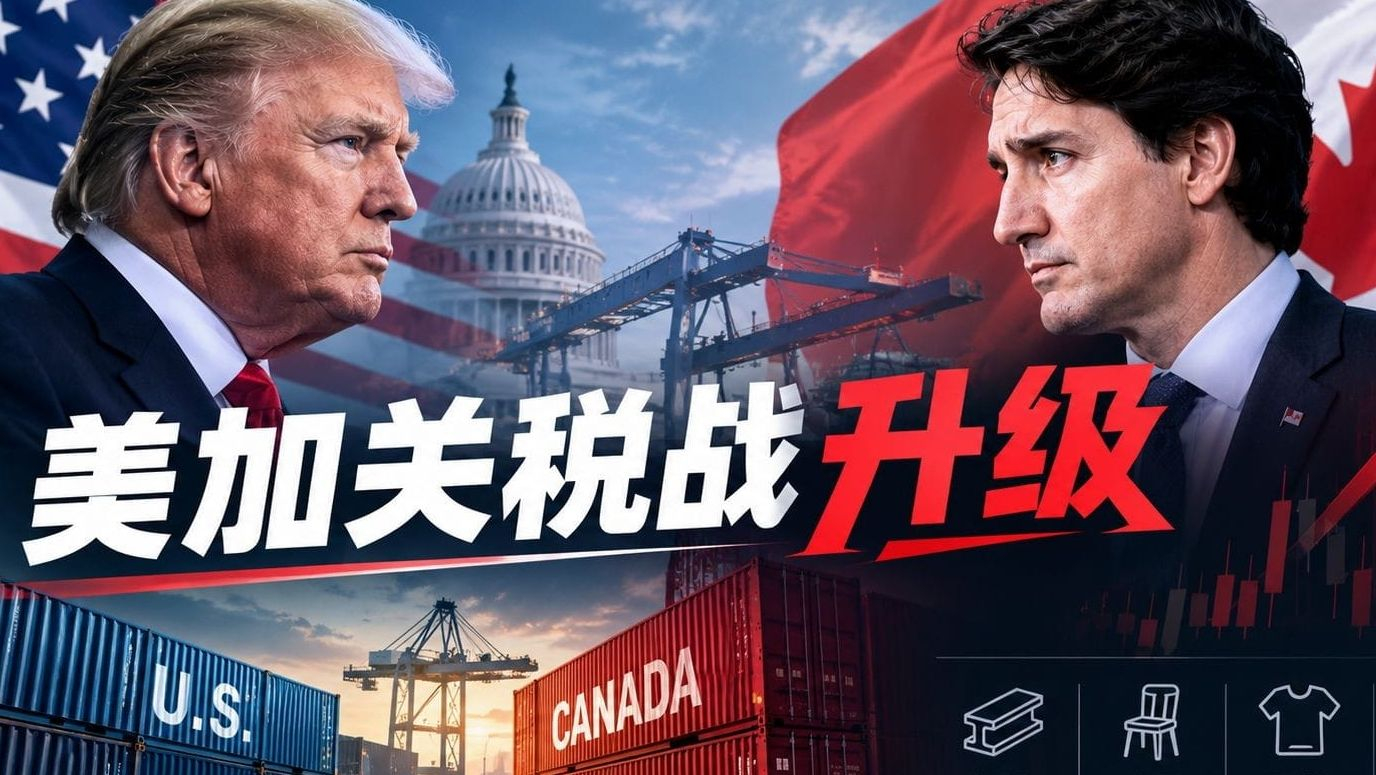
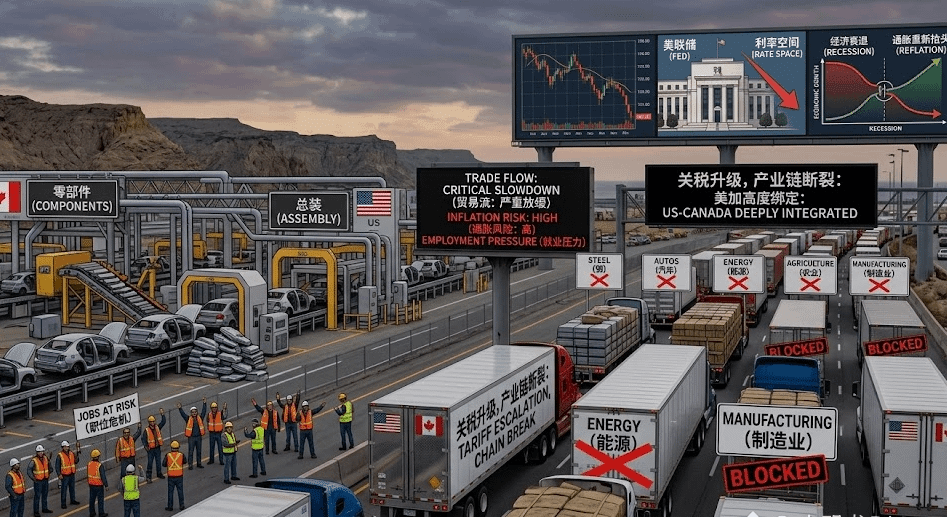
#美加关税战升级 According to a report by Bloomberg, Canada on Tuesday imposed new tariffs ranging from 15% to 50% on hundreds of U.S. products. Prime Minister Trudeau is betting that President Donald Trump will take a hard line, ultimately strengthening Ottawa’s negotiating leverage with its largest trading partner. The Trudeau government raised import duties on many U.S. steel products from 25% to 50%, and, starting at 12:01 a.m. New York time, added tariffs to a range of consumer goods including motorcycles, cosmetics, and cheese. The move is expected to hit U.S. exporters hardest in states such as Michigan and Ohio, which have close trade ties with Canada and whose election prospects were tight in the midterms in November.
For Trudeau, it is a calculated gamble—one year earlier, he had cancelled many of the retaliatory tariffs implemented by former Prime Minister Trudeau. Officials in the Trump administration have repeatedly said they will not tolerate retaliation, noting that only Canada and China have used retaliatory tariffs, while refusing to say how or when Trump would respond. Brian Clow, a former senior Canadian adviser responsible for relations with the U.S. during the Trudeau era, said the retaliatory tariffs are intended to make U.S. businesses and consumers feel the real cost of the trade war, thereby giving Washington motivation to return to the negotiating table. He added that Canada is not looking for a trade war; it wants to end it $BNB
For Trudeau, it is a calculated gamble—one year earlier, he had cancelled many of the retaliatory tariffs implemented by former Prime Minister Trudeau. Officials in the Trump administration have repeatedly said they will not tolerate retaliation, noting that only Canada and China have used retaliatory tariffs, while refusing to say how or when Trump would respond. Brian Clow, a former senior Canadian adviser responsible for relations with the U.S. during the Trudeau era, said the retaliatory tariffs are intended to make U.S. businesses and consumers feel the real cost of the trade war, thereby giving Washington motivation to return to the negotiating table. He added that Canada is not looking for a trade war; it wants to end it $BNB


Quoted content has been removed
钞机八蛋
·
--
[Ended] 🎙️ Are mainstream coins bearish or bullish today!
13.8k listens
·
--
🎙️ Build the Binance Square, hold BNB|On Wednesday, BTC is back to 78,600—will it stay here and consolidate for a long time? Let’s chat~

End
04 h 52 m 15 s
9.6k
47
财富密码在BNB
72%
财富密码在社区币
12%
财富密码在MEME币
14%
财富密码在合约
2%
64 votes • Voting closed
快牛市开启
51%
慢牛市开启
31%
可能要大跌
18%
65 votes • Voting closed
Log in to explore more content