
币毒
2.5k Posts

币毒
 Square Verified
Report
Block User
非著名野生交易员/Web3投资人,推特:0xJustdu,微博:0x币毒,小红薯:cryptodu,欢迎加入交流群、策略&交易指导群!

Top traders by profit in 30D

Top 30D Traders by Volume

2025 Blockchain 100 — Video and Live Creator
Open Trade

U Holder
High-Frequency Trader
8.9 Years
113 Following
52.9K+ Followers
34.0K+ Liked
6 Badges
Posts
Portfolio
All
Quotes
Videos
Live
·
--
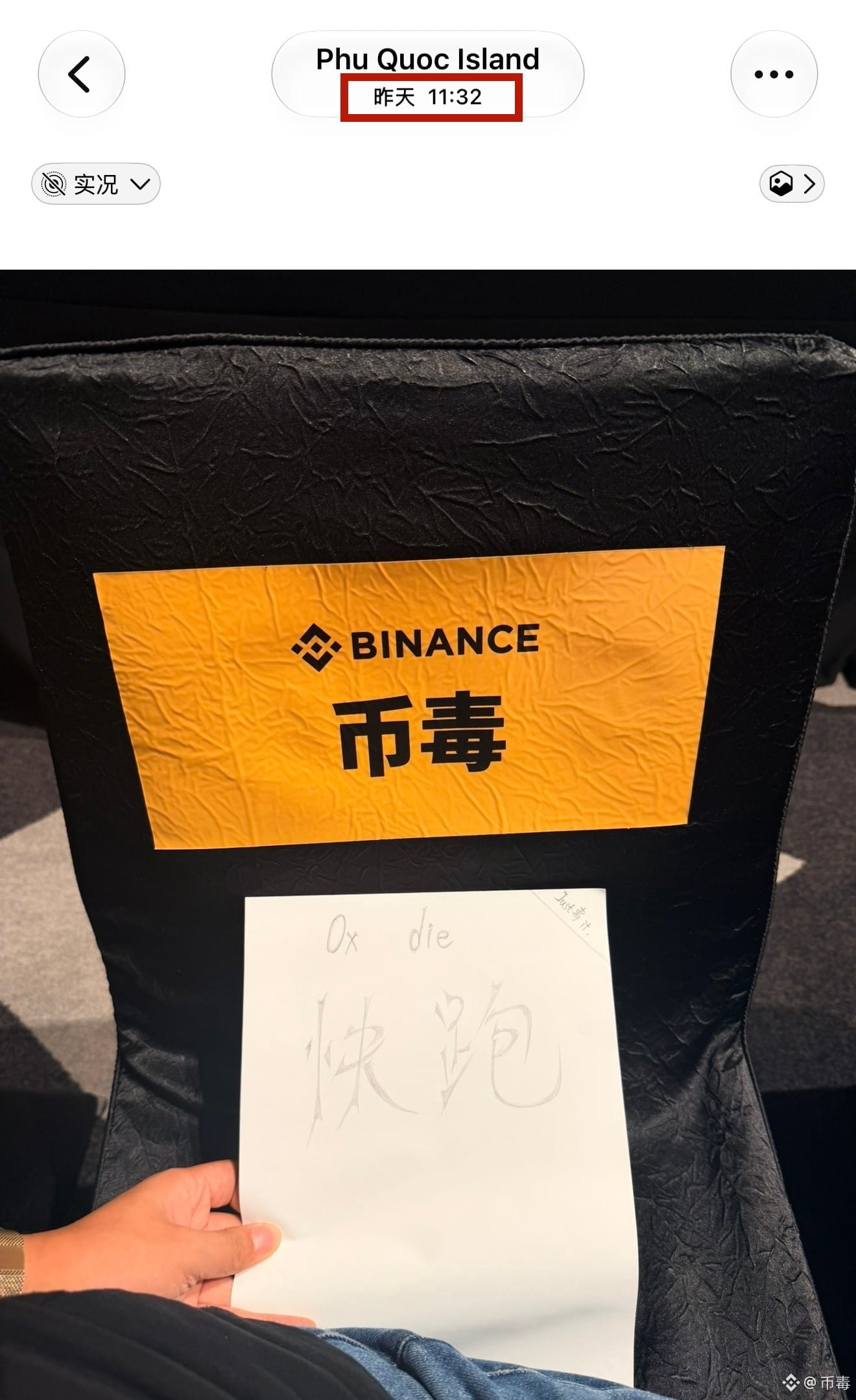
After listening to a series of discussions on the fundamentals yesterday, considering my own views, and taking another peek at the market, I wrote down this note: ox die, run fast.
After listening to a series of discussions on the fundamentals yesterday, considering my own views, and taking another peek at the market, I wrote down this note: ox die, run fast.
币毒
·
--
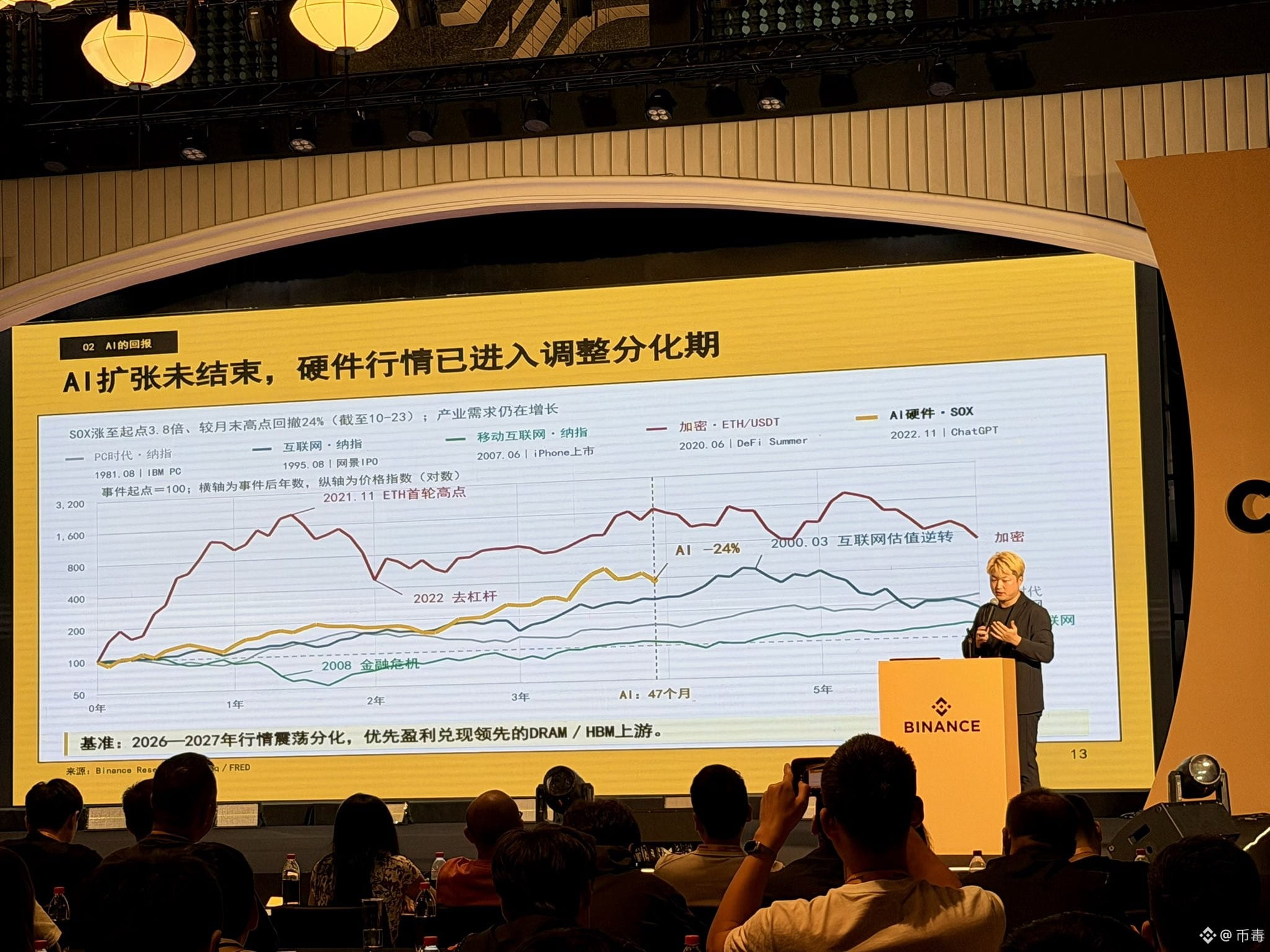
This year’s Binance Learning Camp investment research report on Phu Quoc was packed with useful insights.
It covered everything from macroeconomics to fundamentals, rate cuts to rate hikes, AI to storage, regional conflicts to the U.S. dollar and oil—and even yesterday’s U.S. midterm elections.
After listening, I felt that my knowledge of macroeconomics and fundamentals had become much more solid.
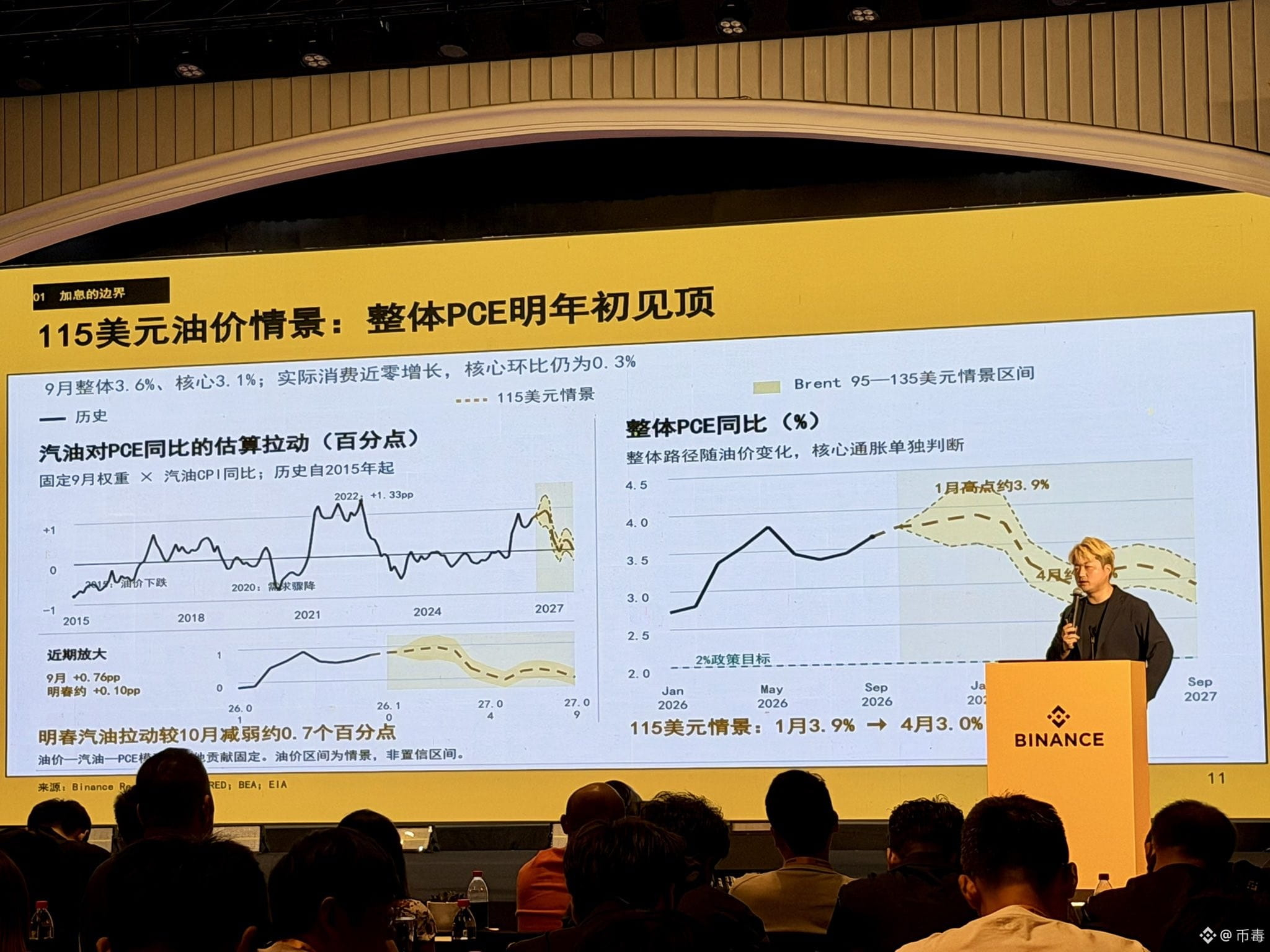
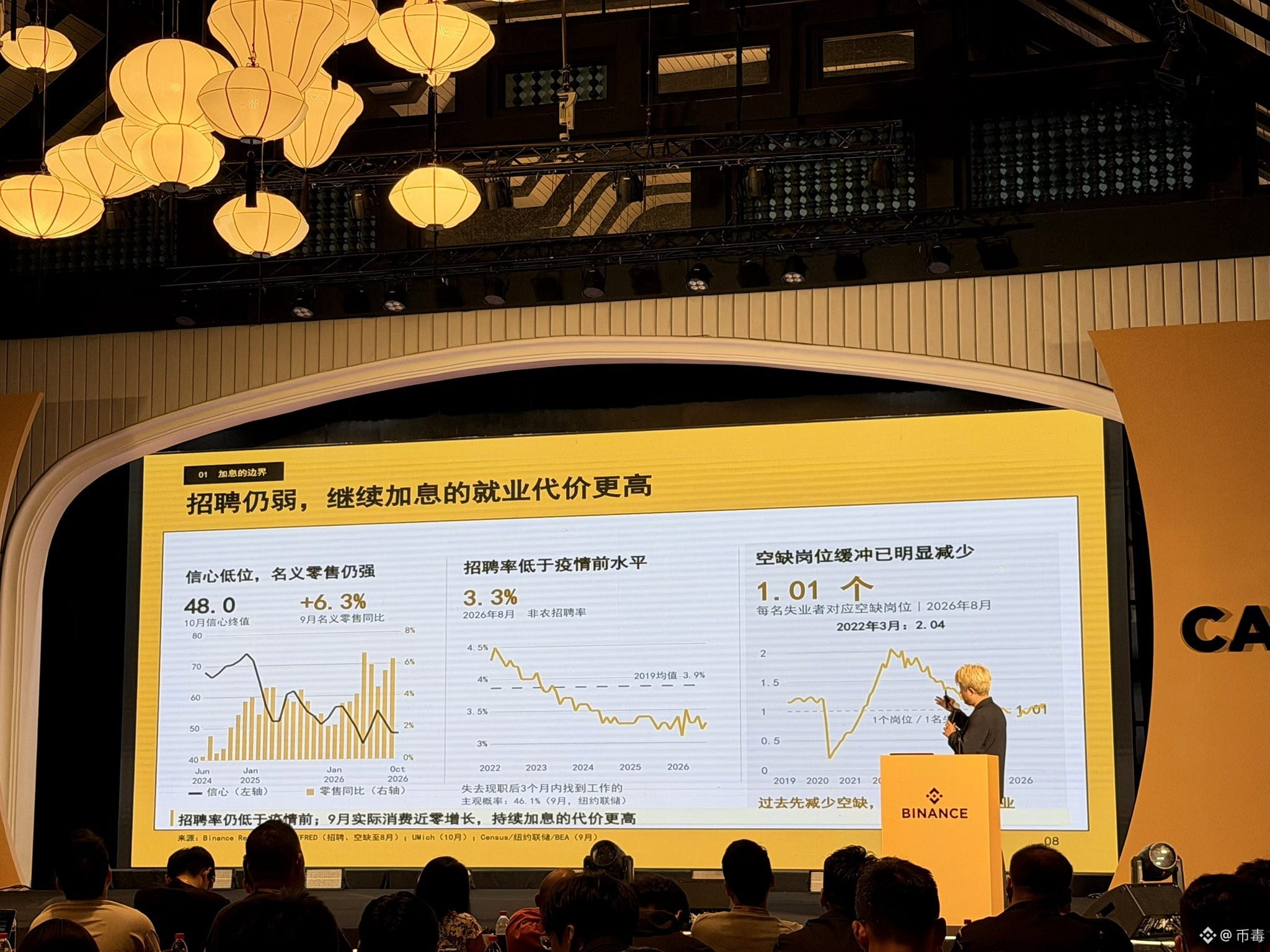
The key issue right now—and what’s making the market feel the most uneasy—is that the economy is weakening, but not enough yet to bring about an immediate shift toward easing.
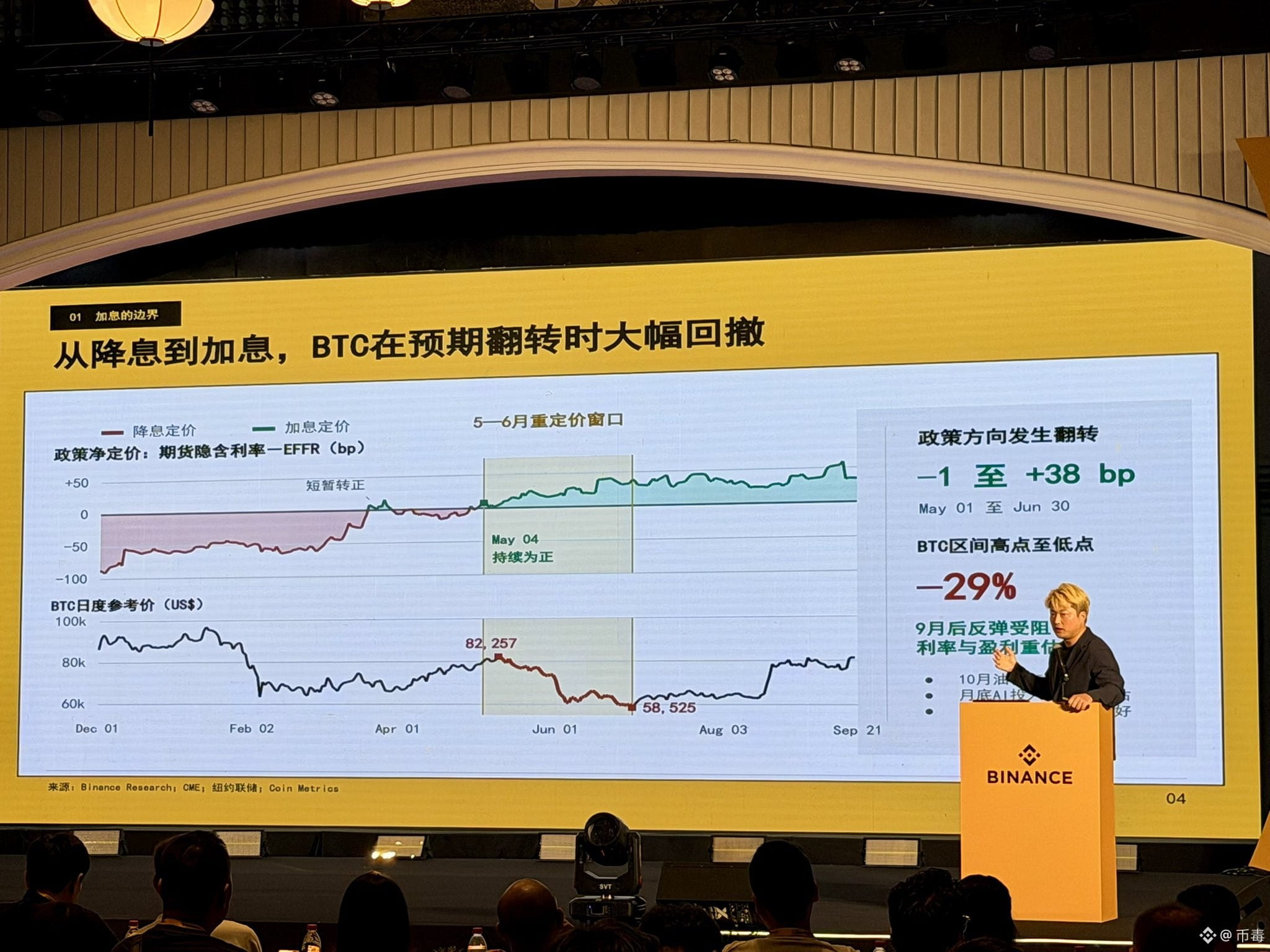
What the BTC market fears most is pricing in rate cuts too early, only to find that rates have to stay high for a while longer—as happened in May and June. Back then, rate expectations shifted from leaning toward cuts to leaning toward hikes, and BTC’s maximum drawdown within its trading range came close to 29%.
Yesterday, Trump’s Republican Party lost control of both chambers of Congress. After the results came in, the crypto market staged a nice rebound. But whether the rally can continue depends not on someone calling for rate cuts again, but on inflation actually coming down.
9
3.7k
·
--
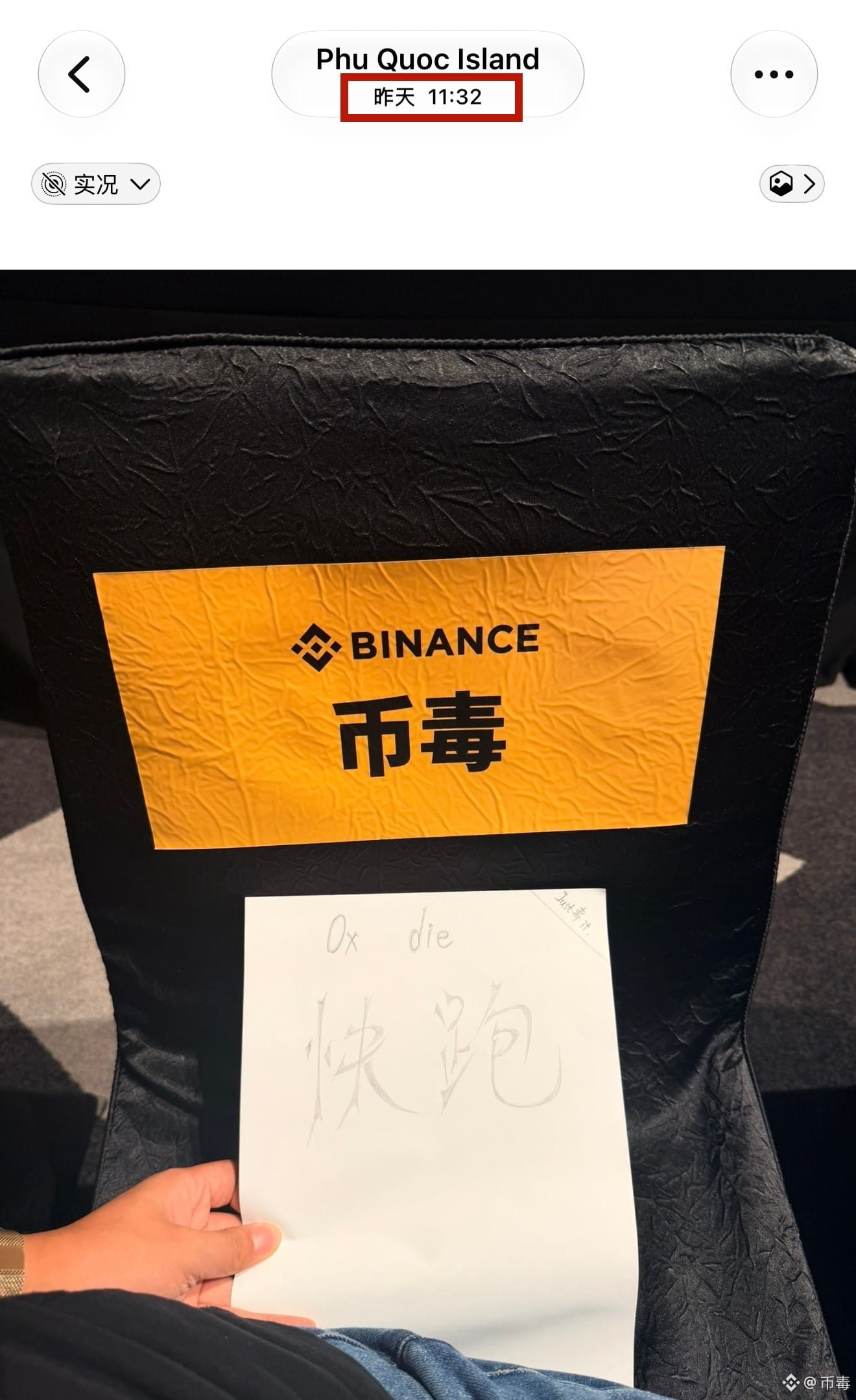
Notes I took during class yesterday: ox die speedrun
Notes I took during class yesterday: ox die speedrun
4
3
1.9k
·
--
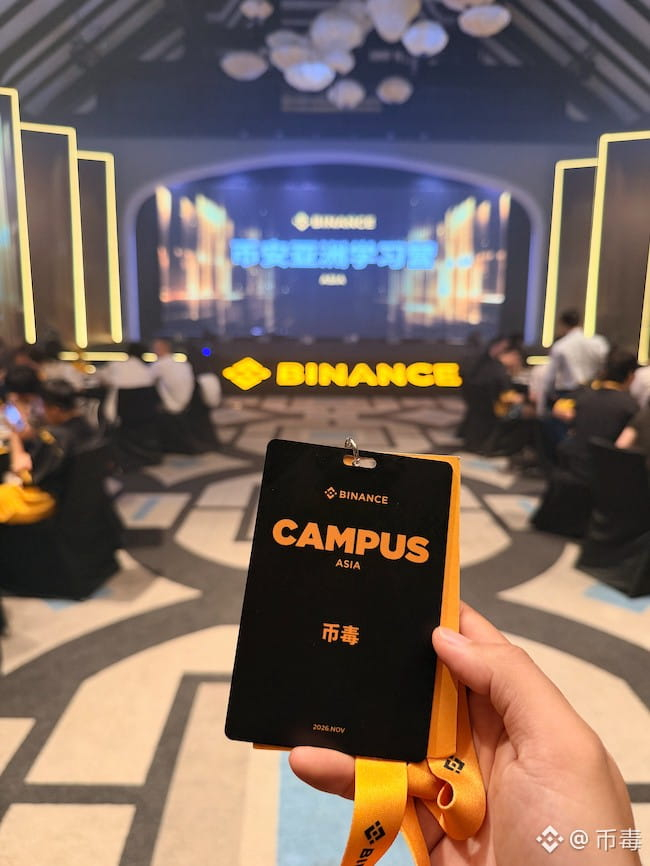
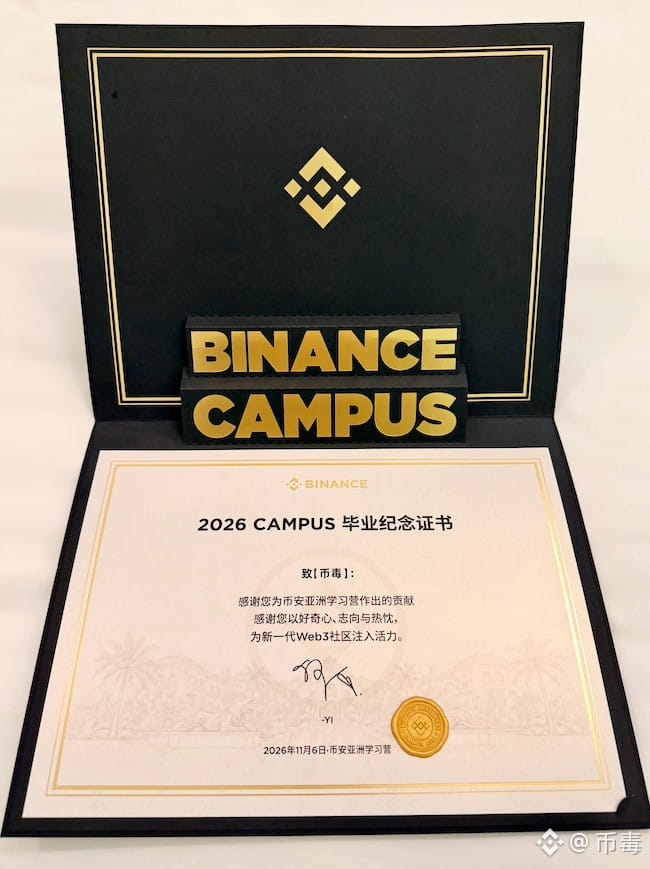
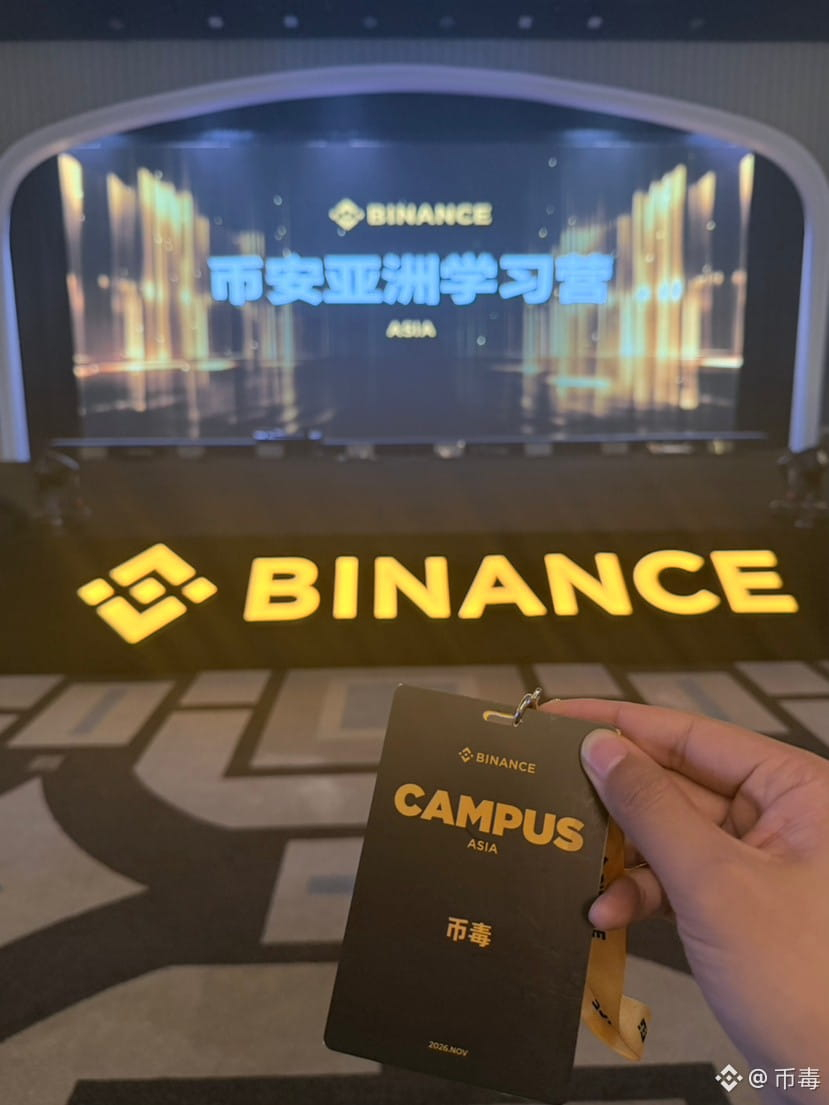
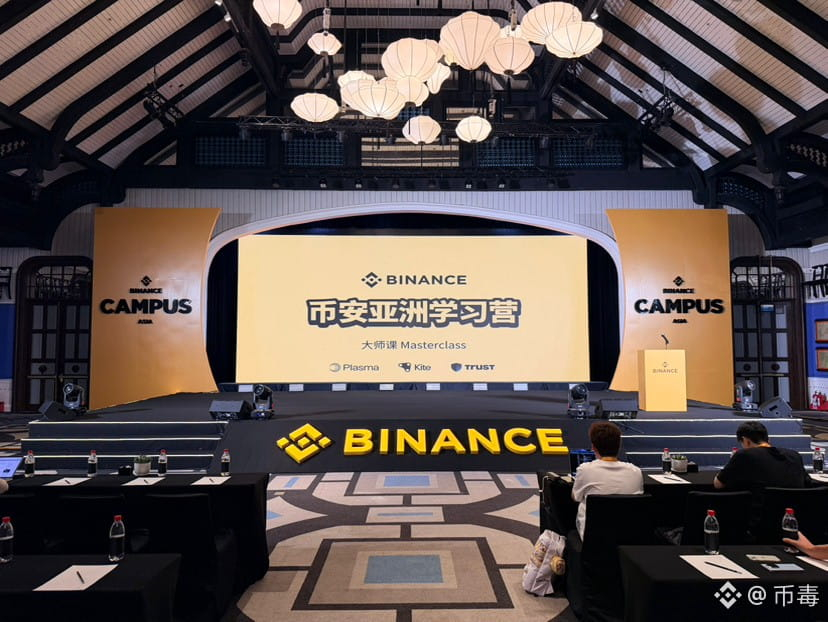
The 2026 Binance Asia Learning Camp has graduated 🎓
After several days of nonstop learning and growth, learning from Yi Jie’s insights, from project teams, from experts across different fields, from Binance, and from Binance employees.
I came back with my brain completely packed, ready to put my head down and digest everything and reflect. Looking forward to seeing everyone again in Bangkok at the end of the month for BBW.
1
12
3.9k
·
--
Whatever you say, people will interpret it; whatever you do, people will have another explanation ready.
I think this is what Yi-jie @heyi is facing right now.
Being misunderstood has been the fate of anyone who speaks out since ancient times. Yi-jie joined the Learning Camp dinner remotely tonight and spoke for more than twenty minutes. I found it deeply moving.
After the security incident, someone internally actually asked whether we should still hold Campus this time. If we canceled it, people would say Binance was broke—case closed.
If we went ahead, people would say Binance had been hacked and was still inviting KOLs to dance on its grave. So in the end, we held it as planned.
I was really struck by this. A lot of the time, there simply isn't an answer that will make “everyone happy.” All you can do is know why you're doing something, then accept what others have to say about it.
Later, she talked about security, AI, and quantum computing without beating around the bush—including the token-listing question that so many people care about most.
Why did token listings on Binance used to bring big price increases, while now prices often peak not long after a listing? She put it very directly: it's not that exchanges have suddenly become ineffective; the market structure has changed.
With DEXs, pre-markets, and on-chain issuance taking off, many projects have already gone through several rounds of speculative trading and valuation increases before they even list on a CEX. By the time they finally do, the early gains have long since been scooped up.
That line—“A project that makes money doesn't necessarily issue a token, and a project that issues a token doesn't necessarily make money”—really resonated with me. And the idea that issuing tokens is like issuing debt shows a genuinely strong sense of responsibility!
That's the most awkward thing about crypto right now: projects with revenue don't necessarily have tokens, and those with tokens don't necessarily have revenue. Even if they do have revenue, the token may not capture any of it.
Finally, Yi-jie was candid: $BNB holders can rest assured—she's still working hard on everyone's behalf. Even if a new public chain launches in the future, there won't be a new gas token.
Whatever you say, people will interpret it; whatever you do, people will have another explanation ready.
I think this is what Yi-jie @Yi He is facing right now.
Being misunderstood has been the fate of anyone who speaks out since ancient times. Yi-jie joined the Learning Camp dinner remotely tonight and spoke for more than twenty minutes. I found it deeply moving.
After the security incident, someone internally actually asked whether we should still hold Campus this time. If we canceled it, people would say Binance was broke—case closed.
If we went ahead, people would say Binance had been hacked and was still inviting KOLs to dance on its grave. So in the end, we held it as planned.
I was really struck by this. A lot of the time, there simply isn't an answer that will make “everyone happy.” All you can do is know why you're doing something, then accept what others have to say about it.
Later, she talked about security, AI, and quantum computing without beating around the bush—including the token-listing question that so many people care about most.
Why did token listings on Binance used to bring big price increases, while now prices often peak not long after a listing? She put it very directly: it's not that exchanges have suddenly become ineffective; the market structure has changed.
With DEXs, pre-markets, and on-chain issuance taking off, many projects have already gone through several rounds of speculative trading and valuation increases before they even list on a CEX. By the time they finally do, the early gains have long since been scooped up.
That line—“A project that makes money doesn't necessarily issue a token, and a project that issues a token doesn't necessarily make money”—really resonated with me. And the idea that issuing tokens is like issuing debt shows a genuinely strong sense of responsibility!
That's the most awkward thing about crypto right now: projects with revenue don't necessarily have tokens, and those with tokens don't necessarily have revenue. Even if they do have revenue, the token may not capture any of it.
Finally, Yi-jie was candid: $BNB holders can rest assured—she's still working hard on everyone's behalf. Even if a new public chain launches in the future, there won't be a new gas token.
3
1
13
10.8k
·
--
This year’s Binance Learning Camp investment research report on Phu Quoc was packed with useful insights.
It covered everything from macroeconomics to fundamentals, rate cuts to rate hikes, AI to storage, regional conflicts to the U.S. dollar and oil—and even yesterday’s U.S. midterm elections.
After listening, I felt that my knowledge of macroeconomics and fundamentals had become much more solid.
The key issue right now—and what’s making the market feel the most uneasy—is that the economy is weakening, but not enough yet to bring about an immediate shift toward easing.
What the BTC market fears most is pricing in rate cuts too early, only to find that rates have to stay high for a while longer—as happened in May and June. Back then, rate expectations shifted from leaning toward cuts to leaning toward hikes, and BTC’s maximum drawdown within its trading range came close to 29%.
Yesterday, Trump’s Republican Party lost control of both chambers of Congress. After the results came in, the crypto market staged a nice rebound. But whether the rally can continue depends not on someone calling for rate cuts again, but on inflation actually coming down.
1
9
3.2k
·
--
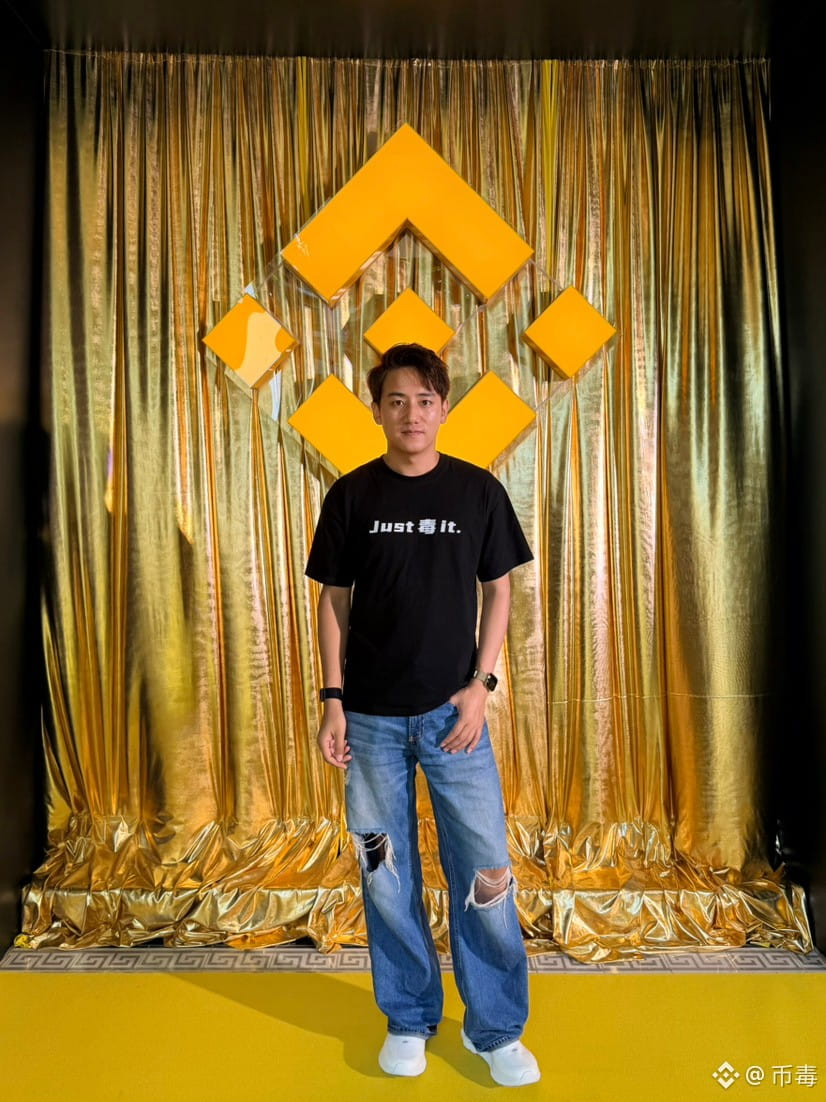
Grabbing a bowl of noodles before class—here’s today’s look.
The beef and broth in Vietnam are incredible. I want to open a pho shop!
Grabbing a bowl of noodles before class—here’s today’s look.
The beef and broth in Vietnam are incredible. I want to open a pho shop!
The beef and broth in Vietnam are incredible. I want to open a pho shop!

15
13
8.9k
·
--
My posts were taken down and my livestream traffic was restricted. At this point, I no longer have the heart to pay attention to any of that.
Focus on your own trades; leave the rest to fate. Helping yourself is also helping others.
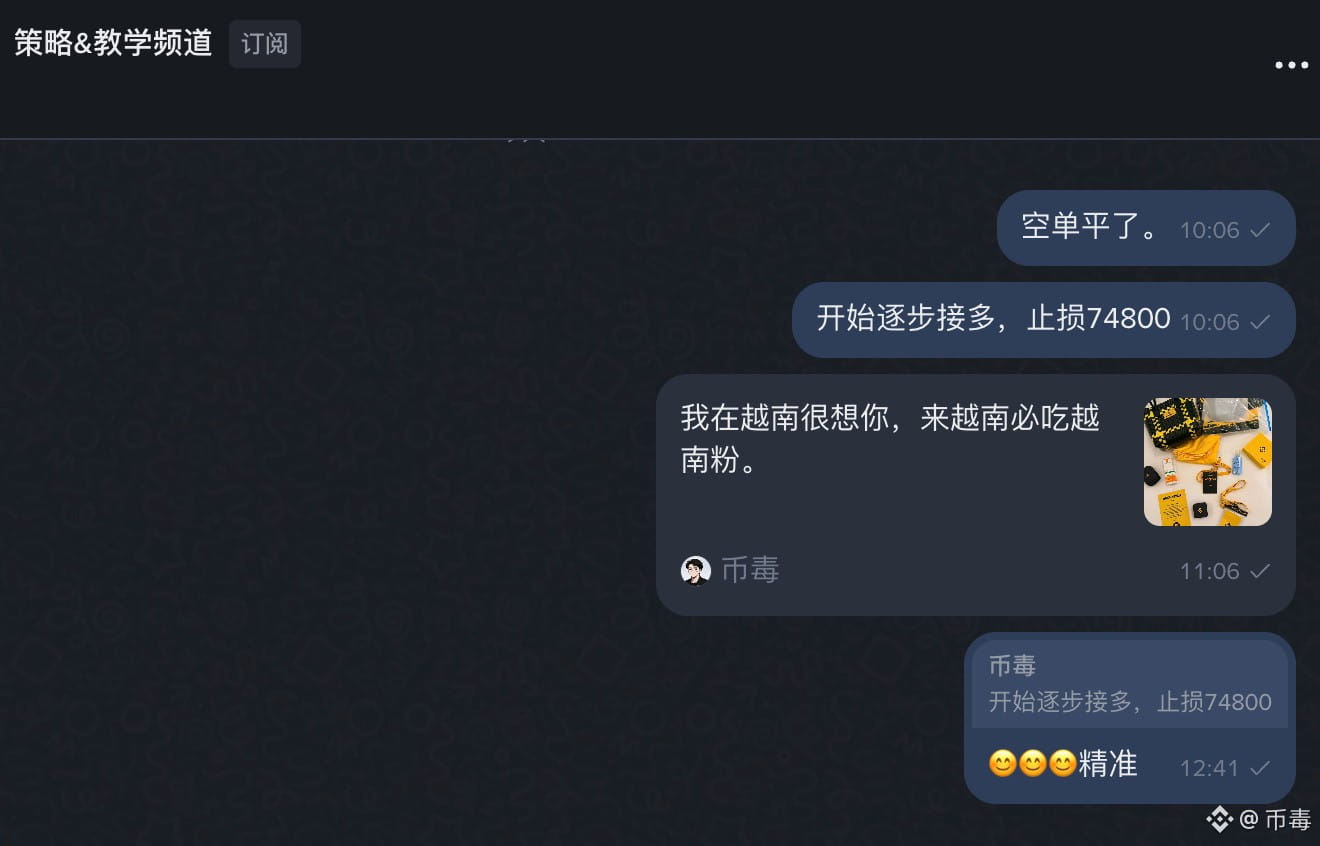
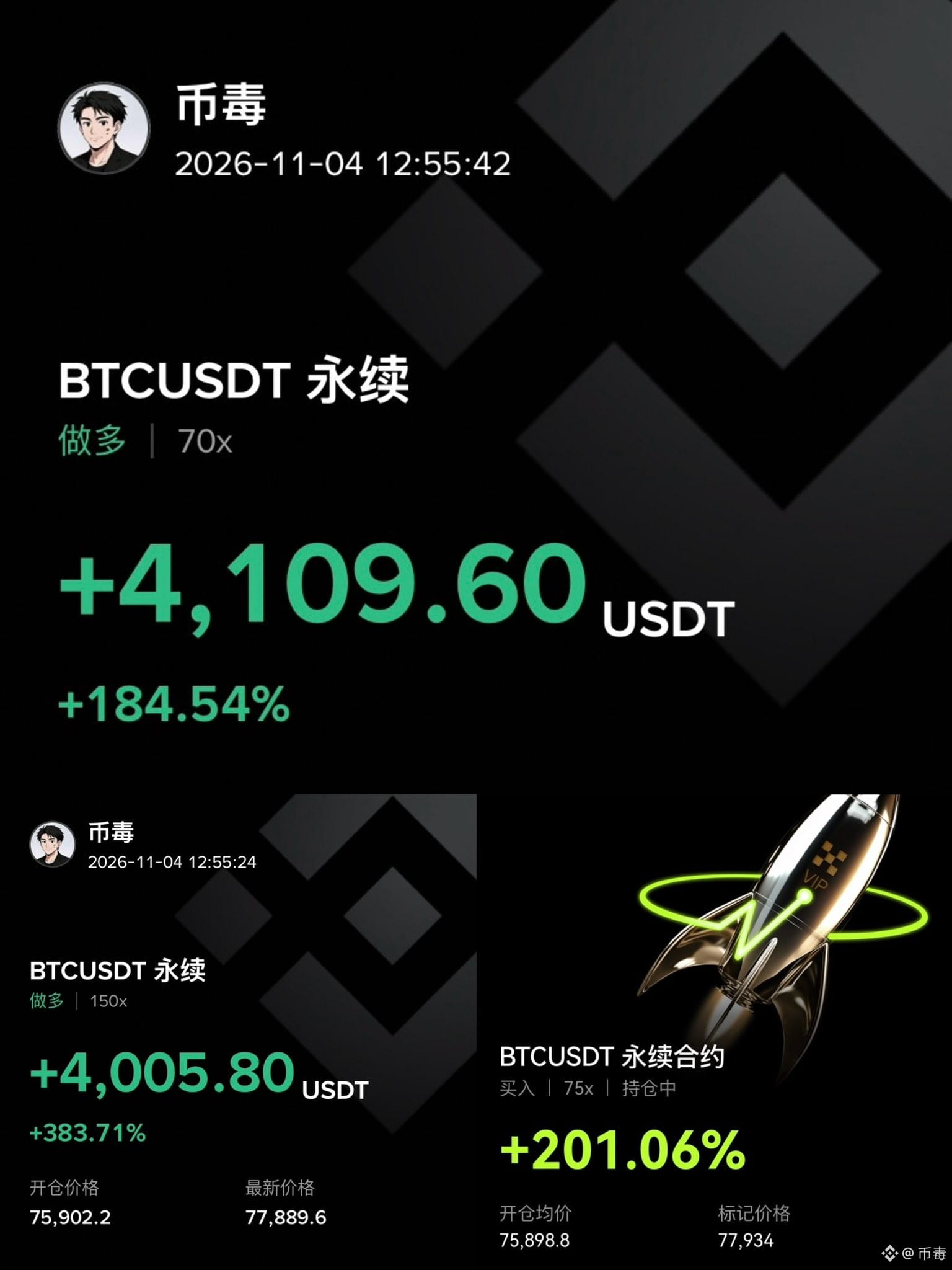
After breakfast this morning, I went to the learning camp. As soon as I sat down, I noticed an unusual move in the candlestick chart. I held my phone in both hands and traded for a while, closing my short position and also making a few small long trades to catch the rebound.
I shared everything in real time on the Strategy & Teaching channel. Returning to our original nature, human relationships are often mutually beneficial. It’s only right to take responsibility for those who believe in me and help them venture boldly into Web3.

17
5.3k
·
--
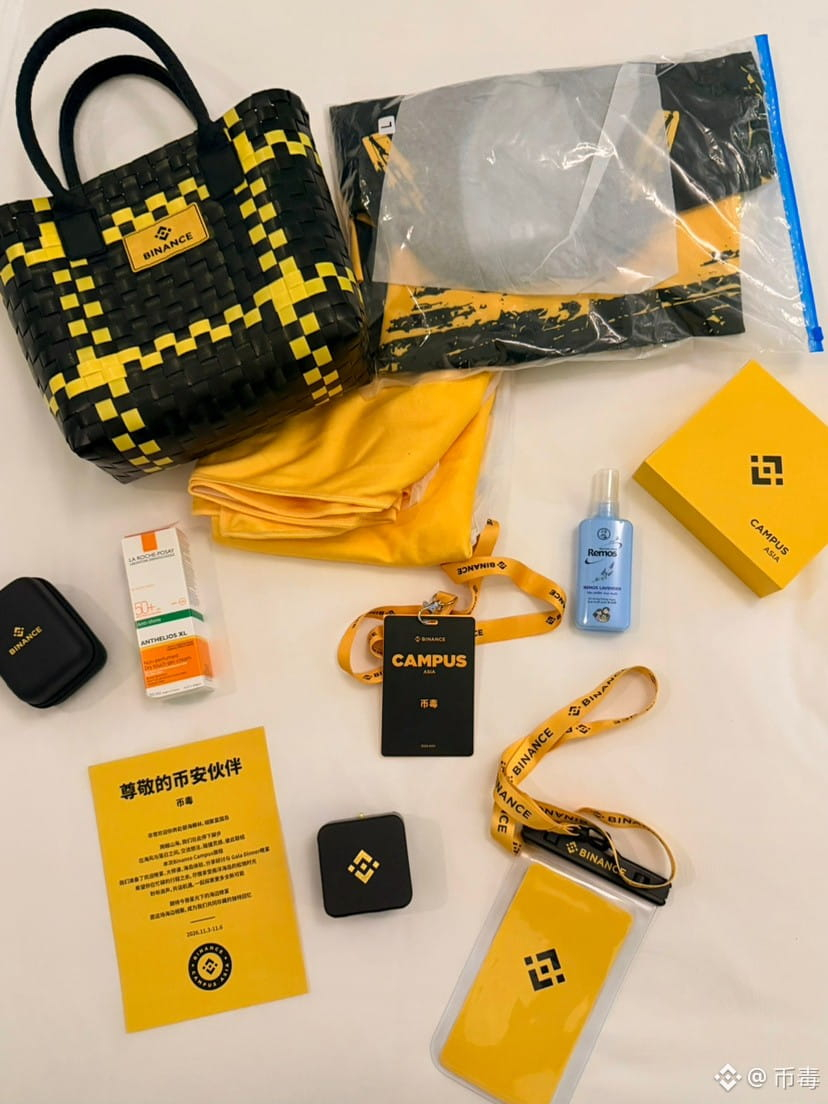
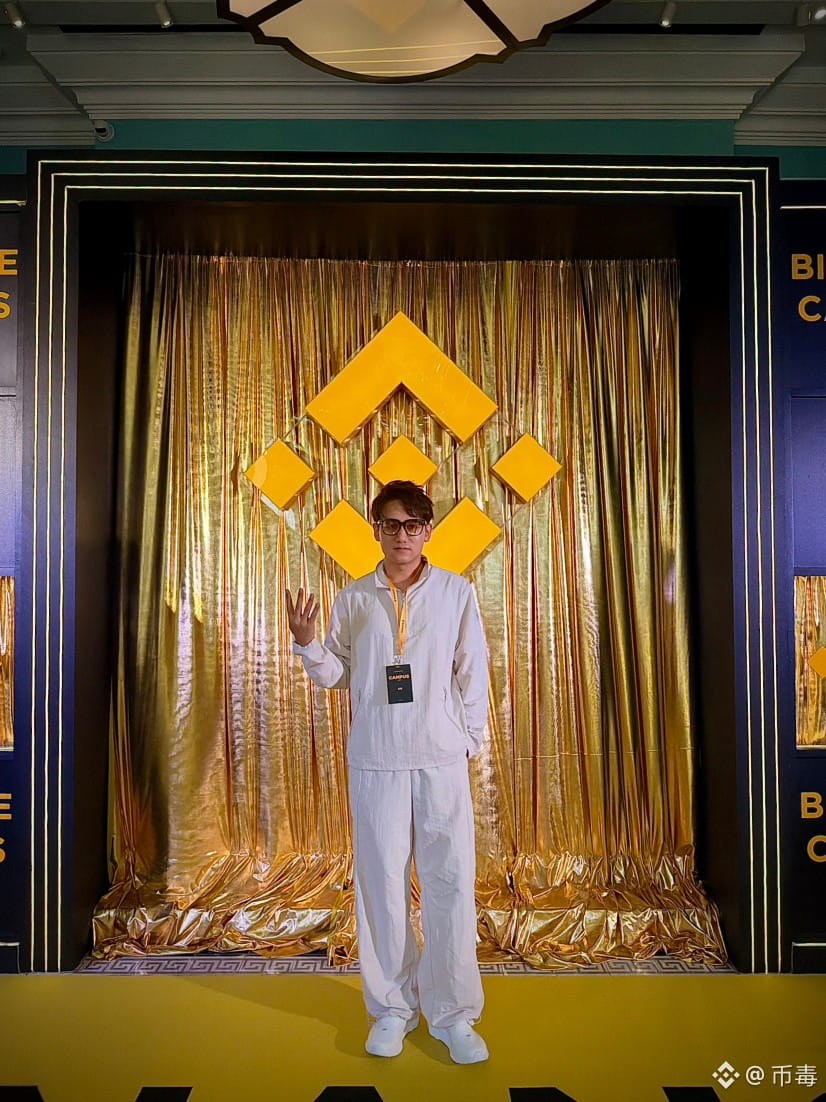
I miss you so much in Vietnam. If you come to Vietnam, you have to try pho.
I miss you so much in Vietnam. If you come to Vietnam, you have to try pho.

3
8
4.6k
·
--
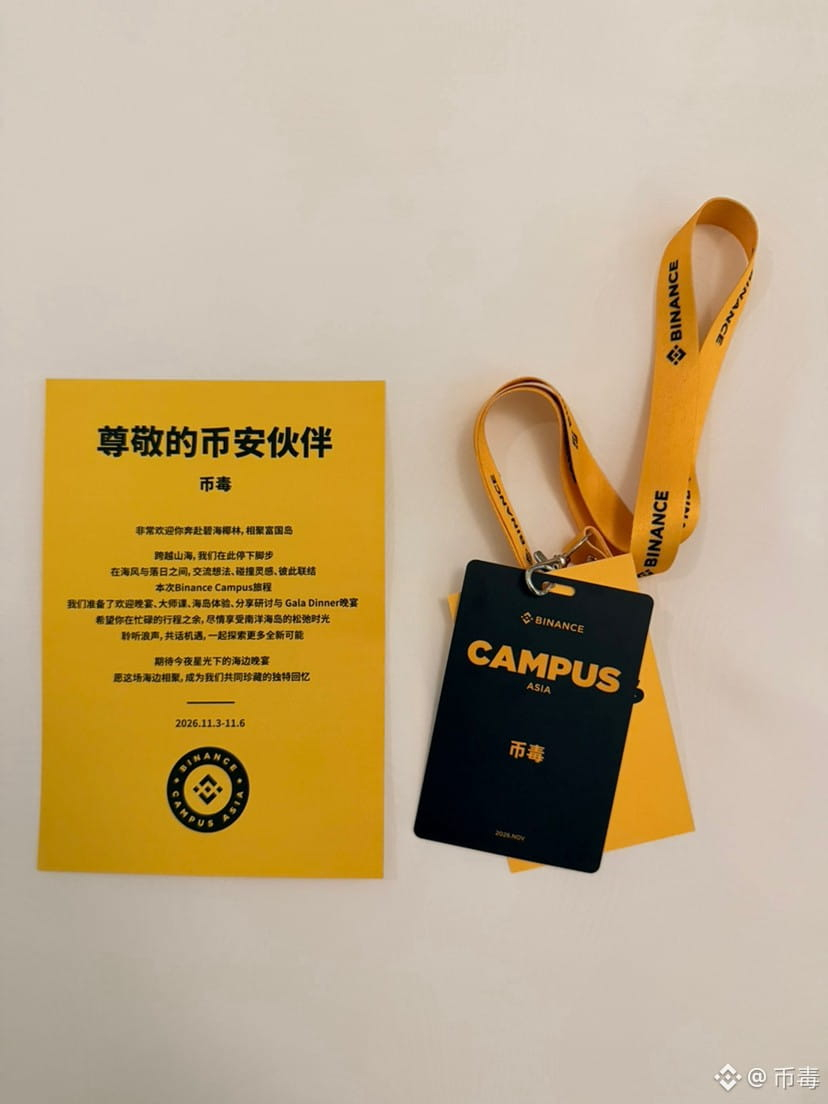
Other things I post will get taken down, so take a look at this.
Other things I post will get taken down, so take a look at this.
2
1
9
11.9k
·
--
It’s a new week again. I may need to take a few extra days off this week (so I won’t be able to livestream).
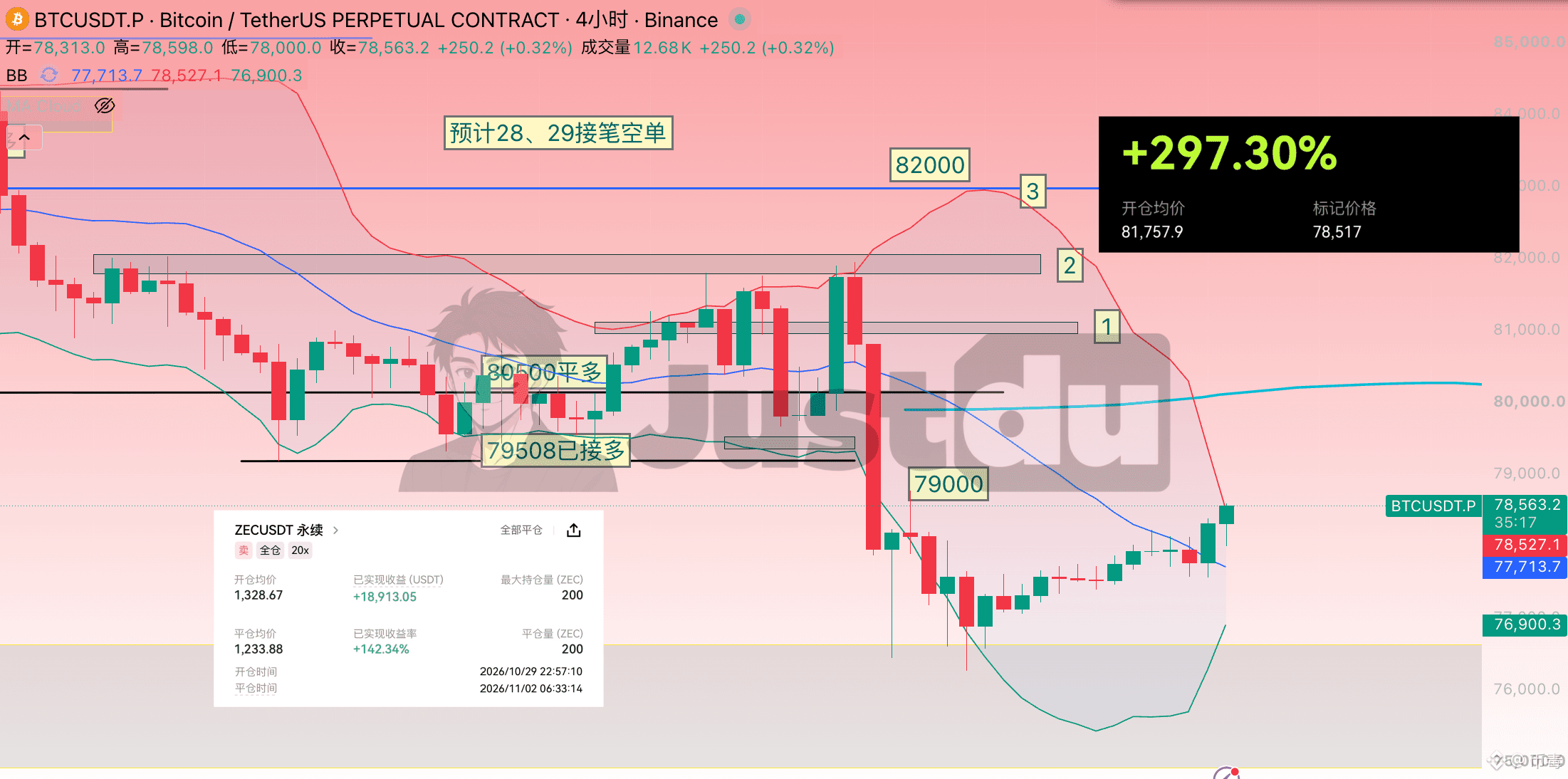
As for the market, Thursday’s livestream was packed with value. We had entry levels 1, 2, and 3, and levels 1 and 2 were both hit. The current short position $BTC was opened at 81,757.
How low could it go? It’s Monday, so let’s see how the rebound plays out. During the livestream, our original target was 75K, but after Binance was hacked over the weekend, the plan we thought would take 1–2 weeks to break below 78K ended up breaking through and dropping straight down.
The US midterm elections are this Tuesday, so I’ll hold for now. The plan remains unchanged. There won’t be much of a rebound here—the bearish trend has now taken hold.
As the market fell, I also went with the trend and picked up another short at $ZEC , making $18,913. With the fee rebate, that comes to $19,000 🔪. I’ve already covered this month’s living expenses right at the start of the month.
Although I may not be able to livestream on schedule this week, I’ll still share my thoughts and chat with everyone in the strategy group and on the Square 👀
1
4
1.7k
·
--
Of the Thirty-Six Stratagems, the first thirty-five are all directed at the enemy.
Only the last one puts yourself to the test.
The hardest of the Thirty-Six Stratagems is knowing when to retreat.
Because it involves so much personal desire, reluctance to accept defeat, and unwillingness to let go.
Just like how, in trading, you keep hesitating to cut your losses.
Only the last one puts yourself to the test.
The hardest of the Thirty-Six Stratagems is knowing when to retreat.
Because it involves so much personal desire, reluctance to accept defeat, and unwillingness to let go.
Just like how, in trading, you keep hesitating to cut your losses.
1
9
5k
·
--
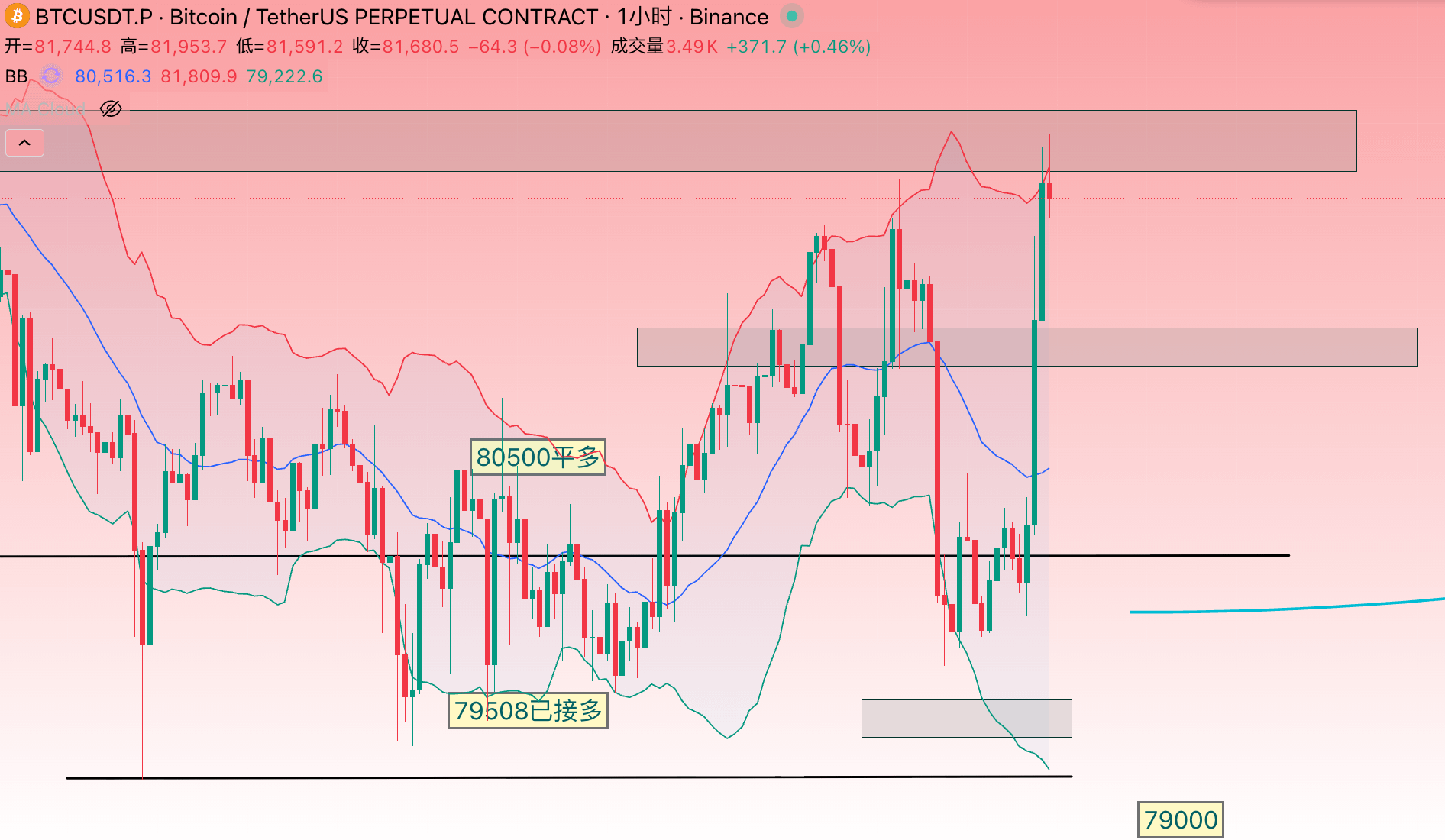
I took a look around the forum, and people are saying all sorts of things. This is often when you can really tell how much hot air a blogger is full of, guys—you know what I mean.
A lot of people are getting cause and effect backwards. It’s not that the price is falling because something happened at Binance; it’s that they’re stirring up some trouble because the price is about to fall. If you can’t understand that, you’re just not perceptive enough to trade crypto, let alone lead others in trading it.
A lot of people are getting cause and effect backwards. It’s not that the price is falling because something happened at Binance; it’s that they’re stirring up some trouble because the price is about to fall. If you can’t understand that, you’re just not perceptive enough to trade crypto, let alone lead others in trading it.
3
20
9.3k
·
--
Partly True
Just confirmed with Binance.
✅ Binance will fully cover the losses from this incident.
✅ Binance also has sufficient reserves to cover the losses.
🙏🙏🙏 Don’t believe unofficial claims or let FUD scare you out of your positions.
Just confirmed with Binance.
✅ Binance will fully cover the losses from this incident.
✅ Binance also has sufficient reserves to cover the losses.
🙏🙏🙏 Don’t believe unofficial claims or let FUD scare you out of your positions.
✅ Binance will fully cover the losses from this incident.
✅ Binance also has sufficient reserves to cover the losses.
🙏🙏🙏 Don’t believe unofficial claims or let FUD scare you out of your positions.
3
14
10.9k
·
--
2
1
5
5.5k
·
--
I didn’t stream tonight, so don’t ask why I didn’t make the TOP 100—I’m just bad.
As for how to trade this market, stick with the approach from last night. The PCE figures just came out at 3.1, in line with expectations. That’s good news for us bears—it’s giving us an opportunity.
Lastly, please stop asking why I didn’t make it. I’m just not good enough (well, you didn’t vote for me, so of course I didn’t make it—just kidding). Just focus on doing your own thing. And to the guys I haven’t seen at BBW: I’ll treat you to a meal when I get to Bangkok, or when I’m back in China. Let’s leave it at that.
And don’t ask what I think about buying a ticket for 0.1u. I can’t afford one, thanks 😊
5
7k
·
--
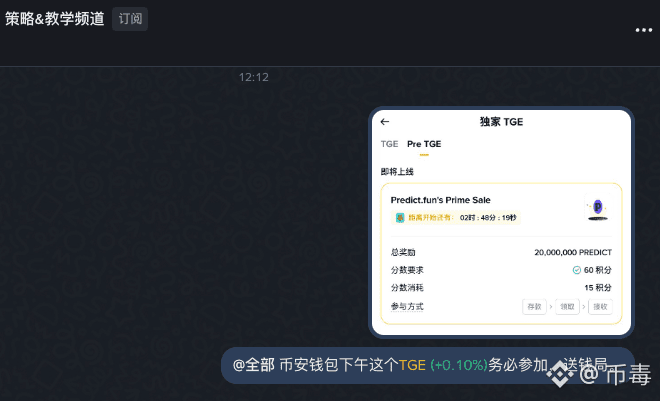
Those few hundred bucks to get in on the new offering this afternoon—it was free money in plain sight. If you didn’t have enough points, there was nothing you could do. But if you had enough points and still missed out, you’d really be kicking yourself.
Those few hundred bucks to get in on the new offering this afternoon—it was free money in plain sight. If you didn’t have enough points, there was nothing you could do. But if you had enough points and still missed out, you’d really be kicking yourself.
4
4
8k
·
--
Hot take: If you can’t even tell whether a blogger/KOL actually places trades or has any trading skill, how can you expect to find the one coin that’ll make you money in a market with thousands upon thousands of coins? Better to take a few losses sooner, come back to reality, and focus on your job. Some dreams are better off abandoned sooner. Tomorrow will be better. Sorry, that was a bit harsh.
Hot take: If you can’t even tell whether a blogger/KOL actually places trades or has any trading skill, how can you expect to find the one coin that’ll make you money in a market with thousands upon thousands of coins? Better to take a few losses sooner, come back to reality, and focus on your job. Some dreams are better off abandoned sooner. Tomorrow will be better. Sorry, that was a bit harsh.
1
1
13
6k
·
--
🗓️ October 29 | Crypto Daily
The Fed stood pat last night. The market neither crashed nor surged, and BTC climbed back above $81,000. But this looks more like a breather after a risk event passed than confirmation of a trend reversal.
📊 Market Snapshot (09:00 Beijing time)
• BTC: $81,042, 24h +0.50%
• ETH: $2,352.69, 24h +0.41%
• SOL: $101.85, 24h +0.70%
• Total crypto market cap: about $2.73 trillion, 24h -2.38%; 24h trading volume: about $68.6 billion
• BTC dominance: 59.49%; Fear & Greed Index: 51 (Neutral)
Today’s market is quite divided: the top three coins are slightly up, but total market cap is still falling. That suggests investors remain defensive, with no broad-based rally among altcoins. For BTC, first watch whether it can reclaim $82,500 decisively; on the downside, keep an eye on $80,000.
🔥 What Really Matters Today
1) The Fed kept interest rates unchanged at 3.75%–4.00%. Warsh’s comments remained cautious: the key message was to wait for the data before making a move. The immediate rate hike the market feared didn’t happen, but the prospect of “higher rates for longer” hasn’t gone away.
2) The latest full day of publicly available U.S. spot BTC ETF trading data is October 27, with net inflows of about $176 million, marking a second consecutive day of inflows. Meanwhile, ETH ETFs saw net outflows of about $60.22 million. Flows are clearly favoring BTC, not signaling a broad return of risk appetite. October 28 data has not yet been fully released, so don’t pass off old data as today’s.
3) Coinbase said that third-party analytics provider Amplitude exposed some customer contact information, but Coinbase’s own systems were not breached and customer funds remain safe. Supply-chain risks have been increasing lately, so be especially wary of phishing attempts via text, email, and fake “customer support.”
4) HSBC has launched the Hong Kong dollar stablecoin RedCoin (RCHKD) on Hong Kong’s PayMe, giving it direct access to millions of users. Traditional banking giants putting stablecoins into everyday payment apps has far greater long-term significance than a short-term price pump.
⏰ What to Watch Next
• Tonight at 20:30: U.S. Q3 GDP, September PCE/core PCE, and initial jobless claims are all due at once, so volatility will likely be concentrated around the releases.
• October 30: U.S. Employment Cost Index and Chicago PMI.
• November 3: U.S. midterm elections; policy and risk-asset expectations may remain volatile.
My take: As long as BTC holds $80,000, the short-term structure isn’t bad. But until it establishes itself above $82,500, I wouldn’t treat this rebound as the start of a new major uptrend. ETH and SOL can follow, but BTC remains the market’s preference for now.
Trading strategy: Keep positions small and leverage low. Near $80,000, only take pullback trades with a stop-loss; consider adding only after a breakout above $82,500. Don’t chase sentiment.
Risk warning: This is for market observation only and does not constitute investment advice. Crypto assets are highly volatile; pay attention to position sizing and protect your principal.
3
2.1k
·
--
In a few days, the top profit and top trading volume rankings will be gone. This account has been building up for 3 months, and after completing the rebinding and rebate, it will be back in the fight. Investing requires patience and perseverance. Don’t give up lightly. Believe that mountains and seas have their own return date, and wind and rain will meet again in due time.
In a few days, the top profit and top trading volume rankings will be gone. This account has been building up for 3 months, and after completing the rebinding and rebate, it will be back in the fight. Investing requires patience and perseverance. Don’t give up lightly. Believe that mountains and seas have their own return date, and wind and rain will meet again in due time.
2
3.2k
Log in to explore more content
Join global crypto users on Binance Square
⚡️ Get latest and useful information about crypto.
💬 Trusted by the world’s largest crypto exchange.
👍 Discover real insights from verified creators.
Email / Phone number
Trending Topics
JobsReportRaisesHikeOdds
232,687 views
1,867 Discussing
TradFi News | US Adds 165,000 Jobs in October, More Than Double the 65,000 Forecast, as Unemployment Falls to 4.1%
Binance News
·30 Likes
·21.3k views
CPITestsDecemberRateOutlook
14,447 views
213 Discussing
BitcoinRebounds$75KAsChipsLead
19,827 views
210 Discussing