
T E S L A
142 Posts

T E S L A
Report
Block User
KITE-041028 Spot and futures trading • Long‑term investor • Analytics and market analysis • Subscribe to not miss new setups.
Open Trade
Occasional Trader
2.2 Months
25 Following
4.1K+ Followers
737 Liked
Posts
Portfolio
All
Quotes
Live
PINNED
·
--
Bullish
I keep coming back to a critical issue with AI—one that, for some reason, is rarely discussed in the crypto space. Let’s be blunt: we all want to see intelligent, autonomous AI agents capable of managing capital or analyzing data. But how can these models be trained on-chain without exposing proprietary algorithms and trade secrets to the entire market? Developers have hit a wall here.
On public blockchains, data is transparent. If your AI agent purchases specific datasets or utilizes proprietary APIs, competitors will spot it instantly via a network scanner. Total transparency effectively destroys corporate confidentiality.
My deep dive into the Kite architecture points to a feature that breaks this deadlock: secure data coordination and verification, facilitated by $KITE staking.
Consider the concept: Kite establishes payment rails that allow AI agents to securely exchange data and pay for services, all while keeping their internal logic private. The network’s smart contracts act as a safeguard—they verify the legitimacy of a transaction and the identity of the agent, without leaking its underlying algorithms to the public.
For large enterprises, this is the Holy Grail. They gain the benefits of Web3-based payments without relinquishing control over their intellectual property. In essence, Kite builds a discreet security infrastructure for AI.
While the masses chase hype-driven tokens, I’m focused on long-term, practical use cases. And this approach to data protection—pioneered by Kite—is the best I’ve seen in a long time. What’s your take on the concept of data privacy for AI agents?
#KiteBBW $KITE @GoKiteAI
{future}(KITEUSDT)
I keep coming back to a critical issue with AI—one that, for some reason, is rarely discussed in the crypto space. Let’s be blunt: we all want to see intelligent, autonomous AI agents capable of managing capital or analyzing data. But how can these models be trained on-chain without exposing proprietary algorithms and trade secrets to the entire market? Developers have hit a wall here.
On public blockchains, data is transparent. If your AI agent purchases specific datasets or utilizes proprietary APIs, competitors will spot it instantly via a network scanner. Total transparency effectively destroys corporate confidentiality.
My deep dive into the Kite architecture points to a feature that breaks this deadlock: secure data coordination and verification, facilitated by $KITE staking.
Consider the concept: Kite establishes payment rails that allow AI agents to securely exchange data and pay for services, all while keeping their internal logic private. The network’s smart contracts act as a safeguard—they verify the legitimacy of a transaction and the identity of the agent, without leaking its underlying algorithms to the public.
For large enterprises, this is the Holy Grail. They gain the benefits of Web3-based payments without relinquishing control over their intellectual property. In essence, Kite builds a discreet security infrastructure for AI.
While the masses chase hype-driven tokens, I’m focused on long-term, practical use cases. And this approach to data protection—pioneered by Kite—is the best I’ve seen in a long time. What’s your take on the concept of data privacy for AI agents?
#KiteBBW $KITE @KITE AI 中文
Yes, this is the Holy Grail
65%
Promising for business
5%
Just looking into this trend
15%
No, everything should be open
15%
20 votes • Voting closed
22
5
23
9.2k
·
--
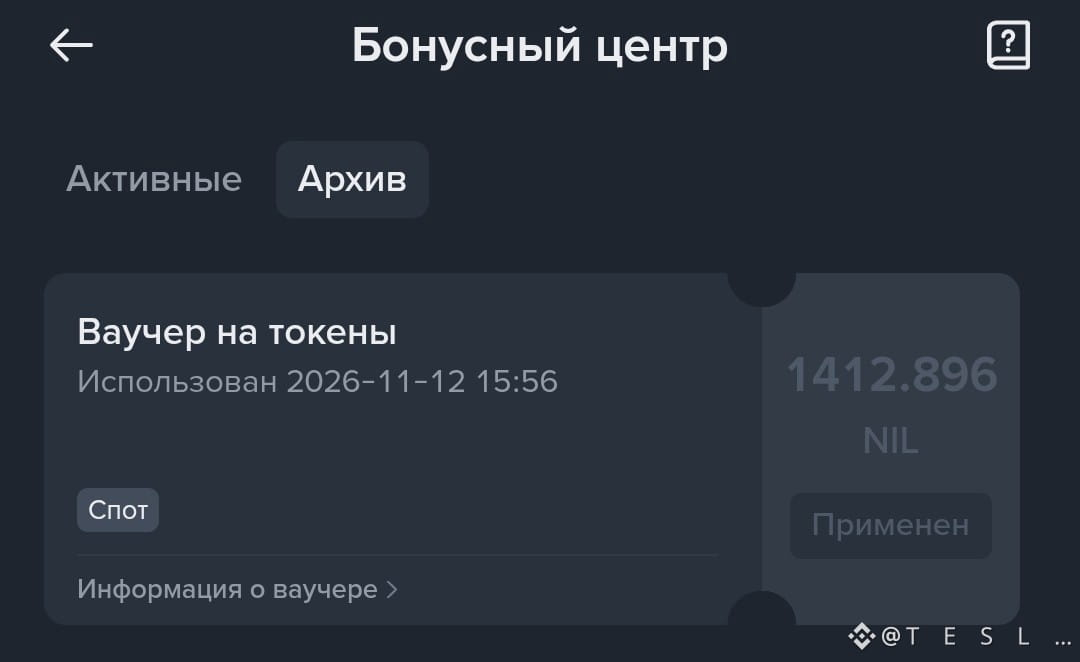
$NIL @nillionnetwork Thanks for the contest! BINANCE 🫶
$NIL @Nillion Thanks for the contest! BINANCE 🫶
2
201
·
--
Bullish
🚨 WHALE $CAP , WHO SENT 24M TOKENS TO BINANCE LAST MONTH, IS NOW WITHDRAWING MILLIONS. 🐋
This is the kind of wallet movement I pay attention to.
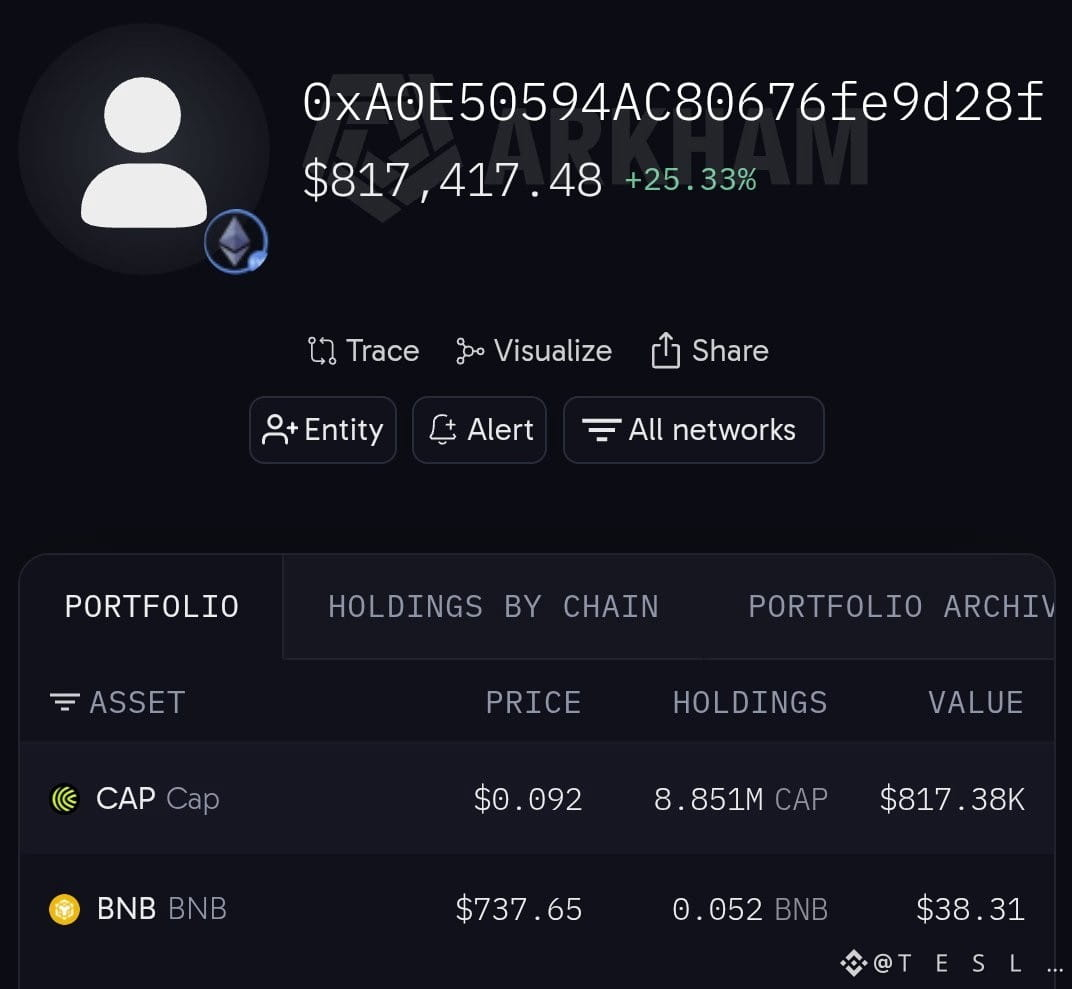
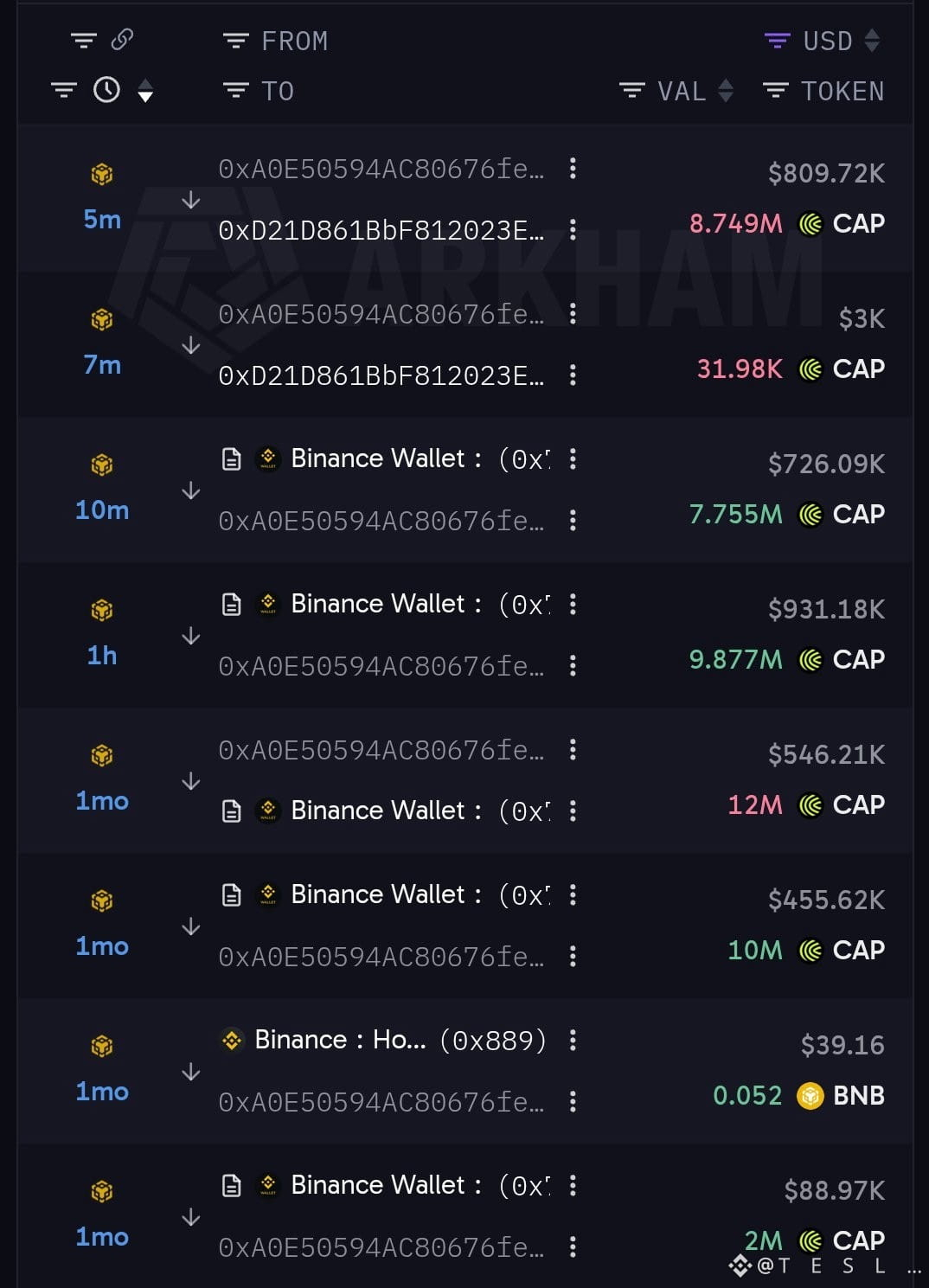
Wallet 0xA0E5... withdrew 17.63M CAP worth approximately $1.65M from Binance in just two transactions.
Remember, this is the same wallet that deposited 24M CAP to Binance last month. Now the flow has reversed.
But here’s the detail that matters: the whale didn’t just withdraw and go quiet. It sent another 8.749M $CAP to a secondary wallet, while the main wallet still holds 8.851M tokens worth more than $817K.
Now look at the chart. CAP is up about 16%, trading around $0.093 after reaching $0.09726.
A WHALE REVERSING ITS EXCHANGE FLOW WHILE THE PRICE IS MOVING UP IS WORTH TRACKING. This doesn’t guarantee a squeeze, but it raises a much more interesting question than simply asking why the price is rising.
Does CAP have enough momentum to break through $0.09726?
That’s the level I’m watching next. 👀
$CAP Tap to trade 👇
{future}(CAPUSDT)
🚨 WHALE $CAP , WHO SENT 24M TOKENS TO BINANCE LAST MONTH, IS NOW WITHDRAWING MILLIONS. 🐋
This is the kind of wallet movement I pay attention to.
Wallet 0xA0E5... withdrew 17.63M CAP worth approximately $1.65M from Binance in just two transactions.
Remember, this is the same wallet that deposited 24M CAP to Binance last month. Now the flow has reversed.
But here’s the detail that matters: the whale didn’t just withdraw and go quiet. It sent another 8.749M $CAP to a secondary wallet, while the main wallet still holds 8.851M tokens worth more than $817K.
Now look at the chart. CAP is up about 16%, trading around $0.093 after reaching $0.09726.
A WHALE REVERSING ITS EXCHANGE FLOW WHILE THE PRICE IS MOVING UP IS WORTH TRACKING. This doesn’t guarantee a squeeze, but it raises a much more interesting question than simply asking why the price is rising.
Does CAP have enough momentum to break through $0.09726?
That’s the level I’m watching next. 👀
$CAP Tap to trade 👇
5
268
·
--
Bullish
$APR At a critical support zone!
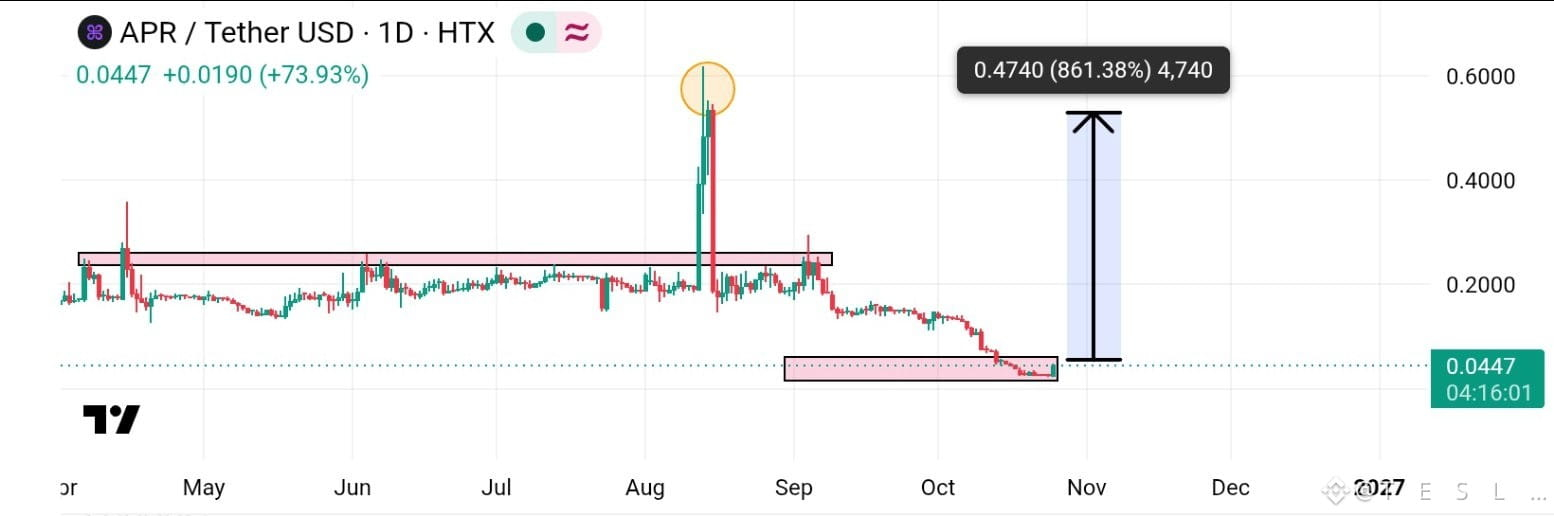
APR is testing key support near $0.044.
If buyers defend this zone, a powerful recovery to $0.25+ could follow. 📈
⚠️ Confirmation is key—watch for a breakout!
$APR Tap Trade 👇
{future}(APRUSDT)
$APR At a critical support zone!
APR is testing key support near $0.044.
If buyers defend this zone, a powerful recovery to $0.25+ could follow. 📈
⚠️ Confirmation is key—watch for a breakout!
$APR Tap Trade 👇
APR is testing key support near $0.044.
If buyers defend this zone, a powerful recovery to $0.25+ could follow. 📈
⚠️ Confirmation is key—watch for a breakout!
$APR Tap Trade 👇
1
8
2k
·
--
Bullish
$IN woke up after months of silence, and the surge left a clear map behind 🔥
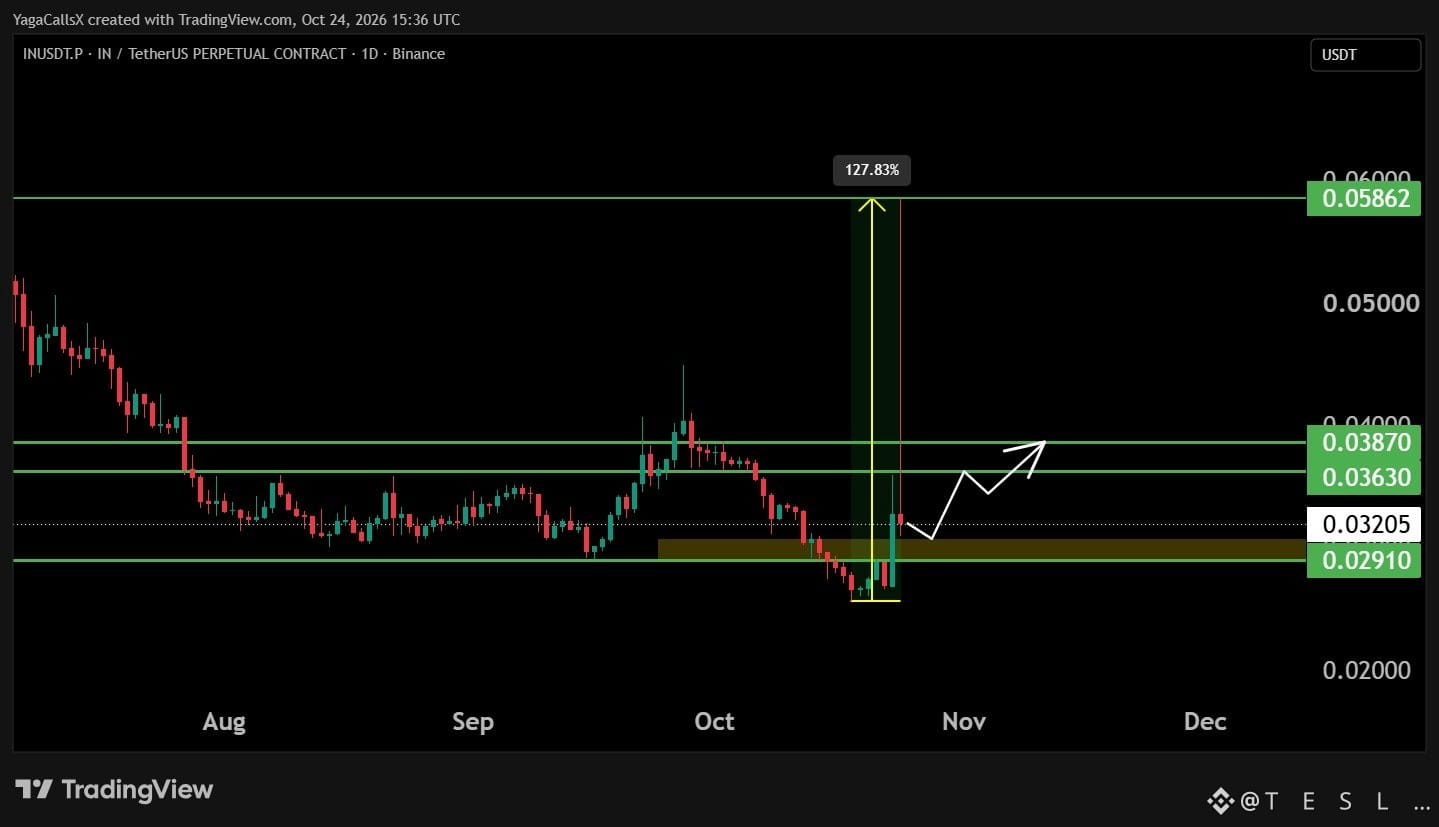
Only futures, shorts are paying, and the base beneath the price has held for weeks. Those who say “next time” are the ones who always miss everything.
$IN
{future}(INUSDT)
$IN woke up after months of silence, and the surge left a clear map behind 🔥
Only futures, shorts are paying, and the base beneath the price has held for weeks. Those who say “next time” are the ones who always miss everything.
$IN
Only futures, shorts are paying, and the base beneath the price has held for weeks. Those who say “next time” are the ones who always miss everything.
$IN
6
1.2k
·
--
Bullish
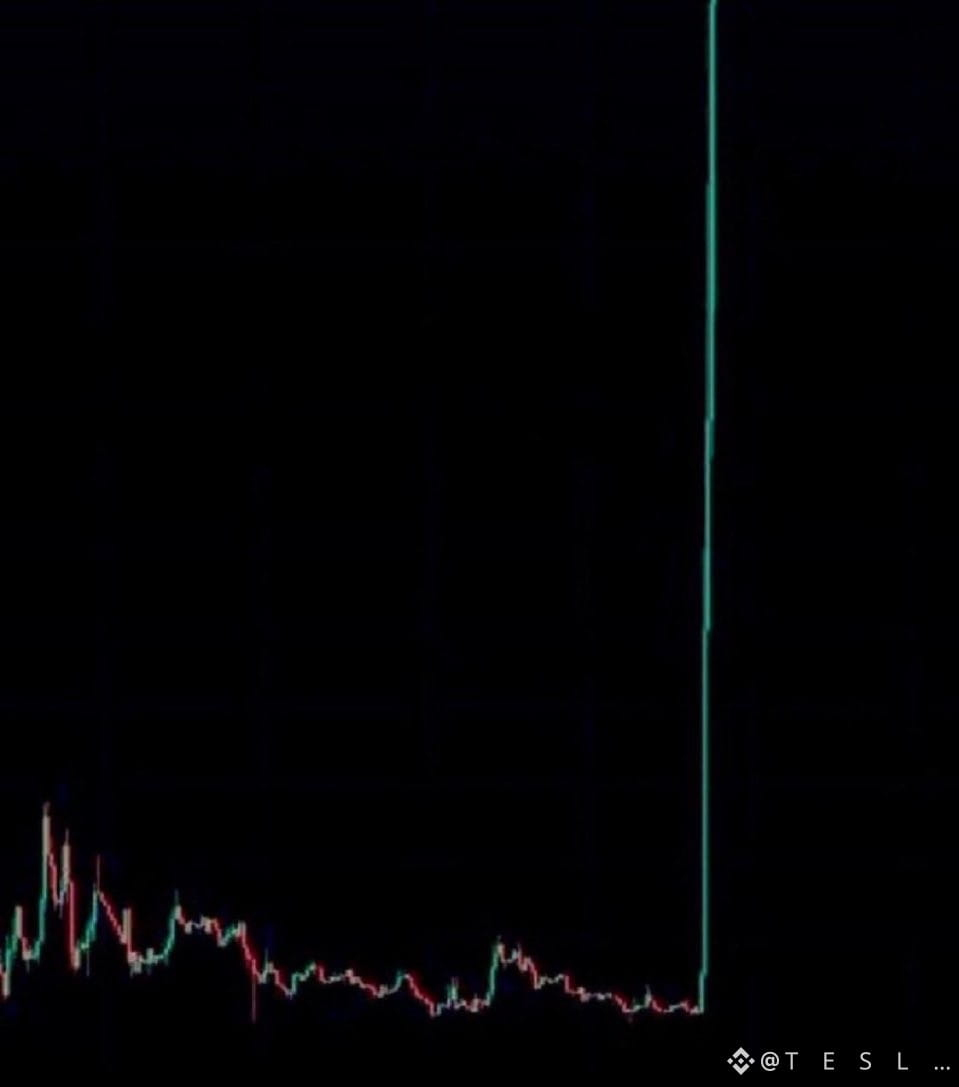
$MET Long at CMP target $0.5+
$MET soon 🔥💯
{future}(METUSDT)
$MET Long at CMP target $0.5+
$MET soon 🔥💯
$MET soon 🔥💯
7
1.9k
·
--
Bullish
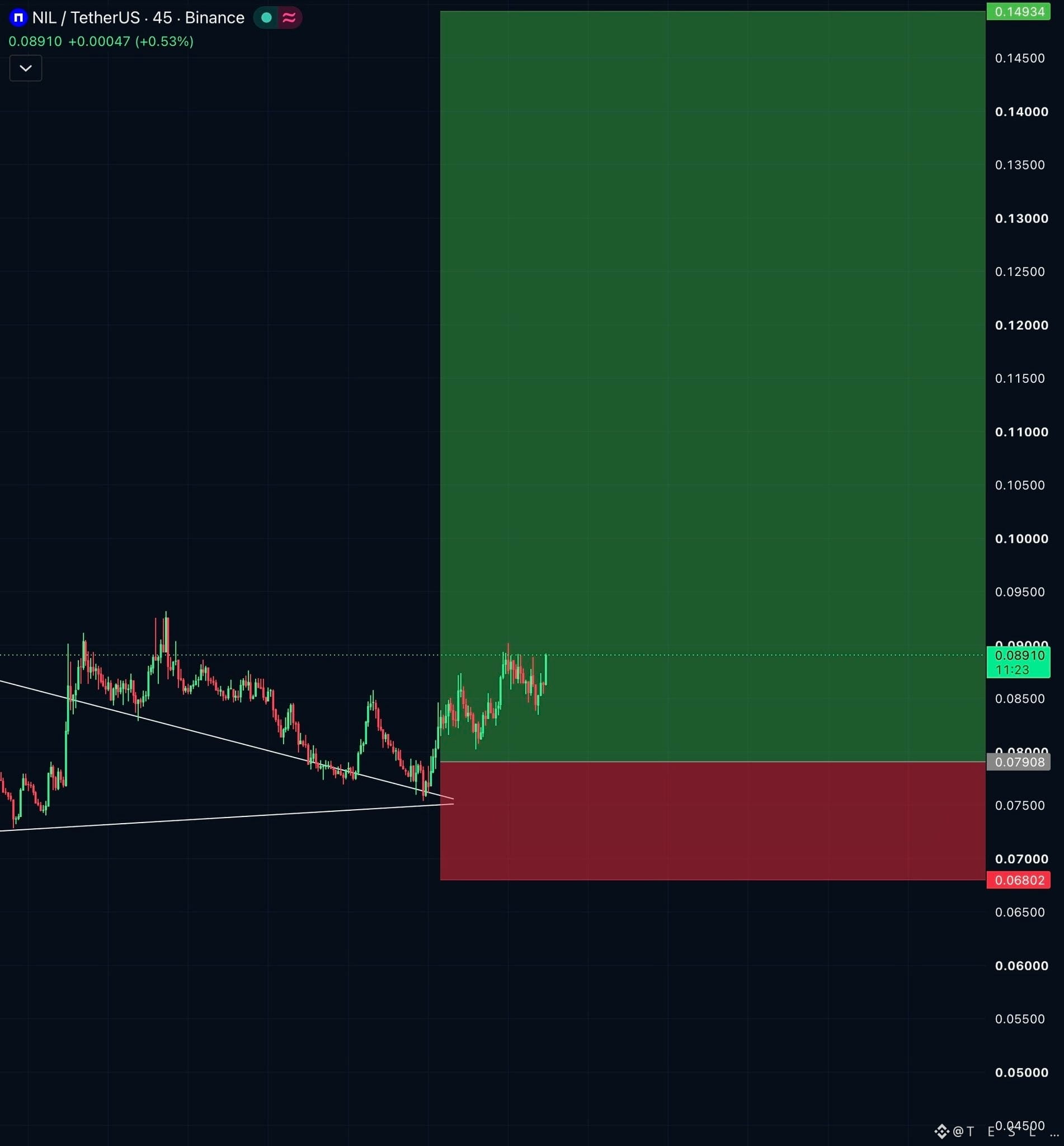
🐳 Going exactly according to plan! $NIL 🔥
It's developing really well, but I think there's still room for growth. 👀💰
$NIL
🐳 Going exactly according to plan! $NIL 🔥
It's developing really well, but I think there's still room for growth. 👀💰
$NIL
It's developing really well, but I think there's still room for growth. 👀💰
$NIL
7
876
·
--
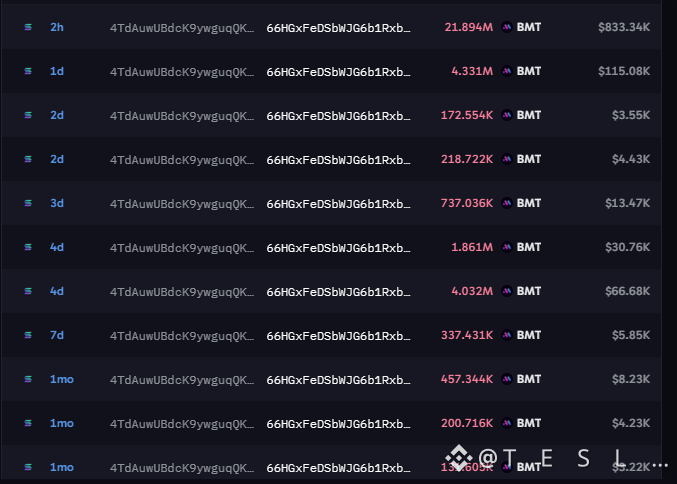
$BMT rose from ~$0.0165 to ~$0.039 in 4 days. Upbit opened the KRW market today
labels one wallet as a “$2.29M $BMT whale”
this isn’t a whale. Every coin it receives comes from Upbit deposit addresses, and it only sends to one custody wallet that almost never moves
this is Upbit holding its users’ BMT
today it transferred 21.9M $BMT to custody. The largest transfer in a month
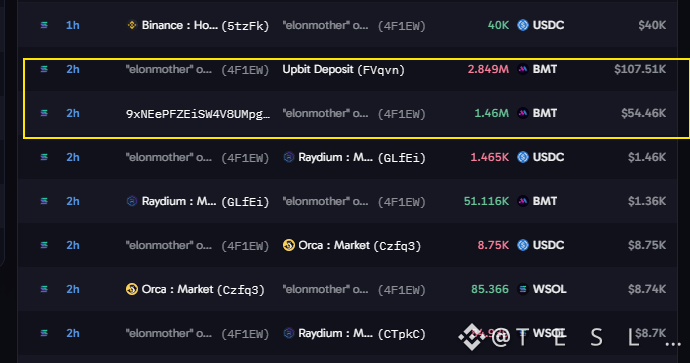
the real signal: holders are sending BMT to Upbit just as Korean buyers have arrived. One wallet sent 2.85M (~$107K) right after the market opened
deposits aren’t sales. But that’s where the money is moving
$BMT
{future}(BMTUSDT)
$BMT rose from ~$0.0165 to ~$0.039 in 4 days. Upbit opened the KRW market today
labels one wallet as a “$2.29M $BMT whale”
this isn’t a whale. Every coin it receives comes from Upbit deposit addresses, and it only sends to one custody wallet that almost never moves
this is Upbit holding its users’ BMT
today it transferred 21.9M $BMT to custody. The largest transfer in a month
the real signal: holders are sending BMT to Upbit just as Korean buyers have arrived. One wallet sent 2.85M (~$107K) right after the market opened
deposits aren’t sales. But that’s where the money is moving
$BMT
5
113
·
--
Bullish
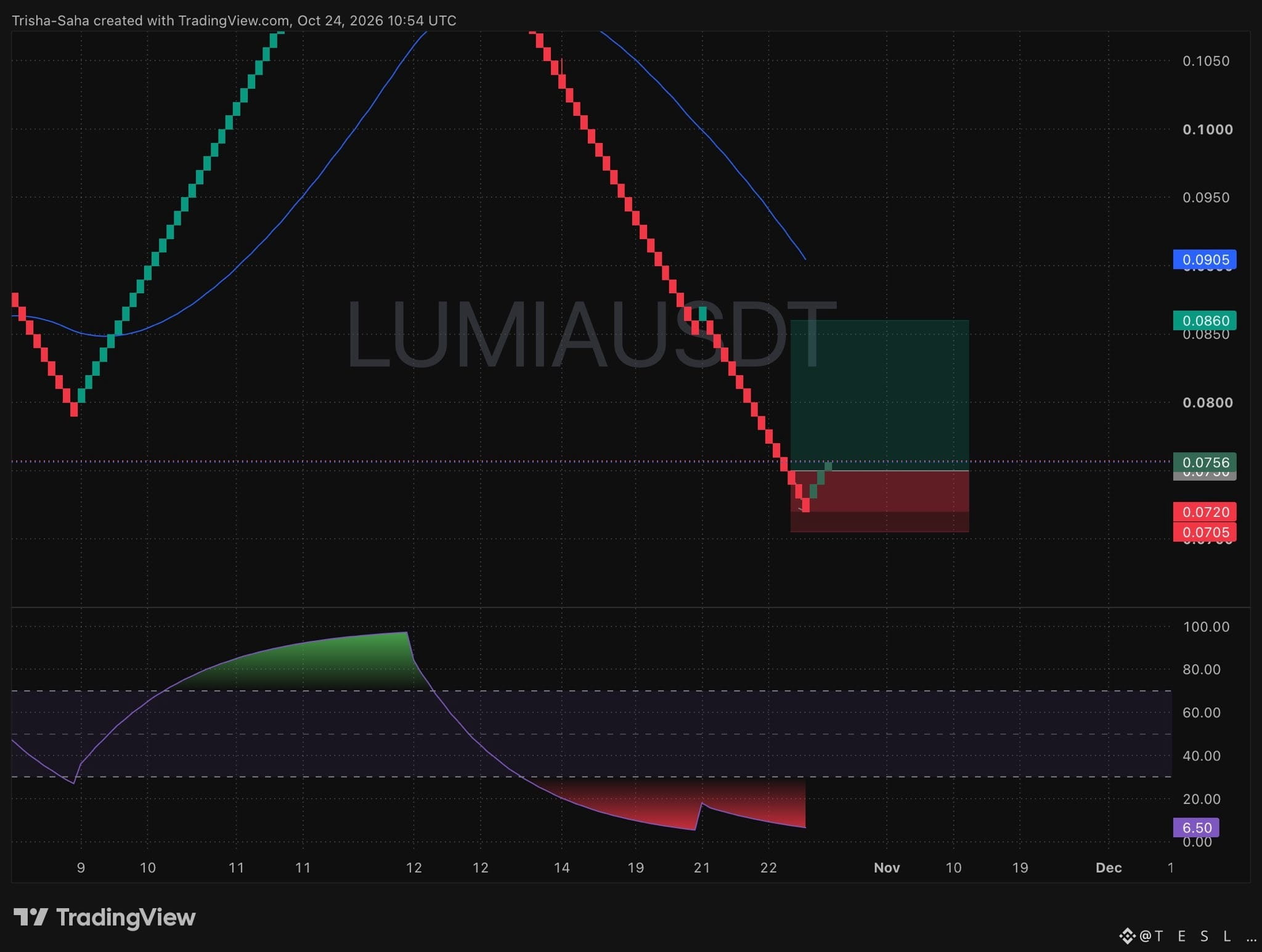
$LUMIA EXTREMELY OVERSOLD AND READY TO EXPLODE! 🚀
📍 Trading scenario:
• Entry zone: $0.0740 – $0.0756
• Stop-loss: $0.0705
• Target: $0.0860
⚡ Chart analysis:👇
$LUMIA
{future}(LUMIAUSDT)
$LUMIA EXTREMELY OVERSOLD AND READY TO EXPLODE! 🚀
📍 Trading scenario:
• Entry zone: $0.0740 – $0.0756
• Stop-loss: $0.0705
• Target: $0.0860
⚡ Chart analysis:👇
$LUMIA
📍 Trading scenario:
• Entry zone: $0.0740 – $0.0756
• Stop-loss: $0.0705
• Target: $0.0860
⚡ Chart analysis:👇
$LUMIA
7
614
·
--
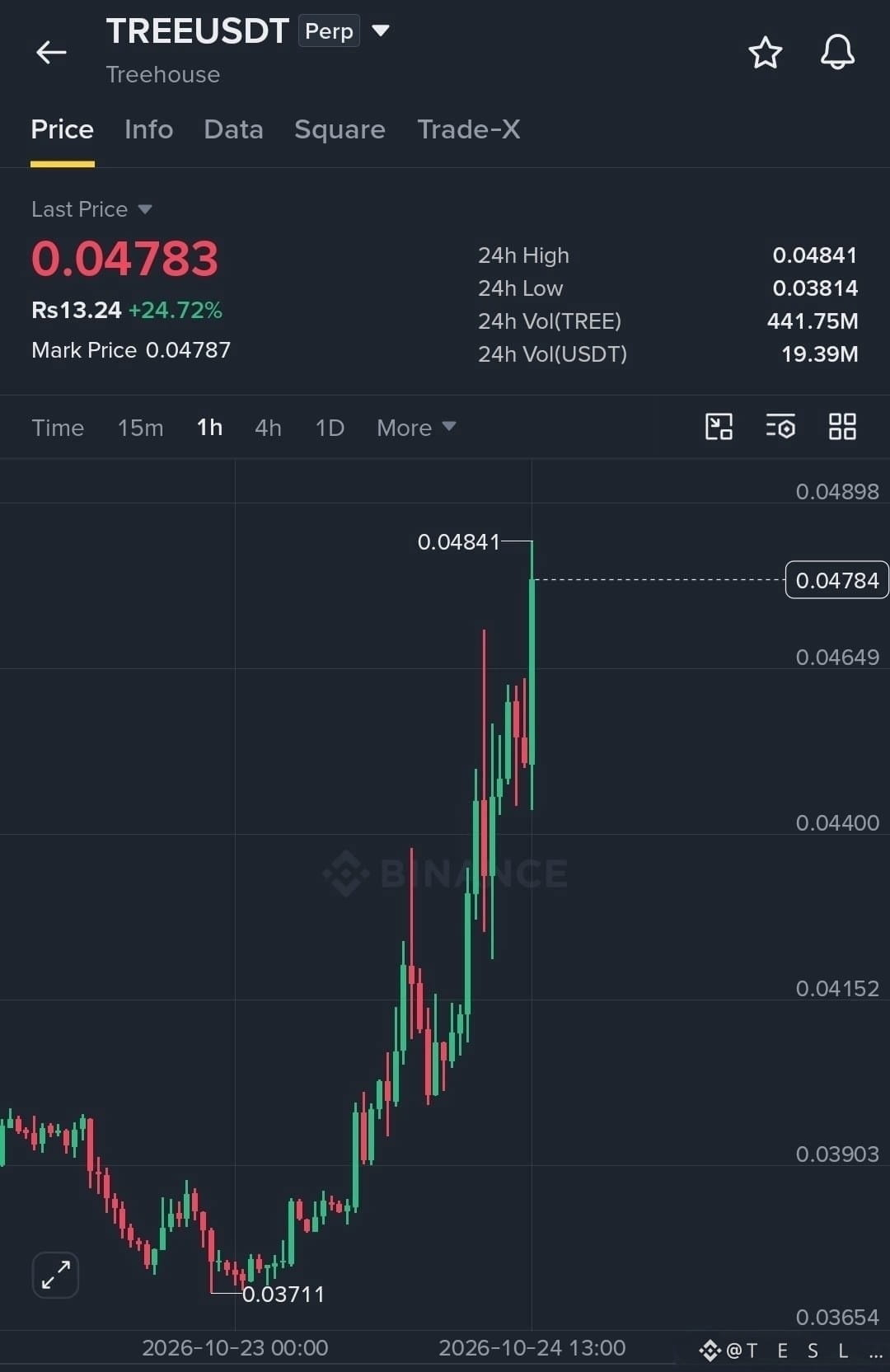
A good bounce ... But strong resistance lies ahead
$TREE is showing a strong recovery, up more than 24% today.
However, 0.048–0.050 is a strong resistance zone.
I see the possibility of another pullback from this zone.
If buyers can’t break through 0.050, we could see a correction to 0.044–0.041.
Only a clean breakout above 0.050 would change my bearish outlook.
Don’t chase a pump near resistance
$TREE
{future}(TREEUSDT)
A good bounce ... But strong resistance lies ahead
$TREE is showing a strong recovery, up more than 24% today.
However, 0.048–0.050 is a strong resistance zone.
I see the possibility of another pullback from this zone.
If buyers can’t break through 0.050, we could see a correction to 0.044–0.041.
Only a clean breakout above 0.050 would change my bearish outlook.
Don’t chase a pump near resistance
$TREE
5
376
·
--
Bullish
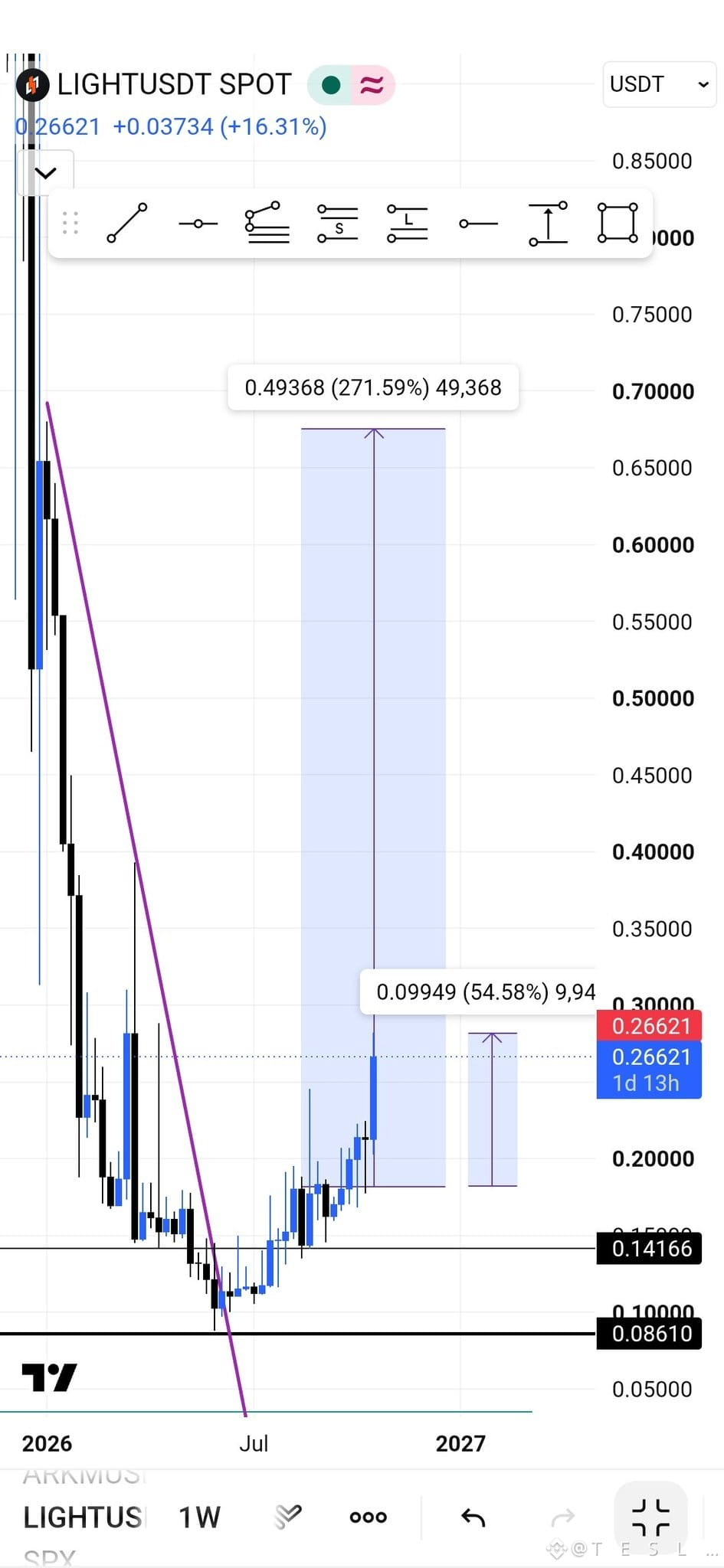
+54% growth on spot achieved successfully so far 🔥✅🚀
$LIGHT
{future}(LIGHTUSDT)
+54% growth on spot achieved successfully so far 🔥✅🚀
$LIGHT
$LIGHT
5
862
·
--
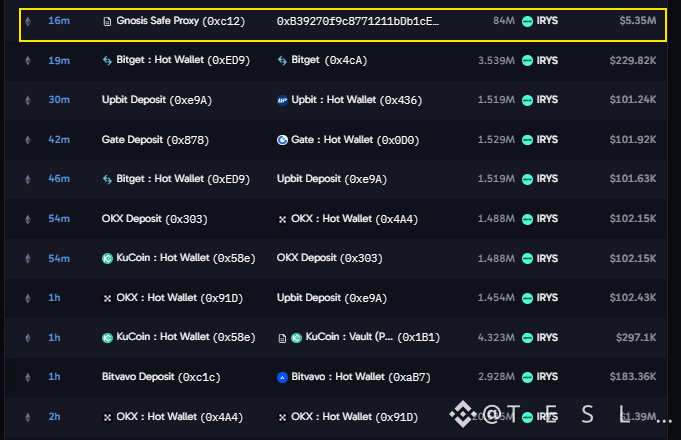
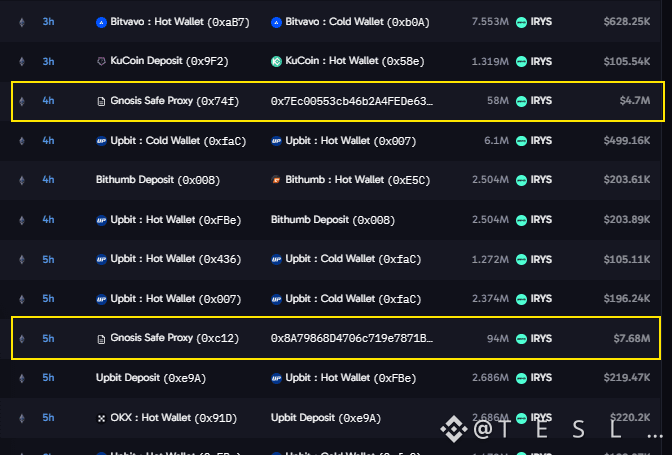
Since last night, 3 multisig wallets have sent ~362M $IRYS to 5 wallets. ~$28M at the time
That’s ~14% of the circulating supply
The latest transfer was 84M $IRYS ($5.35M), 16 minutes ago
IRYS was ~$0.082 five hours ago. ~$0.064 now
We’re watching to see if any of these 5 wallets send funds to an exchange
$IRYS
{future}(IRYSUSDT)
Since last night, 3 multisig wallets have sent ~362M $IRYS to 5 wallets. ~$28M at the time
That’s ~14% of the circulating supply
The latest transfer was 84M $IRYS ($5.35M), 16 minutes ago
IRYS was ~$0.082 five hours ago. ~$0.064 now
We’re watching to see if any of these 5 wallets send funds to an exchange
$IRYS
That’s ~14% of the circulating supply
The latest transfer was 84M $IRYS ($5.35M), 16 minutes ago
IRYS was ~$0.082 five hours ago. ~$0.064 now
We’re watching to see if any of these 5 wallets send funds to an exchange
$IRYS
5
1.3k
·
--
Bullish
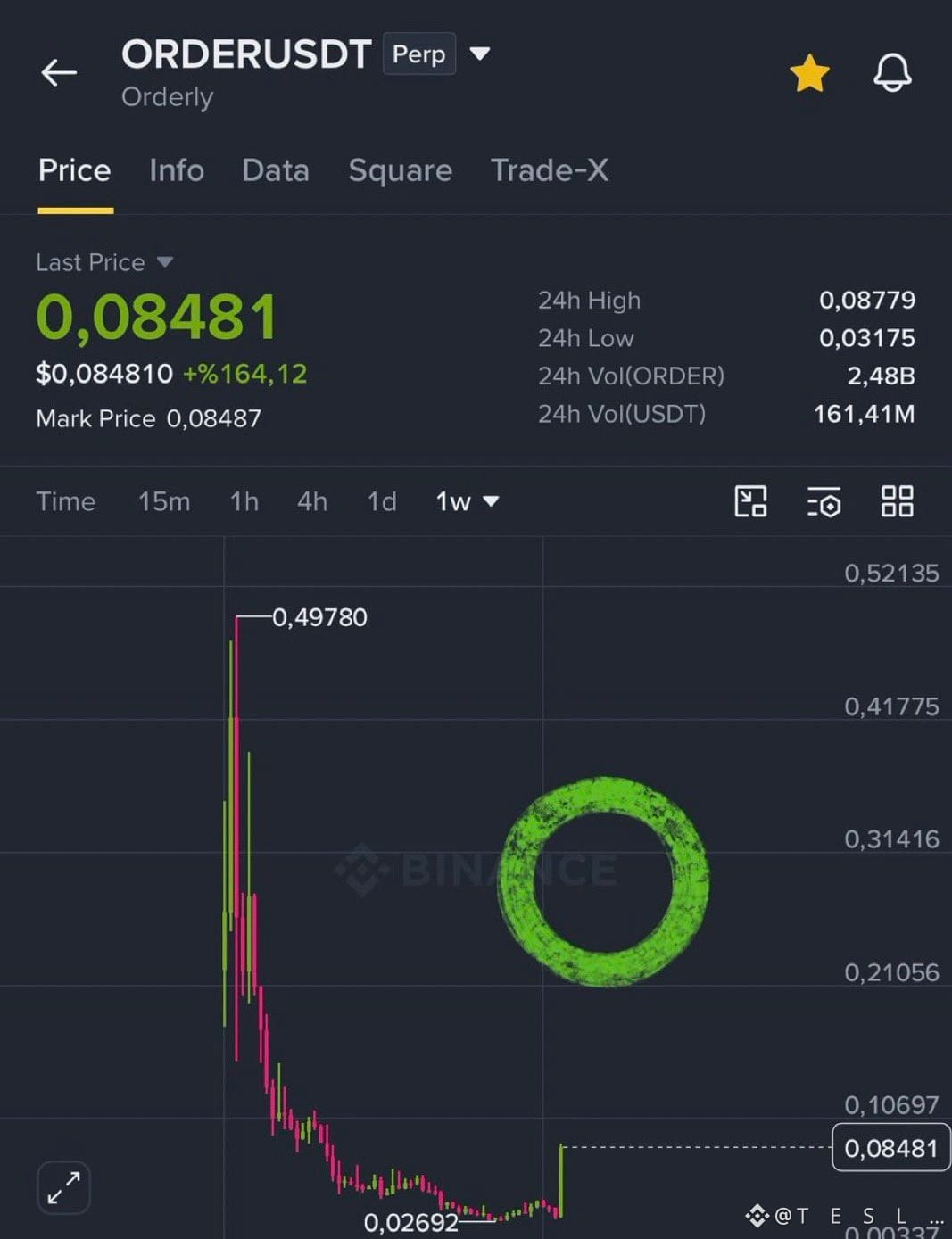
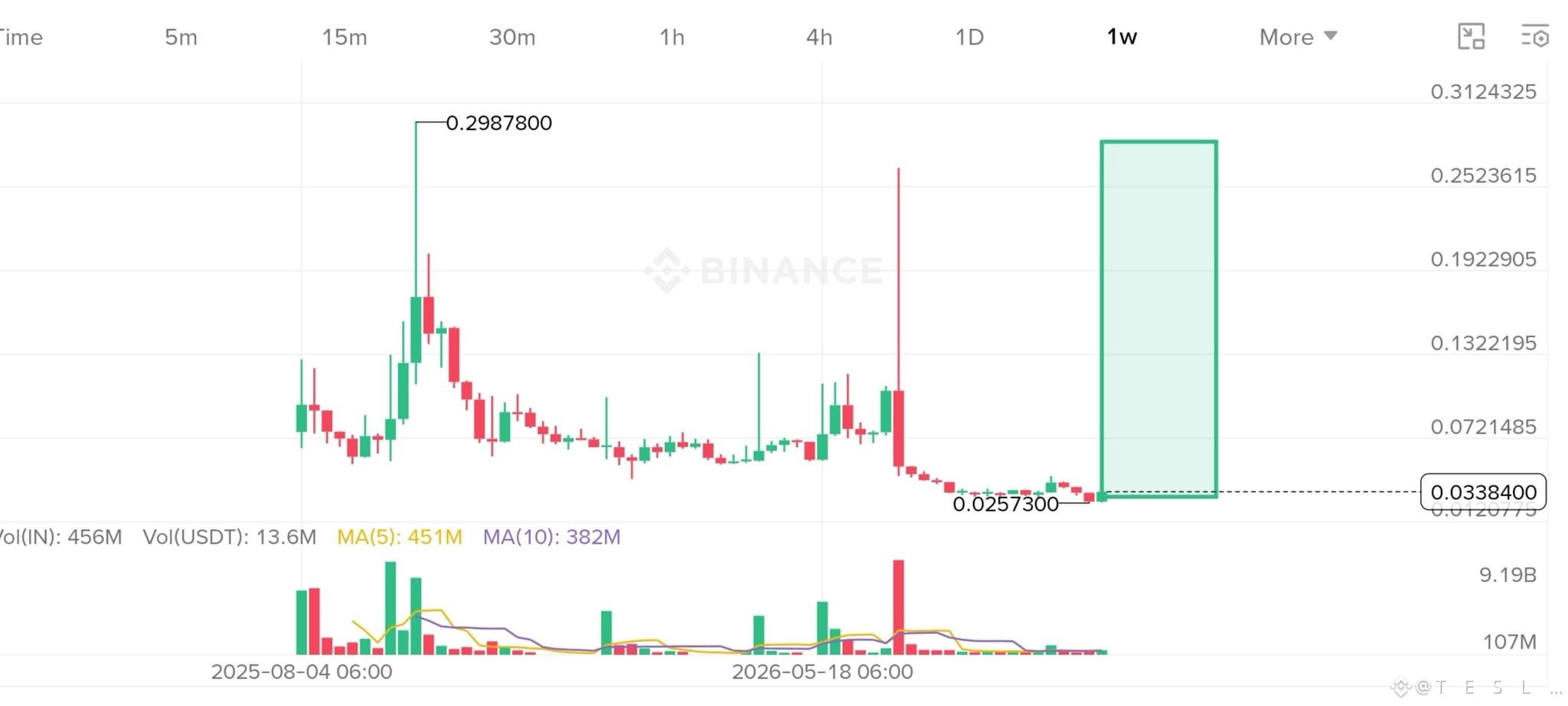
$IN Breakout confirmed, retest complete ✅. Now we're adding a 5X–25X long 🚀
This is the next $IRYS Target: $0.15–$0.20
{future}(IRYSUSDT)
$IN Tap Trade 👇
{future}(INUSDT)
$IN Breakout confirmed, retest complete ✅. Now we're adding a 5X–25X long 🚀
This is the next $IRYS Target: $0.15–$0.20
$IN Tap Trade 👇
This is the next $IRYS Target: $0.15–$0.20
$IN Tap Trade 👇
6
471
·
--
6
784
·
--
$IRYS is doing something interesting.
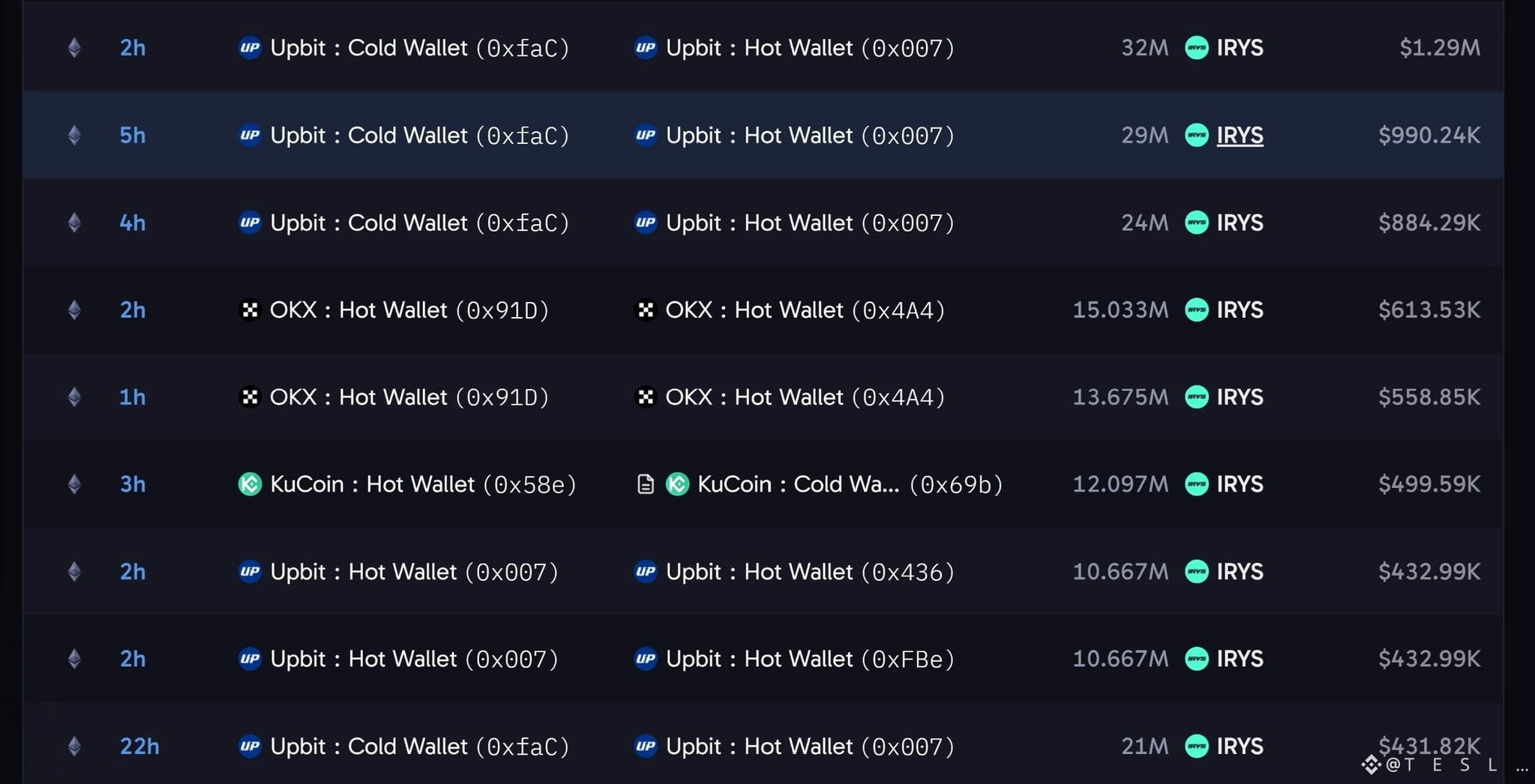
Upbit has transferred roughly 85M IRYS from cold storage to its hot wallet in several batches over the past few hours: 32M, 29M, and 24M.
I usually view exchange flows from cold storage to hot wallets as potential supply pressure, not as an automatic sell signal. But despite this liquidity becoming available, $IRYS continued to rise and remains one of today's strongest assets.
So far, buyers are absorbing the supply. I'm watching closely to see whether these coins actually start moving from the hot wallet to the market.
$IRYS
{future}(IRYSUSDT)
$IRYS is doing something interesting.
Upbit has transferred roughly 85M IRYS from cold storage to its hot wallet in several batches over the past few hours: 32M, 29M, and 24M.
I usually view exchange flows from cold storage to hot wallets as potential supply pressure, not as an automatic sell signal. But despite this liquidity becoming available, $IRYS continued to rise and remains one of today's strongest assets.
So far, buyers are absorbing the supply. I'm watching closely to see whether these coins actually start moving from the hot wallet to the market.
$IRYS
2
6
2.3k
·
--
Bullish
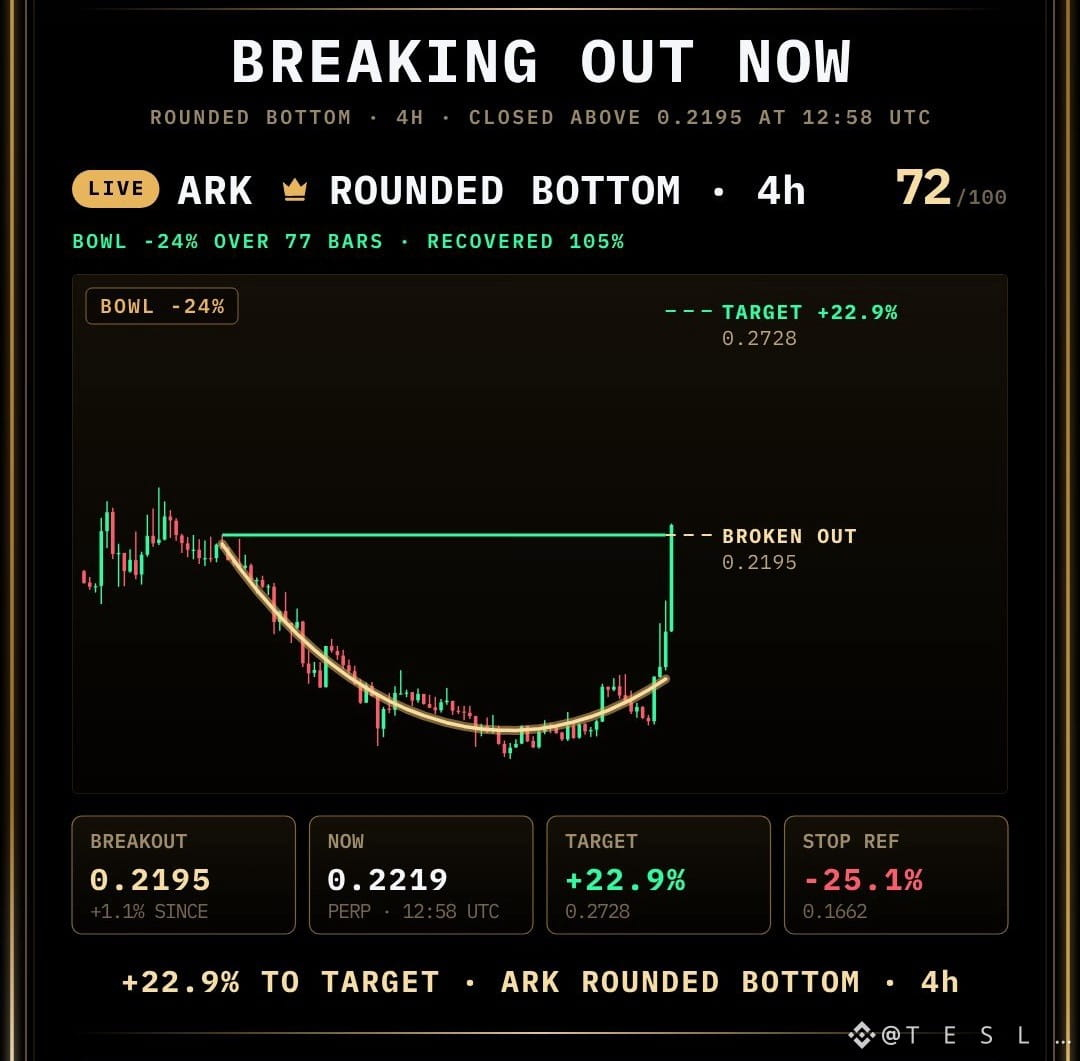
$ARK breaking upward · 4H rounded bottom · closed above 0.2195 at 12:58 UTC
Now 0.2219 · measured move target 0.2728 (+22.9% from current)
$ARK Tap Trade 👇
{future}(ARKUSDT)
$ARK breaking upward · 4H rounded bottom · closed above 0.2195 at 12:58 UTC
Now 0.2219 · measured move target 0.2728 (+22.9% from current)
$ARK Tap Trade 👇
Now 0.2219 · measured move target 0.2728 (+22.9% from current)
$ARK Tap Trade 👇
5
877
·
--
Bullish
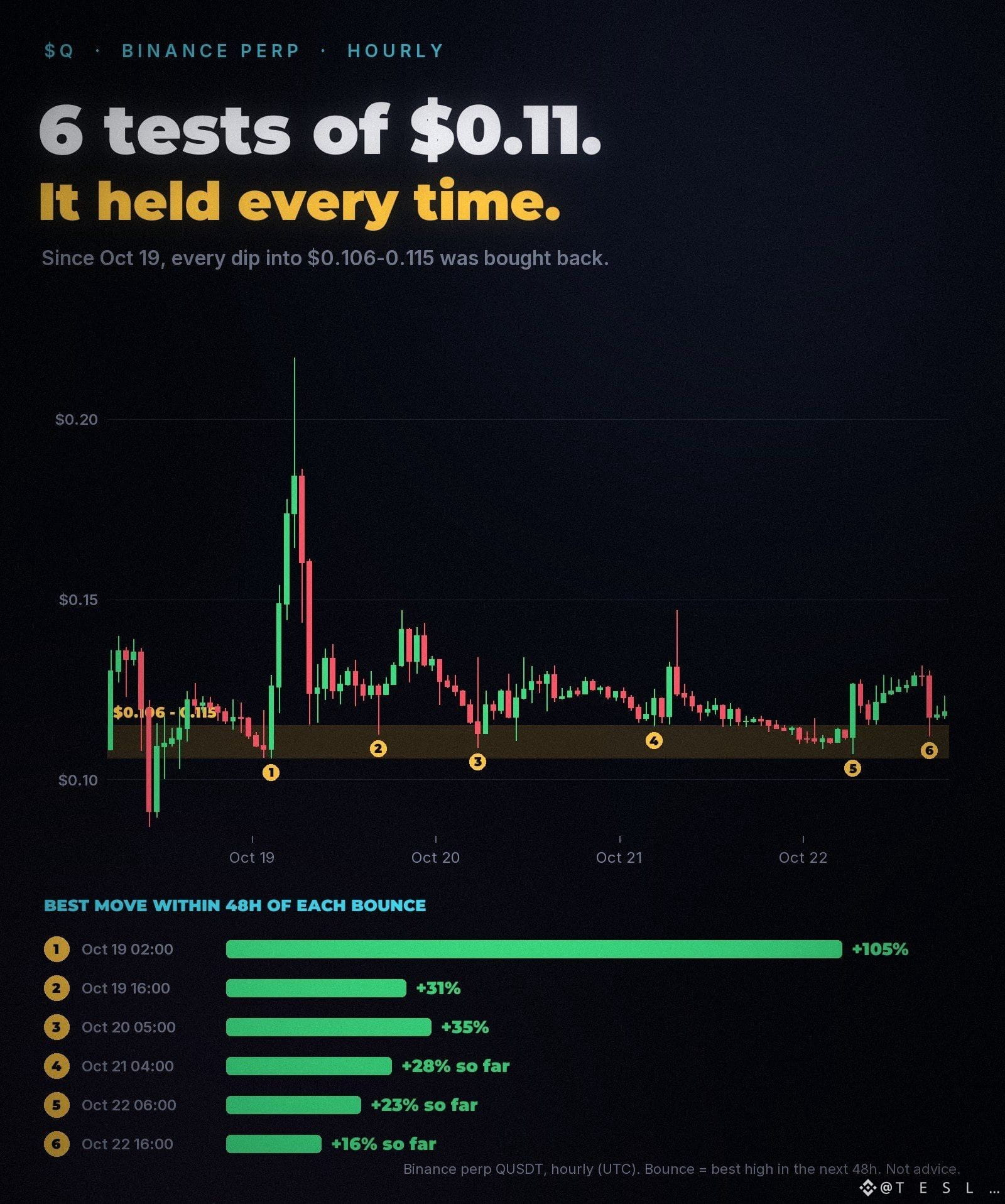
Six tests at the $0.11 level over four days. It held every time.
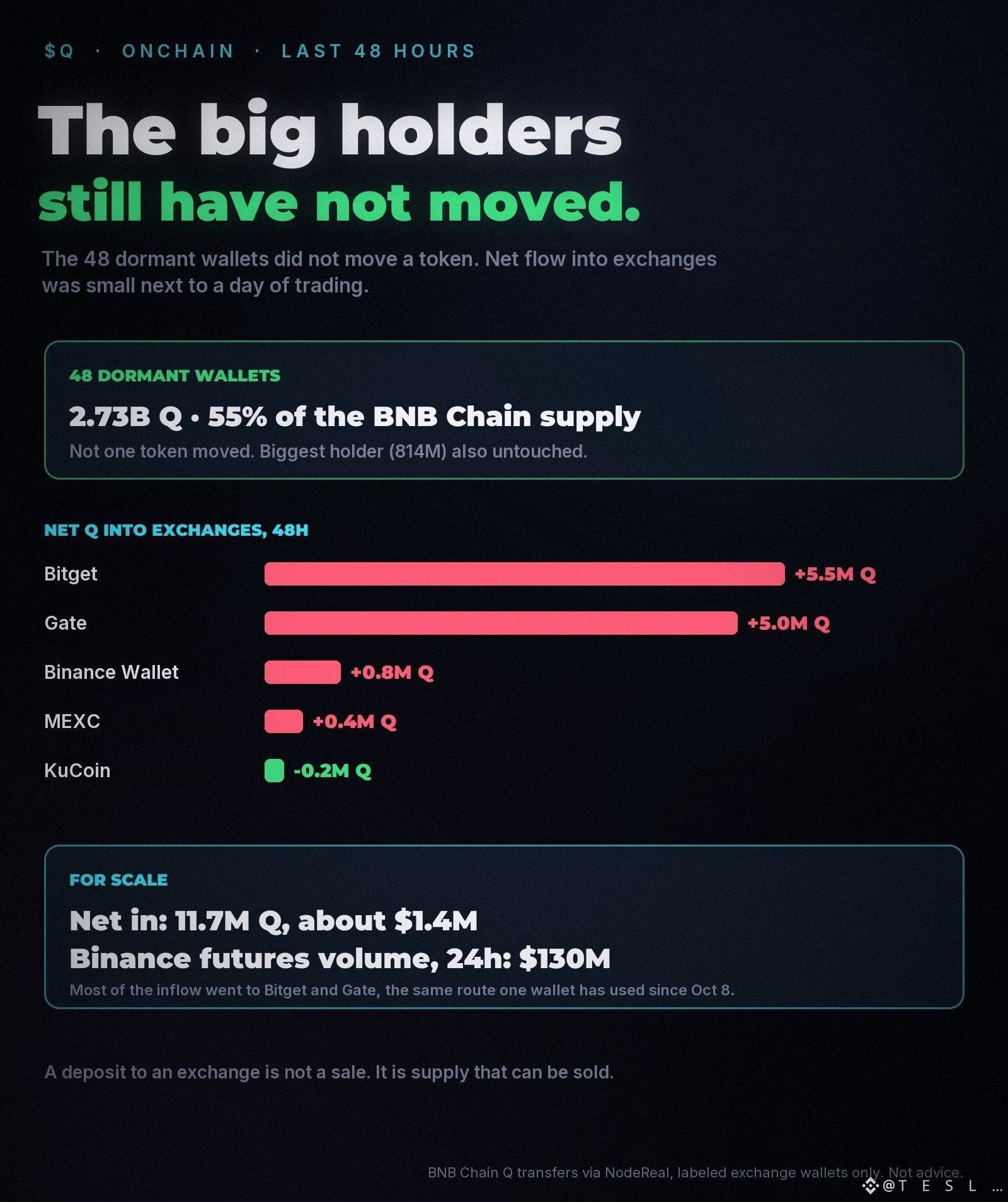
48 inactive wallets holding 55% of the $Q supply on BNB Chain still haven’t moved a single token. Net exchange inflows over 48 hours totaled ~$1.4M, mostly to Bitget and Gate, with daily futures volume at $130M.
$Q Tap to trade 👇
{future}(QUSDT)
Six tests at the $0.11 level over four days. It held every time.
48 inactive wallets holding 55% of the $Q supply on BNB Chain still haven’t moved a single token. Net exchange inflows over 48 hours totaled ~$1.4M, mostly to Bitget and Gate, with daily futures volume at $130M.
$Q Tap to trade 👇
48 inactive wallets holding 55% of the $Q supply on BNB Chain still haven’t moved a single token. Net exchange inflows over 48 hours totaled ~$1.4M, mostly to Bitget and Gate, with daily futures volume at $130M.
$Q Tap to trade 👇
5
1.1k
·
--
Bullish
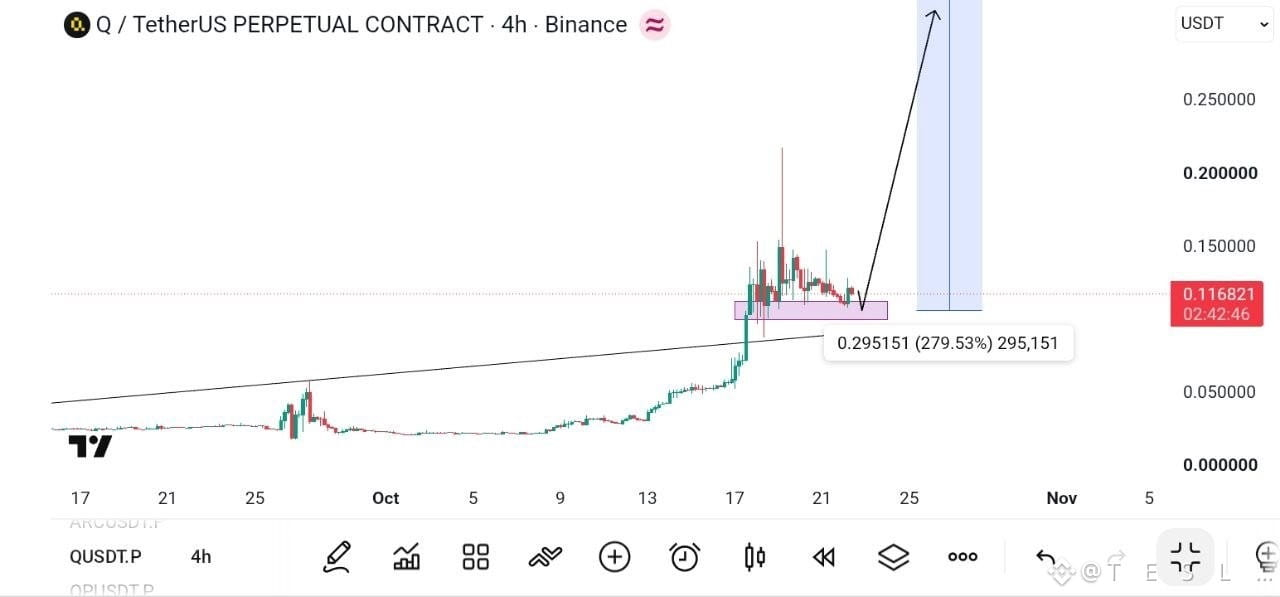
$Q is showing strong bullish momentum after a powerful breakout! 🔥
The price is currently consolidating around a key support zone ($0.105–$0.115). If this zone holds and buyers step in, we could see another strong move upward.🤝
😵 Potential target: $0.40
📊 Potential upside: +280% from the current price of around $0.117
$Q Click here to trade 👇
{future}(QUSDT)
$Q is showing strong bullish momentum after a powerful breakout! 🔥
The price is currently consolidating around a key support zone ($0.105–$0.115). If this zone holds and buyers step in, we could see another strong move upward.🤝
😵 Potential target: $0.40
📊 Potential upside: +280% from the current price of around $0.117
$Q Click here to trade 👇
The price is currently consolidating around a key support zone ($0.105–$0.115). If this zone holds and buyers step in, we could see another strong move upward.🤝
😵 Potential target: $0.40
📊 Potential upside: +280% from the current price of around $0.117
$Q Click here to trade 👇
5
174
Log in to explore more content
Join global crypto users on Binance Square
⚡️ Get latest and useful information about crypto.
💬 Trusted by the world’s largest crypto exchange.
👍 Discover real insights from verified creators.
Email / Phone number
Trending Topics
HuangExitNvidiaStrategyInFocus
73,988 views
878 Discussing
STOCKS | Nvidia’s Jensen Huang Resigns, Colette Kress Named as Interim CEO
Binance News
·21 Likes
·32.3k views
AnthropicRejectsIPODelayValuationinQuestion
668,427 views
5,158 Discussing
BitMineReports$6.3BNetLossForFiscal2026
9,147 views
110 Discussing