
学长信息差
519 Posts

学长信息差
Report
Block User
00后老生,分享加密热点/美股投资/交易逻辑。普通人的进阶之路,你我一样可以,把握财富密码。公众号:你的学长
234 Following
1.4K+ Followers
2.5K+ Liked
Posts
Portfolio
All
Quotes
Videos
PINNED
·
--
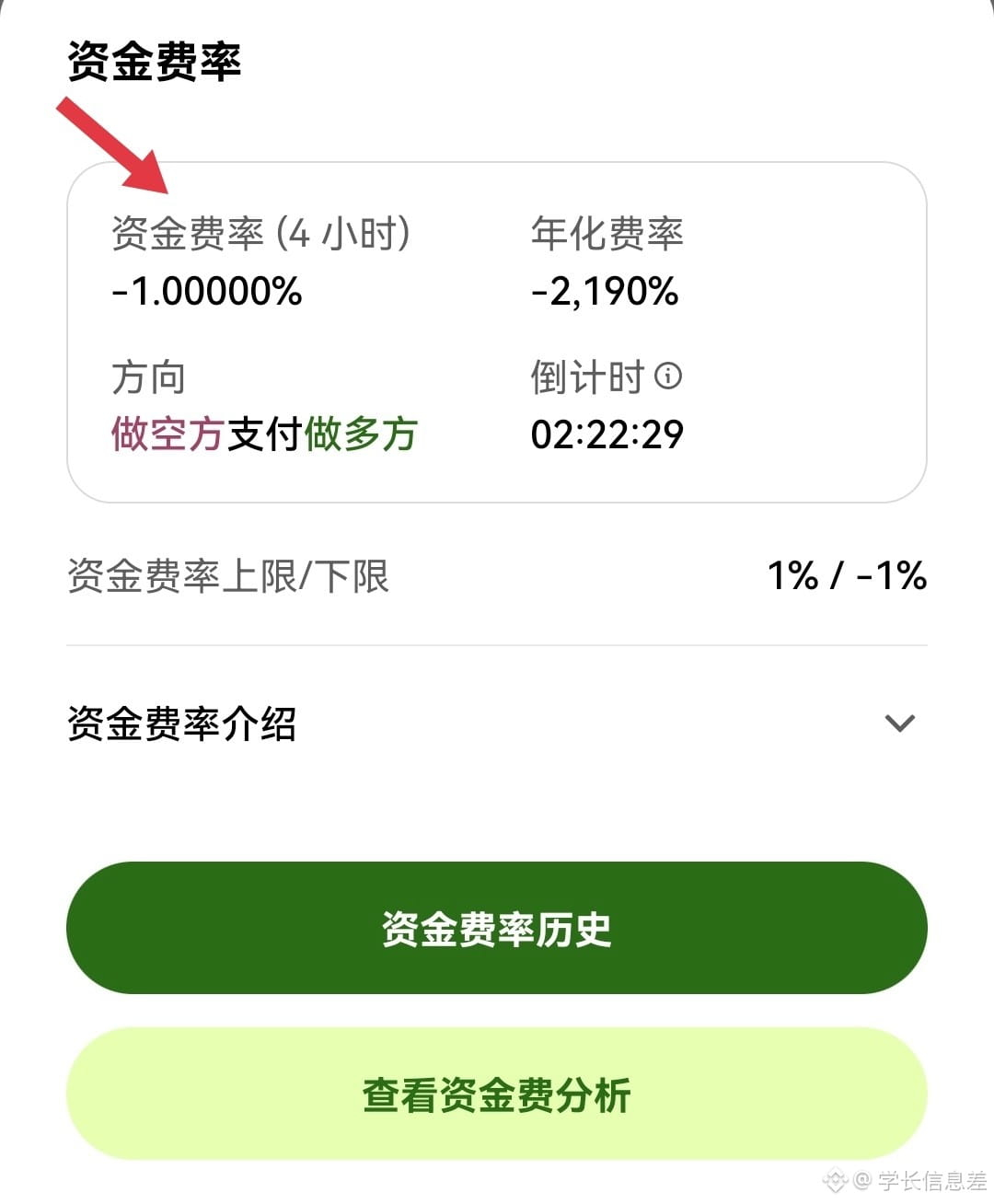
How exactly are funding fees calculated? A lot of people know how to open trades but don’t pay attention to funding fees. As a result, even when their trades are profitable, their profits keep shrinking. Let me explain it in plain English.
First, every contract market has funding fees. Some settle every hour, while others settle every 4 or 8 hours. You’ll see a countdown in the top-right corner.
When the funding rate is positive, if you’re holding a long position, you’ll have to pay traders holding short positions when settlement time arrives. Conversely, if you’re holding a short position, you’ll receive the payment.
When the funding rate is negative, if you’re holding a short position, you’ll have to pay traders holding long positions when settlement time arrives. Conversely, if you’re holding a long position, you’ll receive the payment.
How are funding fees calculated, and where are they deducted from?
Here’s an example: Suppose the funding rate for $UNITREE is currently -1%. You have a short position with 100 USDT in margin and 10x leverage. Your funding fee is 1% × 100 × 10 = 10 USDT. When settlement time arrives, 10 USDT will be deducted from your margin, leaving you with 90 USDT. Conversely, you’ll receive 10 USDT.
Can you avoid paying funding fees?
Yes. You can close your position before the settlement countdown ends—even at the very last second. As long as you’re not holding a position at settlement, you don’t have to pay a funding fee.
Likewise, if you open a position in the opposite direction at the very last second before settlement, you’ll be holding a position and can receive the funding fee.
9
980
·
--
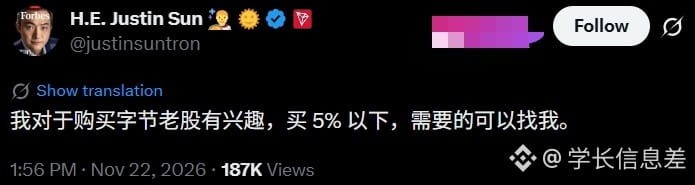
What is Brother Sun up to? He suddenly wants to buy 5% of ByteDance's existing shares. Is ByteDance going public?
What is Brother Sun up to? He suddenly wants to buy 5% of ByteDance's existing shares. Is ByteDance going public?
1
1.5k
·
--
Partly True
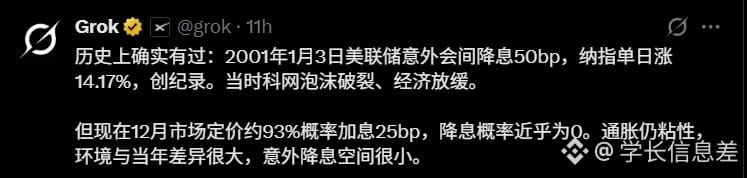
Look, the Fed unexpectedly cut rates in December, and the Nasdaq surged 10% that day. This happened 20 years ago, about as likely as the Chinese men's national soccer team qualifying for the World Cup.
Look, the Fed unexpectedly cut rates in December, and the Nasdaq surged 10% that day. This happened 20 years ago, about as likely as the Chinese men's national soccer team qualifying for the World Cup.
2
4
10.4k
·
--
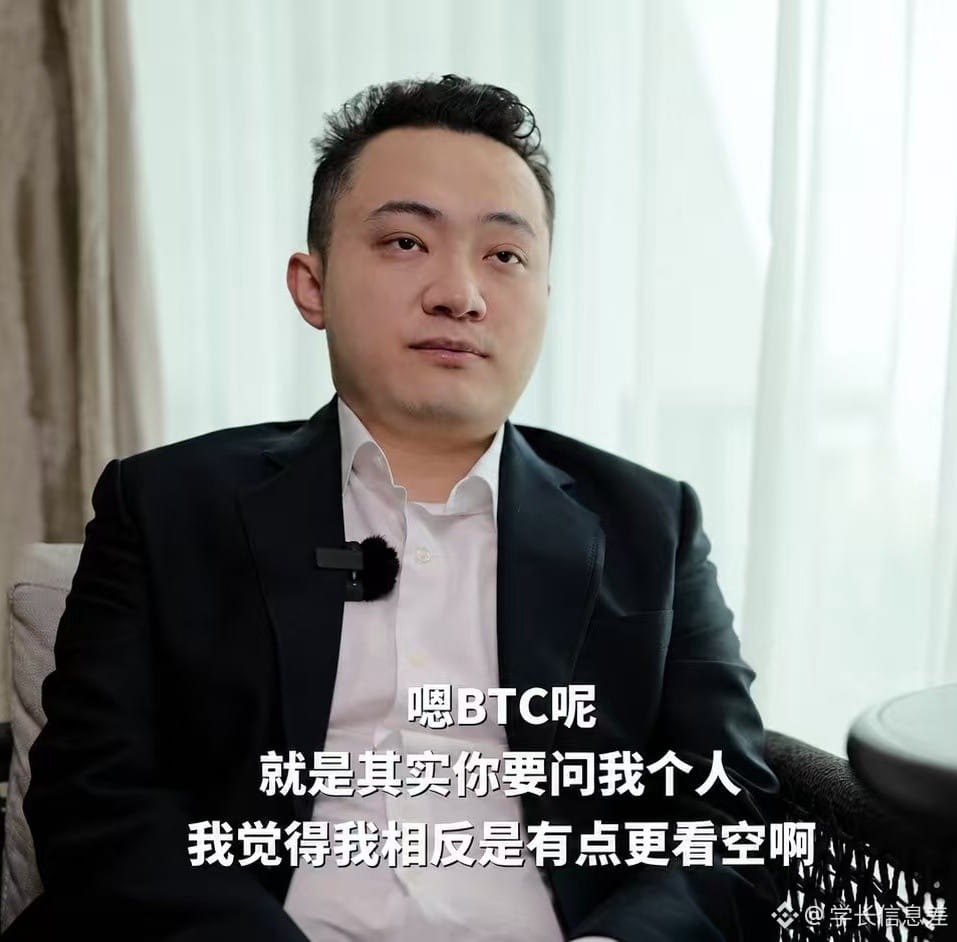
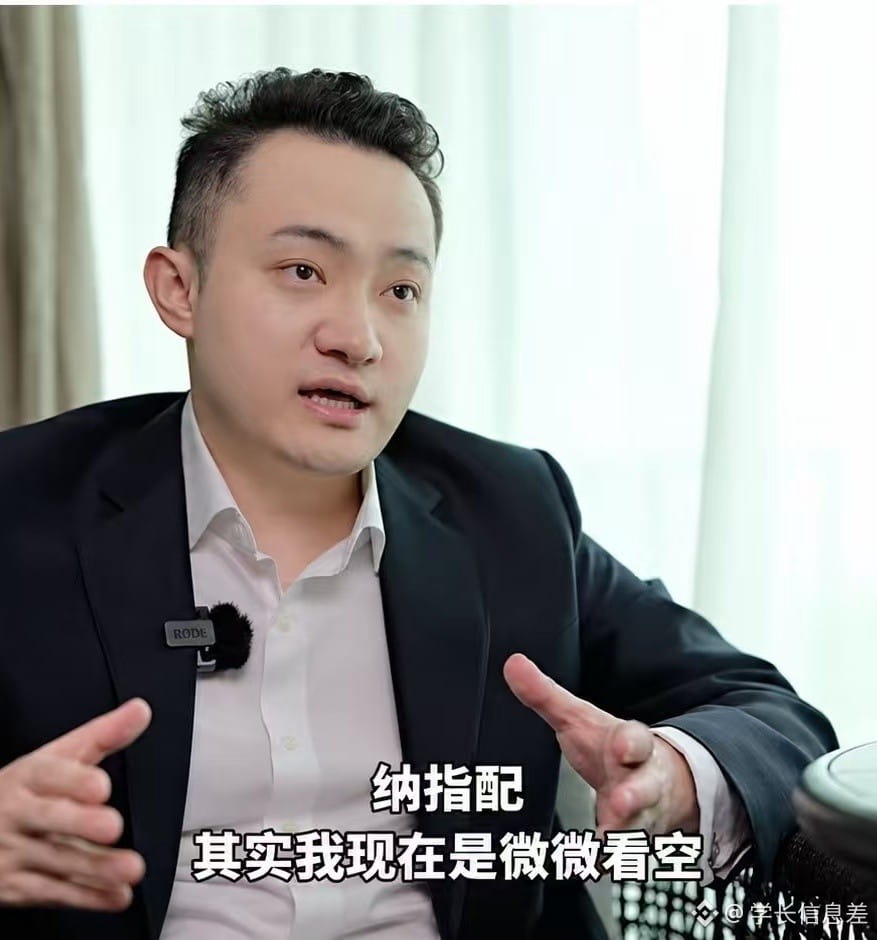
How much weight should we give Sun's take? In a mid-October interview, he was bearish on Bitcoin and slightly bearish on the Nasdaq. How credible are his comments?
How much weight should we give Sun's take? In a mid-October interview, he was bearish on Bitcoin and slightly bearish on the Nasdaq. How credible are his comments?
1
470
·
--
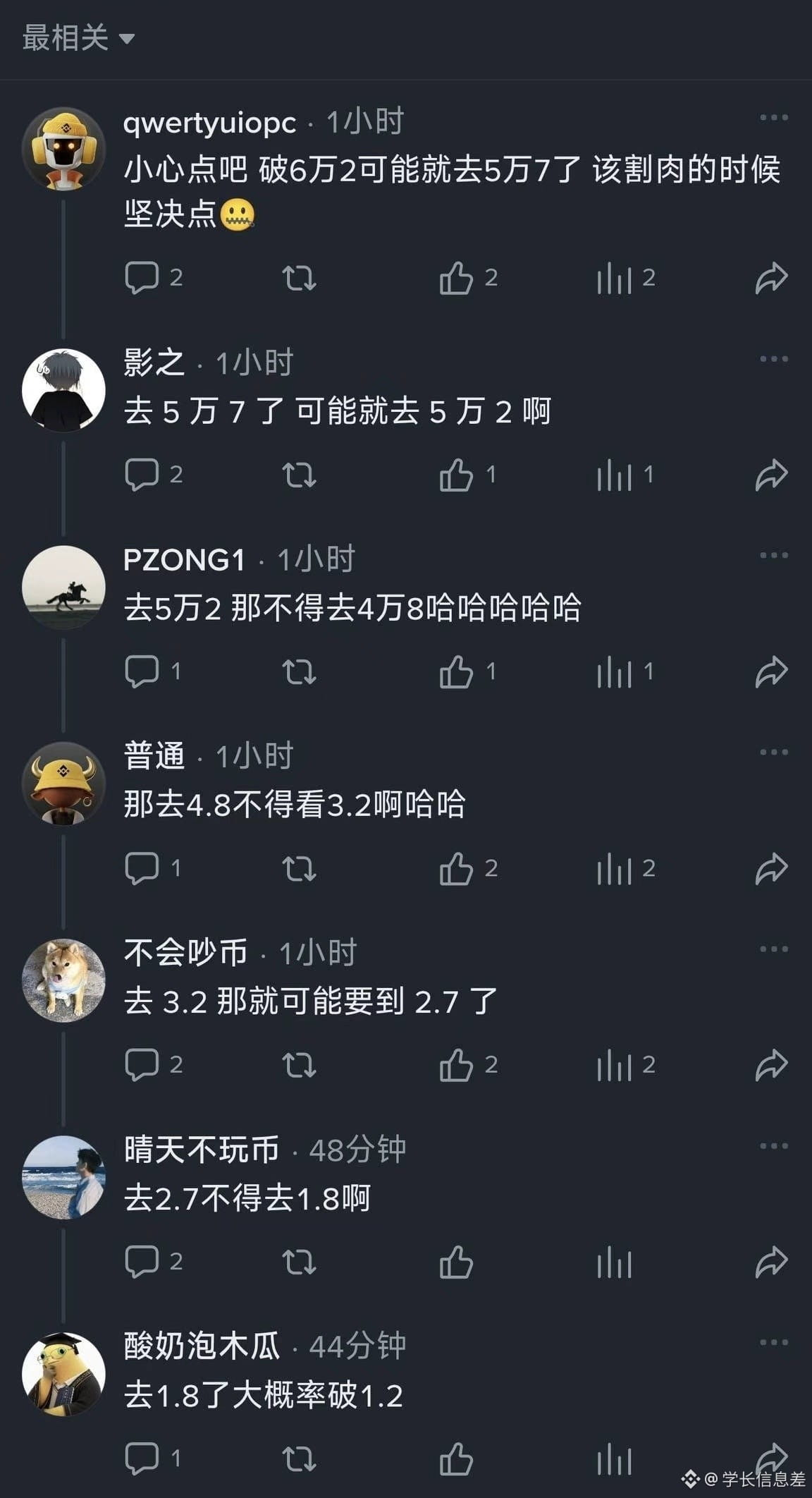
Binance's best comment section of the year—the answer to Bitcoin is here.
Binance's best comment section of the year—the answer to Bitcoin is here.
1
3
674
·
--
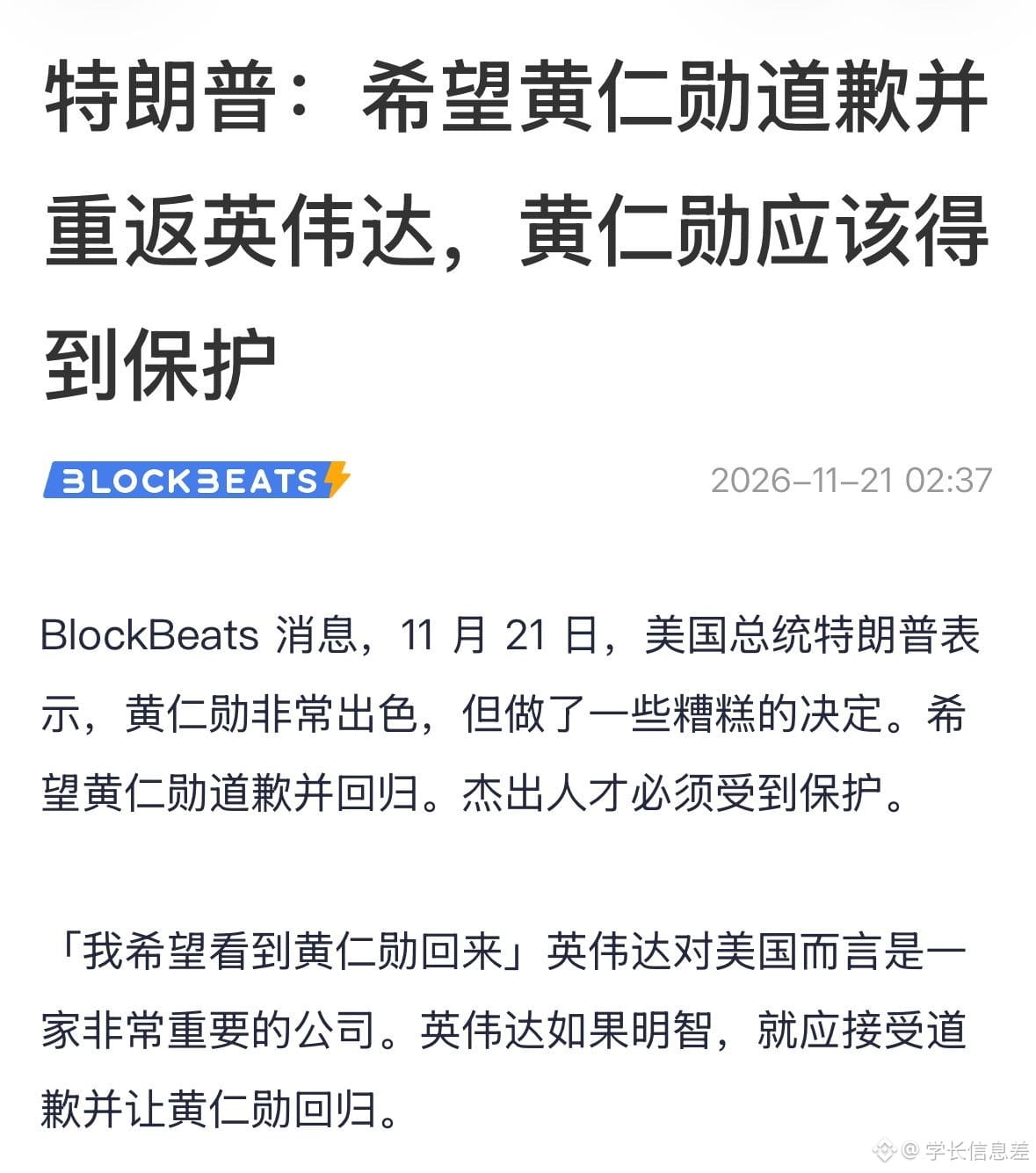
Trump is once again calling to bring him back. This Jensen Huang situation has been weighing on the market for far too long.
On November 12, under pressure from Nvidia’s board, Jensen Huang resigned from all his positions as CEO, president, and director. Over the past nine days, Trump has spoken out publicly several times, saying Huang is an exceptionally rare top talent who simply made some bad decisions, and that he hopes Huang will return to Nvidia after apologizing.
He also directly addressed Nvidia’s board: “If they have any sense, they should accept his apology and let him come back. Outstanding talent must be protected.” After all, Nvidia is at the heart of America’s AI chip industry, and every move it makes has a bearing on global tech and capital markets.
But the board was determined to force him out in the first place, and the conflicts of interest behind it can’t be that simple. Do you think Jensen Huang will ultimately make it back to the CEO’s seat?
1
1.5k
·
--
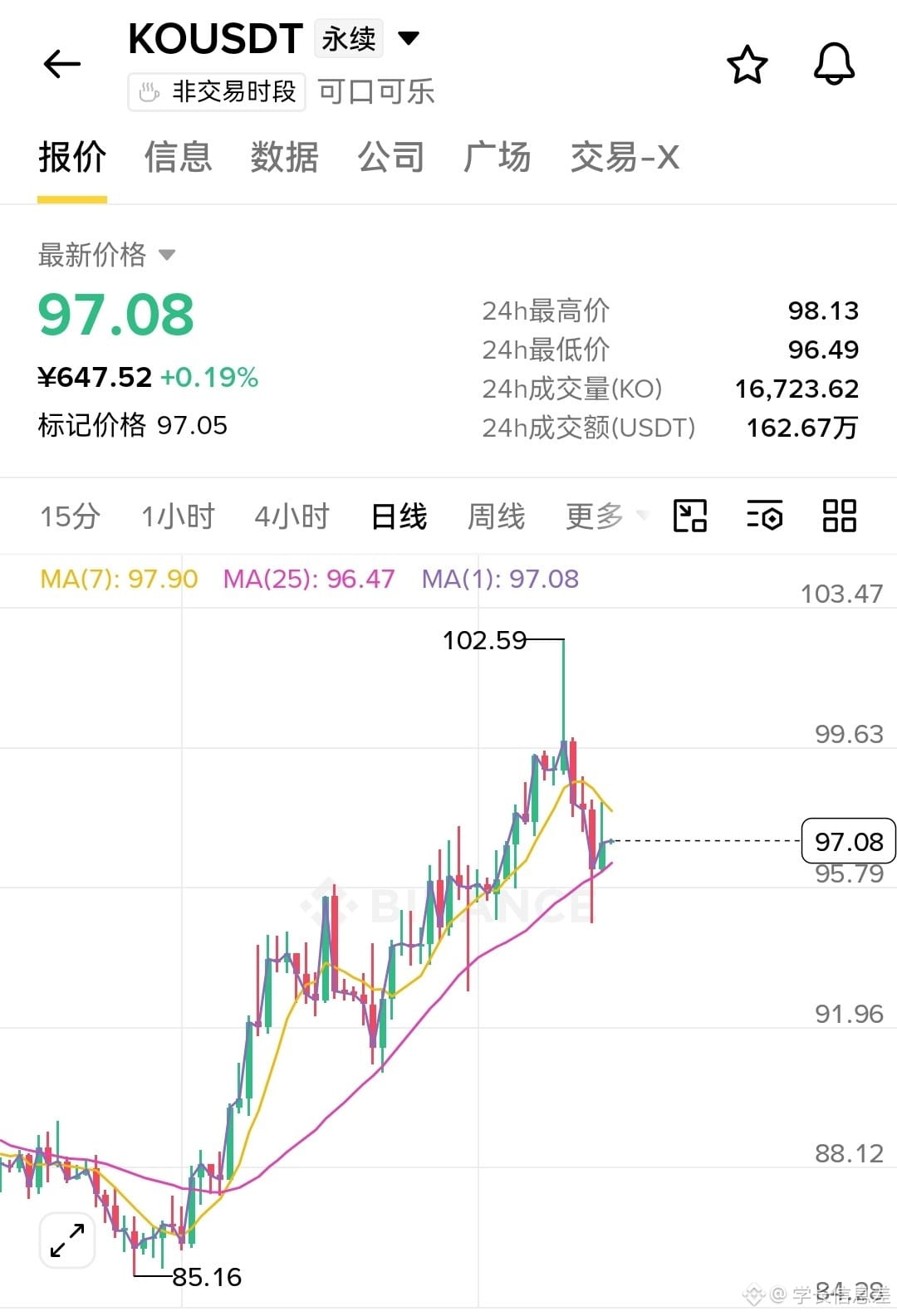
Just wait and see. Time will prove that Coca-Cola $KO —and no matter what AI, technology, or gold—can’t beat a drink.
Just wait and see. Time will prove that Coca-Cola $KO —and no matter what AI, technology, or gold—can’t beat a drink.
1
700
·
--
Verified
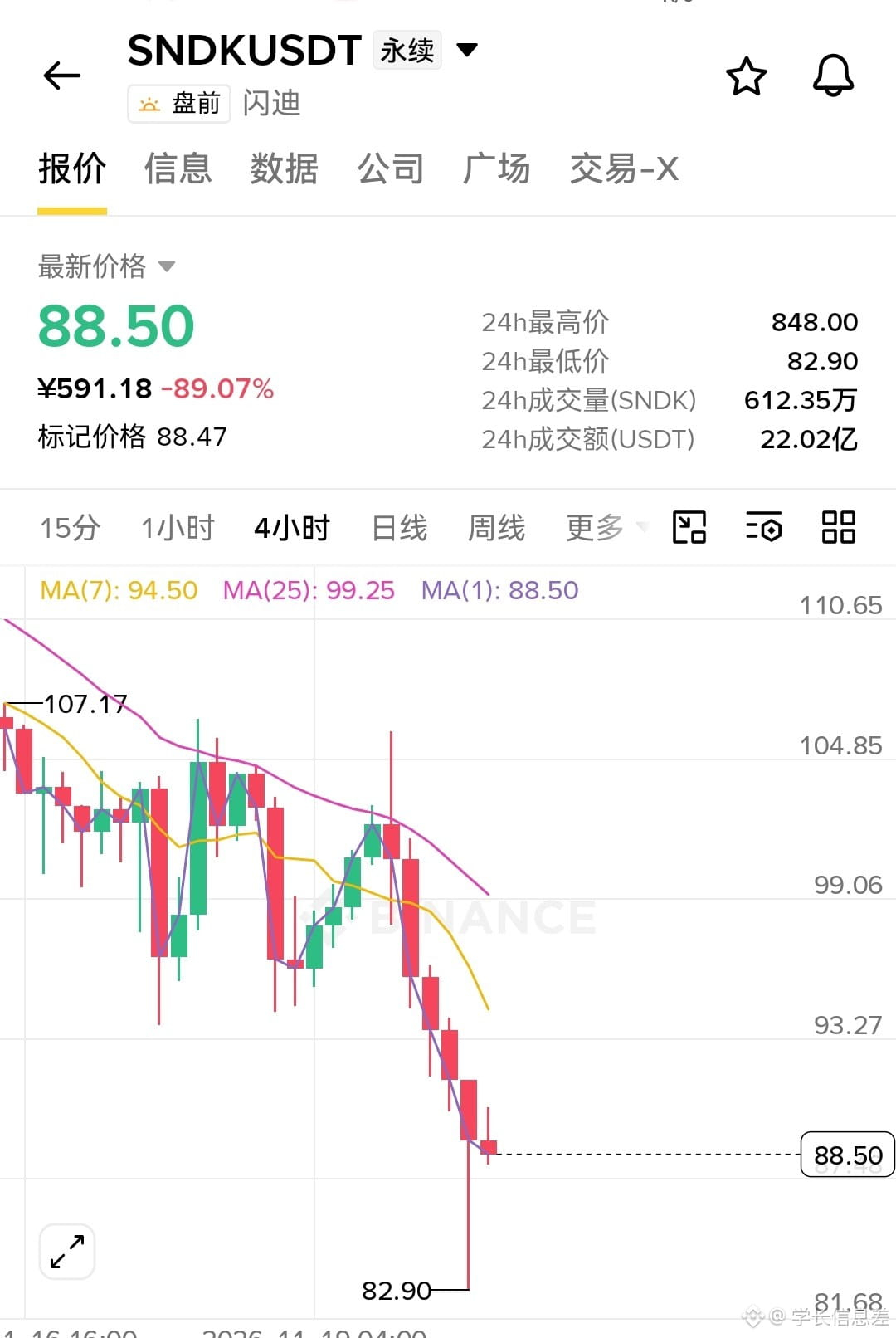
SanDisk split—did a lot of people get forcibly liquidated?
SanDisk split—did a lot of people get forcibly liquidated?
1.6k
·
--
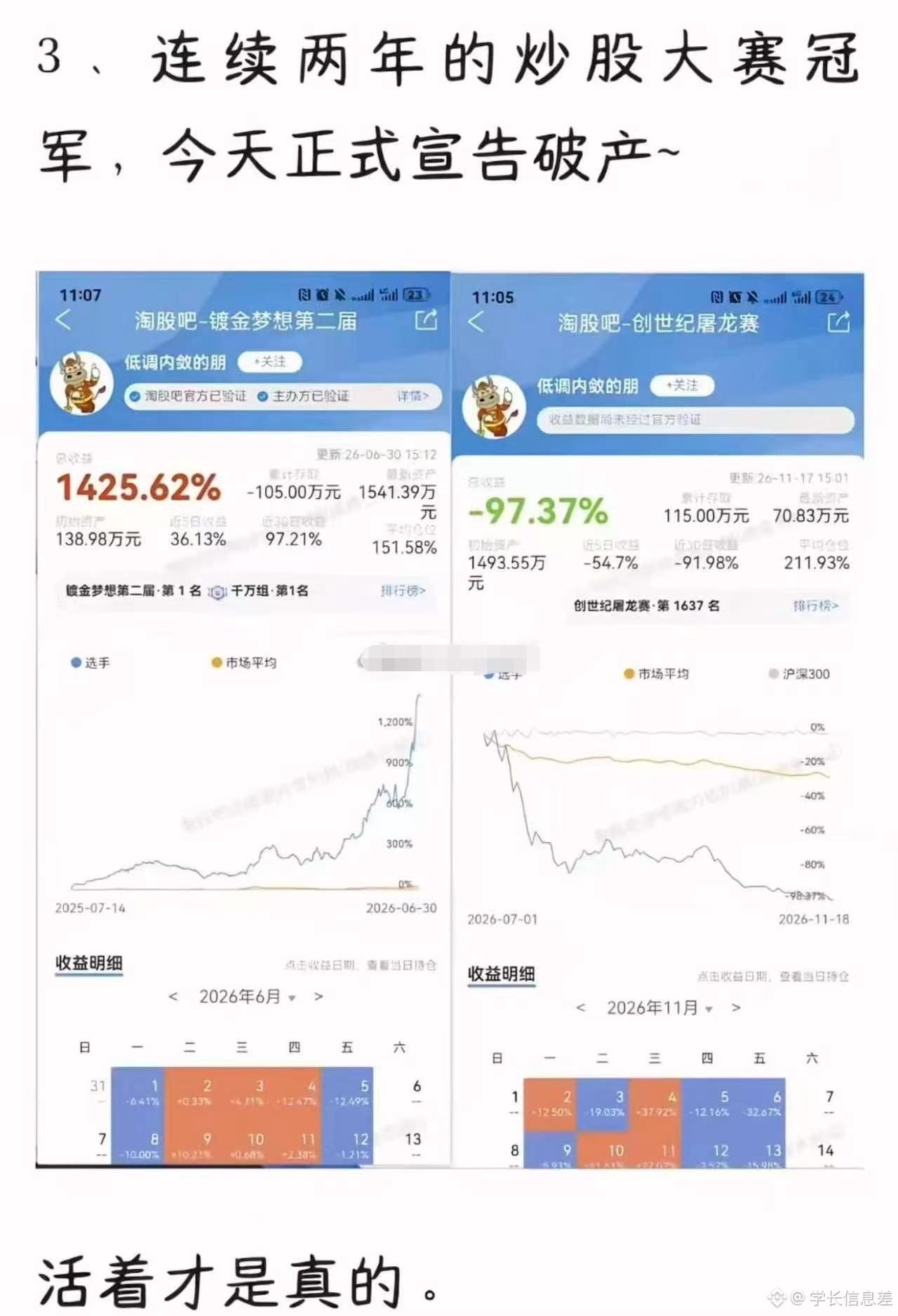
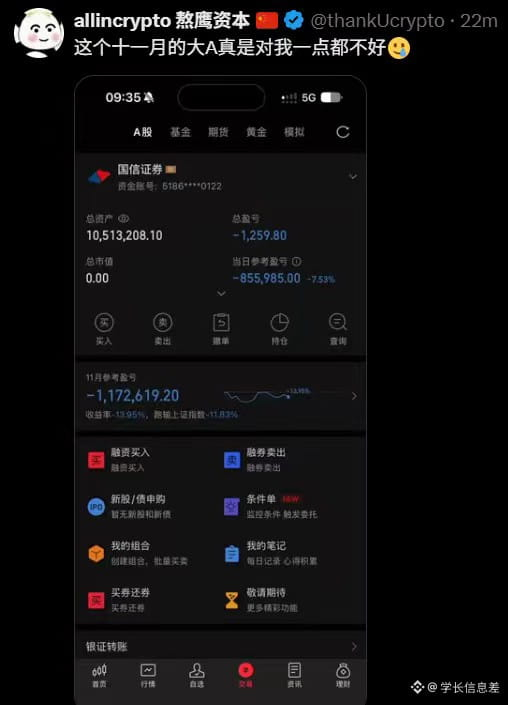
As expected of the A-share market—even a two-time champion has gone broke, and even the legendary buy-and-hold trader is losing money. Does anyone actually make money in A-shares?
As expected of the A-share market—even a two-time champion has gone broke, and even the legendary buy-and-hold trader is losing money. Does anyone actually make money in A-shares?
4
5
8.5k
·
--
Bearish
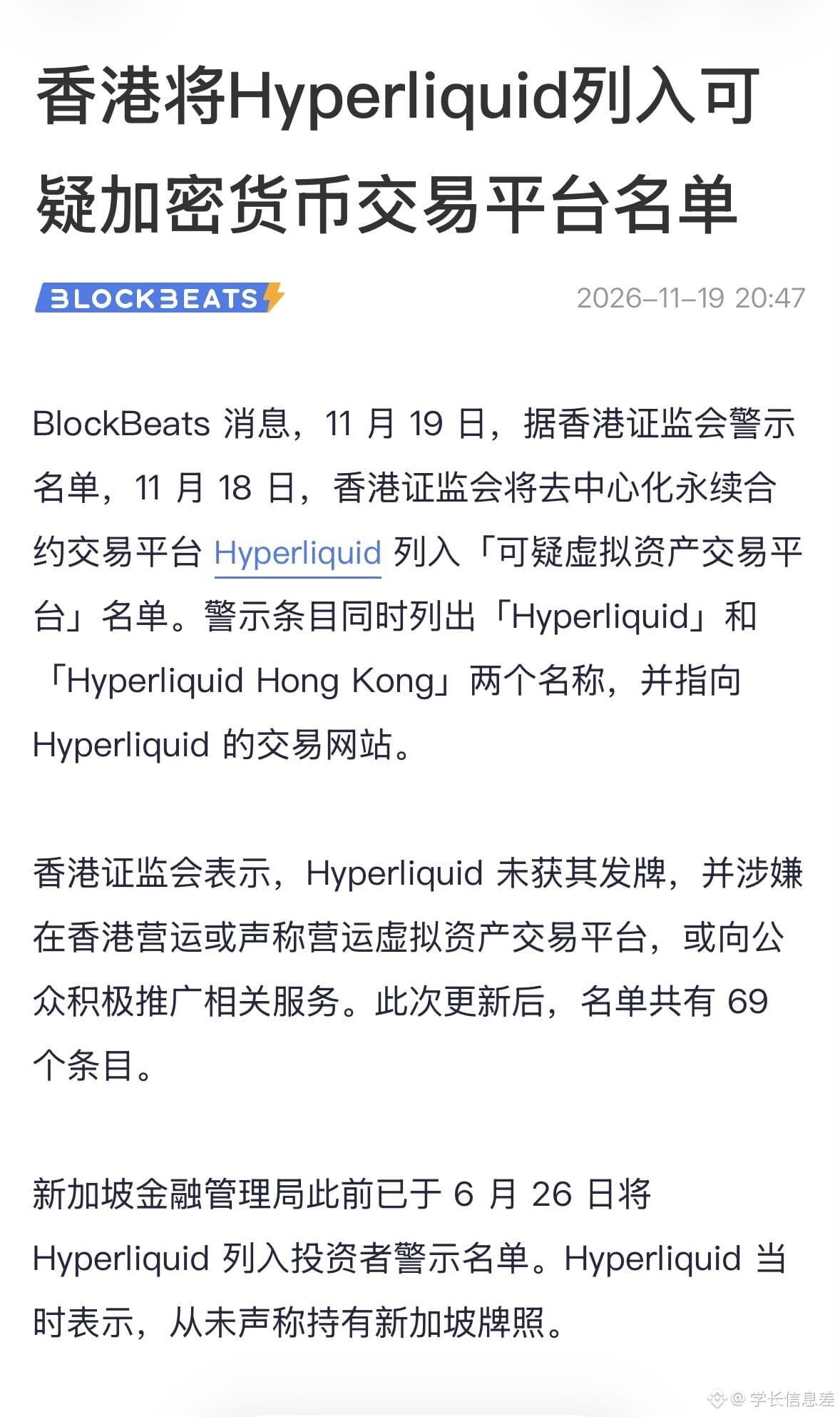
Well, that’s something: Hong Kong has officially blacklisted the leading Hyperliquid exchange!
On November 18, Hong Kong’s Securities and Futures Commission updated its alert list, adding both Hyperliquid and “Hyperliquid Hong Kong” to its list of suspicious virtual asset trading platforms. The official reason was clear: they don’t have a Hong Kong license, yet are suspected of operating in Hong Kong and promoting trading services to the public. With this update, the list of suspicious platforms now has 69 entries.
This isn’t the first time it has crossed a regulatory red line. In June this year, Singapore’s Monetary Authority had already added it to its investor alert list. At the time, Hyperliquid responded that it had never claimed to hold a Singapore license.
As Hong Kong continues to tighten crypto regulation, the risks posed by unlicensed platforms are becoming increasingly apparent. So, do BN and OKX have Hong Kong licenses?
3
4
11.3k
·
--
The Meituan delivery guy really did a great deed, speeding past Trump’s motorcade, and even casually popped his head up. By the way, in a situation like this, would they really not feed him a peanut?
The Meituan delivery guy really did a great deed, speeding past Trump’s motorcade, and even casually popped his head up. By the way, in a situation like this, would they really not feed him a peanut?

2
10
20.2k
·
--
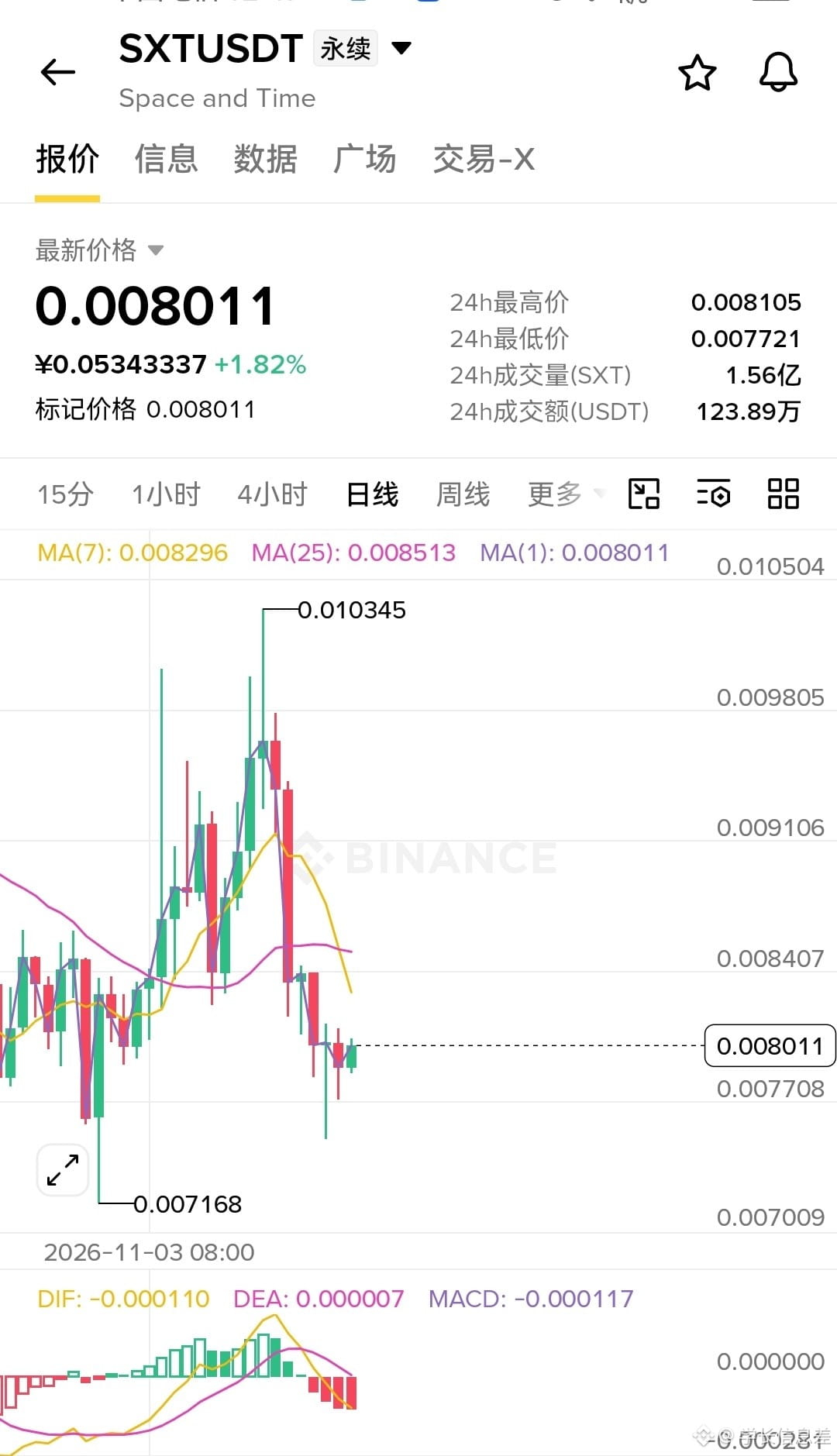
Everyone go write $SXT . AI agents, tokenized assets, and DeFi are all converging, but the biggest issue isn’t how flashy the technology is—it’s whether the data can be trusted.
Would you let AI use your private data to make decisions? How can an on-chain contract know whether those off-chain assets really have enough reserves? And why should a DeFi protocol trust your past borrowing and lending history?
That’s exactly what Space and Time is setting out to address. Its core idea is simple: provide verifiable data to support AI, tokenization, and DeFi.
Here’s roughly how it works in practice:
A company can keep its data on its own servers. If AI wants to check a balance or calculate a performance metric, it can verify the data first and then act—without the company having to hand over all its data.
Off-chain data about real-world assets, such as reserves and cash flows, can be matched with on-chain transactions, giving stablecoins and RWAs a stronger foundation.
Protocols can see a user’s full history across wallets and protocols instead of looking only at their current balance, making risk pricing and interest rates more accurate.
Space and Time previously received investment from Microsoft M12, making it the first Web3 data project to receive such an investment. It’s now building data infrastructure on-chain while also promoting enterprise-grade private deployments.
Put simply, on-chain and off-chain systems increasingly need to connect. If data can’t be verified, trust can never be established. Space and Time aims to turn this ability to verify into foundational infrastructure.
#sxt $SXT @SpaceandTimeDB
Everyone go write $SXT . AI agents, tokenized assets, and DeFi are all converging, but the biggest issue isn’t how flashy the technology is—it’s whether the data can be trusted.
Would you let AI use your private data to make decisions? How can an on-chain contract know whether those off-chain assets really have enough reserves? And why should a DeFi protocol trust your past borrowing and lending history?
That’s exactly what Space and Time is setting out to address. Its core idea is simple: provide verifiable data to support AI, tokenization, and DeFi.
Here’s roughly how it works in practice:
A company can keep its data on its own servers. If AI wants to check a balance or calculate a performance metric, it can verify the data first and then act—without the company having to hand over all its data.
Off-chain data about real-world assets, such as reserves and cash flows, can be matched with on-chain transactions, giving stablecoins and RWAs a stronger foundation.
Protocols can see a user’s full history across wallets and protocols instead of looking only at their current balance, making risk pricing and interest rates more accurate.
Space and Time previously received investment from Microsoft M12, making it the first Web3 data project to receive such an investment. It’s now building data infrastructure on-chain while also promoting enterprise-grade private deployments.
Put simply, on-chain and off-chain systems increasingly need to connect. If data can’t be verified, trust can never be established. Space and Time aims to turn this ability to verify into foundational infrastructure.
#sxt $SXT @SpaceandTime
1
570
·
--
Bearish
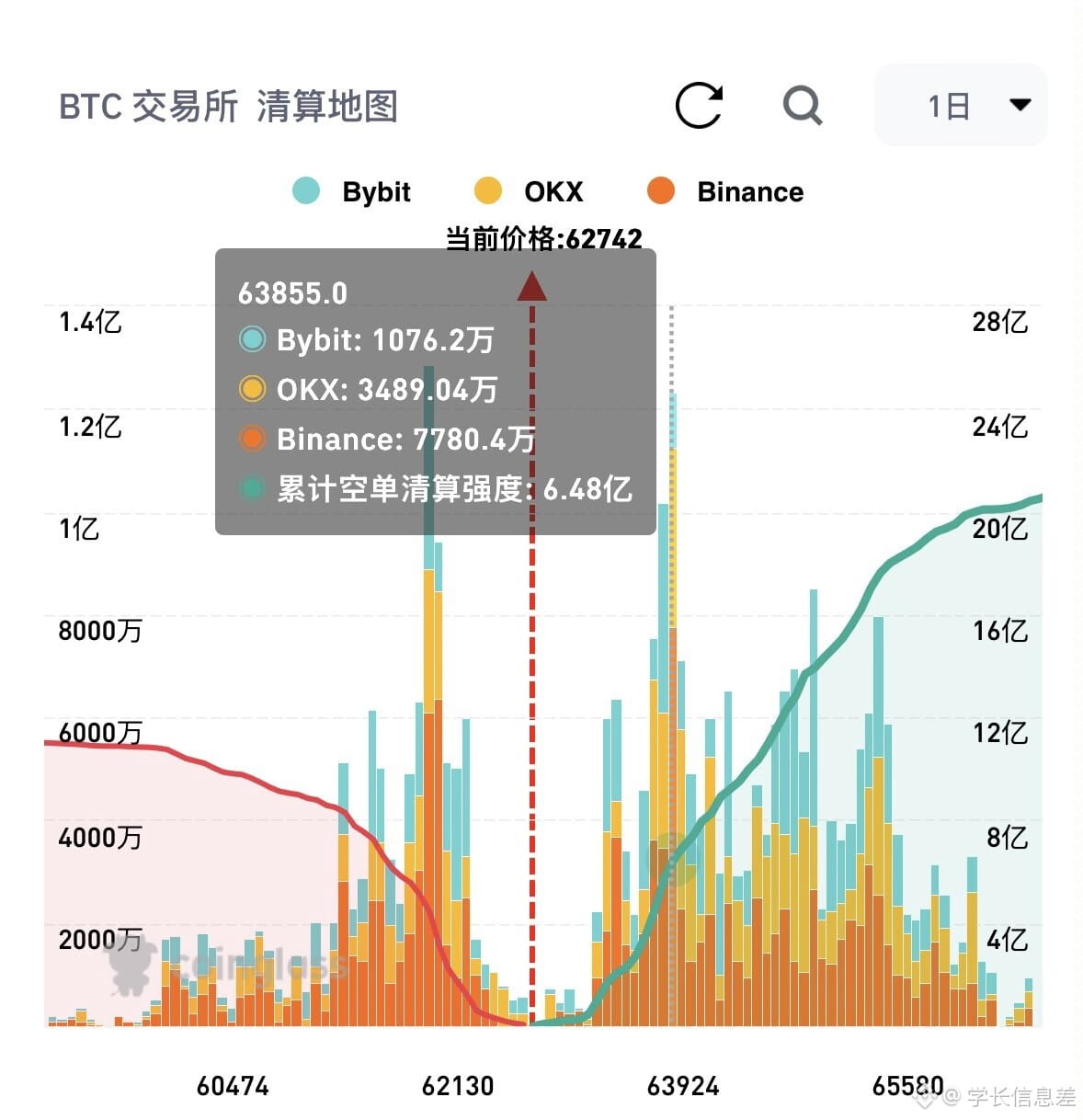
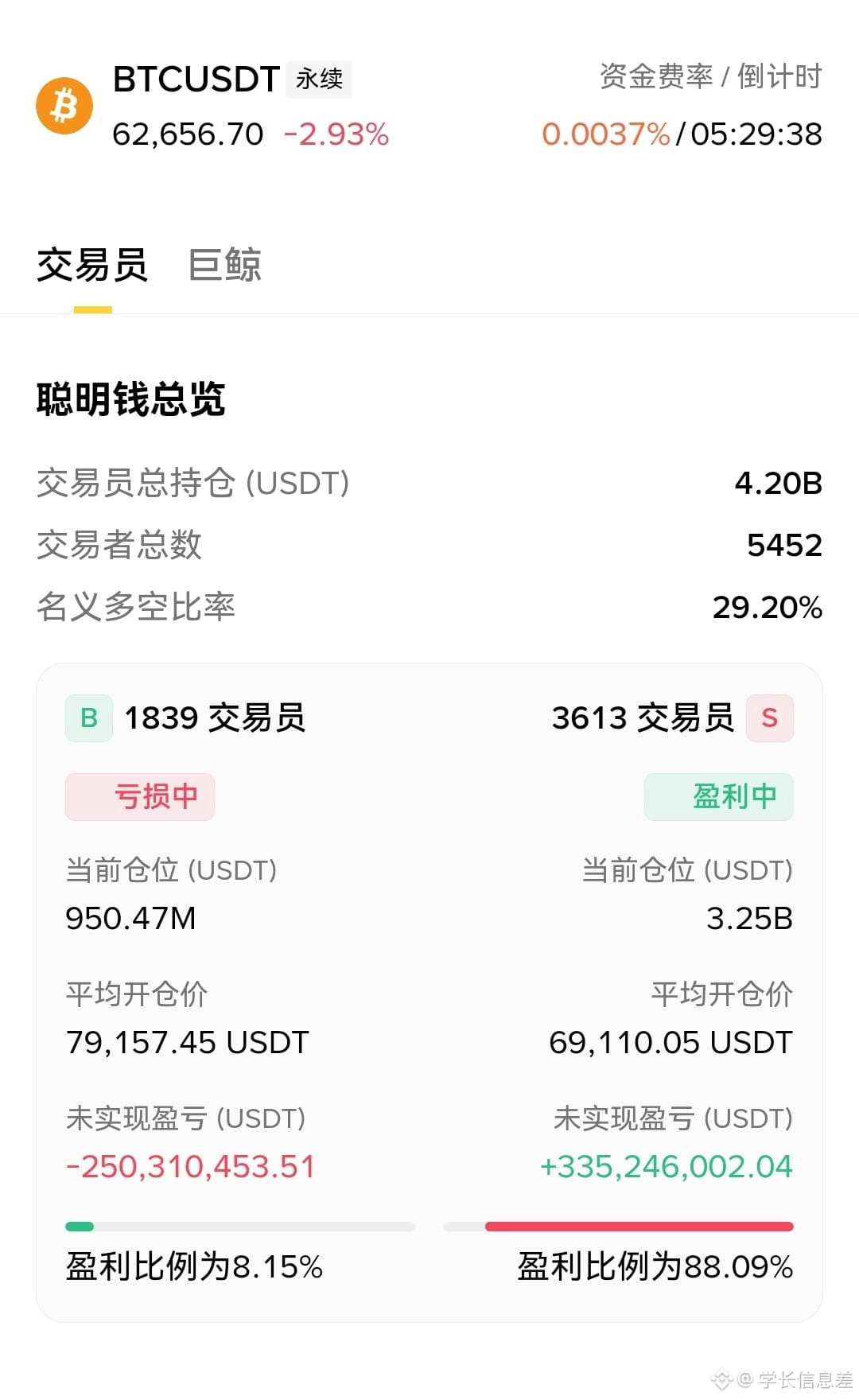
On November 19, $BTC fell below 63,000. First, let’s look at smart money. In the 24-hour futures overview, smart money’s long position ratio was just 22.5%, while its active buy ratio was 32.5%; on the one-hour timeframe, the figures were 22.6% and 38.2%, essentially unchanged. In other words, the traders who are best at making money barely stepped in this time.
But the data on the other side is interesting: top traders’ long ratio was 65.1%, top accounts’ long ratio was 80.6%, and the overall long/short ratio was 3.6. That means both whales and retail traders are still crowded on the long side. Smart money is bearish while everyone else is bullish—a rare divergence.
Open interest was $6.07 billion, up 4.69% over 24 hours, meaning positions increased as prices fell. The funding rate was 0.0038%, down 60% from 0.0094% in the previous period. Longs are clearly willing to pay a lot less.
As for liquidations, the 20 major contracts saw about $53.75 million in total over 24 hours. BTC accounted for $32.42 million, or 60%, and ETH for $14.98 million, or 28%. Together, they made up 88%.
ETFs offered no support either: on the latest reported trading day, IBIT saw $212 million in net outflows, FBTC saw $43.47 million in outflows, and ARKB saw $18.47 million in outflows, for a combined total of about $274 million.
In short: prices are falling, leverage is rising, money is flowing out, and smart money is standing by.
Shorting is recommended. Place limit orders around 63,900. Liquidation intensity is nearing $700 million, making the short-term risk/reward look very attractive.
1
428
·
--
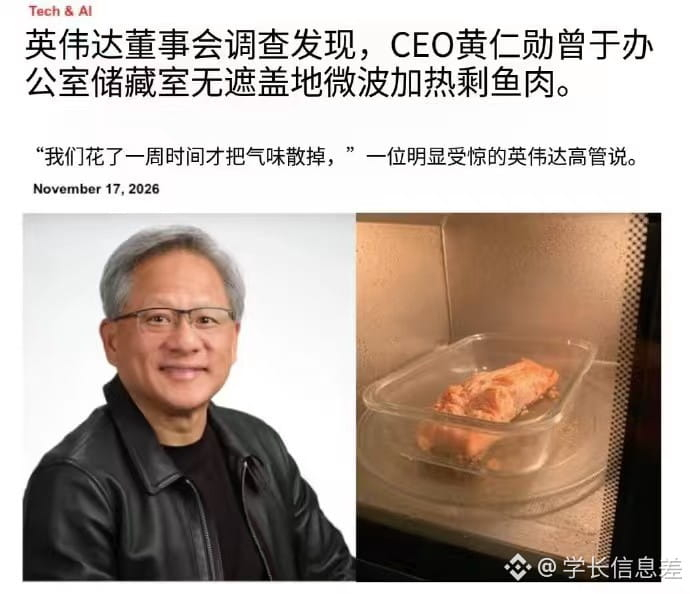
Jensen Huang’s food hasn’t even warmed up yet, but the accusations are already cooked. Why are Americans so quick to pick holes?
Jensen Huang’s food hasn’t even warmed up yet, but the accusations are already cooked. Why are Americans so quick to pick holes?
2
1.4k
·
--
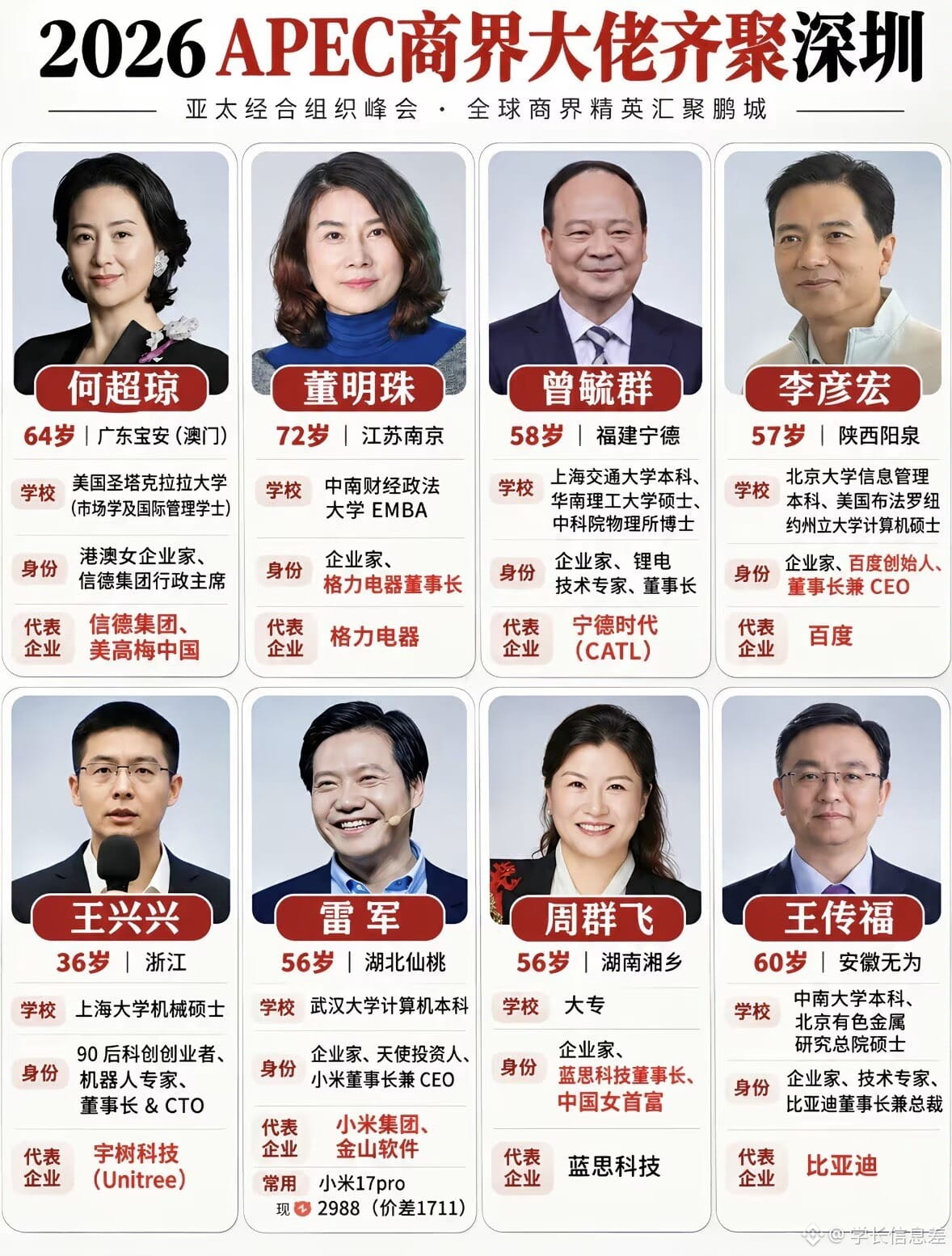
Why is Shenzhen’s Pony Ma so far ahead of Big Mouth? Neither of them participated—were they not qualified?
Why is Shenzhen’s Pony Ma so far ahead of Big Mouth? Neither of them participated—were they not qualified?
2
4.8k
·
--
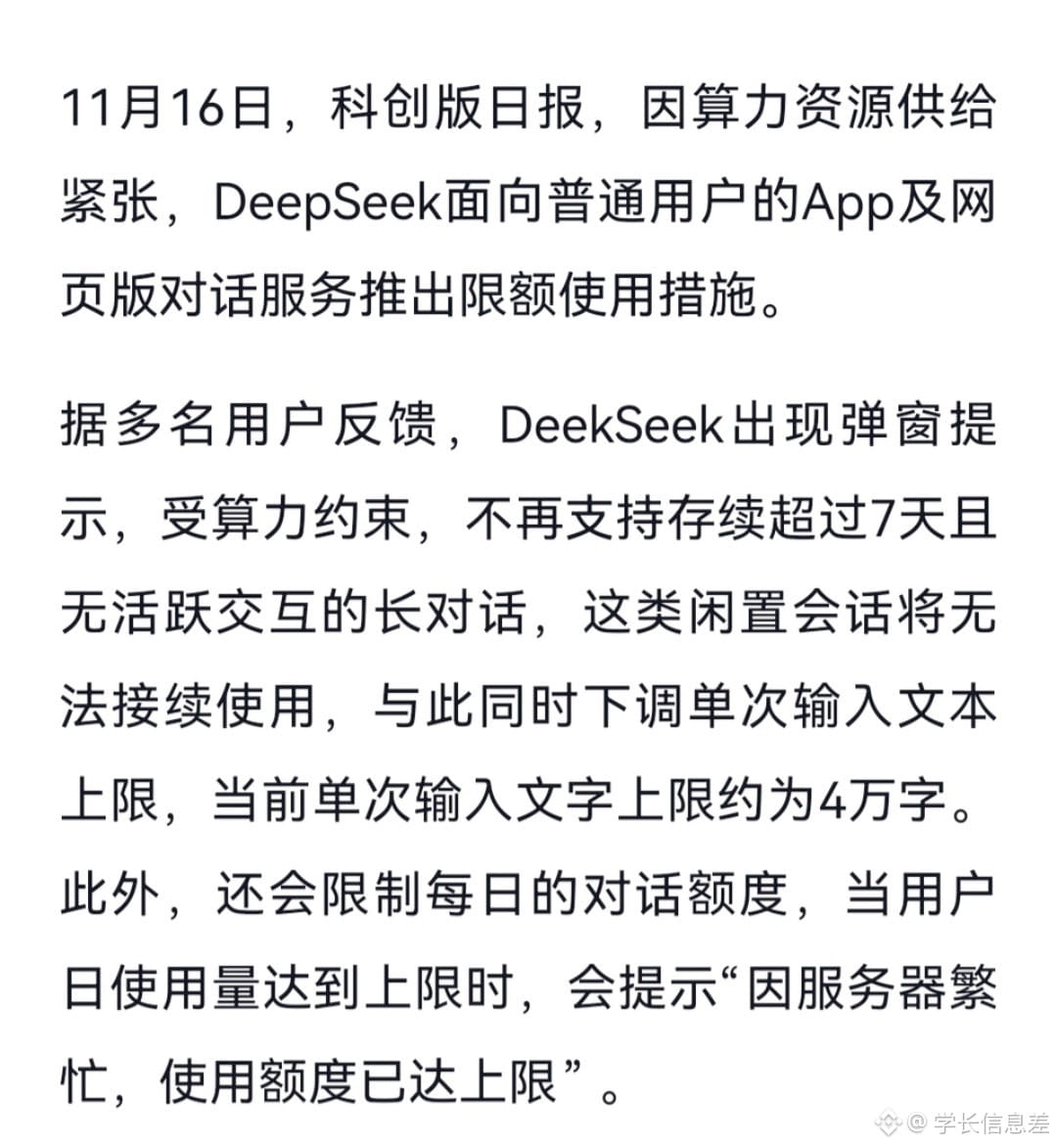
This is really frustrating. After Ms. Huang Le couldn’t get cards to China, the AI company immediately shortened conversations, capped output length, and imposed quotas to save computing power. And, quite coincidentally, these things happened one right after the other.
This is really frustrating. After Ms. Huang Le couldn’t get cards to China, the AI company immediately shortened conversations, capped output length, and imposed quotas to save computing power. And, quite coincidentally, these things happened one right after the other.
3
2
11.5k
·
--
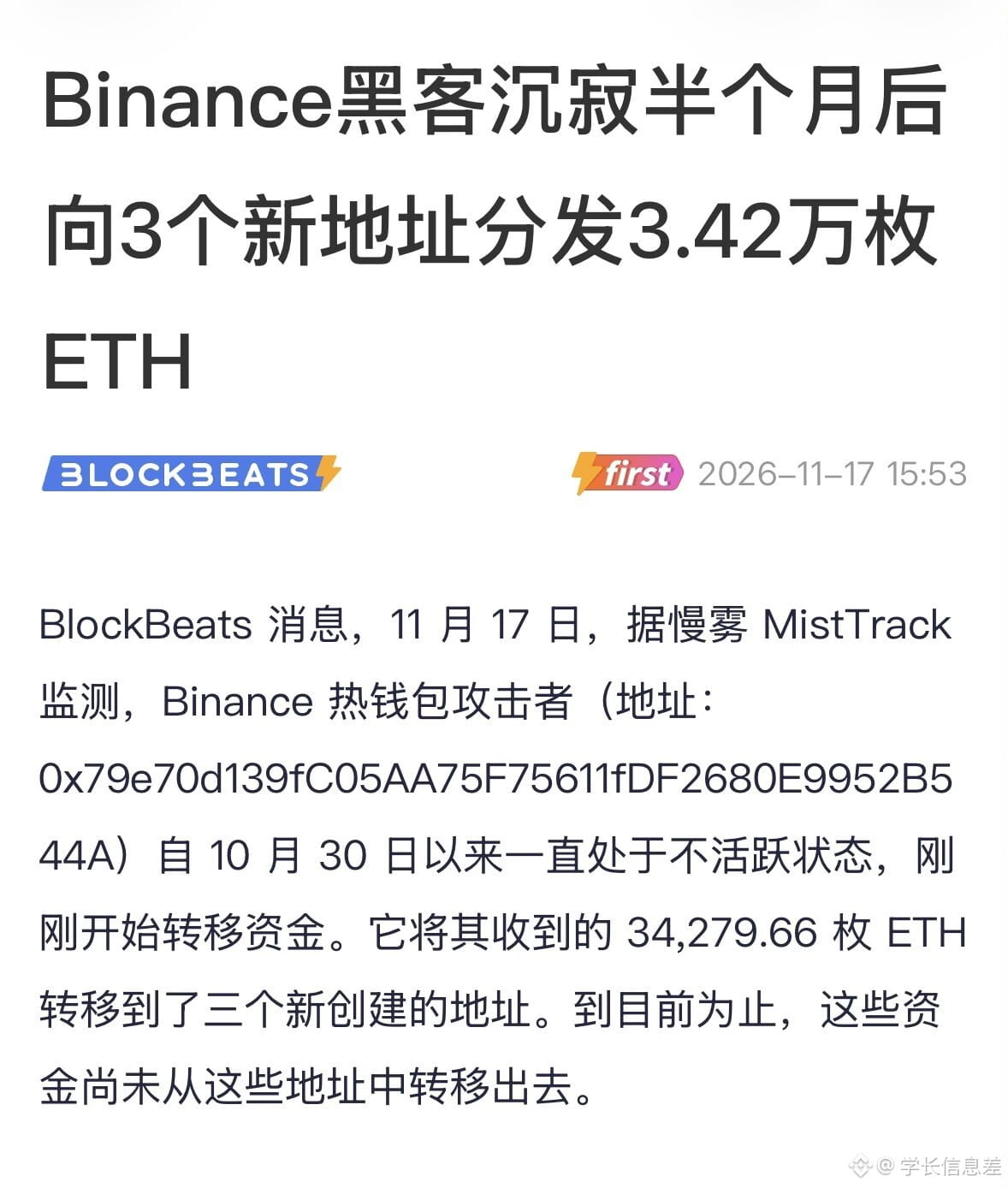
After lying low for nearly half a month, the hacker has made a move, splitting all 34,279.66 ETH they held and transferring it to three brand-new, unfamiliar addresses.
Are they planning to slowly launder the funds and cash out, or just temporarily move them to new addresses to hide from tracking?
What do you think the hacker will do next—dump the ETH and cash out right away?
Are they planning to slowly launder the funds and cash out, or just temporarily move them to new addresses to hide from tracking?
What do you think the hacker will do next—dump the ETH and cash out right away?
1
1.3k
·
--
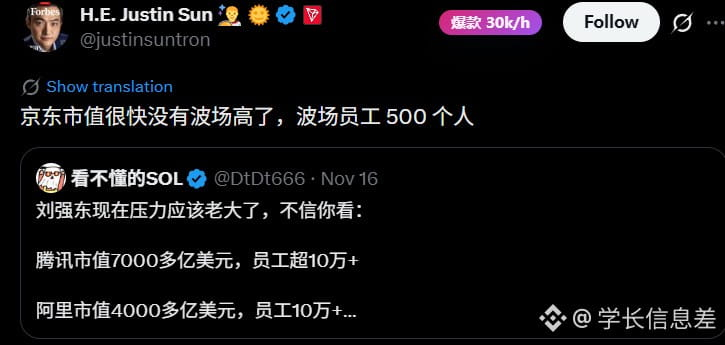
Brother Sun mocks Liu Qiangdong: JD.com has a market cap of $40 billion and 800,000 employees. Sun the Reaper’s TRON has only 500 people, yet its market cap is about to surpass JD.com’s. Who do you think has contributed more, Brother Dong or Brother Sun?
Brother Sun mocks Liu Qiangdong: JD.com has a market cap of $40 billion and 800,000 employees. Sun the Reaper’s TRON has only 500 people, yet its market cap is about to surpass JD.com’s. Who do you think has contributed more, Brother Dong or Brother Sun?
TRX+0,79%
JDUS-2,29%
56
1
21
52.6k
·
--
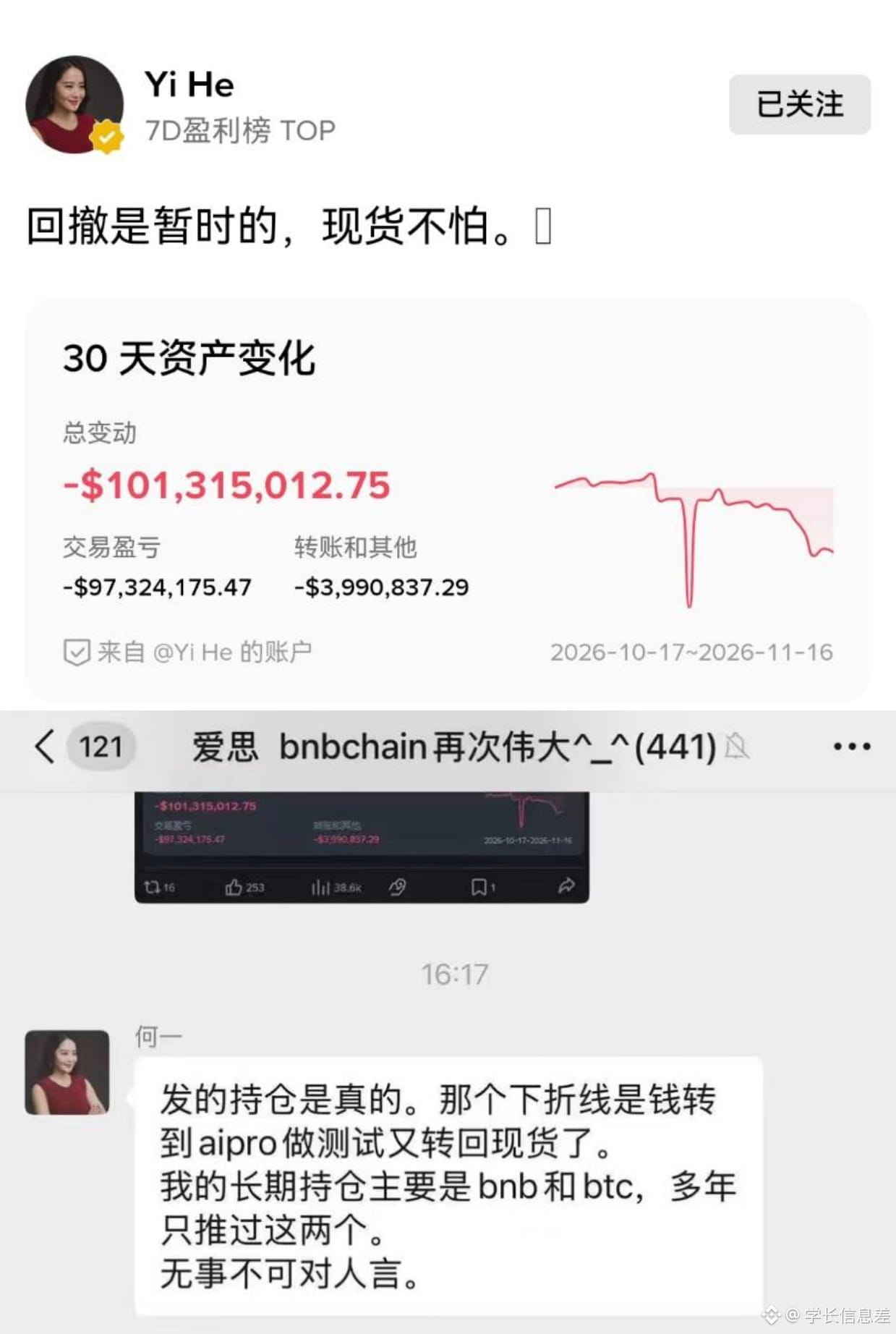
The top female influencer replied: this portfolio is real, and over all these years, she has only bought BTC and BNB. She hasn't paid attention to anything else—not even ETH. With all these zeros, how much do you think her total assets are worth?
The top female influencer replied: this portfolio is real, and over all these years, she has only bought BTC and BNB. She hasn't paid attention to anything else—not even ETH. With all these zeros, how much do you think her total assets are worth?
2
1.7k
·
--
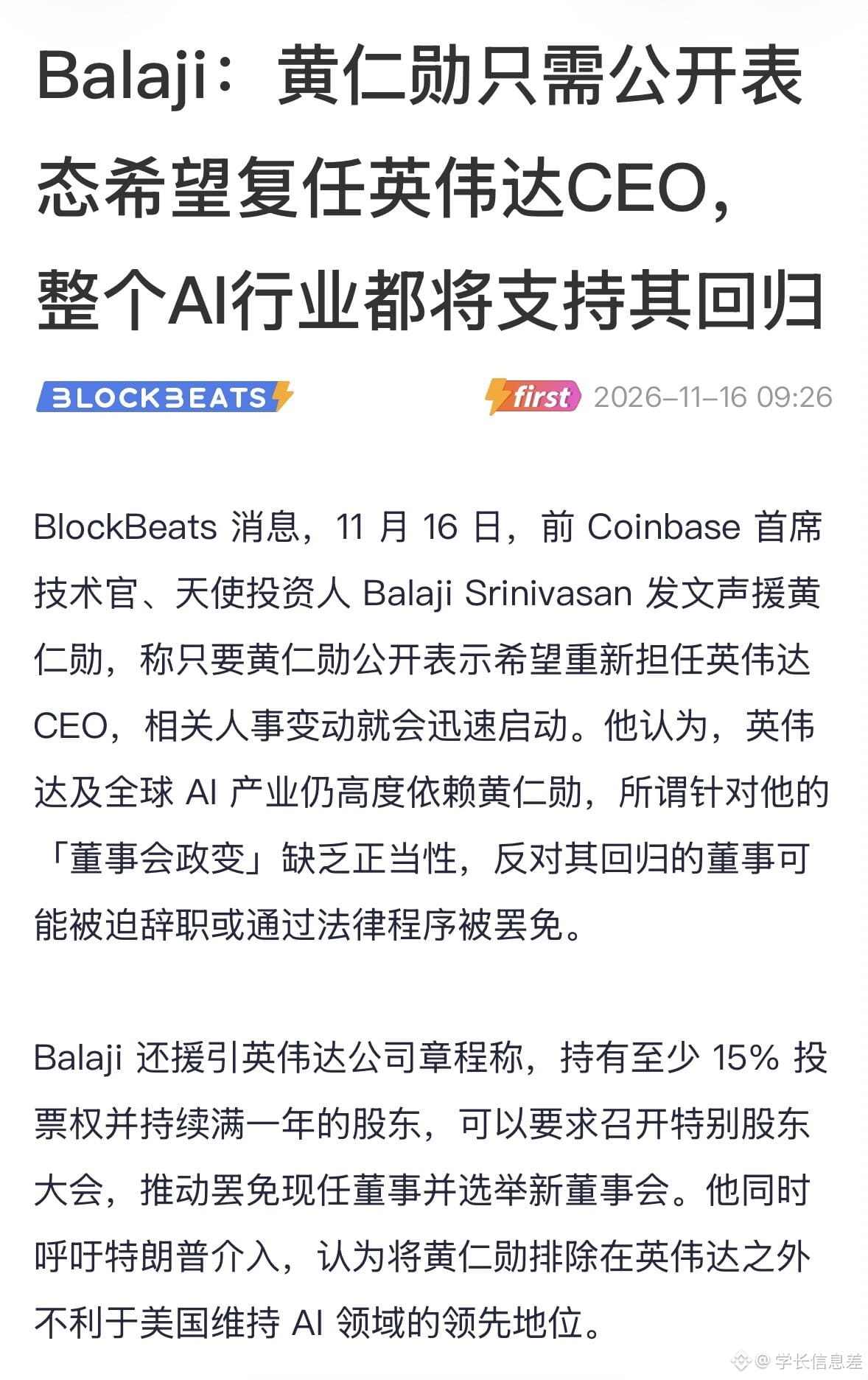
A plan to bring Huang back is here: if Jensen Huang is willing to return, he could trigger a major shake-up in the company’s leadership!
Under NVIDIA’s bylaws, any shareholder who has held at least 15% of the voting rights for a full year can call a special shareholders’ meeting to remove the current directors and reconstitute the board.
Replacing Huang now would undermine America’s lead in AI, and there are even calls for Trump to step in and support his return. Voices in Silicon Valley backing his comeback are growing louder.
Do you think Huang can successfully return to NVIDIA?
1
1.1k
Log in to explore more content
Join global crypto users on Binance Square
⚡️ Get latest and useful information about crypto.
💬 Trusted by the world’s largest crypto exchange.
👍 Discover real insights from verified creators.
Email / Phone number
Trending Topics
BTCReboundsAbove$60KAmidWhaleDipBuying
15,359 views
121 Discussing
Abraxas Capital, Other Whales Buy the BTC Dip as Bitcoin Briefly Reclaims $60,000
Binance News
·19 Likes
·28k views
SolanaSets2027RoadmapToDoubleComputeCapacity
2,143 views
120 Discussing
CaliforniaNvidiaProbeExaminesPotentialCriminalViolations
1,797 views
34 Discussing