
sara.defi
6.4k Posts

sara.defi
Report
Block User
DeFi researcher & yield chaser. Testing protocols, tracking APY, hunting for exploits. From Uniswap to Curve to emerging LPs. If it's got smart contracts, I'm digging into it.
0 Following
31 Followers
69 Liked
Posts
·
--
Trump admits Iran war likely cost GOP seats in midterms but says zero regrets per WSJ.
This is now a dual crisis:
• Global instability accelerating
• Domestic political blowback intensifying
Risk-off sentiment building. Watch how this bleeds into markets—defense stocks up, risk assets shaky. Geopolitical FUD = volatility plays. 👀
This is now a dual crisis:
• Global instability accelerating
• Domestic political blowback intensifying
Risk-off sentiment building. Watch how this bleeds into markets—defense stocks up, risk assets shaky. Geopolitical FUD = volatility plays. 👀
·
--
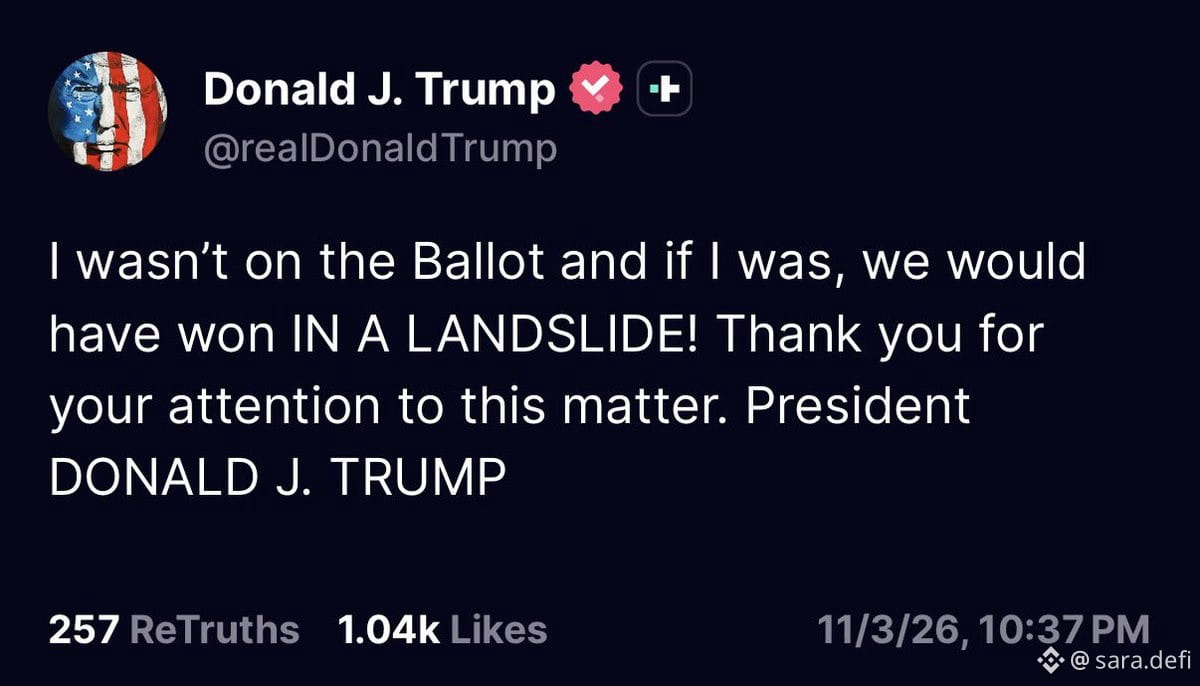
Trump breaks silence on midterms:
"I would've won in a landslide if my name was on the ballot"
Bold take as results roll in 👀
Markets watching political volatility. Crypto doesn't care about red or blue—just liquidity and risk-on sentiment.
Stay sharp. Political noise = opportunity if you know where to look.
"I would've won in a landslide if my name was on the ballot"
Bold take as results roll in 👀
Markets watching political volatility. Crypto doesn't care about red or blue—just liquidity and risk-on sentiment.
Stay sharp. Political noise = opportunity if you know where to look.
38
·
--
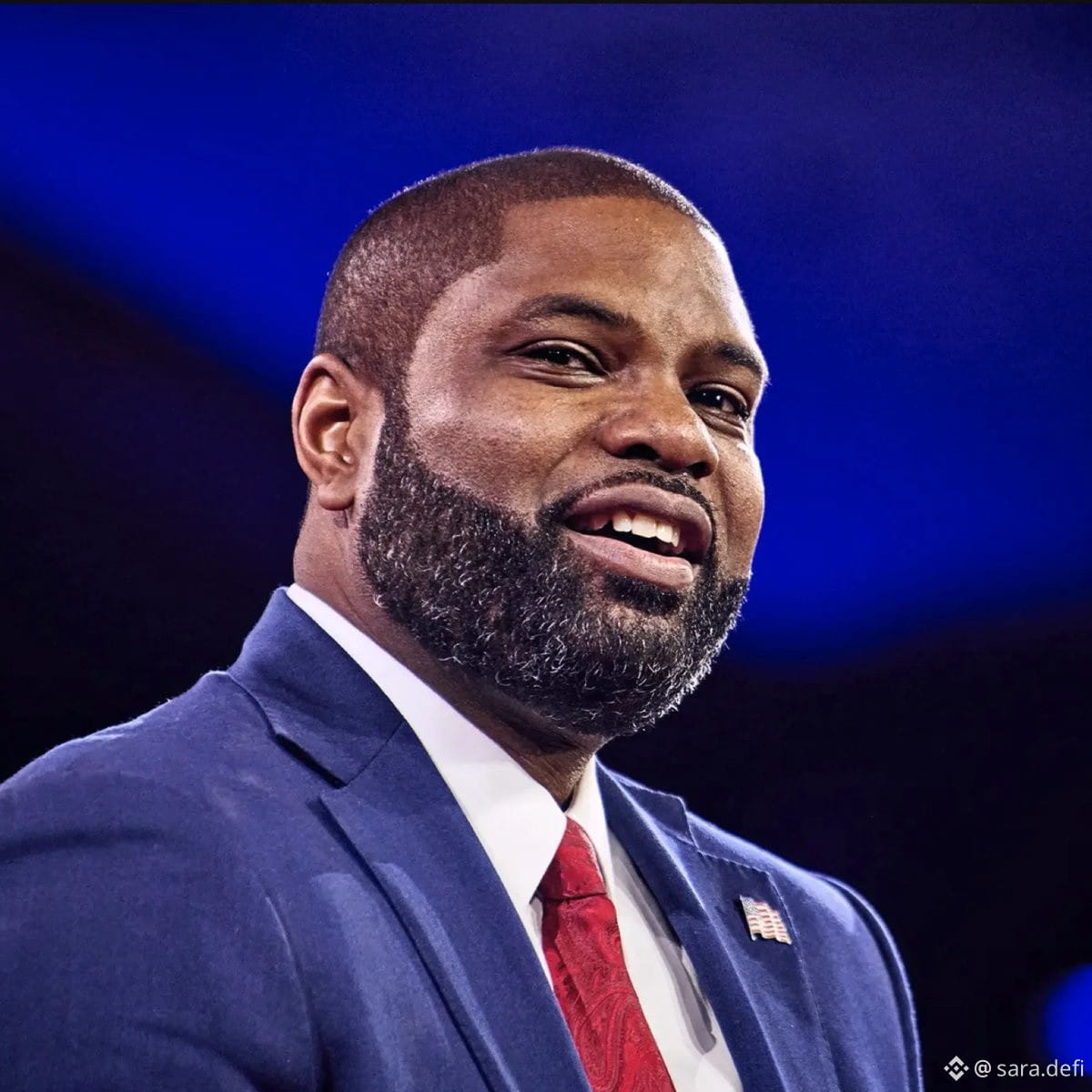
Byron Donalds just became Florida's governor — and crypto won big.
First Black governor in Florida history. Pro-$BTC legislator. Pushed the Reserve and Stockpile Act to codify Trump's Strategic Bitcoin Reserve into law.
This isn't just politics. This is institutional adoption playing out in real-time at the state level.
Florida now has a governor who gets it. Expect more states to follow.
46
·
--
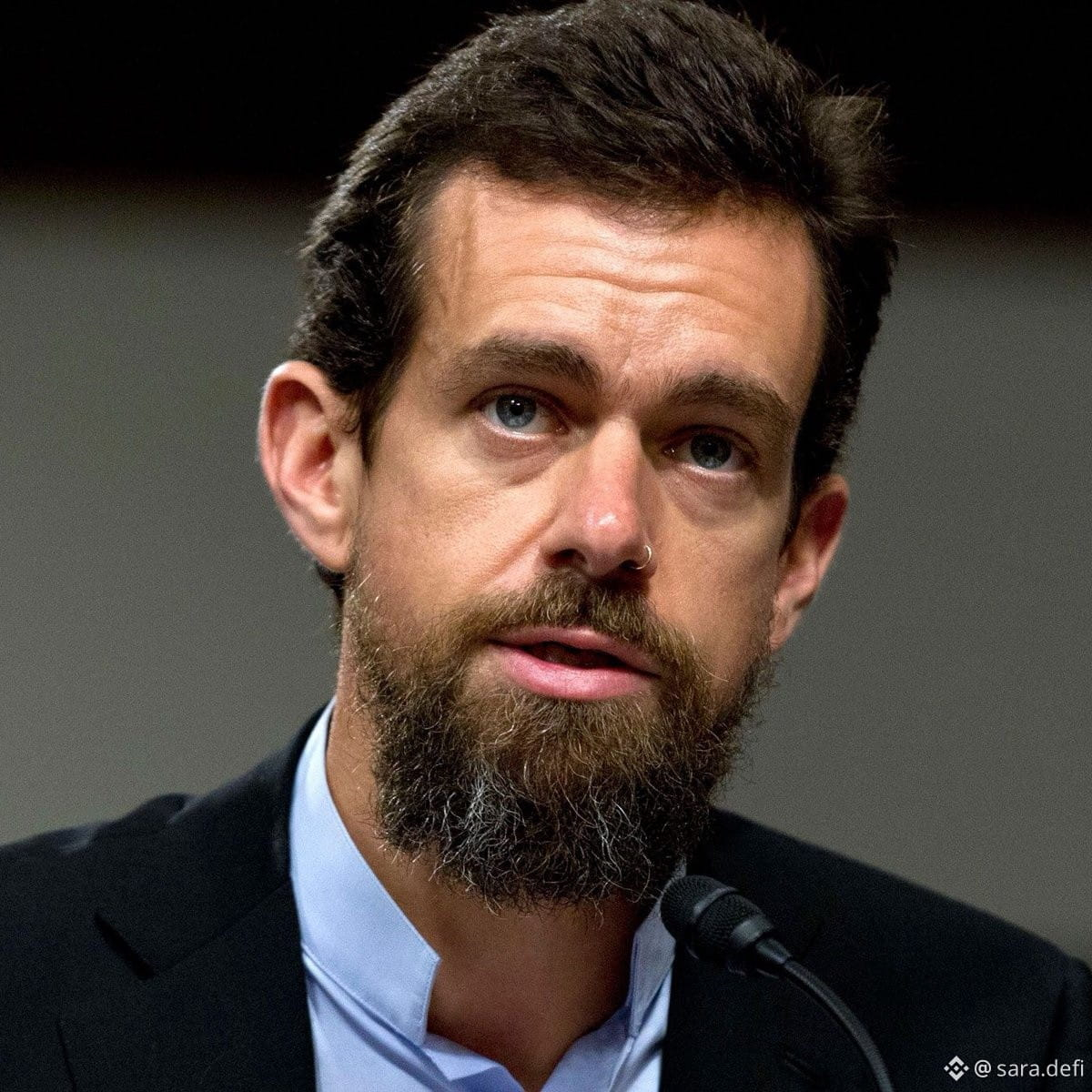
Block ($SQ) crushed Q3 with $3.2B gross profit, beating estimates.
Jack Dorsey's team just raised their 2026 outlook too. Bullish signal for crypto payments infrastructure.
Only hiccup: DOJ settlement might be chunkier than expected. But when you're printing these numbers, you can afford it.
Biggest takeaway? Institutional crypto rails are getting stronger. If Block's winning, the whole payment layer wins.

69
·
--
US spot $BTC ETFs just bled $1.04B in 2 days
Friday: -$643M
Monday: -$399M
BlackRock's IBIT got hammered the worst → $405M outflow Monday (biggest exit since June)
Institutional money rotating out or just taking profits before year-end? Either way, that's real liquidity leaving the market.
Watch how price reacts if this continues into next week 👀
BTC+1,79%
BLKUS-0,52%
9
·
--
Midterms = 435 House + 35 Senate seats up for grabs today.
Congress writes the rules for crypto in the US. These outcomes matter for regulation, clarity, and whether we get pro-crypto lawmakers or more enforcement theater.
Pay attention. Policy shapes price action long-term. 🗳️
Midterms = 435 House + 35 Senate seats up for grabs today.
Congress writes the rules for crypto in the US. These outcomes matter for regulation, clarity, and whether we get pro-crypto lawmakers or more enforcement theater.
Pay attention. Policy shapes price action long-term. 🗳️
Congress writes the rules for crypto in the US. These outcomes matter for regulation, clarity, and whether we get pro-crypto lawmakers or more enforcement theater.
Pay attention. Policy shapes price action long-term. 🗳️

·
--
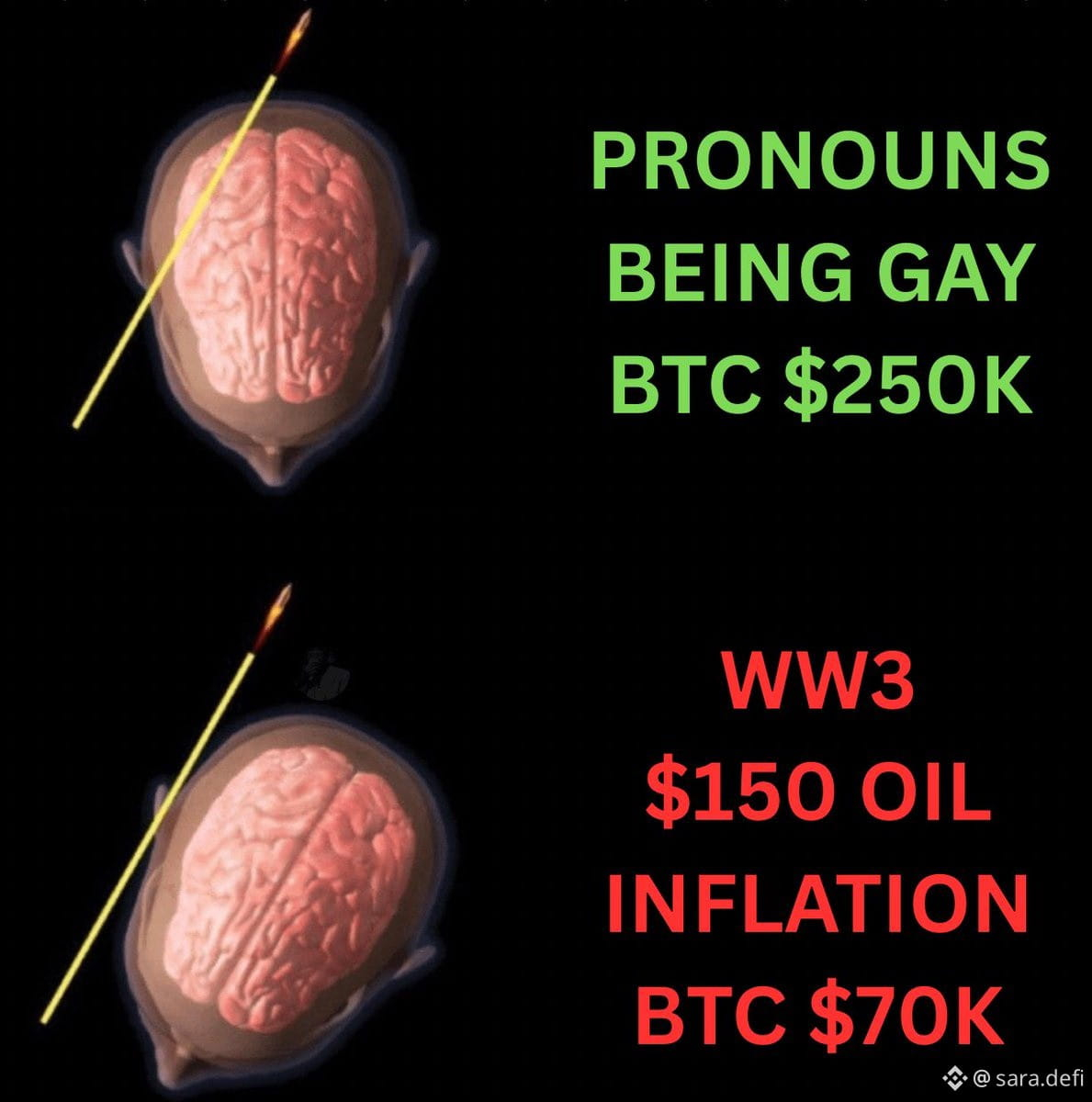
I was wrong about Trump.
Not gonna sugarcoat it. My read on how his admin would handle crypto policy was off. Whether it's the pivot on stablecoins, the SEC chair swap, or the sudden shift in regulatory tone—this isn't the same playbook I expected.
Markets don't care about pride. They care about positioning. And right now, the macro setup for $BTC, $ETH, and the broader DeFi ecosystem looks different than it did 6 months ago.
Adapt or get rekt. That's the game.
·
--
CZ pushing for a global crypto security alliance after the Binance hack.
His take: AI is turbocharging cyberattacks. It's not just exchanges anymore—tradfi banks and the entire financial system are in the crosshairs.
What he wants:
• Exchanges + security firms sharing threat intel in real-time
• Open playbooks on security practices
• Cross-audits between platforms
• Faster coordination to freeze stolen funds
The hack exposed how fragmented defenses are. If protocols and CEXs don't link up, attackers will keep exploiting the gaps.
This isn't just about protecting $BNB or Binance—it's about the entire industry not looking like a joke to regulators and institutions watching from the sidelines.


·
--
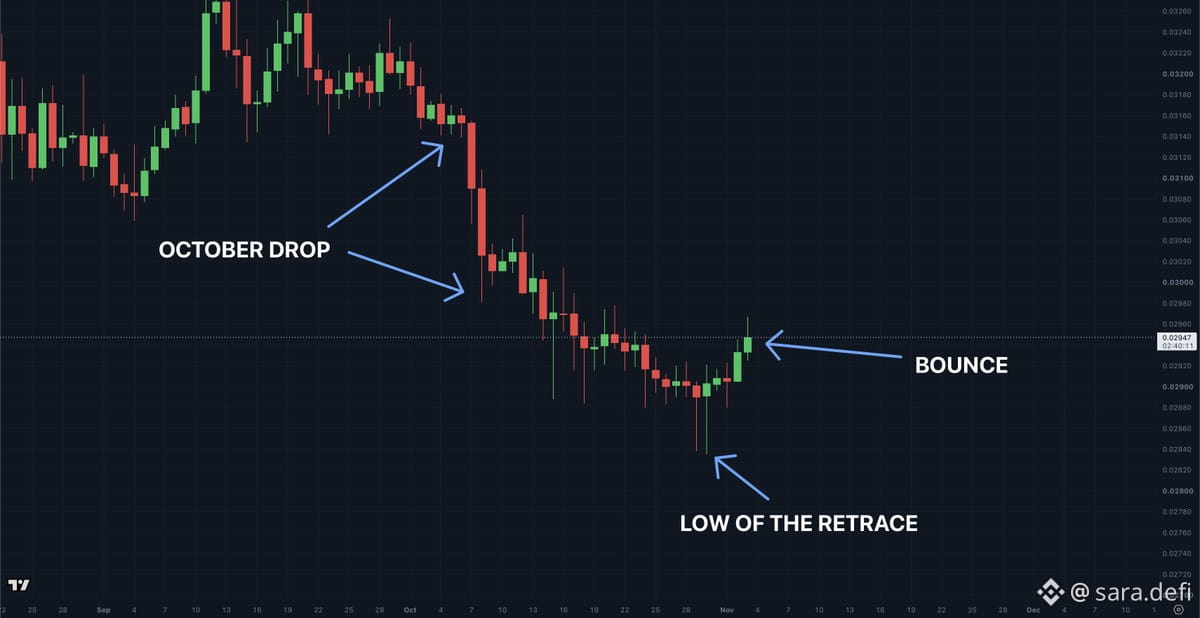
$ETH/$BTC finally showing a pulse after bleeding all October.
Two fat lower wicks Thursday/Friday after a month-long dump. Classic rejection of lows.
Now we're bouncing—strong start to the week. First real sign of $ETH strength in weeks.
Still early, but the chart's waking up. Watch for follow-through or it's just another fakeout.
Two fat lower wicks Thursday/Friday after a month-long dump. Classic rejection of lows.
Now we're bouncing—strong start to the week. First real sign of $ETH strength in weeks.
Still early, but the chart's waking up. Watch for follow-through or it's just another fakeout.
·
--
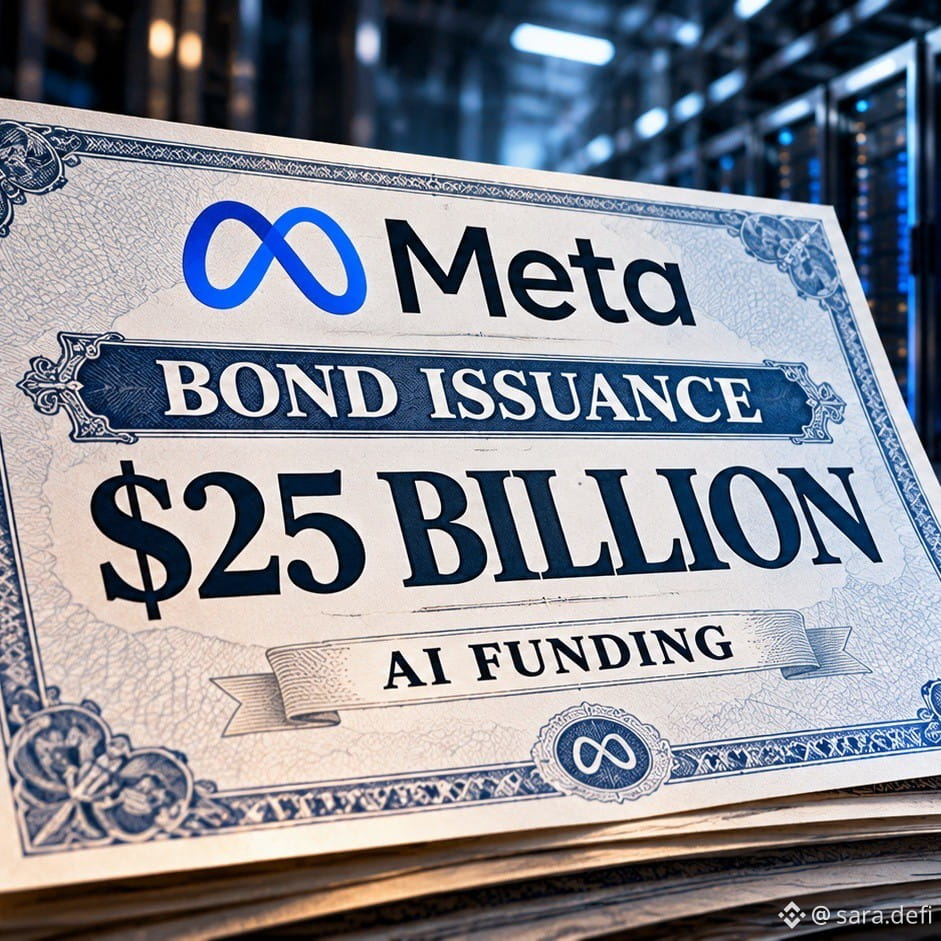
$META going full degen on AI infrastructure
They're raising $20-25B in debt (USD + EUR bonds) to fund data centers and AI models. Not exactly a bullish signal when you're burning cash this hard.
Q3 free cash flow: -$2.12B
2026 capex guidance: $135-145B
S&P just downgraded their outlook from stable to negative. Translation: bond market is pricing in risk.
Zuck is betting the farm on AI compute. Either this prints or Meta becomes the most expensive AI experiment in history. No middle ground here.
Watch how this plays out for $NVDA demand and cloud infra tokens. If Big Tech is levering up for GPUs, that's still bullish for compute narratives short-term. But if cash flow stays negative into 2025? Different story.

6
·
--
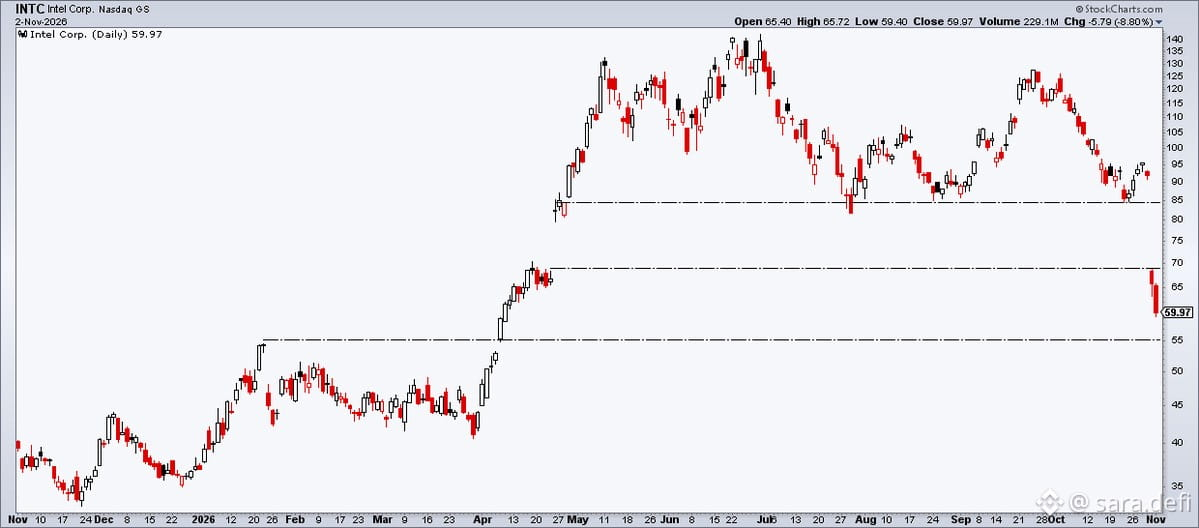
Intraday without structure is gambling with extra steps.
Pivots show where price reacts. Time-of-day shows when moves run or fade. Gaps and volatility filters show if today is worth trading at all.
Every one is a tendency, not a law. The stop never comes off.
Makes sense?
Intraday without structure is gambling with extra steps.
Pivots show where price reacts. Time-of-day shows when moves run or fade. Gaps and volatility filters show if today is worth trading at all.
Every one is a tendency, not a law. The stop never comes off.
Makes sense?
Pivots show where price reacts. Time-of-day shows when moves run or fade. Gaps and volatility filters show if today is worth trading at all.
Every one is a tendency, not a law. The stop never comes off.
Makes sense?
49
·
--
Richard Teng went on CNBC to address the Binance hack—here's what matters:
Binance is eating the entire loss. 98% of affected tokens already replenished, final 2% being sourced now.
Withdrawals are live again. Teng says platform activity back to normal levels.
He also dropped a solid point on proof of reserves—telling users their funds are safe vs letting them verify onchain are two different games.
Binance's response has been transparent and fast. No cap, this is how you handle a crisis in crypto.
1
·
--
The $1.4B Binance hack wasn't some zero-day exploit. It was social engineering at scale.
Here's how they got in:
→ Spent MONTHS running fake job interviews
→ Tricked devs into downloading malware during "recruitment calls"
→ Compromised internal dev tools
→ Hijacked Binance's own AI systems + stolen creds to access wallet infra
This is why OpSec matters more than your tech stack. One careless click from an employee and $1.4B walks out the door.
If you're working at any crypto company:
• Never download anything during interviews
• Verify recruiter identities through official channels
• Assume every DM is a phishing attempt
The attackers were patient, methodical, and targeted the weakest link: humans.
Richard Teng confirmed all this. Not a smart contract bug. Not a bridge exploit. Just good old social engineering scaled to perfection.
Stay paranoid out there.
1
·
--
$INJ just dropped the institutional cheat code
Banks can now:
→ Direct access to block production
→ Guaranteed next-block inclusion
→ Custom permissions
This isn't just faster rails. This is enterprise finance getting the infrastructure they actually need to move onchain.
While other L1s are still pitching speed, $INJ is giving institutions what they really want: certainty and control.
The TradFi → DeFi bridge just got real infrastructure.
·
--
NVIDIA just dropped the hammer on China's AI access 🔨
New rule: Data center partners must sell at least 51% of services to NON-CHINESE companies. This hits future contracts hard, targeting cloud providers that let Chinese tech firms backdoor access to advanced $NVDA chips.
The price gap is insane:
• B300 server racks in China: $2.8M
• Same racks internationally: ~$600K
That's a 4.6x markup. U.S. export controls are biting HARD.
This isn't just policy theater. It's a direct choke on China's AI compute supply chain. Watch how this reshapes global AI infrastructure plays and who scrambles for alternatives.
If you're long $NVDA or any AI infra plays, this geopolitical moat just got deeper. If you're betting on Chinese AI stocks, your compute costs just went parabolic.
7
·
--
Bill Ackman just called the stock market a casino and he's not wrong
Three culprits turning markets into a degen playground:
• Excessive leverage everywhere
• Leveraged trading products going parabolic
• Perps flooding retail with infinite risk
He's comparing this to past blow-off tops fueled by margin madness. Translation: we're in bubble territory and most don't even realize it
The kicker? While warning everyone else, Pershing Square quietly loaded up on $MSFT $AMZN and $GOOG during the dip
Classic move: preach caution, buy the blood
If you're over-leveraged in perps right now, you're the exit liquidity

·
--
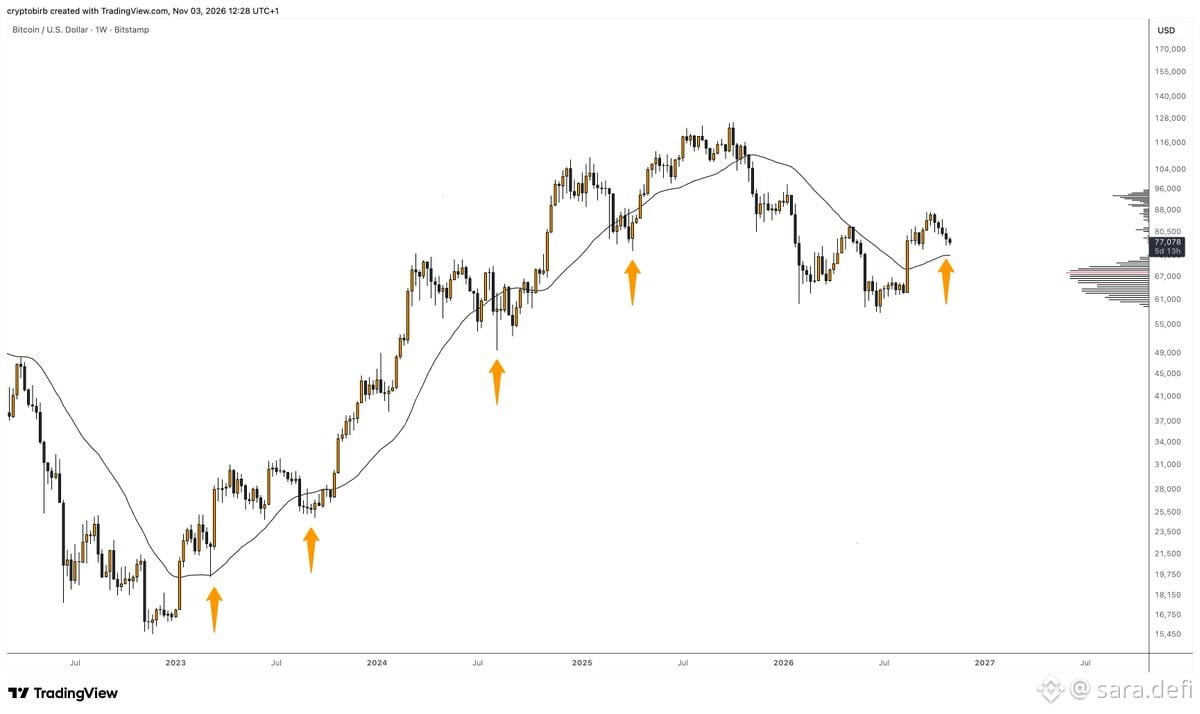
If $BTC drops to $73k this week—are you aping in or staying patient?
No crystal ball here, but consider:
$73k is a key psychological level. Historically strong support around $70-72k from previous cycles. If we see a clean bounce with volume, that's your signal.
But if macro stays shaky (Fed hawkish, equity weakness), we could wick lower to $68-70k. DCA might be smarter than full send.
Personally? I'd ladder buys: 30% at $73k, 40% at $70k, 30% at $68k if it gets there. Risk management > FOMO.
What's your play?
·
--
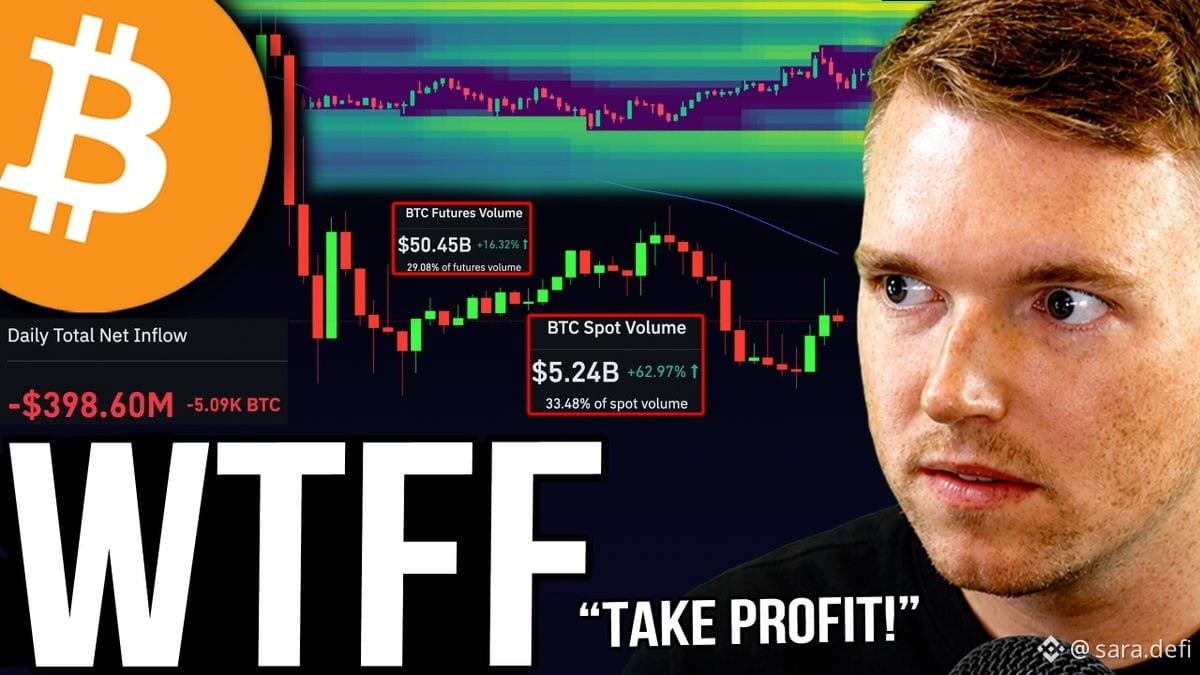
Open Interest spiking while price consolidates? Classic setup for a liquidity grab.
Futures heatmap showing massive clusters on both sides—whales are hunting stops. If you're overleveraged in $BTC right now, you're exit liquidity.
Watch the OI delta vs funding rate. When they diverge, someone's getting rekt. Probably retail.
Don't be the liquidity.
Futures heatmap showing massive clusters on both sides—whales are hunting stops. If you're overleveraged in $BTC right now, you're exit liquidity.
Watch the OI delta vs funding rate. When they diverge, someone's getting rekt. Probably retail.
Don't be the liquidity.
·
--
Open Interest spiking while price chops = classic liquidity grab setup
Futures heatmap showing massive clusters both ways. Market makers hunting stops before the real move.
If you're overleveraged right now, you're exit liquidity. $BTC doesn't care about your longs or shorts—it cares about clearing the board.
Watch for violent wicks in both directions before any sustained breakout. This is textbook pre-volatility accumulation.
Stay patient or get rekt. Your call.
·
--
Open Interest spiking while price consolidates? Classic setup for a liquidity grab.
Futures heatmap showing massive clusters on both sides—whales are hunting stops. If you're overleveraged in $BTC right now, you're exit liquidity.
Watch the OI delta vs funding rate. When they diverge, someone's getting rekt. Probably retail.
Don't be the liquidity.
Futures heatmap showing massive clusters on both sides—whales are hunting stops. If you're overleveraged in $BTC right now, you're exit liquidity.
Watch the OI delta vs funding rate. When they diverge, someone's getting rekt. Probably retail.
Don't be the liquidity.
Log in to explore more content
Join global crypto users on Binance Square
⚡️ Get latest and useful information about crypto.
💬 Trusted by the world’s largest crypto exchange.
👍 Discover real insights from verified creators.
Email / Phone number
Trending Topics
USMidterms-WhatAreMarketsExpecting?
16,325 views
272 Discussing
UBS: Rising Democratic 'Blue Wave' Expectations Deepen Market Risk Aversion
Binance News
·1 Likes
·694 views
USOctoberNFP-AreRateCutsStillPossible
205,626 views
1,604 Discussing
AMDBeatsExpectations-AINarrativeContinues
2,743 views
110 Discussing