
加密夏炎
1.2k Posts

加密夏炎
Report
Block User
专注交易{技术教学}公众号:夏炎聊财经 入圈8年/CFA金融分析师/爱粉丝就像爱家人/手续费八折:XIAYAN666(币安邀请码)

NEWT Holder
High-Frequency Trader
6.3 Years
86 Following
1.7K+ Followers
1.2K+ Liked
Posts
All
Quotes
Live
PINNED
·
--
❤️Family! Binance chat is finally live for chatting!
👇Join the chat, and you can find me. There are analyses and strategies in the group to help solve everyone’s questions one-on-one! Love fans like you love family—blessings come to those who bless others!
Done in three steps, find me right away: In the Binance app, search for 【Chat】, tap the “➕” at the top-right
Add a friend and enter my exclusive ID: JMXY2008
Don’t miss the精彩 content right away!


2
2
7
214
·
--
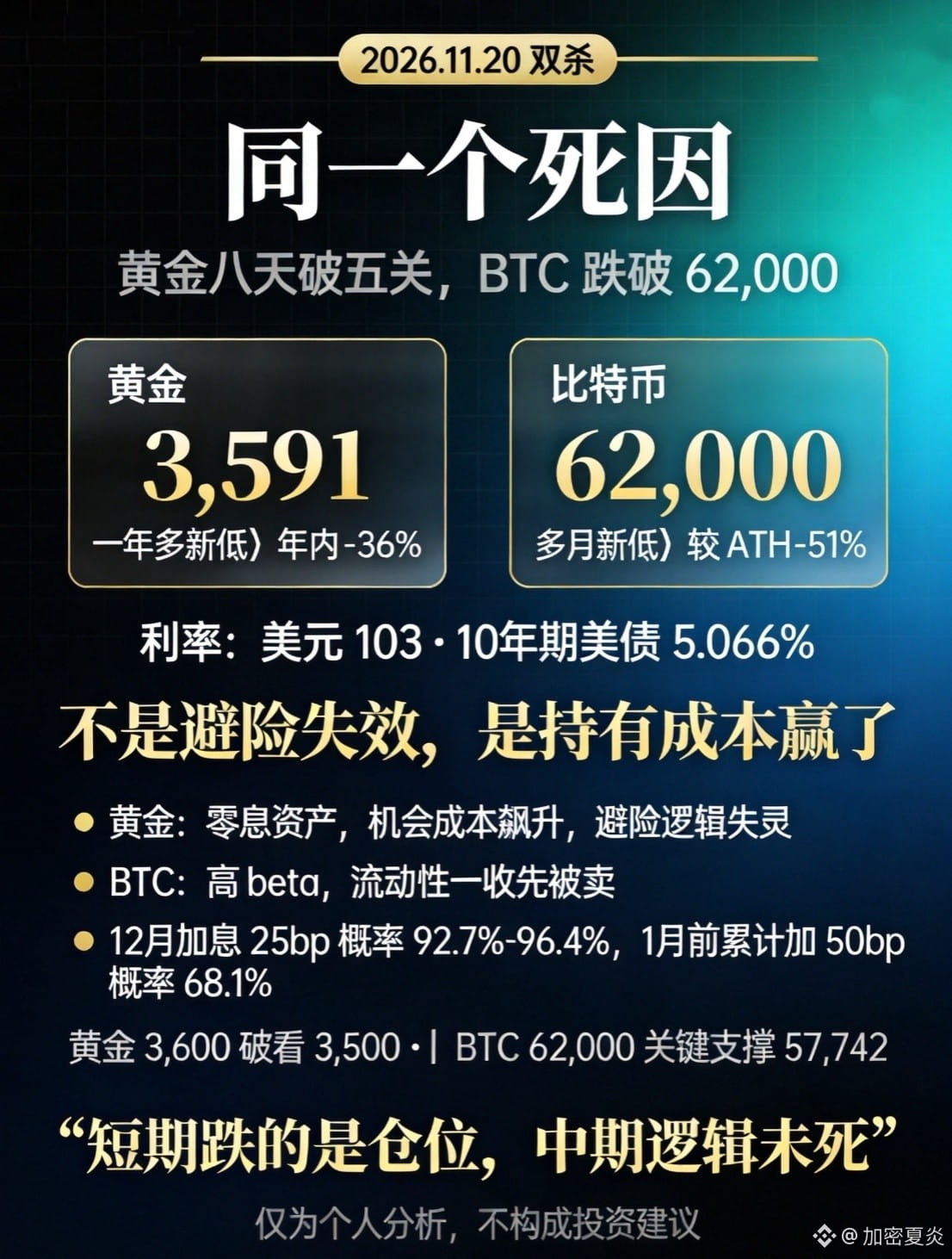
10.21 Market Analysis:
Gold and Bitcoin have both crashed over the past few days.
$XAU 8 trading days in a row, breaking through five levels and hitting a more-than-one-year low—down nearly $2,000 from the January peak, and 36% year to date. $BTC fell below 62,000, its lowest level in several months.
Two assets with seemingly nothing in common have fallen for the same reason: interest rates.
① On 11/18, nearly everyone at the Fed thought in its October minutes that “more rate hikes will be needed over the next few months.” In December, the Fed may either hike by 50bp or explicitly signal an acceleration in 2027. CME currently puts the odds of a 25bp hike in December at 92.7%-96.4%, and the odds of cumulative 50bp hikes by January next year at 68.1%.
② Gold is a non-yielding asset. With the dollar above 103 and the 10-year Treasury yield at 5.066%, the opportunity cost of holding gold is too high. Worse still, its safe-haven appeal has failed: if a sell-off is driven by a weak economy, gold can hedge against it; but this time, the sell-off is driven by inflation and tightening, directly undermining gold’s hedging rationale. The World Gold Council put it plainly: those selling are “leveraged Western speculators”—they rushed in as prices rose and ran as soon as the outlook changed. ANZ called it “capitulation selling.”
③ BTC is a high-beta asset, so it gets sold first when liquidity tightens. ETF net outflows of $3 billion and technical liquidations after the 200-day moving average broke—neither issue has been resolved.
Looking ahead: Gold has just broken below 3,600, with 3,500 below that; BTC is battling to hold 62,000, with key support at 57,742.
As for trading: the market has not stabilized yet, so don’t go all-in on spot holdings, and make sure to use stop-losses on both long and short futures positions! #美联储纪要放鹰,比特币继续承压 #13F机构比特币现货ETP持仓创纪录
{future}(BTCUSDT)
10.21 Market Analysis:
Gold and Bitcoin have both crashed over the past few days.
$XAU 8 trading days in a row, breaking through five levels and hitting a more-than-one-year low—down nearly $2,000 from the January peak, and 36% year to date. $BTC fell below 62,000, its lowest level in several months.
Two assets with seemingly nothing in common have fallen for the same reason: interest rates.
① On 11/18, nearly everyone at the Fed thought in its October minutes that “more rate hikes will be needed over the next few months.” In December, the Fed may either hike by 50bp or explicitly signal an acceleration in 2027. CME currently puts the odds of a 25bp hike in December at 92.7%-96.4%, and the odds of cumulative 50bp hikes by January next year at 68.1%.
② Gold is a non-yielding asset. With the dollar above 103 and the 10-year Treasury yield at 5.066%, the opportunity cost of holding gold is too high. Worse still, its safe-haven appeal has failed: if a sell-off is driven by a weak economy, gold can hedge against it; but this time, the sell-off is driven by inflation and tightening, directly undermining gold’s hedging rationale. The World Gold Council put it plainly: those selling are “leveraged Western speculators”—they rushed in as prices rose and ran as soon as the outlook changed. ANZ called it “capitulation selling.”
③ BTC is a high-beta asset, so it gets sold first when liquidity tightens. ETF net outflows of $3 billion and technical liquidations after the 200-day moving average broke—neither issue has been resolved.
Looking ahead: Gold has just broken below 3,600, with 3,500 below that; BTC is battling to hold 62,000, with key support at 57,742.
As for trading: the market has not stabilized yet, so don’t go all-in on spot holdings, and make sure to use stop-losses on both long and short futures positions! #美联储纪要放鹰,比特币继续承压 #13F机构比特币现货ETP持仓创纪录
2
2
11.3k
·
--
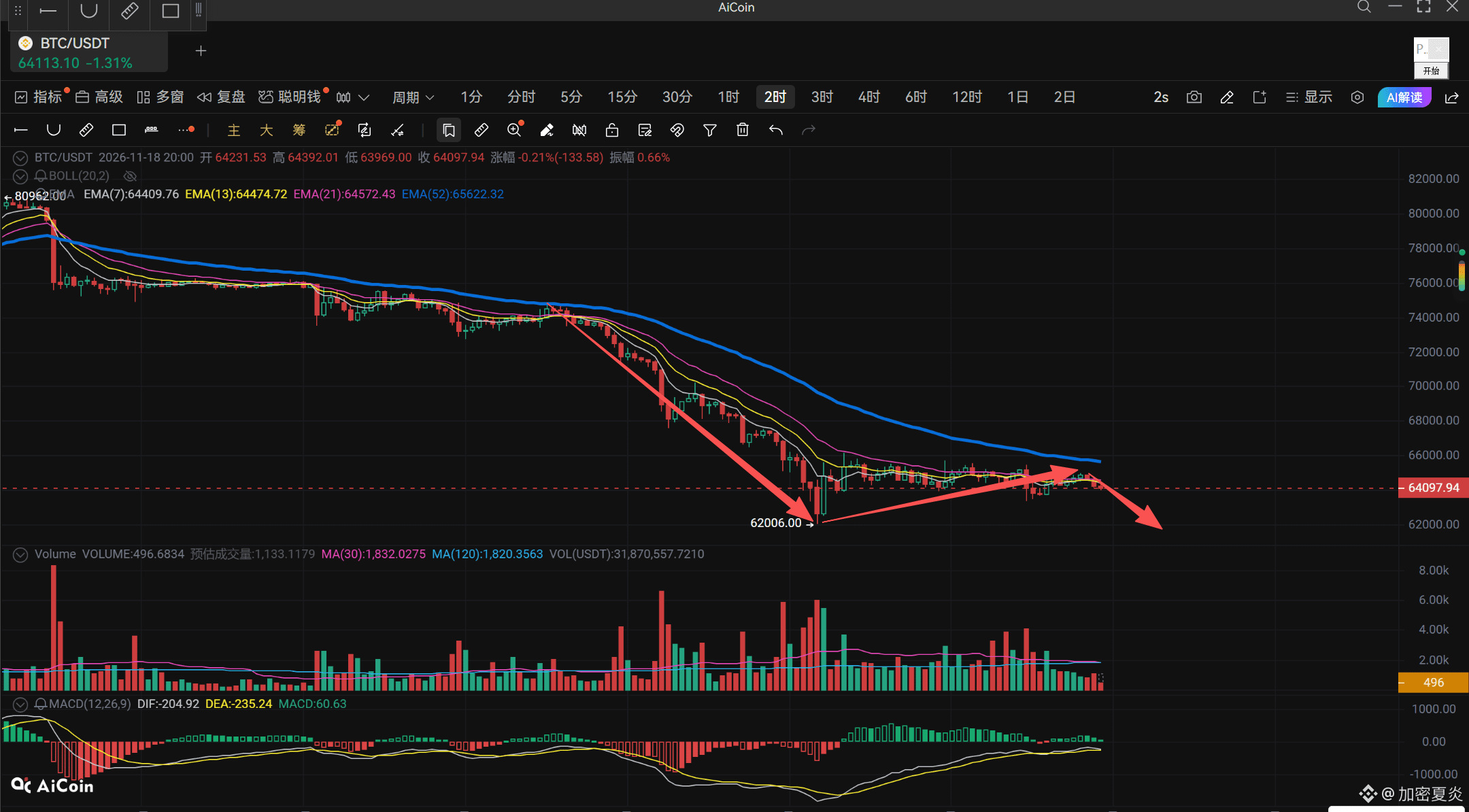
Bitcoin is currently moving on the 2-hour timeframe
The rebound is still very weak
It would be better if it made a new low here
#英伟达财报大超预期,Q4营收展望1300亿美元 #英伟达Q3营收近93%来自数据中心,增长势头能否持续? $BTC
{future}(BTCUSDT)
Bitcoin is currently moving on the 2-hour timeframe
The rebound is still very weak
It would be better if it made a new low here
#英伟达财报大超预期,Q4营收展望1300亿美元 #英伟达Q3营收近93%来自数据中心,增长势头能否持续? $BTC
The rebound is still very weak
It would be better if it made a new low here
#英伟达财报大超预期,Q4营收展望1300亿美元 #英伟达Q3营收近93%来自数据中心,增长势头能否持续? $BTC
1
451
·
--
It’s 11/17 already—how does time go by so fast!
Looking back at this round of trading: although I didn’t firmly tell everyone to 🈳, since around 73,000 I was still thinking there might be a bounce. I didn’t expect it to drop straight down. For spot, I suggested buying some Bitcoin in batches between 73,000 and 62,000. I said not to buy altcoins, and I didn’t recommend going long on futures because the technical setup didn’t look good. So overall, it turned out okay! Actually, this $BTC drop wasn’t that big. A lot of people got liquidated, most likely because they didn’t manage their position sizes well or used too much leverage. You really need to use stop-losses when trading futures, or one move can wipe you out and take you right back to square one. Don’t blindly put your faith in anyone, don’t be aggressive, and manage your risk!
I’ve been livestreaming less lately because my main job has kept me a bit busy. Most importantly, after streaming for a month, I’ve realized that placing trades too frequently can disrupt my own trading rhythm. It’s really hard to make 💰 by trading futures all the time—the market’s swings make it so easy to get stopped out. If I find a suitable strategy, I’ll share it in the chatroom for everyone to refer to! #英伟达财报夜!预期营收超千亿,AI股或迎大变盘 #高盛披露持有12.2亿美元以太坊ETF

1
612
·
--
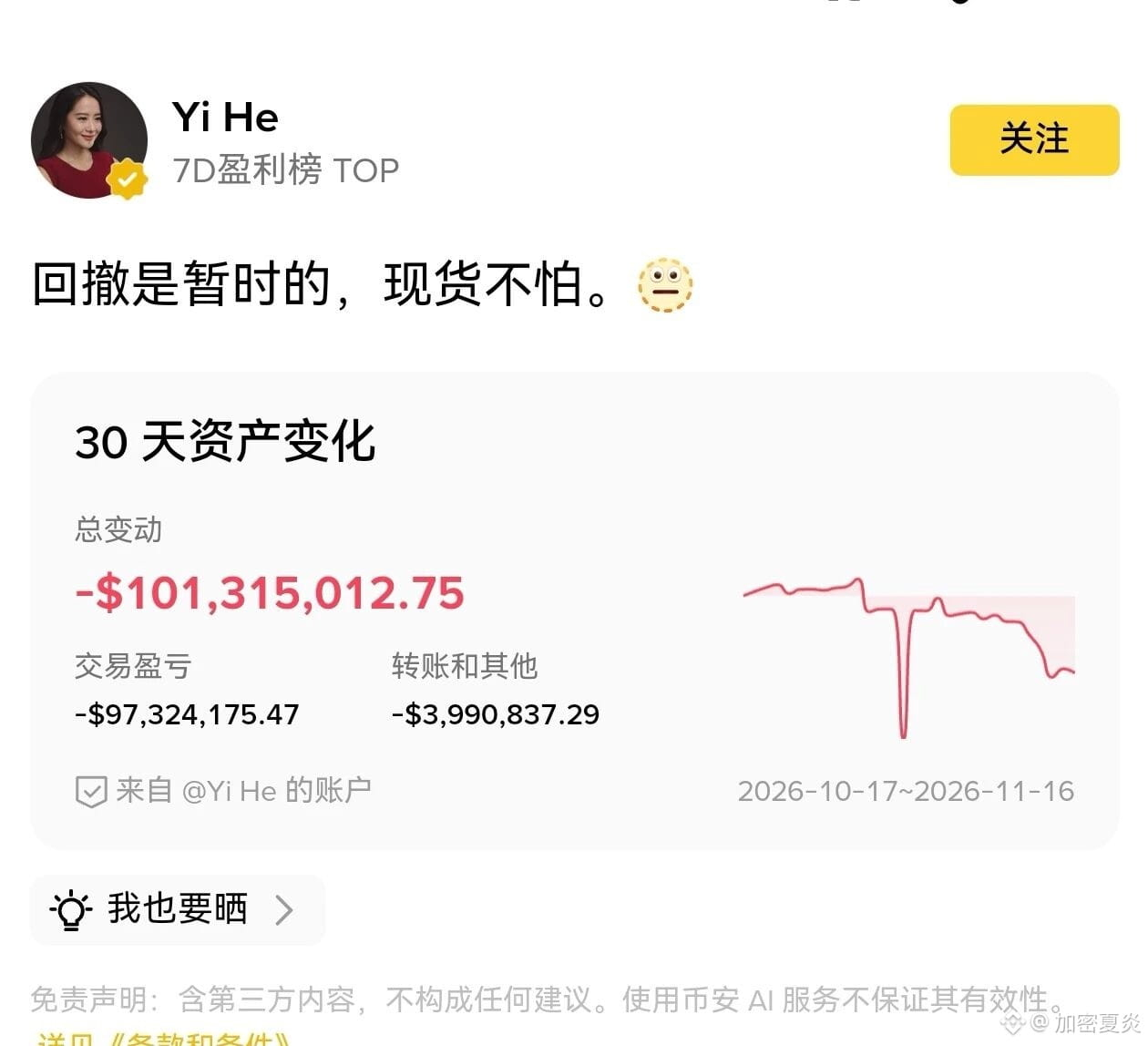
Binance co-founder He Yi shared her asset changes over the past 30 days on the afternoon of November 16. The total change was a loss of $101.3 million. She wrote: “The pullback is temporary. Spot holdings have nothing to fear—are you afraid?” #比特币连续六周下跌 #英媒报道黄仁勋正考虑重返英伟达
Binance co-founder He Yi shared her asset changes over the past 30 days on the afternoon of November 16. The total change was a loss of $101.3 million. She wrote: “The pullback is temporary. Spot holdings have nothing to fear—are you afraid?” #比特币连续六周下跌 #英媒报道黄仁勋正考虑重返英伟达
1
221
·
--
Verified
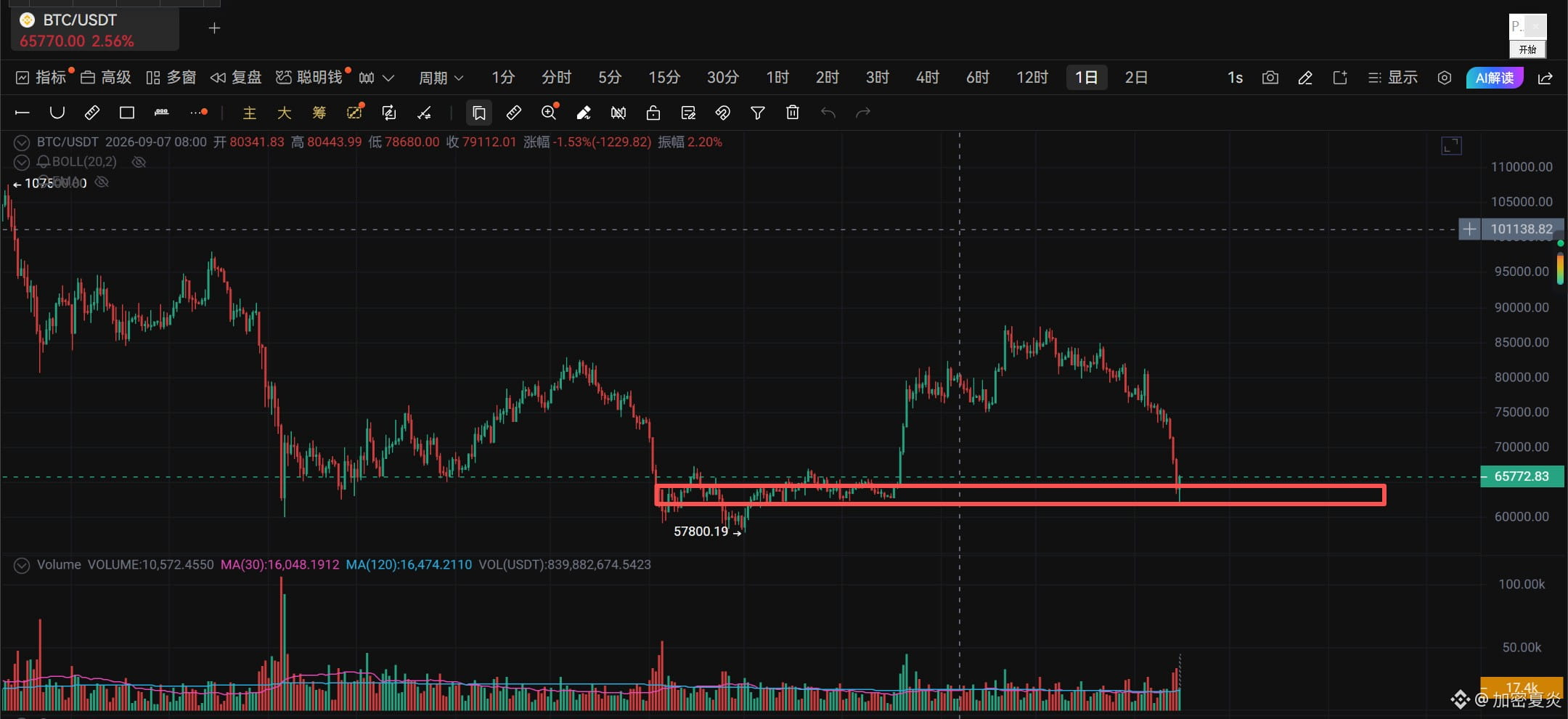
Nov. 16 market analysis:
Bitcoin fell below 63,000, hitting a low of 62,181—the lowest since Aug. 17. In 24 hours, 336,700 traders were liquidated, totaling $2.123 billion; BTC long positions accounted for 92% of liquidations!
The immediate trigger for this drop was technical: breaking below the 200-day moving average at 73,000 sparked massive liquidations. Macroeconomic factors were just the backdrop: both CPI and PPI came in above expectations, with year-over-year PPI at +6.5%, its highest in nearly four years. BofA pushed its rate-hike forecast out to January 2027; from Oct. 30 to Nov. 13, ETFs saw nearly $3 billion in net outflows as institutional buying dried up.
Since Oct. 21, the price has fallen 25%; it is down 49.44% from its all-time high, nearly cut in half. But it’s still up 1.21% over three months—the August rally is what’s been erased.
Looking down: 62,000 is the level being tested now, followed by 58,597. The 57,742 level (the year-to-date low on July 1) is key support. Looking up: 64,813, 68,400, and 72,000–73,000 mark the upper limit of this rebound—a confluence of the 200-day moving average and the 0.618 Fibonacci level. Plus, 73% of recent buyers are still underwater above here. Don’t chase shorts at 62,000; buy spot here—the short-term outlook is a rebound, not a reversal! #加密市场大幅回调,多名巨鲸遭遇清算 #美国现货XRPETF周流出创8个月新高 $BTC
{future}(BTCUSDT)
Nov. 16 market analysis:
Bitcoin fell below 63,000, hitting a low of 62,181—the lowest since Aug. 17. In 24 hours, 336,700 traders were liquidated, totaling $2.123 billion; BTC long positions accounted for 92% of liquidations!
The immediate trigger for this drop was technical: breaking below the 200-day moving average at 73,000 sparked massive liquidations. Macroeconomic factors were just the backdrop: both CPI and PPI came in above expectations, with year-over-year PPI at +6.5%, its highest in nearly four years. BofA pushed its rate-hike forecast out to January 2027; from Oct. 30 to Nov. 13, ETFs saw nearly $3 billion in net outflows as institutional buying dried up.
Since Oct. 21, the price has fallen 25%; it is down 49.44% from its all-time high, nearly cut in half. But it’s still up 1.21% over three months—the August rally is what’s been erased.
Looking down: 62,000 is the level being tested now, followed by 58,597. The 57,742 level (the year-to-date low on July 1) is key support. Looking up: 64,813, 68,400, and 72,000–73,000 mark the upper limit of this rebound—a confluence of the 200-day moving average and the 0.618 Fibonacci level. Plus, 73% of recent buyers are still underwater above here. Don’t chase shorts at 62,000; buy spot here—the short-term outlook is a rebound, not a reversal! #加密市场大幅回调,多名巨鲸遭遇清算 #美国现货XRPETF周流出创8个月新高 $BTC
3
4.4k
·
--
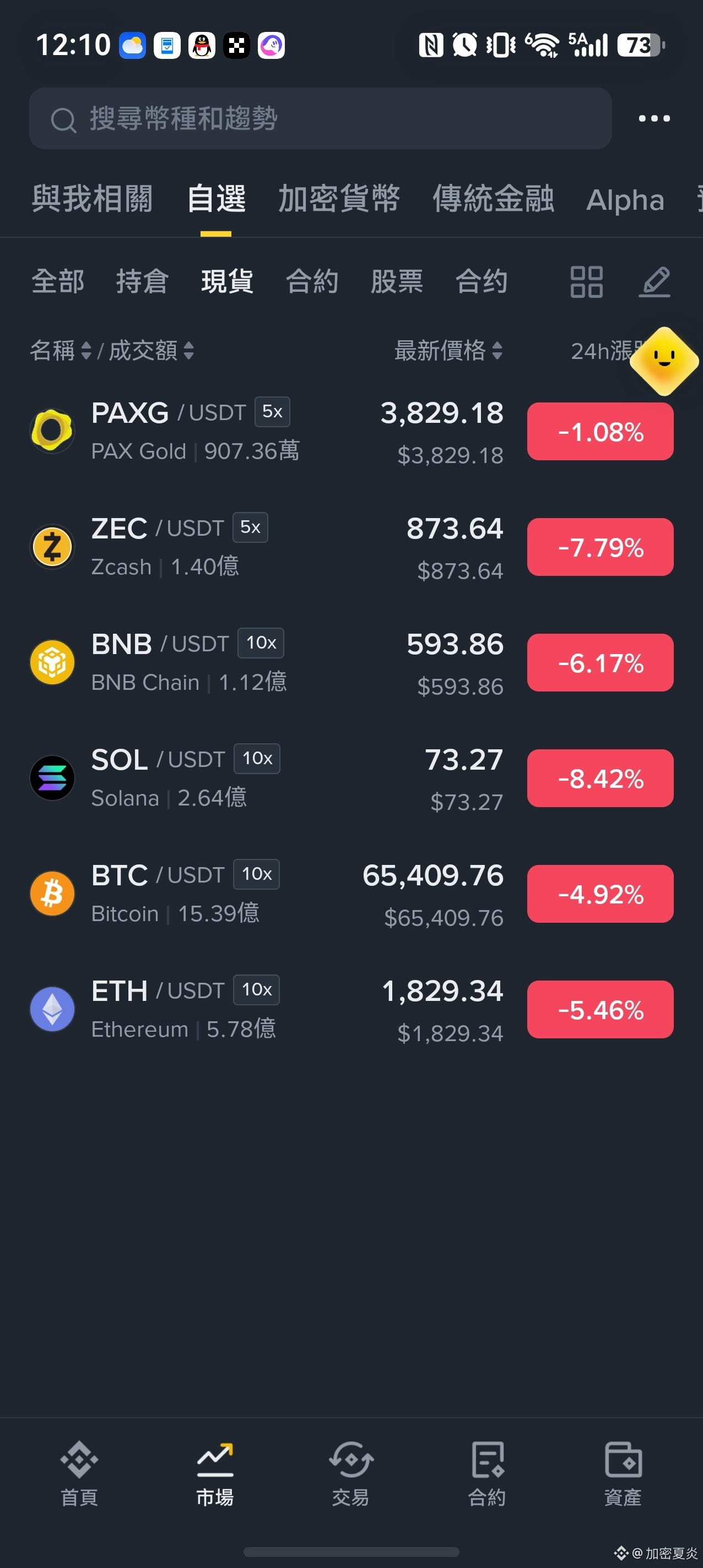
It's on sale, it's on sale!
What discount are you waiting for before you jump in?#加密美股齐跌,下轮反弹的驱动力在哪?
#美国PPI年率6.5%,低于预期或缓解BTC压力
$BTC
{future}(BTCUSDT)
It's on sale, it's on sale!
What discount are you waiting for before you jump in?#加密美股齐跌,下轮反弹的驱动力在哪?
#美国PPI年率6.5%,低于预期或缓解BTC压力
$BTC
What discount are you waiting for before you jump in?#加密美股齐跌,下轮反弹的驱动力在哪?
#美国PPI年率6.5%,低于预期或缓解BTC压力
$BTC
1
353
·
--
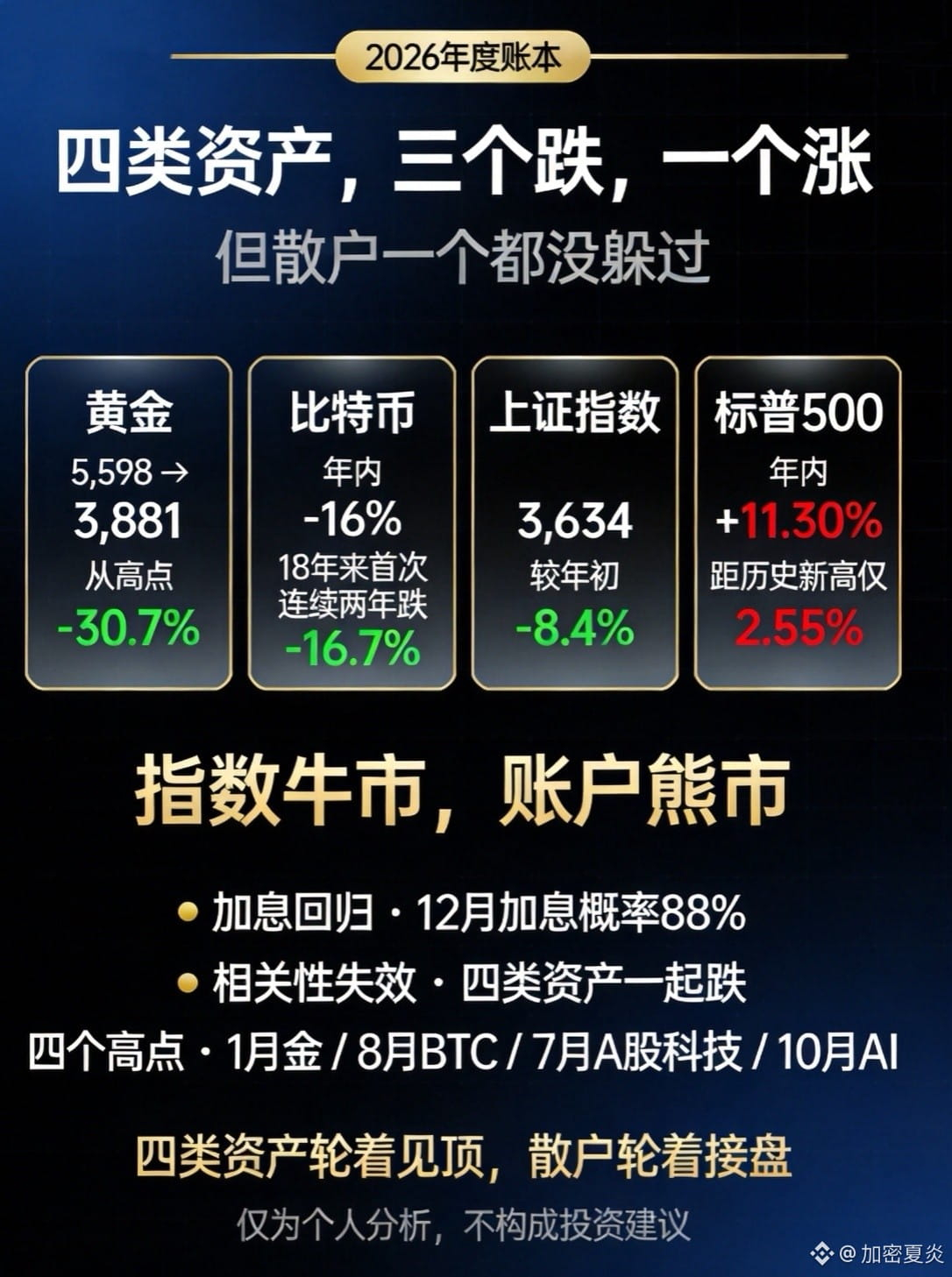
Retail investors have had a rough year!
Of four asset classes, three fell and one rose—but retail investors managed to get caught out by every single one.
Gold: It surged to a record high of $5,598 in January, but is now at $3,881, down 30% from its peak. All its gains for the year have been wiped out, and it’s back to where it was a year ago. The price of gold jewelry per gram fell from 1,713 to 1,166!
Crypto: BTC is down 16% year to date. Add that to 2025’s 6.34% loss, and it’s the first time in 18 years that it’s fallen for two consecutive years.
A-shares: The Shanghai Composite is at 3,634, down 8.4% from the start of the year. Tech stocks crashed hardest in July, getting cut in half!
U.S. stocks: The S&P 500 is up **11.30% year to date, just 2.55% shy of its all-time high. It’s the only one that rose, but nobody feels like they made money. That’s because bank stocks and heavyweight stocks went up, while the tech, AI, and crypto stocks packed with retail investors went down. A bull market in the index, a bear market in your account.
Why was it so brutal? Rate hikes are back (there’s an 88% chance of a rate hike in December), correlations among the four asset classes turned positive and they all fell together, making diversification ineffective. On top of that, there were four peaks, and retail investors bought in at every one: gold jewelry in January, BTC in August, A-share tech stocks in July, and AI in October.
This year, the problem wasn’t the assets—it was the timing. The four asset classes took turns hitting their peaks, and retail investors took turns buying at the top!#英伟达正物色新CEO,谁会接替黄仁勋? #加密美股齐跌,下轮反弹的驱动力在哪?
1
5
11.4k
·
--
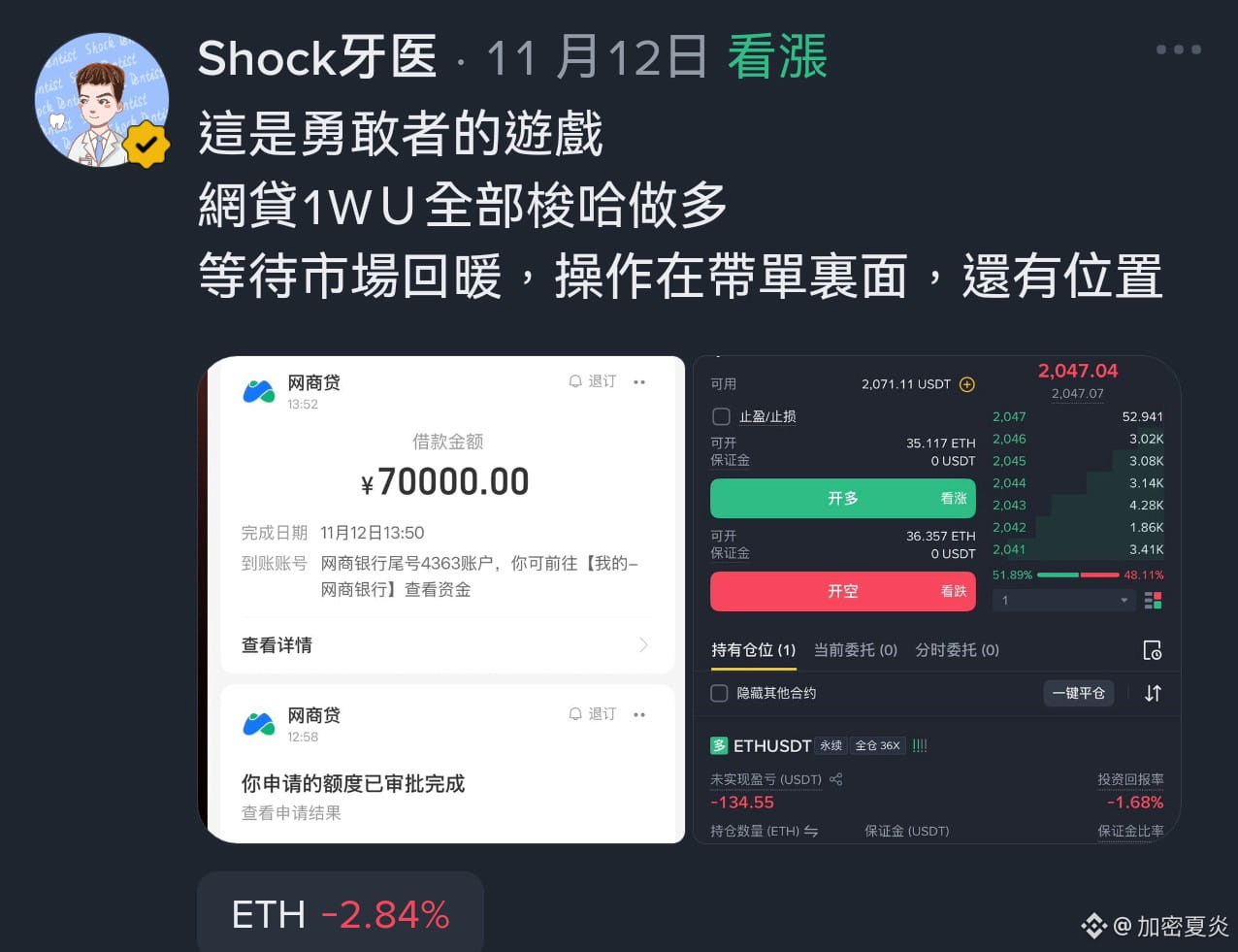
If you come across this dentist influencer’s strategy, don’t copy it. Don’t use borrowed 💰 to gamble on contracts—it always ends badly. This is far too aggressive. Trading is basically gambling: you learn a little and try to play the odds, but you still need to manage risk. Using borrowed money to hold losing positions is a major taboo in trading. Don’t get carried away, don’t imitate it, and don’t let it influence you!#加密美股齐跌,下轮反弹的驱动力在哪? #比特币跌破200周均线
If you come across this dentist influencer’s strategy, don’t copy it. Don’t use borrowed 💰 to gamble on contracts—it always ends badly. This is far too aggressive. Trading is basically gambling: you learn a little and try to play the odds, but you still need to manage risk. Using borrowed money to hold losing positions is a major taboo in trading. Don’t get carried away, don’t imitate it, and don’t let it influence you!#加密美股齐跌,下轮反弹的驱动力在哪? #比特币跌破200周均线
3
2.3k
·
--
$BTC What a huge drop! 🔥🔥
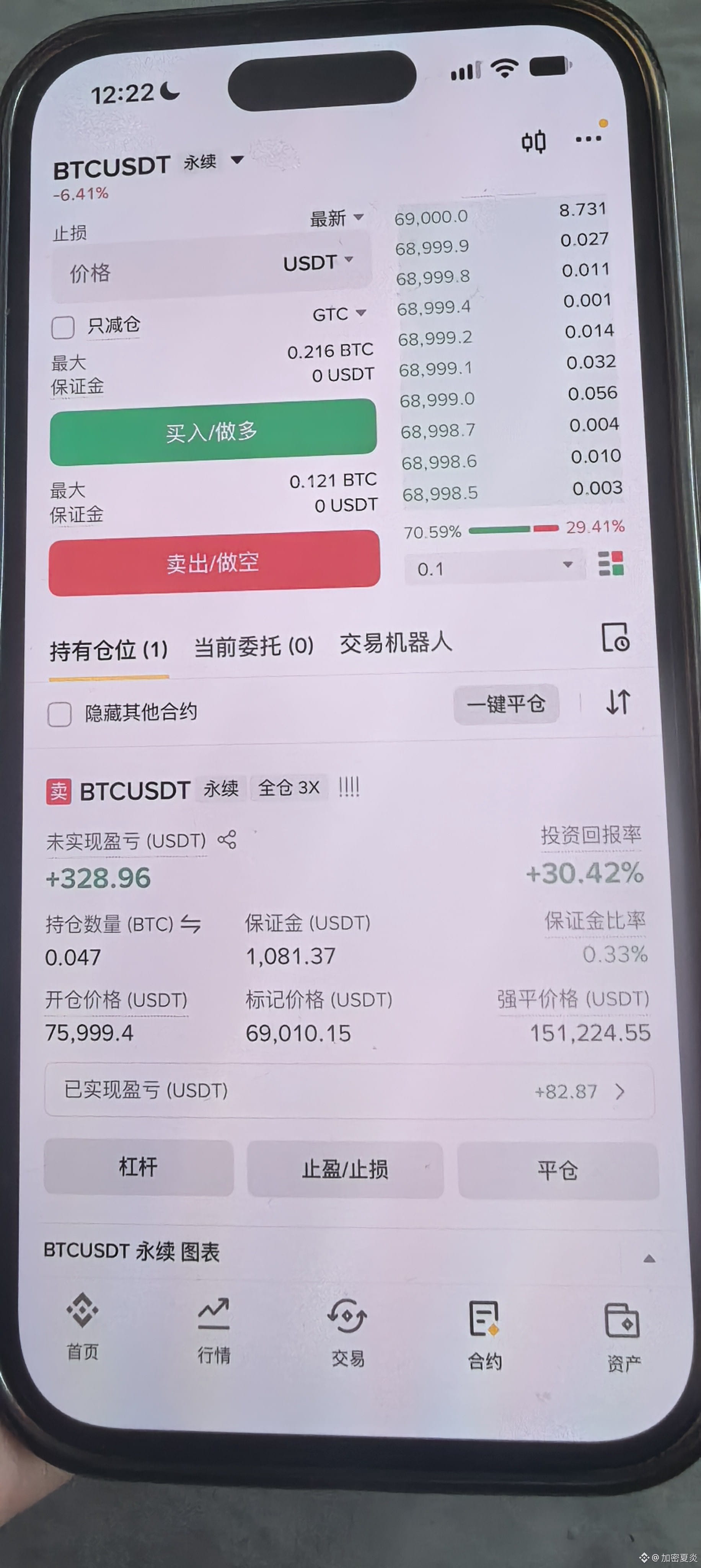
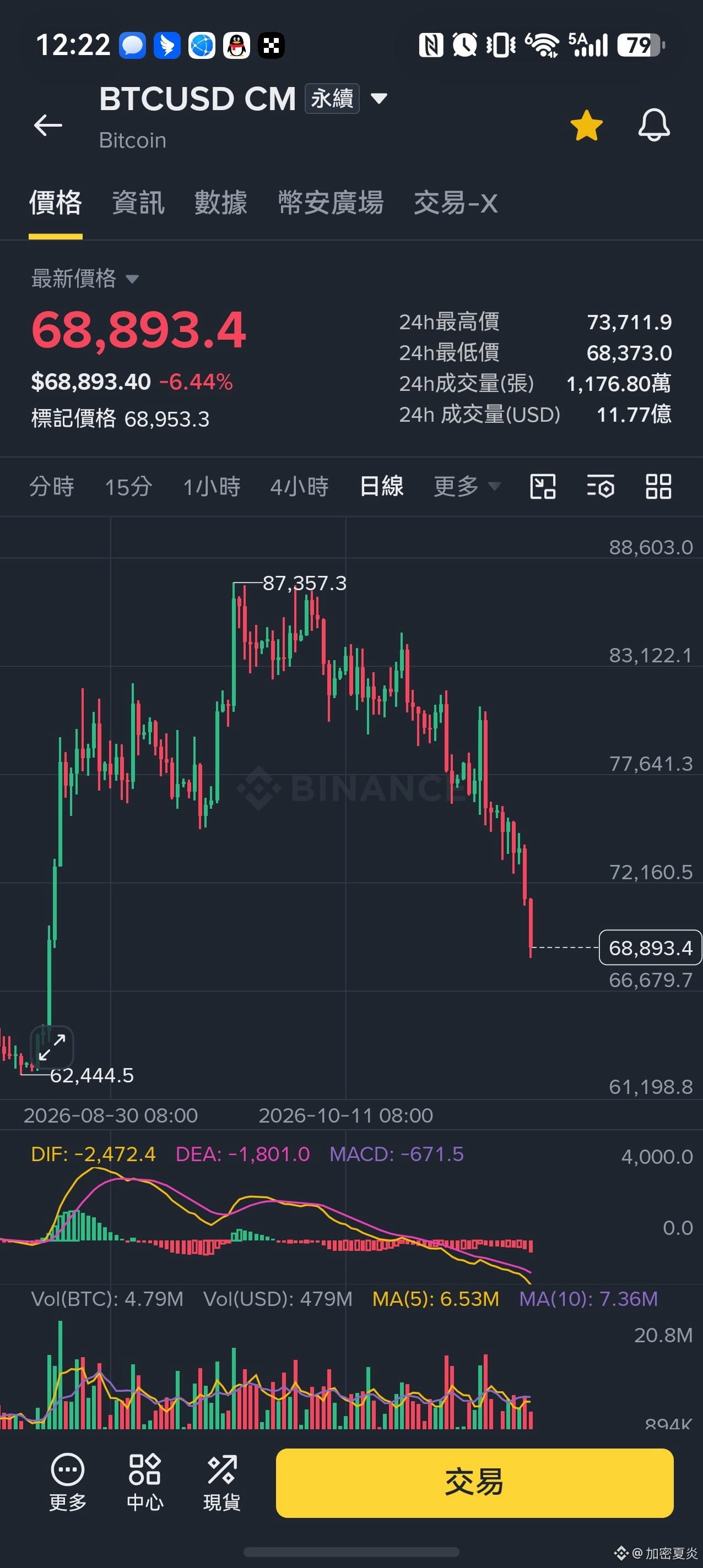
These past few days, everyone did get to buy a little spot around 73,000, but I’ve also been saying all along: don’t open long futures positions until things stabilize; buy spot in batches. Most of the short positions have already been closed, with just a tiny one left to see how far it can fall! Did anyone expect we’d see Bitcoin back above 60K again so soon? 😂😂😂#加密美股齐跌,下轮反弹的驱动力在哪? #Anthropic拒绝延期IPO,本周路演估值几何?
These past few days, everyone did get to buy a little spot around 73,000, but I’ve also been saying all along: don’t open long futures positions until things stabilize; buy spot in batches. Most of the short positions have already been closed, with just a tiny one left to see how far it can fall! Did anyone expect we’d see Bitcoin back above 60K again so soon? 😂😂😂#加密美股齐跌,下轮反弹的驱动力在哪? #Anthropic拒绝延期IPO,本周路演估值几何?
1
377
·
--
Verified
Huang Renxun resigns!
If you can't resist temptation, don't portray yourself as a faithful, devoted husband. Otherwise, things wouldn't have turned out this way 😂 Take advantage of the bad news and consider buying Nvidia on the dip in batches! #黄仁勋辞任CEO,英伟达战略走向受关注 #英伟达突发换帅,美国芯片股跌幅扩大
Huang Renxun resigns!
If you can't resist temptation, don't portray yourself as a faithful, devoted husband. Otherwise, things wouldn't have turned out this way 😂 Take advantage of the bad news and consider buying Nvidia on the dip in batches! #黄仁勋辞任CEO,英伟达战略走向受关注 #英伟达突发换帅,美国芯片股跌幅扩大
If you can't resist temptation, don't portray yourself as a faithful, devoted husband. Otherwise, things wouldn't have turned out this way 😂 Take advantage of the bad news and consider buying Nvidia on the dip in batches! #黄仁勋辞任CEO,英伟达战略走向受关注 #英伟达突发换帅,美国芯片股跌幅扩大

2
8.4k
·
--
Verified
$NVDAB
{spot}(NVDABUSDT)
Jensen Huang exposed in a second affair?
The situation he faces this time is far more serious than last week’s.
On 11/11, The New York Times revealed a second extramarital affair, with Kimberly Powell, Nvidia’s vice president of healthcare, who is 48, joined the company in 2008, and reports directly to Huang. Both are married. During Nvidia’s GTC conference in San Jose this March, the two were seen behaving intimately at a nearby hotel. A bystander filmed them, and security asked the witness to sign a confidentiality agreement on the spot. The relationship had already been the subject of internal discussion at the company.
The nature of the issue has changed. The first affair could still be explained away as a matter of private conduct; the second raises questions of corporate governance: violating Nvidia’s own code of conduct, which says to “avoid conflicts of interest arising from personal relationships”; the power imbalance between a supervisor and subordinate; and using company security to silence witnesses. After the news broke, Nvidia shares fell 8%-10% in after-hours trading. Clause 32 of the company’s bylaws states that “any executive may be removed at any time, with or without cause,” by a vote of a majority of the sitting directors. His authority over 33 years came from being strategically irreplaceable, not from his equity stake. But the board would also find it difficult to make that decision: 33 executives report directly to him, and no successor has been named. His value lies not in technology, but in his ability to turn “engineering feasibility” into “a company-wide commitment and a supply chain willing to place orders.” If he leaves, that chain will loosen. Three pivotal events are converging in one week: the 11/12 board meeting (a decision could come at any time), Nvidia’s 11/17 earnings report, and a closed-door briefing by three House committees on 11/18. The market is already pricing in the possibility of “the CEO’s departure.” This is a binary event with asymmetric odds: if he is actually dismissed, the drop will be far greater than the gain if he stays. If you are considering taking a position, wait until the decision is announced, then see whether the earnings report can prove that “the company is bigger than one person.” Only then will the odds be clear. In short, Nvidia’s problem has gone beyond the CEO’s private conduct; it has become a question of whether the board is willing to risk a $3.5 trillion market cap over one person.#黄仁勋再被曝与下属婚外情,或遭董事会罢免 #Zcash自9月以来首次跌破1000美元 $NVDAB
$NVDAB
Jensen Huang exposed in a second affair?
The situation he faces this time is far more serious than last week’s.
On 11/11, The New York Times revealed a second extramarital affair, with Kimberly Powell, Nvidia’s vice president of healthcare, who is 48, joined the company in 2008, and reports directly to Huang. Both are married. During Nvidia’s GTC conference in San Jose this March, the two were seen behaving intimately at a nearby hotel. A bystander filmed them, and security asked the witness to sign a confidentiality agreement on the spot. The relationship had already been the subject of internal discussion at the company.
The nature of the issue has changed. The first affair could still be explained away as a matter of private conduct; the second raises questions of corporate governance: violating Nvidia’s own code of conduct, which says to “avoid conflicts of interest arising from personal relationships”; the power imbalance between a supervisor and subordinate; and using company security to silence witnesses. After the news broke, Nvidia shares fell 8%-10% in after-hours trading. Clause 32 of the company’s bylaws states that “any executive may be removed at any time, with or without cause,” by a vote of a majority of the sitting directors. His authority over 33 years came from being strategically irreplaceable, not from his equity stake. But the board would also find it difficult to make that decision: 33 executives report directly to him, and no successor has been named. His value lies not in technology, but in his ability to turn “engineering feasibility” into “a company-wide commitment and a supply chain willing to place orders.” If he leaves, that chain will loosen. Three pivotal events are converging in one week: the 11/12 board meeting (a decision could come at any time), Nvidia’s 11/17 earnings report, and a closed-door briefing by three House committees on 11/18. The market is already pricing in the possibility of “the CEO’s departure.” This is a binary event with asymmetric odds: if he is actually dismissed, the drop will be far greater than the gain if he stays. If you are considering taking a position, wait until the decision is announced, then see whether the earnings report can prove that “the company is bigger than one person.” Only then will the odds be clear. In short, Nvidia’s problem has gone beyond the CEO’s private conduct; it has become a question of whether the board is willing to risk a $3.5 trillion market cap over one person.#黄仁勋再被曝与下属婚外情,或遭董事会罢免 #Zcash自9月以来首次跌破1000美元 $NVDAB

5
3
8.2k
·
--
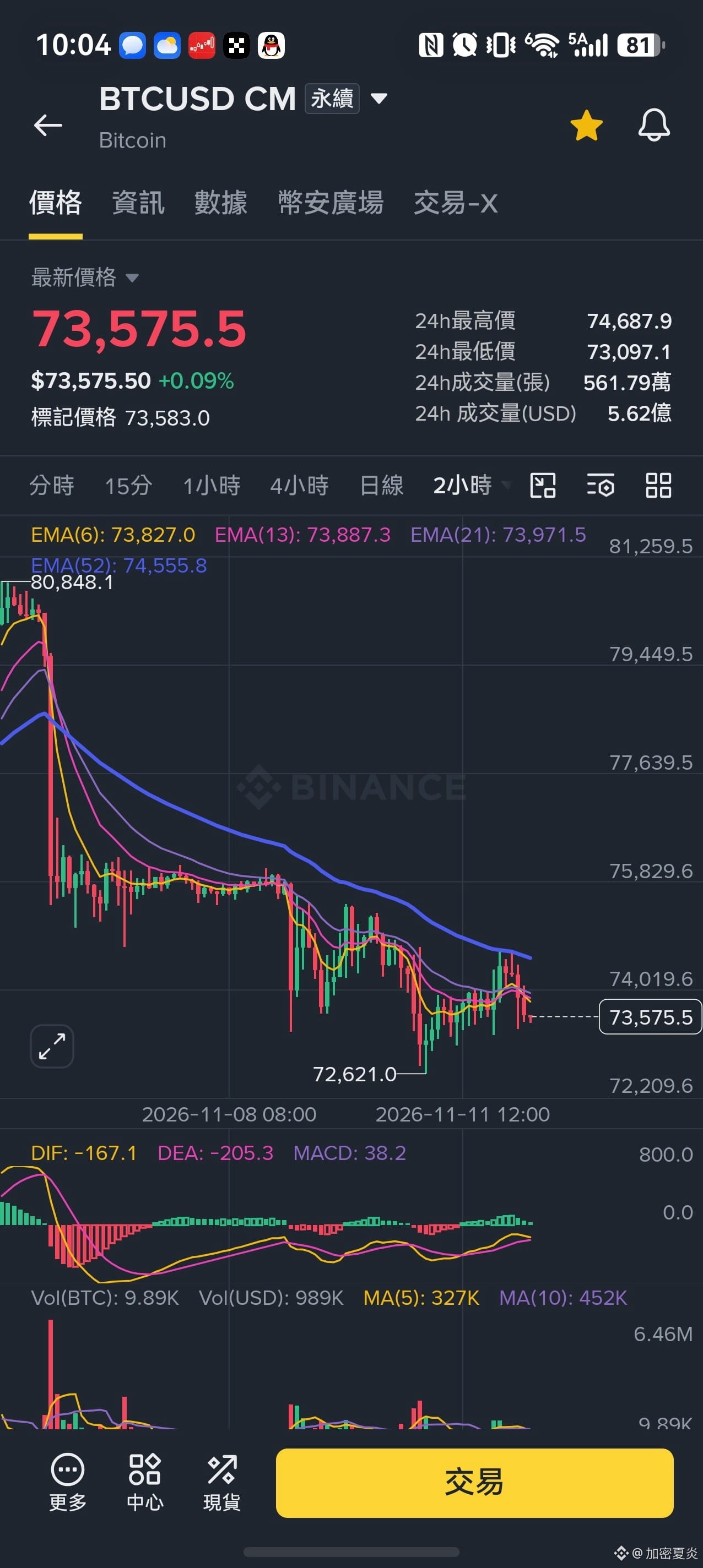
Let's talk about Bitcoin's price movement.
This is an analysis of the 2-hour timeframe.
If it can't move higher here, it could pull the daily timeframe back down again.
Whether it can hold steady here is very important 🎉🎉
Let's talk about Bitcoin's price movement.
This is an analysis of the 2-hour timeframe.
If it can't move higher here, it could pull the daily timeframe back down again.
Whether it can hold steady here is very important 🎉🎉
This is an analysis of the 2-hour timeframe.
If it can't move higher here, it could pull the daily timeframe back down again.
Whether it can hold steady here is very important 🎉🎉
1
389
·
--
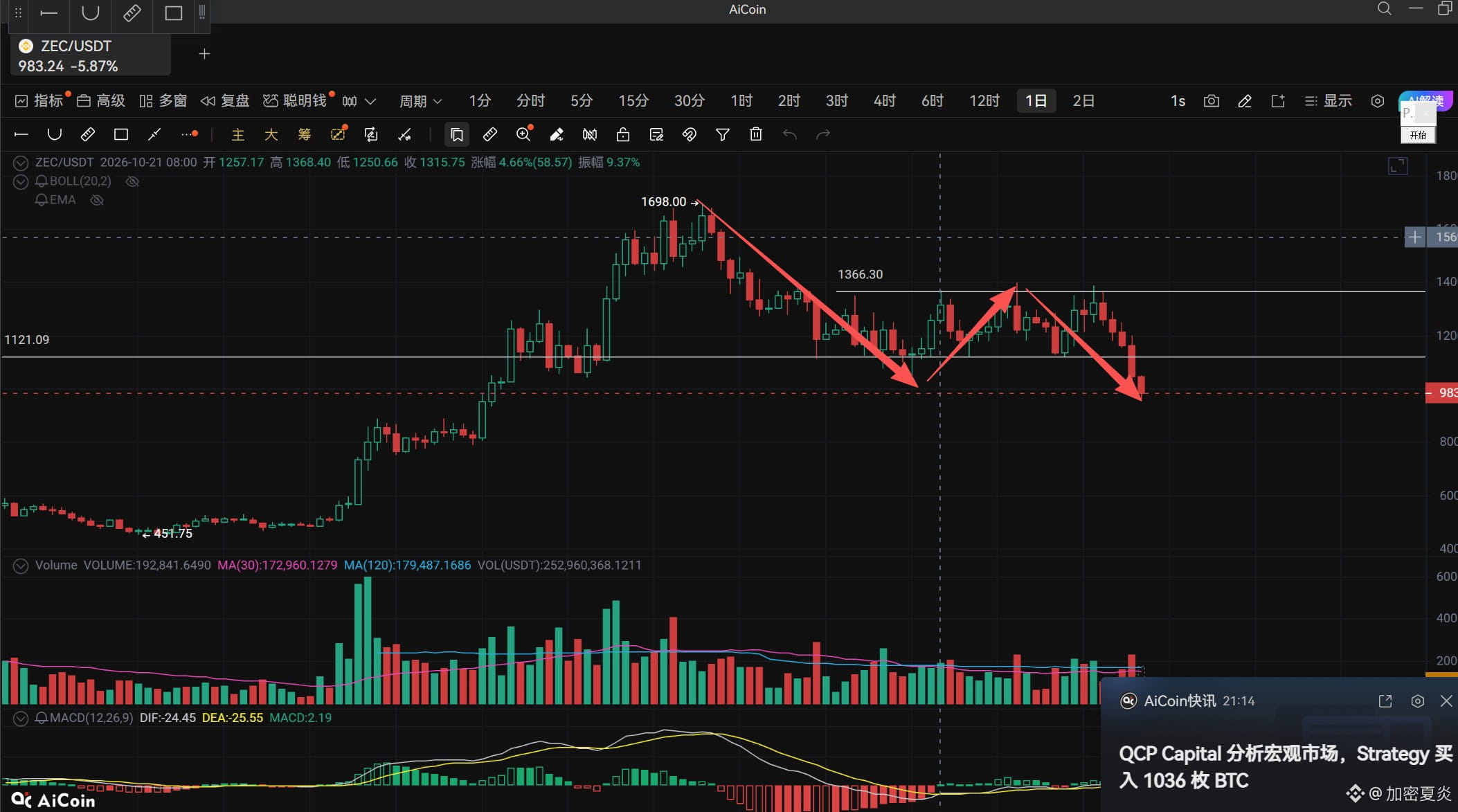
If ZEC breaks down here, look for 900.
Short it on a rebound near 1100. 🈳
Don't go long for now; it's still correcting.
#韩国朝野暂定加密税推迟两年 #英伟达Q3财报将至:能否化解市场疑虑? $ZEC
{future}(ZECUSDT)
If ZEC breaks down here, look for 900.
Short it on a rebound near 1100. 🈳
Don't go long for now; it's still correcting.
#韩国朝野暂定加密税推迟两年 #英伟达Q3财报将至:能否化解市场疑虑? $ZEC
Short it on a rebound near 1100. 🈳
Don't go long for now; it's still correcting.
#韩国朝野暂定加密税推迟两年 #英伟达Q3财报将至:能否化解市场疑虑? $ZEC
4.8k
·
--
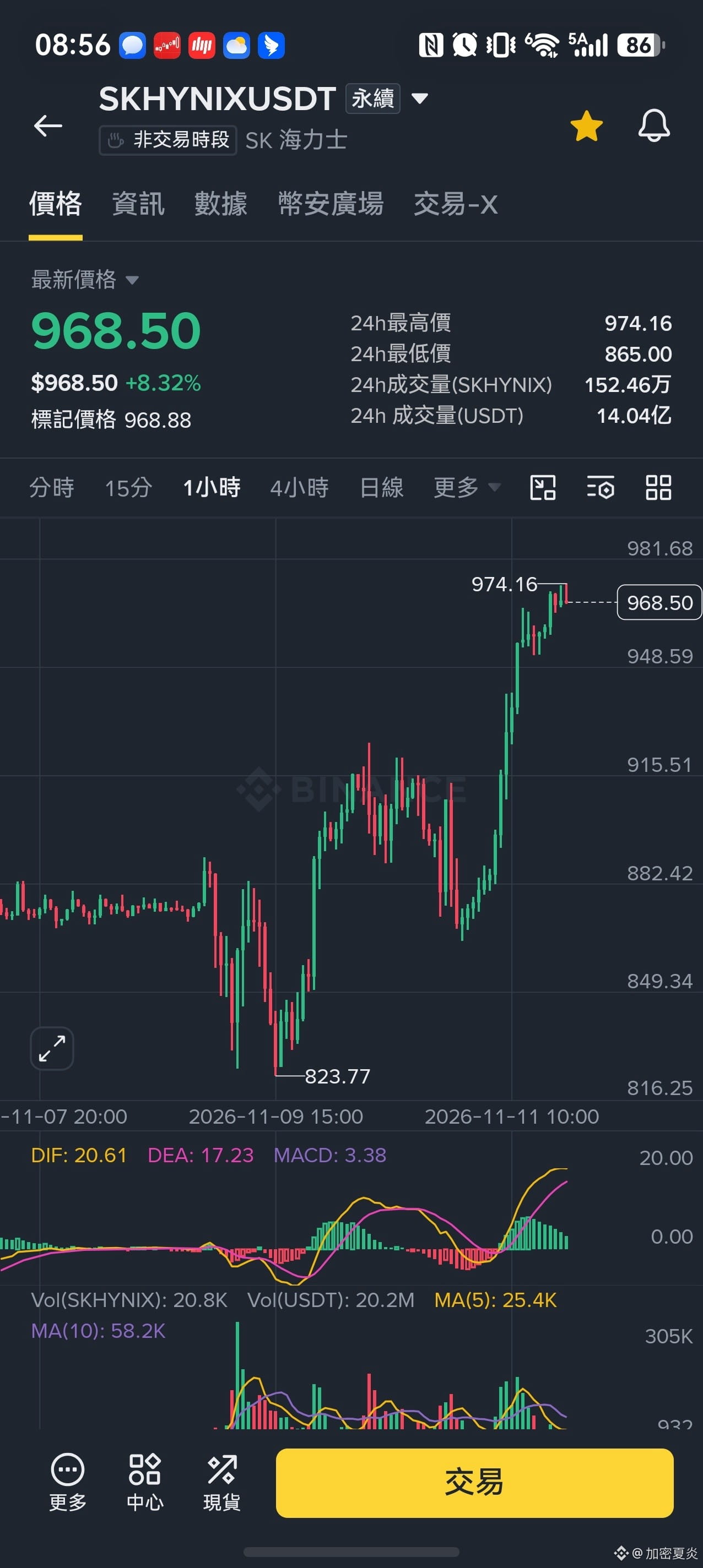
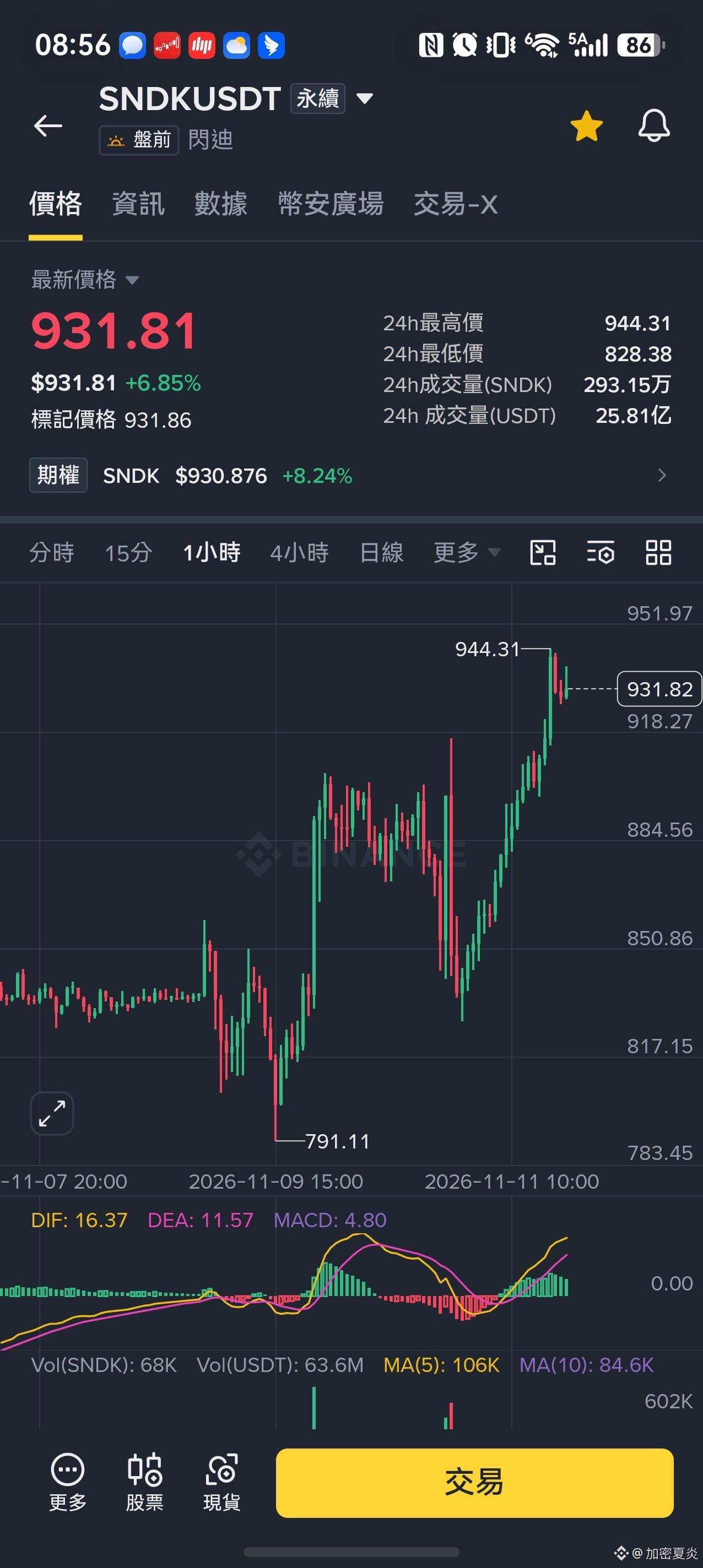
U.S. stock futures surged last night. Earnings—CoreWeave reported Q3 revenue of $3.661 billion, up 168% year over year. Its adjusted operating margin climbed from 1% in Q1 to over 10% in Q3, hitting its target a quarter ahead of schedule. It raised its full-year guidance, and its contract backlog stands at $132.5 billion. This is the very company that was at the epicenter of last month’s AI sell-off. The market had been worried its debt would become unsustainable, but now the company has shown for itself that “AI infrastructure investments can pay off.” Add to that Goldman Sachs’ projection that Anthropic could generate $685 billion in revenue by 2030, with its IPO valuation potentially reaching $1.5 trillion, and OpenAI’s quarterly revenue topping $10 billion for the first time, and sentiment came roaring back. Plus, the U.S. bond market was closed today, giving markets a chance to catch their breath. However, the probability of a 25-basis-point rate hike in December is still 88%, a 50-basis-point hike is at 11.5%, and the probability of no change is zero. So this is “a temporary patch over a crack in the AI narrative, thanks to an earnings report”—not an end to rate-hike pressure. It’s an oversold rebound, not a trend reversal. And Nvidia’s own earnings report isn’t due until November 17, while the investigation involving Jensen Huang has yet to reach a conclusion. Today’s rebound is a valuation recovery, not a shift in fundamentals. Whether it can continue depends on Nvidia next week. For us traders, just stick to trading within our chosen time frame—don’t let the news sway you! #CPI高于预期,美股与BTC再度承压
U.S. stock futures surged last night. Earnings—CoreWeave reported Q3 revenue of $3.661 billion, up 168% year over year. Its adjusted operating margin climbed from 1% in Q1 to over 10% in Q3, hitting its target a quarter ahead of schedule. It raised its full-year guidance, and its contract backlog stands at $132.5 billion. This is the very company that was at the epicenter of last month’s AI sell-off. The market had been worried its debt would become unsustainable, but now the company has shown for itself that “AI infrastructure investments can pay off.” Add to that Goldman Sachs’ projection that Anthropic could generate $685 billion in revenue by 2030, with its IPO valuation potentially reaching $1.5 trillion, and OpenAI’s quarterly revenue topping $10 billion for the first time, and sentiment came roaring back. Plus, the U.S. bond market was closed today, giving markets a chance to catch their breath. However, the probability of a 25-basis-point rate hike in December is still 88%, a 50-basis-point hike is at 11.5%, and the probability of no change is zero. So this is “a temporary patch over a crack in the AI narrative, thanks to an earnings report”—not an end to rate-hike pressure. It’s an oversold rebound, not a trend reversal. And Nvidia’s own earnings report isn’t due until November 17, while the investigation involving Jensen Huang has yet to reach a conclusion. Today’s rebound is a valuation recovery, not a shift in fundamentals. Whether it can continue depends on Nvidia next week. For us traders, just stick to trading within our chosen time frame—don’t let the news sway you! #CPI高于预期,美股与BTC再度承压
1
490
·
--
Nov. 11 market analysis:
Last night, CPI dealt the market a heavy blow: headline inflation came in at +0.4% (vs. 0.3% expected), and core inflation at +0.3% (vs. 0.2% expected). Core inflation has now been 0.3% for three consecutive months. As a result, CME put the odds of a 25-bp rate hike in December at 88.2%, with an 11.3% chance of a 50-bp hike and a 0% chance of no change. The 10-year Treasury yield climbed back above 5% intraday. All three markets came under pressure: Bitcoin fell below $74,000 to $73,600, hitting a low of $72,735 this morning. It has dropped 10,000 points (-10.4%) in five days, from $81,185. The moving averages show 13 sell signals and 0 buy signals—a textbook bearish alignment. $72,000 is a key structural level; if it breaks, $70,000 comes into view. Gold plunged 2.61% to close at $4,032, after falling nearly 3.1% at one point intraday. Silver was down 3.54%. Just a few days ago, the narrative was “geopolitical risks are driving safe-haven buying”; last night it shifted to “surging real yields,” and the rate-hike trade won out. If gold breaks below $4,000 again, this rebound is over. U.S. stocks fell only modestly (Nasdaq -0.74%), but Nvidia shed $430 billion in market value in two days, down 5.53% in a single session. The Philadelphia Semiconductor Index fell just 0.35%, suggesting this wasn’t a broad sell-off but a targeted hit on AI leaders. In short: CPI has taken “no rate hike in December” off the table. Until the Dec. 8–9 policy meeting, any hotter-than-expected data will be magnified. Don’t bet on a rebound at these levels—wait until the rate decision is behind us.
Last night, CPI dealt the market a heavy blow: headline inflation came in at +0.4% (vs. 0.3% expected), and core inflation at +0.3% (vs. 0.2% expected). Core inflation has now been 0.3% for three consecutive months. As a result, CME put the odds of a 25-bp rate hike in December at 88.2%, with an 11.3% chance of a 50-bp hike and a 0% chance of no change. The 10-year Treasury yield climbed back above 5% intraday. All three markets came under pressure: Bitcoin fell below $74,000 to $73,600, hitting a low of $72,735 this morning. It has dropped 10,000 points (-10.4%) in five days, from $81,185. The moving averages show 13 sell signals and 0 buy signals—a textbook bearish alignment. $72,000 is a key structural level; if it breaks, $70,000 comes into view. Gold plunged 2.61% to close at $4,032, after falling nearly 3.1% at one point intraday. Silver was down 3.54%. Just a few days ago, the narrative was “geopolitical risks are driving safe-haven buying”; last night it shifted to “surging real yields,” and the rate-hike trade won out. If gold breaks below $4,000 again, this rebound is over. U.S. stocks fell only modestly (Nasdaq -0.74%), but Nvidia shed $430 billion in market value in two days, down 5.53% in a single session. The Philadelphia Semiconductor Index fell just 0.35%, suggesting this wasn’t a broad sell-off but a targeted hit on AI leaders. In short: CPI has taken “no rate hike in December” off the table. Until the Dec. 8–9 policy meeting, any hotter-than-expected data will be magnified. Don’t bet on a rebound at these levels—wait until the rate decision is behind us.

1
132
·
--
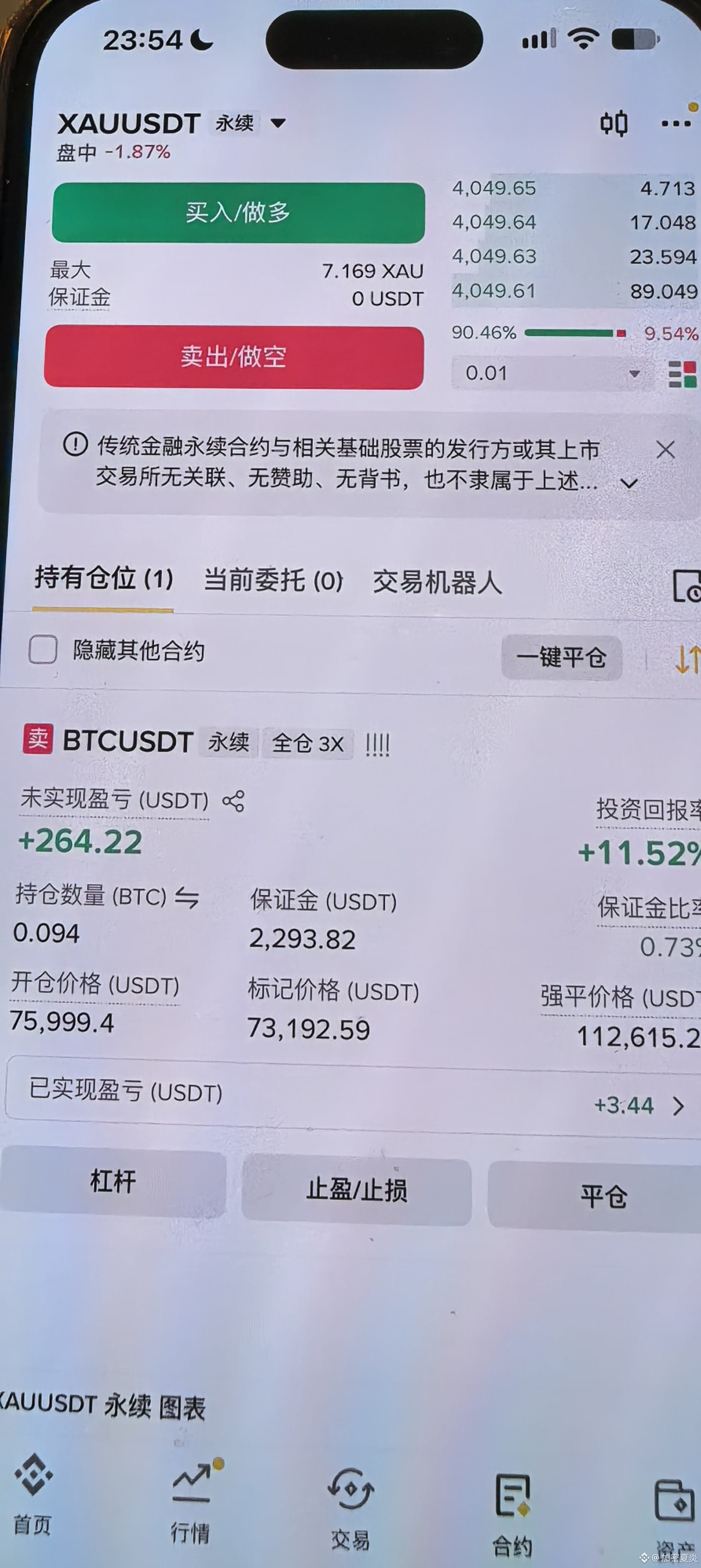
Bearish CPI data sent it plunging
This morning, I told everyone to close all long positions
Entered a short position in $SNDK 💰💰
Today's strategy was perfect ✌️✌️✌️
$BTC
{future}(BTCUSDT)
Bearish CPI data sent it plunging
This morning, I told everyone to close all long positions
Entered a short position in $SNDK 💰💰
Today's strategy was perfect ✌️✌️✌️
$BTC
This morning, I told everyone to close all long positions
Entered a short position in $SNDK 💰💰
Today's strategy was perfect ✌️✌️✌️
$BTC

372
·
--
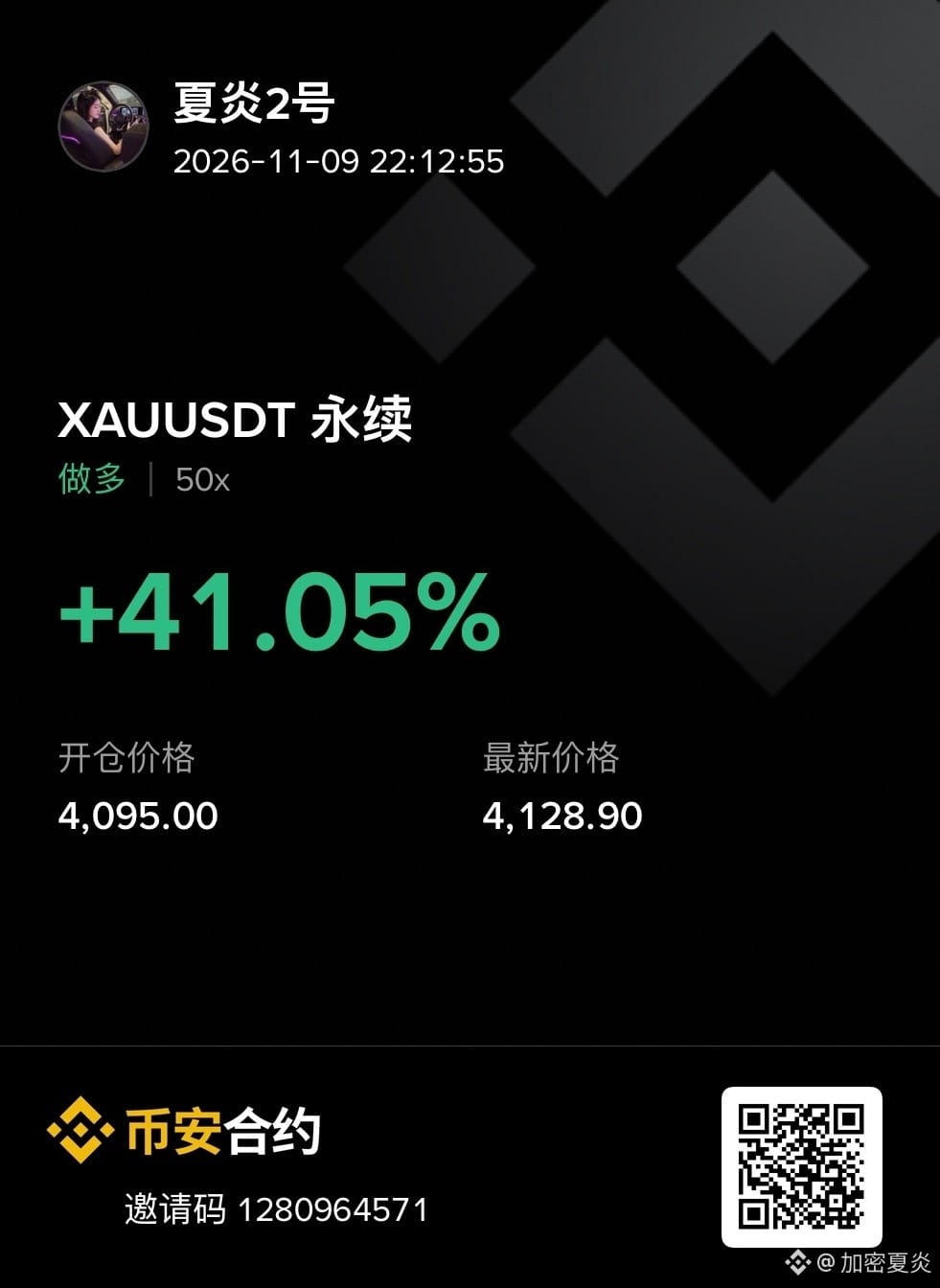
Today's long-position strategy was a complete success 🎉🎉
BTC long, gold long—perfectly timed
To see the strategy, join the chat room directly: $BTC
{future}(BTCUSDT)
Today's long-position strategy was a complete success 🎉🎉
BTC long, gold long—perfectly timed
To see the strategy, join the chat room directly: $BTC
BTC long, gold long—perfectly timed
To see the strategy, join the chat room directly: $BTC

1
521
·
--
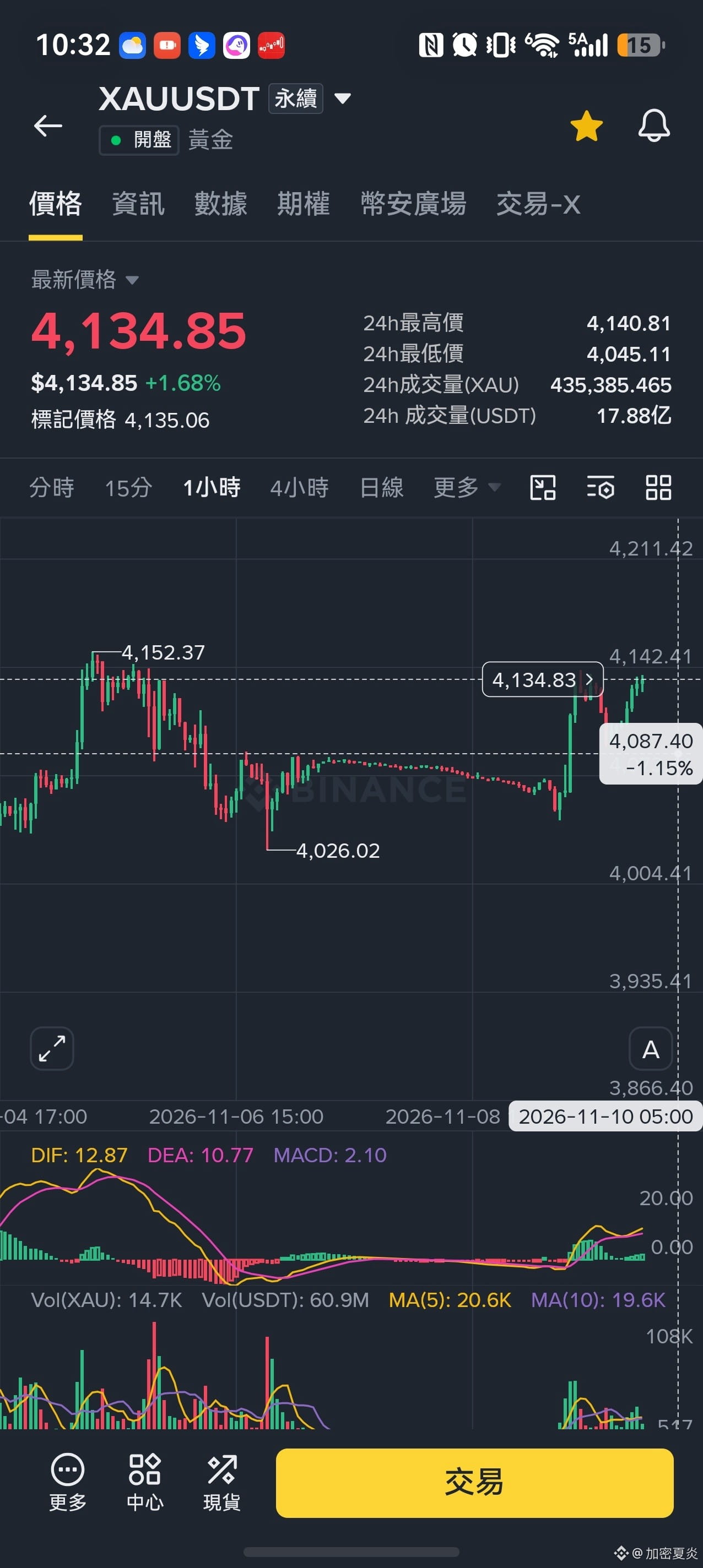
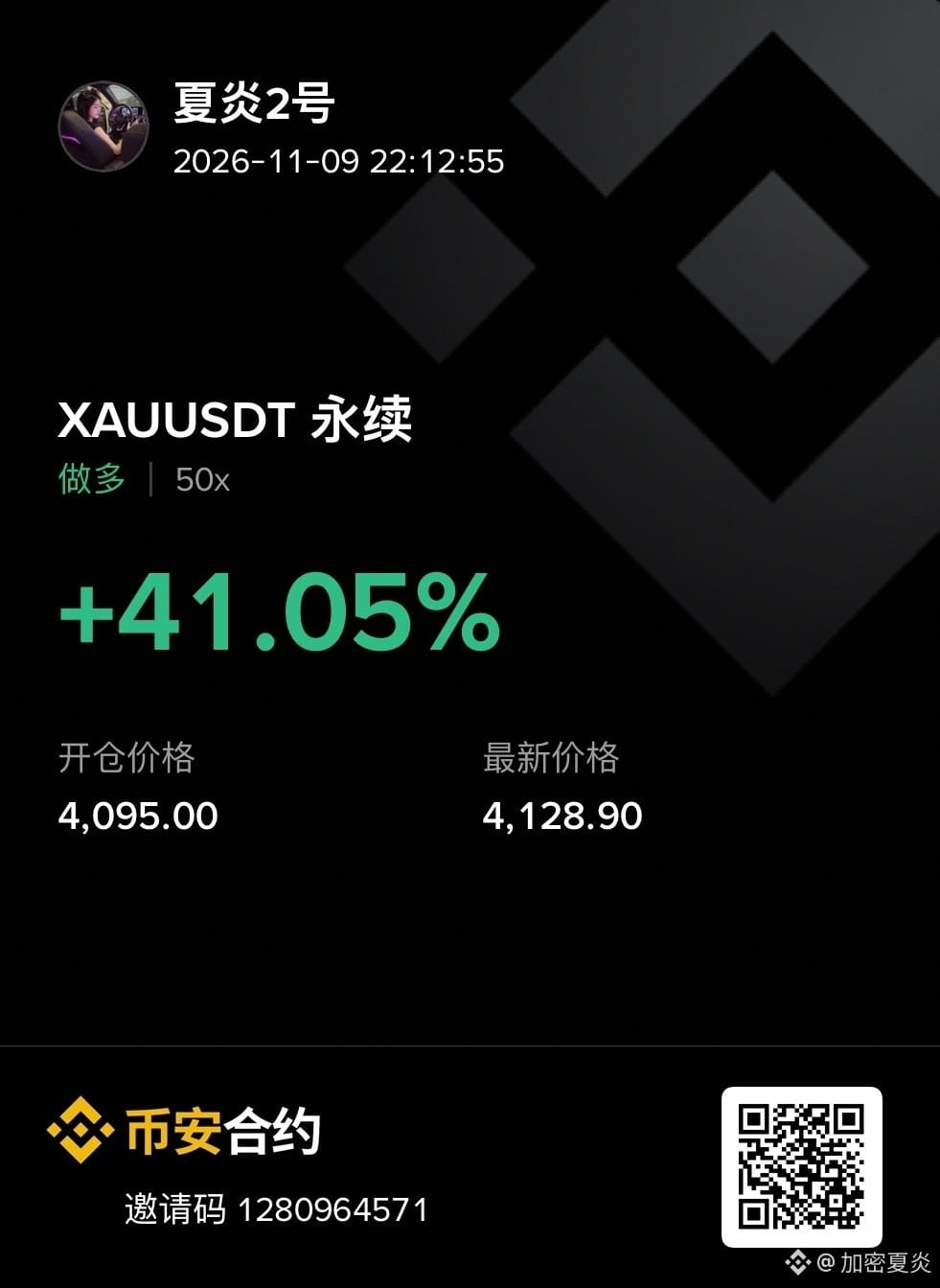
$XAU is starting to strengthen, with the weekly candle closing higher
For long positions, the first target is around 4200
{future}(XAUUSDT)
$XAU is starting to strengthen, with the weekly candle closing higher
For long positions, the first target is around 4200
For long positions, the first target is around 4200
391
Log in to explore more content
Join global crypto users on Binance Square
⚡️ Get latest and useful information about crypto.
💬 Trusted by the world’s largest crypto exchange.
👍 Discover real insights from verified creators.
Email / Phone number
Trending Topics
CanBTCReboundAfterFallingBelow60K?
120,239 views
514 Discussing
Bitcoin News | Bitcoin Falls Below $60,000 for the First Time Since July as IBIT Posts Record $541 Million Outflow
Binance News
·40 Likes
·72k views
GlobalStocksFaceLongestLosingStreakSince2023
52,266 views
504 Discussing
AnthropicPlungesTowardIPOPriceonDay2
17,921 views
205 Discussing