

Fernand79
39 Posts

Fernand79
Report
Block User
Análisis y comentarista sobre el sistema financiero global.
Solo un conocimiento básico te ayuda a mantener fuerte las bases hacia el éxito
20 Following
114 Followers
122 Liked
Posts
·
--
Article
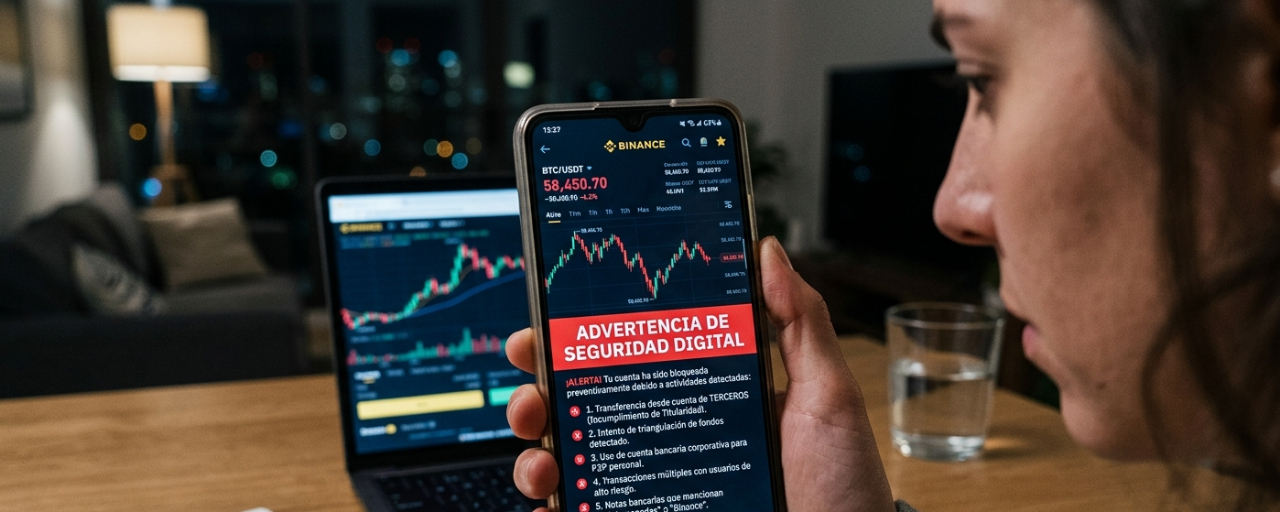
Things to Avoid Doing on BinanceThings you should avoid doing on Binance (especially if you operate in regions with strict regulations or control systems, such as Venezuela) mainly fall into three categories: operational security practices, P2P account management, and regulatory compliance.
Here is a list of the main things you should avoid:
1. In P2P (Peer-to-Peer) Trading
NEVER use third-party bank accounts: The golden rule is that the name on the exchange account must exactly match the name on the bank account. Sending or receiving payments from accounts belonging to family members, friends, or other third parties can expose you to immediate bank account freezes and money laundering investigations.
Things to Avoid Doing on Binance
Things you should avoid doing on Binance (especially if you operate in regions with strict regulations or control systems, such as Venezuela) mainly fall into three categories: operational security practices, P2P account management, and regulatory compliance.
Here is a list of the main things you should avoid:
1. In P2P (Peer-to-Peer) Trading
NEVER use third-party bank accounts: The golden rule is that the name on the exchange account must exactly match the name on the bank account. Sending or receiving payments from accounts belonging to family members, friends, or other third parties can expose you to immediate bank account freezes and money laundering investigations.
1
6
3.3k
·
--
Verified
Article
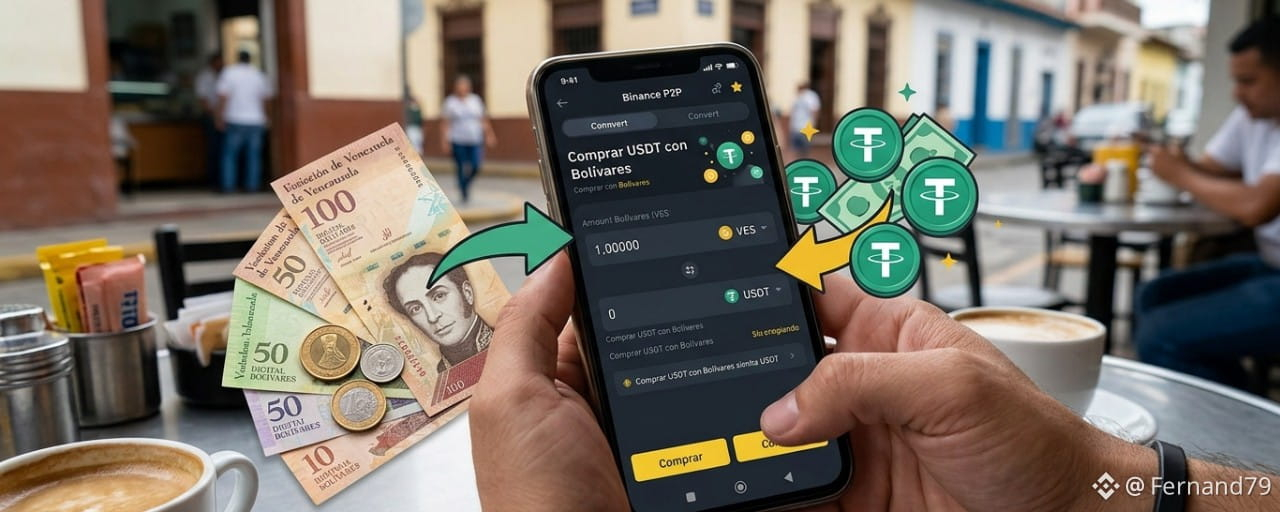
Benefits of Fiat Ramps for Venezuela and Binance UsersUsing fiat ramps (mechanisms that connect traditional money with cryptocurrencies) through tools such as Binance P2P, Binance Pay, and the Binance Card offers key benefits to users in Venezuela, facilitating the digital economy and protecting their assets.
Below are the main benefits provided by Binance Square's infrastructure:
1. Preserving purchasing power
Protection against inflation: They make it easy to convert local fiat currency into stable cryptocurrencies (such as USDT) pegged to the US dollar, protecting savings from devaluation.
Benefits of Fiat Ramps for Venezuela and Binance Users
Using fiat ramps (mechanisms that connect traditional money with cryptocurrencies) through tools such as Binance P2P, Binance Pay, and the Binance Card offers key benefits to users in Venezuela, facilitating the digital economy and protecting their assets.
Below are the main benefits provided by Binance Square's infrastructure:
1. Preserving purchasing power
Protection against inflation: They make it easy to convert local fiat currency into stable cryptocurrencies (such as USDT) pegged to the US dollar, protecting savings from devaluation.
Below are the main benefits provided by Binance Square's infrastructure:
1. Preserving purchasing power
Protection against inflation: They make it easy to convert local fiat currency into stable cryptocurrencies (such as USDT) pegged to the US dollar, protecting savings from devaluation.
2
1
3
9k
·
--
Article
Binance Features You Didn't Know About1. Automation and Passive Investing Tools
Advanced Trading Bots: In addition to classic Grid Trading (buying low and selling high within price ranges), Binance offers Auto-Rebalancing bots to maintain fixed portfolio allocations, as well as TWAP / VP bots to execute large orders in batches over time without affecting the market price.
Auto-Invest (Smart DCA): Schedule recurring daily, weekly, or monthly purchases of selected cryptocurrencies using FIAT or stablecoin balances to average out the entry price (Dollar-Cost Averaging).
Binance Features You Didn't Know About
1. Automation and Passive Investing Tools
Advanced Trading Bots: In addition to classic Grid Trading (buying low and selling high within price ranges), Binance offers Auto-Rebalancing bots to maintain fixed portfolio allocations, as well as TWAP / VP bots to execute large orders in batches over time without affecting the market price.
Auto-Invest (Smart DCA): Schedule recurring daily, weekly, or monthly purchases of selected cryptocurrencies using FIAT or stablecoin balances to average out the entry price (Dollar-Cost Averaging).
58
·
--
Article
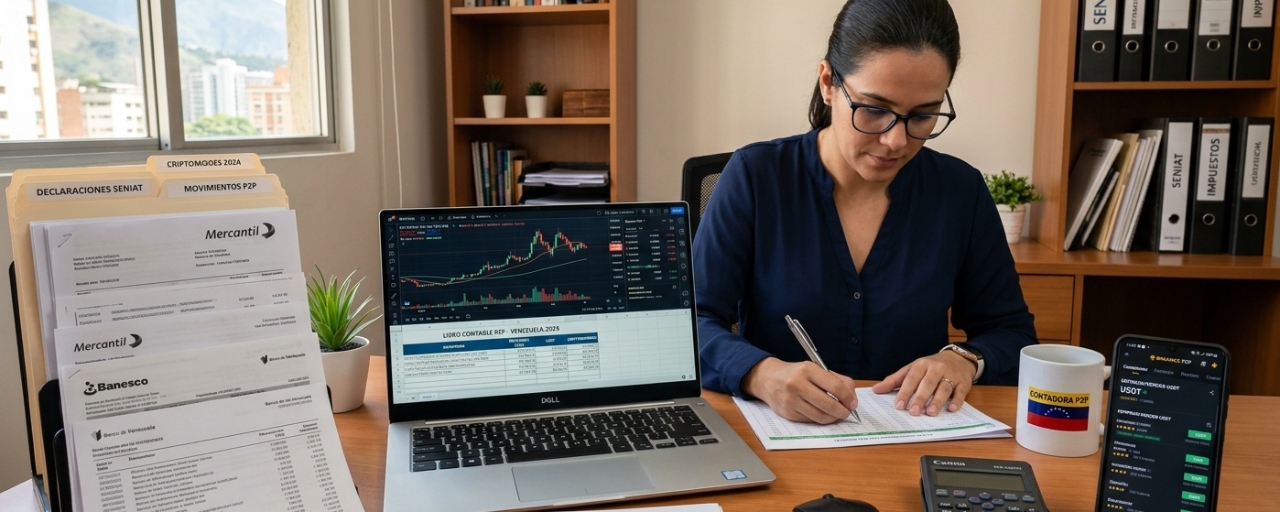
Special accounting for P2P in VenezuelaMaintaining proper, structured accounting for P2P (person-to-person) transactions in Venezuela is essential for financial peace of mind, avoiding bank account restrictions, and complying with tax regulations. Although there is no separate tax regime or legally defined “special accounting” framework exclusively for cryptocurrencies, the country’s accounting and tax regulations require specific guidelines and records.
The key aspects to consider for proper P2P accounting and management in Venezuela are:
Special accounting for P2P in Venezuela
Maintaining proper, structured accounting for P2P (person-to-person) transactions in Venezuela is essential for financial peace of mind, avoiding bank account restrictions, and complying with tax regulations. Although there is no separate tax regime or legally defined “special accounting” framework exclusively for cryptocurrencies, the country’s accounting and tax regulations require specific guidelines and records.
The key aspects to consider for proper P2P accounting and management in Venezuela are:
The key aspects to consider for proper P2P accounting and management in Venezuela are:
1
710
·
--
Bullish
"People don't buy what you do; they buy why you do it."
Simon Sinek
💰💰💰💰
$BTC
"People don't buy what you do; they buy why you do it."
Simon Sinek
💰💰💰💰
$BTC
Simon Sinek
💰💰💰💰
$BTC
82
·
--
Article
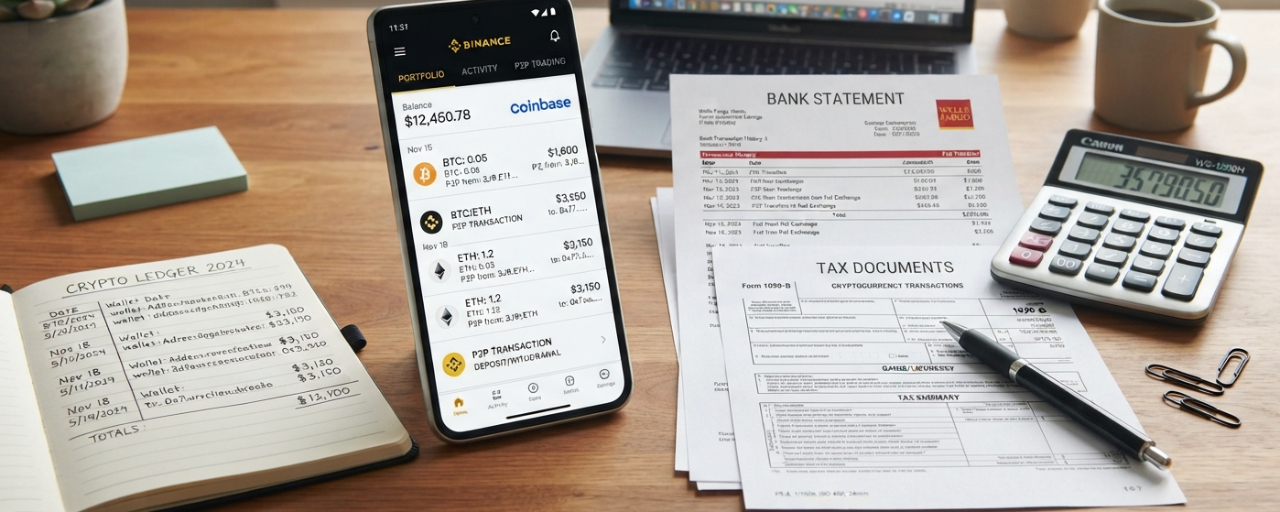
Why is it important to have your accounting for P2P?Maintaining proper accounting and traceability in P2P (Person to Person) operations is essential for the following key reasons:
Protection against bank account blocks: It allows you to demonstrate to financial institutions and regulatory bodies that the funds entering and leaving your accounts come from lawful commercial transactions. This helps prevent precautionary account blocks by the banking system.Tax support before the SENIAT: Serves as mandatory documentary evidence to justify bank transactions before the tax administration. It facilitates the fiscal information cross-check required during an audit.
Why is it important to have your accounting for P2P?
Maintaining proper accounting and traceability in P2P (Person to Person) operations is essential for the following key reasons:
Protection against bank account blocks: It allows you to demonstrate to financial institutions and regulatory bodies that the funds entering and leaving your accounts come from lawful commercial transactions. This helps prevent precautionary account blocks by the banking system.Tax support before the SENIAT: Serves as mandatory documentary evidence to justify bank transactions before the tax administration. It facilitates the fiscal information cross-check required during an audit.
Protection against bank account blocks: It allows you to demonstrate to financial institutions and regulatory bodies that the funds entering and leaving your accounts come from lawful commercial transactions. This helps prevent precautionary account blocks by the banking system.Tax support before the SENIAT: Serves as mandatory documentary evidence to justify bank transactions before the tax administration. It facilitates the fiscal information cross-check required during an audit.
1
72
·
--
Article
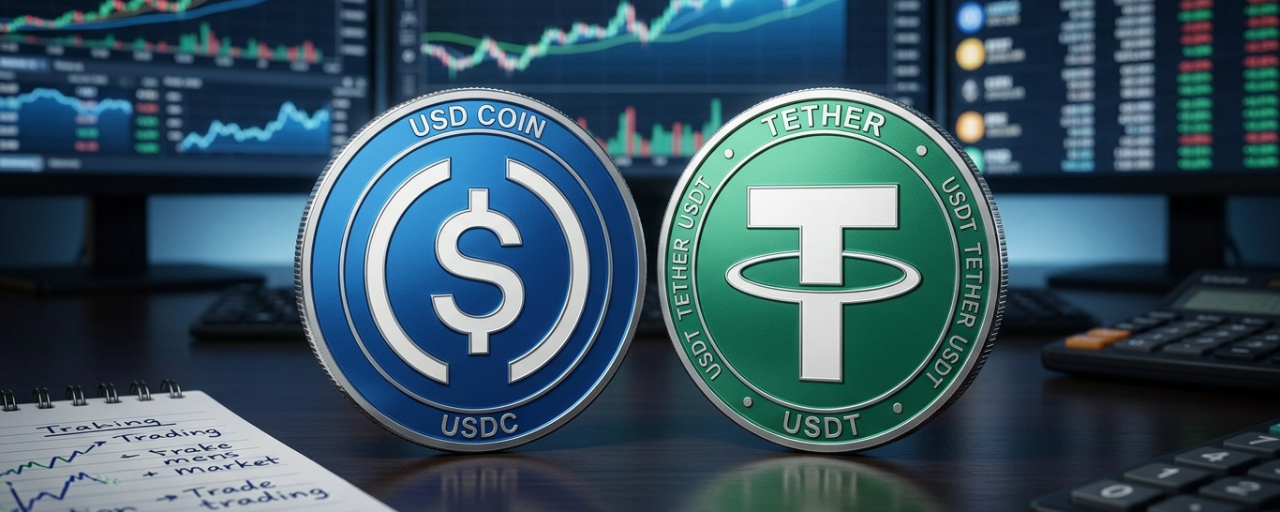
Which is more reliable: USDC or USDT?USDC is considered more reliable in terms of financial transparency and regulatory compliance, while USDT outperforms USDC in global liquidity, trading volume, and acceptance in informal markets or P2P.
1. Transparency and Reserves
USDC (USD Coin): Backed 100% by cash and cash equivalents, mainly short-term U.S. Treasury bills held by top-tier financial institutions such as BNY Mellon and managed by BlackRock. Its reserve reports are audited/attested monthly by the accounting firm Deloitte.
Which is more reliable: USDC or USDT?
USDC is considered more reliable in terms of financial transparency and regulatory compliance, while USDT outperforms USDC in global liquidity, trading volume, and acceptance in informal markets or P2P.
1. Transparency and Reserves
USDC (USD Coin): Backed 100% by cash and cash equivalents, mainly short-term U.S. Treasury bills held by top-tier financial institutions such as BNY Mellon and managed by BlackRock. Its reserve reports are audited/attested monthly by the accounting firm Deloitte.
1. Transparency and Reserves
USDC (USD Coin): Backed 100% by cash and cash equivalents, mainly short-term U.S. Treasury bills held by top-tier financial institutions such as BNY Mellon and managed by BlackRock. Its reserve reports are audited/attested monthly by the accounting firm Deloitte.
3
7
2.8k
·
--
Bullish
You’ll only need a minimum capital of 100 USDT if you want to publish your own offers.
Profit Estimate for a Full Cycle:
A "full cycle" means buying USDT at an offer price and selling those same USDT at a higher demand price.
⭐ Conservative margin (0.5% net): Generates 0.50 USDT for every 100 USDT rotated.
⭐ Average margin (1.0% net): Generates 1.00 USDT for every 100 USDT rotated.
⭐ Optimistic margin / High volatility (1.5% - 2.0% net): Generates between 1.50 and 2.00 USDT for every 100 USDT rotated.
#SentimientodeMercadoHoy
1
215
·
--
Article
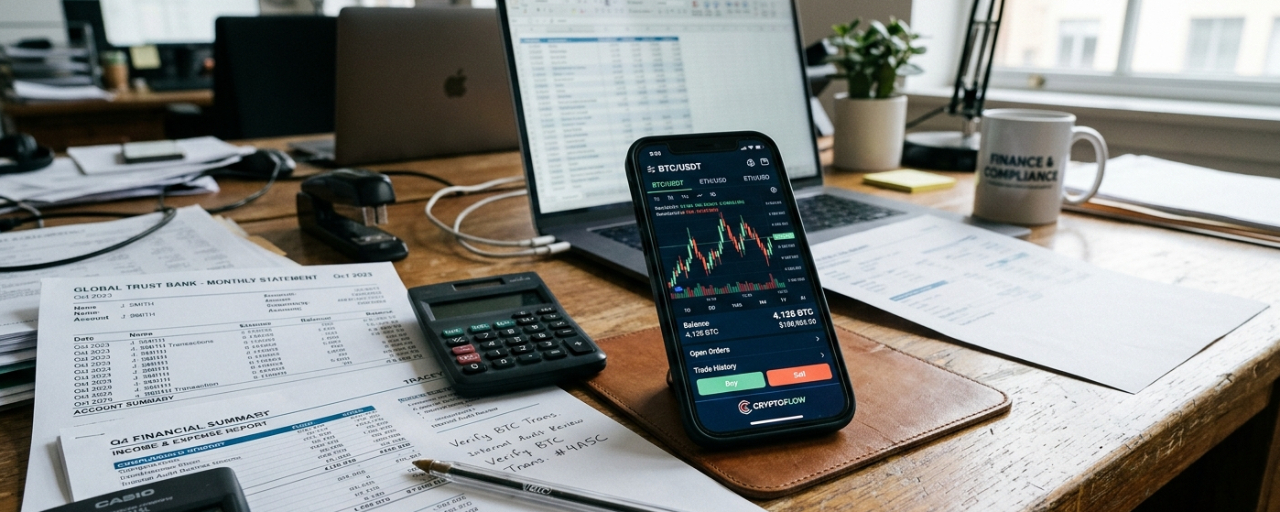
The traceability of P2P in VenezuelaThe traceability of P2P in Venezuela consists of recording, backing up, and justifying the flow of funds (both fiat money in bolívares and cryptoassets on exchange platforms) in each transaction carried out between individuals. Maintaining transparent traceability is the determining factor to prevent the blocking of bank accounts by the banking system (monitored by SUDEBAN) and to avoid sanctions or fines by SENIAT.
1. Importance of Traceability
Protection against bank blocks: It allows demonstrating to financial entities that incoming and outgoing money comes from lawful commercial transactions.
The traceability of P2P in Venezuela
The traceability of P2P in Venezuela consists of recording, backing up, and justifying the flow of funds (both fiat money in bolívares and cryptoassets on exchange platforms) in each transaction carried out between individuals. Maintaining transparent traceability is the determining factor to prevent the blocking of bank accounts by the banking system (monitored by SUDEBAN) and to avoid sanctions or fines by SENIAT.
1. Importance of Traceability
Protection against bank blocks: It allows demonstrating to financial entities that incoming and outgoing money comes from lawful commercial transactions.
1. Importance of Traceability
Protection against bank blocks: It allows demonstrating to financial entities that incoming and outgoing money comes from lawful commercial transactions.
1
7
6k
·
--
Bullish
"The intelligent investor is a realist who sells to optimists and buys from pessimists."
Benjamin Graham
💵💵💵💵💵
#inversioninteligente #finanzaspersonales #Binance
"The intelligent investor is a realist who sells to optimists and buys from pessimists."
Benjamin Graham
💵💵💵💵💵
#inversioninteligente #finanzaspersonales #Binance
Benjamin Graham
💵💵💵💵💵
#inversioninteligente #finanzaspersonales #Binance
160
·
--
Article
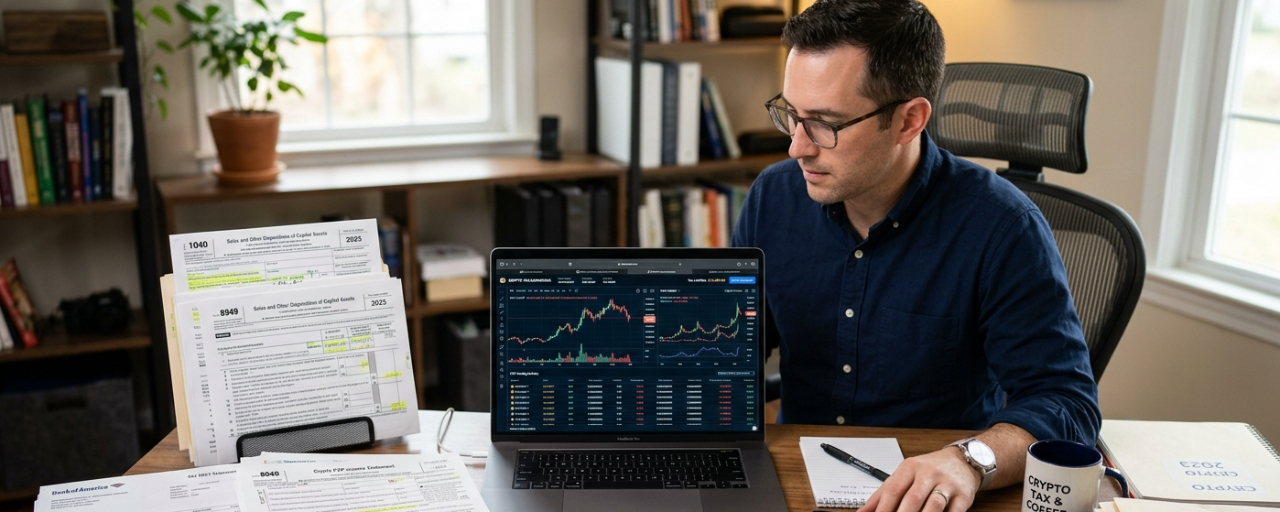
What does SENIAT ask for when you declare taxes when you do P2P?The National Integrated Customs and Tax Administration Service (SENIAT) considers P2P (Peer-to-Peer) operations as a commercial activity that could generate net enrichment, requiring accurate documentary support to justify the volume of transactions in your bank accounts and to calculate the Income Tax (ISLR).
When filing a tax return or facing an audit related to transactions associated with the buying and selling of cryptoassets, the main requirements are:
What does SENIAT ask for when you declare taxes when you do P2P?
The National Integrated Customs and Tax Administration Service (SENIAT) considers P2P (Peer-to-Peer) operations as a commercial activity that could generate net enrichment, requiring accurate documentary support to justify the volume of transactions in your bank accounts and to calculate the Income Tax (ISLR).
When filing a tax return or facing an audit related to transactions associated with the buying and selling of cryptoassets, the main requirements are:
When filing a tax return or facing an audit related to transactions associated with the buying and selling of cryptoassets, the main requirements are:
1
25
34.7k
·
--
Bullish
Be smart with your money, even more brilliant when making an investment.
#EstratégiaCrypto #inversioninteligente #finanzaspersonales 💪
Be smart with your money, even more brilliant when making an investment.
#EstratégiaCrypto #inversioninteligente #finanzaspersonales 💪
#EstratégiaCrypto #inversioninteligente #finanzaspersonales 💪
82
·
--
Article
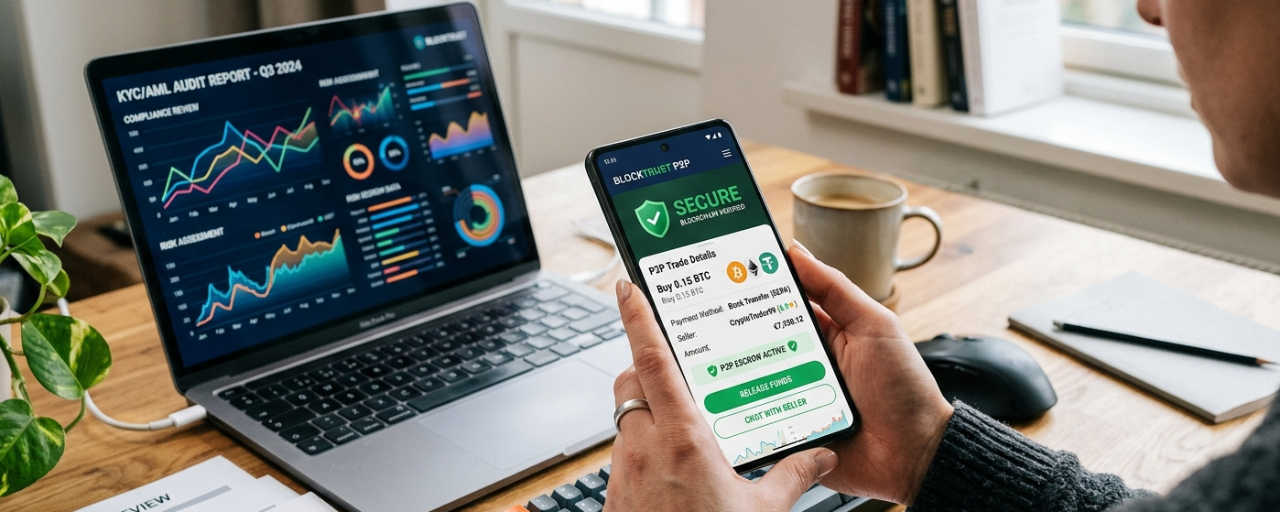
Quick Guide to P2P in Venezuela: Avoid Bank Blocks and SENIAT FinesP2P trading with cryptoassets in Venezuela is 100% legal, but to operate smoothly with both the banking system and the tax administration, you must follow these essential rules.
1. Operational Security: Avoid Blocking Bank Accounts
Strict Ownership (Golden Rule): The bank account must be under the same name (C.I./RIF) as the exchange profile. Never accept or make payments to/from third parties.
No triangulation: Reject requests where the counterparty says "a family member will transfer for you" or "payment from a company." You could get involved in investigations for fraud or money laundering.
Quick Guide to P2P in Venezuela: Avoid Bank Blocks and SENIAT Fines
P2P trading with cryptoassets in Venezuela is 100% legal, but to operate smoothly with both the banking system and the tax administration, you must follow these essential rules.
1. Operational Security: Avoid Blocking Bank Accounts
Strict Ownership (Golden Rule): The bank account must be under the same name (C.I./RIF) as the exchange profile. Never accept or make payments to/from third parties.
No triangulation: Reject requests where the counterparty says "a family member will transfer for you" or "payment from a company." You could get involved in investigations for fraud or money laundering.
17
12.9k
·
--
Bullish
A financial management program helps you see the future you’ve harvested.
#Visionário #FinancialIntelligence
A financial management program helps you see the future you’ve harvested.
#Visionário #FinancialIntelligence
#Visionário #FinancialIntelligence
67
·
--
Verified
Article
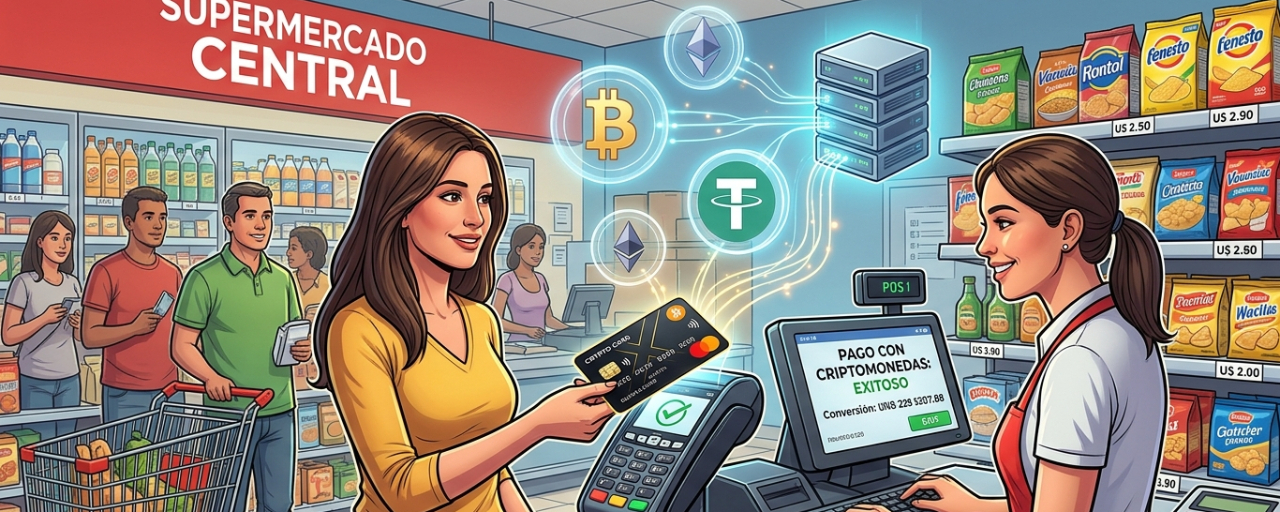
Venezuelan merchants that accept the Binance CardThe Binance Card (issued under the Mastercard network in its global program) processes payments by automatically converting the balance in cryptocurrencies (such as USDT) into fiat currency at the time of checkout.
By operating through the Mastercard international payment network, its acceptance does not depend on a closed list of merchants affiliated with Binance, but rather on the point of sale or payment gateway’s compatibility with international prepaid debit/credit cards.
1. Online Payments and Digital Services (Higher effectiveness)
Venezuelan merchants that accept the Binance Card
The Binance Card (issued under the Mastercard network in its global program) processes payments by automatically converting the balance in cryptocurrencies (such as USDT) into fiat currency at the time of checkout.
By operating through the Mastercard international payment network, its acceptance does not depend on a closed list of merchants affiliated with Binance, but rather on the point of sale or payment gateway’s compatibility with international prepaid debit/credit cards.
1. Online Payments and Digital Services (Higher effectiveness)
3
1
6
1.1k
·
--
Bullish
"The intelligent investor is a realist who sells to optimists and buys from pessimists"
Benjamin Graham
"The intelligent investor is a realist who sells to optimists and buys from pessimists"
Benjamin Graham
Benjamin Graham

134
Log in to explore more content
Join global crypto users on Binance Square
⚡️ Get latest and useful information about crypto.
💬 Trusted by the world’s largest crypto exchange.
👍 Discover real insights from verified creators.
Email / Phone number