
TatThang
590 Posts

TatThang
Report
Block User
Turning data, ideas, and stories into signal.
Forbes Web3 ‘24 Content Creator.
Partner @Polymarket
1 Following
5.6K+ Followers
1.2K+ Liked
Posts
All
Videos
·
--
Article
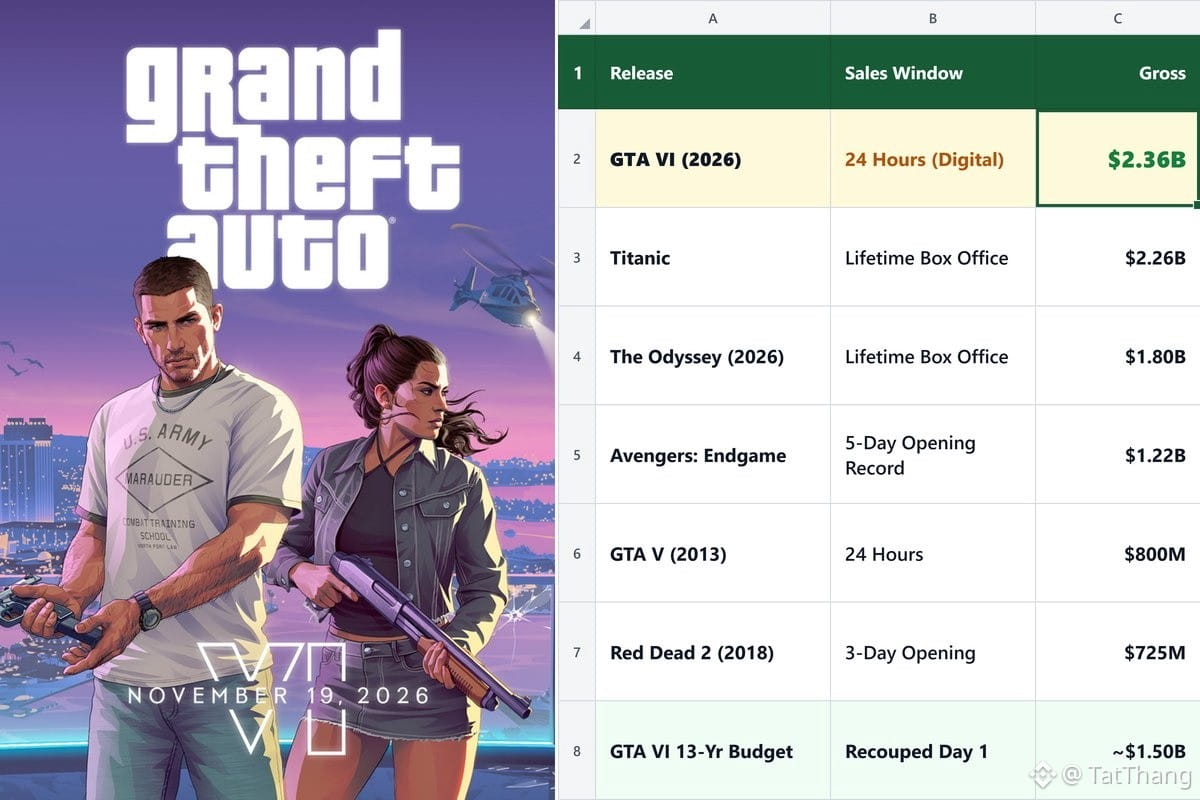
Rockstar Games spent 13 years and $1.5 billion building one video game.Rockstar Games spent 13 years and $1.5 billion building one video game.
Yesterday, GTA VI pulled in an estimated $2.36 billion on Day 1.
That 24-hour digital tally nearly doubled the 5-day global opening weekend of Avengers: Endgame ($1.22B) and passed the lifetime box office of Titanic ($2.26B).
This is how Rockstar broke every rule in corporate entertainment to build the most ruthless cash machine on Earth.
2013 to 2022: Burning the Boats
Every major publisher on Wall Street ships annual sequels to keep quarterly revenue smooth.
Rockstar did the opposite.
For 4,811 days after shipping GTA V on September 17, 2013, Rockstar starved its own catalog to feed one project:
- shelved 8 planned single-player story expansions for GTA V
- scrapped Bully 2 in 2017 and spy thriller Agent
- froze major updates on Red Dead Online in July 2022
Over 6,000 developers across global studios were consolidated onto a single bet costing an estimated $1B to $1.5B.
November 19, 2026: The $2.36B Day-1 Anatomy
According to Sensor Tower's storefront tracking, GTA VI moved 24.58M digital console copies through the end of launch day:
- $1.84B in digital pre-orders (19.05M copies) locked in before launch morning, passing the entire $1.8B theatrical run of Christopher Nolan's 2026 hit The Odyssey before midnight struck
- another $520M (5.53M copies) added live on launch day to close Day 1 at $2.36B
- PlayStation 5 drove $1.77B (18.44M copies, 75%), while Xbox Series X|S added $588M (6.15M copies, 25%)
GTA V needed 3 days to cross $1B in 2013, and Call of Duty: Modern Warfare II needed 10 days.
GTA VI nearly tripled GTA V's $800M opening day on digital consoles alone.
The Hidden $96 Pricing Trick
When I ran the unit math on Sensor Tower's numbers, one detail jumped off the page.
Divide $2.36B by 24.58M copies and you don't get $79.99.
You get $96.01 per copy.
Rockstar priced the Standard Edition at $79.99 and the Ultimate Edition at $99.99.
For the average price across 24.58M buyers to hit $96.01, roughly 80% of Day-1 buyers skipped the base game and voluntarily paid $100.
Because 100% of those 24.58M copies were digital downloads, Rockstar paid zero disc manufacturing, zero shipping, and zero retail shelf cut.
After Sony and Microsoft take their 30% store fee, Take-Two nets roughly $1.65B in Day-1 cash, wiping out the entire 13-year $1.5B budget in 24 hours.
And that $2.36B figure still counts $0 from physical discs and $0 from PC, which Rockstar held back so millions of players will buy the same game twice.
You can ship annual sequels to keep Wall Street comfortable, or you can disappear for 13 years until your launch becomes a global holiday.
In entertainment economics, real scarcity doesn't shrink your revenue, it lets you charge $100 at the door and recoup a decade of risk in a single day.
Full Day 1 digital console breakdown from Sensor Tower:
- PlayStation 5: 18.44M copies ($1.77B, 75% share)
- Xbox Series X|S: 6.15M copies ($588M, 25% share)
- Preorders before launch morning: 19.05M copies ($1.84B)
- Live launch day additions: 5.53M copies ($520M)
Sensor Tower tracks digital console stores only ($0 physical discs, $0 PC), and Take Two hasn't posted official numbers yet.
Rockstar Games spent 13 years and $1.5 billion building one video game.
Rockstar Games spent 13 years and $1.5 billion building one video game.
Yesterday, GTA VI pulled in an estimated $2.36 billion on Day 1.
That 24-hour digital tally nearly doubled the 5-day global opening weekend of Avengers: Endgame ($1.22B) and passed the lifetime box office of Titanic ($2.26B).
This is how Rockstar broke every rule in corporate entertainment to build the most ruthless cash machine on Earth.
2013 to 2022: Burning the Boats
Every major publisher on Wall Street ships annual sequels to keep quarterly revenue smooth.
Rockstar did the opposite.
For 4,811 days after shipping GTA V on September 17, 2013, Rockstar starved its own catalog to feed one project:
- shelved 8 planned single-player story expansions for GTA V
- scrapped Bully 2 in 2017 and spy thriller Agent
- froze major updates on Red Dead Online in July 2022
Over 6,000 developers across global studios were consolidated onto a single bet costing an estimated $1B to $1.5B.
November 19, 2026: The $2.36B Day-1 Anatomy
According to Sensor Tower's storefront tracking, GTA VI moved 24.58M digital console copies through the end of launch day:
- $1.84B in digital pre-orders (19.05M copies) locked in before launch morning, passing the entire $1.8B theatrical run of Christopher Nolan's 2026 hit The Odyssey before midnight struck
- another $520M (5.53M copies) added live on launch day to close Day 1 at $2.36B
- PlayStation 5 drove $1.77B (18.44M copies, 75%), while Xbox Series X|S added $588M (6.15M copies, 25%)
GTA V needed 3 days to cross $1B in 2013, and Call of Duty: Modern Warfare II needed 10 days.
GTA VI nearly tripled GTA V's $800M opening day on digital consoles alone.
The Hidden $96 Pricing Trick
When I ran the unit math on Sensor Tower's numbers, one detail jumped off the page.
Divide $2.36B by 24.58M copies and you don't get $79.99.
You get $96.01 per copy.
Rockstar priced the Standard Edition at $79.99 and the Ultimate Edition at $99.99.
For the average price across 24.58M buyers to hit $96.01, roughly 80% of Day-1 buyers skipped the base game and voluntarily paid $100.
Because 100% of those 24.58M copies were digital downloads, Rockstar paid zero disc manufacturing, zero shipping, and zero retail shelf cut.
After Sony and Microsoft take their 30% store fee, Take-Two nets roughly $1.65B in Day-1 cash, wiping out the entire 13-year $1.5B budget in 24 hours.
And that $2.36B figure still counts $0 from physical discs and $0 from PC, which Rockstar held back so millions of players will buy the same game twice.
You can ship annual sequels to keep Wall Street comfortable, or you can disappear for 13 years until your launch becomes a global holiday.
In entertainment economics, real scarcity doesn't shrink your revenue, it lets you charge $100 at the door and recoup a decade of risk in a single day.
Full Day 1 digital console breakdown from Sensor Tower:
- PlayStation 5: 18.44M copies ($1.77B, 75% share)
- Xbox Series X|S: 6.15M copies ($588M, 25% share)
- Preorders before launch morning: 19.05M copies ($1.84B)
- Live launch day additions: 5.53M copies ($520M)
Sensor Tower tracks digital console stores only ($0 physical discs, $0 PC), and Take Two hasn't posted official numbers yet.
64
·
--
$CFG just cleared -279.2% APR perp funding to near flat. Spot stays -28.6% lower.
Earlier this morning on Binance, CFG carried -279.2% APR 4-hour funding during a steep selloff. By this afternoon's live read, 4-hour funding compressed all the way back to -0.07% APR (-0.1% rounded) as Spot trades at $0.0588, still down -9.0% in 24h and -28.6% over 7 days.
Perp activity still outpaces Spot liquidity by nearly eight to one. 24h Perp volume reached $13.3M against $1.7M on Spot (a 7.9x ratio) across $2.2M in Open Interest, turning Open Interest over 6.1x daily.
Contrast that reset with $HUMA in the same RWA credit group: HUMA Spot holds +19.0% higher over 7 days with $361.3M in DeFiLlama TVL while its 1-hour perp still prints -217.8% APR funding.
In CFG, extreme short carry flushed out without a bounce, yet Spot flow hasn't reversed on $2.2M Open Interest.
After negative carry resets to flat on a -28.6% weekly drawdown, does Spot accumulation step in or do sellers reload on the bounce? #RWA

296
·
--
$HUMA shorts are paying -2,123% APR right now while Spot rallies +24.9%.
Something unusual just showed up across RWA credit perps on Binance. Look at the live divergence between HUMA and $CFG in orderflow and on-chain activity.
On HUMA, perp funding flipped to -0.24% on a 1-hour interval. That annualizes to -2,123% APR while Spot sits at $0.00904, up +24.9% in 24h and +12.3% over 7 days.
Perp turnover tells the real story. Binance Perp 24h volume hit $107.6M versus $11.4M on Spot (a 9.4x perp-to-spot ratio) on $8.1M of Open Interest, meaning Open Interest rotated 13.3x in a single day.
Underneath that squeeze, Huma's on-chain footprint didn't collapse. DeFiLlama still shows $339.6M in TVL (-1.6% on the week) and $704K in 7d protocol fees, up +7.3% from the prior week.
CFG sits on the opposite side of the same sector screen. It printed -14.5% over 24h to $0.0654 on $14.3M Perp volume versus $3.1M Spot, yet 4-hour funding is also deeply negative at -202% APR against $1.9M Open Interest.
Both RWA credit names carry negative perp funding at the same time, yet one is catching Spot bids alongside rising weekly fee flow while the other sells off into negative carry. When a 1-hour perp prints -2,123% APR funding, Spot flow decides whether late shorts cover or stay right.
Which side blinks first in RWA credit this week, Spot demand or crowded short funding? #RWA

345
·
--
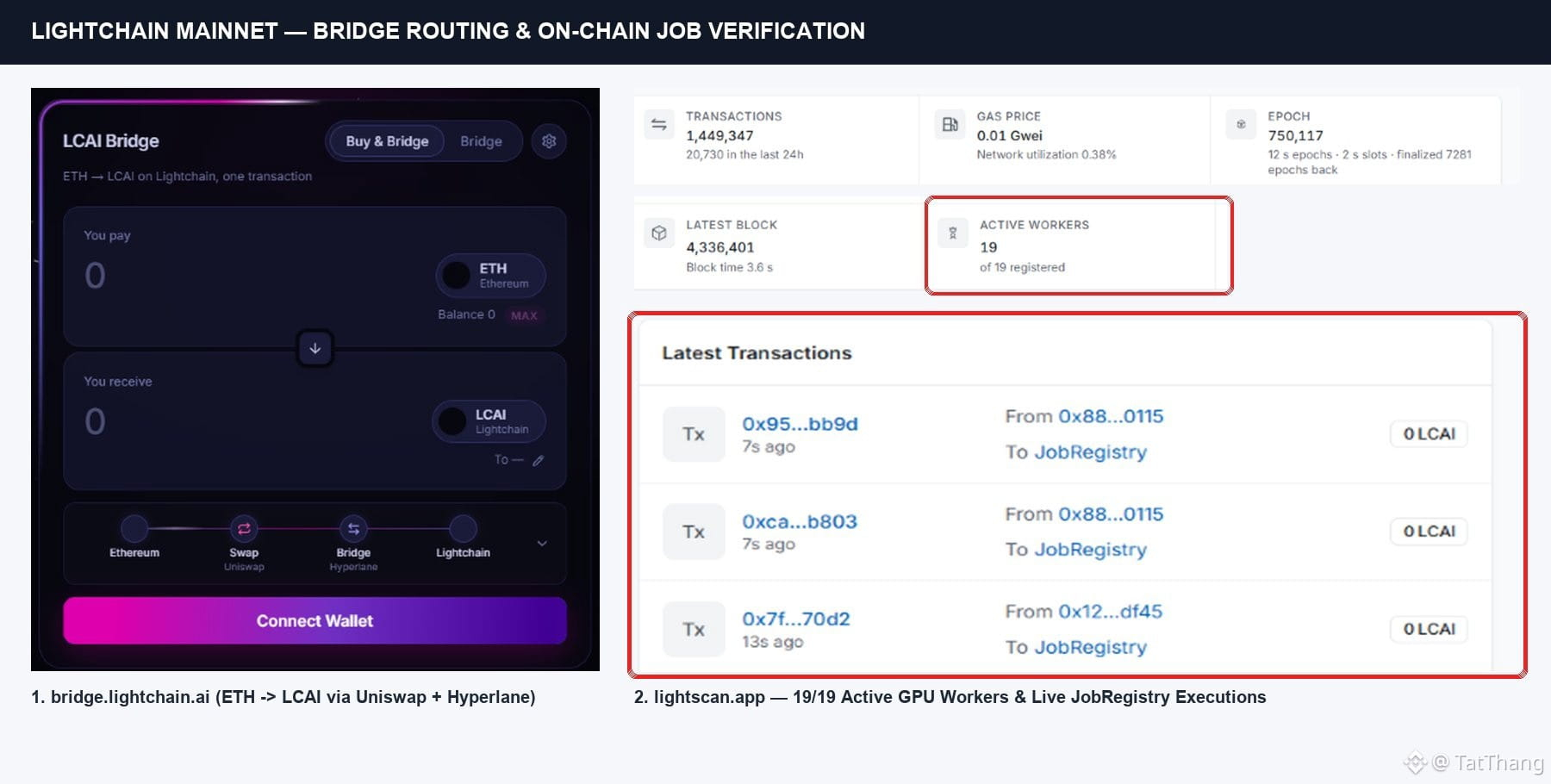
Microsoft went down on November 12, taking Outlook, Teams, and Copilot offline.
Claude login broke the very next morning on November 13.
Two outages back to back showed the risk of single-company AI, while on @LightchainAI independent operators serve 14 open models on their own GPUs:
- 19 active workers handle live jobs onchain at 0.01 Gwei gas across 1,449,347 transactions
- Every answer logs a Job ID, transaction, and operator address to lightscan
- Sample jobs get re-run, answers can be disputed within 24 hours, and model list changes hit the chain publicly
No network can promise it won't go down, yet splitting execution across independent operators means a single company can't lock users out overnight.
132
·
--
Article
OpenAI lost 7 core researchers in one week after taking Microsoft's $1 billion.OpenAI lost 7 core researchers in one week after taking Microsoft's $1 billion.
Dario Amodei led them out the door.
They broke every rule in Silicon Valley, split the equity seven equal ways, and priced Anthropic on Nasdaq last night at $1.49 trillion.
This is how 7 walkouts built a cap table that locked Amazon and Google out of the boardroom while turning all seven into $20 billion equals.
May 2020 to December 2020
- Inside OpenAI, Tom Brown, Jared Kaplan, Sam McCandlish, Jack Clark, and Dario Amodei publish the GPT-3 paper and the Scaling Laws behind modern AI.
- After OpenAI takes $1 billion from Microsoft and pushes harder on commercialization, internal trust breaks down.
- On December 29, 2020, Dario Amodei, his sister Daniela Amodei, and 5 peers walk out together with $0 in revenue.
The group isn't a roster of typical tech executives.
Christopher Olah is a college dropout pioneering AI interpretability, Jack Clark is a former Bloomberg journalist, and Tom Brown once built a dating app before writing GPT-3.
January 2021
Every venture capitalist in Silicon Valley preaches the same gospel: never start with 7 co-founders, and never split equity equally, or ego will tear the company apart.
Having watched centralized power fracture OpenAI, the 7 rebels do the exact opposite.
They incorporate Anthropic as a Public Benefit Corporation and divide founder shares almost evenly down to the decimal.
The result over the next 6 years is a stark split between two labs:
- At OpenAI, 8 of the 11 original co-founders eventually leave, and Sam Altman survives a November 2023 board coup.
- At Anthropic, all 7 co-founders stay at their desks with 0 exits.
2023 to September 2026
As enterprise adoption of Claude accelerates, Anthropic's revenue in SEC Form S-1 climbs vertically:
- 2023: $41 million
- 2024: $386 million
- 2025: $4.6 billion
- First 9 months of 2026: $33.2 billion
To pay for supercomputers without becoming a subsidiary, Anthropic takes billions from Big Tech on brutal governance terms.
Amazon holds 14.7% and Google holds 13.7% (28.4% combined), yet both giants are locked inside Class N stock with 0 voting rights, 0 board seats, and 0 observer seats.
Even in the $26.0 billion concurrent IPO private placement joined by AMD, Broadcom, Google, Micron, Microsoft, Nvidia, and TSMC, every single check goes into non-voting Class N shares.
November 18 and 19, 2026
Last night, Anthropic prices 825,000,000 shares at $83 each, above its $70 to $78 range, raising over $90 billion total at a $1.49 trillion valuation ahead of today's Nasdaq debut under ticker ANT.
Page 301 of SEC Form S-1/A reveals how they locked the vault permanently:
- 1 single share of Class T stock sits in the independent Long-Term Benefit Trust with sole power to elect a majority of the board.
- 1 single share of Class F stock (worth $0 economically) sits in Founder LLC holding 50.1% of stockholder voting power, governed by 1 equal vote per co-founder so not even CEO Dario Amodei can outvote his six peers.
Look at the exact pre-IPO share counts across all 7 co-founders after 6 years:
Every single one holds between 241.4M and 245.2M shares (less than 1.6% spread from top to bottom).
And at today's IPO window, all 7 co-founders are selling the exact same block down to the single share: 3,378,378 shares each ($280 million cash at $83), leaving each founder with roughly $20 billion ($140 billion combined).
Today, SEC Form S-1 records all 7 original co-founders still in their seats, cashing out the exact same 3,378,378 shares side by side as ANT opens on Nasdaq.
Silicon Valley spends decades preaching that a trillion dollar empire needs one supreme founder holding all the power, while OpenAI watched 8 of its 11 co-founders walk away.
In a generational arms race, the strongest moat is a cap table where none of the seven people in the room ever has a reason to betray the other six.
Direct table from page 301 of Anthropic's SEC Form S-1/A (CIK 0002130357):
Look down the middle column: 3,378,378 shares offered straight down the row for all 7 co-founders, right above Founder LLC's single Class F share holding 50.1% voting power.
Will Anthropic's 7-founder equal split become the new Silicon Valley template, or only work once?
OpenAI lost 7 core researchers in one week after taking Microsoft's $1 billion.
OpenAI lost 7 core researchers in one week after taking Microsoft's $1 billion.
Dario Amodei led them out the door.
They broke every rule in Silicon Valley, split the equity seven equal ways, and priced Anthropic on Nasdaq last night at $1.49 trillion.
This is how 7 walkouts built a cap table that locked Amazon and Google out of the boardroom while turning all seven into $20 billion equals.
May 2020 to December 2020
- Inside OpenAI, Tom Brown, Jared Kaplan, Sam McCandlish, Jack Clark, and Dario Amodei publish the GPT-3 paper and the Scaling Laws behind modern AI.
- After OpenAI takes $1 billion from Microsoft and pushes harder on commercialization, internal trust breaks down.
- On December 29, 2020, Dario Amodei, his sister Daniela Amodei, and 5 peers walk out together with $0 in revenue.
The group isn't a roster of typical tech executives.
Christopher Olah is a college dropout pioneering AI interpretability, Jack Clark is a former Bloomberg journalist, and Tom Brown once built a dating app before writing GPT-3.
January 2021
Every venture capitalist in Silicon Valley preaches the same gospel: never start with 7 co-founders, and never split equity equally, or ego will tear the company apart.
Having watched centralized power fracture OpenAI, the 7 rebels do the exact opposite.
They incorporate Anthropic as a Public Benefit Corporation and divide founder shares almost evenly down to the decimal.
The result over the next 6 years is a stark split between two labs:
- At OpenAI, 8 of the 11 original co-founders eventually leave, and Sam Altman survives a November 2023 board coup.
- At Anthropic, all 7 co-founders stay at their desks with 0 exits.
2023 to September 2026
As enterprise adoption of Claude accelerates, Anthropic's revenue in SEC Form S-1 climbs vertically:
- 2023: $41 million
- 2024: $386 million
- 2025: $4.6 billion
- First 9 months of 2026: $33.2 billion
To pay for supercomputers without becoming a subsidiary, Anthropic takes billions from Big Tech on brutal governance terms.
Amazon holds 14.7% and Google holds 13.7% (28.4% combined), yet both giants are locked inside Class N stock with 0 voting rights, 0 board seats, and 0 observer seats.
Even in the $26.0 billion concurrent IPO private placement joined by AMD, Broadcom, Google, Micron, Microsoft, Nvidia, and TSMC, every single check goes into non-voting Class N shares.
November 18 and 19, 2026
Last night, Anthropic prices 825,000,000 shares at $83 each, above its $70 to $78 range, raising over $90 billion total at a $1.49 trillion valuation ahead of today's Nasdaq debut under ticker ANT.
Page 301 of SEC Form S-1/A reveals how they locked the vault permanently:
- 1 single share of Class T stock sits in the independent Long-Term Benefit Trust with sole power to elect a majority of the board.
- 1 single share of Class F stock (worth $0 economically) sits in Founder LLC holding 50.1% of stockholder voting power, governed by 1 equal vote per co-founder so not even CEO Dario Amodei can outvote his six peers.
Look at the exact pre-IPO share counts across all 7 co-founders after 6 years:
Every single one holds between 241.4M and 245.2M shares (less than 1.6% spread from top to bottom).
And at today's IPO window, all 7 co-founders are selling the exact same block down to the single share: 3,378,378 shares each ($280 million cash at $83), leaving each founder with roughly $20 billion ($140 billion combined).
Today, SEC Form S-1 records all 7 original co-founders still in their seats, cashing out the exact same 3,378,378 shares side by side as ANT opens on Nasdaq.
Silicon Valley spends decades preaching that a trillion dollar empire needs one supreme founder holding all the power, while OpenAI watched 8 of its 11 co-founders walk away.
In a generational arms race, the strongest moat is a cap table where none of the seven people in the room ever has a reason to betray the other six.
Direct table from page 301 of Anthropic's SEC Form S-1/A (CIK 0002130357):
Look down the middle column: 3,378,378 shares offered straight down the row for all 7 co-founders, right above Founder LLC's single Class F share holding 50.1% voting power.
Will Anthropic's 7-founder equal split become the new Silicon Valley template, or only work once?
472
·
--
Partly True
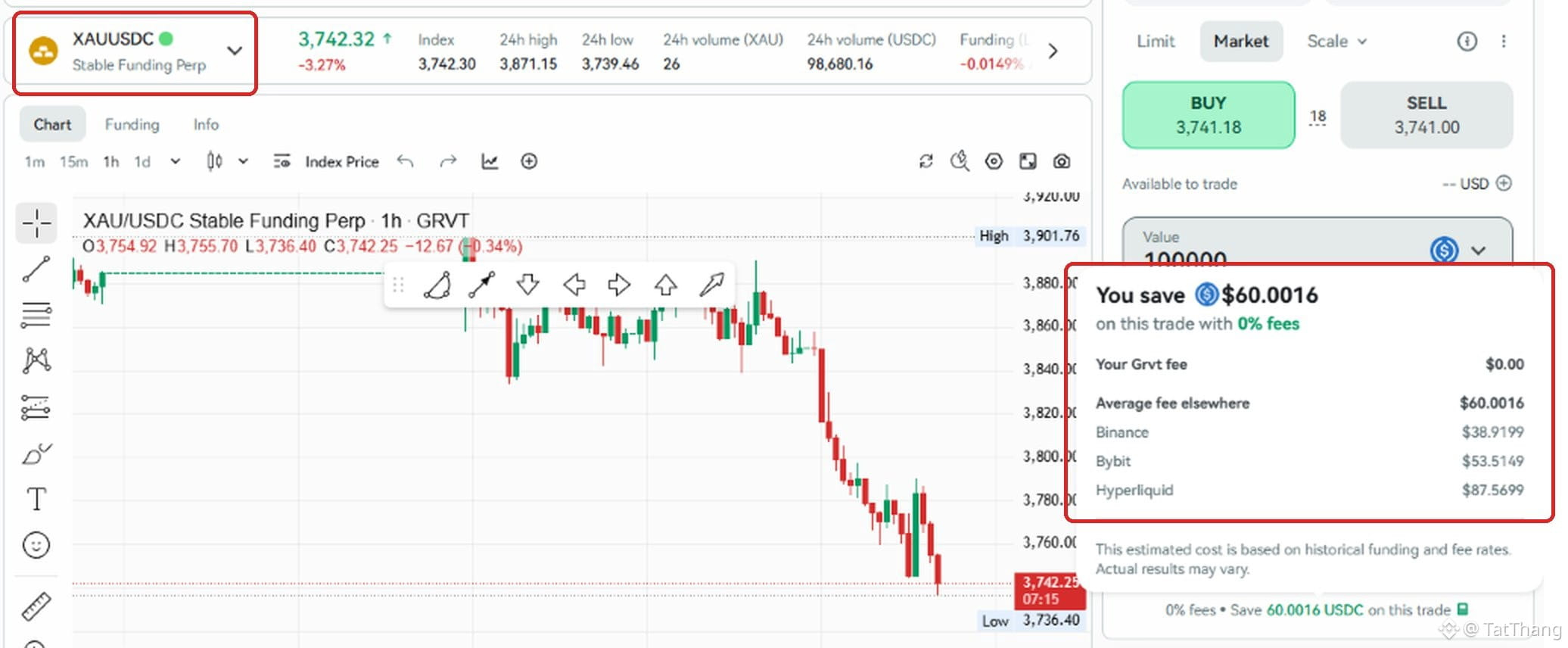
Hyperliquid charges $87.57 on $100,000 of Gold, while Binance takes $38.92.
Then comes the hidden carry tax on RWA swing trades: 21 to 42 funding settlements a week, priced by whichever side of a thin crypto book gets crowded.
I ran a $100,000 Gold Market preview on @grvt_io Stable Funding Perps after the November 17 alpha went live alongside Silver and WTI Oil:
- Trading fee: $0.00, saving $60.00 upfront vs $87.57 on Hyperliquid and $53.51 on Bybit
- Execution: $0.16 spread ($3,740.98 vs $3,740.82) via TradFi RFQ liquidity providers, with 0.0018% estimated slippage on $50,000 XAU previews
- Carry: one fixed 24-hour funding charge at weekday close (-0.0149% long / +0.0095% short today) instead of 4h or 8h resets
- Yield as Margin: 3.5% Base Earn counts 100% as margin by default, 7% Earn Plus is coming soon, and 11% High Yield targets up to 50% margin collateral
Spreads, 23h weekday market hours, and liquidation risks still apply, and yields aren't guaranteed returns.
How much funding bleed makes you skip holding Gold perps overnight?
535
·
--
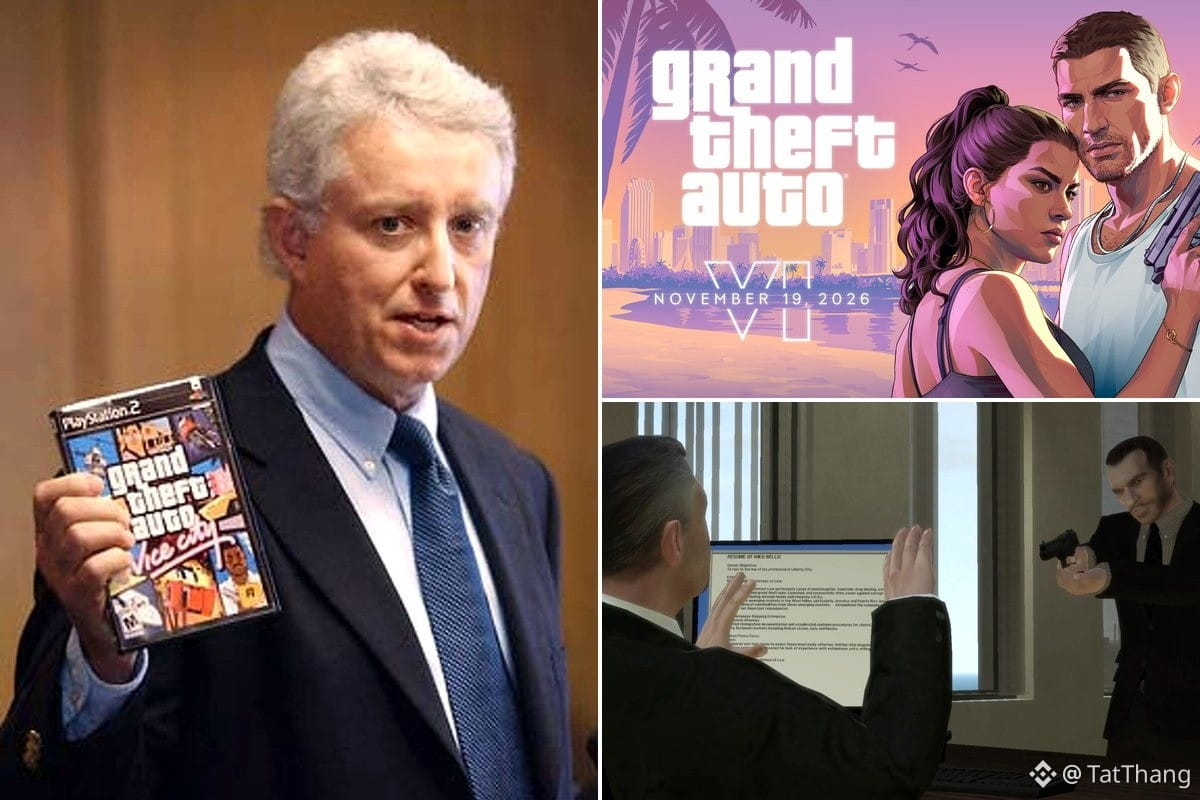
Article
A Miami lawyer sued Rockstar Games for $600 million to ban Grand Theft Auto.A Miami lawyer sued Rockstar Games for $600 million to ban Grand Theft Auto.
His name was Jack Thompson.
Instead of folding, Rockstar turned him into an assassination target inside GTA IV right before the Florida Supreme Court permanently stripped his law license.
As GTA 6 rolls out globally today, this is the story of Jack Thompson and how a $600M crusade helped build a $10B empire.
2003 to 2005
- Jack Thompson, a Miami attorney admitted to The Florida Bar in 1976, makes Rockstar Games and founder Sam Houser his personal target.
- After filing a $246M lawsuit over GTA III, he escalates in February 2005 with a $600M wrongful-death suit in Alabama calling Grand Theft Auto: Vice City a "murder simulator."
- In July 2005, his campaign to Congress and regulators helps force an Adults Only rating on GTA: San Andreas, pulling the game off Wal-Mart, Target, and Best Buy shelves and costing Take-Two $50M.
2006 to April 2007
Emboldened by the retail pull, Thompson files a second $600M lawsuit in New Mexico and moves to block the upcoming Grand Theft Auto IV as a "public nuisance."
Rockstar's parent company Take-Two Interactive doesn't play defense anymore.
On March 14, 2007, Take-Two sues Thompson first in Miami federal court.
Facing potential contempt-of-court jail time, Thompson caves on April 20, 2007 and signs a binding settlement promising he won't ever sue to block a Take-Two game again.
September 2007 to April 25, 2008
Five months later, gaming press previews an early GTA IV mission featuring a crusading anti-game lawyer.
Realizing Rockstar put him inside the game, Thompson breaks the peace.
He files a federal court notice demanding Take-Two delete the mission, printing the home address of Take-Two Chairman Strauss Zelnick's wife in court papers.
Four days before launch, he mails a personal letter to Zelnick's mother comparing her son's Boy Scout years to the "Hitler Youth."
April 29, 2008
Rockstar doesn't cut a single pixel and ships Grand Theft Auto IV worldwide, shattering Guinness World Records with $310M in 24 hours and $500M in 1 week.
Inside Mission 39, titled Final Interview, protagonist Niko Bellic buys a clean suit and tie, submits a fake resume to Goldberg, Ligner & Shyster, and walks into the office of lawyer Tom Goldberg.
When Niko pulls a gun during the interview, Goldberg looks up and delivers Rockstar's exact parody of Jack Thompson: "Guns don't kill people, video games do."
Millions of players blast Goldberg straight through his office window.
September 25, 2008
Five months after players took out his digital double, the real courtroom hammer falls.
After Thompson floods courts with over 50 abusive filings, including a mocked-up children's picture book, the Supreme Court of Florida issues a 43-page ruling in Case No. SC07-80.
The court convicts Thompson on 27 of 31 counts of misconduct, orders $43,675.35 in costs, and permanently disbars him with 0 chance to ever reapply.
To this day, John Bruce Thompson remains listed as permanently disbarred on The Florida Bar's public directory, while Miami-Dade County just lit up "Welcome to Vice City" in downtown Miami for the launch of Grand Theft Auto VI after GTA V crossed $10 billion.
You can file $600M lawsuits, pressure retail giants, and drag a studio into court for a decade.
In entertainment history, moral crusaders don't destroy outlaw art, they just hand it the most expensive free marketing campaign on Earth.
The Supreme Court of Florida's September 25, 2008 disbarment order in The Florida Bar v. John B. Thompson (Case Nos. SC07-80 and SC07-354).
Convicted on 27 of 31 misconduct counts, permanently disbarred with no right to reapply, and ordered to pay $43,675.35 in costs just 5 months after GTA IV shipped. And he hasn't practiced law a day since.
Real talk, how many of you played this mission in GTA IV and how did that meeting go?
A Miami lawyer sued Rockstar Games for $600 million to ban Grand Theft Auto.
A Miami lawyer sued Rockstar Games for $600 million to ban Grand Theft Auto.
His name was Jack Thompson.
Instead of folding, Rockstar turned him into an assassination target inside GTA IV right before the Florida Supreme Court permanently stripped his law license.
As GTA 6 rolls out globally today, this is the story of Jack Thompson and how a $600M crusade helped build a $10B empire.
2003 to 2005
- Jack Thompson, a Miami attorney admitted to The Florida Bar in 1976, makes Rockstar Games and founder Sam Houser his personal target.
- After filing a $246M lawsuit over GTA III, he escalates in February 2005 with a $600M wrongful-death suit in Alabama calling Grand Theft Auto: Vice City a "murder simulator."
- In July 2005, his campaign to Congress and regulators helps force an Adults Only rating on GTA: San Andreas, pulling the game off Wal-Mart, Target, and Best Buy shelves and costing Take-Two $50M.
2006 to April 2007
Emboldened by the retail pull, Thompson files a second $600M lawsuit in New Mexico and moves to block the upcoming Grand Theft Auto IV as a "public nuisance."
Rockstar's parent company Take-Two Interactive doesn't play defense anymore.
On March 14, 2007, Take-Two sues Thompson first in Miami federal court.
Facing potential contempt-of-court jail time, Thompson caves on April 20, 2007 and signs a binding settlement promising he won't ever sue to block a Take-Two game again.
September 2007 to April 25, 2008
Five months later, gaming press previews an early GTA IV mission featuring a crusading anti-game lawyer.
Realizing Rockstar put him inside the game, Thompson breaks the peace.
He files a federal court notice demanding Take-Two delete the mission, printing the home address of Take-Two Chairman Strauss Zelnick's wife in court papers.
Four days before launch, he mails a personal letter to Zelnick's mother comparing her son's Boy Scout years to the "Hitler Youth."
April 29, 2008
Rockstar doesn't cut a single pixel and ships Grand Theft Auto IV worldwide, shattering Guinness World Records with $310M in 24 hours and $500M in 1 week.
Inside Mission 39, titled Final Interview, protagonist Niko Bellic buys a clean suit and tie, submits a fake resume to Goldberg, Ligner & Shyster, and walks into the office of lawyer Tom Goldberg.
When Niko pulls a gun during the interview, Goldberg looks up and delivers Rockstar's exact parody of Jack Thompson: "Guns don't kill people, video games do."
Millions of players blast Goldberg straight through his office window.
September 25, 2008
Five months after players took out his digital double, the real courtroom hammer falls.
After Thompson floods courts with over 50 abusive filings, including a mocked-up children's picture book, the Supreme Court of Florida issues a 43-page ruling in Case No. SC07-80.
The court convicts Thompson on 27 of 31 counts of misconduct, orders $43,675.35 in costs, and permanently disbars him with 0 chance to ever reapply.
To this day, John Bruce Thompson remains listed as permanently disbarred on The Florida Bar's public directory, while Miami-Dade County just lit up "Welcome to Vice City" in downtown Miami for the launch of Grand Theft Auto VI after GTA V crossed $10 billion.
You can file $600M lawsuits, pressure retail giants, and drag a studio into court for a decade.
In entertainment history, moral crusaders don't destroy outlaw art, they just hand it the most expensive free marketing campaign on Earth.
The Supreme Court of Florida's September 25, 2008 disbarment order in The Florida Bar v. John B. Thompson (Case Nos. SC07-80 and SC07-354).
Convicted on 27 of 31 misconduct counts, permanently disbarred with no right to reapply, and ordered to pay $43,675.35 in costs just 5 months after GTA IV shipped. And he hasn't practiced law a day since.
Real talk, how many of you played this mission in GTA IV and how did that meeting go?
228
·
--
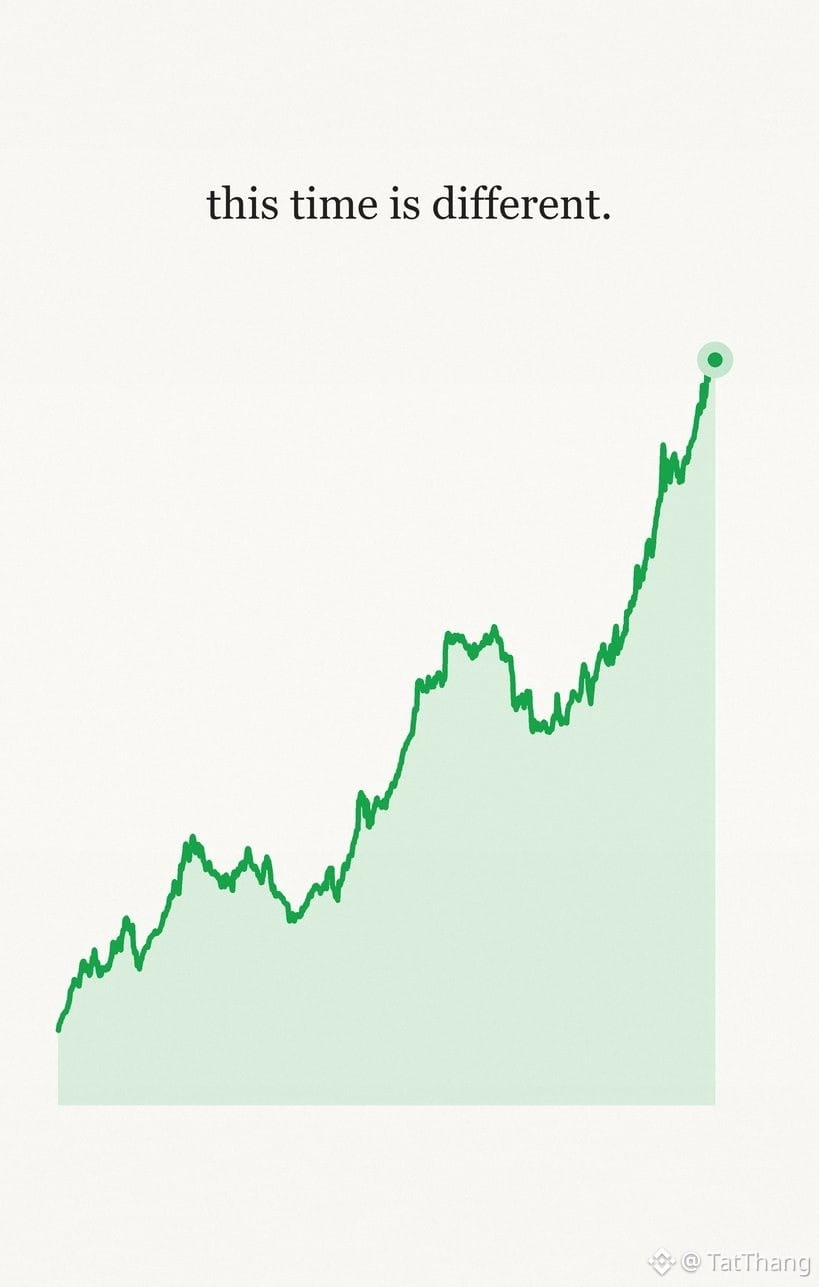
$1,000 invested on Jan 1, 2026:
Hyperliquid vs Bitcoin vs Ethereum vs Solana
$1,000 invested on Jan 1, 2026:
Hyperliquid vs Bitcoin vs Ethereum vs Solana
Hyperliquid vs Bitcoin vs Ethereum vs Solana
188
·
--
Flop labs and @CryptoHayes target November 24 for the 4.4B FLOP testnet.
1.2B FLOP goes to AI Agents ($0 GPU, 0 Docker). I just tested FLOP CLI 0.5.0 on a laptop and put the 4-step setup + screenshots in the X Article below:
Quick links from the @flop_labs guide above:
- Wallet & Channel Doctor (read-only, 0 keys):
- Official docs:
- Official links:
If you hit any issues running the CLI on Mac or Windows, drop the error below and I'll help you debug before Nov 24.
23
·
--
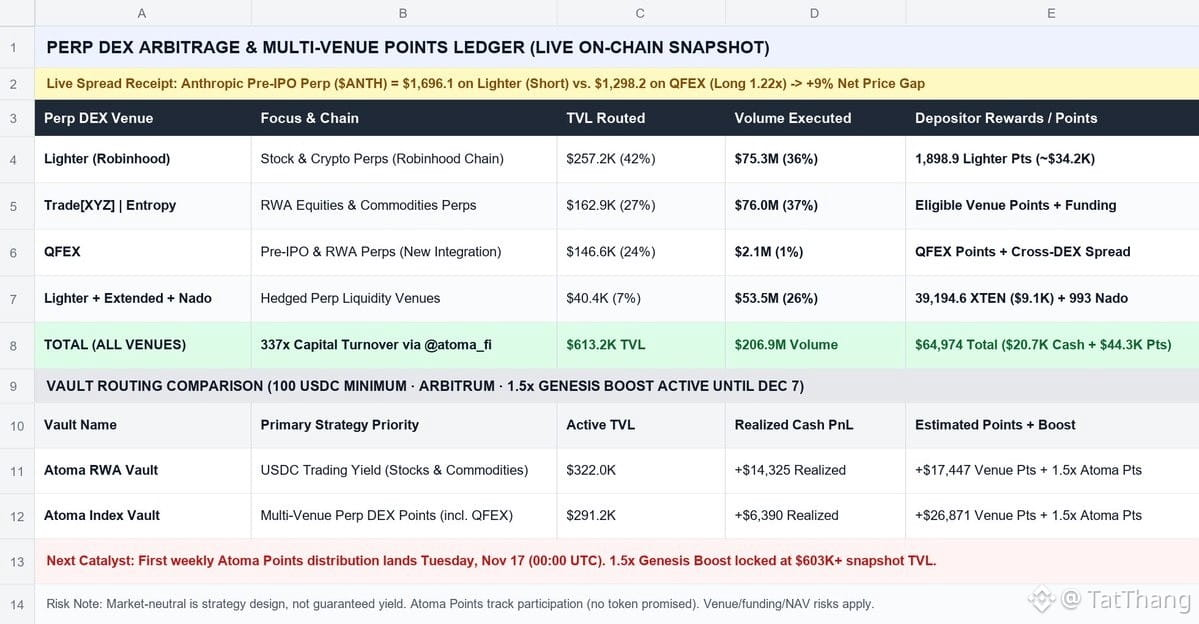
Anthropic pre-IPO perps hit $1,696 on Lighter while trading at $1,298 on QFEX.
Even after the 22% share count difference, a 9% price gap sat wide open:
- Short at $1,696 on Lighter, long 1.22x at $1,298 on QFEX
- $613.2K in @atoma_fi vaults recycled into $206.9M volume (337x) across Lighter on Robinhood Chain, Trade[XYZ], QFEX, and Entropy
- First weekly Atoma Points drop lands Tuesday (November 17) under the 1.5x Genesis Boost (100 USDC min)
Hedged trading isn't guaranteed and carries funding, venue, smart contract, and operator NAV risks, while Atoma Points don't promise a token.
108
·
--
Article
Apple used a fake British shell company to buy the iPad name for $55,000.Apple used a fake British shell company to buy the iPad name for $55,000.
His name was Yang Rongshan.
He caught their undercover lawyer, sent Chinese authorities to raid stores, and forced Tim Cook to wire him $60,000,000 in cash.
This is the story of Yang Rongshan and how a $55,000 shell company trick cost a trillion dollar empire $60,000,000.
2000 to 2001
- Yang Rongshan runs a display factory in Shenzhen called Proview.
- He spends $30,000,000 building an all-in-one CRT internet computer.
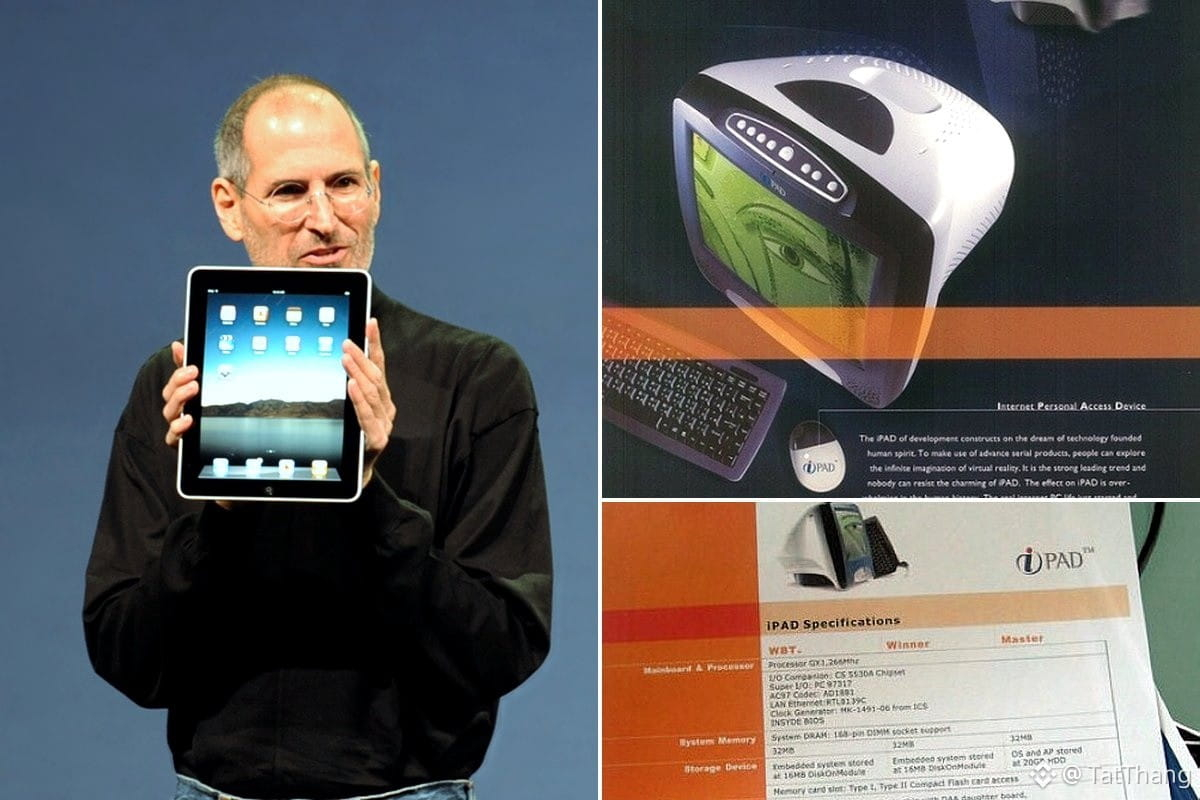
- He names it the I-PAD (Internet Personal Access Device) and registers two mainland China trademarks for IPAD.
Late 2009
Steve Jobs is getting ready to unveil the Apple tablet in San Francisco.
There's just one problem: Proview already owns the IPAD trademark worldwide.
Knowing Proview would demand millions if they saw Apple's name at the table, Apple sets up a front:
- incorporates a British shell company called IP Application Development Ltd
- picks those exact words so the company initials spell IPAD
- sends a lawyer using the fake alias "Jonathan Hargreaves"
December 23, 2009
Hargreaves tells Proview's Taiwan office that his tiny UK firm only needs the trademark as an acronym for its company name, and promises they'll never compete with Proview.
Proview Taiwan signs over 10 global trademarks.
What Apple pays for the name iPad:
$55,000.
January 27, 2010
35 days later, Steve Jobs walks on stage and reveals the Apple iPad.
Except Apple's undercover lawyers made one fatal mistake.
They signed the $55,000 contract with Proview's Taipei branch, while the two mainland China trademark deeds actually belonged to Proview Shenzhen.
And Proview Shenzhen had just gone bankrupt, owing $400,000,000 to 8 Chinese state banks.
December 2011 to February 2012
Apple sues Proview in Shenzhen, demanding they hand over the China trademarks.
The court throws out Apple's lawsuit, ruling that Taiwan didn't have the legal authority to sell Shenzhen's property.
Yang Rongshan and his 8 bank creditors counterattack across 20 Chinese cities.
Officers raid stores in Shijiazhuang and Xuzhou and confiscate iPads right off retail shelves, while Amazon China pulls the iPad from sale.
Then Proview plays its ultimate card: petitioning Chinese Customs to block every iPad shipment leaving Foxconn's Shenzhen factories.
June 25, 2012
Facing a total freeze of its global supply chain, Tim Cook folds.
Apple wires $60,000,000 in cash directly into the Guangdong High People's Court bank account to buy two pieces of paper.
To this day, Chinese Trademark Certificates 1590557 and 1689538 remain a 1,090x penalty on a $55,000 shortcut.
You can hire the sharpest corporate lawyers on Earth to build shell companies, fake aliases, and offshore paper trails.
In corporate warfare, the most expensive contract you'll ever sign is the one where you thought you were outsmarting a desperate man.
Proview's original 2000 I-PAD brochure and spec sheet presented in court.
That 15 inch CRT internet terminal forced Apple to wire $60,000,000 to the Guangdong High People's Court.
Apple used a fake British shell company to buy the iPad name for $55,000.
Apple used a fake British shell company to buy the iPad name for $55,000.
His name was Yang Rongshan.
He caught their undercover lawyer, sent Chinese authorities to raid stores, and forced Tim Cook to wire him $60,000,000 in cash.
This is the story of Yang Rongshan and how a $55,000 shell company trick cost a trillion dollar empire $60,000,000.
2000 to 2001
- Yang Rongshan runs a display factory in Shenzhen called Proview.
- He spends $30,000,000 building an all-in-one CRT internet computer.
- He names it the I-PAD (Internet Personal Access Device) and registers two mainland China trademarks for IPAD.
Late 2009
Steve Jobs is getting ready to unveil the Apple tablet in San Francisco.
There's just one problem: Proview already owns the IPAD trademark worldwide.
Knowing Proview would demand millions if they saw Apple's name at the table, Apple sets up a front:
- incorporates a British shell company called IP Application Development Ltd
- picks those exact words so the company initials spell IPAD
- sends a lawyer using the fake alias "Jonathan Hargreaves"
December 23, 2009
Hargreaves tells Proview's Taiwan office that his tiny UK firm only needs the trademark as an acronym for its company name, and promises they'll never compete with Proview.
Proview Taiwan signs over 10 global trademarks.
What Apple pays for the name iPad:
$55,000.
January 27, 2010
35 days later, Steve Jobs walks on stage and reveals the Apple iPad.
Except Apple's undercover lawyers made one fatal mistake.
They signed the $55,000 contract with Proview's Taipei branch, while the two mainland China trademark deeds actually belonged to Proview Shenzhen.
And Proview Shenzhen had just gone bankrupt, owing $400,000,000 to 8 Chinese state banks.
December 2011 to February 2012
Apple sues Proview in Shenzhen, demanding they hand over the China trademarks.
The court throws out Apple's lawsuit, ruling that Taiwan didn't have the legal authority to sell Shenzhen's property.
Yang Rongshan and his 8 bank creditors counterattack across 20 Chinese cities.
Officers raid stores in Shijiazhuang and Xuzhou and confiscate iPads right off retail shelves, while Amazon China pulls the iPad from sale.
Then Proview plays its ultimate card: petitioning Chinese Customs to block every iPad shipment leaving Foxconn's Shenzhen factories.
June 25, 2012
Facing a total freeze of its global supply chain, Tim Cook folds.
Apple wires $60,000,000 in cash directly into the Guangdong High People's Court bank account to buy two pieces of paper.
To this day, Chinese Trademark Certificates 1590557 and 1689538 remain a 1,090x penalty on a $55,000 shortcut.
You can hire the sharpest corporate lawyers on Earth to build shell companies, fake aliases, and offshore paper trails.
In corporate warfare, the most expensive contract you'll ever sign is the one where you thought you were outsmarting a desperate man.
Proview's original 2000 I-PAD brochure and spec sheet presented in court.
That 15 inch CRT internet terminal forced Apple to wire $60,000,000 to the Guangdong High People's Court.
1
945
·
--
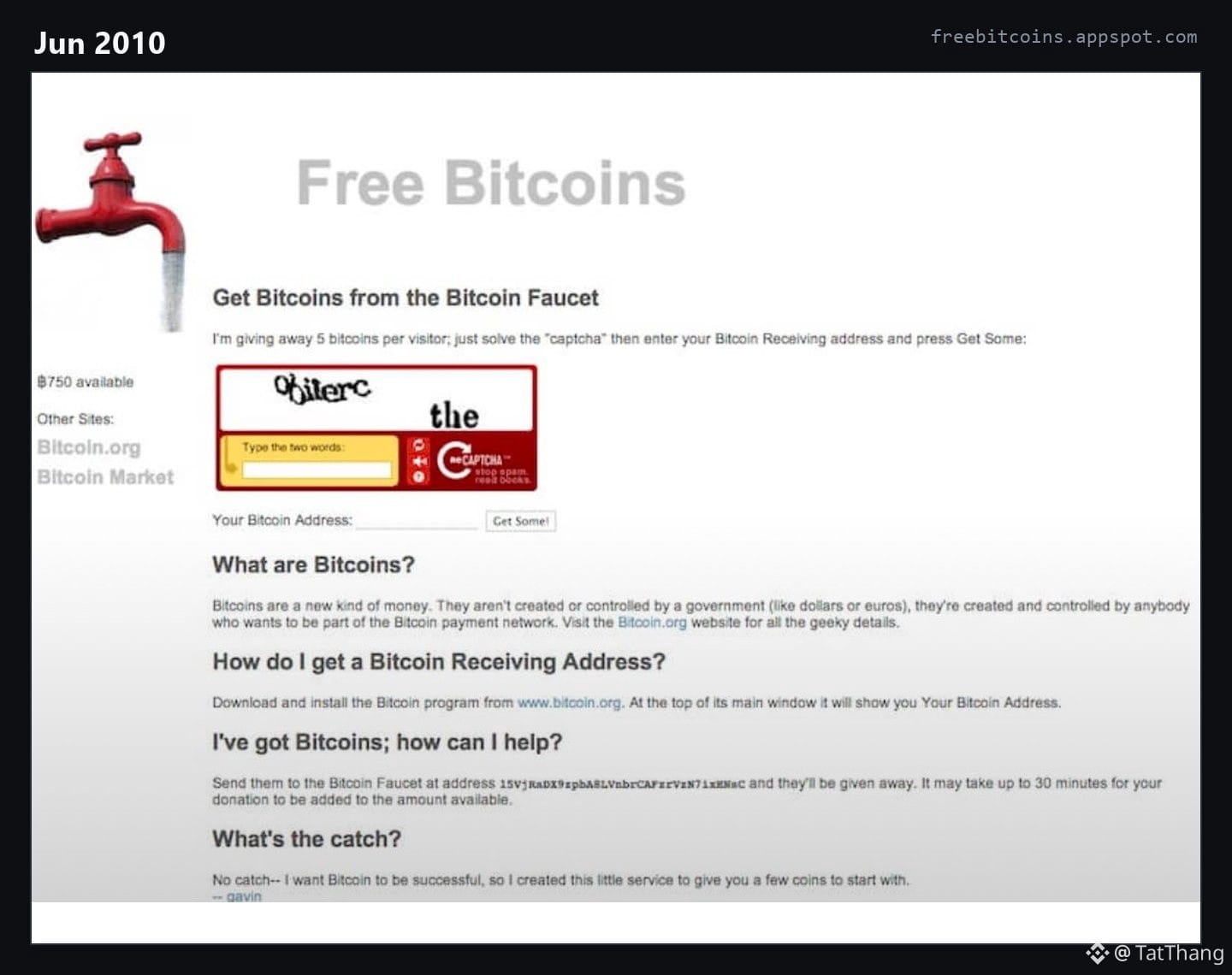
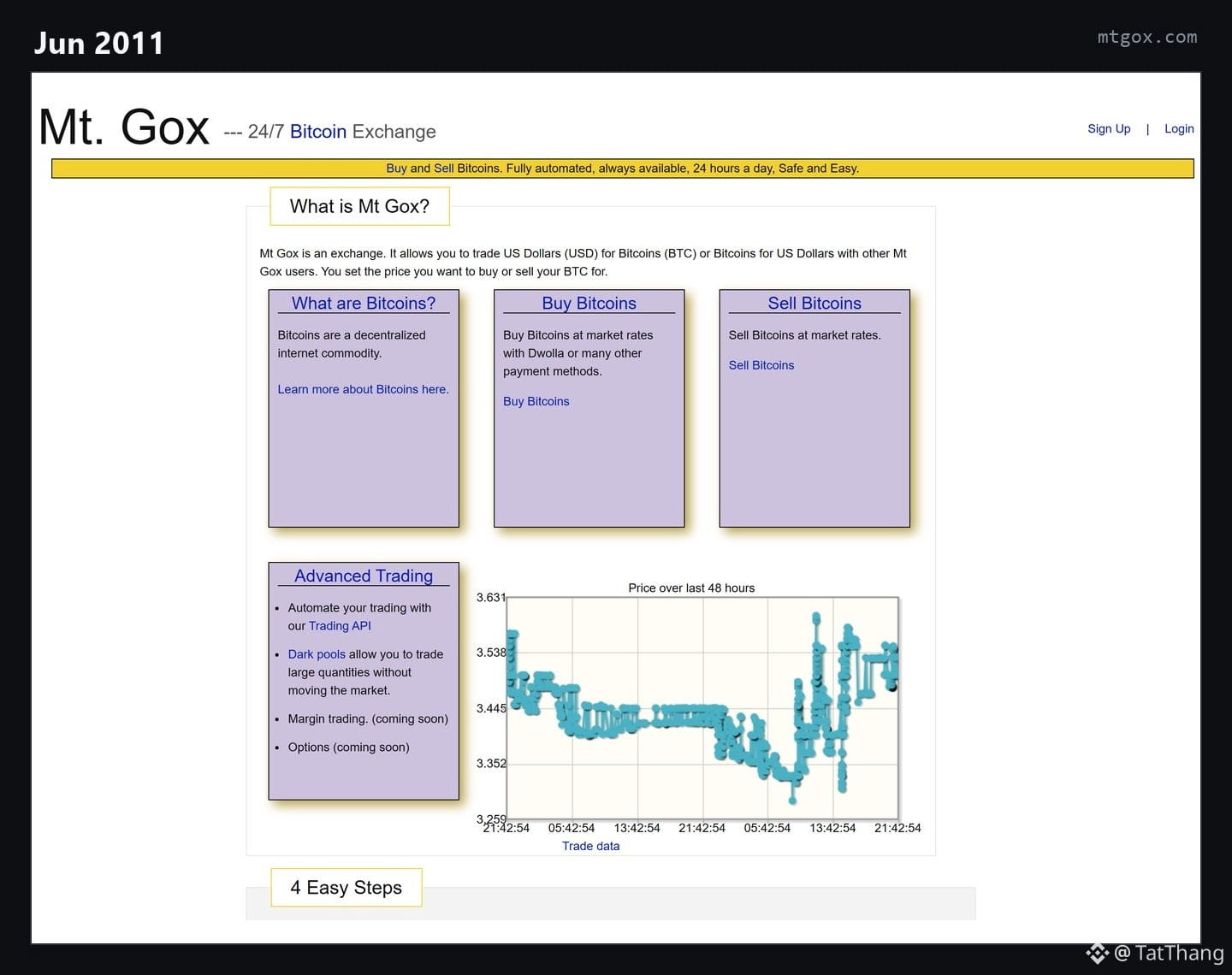
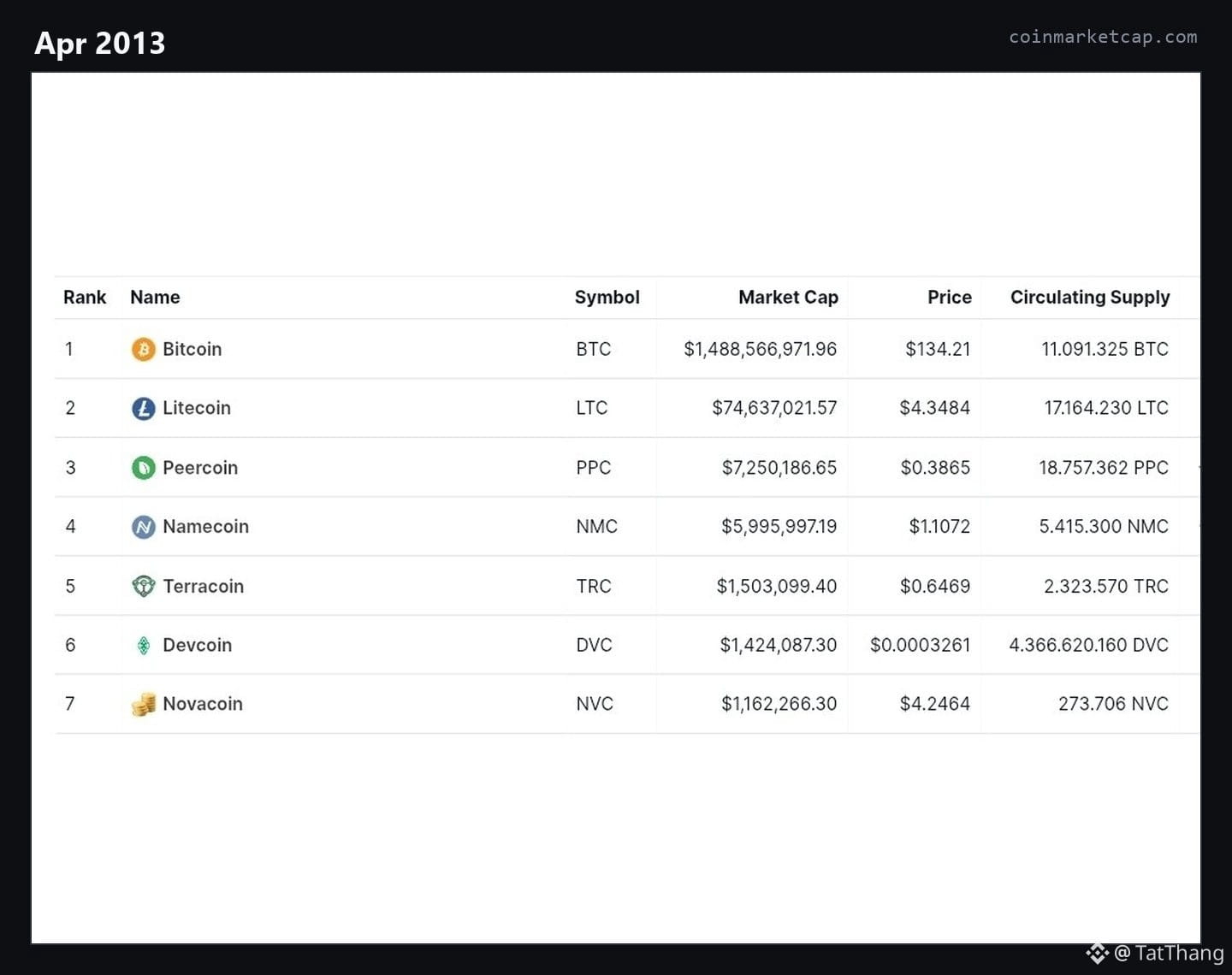
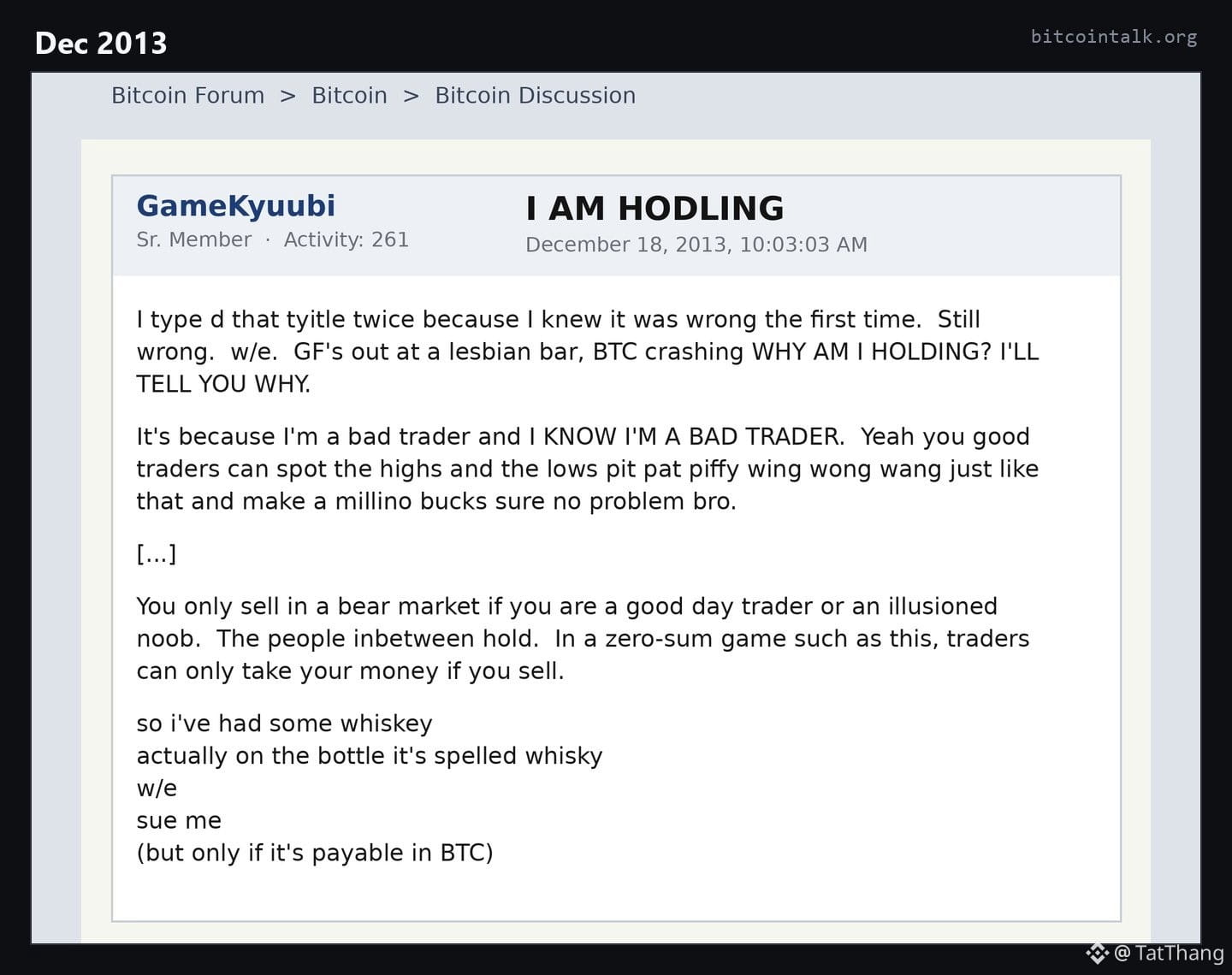
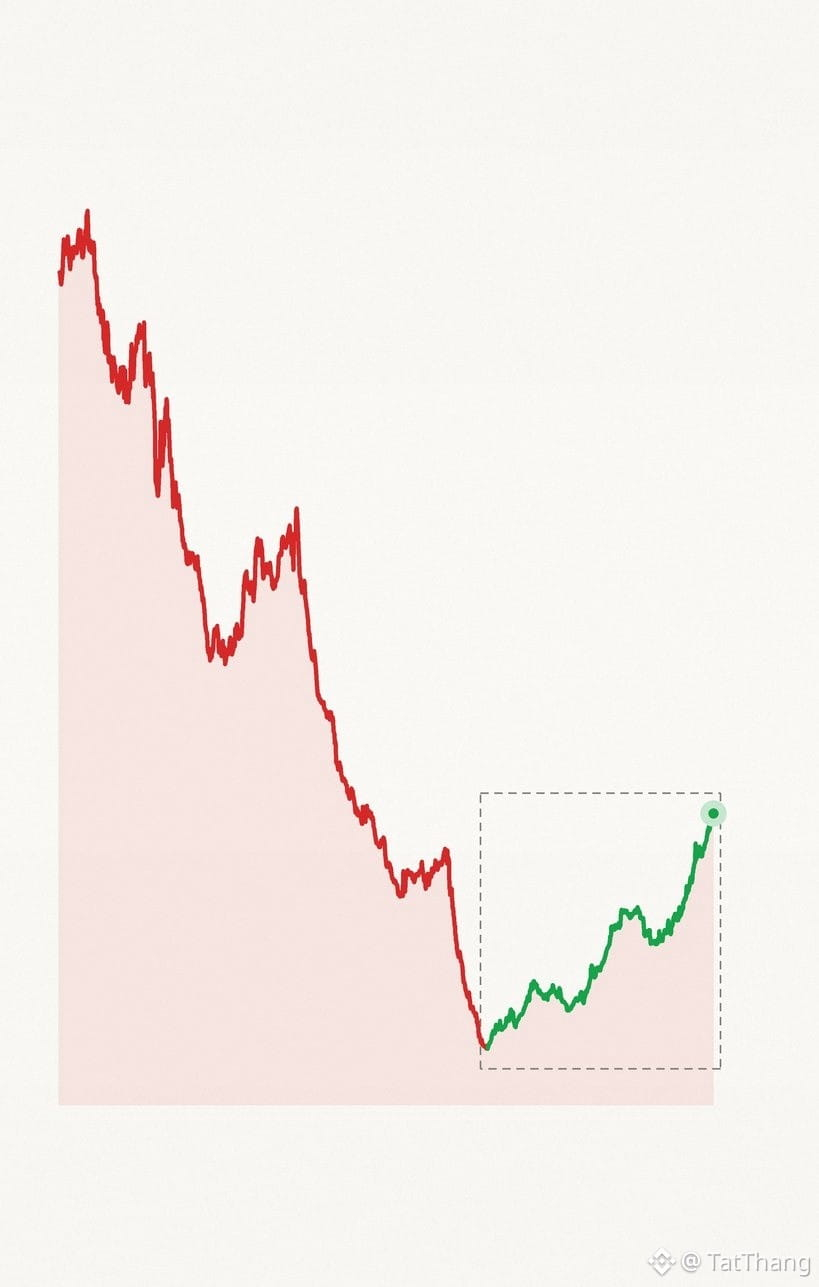
The entire history of crypto, one screen at a time (2010–2026).
Which year did you get in?
The entire history of crypto, one screen at a time (2010–2026).
Which year did you get in?
Which year did you get in?
156
·
--
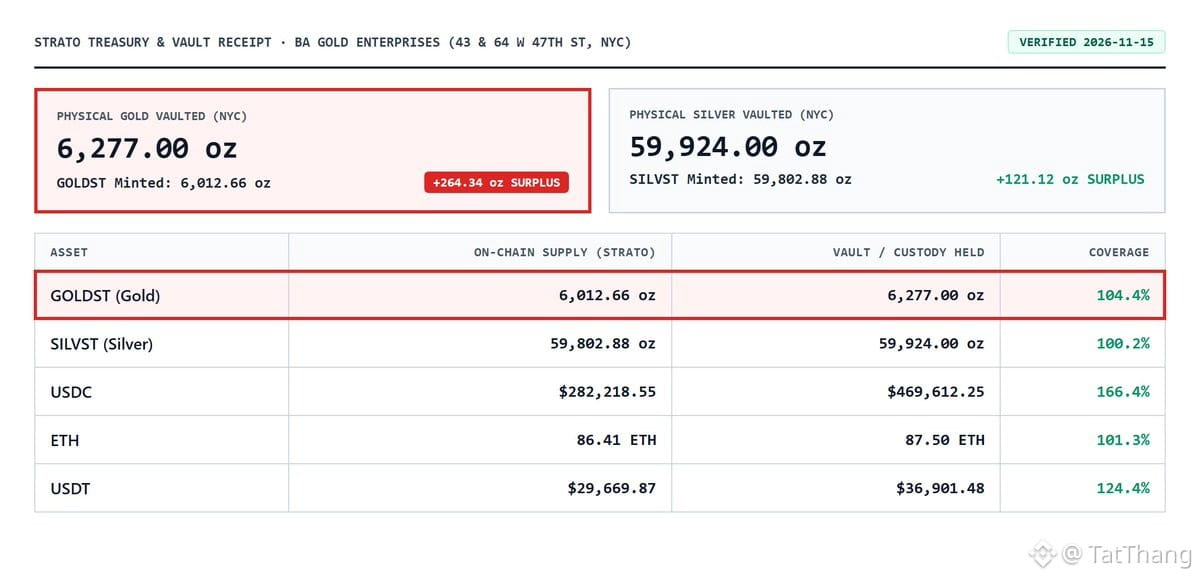
6,277 ounces of real gold sit inside two Manhattan vaults right now.
I checked the mint ledger against the vault letters myself.
On @strato_net, only 6,012.66 GOLDST tokens are circulating against those vaulted bars, plus $59,479 in protocol revenue already flowing pre-TGE.
Fees aren't auto-paid to $STRATO holders, and borrowing against gold carries fees and liquidation risk, though audited bars back every token.
118
·
--
Article
A Coca-Cola assistant stole secret drink samples to sell to Pepsi for...A Coca-Cola assistant stole secret drink samples to sell to Pepsi for $1,500,000.
Her name was Joya Williams.
Instead of buying the formula, Pepsi immediately called Coca-Cola and helped the FBI trap her with $30,000 stuffed inside a Girl Scout cookie box.
This is the story of Joya Williams and why a century-old rival turned down Coca-Cola's crown jewels for $0.
Late 2005 to April 2006
- Joya Williams, 41, works at Coca-Cola global headquarters in Atlanta earning $50,000 a year.
- She serves as executive assistant to Global Brand Director Javier Sanchez Lamelas.
- Drowning in personal debt, she starts pulling classified marketing binders and an unreleased liquid drink sample in a glass vial right off her boss's desk.
To broker the sale, she teams up with two men with prior federal convictions: Edmund Duhaney, 43, and Ibrahim Dimson, 30.
May 8, 2006
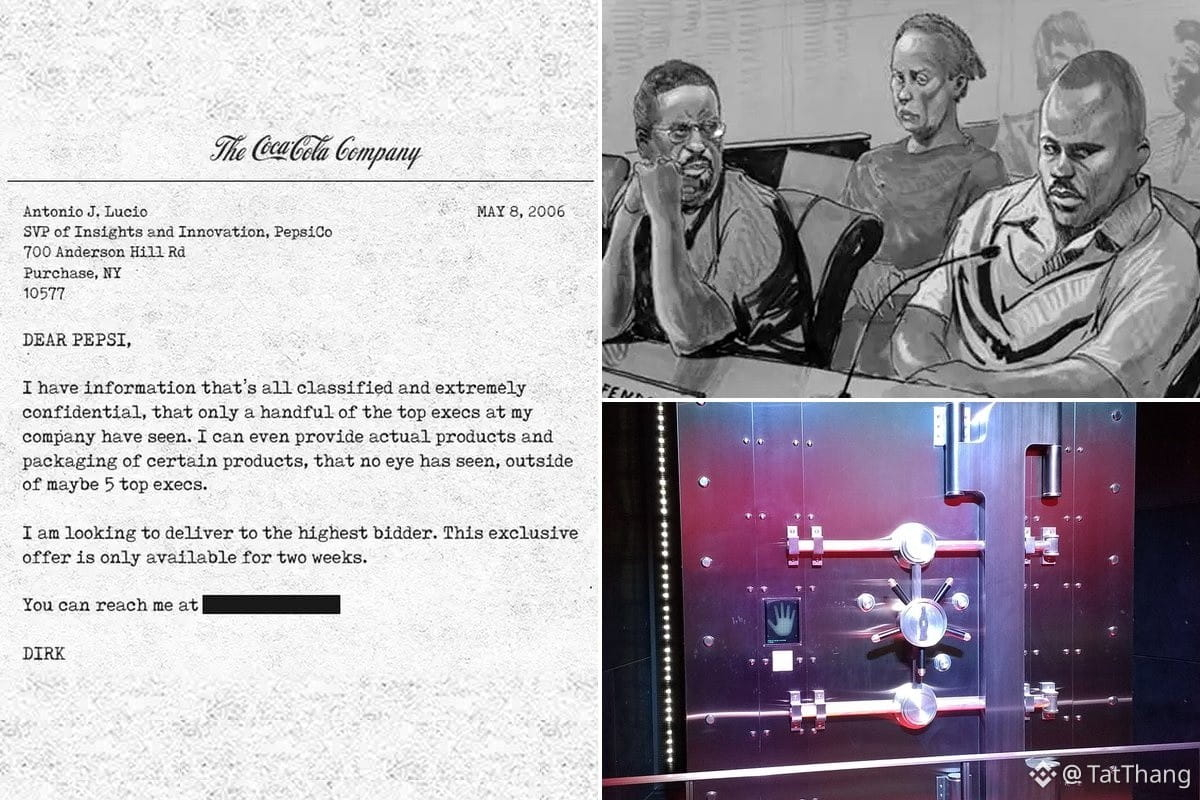
Dimson mails a two-page letter from the Bronx inside an official Coca-Cola business envelope to PepsiCo Senior Vice President Antonio J. Lucio in Purchase, New York.
Signing under the code name Dirk, he claims to be a high-level Coca-Cola insider holding 4 years of confidential marketing plans and unreleased product samples.
He offers to sell everything "to the highest bidder" and gives Pepsi a two-week exclusive window.
May 19, 2006
The conspirators bet that Coca-Cola's biggest enemy wouldn't pass up the chance to buy their rival's secrets.
They miscalculated completely.
PepsiCo executives immediately fax Dirk's letter straight to Coca-Cola headquarters in Atlanta.
Why would Pepsi hand back their rival's secrets for $0?
- Buying stolen trade secrets is a federal felony under the Economic Espionage Act (18 U.S.C. 1832), carrying 10 years in prison and billions in civil liability.
- Any modern beverage lab can already analyze a rival soda's chemical compounds in minutes, meaning stolen paperwork brings zero competitive edge and total legal ruin.
Coca-Cola calls the FBI the same day and installs covert video cameras directly above Joya Williams' desk.
June 5 to June 9, 2006
Undercover FBI Special Agent Gerald Reichard calls Dirk, posing as a corrupt Pepsi executive named Jerry.
When Agent Jerry asks for proof, Dimson faxes 14 pages of classified Coca-Cola documents that came straight from Javier Sanchez Lamelas's office and demands $10,000 in good faith.
The FBI wires $5,000 to a bank account on June 8.
At the exact same time, Coca-Cola's hidden ceiling camera records Joya Williams at her desk sorting through confidential files and stuffing folders and a white sample box into her bag.
June 16, 2006
Dimson flies to Hartsfield-Jackson Atlanta International Airport to meet Agent Jerry for a $75,000 handoff.
Inside the airport, Dimson hands over a brown Armani Exchange bag containing classified Coca-Cola documents and the glass vial holding the unreleased drink sample.
In return, the undercover FBI agent hands Dimson $30,000 in $50 and $100 bills neatly packed inside a yellow Girl Scout cookie box, promising the remaining $45,000 after lab testing.
June 27 to July 5, 2006
Convinced Pepsi is hooked, Dimson calls Agent Jerry on June 27 and pitches the ultimate score: 20 additional classified Coca-Cola trade secrets for $1,500,000.
Agent Jerry agrees and wires $1,500 for travel back to Atlanta.
On July 5, 2006, before a single dollar of the $1,500,000 is paid, federal agents surround the trio in Atlanta and arrest Joya Williams, Ibrahim Dimson, and Edmund Duhaney.
PepsiCo spokesman Dave DeCecco sums up the sting in one sentence: "Competition can be fierce, but also must be fair and legal."
May 23, 2007
After watching the hidden camera footage at trial, a federal jury convicts Joya Williams.
Judge J. Owen Forrester sentences Williams to 8 years in federal prison and $40,000 in restitution, while Dimson gets 5 years and Duhaney gets 2 years.
To this day, United States v. Williams (Case No. 1:06-cr-00298-JOF) remains the textbook federal prosecution on corporate espionage, while Coca-Cola's recipe sits behind steel doors at the World of Coca-Cola in Atlanta.
You can spend a century fighting a rival for every inch of supermarket shelf space around the world.
At the top of a global duopoly, two giants will never burn down the vault they both eat from, because protecting the rules of the game is worth far more than stealing a single recipe.
Here's the federal docket from United States v. Joya Williams and Ibrahim Dimson (Case No. 1:06-cr-00298-JOF / Appeal Nos. 07-12526 & 07-12653):
- May 8, 2006: Official Coca-Cola envelope mailed to PepsiCo SVP Antonio J. Lucio
- June 16, 2006: Armani Exchange bag + liquid vial traded at Atlanta Airport for $30,000 inside a yellow Girl Scout cookie box
- May 23, 2007: 8 years federal prison + $40,000 restitution
Say your biggest rival's insider offers you their secret formula for $1,500,000.
Do you buy it, ignore the letter, or hand them straight to the FBI like Pepsi did?
A Coca-Cola assistant stole secret drink samples to sell to Pepsi for...
A Coca-Cola assistant stole secret drink samples to sell to Pepsi for $1,500,000.
Her name was Joya Williams.
Instead of buying the formula, Pepsi immediately called Coca-Cola and helped the FBI trap her with $30,000 stuffed inside a Girl Scout cookie box.
This is the story of Joya Williams and why a century-old rival turned down Coca-Cola's crown jewels for $0.
Late 2005 to April 2006
- Joya Williams, 41, works at Coca-Cola global headquarters in Atlanta earning $50,000 a year.
- She serves as executive assistant to Global Brand Director Javier Sanchez Lamelas.
- Drowning in personal debt, she starts pulling classified marketing binders and an unreleased liquid drink sample in a glass vial right off her boss's desk.
To broker the sale, she teams up with two men with prior federal convictions: Edmund Duhaney, 43, and Ibrahim Dimson, 30.
May 8, 2006
Dimson mails a two-page letter from the Bronx inside an official Coca-Cola business envelope to PepsiCo Senior Vice President Antonio J. Lucio in Purchase, New York.
Signing under the code name Dirk, he claims to be a high-level Coca-Cola insider holding 4 years of confidential marketing plans and unreleased product samples.
He offers to sell everything "to the highest bidder" and gives Pepsi a two-week exclusive window.
May 19, 2006
The conspirators bet that Coca-Cola's biggest enemy wouldn't pass up the chance to buy their rival's secrets.
They miscalculated completely.
PepsiCo executives immediately fax Dirk's letter straight to Coca-Cola headquarters in Atlanta.
Why would Pepsi hand back their rival's secrets for $0?
- Buying stolen trade secrets is a federal felony under the Economic Espionage Act (18 U.S.C. 1832), carrying 10 years in prison and billions in civil liability.
- Any modern beverage lab can already analyze a rival soda's chemical compounds in minutes, meaning stolen paperwork brings zero competitive edge and total legal ruin.
Coca-Cola calls the FBI the same day and installs covert video cameras directly above Joya Williams' desk.
June 5 to June 9, 2006
Undercover FBI Special Agent Gerald Reichard calls Dirk, posing as a corrupt Pepsi executive named Jerry.
When Agent Jerry asks for proof, Dimson faxes 14 pages of classified Coca-Cola documents that came straight from Javier Sanchez Lamelas's office and demands $10,000 in good faith.
The FBI wires $5,000 to a bank account on June 8.
At the exact same time, Coca-Cola's hidden ceiling camera records Joya Williams at her desk sorting through confidential files and stuffing folders and a white sample box into her bag.
June 16, 2006
Dimson flies to Hartsfield-Jackson Atlanta International Airport to meet Agent Jerry for a $75,000 handoff.
Inside the airport, Dimson hands over a brown Armani Exchange bag containing classified Coca-Cola documents and the glass vial holding the unreleased drink sample.
In return, the undercover FBI agent hands Dimson $30,000 in $50 and $100 bills neatly packed inside a yellow Girl Scout cookie box, promising the remaining $45,000 after lab testing.
June 27 to July 5, 2006
Convinced Pepsi is hooked, Dimson calls Agent Jerry on June 27 and pitches the ultimate score: 20 additional classified Coca-Cola trade secrets for $1,500,000.
Agent Jerry agrees and wires $1,500 for travel back to Atlanta.
On July 5, 2006, before a single dollar of the $1,500,000 is paid, federal agents surround the trio in Atlanta and arrest Joya Williams, Ibrahim Dimson, and Edmund Duhaney.
PepsiCo spokesman Dave DeCecco sums up the sting in one sentence: "Competition can be fierce, but also must be fair and legal."
May 23, 2007
After watching the hidden camera footage at trial, a federal jury convicts Joya Williams.
Judge J. Owen Forrester sentences Williams to 8 years in federal prison and $40,000 in restitution, while Dimson gets 5 years and Duhaney gets 2 years.
To this day, United States v. Williams (Case No. 1:06-cr-00298-JOF) remains the textbook federal prosecution on corporate espionage, while Coca-Cola's recipe sits behind steel doors at the World of Coca-Cola in Atlanta.
You can spend a century fighting a rival for every inch of supermarket shelf space around the world.
At the top of a global duopoly, two giants will never burn down the vault they both eat from, because protecting the rules of the game is worth far more than stealing a single recipe.
Here's the federal docket from United States v. Joya Williams and Ibrahim Dimson (Case No. 1:06-cr-00298-JOF / Appeal Nos. 07-12526 & 07-12653):
- May 8, 2006: Official Coca-Cola envelope mailed to PepsiCo SVP Antonio J. Lucio
- June 16, 2006: Armani Exchange bag + liquid vial traded at Atlanta Airport for $30,000 inside a yellow Girl Scout cookie box
- May 23, 2007: 8 years federal prison + $40,000 restitution
Say your biggest rival's insider offers you their secret formula for $1,500,000.
Do you buy it, ignore the letter, or hand them straight to the FBI like Pepsi did?
1
9
5.7k
·
--
Partly True
Pull up your recent $100K perp fills and check how much slippage you paid.
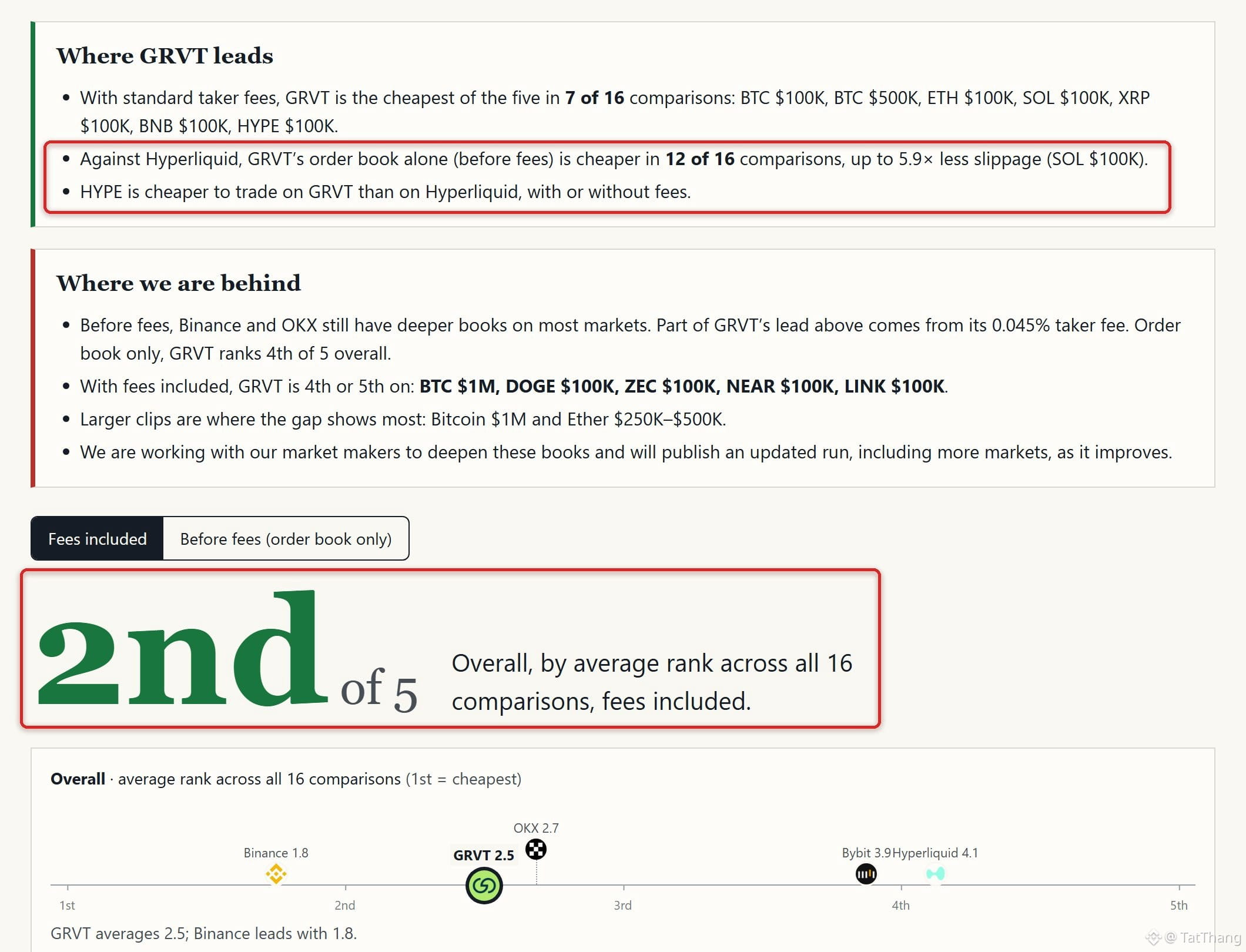
Even market-buying $100K of HYPE on Hyperliquid costs $70.10 all-in once order-book impact hits your fill.
Across 1,356 live snapshots against Binance, OKX, Bybit, and Hyperliquid, @grvt_io filled that same $100K HYPE order for $57.50 and ranked 2nd of 5 overall.
Binance and OKX still win on $1M BTC clips, so route whale size there and keep $100K majors where fills cost less.
1
791
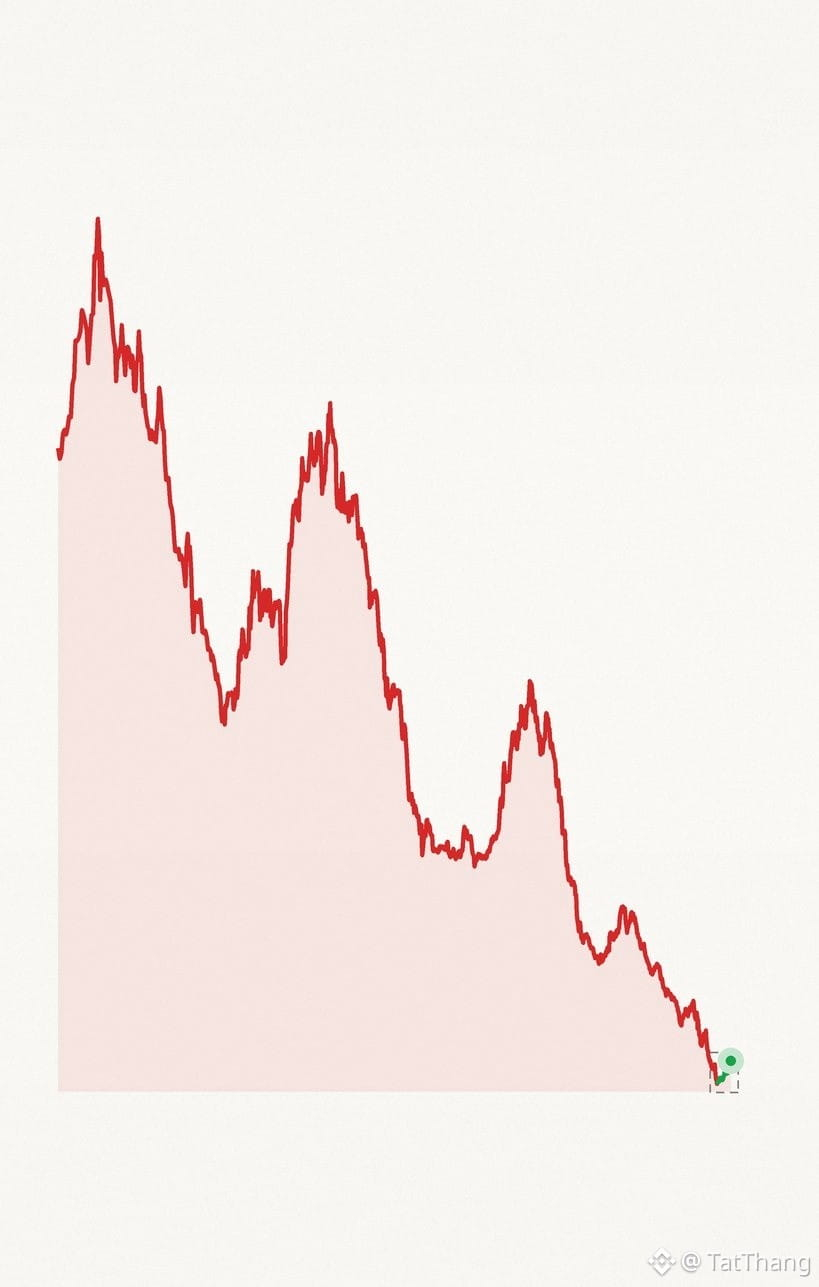
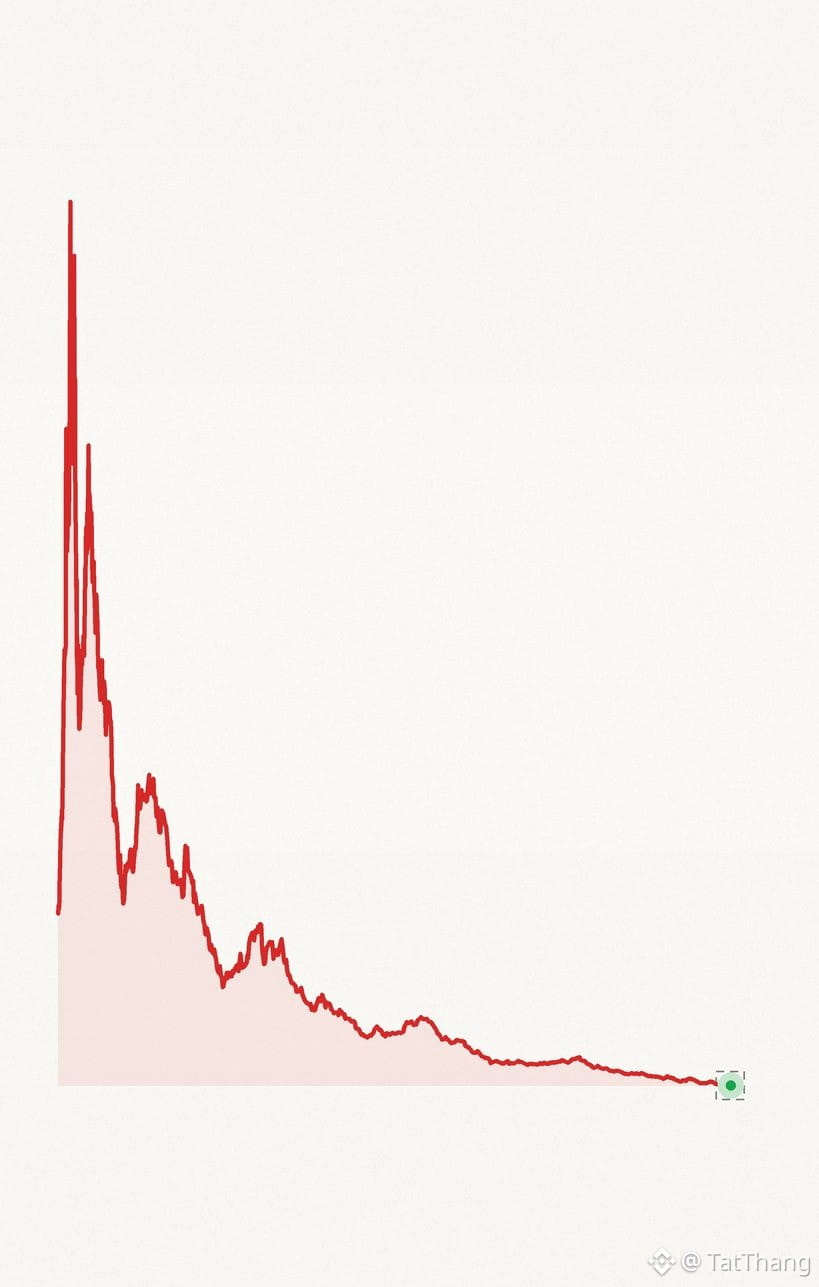
·
--
Article
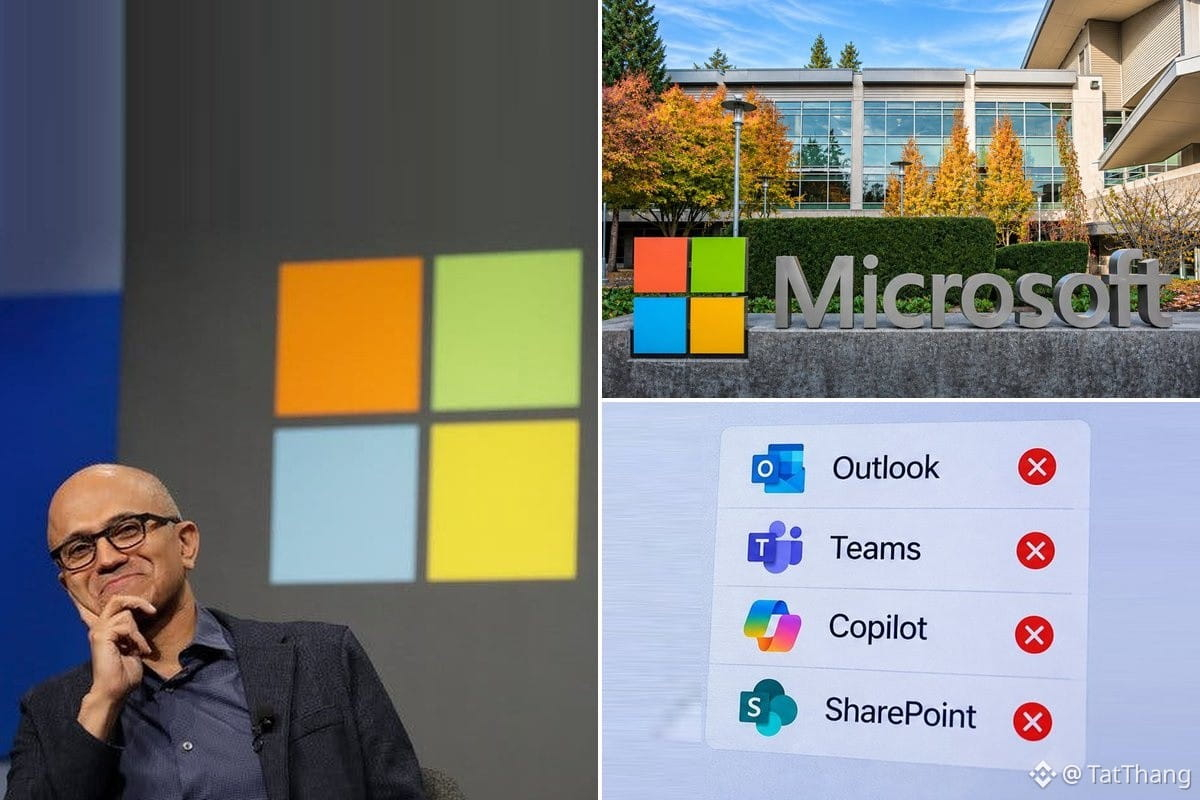
Microsoft is spending $175 billion on AI while offering buyouts to 60,000...Microsoft is spending $175 billion on AI while offering buyouts to 60,000 employees.
17 days later, a routine network update took down Outlook, Teams, and Copilot across 74 countries.
430 million users were locked out for 18 hours while European hospitals went back to paper fax machines.
This is the story of incident EX1550543 and how Wall Street's favorite AI accounting trick broke the internet's backbone.
October 26, 2026
Microsoft Chief People Officer Amy Coleman sends an internal memo across the US, UK, Canada, and India.
The company is rolling out a Voluntary Exit Offer to 60,000 employees, roughly 27% of its global workforce.
The buyouts reach all the way up to Level 70:
- veteran systems engineers
- senior directors and general managers
- institutional memory built over 20 years
Why would a profitable tech giant push 60,000 people toward the door by December 31?
Because of how Wall Street grades AI spending:
- $175B in AI server racks is CapEx, depreciated slowly over years
- 60,000 human salaries are OpEx, deducted 100% from quarterly margins right now
Cut the people, buy the GPUs, and your operating margin looks like a masterpiece.
November 12, 2026
17 days after the buyout memo, at 12:30 PM EST, a network config change hits Exchange Online.
A large batch of core servers suddenly fails Microsoft's automated health checks.
The automated system does what it was programmed to do and pulls every failing server offline at once.
Then the real nightmare starts.
Live traffic from 430 million users dumps onto the few remaining servers in seconds.
The sudden flood crushes the login and routing layer, sending 140,000 outage reports straight up on Downdetector.
Outlook goes down. Teams goes down. SharePoint goes down.
Even Copilot, the flagship AI assistant meant to replace human workflows, goes dark because it runs on the exact same legacy plumbing.
Every time engineers try to restart a dropped server, the wall of waiting traffic immediately freezes it again.
18 hours later
No AI agent could break the loop.
Human engineers had to manually halt deployments, override the health checks, and bleed traffic back in slow stages while extending email timeouts to 48 hours.
To this day, Microsoft incident codes EX1550543 and MO1550821 stand as a live stress test of replacing institutional memory with automation.
You can spend $175 billion on AI clusters and cut 60,000 roles to make a quarterly earnings slide glow for Wall Street.
In enterprise infrastructure, senior engineers aren't bloat on a spreadsheet, they are the only circuit breaker standing between a bad config file and a global blackout.
Microsoft's advisory for incident EX1550543 alongside Downdetector's 140,000 outage spike across 74 countries.
When automated health checks pulled Exchange Online servers offline, 430 million users learned how fast automation cascades without human circuit breakers.
Microsoft is putting $175 billion into AI while offering 60,000 buyouts.
Are tech CEOs cutting real bloat, or selling off their operational insurance to boost quarterly margins?
Microsoft is spending $175 billion on AI while offering buyouts to 60,000...
Microsoft is spending $175 billion on AI while offering buyouts to 60,000 employees.
17 days later, a routine network update took down Outlook, Teams, and Copilot across 74 countries.
430 million users were locked out for 18 hours while European hospitals went back to paper fax machines.
This is the story of incident EX1550543 and how Wall Street's favorite AI accounting trick broke the internet's backbone.
October 26, 2026
Microsoft Chief People Officer Amy Coleman sends an internal memo across the US, UK, Canada, and India.
The company is rolling out a Voluntary Exit Offer to 60,000 employees, roughly 27% of its global workforce.
The buyouts reach all the way up to Level 70:
- veteran systems engineers
- senior directors and general managers
- institutional memory built over 20 years
Why would a profitable tech giant push 60,000 people toward the door by December 31?
Because of how Wall Street grades AI spending:
- $175B in AI server racks is CapEx, depreciated slowly over years
- 60,000 human salaries are OpEx, deducted 100% from quarterly margins right now
Cut the people, buy the GPUs, and your operating margin looks like a masterpiece.
November 12, 2026
17 days after the buyout memo, at 12:30 PM EST, a network config change hits Exchange Online.
A large batch of core servers suddenly fails Microsoft's automated health checks.
The automated system does what it was programmed to do and pulls every failing server offline at once.
Then the real nightmare starts.
Live traffic from 430 million users dumps onto the few remaining servers in seconds.
The sudden flood crushes the login and routing layer, sending 140,000 outage reports straight up on Downdetector.
Outlook goes down. Teams goes down. SharePoint goes down.
Even Copilot, the flagship AI assistant meant to replace human workflows, goes dark because it runs on the exact same legacy plumbing.
Every time engineers try to restart a dropped server, the wall of waiting traffic immediately freezes it again.
18 hours later
No AI agent could break the loop.
Human engineers had to manually halt deployments, override the health checks, and bleed traffic back in slow stages while extending email timeouts to 48 hours.
To this day, Microsoft incident codes EX1550543 and MO1550821 stand as a live stress test of replacing institutional memory with automation.
You can spend $175 billion on AI clusters and cut 60,000 roles to make a quarterly earnings slide glow for Wall Street.
In enterprise infrastructure, senior engineers aren't bloat on a spreadsheet, they are the only circuit breaker standing between a bad config file and a global blackout.
Microsoft's advisory for incident EX1550543 alongside Downdetector's 140,000 outage spike across 74 countries.
When automated health checks pulled Exchange Online servers offline, 430 million users learned how fast automation cascades without human circuit breakers.
Microsoft is putting $175 billion into AI while offering 60,000 buyouts.
Are tech CEOs cutting real bloat, or selling off their operational insurance to boost quarterly margins?
220
·
--
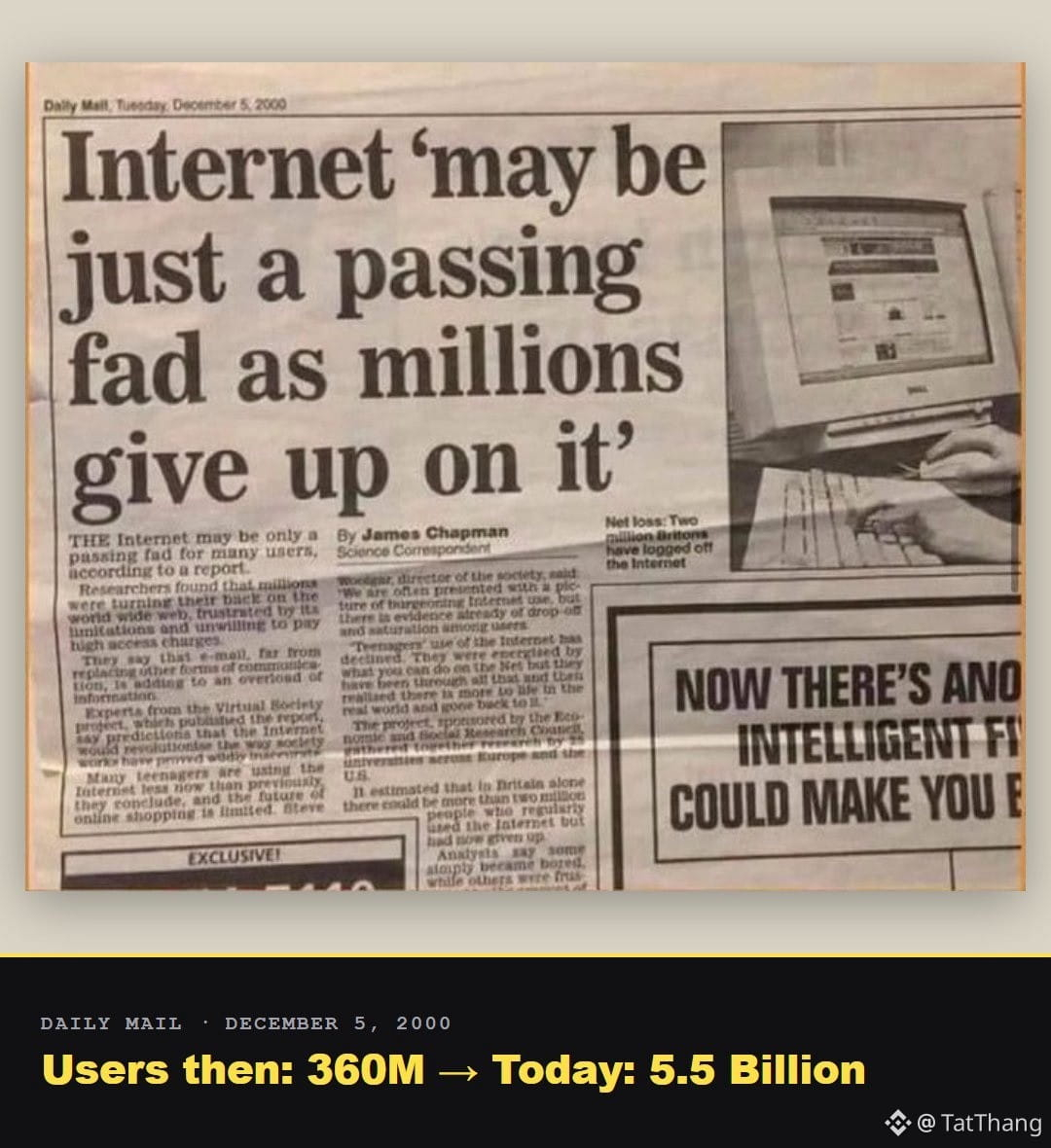
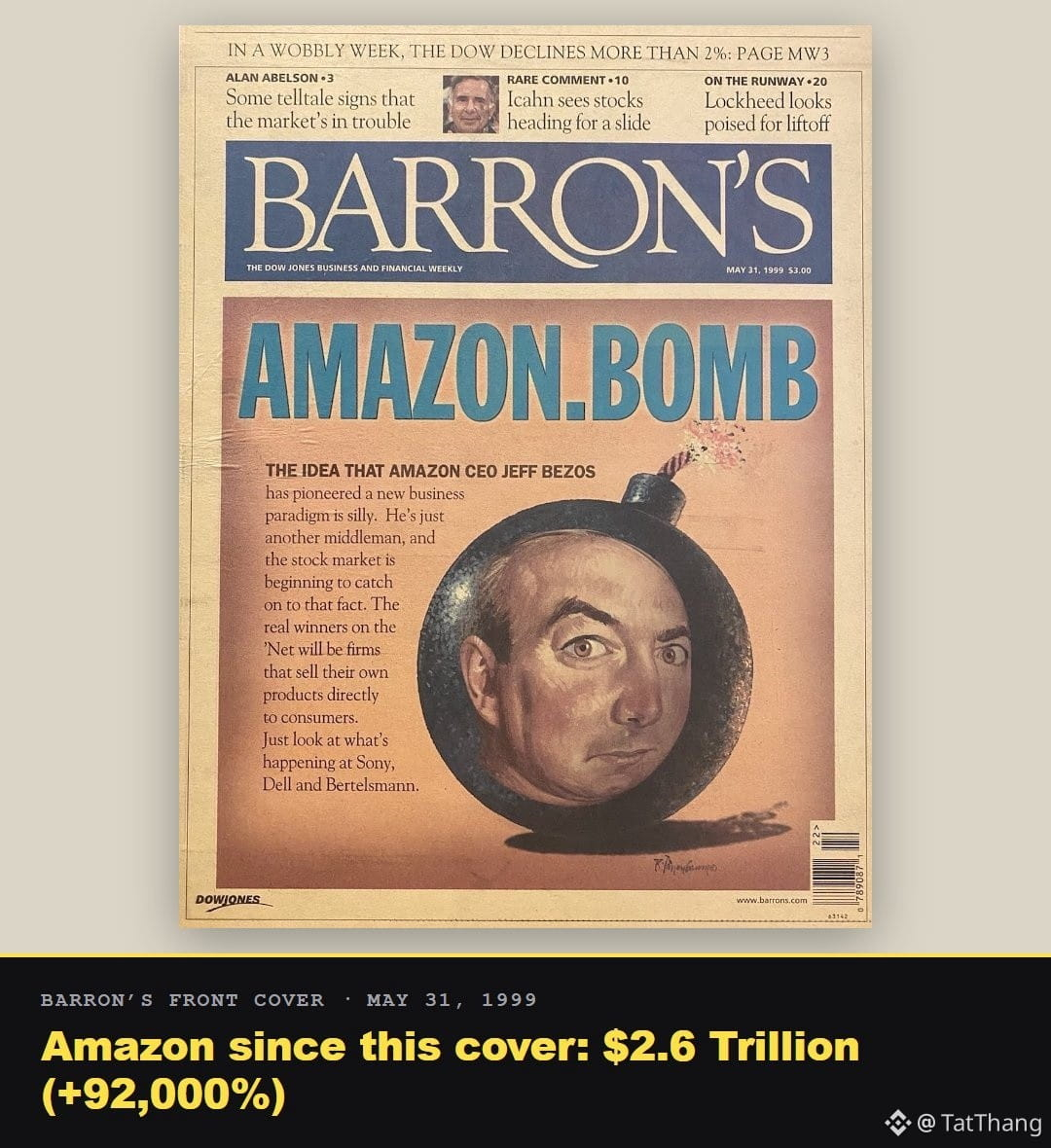
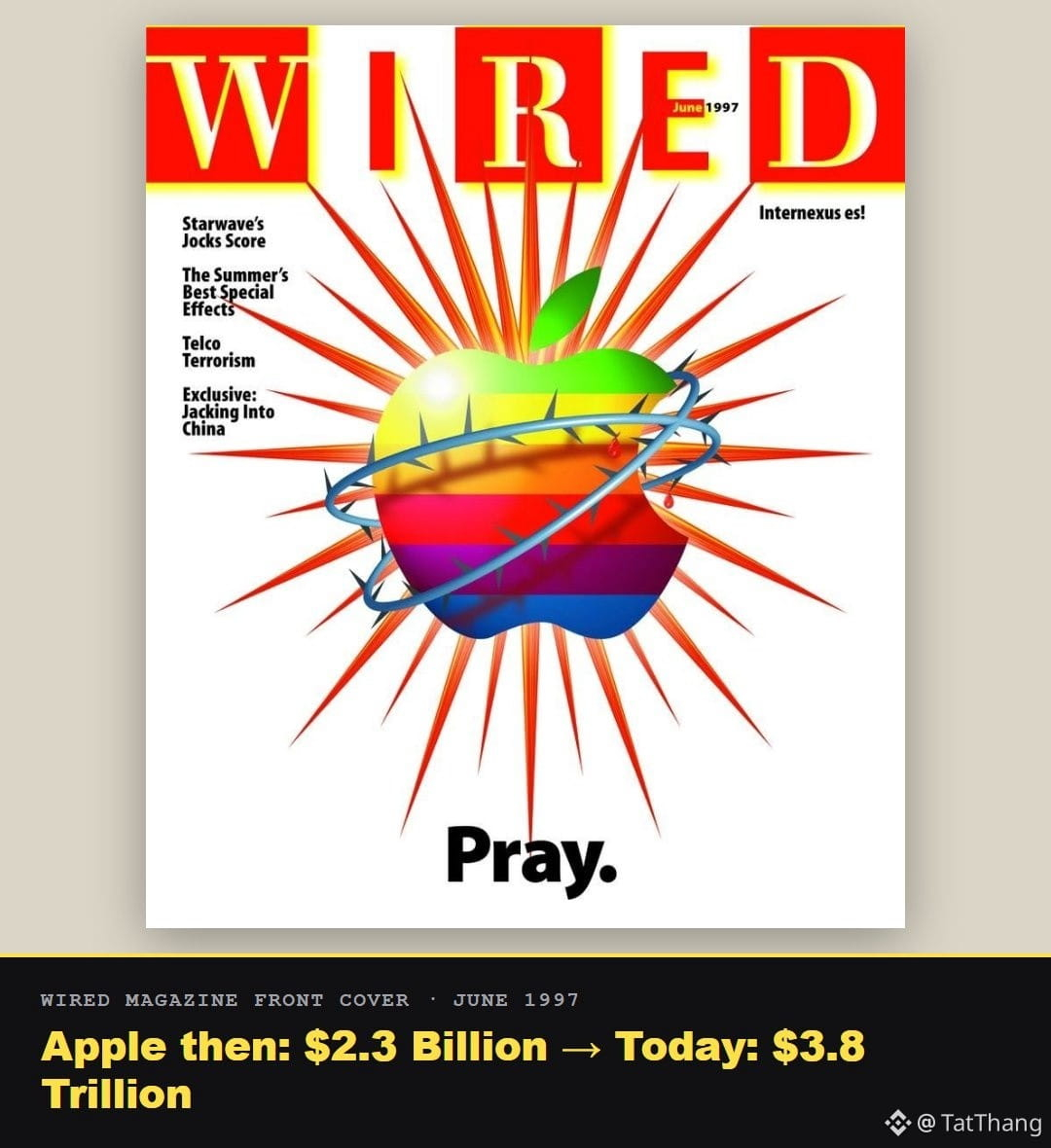
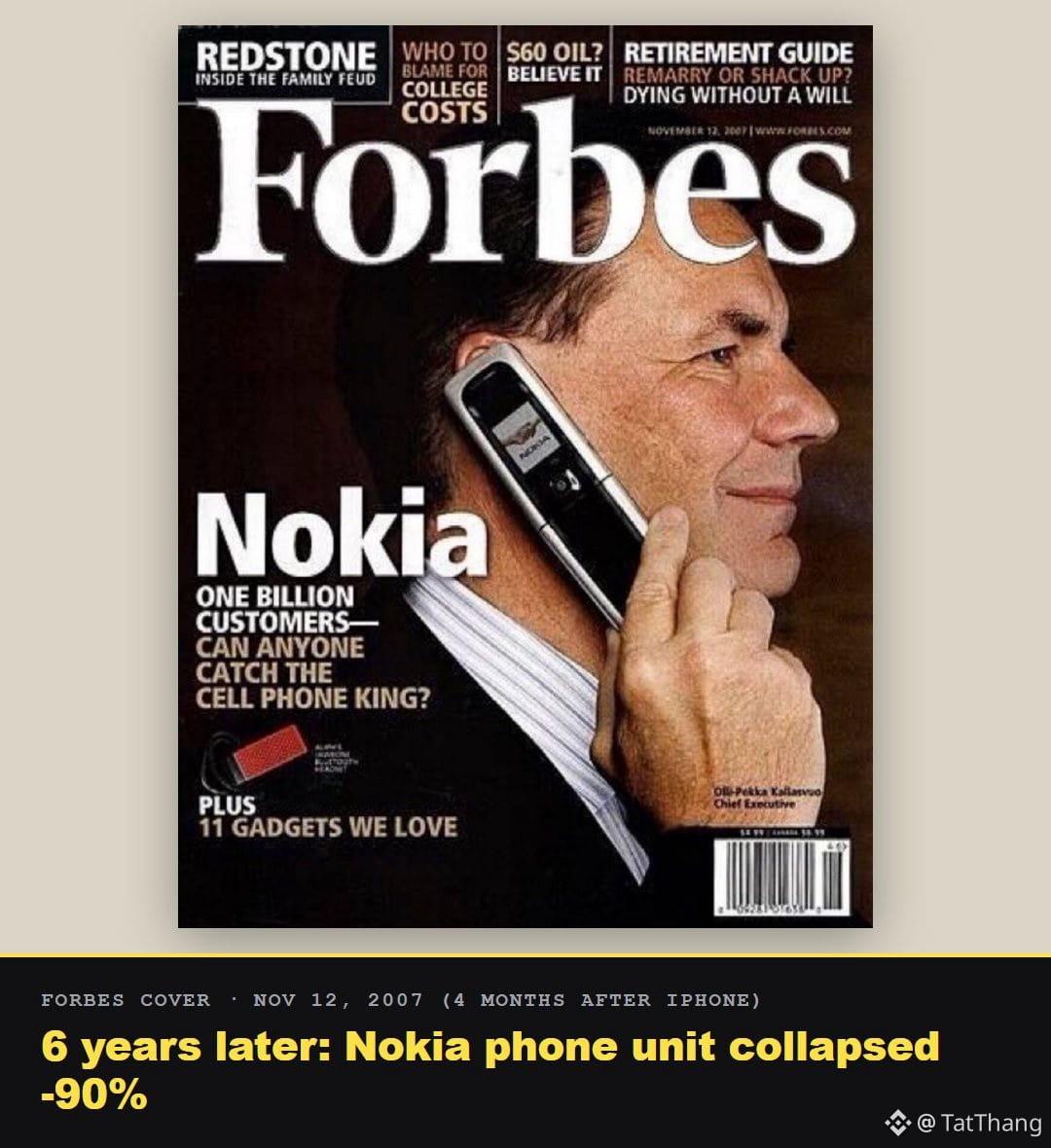
Front-page headlines and expert predictions that aged like milk:
More from the archives (1903 - 1998):
And the November 2022 classic right at the $16,400 bottom.
What's the 2026 version of "the Internet is no greater than a fax machine" that everyone is repeating right now?
Front-page headlines and expert predictions that aged like milk:
More from the archives (1903 - 1998):
And the November 2022 classic right at the $16,400 bottom.
What's the 2026 version of "the Internet is no greater than a fax machine" that everyone is repeating right now?
More from the archives (1903 - 1998):
And the November 2022 classic right at the $16,400 bottom.
What's the 2026 version of "the Internet is no greater than a fax machine" that everyone is repeating right now?
305
·
--
Article
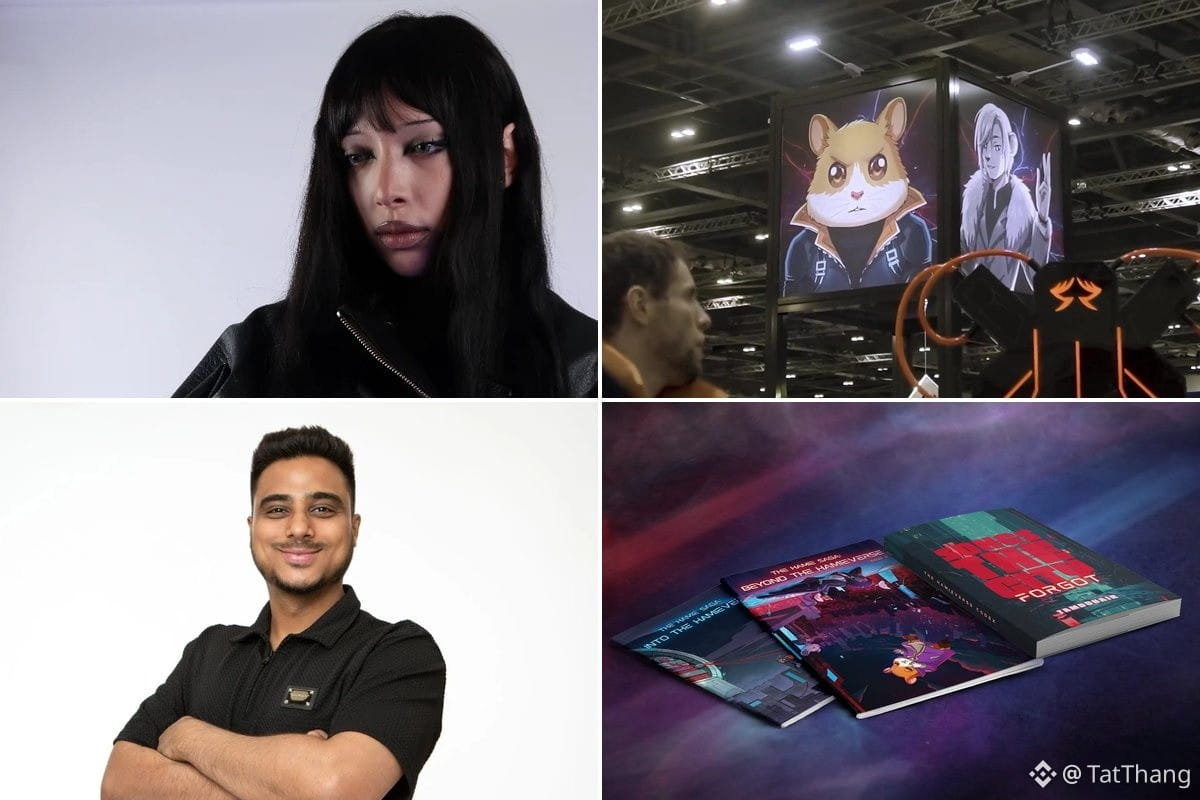
One marketed $100M drinks and one ran London beauty before building beside...One marketed $100M drinks and one ran London beauty before building beside Pokémon.
Their names are Mateen Mohammed and Tam Duhair.
Before launching a $0 NFT mint, they printed novels, stocked physical trading cards, and booked an island booth in front of 130,000 people at London Comic Con.
This is the story of Hamieverse and how two consumer brand outsiders kept a free collection alive after its home blockchain shut down.
Before August 2024
- Tam Duhair earns a master's degree at Central Saint Martins in London and runs social campaigns for Isamaya Beauty
- Mateen Mohammed graduates from University College London and markets over 15 beverage brands at S.M. Jaleel, a $100M Caribbean drink maker
Two resumes built for retail shelves and fashion shoots, not crypto launches.
August 8, 2024
Tam and Mateen start Hamieverse around an anime hamster universe.
no venture round
no private token sale
Mateen later says he put over $1 million of his own capital into building before asking the community for a single dollar.
Instead of opening with a whitepaper, they ship physical products first.
October 24 - 26, 2025
Mateen and Tam debut Hamieverse at MCM Comic Con London in front of over 130,000 attendees.
Working with exhibition builder Skyline Whitespace, they set up an open island booth on the same floor as Pokémon, Yu-Gi-Oh!, and Magic: The Gathering.
every comic book, novel, merch piece, and physical card pack brought to the booth is gone before the weekend wraps
November 4, 2025
Wonderland Magazine publishes Tam's personal essay, Hot Girls Go To Comic Con, detailing her jump from luxury lipstick shoots in London to signing hamster novels at a gaming expo.
February 2026
After pushing a Telegram mini game past 330,000 sessions and opening a browser card game beta, Hamieverse drops 888 Genesis NFTs on Abstract.
what they charge for the mint
$0.
October 6, 2026
Abstract announces it is shutting down.
When a home chain dies, most crypto teams let an old free collection fade away or launch a new paid mint somewhere else.
Mateen posts a message to holders right away:
"Abstract is sunsetting, but nothing about our plans for Hamieverse changes."
October 21, 2026 - Today
- Hamieverse migrates and airdrops the Genesis collection onto Ethereum Mainnet, keeping claims open through December 8
- the browser card game crosses 500,000 matches played and a live 3D web world opens ahead of a new chapter on Robinhood Chain
- full token and onchain game integration gets pushed out to 2027, leaving one real test ahead: whether gameplay keeps players coming back without speculative hype
To this day, Tam's Wonderland Magazine essay sits online, the 888 free mint survivors trade around 0.07 ETH on Ethereum, and the card game runs free in any browser.
You can raise millions in crypto off a pitch deck, a token ticker, and promises of a game years away.
When blockchains shut down and narratives die, the only thing separating a real brand from a liquidity event is what the founders built before asking for a dollar.
The migrated Genesis collection on Ethereum right now btw. Started as a $0 mint on Abstract before the chain shut down.
One marketed $100M drinks and one ran London beauty before building beside...
One marketed $100M drinks and one ran London beauty before building beside Pokémon.
Their names are Mateen Mohammed and Tam Duhair.
Before launching a $0 NFT mint, they printed novels, stocked physical trading cards, and booked an island booth in front of 130,000 people at London Comic Con.
This is the story of Hamieverse and how two consumer brand outsiders kept a free collection alive after its home blockchain shut down.
Before August 2024
- Tam Duhair earns a master's degree at Central Saint Martins in London and runs social campaigns for Isamaya Beauty
- Mateen Mohammed graduates from University College London and markets over 15 beverage brands at S.M. Jaleel, a $100M Caribbean drink maker
Two resumes built for retail shelves and fashion shoots, not crypto launches.
August 8, 2024
Tam and Mateen start Hamieverse around an anime hamster universe.
no venture round
no private token sale
Mateen later says he put over $1 million of his own capital into building before asking the community for a single dollar.
Instead of opening with a whitepaper, they ship physical products first.
October 24 - 26, 2025
Mateen and Tam debut Hamieverse at MCM Comic Con London in front of over 130,000 attendees.
Working with exhibition builder Skyline Whitespace, they set up an open island booth on the same floor as Pokémon, Yu-Gi-Oh!, and Magic: The Gathering.
every comic book, novel, merch piece, and physical card pack brought to the booth is gone before the weekend wraps
November 4, 2025
Wonderland Magazine publishes Tam's personal essay, Hot Girls Go To Comic Con, detailing her jump from luxury lipstick shoots in London to signing hamster novels at a gaming expo.
February 2026
After pushing a Telegram mini game past 330,000 sessions and opening a browser card game beta, Hamieverse drops 888 Genesis NFTs on Abstract.
what they charge for the mint
$0.
October 6, 2026
Abstract announces it is shutting down.
When a home chain dies, most crypto teams let an old free collection fade away or launch a new paid mint somewhere else.
Mateen posts a message to holders right away:
"Abstract is sunsetting, but nothing about our plans for Hamieverse changes."
October 21, 2026 - Today
- Hamieverse migrates and airdrops the Genesis collection onto Ethereum Mainnet, keeping claims open through December 8
- the browser card game crosses 500,000 matches played and a live 3D web world opens ahead of a new chapter on Robinhood Chain
- full token and onchain game integration gets pushed out to 2027, leaving one real test ahead: whether gameplay keeps players coming back without speculative hype
To this day, Tam's Wonderland Magazine essay sits online, the 888 free mint survivors trade around 0.07 ETH on Ethereum, and the card game runs free in any browser.
You can raise millions in crypto off a pitch deck, a token ticker, and promises of a game years away.
When blockchains shut down and narratives die, the only thing separating a real brand from a liquidity event is what the founders built before asking for a dollar.
The migrated Genesis collection on Ethereum right now btw. Started as a $0 mint on Abstract before the chain shut down.
1
110
Log in to explore more content
Join global crypto users on Binance Square
⚡️ Get latest and useful information about crypto.
💬 Trusted by the world’s largest crypto exchange.
👍 Discover real insights from verified creators.
Email / Phone number
Trending Topics
CanBTCReboundAfterFallingBelow60K?
0 views
63 Discussing
Bitcoin News | Bitcoin Falls Below $60,000 for the First Time Since July as IBIT Posts Record $541 Million Outflow
Binance News
·8 Likes
·8.2k views
GlobalStocksFaceLongestLosingStreakSince2023
0 views
234 Discussing
AnthropicPlungesTowardIPOPriceonDay2
0 views
17 Discussing