
阿Bob波哥说币
457 Posts
阿Bob波哥说币
公众号:《恋上波哥》 关注我,多交流,祝各位钱包越来越鼓!多年交易经验,走过多轮牛熊,对市场节奏和资金动向有成熟判断。依靠稳定的信息源和实战策略做交易,不空谈理论。长期用同一套逻辑操作,胜率保持在 80%–85%。分享真实思路,追求稳健、长期收益。
7 Following
44 Followers
272 Liked
Posts
Holding positions is retail traders’ biggest pitfall
Most liquidations have never been caused by extreme market conditions, but by a sense of luck gone wrong.
They always think, “If I just hold on, it’ll come back.” They refuse to admit a small loss, and in the end they drag it into a big loss, a deep trap, and sometimes even a complete wipeout.
A friend of mine started with 1,600 U. His entry was never great, and once he began to see a small loss, he started to force himself to hold. He kept waiting for a reversal—then came a one-way down move. What was a minor loss turned into a severe lockup, and his account became completely passive.
Later, I helped him change one core habit: never hold positions. Set the stop loss in advance for every trade; if he’s wrong, he exits immediately. After executing it consistently for a month, he completely corrected the habit of “holding and refusing to exit.” His account eventually reached 13,000 U.
Stop loss isn’t losing money—it’s saving your life. Cutting losses is the pain; holding and dragging is destruction. Learn to admit mistakes, learn to exit, and protect your capital—that’s when you truly step into stable profitability.
#美加关税战升级
Most liquidations have never been caused by extreme market conditions, but by a sense of luck gone wrong.
They always think, “If I just hold on, it’ll come back.” They refuse to admit a small loss, and in the end they drag it into a big loss, a deep trap, and sometimes even a complete wipeout.
A friend of mine started with 1,600 U. His entry was never great, and once he began to see a small loss, he started to force himself to hold. He kept waiting for a reversal—then came a one-way down move. What was a minor loss turned into a severe lockup, and his account became completely passive.
Later, I helped him change one core habit: never hold positions. Set the stop loss in advance for every trade; if he’s wrong, he exits immediately. After executing it consistently for a month, he completely corrected the habit of “holding and refusing to exit.” His account eventually reached 13,000 U.
Stop loss isn’t losing money—it’s saving your life. Cutting losses is the pain; holding and dragging is destruction. Learn to admit mistakes, learn to exit, and protect your capital—that’s when you truly step into stable profitability.
#美加关税战升级
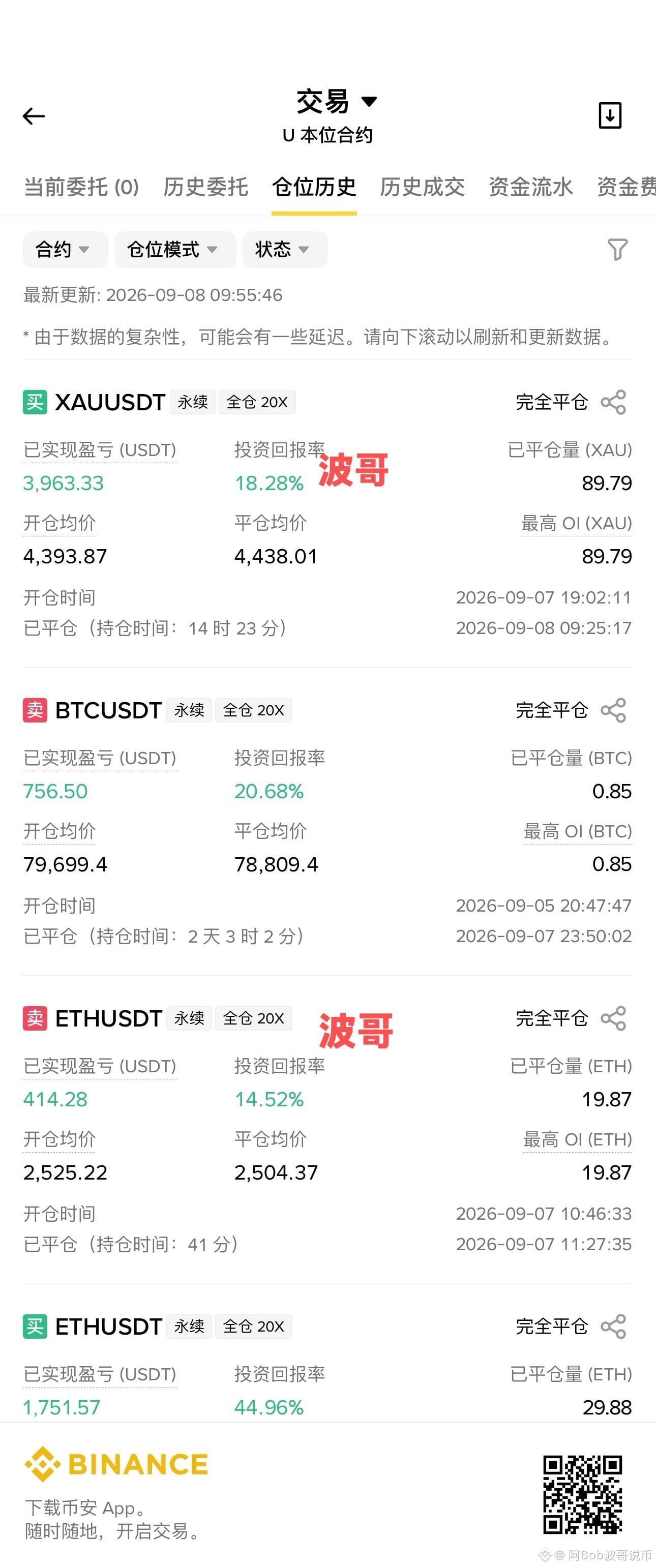
The biggest test of a contract has never been the market—it’s yourself.
The contract market’s greatest test of human nature. When volatility spikes, emotions react before judgment. If you want to last longer here, you can’t rely on empty talk like “stabilize your mindset.” You need rules written in advance—using rules to block emotions works far better than wrestling with yourself.
Many people open positions purely by instinct. When it rises, they chase longs; when it falls, they chase shorts—completely ignoring how far the trend has already progressed. The flaw of chasing and killing leads to a textbook outcome: entering at high levels, cutting at low levels, and getting harvested back and forth.
I’ve always told my students: when the market accelerates into a surge, don’t rush to chase. The acceleration phase is often not far from the top. Conversely, after a series of sharp sell-offs, don’t panic and cut—positions cut at low levels are mostly sold at the very bottom.
Leverage is a double-edged sword, especially for small accounts. High leverage amplifies every normal fluctuation—one ordinary pullback can directly trigger liquidation. The lower the leverage, the larger the margin for error. This isn’t cowardice; it’s giving yourself a way to live.
Don’t count on one trade to turn things around. Trading is a long-distance race, not a sprint. Set phased goals, push forward step by step. When your account reaches expectations, take out a portion of the profits—lock it in first.
The market doesn’t lack opportunities. What’s most terrifying is when opportunities come, but you’ve already run out of principal. Survive first, then figure out how to make money. If you reverse that order, nothing else matters.
#沙特南部能源设施遇袭停运
The contract market’s greatest test of human nature. When volatility spikes, emotions react before judgment. If you want to last longer here, you can’t rely on empty talk like “stabilize your mindset.” You need rules written in advance—using rules to block emotions works far better than wrestling with yourself.
Many people open positions purely by instinct. When it rises, they chase longs; when it falls, they chase shorts—completely ignoring how far the trend has already progressed. The flaw of chasing and killing leads to a textbook outcome: entering at high levels, cutting at low levels, and getting harvested back and forth.
I’ve always told my students: when the market accelerates into a surge, don’t rush to chase. The acceleration phase is often not far from the top. Conversely, after a series of sharp sell-offs, don’t panic and cut—positions cut at low levels are mostly sold at the very bottom.
Leverage is a double-edged sword, especially for small accounts. High leverage amplifies every normal fluctuation—one ordinary pullback can directly trigger liquidation. The lower the leverage, the larger the margin for error. This isn’t cowardice; it’s giving yourself a way to live.
Don’t count on one trade to turn things around. Trading is a long-distance race, not a sprint. Set phased goals, push forward step by step. When your account reaches expectations, take out a portion of the profits—lock it in first.
The market doesn’t lack opportunities. What’s most terrifying is when opportunities come, but you’ve already run out of principal. Survive first, then figure out how to make money. If you reverse that order, nothing else matters.
#沙特南部能源设施遇袭停运
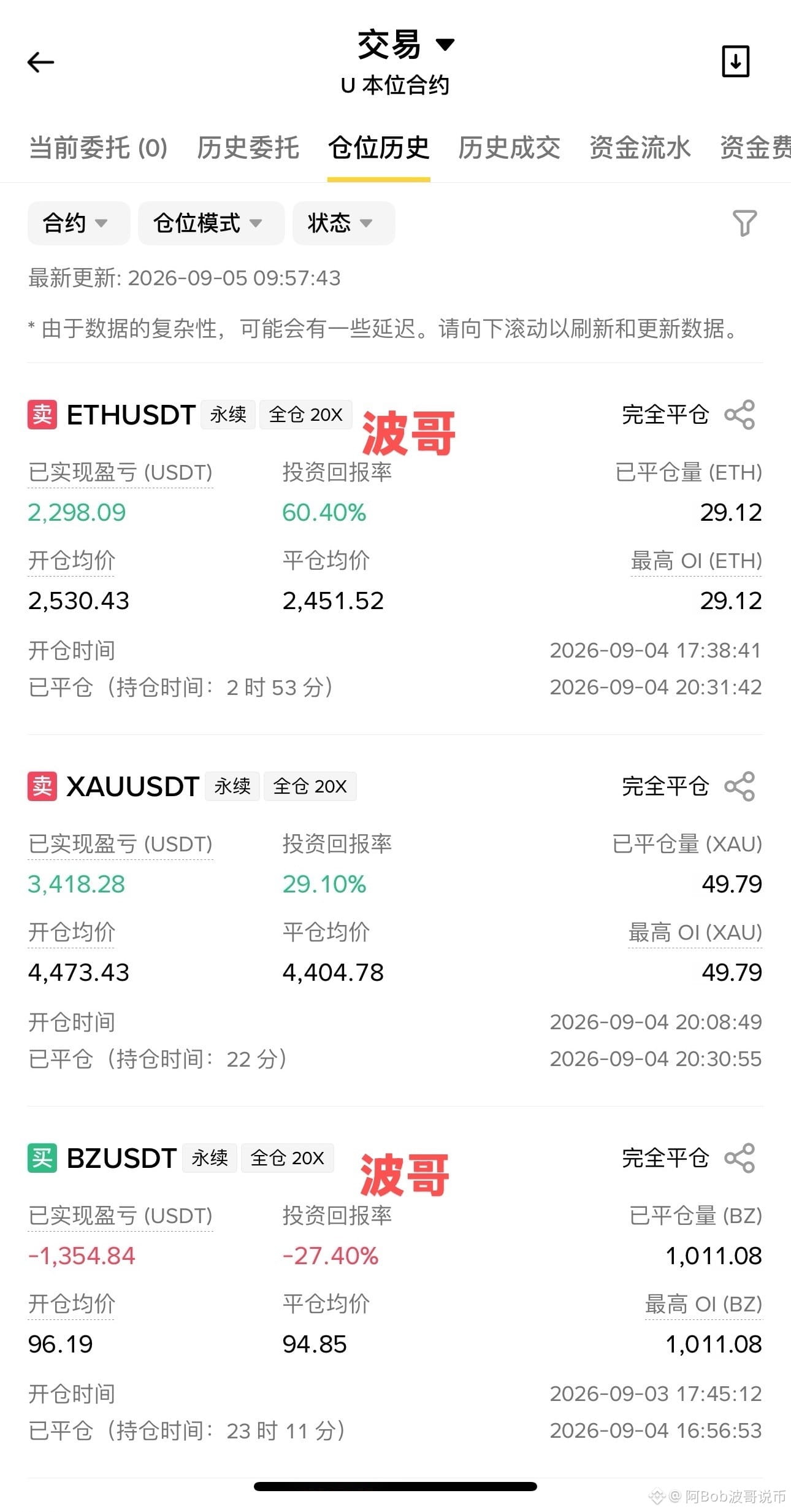



If your principal is less than 1500U, don’t keep thinking about doubling every day. In the crypto market, it’s not just about nerve—it’s about strategy, timing, and execution.
I’ve mentored a new trader: started with 1200U, and over the course of a few months slowly built it up to tens of thousands of U. Many people think it’s luck. In reality, getting results comes down to three rules:
First, no matter how small the principal is, don’t go all-in.
Divide your money into three parts: one for short-term trades to capture small fluctuations, one for trend-following when there are clear opportunities, and keep the third as a core position that you don’t touch at any time. Survive first—then you’ll be qualified to wait for big opportunities.
Second, only trade in trending markets—don’t make random moves all the time.
Most of the market time is sideways. There’s no chance to open trades recklessly, and doing so just burns through your capital. If you don’t understand it, don’t trade it. If there’s no trend, don’t enter. When profits are reached, take them in time. Making fewer mistakes matters more than making more money.
Third, control your emotions with iron rules.
Before entering every trade, make a plan first: if the loss hits your limit, cut it strictly with a stop-loss. If you’re profitable, take profits in batches. If you’re losing, never blindly add to or average down to “cover.” The biggest enemy of trading is never the market—it’s your own greed and fear.
For small capital to grow, it’s not about getting rich overnight. It’s about managing risk, waiting for the right opportunities, and executing consistently over the long term. Having a small principal isn’t scary. What’s scary is always wanting to go all-in and bet big on luck. There are always opportunities in the crypto market. The people who truly make it to the end are the ones who first learn how to survive, and then gradually become stronger.
#沙特南部能源设施遇袭停运
I’ve mentored a new trader: started with 1200U, and over the course of a few months slowly built it up to tens of thousands of U. Many people think it’s luck. In reality, getting results comes down to three rules:
First, no matter how small the principal is, don’t go all-in.
Divide your money into three parts: one for short-term trades to capture small fluctuations, one for trend-following when there are clear opportunities, and keep the third as a core position that you don’t touch at any time. Survive first—then you’ll be qualified to wait for big opportunities.
Second, only trade in trending markets—don’t make random moves all the time.
Most of the market time is sideways. There’s no chance to open trades recklessly, and doing so just burns through your capital. If you don’t understand it, don’t trade it. If there’s no trend, don’t enter. When profits are reached, take them in time. Making fewer mistakes matters more than making more money.
Third, control your emotions with iron rules.
Before entering every trade, make a plan first: if the loss hits your limit, cut it strictly with a stop-loss. If you’re profitable, take profits in batches. If you’re losing, never blindly add to or average down to “cover.” The biggest enemy of trading is never the market—it’s your own greed and fear.
For small capital to grow, it’s not about getting rich overnight. It’s about managing risk, waiting for the right opportunities, and executing consistently over the long term. Having a small principal isn’t scary. What’s scary is always wanting to go all-in and bet big on luck. There are always opportunities in the crypto market. The people who truly make it to the end are the ones who first learn how to survive, and then gradually become stronger.
#沙特南部能源设施遇袭停运
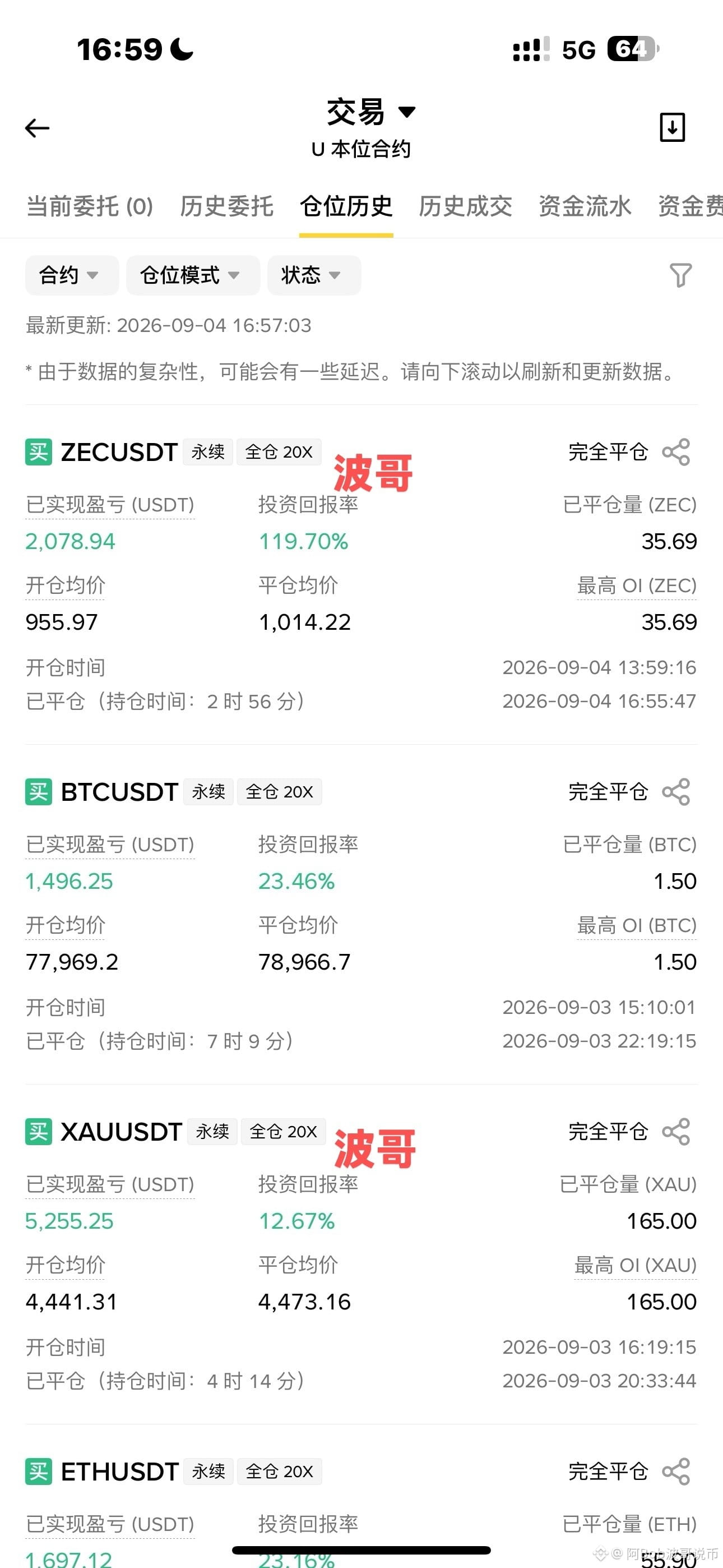
With less than 1000U in capital, don’t think about turning it 10x—first figure out how to survive
Many people have less than 1000U, yet they think about going 10x every day. Honestly, if you don’t change that mindset, even if you gave you 10,000U, you’d still lose it all.
There was a follower before: started with 900U, reached nearly 30,000U in three months, with zero liquidations the whole time. No inside information, no luck—just three dumb rules:
First, never go all-in.
With small capital, the biggest fear is going ALL IN in one shot; get the direction wrong once and you’re out. His funds were always split into three parts: one for short-term trades—quick in, quick out; one for trends—holding for swings; and the last one he would never touch—kept as survival money. Sounds simple, but not many people can actually do it.
Second, don’t trade chaotically.
In crypto, most of the time there’s no real opportunity—chop is the norm. Entering the market every day either hands over money to the exchange in fees, or gets cut over and over as price whips around. When there’s no setup, he stays flat and waits until the trend is clear before acting. When he does profit, he will take some off the table, because the number in the account doesn’t equal the real money you’ve truly made.
Third, firmly hold stop-loss and take-profit.
For every trade, he sets a stop-loss in advance. If he’s wrong, he admits it immediately. When he hits his target, he takes profit in batches and doesn’t greedily hold for the last bit. He never adds to the position to average down—because many people don’t lose due to the market; they die inside the sentence: “Just add a little more and I’ll break even.”
These three rules aren’t any deep technical skills, but they go against human nature: no all-in, no random trading, and being willing to cut losses. If you can do these three, then small capital has a chance to grow step by step.
The crypto market is full of opportunities—what’s missing are people who can stay alive long enough for those opportunities to arrive. Learn how to survive first, then talk about making money.
#加拿大拟对美商品加征15%至50%关税
Many people have less than 1000U, yet they think about going 10x every day. Honestly, if you don’t change that mindset, even if you gave you 10,000U, you’d still lose it all.
There was a follower before: started with 900U, reached nearly 30,000U in three months, with zero liquidations the whole time. No inside information, no luck—just three dumb rules:
First, never go all-in.
With small capital, the biggest fear is going ALL IN in one shot; get the direction wrong once and you’re out. His funds were always split into three parts: one for short-term trades—quick in, quick out; one for trends—holding for swings; and the last one he would never touch—kept as survival money. Sounds simple, but not many people can actually do it.
Second, don’t trade chaotically.
In crypto, most of the time there’s no real opportunity—chop is the norm. Entering the market every day either hands over money to the exchange in fees, or gets cut over and over as price whips around. When there’s no setup, he stays flat and waits until the trend is clear before acting. When he does profit, he will take some off the table, because the number in the account doesn’t equal the real money you’ve truly made.
Third, firmly hold stop-loss and take-profit.
For every trade, he sets a stop-loss in advance. If he’s wrong, he admits it immediately. When he hits his target, he takes profit in batches and doesn’t greedily hold for the last bit. He never adds to the position to average down—because many people don’t lose due to the market; they die inside the sentence: “Just add a little more and I’ll break even.”
These three rules aren’t any deep technical skills, but they go against human nature: no all-in, no random trading, and being willing to cut losses. If you can do these three, then small capital has a chance to grow step by step.
The crypto market is full of opportunities—what’s missing are people who can stay alive long enough for those opportunities to arrive. Learn how to survive first, then talk about making money.
#加拿大拟对美商品加征15%至50%关税
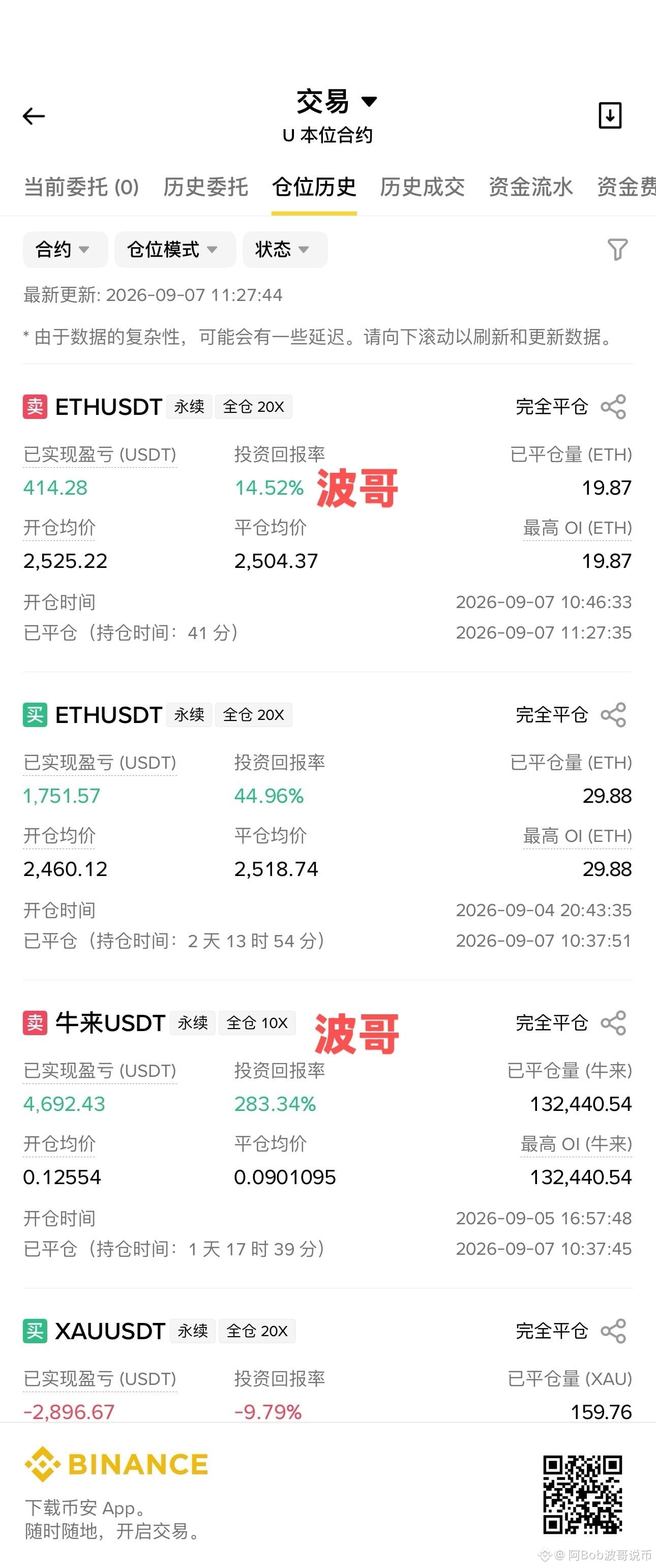
If you don’t have less than 1500 U capital and want to get rich, listen to me first
I brought a brother along—he started with 1200 U, rolled the 3-month contract into 50,000 U, and he never blew up his account the whole time. It wasn’t luck; it was all down to three moves.
First move: Split the capital into three parts—never go all-in
400 U for short-term trades, max 2 orders per day
400 U to wait for the bigger trend move
The last 400 U is life-saving money—if a big wick liquidates you, you can still come back
Second move: Go for the fattest profit, and avoid the danger
Avoid choppy, ranging markets—9 out of 10 trades lose here
Wait until the trend is confirmed before you act; it’s better to miss than to do it wrong
Once profit exceeds 30% of the principal, withdraw half immediately
Third move: Do it mechanically, with no emotions
Stop loss at 3% like it’s just water
When you reach 10% profit, set a take-profit/stop-profit right away
That brother’s account is already rolled up to 50,000 U. The most important thing is: he doesn’t have to stay up all night watching the chart anymore. He just spends a few minutes a day checking the strategy signals I send.
#美加关税战升级
I brought a brother along—he started with 1200 U, rolled the 3-month contract into 50,000 U, and he never blew up his account the whole time. It wasn’t luck; it was all down to three moves.
First move: Split the capital into three parts—never go all-in
400 U for short-term trades, max 2 orders per day
400 U to wait for the bigger trend move
The last 400 U is life-saving money—if a big wick liquidates you, you can still come back
Second move: Go for the fattest profit, and avoid the danger
Avoid choppy, ranging markets—9 out of 10 trades lose here
Wait until the trend is confirmed before you act; it’s better to miss than to do it wrong
Once profit exceeds 30% of the principal, withdraw half immediately
Third move: Do it mechanically, with no emotions
Stop loss at 3% like it’s just water
When you reach 10% profit, set a take-profit/stop-profit right away
That brother’s account is already rolled up to 50,000 U. The most important thing is: he doesn’t have to stay up all night watching the chart anymore. He just spends a few minutes a day checking the strategy signals I send.
#美加关税战升级
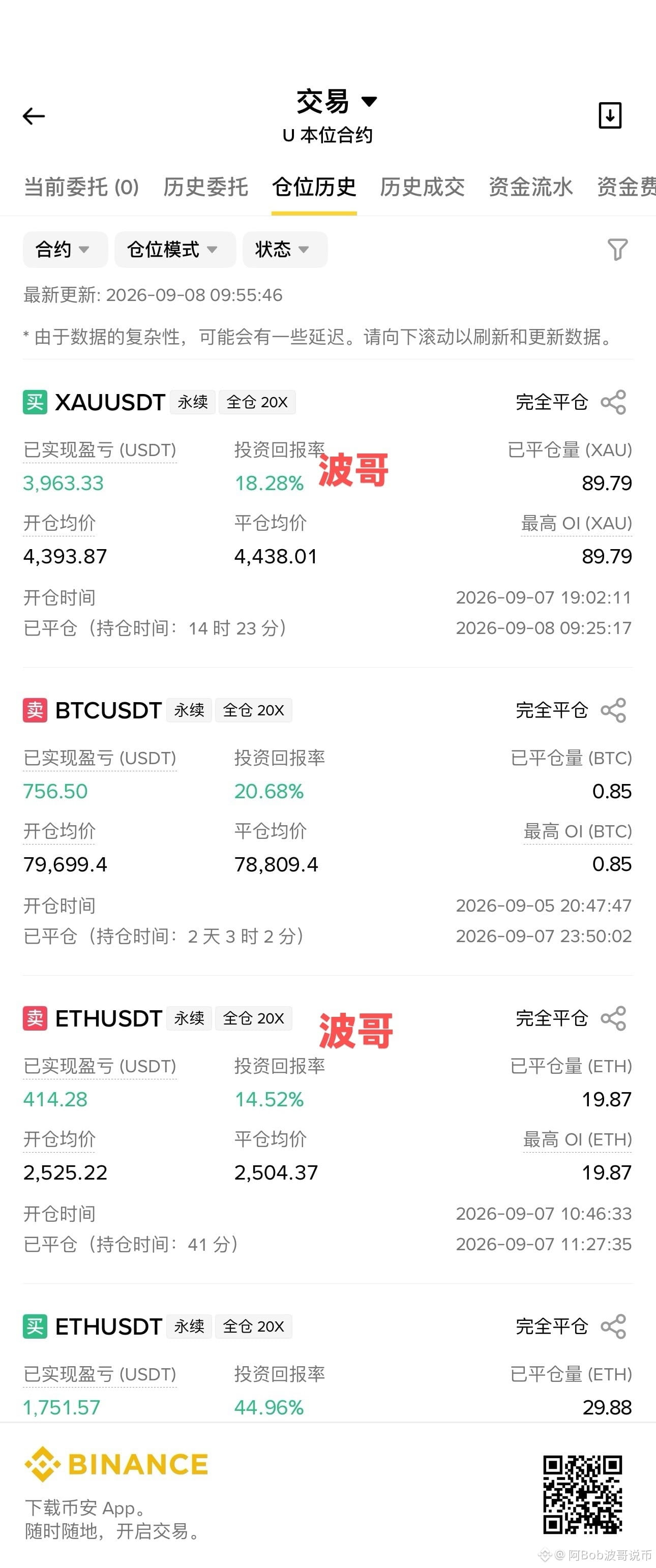
Crypto trading—can it really be the average person’s last trump card?
Many people don’t want to admit it, but the reality is right there: it’s hard to rise from working a job, startup risks are too high, and savings will never beat inflation. If you truly want to change, you can only rely on this “risk and opportunity coexist” card.
A few years ago, I brought along a brother—starting with 1000U, and in half a year he reached 300,000U. He never placed any big bets, never “all-in” on a single trade. What he relied on were three ironclad rolling-position rules.
First, only trade trends—never trade range-bound markets.
Without volume, without a breakout, and without emotional resonance, the market is essentially noise. We act only when major coins show a volume breakout. At all other times, we stay in cash. You may think you’re “waiting,” but really you’re “avoiding the garbage time.”
Second, add positions only based on unrealized profit—never touch losing trades.
Keep the initial position at within 5%. Only after profit is confirmed do you consider increasing. When profits roll up beyond 50%, you add gradually. Losing trades are never averaged down—rolling positions can roll out the gap; the key is this rule. Averaging down fills a hole, adding is stepping onto the next level—two completely different things.
Third, take profit in layers.
First protect your principal, then lock in profits, and finally leave a portion so the trend can run on its own. It’s not that you’re afraid of making less—it’s that you’re afraid of letting the market pull you off the proper rhythm. Partial exits prevent you from “calculating everything wrong” with a single move.
From 1000U to 300,000U—no luck involved. It’s execution and discipline. This market is never short of opportunities; what’s scarce are people who can survive and still continuously scale their positions. How far you can go doesn’t depend on the market—it depends on how many of these rules you can hold onto.
Many people don’t want to admit it, but the reality is right there: it’s hard to rise from working a job, startup risks are too high, and savings will never beat inflation. If you truly want to change, you can only rely on this “risk and opportunity coexist” card.
A few years ago, I brought along a brother—starting with 1000U, and in half a year he reached 300,000U. He never placed any big bets, never “all-in” on a single trade. What he relied on were three ironclad rolling-position rules.
First, only trade trends—never trade range-bound markets.
Without volume, without a breakout, and without emotional resonance, the market is essentially noise. We act only when major coins show a volume breakout. At all other times, we stay in cash. You may think you’re “waiting,” but really you’re “avoiding the garbage time.”
Second, add positions only based on unrealized profit—never touch losing trades.
Keep the initial position at within 5%. Only after profit is confirmed do you consider increasing. When profits roll up beyond 50%, you add gradually. Losing trades are never averaged down—rolling positions can roll out the gap; the key is this rule. Averaging down fills a hole, adding is stepping onto the next level—two completely different things.
Third, take profit in layers.
First protect your principal, then lock in profits, and finally leave a portion so the trend can run on its own. It’s not that you’re afraid of making less—it’s that you’re afraid of letting the market pull you off the proper rhythm. Partial exits prevent you from “calculating everything wrong” with a single move.
From 1000U to 300,000U—no luck involved. It’s execution and discipline. This market is never short of opportunities; what’s scarce are people who can survive and still continuously scale their positions. How far you can go doesn’t depend on the market—it depends on how many of these rules you can hold onto.
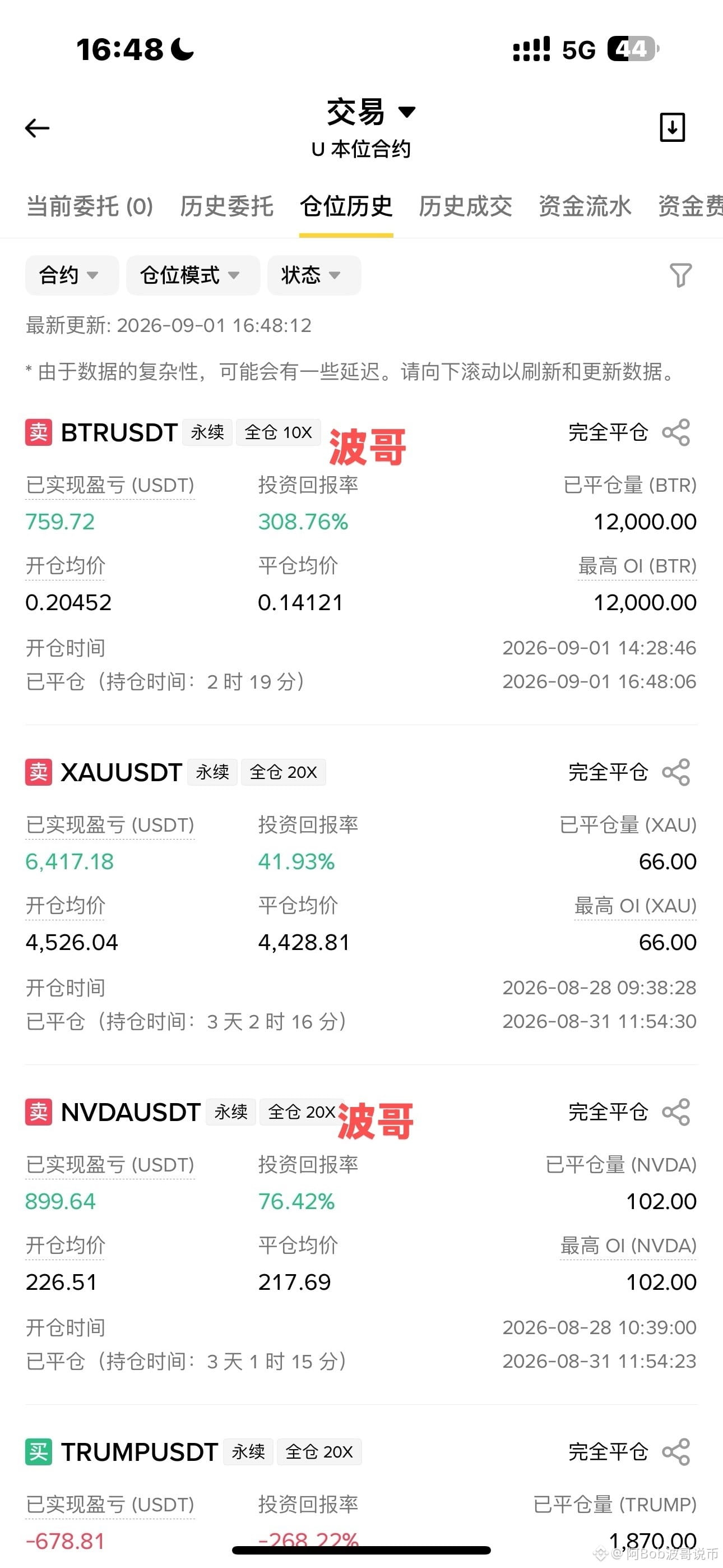
🔥 Houthi forces strike deep into Saudi Arabia, energy facilities shut down, and the oil price fire adds fuel
On Tuesday, the Houthis launched large-scale attacks on multiple cities in southern Saudi Arabia and on Aramco facilities. Dozens of ballistic missiles and drones slammed down, causing some energy facilities to catch fire and suspend operations, with at least 73 people injured. The Saudi Ministry of Energy has already confirmed that some facilities in the south have paused operations.
🛢️ This time they hit the production side, not the transportation side
After previous assaults on oil tankers, the market could still say “there is replacement capacity.” This time they directly target Saudi Aramco facilities—its nature is completely different. The Jubail refinery has a capacity of 400,000 barrels per day; after being attacked in July it remained shut, and now it has been hit again. The real loss on the supply side is more worth watching than what the headline suggests.
📈 The market has already given the first reaction:
Brent is approaching $98
WTI is above $92, up nearly 2% on the day
Refined oil prices also strengthen in tandem, with diesel and heating oil tightening
💰 The transmission chain is not hard to guess:
supply disruption → higher oil prices → inflation expectations rise → the Fed dares not ease → US Treasury yields and the dollar strengthen → BTC and tech stocks remain pressured.
🔴 Even more dangerous is the Houthis’ “warning”
A member of the Houthi political bureau directly said that Saudi oil producing areas and industrial bases are “no longer safe.” This is not a threat—it’s a statement of operations. If the strike scope is expanded further to more oil producing and export facilities, the market’s confidence in Saudi supply stability will be discounted again.
⚠️ So how should you look at it?
This news is a clear near-term positive for oil prices, but after the first wave of sentiment, watch three things: how large the damage to Saudi facilities is, how long it takes to restore them, and whether the Houthis truly continue to attack afterward. If it’s just minor facility damage with quick repairs, oil prices will give back after the initial rally. If key oil production or export links are disrupted, Brent at $100 could be only the starting point.
📌 Strategy-wise:
Don’t chase oil higher; decide after the $100 level reacts; look for longs if pullbacks to 93–94 do not break
Reduce leverage on BTC and tech stock longs first; if oil prices don’t fall, upside room for a rebound may be limited
Gold trades as a short-term safe haven, but pressure from real interest rates will cap the upside
In one sentence: This time the Houthis aren’t just causing trouble—they’re going straight for Saudi’s money bag. The top for oil prices right now doesn’t depend on technicals; it depends on where the missiles land. #沙特南部能源设施遇袭停运
On Tuesday, the Houthis launched large-scale attacks on multiple cities in southern Saudi Arabia and on Aramco facilities. Dozens of ballistic missiles and drones slammed down, causing some energy facilities to catch fire and suspend operations, with at least 73 people injured. The Saudi Ministry of Energy has already confirmed that some facilities in the south have paused operations.
🛢️ This time they hit the production side, not the transportation side
After previous assaults on oil tankers, the market could still say “there is replacement capacity.” This time they directly target Saudi Aramco facilities—its nature is completely different. The Jubail refinery has a capacity of 400,000 barrels per day; after being attacked in July it remained shut, and now it has been hit again. The real loss on the supply side is more worth watching than what the headline suggests.
📈 The market has already given the first reaction:
Brent is approaching $98
WTI is above $92, up nearly 2% on the day
Refined oil prices also strengthen in tandem, with diesel and heating oil tightening
💰 The transmission chain is not hard to guess:
supply disruption → higher oil prices → inflation expectations rise → the Fed dares not ease → US Treasury yields and the dollar strengthen → BTC and tech stocks remain pressured.
🔴 Even more dangerous is the Houthis’ “warning”
A member of the Houthi political bureau directly said that Saudi oil producing areas and industrial bases are “no longer safe.” This is not a threat—it’s a statement of operations. If the strike scope is expanded further to more oil producing and export facilities, the market’s confidence in Saudi supply stability will be discounted again.
⚠️ So how should you look at it?
This news is a clear near-term positive for oil prices, but after the first wave of sentiment, watch three things: how large the damage to Saudi facilities is, how long it takes to restore them, and whether the Houthis truly continue to attack afterward. If it’s just minor facility damage with quick repairs, oil prices will give back after the initial rally. If key oil production or export links are disrupted, Brent at $100 could be only the starting point.
📌 Strategy-wise:
Don’t chase oil higher; decide after the $100 level reacts; look for longs if pullbacks to 93–94 do not break
Reduce leverage on BTC and tech stock longs first; if oil prices don’t fall, upside room for a rebound may be limited
Gold trades as a short-term safe haven, but pressure from real interest rates will cap the upside
In one sentence: This time the Houthis aren’t just causing trouble—they’re going straight for Saudi’s money bag. The top for oil prices right now doesn’t depend on technicals; it depends on where the missiles land. #沙特南部能源设施遇袭停运

Making money only in three types of market conditions—everything else I don’t touch
After you’ve been in the crypto market long enough, you’ll understand: making money isn’t about being able to read every kind of market—it’s about daring to give up most of them. After I reached a seven-figure (8-digit) level, the biggest change I made was this—only trade three types of setups; everything else I stay in cash.
First: The pullback confirmation after a trend breakout.
After an up move, if the pullback doesn’t break the structure, and the volume contracts before rising again—this is a “trend-following” confirmation point. I only enter after confirmation; I never chase the first impulse spike. What you’re waiting for isn’t “it’s up,” but “it can stay stable even after it’s moved up.”
Second: The fake breakdown followed by a reclaim.
A sideways range breaks support on heavy volume, but then quickly recovers—that’s the classic false breakout. I only do a second upward breakout after the pullback confirmation; I don’t bottom-pick. Bottom-picking relies on guessing, while a second breakout relies on structure—one is sentiment, the other is evidence.
Third: The re-acceleration after a mid-trend shakeout.
During an uptrend, pullbacks that don’t break key support, repeated stop-hunts (bear traps), and then a fresh surge in volume—this is the most comfortable add-on spot. But you must wait for structural confirmation. Before confirmation, it’s a trap; after confirmation, it’s an opportunity.
Some people say doing it this way means you’ll miss a lot of chances. I admit it, but what I care more about is: making fewer mistakes matters more than making more money. Trading isn’t about who does the most—it’s about who can stay alive the longest. Only those who can control their hands have the right to remain in the market long-term.
#沙特南部能源设施遇袭停运
#美加关税战升级
After you’ve been in the crypto market long enough, you’ll understand: making money isn’t about being able to read every kind of market—it’s about daring to give up most of them. After I reached a seven-figure (8-digit) level, the biggest change I made was this—only trade three types of setups; everything else I stay in cash.
First: The pullback confirmation after a trend breakout.
After an up move, if the pullback doesn’t break the structure, and the volume contracts before rising again—this is a “trend-following” confirmation point. I only enter after confirmation; I never chase the first impulse spike. What you’re waiting for isn’t “it’s up,” but “it can stay stable even after it’s moved up.”
Second: The fake breakdown followed by a reclaim.
A sideways range breaks support on heavy volume, but then quickly recovers—that’s the classic false breakout. I only do a second upward breakout after the pullback confirmation; I don’t bottom-pick. Bottom-picking relies on guessing, while a second breakout relies on structure—one is sentiment, the other is evidence.
Third: The re-acceleration after a mid-trend shakeout.
During an uptrend, pullbacks that don’t break key support, repeated stop-hunts (bear traps), and then a fresh surge in volume—this is the most comfortable add-on spot. But you must wait for structural confirmation. Before confirmation, it’s a trap; after confirmation, it’s an opportunity.
Some people say doing it this way means you’ll miss a lot of chances. I admit it, but what I care more about is: making fewer mistakes matters more than making more money. Trading isn’t about who does the most—it’s about who can stay alive the longest. Only those who can control their hands have the right to remain in the market long-term.
#沙特南部能源设施遇袭停运
#美加关税战升级
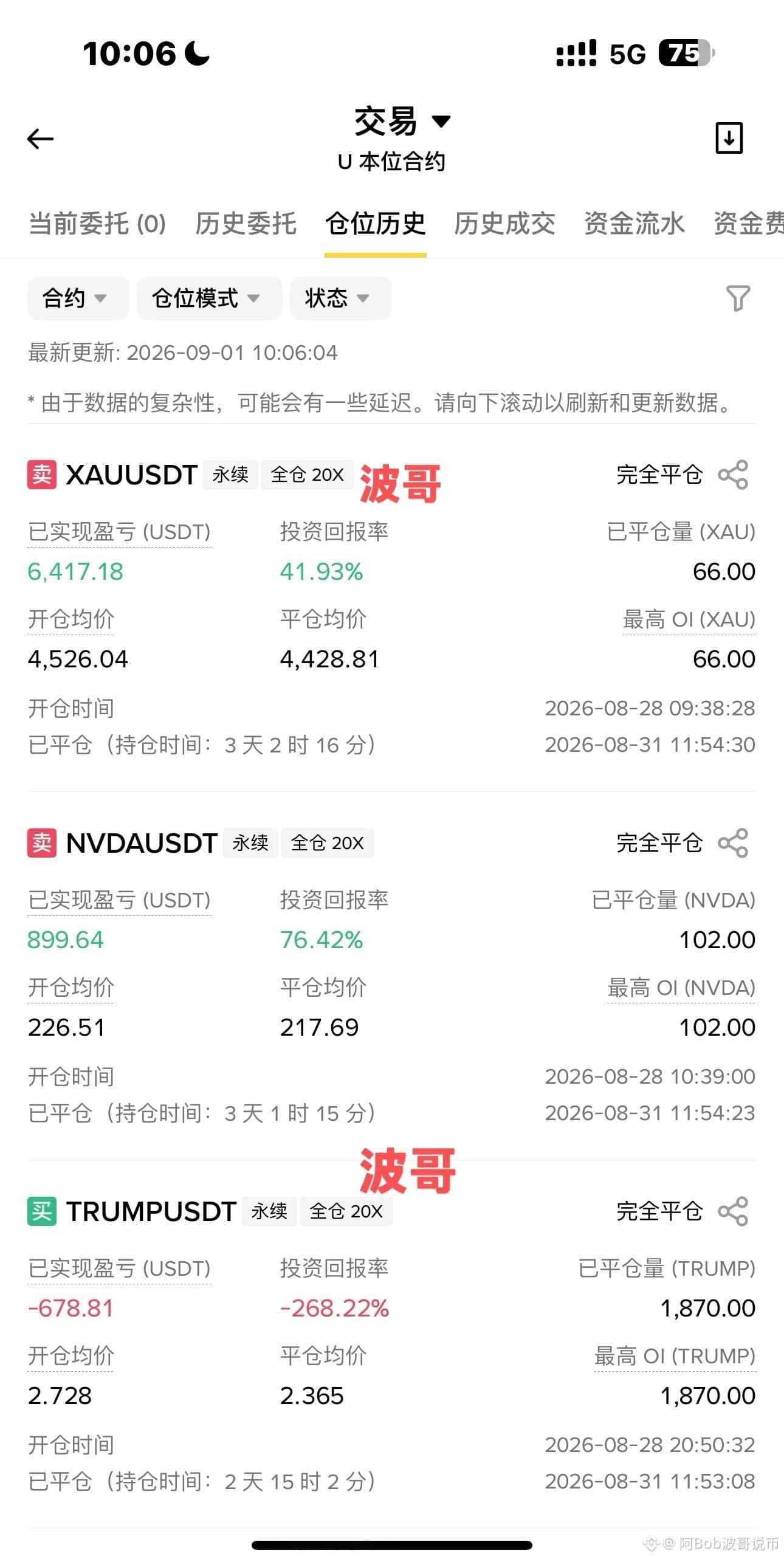
After staying in the market for a while, you’ll realize the people who truly manage to survive never rely on luck—they rely on a discipline that can be executed consistently.
I once led a brother who started with 3,000U. Following this same rhythm, he steadily reached 18,000U. The core is three points:
First, money management is the bottom line.
Divide your principal into three parts: short-term trades, swing trades, and “survival money.” Short-term trades only on major coins; take small profits and leave. For swing trades, only act when there’s a high-certainty opportunity—if there’s no signal, you don’t move. “Survival money” is never touched; it’s the ace that keeps your mindset steady. As long as you don’t go all-in, one mistake won’t eliminate you.
Second, trade only the trend—you don’t waste time grinding through chop.
Eighty percent of the time, the market is just meaningless noise. The right approach is two words: wait, then act. If there’s no trend, stay in cash. Enter only when a signal appears. After you’re in profit, take partial profits promptly—“locking in gains” is what counts.
Third, rules are tougher than emotions.
A per-trade stop-loss is non-negotiable: when it’s hit, you leave. Reduce positions in batches when you’re profitable. Never add to a losing trade. The essence of trading isn’t prediction—it’s controlling risk and executing discipline. The market doesn’t reward people for being busy; it only rewards those who can keep surviving.
Real growth isn’t about making money quickly—it’s about being able to stay seated at the table. When you turn “rules, patience, discipline” into instinct, then you truly have the资格 to survive in this market.
#美加关税战升级
I once led a brother who started with 3,000U. Following this same rhythm, he steadily reached 18,000U. The core is three points:
First, money management is the bottom line.
Divide your principal into three parts: short-term trades, swing trades, and “survival money.” Short-term trades only on major coins; take small profits and leave. For swing trades, only act when there’s a high-certainty opportunity—if there’s no signal, you don’t move. “Survival money” is never touched; it’s the ace that keeps your mindset steady. As long as you don’t go all-in, one mistake won’t eliminate you.
Second, trade only the trend—you don’t waste time grinding through chop.
Eighty percent of the time, the market is just meaningless noise. The right approach is two words: wait, then act. If there’s no trend, stay in cash. Enter only when a signal appears. After you’re in profit, take partial profits promptly—“locking in gains” is what counts.
Third, rules are tougher than emotions.
A per-trade stop-loss is non-negotiable: when it’s hit, you leave. Reduce positions in batches when you’re profitable. Never add to a losing trade. The essence of trading isn’t prediction—it’s controlling risk and executing discipline. The market doesn’t reward people for being busy; it only rewards those who can keep surviving.
Real growth isn’t about making money quickly—it’s about being able to stay seated at the table. When you turn “rules, patience, discipline” into instinct, then you truly have the资格 to survive in this market.
#美加关税战升级
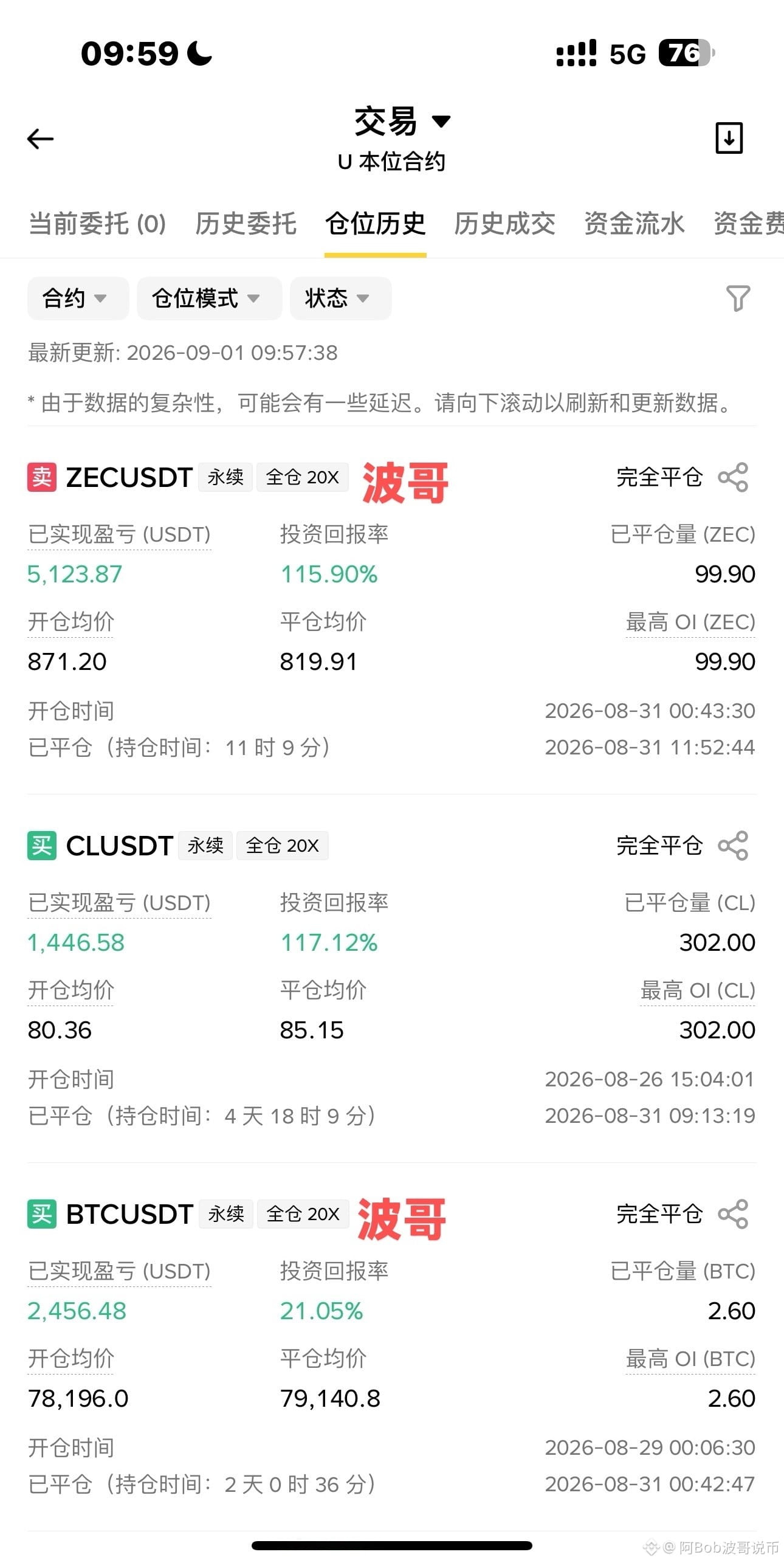
The fastest way to make money in the coin world isn’t simply holding spot and refusing to sell, and it isn’t DCA waiting for price to rise. It’s rolling your positions.
From a few thousand to tens of thousands, and from tens of thousands to several hundred thousand—when the market is in your favor, a tenfold gain in a single week isn’t some rare miracle. But I’ll only say half of that—because I’ve also seen too many people. Their account just went up a few times, then they got hot-headed and went all-in, only to end up back at zero on the spot.
Rolling positions is a double-edged sword. Use it well and it’s a money printer; use it poorly and it becomes a meat grinder. The mechanics aren’t complicated: use small money to test the path, use high leverage to magnify gains. When you profit, take the profit and keep pushing. With 1,000 USDT as capital, take only 100 USDT for the first trade as a trial. If that trade makes money, pull the principal and some of the profits back out; leave the remaining profits inside so you can keep trading. Earn again, roll again. When your direction is correct, your account curve can rise so fast that you start doubting your own eyes.
Where do most people end up dying? Not because their judgment is wrong—it’s because their mindset falls apart. When they make money, they want to make even more. When they lose, they won’t accept it. Finally, they make the next trade, and all the hard work from the previous month gets paid as tuition to the market.
The biggest enemy of rolling positions has never been shady operators or random spikes—it’s greed. If you want to play this game, keep two strings tight in your mind: if you’re wrong, get out. If you make more than expected, take the money out first. No matter how pretty the account number looks, only when you withdraw it to your bank account does it truly count as profit.
Also, rolling positions depends on the environment. It only works in markets with a clear trend and enough volatility. In a choppy, range-bound market, rolling positions every day is basically the same as donating trading fees to the exchange. When the opportunity comes, strike with full force. When it doesn’t, stay down and wait.
That’s what rolling positions really means. Otherwise, you think you’re rolling the market—but in reality, the market is rolling you.
From a few thousand to tens of thousands, and from tens of thousands to several hundred thousand—when the market is in your favor, a tenfold gain in a single week isn’t some rare miracle. But I’ll only say half of that—because I’ve also seen too many people. Their account just went up a few times, then they got hot-headed and went all-in, only to end up back at zero on the spot.
Rolling positions is a double-edged sword. Use it well and it’s a money printer; use it poorly and it becomes a meat grinder. The mechanics aren’t complicated: use small money to test the path, use high leverage to magnify gains. When you profit, take the profit and keep pushing. With 1,000 USDT as capital, take only 100 USDT for the first trade as a trial. If that trade makes money, pull the principal and some of the profits back out; leave the remaining profits inside so you can keep trading. Earn again, roll again. When your direction is correct, your account curve can rise so fast that you start doubting your own eyes.
Where do most people end up dying? Not because their judgment is wrong—it’s because their mindset falls apart. When they make money, they want to make even more. When they lose, they won’t accept it. Finally, they make the next trade, and all the hard work from the previous month gets paid as tuition to the market.
The biggest enemy of rolling positions has never been shady operators or random spikes—it’s greed. If you want to play this game, keep two strings tight in your mind: if you’re wrong, get out. If you make more than expected, take the money out first. No matter how pretty the account number looks, only when you withdraw it to your bank account does it truly count as profit.
Also, rolling positions depends on the environment. It only works in markets with a clear trend and enough volatility. In a choppy, range-bound market, rolling positions every day is basically the same as donating trading fees to the exchange. When the opportunity comes, strike with full force. When it doesn’t, stay down and wait.
That’s what rolling positions really means. Otherwise, you think you’re rolling the market—but in reality, the market is rolling you.
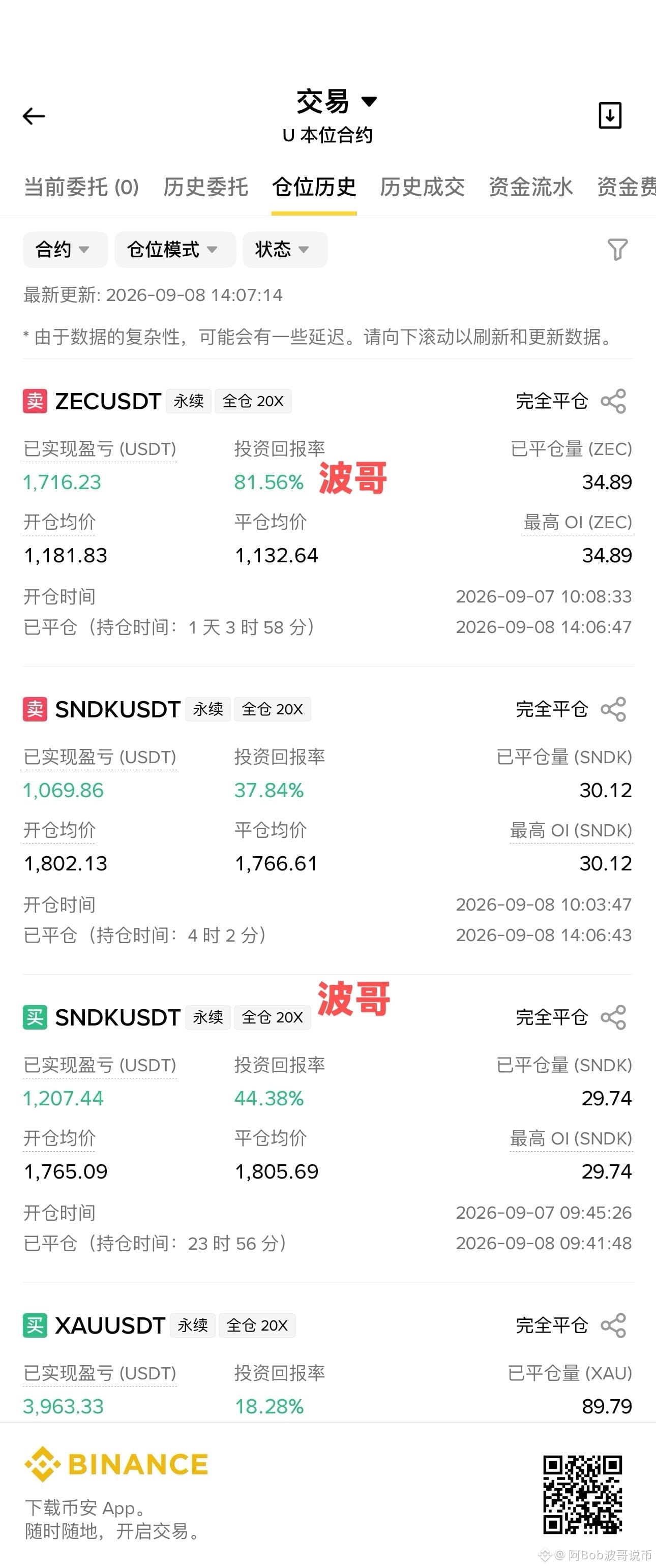
Losing money on contracts isn’t bad luck—it’s because you didn’t understand the rules.
Many people think they’re trading, but in reality they’re signing a head-to-head betting agreement. Every trade you profit from means someone else is losing; every trade you lose goes into someone else’s pocket.
The funding rate has stayed positive, which means the long side is too crowded. Your liquidation price is much closer than you think—fees, funding, and slippage all keep eating into your margin. Leverage magnifies not only your returns, but also your costs, pressure, and the price of mistakes. When rolling positions, don’t go all-in—take at least half of your gains first; if the market turns, you’ll still have moves left.
There aren’t that many conspiracy theories here. You just haven’t understood the rules. If you want to survive, first figure out how the game is played—otherwise you’re just feeding the market.
Many people think they’re trading, but in reality they’re signing a head-to-head betting agreement. Every trade you profit from means someone else is losing; every trade you lose goes into someone else’s pocket.
The funding rate has stayed positive, which means the long side is too crowded. Your liquidation price is much closer than you think—fees, funding, and slippage all keep eating into your margin. Leverage magnifies not only your returns, but also your costs, pressure, and the price of mistakes. When rolling positions, don’t go all-in—take at least half of your gains first; if the market turns, you’ll still have moves left.
There aren’t that many conspiracy theories here. You just haven’t understood the rules. If you want to survive, first figure out how the game is played—otherwise you’re just feeding the market.
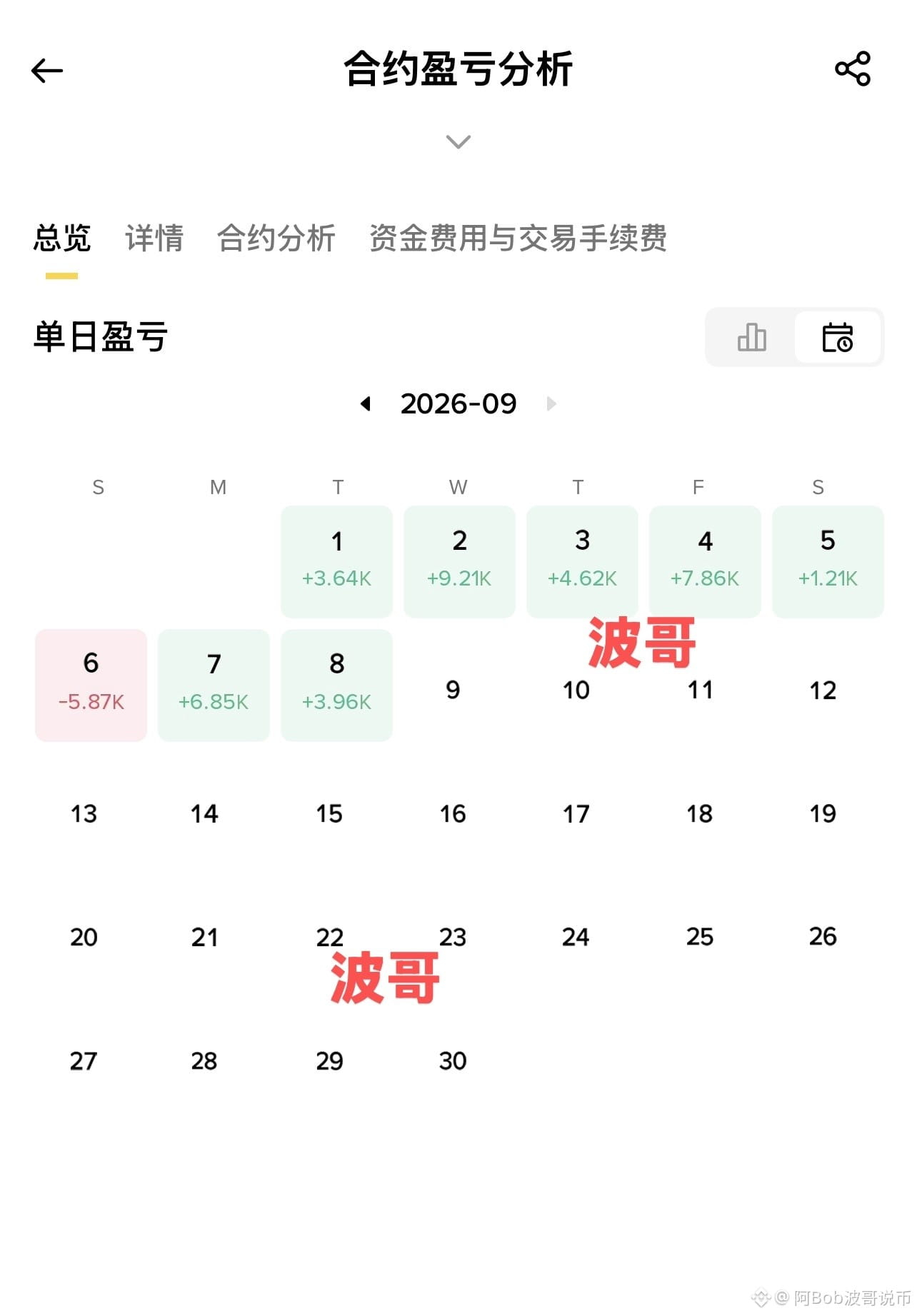
With the market so chaotic, can small capital still jump in? Back then I only had 3,000 U. I could only dare to focus on half the screen when placing orders. But later that money rolled into over 50,000 U—more than a dozen times.
At first, I also went all-in chasing and cutting, getting slapped by the market again and again. After losing a few times, I finally understood: making money has nothing to do with luck. The key is two things—position management and market rhythm.
Step 1: Compound-style rolling, without going all-in. Open only 20%-25% of your position each time. When you earn 8%-10%, lock in the profit and use it to roll into the next round. The principal always stays as a safety cushion. Don’t be greedy, don’t drag it out. Let profits roll bit by bit and let position size grow bit by bit.
Step 2: If you’re wrong, cut. If you’re right, hold. When there’s no opportunity, don’t trade. Once the direction is right, add gradually and let the profit run. If you’re wrong, exit faster than anyone—don’t fantasize that “it will bounce back.” Being able to stay alive isn’t because I’m accurate; it’s because I dare to admit when I’m wrong.
Step 3: Rolling is driven by strategy, not luck. From 3,000 U to over 50,000 U took me more than 40 days. No all-in, no signals—just position planning plus control of timing.
If you want to know how small capital can gradually roll into something bigger, feel free to chat. The market is always there, but your principal and opportunities—there are only a few times.
At first, I also went all-in chasing and cutting, getting slapped by the market again and again. After losing a few times, I finally understood: making money has nothing to do with luck. The key is two things—position management and market rhythm.
Step 1: Compound-style rolling, without going all-in. Open only 20%-25% of your position each time. When you earn 8%-10%, lock in the profit and use it to roll into the next round. The principal always stays as a safety cushion. Don’t be greedy, don’t drag it out. Let profits roll bit by bit and let position size grow bit by bit.
Step 2: If you’re wrong, cut. If you’re right, hold. When there’s no opportunity, don’t trade. Once the direction is right, add gradually and let the profit run. If you’re wrong, exit faster than anyone—don’t fantasize that “it will bounce back.” Being able to stay alive isn’t because I’m accurate; it’s because I dare to admit when I’m wrong.
Step 3: Rolling is driven by strategy, not luck. From 3,000 U to over 50,000 U took me more than 40 days. No all-in, no signals—just position planning plus control of timing.
If you want to know how small capital can gradually roll into something bigger, feel free to chat. The market is always there, but your principal and opportunities—there are only a few times.
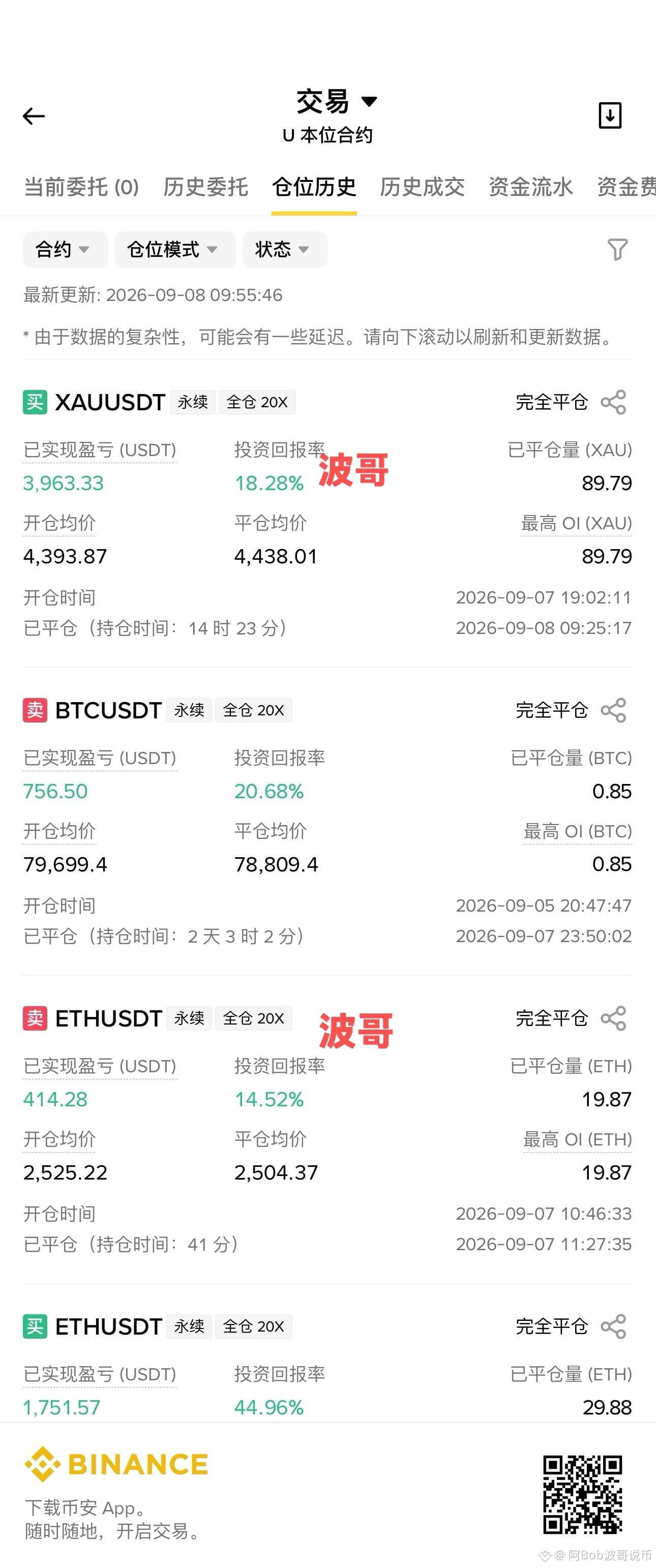
With the same 3000U, some people roll it to 30,000U in a month, while others lose 300U in just three days. Many people’s first reaction is that it’s a market issue, but once you’ve been in this for a while, you’ll understand: the problem isn’t the K-line—it's whether, when you open a futures position, you’re thinking “how to win” or “how to lose.”
The real culprit behind liquidations is never 20x or 50x; it’s high leverage + heavy position sizing + no stop-loss—when all three come together, one trade can wipe you out.
Let’s use an example: opening with 300U at 10x versus opening with 150U at 20x means the risk exposure is the same. If price rises 1%, both sides earn roughly the same. If it drops 1%, both lose 30U. But one side uses only 10% of the margin, while the other directly takes 20%—and after a couple more moves, if your hands slip and your emotions take over, it stops being trading and turns into stubbornness. So many people don’t lose to the market—they lose because their position sizing is too fragile.
Let’s put it more clearly: with a 3000U account, if you open 300U at 10x, you only get 10 chances. If you open 150U at 20x, you can break it into 20 attempts. With the same capital, the latter is more flexible—test in batches: if you’re right, press on; if you’re wrong, step back. It’s not one shot deciding life or death. The purpose of high leverage is never to go all-in; it’s to keep positions light, use scattered entries, and run in segments.
Low leverage suits people who can hold through volatility. High leverage suits those who can stop-loss quickly and just as quickly exit. Unfortunately, most people use them the opposite way. You see someone use 50x and double in one trade, but you don’t see how many trades they blew up before that.
In the end, in trading, it comes down to who stays steady: stable position sizing, stable stop-losses, and stable execution. If you let any one of the three go, the slide can’t be stopped. One person uses leverage to trade; the other uses leverage to gamble with their life—the answer was written into the account long ago.
The real culprit behind liquidations is never 20x or 50x; it’s high leverage + heavy position sizing + no stop-loss—when all three come together, one trade can wipe you out.
Let’s use an example: opening with 300U at 10x versus opening with 150U at 20x means the risk exposure is the same. If price rises 1%, both sides earn roughly the same. If it drops 1%, both lose 30U. But one side uses only 10% of the margin, while the other directly takes 20%—and after a couple more moves, if your hands slip and your emotions take over, it stops being trading and turns into stubbornness. So many people don’t lose to the market—they lose because their position sizing is too fragile.
Let’s put it more clearly: with a 3000U account, if you open 300U at 10x, you only get 10 chances. If you open 150U at 20x, you can break it into 20 attempts. With the same capital, the latter is more flexible—test in batches: if you’re right, press on; if you’re wrong, step back. It’s not one shot deciding life or death. The purpose of high leverage is never to go all-in; it’s to keep positions light, use scattered entries, and run in segments.
Low leverage suits people who can hold through volatility. High leverage suits those who can stop-loss quickly and just as quickly exit. Unfortunately, most people use them the opposite way. You see someone use 50x and double in one trade, but you don’t see how many trades they blew up before that.
In the end, in trading, it comes down to who stays steady: stable position sizing, stable stop-losses, and stable execution. If you let any one of the three go, the slide can’t be stopped. One person uses leverage to trade; the other uses leverage to gamble with their life—the answer was written into the account long ago.
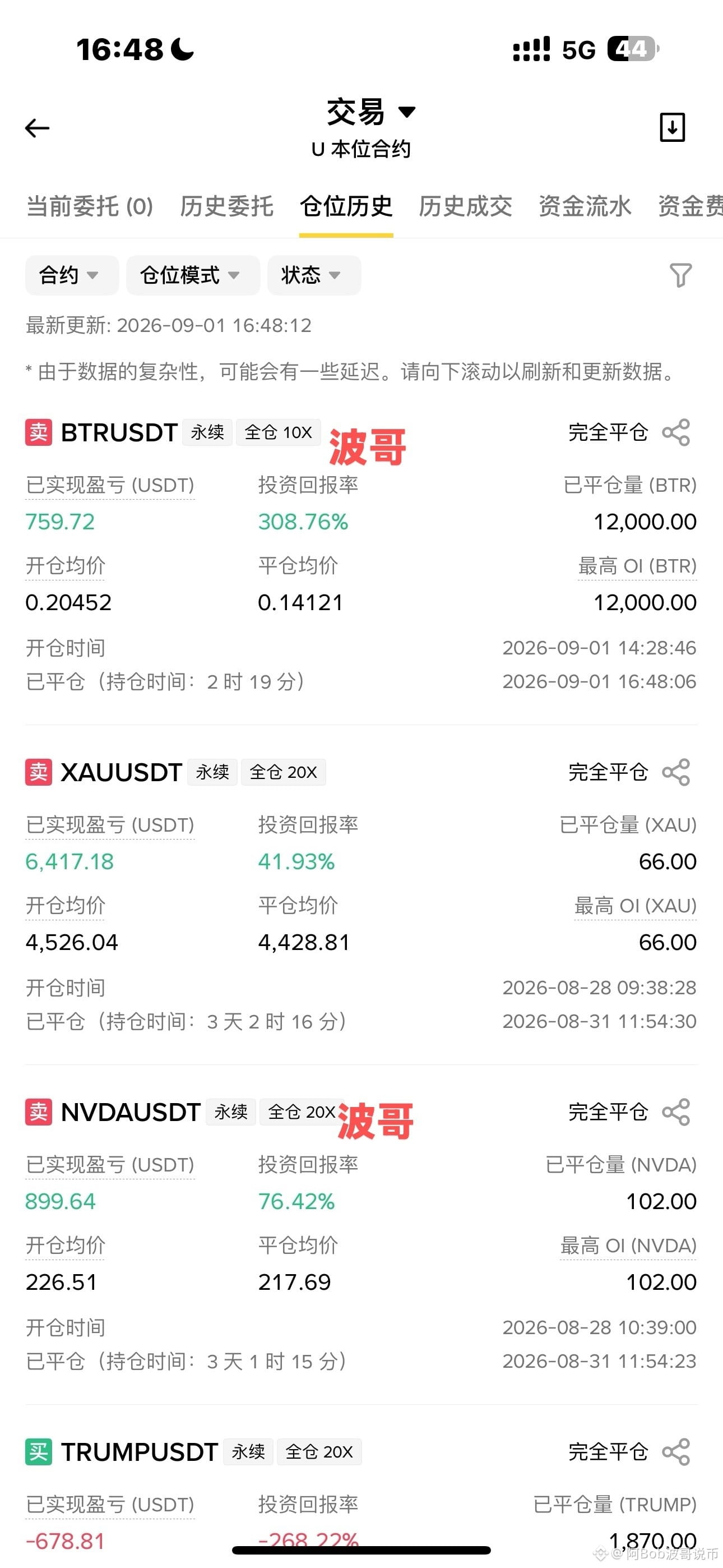
The market is so chaotic—can small capital still get in?
When I started, I only had 3,000 U. I was only brave enough to watch half the screen when placing orders. But that money later grew to over 50,000 U—more than a tenfold increase.
At first, I also went all-in, chasing and killing the move. The market kept hitting me back and forth. After losing a few times, I realized that making money has nothing to do with luck—it comes down to two things: position management + market rhythm.
First step: compound-style rolling trades, never all-in.
Each time, only open 20%-25% of your position. When you make 8%-10%, lock in the profit and use it to roll into the next round, keeping the principal as a safety cushion the whole time. Don’t be greedy and don’t hold and drag. Roll the profit little by little, and scale the position little by little.
Second step: if you’re wrong, cut; if you’re right, hold.
Don’t trade when there’s no opportunity. If the direction is right, add slowly so the profits can run. If you’re wrong, exit faster than anyone else—don’t fantasize about “it might bounce back.”
Surviving isn’t because I’m always right. It’s because I dare to admit when I’m wrong.
Third step: rolling trades rely on strategy, not luck.
From 3,000 U to over 50,000 U took me more than 40 days. No all-ins, no rumors—just position planning and rhythm control.
If you want to know how small capital can slowly roll into bigger capital, feel free to chat with me. The market is always there, but the principal and the chances—there are only a few.
When I started, I only had 3,000 U. I was only brave enough to watch half the screen when placing orders. But that money later grew to over 50,000 U—more than a tenfold increase.
At first, I also went all-in, chasing and killing the move. The market kept hitting me back and forth. After losing a few times, I realized that making money has nothing to do with luck—it comes down to two things: position management + market rhythm.
First step: compound-style rolling trades, never all-in.
Each time, only open 20%-25% of your position. When you make 8%-10%, lock in the profit and use it to roll into the next round, keeping the principal as a safety cushion the whole time. Don’t be greedy and don’t hold and drag. Roll the profit little by little, and scale the position little by little.
Second step: if you’re wrong, cut; if you’re right, hold.
Don’t trade when there’s no opportunity. If the direction is right, add slowly so the profits can run. If you’re wrong, exit faster than anyone else—don’t fantasize about “it might bounce back.”
Surviving isn’t because I’m always right. It’s because I dare to admit when I’m wrong.
Third step: rolling trades rely on strategy, not luck.
From 3,000 U to over 50,000 U took me more than 40 days. No all-ins, no rumors—just position planning and rhythm control.
If you want to know how small capital can slowly roll into bigger capital, feel free to chat with me. The market is always there, but the principal and the chances—there are only a few.
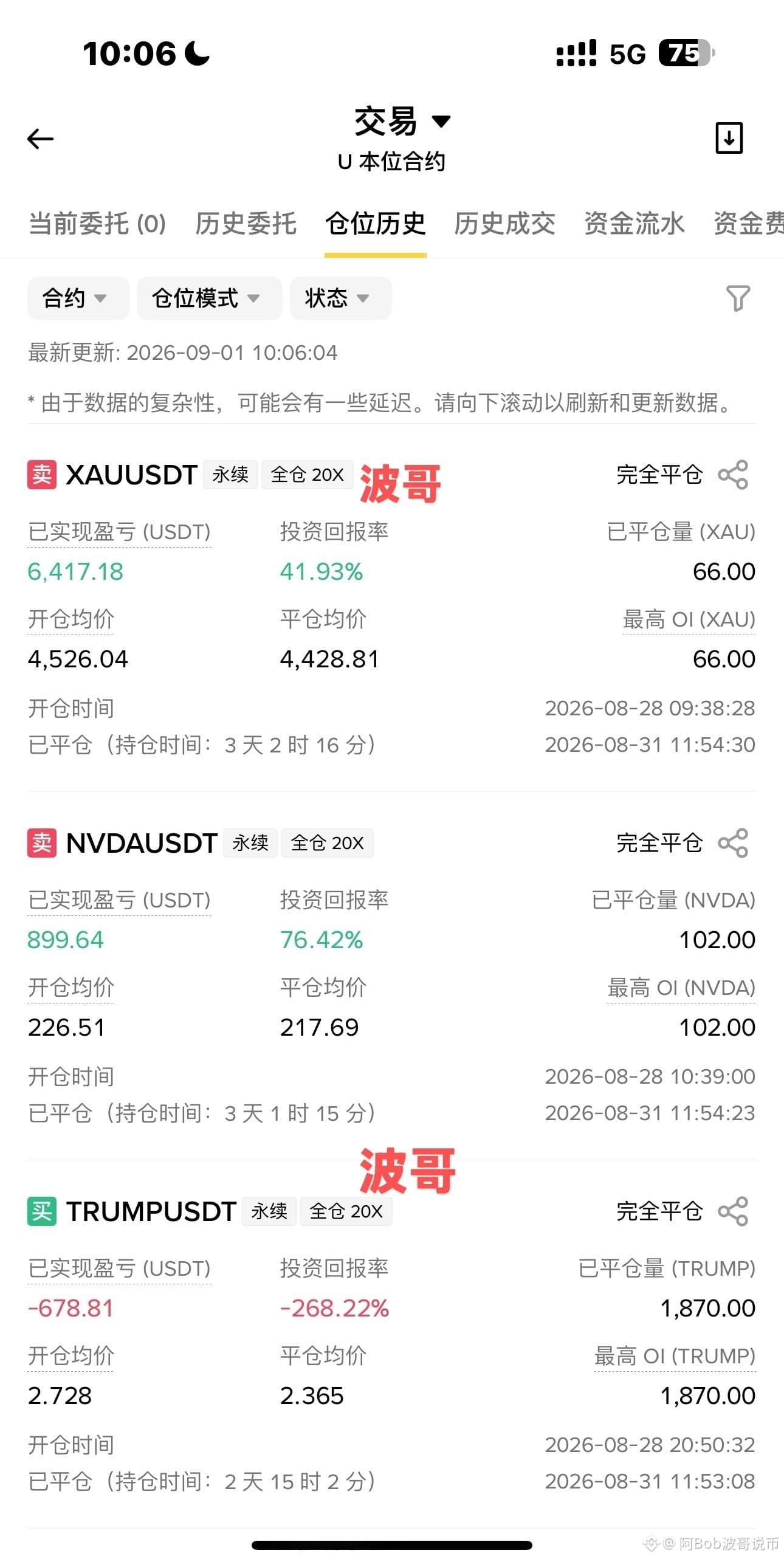
The “6000U flip” thing isn’t that mysterious.
A while back, a brother came to find me with one thing on his mind—“go all in on a trade.” But the position kept getting larger, the leverage kept getting higher. He didn’t make money, his confidence was hit first, and even when he looked at the charts his hands started to shake.
Later, he managed to gather a bit more capital. This time, he didn’t rush to choose coins. First, he changed his playbook.
Three iron rules—welded into your hands:
First, keep your position light. It’s better to miss a trade than to stubbornly hold on. Before placing an order, think about the worst-case outcome. If you can’t bear it, don’t act.
Second, don’t hesitate to cut losses. Capital is life—once it’s gone, you have nothing. When the level is hit, leave. No waiting, no forcing it, no daydreaming.
Third, compound with profit—don’t use principal to gamble. Test first with part of your funds. Roll the profits back in. When the market is chaotic, move less. Only trade when the direction is clear. What you’re reading is the trend, not the up-and-down swings of a few minutes.
He even said: back then, looking at the 5-minute chart made his heart race. Now, watching the daily chart feels more solid.
His account changed little by little: from a few thousand U to over ten thousand, then to tens of thousands. The speed isn’t fast, but every step is steady.
After half a year, the numbers changed—and so did the person. He’s no longer rushed, no longer gambling. Instead, things have become smoother the more he does it. When I asked how he was doing lately, he just smiled and said, “I can finally sleep through the night.”
Many people always want to flip their fortunes in one move. But real comeback is first learning how not to lose. This world has no shortage of opportunities—the shortage is people who can keep their principal and walk the rhythm steadily. As long as you’re still in the game, a turnaround isn’t a fantasy.
#加拿大对美关税正式生效
#沙特南部能源设施遇袭停运
A while back, a brother came to find me with one thing on his mind—“go all in on a trade.” But the position kept getting larger, the leverage kept getting higher. He didn’t make money, his confidence was hit first, and even when he looked at the charts his hands started to shake.
Later, he managed to gather a bit more capital. This time, he didn’t rush to choose coins. First, he changed his playbook.
Three iron rules—welded into your hands:
First, keep your position light. It’s better to miss a trade than to stubbornly hold on. Before placing an order, think about the worst-case outcome. If you can’t bear it, don’t act.
Second, don’t hesitate to cut losses. Capital is life—once it’s gone, you have nothing. When the level is hit, leave. No waiting, no forcing it, no daydreaming.
Third, compound with profit—don’t use principal to gamble. Test first with part of your funds. Roll the profits back in. When the market is chaotic, move less. Only trade when the direction is clear. What you’re reading is the trend, not the up-and-down swings of a few minutes.
He even said: back then, looking at the 5-minute chart made his heart race. Now, watching the daily chart feels more solid.
His account changed little by little: from a few thousand U to over ten thousand, then to tens of thousands. The speed isn’t fast, but every step is steady.
After half a year, the numbers changed—and so did the person. He’s no longer rushed, no longer gambling. Instead, things have become smoother the more he does it. When I asked how he was doing lately, he just smiled and said, “I can finally sleep through the night.”
Many people always want to flip their fortunes in one move. But real comeback is first learning how not to lose. This world has no shortage of opportunities—the shortage is people who can keep their principal and walk the rhythm steadily. As long as you’re still in the game, a turnaround isn’t a fantasy.
#加拿大对美关税正式生效
#沙特南部能源设施遇袭停运
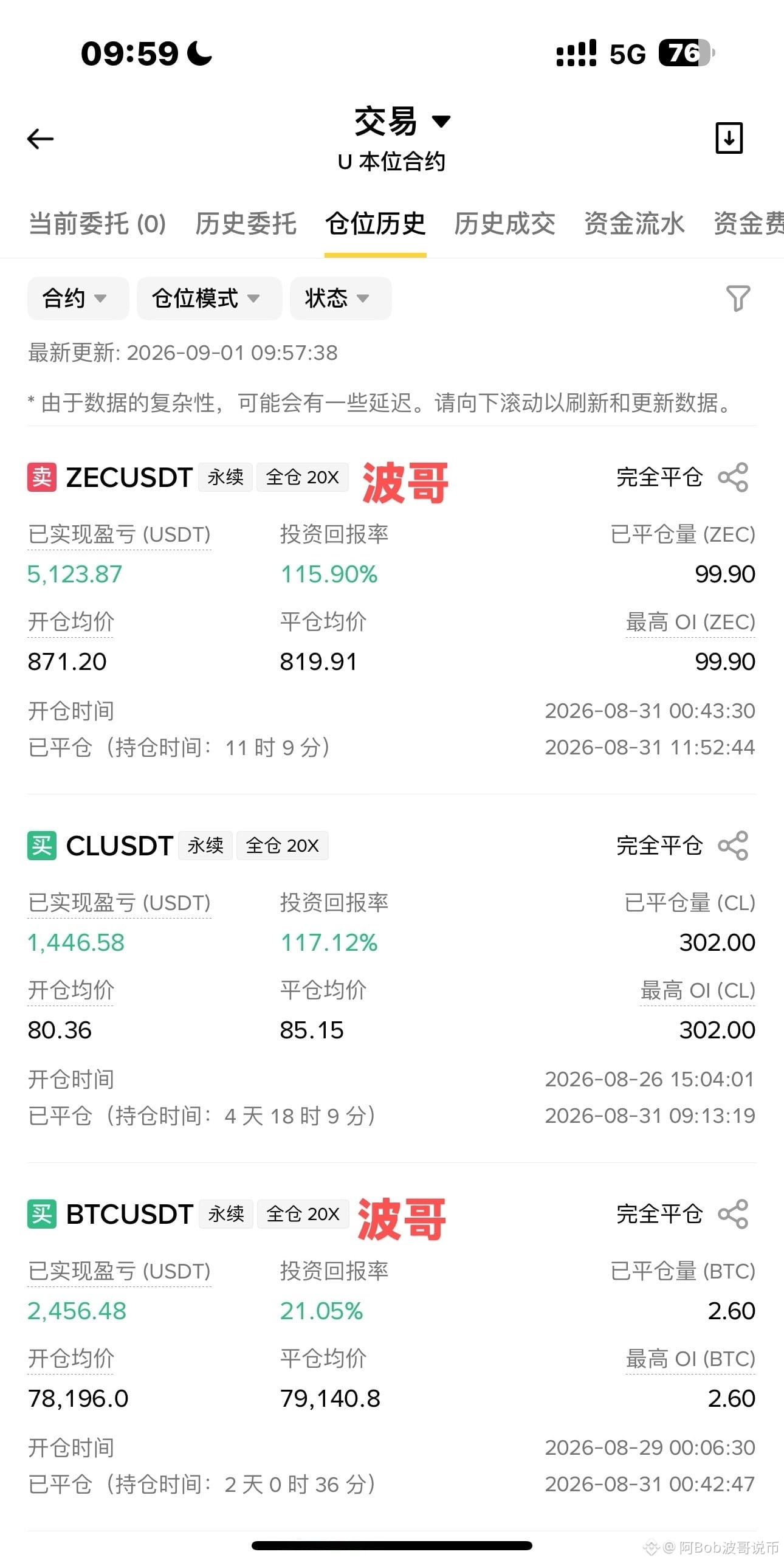
When the principal isn’t much, don’t rely on cleverness—using a “dumb” approach can keep you alive.
You put in a few thousand USD, chase hype, listen to rumors, and rush into copycats—until your account gets thinner and thinner. I’ve seen too many examples like this in this market.
The ones who truly survive are the ones who use straightforward methods and stick to strict rules.
This system isn’t complicated—the key is whether you can follow through.
Step one: Choose coins based only on the daily MACD golden cross. Don’t look at news, don’t listen to calls—signals at the daily timeframe are the cleanest. Especially the golden cross above the zero line; it’s relatively more reliable.
Step two: Acknowledge only one moving average. If price stays above it, hold. If it breaks below, exit. No explanations, no fantasies. Don’t fall in love with the candlesticks—if the line breaks, it’s over.
Step three: Enter based on volume and price action, and exit in batches. Only act when price is above the moving average and volume expands. After it rises for a bit, sell a portion first; if it rises again, sell again. If it breaks below the moving average, clear the position immediately. You act only when volume and price confirm—no volume is just playing games.
Step four: Stop-loss is determined by the closing price. If the close breaks below the moving average, you must leave the next day. Don’t delay, don’t hold on, and don’t wait for miracles. “Averaging down” is the beginning of losses; admitting you’re wrong is the beginning of staying alive.
This approach isn’t exciting—it’s even kind of boring. But its core can be summed up in one sentence: make fewer mistakes.
The harshest part of the crypto world isn’t that you can’t make money—it’s that you keep trading based on feelings. Missing out isn’t the scary part; making one wrong trade is what’s deadly.
Many people always want to catch the next big wave of opportunity, but the problem is you can’t even hold your rules—so no matter how many chances there are, they have nothing to do with you.
#美加关税战升级
You put in a few thousand USD, chase hype, listen to rumors, and rush into copycats—until your account gets thinner and thinner. I’ve seen too many examples like this in this market.
The ones who truly survive are the ones who use straightforward methods and stick to strict rules.
This system isn’t complicated—the key is whether you can follow through.
Step one: Choose coins based only on the daily MACD golden cross. Don’t look at news, don’t listen to calls—signals at the daily timeframe are the cleanest. Especially the golden cross above the zero line; it’s relatively more reliable.
Step two: Acknowledge only one moving average. If price stays above it, hold. If it breaks below, exit. No explanations, no fantasies. Don’t fall in love with the candlesticks—if the line breaks, it’s over.
Step three: Enter based on volume and price action, and exit in batches. Only act when price is above the moving average and volume expands. After it rises for a bit, sell a portion first; if it rises again, sell again. If it breaks below the moving average, clear the position immediately. You act only when volume and price confirm—no volume is just playing games.
Step four: Stop-loss is determined by the closing price. If the close breaks below the moving average, you must leave the next day. Don’t delay, don’t hold on, and don’t wait for miracles. “Averaging down” is the beginning of losses; admitting you’re wrong is the beginning of staying alive.
This approach isn’t exciting—it’s even kind of boring. But its core can be summed up in one sentence: make fewer mistakes.
The harshest part of the crypto world isn’t that you can’t make money—it’s that you keep trading based on feelings. Missing out isn’t the scary part; making one wrong trade is what’s deadly.
Many people always want to catch the next big wave of opportunity, but the problem is you can’t even hold your rules—so no matter how many chances there are, they have nothing to do with you.
#美加关税战升级
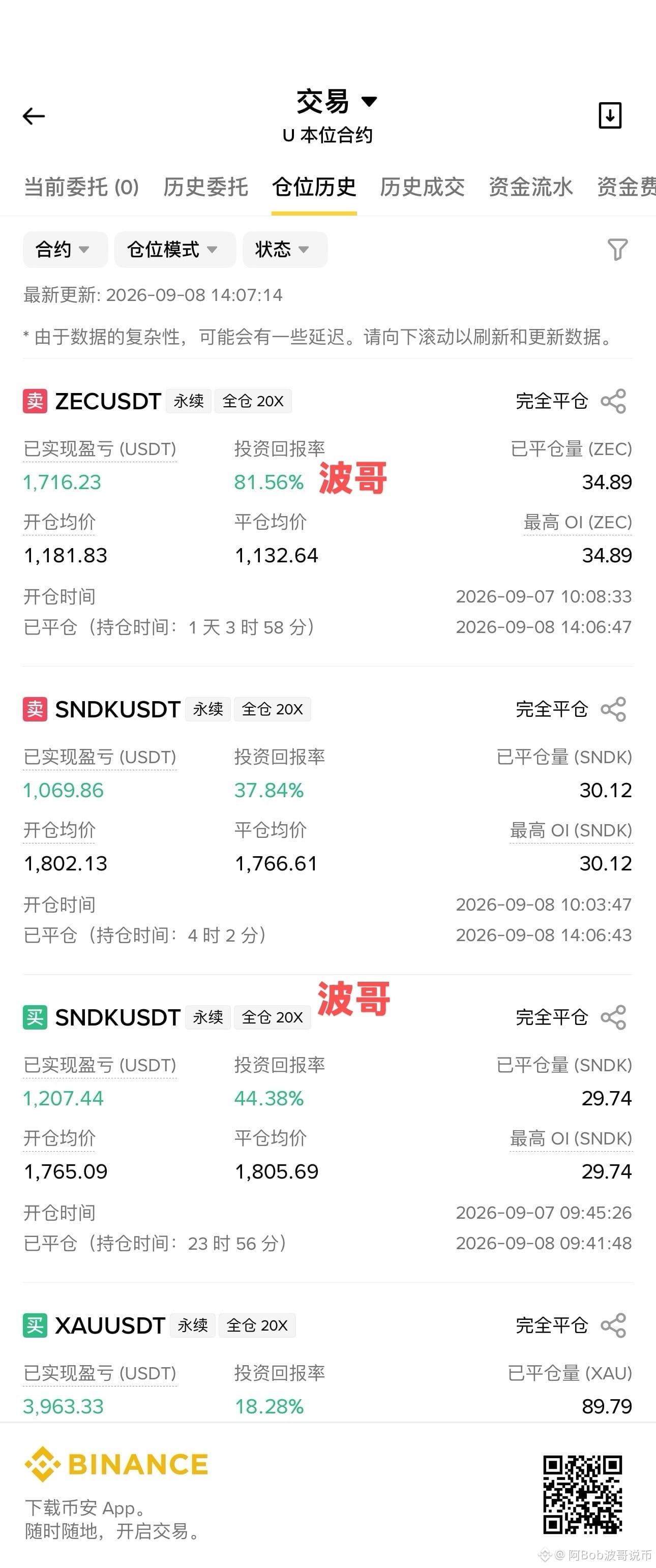
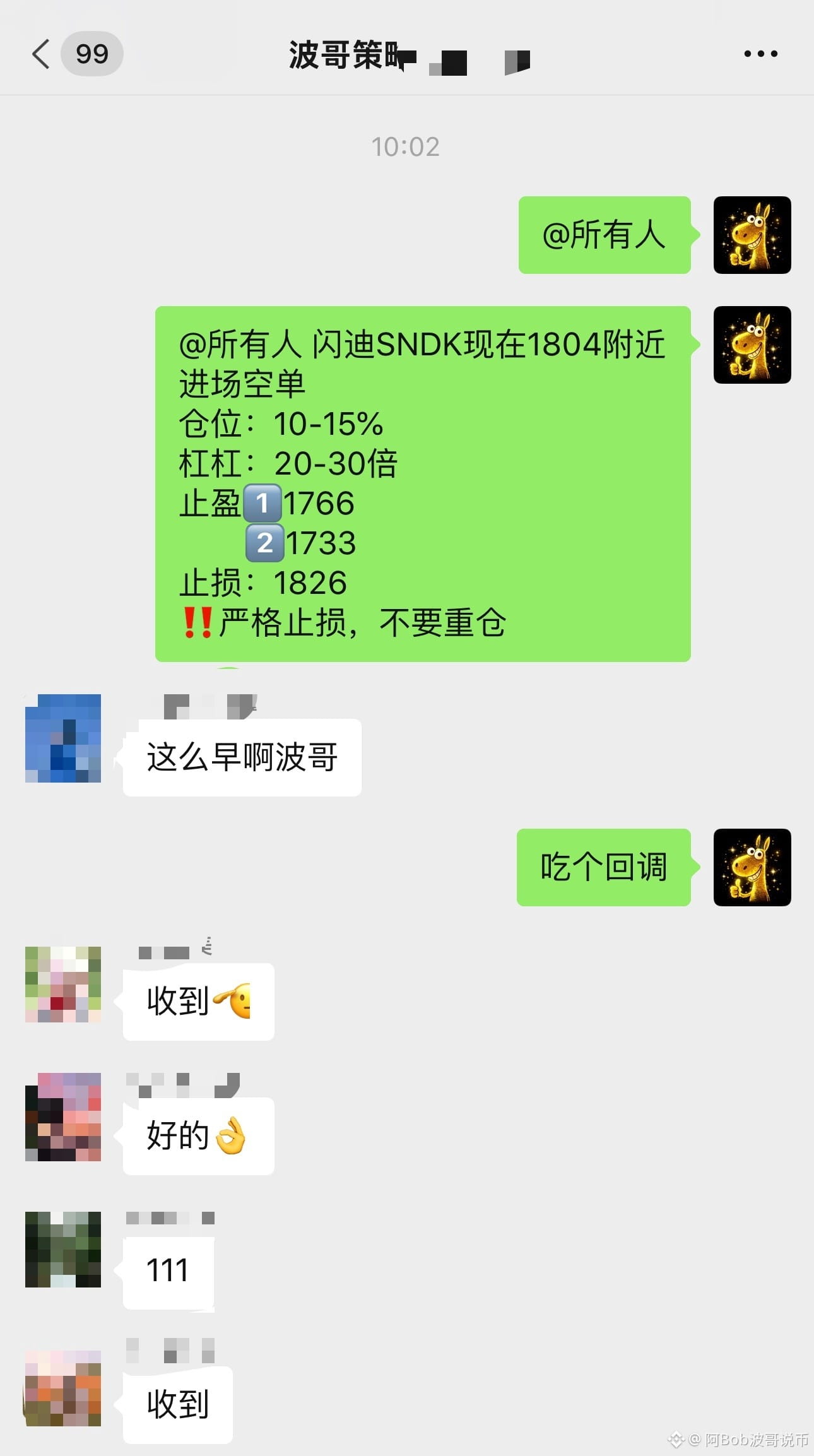
No matter how much you make, it’s all for nothing if you can’t withdraw safely
In these past few years, I’ve seen too many tragedies like “account frozen” and “bank card locked.” A friend turned a small amount into 10x during this bull run, but his funds got frozen—he couldn’t get back a single cent for months. This isn’t about a scammer ring or money laundering; it’s simply that his withdrawal method hit a trap.
The most common pitfalls people fall into:
OTC transactions get you implicated. If there’s any transaction history involving suspected scam accounts, the system traces it and freezes you directly.
Large amount arrives then instant transfer—system flags it as cash-out/money shifting.
Using a salary card mixed with crypto accounts—once it’s frozen, your whole life gets stalled.
How to avoid these traps? Five hard rules:
Withdraw only through major platforms—Binance, OKX, and other top exchanges—not through “small fry” platforms. The few bucks you save on fees aren’t worth losing during a single freeze.
Withdraw less using USDT—USDT is a control-risk focus. If possible, convert to BTC/ETH and withdraw.
Use cards exclusively—get a dedicated local bank “secondary card” used only for deposits and withdrawals, and don’t mix it with your salary card. If it gets frozen, it won’t affect your normal life.
Don’t rush after funds arrive—keep the money in the card for two days before moving it; don’t do instant in-and-out. Once the funds arrive, transferring immediately is even easier to trigger alerts.
Choose the right time to operate—do it during the day on weekdays; don’t do large deposits or withdrawals late at night.
How to choose a merchant?
Prefer merchants registered for more than two years, with a success rate above 98%, and whose monthly trading volume exceeds 10,000. Merchants marked with OKX’s “freeze compensation” indicator are your first choice. Complete the entire transaction within the platform—don’t transfer privately.
What if your funds get frozen?
First observe for a few days—it might be a temporary suspension. Ask your bank which department and which case the freeze relates to. Prepare on-chain records, transfer screenshots, and chat logs. Proactively cooperate and explain that you are a legitimate trader. Many people get frozen not because they committed a crime, but because they panicked and can’t provide evidence.
Don’t always look for shortcuts when withdrawing. Compliance, clarity, traceability, and doing it in batches—remember these four words. They matter more than anything else. Only money that can be safely withdrawn is what you truly “earned.”
Follow Brother Bo, interact more, and wish everyone can withdraw safely and smoothly!
In these past few years, I’ve seen too many tragedies like “account frozen” and “bank card locked.” A friend turned a small amount into 10x during this bull run, but his funds got frozen—he couldn’t get back a single cent for months. This isn’t about a scammer ring or money laundering; it’s simply that his withdrawal method hit a trap.
The most common pitfalls people fall into:
OTC transactions get you implicated. If there’s any transaction history involving suspected scam accounts, the system traces it and freezes you directly.
Large amount arrives then instant transfer—system flags it as cash-out/money shifting.
Using a salary card mixed with crypto accounts—once it’s frozen, your whole life gets stalled.
How to avoid these traps? Five hard rules:
Withdraw only through major platforms—Binance, OKX, and other top exchanges—not through “small fry” platforms. The few bucks you save on fees aren’t worth losing during a single freeze.
Withdraw less using USDT—USDT is a control-risk focus. If possible, convert to BTC/ETH and withdraw.
Use cards exclusively—get a dedicated local bank “secondary card” used only for deposits and withdrawals, and don’t mix it with your salary card. If it gets frozen, it won’t affect your normal life.
Don’t rush after funds arrive—keep the money in the card for two days before moving it; don’t do instant in-and-out. Once the funds arrive, transferring immediately is even easier to trigger alerts.
Choose the right time to operate—do it during the day on weekdays; don’t do large deposits or withdrawals late at night.
How to choose a merchant?
Prefer merchants registered for more than two years, with a success rate above 98%, and whose monthly trading volume exceeds 10,000. Merchants marked with OKX’s “freeze compensation” indicator are your first choice. Complete the entire transaction within the platform—don’t transfer privately.
What if your funds get frozen?
First observe for a few days—it might be a temporary suspension. Ask your bank which department and which case the freeze relates to. Prepare on-chain records, transfer screenshots, and chat logs. Proactively cooperate and explain that you are a legitimate trader. Many people get frozen not because they committed a crime, but because they panicked and can’t provide evidence.
Don’t always look for shortcuts when withdrawing. Compliance, clarity, traceability, and doing it in batches—remember these four words. They matter more than anything else. Only money that can be safely withdrawn is what you truly “earned.”
Follow Brother Bo, interact more, and wish everyone can withdraw safely and smoothly!

These cold facts aren’t widely known, but every one of them is bought with money.
Averaging down isn’t lowering your cost—it’s adding risk. You think buying 10U for 10,000, then when it drops to 5U you buy another 10,000 means your cost is lower. But the issue isn’t cost; it’s risk exposure—once averaging down gets out of control, what you’re watching isn’t just cheaper prices anymore, it’s a much larger floating loss. The moment psychological pressure kicks in, the volatility you could previously withstand becomes unbearable.
The fantasy of earning 1% per day turns into distortion the moment reality hits. The compounding theory sounds terrifying: if you have 100,000U and make 1% daily, it grows fast. But when you do it for real, you earn 1% and want to wait for 5%; you lose 1% and start stubbornly holding on. The model collapses. No matter how good the calculations are, if execution can’t keep up, it’s nothing.
You can still make money even with a low win rate. A 60% win rate paired with reasonable take-profit and stop-loss can actually produce solid long-term results. The key isn’t how many trades you get right—it’s whether your risk-reward ratio can stay stable. If you win a lot but give it all back after one big loss, it’s basically working for nothing.
The higher the leverage, the faster you don’t “make money”—you die. 20x is already enough. Increasing it to 100x doesn’t multiply profits; it amplifies emotions and the probability of liquidation. The multiplier isn’t the problem—losing control is.
The core of trading has never been picking coins; it’s risk management and human psychology. In a bull market, focus on the mainstream; altcoins are for small-position trial-and-error. Whether you can make money doesn’t depend on how many opportunities you catch—it depends on whether you can survive long enough for those opportunities to play out.
#美伊互袭油轮冲突升级
#加拿大对美关税正式生效
Averaging down isn’t lowering your cost—it’s adding risk. You think buying 10U for 10,000, then when it drops to 5U you buy another 10,000 means your cost is lower. But the issue isn’t cost; it’s risk exposure—once averaging down gets out of control, what you’re watching isn’t just cheaper prices anymore, it’s a much larger floating loss. The moment psychological pressure kicks in, the volatility you could previously withstand becomes unbearable.
The fantasy of earning 1% per day turns into distortion the moment reality hits. The compounding theory sounds terrifying: if you have 100,000U and make 1% daily, it grows fast. But when you do it for real, you earn 1% and want to wait for 5%; you lose 1% and start stubbornly holding on. The model collapses. No matter how good the calculations are, if execution can’t keep up, it’s nothing.
You can still make money even with a low win rate. A 60% win rate paired with reasonable take-profit and stop-loss can actually produce solid long-term results. The key isn’t how many trades you get right—it’s whether your risk-reward ratio can stay stable. If you win a lot but give it all back after one big loss, it’s basically working for nothing.
The higher the leverage, the faster you don’t “make money”—you die. 20x is already enough. Increasing it to 100x doesn’t multiply profits; it amplifies emotions and the probability of liquidation. The multiplier isn’t the problem—losing control is.
The core of trading has never been picking coins; it’s risk management and human psychology. In a bull market, focus on the mainstream; altcoins are for small-position trial-and-error. Whether you can make money doesn’t depend on how many opportunities you catch—it depends on whether you can survive long enough for those opportunities to play out.
#美伊互袭油轮冲突升级
#加拿大对美关税正式生效
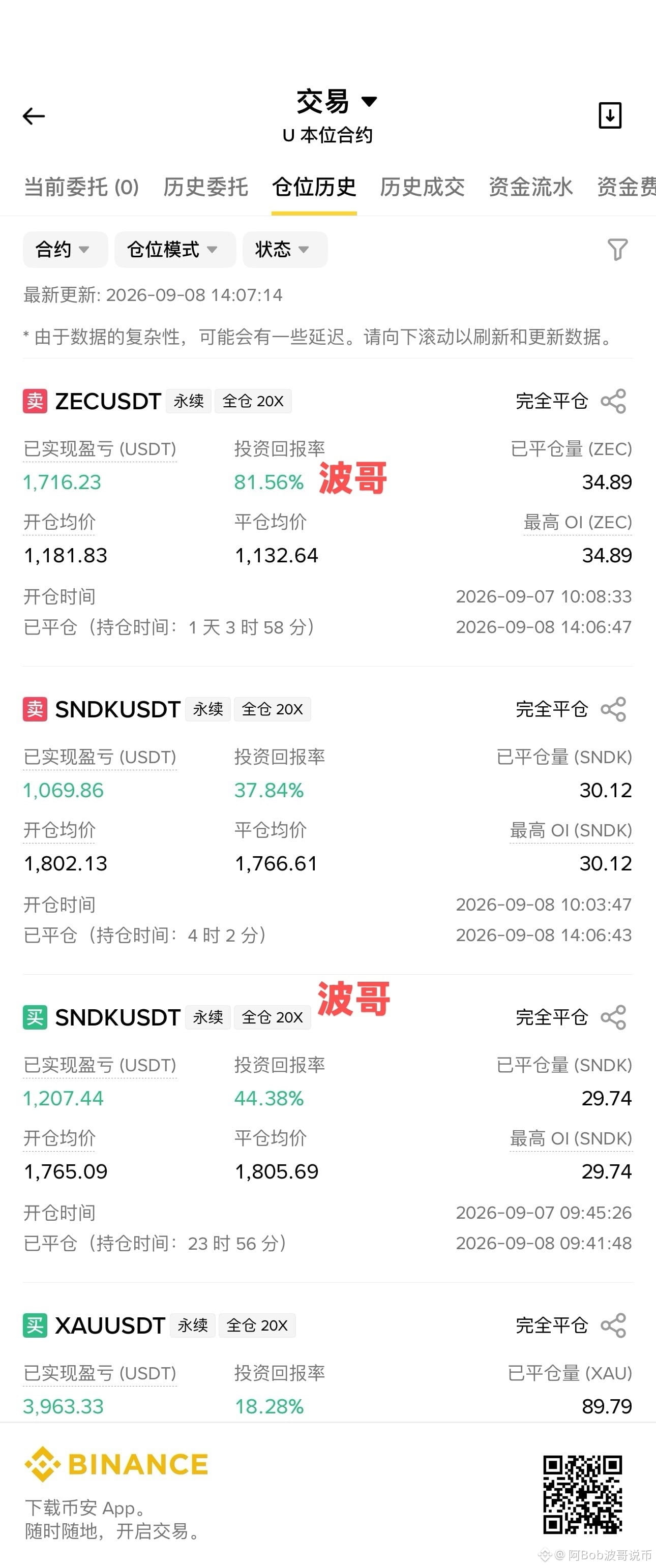
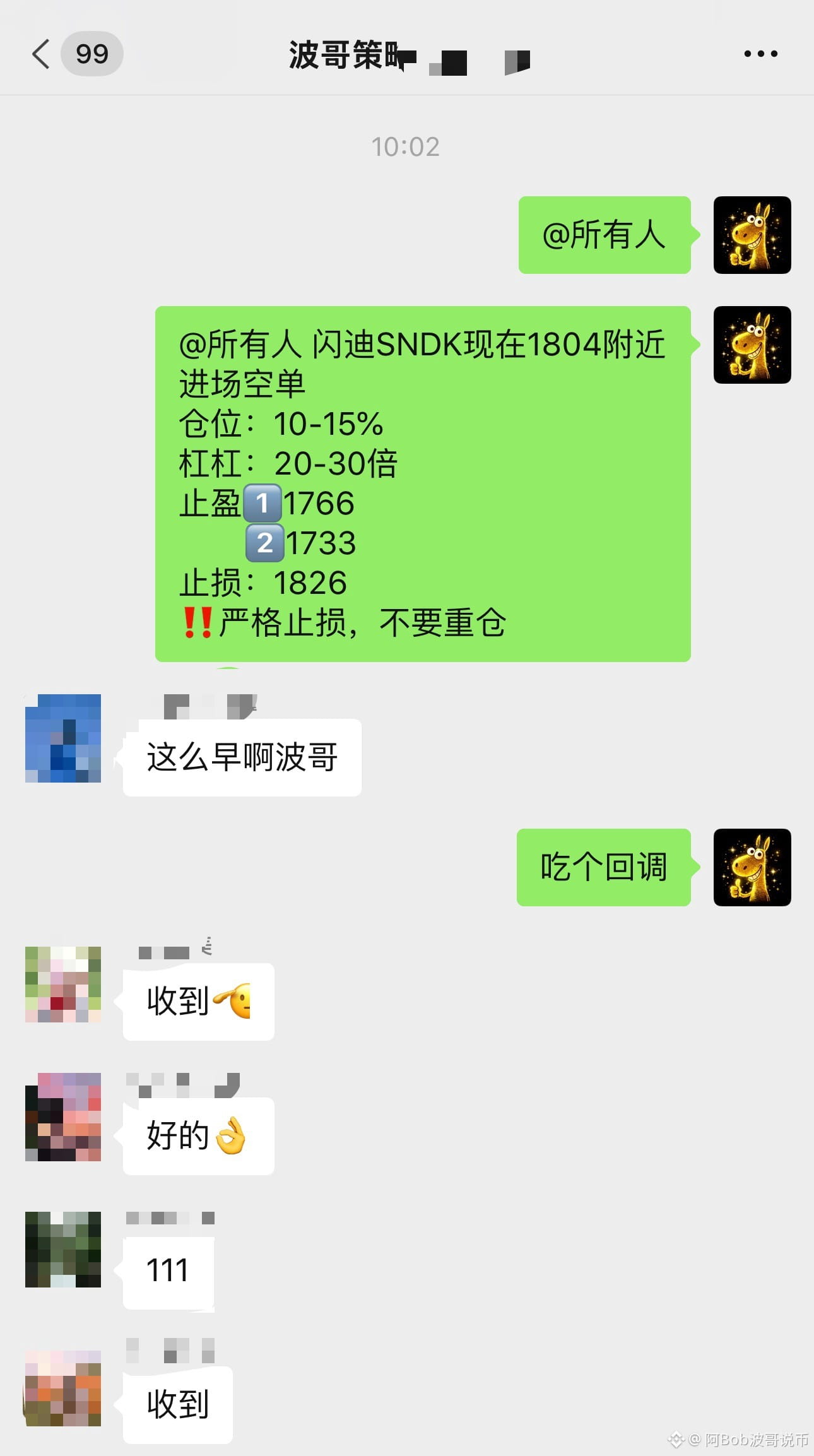
🔥 Tanker war fully upgrades; Brent briefly nears $100
Over the weekend, the Iran–U.S. “tanker confrontation” entered a new stage.
On September 5, the U.S. launched strikes on three Iranian crude oil tankers—leaving the Downy disabled off the coast outside Kharg Island, leaving Stark 1 disabled near Jask, and sinking the empty tanker Kylo in the Gulf of Oman. The U.S. then publicly released a video of Kylo’s sinking.
Iran retaliated immediately, claiming it hit three vessels associated with the United States that were unauthorized to pass through the Strait of Hormuz, and that it shot down a U.S. Navy drone and an unmanned craft. Iranian Parliament Speaker Mohammad Bagher Qalibaf warned that the era of “proportional responses” has ended, and that any attacks on Iranian interests will be met with retaliation that is “faster, heavier, and more painful.” Iran’s top security official, Rezaei, announced that in the coming days, new restricted zones would be established outside the Strait of Hormuz.
On Monday, Brent crude rose to as high as $98.06 per barrel during intraday trading, nearing the three-digit mark. Last week, Brent surged 7.8%, while WTI’s week-on-week gain was nearly 10%.
🛢️ Strait traffic falls to the lowest since May
According to Kpler data, over the past 10 days, average daily passage through the Strait of Hormuz was only about 10 cargo ships—its lowest since May. On Saturday, just 2 ships passed; on Sunday, 6 did. Traffic has dropped by more than 85% versus normal levels. The U.S. has directed 92 merchant vessels to avoid the area.
🎯 The “tanker-for-tanker” policy is being pushed in a systematic way
Axios reported that last week, Trump approved a new policy—“tanker-for-tanker”—to retaliate against Iranian tankers in an “eye-for-an-eye” manner against how Iran attacked commercial shipping. Axios cited U.S. officials as saying that this new strike policy targeting Iranian tankers signals that the Trump administration intends to escalate economic pressure on Iran—by directly attacking the lifeline of its oil exports.
The tanker war is evolving from “limited retaliation” to “systematic strikes.” Iran’s announcement of new restricted zones means the risk around the strait is expanding rather than narrowing. Goldman Sachs predicts that if the attacks continue, oil prices could rise to $120 per barrel. In the short term, oil prices are likely to be prone to upside moves with limited downside; if Brent holds above $98, the next target is $100.
#美伊互袭油轮冲突升级
Over the weekend, the Iran–U.S. “tanker confrontation” entered a new stage.
On September 5, the U.S. launched strikes on three Iranian crude oil tankers—leaving the Downy disabled off the coast outside Kharg Island, leaving Stark 1 disabled near Jask, and sinking the empty tanker Kylo in the Gulf of Oman. The U.S. then publicly released a video of Kylo’s sinking.
Iran retaliated immediately, claiming it hit three vessels associated with the United States that were unauthorized to pass through the Strait of Hormuz, and that it shot down a U.S. Navy drone and an unmanned craft. Iranian Parliament Speaker Mohammad Bagher Qalibaf warned that the era of “proportional responses” has ended, and that any attacks on Iranian interests will be met with retaliation that is “faster, heavier, and more painful.” Iran’s top security official, Rezaei, announced that in the coming days, new restricted zones would be established outside the Strait of Hormuz.
On Monday, Brent crude rose to as high as $98.06 per barrel during intraday trading, nearing the three-digit mark. Last week, Brent surged 7.8%, while WTI’s week-on-week gain was nearly 10%.
🛢️ Strait traffic falls to the lowest since May
According to Kpler data, over the past 10 days, average daily passage through the Strait of Hormuz was only about 10 cargo ships—its lowest since May. On Saturday, just 2 ships passed; on Sunday, 6 did. Traffic has dropped by more than 85% versus normal levels. The U.S. has directed 92 merchant vessels to avoid the area.
🎯 The “tanker-for-tanker” policy is being pushed in a systematic way
Axios reported that last week, Trump approved a new policy—“tanker-for-tanker”—to retaliate against Iranian tankers in an “eye-for-an-eye” manner against how Iran attacked commercial shipping. Axios cited U.S. officials as saying that this new strike policy targeting Iranian tankers signals that the Trump administration intends to escalate economic pressure on Iran—by directly attacking the lifeline of its oil exports.
The tanker war is evolving from “limited retaliation” to “systematic strikes.” Iran’s announcement of new restricted zones means the risk around the strait is expanding rather than narrowing. Goldman Sachs predicts that if the attacks continue, oil prices could rise to $120 per barrel. In the short term, oil prices are likely to be prone to upside moves with limited downside; if Brent holds above $98, the next target is $100.
#美伊互袭油轮冲突升级

In plain terms, it’s not that the technical side isn’t good—it’s that you can’t afford to wait.
Someone with a $1,000,000 account earns 10%, that’s $100,000. Even if they make a few mistakes, it doesn’t matter much. But when you only have $1,000, even if you multiply it by 10, you still can’t really change anything. So instinct kicks in—you start to get anxious. When an opportunity appears, you rush in; when there’s no clear opportunity, you still force one.
The result is frequent trading and constant trial-and-error, turning yourself from “trading” into “gambling on every single trade.”
Trading is cyclical. It doesn’t require you to take action every day. But for small capital, people most easily misunderstand this—treating the market like a place where results must happen every day.
The people who truly manage to survive are often not the busiest. They’re the ones who can wait. If the trend hasn’t arrived, stay in cash. If the opportunity isn’t clear, don’t move. When the market setup is there, strike all at once.
I was like that in the early days too—more urgency meant more losses, and more losses meant more urgency. Later I gradually understood a counterintuitive truth: the more you try to make trading happen fast, the slower it turns out. Once I adjusted the rhythm, my account began to stabilize and move upward instead.
The market doesn’t reward diligence—it rewards patience. With small capital, the most important thing isn’t trading more; it’s making fewer mistakes. Being able to hold out for a wave of opportunities matters far more than trading every day.
If you want to learn how to control your impulses and stay on a steady rhythm, come chat with Boss Bo. @阿Bob波哥说币
#美加关税战升级
Someone with a $1,000,000 account earns 10%, that’s $100,000. Even if they make a few mistakes, it doesn’t matter much. But when you only have $1,000, even if you multiply it by 10, you still can’t really change anything. So instinct kicks in—you start to get anxious. When an opportunity appears, you rush in; when there’s no clear opportunity, you still force one.
The result is frequent trading and constant trial-and-error, turning yourself from “trading” into “gambling on every single trade.”
Trading is cyclical. It doesn’t require you to take action every day. But for small capital, people most easily misunderstand this—treating the market like a place where results must happen every day.
The people who truly manage to survive are often not the busiest. They’re the ones who can wait. If the trend hasn’t arrived, stay in cash. If the opportunity isn’t clear, don’t move. When the market setup is there, strike all at once.
I was like that in the early days too—more urgency meant more losses, and more losses meant more urgency. Later I gradually understood a counterintuitive truth: the more you try to make trading happen fast, the slower it turns out. Once I adjusted the rhythm, my account began to stabilize and move upward instead.
The market doesn’t reward diligence—it rewards patience. With small capital, the most important thing isn’t trading more; it’s making fewer mistakes. Being able to hold out for a wave of opportunities matters far more than trading every day.
If you want to learn how to control your impulses and stay on a steady rhythm, come chat with Boss Bo. @阿Bob波哥说币
#美加关税战升级
Log in to explore more content