

noregrets
94 Posts

noregrets
Frequent Trader
2.9 Years
131 Following
47 Followers
51 Liked
Posts
All
Quotes



Binance News
·
--
James Butterfill: Bitcoin may be held back by inflation
James Butterfill said that a firmer core inflation rate could temporarily hold Bitcoin back below $80,000. According to NS3, he said that if the U.S. Treasury’s bond repurchase program fails to push down long-term yields, it could provide support for Bitcoin afterward. The report also describes this outlook as an unusual mix of policies.



Cryptopolitan
·
--
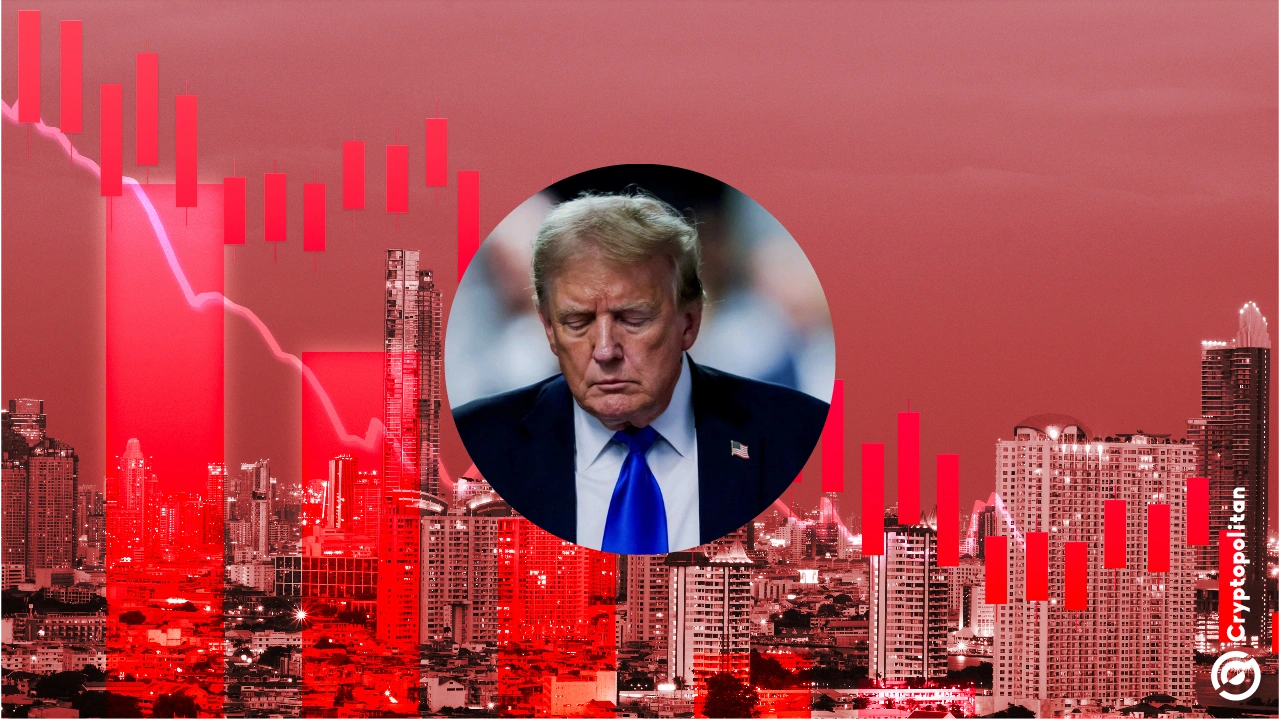
The Next Big Crypto Crash Might Come From Donald Trump Himself, and It’ll Be the Worst
Donald Trump won the election, Bitcoin is literally worth over $107,000 right now, and Wall Street’s now drooling over crypto like it’s the new gold rush. Sounds perfect, right? Except it actually isn’t.
Thanks to Trump, crypto is sinking its claws deep into everything. Wall Street, banks, pensions, 401(k)s—places it never belonged. That’s great for investors I guess, but if you ask me and any other true Bitcoin believer, there’s a dark reality behind the hype.
It is an unwritten law of the world that whatever goes up must eventually come down. So no matter how high Bitcoin goes, it will crash in the end. And the scary part is when it does, it’ll be the worst we’ve ever seen. Naturally, since the market has never reached current levels.
The higher the stakes, the worse the crash. Just ask Wall Street bros. For years, crypto’s appeal was its independence from the system. Now, the system is embracing it. We’re not the rebels anymore, we’re the establishment.
At the July Bitcoin Conference, Trump threw out an idea that stunned everyone—a “strategic national Bitcoin stockpile.” Analysts are taking this seriously. Under Trump, the U.S. could actually start hoarding Bitcoin like it’s gold. If that sounds insane, it gets wilder. This guy wants $15 trillion in Bitcoin reserves.
Even before his election win, the floodgates were opening. BlackRock and other financial giants launched Bitcoin ETFs, giving ordinary investors access to Bitcoin through their brokerage accounts. Crypto is breaking into mainstream finance at full speed but with zero brakes.
Trump’s crypto army is dismantling the rules – There will be costs
After the last crash in 2022 when Bitcoin fell apart and billions evaporated, the industry didn’t actually stop. There was no new “killer app” or game-changing technology to win back trust. Instead, they played politics.
Over $130 million poured into political campaigns during this year’s election cycle. The crypto industry sold lawmakers on a story: ignore us at your own risk because “crypto voters” are coming for you. The pitch was brilliant, even if the “crypto voter” narrative was stitched together out of thin air.
Trump ran with it. His administration is already lining up crypto loyalists for key regulatory roles. Paul Atkins, a longtime critic of financial oversight and a strong crypto lover, is Trump’s pick to lead the SEC.
Under him, the crypto industry will face less scrutiny, not more. If you think fraud was bad in 2022, just wait. Though Trump’s playbook doesn’t stop at gutting the SEC. As we speak, Congress is working to move crypto oversight to the Commodity Futures Trading Commission (CFTC).
Compared to the SEC, the CFTC is frankly quite underfunded and far less experienced with crypto’s retail-heavy markets. The result? A regulatory free-for-all, exactly what the industry wants.
The CFPB is next. The Consumer Financial Protection Bureau was created after the 2008 crash to protect consumers from predatory financial practices. Crypto’s biggest names hate it. Marc Andreessen slammed the agency, calling it a roadblock for crypto firms.
Elon Musk doubled down, telling the government to “delete CFPB.” To be fair, these guys have a point. If Trump and Congress gut the CFPB, it’s open season for crypto platforms, fintech startups, and shady payment systems.
Tens of thousands of people were left stranded when Synapse, a fintech company backed by Marc, collapsed earlier this year. That kind of chaos would only get worse without consumer protections.
Banks and pensions are playing with fire
The last time crypto imploded, banks were relatively safe. Pension funds and 401(k)s barely felt a thing. Regulators made sure of that. The 2022 crash was brutal for retail investors, but hey, at least it didn’t trigger a financial meltdown. That firewall is now crumbling.
The SEC’s approval of Bitcoin and Ether ETFs opened the door. Banks and traditional investment firms are stepping in, eager to capitalize on crypto’s new wave. Now retirement administrators are adding Bitcoin exposure to 401(k) plans. The industry is even fighting to hold crypto directly on their balance sheets.
It’s not hard to see where this is heading. Crypto firms have already fought to kill protections like SEC Staff Accounting Bulletin 121. The rule forced banks to disclose crypto holdings and keep reserves to back customer assets.
Lawmakers passed a bill in early 2024 to overturn it, but Biden vetoed the attempt. Trump won’t. Under his leadership, those protections will vanish, leaving banks fully exposed.
But the president’s plans aren’t just about deregulation. His World Liberty Financial project—a decentralized finance (DeFi) platform—is already spending millions on crypto acquisitions. Reports say the project burned through $45 million in December alone.
The real endgame
FTX founder Sam Bankman-Fried spent over $100 million buying political influence. He pitched lawmakers a vision of a regulated crypto future, where firms could “self-regulate” and innovation would flourish. It was a scam. FTX blew up, and billions of dollars disappeared overnight.
The crypto industry hasn’t changed. It’s still lobbying hard against regulations. It’s still pushing lawmakers to look the other way. And now it has Trump in its corner.
I’d feel safer if I actually trusted that these guys truly believe in Bitcoin. But I don’t, because, at the end of the day, politics really is just politics. If Bitcoin wasn’t going to make Trump richer in any way at all, how many of you can say for a fact that you believe he’d still be all in?
Let’s not be delusional. Every bull run ends in collapse. And every collapse leaves devastation in its wake. The difference now is Bitcoin has grown too big to fail.
A crypto crash under Trump wouldn’t just hurt retail investors and break my heart. It would hit the banking system, pension funds, and the entire global economy. So as we watch Mr. Trump recite the oath of office, beware that a countdown will be starting.
How long do we have until the next ‘crypto winter’?
Thanks to Trump, crypto is sinking its claws deep into everything. Wall Street, banks, pensions, 401(k)s—places it never belonged. That’s great for investors I guess, but if you ask me and any other true Bitcoin believer, there’s a dark reality behind the hype.
It is an unwritten law of the world that whatever goes up must eventually come down. So no matter how high Bitcoin goes, it will crash in the end. And the scary part is when it does, it’ll be the worst we’ve ever seen. Naturally, since the market has never reached current levels.
The higher the stakes, the worse the crash. Just ask Wall Street bros. For years, crypto’s appeal was its independence from the system. Now, the system is embracing it. We’re not the rebels anymore, we’re the establishment.
At the July Bitcoin Conference, Trump threw out an idea that stunned everyone—a “strategic national Bitcoin stockpile.” Analysts are taking this seriously. Under Trump, the U.S. could actually start hoarding Bitcoin like it’s gold. If that sounds insane, it gets wilder. This guy wants $15 trillion in Bitcoin reserves.
Even before his election win, the floodgates were opening. BlackRock and other financial giants launched Bitcoin ETFs, giving ordinary investors access to Bitcoin through their brokerage accounts. Crypto is breaking into mainstream finance at full speed but with zero brakes.
Trump’s crypto army is dismantling the rules – There will be costs
After the last crash in 2022 when Bitcoin fell apart and billions evaporated, the industry didn’t actually stop. There was no new “killer app” or game-changing technology to win back trust. Instead, they played politics.
Over $130 million poured into political campaigns during this year’s election cycle. The crypto industry sold lawmakers on a story: ignore us at your own risk because “crypto voters” are coming for you. The pitch was brilliant, even if the “crypto voter” narrative was stitched together out of thin air.
Trump ran with it. His administration is already lining up crypto loyalists for key regulatory roles. Paul Atkins, a longtime critic of financial oversight and a strong crypto lover, is Trump’s pick to lead the SEC.
Under him, the crypto industry will face less scrutiny, not more. If you think fraud was bad in 2022, just wait. Though Trump’s playbook doesn’t stop at gutting the SEC. As we speak, Congress is working to move crypto oversight to the Commodity Futures Trading Commission (CFTC).
Compared to the SEC, the CFTC is frankly quite underfunded and far less experienced with crypto’s retail-heavy markets. The result? A regulatory free-for-all, exactly what the industry wants.
The CFPB is next. The Consumer Financial Protection Bureau was created after the 2008 crash to protect consumers from predatory financial practices. Crypto’s biggest names hate it. Marc Andreessen slammed the agency, calling it a roadblock for crypto firms.
Elon Musk doubled down, telling the government to “delete CFPB.” To be fair, these guys have a point. If Trump and Congress gut the CFPB, it’s open season for crypto platforms, fintech startups, and shady payment systems.
Tens of thousands of people were left stranded when Synapse, a fintech company backed by Marc, collapsed earlier this year. That kind of chaos would only get worse without consumer protections.
Banks and pensions are playing with fire
The last time crypto imploded, banks were relatively safe. Pension funds and 401(k)s barely felt a thing. Regulators made sure of that. The 2022 crash was brutal for retail investors, but hey, at least it didn’t trigger a financial meltdown. That firewall is now crumbling.
The SEC’s approval of Bitcoin and Ether ETFs opened the door. Banks and traditional investment firms are stepping in, eager to capitalize on crypto’s new wave. Now retirement administrators are adding Bitcoin exposure to 401(k) plans. The industry is even fighting to hold crypto directly on their balance sheets.
It’s not hard to see where this is heading. Crypto firms have already fought to kill protections like SEC Staff Accounting Bulletin 121. The rule forced banks to disclose crypto holdings and keep reserves to back customer assets.
Lawmakers passed a bill in early 2024 to overturn it, but Biden vetoed the attempt. Trump won’t. Under his leadership, those protections will vanish, leaving banks fully exposed.
But the president’s plans aren’t just about deregulation. His World Liberty Financial project—a decentralized finance (DeFi) platform—is already spending millions on crypto acquisitions. Reports say the project burned through $45 million in December alone.
The real endgame
FTX founder Sam Bankman-Fried spent over $100 million buying political influence. He pitched lawmakers a vision of a regulated crypto future, where firms could “self-regulate” and innovation would flourish. It was a scam. FTX blew up, and billions of dollars disappeared overnight.
The crypto industry hasn’t changed. It’s still lobbying hard against regulations. It’s still pushing lawmakers to look the other way. And now it has Trump in its corner.
I’d feel safer if I actually trusted that these guys truly believe in Bitcoin. But I don’t, because, at the end of the day, politics really is just politics. If Bitcoin wasn’t going to make Trump richer in any way at all, how many of you can say for a fact that you believe he’d still be all in?
Let’s not be delusional. Every bull run ends in collapse. And every collapse leaves devastation in its wake. The difference now is Bitcoin has grown too big to fail.
A crypto crash under Trump wouldn’t just hurt retail investors and break my heart. It would hit the banking system, pension funds, and the entire global economy. So as we watch Mr. Trump recite the oath of office, beware that a countdown will be starting.
How long do we have until the next ‘crypto winter’?
Log in to explore more content