

Mimo币驰
324 Posts

Mimo币驰
Report
Block User
Predict.fun 亚太宣传大使|推特:@yongliu75303908 I 22年入圈,见证整个圈子的兴衰,也拿过奇迹,也回过原点。目前是一个撸毛的KOL,专注项目分享和热点信息分析,兼职土狗、主流代币行情分析。主要以分享为主!

BTTC Holder
Frequent Trader
3.6 Years
224 Following
13.7K+ Followers
3.4K+ Liked
Posts
All
Quotes
Videos
Live
PINNED
·
--
Verified
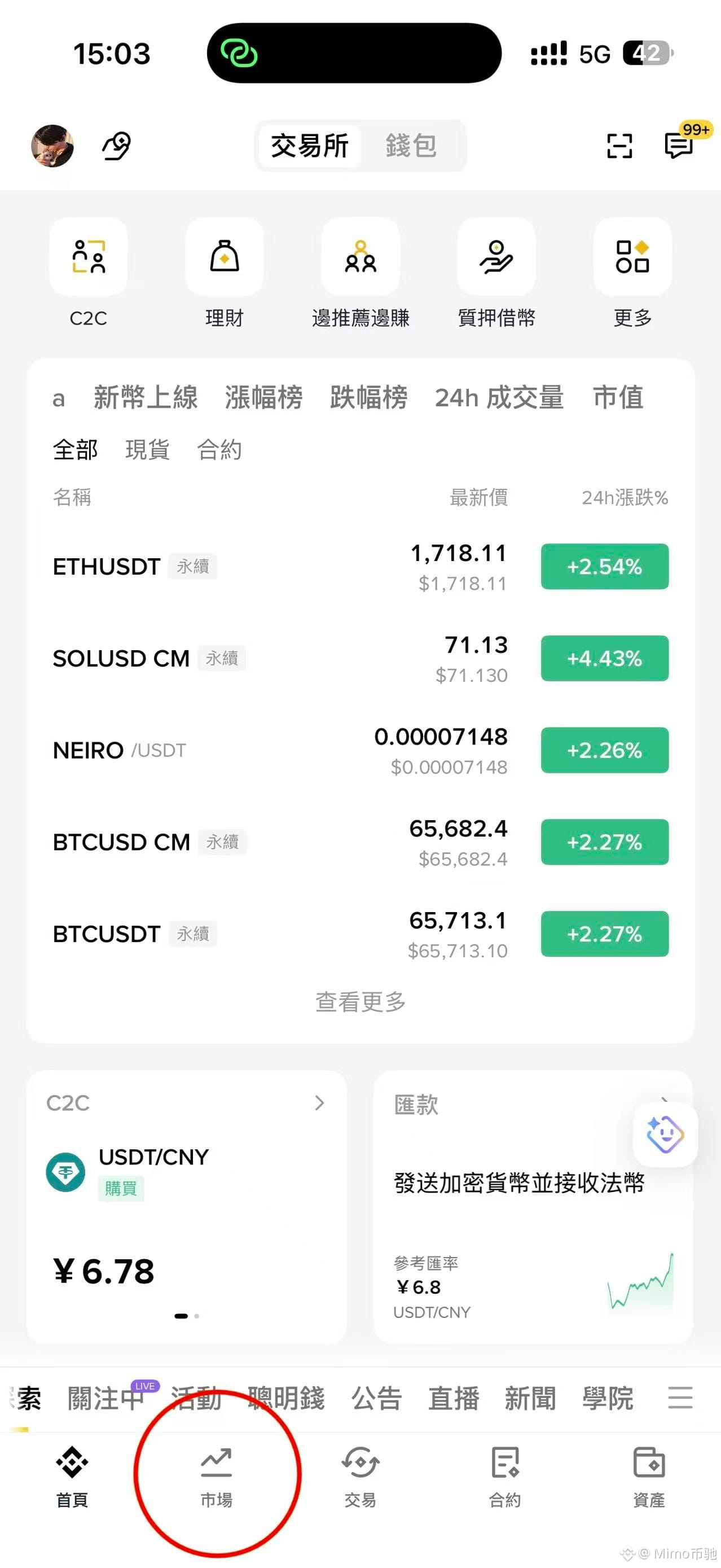
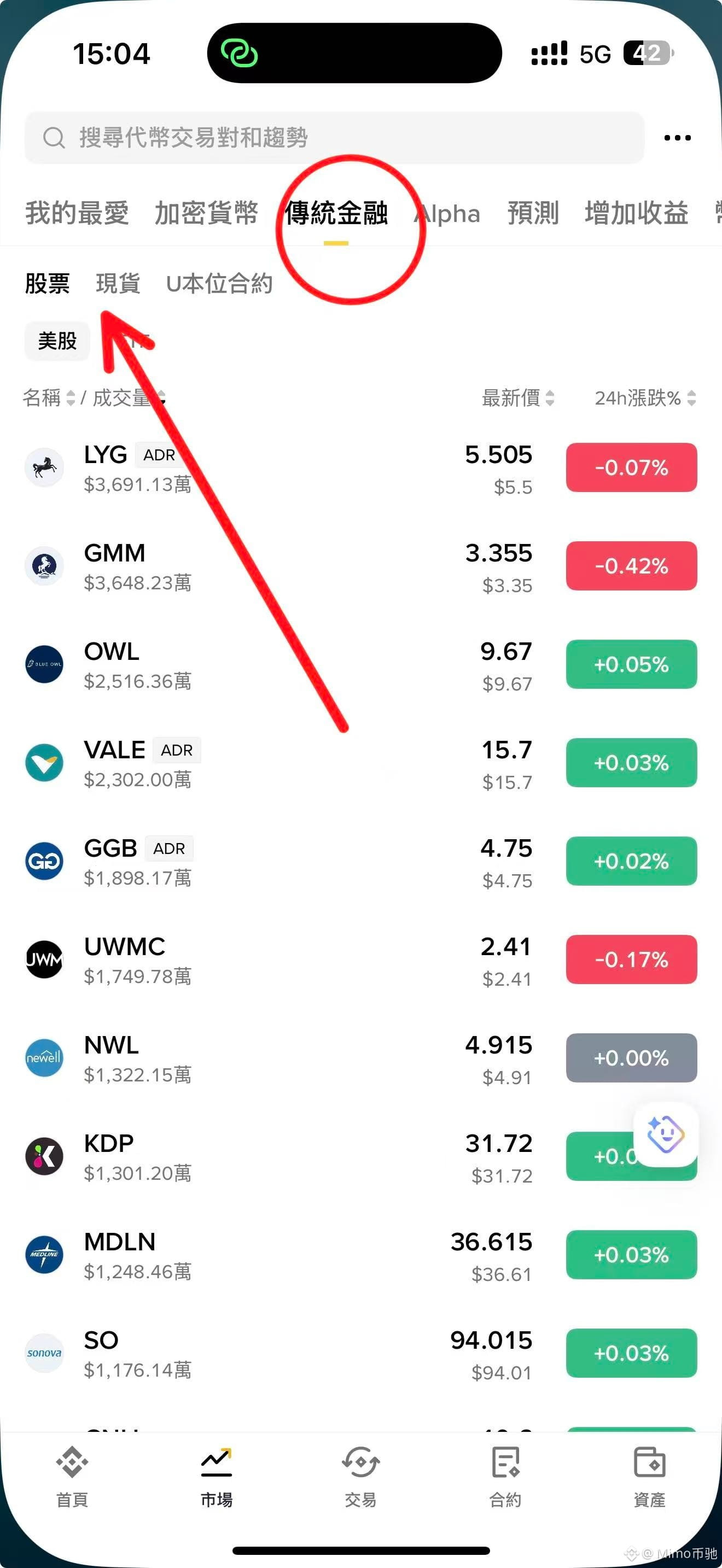
Binance has launched US stocks; did you really buy the right ones?
You can now buy US stocks on Binance, but many folks are confused about what they're actually buying.
Though they all go by "US stocks," there are actually three completely different products on Binance —
Pre-IPO perpetual contracts ($SPCX, $OPENAI, $ANTHROPIC) — Your funds stay on Binance, and you're buying contracts, not actual equity. The price tracks company valuations, and if the company issues more shares, the contract dips — it’s not that your asset shrinks, but the reference price changes.
Ondo tokenized stocks ($NFLXon, $JPMon, etc.) — Ondo Finance uses your funds to purchase real US stocks and then issues on-chain tokens as proof. There’s real asset backing, but you hold tokens, not stocks; if Ondo hits a snag, the tokens could go to zero.
Binance Stocks (the in-app stock section) — This is the closest to real US stocks. Orders are routed through Nest Trading to Alpaca Securities (a licensed broker by the US SEC/FINRA), executed on NYSE/Nasdaq, and you’re the beneficial owner, eligible for dividends. It also offers bStocks on-chain versions, allowing for 24/7 trading and self-custody.
Risk Control:
Pre-IPO contracts → purely synthetic, no assets, highest risk
Ondo RWA → backed by real assets, reliant on intermediaries
Binance Stocks → closest to real US stocks, assets held with Alpaca
Same platform, three products, completely different risk structures.
Make sure you know which entry point you’re clicking on before buying.
#bStocks officially launched
31
6
91
46.7k
·
--
Partly True
A-Huang confirmed in the group that the TGE has been delayed.
I just saw someone in the Predict Chinese group asking how to claim tokens on the Binance main site and whether there was any news about Alpha accounts. A-Huang replied directly: “The TGE has been delayed. An announcement will be out later.”
People had been expecting it to open today, but now that an official representative has confirmed the delay, it’s pretty much certain.
He hasn’t said when it will happen yet—just told everyone to wait for the announcement.
Given the earlier Venus service suspension and the temporary disabling of token splitting and market taker orders in Binance Wallet, this delay is most likely due to technical or integration issues, not a last-minute cancellation.
The token contract has already been deployed on-chain, and the allocation structure remains as previously announced. Only the official launch time has been pushed back.
For now, the safest thing is to wait for the official announcement and ignore all the rumors circulating in the group.
During the delay, points and airdrop eligibility won’t change. There’s still time to keep an eye on pre-market prices and liquidity before trading officially opens.

4
2
8
6.8k
·
--
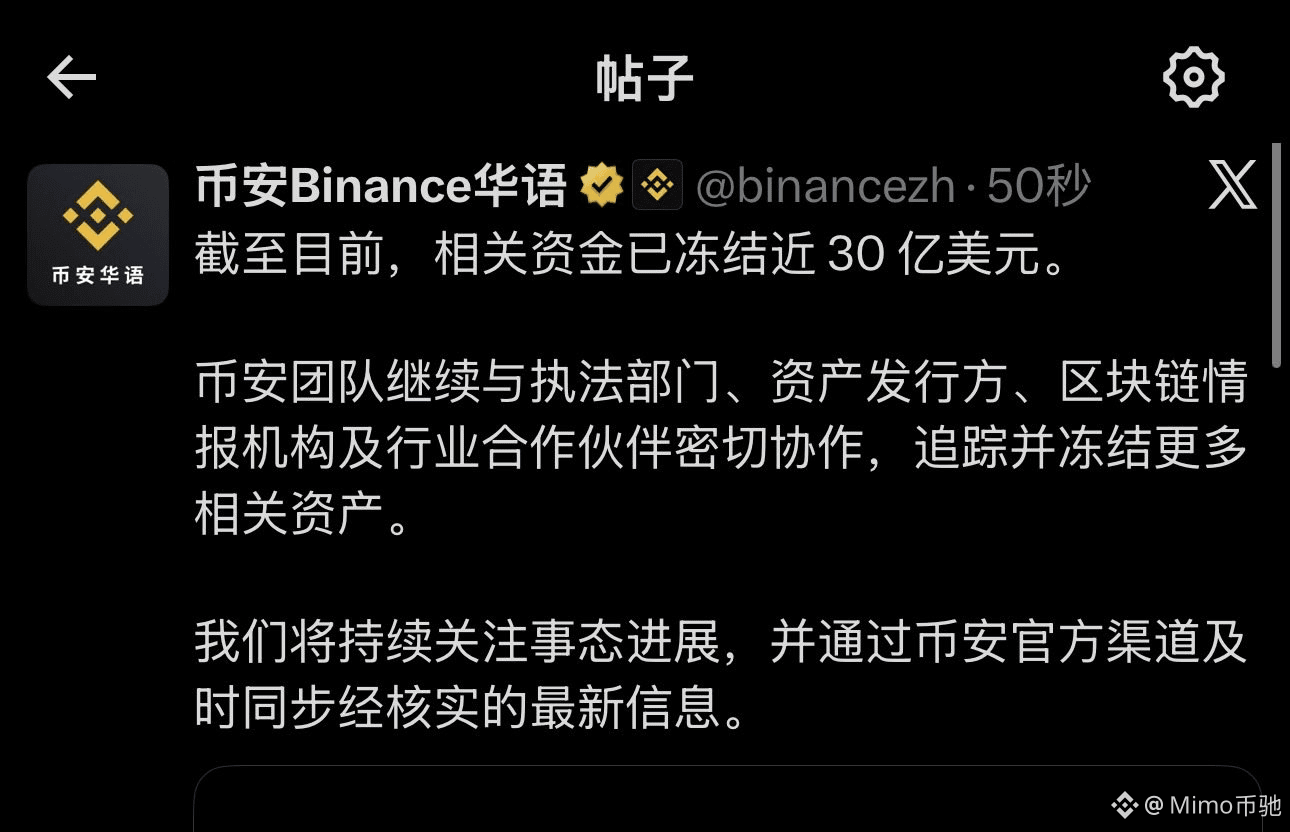
3 billion was frozen, but 5.6 billion was actually transferred,
resulting in a loss of nearly 2.6 billion!
3 billion was frozen, but 5.6 billion was actually transferred,
resulting in a loss of nearly 2.6 billion!
resulting in a loss of nearly 2.6 billion!
Mimo币驰
·
--
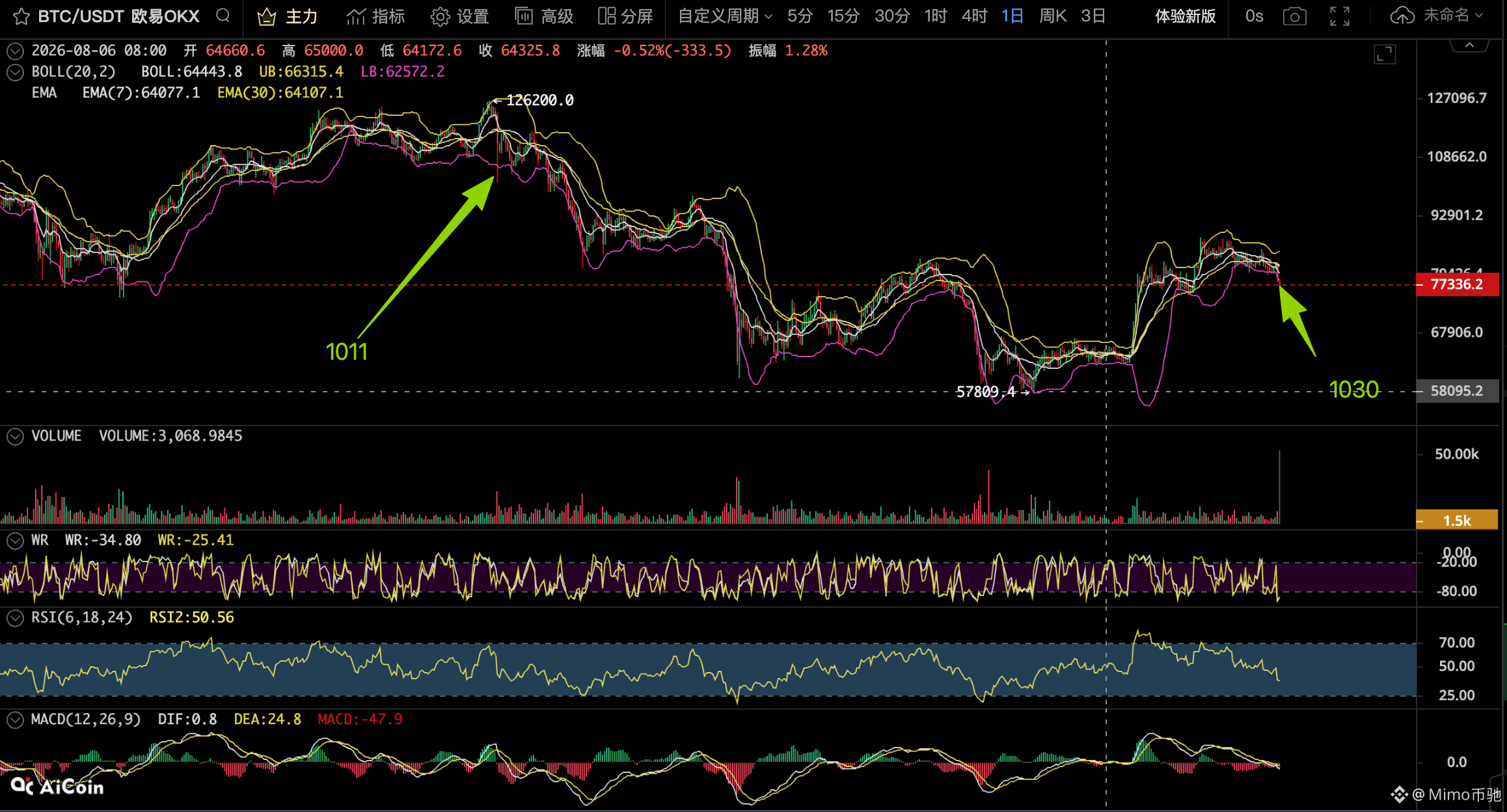
Have to FUD Binance a bit,
Both of these bull markets were put on pause by Binance.
On 10/11, Binance's oracle malfunctioned, causing many on-chain assets to depeg.
And now there's been another exchange hack!
Binance really loves stirring things up in October!$BTC
Both of these bull markets were put on pause by Binance.
On 10/11, Binance's oracle malfunctioned, causing many on-chain assets to depeg.
And now there's been another exchange hack!
Binance really loves stirring things up in October!$BTC
1
1.9k
·
--
Verified
Have to FUD Binance a bit,
Both of these bull markets were put on pause by Binance.
On 10/11, Binance's oracle malfunctioned, causing many on-chain assets to depeg.
And now there's been another exchange hack!
Binance really loves stirring things up in October!$BTC
{spot}(BTCUSDT)
Have to FUD Binance a bit,
Both of these bull markets were put on pause by Binance.
On 10/11, Binance's oracle malfunctioned, causing many on-chain assets to depeg.
And now there's been another exchange hack!
Binance really loves stirring things up in October!$BTC
Both of these bull markets were put on pause by Binance.
On 10/11, Binance's oracle malfunctioned, causing many on-chain assets to depeg.
And now there's been another exchange hack!
Binance really loves stirring things up in October!$BTC
1
837
·
--
Something major has happened at Binance!
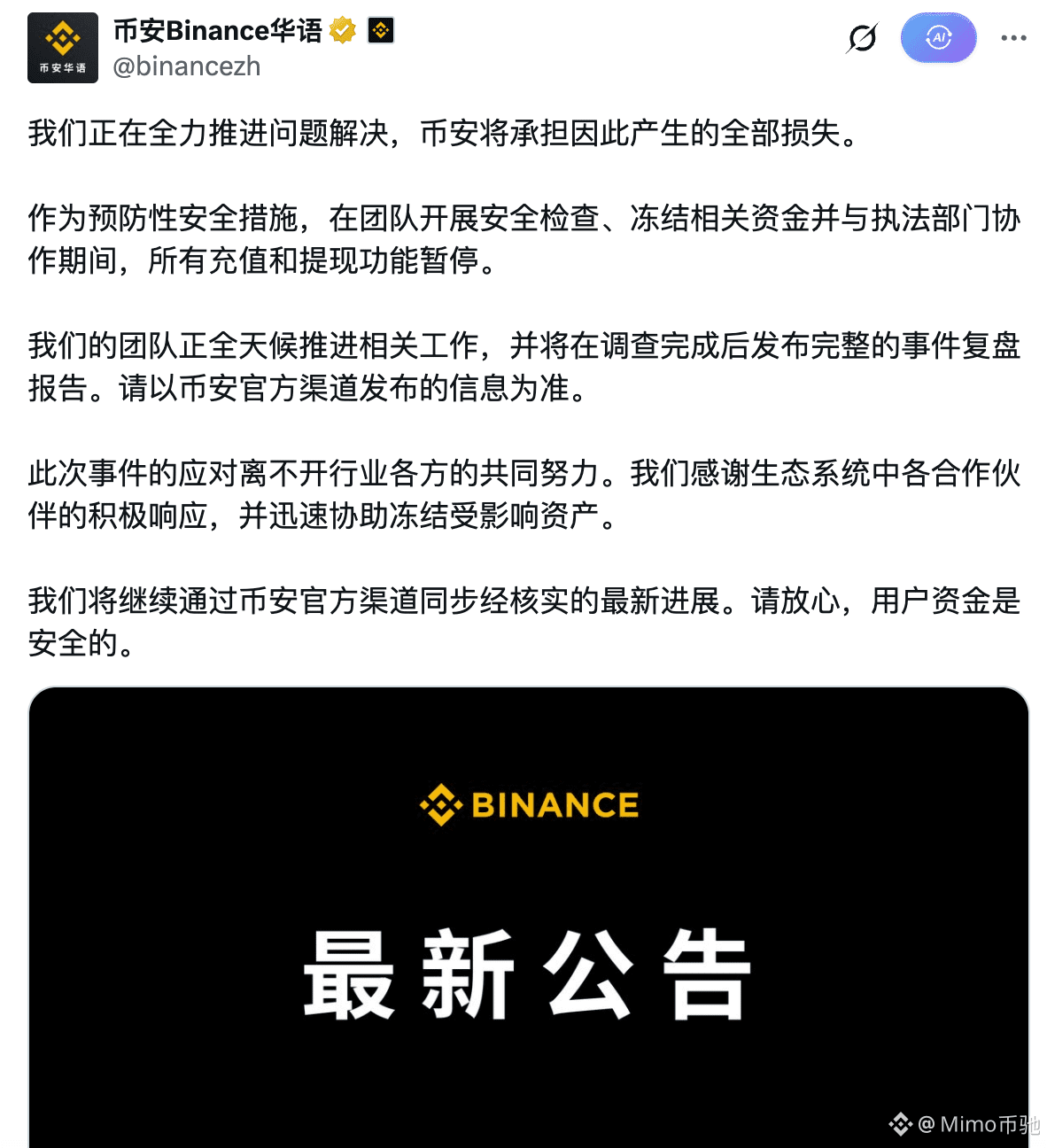
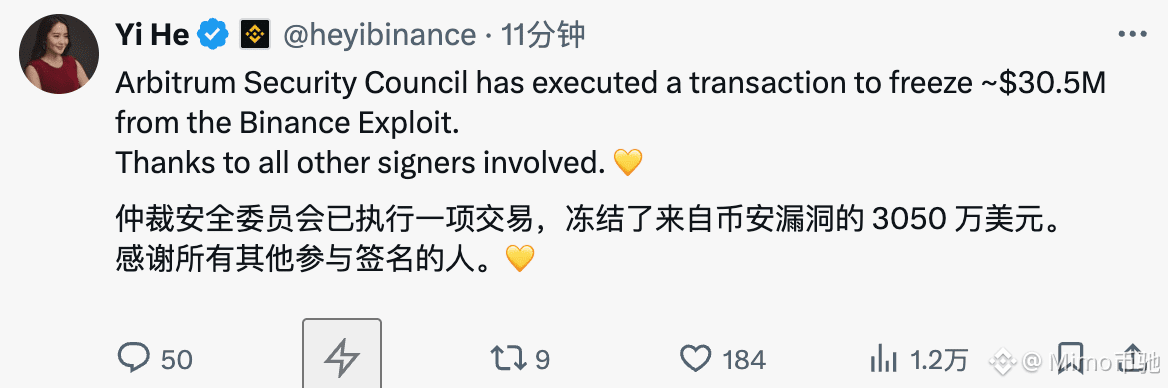
A summary is circulating: around $5.6 billion in funds flowed out, of which $2.4–2.6 billion has already been frozen. Withdrawals have also been halted to prevent further outflows.
The official response was straightforward: Binance will cover all losses. Deposits and withdrawals have been suspended while security checks are carried out, funds are frozen, and authorities are assisted. A full postmortem will be published afterward.
Partners are helping freeze the assets, and user funds are safe.
The $5.6 billion figure is hard to ignore.
Freezing roughly half suggests that people across the blockchain ecosystem are still willing to step in and help;
but the fact that so much could flow out also shows the attack surface was substantial.
Binance’s promise to cover the losses is the most important thing for now.
When major exchanges have had incidents in the past, users’ biggest fear was being told to “just accept the loss.”
This time, Binance has clearly taken responsibility, at least easing the worst-case fears for now.
We’ll have to wait for the official postmortem to learn exactly how the attack happened, which addresses were frozen, and whether the remaining funds can be recovered.
There’s still a lot of confusion, so don’t trust “the latest updates” from unofficial sources.
This isn’t the first time a major exchange has had an incident, but every time, trust gets repriced.
What do you think about this?
3
5
15.2k
·
--
The Alpha Predict frenzy has wrapped up, and now it’s the turn of users who farmed Predict on the official website!
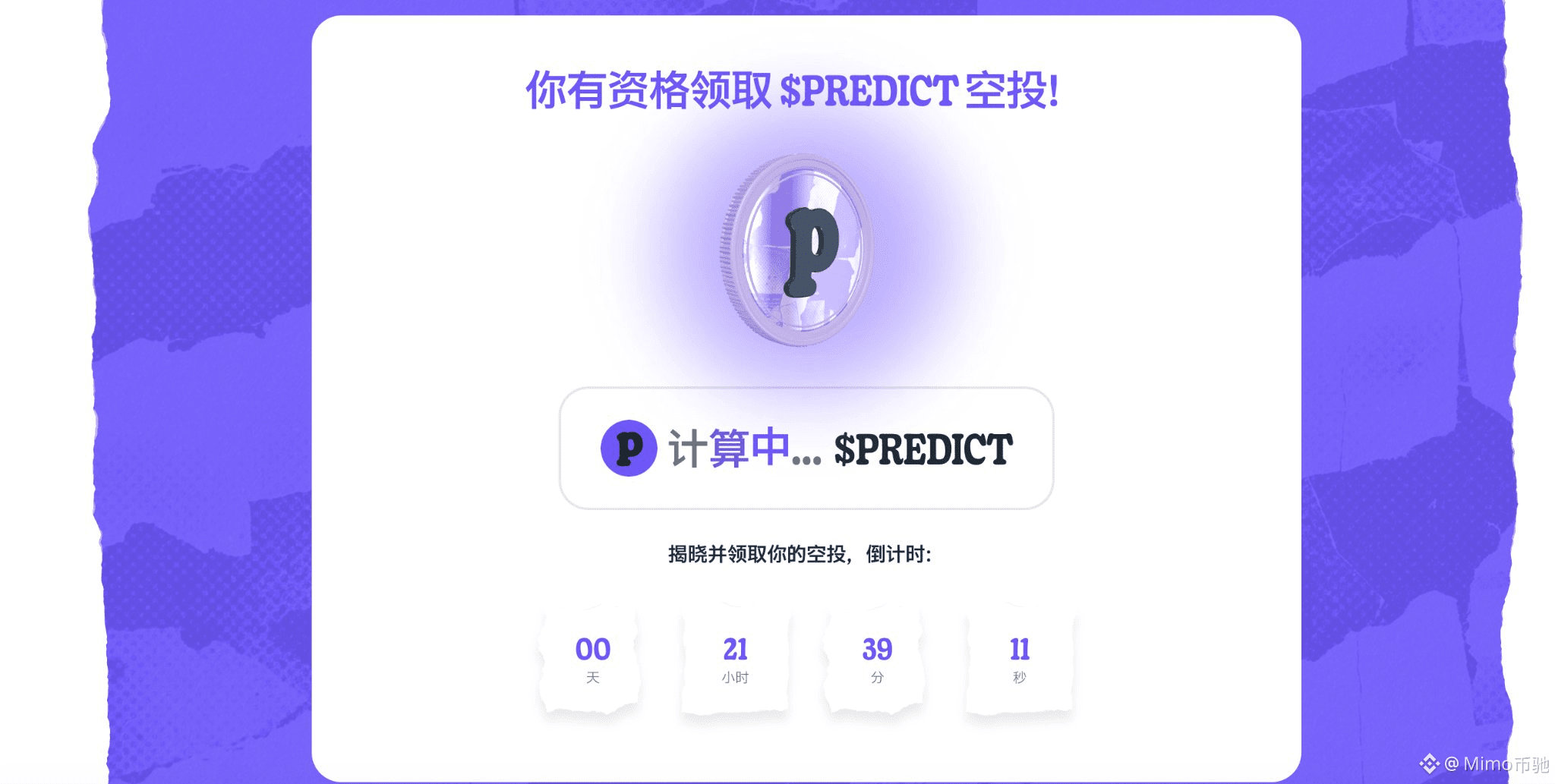
The Predict airdrop page is now live.
It shows that I’m eligible to claim, with about 21 hours left on the countdown.
The page is calculating the exact amount, so the final figure isn’t available yet.
There are still the same two options mentioned earlier:
Choose 35% to receive it right away and forfeit the rest;
or lock the full amount for a year and receive 100% after one year.
The form deadline is November 26. If you don’t fill it out, it’ll default to the one-year lockup.
The presale just ended, and the airdrop countdown has started too.
If you’re eligible, just make your choice and wait for the official distribution. If you’re not eligible, keep an eye out for future events.
Head to the official website and check how much you’ve got!
18
2
18
33.5k
·
--
Binance Alpha absolutely crushed it! This is how airdrop farming works: when nobody’s paying attention, that’s when the big airdrops come.
Now it’s packed, and everyone’s getting harvested!
I wonder if the studios that used to farm Alpha airdrops are still around. With 100+ accounts, this would easily be an A7 project from a single token.
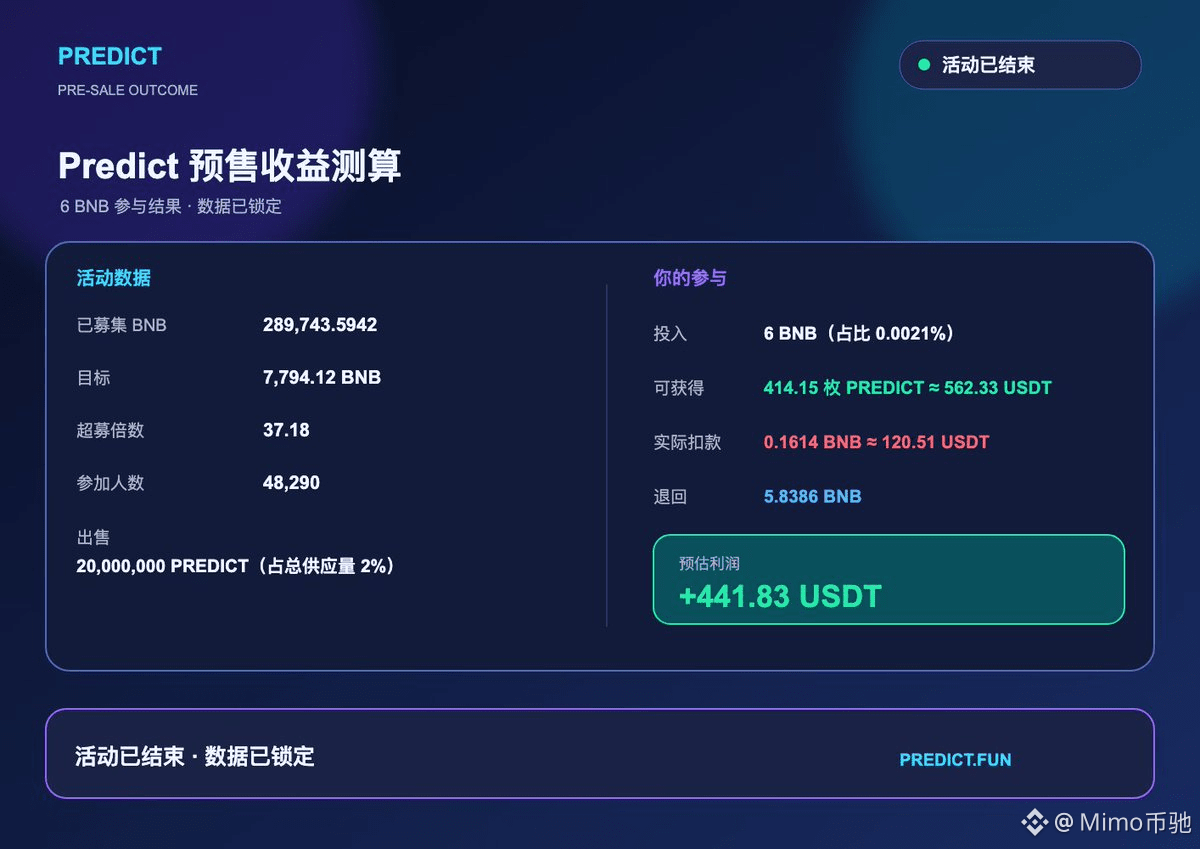
A total of 289,700 BNB was raised, against a target of just 7,794 BNB—oversubscribed by 37 times. Just over 48,000 people participated.
With a per-person cap of 6 BNB, not many people could actually fill their allocation.
A third-party calculator shows that if you put in 6 BNB, only 0.1614 BNB was actually deducted. You received 414 PREDICT, worth about 562 U at the current pre-market price, for an estimated profit of around 440 U. The remaining 5.8 BNB was returned.
The low entry threshold definitely let people in, but not many accounts could put up 6 BNB.
The profit per account looks decent, but people with multiple accounts will see more significant returns.
These tokens won’t be distributed to Alpha accounts until the official TGE, and the circulating supply at launch will still be 16%.
If you participated, note down your results and see how the price moves at the official launch.
34
1
97
67.1k
·
--
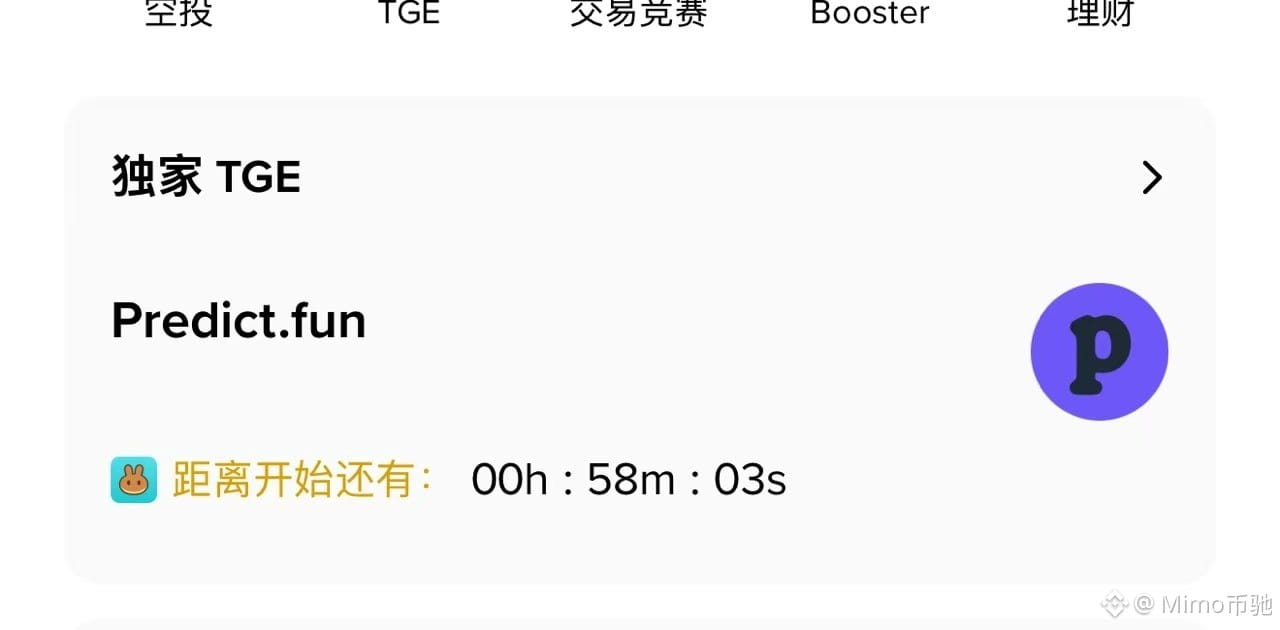
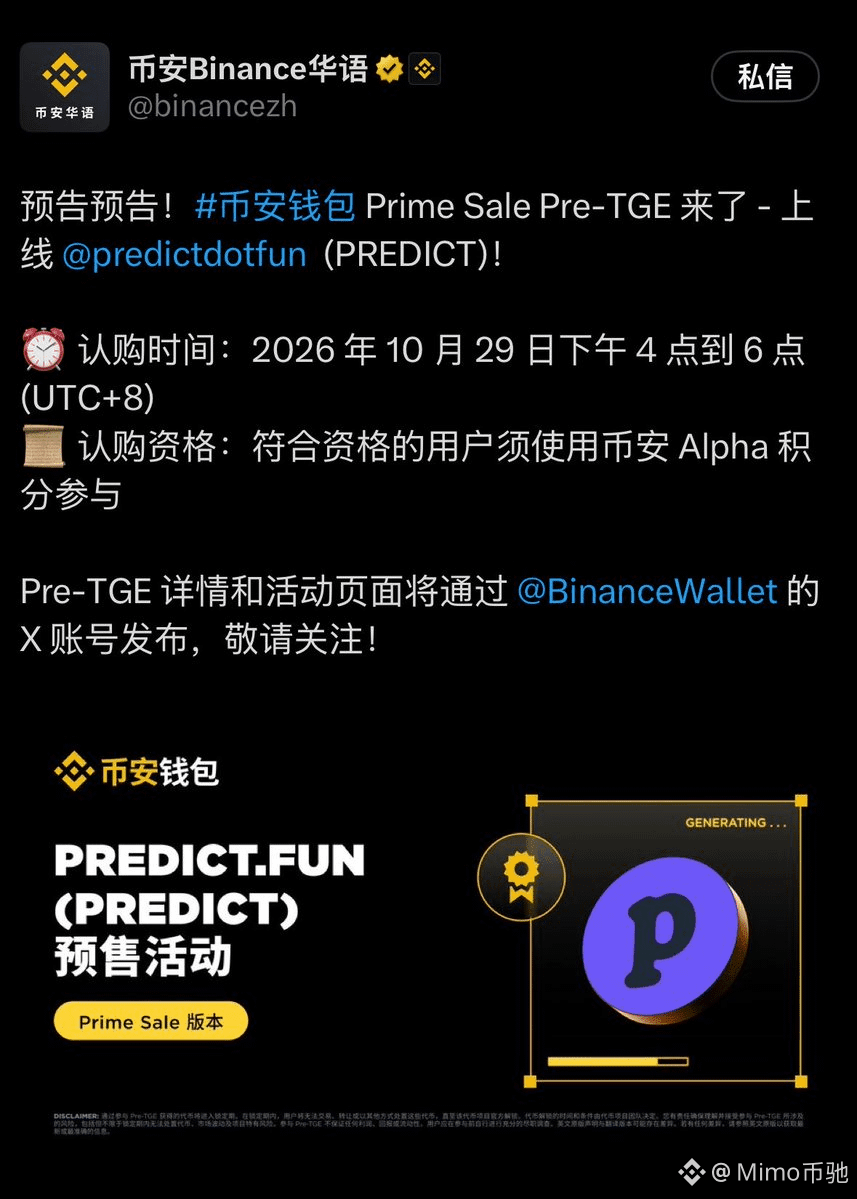
Binance has lowered the entry threshold for this Predict presale to just 60 points.
Previous Prime Sales started at 200+ points, but this time the threshold is down to 60, with a 15-point deduction as well.
The per-person cap is 6 BNB, and the window is open for two hours today, from 16:00 to 18:00.
My airdrop eligibility is nothing special, but I do have Alpha points and BNB.
With the threshold this low, it brings in all the people who used to just farm wallets and barely touched prediction markets.
Presale allocations are locked until the official TGE, when they’ll be credited to Alpha accounts, so they won’t add to the sell pressure at launch.
For those who’ve been active on Predict for a long time, this feels more like Binance helping the project gain traction than simply handing out another perk to airdrop farmers.
The low threshold broadens participation, while the circulating supply at the official launch will still follow the 16% unlock schedule.
If you have at least 60 points and some BNB, today’s window may be worth checking out. If you don’t have points, keep an eye on the airdrop claim options—those are handled separately.
2
5
2.6k
·
--
Verified
The token is launching! The token is launching! Predict is launching its token!
Predict has officially announced its tokenomics.
The total supply is fixed at 1 billion tokens. 70 million tokens have been allocated to the Season 1 airdrop, representing 7% of the total supply.
You can choose one of two claim options: claim immediately and receive only 35%, or choose 12-month linear vesting and receive the full 100%.
If you choose the 12-month option, you can still switch back to immediate claiming within one month after TGE. The core team and early investors are fully locked up, with a 24-month cliff followed by a 36-month release period. The full unlock schedule is about five years.
Based on the current pre-market price of around $1.5B, the 70 million tokens would be worth roughly $100 million.
If the total points supply is estimated at 450 million, the theoretical value per point would be around $0.20.
How much you actually receive will depend on the final points results and which claim option you choose.
The official team says the claim date and final Season 1 points results will be announced within 24 hours.
3
1
6
9.6k
·
--
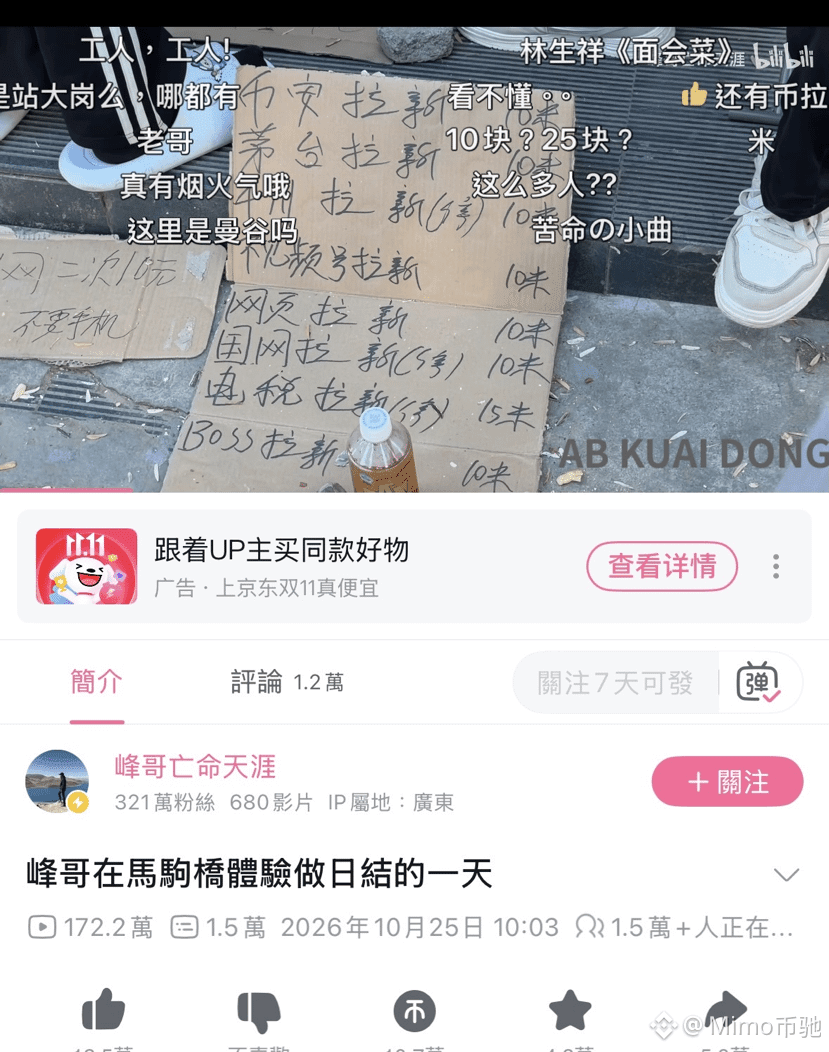
Damn, Feng Ge, the sexually repressed founder
Yesterday’s viral hit, which racked up a million views
A day trying out daily-wage work in Majuqiao
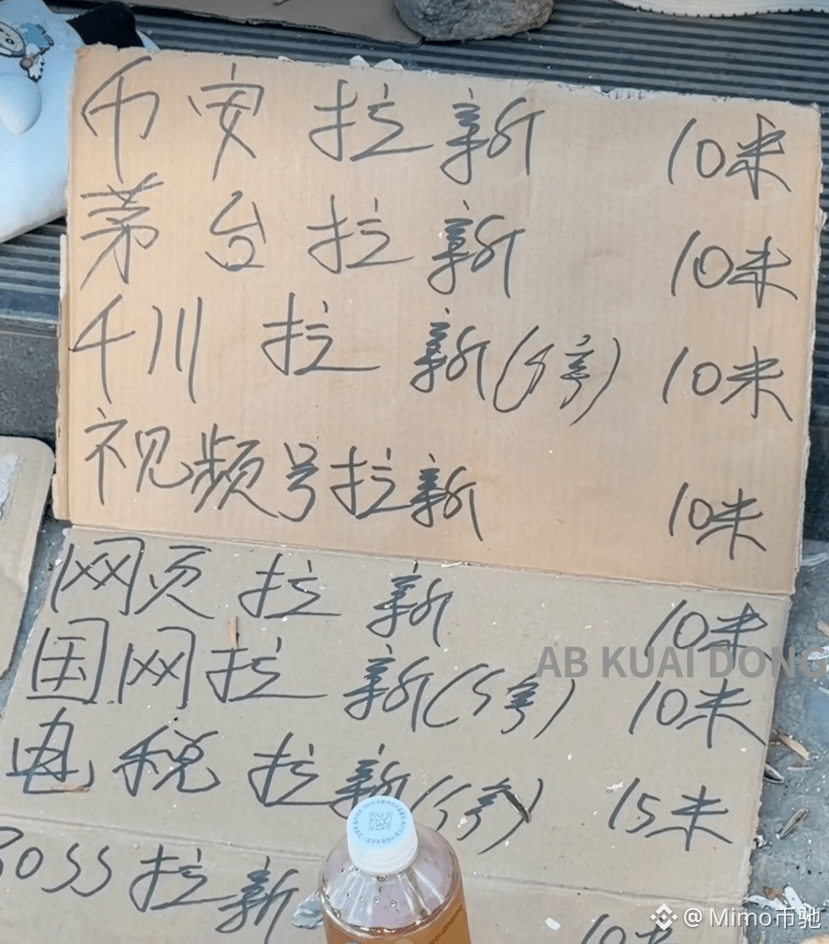
At 4:05, there’s a bit about farming Binance referral rewards and offering 10 yuan for sign-ups 🤣
Damn, Feng Ge, the sexually repressed founder
Yesterday’s viral hit, which racked up a million views
A day trying out daily-wage work in Majuqiao
At 4:05, there’s a bit about farming Binance referral rewards and offering 10 yuan for sign-ups 🤣
Yesterday’s viral hit, which racked up a million views
A day trying out daily-wage work in Majuqiao
At 4:05, there’s a bit about farming Binance referral rewards and offering 10 yuan for sign-ups 🤣
15
3
63
·
--
Partly True
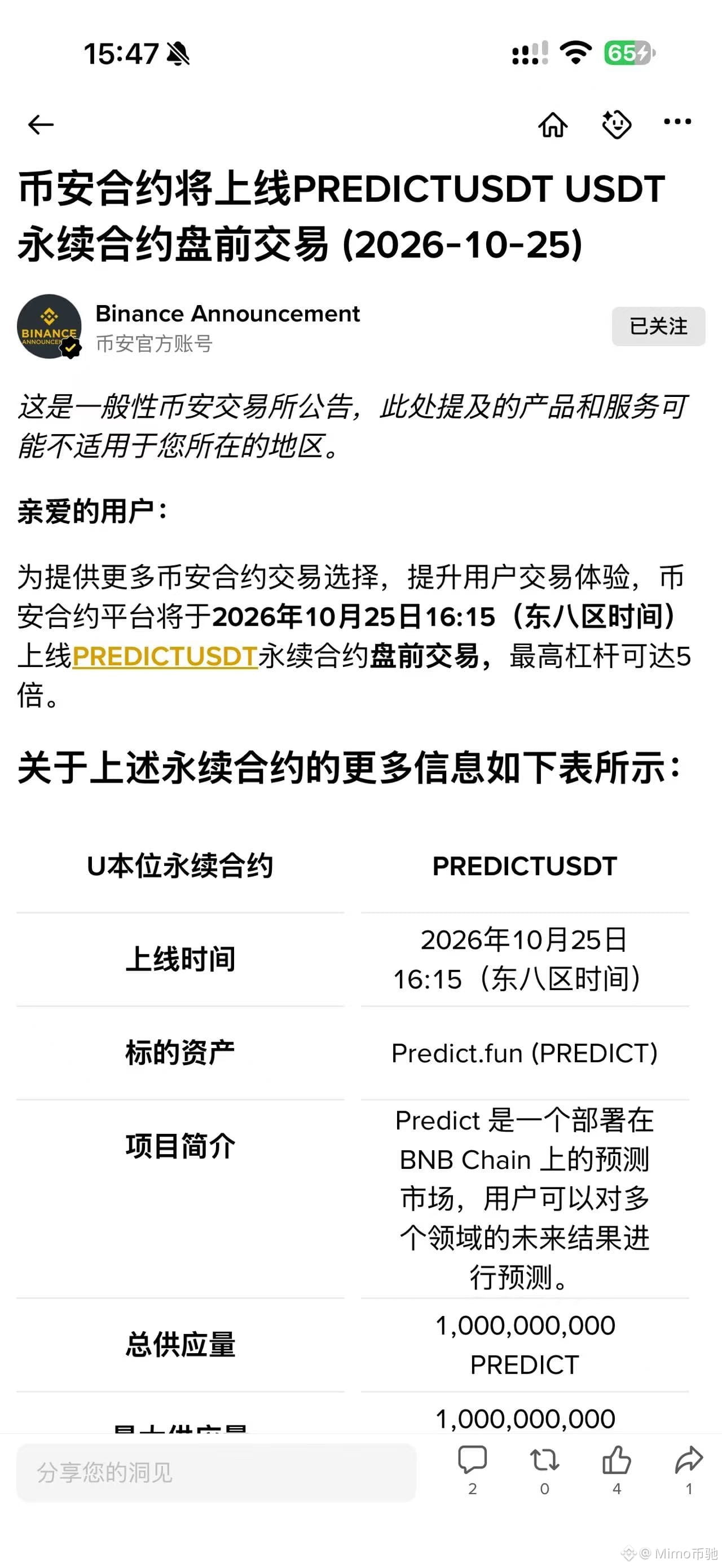
The official announcement is here!
Binance will list PREDICTUSDT pre-market perpetual contracts today at 16:15, with up to 5x leverage.
The official announcement states that the total supply is 1 billion tokens.
Based on the current price of around 1.42 shown in wallets, the FDV is roughly $1.4 billion.
During the earlier pre-market surge, it briefly reached $1.3B–$1.6B. The current quote is after pulling back from that high.
Pre-market contracts are different from spot trading once it officially launches: funding rates and market depth will both affect the price. The 5x leverage also suggests Binance is being relatively cautious about this asset.
The total supply has been confirmed, so you can use 1 billion directly for future FDV calculations.
The market is currently pricing it at around $1.4B.
That valuation isn't low, but compared with the sector's recent growth in fees and the launch of a Binance trading venue, it's not entirely unreasonable either.
The price may fluctuate again once spot trading officially launches.
10
3.5k
·
--
Partly True
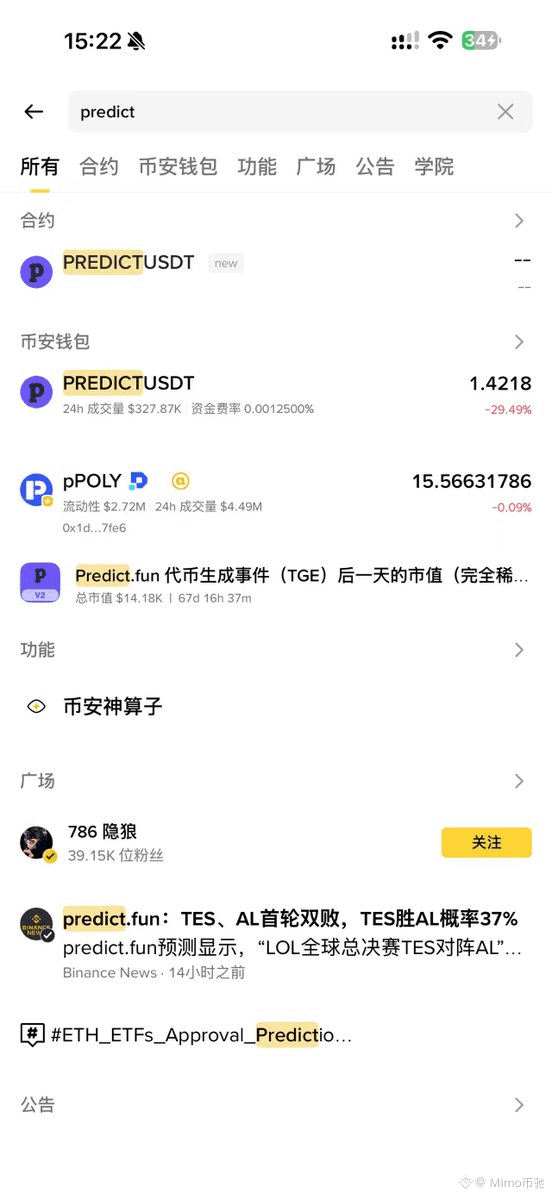
Binance has listed PREDICTUSDT.
It’s marked “new” in the futures section, and the wallet is already showing a quote of 1.42, with 24-hour trading volume at 320K, down 29%.
The pre-market price previously surged to $13, implying an FDV of over $1.3B.
Now that Binance has listed it directly, the price has already been pushed down.
Predict points are still being distributed, and the World Championship and Match Weekend are both underway. Trading volume on the 5-minute market has surpassed Polymarket’s.
Once the Binance on-ramp opened up, pre-market futures followed.
Tokens that make it onto Binance futures generally start at an FDV of $1B–$2B.
Waiting for the TGE, then spot trading—let’s see how it performs.
1.7k
·
--
Just started up and already saying goodbye?
Citi, you’ve really landed yourself in hot water!
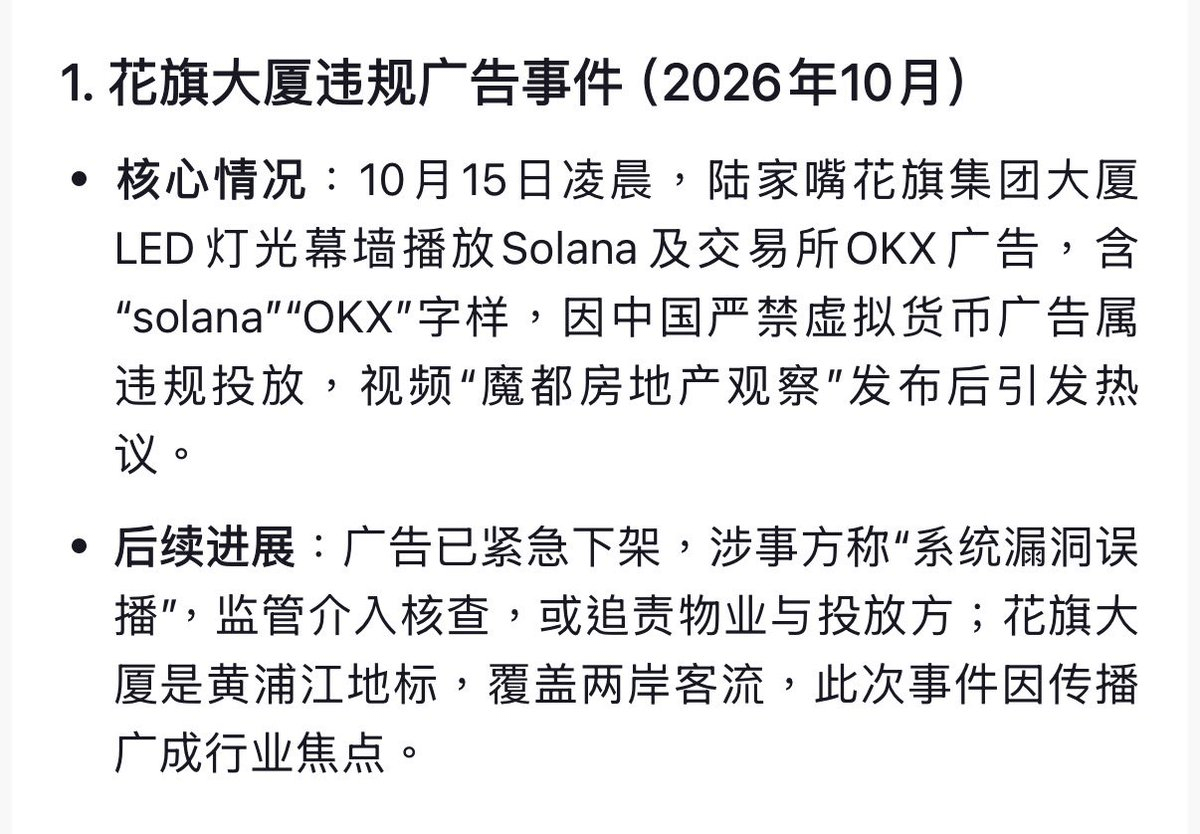
Solana projected its logo onto the exterior wall of the Citi building on Shanghai’s Bund.
It was highly visible from the Bund, and the official account even posted “ni hao shanghai.”
It was a bold move, but it crossed a line too—the domestic ban on cryptocurrency advertising meant the LED display was quickly taken down. Some say it was a system playback error, and regulators have also stepped in.
Solana opened a Builder Station in Shanghai this year and has been holding developer events, while trying to avoid directly promoting its token.
Being able to light up a building doesn’t mean you can advertise there long-term, and opening an office doesn’t mean you can openly attract traffic.
The rule here has always been: technology is okay to discuss; coins are not.
This time, they found a loophole—and put the issue squarely on the table.
Whether restrictions will tighten further depends on the results of the investigation.
$SOL
{future}(SOLUSDT)
{spot}(SOLUSDT)
Just started up and already saying goodbye?
Citi, you’ve really landed yourself in hot water!
Solana projected its logo onto the exterior wall of the Citi building on Shanghai’s Bund.
It was highly visible from the Bund, and the official account even posted “ni hao shanghai.”
It was a bold move, but it crossed a line too—the domestic ban on cryptocurrency advertising meant the LED display was quickly taken down. Some say it was a system playback error, and regulators have also stepped in.
Solana opened a Builder Station in Shanghai this year and has been holding developer events, while trying to avoid directly promoting its token.
Being able to light up a building doesn’t mean you can advertise there long-term, and opening an office doesn’t mean you can openly attract traffic.
The rule here has always been: technology is okay to discuss; coins are not.
This time, they found a loophole—and put the issue squarely on the table.
Whether restrictions will tighten further depends on the results of the investigation.
$SOL
Mimo币驰
·
--
Karma's coming!
You think you can just come and go as you please?
This place may be bustling, but it's not New York!
You think you can just come and go as you please?
This place may be bustling, but it's not New York!
4
163
·
--
Karma's coming!
You think you can just come and go as you please?
This place may be bustling, but it's not New York!
Karma's coming!
You think you can just come and go as you please?
This place may be bustling, but it's not New York!
You think you can just come and go as you please?
This place may be bustling, but it's not New York!
1
264
·
--
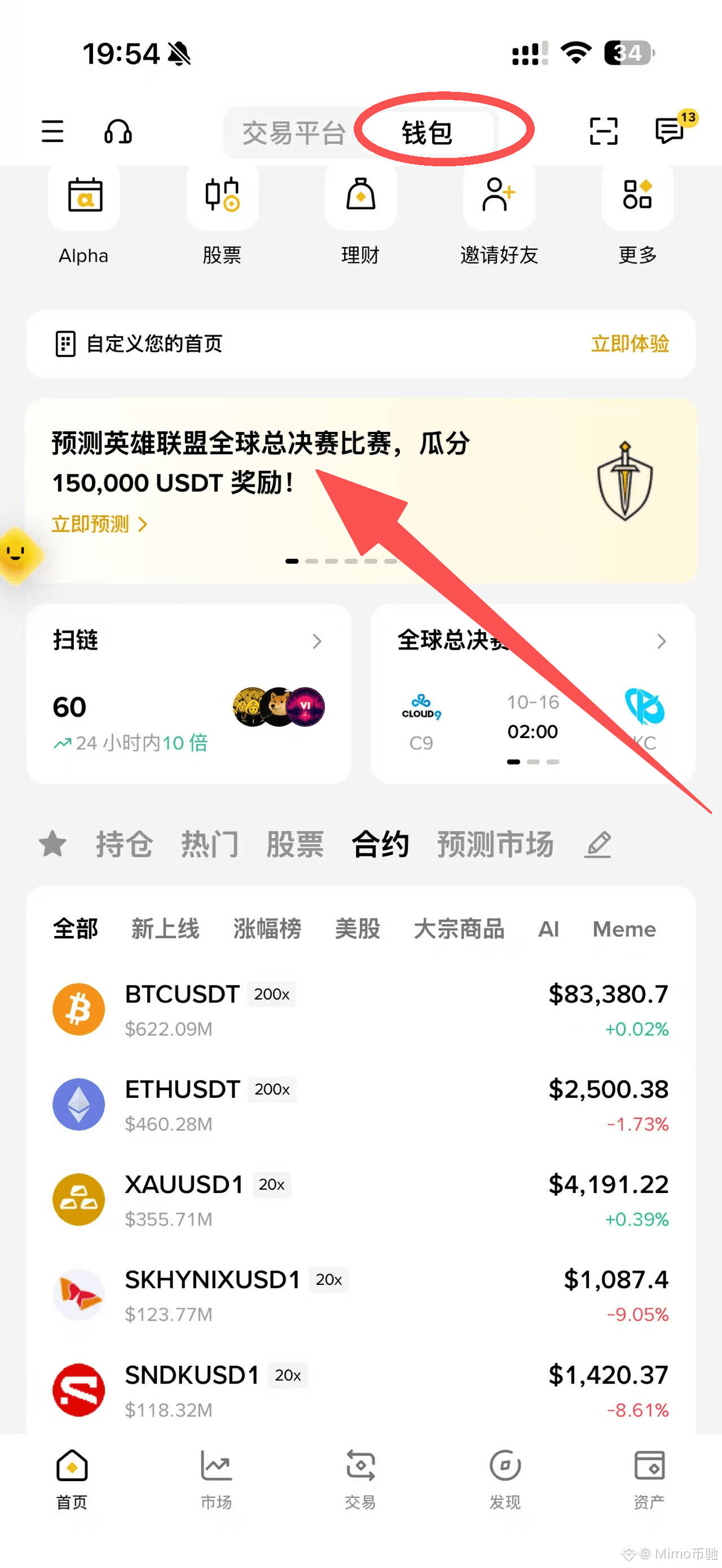
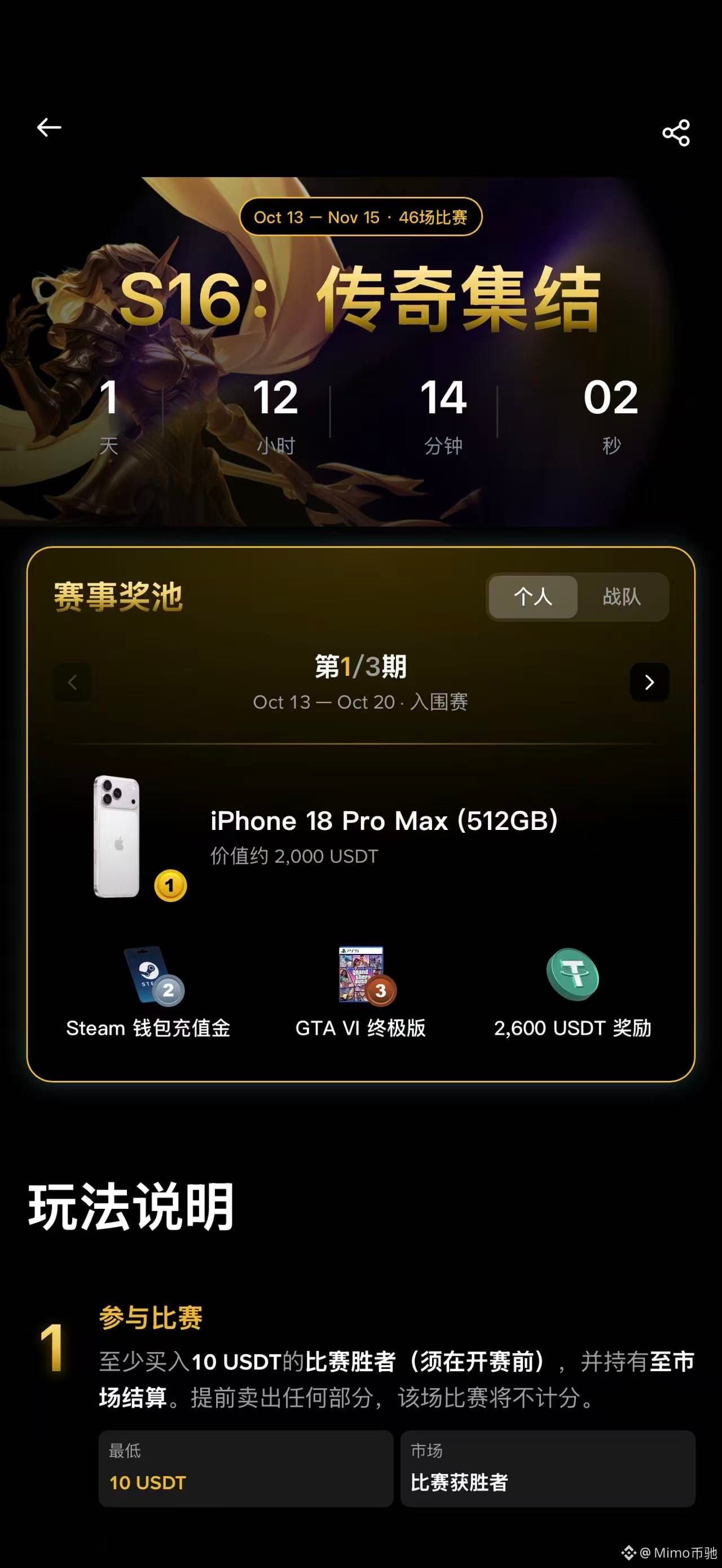
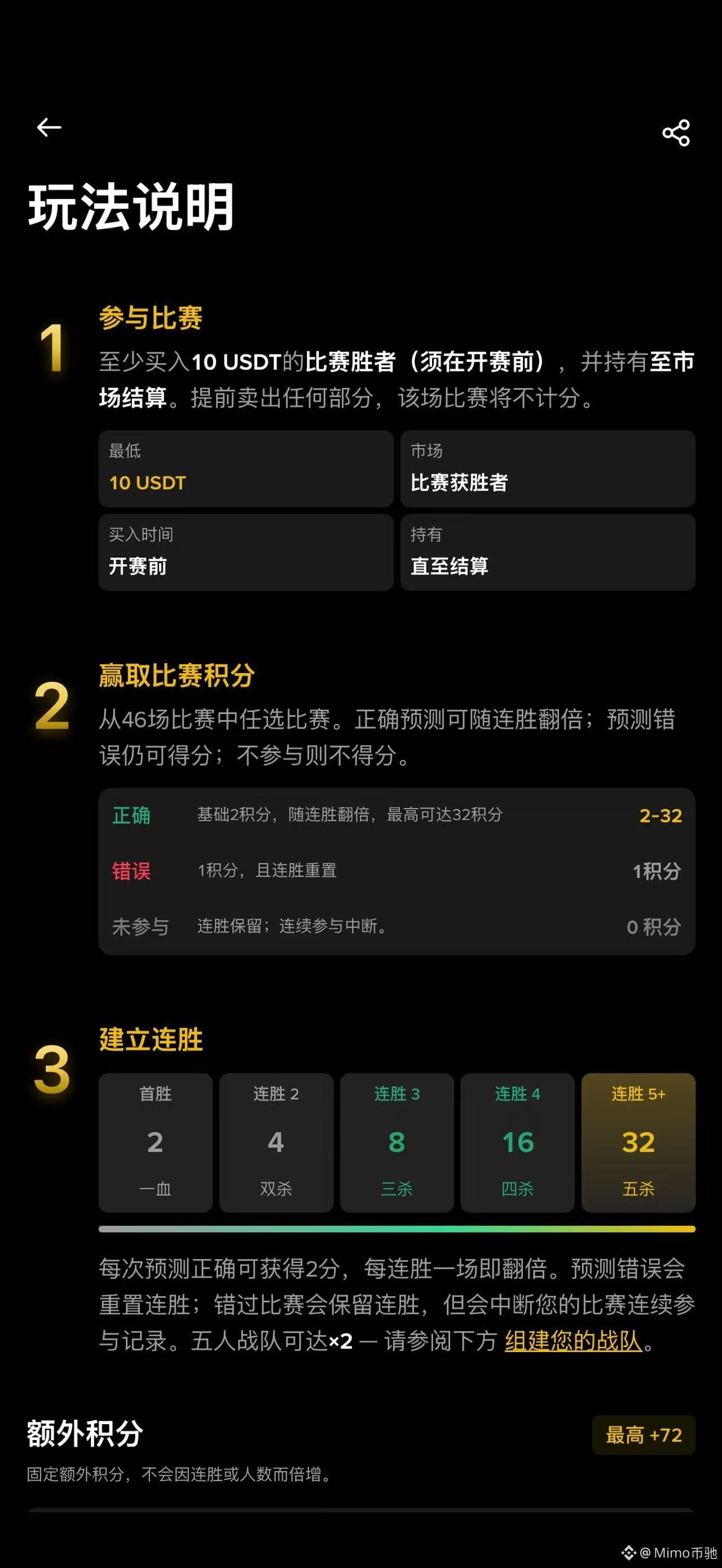
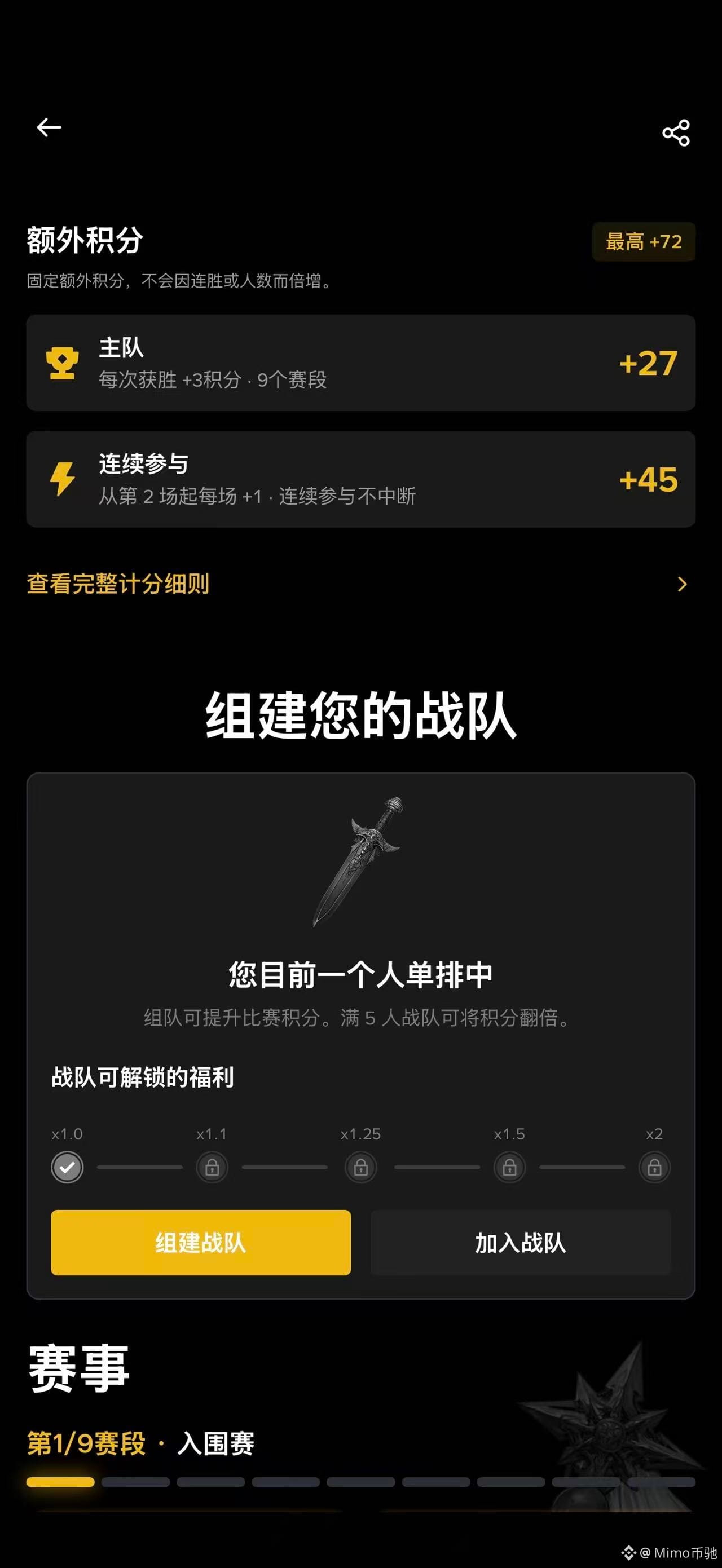
New Binance event!
The Rift is calling—Worlds is about to ignite!
The League of Legends World Championship is about to begin. Will the team you support make it all the way to the grand stage?
This time, it’s about more than just watching the matches, discussing team comps, and chasing highlight moments.
You can also follow the action alongside Summoners around the world, share your take on the matchups you believe in, and feel the real-time twists and turns of every team fight and comeback.
From surprising upsets in the group stage to epic clashes in the knockouts;
from the fight for an Elder Dragon to a team fight that decides it all,
the outcome can change completely in just a few minutes.
During Worlds, keep an eye on the Binance event page for the latest event rules, participation dates, and reward details.
Whether you’re a longtime fan or new to esports, come chat about the matches, check out the stats, and join in.
Which team do you think has the best shot at the title?
A quick note: the prediction markets are provided by @predictzh !
#LeagueOfLegendsWorlds #Esports #Binance
New Binance event!
The Rift is calling—Worlds is about to ignite!
The League of Legends World Championship is about to begin. Will the team you support make it all the way to the grand stage?
This time, it’s about more than just watching the matches, discussing team comps, and chasing highlight moments.
You can also follow the action alongside Summoners around the world, share your take on the matchups you believe in, and feel the real-time twists and turns of every team fight and comeback.
From surprising upsets in the group stage to epic clashes in the knockouts;
from the fight for an Elder Dragon to a team fight that decides it all,
the outcome can change completely in just a few minutes.
During Worlds, keep an eye on the Binance event page for the latest event rules, participation dates, and reward details.
Whether you’re a longtime fan or new to esports, come chat about the matches, check out the stats, and join in.
Which team do you think has the best shot at the title?
A quick note: the prediction markets are provided by @predictdotfun-华语 !
#LeagueOfLegendsWorlds #Esports #Binance
2
321
·
--
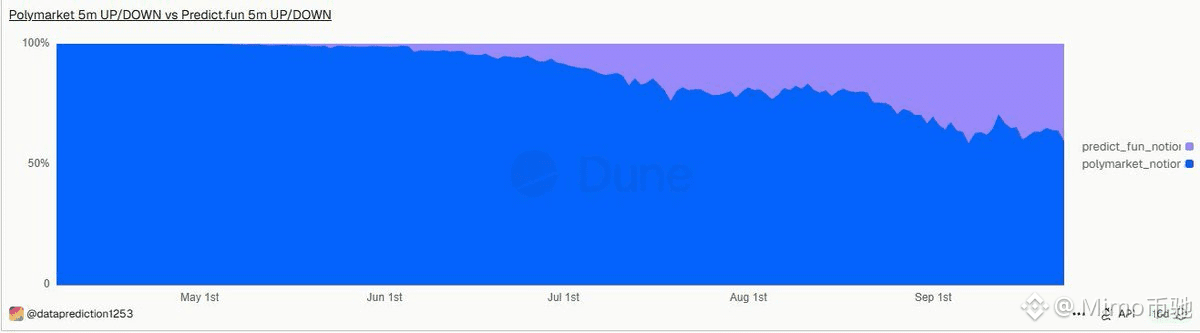
This is a market depth slope chart: Polymarket is blue, Predict is purple.
On the 5-minute BTC up-or-down market, Predict has gone from almost nothing to nearly catching up with Polymarket.
This slope shows one thing: high-frequency markets are no longer Poly’s exclusive territory.
Polymarket isn’t issuing a token, which means it’s actively giving up the crypto crowd’s expectation of a $4 billion valuation.
The only reasons users have left to stick around are liquidity and habit.
Liquidity can be caught up with; habits can change.
Predict has a Binance entry point, points, and the expectation of a token launch. Once its user base catches up, drawing over Poly users is only natural.
Here’s how I’m playing it now: I watch both platforms for high-frequency short-term trades. If Poly still has more liquidity, I trade there. If Predict is already competitive, I leave my orders on Predict.
I keep my long-term positions and points only on Predict.
Polymarket isn’t issuing a token, so my expectations have already come down.
As long as Predict can grow its user base further, it’ll be the next player to take the lead in prediction markets.
We’ll see who comes out on top in six months.
@predictzh
This is a market depth slope chart: Polymarket is blue, Predict is purple.
On the 5-minute BTC up-or-down market, Predict has gone from almost nothing to nearly catching up with Polymarket.
This slope shows one thing: high-frequency markets are no longer Poly’s exclusive territory.
Polymarket isn’t issuing a token, which means it’s actively giving up the crypto crowd’s expectation of a $4 billion valuation.
The only reasons users have left to stick around are liquidity and habit.
Liquidity can be caught up with; habits can change.
Predict has a Binance entry point, points, and the expectation of a token launch. Once its user base catches up, drawing over Poly users is only natural.
Here’s how I’m playing it now: I watch both platforms for high-frequency short-term trades. If Poly still has more liquidity, I trade there. If Predict is already competitive, I leave my orders on Predict.
I keep my long-term positions and points only on Predict.
Polymarket isn’t issuing a token, so my expectations have already come down.
As long as Predict can grow its user base further, it’ll be the next player to take the lead in prediction markets.
We’ll see who comes out on top in six months.
@predictdotfun-华语
459
·
--
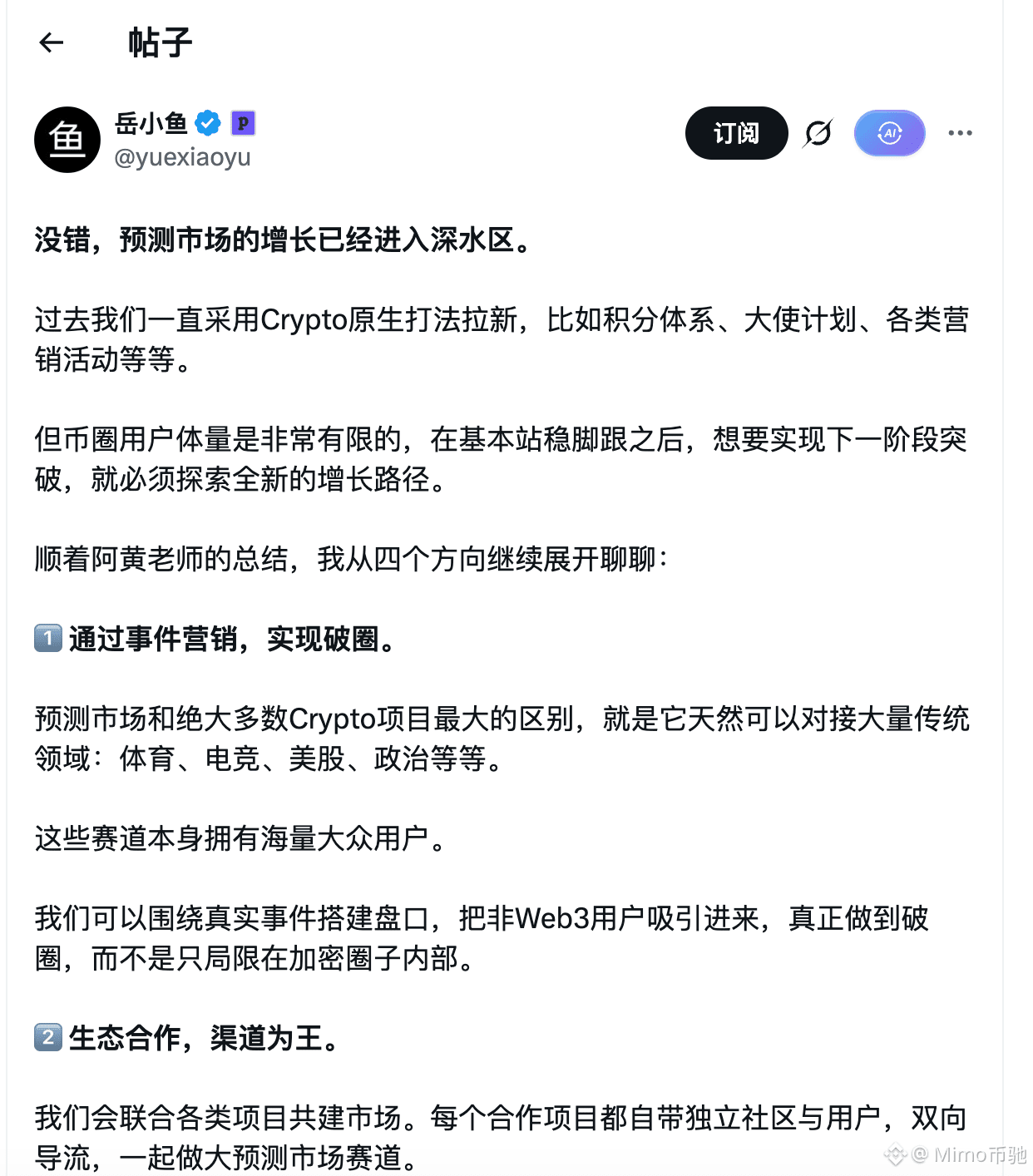
I’ve been playing prediction markets for over three years, and Yue Xiaoyu’s piece really hit the mark.
The crypto playbook of points, ambassadors, and airdrops can bring people in, but it can’t keep them around.
The World Cup was a case in point. A lot of people came in early to farm points and chase rewards by running multiple accounts. Once the World Cup was over, they were gone.
The ones who stayed are people who genuinely bet on the markets. People like me, who have always followed the development of this sector and still look for opportunities in prediction markets every day, trading against the odds.
Some people stayed because they really got hooked. They saw the potential for a token launch, had points to earn, and found the platform comfortable and easy to use.
Others may have stayed for a simpler reason: they saw me when I was livestreaming in the community feed.
You can play right on Binance, without jumping to a third-party link or connecting a wallet.
It’s really convenient—you can play on your phone anytime, anywhere.
Even now, you can still make money selling the points you’ve farmed on the secondary market. It’s like getting paid to mine.
The problem in the deep end isn’t a lack of users; crypto has already exhausted its pool of potential users.
The next users aren’t farming points on Twitter. They’re watching the Premier League, playing League of Legends, or following the ups and downs of US stocks.
Embedding Predict in Binance was the right move. It means I don’t have to leave the app to place an order.
Liquidity is the real barrier. If the order book is thin, I come in once, get hit with slippage, and never come back.
Yue Xiaoyu said the budget should shift from marketing to market making. That’s right. When I place orders to earn points, I’m also adding depth to the order book.
Without depth, even the liveliest campaign is just noise.
Fees on Dune have topped 21 million, with daily fees at 200,000.
Those aren’t user acquisition numbers. They’re proof that people are actually trading.
The deep end is tough, but it’s more interesting than continuing to fleece each other in crypto.
1.6k
·
--
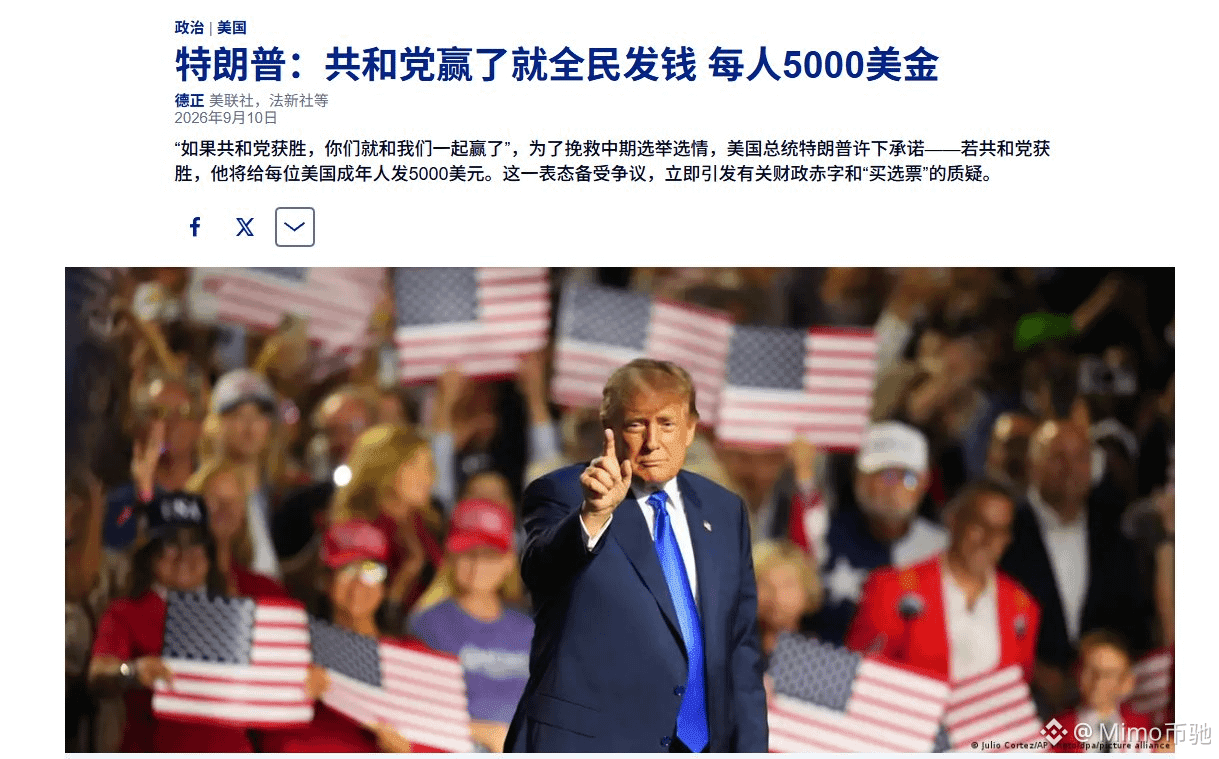
Trump: If we win the midterms, every American adult gets $5,000!
Yeah, right! Let’s look at the numbers:
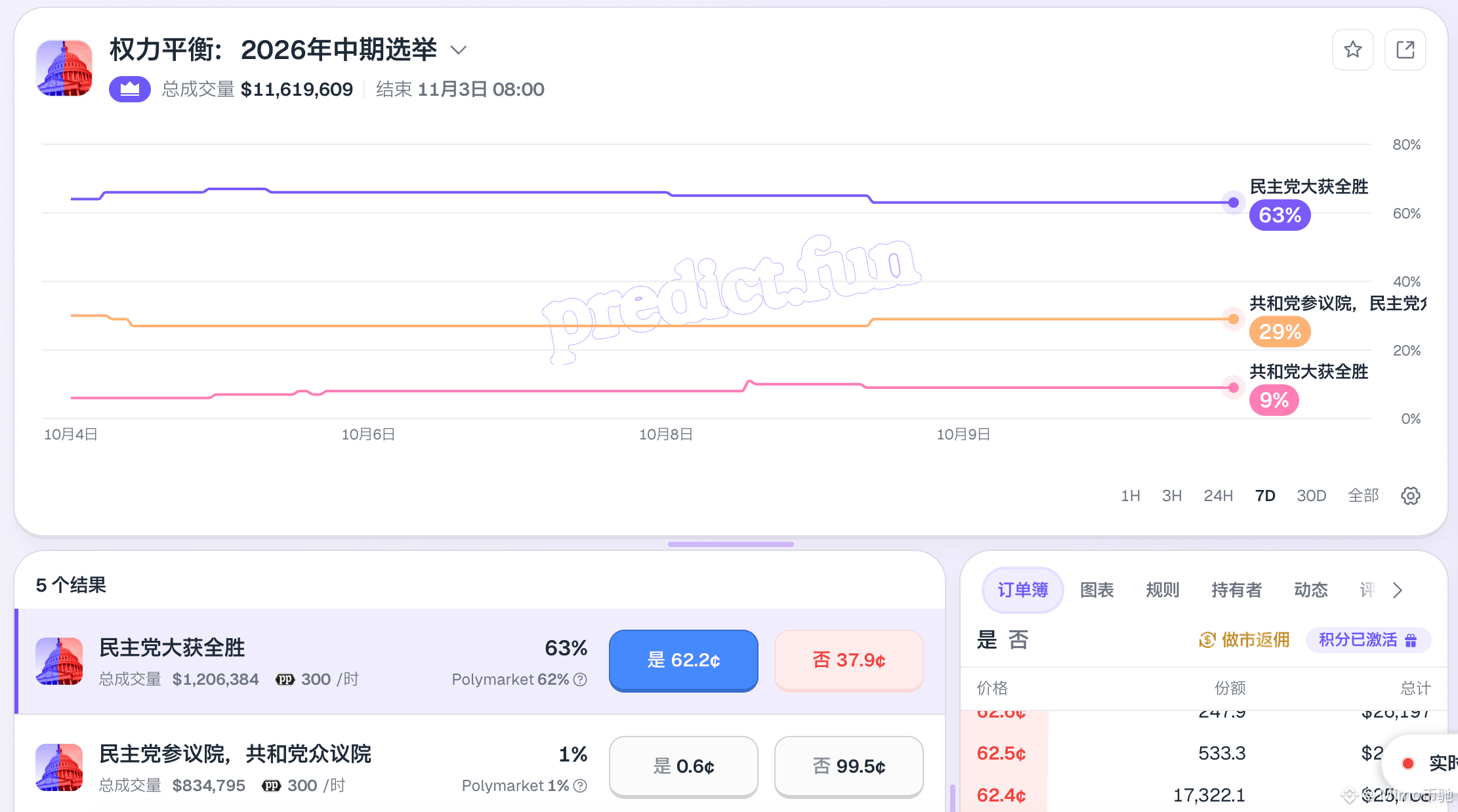
The odds on Predict haven’t even moved a single point.
A Republican sweep is at 10%. A Democratic sweep is at 65%.
The Senate stays Republican, the House flips to the Democrats: 27%.
This market has seen 11.5 million U in trading volume. It’s not being ignored—people just don’t believe it.
At $5,000 for 240 million adults, that comes to $1.2 trillion.
Tariff revenue can’t cover that in a year. The promised $2,000 tariff rebate from the last round still hasn’t arrived. The market isn’t stupid.
Historically, not many presidents have lost both chambers at once.
If Trump becomes the next one, that 10% on Predict is practically free money. Looking at this market, I wouldn’t bet on a Republican sweep.
2
7
15.8k
·
--
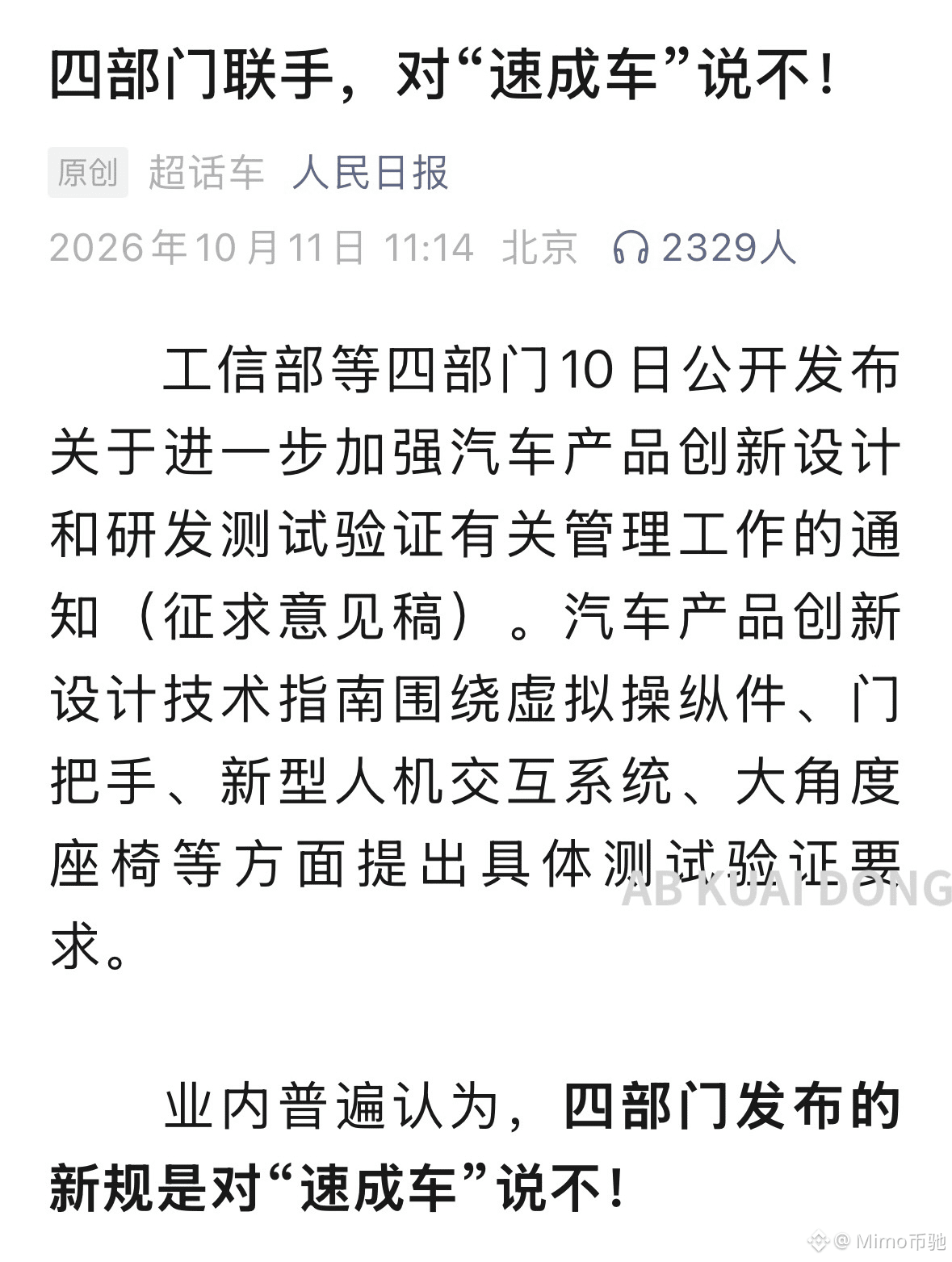
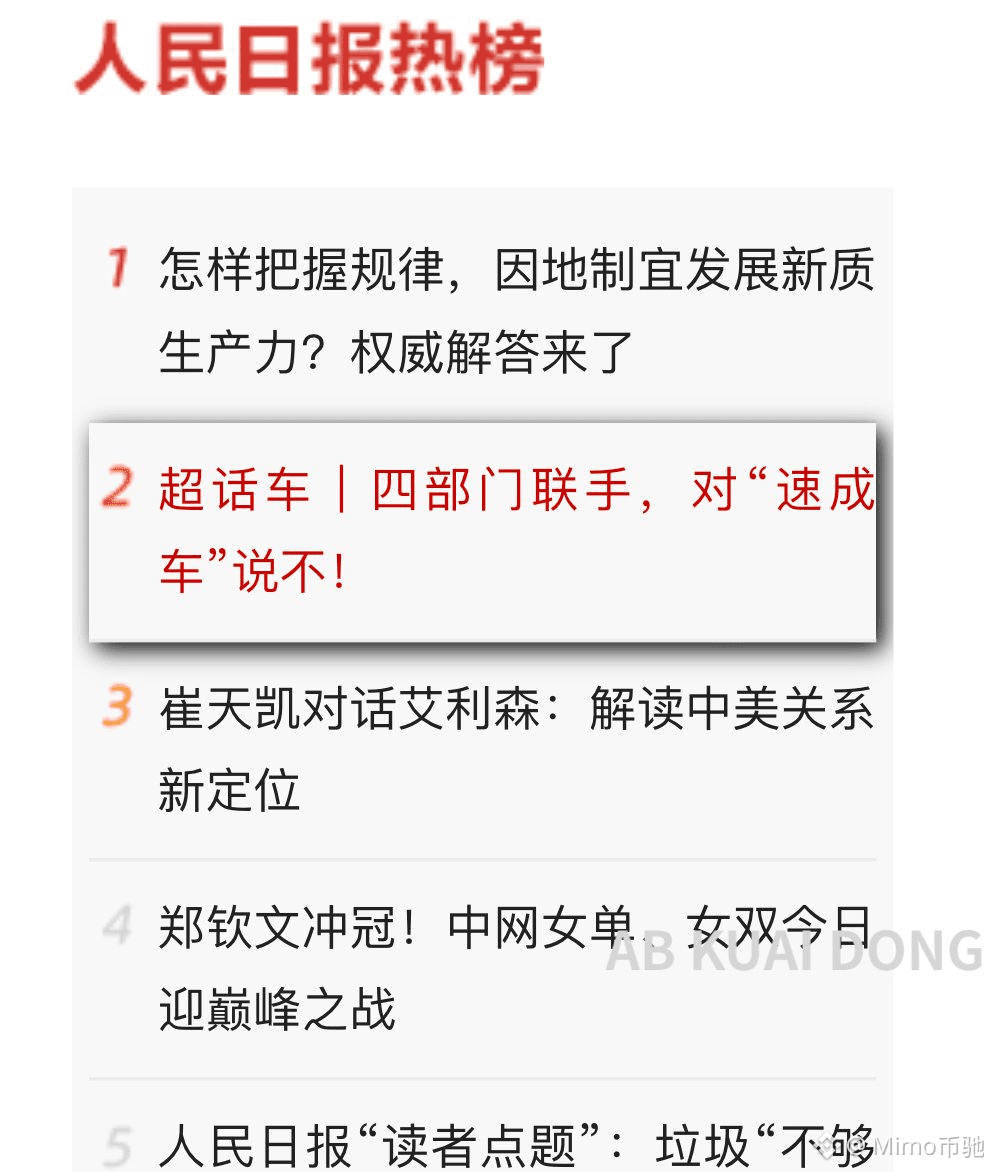
People’s Daily has made its position crystal clear this time.
The brake pedal bracket on the Huawei MAEXTRO V800 broke in the same place on three new cars during a test by Dongchedi. The official response was that it “exceeds national standards,” that “no actual users have experienced this in real-world use,” and that the test involved “non-standard extreme conditions.”
But People’s Daily put it straight on its trending list: a car’s brake pedal should never break while the car is being driven.
Safety is a red line. Four government departments have joined forces to say no to cars rushed to market.
A million-yuan car, just two months after launch, and its pedal bracket broke during emergency braking.
This wasn’t a one-off: it happened repeatedly on three cars from different batches.
The company says no actual users have encountered the problem. The testing outfit says this is a basic test, and rival models did not break under the same conditions.
The two sides tell different stories, but state media has already made its position clear: this cannot be dismissed as just a war of public opinion.
After Dongchedi released the test video, some questioned the testing method, while others asked whether the test was deliberately targeting the car.
Then People’s Daily singled out the phrase “cars rushed to market” and put it right on its homepage.
This move by ByteDance has taken the safety issue beyond a media spat and into the realm of regulation.
The race to compete in the new-energy vehicle industry has been moving too fast in recent years.
New brands, new platforms, new features—the launch cycle is now measured in months. Software can be updated over the air; structural components can’t.
When things like pedals, steering, and braking fail under extreme conditions, neither public opinion nor regulators will be satisfied with “no actual users have experienced this.”
When the safety red line is repeatedly emphasized, it’s usually not because of just one test, but because too many people think speed matters more than safety.
State media has made the point clear this time. What really matters now is how the issue is investigated, addressed, and regulated.
1
5
9.8k
Log in to explore more content
Join global crypto users on Binance Square
⚡️ Get latest and useful information about crypto.
💬 Trusted by the world’s largest crypto exchange.
👍 Discover real insights from verified creators.
Email / Phone number
Trending Topics
BinanceReports80%Recoveryof$6.3BillioninLossesfromHackIncident
15,622 views
149 Discussing
Security Incident Update #2 (2026-10-30)
Binance Announcement
·1.1k Likes
·1.3M views
HeYiSaysWithdrawalsExpectedtoResumeWithin42Hours
27,086 views
548 Discussing
CZSaysCompensationIsinPlaceUsersAreProtected
30,433 views
442 Discussing