
杰瑞钱多多
154 Posts

杰瑞钱多多
Report
Block User
74 Following
29 Followers
44 Liked
Posts
·
--
$EVAA rose 82.1% over the past 24 hours. Chase it or short it? Let’s look at the historical data first.
I analyzed daily data for Binance USDT perpetual contracts since 2022 (920 contracts, including traditional finance contracts and 164 delisted ones): there were 793 instances of a single-day gain of ≥50%. Measured from the next day’s open:
- After 1 day: median −7.3%; 35% were up
- After 3 days: median −14.3%; 32% were up
- After 7 days: median −21.4%; 27% were up
- 7-day return distribution: 10th percentile −53.6%; 90th percentile +43.5%
In the historical sample, prices were below the next day’s open about 73% of the time a week later. But shorting in response wasn’t painless either: 14% of the time, prices were more than 30% above the next day’s open after 7 days—a move that highly leveraged short positions may not be able to withstand.
Now let’s look at the cost of holding a position: $EVAA currently has a funding rate of 0.0367% per 4 hours (longs pay shorts). If the rate and settlement interval stay the same, holding a long position for one day would incur an estimated funding fee of about 0.22% of the notional position.
A few caveats: many coins often surge or plunge together on the same day, so these events are not independent; fees and funding payments are not included; calculations use daily close-to-close returns, which differ slightly from a rolling 24-hour return; and past performance does not predict future results.
How do you usually handle a coin that surges like this: avoid it, chase with a small position, or wait for a pullback?
#合约交易 #Altcoins
Data collected: 2026-11-14 23:01 CST; source: Binance public market data.
This is not investment advice.
41
·
--
$ARIA Latest Price and Mark Price Differ by +0.5%
Public snapshot of Binance USDT perpetual contracts: latest price 0.19818, mark price 0.19716178; calculated as (latest price ÷ mark price − 1), the deviation is +0.5%. The two data points come from different endpoints, and their collection times do not exactly match, so the gap may vary in fast-moving markets.
The latest price reflects the most recent trade; the mark price is used to calculate unrealized PnL and liquidation for contracts, among other things. When checking trigger orders, also verify which trigger price you selected—do not treat the two prices as identical.
This is only a one-time snapshot. It does not indicate that the deviation will widen, narrow, or create an arbitrage opportunity in the future; actual execution also involves spreads, slippage, and fees.
When setting a stop-loss, do you usually choose mark price or latest price as the trigger?
#合约交易 #Risk Management
Data collected: 2026-11-14 22:33 CST; source: Binance public market data.
This is not investment advice.
58
·
--
$DODOX Funding rate: 0.0508% / 4 hours. If the rate stays unchanged, a 1000U notional long position would pay about 3.05U per day.
- Direction: longs pay shorts
- Assuming the rate and interval stay unchanged, a 1000U notional position would pay about 0.51U per settlement, or an estimated 3.05U (0.30%) per day
- Actual cumulative total over the past 7 days: +1.49% (42 settlements; a positive figure means longs paid)
At 10x leverage, the same fees would amount to 3.0% of the margin per day. This estimate assumes the rate stays unchanged; actual payments depend on positions and the rate at settlement.
Funding rates reflect the pricing relationship and settlement mechanism between perpetual contracts and spot markets. They cannot, on their own, prove which side has more traders or indicate where the price will go next. Payments are made only if you hold a position at settlement, and future rates are determined at the time of settlement.
Do you check the funding rate before opening a position?
#合约交易 #FundingRate
Data collected: 2026-11-14 22:02 CST; source: Binance public market data.
Not investment advice.
61
·
--
A 20,000,000 USDC on-chain transfer was recorded on Ethereum mainnet.
Block: 26413187; block time: 2026-11-14 12:20 UTC; event index: 291. The record comes from the Transfer log of the USDC contract, and scans by two mainnet nodes yielded matching results.
Transaction details: https://etherscan.io/tx/0x8beeb0a717db05f52699741fb7d930ba23395e8fbf02adc617b9c53b2b8f4c70
On-chain transfers may be transfers between accounts, contract operations, or serve other purposes. A transfer record alone cannot confirm who owns an address, whether funds flowed to an exchange, whether a trade took place, or what effect it had on the price. A single transaction may contain multiple transfer events, so the amount cannot be equated directly with new funds. Block records may also change in the event of an extreme chain reorganization.
When you see a large transfer, do you first check who owns the address or look at the transaction’s other transfer records?
#链上数据 #USDC
Data collected: 2026-11-14 20:31 CST; source: Ethereum mainnet RPC, two nodes.
Not investment advice.
4
·
--
$UAI has fallen 26.6% from its 24-hour high
Binance USDT perpetual rolling 24-hour market data: high 0.0488, low 0.03533, latest price 0.03583; the latest price is −26.6% from the high, and the 24-hour change is −12.9%.
These two percentages use different starting points: one is calculated from the window's high, and the other from the price 24 hours ago. So the price may have fallen sharply from its high while still being up over 24 hours. This snapshot doesn't show whether the high or low came first.
A pullback from a high doesn't mean the price has peaked, nor does it mean it will rebound or continue to fall. Markets move quickly, and market orders can incur slippage; consider your stop-loss and position size before opening a trade.
When assessing volatility, do you pay more attention to the pullback from the high or the 24-hour price change?
#合约交易 #MarketVolatility
Data collected: 2026-11-14 20:02 CST; source: Binance public market data.
Not investment advice.
331
·
--
An on-chain transfer of 137,614,485.070748 USDC was recorded on the Ethereum mainnet.
Block: 26412577; block time: 2026-11-14 10:18 UTC; event index: 170. The record comes from the USDC contract’s Transfer log, and scans by two mainnet nodes agree.
Transaction details: https://etherscan.io/tx/0x2e09c44c901b29590cb5a7bb8f57488aef592823101a76d5a13dcd9f1f537250
An on-chain transfer may be a movement between accounts, a contract operation, or for another purpose. A transfer record alone cannot confirm who owns the addresses, whether funds flowed to an exchange, whether a purchase or sale occurred, or what impact it had on the price. A single transaction may contain multiple transfer events, and the amount cannot be directly equated with new funds. Block records may also change in the event of an extreme chain reorganization.
When you see a large transfer, do you first check who owns the addresses or look at the transaction’s other transfer records?
#链上数据 #USDC
Data collected: 2026-11-14 19:03 CST; source: Ethereum mainnet dual-node RPC.
Not investment advice.
1
·
--
$KAVA fell 27.5% over the past 24 hours. Buy the dip or keep shorting? Let’s look at the historical data first.
I analyzed daily data since 2022 for Binance USDT perpetual contracts (920 contracts, including traditional finance contracts and 164 delisted ones): there were 1,483 instances of a single-day drop of ≥25%. Measured from the next day’s open:
- After 1 day: median −1.0%; 45% were up
- After 3 days: median +3.3%; 55% were up
- After 7 days: median −2.1%; 44% were up
- 7-day return distribution: 10th percentile −39.8%; 90th percentile +33.3%
In other words, in the historical sample, about 44% were up after 7 days, but 17% were also more than 30% below the next day’s open after 7 days. Historical distributions cannot prove that either direction has an advantage in the current market.
Now let’s look at the cost of holding a position: $KAVA currently has a funding rate of −0.0027% / 4 hours (shorts pay longs). If the rate and settlement interval remain unchanged, the estimated funding cost for holding a short position with a given notional value for one day is about 0.02%.
A few notes: many coins often surge or plunge together on the same day, so these events are not independent; the figures exclude trading fees and funding fees; returns are calculated from daily close to close, which differs slightly from the rolling 24-hour percentage-change measure; past performance does not predict future results.
How do you usually handle coins after a sharp crash like this: stay away, buy the dip in batches, or short in the direction of the trend?
#合约交易 #Altcoins
Data collected: 2026-11-14 18:33 CST; source: Binance public market data.
This is not investment advice.
4
·
--
An on-chain transfer of 138,177,737.990814 USDC was recorded on Ethereum mainnet.
Block: 26412355; block time: 2026-11-14 09:34 UTC; event index: 196. The record comes from the USDC contract’s Transfer log, and scans by two mainnet nodes match.
Transaction details: https://etherscan.io/tx/0xe2ec684a207554552d921617ef913ce40ab2d1690b647e08ea2e138fce8361ab
On-chain transfers may be movements between accounts, contract operations, or serve other purposes. A transfer record alone cannot confirm who owns an address, whether funds flowed to an exchange, whether a trade took place, or the effect on price. A single transaction may contain multiple transfer events, so the amount cannot be directly equated with newly added funds. Block records may also change due to an extreme chain reorganization.
When you see a large transfer, do you first check who owns the addresses or look at the transaction’s other transfer records?
#链上数据 #USDC
Data collected: 2026-11-14 18:04 CST; source: Ethereum mainnet, dual-node RPC.
Not investment advice.
1
·
--
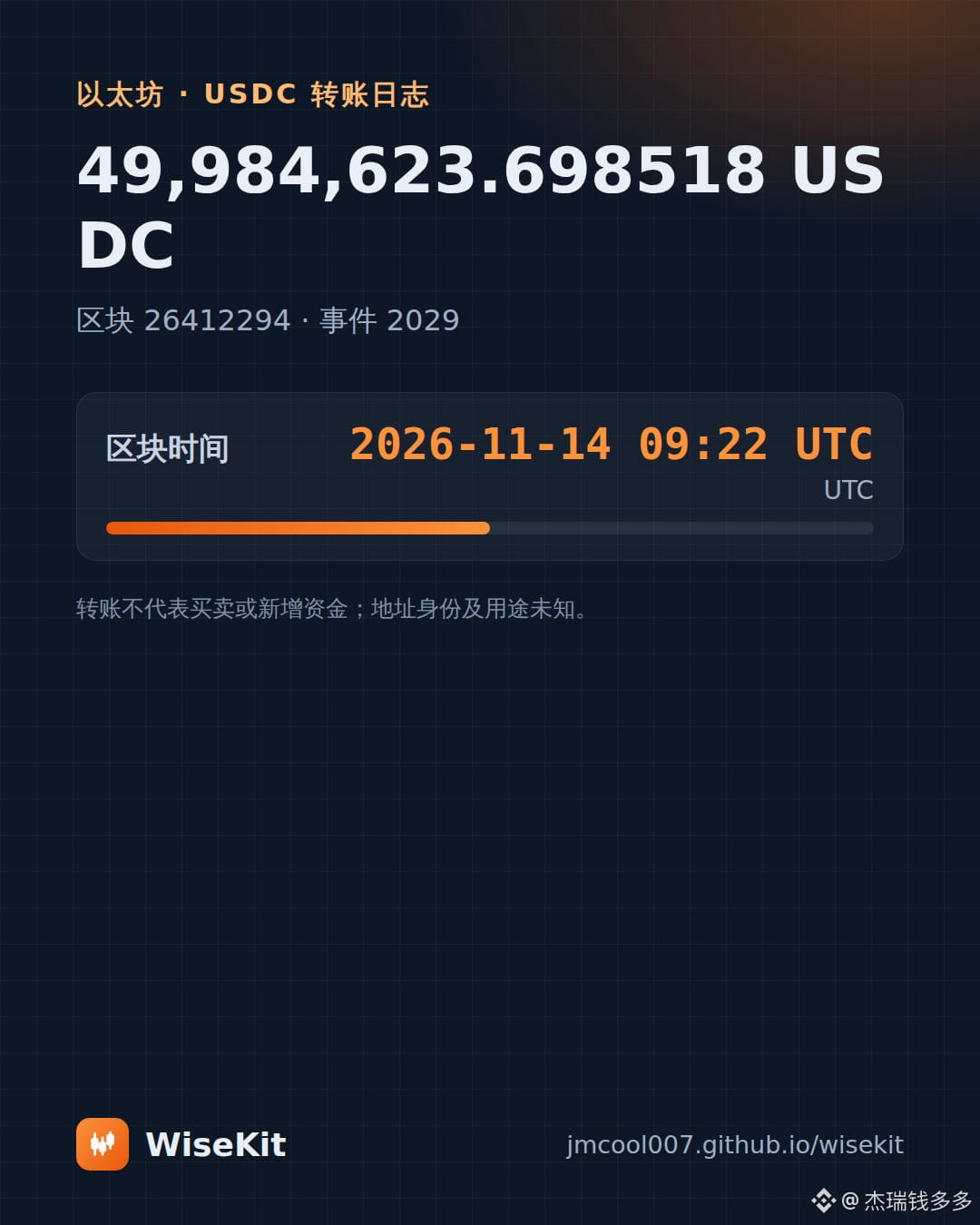
An on-chain transfer of 49,984,623.698518 USDC was recorded on Ethereum mainnet.
Block: 26412294; block time: 2026-11-14 09:22 UTC; event index: 2029. The record comes from a Transfer log in the USDC contract, and scans by two mainnet nodes agree.
Transaction details: https://etherscan.io/tx/0x475f9ed7f172c036ff24bdf9a3881ba328a155e3c7af1828591cb68c330fcccc
An on-chain transfer may be a movement between accounts, a contract operation, or something else. A transfer record alone cannot confirm who owns the addresses, whether funds flowed to an exchange, whether a buy or sale took place, or what effect it had on the price. A single transaction may contain multiple transfer events, and the amount cannot be directly equated with newly added funds. Block records may also change due to an extreme chain reorganization.
When you see a large transfer, do you first check who owns the addresses or look at the transaction’s other transfer records?
#链上数据 #USDC
Data collected: 2026-11-14 17:33 CST; source: dual-node Ethereum mainnet RPC.
Not investment advice.
·
--
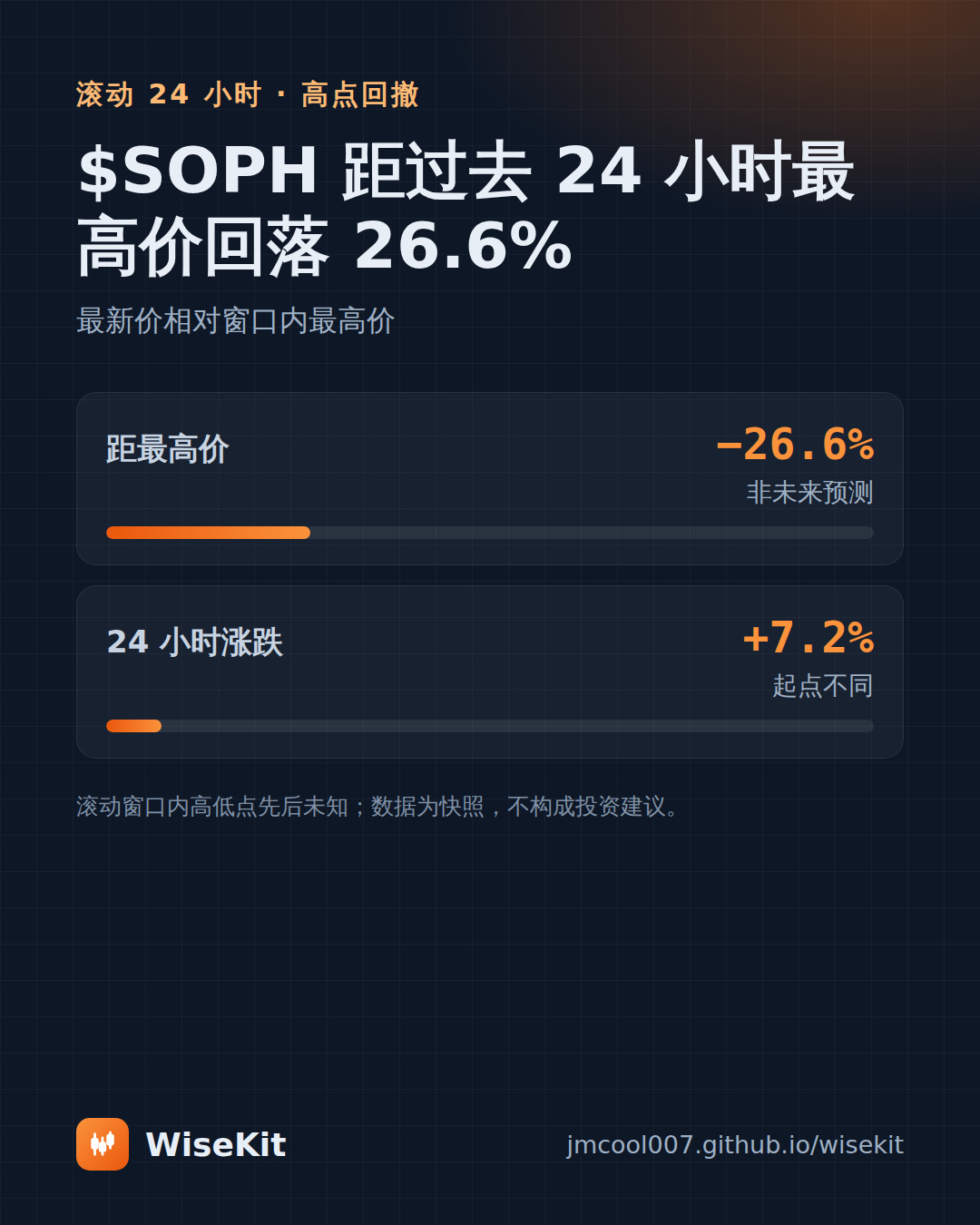
$SOPH has fallen 26.6% from its high over the past 24 hours
Binance USDT perpetual rolling 24-hour market data: high 0.002159, low 0.001447, latest price 0.001584; the latest price is −26.6% from the high, while the 24-hour change is +7.2%.
These two percentages use different starting points: one is calculated from the high within the window, and the other from the price 24 hours ago. So the price can fall sharply from its high while still being up overall. This snapshot does not show whether the high or low came first.
A pullback from a high does not mean the price has peaked, nor does it mean it will rebound or keep falling. Markets move quickly, and market orders may incur slippage; pay attention to stop-losses and position size before opening a trade.
When you look at volatility, do you focus more on the pullback from the high or the 24-hour change?
#合约交易 #Market Volatility
Data collected: 2026-11-14 17:05 CST; source: Binance public market data.
Not investment advice.
2
·
--
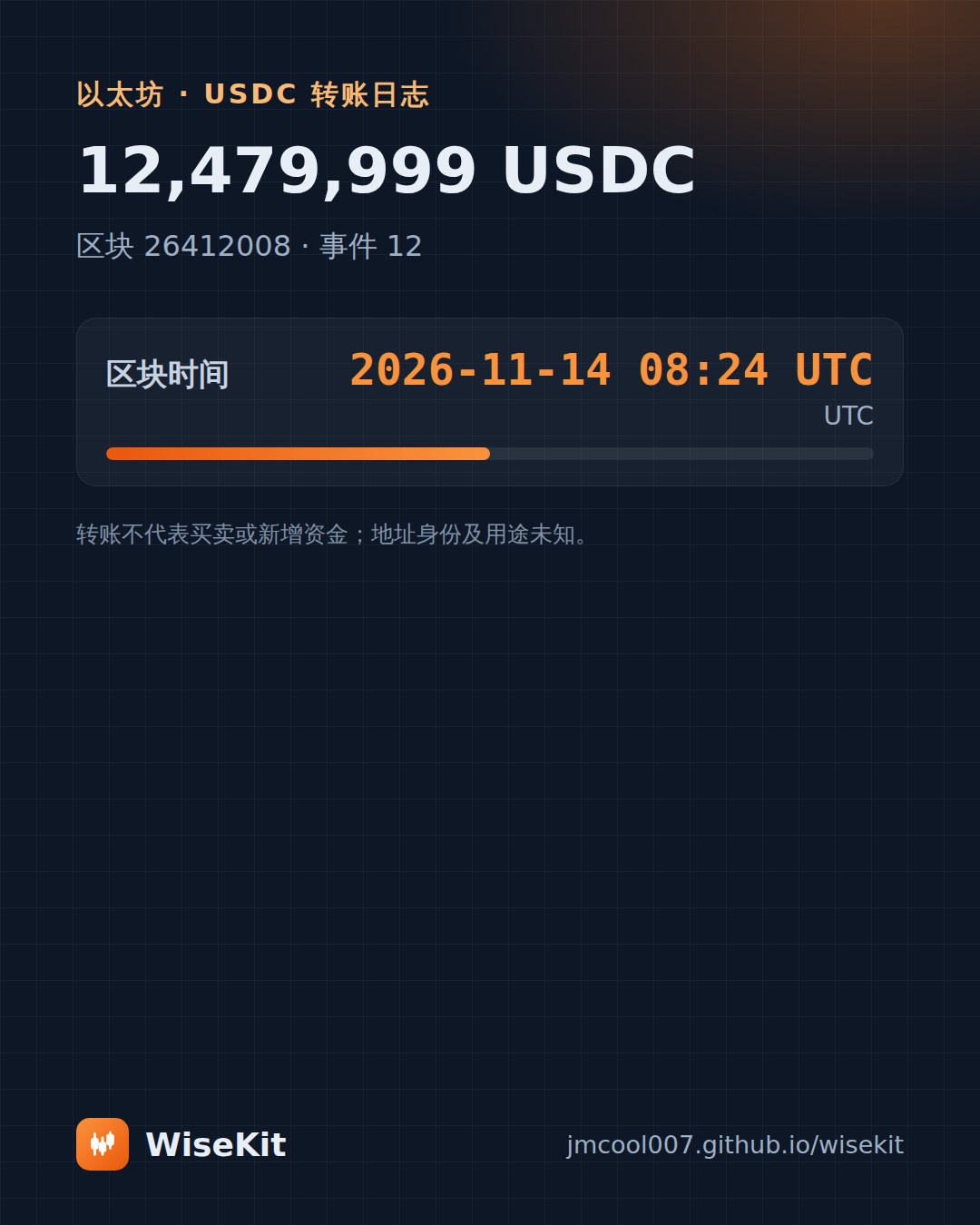
An on-chain transfer of 12,479,999 USDC was recorded on the Ethereum mainnet.
Block: 26412008; block time: 2026-11-14 08:24 UTC; event index: 12. The record comes from the Transfer event log of the USDC contract. Scans by two mainnet nodes produced consistent results.
Transaction details: https://etherscan.io/tx/0xcca7f1d17321dd12168b2402a85a097c58e911f3d06393b2c2c9e126885c624c
On-chain transfers may be transfers between accounts, contract operations, or serve other purposes. A transfer record alone cannot confirm who owns an address, whether funds flowed to an exchange, whether a trade took place, or whether the transfer affected the price. A transaction may contain multiple transfer events, so the amount cannot be directly equated with newly added funds. Block records may also change due to extreme chain reorganizations.
When you see a large transfer, do you first verify address ownership or check the transaction's other transfer records?
#链上数据 #USDC
Data collected: 2026-11-14 16:34 CST; source: Ethereum mainnet dual-node RPC.
Not investment advice.
5
·
--
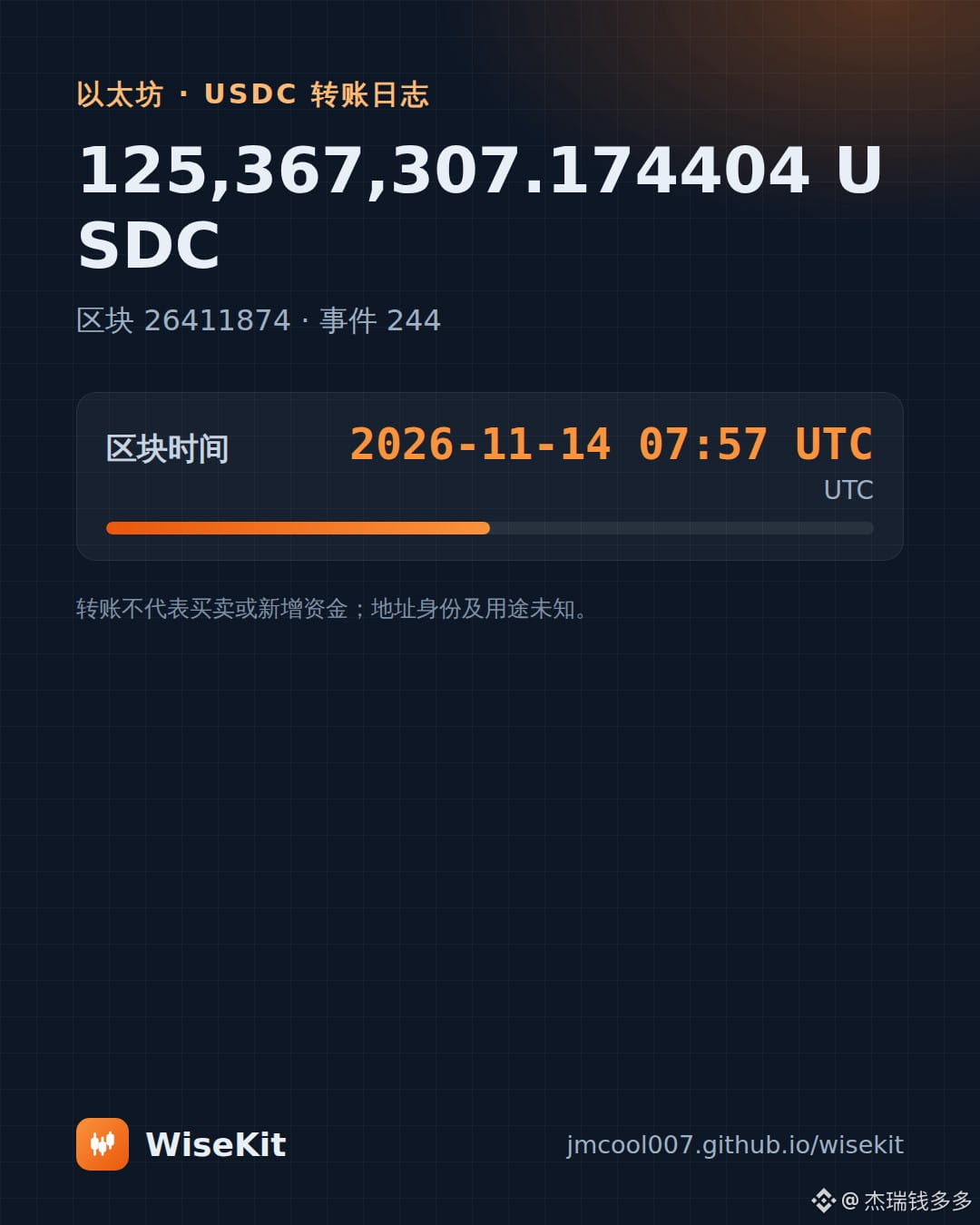
An on-chain transfer of 125,367,307.174404 USDC was recorded on the Ethereum mainnet.
Block: 26411874; block time: 2026-11-14 07:57 UTC; event index: 244. The record comes from the USDC contract’s Transfer logs, and scans by two mainnet nodes matched.
Transaction details: https://etherscan.io/tx/0x78335fa921c19bb42ec5ac85fa090d9187e41b7d9f7c204710fb8d2317318492
An on-chain transfer may be a movement between accounts, a contract operation, or serve another purpose. A transfer record alone cannot confirm address ownership, whether funds went to an exchange, whether a buy or sale took place, or the effect on price. One transaction may contain multiple transfer events, so the amount cannot be equated directly with newly added funds. Block records may also change in the event of an extreme chain reorganization.
When you see a large transfer, do you first check who owns the addresses or look at the transaction’s other transfer records?
#链上数据 #USDC
Data collected: 2026-11-14 16:03 CST; source: Ethereum mainnet dual-node RPC.
This is not investment advice.
3
·
--
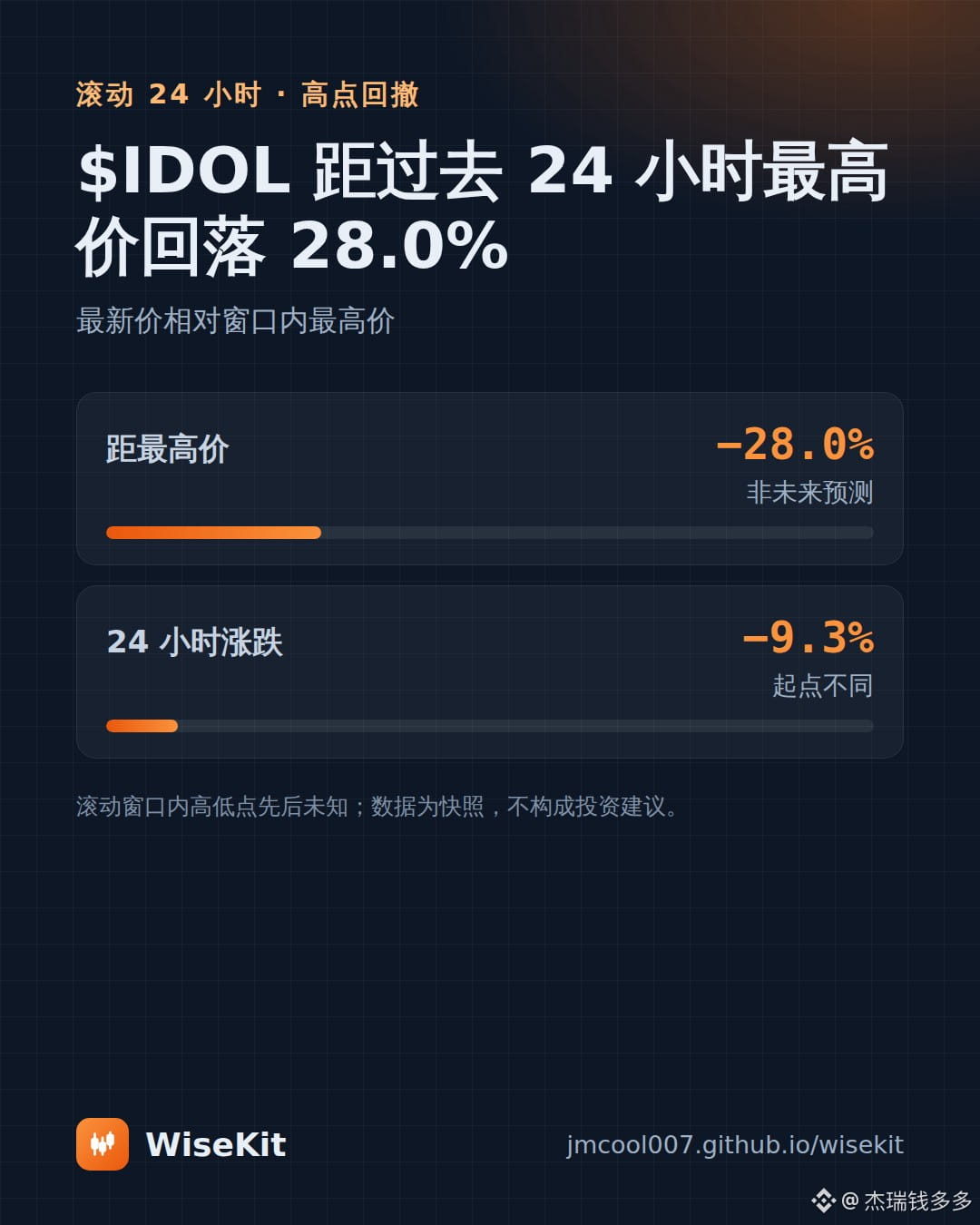
$IDOL has fallen 28.0% from its high over the past 24 hours
Binance USDT perpetual rolling 24-hour market data: high 0.029499, low 0.01291, latest price 0.021241; the latest price is −28.0% relative to the high, and the 24-hour change is −9.3%.
These two percentages use different starting points: one is calculated from the high within the window, and the other from the price 24 hours ago. So the price can fall sharply from its high while still being up over the period. This snapshot doesn’t show which came first, the high or the low.
A pullback from a high doesn’t mean the price has peaked, nor does it mean it will rebound or keep falling next. Market conditions can change quickly, and market orders may incur slippage; pay attention to stop-losses and position size before opening a trade.
When watching volatility, do you focus more on the pullback from the high or the 24-hour change?
#合约交易 #Market volatility
Data collected: 2026-11-14 15:31 CST; source: Binance public market data.
Not investment advice.
174
·
--
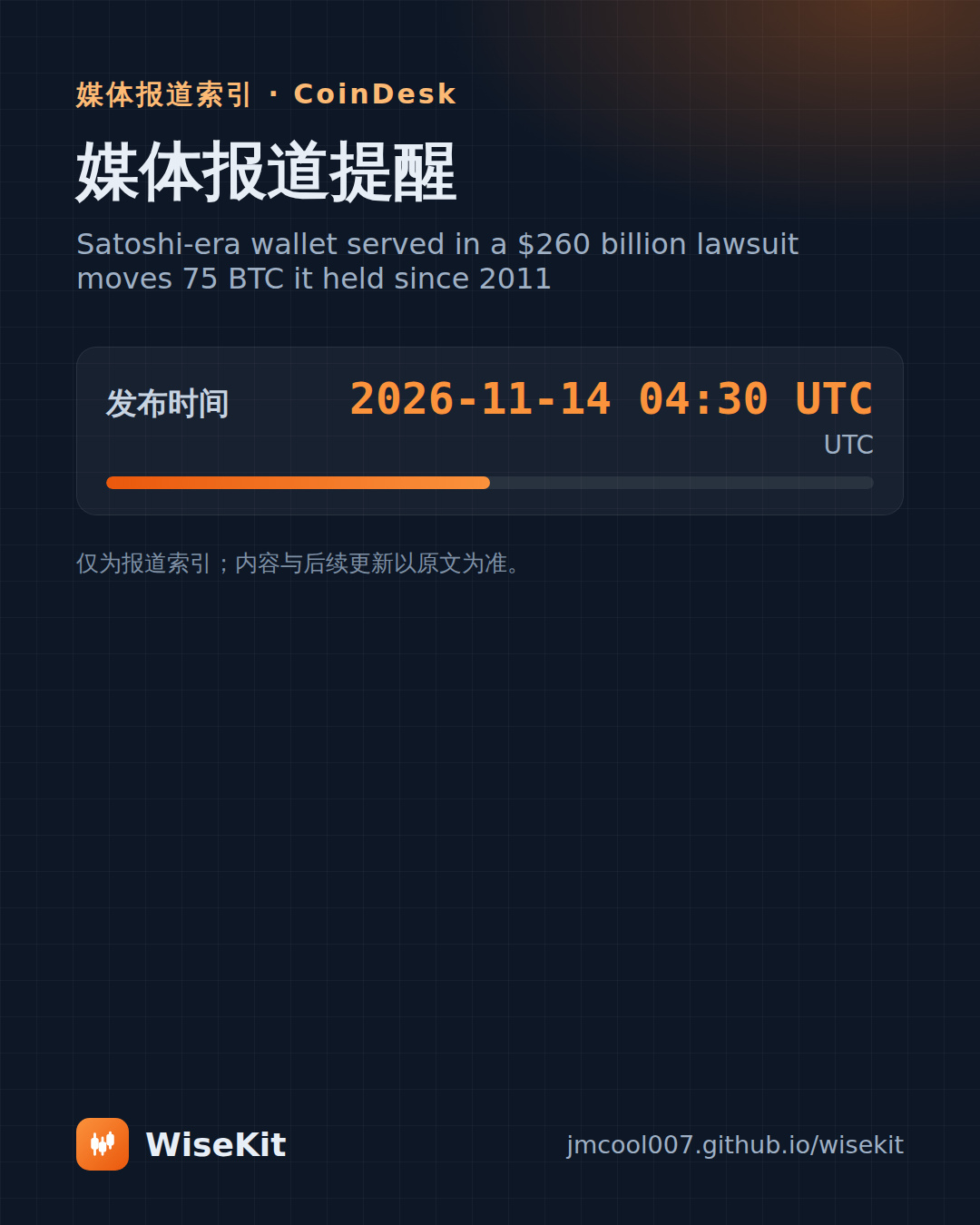
Media Report Alert|CoinDesk
Original title: Satoshi-era wallet served in a $260 billion lawsuit moves 75 BTC it held since 2011
Published: 2026-11-14 04:30 UTC
Original link: https://www.coindesk.com/markets/2026/11/13/satoshi-era-wallet-served-in-a-usd260-billion-lawsuit-moves-75-btc-it-held-since-2011
The above is an index of media reports; the title is retained in its original language. The content may quote third parties and may be updated after publication. For news involving regulation, attacks, or asset security, check the original report, statements from the parties involved, and subsequent developments. Do not judge the facts or trading direction based on the headline alone.
When you see this kind of news, would you first check statements from the parties involved or first look at when the event occurred?
#加密资讯 #Market Risk
Data collected: 2026-11-14 15:02 CST; Source: CoinDesk.
This does not constitute investment advice.
71
·
--
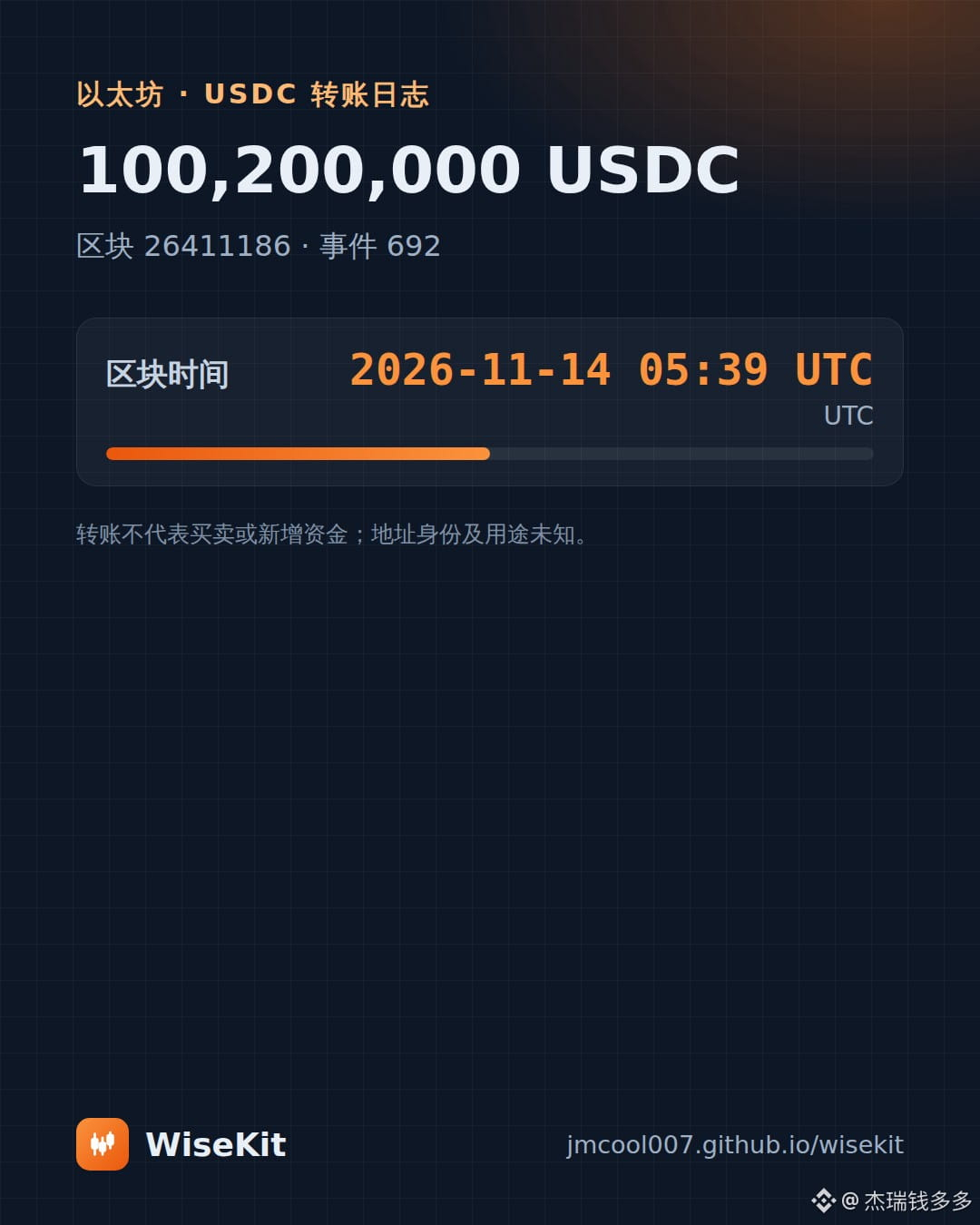
An on-chain transfer of 100,200,000 USDC was recorded on Ethereum mainnet.
Block: 26411186; block time: 2026-11-14 05:39 UTC; event index: 692. The record comes from the Transfer logs of the USDC contract, and scan results from two mainnet nodes match.
Transaction details: https://etherscan.io/tx/0x84831bbdcb455c158eae1b6f31d06ca5c345e71067fd3e756292bdfb0609d5fe
An on-chain transfer could be a transfer between accounts, a contract operation, or something else. A transfer record alone cannot confirm who owns an address, whether funds flowed into an exchange, whether a trade took place, or whether the transfer affected the price. A transaction may contain multiple transfer events, so the amount cannot be directly equated with new funds. Block records may also change due to an extreme chain reorganization.
When you see a large transfer, do you first check who owns the addresses or look at the transaction's other transfer records?
#链上数据 #USDC
Data collected: 2026-11-14 14:32 CST; source: Ethereum mainnet RPC across two nodes.
This is not investment advice.
·
--
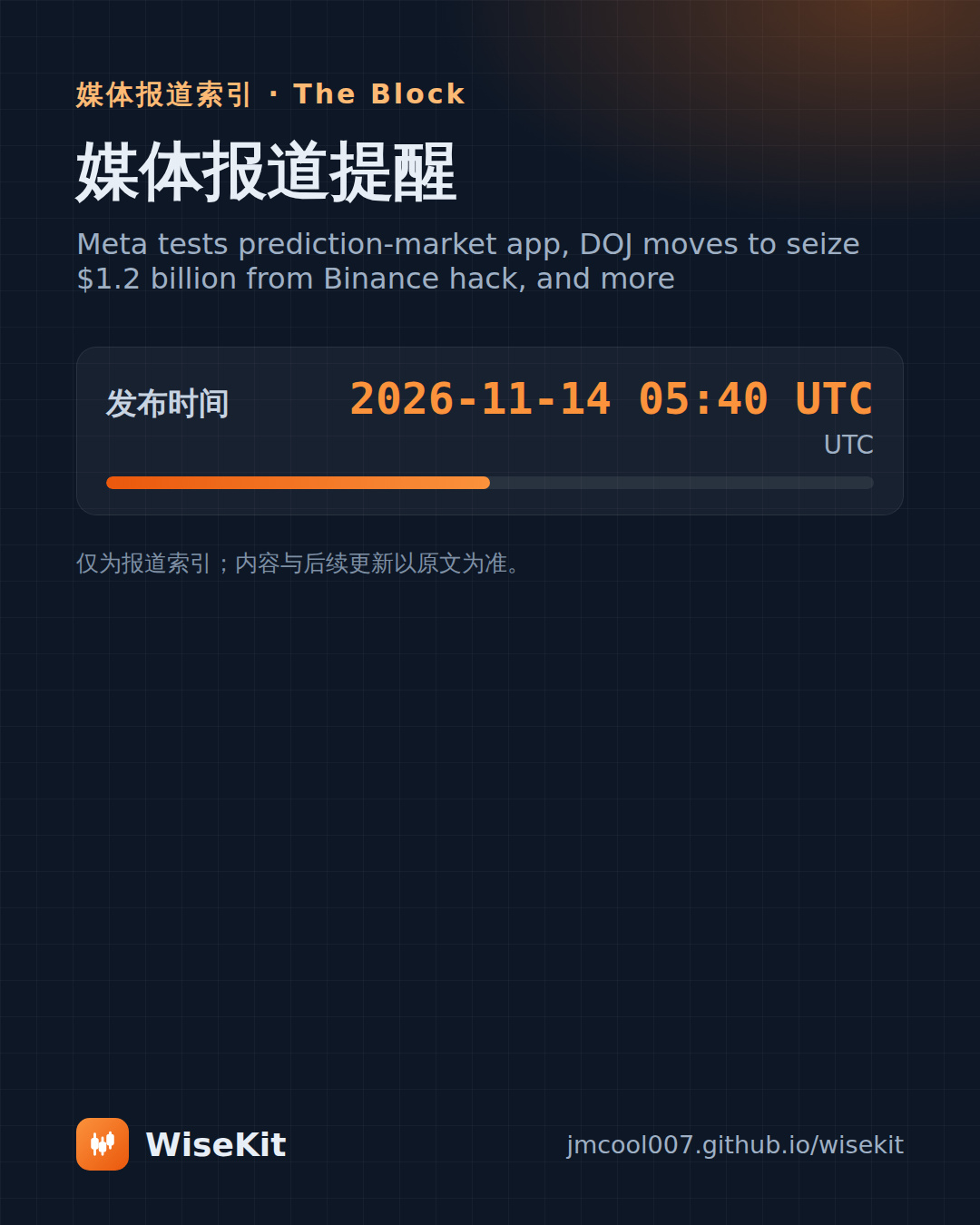
Media Report Reminder|The Block
Original headline: Meta tests prediction-market app, DOJ moves to seize $1.2 billion from Binance hack, and more
Published: 2026-11-14 05:40 UTC
Original link: https://www.theblock.co/newsletters/the-daily/2026-11-14-meta-prediction-market-app-doj-binance-hack-more-crypto-news-440304
The above is an index of media reports; the headline is preserved in its original form. The content may quote third parties and may be updated after publication. For news involving regulation, attacks, or asset security, please verify the original report, statements from the parties involved, and subsequent developments. Do not judge the facts or trading direction based on the headline alone.
When you see this kind of news, do you first check statements from the parties involved or look at when the event took place?
#加密资讯 #Market Risk
Data collected: 2026-11-14 14:01 CST; Source: The Block.
This is not investment advice.
·
--
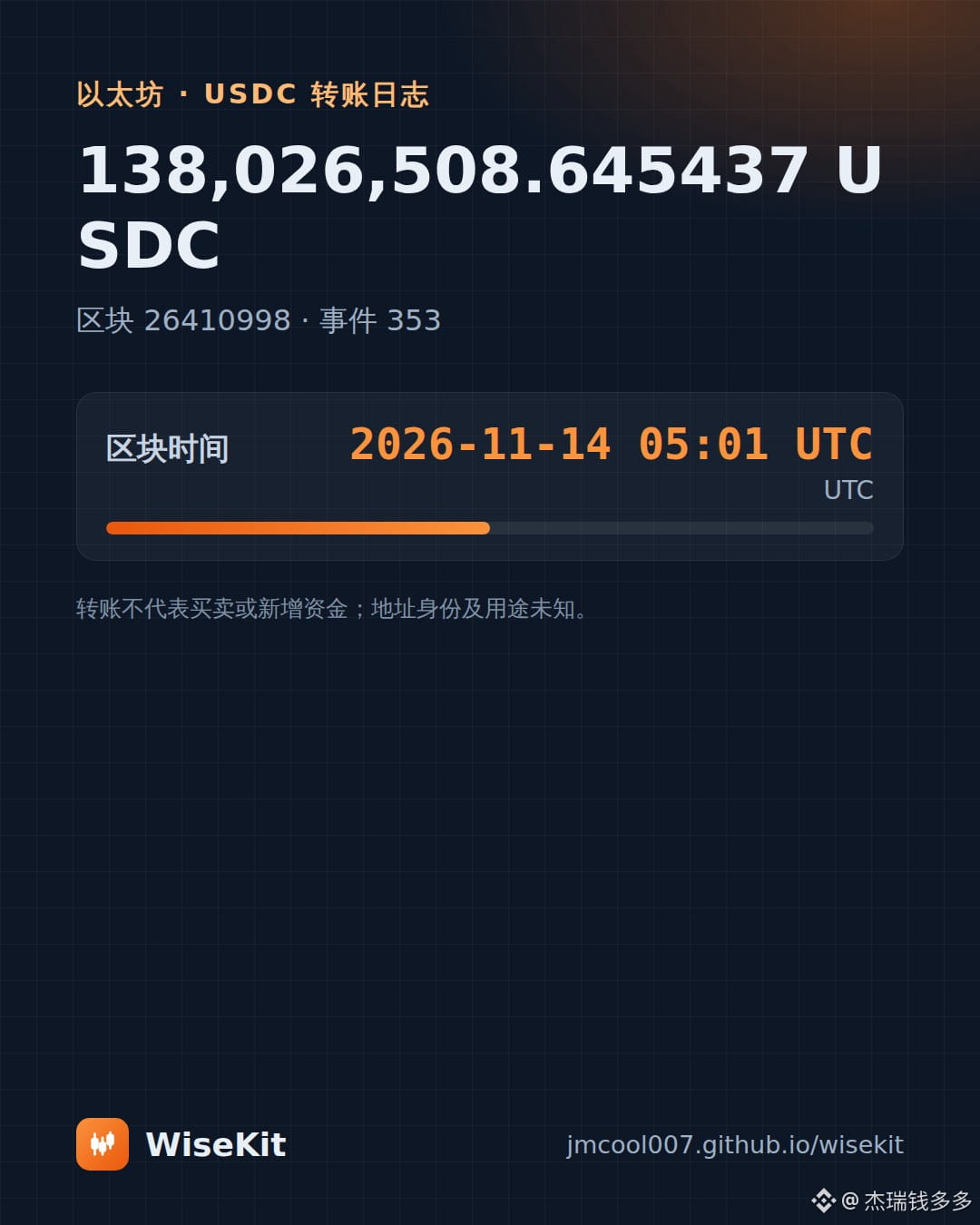
An on-chain transfer of 138,026,508.645437 USDC was recorded on Ethereum mainnet.
Block: 26410998; block time: 2026-11-14 05:01 UTC; event index: 353. The record comes from the USDC contract’s Transfer log, and scans from two mainnet nodes agree.
Transaction details: https://etherscan.io/tx/0xf85d2bee41a94c6c4c9e89e5d43f2f28887c5df1d13b79770fd9b0286cc231a1
On-chain transfers may be transfers between accounts, contract operations, or serve other purposes. A transfer record alone cannot confirm who owns an address, whether funds flowed to an exchange, whether a trade took place, or what effect it had on the price. A single transaction may contain multiple transfer events, and the amount cannot be directly equated with new funds. Block records may also change in the event of an extreme chain reorganization.
When you see a large transfer, do you first check who owns the addresses or look at the transaction’s other transfer records?
#链上数据 #USDC
Data collected: 2026-11-14 13:33 CST; source: dual-node RPC on Ethereum mainnet.
This is not investment advice.
1
·
--
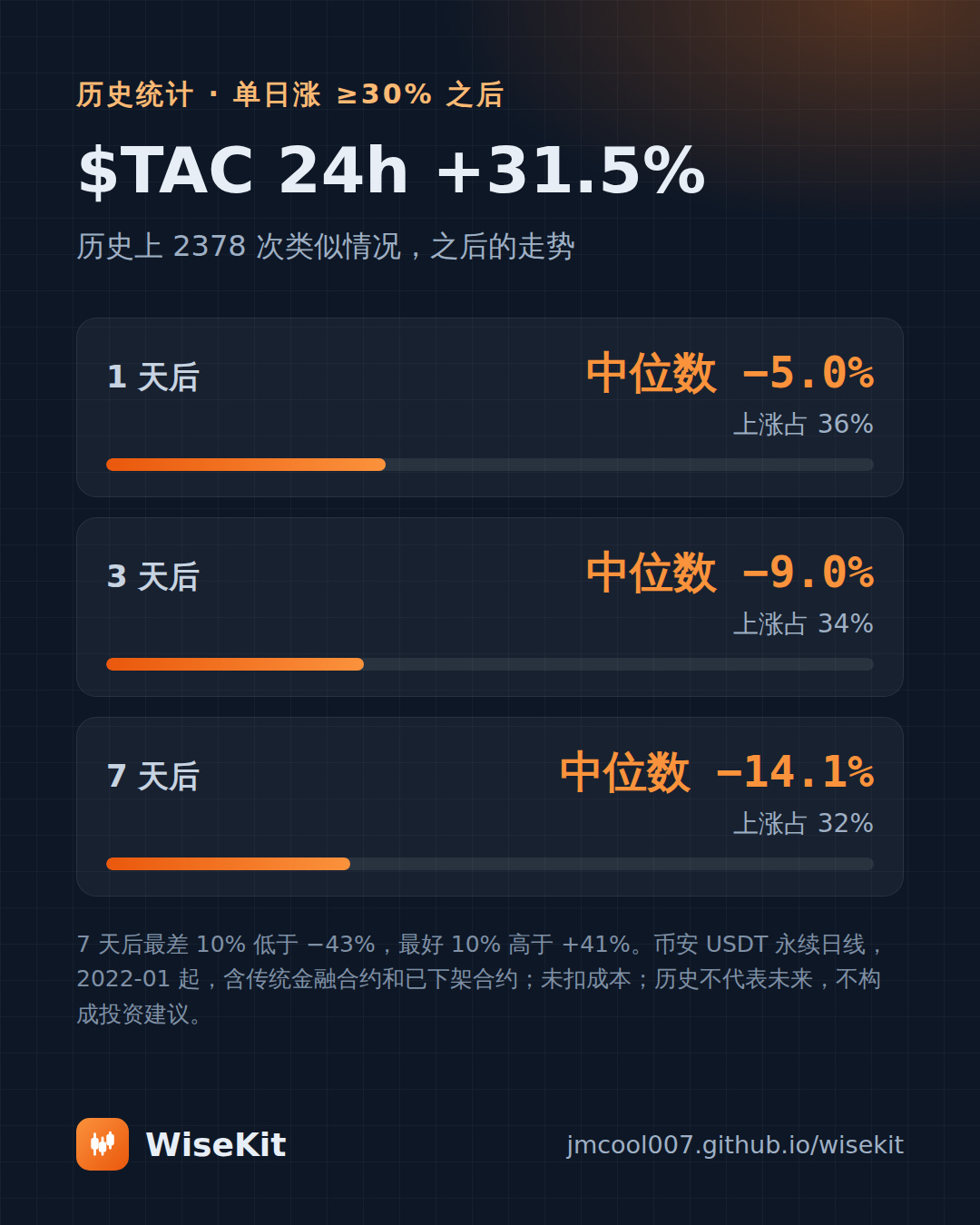
$TAC rose 31.5% over the past 24 hours. Chase it or short it? Let’s look at the historical data first.
I analyzed Binance USDT perpetual contract daily data since 2022 (920 contracts, including traditional finance contracts and 164 delisted ones): there were 2,378 instances of a single-day gain of ≥30%. Measured from the next day’s open:
- After 1 day: median −5.0%, up 36% of the time
- After 3 days: median −9.0%, up 34% of the time
- After 7 days: median −14.1%, up 32% of the time
- 7-day return distribution: 10th percentile −43.1%, 90th percentile +41.3%
In the historical sample, prices were below the next day’s open about 68% of the time a week later. But shorting the reversal could also hurt: 13% of the time, prices were more than 30% above the next day’s open after 7 days—enough to wipe out a highly leveraged short.
Now let’s look at the cost of holding the position: $TAC ’s current funding rate is −0.2269% / 4 hours (shorts pay longs). If the rate and settlement interval stay the same, the estimated funding cost for holding a short position for one day is about 1.36% of the notional position.
A few notes: Many coins often surge or plunge together on the same day, so these events are not independent; fees and funding costs are not included; returns are calculated from daily close to close, which differs slightly from the 24-hour rolling return measure; past performance does not predict future results.
How do you usually handle a coin that surges like this: stay away, chase with a small position, or wait for a pullback?
#合约交易 #Altcoins
Data collected: 2026-11-14 13:00 CST; source: Binance public market data.
Not investment advice.
3
·
--
Bearish
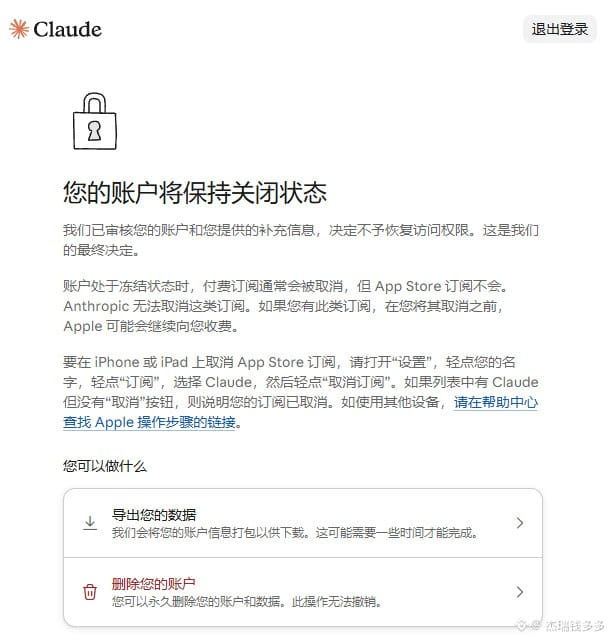
😭 They actually banned my account, and appealing didn’t help!!!! Claude, I don’t love you anymore—I’m running into GPT’s arms~~$ANTHROPIC
{future}(ANTHROPICUSDT)
😭 They actually banned my account, and appealing didn’t help!!!! Claude, I don’t love you anymore—I’m running into GPT’s arms~~$ANTHROPIC
105
·
--
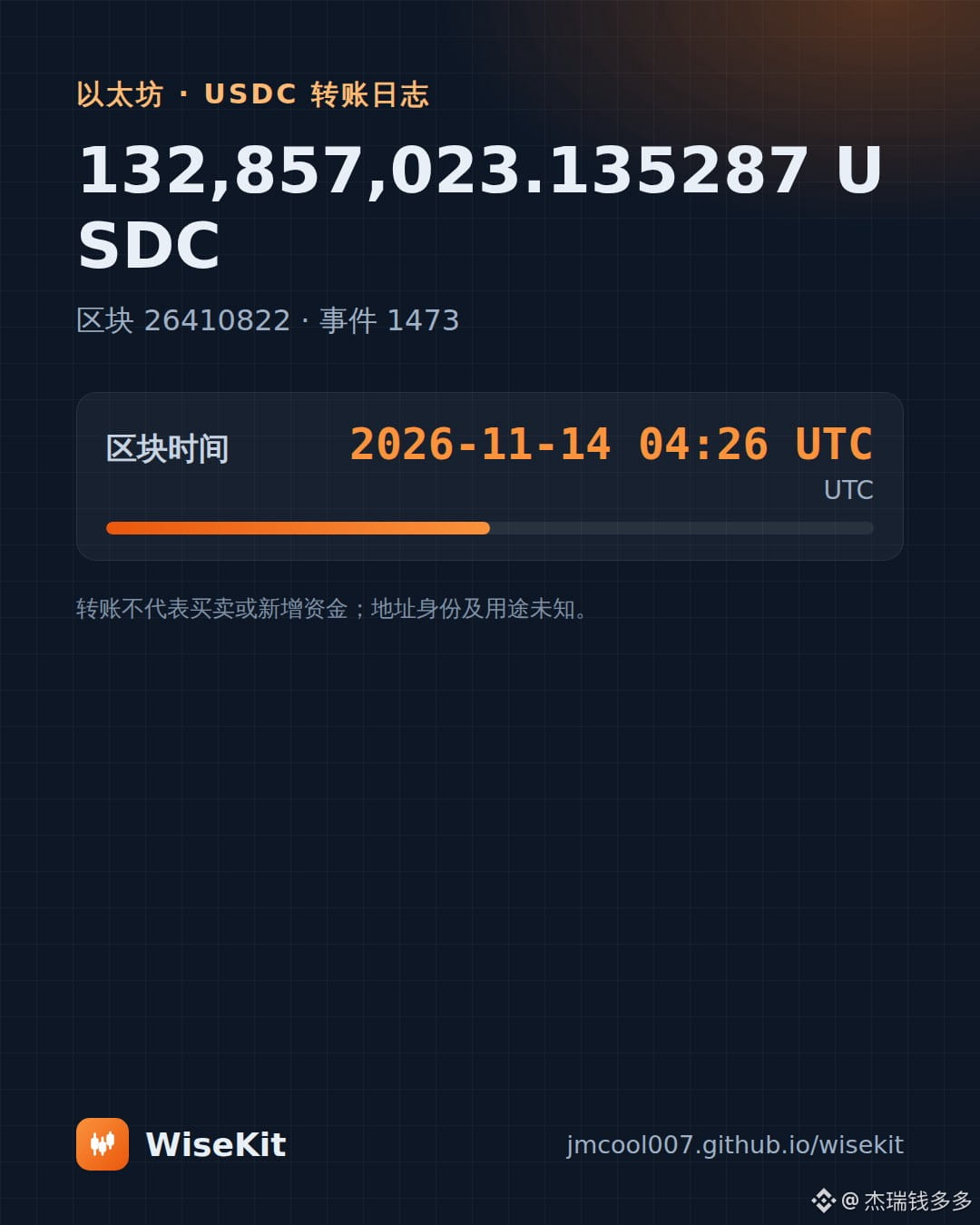
An on-chain transfer of 132,857,023.135287 USDC was recorded on the Ethereum mainnet.
Block: 26410822; block time: 2026-11-14 04:26 UTC; event index: 1473. The record comes from the Transfer log of the USDC contract, and scan results from two mainnet nodes match.
Transaction details: https://etherscan.io/tx/0xa689ff461961329cfb6e2803996c83e1b1fa7c2dd9e0a4cacfb42012e77595e6
On-chain transfers may be transfers between accounts, contract operations, or have other purposes. A transfer record alone cannot confirm address ownership, whether funds flowed to an exchange, whether a buy or sale took place, or the effect on price. A transaction may contain multiple transfer events, so the amount cannot be directly equated with newly added funds. Block records may also change due to an extreme chain reorganization.
When you see a large transfer, do you first check address ownership or other transfer records in the transaction?
#链上数据 #USDC
Data collected: 2026-11-14 12:32 CST; source: dual-node RPC on the Ethereum mainnet.
Not investment advice.
3
Log in to explore more content
Join global crypto users on Binance Square
⚡️ Get latest and useful information about crypto.
💬 Trusted by the world’s largest crypto exchange.
👍 Discover real insights from verified creators.
Email / Phone number
Trending Topics
WhoWillSucceedJensenHuangatNvidia?
66,952 views
883 Discussing
Nvidia Says No CEO Talks Underway as "Stand With Jensen" Petition Tops 77,900 Signatures
Binance News
·21 Likes
·28.7k views
WhatWillDriveCryptoandStocks’NextRebound?
405,250 views
2,842 Discussing
BitcoinActiveSupplyInProfitDropsBelow45%
9,815 views
192 Discussing