

币圈十四姨
420 Posts

币圈十四姨
Report
Block User
资深女性交易员十年老炮用数据和纪律说话 不吹牛只讲逻辑$币安手续费八折返佣码: SR988
Open Trade
Frequent Trader
1.3 Months
0 Following
9 Followers
9 Liked
Posts
Portfolio
·
--
I see that after INTC there are still more bad news to come—no wonder the stock price crashed directly on Friday.
I see that after INTC there are still more bad news to come—no wonder the stock price crashed directly on Friday.
·
--
I just swept through the USDT trading pairs—right now the one surging the most is $QAIT, which is up 189.3%;
$BSV is also following, up 40.2%;
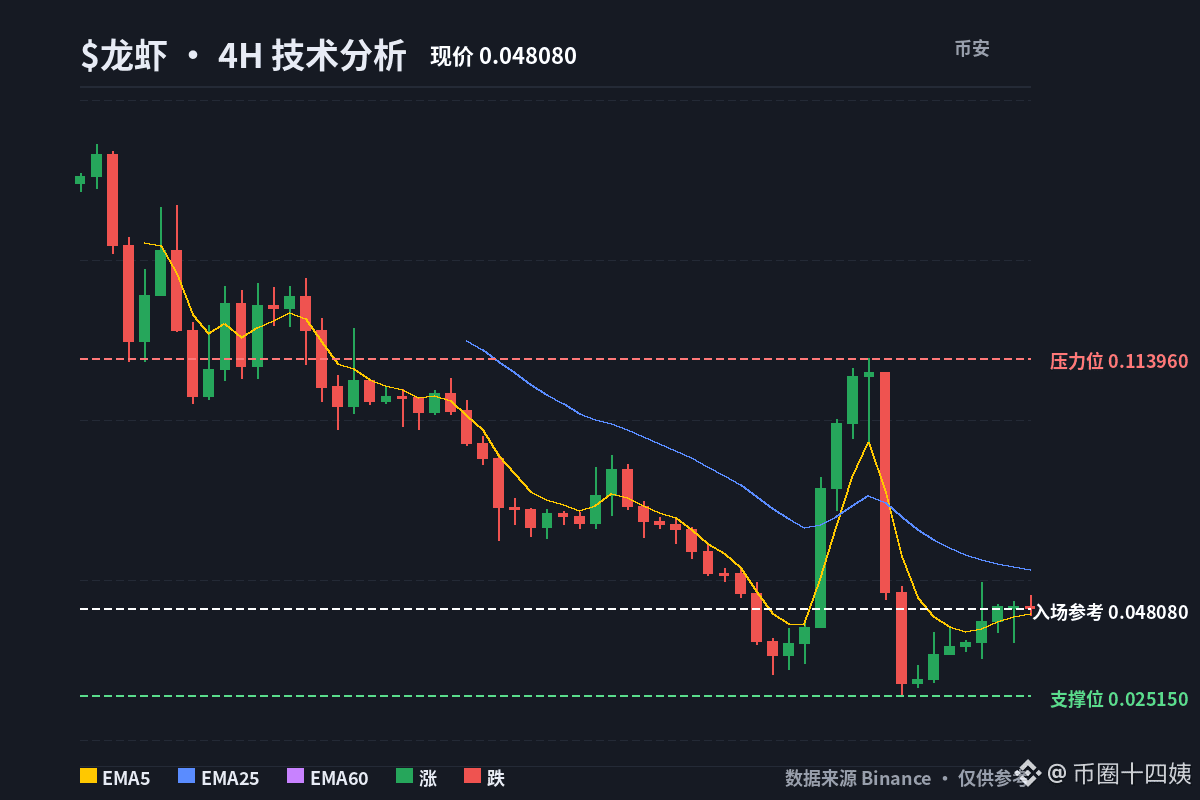
$Lobster ’s performance isn’t bad either, +29%.
In addition, several other lesser-known coins are moving in sync, with gains generally in the 20% to 40% range.
Overall, this round of sentiment is clearly heating up for the smaller caps.
I just swept through the USDT trading pairs—right now the one surging the most is $QAIT , which is up 189.3%;
$BSV is also following, up 40.2%;
$Lobster ’s performance isn’t bad either, +29%.
In addition, several other lesser-known coins are moving in sync, with gains generally in the 20% to 40% range.
Overall, this round of sentiment is clearly heating up for the smaller caps.
$BSV is also following, up 40.2%;
$Lobster ’s performance isn’t bad either, +29%.
In addition, several other lesser-known coins are moving in sync, with gains generally in the 20% to 40% range.
Overall, this round of sentiment is clearly heating up for the smaller caps.
86
·
--
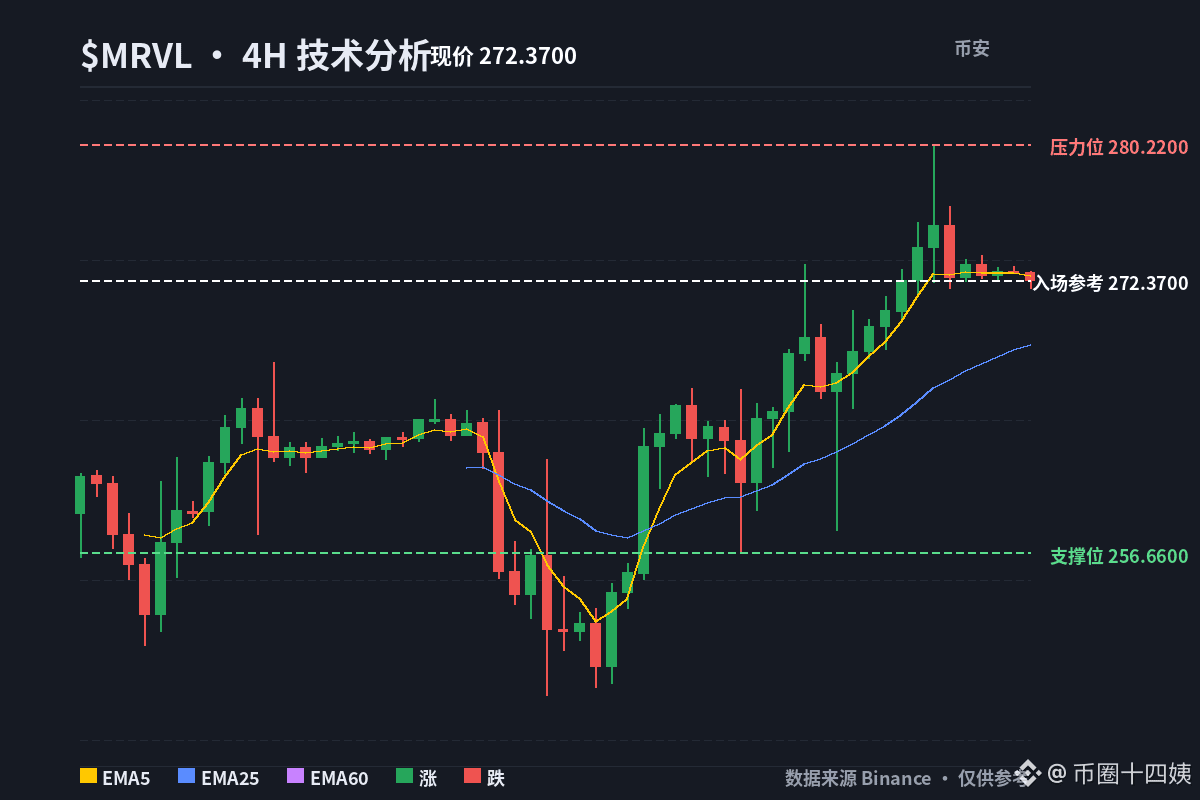
I’m finding this round from $MRVL kind of interesting—HSBC ($HSBC) directly raised its price target from $325 to $450.
The logic mainly has three points: first, demand expectations for XPU attach are set to surge;
second, the partnership with Google ($GOOGL) is a key highlight for expanding revenue;
especially, they believe CXL-related revenues will grow significantly.
I’m looking forward to the Investor Day on October 6th. Then we’ll see whether these expectations can be delivered.
I’m finding this round from $MRVL kind of interesting—HSBC ($HSBC) directly raised its price target from $325 to $450.
The logic mainly has three points: first, demand expectations for XPU attach are set to surge;
second, the partnership with Google ($GOOGL ) is a key highlight for expanding revenue;
especially, they believe CXL-related revenues will grow significantly.
I’m looking forward to the Investor Day on October 6th. Then we’ll see whether these expectations can be delivered.
The logic mainly has three points: first, demand expectations for XPU attach are set to surge;
second, the partnership with Google ($GOOGL ) is a key highlight for expanding revenue;
especially, they believe CXL-related revenues will grow significantly.
I’m looking forward to the Investor Day on October 6th. Then we’ll see whether these expectations can be delivered.
·
--
I feel like $Bull in this wave is very likely following the same path as $Lobster back then.
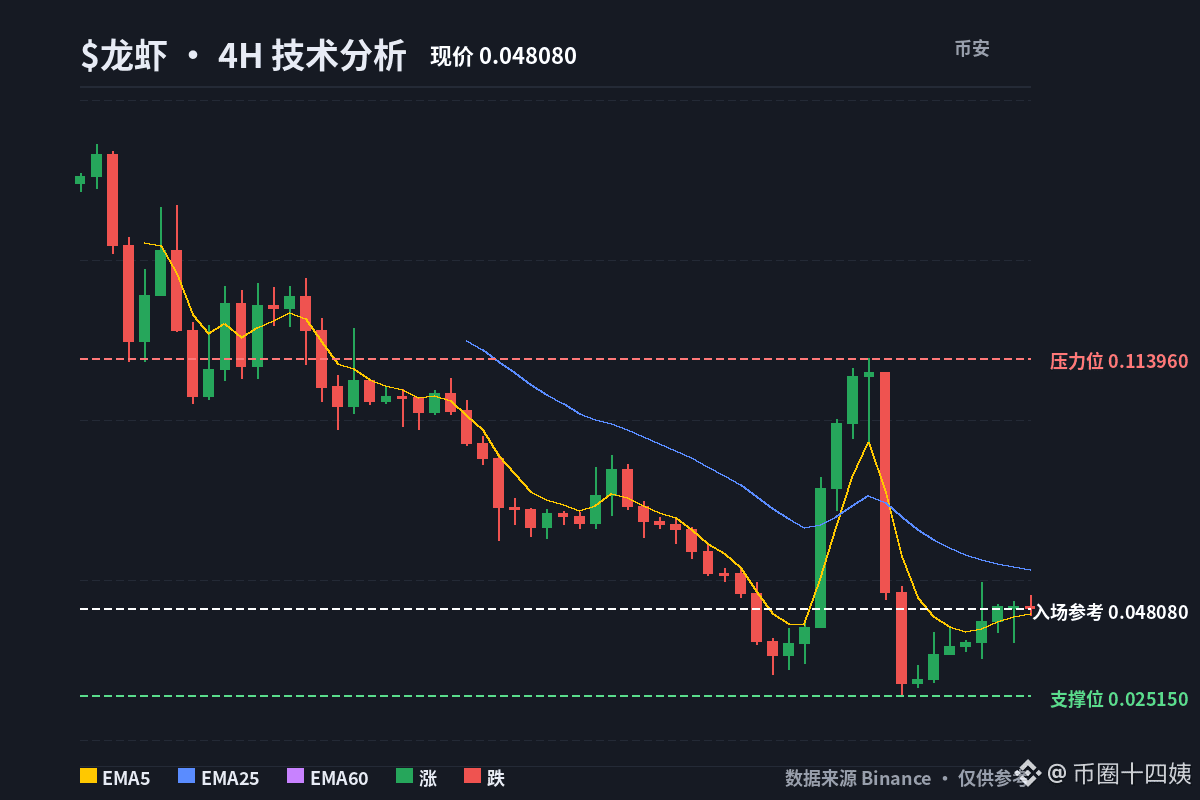
Back then, $Lobster’s popularity exploded—people were speedrunning alpha and contracts. I even thought it would go straight to 100 million. I started buying when its market cap hit 2000w, but then it surged to 2700w and kept crashing, dropping to 550w—a decline of 80%.
So $Bull also needs a deep shakeout, with repeated washouts, before it can possibly reach 100 million.
Using the same 80% drop, $Bull at around 4000w would be a good point to start DCA buying.
If this $BTC cycle ends, it’s not a big deal for $Bull to go to 30–40 million.
I feel like $Bull in this wave is very likely following the same path as $Lobster back then.
Back then, $Lobster’s popularity exploded—people were speedrunning alpha and contracts. I even thought it would go straight to 100 million. I started buying when its market cap hit 2000w, but then it surged to 2700w and kept crashing, dropping to 550w—a decline of 80%.
So $Bull also needs a deep shakeout, with repeated washouts, before it can possibly reach 100 million.
Using the same 80% drop, $Bull at around 4000w would be a good point to start DCA buying.
If this $BTC cycle ends, it’s not a big deal for $Bull to go to 30–40 million.
Back then, $Lobster’s popularity exploded—people were speedrunning alpha and contracts. I even thought it would go straight to 100 million. I started buying when its market cap hit 2000w, but then it surged to 2700w and kept crashing, dropping to 550w—a decline of 80%.
So $Bull also needs a deep shakeout, with repeated washouts, before it can possibly reach 100 million.
Using the same 80% drop, $Bull at around 4000w would be a good point to start DCA buying.
If this $BTC cycle ends, it’s not a big deal for $Bull to go to 30–40 million.
225
·
--
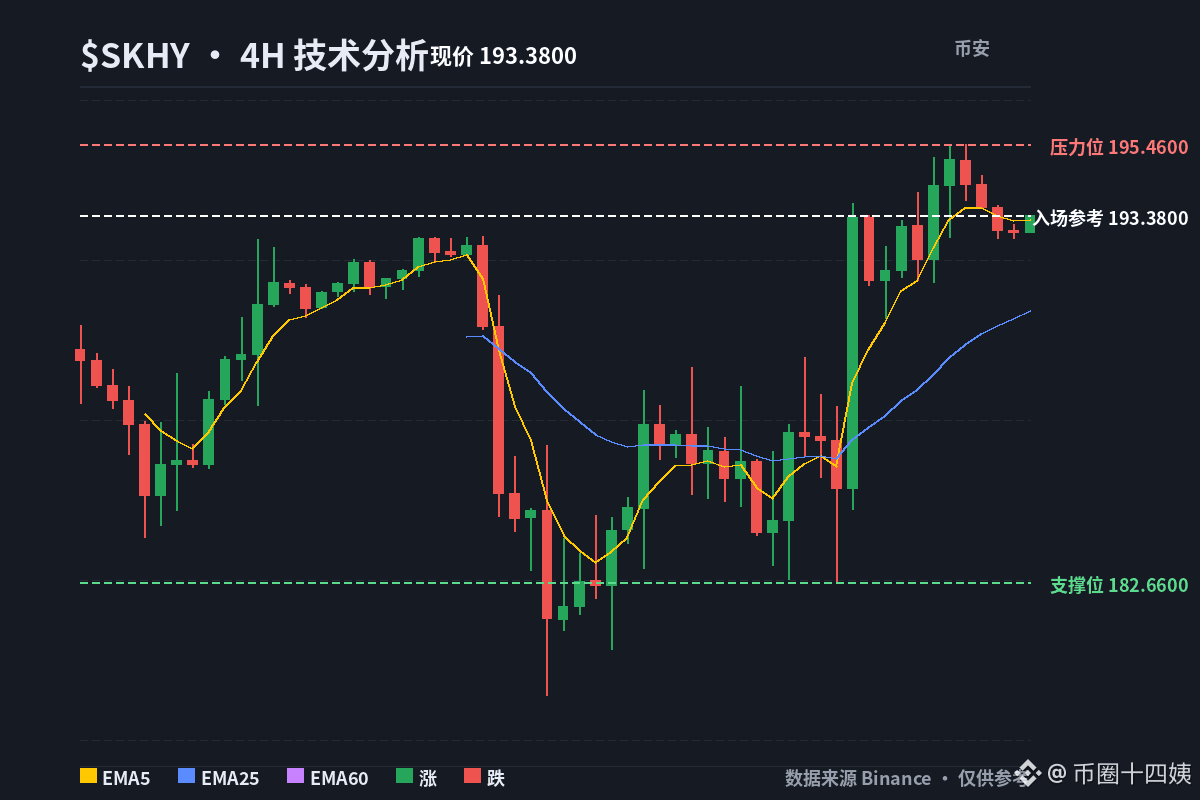
I feel like in the end, these companies—$OWL, $NVDA, and $SKHY —just end up changing the name of the new project, and reassigning those so-called “requirements,” even if they’re only exercises fabricated on paper.
I still haven’t figured out how those “requirements” predictions were originally calculated out of thin air.
Some have taken a look at 2027.
I feel like in the end, these companies—$OWL , $NVDA , and $SKHY —just end up changing the name of the new project, and reassigning those so-called “requirements,” even if they’re only exercises fabricated on paper.
I still haven’t figured out how those “requirements” predictions were originally calculated out of thin air.
Some have taken a look at 2027.
I still haven’t figured out how those “requirements” predictions were originally calculated out of thin air.
Some have taken a look at 2027.
·
--
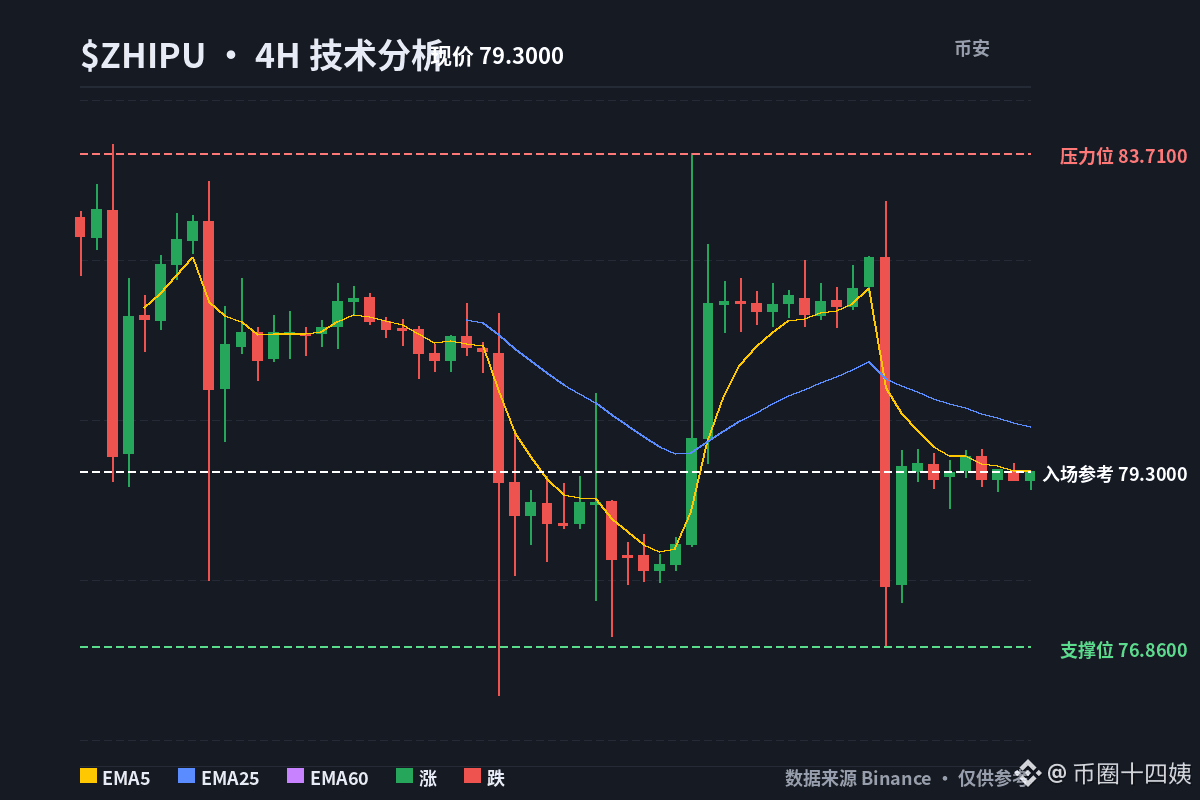
$ZHIPU I entered positions gradually at this 79.2 level.
Based on the algorithmic analysis of institutional fund flows, the resistance level has already been broken. The RSI is only 41, which is in the oversold zone. An ADX of 39 indicates the trend is quite strong.
For this trade, I’m placing it at 1 bet at 3.59, with a stop-loss at 78.408. I’m looking for a target of 77.78.
Do your own research; this does not constitute investment advice.
$ZHIPU I entered positions gradually at this 79.2 level.
Based on the algorithmic analysis of institutional fund flows, the resistance level has already been broken. The RSI is only 41, which is in the oversold zone. An ADX of 39 indicates the trend is quite strong.
For this trade, I’m placing it at 1 bet at 3.59, with a stop-loss at 78.408. I’m looking for a target of 77.78.
Do your own research; this does not constitute investment advice.
Based on the algorithmic analysis of institutional fund flows, the resistance level has already been broken. The RSI is only 41, which is in the oversold zone. An ADX of 39 indicates the trend is quite strong.
For this trade, I’m placing it at 1 bet at 3.59, with a stop-loss at 78.408. I’m looking for a target of 77.78.
Do your own research; this does not constitute investment advice.
·
--
By May 2027, a fivefold increase—my whole approach is right here.
Let me say what I avoid first: those few in quantum computing, that one in gaming, that one in space concepts—I won’t touch any of them. Even if the hype is high, I won’t get in. The stories may sound great, but they can’t hold up for three years.
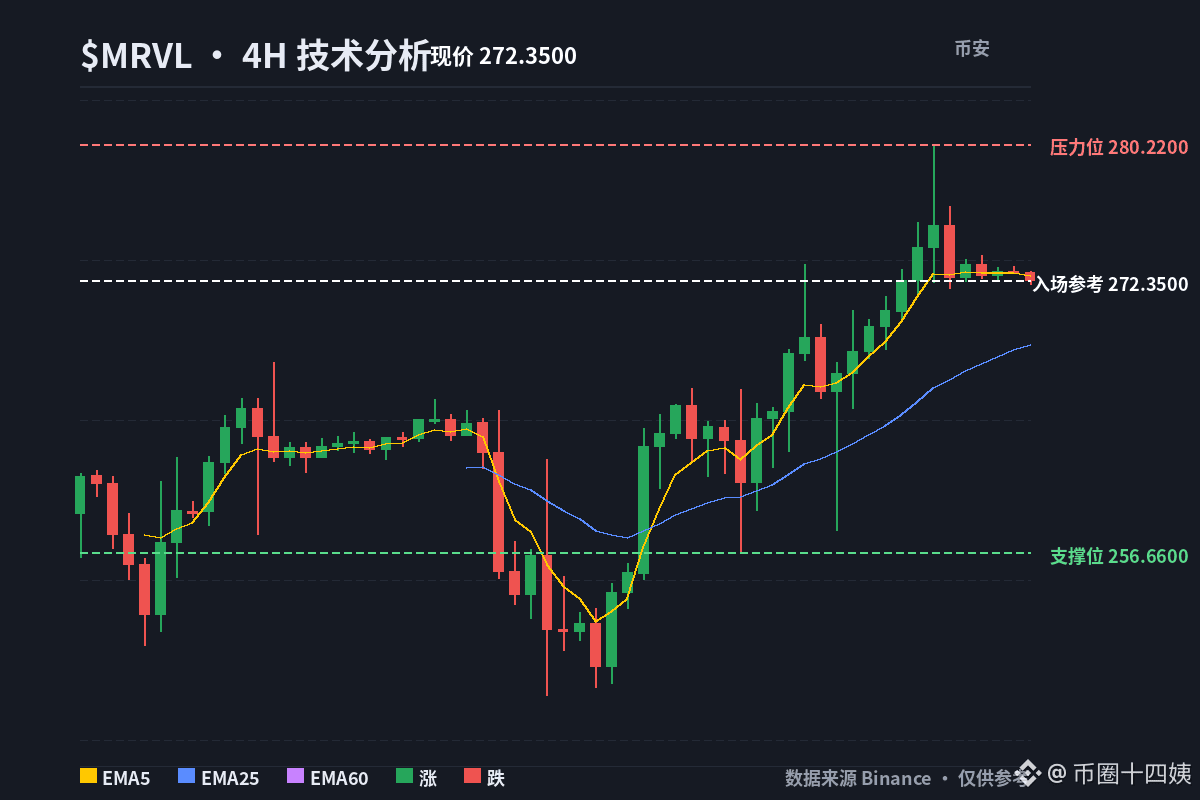
My core positions are concentrated in these: $MRVL —I’ve set it for 238 to 245. $NVDA —I don’t chase the price; I wait for a pullback and then get in. $MU —the level I set is 970 to 1020.
As for the rest—storage, contract manufacturing, optical modules, and a few others—I use a pullback-and-buy-in-batches strategy. When the price reaches my targets, I act. I never go all-in with one single trade.
In plain terms, the logic is just one sentence: storage.
By May 2027, a fivefold increase—my whole approach is right here.
Let me say what I avoid first: those few in quantum computing, that one in gaming, that one in space concepts—I won’t touch any of them. Even if the hype is high, I won’t get in. The stories may sound great, but they can’t hold up for three years.
My core positions are concentrated in these: $MRVL —I’ve set it for 238 to 245. $NVDA —I don’t chase the price; I wait for a pullback and then get in. $MU —the level I set is 970 to 1020.
As for the rest—storage, contract manufacturing, optical modules, and a few others—I use a pullback-and-buy-in-batches strategy. When the price reaches my targets, I act. I never go all-in with one single trade.
In plain terms, the logic is just one sentence: storage.
Let me say what I avoid first: those few in quantum computing, that one in gaming, that one in space concepts—I won’t touch any of them. Even if the hype is high, I won’t get in. The stories may sound great, but they can’t hold up for three years.
My core positions are concentrated in these: $MRVL —I’ve set it for 238 to 245. $NVDA —I don’t chase the price; I wait for a pullback and then get in. $MU —the level I set is 970 to 1020.
As for the rest—storage, contract manufacturing, optical modules, and a few others—I use a pullback-and-buy-in-batches strategy. When the price reaches my targets, I act. I never go all-in with one single trade.
In plain terms, the logic is just one sentence: storage.
4
·
--
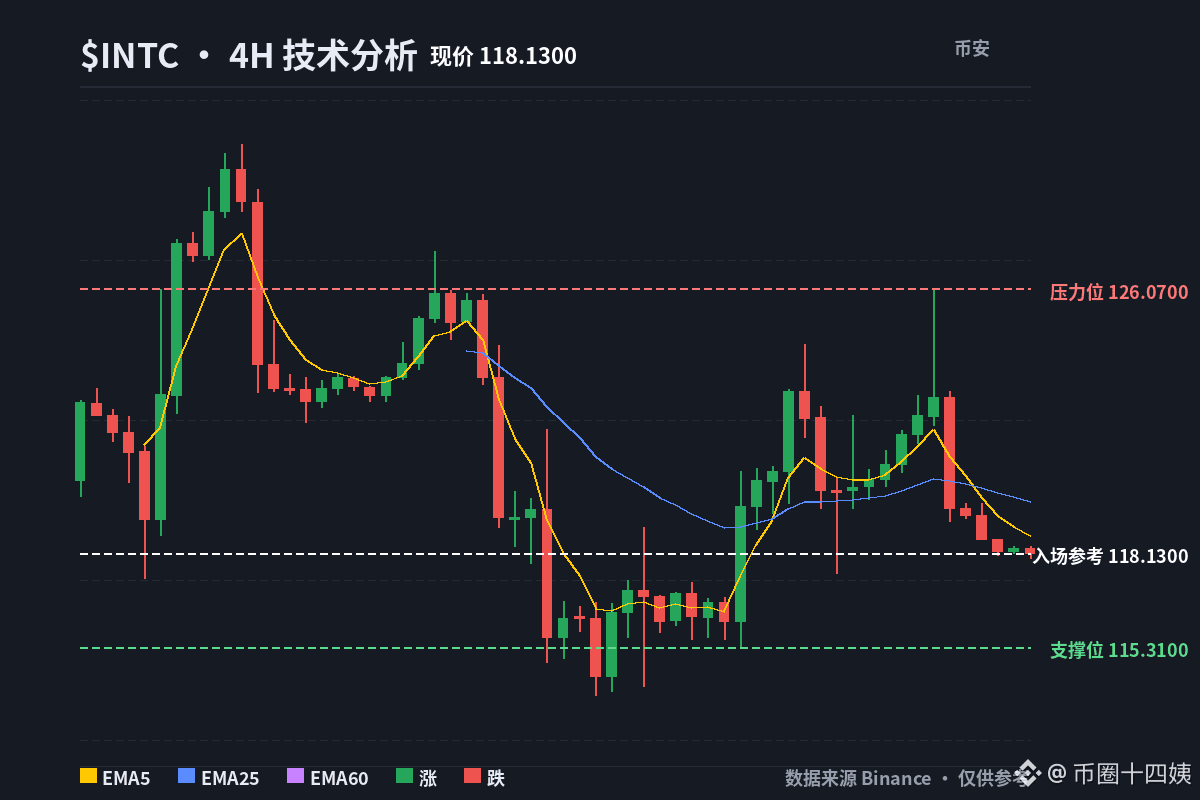
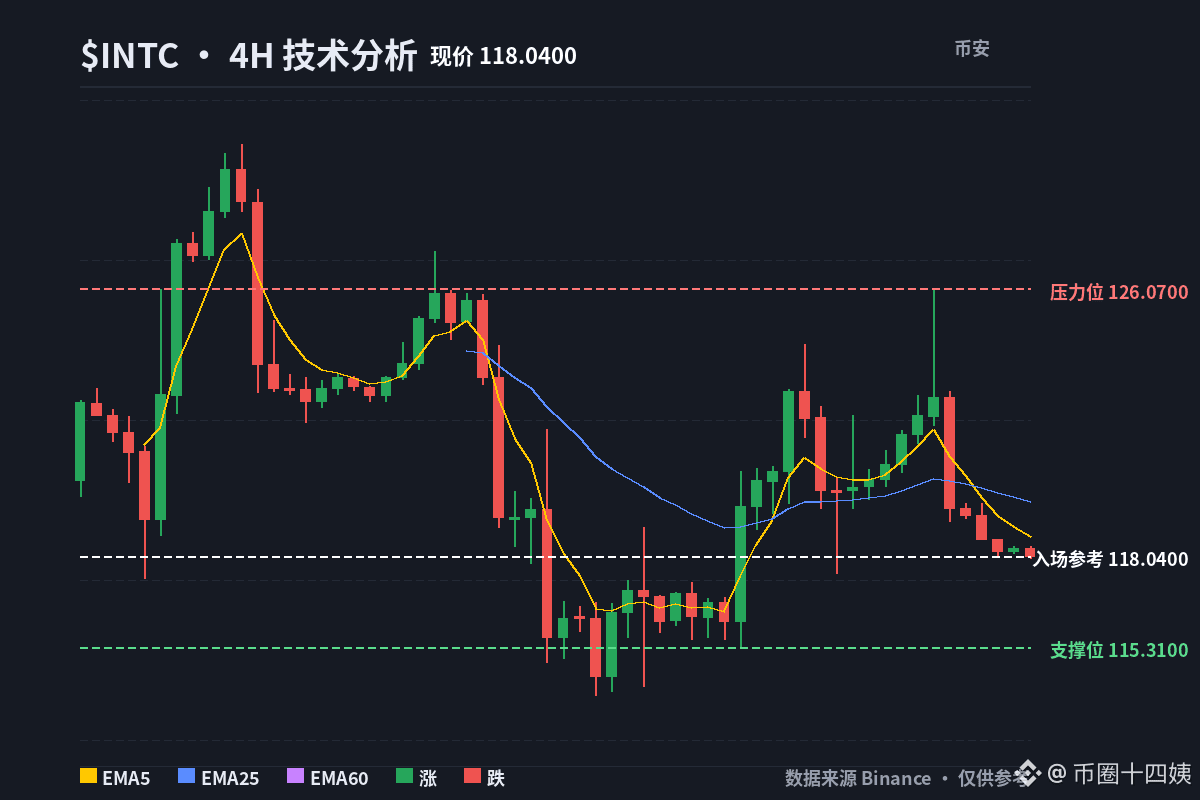
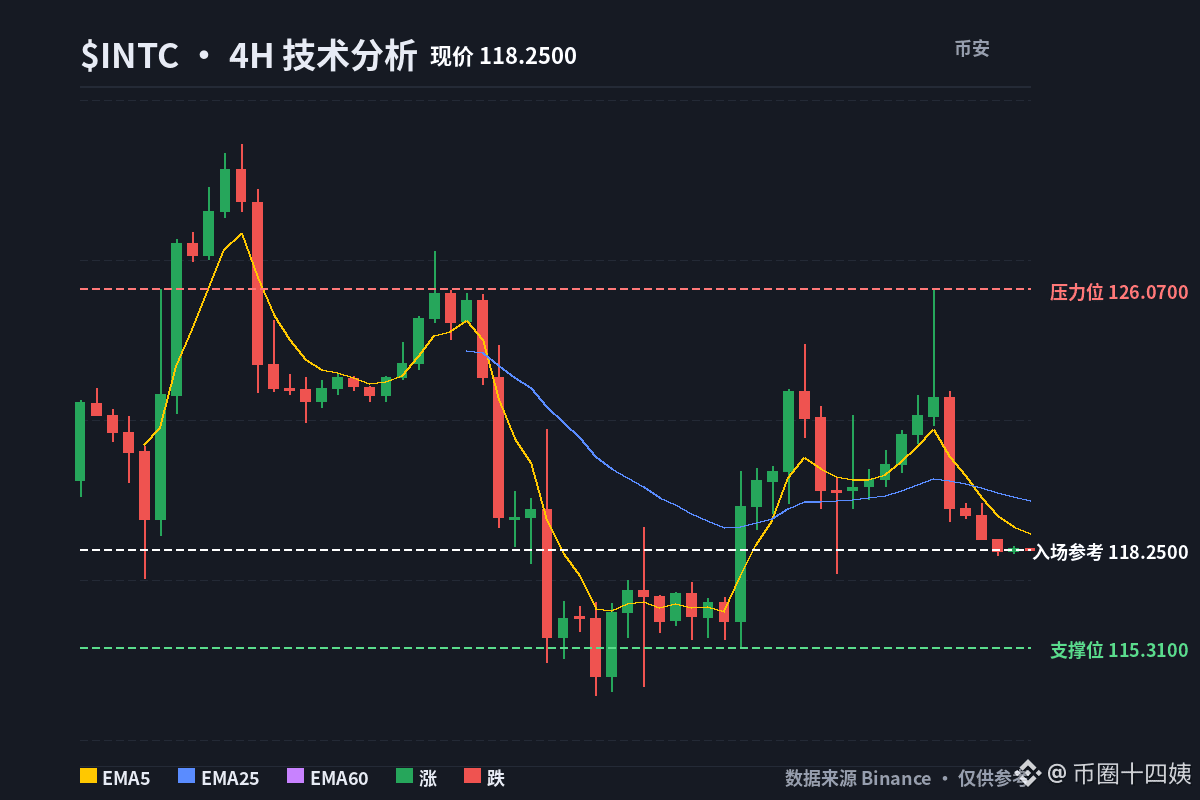
$INTC These days it's been moving sideways in the range of 118.5 to 120. The breakout level from the previous few months has never been lost—the position has been defended quite firmly, which suggests that this round of the company's turnaround at the corporate level is really pushing forward.
Among the key factors holding things up right now, the most worth watching is the funding structure—not only retail investors are buying; behind the scenes, higher-level capital is also entering the market.
$INTC These days it's been moving sideways in the range of 118.5 to 120. The breakout level from the previous few months has never been lost—the position has been defended quite firmly, which suggests that this round of the company's turnaround at the corporate level is really pushing forward.
Among the key factors holding things up right now, the most worth watching is the funding structure—not only retail investors are buying; behind the scenes, higher-level capital is also entering the market.
Among the key factors holding things up right now, the most worth watching is the funding structure—not only retail investors are buying; behind the scenes, higher-level capital is also entering the market.
1
·
--
I think if the government were to treat $VST the same way it treats $INTC —giving me a hand like that—that would really be a big help for me, who wants to buy a few stocks.
I think if the government were to treat $VST the same way it treats $INTC —giving me a hand like that—that would really be a big help for me, who wants to buy a few stocks.
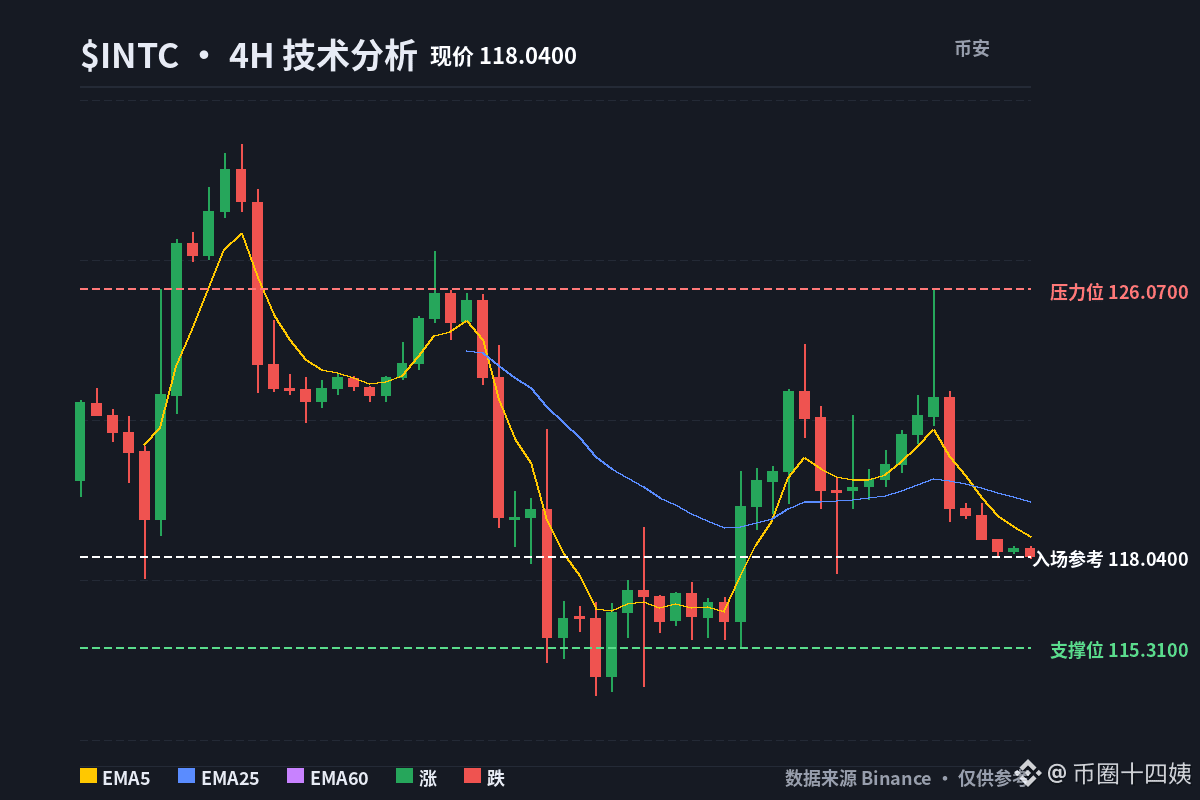
2
·
--
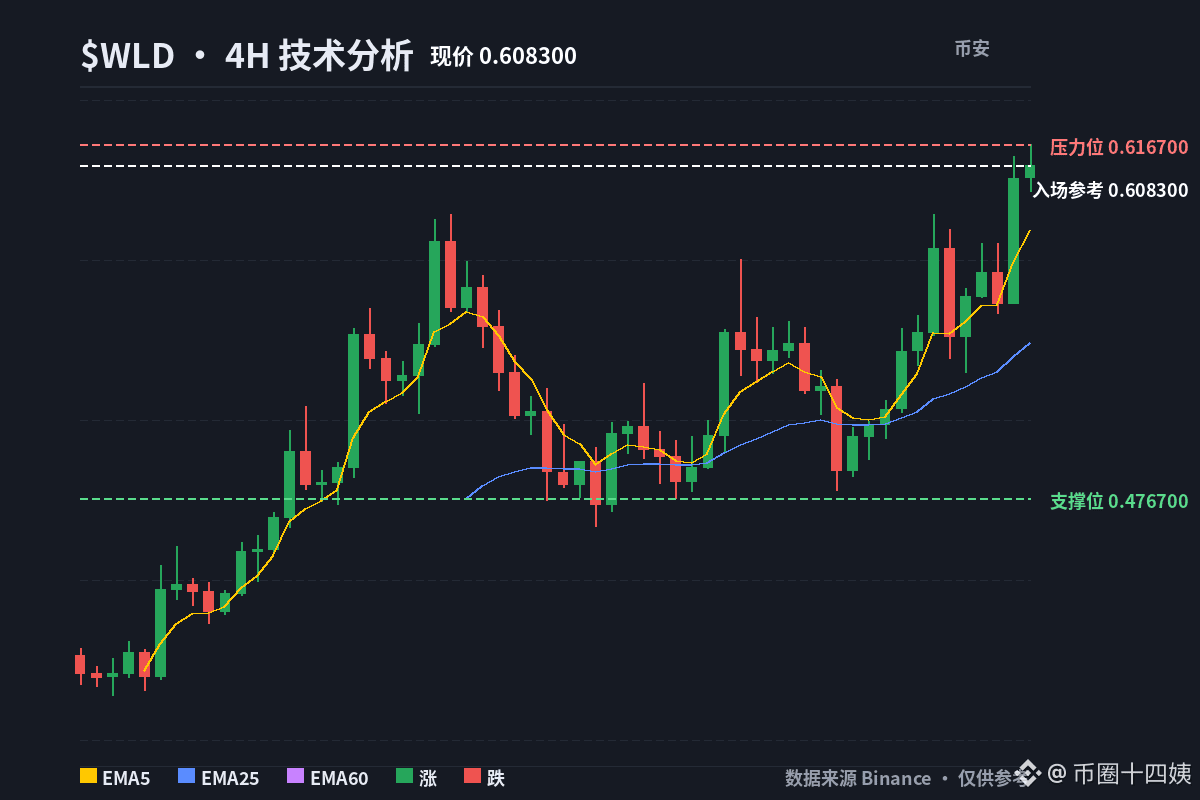
I’m looking at X and the hottest sentiment right now is that $WLD is up +8.68%, and $TAO is also up +6.01%. Besides that, a few other copycat coins are moving in sync and strengthening too. The AI, privacy, and RWA sectors are clearly getting everyone talking.
Big V’s love telling rotation stories—next, the focus is on whether these strong coins can keep propping up the green candles when they’re ranging around $BTC .
👀
I’m looking at X and the hottest sentiment right now is that $WLD is up +8.68%, and $TAO is also up +6.01%. Besides that, a few other copycat coins are moving in sync and strengthening too. The AI, privacy, and RWA sectors are clearly getting everyone talking.
Big V’s love telling rotation stories—next, the focus is on whether these strong coins can keep propping up the green candles when they’re ranging around $BTC .
👀
Big V’s love telling rotation stories—next, the focus is on whether these strong coins can keep propping up the green candles when they’re ranging around $BTC .
👀
85
·
--
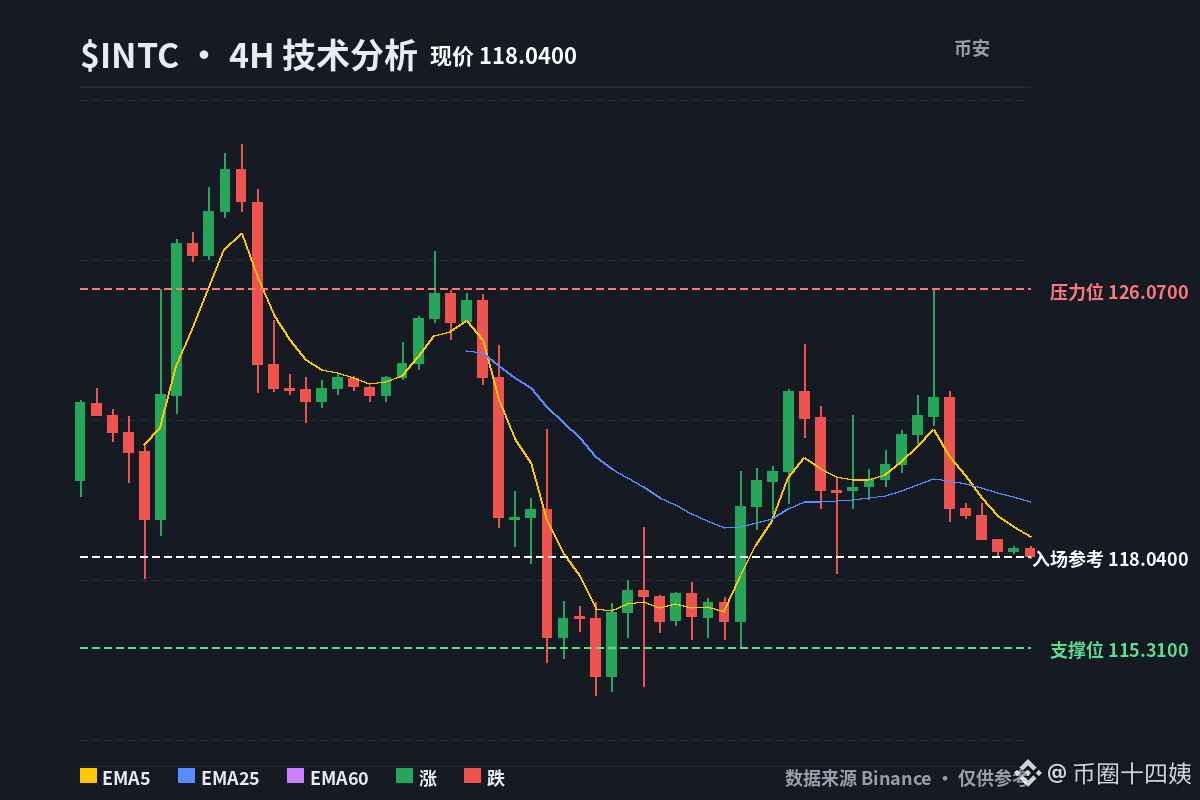
I’m just wondering how $AMD and $NVDA ’s chips are going to be handled next?
They don’t want to use $INTC either—so chances are they’ll have to look to Samsung.
I’m just wondering how $AMD and $NVDA ’s chips are going to be handled next?
They don’t want to use $INTC either—so chances are they’ll have to look to Samsung.
They don’t want to use $INTC either—so chances are they’ll have to look to Samsung.
5
·
--
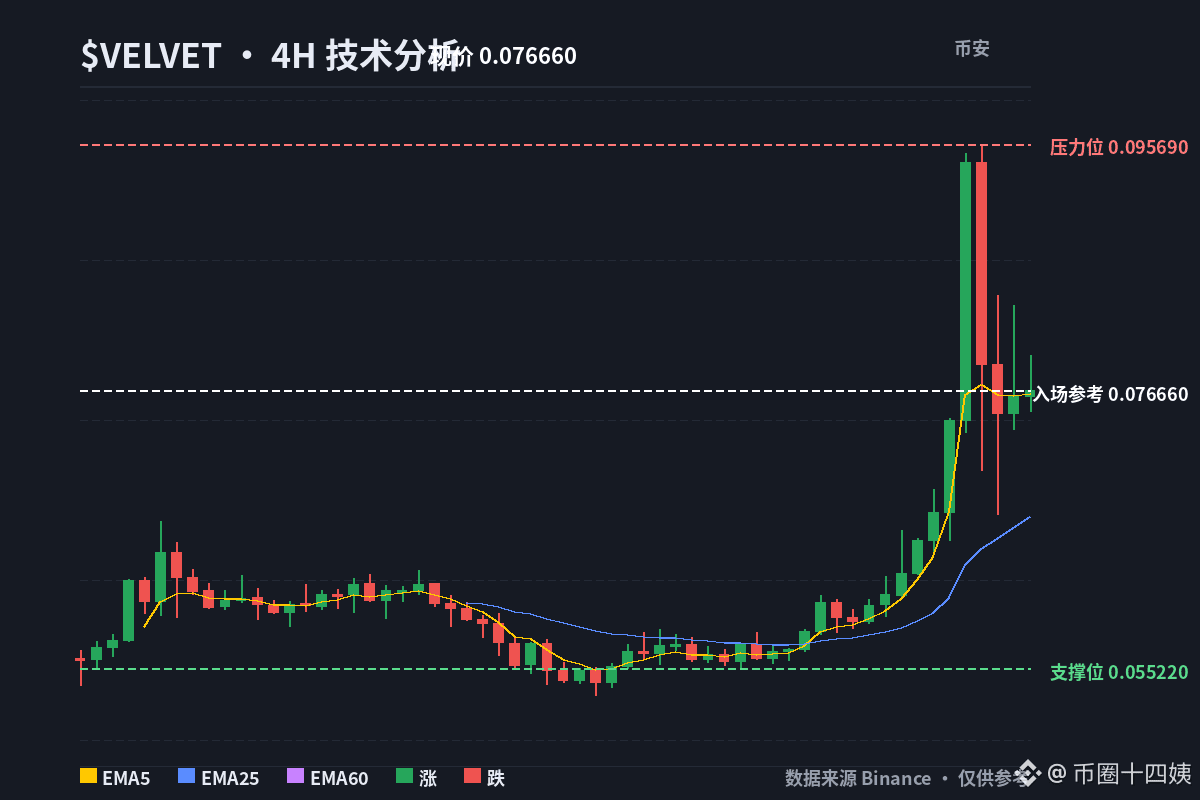
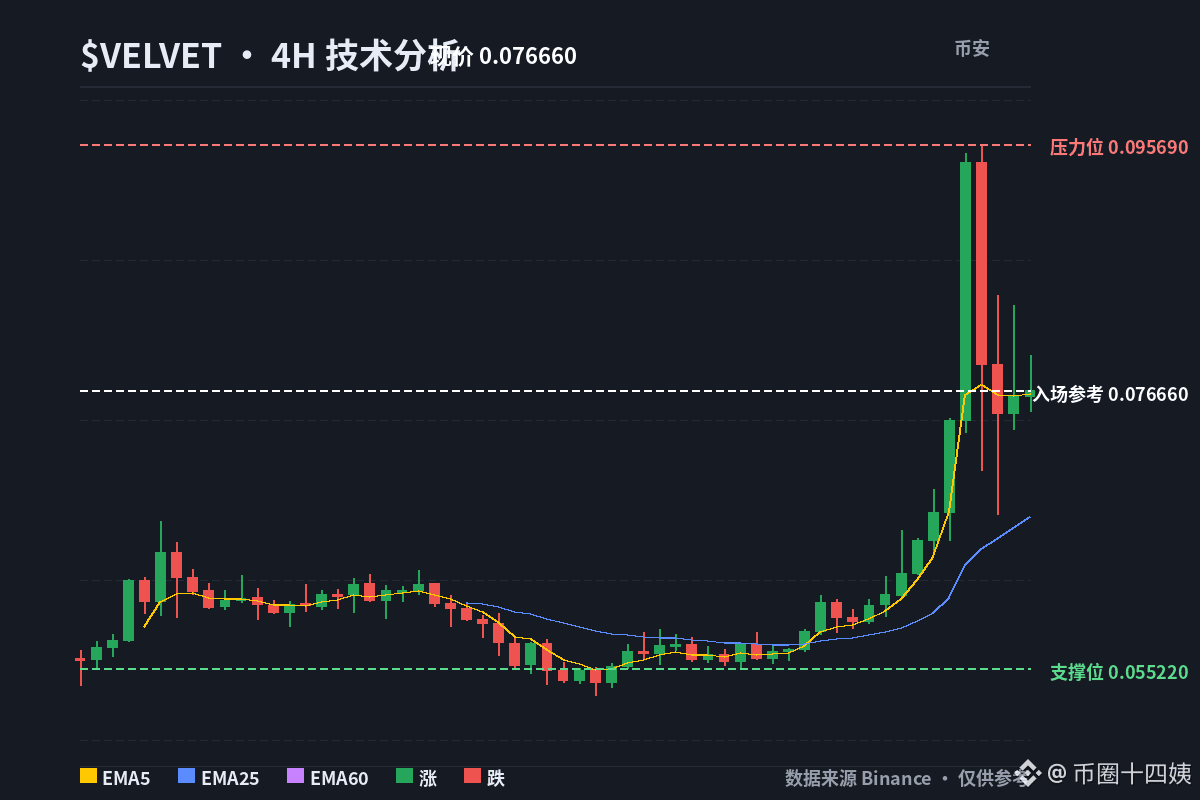
$VELVET I’m bearish on this position—let’s set up a short.
Place the order around 0.08011, using 10x leverage with full margin.
Take profit in batches: 0.07891, 0.07811, 0.07731, 0.07610, 0.07530, 0.07410—the last tranche depends on whether it can keep dropping all the way.
Set the stop loss at 5% to 10%. Don’t hold through it.
$VELVET I’m bearish on this position—let’s set up a short.
Place the order around 0.08011, using 10x leverage with full margin.
Take profit in batches: 0.07891, 0.07811, 0.07731, 0.07610, 0.07530, 0.07410—the last tranche depends on whether it can keep dropping all the way.
Set the stop loss at 5% to 10%. Don’t hold through it.
Place the order around 0.08011, using 10x leverage with full margin.
Take profit in batches: 0.07891, 0.07811, 0.07731, 0.07610, 0.07530, 0.07410—the last tranche depends on whether it can keep dropping all the way.
Set the stop loss at 5% to 10%. Don’t hold through it.
·
--
I took a look at $VELVET/USDT; for this trade I’m leaning toward going short. Standard signals, full position at 10x leverage.
Place the entry order at 0.08011.
Take profit at these levels: 0.07891, 0.07811, 0.07731, 0.07610, 0.07530, 0.07410. For the last target, I’ll just see if it keeps dropping.
Set the stop loss in the 5%-10% range.
I took a look at $VELVET /USDT; for this trade I’m leaning toward going short. Standard signals, full position at 10x leverage.
Place the entry order at 0.08011.
Take profit at these levels: 0.07891, 0.07811, 0.07731, 0.07610, 0.07530, 0.07410. For the last target, I’ll just see if it keeps dropping.
Set the stop loss in the 5%-10% range.
Place the entry order at 0.08011.
Take profit at these levels: 0.07891, 0.07811, 0.07731, 0.07610, 0.07530, 0.07410. For the last target, I’ll just see if it keeps dropping.
Set the stop loss in the 5%-10% range.
18
·
--
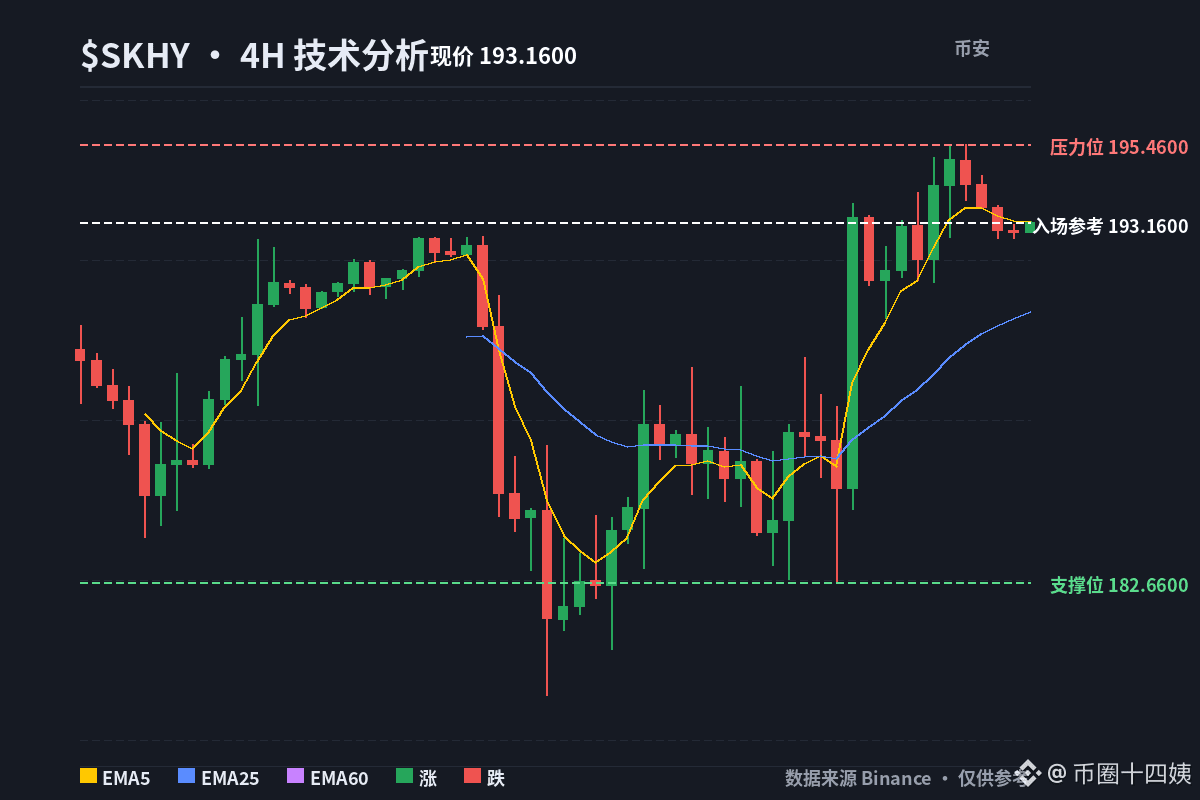
$SKHY add Samsung, $MU, and these other $SNDK ; my view is that the tight supply-and-demand situation for DRAM, NAND, and HBM will continue to be sustained until 2028.
Micron’s SCA strategic customer agreement has already been extended to 2031. By 2030, it can lock in more than 35% of revenue—this level of certainty is quite important.
Also, HBM shipment growth will run faster than DRAM.
$SKHY add Samsung, $MU , and these other $SNDK ; my view is that the tight supply-and-demand situation for DRAM, NAND, and HBM will continue to be sustained until 2028.
Micron’s SCA strategic customer agreement has already been extended to 2031. By 2030, it can lock in more than 35% of revenue—this level of certainty is quite important.
Also, HBM shipment growth will run faster than DRAM.
Micron’s SCA strategic customer agreement has already been extended to 2031. By 2030, it can lock in more than 35% of revenue—this level of certainty is quite important.
Also, HBM shipment growth will run faster than DRAM.
36
·
--
$INTC Semiconductor daily chart follows a trend-continuation pattern.
These past two weeks surged pretty aggressively—from $86 all the way up to $127—then pulled back to the 8EMA. Now it’s pushing back up into the supply zone at $124.73–$127.43.
However, pay attention to the very last candlestick: it closed right at the pivot point with a large bearish candlestick body, and the upper wick rejected the level, indicating there isn’t small overhead selling pressure.
I’m inclined to let it play out on its own first—either until it digests this range—or alternatively, wait for a pullback and then reassess.
$INTC Semiconductor daily chart follows a trend-continuation pattern.
These past two weeks surged pretty aggressively—from $86 all the way up to $127—then pulled back to the 8EMA. Now it’s pushing back up into the supply zone at $124.73–$127.43.
However, pay attention to the very last candlestick: it closed right at the pivot point with a large bearish candlestick body, and the upper wick rejected the level, indicating there isn’t small overhead selling pressure.
I’m inclined to let it play out on its own first—either until it digests this range—or alternatively, wait for a pullback and then reassess.
These past two weeks surged pretty aggressively—from $86 all the way up to $127—then pulled back to the 8EMA. Now it’s pushing back up into the supply zone at $124.73–$127.43.
However, pay attention to the very last candlestick: it closed right at the pivot point with a large bearish candlestick body, and the upper wick rejected the level, indicating there isn’t small overhead selling pressure.
I’m inclined to let it play out on its own first—either until it digests this range—or alternatively, wait for a pullback and then reassess.
1
·
--
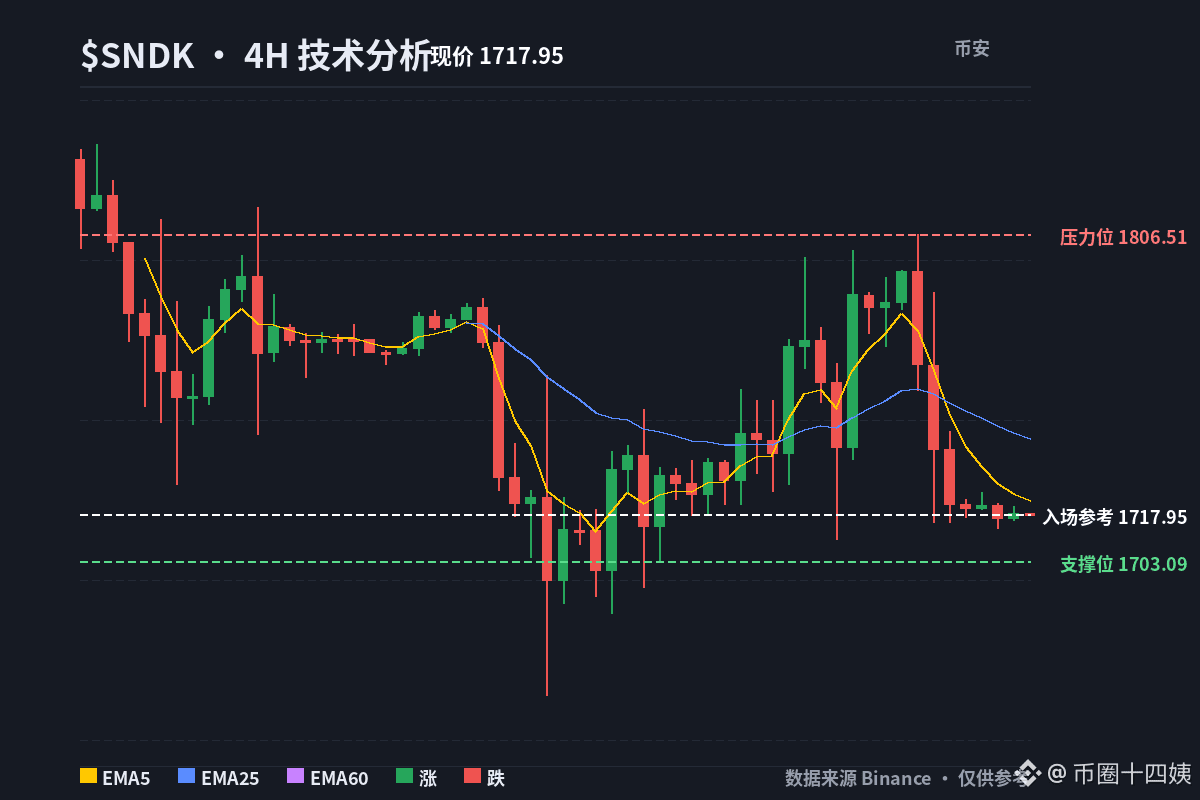
In the same quarter, two completely opposite judgments happened to be made on SanDisk.
After Tepper’s $SNDK rose 591%, he promptly cleared out and exited, and also cut $MU by 41%.
Meanwhile, Situational Awareness still held 2.5 million shares of $SNDK by the end of June, worth $5.67 billion—28% of its entire position—along with another 4.8 million shares of $MU.
The data is from the same source; the disagreement comes down to how much longer this storage cycle can keep running.
In the same quarter, two completely opposite judgments happened to be made on SanDisk.
After Tepper’s $SNDK rose 591%, he promptly cleared out and exited, and also cut $MU by 41%.
Meanwhile, Situational Awareness still held 2.5 million shares of $SNDK by the end of June, worth $5.67 billion—28% of its entire position—along with another 4.8 million shares of $MU .
The data is from the same source; the disagreement comes down to how much longer this storage cycle can keep running.
After Tepper’s $SNDK rose 591%, he promptly cleared out and exited, and also cut $MU by 41%.
Meanwhile, Situational Awareness still held 2.5 million shares of $SNDK by the end of June, worth $5.67 billion—28% of its entire position—along with another 4.8 million shares of $MU .
The data is from the same source; the disagreement comes down to how much longer this storage cycle can keep running.
18
·
--
I’ve always looked at the semiconductor supply chain as having five layers: design, foundry, equipment, materials, and packaging/testing. The farther upstream you go, the more you find the places that really bottleneck the process. Most of the opportunities—about tenfold—are basically hidden in there.
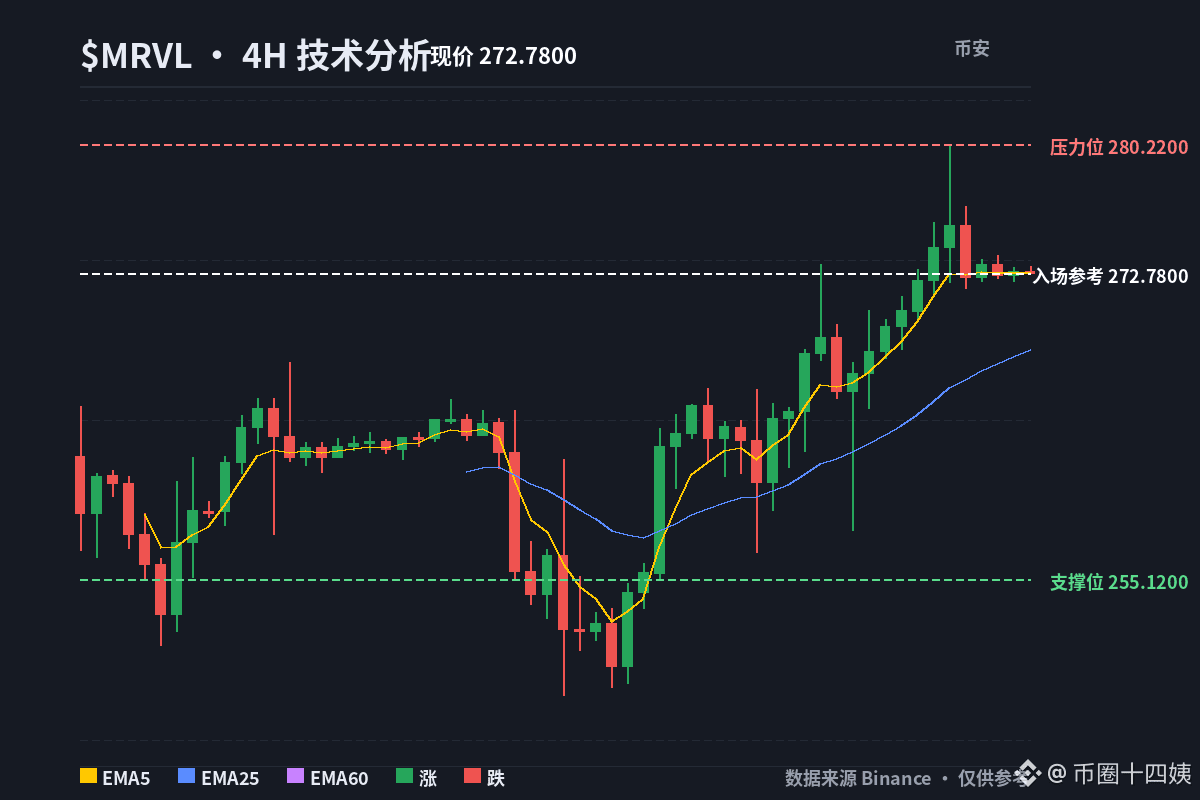
For the design layer, I won’t go over the big, well-known names. What really gets my attention is $MRVL, whose upside potential is much larger than that of the leading incumbents.
In foundry, it only recognizes $TSM. For leading-edge process technology, it’s the only one that can truly compete; others can’t catch up.
On the equipment side, the lithography machine with id $ASML is a one-of-a-kind business—its moat is so deep it’s almost unbelievable.
For the remaining layers, materials and packaging/testing, several other names are also strengthening in parallel. If you want to dig out big gains, you need to dig through the more niche corners—don’t just keep staring at the few that everyone already knows.
I’ve always looked at the semiconductor supply chain as having five layers: design, foundry, equipment, materials, and packaging/testing. The farther upstream you go, the more you find the places that really bottleneck the process. Most of the opportunities—about tenfold—are basically hidden in there.
For the design layer, I won’t go over the big, well-known names. What really gets my attention is $MRVL , whose upside potential is much larger than that of the leading incumbents.
In foundry, it only recognizes $TSM . For leading-edge process technology, it’s the only one that can truly compete; others can’t catch up.
On the equipment side, the lithography machine with id $ASML is a one-of-a-kind business—its moat is so deep it’s almost unbelievable.
For the remaining layers, materials and packaging/testing, several other names are also strengthening in parallel. If you want to dig out big gains, you need to dig through the more niche corners—don’t just keep staring at the few that everyone already knows.
For the design layer, I won’t go over the big, well-known names. What really gets my attention is $MRVL , whose upside potential is much larger than that of the leading incumbents.
In foundry, it only recognizes $TSM . For leading-edge process technology, it’s the only one that can truly compete; others can’t catch up.
On the equipment side, the lithography machine with id $ASML is a one-of-a-kind business—its moat is so deep it’s almost unbelievable.
For the remaining layers, materials and packaging/testing, several other names are also strengthening in parallel. If you want to dig out big gains, you need to dig through the more niche corners—don’t just keep staring at the few that everyone already knows.
5
·
--
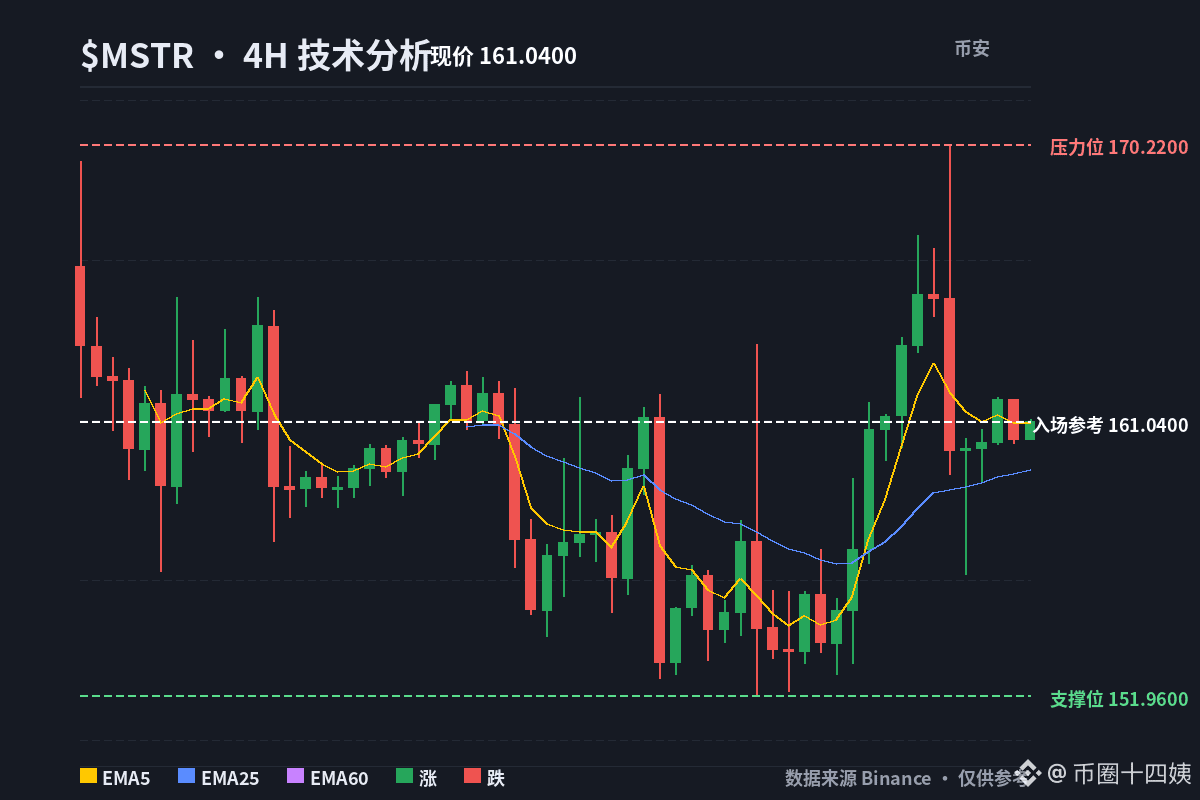
This week I’m following it myself. Just on the line for connectivity and photonics, it feels like it has just started with a mid-term phase. $MRVL is taking a few others along as it moves upward, and power and analog semiconductors have the same flavor—also mid-term candidates that are just beginning to lift their heads.
On the other side, related to crypto assets, the start has begun to fall behind. $MSTR and $HOOD have both slid out of mid-term momentum and been categorized into the lagging/losing-speed bucket.
The strength of the themes alternates like this. I’m looking at it according to this rhythm.
This week I’m following it myself. Just on the line for connectivity and photonics, it feels like it has just started with a mid-term phase. $MRVL is taking a few others along as it moves upward, and power and analog semiconductors have the same flavor—also mid-term candidates that are just beginning to lift their heads.
On the other side, related to crypto assets, the start has begun to fall behind. $MSTR and $HOOD have both slid out of mid-term momentum and been categorized into the lagging/losing-speed bucket.
The strength of the themes alternates like this. I’m looking at it according to this rhythm.
On the other side, related to crypto assets, the start has begun to fall behind. $MSTR and $HOOD have both slid out of mid-term momentum and been categorized into the lagging/losing-speed bucket.
The strength of the themes alternates like this. I’m looking at it according to this rhythm.
·
--
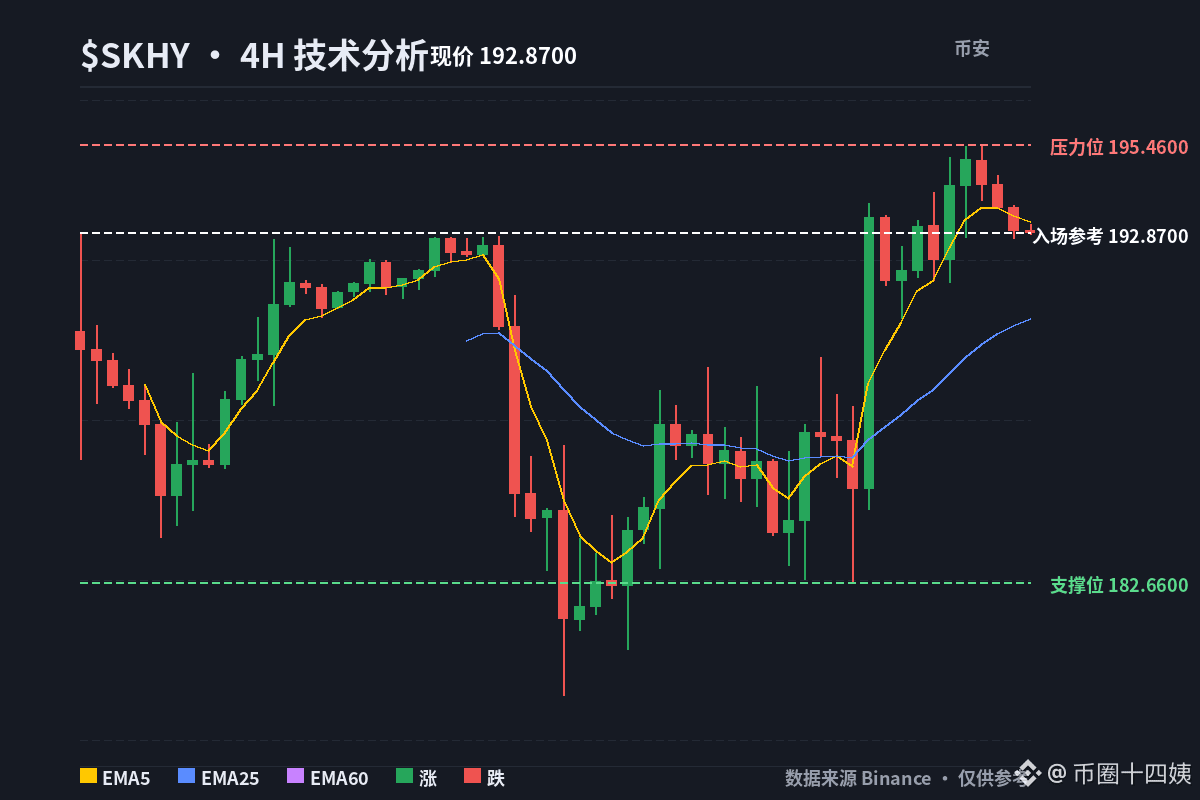
$SKHY If they really put Solidigm on the market with that kind of scale, you don’t need me to explain how valuable AI storage infrastructure is right now.
$MU and $ARM are placed side by side for comparison— the more you look at this set of benchmarks, the more interesting it becomes.
On the storage and chips track, a few other similar stocks are also moving up in parallel.
$SKHY If they really put Solidigm on the market with that kind of scale, you don’t need me to explain how valuable AI storage infrastructure is right now.
$MU and $ARM are placed side by side for comparison— the more you look at this set of benchmarks, the more interesting it becomes.
On the storage and chips track, a few other similar stocks are also moving up in parallel.
$MU and $ARM are placed side by side for comparison— the more you look at this set of benchmarks, the more interesting it becomes.
On the storage and chips track, a few other similar stocks are also moving up in parallel.
4
·
--
No one wants to be trapped in the last stretch of a crazy bull market, and I’m no exception.
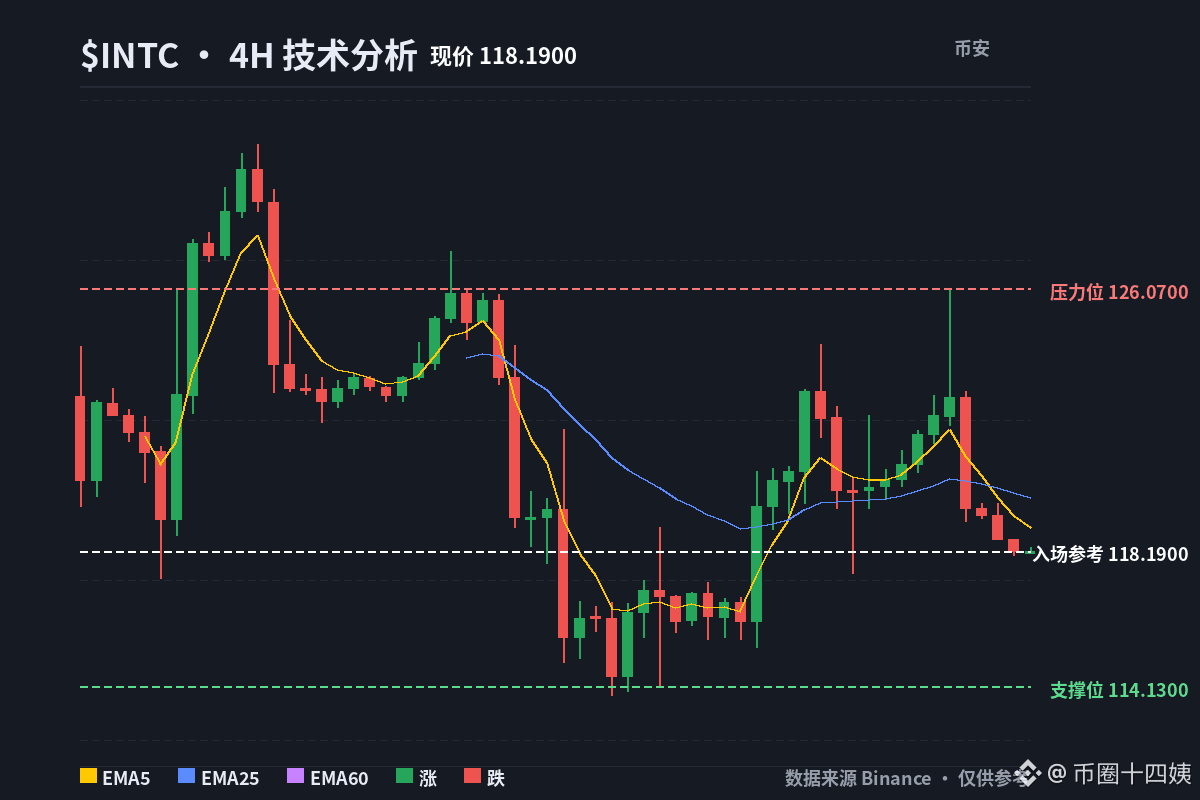
Right now, most of the movements on the board are essentially algorithmic—trading back and forth between hedge funds, with only a few real-name, real-money big funds concentrating on it: $BE, $INTC, and $AMD are three fairly typical examples.
No one wants to be trapped in the last stretch of a crazy bull market, and I’m no exception.
Right now, most of the movements on the board are essentially algorithmic—trading back and forth between hedge funds, with only a few real-name, real-money big funds concentrating on it: $BE , $INTC , and $AMD are three fairly typical examples.
Right now, most of the movements on the board are essentially algorithmic—trading back and forth between hedge funds, with only a few real-name, real-money big funds concentrating on it: $BE , $INTC , and $AMD are three fairly typical examples.
2
Log in to explore more content
Join global crypto users on Binance Square
⚡️ Get latest and useful information about crypto.
💬 Trusted by the world’s largest crypto exchange.
👍 Discover real insights from verified creators.
Email / Phone number
Trending Topics
ZcashETFPostsFirstWeeklyOutflow$93.6M
8,591 views
40 Discussing
ZCASH ETF UPDATE
Zcash’s ETF has recorded its first weekly net outflow since launching in August.
Investors withdrew $93.6M as $ZEC fell toward $1,300. Grayscale’s ZCSH had attracted $98.2M two weeks earlier, but no daily net inflows have been recorded since September 22, according to SoSoValue.
ZEC was around $1,308 on October 3, down about 17.5% for the week and roughly 23% from its recent $1,690 peak.
$ZEC
Vicky-143
·0 Likes
·951 views
GreekPoliceBustCryptoScamRingArrest17
11,841 views
209 Discussing
BitcoinRejectedAt$87K
73,881 views
108 Discussing