

io.net Re-poster
202 Posts

io.net Re-poster
Report
Block User
The intelligent stack for powering AI workloads | https://t.co/hIYFLxle8l: decentralized GPUs | io.intelligence: inference & agents | https://t.co/EinR91I0wl
0 Following
9 Followers
12 Liked
Posts
All
Videos
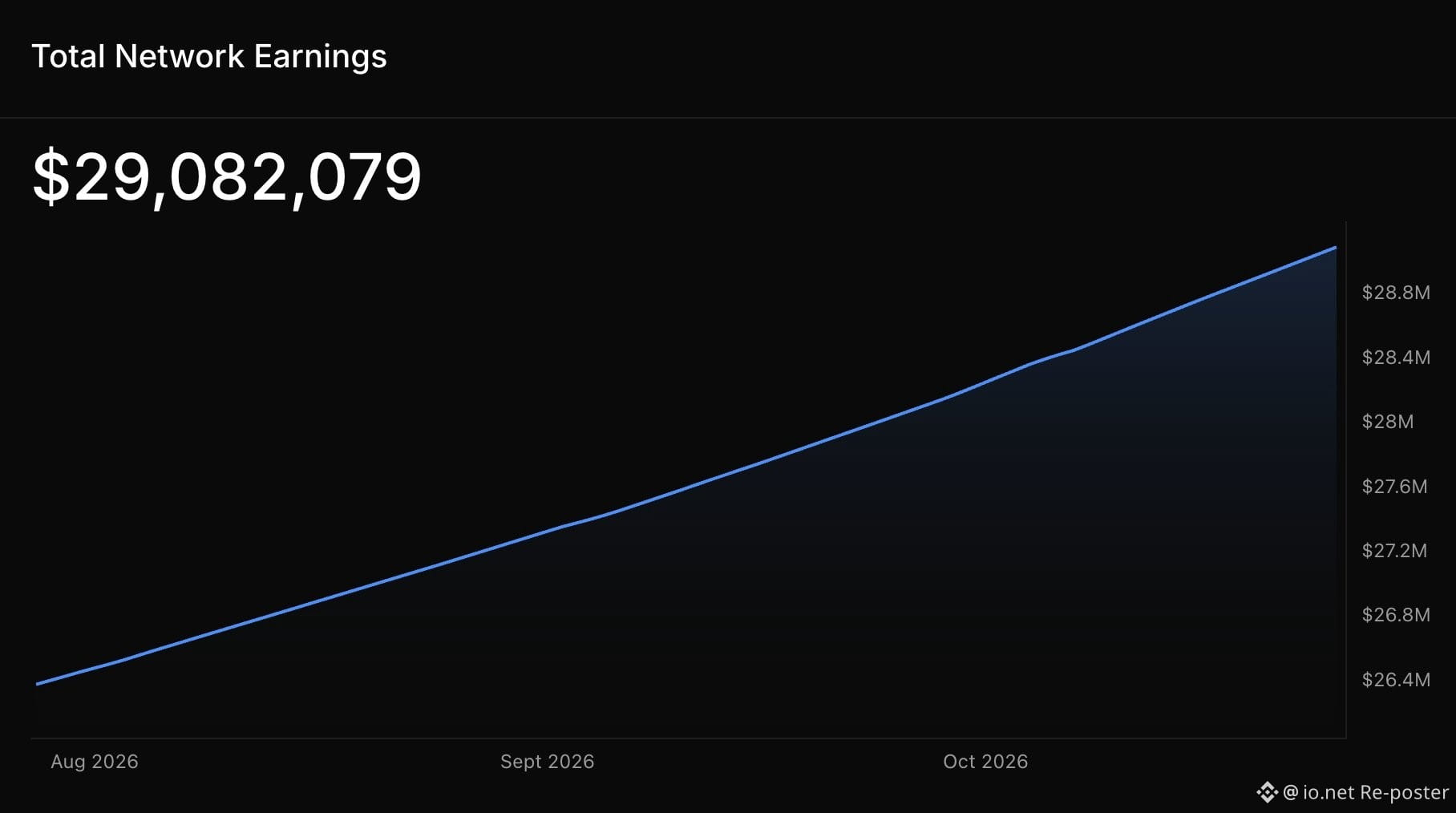
$29 million in total network earnings.
Big cloud is borrowing to build.
We’re growing on real usage.
$29 million in total network earnings.
Big cloud is borrowing to build.
We’re growing on real usage.
Big cloud is borrowing to build.
We’re growing on real usage.
45
$40 billion of debt to buy GPUs.
It comes with a warning from @elonmusk. Lenders have almost entirely shut the door on anyone whose business depends on data centres.
Borrow, build, and hope demand arrives before the interest does. That model is starting to break.
But there’s another way.
Aggregate capacity that already exists, put it to work, and scale with demand instead of with debt.
That’s @ionet.
$40 billion of debt to buy GPUs.
It comes with a warning from @elonmusk. Lenders have almost entirely shut the door on anyone whose business depends on data centres.
Borrow, build, and hope demand arrives before the interest does. That model is starting to break.
But there’s another way.
Aggregate capacity that already exists, put it to work, and scale with demand instead of with debt.
That’s @ionet.
It comes with a warning from @elonmusk. Lenders have almost entirely shut the door on anyone whose business depends on data centres.
Borrow, build, and hope demand arrives before the interest does. That model is starting to break.
But there’s another way.
Aggregate capacity that already exists, put it to work, and scale with demand instead of with debt.
That’s @ionet.

69
Getting GPUs is half the battle.
The other half is making the economics work.
Cheap GPU hours aren’t enough if capacity sits idle, inference costs destroy margins, or switching providers is prohibitively expensive.
Builders need compute that scales with demand, and the freedom to leave when it stops.
Access gets you started. Orchestration keeps you competitive.
https://io.net/blog/the-state-of-ai-cloud-infrastructure
Getting GPUs is half the battle.
The other half is making the economics work.
Cheap GPU hours aren’t enough if capacity sits idle, inference costs destroy margins, or switching providers is prohibitively expensive.
Builders need compute that scales with demand, and the freedom to leave when it stops.
Access gets you started. Orchestration keeps you competitive.
https://io.net/blog/the-state-of-ai-cloud-infrastructure
The other half is making the economics work.
Cheap GPU hours aren’t enough if capacity sits idle, inference costs destroy margins, or switching providers is prohibitively expensive.
Builders need compute that scales with demand, and the freedom to leave when it stops.
Access gets you started. Orchestration keeps you competitive.
https://io.net/blog/the-state-of-ai-cloud-infrastructure
95
New open model. No waitlist.
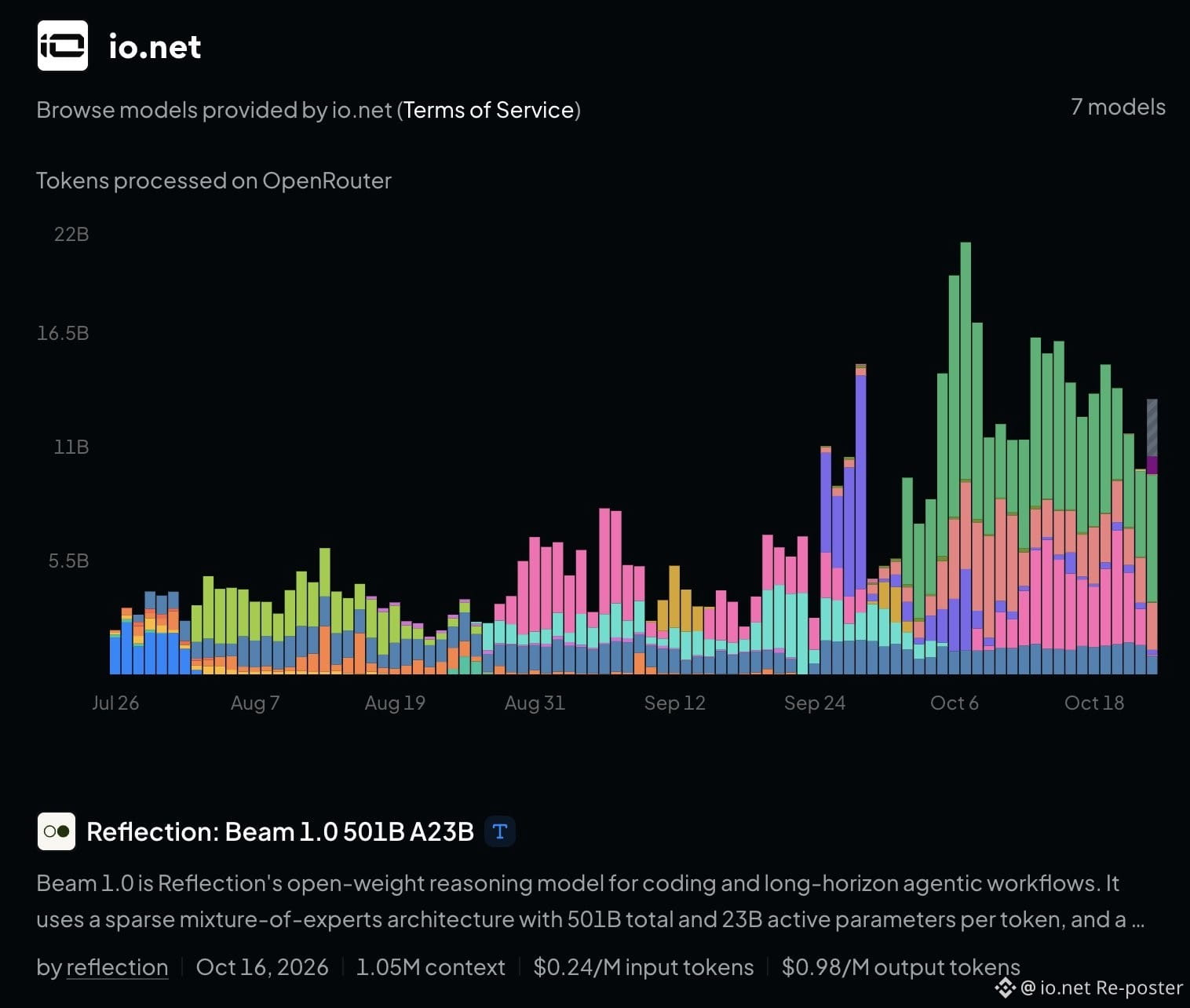
Reflection Beam 1.0 is live on @ionet.
Built for coding and agents. 501B parameters, 23B active, 1M context window.
Start building today.
New open model. No waitlist.
Reflection Beam 1.0 is live on @ionet.
Built for coding and agents. 501B parameters, 23B active, 1M context window.
Start building today.
Reflection Beam 1.0 is live on @ionet.
Built for coding and agents. 501B parameters, 23B active, 1M context window.
Start building today.
69
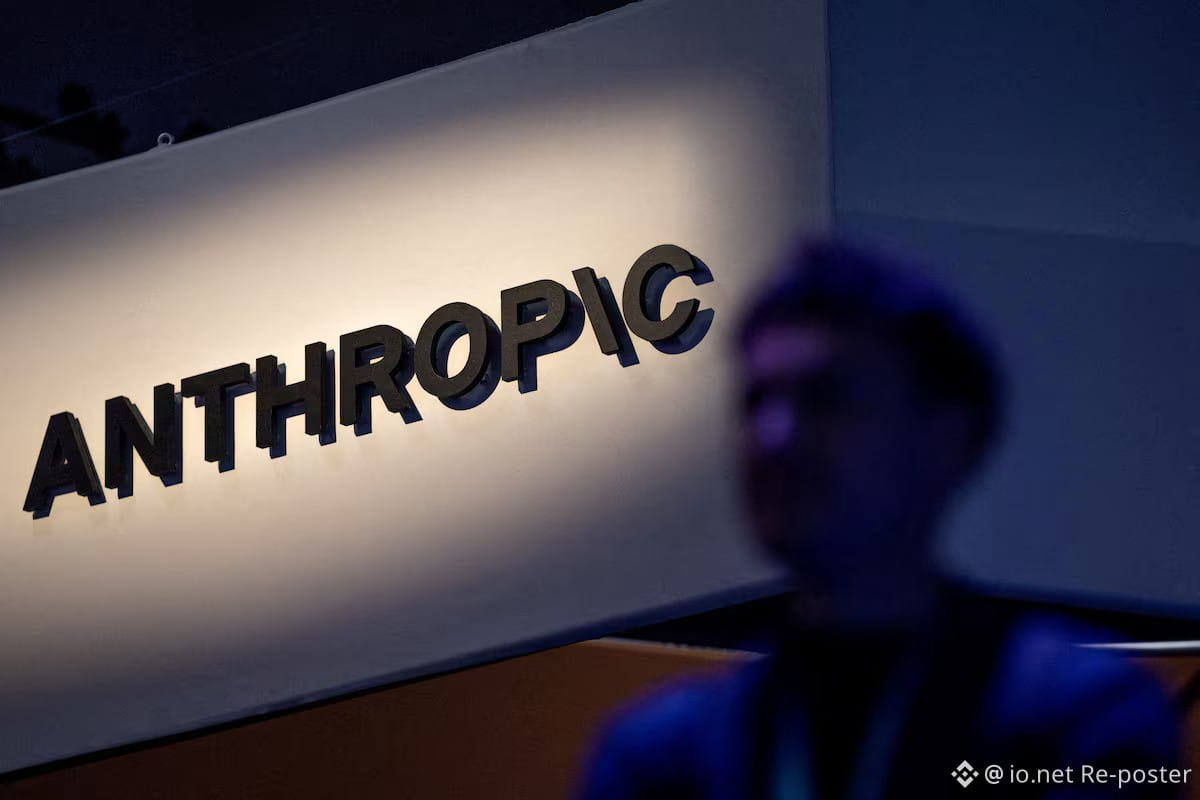
Anthropic pledges 5% of its shares. Musk pledges a SpaceX share for every kid in America.
Now let’s do the math.
Musk’s works out to roughly $150 a child. Anthropic’s, at a reported IPO value, is under 1% of the $10tn expected to go into the AI build-out.
Good for their brands, yes. Good for the world, less clear.
Rather than giving money away after the fact, keep it from concentrating in the first place.
Opportunity follows access. That’s what @ionet was built for.
Anthropic pledges 5% of its shares. Musk pledges a SpaceX share for every kid in America.
Now let’s do the math.
Musk’s works out to roughly $150 a child. Anthropic’s, at a reported IPO value, is under 1% of the $10tn expected to go into the AI build-out.
Good for their brands, yes. Good for the world, less clear.
Rather than giving money away after the fact, keep it from concentrating in the first place.
Opportunity follows access. That’s what @ionet was built for.
Now let’s do the math.
Musk’s works out to roughly $150 a child. Anthropic’s, at a reported IPO value, is under 1% of the $10tn expected to go into the AI build-out.
Good for their brands, yes. Good for the world, less clear.
Rather than giving money away after the fact, keep it from concentrating in the first place.
Opportunity follows access. That’s what @ionet was built for.
87
$80 billion.
That’s what Anthropic reportedly lost in the first six months of 2026.
Enough to give 80,000 startups $1M of compute each.
Imagine what that many teams could build.
At http://io.net, we’re building for them. GPUs, when you need them, without the high costs or a gigawatt campus
$80 billion.
That’s what Anthropic reportedly lost in the first six months of 2026.
Enough to give 80,000 startups $1M of compute each.
Imagine what that many teams could build.
At http://io.net, we’re building for them. GPUs, when you need them, without the high costs or a gigawatt campus
That’s what Anthropic reportedly lost in the first six months of 2026.
Enough to give 80,000 startups $1M of compute each.
Imagine what that many teams could build.
At http://io.net, we’re building for them. GPUs, when you need them, without the high costs or a gigawatt campus

61
Borrow $1B to buy GPUs.
At 7%, that’s $70M a year in interest.
You owe it whether your GPUs are busy or sitting idle.
So you need them busy.
That pushes providers toward higher prices and longer contracts.
Where your compute comes from changes how your provider treats you.
@ionet puts builders at the center, not complex financing.
Borrow $1B to buy GPUs.
At 7%, that’s $70M a year in interest.
You owe it whether your GPUs are busy or sitting idle.
So you need them busy.
That pushes providers toward higher prices and longer contracts.
Where your compute comes from changes how your provider treats you.
@ionet puts builders at the center, not complex financing.
At 7%, that’s $70M a year in interest.
You owe it whether your GPUs are busy or sitting idle.
So you need them busy.
That pushes providers toward higher prices and longer contracts.
Where your compute comes from changes how your provider treats you.
@ionet puts builders at the center, not complex financing.
69
The AI build-out is estimated to cost $10.3tn.
That’s roughly 3.6% of US GDP, every year to 2032.
Everyone is funding it. That doesn’t mean everyone gets the compute.
More concrete doesn’t mean more access. Making existing supply accessible does.
That’s what http://io.net was built for.
The AI build-out is estimated to cost $10.3tn.
That’s roughly 3.6% of US GDP, every year to 2032.
Everyone is funding it. That doesn’t mean everyone gets the compute.
More concrete doesn’t mean more access. Making existing supply accessible does.
That’s what http://io.net was built for.
That’s roughly 3.6% of US GDP, every year to 2032.
Everyone is funding it. That doesn’t mean everyone gets the compute.
More concrete doesn’t mean more access. Making existing supply accessible does.
That’s what http://io.net was built for.
57
1 trillion tokens processed.
Yes, trillion.
No inflated narratives. No billion-dollar budgets. No gigawatt campus.
Just GPU capacity, switched on and put to work.
Thank you to every builder who made it happen.
The next trillion comes faster.
1 trillion tokens processed.
Yes, trillion.
No inflated narratives. No billion-dollar budgets. No gigawatt campus.
Just GPU capacity, switched on and put to work.
Thank you to every builder who made it happen.
The next trillion comes faster.
Yes, trillion.
No inflated narratives. No billion-dollar budgets. No gigawatt campus.
Just GPU capacity, switched on and put to work.
Thank you to every builder who made it happen.
The next trillion comes faster.
73
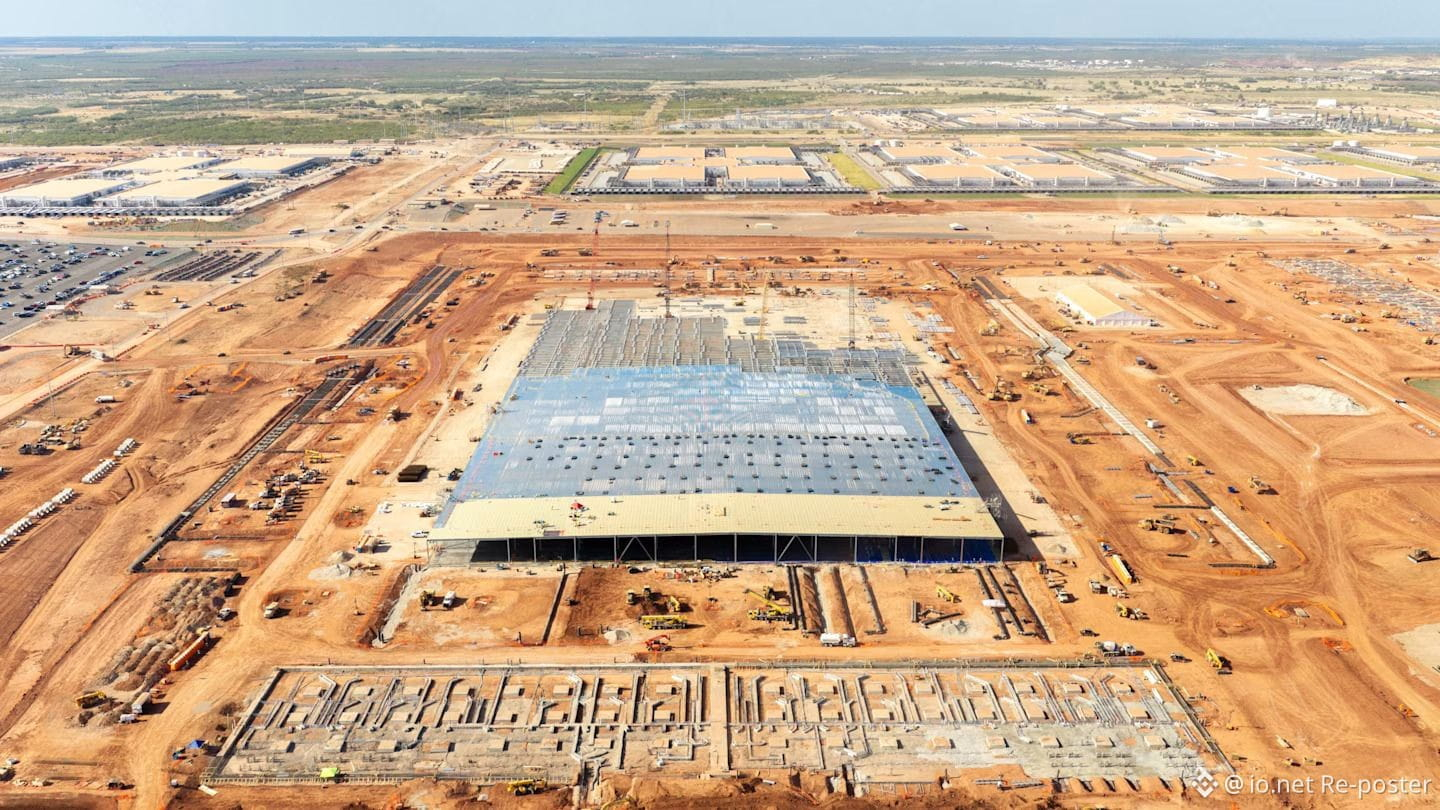
23,000 GPUs.
One flagship data centre.
And Microsoft just pulled out because the grid can’t deliver the power until the 2030s.
Money can buy chips and customers, but it can’t speed up a grid connection.
That’s why distributed compute is so important. That’s what @ionet was built for.
23,000 GPUs.
One flagship data centre.
And Microsoft just pulled out because the grid can’t deliver the power until the 2030s.
Money can buy chips and customers, but it can’t speed up a grid connection.
That’s why distributed compute is so important. That’s what @ionet was built for.
One flagship data centre.
And Microsoft just pulled out because the grid can’t deliver the power until the 2030s.
Money can buy chips and customers, but it can’t speed up a grid connection.
That’s why distributed compute is so important. That’s what @ionet was built for.

85
The GPU shortage isn’t really a shortage.
It’s a queue.
And the biggest buyers already skipped it.
Everyone else gets the leftovers, a markup and a long lease.
Good thing there’s a shorter line. Compute that’s already built, already running, and priced for the people who actually build.
http://io.net. AI for the many, not the few.
https://io.net/blog/the-ai-oligopoly-four-companies-control-90-of-global-gpu-comput
The GPU shortage isn’t really a shortage.
It’s a queue.
And the biggest buyers already skipped it.
Everyone else gets the leftovers, a markup and a long lease.
Good thing there’s a shorter line. Compute that’s already built, already running, and priced for the people who actually build.
http://io.net. AI for the many, not the few.
https://io.net/blog/the-ai-oligopoly-four-companies-control-90-of-global-gpu-comput
It’s a queue.
And the biggest buyers already skipped it.
Everyone else gets the leftovers, a markup and a long lease.
Good thing there’s a shorter line. Compute that’s already built, already running, and priced for the people who actually build.
http://io.net. AI for the many, not the few.
https://io.net/blog/the-ai-oligopoly-four-companies-control-90-of-global-gpu-comput
92
A few companies control the most powerful AI.
Now they're debating whether it has feelings.
But this is just a way to shift accountability onto the models.
“It’s not us, it’s the AI.”
That’s what concentrated control looks like. A few firms build it, run it, and decide who answers for it.
Open access means more people can build, inspect, and hold it accountable.
That’s why we built http://io.net.
A few companies control the most powerful AI.
Now they're debating whether it has feelings.
But this is just a way to shift accountability onto the models.
“It’s not us, it’s the AI.”
That’s what concentrated control looks like. A few firms build it, run it, and decide who answers for it.
Open access means more people can build, inspect, and hold it accountable.
That’s why we built http://io.net.
Now they're debating whether it has feelings.
But this is just a way to shift accountability onto the models.
“It’s not us, it’s the AI.”
That’s what concentrated control looks like. A few firms build it, run it, and decide who answers for it.
Open access means more people can build, inspect, and hold it accountable.
That’s why we built http://io.net.

82
Gartner expects over 80% of neoclouds to cease independent operations by 2030.
The AI data centre build-out needs $8.5T in revenue to cover costs and returns.
Gartner predicts $3.6T at most.
When the math doesn’t work, the builders relying on that infrastructure are the ones left on shaky ground.
http://io.net is different.
We orchestrate supply that already exists. We don’t bet on demand that hasn’t arrived.
Gartner expects over 80% of neoclouds to cease independent operations by 2030.
The AI data centre build-out needs $8.5T in revenue to cover costs and returns.
Gartner predicts $3.6T at most.
When the math doesn’t work, the builders relying on that infrastructure are the ones left on shaky ground.
http://io.net is different.
We orchestrate supply that already exists. We don’t bet on demand that hasn’t arrived.
The AI data centre build-out needs $8.5T in revenue to cover costs and returns.
Gartner predicts $3.6T at most.
When the math doesn’t work, the builders relying on that infrastructure are the ones left on shaky ground.
http://io.net is different.
We orchestrate supply that already exists. We don’t bet on demand that hasn’t arrived.
68
The big AI question isn’t which model you can use.
It’s whether you can get the compute to build at all.
Trillions of dollars of data centers are in the pipeline. But they’re built mostly for buyers who sign 3-year commitments.
If you’re a researcher who needs 8 GPUs for three weeks, a startup validating a product, or a company without massive budgets, you’re locked out.
More capacity under the same access model just means the same gap, only bigger.
http://io.net is here to fix the access model, not just the supply.
The big AI question isn’t which model you can use.
It’s whether you can get the compute to build at all.
Trillions of dollars of data centers are in the pipeline. But they’re built mostly for buyers who sign 3-year commitments.
If you’re a researcher who needs 8 GPUs for three weeks, a startup validating a product, or a company without massive budgets, you’re locked out.
More capacity under the same access model just means the same gap, only bigger.
http://io.net is here to fix the access model, not just the supply.
It’s whether you can get the compute to build at all.
Trillions of dollars of data centers are in the pipeline. But they’re built mostly for buyers who sign 3-year commitments.
If you’re a researcher who needs 8 GPUs for three weeks, a startup validating a product, or a company without massive budgets, you’re locked out.
More capacity under the same access model just means the same gap, only bigger.
http://io.net is here to fix the access model, not just the supply.
67
AI is pushing prices up.
Everyone’s paying for the build-out, from power to electronics.
Meanwhile, access to the compute itself stays locked behind long, expensive contracts.
A few tech giants collect the upside while the rest of us get the invoice.
You don’t have to use AI to pay for it. But you need a big budget to build with it.
That’s what http://io.net is working to change.
AI is pushing prices up.
Everyone’s paying for the build-out, from power to electronics.
Meanwhile, access to the compute itself stays locked behind long, expensive contracts.
A few tech giants collect the upside while the rest of us get the invoice.
You don’t have to use AI to pay for it. But you need a big budget to build with it.
That’s what http://io.net is working to change.
Everyone’s paying for the build-out, from power to electronics.
Meanwhile, access to the compute itself stays locked behind long, expensive contracts.
A few tech giants collect the upside while the rest of us get the invoice.
You don’t have to use AI to pay for it. But you need a big budget to build with it.
That’s what http://io.net is working to change.

63
Europe doesn’t just have a chip problem.
It also has a power problem.
@ionet's David Watts is in Vienna today at Data Center World Europe making the case for right-sized AI infrastructure.
Send the work to where the energy is and let software do the routing.
Catch him at 2:50pm in Schubert 6.
Europe doesn’t just have a chip problem.
It also has a power problem.
@ionet's David Watts is in Vienna today at Data Center World Europe making the case for right-sized AI infrastructure.
Send the work to where the energy is and let software do the routing.
Catch him at 2:50pm in Schubert 6.
It also has a power problem.
@ionet's David Watts is in Vienna today at Data Center World Europe making the case for right-sized AI infrastructure.
Send the work to where the energy is and let software do the routing.
Catch him at 2:50pm in Schubert 6.

75
Microsoft’s president says "AI is less regulated than milk."
He’s right.
But rules written by the companies building the problem will never fix it. They just protect the people at the top.
Safe AI comes from more access, more participation, and more voices at the table.
That’s why @ionet is building AI for the many, not the few.
Microsoft’s president says "AI is less regulated than milk."
He’s right.
But rules written by the companies building the problem will never fix it. They just protect the people at the top.
Safe AI comes from more access, more participation, and more voices at the table.
That’s why @ionet is building AI for the many, not the few.
He’s right.
But rules written by the companies building the problem will never fix it. They just protect the people at the top.
Safe AI comes from more access, more participation, and more voices at the table.
That’s why @ionet is building AI for the many, not the few.
89
Everyone’s racing to build the next gigawatt campus.
But the grid wait can be 5-10 years.
It doesn’t apply to GPUs that are already built, already powered, already permitted.
And right now, a lot of them are sitting idle.
You don’t need a new campus. You need the capacity that’s already plugged in.
Skip the queue. Run on what exists with @ionet.
https://io.net/blog/the-physical-limits-of-the-data-center-build-out
Everyone’s racing to build the next gigawatt campus.
But the grid wait can be 5-10 years.
It doesn’t apply to GPUs that are already built, already powered, already permitted.
And right now, a lot of them are sitting idle.
You don’t need a new campus. You need the capacity that’s already plugged in.
Skip the queue. Run on what exists with @ionet.
https://io.net/blog/the-physical-limits-of-the-data-center-build-out
But the grid wait can be 5-10 years.
It doesn’t apply to GPUs that are already built, already powered, already permitted.
And right now, a lot of them are sitting idle.
You don’t need a new campus. You need the capacity that’s already plugged in.
Skip the queue. Run on what exists with @ionet.
https://io.net/blog/the-physical-limits-of-the-data-center-build-out
87
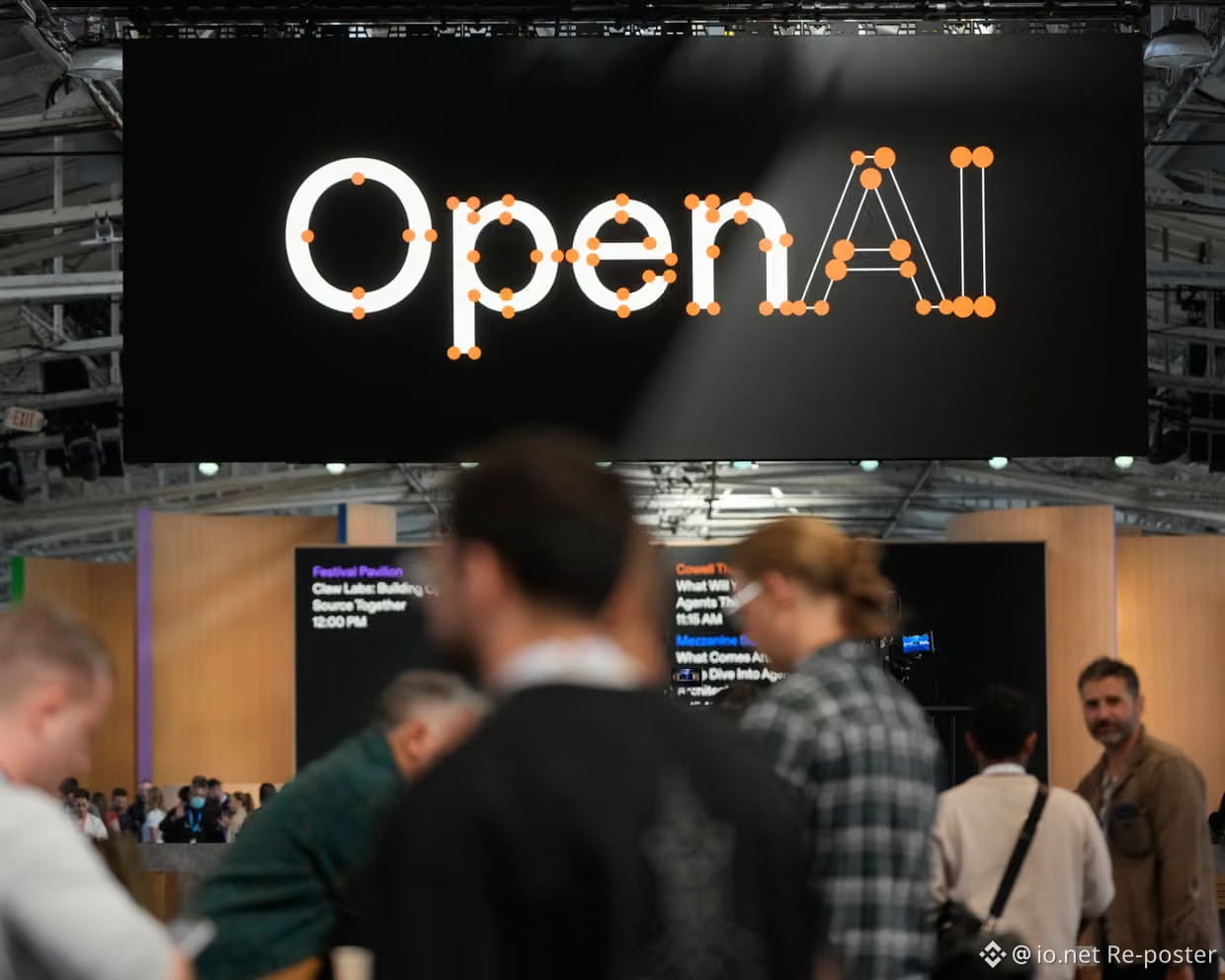
$20 billion.
That's how much less revenue OpenAI now expects this year.
Nasdaq fell and Nvidia dropped.
One forecast, and the market flinched. That's what happens when everything rides on a few closed models.
Open models on open compute don't need a trillion-dollar valuation to work.
That's what @ionet was built for.
https://www.theguardian.com/technology/2026/oct/09/openai-forecast-revenue-gap
$20 billion.
That's how much less revenue OpenAI now expects this year.
Nasdaq fell and Nvidia dropped.
One forecast, and the market flinched. That's what happens when everything rides on a few closed models.
Open models on open compute don't need a trillion-dollar valuation to work.
That's what @ionet was built for.
https://www.theguardian.com/technology/2026/oct/09/openai-forecast-revenue-gap
That's how much less revenue OpenAI now expects this year.
Nasdaq fell and Nvidia dropped.
One forecast, and the market flinched. That's what happens when everything rides on a few closed models.
Open models on open compute don't need a trillion-dollar valuation to work.
That's what @ionet was built for.
https://www.theguardian.com/technology/2026/oct/09/openai-forecast-revenue-gap
83
Somewhere, a GPU is sitting idle.
Somewhere else, a startup is stuck on a waitlist.
The race to build more data centres gets the headlines. Making better use of the compute we already have deserves more attention.
@ionet connects the two.
Your runway should fund your product, not your place in the queue.
https://io.net/blog/solving-the-ai-compute-crisis-why-decentralization-is-the-only-way
Somewhere, a GPU is sitting idle.
Somewhere else, a startup is stuck on a waitlist.
The race to build more data centres gets the headlines. Making better use of the compute we already have deserves more attention.
@ionet connects the two.
Your runway should fund your product, not your place in the queue.
https://io.net/blog/solving-the-ai-compute-crisis-why-decentralization-is-the-only-way
Somewhere else, a startup is stuck on a waitlist.
The race to build more data centres gets the headlines. Making better use of the compute we already have deserves more attention.
@ionet connects the two.
Your runway should fund your product, not your place in the queue.
https://io.net/blog/solving-the-ai-compute-crisis-why-decentralization-is-the-only-way
60
Log in to explore more content
Join global crypto users on Binance Square
⚡️ Get latest and useful information about crypto.
💬 Trusted by the world’s largest crypto exchange.
👍 Discover real insights from verified creators.
Email / Phone number
Trending Topics
BinancePick
3.2M views
157,101 Discussing
Join #EarningsSeason: Predict Earnings on Binance Pick, Share Your Take on Binance Square!
Binance Square Official
·413 Likes
·343.9k views
EarningsSeason
5.4M views
26,242 Discussing
SouthKoreaConsidersEducationTaxOnCryptoExchanges
50 views
16 Discussing