
Cryptotodamoon
1.5k Posts

Cryptotodamoon
Report
Block User
专注投资分享 #AI #Web3 领域,#binance 创作者

原创之星

BTC Holder
Frequent Trader
9 Years
255 Following
11.8K+ Followers
9.0K+ Liked
1 Badges
Posts
All
Quotes
Videos
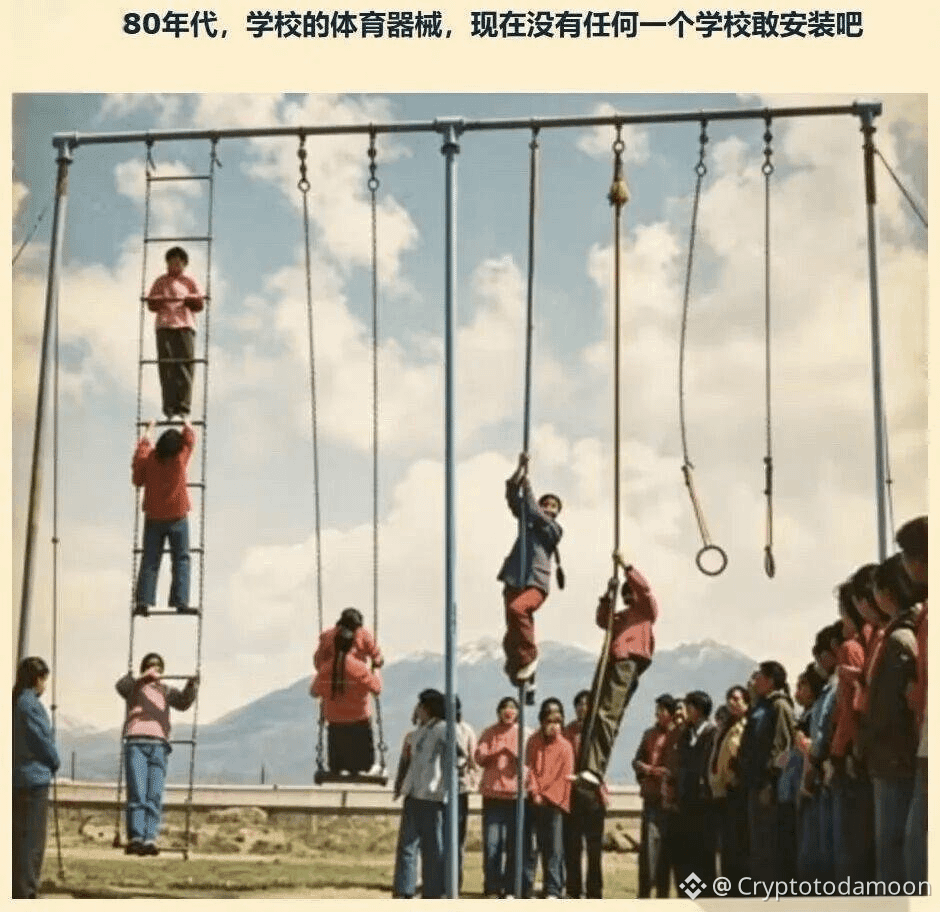
Campus sports equipment from the 70s to the 80s—what school would dare install it these days?
Campus sports equipment from the 70s to the 80s—what school would dare install it these days?
1
540
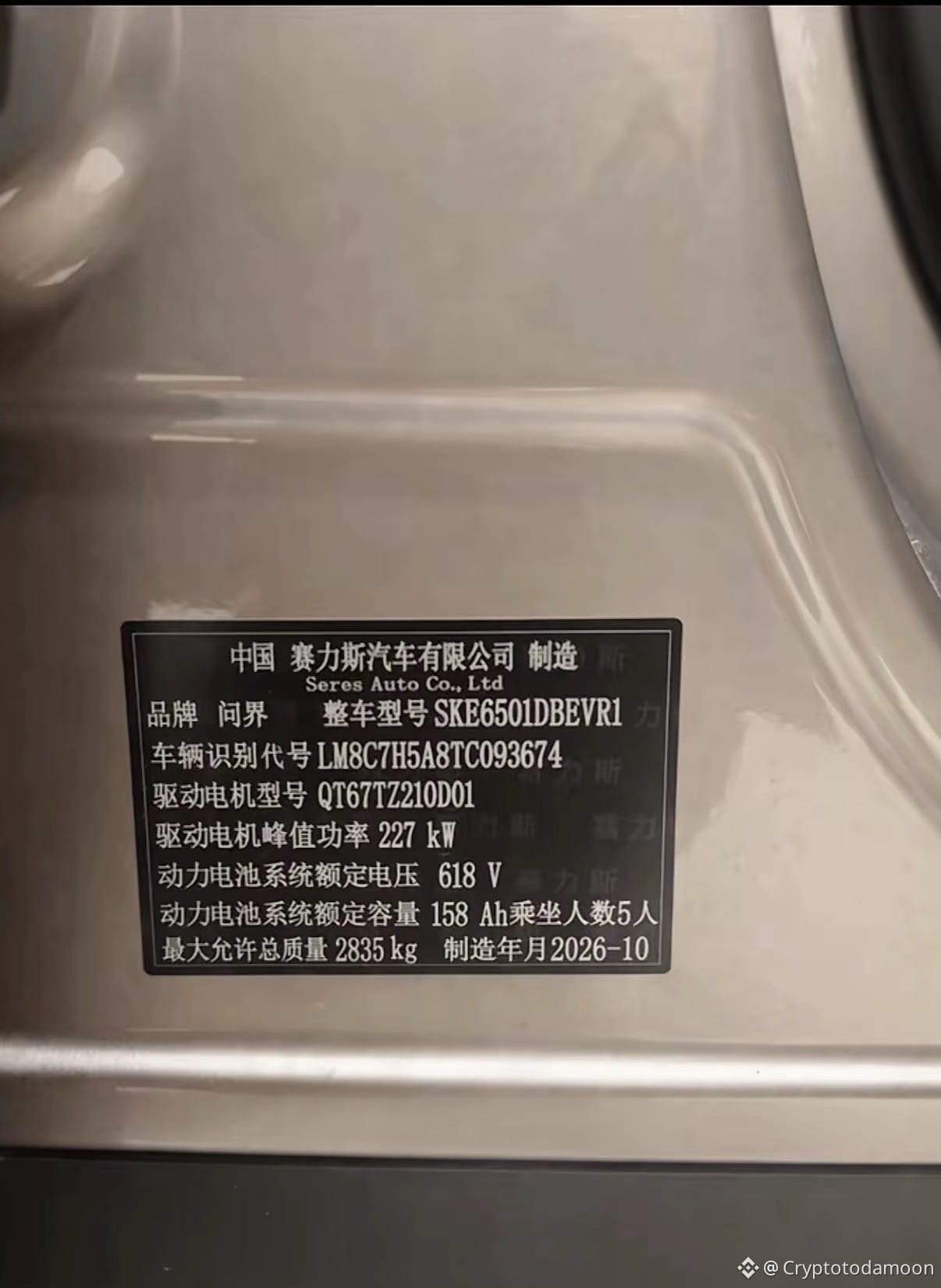
Congratulations, everyone—you can buy AITO cars for October production in September this year.
Congratulations, everyone—you can buy AITO cars for October production in September this year.
2
2
706
The short story "Come" won the Grand Prize for the Outstanding Novel of 2015. The full text is as follows:
"Come"
On a dark, windy night, in a remote wilderness, inside a small wooden hut.
Man: "Has she come?"
Woman: "She has come."
Man: "Come?"
Woman: "Come!"
Man: "Has she come?"
Woman: "Not yet!"
Man: "Not yet?"
Woman: "She has come!"
Woman: "Will she still come?"
Man: "No more coming. She can't come anymore."
Reason for winning the award: The writing is plain and concise, with profound and subtle meaning, fully reflecting the depth of the Chinese language!
The short story "Come" won the Grand Prize for the Outstanding Novel of 2015. The full text is as follows:
"Come"
On a dark, windy night, in a remote wilderness, inside a small wooden hut.
Man: "Has she come?"
Woman: "She has come."
Man: "Come?"
Woman: "Come!"
Man: "Has she come?"
Woman: "Not yet!"
Man: "Not yet?"
Woman: "She has come!"
Woman: "Will she still come?"
Man: "No more coming. She can't come anymore."
Reason for winning the award: The writing is plain and concise, with profound and subtle meaning, fully reflecting the depth of the Chinese language!
"Come"
On a dark, windy night, in a remote wilderness, inside a small wooden hut.
Man: "Has she come?"
Woman: "She has come."
Man: "Come?"
Woman: "Come!"
Man: "Has she come?"
Woman: "Not yet!"
Man: "Not yet?"
Woman: "She has come!"
Woman: "Will she still come?"
Man: "No more coming. She can't come anymore."
Reason for winning the award: The writing is plain and concise, with profound and subtle meaning, fully reflecting the depth of the Chinese language!
2
275

There have always been some remarkable people in the comments. Indeed, at this moment, the blond guy has already lost the right to be a blond guy.
There have always been some remarkable people in the comments. Indeed, at this moment, the blond guy has already lost the right to be a blond guy.

1
2
592
Let me share a great way to beat jet lag
When you’re especially sleepy, take in a lot of carbohydrates
It’ll knock you right into a normal sleep schedule in one go
Let me share a great way to beat jet lag
When you’re especially sleepy, take in a lot of carbohydrates
It’ll knock you right into a normal sleep schedule in one go
When you’re especially sleepy, take in a lot of carbohydrates
It’ll knock you right into a normal sleep schedule in one go
1
261

I couldn't keep a straight face at this look..😂😂😂
I couldn't keep a straight face at this look..😂😂😂

2
1
807
The relationship among the three East Asian countries is quite subtle:
Japanese people can enter China without a visa, and can enter Korea without a visa.
Koreans can enter China without a visa, and can enter Japan without a visa.
Chinese people need a visa to go to Japan, and need a visa to go to Korea.
The relationship among the three East Asian countries is quite subtle:
Japanese people can enter China without a visa, and can enter Korea without a visa.
Koreans can enter China without a visa, and can enter Japan without a visa.
Chinese people need a visa to go to Japan, and need a visa to go to Korea.
Japanese people can enter China without a visa, and can enter Korea without a visa.
Koreans can enter China without a visa, and can enter Japan without a visa.
Chinese people need a visa to go to Japan, and need a visa to go to Korea.
1
2
345
The very existence of a power bank is telling you there’s a plug nearby
The very existence of a power bank is telling you there’s a plug nearby

1
2
666
Tell everyone a way to make a fortune
That is to make a fingerprint browser. There is not much technical difficulty with fingerprint browsers. There are many open-source projects now; just find one and modify it a bit
Why can this make you rich?
At present, the biggest fingerprint browser is Ziniu. It makes several hundred million a year and was recently listed in Hong Kong. This company is the industry leader, but it has one characteristic: in order to maintain its leading position and prevent strong competitors from emerging, it keeps acquiring peer companies with development potential on the market.
Find an open-source project, download it, use AI to add some small features, then wrap it up and release it. Develop some users casually, and then wait for Ziniu to acquire it
Finally, let me say the most important technical point: the technology of fingerprint browsers is not difficult. The only thing to pay attention to is that the IP needs to be cleaned.
How do you clean it? You can find cloud providers like Alibaba Cloud, Tencent Cloud, AMAZON, and buy some elastic public IPs from them. It may cost 10 yuan a month; keep them for 3 months and do not use them. As long as they have not been used by many people for 3 months, that is enough.
Tell everyone a way to make a fortune
That is to make a fingerprint browser. There is not much technical difficulty with fingerprint browsers. There are many open-source projects now; just find one and modify it a bit
Why can this make you rich?
At present, the biggest fingerprint browser is Ziniu. It makes several hundred million a year and was recently listed in Hong Kong. This company is the industry leader, but it has one characteristic: in order to maintain its leading position and prevent strong competitors from emerging, it keeps acquiring peer companies with development potential on the market.
Find an open-source project, download it, use AI to add some small features, then wrap it up and release it. Develop some users casually, and then wait for Ziniu to acquire it
Finally, let me say the most important technical point: the technology of fingerprint browsers is not difficult. The only thing to pay attention to is that the IP needs to be cleaned.
How do you clean it? You can find cloud providers like Alibaba Cloud, Tencent Cloud, AMAZON, and buy some elastic public IPs from them. It may cost 10 yuan a month; keep them for 3 months and do not use them. As long as they have not been used by many people for 3 months, that is enough.
That is to make a fingerprint browser. There is not much technical difficulty with fingerprint browsers. There are many open-source projects now; just find one and modify it a bit
Why can this make you rich?
At present, the biggest fingerprint browser is Ziniu. It makes several hundred million a year and was recently listed in Hong Kong. This company is the industry leader, but it has one characteristic: in order to maintain its leading position and prevent strong competitors from emerging, it keeps acquiring peer companies with development potential on the market.
Find an open-source project, download it, use AI to add some small features, then wrap it up and release it. Develop some users casually, and then wait for Ziniu to acquire it
Finally, let me say the most important technical point: the technology of fingerprint browsers is not difficult. The only thing to pay attention to is that the IP needs to be cleaned.
How do you clean it? You can find cloud providers like Alibaba Cloud, Tencent Cloud, AMAZON, and buy some elastic public IPs from them. It may cost 10 yuan a month; keep them for 3 months and do not use them. As long as they have not been used by many people for 3 months, that is enough.
1
2
414
Where do houses that the court can’t even auction off in the end go❓
The bank doesn’t want them, and the court won’t take them. Today I’ll use plain language to sort out this underground chain that devours tens of billions of funds.
First, after a bank’s property fails to sell at auction three times, it becomes a completely bad debt. The bank can’t keep it as a landlord, so it goes through internal procedures to write off the account. Note: a write-off only balances the books; the right to recover the debt still remains.
So, the bank bundles these bad debts and dumps them to an asset management company at a very low price, what we usually call an AMC. A claim worth 1 million may be sold by the bank for only 100,000. The main buyers are state-owned giants like Cinda and Huarong, whose job is to help the bank strip off bad assets.
However, this is only the beginning.
After the state-owned AMC gets the package, it will repackage the more complicated and time-consuming assets and sell them at a markup to local AMCs or private institutions. A debt bought for 100,000 is sold to the next buyer for 150,000.
The most exciting part comes at the last mile.
These private institutions will directly find the debtor: Brother, you owe the bank 1 million. Now the claim is in my hands. You don’t need to pay 1 million; give me 250,000 and we’ll call it settled.
When the debtor thinks it over, 1 million can’t be paid back, but 250,000 can be scraped together. So they reach a settlement and the asset returns to its original owner. The middleman just has to move their lips and makes a net profit of 100,000 on the price difference.
Do you get it?
Every layer is solving trouble, and every layer is also sharing the money. In the end, who pays the bill?
It’s the bank that first absorbed the loss, and the bank’s deficit is ultimately shared by society as a whole.
Seeing this, isn’t it terrifying when you think about it❓
Where do houses that the court can’t even auction off in the end go❓
The bank doesn’t want them, and the court won’t take them. Today I’ll use plain language to sort out this underground chain that devours tens of billions of funds.
First, after a bank’s property fails to sell at auction three times, it becomes a completely bad debt. The bank can’t keep it as a landlord, so it goes through internal procedures to write off the account. Note: a write-off only balances the books; the right to recover the debt still remains.
So, the bank bundles these bad debts and dumps them to an asset management company at a very low price, what we usually call an AMC. A claim worth 1 million may be sold by the bank for only 100,000. The main buyers are state-owned giants like Cinda and Huarong, whose job is to help the bank strip off bad assets.
However, this is only the beginning.
After the state-owned AMC gets the package, it will repackage the more complicated and time-consuming assets and sell them at a markup to local AMCs or private institutions. A debt bought for 100,000 is sold to the next buyer for 150,000.
The most exciting part comes at the last mile.
These private institutions will directly find the debtor: Brother, you owe the bank 1 million. Now the claim is in my hands. You don’t need to pay 1 million; give me 250,000 and we’ll call it settled.
When the debtor thinks it over, 1 million can’t be paid back, but 250,000 can be scraped together. So they reach a settlement and the asset returns to its original owner. The middleman just has to move their lips and makes a net profit of 100,000 on the price difference.
Do you get it?
Every layer is solving trouble, and every layer is also sharing the money. In the end, who pays the bill?
It’s the bank that first absorbed the loss, and the bank’s deficit is ultimately shared by society as a whole.
Seeing this, isn’t it terrifying when you think about it❓
The bank doesn’t want them, and the court won’t take them. Today I’ll use plain language to sort out this underground chain that devours tens of billions of funds.
First, after a bank’s property fails to sell at auction three times, it becomes a completely bad debt. The bank can’t keep it as a landlord, so it goes through internal procedures to write off the account. Note: a write-off only balances the books; the right to recover the debt still remains.
So, the bank bundles these bad debts and dumps them to an asset management company at a very low price, what we usually call an AMC. A claim worth 1 million may be sold by the bank for only 100,000. The main buyers are state-owned giants like Cinda and Huarong, whose job is to help the bank strip off bad assets.
However, this is only the beginning.
After the state-owned AMC gets the package, it will repackage the more complicated and time-consuming assets and sell them at a markup to local AMCs or private institutions. A debt bought for 100,000 is sold to the next buyer for 150,000.
The most exciting part comes at the last mile.
These private institutions will directly find the debtor: Brother, you owe the bank 1 million. Now the claim is in my hands. You don’t need to pay 1 million; give me 250,000 and we’ll call it settled.
When the debtor thinks it over, 1 million can’t be paid back, but 250,000 can be scraped together. So they reach a settlement and the asset returns to its original owner. The middleman just has to move their lips and makes a net profit of 100,000 on the price difference.
Do you get it?
Every layer is solving trouble, and every layer is also sharing the money. In the end, who pays the bill?
It’s the bank that first absorbed the loss, and the bank’s deficit is ultimately shared by society as a whole.
Seeing this, isn’t it terrifying when you think about it❓
1
504
The founder of Pop Mart once made a very interesting point.
Even if you are a millionaire, if you leave the faucet running when you go out, you’ll still feel heartache. Wasting just thirty yuan a day may not seem like much to a rich person, but it still feels uncomfortable. Yet if the luxury landscape fountain in a residential community runs all day and consumes three hundred yuan a day, people don’t care at all.
The reason is that water flowing from a faucet is a practical resource, which triggers people’s rational cost considerations; a loss of thirty yuan feels expensive. But the water in a fountain has no practical use—it provides emotional and visual enjoyment—so people don’t mind the expense.
From this, we can conclude: emotional value is more valuable than practical value.
The founder of Pop Mart once made a very interesting point.
Even if you are a millionaire, if you leave the faucet running when you go out, you’ll still feel heartache. Wasting just thirty yuan a day may not seem like much to a rich person, but it still feels uncomfortable. Yet if the luxury landscape fountain in a residential community runs all day and consumes three hundred yuan a day, people don’t care at all.
The reason is that water flowing from a faucet is a practical resource, which triggers people’s rational cost considerations; a loss of thirty yuan feels expensive. But the water in a fountain has no practical use—it provides emotional and visual enjoyment—so people don’t mind the expense.
From this, we can conclude: emotional value is more valuable than practical value.
Even if you are a millionaire, if you leave the faucet running when you go out, you’ll still feel heartache. Wasting just thirty yuan a day may not seem like much to a rich person, but it still feels uncomfortable. Yet if the luxury landscape fountain in a residential community runs all day and consumes three hundred yuan a day, people don’t care at all.
The reason is that water flowing from a faucet is a practical resource, which triggers people’s rational cost considerations; a loss of thirty yuan feels expensive. But the water in a fountain has no practical use—it provides emotional and visual enjoyment—so people don’t mind the expense.
From this, we can conclude: emotional value is more valuable than practical value.
1
346
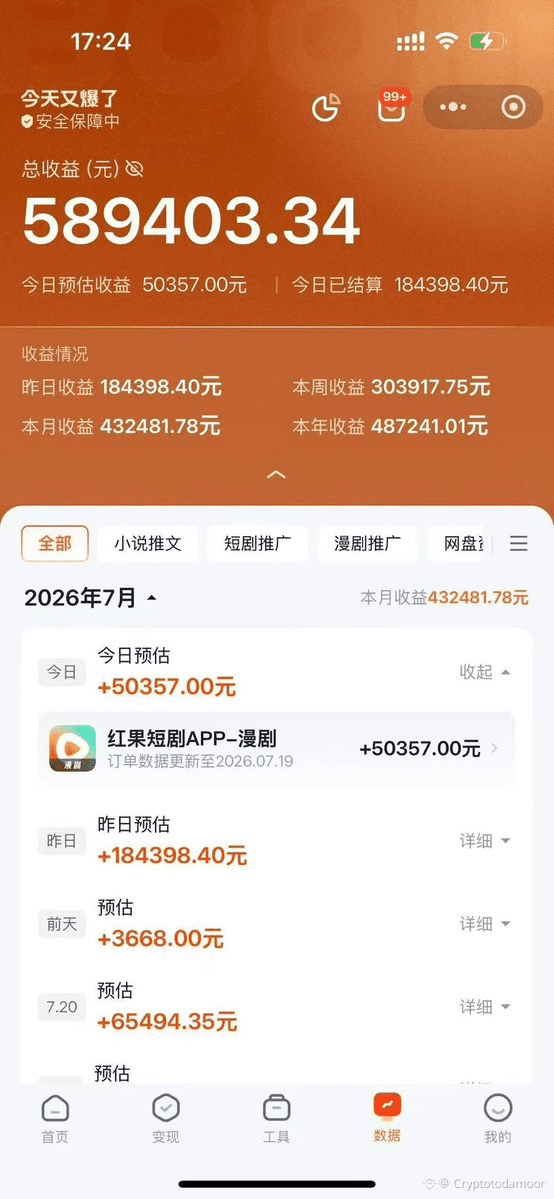
Yesterday I chatted with a high school classmate for a while
Only then did I learn that he made 580,000 in 2 months doing AI short dramas
Yesterday I chatted with a high school classmate for a while
Only then did I learn that he made 580,000 in 2 months doing AI short dramas
Only then did I learn that he made 580,000 in 2 months doing AI short dramas
2
5
787
Why do people with higher cognition tend to speak less?
Why do people with higher cognition tend to speak less?

2
1
515
The girl Li Leiyang at the Jilong port is really damn amazing.
She came from a rural village in Anhui, got into Anhui Agricultural University through a junior college-to-bachelor's transfer exam, then went on to take the graduate entrance exam and enter China Agricultural University to pursue a master's degree. In 2025, she also passed the civil service exam and came to Jilong Customs, having only been on the job for four days...
Oh my god, what is life even for? What is it for? 😭
The girl Li Leiyang at the Jilong port is really damn amazing.
She came from a rural village in Anhui, got into Anhui Agricultural University through a junior college-to-bachelor's transfer exam, then went on to take the graduate entrance exam and enter China Agricultural University to pursue a master's degree. In 2025, she also passed the civil service exam and came to Jilong Customs, having only been on the job for four days...
Oh my god, what is life even for? What is it for? 😭
She came from a rural village in Anhui, got into Anhui Agricultural University through a junior college-to-bachelor's transfer exam, then went on to take the graduate entrance exam and enter China Agricultural University to pursue a master's degree. In 2025, she also passed the civil service exam and came to Jilong Customs, having only been on the job for four days...
Oh my god, what is life even for? What is it for? 😭
1
1
582
Duan Yongping once said: There isn't a single good person among those who like socializing; they are either fools or scammers.
Socializing and mingling in circles is, in fact, an attempt to get the greatest return with the least effort. When social circles are built with this shortcut mindset, in the end, all you can make are friends who are also there to seize benefits.
But when a group of people with hidden motives gather together, how could they possibly think about creating value for one another?
Duan Yongping once said: There isn't a single good person among those who like socializing; they are either fools or scammers.
Socializing and mingling in circles is, in fact, an attempt to get the greatest return with the least effort. When social circles are built with this shortcut mindset, in the end, all you can make are friends who are also there to seize benefits.
But when a group of people with hidden motives gather together, how could they possibly think about creating value for one another?
Socializing and mingling in circles is, in fact, an attempt to get the greatest return with the least effort. When social circles are built with this shortcut mindset, in the end, all you can make are friends who are also there to seize benefits.
But when a group of people with hidden motives gather together, how could they possibly think about creating value for one another?
1
3
329
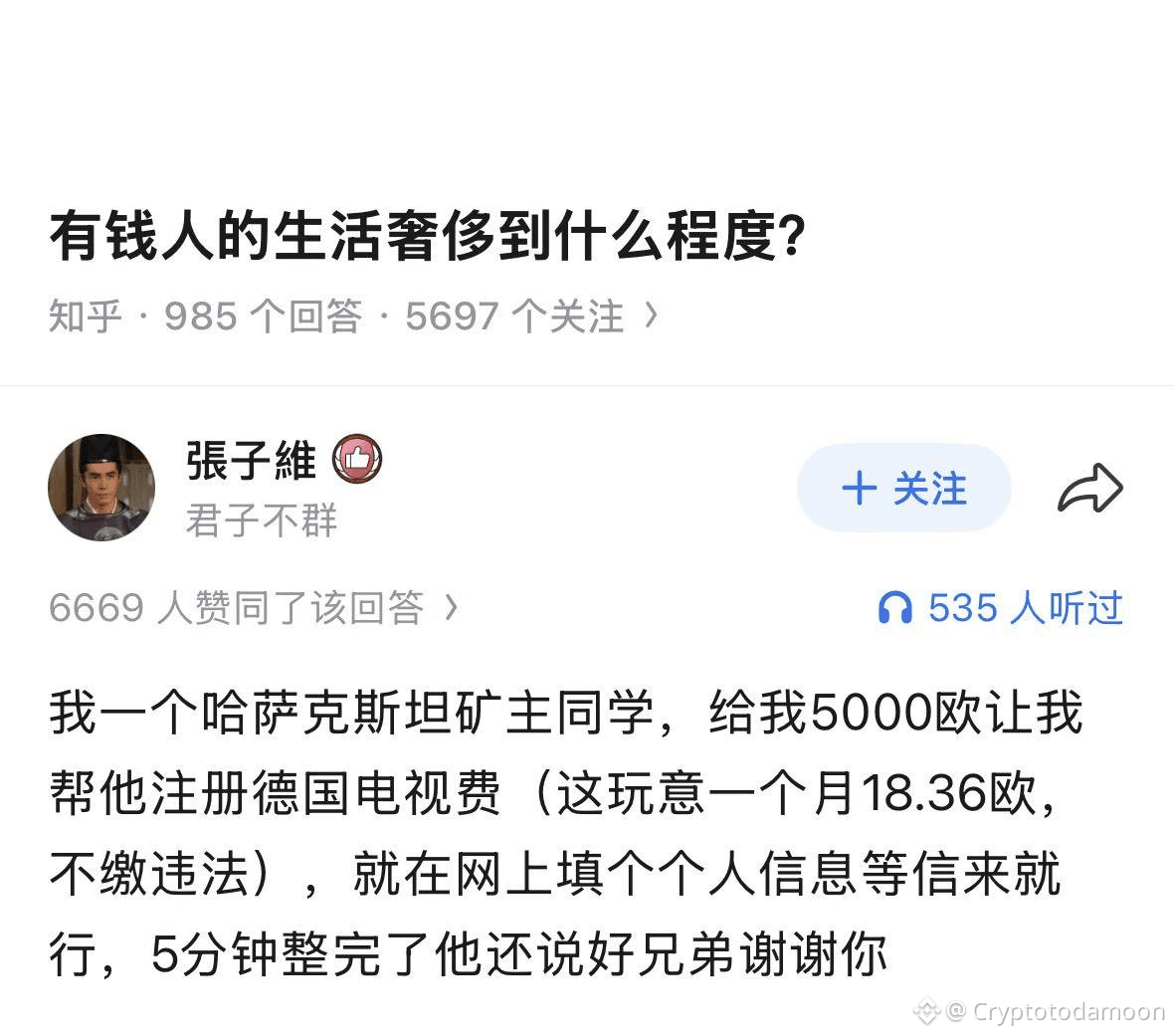
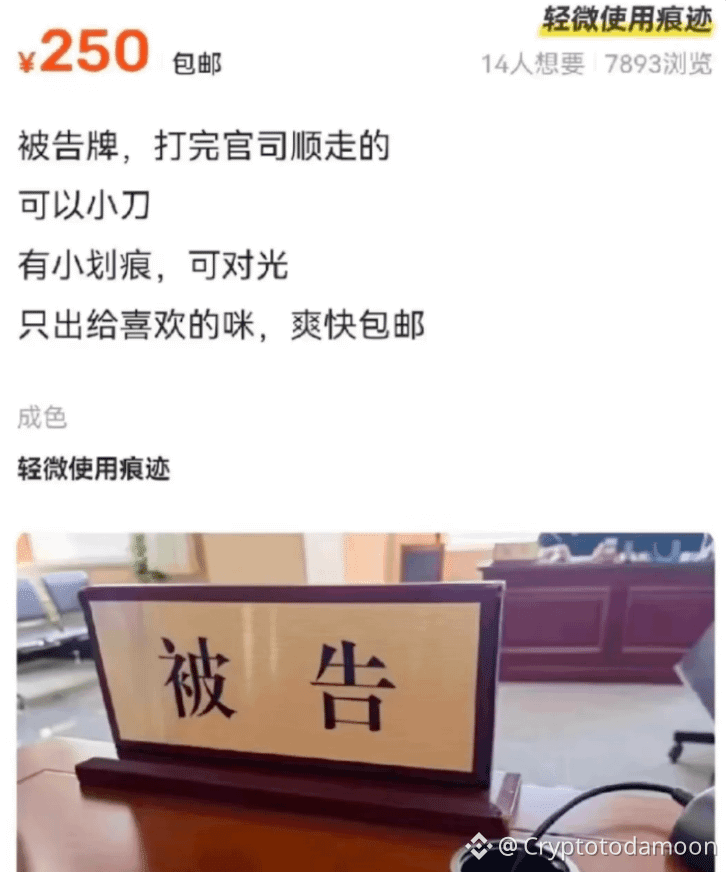
Xianyu really is so comprehensive: this big brother took a “defendant sign” from the courtroom and sold it on Xianyu for 250 yuan
Xianyu really is so comprehensive: this big brother took a “defendant sign” from the courtroom and sold it on Xianyu for 250 yuan
2
532
I’ve found that many people don’t have a clear understanding of 30 million RMB.
In all of China, 99% of people don’t have net assets of 30 million. Pay attention—this is net assets, not cash. People who can produce 30 million in cash probably wouldn’t exceed 0.1%.
I’ve found that many people don’t have a clear understanding of 30 million RMB.
In all of China, 99% of people don’t have net assets of 30 million. Pay attention—this is net assets, not cash. People who can produce 30 million in cash probably wouldn’t exceed 0.1%.
In all of China, 99% of people don’t have net assets of 30 million. Pay attention—this is net assets, not cash. People who can produce 30 million in cash probably wouldn’t exceed 0.1%.
3
474
Log in to explore more content
Join global crypto users on Binance Square
⚡️ Get latest and useful information about crypto.
💬 Trusted by the world’s largest crypto exchange.
👍 Discover real insights from verified creators.
Email / Phone number
Trending Topics
USTreasuryToBuyBackUpTo$6BLongDatedDebt
6,556 views
120 Discussing
🚨 Treasury tripled its buyback to $6B — yields went UP.
📈 10Y: 4.85% , highest since Nov 2023
📈 30Y: >5.3%
⚠️ Wall St wanted $8–10B. Got $6B.
$6B < 2 days of interest on $40T debt.
Bessent: "I am the house now." The bond market: bet. 💀
Not QE. Debt management. And it's losing.
$XAU $BTC $ZEC #LAPTOPFoundationXAccountSuspended #USTreasuryToBuyBackUpTo$6BLongDatedDebt #BitcoinSurpasses$79K #BrentCrudeTops$100 #USADPWeeklyEmploymentRises12000
KimHotbae
·0 Likes
·33 views
BitcoinSurpasses$79K
46,352 views
242 Discussing
BrentCrudeTops$100
104,863 views
364 Discussing