

阿东爱喝酒
354 Posts

阿东爱喝酒
Report
Block User
所发文章仅为个人观点分享,不构成任何投资建议。加密货币投资风险极高,请根据自身情况谨慎决策,永远不要投入超过自己承受能力的资金 BP-BBC779F4E0DE
Occasional Trader
5.5 Years
88 Following
18.1K+ Followers
4.7K+ Liked
Posts
All
Quotes
·
--
The weather is wonderful, and I went hiking with my female colleague.
Sure enough, the scenery was picture-perfect—so beautiful it was beyond words.
The weather is wonderful, and I went hiking with my female colleague.
Sure enough, the scenery was picture-perfect—so beautiful it was beyond words.
Sure enough, the scenery was picture-perfect—so beautiful it was beyond words.


150
·
--
The bride price is 188,000!
Which one will you choose?
Don’t look at other people’s expressions—
boldly make your choice!
The bride price is 188,000!
Which one will you choose?
Don’t look at other people’s expressions—
boldly make your choice!
Which one will you choose?
Don’t look at other people’s expressions—
boldly make your choice!


232
·
--
Bride price 180,800— not a single bit less.
Left guy, right guy— which one do you choose? Don’t look at other people’s faces; boldly say your answer.
Quickly do the math: 180,800 can be exchanged for 0.3 BTC at today’s rates. With 0.3 “big cakes,” you can marry a wife— would you do this deal or not? See you in the comments.
$BTC #彩礼 #情感
Bride price 180,800— not a single bit less.
Left guy, right guy— which one do you choose? Don’t look at other people’s faces; boldly say your answer.
Quickly do the math: 180,800 can be exchanged for 0.3 BTC at today’s rates. With 0.3 “big cakes,” you can marry a wife— would you do this deal or not? See you in the comments.
$BTC #彩礼 #情感
Left guy, right guy— which one do you choose? Don’t look at other people’s faces; boldly say your answer.
Quickly do the math: 180,800 can be exchanged for 0.3 BTC at today’s rates. With 0.3 “big cakes,” you can marry a wife— would you do this deal or not? See you in the comments.
$BTC #彩礼 #情感


183
·
--
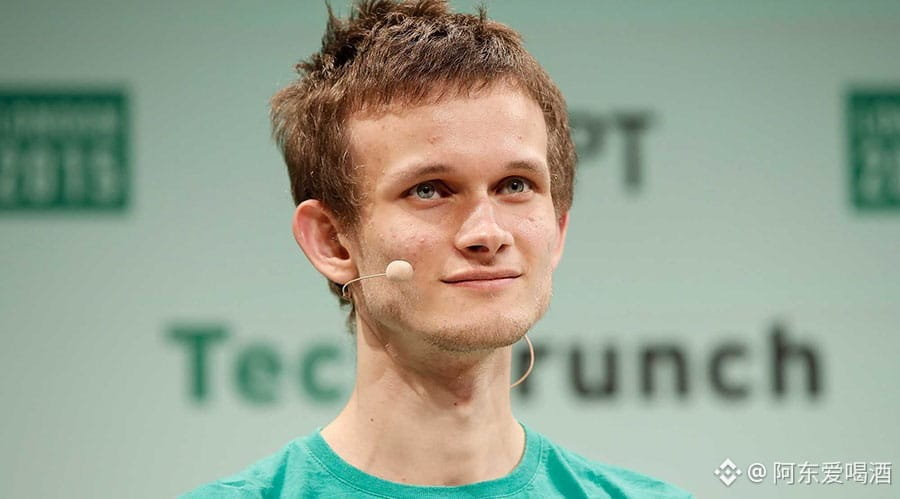
Ethereum founder Vitalik has just transferred 1,009 ETH worth about $2.94 million, and Lookonchain marked it immediately.
First, the conclusion: the funds are moving between wallets he controls and have not gone to exchanges, so there’s no visible selling pressure for now. But every time V God makes a move, the market reacts reflexively and becomes tense—emotionally, it’s already bowed in defeat.
ETH is currently trading at $2,912, down 30% over the past month, and the $3,000 level is a battleground for both bulls and bears.
What’s interesting is that V God just promoted the privacy tool Kohaku at Devcon. While working on privacy infrastructure, he’s also organizing his wallets. This combination of moves looks like preparation for the next phase.
$ETH #以太坊 #行情
Ethereum founder Vitalik has just transferred 1,009 ETH worth about $2.94 million, and Lookonchain marked it immediately.
First, the conclusion: the funds are moving between wallets he controls and have not gone to exchanges, so there’s no visible selling pressure for now. But every time V God makes a move, the market reacts reflexively and becomes tense—emotionally, it’s already bowed in defeat.
ETH is currently trading at $2,912, down 30% over the past month, and the $3,000 level is a battleground for both bulls and bears.
What’s interesting is that V God just promoted the privacy tool Kohaku at Devcon. While working on privacy infrastructure, he’s also organizing his wallets. This combination of moves looks like preparation for the next phase.
$ETH #以太坊 #行情
First, the conclusion: the funds are moving between wallets he controls and have not gone to exchanges, so there’s no visible selling pressure for now. But every time V God makes a move, the market reacts reflexively and becomes tense—emotionally, it’s already bowed in defeat.
ETH is currently trading at $2,912, down 30% over the past month, and the $3,000 level is a battleground for both bulls and bears.
What’s interesting is that V God just promoted the privacy tool Kohaku at Devcon. While working on privacy infrastructure, he’s also organizing his wallets. This combination of moves looks like preparation for the next phase.
$ETH #以太坊 #行情
58
·
--
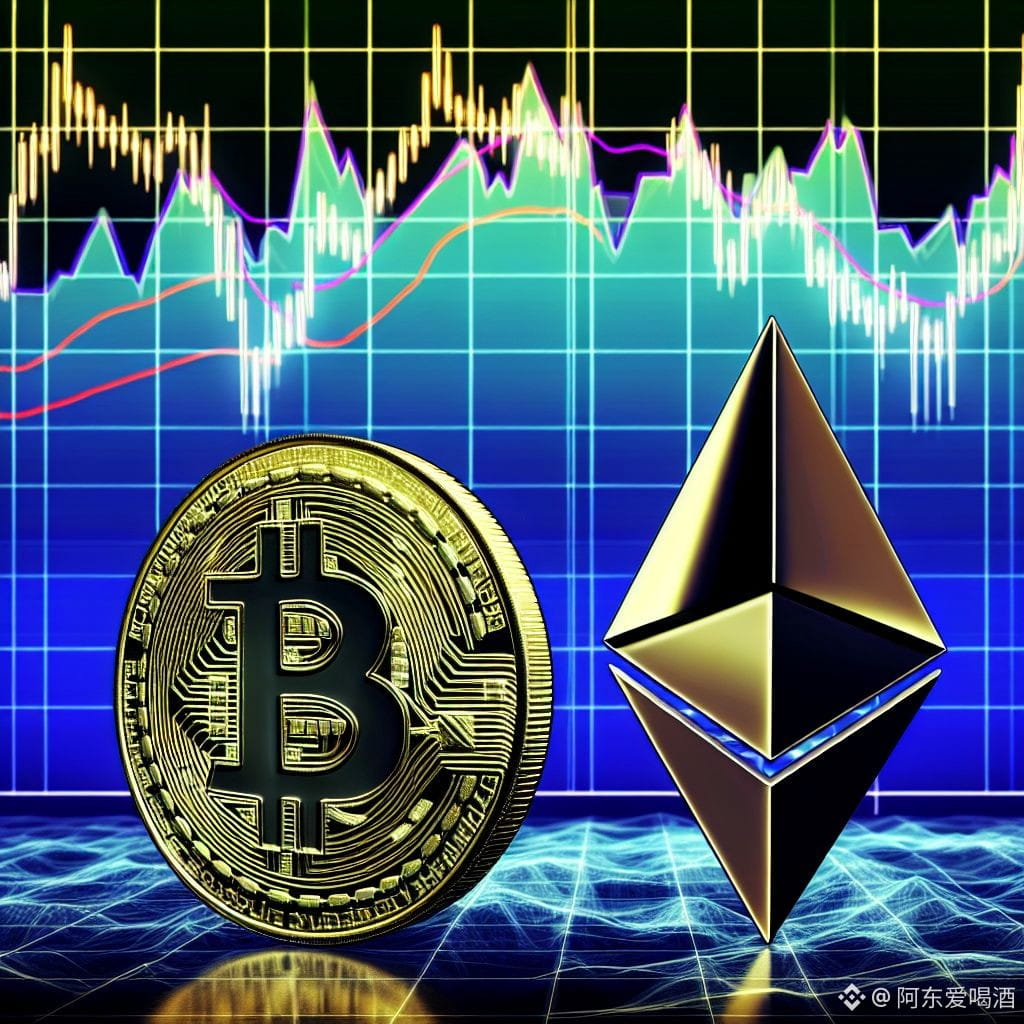
Bitcoin touched 85,650 last night, and is now trading around 83,524. The 24-hour low is 82,956, with an amplitude of less than 3.3%. Bulls and bears are trading back and forth around 83,000–84,000.
Ethereum 2,689; BNB 768—up by less than one point.
Low-volume consolidation like a grinding mill; don’t rush before the direction is chosen.
#BTC #ETH #BNB #行情
Bitcoin touched 85,650 last night, and is now trading around 83,524. The 24-hour low is 82,956, with an amplitude of less than 3.3%. Bulls and bears are trading back and forth around 83,000–84,000.
Ethereum 2,689; BNB 768—up by less than one point.
Low-volume consolidation like a grinding mill; don’t rush before the direction is chosen.
#BTC #ETH #BNB #行情
Ethereum 2,689; BNB 768—up by less than one point.
Low-volume consolidation like a grinding mill; don’t rush before the direction is chosen.
#BTC #ETH #BNB #行情
463
·
--
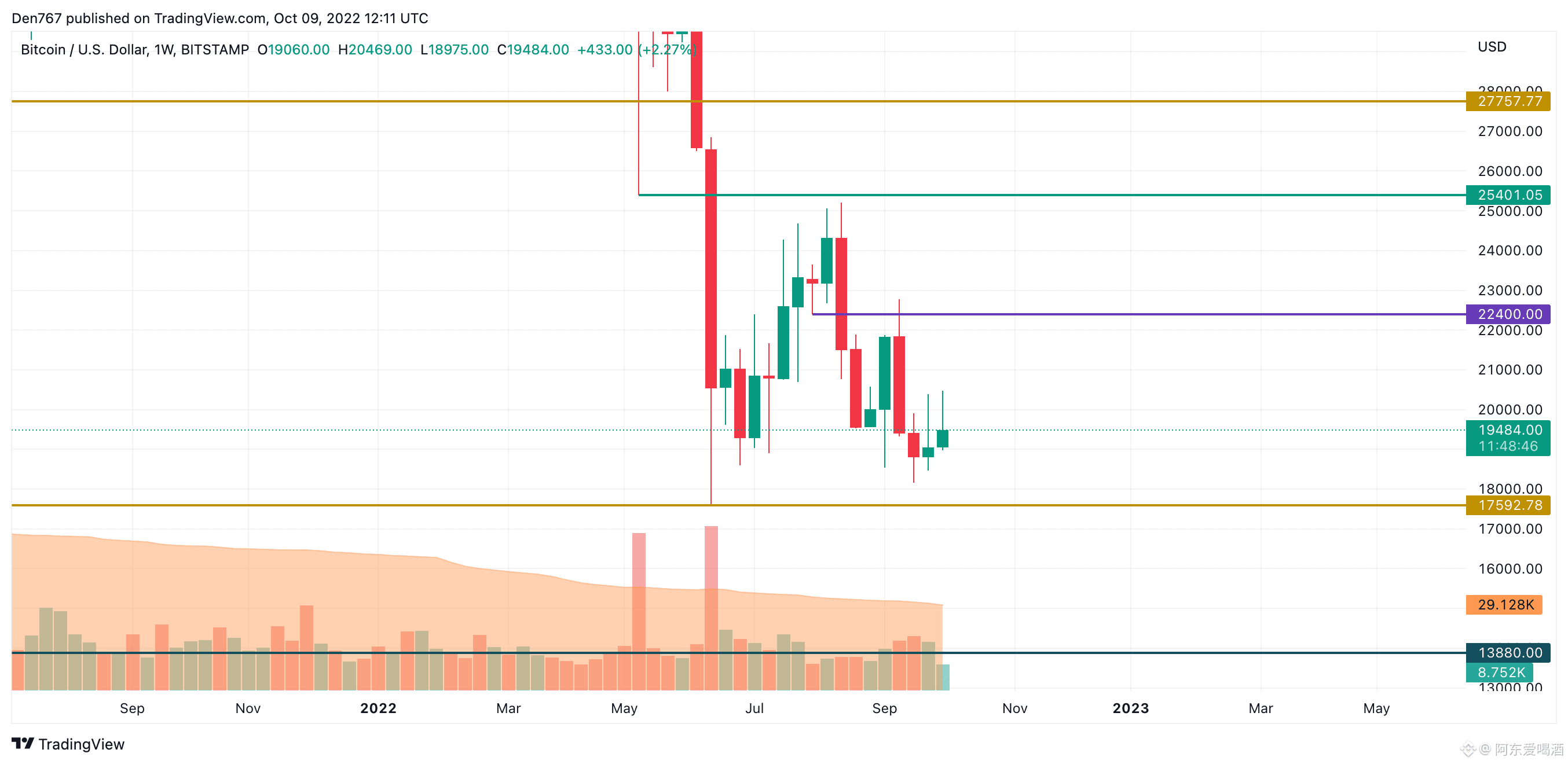
Volatility has been compressed to the extreme; next, it’s going to release.
Script: First, fall to around 78,000 to grind for a few days, then quickly probe down to 72,000 and rebound. After that, make a new high and continue the next trend.
October ends up on the month, but the first half will decline and the second half will recover.
#BTC #比特币 #Market analysis
Volatility has been compressed to the extreme; next, it’s going to release.
Script: First, fall to around 78,000 to grind for a few days, then quickly probe down to 72,000 and rebound. After that, make a new high and continue the next trend.
October ends up on the month, but the first half will decline and the second half will recover.
#BTC #比特币 #Market analysis
Script: First, fall to around 78,000 to grind for a few days, then quickly probe down to 72,000 and rebound. After that, make a new high and continue the next trend.
October ends up on the month, but the first half will decline and the second half will recover.
#BTC #比特币 #Market analysis
221

·
--
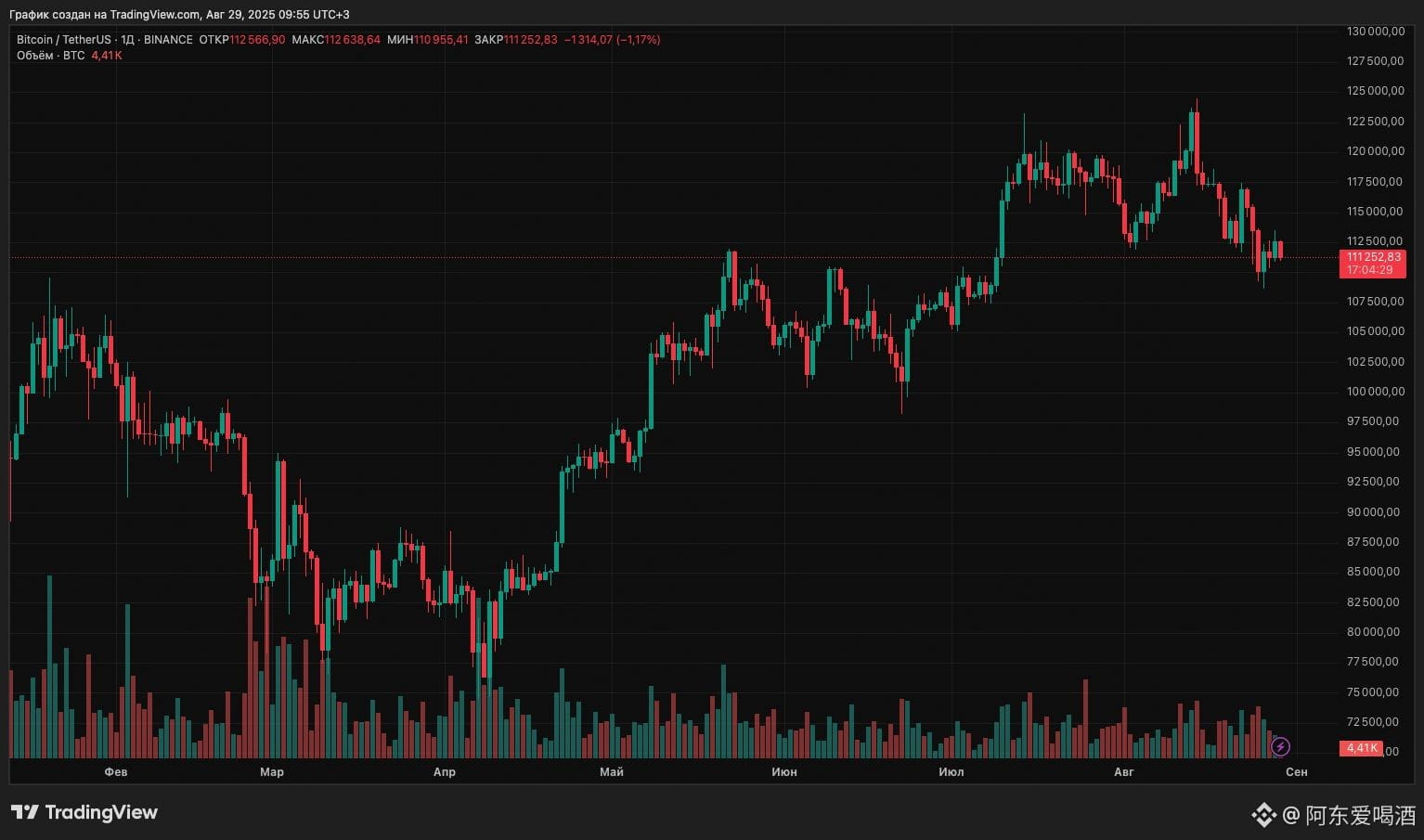
During the National Day holiday, don’t go by mood with BTC—just look at two lines:
80,500–83,000: The recent repeated pin-point area. The daily candle closes below the range—holiday narratives turn bearish directly. Look down to 78,000–80,000.
85,000–86,000: The cost basis of long-term holders has piled up here. If it can’t break through, everything is a fake breakout.
During the holiday, keep a light position—move only after a breakdown.
#BTC #比特币 #Market Analysis
During the National Day holiday, don’t go by mood with BTC—just look at two lines:
80,500–83,000: The recent repeated pin-point area. The daily candle closes below the range—holiday narratives turn bearish directly. Look down to 78,000–80,000.
85,000–86,000: The cost basis of long-term holders has piled up here. If it can’t break through, everything is a fake breakout.
During the holiday, keep a light position—move only after a breakdown.
#BTC #比特币 #Market Analysis
80,500–83,000: The recent repeated pin-point area. The daily candle closes below the range—holiday narratives turn bearish directly. Look down to 78,000–80,000.
85,000–86,000: The cost basis of long-term holders has piled up here. If it can’t break through, everything is a fake breakout.
During the holiday, keep a light position—move only after a breakdown.
#BTC #比特币 #Market Analysis
83
·
--
90-day live contract, #1 on the profit leaderboard: +12.99 million U, +412.77%.
The doctor said that in his twenties, his heart, liver, and spleen are like those of someone in their forties. He said: I trade crypto; my heart has long been used to storms and rough seas. The doctor told him to stay up less late and not drink alcohol, and he replied with three crying-face emojis.
The price of making money in this line of work is sometimes written right on the medical checkup report.
#合约 #实盘 #BTC
90-day live contract, #1 on the profit leaderboard: +12.99 million U, +412.77%.
The doctor said that in his twenties, his heart, liver, and spleen are like those of someone in their forties. He said: I trade crypto; my heart has long been used to storms and rough seas. The doctor told him to stay up less late and not drink alcohol, and he replied with three crying-face emojis.
The price of making money in this line of work is sometimes written right on the medical checkup report.
#合约 #实盘 #BTC
The doctor said that in his twenties, his heart, liver, and spleen are like those of someone in their forties. He said: I trade crypto; my heart has long been used to storms and rough seas. The doctor told him to stay up less late and not drink alcohol, and he replied with three crying-face emojis.
The price of making money in this line of work is sometimes written right on the medical checkup report.
#合约 #实盘 #BTC
70
·
--
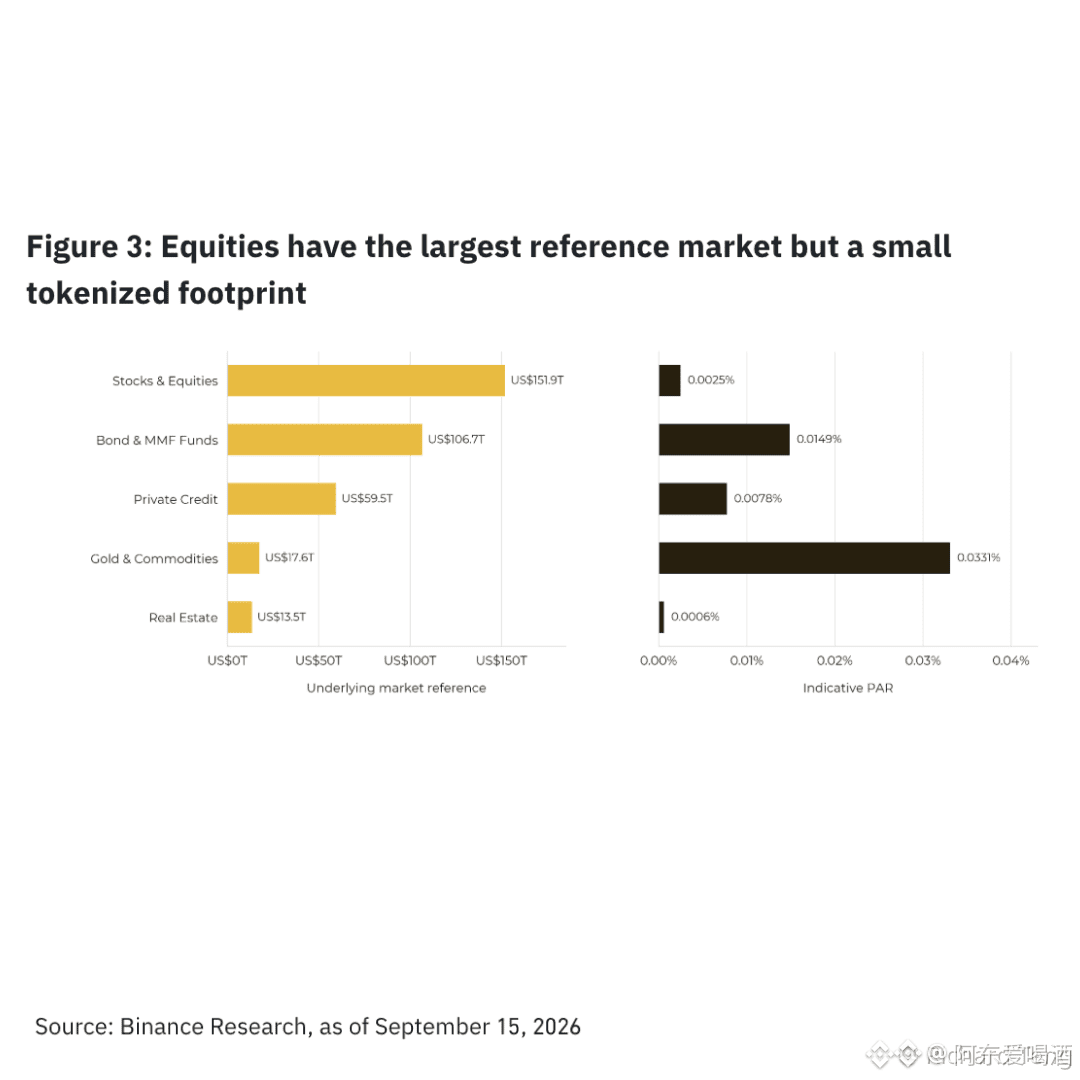
Tokenized stocks in the 2020s are up 390%. Sounds impressive, but the truth is: they account for only 0.0029% of the US stock market’s $15.19 trillion market cap—so small it doesn’t even amount to a fraction.
Binance Research’s benchmark projection is to reach $349 billion by 2030, growing from today’s $4.43 billion—nearly 80x.
This ride in RWA—on-chain US stocks might just be the starting point.
#RWA #代币化股票 #BinanceResearch #BTC
Tokenized stocks in the 2020s are up 390%. Sounds impressive, but the truth is: they account for only 0.0029% of the US stock market’s $15.19 trillion market cap—so small it doesn’t even amount to a fraction.
Binance Research’s benchmark projection is to reach $349 billion by 2030, growing from today’s $4.43 billion—nearly 80x.
This ride in RWA—on-chain US stocks might just be the starting point.
#RWA #代币化股票 #BinanceResearch #BTC
Binance Research’s benchmark projection is to reach $349 billion by 2030, growing from today’s $4.43 billion—nearly 80x.
This ride in RWA—on-chain US stocks might just be the starting point.
#RWA #代币化股票 #BinanceResearch #BTC
169
·
--
"Seven years ago, 1 million in full allocation—now lying on a Maldivian resort"—you can see posts like this every bear market year. In the comments there are always two camps: one says they regret it, the other says it was hindsight.
I want to say the third camp: don’t settle the score for the past—calculate for the future.
Seven years ago, when BTC was just a few thousand, you didn’t dare to buy. Three years ago, at 60k, you didn’t dare. Last month, at 80k, you still didn’t dare. The problem has never been "should have known." It’s been "even if you knew, you still didn’t dare."
So let’s make the problem smaller: no need for 1 million, no need for a full position. This month, can you start a DCA with 1% of your capital? Seven years from now, when you look back, today will be your "seven years ago."
#BTC
"Seven years ago, 1 million in full allocation—now lying on a Maldivian resort"—you can see posts like this every bear market year. In the comments there are always two camps: one says they regret it, the other says it was hindsight.
I want to say the third camp: don’t settle the score for the past—calculate for the future.
Seven years ago, when BTC was just a few thousand, you didn’t dare to buy. Three years ago, at 60k, you didn’t dare. Last month, at 80k, you still didn’t dare. The problem has never been "should have known." It’s been "even if you knew, you still didn’t dare."
So let’s make the problem smaller: no need for 1 million, no need for a full position. This month, can you start a DCA with 1% of your capital? Seven years from now, when you look back, today will be your "seven years ago."
#BTC
I want to say the third camp: don’t settle the score for the past—calculate for the future.
Seven years ago, when BTC was just a few thousand, you didn’t dare to buy. Three years ago, at 60k, you didn’t dare. Last month, at 80k, you still didn’t dare. The problem has never been "should have known." It’s been "even if you knew, you still didn’t dare."
So let’s make the problem smaller: no need for 1 million, no need for a full position. This month, can you start a DCA with 1% of your capital? Seven years from now, when you look back, today will be your "seven years ago."
#BTC

202
·
--
Why is it Japan that moves first again? Because Japan needs this so badly.
Japan’s national debt is among the largest in the world. Domestic buyers are aging, and there are fewer and fewer people to take on the bonds. Tokenizing government bonds is like opening a 24-hour global purchase channel, and it can also conveniently create scenarios that support a Japanese yen stablecoin.
Significance for the crypto market: The biggest buyer for RWA has always been "idle on-chain funds." The biggest seller should be "sovereign credit." Japan’s move is essentially setting a precedent for putting sovereign debt on-chain, and there won’t be a shortage of other countries that follow.
For the RWA narrative: In 2026, it may shift from "telling stories" to "getting things deployed." Keep a close eye on policy developments across countries.#RWA #BTC
Why is it Japan that moves first again? Because Japan needs this so badly.
Japan’s national debt is among the largest in the world. Domestic buyers are aging, and there are fewer and fewer people to take on the bonds. Tokenizing government bonds is like opening a 24-hour global purchase channel, and it can also conveniently create scenarios that support a Japanese yen stablecoin.
Significance for the crypto market: The biggest buyer for RWA has always been "idle on-chain funds." The biggest seller should be "sovereign credit." Japan’s move is essentially setting a precedent for putting sovereign debt on-chain, and there won’t be a shortage of other countries that follow.
For the RWA narrative: In 2026, it may shift from "telling stories" to "getting things deployed." Keep a close eye on policy developments across countries.#RWA #BTC
Japan’s national debt is among the largest in the world. Domestic buyers are aging, and there are fewer and fewer people to take on the bonds. Tokenizing government bonds is like opening a 24-hour global purchase channel, and it can also conveniently create scenarios that support a Japanese yen stablecoin.
Significance for the crypto market: The biggest buyer for RWA has always been "idle on-chain funds." The biggest seller should be "sovereign credit." Japan’s move is essentially setting a precedent for putting sovereign debt on-chain, and there won’t be a shortage of other countries that follow.
For the RWA narrative: In 2026, it may shift from "telling stories" to "getting things deployed." Keep a close eye on policy developments across countries.#RWA #BTC

129
·
--
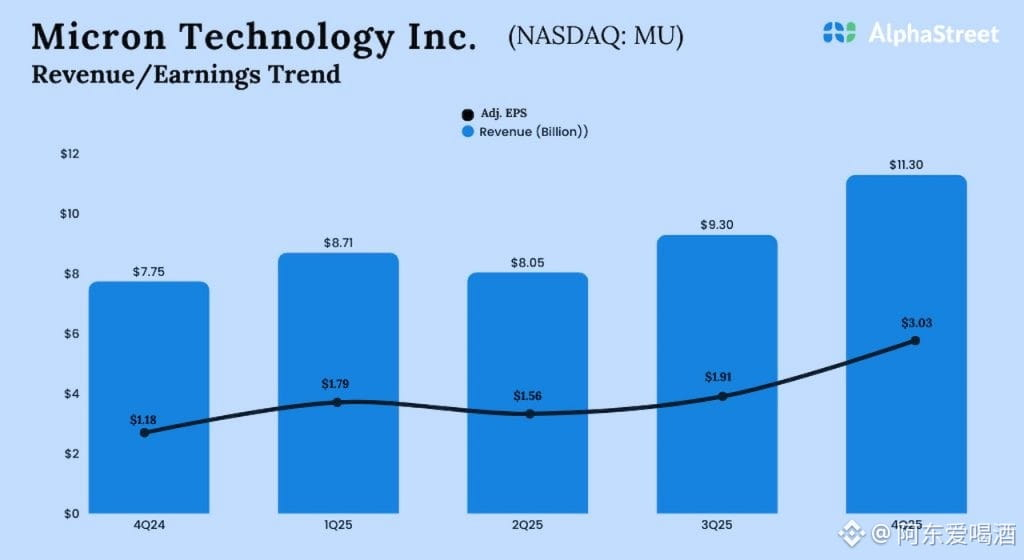
Crypto traders view Micron’s earnings report—it sounds cross-industry, but it’s actually very down-to-earth.
The logic chain goes like this: Micron is a storage leader, and storage is a core cost item for AI servers. Micron’s earnings beating expectations = strong demand for AI hardware = risk appetite rebounds = money dares to flow into high-volatility assets like this $BTC .
On the other hand, if the guidance disappoints, the Nasdaq falls first, and then within about half an hour the crypto market follows suit—almost like a fixed script.
So during earnings season, don’t just focus on crypto KOLs; also pay attention to the U.S. stock calendar: Micron, Nvidia, and Tesla’s earnings dates. Reduce your position in advance, and then act after the reports are released. This move isn’t flashy, but it could save your life. #BTC #美股 #AI
Crypto traders view Micron’s earnings report—it sounds cross-industry, but it’s actually very down-to-earth.
The logic chain goes like this: Micron is a storage leader, and storage is a core cost item for AI servers. Micron’s earnings beating expectations = strong demand for AI hardware = risk appetite rebounds = money dares to flow into high-volatility assets like this $BTC .
On the other hand, if the guidance disappoints, the Nasdaq falls first, and then within about half an hour the crypto market follows suit—almost like a fixed script.
So during earnings season, don’t just focus on crypto KOLs; also pay attention to the U.S. stock calendar: Micron, Nvidia, and Tesla’s earnings dates. Reduce your position in advance, and then act after the reports are released. This move isn’t flashy, but it could save your life. #BTC #美股 #AI
The logic chain goes like this: Micron is a storage leader, and storage is a core cost item for AI servers. Micron’s earnings beating expectations = strong demand for AI hardware = risk appetite rebounds = money dares to flow into high-volatility assets like this $BTC .
On the other hand, if the guidance disappoints, the Nasdaq falls first, and then within about half an hour the crypto market follows suit—almost like a fixed script.
So during earnings season, don’t just focus on crypto KOLs; also pay attention to the U.S. stock calendar: Micron, Nvidia, and Tesla’s earnings dates. Reduce your position in advance, and then act after the reports are released. This move isn’t flashy, but it could save your life. #BTC #美股 #AI
69
·
--
$UNITREE Such coins—contract traders should all understand this: small market depth, big volatility, it’s heaven and a slaughterhouse.
Losing 66,000 U in a day sounds terrifying, but the logic is simple—on small-cap coins, a single big holder can dump the market and drive a needle through by 30%. With that kind of liquidity, your stop-loss order basically won’t fill at your ideal price, and slippage will eat straight into your principal.
Playing contracts on small coins is possible, but you need to change your approach: cut your position size down to one-tenth of your BTC position size, only trade breakouts and don’t try to catch bottoms. If your profits exceed 50%, pull your principal out.
Remember: the people who survive aren’t the ones who make the most—they’re the ones who lose the least. #UNITREE #Contract
$UNITREE Such coins—contract traders should all understand this: small market depth, big volatility, it’s heaven and a slaughterhouse.
Losing 66,000 U in a day sounds terrifying, but the logic is simple—on small-cap coins, a single big holder can dump the market and drive a needle through by 30%. With that kind of liquidity, your stop-loss order basically won’t fill at your ideal price, and slippage will eat straight into your principal.
Playing contracts on small coins is possible, but you need to change your approach: cut your position size down to one-tenth of your BTC position size, only trade breakouts and don’t try to catch bottoms. If your profits exceed 50%, pull your principal out.
Remember: the people who survive aren’t the ones who make the most—they’re the ones who lose the least. #UNITREE #Contract
Losing 66,000 U in a day sounds terrifying, but the logic is simple—on small-cap coins, a single big holder can dump the market and drive a needle through by 30%. With that kind of liquidity, your stop-loss order basically won’t fill at your ideal price, and slippage will eat straight into your principal.
Playing contracts on small coins is possible, but you need to change your approach: cut your position size down to one-tenth of your BTC position size, only trade breakouts and don’t try to catch bottoms. If your profits exceed 50%, pull your principal out.
Remember: the people who survive aren’t the ones who make the most—they’re the ones who lose the least. #UNITREE #Contract
350
·
--
Let's talk about晒单 (trade show-offs). Put in 0G永续, make 1002U in one go, post it, and there are 125 comments below—some learn the technicals, some ask to be guided into trades, and some are just purely jealous.
But there’s a survivor bias in晒单 posts: if you profit, you post; if you lose, you delete. What you see is always someone else’s highlight reel.
If you really want to learn something from晒单, don’t focus on how much they made. Check these three things: what’s the trade entry logic, what fraction of total capital the position takes up, and where the stop-loss is set. If those three aren’t explained, then the晒单 is nothing more than showing off.
Next time you see a晒单, ask those three questions first.#0G #contract
Let's talk about晒单 (trade show-offs). Put in 0G永续, make 1002U in one go, post it, and there are 125 comments below—some learn the technicals, some ask to be guided into trades, and some are just purely jealous.
But there’s a survivor bias in晒单 posts: if you profit, you post; if you lose, you delete. What you see is always someone else’s highlight reel.
If you really want to learn something from晒单, don’t focus on how much they made. Check these three things: what’s the trade entry logic, what fraction of total capital the position takes up, and where the stop-loss is set. If those three aren’t explained, then the晒单 is nothing more than showing off.
Next time you see a晒单, ask those three questions first.#0G #contract
But there’s a survivor bias in晒单 posts: if you profit, you post; if you lose, you delete. What you see is always someone else’s highlight reel.
If you really want to learn something from晒单, don’t focus on how much they made. Check these three things: what’s the trade entry logic, what fraction of total capital the position takes up, and where the stop-loss is set. If those three aren’t explained, then the晒单 is nothing more than showing off.
Next time you see a晒单, ask those three questions first.#0G #contract

456
·
--
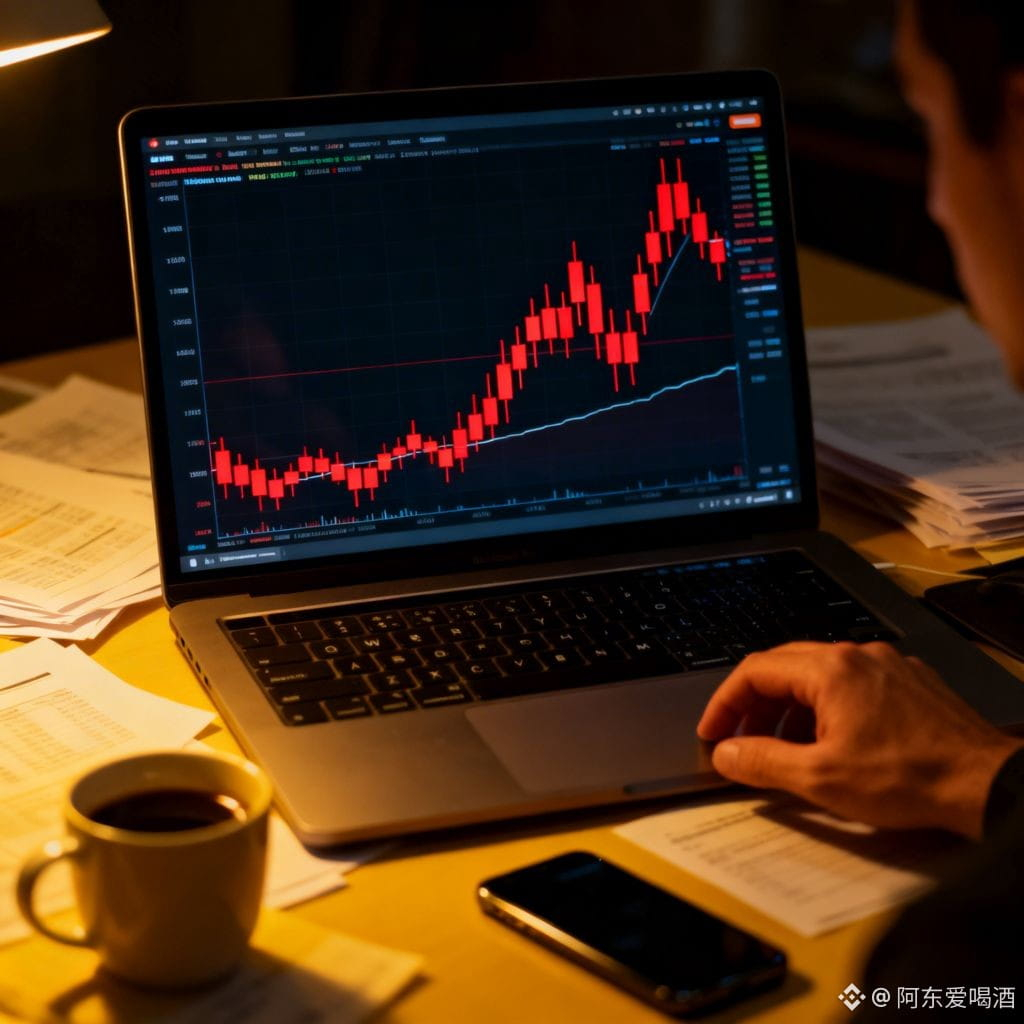
The late-night market is the most “妖” for a reason: Asian retail traders are asleep, European and American institutions haven’t started work yet—liquidity is at its thinnest. With just a little capital, prices can be yanked around.
So if you’re still staring at $BTC at 5 a.m., chances are you’re not making money—you’re getting your emotions harvested by volatility.
Three tips for night owls: set your conditional orders before going to bed, turn on Do Not Disturb for your phone, and write down in advance how much loss you can tolerate. If there really is action, an alarm clock is more reliable than your eyes.
Your body is 1; your position is the 0 that comes after.#BTC #Ethereum
The late-night market is the most “妖” for a reason: Asian retail traders are asleep, European and American institutions haven’t started work yet—liquidity is at its thinnest. With just a little capital, prices can be yanked around.
So if you’re still staring at $BTC at 5 a.m., chances are you’re not making money—you’re getting your emotions harvested by volatility.
Three tips for night owls: set your conditional orders before going to bed, turn on Do Not Disturb for your phone, and write down in advance how much loss you can tolerate. If there really is action, an alarm clock is more reliable than your eyes.
Your body is 1; your position is the 0 that comes after.#BTC #Ethereum
So if you’re still staring at $BTC at 5 a.m., chances are you’re not making money—you’re getting your emotions harvested by volatility.
Three tips for night owls: set your conditional orders before going to bed, turn on Do Not Disturb for your phone, and write down in advance how much loss you can tolerate. If there really is action, an alarm clock is more reliable than your eyes.
Your body is 1; your position is the 0 that comes after.#BTC #Ethereum
237
·
--
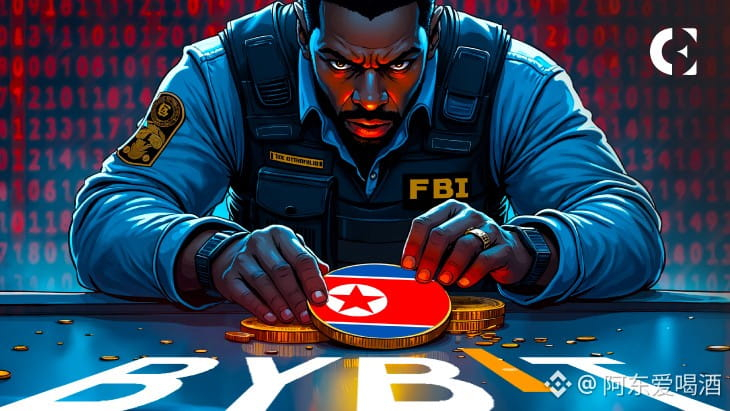
Nearly $4 billion—this is the total amount that North Korean hacker groups have stolen from the crypto industry in recent years, as clearly stated in the FBI’s wanted poster.
The $1.5 billion stolen from Bybit is only the largest case among them. Their methods are very consistent: they first infiltrate for months, learn the exchange’s signing procedures and personnel habits, and then strike all at once. They don’t target technology—they target human nature.
What ordinary people can do is actually just a few things: cold storage for large amounts, keep less in hot wallets, don’t click on unfamiliar links, and check everything three times before signing.
Money lost from market downturns can often be recovered, but stolen funds usually can’t. #BTC #ETH #security
Nearly $4 billion—this is the total amount that North Korean hacker groups have stolen from the crypto industry in recent years, as clearly stated in the FBI’s wanted poster.
The $1.5 billion stolen from Bybit is only the largest case among them. Their methods are very consistent: they first infiltrate for months, learn the exchange’s signing procedures and personnel habits, and then strike all at once. They don’t target technology—they target human nature.
What ordinary people can do is actually just a few things: cold storage for large amounts, keep less in hot wallets, don’t click on unfamiliar links, and check everything three times before signing.
Money lost from market downturns can often be recovered, but stolen funds usually can’t. #BTC #ETH #security
The $1.5 billion stolen from Bybit is only the largest case among them. Their methods are very consistent: they first infiltrate for months, learn the exchange’s signing procedures and personnel habits, and then strike all at once. They don’t target technology—they target human nature.
What ordinary people can do is actually just a few things: cold storage for large amounts, keep less in hot wallets, don’t click on unfamiliar links, and check everything three times before signing.
Money lost from market downturns can often be recovered, but stolen funds usually can’t. #BTC #ETH #security
383
·
--
Partly True
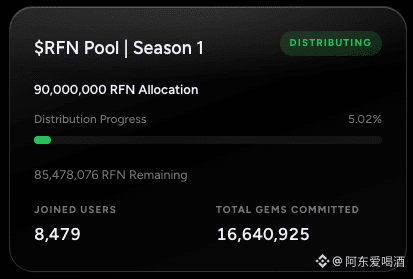
Unearthed a pool still in its early-bird incentive phase: $RFN Pool Season 1
Straight to the data: The allocation pool currently holds 90 million $RFN, and only 5.02% has been distributed so far. There are still 85.47 million tokens left in the pool. Already, 8,479 users have entered, for a total of 16.64 million Gems staked.
The gameplay is simple: stake your Gems to build your position, then share $RFN based on your share of the pool. The official says this is the first phase for the earliest community users—there will very likely be a Season 2 and Season 3 afterward. But the first batch always gets the thickest slice.
The logic behind these Early Stage Launchpools is one sentence: when the pool just opens and there are fewer participants, the share you get per person is the highest across the whole run. As more people join later, the APY will only get diluted further.
DYOR—make your own judgment.
Unearthed a pool still in its early-bird incentive phase: $RFN Pool Season 1
Straight to the data: The allocation pool currently holds 90 million $RFN, and only 5.02% has been distributed so far. There are still 85.47 million tokens left in the pool. Already, 8,479 users have entered, for a total of 16.64 million Gems staked.
The gameplay is simple: stake your Gems to build your position, then share $RFN based on your share of the pool. The official says this is the first phase for the earliest community users—there will very likely be a Season 2 and Season 3 afterward. But the first batch always gets the thickest slice.
The logic behind these Early Stage Launchpools is one sentence: when the pool just opens and there are fewer participants, the share you get per person is the highest across the whole run. As more people join later, the APY will only get diluted further.
DYOR—make your own judgment.
Straight to the data: The allocation pool currently holds 90 million $RFN, and only 5.02% has been distributed so far. There are still 85.47 million tokens left in the pool. Already, 8,479 users have entered, for a total of 16.64 million Gems staked.
The gameplay is simple: stake your Gems to build your position, then share $RFN based on your share of the pool. The official says this is the first phase for the earliest community users—there will very likely be a Season 2 and Season 3 afterward. But the first batch always gets the thickest slice.
The logic behind these Early Stage Launchpools is one sentence: when the pool just opens and there are fewer participants, the share you get per person is the highest across the whole run. As more people join later, the APY will only get diluted further.
DYOR—make your own judgment.
14
·
--
Kraken’s parent company Payward has poured tens of billions of dollars into the past two years, aiming to become a “financial infrastructure” rather than just an exchange:
• $1.5 billion acquisition of the US futures platform NinjaTrader
• $550 million acquisition of Bitnomial, securing the full suite of CFTC derivatives licenses
• Partnering with the London Stock Exchange to tokenize the UK’s top 100 stocks via xStocks
• A $100 million investment in Nasdaq, valuing it at $21 billion
The CEO said, “We’re not a holding company—we’re a platform, a balance sheet, and a regulatory framework.” Q2 adjusted revenue was $508 million, up 17% year over year.
Kraken’s parent company Payward has poured tens of billions of dollars into the past two years, aiming to become a “financial infrastructure” rather than just an exchange:
• $1.5 billion acquisition of the US futures platform NinjaTrader
• $550 million acquisition of Bitnomial, securing the full suite of CFTC derivatives licenses
• Partnering with the London Stock Exchange to tokenize the UK’s top 100 stocks via xStocks
• A $100 million investment in Nasdaq, valuing it at $21 billion
The CEO said, “We’re not a holding company—we’re a platform, a balance sheet, and a regulatory framework.” Q2 adjusted revenue was $508 million, up 17% year over year.
• $1.5 billion acquisition of the US futures platform NinjaTrader
• $550 million acquisition of Bitnomial, securing the full suite of CFTC derivatives licenses
• Partnering with the London Stock Exchange to tokenize the UK’s top 100 stocks via xStocks
• A $100 million investment in Nasdaq, valuing it at $21 billion
The CEO said, “We’re not a holding company—we’re a platform, a balance sheet, and a regulatory framework.” Q2 adjusted revenue was $508 million, up 17% year over year.

24
Log in to explore more content
Join global crypto users on Binance Square
⚡️ Get latest and useful information about crypto.
💬 Trusted by the world’s largest crypto exchange.
👍 Discover real insights from verified creators.
Email / Phone number
Trending Topics
EtherGains70.9%InQ3
785 views
62 Discussing
$ETH Just Posted Its Best Quarter in Years; Up 70.9% in Q3 🚀
Real ETF inflows, institutions quietly building, and ETH still trading well below its all-time high. This run feels backed by substance, not just hype.
Still holding, or taking profit?
#ethergains70.9%inq3 #ETH #Ethereum #BinanceSquare
Master Xploder
·0 Likes
·24 views
US10YearYieldNears5.3%
23,105 views
299 Discussing
DollarIndexHitsHighestSinceMay2025
317 views
38 Discussing