

币圈小尘埃
601 Posts

币圈小尘埃
Report
Block User
币圈消尘埃,币圈资讯的小小搬运工
Open Trade
Occasional Trader
1.1 Years
246 Following
422 Followers
919 Liked
Posts
Portfolio
All
Quotes
Videos
PINNED
·
--

Article
Eric Trump Shocked Bitcoin Asia: Despite the Ban, China is a 'Hell of a Power' in the Cryptocurrency SpaceEric Trump predicted Bitcoin would soar to $1 million at the Hong Kong Bitcoin Conference, calling China a 'hell of a country' in the cryptocurrency field and emphasizing the core competition between the U.S. and China in the future of digital finance. He revealed he spends 90% of his time in the crypto community, urging investors to 'buy now, close your eyes, and hold it.'
At the Bitcoin Asia Conference held on August 29, Eric Trump delivered one of the most striking speeches of the event, claiming Bitcoin has the potential to reach $1 million per coin while describing China as a 'hell of a country' in the cryptocurrency space, despite China's long-standing trading ban.
Eric Trump Shocked Bitcoin Asia: Despite the Ban, China is a 'Hell of a Power' in the Cryptocurrency Space
Eric Trump predicted Bitcoin would soar to $1 million at the Hong Kong Bitcoin Conference, calling China a 'hell of a country' in the cryptocurrency field and emphasizing the core competition between the U.S. and China in the future of digital finance. He revealed he spends 90% of his time in the crypto community, urging investors to 'buy now, close your eyes, and hold it.'
At the Bitcoin Asia Conference held on August 29, Eric Trump delivered one of the most striking speeches of the event, claiming Bitcoin has the potential to reach $1 million per coin while describing China as a 'hell of a country' in the cryptocurrency space, despite China's long-standing trading ban.
At the Bitcoin Asia Conference held on August 29, Eric Trump delivered one of the most striking speeches of the event, claiming Bitcoin has the potential to reach $1 million per coin while describing China as a 'hell of a country' in the cryptocurrency space, despite China's long-standing trading ban.
20
4
36
75.4k
·
--
Article
Zcash Drops 45%, Emergency Protocol Fix Sparks Governance Criticism"Zcash plummeted 45%, and an emergency hard fork was executed to fix a critical privacy vulnerability. Back in May, the Robinhood listing and institutional interest had driven a strong rebound, but now governance disputes and security challenges are coming in fast. The engineers managed to patch it up in 72 hours, but the community is questioning the transparency of the decision-making process."
Since the early hours of June 1, Zcash has dropped 45%. The urgent hard fork aimed to fix a key vulnerability in its Orchard transaction protection system, drawing harsh criticism regarding management and privacy.
The token saw a solid rebound in May after its listing on Robinhood reignited institutional interest in privacy coins. As of 09:00 UTC, ZEC is trading at around $307, with a market cap of approximately $5.2 billion. According to CoinMarketCap, Zcash's 24-hour trading volume remains elevated.
Zcash Drops 45%, Emergency Protocol Fix Sparks Governance Criticism
"Zcash plummeted 45%, and an emergency hard fork was executed to fix a critical privacy vulnerability. Back in May, the Robinhood listing and institutional interest had driven a strong rebound, but now governance disputes and security challenges are coming in fast. The engineers managed to patch it up in 72 hours, but the community is questioning the transparency of the decision-making process."
Since the early hours of June 1, Zcash has dropped 45%. The urgent hard fork aimed to fix a key vulnerability in its Orchard transaction protection system, drawing harsh criticism regarding management and privacy.
The token saw a solid rebound in May after its listing on Robinhood reignited institutional interest in privacy coins. As of 09:00 UTC, ZEC is trading at around $307, with a market cap of approximately $5.2 billion. According to CoinMarketCap, Zcash's 24-hour trading volume remains elevated.
Since the early hours of June 1, Zcash has dropped 45%. The urgent hard fork aimed to fix a key vulnerability in its Orchard transaction protection system, drawing harsh criticism regarding management and privacy.
The token saw a solid rebound in May after its listing on Robinhood reignited institutional interest in privacy coins. As of 09:00 UTC, ZEC is trading at around $307, with a market cap of approximately $5.2 billion. According to CoinMarketCap, Zcash's 24-hour trading volume remains elevated.
235
·
--
Verified

Article
The Bitcoin crash has just erased $62 billion from corporate treasury holders; has the MicroStrategy model collapsed?Bitcoin plummeted 50%, evaporating $62 billion in corporate holdings. Giants like MicroStrategy are deep in the red with losses in the billions, and new accounting rules will directly hit the P&L with unrealized losses. When 'HODL forever' turns into 'sell to survive', this treasury experiment woven with leverage and market cap is revealing structural cracks.
The crypto crash in June 2026 just wiped out $62 billion in market cap for companies holding Bitcoin as treasury assets.
MicroStrategy, Tesla, and Marathon Digital are at the forefront of the damage. The crucial question now isn't whether the losses can be recouped; it’s whether the entire structure that generated these models is even viable.
The Bitcoin crash has just erased $62 billion from corporate treasury holders; has the MicroStrategy model collapsed?
Bitcoin plummeted 50%, evaporating $62 billion in corporate holdings. Giants like MicroStrategy are deep in the red with losses in the billions, and new accounting rules will directly hit the P&L with unrealized losses. When 'HODL forever' turns into 'sell to survive', this treasury experiment woven with leverage and market cap is revealing structural cracks.
The crypto crash in June 2026 just wiped out $62 billion in market cap for companies holding Bitcoin as treasury assets.
MicroStrategy, Tesla, and Marathon Digital are at the forefront of the damage. The crucial question now isn't whether the losses can be recouped; it’s whether the entire structure that generated these models is even viable.
The crypto crash in June 2026 just wiped out $62 billion in market cap for companies holding Bitcoin as treasury assets.
MicroStrategy, Tesla, and Marathon Digital are at the forefront of the damage. The crucial question now isn't whether the losses can be recouped; it’s whether the entire structure that generated these models is even viable.
1
588
·
--
Verified
Article
BitMine to Raise $300 Million in Preferred Stock to Acquire EthereumBitMine is raising $300 million through preferred stock with a 9.5% dividend to pump into the ETH staking ecosystem. This pivot shifts miners from a high-cost hash power competition to a staking yield model, but can a 5% staking yield really cover the dividends? Standard Chartered believes the ETH treasury model outshines Bitcoin, but volatility remains a concern—when a single company controls 5% of the circulating ETH, the price risk and profit potential are both massive.
In Ethereum news, BitMine Immersion Technologies filed an application with the SEC on Wednesday to launch a Series A preferred stock offering, totaling 3 million shares at $100 each, with an annual cumulative dividend rate of 9.5%. The proceeds are earmarked for acquiring Ethereum, expanding ETH staking infrastructure, and investing in the ecosystem.
BitMine to Raise $300 Million in Preferred Stock to Acquire Ethereum
BitMine is raising $300 million through preferred stock with a 9.5% dividend to pump into the ETH staking ecosystem. This pivot shifts miners from a high-cost hash power competition to a staking yield model, but can a 5% staking yield really cover the dividends? Standard Chartered believes the ETH treasury model outshines Bitcoin, but volatility remains a concern—when a single company controls 5% of the circulating ETH, the price risk and profit potential are both massive.
In Ethereum news, BitMine Immersion Technologies filed an application with the SEC on Wednesday to launch a Series A preferred stock offering, totaling 3 million shares at $100 each, with an annual cumulative dividend rate of 9.5%. The proceeds are earmarked for acquiring Ethereum, expanding ETH staking infrastructure, and investing in the ecosystem.
In Ethereum news, BitMine Immersion Technologies filed an application with the SEC on Wednesday to launch a Series A preferred stock offering, totaling 3 million shares at $100 each, with an annual cumulative dividend rate of 9.5%. The proceeds are earmarked for acquiring Ethereum, expanding ETH staking infrastructure, and investing in the ecosystem.
592
·
--
Article
Scott Bensent pushes for the CLARITY Act this summer: Bitcoin reserves are set to grow at a 'deliberate pace'"Treasury Secretary Bensent is building Bitcoin strategic reserves at a 'deliberate pace' while pushing for the (Crypto Clarity Act) to pass before 2026—these two actions will reshape the global crypto landscape: the former establishes sovereign asset status, while the latter ends the decade-long jurisdictional battle between the SEC and CFTC. The current probability of the bill passing is 59%, and the market is waiting for the final answer to this regulatory revolution."
US Treasury Secretary Scott Bensent is pushing hard for the (Crypto Clarity Act) to pass Congress before summer 2026, while urging patience regarding strategic Bitcoin reserves.
Scott Bensent pushes for the CLARITY Act this summer: Bitcoin reserves are set to grow at a 'deliberate pace'
"Treasury Secretary Bensent is building Bitcoin strategic reserves at a 'deliberate pace' while pushing for the (Crypto Clarity Act) to pass before 2026—these two actions will reshape the global crypto landscape: the former establishes sovereign asset status, while the latter ends the decade-long jurisdictional battle between the SEC and CFTC. The current probability of the bill passing is 59%, and the market is waiting for the final answer to this regulatory revolution."
US Treasury Secretary Scott Bensent is pushing hard for the (Crypto Clarity Act) to pass Congress before summer 2026, while urging patience regarding strategic Bitcoin reserves.
US Treasury Secretary Scott Bensent is pushing hard for the (Crypto Clarity Act) to pass Congress before summer 2026, while urging patience regarding strategic Bitcoin reserves.
79
·
--
Article
Mastercard Supports On-Chain Stablecoin Settlements for Card TransactionsMastercard has launched a new feature for on-chain stablecoin settlements, supporting mainstream stablecoins like USDC across six major blockchain networks, including Ethereum. This groundbreaking move brings stablecoins into the core settlement layer, providing around-the-clock liquidity solutions for cross-border payments and large transactions, while forming a hybrid model with traditional fiat settlements.
Mastercard now allows issuers and acquirers to settle card transactions directly on-chain using regulated stablecoins, while also introducing intraday, weekend, and holiday settlement options for the first time.
The company announced on June 3rd that partners can choose between traditional fiat settlements and on-chain stablecoin settlements via its existing global network. The initial rollout supports Circle's USDC, Paxos-issued PYUSD, USDG, USDP, Ripple's RLUSD, and SoFiUSD, covering major blockchain networks like Ethereum, Solana, Polygon, Base, Arbitrum, and XRPL.
Mastercard Supports On-Chain Stablecoin Settlements for Card Transactions
Mastercard has launched a new feature for on-chain stablecoin settlements, supporting mainstream stablecoins like USDC across six major blockchain networks, including Ethereum. This groundbreaking move brings stablecoins into the core settlement layer, providing around-the-clock liquidity solutions for cross-border payments and large transactions, while forming a hybrid model with traditional fiat settlements.
Mastercard now allows issuers and acquirers to settle card transactions directly on-chain using regulated stablecoins, while also introducing intraday, weekend, and holiday settlement options for the first time.
The company announced on June 3rd that partners can choose between traditional fiat settlements and on-chain stablecoin settlements via its existing global network. The initial rollout supports Circle's USDC, Paxos-issued PYUSD, USDG, USDP, Ripple's RLUSD, and SoFiUSD, covering major blockchain networks like Ethereum, Solana, Polygon, Base, Arbitrum, and XRPL.
Mastercard now allows issuers and acquirers to settle card transactions directly on-chain using regulated stablecoins, while also introducing intraday, weekend, and holiday settlement options for the first time.
The company announced on June 3rd that partners can choose between traditional fiat settlements and on-chain stablecoin settlements via its existing global network. The initial rollout supports Circle's USDC, Paxos-issued PYUSD, USDG, USDP, Ripple's RLUSD, and SoFiUSD, covering major blockchain networks like Ethereum, Solana, Polygon, Base, Arbitrum, and XRPL.
40
·
--

Article
U.S. Sanctions Iran's Largest Crypto Exchange NobitexThe U.S. has sanctioned Nobitex, Iran's largest crypto exchange, accusing it of helping the Iranian regime transfer hundreds of millions of dollars, evade international sanctions, and support terrorist activities.
On June 2, the U.S. Treasury sanctioned Iran's largest crypto exchange, Nobitex, as part of the Trump administration's 'economic pressure' campaign, roughly three months after the U.S. began military operations against Iran.
Sanction Evasion
Nobitex reportedly acted as a key channel for the Iranian regime to move funds under international sanctions.
According to the U.S. Treasury, the platform processed over 50% of Iran's digital asset inflows in 2025 and aided the Iranian central bank in acquiring hundreds of millions in dollar-pegged stablecoins—these cryptos are designed to maintain stable value, typically around $1—while enabling insiders to circumvent sanctions.
U.S. Sanctions Iran's Largest Crypto Exchange Nobitex
The U.S. has sanctioned Nobitex, Iran's largest crypto exchange, accusing it of helping the Iranian regime transfer hundreds of millions of dollars, evade international sanctions, and support terrorist activities.
On June 2, the U.S. Treasury sanctioned Iran's largest crypto exchange, Nobitex, as part of the Trump administration's 'economic pressure' campaign, roughly three months after the U.S. began military operations against Iran.
Sanction Evasion
Nobitex reportedly acted as a key channel for the Iranian regime to move funds under international sanctions.
According to the U.S. Treasury, the platform processed over 50% of Iran's digital asset inflows in 2025 and aided the Iranian central bank in acquiring hundreds of millions in dollar-pegged stablecoins—these cryptos are designed to maintain stable value, typically around $1—while enabling insiders to circumvent sanctions.
On June 2, the U.S. Treasury sanctioned Iran's largest crypto exchange, Nobitex, as part of the Trump administration's 'economic pressure' campaign, roughly three months after the U.S. began military operations against Iran.
Sanction Evasion
Nobitex reportedly acted as a key channel for the Iranian regime to move funds under international sanctions.
According to the U.S. Treasury, the platform processed over 50% of Iran's digital asset inflows in 2025 and aided the Iranian central bank in acquiring hundreds of millions in dollar-pegged stablecoins—these cryptos are designed to maintain stable value, typically around $1—while enabling insiders to circumvent sanctions.
2
93
·
--
Article
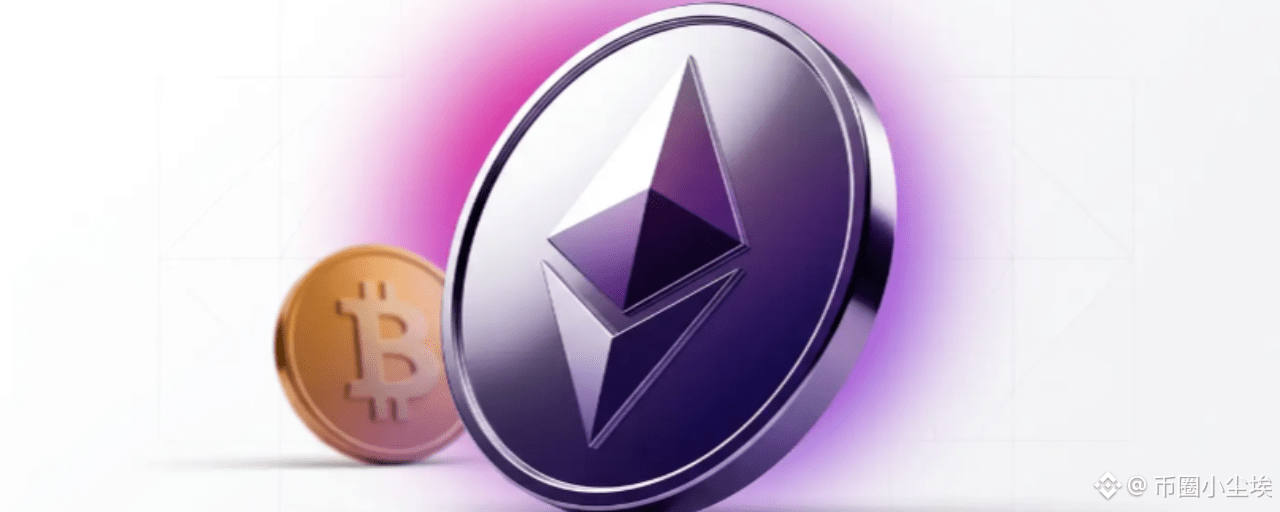
Despite recent price weakness, Ethereum still has the potential to outperform Bitcoin: Standard CharteredEthereum is hitting a structural turning point! Standard Chartered predicts the ETH/BTC ratio will skyrocket by 40%, with a year-end price potentially hitting $4000. Institutional staking of ETH is quietly reshaping the crypto market landscape.
Ethereum is quietly making a comeback, even though prices are dropping. Ethereum has dipped below $1900, well below the peaks expected by the end of 2024, while Bitcoin continues to show overall poor performance; Standard Chartered states this is directly benefiting Ethereum.
Jeffrey Kendrick, head of digital asset research at Standard Chartered, informed clients this week that the 32 BTC sold by a strategic firm, valued at $2.5 million, might signify a structural turning point for the ETH/BTC ratio.
Despite recent price weakness, Ethereum still has the potential to outperform Bitcoin: Standard Chartered
Ethereum is hitting a structural turning point! Standard Chartered predicts the ETH/BTC ratio will skyrocket by 40%, with a year-end price potentially hitting $4000. Institutional staking of ETH is quietly reshaping the crypto market landscape.
Ethereum is quietly making a comeback, even though prices are dropping. Ethereum has dipped below $1900, well below the peaks expected by the end of 2024, while Bitcoin continues to show overall poor performance; Standard Chartered states this is directly benefiting Ethereum.
Jeffrey Kendrick, head of digital asset research at Standard Chartered, informed clients this week that the 32 BTC sold by a strategic firm, valued at $2.5 million, might signify a structural turning point for the ETH/BTC ratio.
Ethereum is quietly making a comeback, even though prices are dropping. Ethereum has dipped below $1900, well below the peaks expected by the end of 2024, while Bitcoin continues to show overall poor performance; Standard Chartered states this is directly benefiting Ethereum.
Jeffrey Kendrick, head of digital asset research at Standard Chartered, informed clients this week that the 32 BTC sold by a strategic firm, valued at $2.5 million, might signify a structural turning point for the ETH/BTC ratio.
347
·
--

Article
XRP Price Loses Key Support: Pullback May Not Be OverXRP has fallen to its lowest level since February, with total withdrawals exceeding 66%, but spot ETF inflows reached $131 million this month, highlighting a contrast between strong fundamentals and weak technicals. If the key support at $1.20 is lost, we could see a dip to $1.00; it will take a reclaim of $1.40 to potentially restart the bull run. Regulatory victories and a $50 billion valuation offer long-term support, but short-term momentum remains bearish.
XRP is currently in the red. The token is trading between $1.21 and $1.24, down 2% today, with a worse performance on the weekly chart, dropping 7%.
Since earlier this week, the sell-off has accelerated, continuing the downtrend that started when XRP peaked at $1.55 in mid-May. Since that high, the token has broken through a key support zone, hitting its lowest price since February.
XRP Price Loses Key Support: Pullback May Not Be Over
XRP has fallen to its lowest level since February, with total withdrawals exceeding 66%, but spot ETF inflows reached $131 million this month, highlighting a contrast between strong fundamentals and weak technicals. If the key support at $1.20 is lost, we could see a dip to $1.00; it will take a reclaim of $1.40 to potentially restart the bull run. Regulatory victories and a $50 billion valuation offer long-term support, but short-term momentum remains bearish.
XRP is currently in the red. The token is trading between $1.21 and $1.24, down 2% today, with a worse performance on the weekly chart, dropping 7%.
Since earlier this week, the sell-off has accelerated, continuing the downtrend that started when XRP peaked at $1.55 in mid-May. Since that high, the token has broken through a key support zone, hitting its lowest price since February.
XRP is currently in the red. The token is trading between $1.21 and $1.24, down 2% today, with a worse performance on the weekly chart, dropping 7%.
Since earlier this week, the sell-off has accelerated, continuing the downtrend that started when XRP peaked at $1.55 in mid-May. Since that high, the token has broken through a key support zone, hitting its lowest price since February.
129
·
--

Article
Why is Crypto Dropping? Iran Just Bombed Kuwait Airport and Struck the Strait of Hormuz, Bitcoin is Crashing Towards Critical SupportWith Iran striking the Kuwait International Airport and escalating conflicts in the Strait of Hormuz, crypto crashed overnight, with over $700 million in long positions forcibly liquidated within 12 hours.
Bitcoin has plummeted to a critical support level, dragging the total crypto market cap down to $2.31 trillion.
Traders are asking why crypto is dropping so fast, and the brutal two-part answer is: geopolitical shocks and the already primed leverage hangover.
The convergence of various factors is anything but subtle. The open interest in the perpetual futures market has been building for weeks, making the market structurally fragile.
Why is Crypto Dropping? Iran Just Bombed Kuwait Airport and Struck the Strait of Hormuz, Bitcoin is Crashing Towards Critical Support
With Iran striking the Kuwait International Airport and escalating conflicts in the Strait of Hormuz, crypto crashed overnight, with over $700 million in long positions forcibly liquidated within 12 hours.
Bitcoin has plummeted to a critical support level, dragging the total crypto market cap down to $2.31 trillion.
Traders are asking why crypto is dropping so fast, and the brutal two-part answer is: geopolitical shocks and the already primed leverage hangover.
The convergence of various factors is anything but subtle. The open interest in the perpetual futures market has been building for weeks, making the market structurally fragile.
Bitcoin has plummeted to a critical support level, dragging the total crypto market cap down to $2.31 trillion.
Traders are asking why crypto is dropping so fast, and the brutal two-part answer is: geopolitical shocks and the already primed leverage hangover.
The convergence of various factors is anything but subtle. The open interest in the perpetual futures market has been building for weeks, making the market structurally fragile.
194
·
--

Article
With CME kicking off 24/7 trading, ADA active addresses have surged by 14%The launch of 24/7 crypto derivatives on the Chicago Mercantile Exchange could be a turning point for ADA: whale positions have increased by 14% against the trend, and the technicals indicate that $0.28 is a key battleground; a breakout could push towards $0.25 ahead of the August ETF window.
Cardano's price and its predictions might be looking bearish, but on-chain data shows that the biggest ADA holders are quietly stacking up, while retail market sentiment remains cautious. The catalyst is the Chicago Mercantile Exchange Group launching 24/7 cryptocurrency futures and options trading on May 29.
This structural upgrade will extend the institutional trading window around the clock, with only brief maintenance breaks each week. Meanwhile, the Chicago Mercantile Exchange has already listed standard and micro futures for ADA back in February, giving Cardano a direct channel to the regulated derivatives market.
With CME kicking off 24/7 trading, ADA active addresses have surged by 14%
The launch of 24/7 crypto derivatives on the Chicago Mercantile Exchange could be a turning point for ADA: whale positions have increased by 14% against the trend, and the technicals indicate that $0.28 is a key battleground; a breakout could push towards $0.25 ahead of the August ETF window.
Cardano's price and its predictions might be looking bearish, but on-chain data shows that the biggest ADA holders are quietly stacking up, while retail market sentiment remains cautious. The catalyst is the Chicago Mercantile Exchange Group launching 24/7 cryptocurrency futures and options trading on May 29.
This structural upgrade will extend the institutional trading window around the clock, with only brief maintenance breaks each week. Meanwhile, the Chicago Mercantile Exchange has already listed standard and micro futures for ADA back in February, giving Cardano a direct channel to the regulated derivatives market.
Cardano's price and its predictions might be looking bearish, but on-chain data shows that the biggest ADA holders are quietly stacking up, while retail market sentiment remains cautious. The catalyst is the Chicago Mercantile Exchange Group launching 24/7 cryptocurrency futures and options trading on May 29.
This structural upgrade will extend the institutional trading window around the clock, with only brief maintenance breaks each week. Meanwhile, the Chicago Mercantile Exchange has already listed standard and micro futures for ADA back in February, giving Cardano a direct channel to the regulated derivatives market.
509
·
--

Article
Kevin Warsh confirmed as Fed chair by a narrow 54 to 45 vote in the Senate amid soaring inflation."The new Fed chair, Kevin Warsh, just slid in with a nail-biting 54:45 vote—one of the tightest wins in history. This crypto advocate is gearing up to tackle the inflation crisis and Trump's pressure for rate cuts. He's pushing to reshape the inflation target framework, shrink the Fed's balance sheet, and is firmly against central bank digital currencies—saying that 'private sector digital assets are now an integral part of the U.S. financial system.' This could pave a clearer regulatory path for stablecoins."
Kevin Warsh clinched his spot as the next Fed chair on May 13, winning with a razor-thin margin of 54 votes to 45 in the Senate—making it one of the closest victories for a modern Fed chair.
Kevin Warsh confirmed as Fed chair by a narrow 54 to 45 vote in the Senate amid soaring inflation.
"The new Fed chair, Kevin Warsh, just slid in with a nail-biting 54:45 vote—one of the tightest wins in history. This crypto advocate is gearing up to tackle the inflation crisis and Trump's pressure for rate cuts. He's pushing to reshape the inflation target framework, shrink the Fed's balance sheet, and is firmly against central bank digital currencies—saying that 'private sector digital assets are now an integral part of the U.S. financial system.' This could pave a clearer regulatory path for stablecoins."
Kevin Warsh clinched his spot as the next Fed chair on May 13, winning with a razor-thin margin of 54 votes to 45 in the Senate—making it one of the closest victories for a modern Fed chair.
Kevin Warsh clinched his spot as the next Fed chair on May 13, winning with a razor-thin margin of 54 votes to 45 in the Senate—making it one of the closest victories for a modern Fed chair.
19
·
--
Article
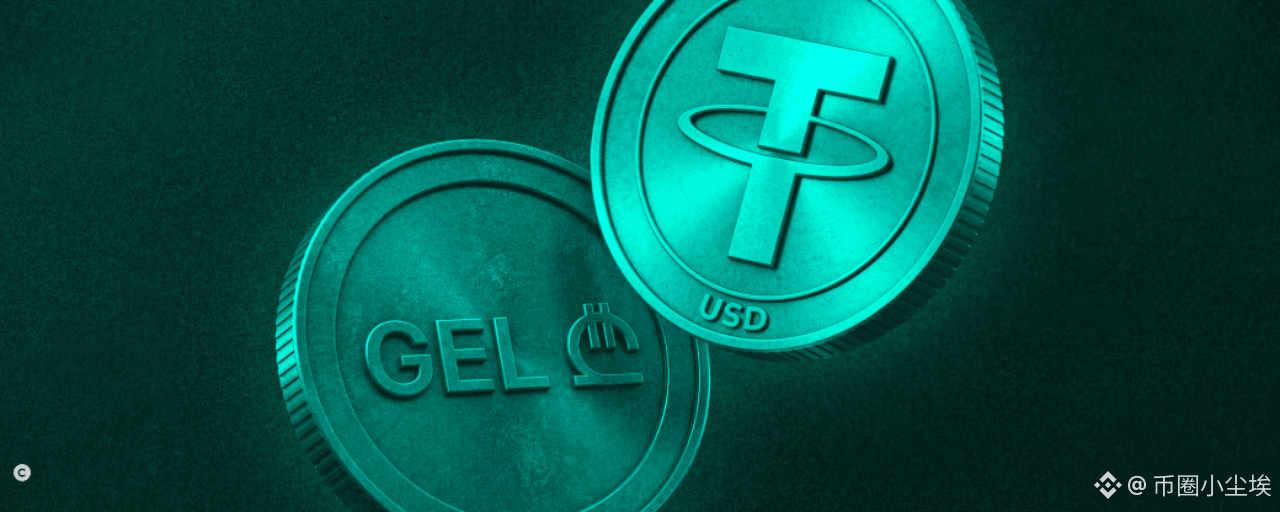
Tether's Latest Non-Dollar Bet: Georgian Lari Stablecoin"Tether has rolled out the GEL stablecoin pegged to the Georgian Lari, backed by the government, positioning itself as a pioneer in the digitalization of national currencies. The stablecoin market has surged from the sidelines to a $322 billion infrastructure, with Tether's on-chain transaction volume even surpassing Visa. The Prime Minister of Georgia stated that this move is building a 'more transparent, digital financial future,' with the country ranking third globally in cryptocurrency adoption and a tripling of mining electricity consumption over three years."
Tether has launched a stablecoin pegged to the Georgian Lari (GEL₮), marking the latest push by the largest stablecoin issuer beyond its dollar-denominated core product.
Tether's Latest Non-Dollar Bet: Georgian Lari Stablecoin
"Tether has rolled out the GEL stablecoin pegged to the Georgian Lari, backed by the government, positioning itself as a pioneer in the digitalization of national currencies. The stablecoin market has surged from the sidelines to a $322 billion infrastructure, with Tether's on-chain transaction volume even surpassing Visa. The Prime Minister of Georgia stated that this move is building a 'more transparent, digital financial future,' with the country ranking third globally in cryptocurrency adoption and a tripling of mining electricity consumption over three years."
Tether has launched a stablecoin pegged to the Georgian Lari (GEL₮), marking the latest push by the largest stablecoin issuer beyond its dollar-denominated core product.
Tether has launched a stablecoin pegged to the Georgian Lari (GEL₮), marking the latest push by the largest stablecoin issuer beyond its dollar-denominated core product.
2
·
--

Article
Exchange liquidity at its lowest since 2020XRP's liquidity has hit its lowest point since 2020, and price warning signals are flashing! The critical support at $1.35 is being tested, as the ETF narrative collides with thin liquidity, creating opportunities for over-leveraged plays—will we break through $1.50 and head towards $5, or will we drop below $1.31 and fall into a deeper correction? Three major scenarios are clashing right now.
As the exchange liquidity index drops to its lowest level since 2020, XRP's price is starting to show warning signals. This represents a structural shift that could lead to volatility.
Binance's liquidity drop syncs with the market disaster, causing XRP's spot trading volume to fall. XRP's price dipped to $1.35 this week, down about 2%.
Exchange liquidity at its lowest since 2020
XRP's liquidity has hit its lowest point since 2020, and price warning signals are flashing! The critical support at $1.35 is being tested, as the ETF narrative collides with thin liquidity, creating opportunities for over-leveraged plays—will we break through $1.50 and head towards $5, or will we drop below $1.31 and fall into a deeper correction? Three major scenarios are clashing right now.
As the exchange liquidity index drops to its lowest level since 2020, XRP's price is starting to show warning signals. This represents a structural shift that could lead to volatility.
Binance's liquidity drop syncs with the market disaster, causing XRP's spot trading volume to fall. XRP's price dipped to $1.35 this week, down about 2%.
As the exchange liquidity index drops to its lowest level since 2020, XRP's price is starting to show warning signals. This represents a structural shift that could lead to volatility.
Binance's liquidity drop syncs with the market disaster, causing XRP's spot trading volume to fall. XRP's price dipped to $1.35 this week, down about 2%.
3
·
--

Article
Vitalik Streamlines Operations to Curb Ethereum Foundation Sell PressureVitalik Buterin candidly stated that the Ethereum Foundation will streamline operations, reduce selling pressure, and warned that idealism should not be eroded by commercial interests. ETH is currently at a key breakout level; if it holds above $2150, it could surge to $2600, with ETF capital flows potentially becoming a significant driver next year.
In a candid Twitter post, Vitalik Buterin discussed the future direction of the Ethereum Foundation, noting that structural reorganization could alter ETH's long-term dynamics. This has pushed Ethereum price predictions into bullish territory.
Buterin released a lengthy personal statement outlining his vision for a more streamlined and principled Ethereum Foundation, clearly acknowledging that his influence within the organization will continue to wane, a shift he personally "welcomes".
Vitalik Streamlines Operations to Curb Ethereum Foundation Sell Pressure
Vitalik Buterin candidly stated that the Ethereum Foundation will streamline operations, reduce selling pressure, and warned that idealism should not be eroded by commercial interests. ETH is currently at a key breakout level; if it holds above $2150, it could surge to $2600, with ETF capital flows potentially becoming a significant driver next year.
In a candid Twitter post, Vitalik Buterin discussed the future direction of the Ethereum Foundation, noting that structural reorganization could alter ETH's long-term dynamics. This has pushed Ethereum price predictions into bullish territory.
Buterin released a lengthy personal statement outlining his vision for a more streamlined and principled Ethereum Foundation, clearly acknowledging that his influence within the organization will continue to wane, a shift he personally "welcomes".
In a candid Twitter post, Vitalik Buterin discussed the future direction of the Ethereum Foundation, noting that structural reorganization could alter ETH's long-term dynamics. This has pushed Ethereum price predictions into bullish territory.
Buterin released a lengthy personal statement outlining his vision for a more streamlined and principled Ethereum Foundation, clearly acknowledging that his influence within the organization will continue to wane, a shift he personally "welcomes".
29
·
--

Article
The first person to fly to Mars will be a Bitcoin miner: Has the Bitcoin Mars mission launched?Bitcoin miner Wang Chun will lead SpaceX's first private Mars mission, funded by over a decade of mining profits, marking the maturation of cryptocurrency wealth. Bitcoin is currently priced at $77,500, and if it breaks the $82,000 resistance, we could see a $100,000+ cycle kick off.
The first human to fly to Mars will be a Bitcoin miner. Wang Chun, co-founder of F2Pool and a Bitcoin miner, has been appointed by SpaceX as the commander for their first private manned interstellar mission.
During the global Starship V3 launch livestream, Wang Zhiming announced from Bouvet Island that he will command a two-year Mars flyby mission and return to Earth. Wang co-founded F2Pool in 2013 and has mined over 1.3 million Bitcoins, accounting for more than 9% of all Bitcoin blocks.
The first person to fly to Mars will be a Bitcoin miner: Has the Bitcoin Mars mission launched?
Bitcoin miner Wang Chun will lead SpaceX's first private Mars mission, funded by over a decade of mining profits, marking the maturation of cryptocurrency wealth. Bitcoin is currently priced at $77,500, and if it breaks the $82,000 resistance, we could see a $100,000+ cycle kick off.
The first human to fly to Mars will be a Bitcoin miner. Wang Chun, co-founder of F2Pool and a Bitcoin miner, has been appointed by SpaceX as the commander for their first private manned interstellar mission.
During the global Starship V3 launch livestream, Wang Zhiming announced from Bouvet Island that he will command a two-year Mars flyby mission and return to Earth. Wang co-founded F2Pool in 2013 and has mined over 1.3 million Bitcoins, accounting for more than 9% of all Bitcoin blocks.
The first human to fly to Mars will be a Bitcoin miner. Wang Chun, co-founder of F2Pool and a Bitcoin miner, has been appointed by SpaceX as the commander for their first private manned interstellar mission.
During the global Starship V3 launch livestream, Wang Zhiming announced from Bouvet Island that he will command a two-year Mars flyby mission and return to Earth. Wang co-founded F2Pool in 2013 and has mined over 1.3 million Bitcoins, accounting for more than 9% of all Bitcoin blocks.
33
·
--

Article
The impact of Bitcoin on tolls in the Strait of Hormuz depends on the recovery of oil flowsIran plans to implement a Bitcoin settlement framework for transit and insurance in the Strait of Hormuz, which could be the first instance of a national-level crypto application. If oil flows recover to pre-crisis levels, the daily demand of 260 BTC will account for 60% of miners' daily output, creating a stable buy wall worth $7.2 billion annually. While it may not meet official targets, it could reshape the role of crypto assets in global trade.
Reports indicate that Iran is pushing for the establishment of a maritime insurance and transit framework settled in Bitcoin in the Strait of Hormuz, raising questions about the adoption of cryptocurrencies by sovereign actors in the real world and whether this could set a precedent for national-level settlements in global trade.
The impact of Bitcoin on tolls in the Strait of Hormuz depends on the recovery of oil flows
Iran plans to implement a Bitcoin settlement framework for transit and insurance in the Strait of Hormuz, which could be the first instance of a national-level crypto application. If oil flows recover to pre-crisis levels, the daily demand of 260 BTC will account for 60% of miners' daily output, creating a stable buy wall worth $7.2 billion annually. While it may not meet official targets, it could reshape the role of crypto assets in global trade.
Reports indicate that Iran is pushing for the establishment of a maritime insurance and transit framework settled in Bitcoin in the Strait of Hormuz, raising questions about the adoption of cryptocurrencies by sovereign actors in the real world and whether this could set a precedent for national-level settlements in global trade.
Reports indicate that Iran is pushing for the establishment of a maritime insurance and transit framework settled in Bitcoin in the Strait of Hormuz, raising questions about the adoption of cryptocurrencies by sovereign actors in the real world and whether this could set a precedent for national-level settlements in global trade.
44
·
--

Article
Solana Price Reset Creates Leverage PressureThe price of Solana (SOL) has fallen 66% from its peak, and the market is in a calm yet crowded state: futures open interest remains high, spot trading is sluggish, and on-chain activity is weakening. Behind this seemingly quiet facade lies the risk of high leverage and thin liquidity—any breakout in either direction could trigger wild volatility.
Solana (SOL) is a high-throughput Layer 1 blockchain known for its lightning-fast transaction speeds and low fees. It's been the center of meme coin trading activity in 2024 and 2025, but the price has seen a significant reset. SOL has dropped about 66% from its September 2025 peak of $247, with spot trading volumes hitting a year-low, fees nearing the bottom, and trading activity slowing down.
Solana Price Reset Creates Leverage Pressure
The price of Solana (SOL) has fallen 66% from its peak, and the market is in a calm yet crowded state: futures open interest remains high, spot trading is sluggish, and on-chain activity is weakening. Behind this seemingly quiet facade lies the risk of high leverage and thin liquidity—any breakout in either direction could trigger wild volatility.
Solana (SOL) is a high-throughput Layer 1 blockchain known for its lightning-fast transaction speeds and low fees. It's been the center of meme coin trading activity in 2024 and 2025, but the price has seen a significant reset. SOL has dropped about 66% from its September 2025 peak of $247, with spot trading volumes hitting a year-low, fees nearing the bottom, and trading activity slowing down.
Solana (SOL) is a high-throughput Layer 1 blockchain known for its lightning-fast transaction speeds and low fees. It's been the center of meme coin trading activity in 2024 and 2025, but the price has seen a significant reset. SOL has dropped about 66% from its September 2025 peak of $247, with spot trading volumes hitting a year-low, fees nearing the bottom, and trading activity slowing down.
71
·
--
Article
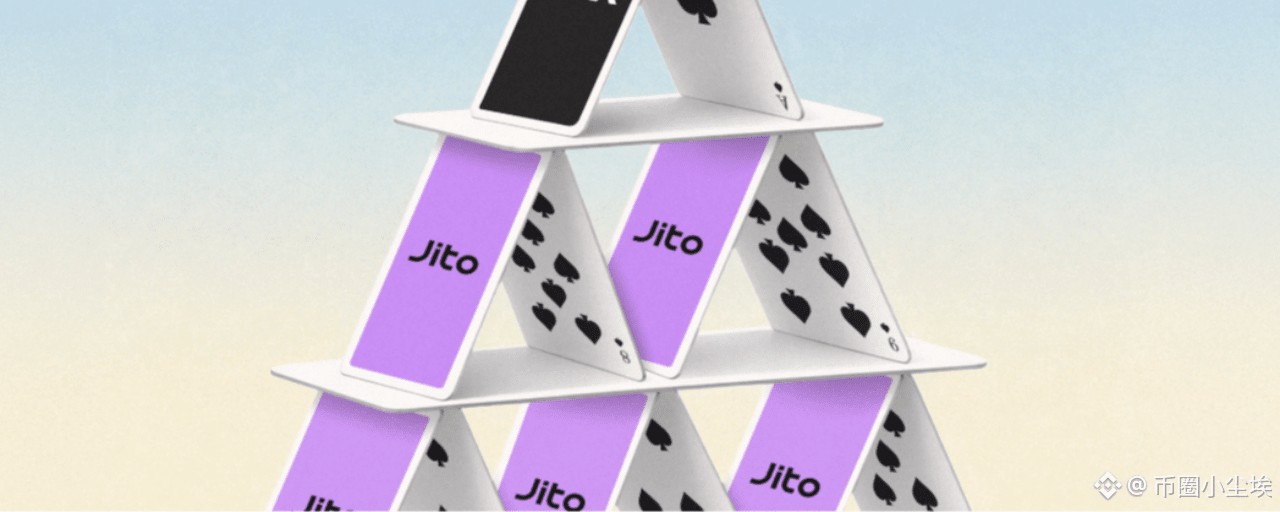
JTX: Jito's Closing Card"Jito has launched the self-custodial trading platform JTX on Solana, providing professional traders with centralized exchange-level execution without relinquishing custody of their funds. Leveraging Jito's MEV infrastructure advantages, JTX is set to reshape the Solana trading ecosystem, with an annualized revenue potential of $44.6 million, compressing JTO's price-to-book ratio from 78.5x to 10x."
Jito, the leading provider of maximum extractable value (MEV) infrastructure on Solana (SOL) — known for its fast and low-cost transactions on a high-throughput blockchain — has launched JTX, a self-custodial trading platform that offers centralized exchange-level execution without users giving up control of their funds.
JTX: Jito's Closing Card
"Jito has launched the self-custodial trading platform JTX on Solana, providing professional traders with centralized exchange-level execution without relinquishing custody of their funds. Leveraging Jito's MEV infrastructure advantages, JTX is set to reshape the Solana trading ecosystem, with an annualized revenue potential of $44.6 million, compressing JTO's price-to-book ratio from 78.5x to 10x."
Jito, the leading provider of maximum extractable value (MEV) infrastructure on Solana (SOL) — known for its fast and low-cost transactions on a high-throughput blockchain — has launched JTX, a self-custodial trading platform that offers centralized exchange-level execution without users giving up control of their funds.
Jito, the leading provider of maximum extractable value (MEV) infrastructure on Solana (SOL) — known for its fast and low-cost transactions on a high-throughput blockchain — has launched JTX, a self-custodial trading platform that offers centralized exchange-level execution without users giving up control of their funds.
71
·
--
Article
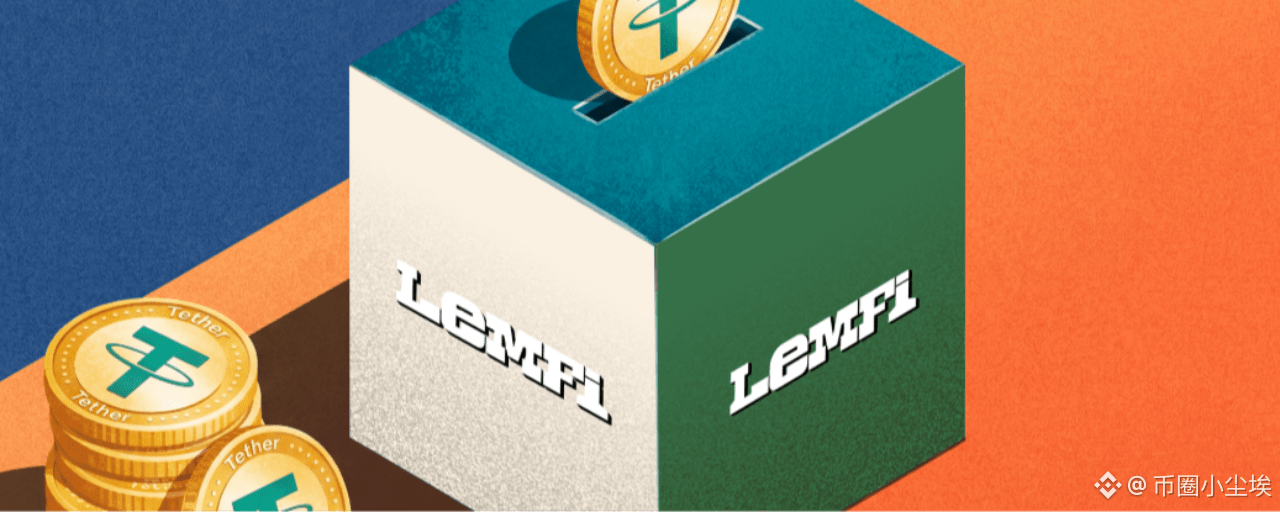
Tether Invests in LemFi to Lower Remittance Costs to Africa and Asia"Tether's investment in LemFi integrates USDT as the core settlement layer for cross-border remittances, enabling near-instant transfers from the UK to Africa and Asia with fees significantly lower than the traditional 8% SWIFT cost. The CEO stated: ‘This validates our direction of reshaping high-cost corridors using blockchain.’"
Tether, the issuer of USDT (the largest stablecoin pegged 1:1 with the dollar), has taken a strategic stake in the fintech firm LemFi, which focuses on providing low-cost international remittance services for immigrant and diaspora communities.
This investment integrates USDT as the core settlement layer of the LemFi remittance platform, aiming for faster and cheaper transfers between recipients in the UK, US, Canada, Europe, and Africa and Asia.
Tether Invests in LemFi to Lower Remittance Costs to Africa and Asia
"Tether's investment in LemFi integrates USDT as the core settlement layer for cross-border remittances, enabling near-instant transfers from the UK to Africa and Asia with fees significantly lower than the traditional 8% SWIFT cost. The CEO stated: ‘This validates our direction of reshaping high-cost corridors using blockchain.’"
Tether, the issuer of USDT (the largest stablecoin pegged 1:1 with the dollar), has taken a strategic stake in the fintech firm LemFi, which focuses on providing low-cost international remittance services for immigrant and diaspora communities.
This investment integrates USDT as the core settlement layer of the LemFi remittance platform, aiming for faster and cheaper transfers between recipients in the UK, US, Canada, Europe, and Africa and Asia.
Tether, the issuer of USDT (the largest stablecoin pegged 1:1 with the dollar), has taken a strategic stake in the fintech firm LemFi, which focuses on providing low-cost international remittance services for immigrant and diaspora communities.
This investment integrates USDT as the core settlement layer of the LemFi remittance platform, aiming for faster and cheaper transfers between recipients in the UK, US, Canada, Europe, and Africa and Asia.
29
Log in to explore more content
Join global crypto users on Binance Square
⚡️ Get latest and useful information about crypto.
💬 Trusted by the world’s largest crypto exchange.
👍 Discover real insights from verified creators.
Email / Phone number
Trending Topics
BitwiseFilesFinalNEARSpotETFProspectus
27,714 views
818 Discussing
#bitwisefilesfinalnearspotetfprospectus 🚀
Can the NEAR token reach $562?$NEAR
Bitwise is preparing a spot NEAR ETF, listed under the ticker NRR on NYSE Arca. The manager was already discussing targets of $155, or even $562 by 2030.$RESOLV $DASH
Rajo C
·6 Likes
·3.5k views
BitgetHackerMoves$83MStolenXRP
19,042 views
116 Discussing
SOLSpotETFWeeklyInflow$188M
10,182 views
91 Discussing