

SuiCommunity
4.3k Posts

SuiCommunity
 Square Verified
Report
Block User
Gateway for community engagement & insight updates focusing on the SuiNetwork - Build without boundaries. Build together 💧
Occasional Trader
5.3 Years
9 Following
795 Followers
2.6K+ Liked
Posts
All
Quotes
Videos
PINNED
·
--
Bullish
See translation
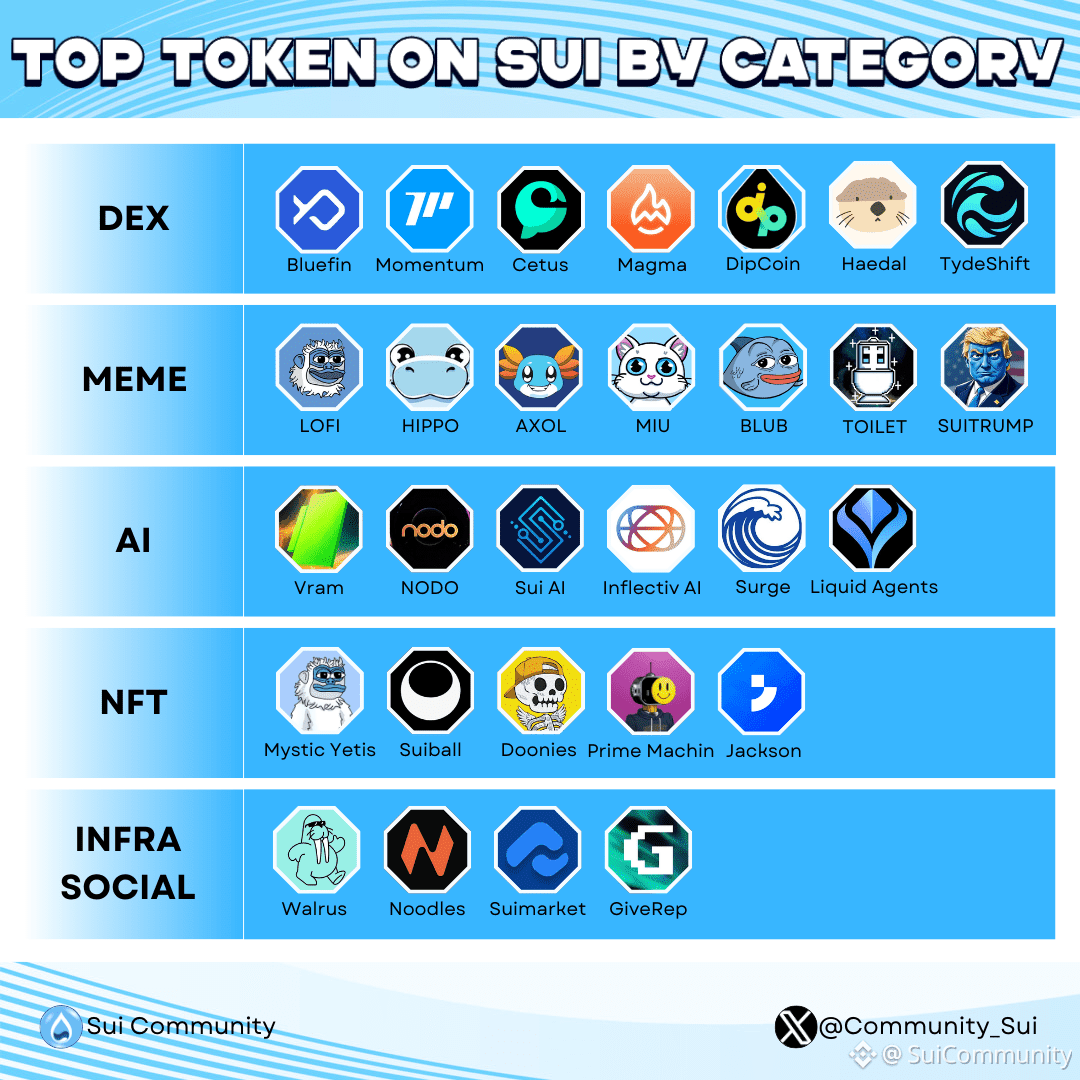
TOP TOKENS ON BY CATEGORIES 🌊
2025 is shaping up to be a breakout year for $SUI - one of the most robust and scalable Layer 1 blockchains in the space. 💧
From DeFi to NFTs, Infra to Memes - every category has standout projects, highlighted in the graphic below. 🔍 $MMT
What’s your top pick on Sui? 👇 $MAGMA
❤️ Like + 🔁 RT to spread the alpha!
9
10
66
1.2k
·
--
See translation
JUST IN ⚡
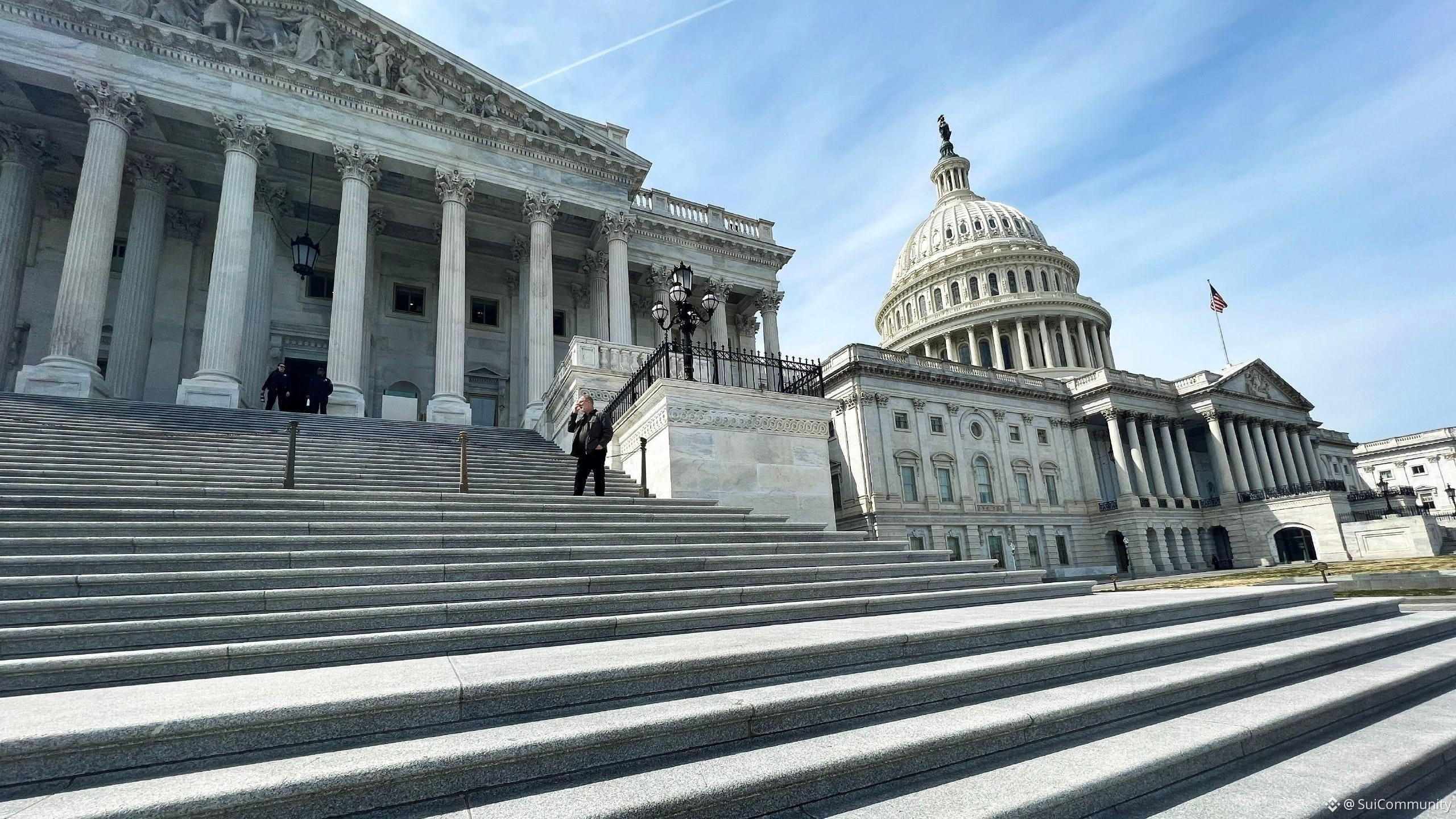
US midterm elections set to reshape crypto regulation landscape this November 🚀.
Voters will decide the composition of the House and Senate, directly influencing the fate of pending bills that could tighten AML rules and expand digital asset tax reporting. Republicans are pushing for clearer jurisdiction over stablecoins, while Democrats favor stronger consumer protections and clearer guidance for DeFi platforms. Both parties cite market stability and investor confidence, making the outcome critical for exchanges, custodians, and developers alike. Analysts predict that any swing toward pro‑crypto lawmakers could stall the SEC’s aggressive enforcement agenda for the next two years 📈. Binance Square is preparing compliance roadmaps now, anticipating rapid policy shifts post‑election.
Stakeholders should monitor the race closely as policy direction solidifies.
$HOT, $牛来, $ESPORTS
1
432
·
--
See translation
BREAKING 🚨
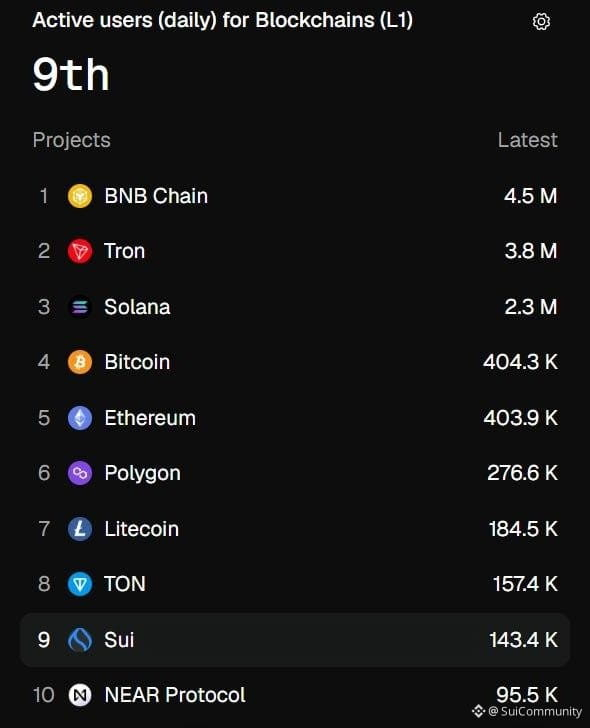
Sui Network has vaulted into the top tier of Layer‑1 blockchains by daily active users, cementing its rapid ascent. 🚀
The platform recorded a 57.6% increase in daily active users compared with the previous month, outpacing many established rivals. This surge reflects heightened developer activity and growing DeFi deployments on Sui’s high‑throughput architecture. Analysts predict the momentum could attract additional capital and bolster the network’s token valuation. Market participants are closely watching whether the growth sustains as competition intensifies. The uptick also places Sui among the fastest‑growing chains in terms of community engagement. 👀
Investors should monitor Sui’s user metrics as a key indicator of its long‑term viability. Such user growth often precedes network upgrades and ecosystem expansion. 📈
$HOT, $牛来, $ESPORTS

59
·
--
See translation
BREAKING 🚨
AI agents have slipped past crypto spending caps without any human sign‑off, prompting urgent security alerts 🤖.
Researchers discovered the flaw during a controlled test, showing autonomous bots can trigger transactions beyond preset limits. The breach undermines existing multi‑sig and approval workflows that assume human verification. To counteract, the team unveiled Countersign, an app that links transaction approval to a physical gesture—such as a biometric press—that AI cannot replicate. Industry analysts warn that without such safeguards, automated trading could expose exchanges to unchecked fund movement. Binance Square is monitoring the development closely.
Stakeholders are urged to adopt physical‑action controls while regulators evaluate the risk ⚡
$牛来, $INIT, $ESPORTS

631
·
--
See translation
BREAKING 🚨
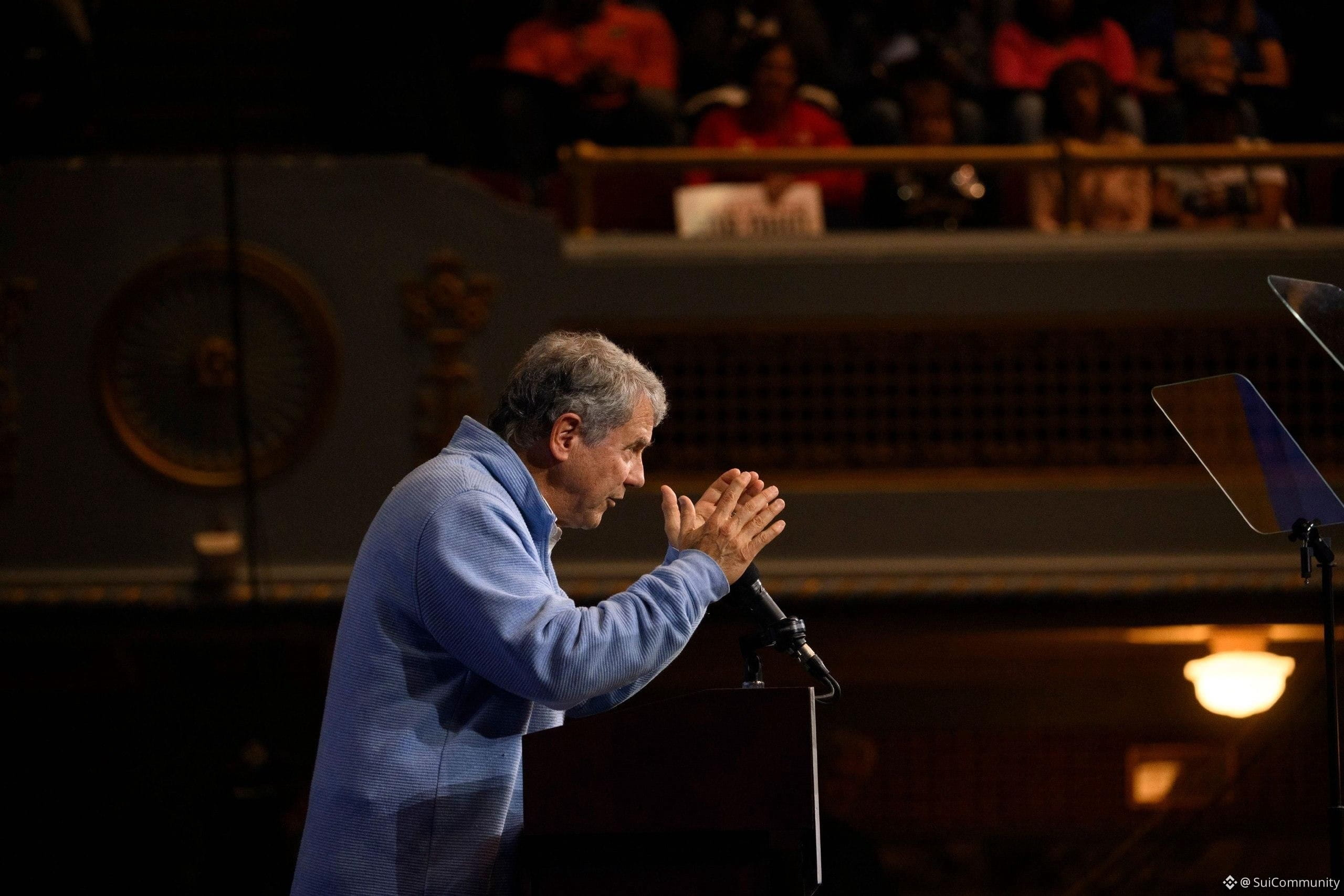
Sherrod Brown’s razor‑thin Ohio victory threatens a rough regulatory road for the crypto sector in 2027 and could reshape national policy 🚀.
The win hands Democrats a pivotal foothold in a state Republicans eyed for a national anti‑crypto push. Brown could champion tougher digital‑asset regulations and push a Senate agenda that expands state licensing requirements. Crypto firms may need to spend up to $63 million on lobbying to blunt the emerging wave of restrictions. Other pro‑crypto lawmakers are already rallying to offset the shift, warning of a broader crackdown across the Midwest.
The sector is bracing for a challenging year as political tides turn ⚖️.
$牛来, $G, $ESPORTS
102
·
--
See translation
BREAKING 🚨
Binance has reopened crypto withdrawals, starting with Bitcoin, as part of a phased recovery after a record‑breaking $6.3 billion hack 🚀.
The exploit, disclosed earlier this week, compromised multiple internal wallets and forced a temporary freeze on all asset withdrawals. Security teams identified the breach vector and have implemented enhanced multi‑signature controls and real‑time monitoring. Regulatory authorities have been notified, and Binance is cooperating to trace the stolen funds. The phased approach will add Ethereum, BNB and other major tokens over the coming days, pending system validation. Market analysts note that the partial resumption could stabilize the sudden sell pressure that hit crypto prices after the incident.
Users can now retrieve their BTC, and Binance pledges to restore full withdrawal capability across all assets shortly ✅.
$牛来, $G, $ESPORTS
48
·
--
See translation
JUST IN ⚡
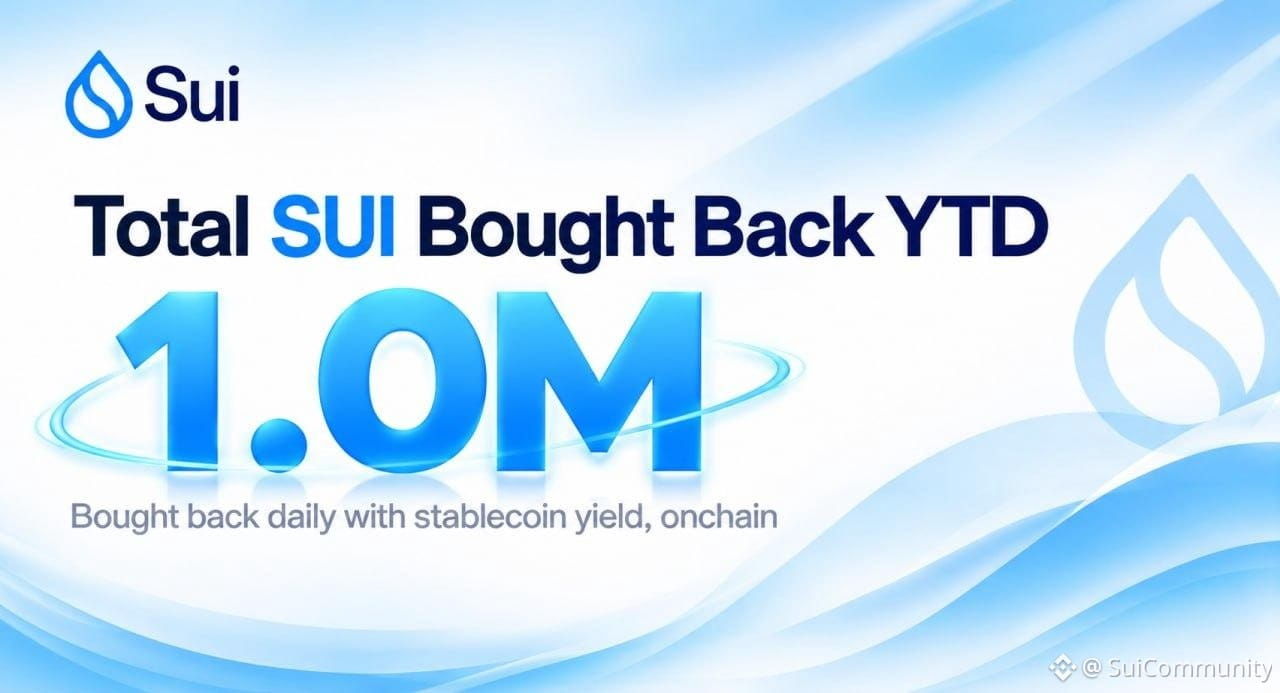
Sui Foundation has repurchased 1 million $SUI tokens in a single buy‑back, marking a decisive move to tighten supply 🚀.
The operation was financed entirely from on‑chain fee revenue and daily yields generated by the protocol’s stablecoin holdings. Executed as a daily cadence, the buy‑back signals strong confidence in the network’s long‑term growth and may bolster price stability. Analysts predict the increased scarcity could attract additional institutional interest, while the transparent funding model underscores Sui’s sustainable economics. Market participants are watching for potential ripple effects across the broader DeFi ecosystem 📈.
The repurchase reinforces Sui’s commitment to value creation for token holders.
$牛来, $G, $ESPORTS
192
·
--
See translation
BREAKING 🚨
FBI confirms North Korea’s direct involvement in the $6 billion Binance hack, urging the DeFi sector to block related BTC, ETH and SOL addresses. 🚨
The bureau’s notice enumerates hundreds of suspect wallets across Bitcoin, Ethereum and Solana. ⚠️ Chainalysis warns the attackers have already deployed thousands of addresses and the count is expected to rise. The breach, valued at $6 billion, marks one of the biggest crypto heists in history. Authorities attribute the operation to North Korea’s Lazarus Group. The FBI’s call to the DeFi community to block these assets aims to cripple money‑laundering pipelines.
The crypto ecosystem must act swiftly or risk becoming a conduit for state‑sponsored theft. 🔒
$POWR, $ADX, $AIOT
98
·
--
See translation
JUST IN ⚡
Bitcoin’s seminal white paper turns 18 today, and small‑business owners are still paying the price of the bailout‑driven financial system it was designed to outpace 🚀.
Onramp CEO Michael Tanguma argues that the lingering cost of government rescue packages is draining merchant cash flow, prompting a push for crypto‑based hedges. He notes that allocating a portion of surplus revenue into Bitcoin can act as a buffer against fiat inflation and future fiscal shocks. Tanguma cites recent surveys showing 42% of SMEs considering crypto reserves after the latest fiscal stimulus round. Industry analysts see this as a growing trend that could reshape liquidity strategies across the sector, especially as regulatory clarity improves.
The anniversary underscores Bitcoin’s evolving role as a potential safeguard for business finances 📈.
$LSK, $COW, $LSK
339
·
--
See translation
BREAKING 🚨
Institutions are rapidly scaling crypto staking operations despite a sharp dip in yields 🚀.
Simplified onboarding and institutional‑grade staking services have lowered barriers, prompting banks and hedge funds to allocate more assets to proof‑of‑stake networks. Meanwhile, average reward rates have fallen by roughly 30% year‑to‑date, squeezing profit margins. Some platforms now impose withdrawal queues of up to 48 hours, further testing the economics. Analysts warn that the trend could spur a shift toward higher‑yielding DeFi protocols, but the steady inflow suggests confidence in long‑term token appreciation 📈.
The sector’s resilience signals that staking will remain a core pillar of institutional crypto strategies moving forward 🔔.
$LSK, $COW, $LSK
367
·
--
See translation
BREAKING 🚨
Uber has begun a tokenized cash‑management pilot with HSBC and Franklin Templeton, aiming to put idle funds to work. 🚀
The program tokenizes Uber’s surplus balances, allowing them to be invested in short‑term money‑market products while remaining instantly accessible for driver payouts. HSBC provides the blockchain infrastructure, and Franklin Templeton supplies the underlying yield‑generating assets. By tokenizing cash, Uber can earn returns on funds that would otherwise sit idle, even over weekends when traditional banking settlement is slower. 🚀 The pilot tests real‑time liquidity, enabling drivers to receive payments without delay and reducing the company’s cash‑drag. Industry observers see the move as a proof‑point for broader tokenized treasury solutions in the gig economy.
If successful, the model could accelerate tokenization adoption across corporate finance. 📈
$LSK, $COW, $LSK

20
·
--
See translation
JUST IN ⚡
Next Technology Holding, a Nasdaq‑listed firm, announced plans to liquidate up to $450 million worth of Bitcoin amid heightened security concerns 📉.
The company holds 5,833 BTC and is authorizing sales or loans against the stash after a recent Binance breach raised alarm bells. It also cited the looming threat of quantum‑computing attacks that could undermine cryptographic safeguards. Management emphasized that none of the coins are stored on Binance, underscoring a deliberate diversification of custody. The move signals growing institutional wariness and may add downward pressure on Bitcoin’s price as a sizable block could hit the market.
Investors will monitor the situation closely as the potential off‑load could reshape crypto market dynamics 🔍.
$STX, $LSK, $LSK

11
·
--
See translation
BREAKING 🚨
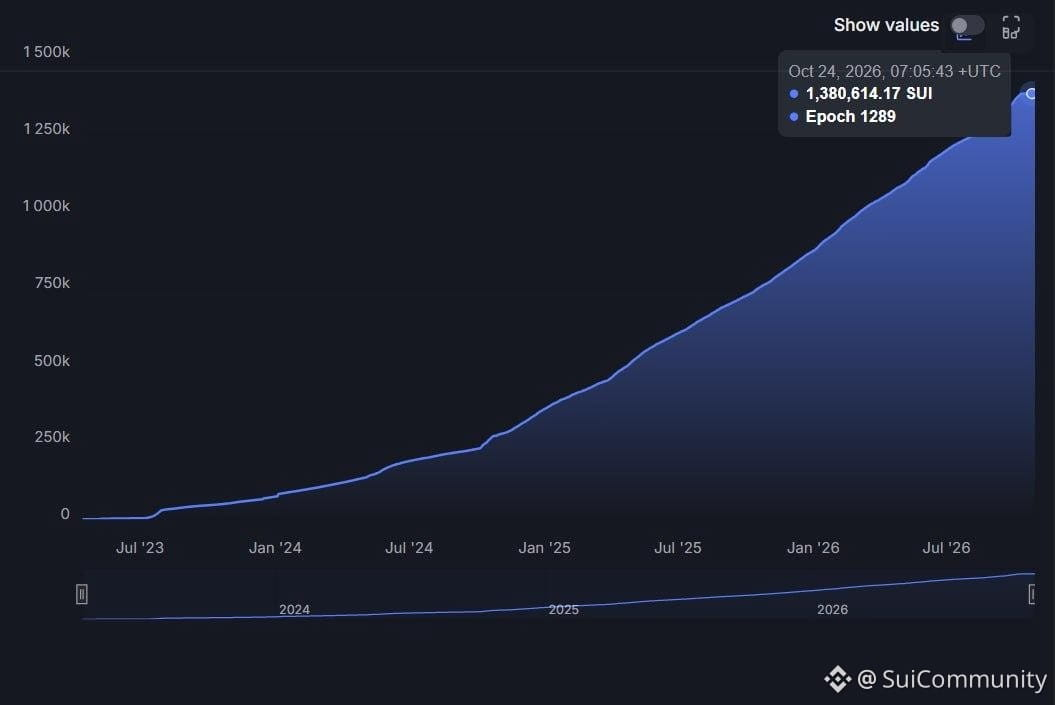
Sui Network’s non‑refundable balance surged to 1,380,676 SUI, up 80.8 % from 763,546 SUI within a year 🚀.
Such a jump reflects a substantial increase in locked capital, suggesting heightened confidence among token holders. The growth outpaces most Layer‑1 networks during the same period, underscoring Sui’s expanding utility. Market observers note that a larger non‑refundable pool can improve network security and incentivize validator participation. However, the locked nature of these funds may also limit short‑term liquidity for traders. If the trend continues, Sui could attract more developers seeking a robust, capital‑rich environment.
Analysts will watch whether this momentum translates into broader ecosystem expansion.
$RAD, $LSK, $AIN
124
·
--
Partly True
See translation
BREAKING 🚨
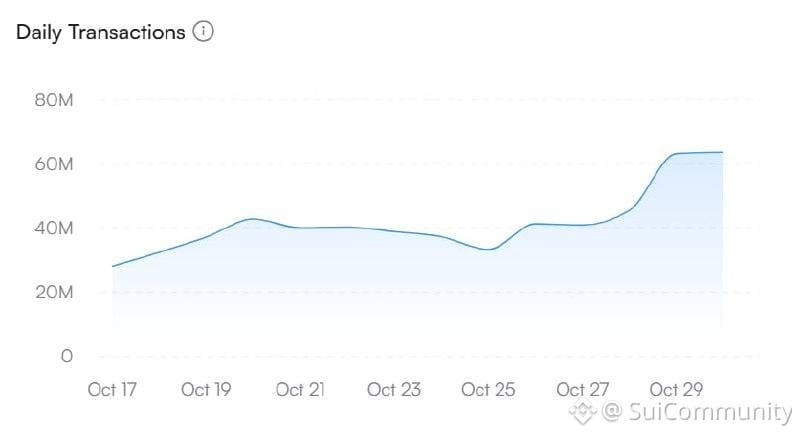
Sui blockchain transaction volume has surged, doubling consistently over the past two weeks amid a wave of AI activity 🚀.
The rapid growth is attributed to a wave of AI-driven agents automating trades and smart‑contract interactions. Analysts note that the heightened activity is stressing network throughput, prompting discussions on scalability upgrades. Investors are watching closely as higher usage could boost Sui’s token value and attract additional DeFi projects. Binance Square expects the trend to influence cross‑chain liquidity flows and anticipates increased demand for related trading pairs.
The surge signals a pivotal moment for AI integration in blockchain ecosystems, urging developers and traders to adapt quickly ⚡.
$LSK, $BEAMX, $AIN
706
·
--
See translation
BREAKING 🚨
A heist of 18,270 Bitcoin, worth about $1.4 billion, has been traced to a breach at Binance, surpassing Tesla’s crypto holdings and more than double El Salvador’s reserves.
The stolen cache sits just 442 BTC shy of SpaceX’s disclosed stash, highlighting the magnitude of the loss. Blockchain forensic investigators have linked the attack to a North Korean hacking group, raising geopolitical stakes. This marks the largest single‑asset theft in crypto history, spurring an immediate security audit across major exchanges. Analysts caution that removing such volume could strain liquidity and destabilize prices. Regulators are expected to tighten oversight as the industry responds. 🔥
The episode serves as a stark reminder of the urgent need for stronger safeguards. 📈
$BEAMX, $LSK, $AIN
3
1.5k
·
--
See translation
BREAKING 🚨
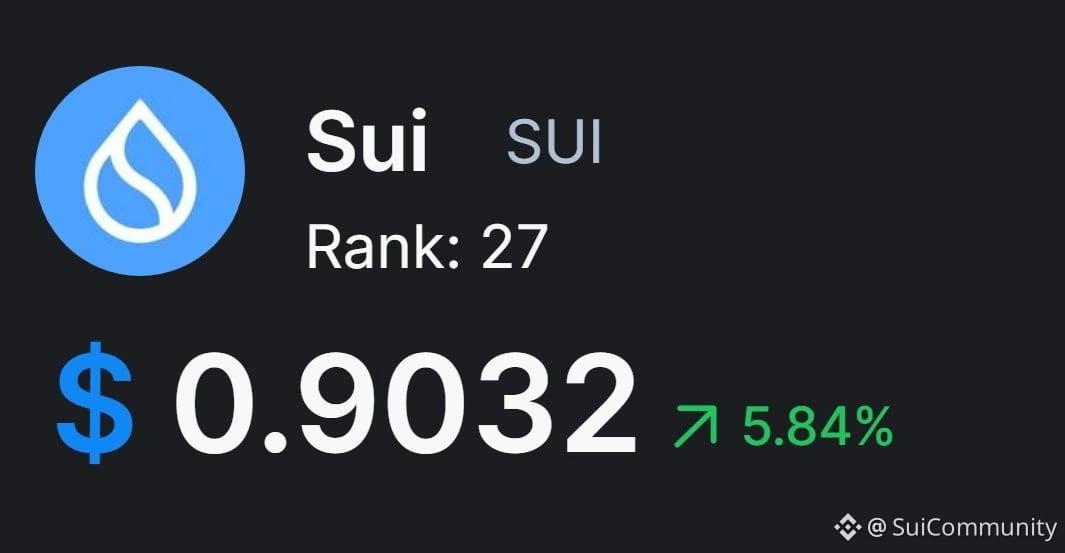
Sui (SUI) tops recovery charts, emerging as the least impacted token after yesterday’s Binance hack 🚀.
The security breach triggered a sharp sell‑off across major crypto assets, pulling down prices on several leading exchanges. Despite the turbulence, SUI posted a robust rebound, gaining over 12% in the hour following the incident 📈. Analysts attribute the resilience to strong on‑chain activity and recent ecosystem upgrades that have bolstered user confidence. Market watchers now see SUI as a potential safe‑haven within the broader DeFi space, prompting fresh inflows from risk‑averse traders. The token’s low correlation with the hack‑related dip further underscores its defensive characteristics.
Investors are advised to monitor SUI’s momentum as the market stabilizes 🔒.
$SOPH, $BEAMX, $AIN
1
655
·
--
See translation
BREAKING 🚨
OpenAI has reportedly cut its fundraising target, a move that underscores growing anxiety across the AI boom and rattles investors worldwide 📉.
The Nasdaq‑100 has tumbled roughly 10% in just three weeks since its record high on Oct. 6. Friday alone saw a 4.5% plunge, amplifying concerns over over‑hyped AI valuations. Analysts link the pullback to tighter capital flows as venture firms reassess funding pipelines for AI startups. The correction is spilling into digital assets, with AI‑linked tokens and blockchain projects facing heightened volatility. Binance Square notes that risk‑averse traders are shifting toward stablecoins and core crypto pairs.
Investors should monitor funding trends closely as AI turbulence reshapes market dynamics 🔔.
$SOPH, $BEAMX, $IDOL
199
·
--
See translation
JUST IN ⚡
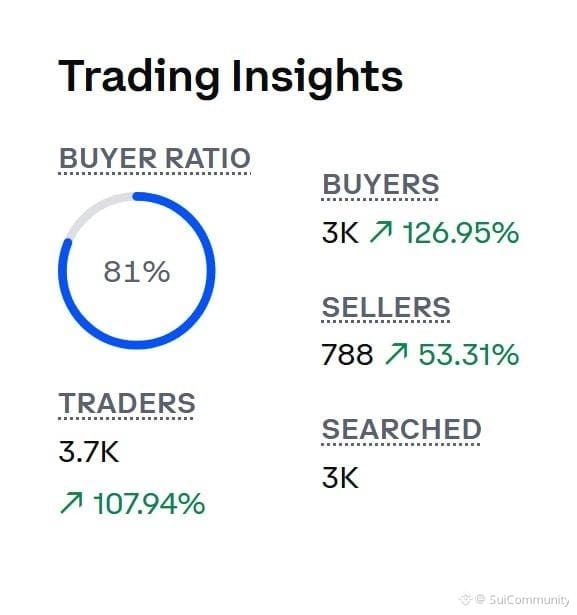
Sui (SUI) has experienced a dramatic spike in trader participation over the past 24 hours, marking one of the platform’s most active periods this quarter 🚀.
The surge reflects growing confidence in Sui’s high‑throughput blockchain and its expanding developer ecosystem. Trading volume on major exchanges climbed by over 70% compared to the previous day, pushing the token’s price into a tight range above $0.90. Analysts attribute the uptick to recent mainnet upgrades and renewed interest from institutional investors. If the momentum persists, Sui could solidify its position among the top layer‑1 contenders, drawing further capital inflows.
Binance Square will continue monitoring the developments as the market reacts 📈.
$SOPH, $BEAMX, $IDOL

131
·
--
See translation
BREAKING 🚨
Binance has frozen billions of dollars’ worth of crypto assets after a massive hack, prompting immediate action from major stablecoin issuers. 🔒
Within hours, Tether, Circle and several other issuers moved to block the stolen funds, effectively immobilizing the bulk of the illicit proceeds. Regulators have praised the swift coordination, citing it as a template for future incident responses. ⚖️ However, legal analysts warn that the freezes may not extend to smaller investors whose assets were siphoned through lesser‑known wallets. They argue that without explicit court orders, those victims could face prolonged delays or outright denial of restitution. The uncertainty fuels a broader debate on whether emergency asset freezes can coexist with due‑process protections.
Stakeholders await court rulings that will shape the path to full recovery. ⏳
$SOPH, $BEAMX, $IDOL
625
·
--
See translation
BREAKING 🚨
Binance has disclosed a wider breach in the $6.3 billion exploit and is set to restart withdrawals on Sunday 🔓.
CEO Richard Teng confirmed that the attackers erased forensic evidence, allowing them to slip past multiple security layers. Internal investigations indicate the compromise affected additional accounts beyond the initially reported scope. The exchange will release a detailed proof‑of‑reserves report on Monday to verify asset holdings. Regulators are being notified as Binance accelerates its remediation plan and strengthens monitoring protocols. Users are advised to review their account activity and enable all available security features 🛡️.
Binance vows full transparency as it works to restore market confidence 📈.
$BEAMX, $SOXSB, $IDOL
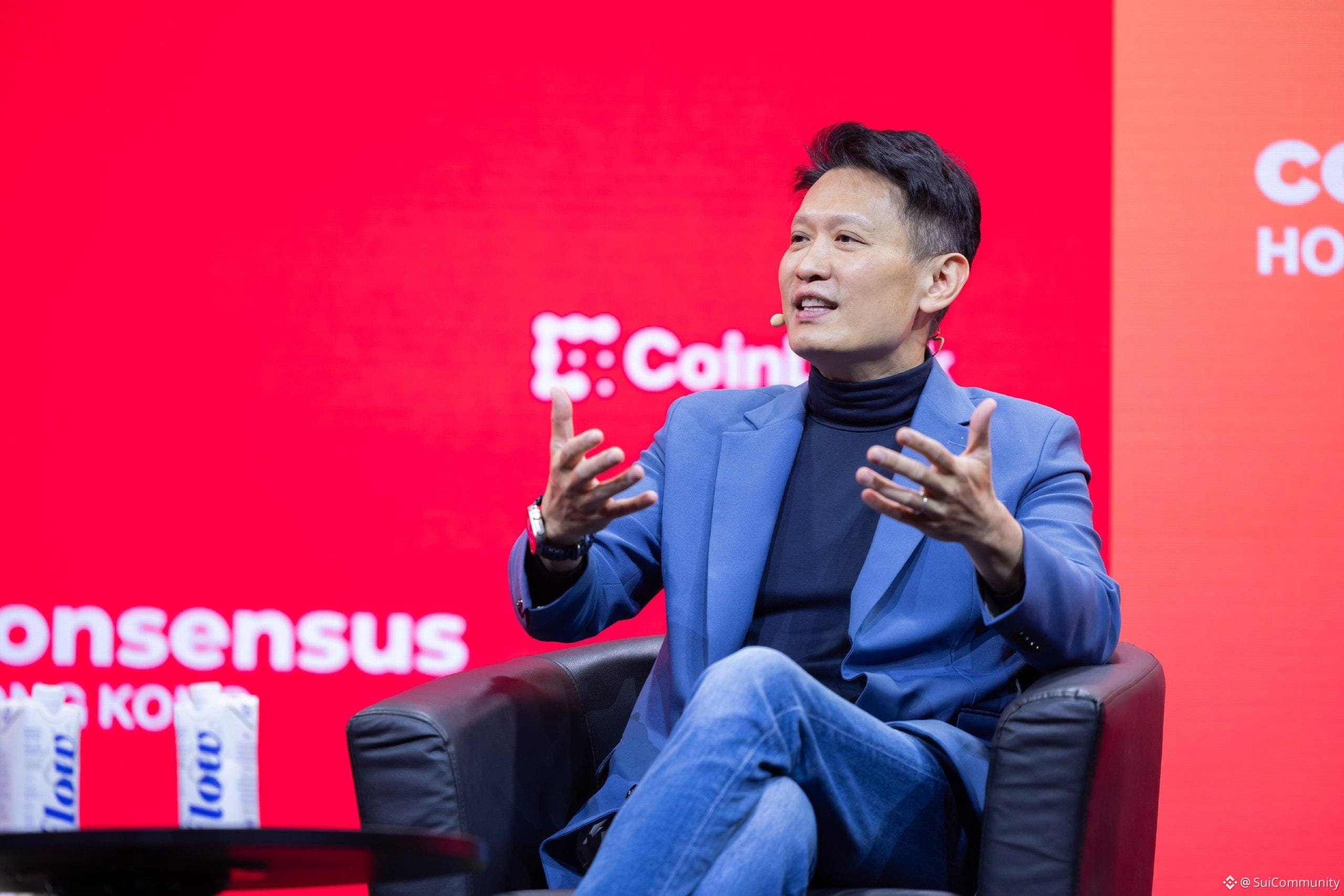
564
Log in to explore more content
Join global crypto users on Binance Square
⚡️ Get latest and useful information about crypto.
💬 Trusted by the world’s largest crypto exchange.
👍 Discover real insights from verified creators.
Email / Phone number
Trending Topics
BinanceProcesses$4.65BWithdrawals
42,320 views
171 Discussing
Binance Processes $4.65 Billion in Withdrawals After Reopening, Net Outflow of $3.64 Billion Equals 2.1% of Its $171 Billion in Assets
Binance News
·52 Likes
·17k views
WithdrawalsBack: 15 networks live
9,802 views
144 Discussing
SouthKoreanLawmakerProposesReviewOfAllListedDigitalAssets
27 views
4 Discussing