
ametisto and future canvas
6.9k Posts

ametisto and future canvas
Report
Block User
Futures crypto insights & trading trends in DE, EN, ES, PT & FR. Market psychology, setups and next-move opportunities. TikTok:@futurecanvas
Frequent Trader
1.8 Years
417 Following
646 Followers
3.8K+ Liked
Posts
All
Quotes
720
🇦🇷 Argentina: Milei’s “economic miracle” faces new doubts
Javier Milei’s economic program has achieved significant progress in some macroeconomic indicators, but its effects on everyday life for Argentines are generating an increasingly heated debate.
📉 Inflation has slowed considerably: during the first eight months of 2026, monthly inflation ranged between 1.9% and 3.4%. In addition, Argentina recorded a primary fiscal surplus equivalent to 1.8% of GDP, the first since 2008.
But the adjustment has also come with social costs. According to data, nearly 6 million Argentines—13.6% of the population—are in arrears. Unemployment rose from 5.7% at the end of 2023 to 7.8% in the first quarter of 2026.
🏭 The industrial sector is also struggling. More than 30,000 companies may have closed since the start of Milei’s government, according to Fundar, although the Casa Rosada questions those figures. Among the factors cited are a drop in domestic consumption, loss of purchasing power, and increased external competition.
💰 The contrast is one of the key elements of the debate: while macroeconomic stabilization moves forward, households face higher costs. Between December 2023 and July 2026, the basic services tariffs cited by UOL increased by 966%, compared with cumulative inflation of 241%. According to UBA data, the minimum wage lost 39.3% of its real purchasing power between November 2023 and April 2026.
At the same time, the Argentine economy continues to show signs of recovery: GDP grew 2% year-on-year in the second quarter of 2026, driven mainly by mining, agriculture, fishing, and exports, although manufacturing industry fell by 2%.
The coming months will be crucial to determine whether the recovery extends from export sectors to consumption, employment, and the domestic industry.
🇦🇷 Argentina: Milei’s “economic miracle” faces new doubts
Javier Milei’s economic program has achieved significant progress in some macroeconomic indicators, but its effects on everyday life for Argentines are generating an increasingly heated debate.
📉 Inflation has slowed considerably: during the first eight months of 2026, monthly inflation ranged between 1.9% and 3.4%. In addition, Argentina recorded a primary fiscal surplus equivalent to 1.8% of GDP, the first since 2008.
But the adjustment has also come with social costs. According to data, nearly 6 million Argentines—13.6% of the population—are in arrears. Unemployment rose from 5.7% at the end of 2023 to 7.8% in the first quarter of 2026.
🏭 The industrial sector is also struggling. More than 30,000 companies may have closed since the start of Milei’s government, according to Fundar, although the Casa Rosada questions those figures. Among the factors cited are a drop in domestic consumption, loss of purchasing power, and increased external competition.
💰 The contrast is one of the key elements of the debate: while macroeconomic stabilization moves forward, households face higher costs. Between December 2023 and July 2026, the basic services tariffs cited by UOL increased by 966%, compared with cumulative inflation of 241%. According to UBA data, the minimum wage lost 39.3% of its real purchasing power between November 2023 and April 2026.
At the same time, the Argentine economy continues to show signs of recovery: GDP grew 2% year-on-year in the second quarter of 2026, driven mainly by mining, agriculture, fishing, and exports, although manufacturing industry fell by 2%.
The coming months will be crucial to determine whether the recovery extends from export sectors to consumption, employment, and the domestic industry.
Javier Milei’s economic program has achieved significant progress in some macroeconomic indicators, but its effects on everyday life for Argentines are generating an increasingly heated debate.
📉 Inflation has slowed considerably: during the first eight months of 2026, monthly inflation ranged between 1.9% and 3.4%. In addition, Argentina recorded a primary fiscal surplus equivalent to 1.8% of GDP, the first since 2008.
But the adjustment has also come with social costs. According to data, nearly 6 million Argentines—13.6% of the population—are in arrears. Unemployment rose from 5.7% at the end of 2023 to 7.8% in the first quarter of 2026.
🏭 The industrial sector is also struggling. More than 30,000 companies may have closed since the start of Milei’s government, according to Fundar, although the Casa Rosada questions those figures. Among the factors cited are a drop in domestic consumption, loss of purchasing power, and increased external competition.
💰 The contrast is one of the key elements of the debate: while macroeconomic stabilization moves forward, households face higher costs. Between December 2023 and July 2026, the basic services tariffs cited by UOL increased by 966%, compared with cumulative inflation of 241%. According to UBA data, the minimum wage lost 39.3% of its real purchasing power between November 2023 and April 2026.
At the same time, the Argentine economy continues to show signs of recovery: GDP grew 2% year-on-year in the second quarter of 2026, driven mainly by mining, agriculture, fishing, and exports, although manufacturing industry fell by 2%.
The coming months will be crucial to determine whether the recovery extends from export sectors to consumption, employment, and the domestic industry.

99
Verified
Warren Buffett steps down as president of Berkshire Hathaway
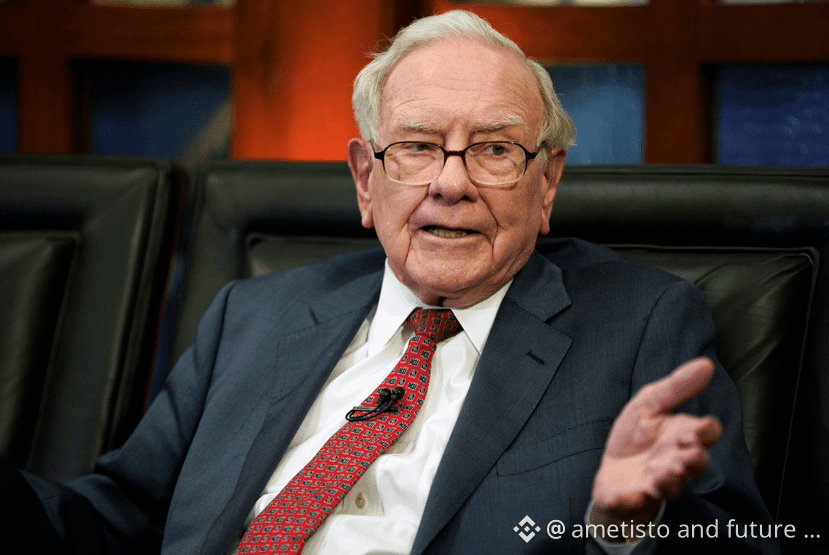
Warren Buffett, at age 96, stepped down this Friday (18) as chairman of Berkshire Hathaway’s board, ending more than five decades at the helm of the company. He will become chairman emeritus and will continue on the board, maintaining a role in the company’s strategic guidance. (The Wall Street Journal)
The position will be immediately assumed by his son, Howard G. Buffett, who has been on Berkshire’s board since 1993. The change is part of the company’s succession plan. (Berkshire Hathaway)
The transition marks another step in the gradual exit of the “Oracle of Omaha” from the leadership of the company that transformed from an old textile manufacturer into a conglomerate valued at around US$ 1 trillion. (The Wall Street Journal)
The CEO role had already been handed over to Greg Abel in January 2026. Buffett said he is confident about Berkshire’s future and noted that Abel exceeded his expectations as the company’s leader.
📌 The new Berkshire structure:
• 👤 Warren Buffett — chairman emeritus and director
• 👤 Howard Buffett — chairman of the board
• 👤 Greg Abel — CEO
After more than 60 years with Berkshire, Buffett leaves the company’s top formal governance position, but will remain close to the company and its shareholders.
One of the biggest transitions in the history of the U.S. market has just begun.
Warren Buffett steps down as president of Berkshire Hathaway
Warren Buffett, at age 96, stepped down this Friday (18) as chairman of Berkshire Hathaway’s board, ending more than five decades at the helm of the company. He will become chairman emeritus and will continue on the board, maintaining a role in the company’s strategic guidance. (The Wall Street Journal)
The position will be immediately assumed by his son, Howard G. Buffett, who has been on Berkshire’s board since 1993. The change is part of the company’s succession plan. (Berkshire Hathaway)
The transition marks another step in the gradual exit of the “Oracle of Omaha” from the leadership of the company that transformed from an old textile manufacturer into a conglomerate valued at around US$ 1 trillion. (The Wall Street Journal)
The CEO role had already been handed over to Greg Abel in January 2026. Buffett said he is confident about Berkshire’s future and noted that Abel exceeded his expectations as the company’s leader.
📌 The new Berkshire structure:
• 👤 Warren Buffett — chairman emeritus and director
• 👤 Howard Buffett — chairman of the board
• 👤 Greg Abel — CEO
After more than 60 years with Berkshire, Buffett leaves the company’s top formal governance position, but will remain close to the company and its shareholders.
One of the biggest transitions in the history of the U.S. market has just begun.
Warren Buffett, at age 96, stepped down this Friday (18) as chairman of Berkshire Hathaway’s board, ending more than five decades at the helm of the company. He will become chairman emeritus and will continue on the board, maintaining a role in the company’s strategic guidance. (The Wall Street Journal)
The position will be immediately assumed by his son, Howard G. Buffett, who has been on Berkshire’s board since 1993. The change is part of the company’s succession plan. (Berkshire Hathaway)
The transition marks another step in the gradual exit of the “Oracle of Omaha” from the leadership of the company that transformed from an old textile manufacturer into a conglomerate valued at around US$ 1 trillion. (The Wall Street Journal)
The CEO role had already been handed over to Greg Abel in January 2026. Buffett said he is confident about Berkshire’s future and noted that Abel exceeded his expectations as the company’s leader.
📌 The new Berkshire structure:
• 👤 Warren Buffett — chairman emeritus and director
• 👤 Howard Buffett — chairman of the board
• 👤 Greg Abel — CEO
After more than 60 years with Berkshire, Buffett leaves the company’s top formal governance position, but will remain close to the company and its shareholders.
One of the biggest transitions in the history of the U.S. market has just begun.
1k
See translation
🌍 GLOBAL MARKETS UPDATE
🇯🇵 Bank of Japan: The BOJ closed the week’s central-bank decisions by raising its policy rate by 25 basis points, from 1.00% to 1.25% — its highest level in 31 years and the second hike in just a few months. The move was widely expected, and markets are now watching closely for signs of whether the tightening cycle could accelerate.
🛢️ Oil: Crude prices fell for a second consecutive session, with Brent dropping around 1% to near $105 a barrel as signs of diplomatic progress in the Middle East reduced part of the supply-risk premium.
🇺🇸 Treasuries & Wall Street: The 10-year Treasury yield moved back below the 5% threshold, returning to around 4.9%. With yields easing across the curve, Wall Street snapped its recent losing streak, led by technology stocks. The Nasdaq gained 1.7%.
⚠️ But the relief remains fragile. Physical oil markets are still tight, while tanker traffic through the Strait of Hormuz continues to decline. Brent remains above $100 and has posted a strong monthly gain.
The key question for markets: how durable is this relief if energy supply risks remain elevated?
#Markets #BankOfJapan #BOJ #Oil #Brent #Treasuries #Nasdaq #WallStreet #GlobalEconomy #Investing
🌍 GLOBAL MARKETS UPDATE
🇯🇵 Bank of Japan: The BOJ closed the week’s central-bank decisions by raising its policy rate by 25 basis points, from 1.00% to 1.25% — its highest level in 31 years and the second hike in just a few months. The move was widely expected, and markets are now watching closely for signs of whether the tightening cycle could accelerate.
🛢️ Oil: Crude prices fell for a second consecutive session, with Brent dropping around 1% to near $105 a barrel as signs of diplomatic progress in the Middle East reduced part of the supply-risk premium.
🇺🇸 Treasuries & Wall Street: The 10-year Treasury yield moved back below the 5% threshold, returning to around 4.9%. With yields easing across the curve, Wall Street snapped its recent losing streak, led by technology stocks. The Nasdaq gained 1.7%.
⚠️ But the relief remains fragile. Physical oil markets are still tight, while tanker traffic through the Strait of Hormuz continues to decline. Brent remains above $100 and has posted a strong monthly gain.
The key question for markets: how durable is this relief if energy supply risks remain elevated?
#Markets #BankOfJapan #BOJ #Oil #Brent #Treasuries #Nasdaq #WallStreet #GlobalEconomy #Investing
🇯🇵 Bank of Japan: The BOJ closed the week’s central-bank decisions by raising its policy rate by 25 basis points, from 1.00% to 1.25% — its highest level in 31 years and the second hike in just a few months. The move was widely expected, and markets are now watching closely for signs of whether the tightening cycle could accelerate.
🛢️ Oil: Crude prices fell for a second consecutive session, with Brent dropping around 1% to near $105 a barrel as signs of diplomatic progress in the Middle East reduced part of the supply-risk premium.
🇺🇸 Treasuries & Wall Street: The 10-year Treasury yield moved back below the 5% threshold, returning to around 4.9%. With yields easing across the curve, Wall Street snapped its recent losing streak, led by technology stocks. The Nasdaq gained 1.7%.
⚠️ But the relief remains fragile. Physical oil markets are still tight, while tanker traffic through the Strait of Hormuz continues to decline. Brent remains above $100 and has posted a strong monthly gain.
The key question for markets: how durable is this relief if energy supply risks remain elevated?
#Markets #BankOfJapan #BOJ #Oil #Brent #Treasuries #Nasdaq #WallStreet #GlobalEconomy #Investing
82
See translation
$META.US 🥽 Meta is up 0.83%. Its Q2 2026 revenue increased 28% year over year, reaching 60.8 billion, while AI is increasingly integrated into advertising, recommendation systems and new products. Meta has also been developing AI hardware and its own AI infrastructure.
$META.US 🥽 Meta is up 0.83%. Its Q2 2026 revenue increased 28% year over year, reaching 60.8 billion, while AI is increasingly integrated into advertising, recommendation systems and new products. Meta has also been developing AI hardware and its own AI infrastructure.
METAUS-2.30%
124
Partly True
See translation
$TSLA.US ⚡ Tesla is gaining 1.74%. Recent trading has remained volatile, with shares moving between roughly 351 and 384 during early September. The company is also approaching a major catalyst around its autonomous-driving and Cybercab strategy.
$TSLA.US ⚡ Tesla is gaining 1.74%. Recent trading has remained volatile, with shares moving between roughly 351 and 384 during early September. The company is also approaching a major catalyst around its autonomous-driving and Cybercab strategy.
TSLAUS-0.41%
187
See translation
$NVDA.US 🤖 shows +1.75% and remains one of the central beneficiaries of AI infrastructure spending. Q2 fiscal 2027 revenue reached 96.2 billion, up 18% sequentially. Recent trading has been volatile, but the company continues to post record-scale AI demand.
$NVDA.US 🤖 shows +1.75% and remains one of the central beneficiaries of AI infrastructure spending. Q2 fiscal 2027 revenue reached 96.2 billion, up 18% sequentially. Recent trading has been volatile, but the company continues to post record-scale AI demand.
NVDAUS+0.97%
31
See translation
$AMD.US 🖥️ is up 4.22%. Its latest quarter delivered 11.5 billion in revenue, up 50% year over year, while Data Center revenue jumped 107%. AMD is also expanding its AI portfolio with MI400 GPUs and Helios systems, supporting the current momentum.
$AMD.US 🖥️ is up 4.22%. Its latest quarter delivered 11.5 billion in revenue, up 50% year over year, while Data Center revenue jumped 107%. AMD is also expanding its AI portfolio with MI400 GPUs and Helios systems, supporting the current momentum.
AMDUS+2.31%
1
1
131
Partly True
See translation
$SPCX.US 🚀 SpaceX leads the list at +5.92%. Since its 2026 Nasdaq debut, the stock has shown strong volatility and heavy trading volume; it closed at 143.93 on September 15 after reaching 155.00 during the month. Its combination of Starlink, launch services and AI ambitions keeps it firmly in the high-momentum category.
$SPCX.US 🚀 SpaceX leads the list at +5.92%. Since its 2026 Nasdaq debut, the stock has shown strong volatility and heavy trading volume; it closed at 143.93 on September 15 after reaching 155.00 during the month. Its combination of Starlink, launch services and AI ambitions keeps it firmly in the high-momentum category.
SPCXUS-1.22%
518
See translation
Alpha Market Watch
$BR 🔥 — The strongest momentum setup, with a +128.92% 24-hour move. BR is Bedrock, a Bitcoin liquid-restaking protocol whose token launched on Binance Alpha in 2026. Recent market data shows BR trading around 0.26–0.27, while its Binance Alpha listing and airdrop activity have increased attention. The extreme daily move makes momentum strong but volatility exceptionally high.
$BULLA 🐂 gained 35.20%. The project behind Bulla focuses on on-chain trade finance and invoice financing, reporting more than 6M financed and 18 months of live activity. Current market data also shows strong recent momentum, including a reported 415.74% 30-day gain in one market analysis.
$42 🪙 gained 29.55%, but it is an unusually thin market: CoinGecko recently reported only about 578 in 24-hour trading volume and a circulating supply of just 41 coins. That scarcity can produce enormous percentage swings from relatively small orders, making the current move notable but also highly speculative.
Alpha Market Watch
$BR 🔥 — The strongest momentum setup, with a +128.92% 24-hour move. BR is Bedrock, a Bitcoin liquid-restaking protocol whose token launched on Binance Alpha in 2026. Recent market data shows BR trading around 0.26–0.27, while its Binance Alpha listing and airdrop activity have increased attention. The extreme daily move makes momentum strong but volatility exceptionally high.
$BULLA 🐂 gained 35.20%. The project behind Bulla focuses on on-chain trade finance and invoice financing, reporting more than 6M financed and 18 months of live activity. Current market data also shows strong recent momentum, including a reported 415.74% 30-day gain in one market analysis.
$42 🪙 gained 29.55%, but it is an unusually thin market: CoinGecko recently reported only about 578 in 24-hour trading volume and a circulating supply of just 41 coins. That scarcity can produce enormous percentage swings from relatively small orders, making the current move notable but also highly speculative.
$BR 🔥 — The strongest momentum setup, with a +128.92% 24-hour move. BR is Bedrock, a Bitcoin liquid-restaking protocol whose token launched on Binance Alpha in 2026. Recent market data shows BR trading around 0.26–0.27, while its Binance Alpha listing and airdrop activity have increased attention. The extreme daily move makes momentum strong but volatility exceptionally high.
$BULLA 🐂 gained 35.20%. The project behind Bulla focuses on on-chain trade finance and invoice financing, reporting more than 6M financed and 18 months of live activity. Current market data also shows strong recent momentum, including a reported 415.74% 30-day gain in one market analysis.
$42 🪙 gained 29.55%, but it is an unusually thin market: CoinGecko recently reported only about 578 in 24-hour trading volume and a circulating supply of just 41 coins. That scarcity can produce enormous percentage swings from relatively small orders, making the current move notable but also highly speculative.

516
🇺🇸 American companies face a new dilemma: how to set prices?
Inflation is back to putting pressure on costs in the U.S., but the problem for businesses goes beyond simply raising or holding prices. According to The Wall Street Journal, business owners are trying to determine whether higher energy costs and volatility driven by the trade war are temporary events or a new economic reality.
Some companies are still keeping prices steady, hoping that costs will fall back. Others already consider price increases inevitable in order to protect their margins. The result is an environment of significant uncertainty for both consumers and businesses.
⚡ Higher energy costs + trade tariffs + persistent inflation = difficulty in pricing.
The big question now is: should companies absorb the costs or pass them on to the consumer?
#Economy #USA #Inflation #Markets #Companies #Energy #Trade #WallStreet #Investments
🇺🇸 American companies face a new dilemma: how to set prices?
Inflation is back to putting pressure on costs in the U.S., but the problem for businesses goes beyond simply raising or holding prices. According to The Wall Street Journal, business owners are trying to determine whether higher energy costs and volatility driven by the trade war are temporary events or a new economic reality.
Some companies are still keeping prices steady, hoping that costs will fall back. Others already consider price increases inevitable in order to protect their margins. The result is an environment of significant uncertainty for both consumers and businesses.
⚡ Higher energy costs + trade tariffs + persistent inflation = difficulty in pricing.
The big question now is: should companies absorb the costs or pass them on to the consumer?
#Economy #USA #Inflation #Markets #Companies #Energy #Trade #WallStreet #Investments
Inflation is back to putting pressure on costs in the U.S., but the problem for businesses goes beyond simply raising or holding prices. According to The Wall Street Journal, business owners are trying to determine whether higher energy costs and volatility driven by the trade war are temporary events or a new economic reality.
Some companies are still keeping prices steady, hoping that costs will fall back. Others already consider price increases inevitable in order to protect their margins. The result is an environment of significant uncertainty for both consumers and businesses.
⚡ Higher energy costs + trade tariffs + persistent inflation = difficulty in pricing.
The big question now is: should companies absorb the costs or pass them on to the consumer?
#Economy #USA #Inflation #Markets #Companies #Energy #Trade #WallStreet #Investments

47
🇨🇦🇪🇺 Canada could become the first associated member of the European Union
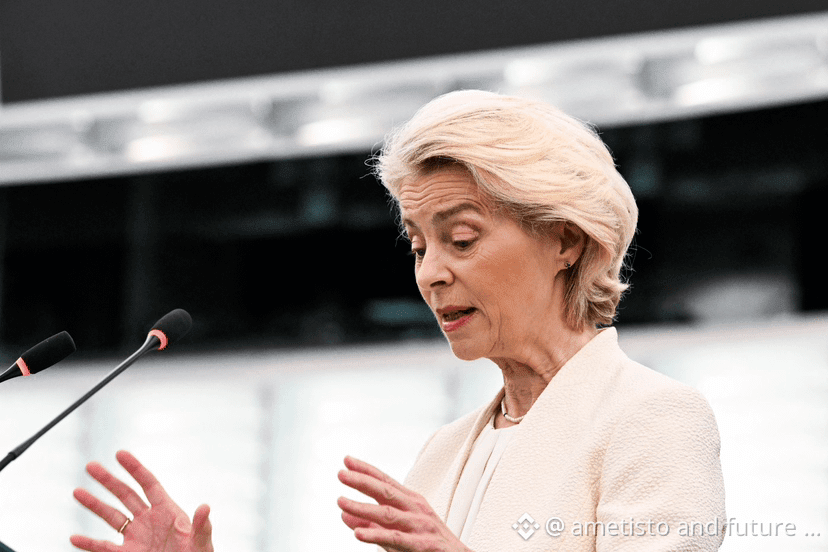
European Commission President Ursula von der Leyen proposed today paving the way for an unprecedented status for Canada: that of an “associated member” of the European Union. The announcement was made during her State of the Union address, in the presence of Canadian Prime Minister Mark Carney.
This status does not currently exist in the EU treaties. The aim would be to significantly strengthen cooperation between Brussels and Ottawa in strategic sectors such as defense, energy, critical minerals, artificial intelligence, technologies, and the Arctic. Talks are also underway on supply chains, digital infrastructure, and industrial cooperation.
The proposal comes at a time when trade relations between Canada and the United States are going through a period of intense tensions. Ottawa is also seeking to diversify its international partnerships.
Mark Carney, however, уточines that Canada is not looking to become a full member of the EU, but to build a “unique alliance” with Europe.
A possible associated accession would nevertheless raise many questions: access to the single market, movement of workers, EU rules, and above all political rights and participation in EU decision-making. The terms are still to be defined.
#Canada #EuropeanUnion #Europe #Geopolitics #MarkCarney #UrsulaVonDerLeyen #Trade #Defense #Energy #AI
🇨🇦🇪🇺 Canada could become the first associated member of the European Union
European Commission President Ursula von der Leyen proposed today paving the way for an unprecedented status for Canada: that of an “associated member” of the European Union. The announcement was made during her State of the Union address, in the presence of Canadian Prime Minister Mark Carney.
This status does not currently exist in the EU treaties. The aim would be to significantly strengthen cooperation between Brussels and Ottawa in strategic sectors such as defense, energy, critical minerals, artificial intelligence, technologies, and the Arctic. Talks are also underway on supply chains, digital infrastructure, and industrial cooperation.
The proposal comes at a time when trade relations between Canada and the United States are going through a period of intense tensions. Ottawa is also seeking to diversify its international partnerships.
Mark Carney, however, уточines that Canada is not looking to become a full member of the EU, but to build a “unique alliance” with Europe.
A possible associated accession would nevertheless raise many questions: access to the single market, movement of workers, EU rules, and above all political rights and participation in EU decision-making. The terms are still to be defined.
#Canada #EuropeanUnion #Europe #Geopolitics #MarkCarney #UrsulaVonDerLeyen #Trade #Defense #Energy #AI
European Commission President Ursula von der Leyen proposed today paving the way for an unprecedented status for Canada: that of an “associated member” of the European Union. The announcement was made during her State of the Union address, in the presence of Canadian Prime Minister Mark Carney.
This status does not currently exist in the EU treaties. The aim would be to significantly strengthen cooperation between Brussels and Ottawa in strategic sectors such as defense, energy, critical minerals, artificial intelligence, technologies, and the Arctic. Talks are also underway on supply chains, digital infrastructure, and industrial cooperation.
The proposal comes at a time when trade relations between Canada and the United States are going through a period of intense tensions. Ottawa is also seeking to diversify its international partnerships.
Mark Carney, however, уточines that Canada is not looking to become a full member of the EU, but to build a “unique alliance” with Europe.
A possible associated accession would nevertheless raise many questions: access to the single market, movement of workers, EU rules, and above all political rights and participation in EU decision-making. The terms are still to be defined.
#Canada #EuropeanUnion #Europe #Geopolitics #MarkCarney #UrsulaVonDerLeyen #Trade #Defense #Energy #AI
1
350
🇺🇸🇮🇷 US forces face pressure on interceptor missile stockpiles
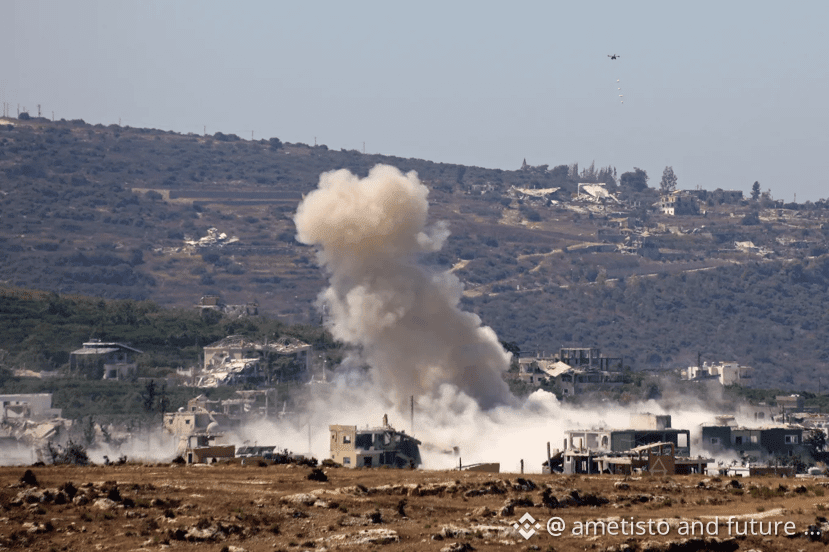
The United States is rapidly consuming its air-defense interceptor stockpiles to contain Iran’s missile attacks in the Middle East.
According to the Wall Street Journal, American forces have reportedly fired 60 to 70 Patriot interceptors—along with THAAD systems—to counter an Iranian attack on Jordan involving about 20 ballistic missiles.
The incident highlights a strategic challenge: each interceptor missile used costs far more to replace than many of the projectiles it is meant to destroy. In addition, the defense industry’s production capacity does not necessarily allow for large stockpiles to be rebuilt quickly.
Therefore, the issue goes beyond the effectiveness of air defense: a protracted war could turn interceptor stockpiles into a critical factor for America’s military capability, especially in the face of multiple theaters of operation.
Pressure on ammunition also arises in a context of reports of bottlenecks in the supply chain and the need to speed up the replenishment of American armaments.
#US #Iran #Defense #Patriot #THAAD #MiddleEast #Geopolitics #War #Military
🇺🇸🇮🇷 US forces face pressure on interceptor missile stockpiles
The United States is rapidly consuming its air-defense interceptor stockpiles to contain Iran’s missile attacks in the Middle East.
According to the Wall Street Journal, American forces have reportedly fired 60 to 70 Patriot interceptors—along with THAAD systems—to counter an Iranian attack on Jordan involving about 20 ballistic missiles.
The incident highlights a strategic challenge: each interceptor missile used costs far more to replace than many of the projectiles it is meant to destroy. In addition, the defense industry’s production capacity does not necessarily allow for large stockpiles to be rebuilt quickly.
Therefore, the issue goes beyond the effectiveness of air defense: a protracted war could turn interceptor stockpiles into a critical factor for America’s military capability, especially in the face of multiple theaters of operation.
Pressure on ammunition also arises in a context of reports of bottlenecks in the supply chain and the need to speed up the replenishment of American armaments.
#US #Iran #Defense #Patriot #THAAD #MiddleEast #Geopolitics #War #Military
The United States is rapidly consuming its air-defense interceptor stockpiles to contain Iran’s missile attacks in the Middle East.
According to the Wall Street Journal, American forces have reportedly fired 60 to 70 Patriot interceptors—along with THAAD systems—to counter an Iranian attack on Jordan involving about 20 ballistic missiles.
The incident highlights a strategic challenge: each interceptor missile used costs far more to replace than many of the projectiles it is meant to destroy. In addition, the defense industry’s production capacity does not necessarily allow for large stockpiles to be rebuilt quickly.
Therefore, the issue goes beyond the effectiveness of air defense: a protracted war could turn interceptor stockpiles into a critical factor for America’s military capability, especially in the face of multiple theaters of operation.
Pressure on ammunition also arises in a context of reports of bottlenecks in the supply chain and the need to speed up the replenishment of American armaments.
#US #Iran #Defense #Patriot #THAAD #MiddleEast #Geopolitics #War #Military

1.1k
🇺🇸🇮🇷 The war with Iran is approaching $40 billion
The cost of the United States’ war with Iran is already nearing $40 billion, as debate grows within the U.S. over the decision to send troops to the conflict.
According to Newsweek, around half of U.S. voters believe sending troops was a mistake, reflecting rising concern about the economic and human cost of the intervention.
The figure comes at an especially delicate time: each new week of military operations can increase public spending, raise pressure on the Armed Forces, and create new uncertainties for energy markets and the global economy.
The political question is also becoming more significant: while the U.S. administration defends its military objectives, a major part of the electorate is questioning whether the war’s costs and risks justify the intervention.
🌍 With tens of billions of dollars already committed, the conflict with Iran is not only a military challenge: it is also becoming an economic and political issue of enormous scope for the United States.
#UnitedStates #Iran #War #Geopolitics #Economy #Trump #MiddleEast #Newsweek
🇺🇸🇮🇷 The war with Iran is approaching $40 billion
The cost of the United States’ war with Iran is already nearing $40 billion, as debate grows within the U.S. over the decision to send troops to the conflict.
According to Newsweek, around half of U.S. voters believe sending troops was a mistake, reflecting rising concern about the economic and human cost of the intervention.
The figure comes at an especially delicate time: each new week of military operations can increase public spending, raise pressure on the Armed Forces, and create new uncertainties for energy markets and the global economy.
The political question is also becoming more significant: while the U.S. administration defends its military objectives, a major part of the electorate is questioning whether the war’s costs and risks justify the intervention.
🌍 With tens of billions of dollars already committed, the conflict with Iran is not only a military challenge: it is also becoming an economic and political issue of enormous scope for the United States.
#UnitedStates #Iran #War #Geopolitics #Economy #Trump #MiddleEast #Newsweek
The cost of the United States’ war with Iran is already nearing $40 billion, as debate grows within the U.S. over the decision to send troops to the conflict.
According to Newsweek, around half of U.S. voters believe sending troops was a mistake, reflecting rising concern about the economic and human cost of the intervention.
The figure comes at an especially delicate time: each new week of military operations can increase public spending, raise pressure on the Armed Forces, and create new uncertainties for energy markets and the global economy.
The political question is also becoming more significant: while the U.S. administration defends its military objectives, a major part of the electorate is questioning whether the war’s costs and risks justify the intervention.
🌍 With tens of billions of dollars already committed, the conflict with Iran is not only a military challenge: it is also becoming an economic and political issue of enormous scope for the United States.
#UnitedStates #Iran #War #Geopolitics #Economy #Trump #MiddleEast #Newsweek
143
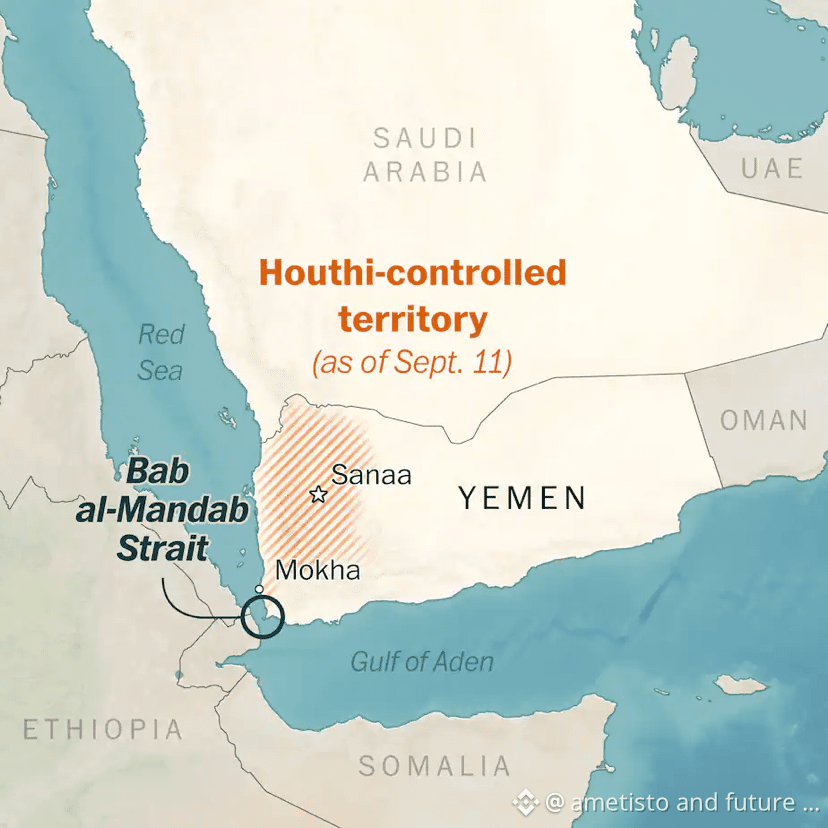
🇮🇷🇾🇪 Iran gains strategic leverage through Houthi control of Bab el-Mandeb
The Bab el-Mandeb Strait, nicknamed the “Gate of Lamentations,” has become a new major point of pressure in the Middle East. According to The Washington Post, the Houthis, backed by Iran, have recently strengthened their control along Yemen’s coast and taken the island of Perim, consolidating their position around this strategic passage.
This strait links the Red Sea to the Gulf of Aden and the Indian Ocean. Around 8.7% of global maritime trade transited there, according to UN data for 2023, including a significant share of the transport of oil, containers, and automobiles.
The situation is becoming especially sensitive because it comes at a time when the Strait of Hormuz is also under pressure. The possibility that forces backed by Tehran could simultaneously threaten both of these chokepoints gives Iran an additional means of influencing global energy and commercial flows.
The consequences could extend well beyond the region: a lasting disruption at Bab el-Mandeb could force ships traveling between Europe and Asia to bypass Africa via the Cape of Good Hope, adding several weeks to journeys and increasing transport and energy costs.
📈 Oil has already surpassed $100 per barrel in the context of this new escalation, while analysts point to uncertainty about the scale and duration of the disruptions.
🌍 Bab el-Mandeb once again shows how a regional conflict can quickly become an issue for the global economy.
#Iran #Yemen #Houthis #BabElMandeb #RedSea #Oil #Geopolitics #GlobalEconomy
🇮🇷🇾🇪 Iran gains strategic leverage through Houthi control of Bab el-Mandeb
The Bab el-Mandeb Strait, nicknamed the “Gate of Lamentations,” has become a new major point of pressure in the Middle East. According to The Washington Post, the Houthis, backed by Iran, have recently strengthened their control along Yemen’s coast and taken the island of Perim, consolidating their position around this strategic passage.
This strait links the Red Sea to the Gulf of Aden and the Indian Ocean. Around 8.7% of global maritime trade transited there, according to UN data for 2023, including a significant share of the transport of oil, containers, and automobiles.
The situation is becoming especially sensitive because it comes at a time when the Strait of Hormuz is also under pressure. The possibility that forces backed by Tehran could simultaneously threaten both of these chokepoints gives Iran an additional means of influencing global energy and commercial flows.
The consequences could extend well beyond the region: a lasting disruption at Bab el-Mandeb could force ships traveling between Europe and Asia to bypass Africa via the Cape of Good Hope, adding several weeks to journeys and increasing transport and energy costs.
📈 Oil has already surpassed $100 per barrel in the context of this new escalation, while analysts point to uncertainty about the scale and duration of the disruptions.
🌍 Bab el-Mandeb once again shows how a regional conflict can quickly become an issue for the global economy.
#Iran #Yemen #Houthis #BabElMandeb #RedSea #Oil #Geopolitics #GlobalEconomy
The Bab el-Mandeb Strait, nicknamed the “Gate of Lamentations,” has become a new major point of pressure in the Middle East. According to The Washington Post, the Houthis, backed by Iran, have recently strengthened their control along Yemen’s coast and taken the island of Perim, consolidating their position around this strategic passage.
This strait links the Red Sea to the Gulf of Aden and the Indian Ocean. Around 8.7% of global maritime trade transited there, according to UN data for 2023, including a significant share of the transport of oil, containers, and automobiles.
The situation is becoming especially sensitive because it comes at a time when the Strait of Hormuz is also under pressure. The possibility that forces backed by Tehran could simultaneously threaten both of these chokepoints gives Iran an additional means of influencing global energy and commercial flows.
The consequences could extend well beyond the region: a lasting disruption at Bab el-Mandeb could force ships traveling between Europe and Asia to bypass Africa via the Cape of Good Hope, adding several weeks to journeys and increasing transport and energy costs.
📈 Oil has already surpassed $100 per barrel in the context of this new escalation, while analysts point to uncertainty about the scale and duration of the disruptions.
🌍 Bab el-Mandeb once again shows how a regional conflict can quickly become an issue for the global economy.
#Iran #Yemen #Houthis #BabElMandeb #RedSea #Oil #Geopolitics #GlobalEconomy
274
🇨🇳🇹🇼 China would face a real “hell” in a war over Taiwan
A war in the Taiwan Strait could turn into one of the most destructive conflicts of the 21st century. In an analysis published on September 15, The Economist assessed the enormous military, economic, and strategic risks that China would face if it tried to take Taiwan by force.
The challenge would not be only crossing the strait and defeating Taiwan’s forces. Such an operation could involve large-scale air and naval attacks, huge logistical difficulties, and the possibility of intervention by the United States and regional allies.
The economic impact would also be enormous. Taiwan sits at the center of global technology and semiconductor supply chains, while the Taiwan Strait is one of the main routes for international trade. A conflict could cause disruptions in trade, shocks to financial markets, and a global supply crisis.
The central point raised by the analysis is that even a China that is far more powerful militarily would have to pay an extraordinarily high price for a war of this kind. And the more other powers get involved, the greater the risk that the conflict would quickly go beyond the limits of the Indo-Pacific.
The Economist itself has already noted that a confrontation between China and the United States over Taiwan could have catastrophic consequences for global trade and for geopolitical stability.
🌏 Taiwan, therefore, is not just a regional issue: any war in the strait would have the potential to trigger consequences far beyond Asia.
#China #Taiwan #Geopolitics #USA #Asia #Semiconductors #GlobalEconomy #TheEconomist
🇨🇳🇹🇼 China would face a real “hell” in a war over Taiwan
A war in the Taiwan Strait could turn into one of the most destructive conflicts of the 21st century. In an analysis published on September 15, The Economist assessed the enormous military, economic, and strategic risks that China would face if it tried to take Taiwan by force.
The challenge would not be only crossing the strait and defeating Taiwan’s forces. Such an operation could involve large-scale air and naval attacks, huge logistical difficulties, and the possibility of intervention by the United States and regional allies.
The economic impact would also be enormous. Taiwan sits at the center of global technology and semiconductor supply chains, while the Taiwan Strait is one of the main routes for international trade. A conflict could cause disruptions in trade, shocks to financial markets, and a global supply crisis.
The central point raised by the analysis is that even a China that is far more powerful militarily would have to pay an extraordinarily high price for a war of this kind. And the more other powers get involved, the greater the risk that the conflict would quickly go beyond the limits of the Indo-Pacific.
The Economist itself has already noted that a confrontation between China and the United States over Taiwan could have catastrophic consequences for global trade and for geopolitical stability.
🌏 Taiwan, therefore, is not just a regional issue: any war in the strait would have the potential to trigger consequences far beyond Asia.
#China #Taiwan #Geopolitics #USA #Asia #Semiconductors #GlobalEconomy #TheEconomist
A war in the Taiwan Strait could turn into one of the most destructive conflicts of the 21st century. In an analysis published on September 15, The Economist assessed the enormous military, economic, and strategic risks that China would face if it tried to take Taiwan by force.
The challenge would not be only crossing the strait and defeating Taiwan’s forces. Such an operation could involve large-scale air and naval attacks, huge logistical difficulties, and the possibility of intervention by the United States and regional allies.
The economic impact would also be enormous. Taiwan sits at the center of global technology and semiconductor supply chains, while the Taiwan Strait is one of the main routes for international trade. A conflict could cause disruptions in trade, shocks to financial markets, and a global supply crisis.
The central point raised by the analysis is that even a China that is far more powerful militarily would have to pay an extraordinarily high price for a war of this kind. And the more other powers get involved, the greater the risk that the conflict would quickly go beyond the limits of the Indo-Pacific.
The Economist itself has already noted that a confrontation between China and the United States over Taiwan could have catastrophic consequences for global trade and for geopolitical stability.
🌏 Taiwan, therefore, is not just a regional issue: any war in the strait would have the potential to trigger consequences far beyond Asia.
#China #Taiwan #Geopolitics #USA #Asia #Semiconductors #GlobalEconomy #TheEconomist

2
1.1k
Verified
📉 Wall Street under pressure: oil and higher yields fuel risk aversion
U.S. stocks are facing a heavy-pressure session this Tuesday (15), with the Dow Jones falling by more than 500 points, while the S&P 500 and Nasdaq also decline. The move comes amid a surge in Treasury yields, with the 10-year note yield reaching 5.04%—the highest level since 2007.
Oil is also weighing on sentiment. Brent has surpassed US$ 108 per barrel after problems in a key oil transport infrastructure in Saudi Arabia raised fears of further inflation pressures.
At the same time, investors are watching the start of the Federal Reserve’s September meeting, which will announce its interest-rate decision tomorrow. The combination of more expensive oil and elevated yields makes the outlook for U.S. monetary policy even more delicate.
The market is also affected by caution around the technology sector and demand for artificial intelligence. While energy stocks find some support, sectors such as consumer, communication, and financials are among the most pressured.
The message from the markets is clear: long-term rates near 5%, oil above US$ 100, and uncertainty about the Fed create a particularly difficult mix for risk assets.
(The Wall Street Journal)
📉 Wall Street under pressure: oil and higher yields fuel risk aversion
U.S. stocks are facing a heavy-pressure session this Tuesday (15), with the Dow Jones falling by more than 500 points, while the S&P 500 and Nasdaq also decline. The move comes amid a surge in Treasury yields, with the 10-year note yield reaching 5.04%—the highest level since 2007.
Oil is also weighing on sentiment. Brent has surpassed US$ 108 per barrel after problems in a key oil transport infrastructure in Saudi Arabia raised fears of further inflation pressures.
At the same time, investors are watching the start of the Federal Reserve’s September meeting, which will announce its interest-rate decision tomorrow. The combination of more expensive oil and elevated yields makes the outlook for U.S. monetary policy even more delicate.
The market is also affected by caution around the technology sector and demand for artificial intelligence. While energy stocks find some support, sectors such as consumer, communication, and financials are among the most pressured.
The message from the markets is clear: long-term rates near 5%, oil above US$ 100, and uncertainty about the Fed create a particularly difficult mix for risk assets.
(The Wall Street Journal)
U.S. stocks are facing a heavy-pressure session this Tuesday (15), with the Dow Jones falling by more than 500 points, while the S&P 500 and Nasdaq also decline. The move comes amid a surge in Treasury yields, with the 10-year note yield reaching 5.04%—the highest level since 2007.
Oil is also weighing on sentiment. Brent has surpassed US$ 108 per barrel after problems in a key oil transport infrastructure in Saudi Arabia raised fears of further inflation pressures.
At the same time, investors are watching the start of the Federal Reserve’s September meeting, which will announce its interest-rate decision tomorrow. The combination of more expensive oil and elevated yields makes the outlook for U.S. monetary policy even more delicate.
The market is also affected by caution around the technology sector and demand for artificial intelligence. While energy stocks find some support, sectors such as consumer, communication, and financials are among the most pressured.
The message from the markets is clear: long-term rates near 5%, oil above US$ 100, and uncertainty about the Fed create a particularly difficult mix for risk assets.
(The Wall Street Journal)
129
📉 Hedge funds are becoming the joker in the U.S. bond market
The U.S. Treasury bond market is going through a period of severe turbulence, driven by the war in Iran, persistent inflation, and a dizzying rise in public debt. But another factor is now drawing attention: the growing role of hedge funds.
According to The Wall Street Journal, hedge funds held about $2 trillion in Treasuries at the beginning of 2026, more than double what it was five years ago. They now control roughly 7% of the market, an all-time high.
This development is particularly worrying for the Federal Reserve Bank of New York. Hedge funds often use significant leverage, especially through the basis trade, which involves profiting from small price spreads between Treasury bonds and their futures contracts.
The problem is their short-term behavior: unlike pension funds and other traditional investors, they can quickly reduce their positions when markets become unstable. This could amplify interest-rate moves and increase pressures in the bond market.
And tensions are already high: the yield on the U.S. 10-year Treasury briefly surpassed 5%, while the 30-year yield is trading near its highest level in nearly two decades. (The Wall Street Journal)
Hedge funds do provide liquidity to the market, but their growing weight also means their behavior is becoming a potential systemic risk factor.
The big question for investors is now simple: what will happen if all these funds decide to exit at the same time?
📉 Hedge funds are becoming the joker in the U.S. bond market
The U.S. Treasury bond market is going through a period of severe turbulence, driven by the war in Iran, persistent inflation, and a dizzying rise in public debt. But another factor is now drawing attention: the growing role of hedge funds.
According to The Wall Street Journal, hedge funds held about $2 trillion in Treasuries at the beginning of 2026, more than double what it was five years ago. They now control roughly 7% of the market, an all-time high.
This development is particularly worrying for the Federal Reserve Bank of New York. Hedge funds often use significant leverage, especially through the basis trade, which involves profiting from small price spreads between Treasury bonds and their futures contracts.
The problem is their short-term behavior: unlike pension funds and other traditional investors, they can quickly reduce their positions when markets become unstable. This could amplify interest-rate moves and increase pressures in the bond market.
And tensions are already high: the yield on the U.S. 10-year Treasury briefly surpassed 5%, while the 30-year yield is trading near its highest level in nearly two decades. (The Wall Street Journal)
Hedge funds do provide liquidity to the market, but their growing weight also means their behavior is becoming a potential systemic risk factor.
The big question for investors is now simple: what will happen if all these funds decide to exit at the same time?
The U.S. Treasury bond market is going through a period of severe turbulence, driven by the war in Iran, persistent inflation, and a dizzying rise in public debt. But another factor is now drawing attention: the growing role of hedge funds.
According to The Wall Street Journal, hedge funds held about $2 trillion in Treasuries at the beginning of 2026, more than double what it was five years ago. They now control roughly 7% of the market, an all-time high.
This development is particularly worrying for the Federal Reserve Bank of New York. Hedge funds often use significant leverage, especially through the basis trade, which involves profiting from small price spreads between Treasury bonds and their futures contracts.
The problem is their short-term behavior: unlike pension funds and other traditional investors, they can quickly reduce their positions when markets become unstable. This could amplify interest-rate moves and increase pressures in the bond market.
And tensions are already high: the yield on the U.S. 10-year Treasury briefly surpassed 5%, while the 30-year yield is trading near its highest level in nearly two decades. (The Wall Street Journal)
Hedge funds do provide liquidity to the market, but their growing weight also means their behavior is becoming a potential systemic risk factor.
The big question for investors is now simple: what will happen if all these funds decide to exit at the same time?

157
Partly True
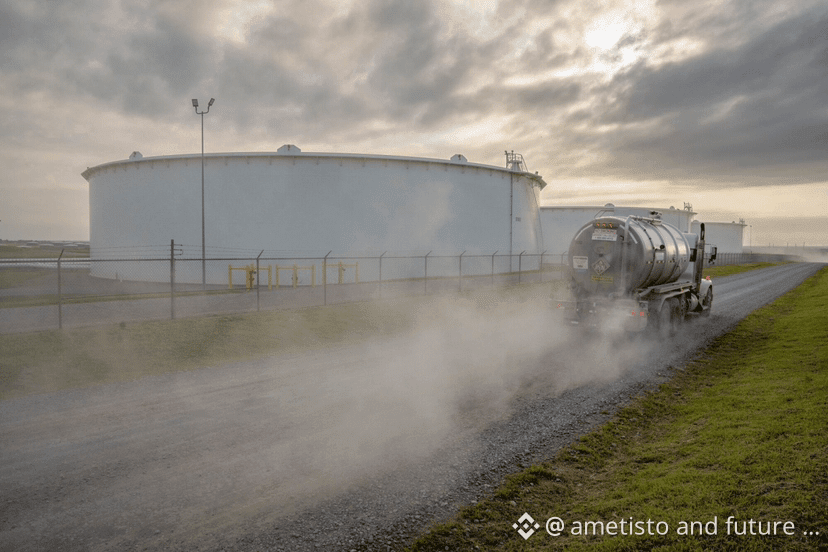
⛽ The major fuel crisis has arrived
Executives in the oil industry are warning that the global energy crisis is no longer a distant threat and is already directly affecting fuel inventories and prices. According to The Wall Street Journal, more than six months of disruptions to oil flows have significantly reduced commercial reserves, while strategic inventories are also being put under pressure.
The prolonged closure of the Strait of Hormuz and attacks on energy infrastructure in the Middle East have worsened the problem. A recent attack interrupted a major oil route from Saudi Arabia, removing about 2.5 million barrels per day from a market that was already tight.
The result shows up in prices: diesel in the US reached US$ 6.23 per gallon, while gasoline hit US$ 4.32. WTI crude closed the session at around US$ 101.39 per barrel, and Brent at US$ 105.68.
For Mike Wirth, CEO of Chevron, the mechanisms that had been cushioning the shock have practically run out. And the problem could be even bigger because US refineries are operating above 97% of capacity, leaving little room for new disruptions.
The warning is clear: if the conflict in the Middle East continues, oil and fuels could remain expensive for much longer, fueling inflation and increasing pressure on central banks and consumers worldwide.
⛽ The major fuel crisis has arrived
Executives in the oil industry are warning that the global energy crisis is no longer a distant threat and is already directly affecting fuel inventories and prices. According to The Wall Street Journal, more than six months of disruptions to oil flows have significantly reduced commercial reserves, while strategic inventories are also being put under pressure.
The prolonged closure of the Strait of Hormuz and attacks on energy infrastructure in the Middle East have worsened the problem. A recent attack interrupted a major oil route from Saudi Arabia, removing about 2.5 million barrels per day from a market that was already tight.
The result shows up in prices: diesel in the US reached US$ 6.23 per gallon, while gasoline hit US$ 4.32. WTI crude closed the session at around US$ 101.39 per barrel, and Brent at US$ 105.68.
For Mike Wirth, CEO of Chevron, the mechanisms that had been cushioning the shock have practically run out. And the problem could be even bigger because US refineries are operating above 97% of capacity, leaving little room for new disruptions.
The warning is clear: if the conflict in the Middle East continues, oil and fuels could remain expensive for much longer, fueling inflation and increasing pressure on central banks and consumers worldwide.
Executives in the oil industry are warning that the global energy crisis is no longer a distant threat and is already directly affecting fuel inventories and prices. According to The Wall Street Journal, more than six months of disruptions to oil flows have significantly reduced commercial reserves, while strategic inventories are also being put under pressure.
The prolonged closure of the Strait of Hormuz and attacks on energy infrastructure in the Middle East have worsened the problem. A recent attack interrupted a major oil route from Saudi Arabia, removing about 2.5 million barrels per day from a market that was already tight.
The result shows up in prices: diesel in the US reached US$ 6.23 per gallon, while gasoline hit US$ 4.32. WTI crude closed the session at around US$ 101.39 per barrel, and Brent at US$ 105.68.
For Mike Wirth, CEO of Chevron, the mechanisms that had been cushioning the shock have practically run out. And the problem could be even bigger because US refineries are operating above 97% of capacity, leaving little room for new disruptions.
The warning is clear: if the conflict in the Middle East continues, oil and fuels could remain expensive for much longer, fueling inflation and increasing pressure on central banks and consumers worldwide.
3.1k
See translation
Alpha Market Watch
$POWER 🎮 is up 67.62%. Power Protocol connects blockchain gaming, consumer applications and AI-native products, with POWER used for staking, governance and ecosystem activity. Fableborne is its flagship gaming product. Momentum remains strong: CoinGecko shows POWER up 31.1% in 7 days and 50.1% in 14 days, while CoinMarketCap recently recorded another 13.03% 24-hour gain. Current price: $0.15.
$AIN 🤖 ranks with a 62.75% gain. AI Network has built its story around decentralized AI infrastructure, allowing GPU providers to earn AIN while developers access distributed computing resources. The latest catalyst is particularly notable: KuCoin reported a 48.04% 24-hour surge on September 14, driven by renewed AI-agent interest, rising volume and expectations around the project’s evolution. Current price: $0.01.
$R2 🏦 — R2 completes the top 3 after advancing 49.11%. R2 Protocol focuses on on-chain asset management and real-world yield, allocating capital across products such as Treasury exposure and credit strategies. Its platform currently reports $6.47 million TVL, while recent trading data shows R2 recovering sharply from its August lows. Binance currently reports another 28.62% 24-hour advance, making momentum the key reason to watch it today. Current price: $0.0019.
Alpha Market Watch
$POWER 🎮 is up 67.62%. Power Protocol connects blockchain gaming, consumer applications and AI-native products, with POWER used for staking, governance and ecosystem activity. Fableborne is its flagship gaming product. Momentum remains strong: CoinGecko shows POWER up 31.1% in 7 days and 50.1% in 14 days, while CoinMarketCap recently recorded another 13.03% 24-hour gain. Current price: $0.15.
$AIN 🤖 ranks with a 62.75% gain. AI Network has built its story around decentralized AI infrastructure, allowing GPU providers to earn AIN while developers access distributed computing resources. The latest catalyst is particularly notable: KuCoin reported a 48.04% 24-hour surge on September 14, driven by renewed AI-agent interest, rising volume and expectations around the project’s evolution. Current price: $0.01.
$R2 🏦 — R2 completes the top 3 after advancing 49.11%. R2 Protocol focuses on on-chain asset management and real-world yield, allocating capital across products such as Treasury exposure and credit strategies. Its platform currently reports $6.47 million TVL, while recent trading data shows R2 recovering sharply from its August lows. Binance currently reports another 28.62% 24-hour advance, making momentum the key reason to watch it today. Current price: $0.0019.
$POWER 🎮 is up 67.62%. Power Protocol connects blockchain gaming, consumer applications and AI-native products, with POWER used for staking, governance and ecosystem activity. Fableborne is its flagship gaming product. Momentum remains strong: CoinGecko shows POWER up 31.1% in 7 days and 50.1% in 14 days, while CoinMarketCap recently recorded another 13.03% 24-hour gain. Current price: $0.15.
$AIN 🤖 ranks with a 62.75% gain. AI Network has built its story around decentralized AI infrastructure, allowing GPU providers to earn AIN while developers access distributed computing resources. The latest catalyst is particularly notable: KuCoin reported a 48.04% 24-hour surge on September 14, driven by renewed AI-agent interest, rising volume and expectations around the project’s evolution. Current price: $0.01.
$R2 🏦 — R2 completes the top 3 after advancing 49.11%. R2 Protocol focuses on on-chain asset management and real-world yield, allocating capital across products such as Treasury exposure and credit strategies. Its platform currently reports $6.47 million TVL, while recent trading data shows R2 recovering sharply from its August lows. Binance currently reports another 28.62% 24-hour advance, making momentum the key reason to watch it today. Current price: $0.0019.

501
Log in to explore more content
Join global crypto users on Binance Square
⚡️ Get latest and useful information about crypto.
💬 Trusted by the world’s largest crypto exchange.
👍 Discover real insights from verified creators.
Email / Phone number
Trending Topics
BTCBreaks80K
125,137 views
1,957 Discussing
$BTC
What price is BTC going to hit in 2026?
Spot is sitting at $80,748. 104 days to go
↑ $90k - 58%
↑ $100k - 24%
↓ $70k dip first - 48%
The bull case floating around the floor:
>August had a proper run from $62,275 up to $81,479 — up 31% bottom to top
>The CLARITY Act flopped its Senate cloture vote 49-50 on 15 Sept. BTC was already sliding well before the vote, touched $74,968 in that hour, and won it all back inside three days
>The Fed hiked rates on 16 Sept — first time since July 2023. Spot is currently floating 7.4% above that day's low
>The altcoins are proper outrunning it. 30-day view: SOL up 38%, XRP up 35%, ETH up 32% versus BTC up 23%
>The timeline is still packed with reasons why this ought to break down — and that’s precisely the wall of worry bull markets tend to climb
>The midterms land on 3 Nov, right smack in the middle of this market window
So, what would you put down for a punt at +24% in 104 days?
$ETH
$SOL
#BTCBreaks80K #solonapumping #ETH🔥🔥🔥🔥🔥🔥 #BullMarket📈
Wealthy bloke
·6 Likes
·5.2k views
比特币突破8万
96,818 views
273 Discussing
SOLJumpsAbout10%
246 views
50 Discussing