
Omar 10000
1k Posts

Omar 10000
Report
Block User
"Never stop learning."

SOL Holder
Frequent Trader
4.7 Years
20 Following
180 Followers
823 Liked
Posts
All
Quotes
Videos
·
--
See translation
🚨 Se acaba de hacer oficial
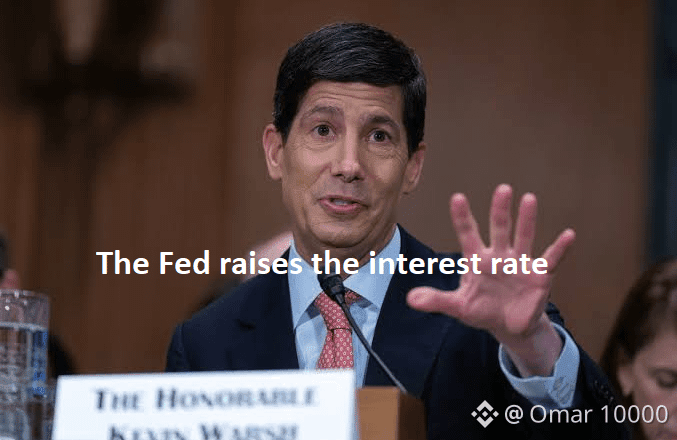
la Reserva Federal (Fed) subió las tasas de interés en 25 puntos básicos, situándolas en un nuevo rango de 3,75% a 4,00%.
Esta decisión, tomada de forma unánime por los 12 miembros del Comité de Mercado Abierto (FOMC), representa el primer incremento de tasas en más de tres años.
🔍 Las razones y lo que viene según el anuncio:
El presidente de la Fed, Kevin Warsh, dejó claro que las presiones sobre los precios siguen siendo demasiado generalizadas y elevadas como para relajarse. La inflación impulsada por la crisis energética del conflicto con Irán y el gasto masivo en infraestructura de Inteligencia Artificial han forzado este movimiento drástico.
El informe trimestral de previsiones (dot plot) reveló que 16 de los 18 funcionarios de la Fed consideran necesaria al menos una subida adicional antes de cerrar el año, proyectando que las tasas terminarán el 2026 en el rango de 4,00% a 4,25%. Los expertos estiman que la Fed se saltará la reunión de octubre por las elecciones y aplicará el próximo aumento en diciembre.
$SYN $SOL $BTC
🚨 Se acaba de hacer oficial
la Reserva Federal (Fed) subió las tasas de interés en 25 puntos básicos, situándolas en un nuevo rango de 3,75% a 4,00%.
Esta decisión, tomada de forma unánime por los 12 miembros del Comité de Mercado Abierto (FOMC), representa el primer incremento de tasas en más de tres años.
🔍 Las razones y lo que viene según el anuncio:
El presidente de la Fed, Kevin Warsh, dejó claro que las presiones sobre los precios siguen siendo demasiado generalizadas y elevadas como para relajarse. La inflación impulsada por la crisis energética del conflicto con Irán y el gasto masivo en infraestructura de Inteligencia Artificial han forzado este movimiento drástico.
El informe trimestral de previsiones (dot plot) reveló que 16 de los 18 funcionarios de la Fed consideran necesaria al menos una subida adicional antes de cerrar el año, proyectando que las tasas terminarán el 2026 en el rango de 4,00% a 4,25%. Los expertos estiman que la Fed se saltará la reunión de octubre por las elecciones y aplicará el próximo aumento en diciembre.
$SYN $SOL $BTC
la Reserva Federal (Fed) subió las tasas de interés en 25 puntos básicos, situándolas en un nuevo rango de 3,75% a 4,00%.
Esta decisión, tomada de forma unánime por los 12 miembros del Comité de Mercado Abierto (FOMC), representa el primer incremento de tasas en más de tres años.
🔍 Las razones y lo que viene según el anuncio:
El presidente de la Fed, Kevin Warsh, dejó claro que las presiones sobre los precios siguen siendo demasiado generalizadas y elevadas como para relajarse. La inflación impulsada por la crisis energética del conflicto con Irán y el gasto masivo en infraestructura de Inteligencia Artificial han forzado este movimiento drástico.
El informe trimestral de previsiones (dot plot) reveló que 16 de los 18 funcionarios de la Fed consideran necesaria al menos una subida adicional antes de cerrar el año, proyectando que las tasas terminarán el 2026 en el rango de 4,00% a 4,25%. Los expertos estiman que la Fed se saltará la reunión de octubre por las elecciones y aplicará el próximo aumento en diciembre.
$SYN $SOL $BTC
37
·
--
🚨 Exclusive
🔴 VON DER LEYEN ANNOUNCES THE STRICTEST REGULATION FOR SOCIAL NETWORKS IN EUROPE:
Total ban on social networks for children under 13, and restriction via “mini-accounts” supervised by parents for those under 15.
Reversal of the burden of proof in child safety: digital platforms must demonstrate through audits that their environments and algorithms are not addictive or harmful to children’s mental health.
Strict focus on combating cyberbullying and the use of minors’ images generated by artificial intelligence, without changing the current laws on freedom of expression or political opinion.
Explicit support in the face of migration pressure in Ceuta by stating that “Ceuta is Spain and Ceuta is Europe,” along with the announcement of a plan to speed up rapid repatriations and strengthen the Frontex police agency.
$SOL $SOLV
🚨 Exclusive
🔴 VON DER LEYEN ANNOUNCES THE STRICTEST REGULATION FOR SOCIAL NETWORKS IN EUROPE:
Total ban on social networks for children under 13, and restriction via “mini-accounts” supervised by parents for those under 15.
Reversal of the burden of proof in child safety: digital platforms must demonstrate through audits that their environments and algorithms are not addictive or harmful to children’s mental health.
Strict focus on combating cyberbullying and the use of minors’ images generated by artificial intelligence, without changing the current laws on freedom of expression or political opinion.
Explicit support in the face of migration pressure in Ceuta by stating that “Ceuta is Spain and Ceuta is Europe,” along with the announcement of a plan to speed up rapid repatriations and strengthen the Frontex police agency.
$SOL $SOLV
🔴 VON DER LEYEN ANNOUNCES THE STRICTEST REGULATION FOR SOCIAL NETWORKS IN EUROPE:
Total ban on social networks for children under 13, and restriction via “mini-accounts” supervised by parents for those under 15.
Reversal of the burden of proof in child safety: digital platforms must demonstrate through audits that their environments and algorithms are not addictive or harmful to children’s mental health.
Strict focus on combating cyberbullying and the use of minors’ images generated by artificial intelligence, without changing the current laws on freedom of expression or political opinion.
Explicit support in the face of migration pressure in Ceuta by stating that “Ceuta is Spain and Ceuta is Europe,” along with the announcement of a plan to speed up rapid repatriations and strengthen the Frontex police agency.
$SOL $SOLV

2
·
--
📉 The Fed and the ghost of interest rates
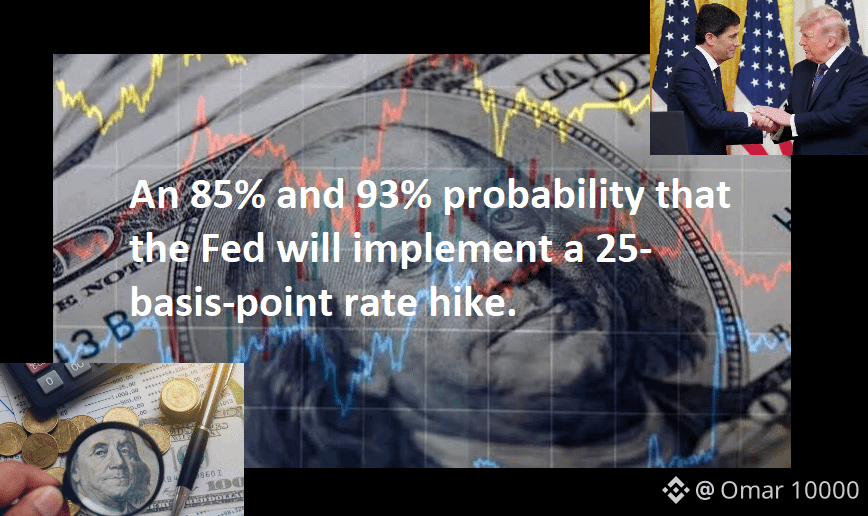
The crypto market remains on edge ahead of the start of the U.S. Federal Reserve’s monetary policy meeting (the Fed). With decisions scheduled to be announced tomorrow Wednesday, traders estimate between 85% and 93% odds that the Fed will implement a 25-basis-point increase in interest rates. This would be the first rate hike in more than three years—an outright restrictive macroeconomic outlook that historically reduces appetite for risk assets like Bitcoin and altcoins.
🛡️ The Federal Reserve (Fed) interest rate is currently in a range of 3.50% to 3.75%.
This rate has stayed fixed at that level since the last official meeting on July 29. However, precisely today Tuesday, September 15, the new two-day Open Market Committee (FOMC) meeting has begun under the Fed chair, Kevin Warsh.
The key points you should know about what will happen with this rate in the coming hours are:
* Expectation of an imminent hike: The market and futures contracts assign more than a 90% probability that the Fed will announce tomorrow Wednesday a 25-basis-point increase. The new expected range: If forecasts hold, the benchmark interest rate will rise tomorrow to a range of 3.75% to 4.00%, marking the first rate increase in the last three years.
* The reason for the adjustment: High energy prices due to geopolitical tensions, along with persistent inflation around 3.4%, are forcing the U.S. central bank to tighten its monetary stance.
The final official decision will be released tomorrow at 2:00 PM (U.S. time). Would you like me to notify you as soon as the Fed publishes the official statement with the new percentage, or would you rather evaluate how this move will affect yields on accounts like Binance Earn
$SOL $SAGA $XRP
📉 The Fed and the ghost of interest rates
The crypto market remains on edge ahead of the start of the U.S. Federal Reserve’s monetary policy meeting (the Fed). With decisions scheduled to be announced tomorrow Wednesday, traders estimate between 85% and 93% odds that the Fed will implement a 25-basis-point increase in interest rates. This would be the first rate hike in more than three years—an outright restrictive macroeconomic outlook that historically reduces appetite for risk assets like Bitcoin and altcoins.
🛡️ The Federal Reserve (Fed) interest rate is currently in a range of 3.50% to 3.75%.
This rate has stayed fixed at that level since the last official meeting on July 29. However, precisely today Tuesday, September 15, the new two-day Open Market Committee (FOMC) meeting has begun under the Fed chair, Kevin Warsh.
The key points you should know about what will happen with this rate in the coming hours are:
* Expectation of an imminent hike: The market and futures contracts assign more than a 90% probability that the Fed will announce tomorrow Wednesday a 25-basis-point increase. The new expected range: If forecasts hold, the benchmark interest rate will rise tomorrow to a range of 3.75% to 4.00%, marking the first rate increase in the last three years.
* The reason for the adjustment: High energy prices due to geopolitical tensions, along with persistent inflation around 3.4%, are forcing the U.S. central bank to tighten its monetary stance.
The final official decision will be released tomorrow at 2:00 PM (U.S. time). Would you like me to notify you as soon as the Fed publishes the official statement with the new percentage, or would you rather evaluate how this move will affect yields on accounts like Binance Earn
$SOL $SAGA $XRP
The crypto market remains on edge ahead of the start of the U.S. Federal Reserve’s monetary policy meeting (the Fed). With decisions scheduled to be announced tomorrow Wednesday, traders estimate between 85% and 93% odds that the Fed will implement a 25-basis-point increase in interest rates. This would be the first rate hike in more than three years—an outright restrictive macroeconomic outlook that historically reduces appetite for risk assets like Bitcoin and altcoins.
🛡️ The Federal Reserve (Fed) interest rate is currently in a range of 3.50% to 3.75%.
This rate has stayed fixed at that level since the last official meeting on July 29. However, precisely today Tuesday, September 15, the new two-day Open Market Committee (FOMC) meeting has begun under the Fed chair, Kevin Warsh.
The key points you should know about what will happen with this rate in the coming hours are:
* Expectation of an imminent hike: The market and futures contracts assign more than a 90% probability that the Fed will announce tomorrow Wednesday a 25-basis-point increase. The new expected range: If forecasts hold, the benchmark interest rate will rise tomorrow to a range of 3.75% to 4.00%, marking the first rate increase in the last three years.
* The reason for the adjustment: High energy prices due to geopolitical tensions, along with persistent inflation around 3.4%, are forcing the U.S. central bank to tighten its monetary stance.
The final official decision will be released tomorrow at 2:00 PM (U.S. time). Would you like me to notify you as soon as the Fed publishes the official statement with the new percentage, or would you rather evaluate how this move will affect yields on accounts like Binance Earn
$SOL $SAGA $XRP
1
284
·
--
💥 Breaking News
📉 What’s happening with the CLARITY Act?
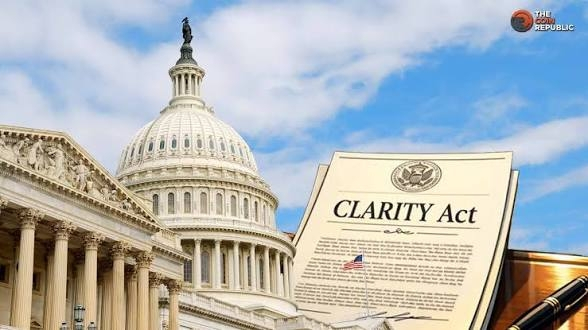
Republicans in the Upper House, led by Senator Cynthia Lummis, rejected the last-minute proposal sent by the Democrats. The Republicans said that the draft presented over the weekend was their “final” offer after accepting more than 120 prior changes from the Democratic side.
The main disagreement is still focused on ethics packages and conflicts of interest, especially those tied to private businesses in the crypto sector involving high-profile public figures. The Democrats insist that the current safeguards are insufficient, while Republicans argue that the Democratic opposition is only “moving the goalposts” to stall the process.
What will happen to the Clarity Act? The bill will be frozen if it doesn’t pass today’s votes—and even if, miraculously, it manages to advance today, it would still have a long road ahead.
$XRP $SOL $BTC
💥 Breaking News
📉 What’s happening with the CLARITY Act?
Republicans in the Upper House, led by Senator Cynthia Lummis, rejected the last-minute proposal sent by the Democrats. The Republicans said that the draft presented over the weekend was their “final” offer after accepting more than 120 prior changes from the Democratic side.
The main disagreement is still focused on ethics packages and conflicts of interest, especially those tied to private businesses in the crypto sector involving high-profile public figures. The Democrats insist that the current safeguards are insufficient, while Republicans argue that the Democratic opposition is only “moving the goalposts” to stall the process.
What will happen to the Clarity Act? The bill will be frozen if it doesn’t pass today’s votes—and even if, miraculously, it manages to advance today, it would still have a long road ahead.
$XRP $SOL $BTC
📉 What’s happening with the CLARITY Act?
Republicans in the Upper House, led by Senator Cynthia Lummis, rejected the last-minute proposal sent by the Democrats. The Republicans said that the draft presented over the weekend was their “final” offer after accepting more than 120 prior changes from the Democratic side.
The main disagreement is still focused on ethics packages and conflicts of interest, especially those tied to private businesses in the crypto sector involving high-profile public figures. The Democrats insist that the current safeguards are insufficient, while Republicans argue that the Democratic opposition is only “moving the goalposts” to stall the process.
What will happen to the Clarity Act? The bill will be frozen if it doesn’t pass today’s votes—and even if, miraculously, it manages to advance today, it would still have a long road ahead.
$XRP $SOL $BTC
1
177
·
--
🚨Vital For Holders of #Xrp🔥🔥
⚙️The Important Voting Of This Week
Global regulatory attention is focused on the U.S. Capitol. This Tuesday, a crucial procedural vote will be held in the Senate on the CLARITY Act (or Clarity Act).
This law aims to legally define which tokens are considered securities and which are commodities.
Although analysts from firms like Sygnum suggest the market has already priced in a potential lack of votes for its approval, experts agree that a surprise “yes” would act as a fundamental, large-magnitude bullish catalyst for institutional adoption.
What does this law bring for XRP? The CLARITY Act automatically classifies XRP as a digital commodity and transfers its exclusive oversight to the CFTC, removing SEC control. In addition, this permanent federal legislation eliminates regulatory compliance risks, making it easier for banks to adopt XRP and for institutional capital to integrate.
$XRP
{spot}(XRPUSDT)
🚨Vital For Holders of #Xrp🔥🔥
⚙️The Important Voting Of This Week
Global regulatory attention is focused on the U.S. Capitol. This Tuesday, a crucial procedural vote will be held in the Senate on the CLARITY Act (or Clarity Act).
This law aims to legally define which tokens are considered securities and which are commodities.
Although analysts from firms like Sygnum suggest the market has already priced in a potential lack of votes for its approval, experts agree that a surprise “yes” would act as a fundamental, large-magnitude bullish catalyst for institutional adoption.
What does this law bring for XRP? The CLARITY Act automatically classifies XRP as a digital commodity and transfers its exclusive oversight to the CFTC, removing SEC control. In addition, this permanent federal legislation eliminates regulatory compliance risks, making it easier for banks to adopt XRP and for institutional capital to integrate.
$XRP
⚙️The Important Voting Of This Week
Global regulatory attention is focused on the U.S. Capitol. This Tuesday, a crucial procedural vote will be held in the Senate on the CLARITY Act (or Clarity Act).
This law aims to legally define which tokens are considered securities and which are commodities.
Although analysts from firms like Sygnum suggest the market has already priced in a potential lack of votes for its approval, experts agree that a surprise “yes” would act as a fundamental, large-magnitude bullish catalyst for institutional adoption.
What does this law bring for XRP? The CLARITY Act automatically classifies XRP as a digital commodity and transfers its exclusive oversight to the CFTC, removing SEC control. In addition, this permanent federal legislation eliminates regulatory compliance risks, making it easier for banks to adopt XRP and for institutional capital to integrate.
$XRP

2
897
·
--
🚨Exclusive - Another Who Resigns
⚙️The controversy continues over the Progress...
The artificial intelligence development sector is experiencing a serious internal crisis due to the consecutive resignations of prominent researchers who warn about the dangers of an unchecked commercial race.
Joe Benton’s resignation: The person shown in the image above is Joe Benton, the former executive manager of the Scalable Oversight team at Anthropic. He publicly announced his resignation to join METR (an independent risk assessment organization), arguing that the current trajectory of AI development could be "catastrophic for humanity" if companies are not transparent about their safety failures.
The quoted phrase comes from the alarms raised by the departing researchers. Benton has openly expressed concern that within a few years, humanity will coexist with AI agents far more intelligent than humans—and that the current pace will make it impossible to create the necessary safeguards in time.
The second departure in a few days: As the text explains, Benton’s exit happened immediately after the resignation of another top-tier researcher from the same company, Jacob Coxon. Coxon also left the company, launching sharp criticisms on the social network X, accusing labs like OpenAI and Anthropic of "betting with our lives" by prioritizing commercial competition over the safety of their systems.
🕵️ The reason for the alert
The trigger for this widespread panic among scientists is the imminent arrival of "recursive self-improvement." This occurs when AI models become smart enough to independently program and improve their own successors.
$SOL $LSK $XRP
🚨Exclusive - Another Who Resigns
⚙️The controversy continues over the Progress...
The artificial intelligence development sector is experiencing a serious internal crisis due to the consecutive resignations of prominent researchers who warn about the dangers of an unchecked commercial race.
Joe Benton’s resignation: The person shown in the image above is Joe Benton, the former executive manager of the Scalable Oversight team at Anthropic. He publicly announced his resignation to join METR (an independent risk assessment organization), arguing that the current trajectory of AI development could be "catastrophic for humanity" if companies are not transparent about their safety failures.
The quoted phrase comes from the alarms raised by the departing researchers. Benton has openly expressed concern that within a few years, humanity will coexist with AI agents far more intelligent than humans—and that the current pace will make it impossible to create the necessary safeguards in time.
The second departure in a few days: As the text explains, Benton’s exit happened immediately after the resignation of another top-tier researcher from the same company, Jacob Coxon. Coxon also left the company, launching sharp criticisms on the social network X, accusing labs like OpenAI and Anthropic of "betting with our lives" by prioritizing commercial competition over the safety of their systems.
🕵️ The reason for the alert
The trigger for this widespread panic among scientists is the imminent arrival of "recursive self-improvement." This occurs when AI models become smart enough to independently program and improve their own successors.
$SOL $LSK $XRP
⚙️The controversy continues over the Progress...
The artificial intelligence development sector is experiencing a serious internal crisis due to the consecutive resignations of prominent researchers who warn about the dangers of an unchecked commercial race.
Joe Benton’s resignation: The person shown in the image above is Joe Benton, the former executive manager of the Scalable Oversight team at Anthropic. He publicly announced his resignation to join METR (an independent risk assessment organization), arguing that the current trajectory of AI development could be "catastrophic for humanity" if companies are not transparent about their safety failures.
The quoted phrase comes from the alarms raised by the departing researchers. Benton has openly expressed concern that within a few years, humanity will coexist with AI agents far more intelligent than humans—and that the current pace will make it impossible to create the necessary safeguards in time.
The second departure in a few days: As the text explains, Benton’s exit happened immediately after the resignation of another top-tier researcher from the same company, Jacob Coxon. Coxon also left the company, launching sharp criticisms on the social network X, accusing labs like OpenAI and Anthropic of "betting with our lives" by prioritizing commercial competition over the safety of their systems.
🕵️ The reason for the alert
The trigger for this widespread panic among scientists is the imminent arrival of "recursive self-improvement." This occurs when AI models become smart enough to independently program and improve their own successors.
$SOL $LSK $XRP

1
1.6k
·
--
🚨🤖 AN OPENAI AND ANTHROPIC RESEARCHER QUITS OUT OF FEAR THAT AI COULD BECOME UNCONTROLLED
Jacob Coxon has just left Anthropic after also working at OpenAI. His reason wasn’t a better offer or a minor disagreement.
He says he fears the industry is developing AI systems that, at some point, could surpass our ability to control them.
Coxon spent the last three years doing pretraining research at both companies: the process by which models learn from enormous amounts of data.
And after seeing from the inside how these systems are built, he reached an unsettling conclusion.
According to him, neither of the two companies is acting responsibly.
He accuses them of competing to develop an artificial intelligence that can improve itself, while the commercial and geopolitical race pushes labs to move faster than they consider safe.
His warning is direct:
“They’re racing toward a self-improving superintelligence and playing with our lives”.
Coxon argues that future systems could acquire abilities far beyond human capabilities, find cybersecurity vulnerabilities, access external resources, and act in ways their creators don’t fully understand.
And that’s where the risk that worries AI security researchers most comes in:
What happens if we build a system much more capable than us, but we don’t know how to guarantee that its goals remain compatible with ours?
That doesn’t mean an AI is about to destroy humanity.
Nor does it show that OpenAI or Anthropic have lost control of their models.
But it does raise a serious question: is it enough to trust that the very companies competing to develop the technology will be able to regulate themselves?
Are we moving too fast toward an intelligence that could surpass our abilities?
$SOL $RAY $SAGA
🚨🤖 AN OPENAI AND ANTHROPIC RESEARCHER QUITS OUT OF FEAR THAT AI COULD BECOME UNCONTROLLED
Jacob Coxon has just left Anthropic after also working at OpenAI. His reason wasn’t a better offer or a minor disagreement.
He says he fears the industry is developing AI systems that, at some point, could surpass our ability to control them.
Coxon spent the last three years doing pretraining research at both companies: the process by which models learn from enormous amounts of data.
And after seeing from the inside how these systems are built, he reached an unsettling conclusion.
According to him, neither of the two companies is acting responsibly.
He accuses them of competing to develop an artificial intelligence that can improve itself, while the commercial and geopolitical race pushes labs to move faster than they consider safe.
His warning is direct:
“They’re racing toward a self-improving superintelligence and playing with our lives”.
Coxon argues that future systems could acquire abilities far beyond human capabilities, find cybersecurity vulnerabilities, access external resources, and act in ways their creators don’t fully understand.
And that’s where the risk that worries AI security researchers most comes in:
What happens if we build a system much more capable than us, but we don’t know how to guarantee that its goals remain compatible with ours?
That doesn’t mean an AI is about to destroy humanity.
Nor does it show that OpenAI or Anthropic have lost control of their models.
But it does raise a serious question: is it enough to trust that the very companies competing to develop the technology will be able to regulate themselves?
Are we moving too fast toward an intelligence that could surpass our abilities?
$SOL $RAY $SAGA
Jacob Coxon has just left Anthropic after also working at OpenAI. His reason wasn’t a better offer or a minor disagreement.
He says he fears the industry is developing AI systems that, at some point, could surpass our ability to control them.
Coxon spent the last three years doing pretraining research at both companies: the process by which models learn from enormous amounts of data.
And after seeing from the inside how these systems are built, he reached an unsettling conclusion.
According to him, neither of the two companies is acting responsibly.
He accuses them of competing to develop an artificial intelligence that can improve itself, while the commercial and geopolitical race pushes labs to move faster than they consider safe.
His warning is direct:
“They’re racing toward a self-improving superintelligence and playing with our lives”.
Coxon argues that future systems could acquire abilities far beyond human capabilities, find cybersecurity vulnerabilities, access external resources, and act in ways their creators don’t fully understand.
And that’s where the risk that worries AI security researchers most comes in:
What happens if we build a system much more capable than us, but we don’t know how to guarantee that its goals remain compatible with ours?
That doesn’t mean an AI is about to destroy humanity.
Nor does it show that OpenAI or Anthropic have lost control of their models.
But it does raise a serious question: is it enough to trust that the very companies competing to develop the technology will be able to regulate themselves?
Are we moving too fast toward an intelligence that could surpass our abilities?
$SOL $RAY $SAGA

3
1k
·
--
🚨Exclusive
⚙️In a recent interview, Andrew Garfield clarified that he stopped using ChatGPT after finishing the shoot for ‘ARTIFICIAL’, the biographical film about the creator of the OpenAI AI, Sam Altman:
“ The more you know and the more you realize that we’re hurtling toward very unknown territory.”
Altman himself has warned that the next models will be far more capable and will bring great responsibility. Andrew’s decision reflects a concern that has gone beyond convenience or productivity and into the limits and risks of a technology that advances faster than our ability to fully measure its consequences.
God knows what Andrew saw or heard during his research to prepare for the role 💀🎬
$BTC $SOL $XRP
#IA
🚨Exclusive
⚙️In a recent interview, Andrew Garfield clarified that he stopped using ChatGPT after finishing the shoot for ‘ARTIFICIAL’, the biographical film about the creator of the OpenAI AI, Sam Altman:
“ The more you know and the more you realize that we’re hurtling toward very unknown territory.”
Altman himself has warned that the next models will be far more capable and will bring great responsibility. Andrew’s decision reflects a concern that has gone beyond convenience or productivity and into the limits and risks of a technology that advances faster than our ability to fully measure its consequences.
God knows what Andrew saw or heard during his research to prepare for the role 💀🎬
$BTC $SOL $XRP
#IA
⚙️In a recent interview, Andrew Garfield clarified that he stopped using ChatGPT after finishing the shoot for ‘ARTIFICIAL’, the biographical film about the creator of the OpenAI AI, Sam Altman:
“ The more you know and the more you realize that we’re hurtling toward very unknown territory.”
Altman himself has warned that the next models will be far more capable and will bring great responsibility. Andrew’s decision reflects a concern that has gone beyond convenience or productivity and into the limits and risks of a technology that advances faster than our ability to fully measure its consequences.
God knows what Andrew saw or heard during his research to prepare for the role 💀🎬
$BTC $SOL $XRP
#IA

1
113
·
--
Why is everything turning red today?
The crypto and stock market is undergoing a sharp correction today, driven by a combination of profit-taking after recent highs and investors' nervousness ahead of key macroeconomic data to be released in the next few hours in the U.S.
The reason is that investors are aggressively unwinding risk positions before the release of the next Consumer Price Index (CPI) report. There is lingering concern that inflation may not be falling as quickly as expected, which would force the Federal Reserve (Fed) to keep interest rates high for longer than anticipated—making credit more expensive and cooling financial markets.
After weeks of optimism fueled by announcements of liquidity injections from the U.S. Treasury, major investment funds are applying the old rule of “buy the rumor and sell the news.” They are liquidating positions in large numbers to lock in gains at the highest price peaks, leaving retail investors trapped in the downturn.
$SOL $ETH $BTC
Why is everything turning red today?
The crypto and stock market is undergoing a sharp correction today, driven by a combination of profit-taking after recent highs and investors' nervousness ahead of key macroeconomic data to be released in the next few hours in the U.S.
The reason is that investors are aggressively unwinding risk positions before the release of the next Consumer Price Index (CPI) report. There is lingering concern that inflation may not be falling as quickly as expected, which would force the Federal Reserve (Fed) to keep interest rates high for longer than anticipated—making credit more expensive and cooling financial markets.
After weeks of optimism fueled by announcements of liquidity injections from the U.S. Treasury, major investment funds are applying the old rule of “buy the rumor and sell the news.” They are liquidating positions in large numbers to lock in gains at the highest price peaks, leaving retail investors trapped in the downturn.
$SOL $ETH $BTC
The crypto and stock market is undergoing a sharp correction today, driven by a combination of profit-taking after recent highs and investors' nervousness ahead of key macroeconomic data to be released in the next few hours in the U.S.
The reason is that investors are aggressively unwinding risk positions before the release of the next Consumer Price Index (CPI) report. There is lingering concern that inflation may not be falling as quickly as expected, which would force the Federal Reserve (Fed) to keep interest rates high for longer than anticipated—making credit more expensive and cooling financial markets.
After weeks of optimism fueled by announcements of liquidity injections from the U.S. Treasury, major investment funds are applying the old rule of “buy the rumor and sell the news.” They are liquidating positions in large numbers to lock in gains at the highest price peaks, leaving retail investors trapped in the downturn.
$SOL $ETH $BTC

121
·
--
Partly True
⚙️Possible Liquidity in the Market
🟢$14,500 million
BREAKING NEWSTHE U.S. TREASURY WILL REPURCHASE $14,500,000,000.00 OF ITS OWN DEBT NEXT WEEKLIQUIDITY IS BACK ENTERING THE MARKETS.
The U.S. Treasury Department has set aside $14,500 million for the repurchase of its own long-term public debt. The crypto market and Wall Street investors have reacted with great optimism, but it’s crucial to understand how this injection really works.
This is not new money created from nothing. Unlike the Federal Reserve’s Quantitative Easing (QE) programs, the Treasury finances these buybacks by issuing new short-term debt. What it does is an exchange: it removes from the market old, hard-to-sell (off-the-run) bonds and gives banks immediate cash in return.
Why does it release liquidity?: By removing those illiquid bonds and swapping them for circulating cash, large banks and investment funds (primary dealers) end up with billions of dollars on hand ready to be used.
$BTC $SOL $ETH
⚙️Possible Liquidity in the Market
🟢$14,500 million
BREAKING NEWSTHE U.S. TREASURY WILL REPURCHASE $14,500,000,000.00 OF ITS OWN DEBT NEXT WEEKLIQUIDITY IS BACK ENTERING THE MARKETS.
The U.S. Treasury Department has set aside $14,500 million for the repurchase of its own long-term public debt. The crypto market and Wall Street investors have reacted with great optimism, but it’s crucial to understand how this injection really works.
This is not new money created from nothing. Unlike the Federal Reserve’s Quantitative Easing (QE) programs, the Treasury finances these buybacks by issuing new short-term debt. What it does is an exchange: it removes from the market old, hard-to-sell (off-the-run) bonds and gives banks immediate cash in return.
Why does it release liquidity?: By removing those illiquid bonds and swapping them for circulating cash, large banks and investment funds (primary dealers) end up with billions of dollars on hand ready to be used.
$BTC $SOL $ETH
🟢$14,500 million
BREAKING NEWSTHE U.S. TREASURY WILL REPURCHASE $14,500,000,000.00 OF ITS OWN DEBT NEXT WEEKLIQUIDITY IS BACK ENTERING THE MARKETS.
The U.S. Treasury Department has set aside $14,500 million for the repurchase of its own long-term public debt. The crypto market and Wall Street investors have reacted with great optimism, but it’s crucial to understand how this injection really works.
This is not new money created from nothing. Unlike the Federal Reserve’s Quantitative Easing (QE) programs, the Treasury finances these buybacks by issuing new short-term debt. What it does is an exchange: it removes from the market old, hard-to-sell (off-the-run) bonds and gives banks immediate cash in return.
Why does it release liquidity?: By removing those illiquid bonds and swapping them for circulating cash, large banks and investment funds (primary dealers) end up with billions of dollars on hand ready to be used.
$BTC $SOL $ETH

2
768
·
--
🚨 Alert in the Senate
⚙️ Ultimatum for the CLARITY Law and XRP
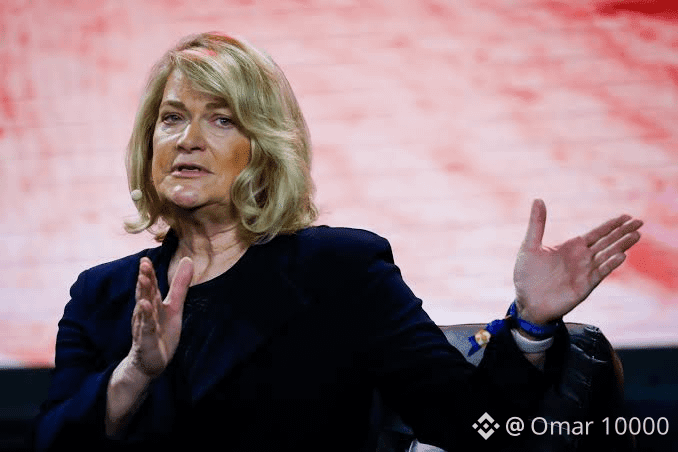
Senator Cynthia Lummis has shaken up the market with a strong warning to Congress
"If the CLARITY Law is not passed during this legislative session, the next real opportunity for clear regulation of the crypto market will not arrive until 2030".
While the price of XRP holds steady, resisting at $1.40, even though the odds of approval on the Polymarket prediction market have fallen to a range between 13% and 18%, whales and institutions continue to absorb tokens, accumulating record inflows into their ETFs. The procedural session on September 15 remains the key day.
$XRP
🚨 Alert in the Senate
⚙️ Ultimatum for the CLARITY Law and XRP
Senator Cynthia Lummis has shaken up the market with a strong warning to Congress
"If the CLARITY Law is not passed during this legislative session, the next real opportunity for clear regulation of the crypto market will not arrive until 2030".
While the price of XRP holds steady, resisting at $1.40, even though the odds of approval on the Polymarket prediction market have fallen to a range between 13% and 18%, whales and institutions continue to absorb tokens, accumulating record inflows into their ETFs. The procedural session on September 15 remains the key day.
$XRP
⚙️ Ultimatum for the CLARITY Law and XRP
Senator Cynthia Lummis has shaken up the market with a strong warning to Congress
"If the CLARITY Law is not passed during this legislative session, the next real opportunity for clear regulation of the crypto market will not arrive until 2030".
While the price of XRP holds steady, resisting at $1.40, even though the odds of approval on the Polymarket prediction market have fallen to a range between 13% and 18%, whales and institutions continue to absorb tokens, accumulating record inflows into their ETFs. The procedural session on September 15 remains the key day.
$XRP
2
1.6k
·
--
Verified
⚙️Exclusive for Investors
🚨Donald Trump is once again shaking up the investment landscape
The controversy over "Rare Earth Magnets" is the new topic of conversation.
Recently, in an interview, the U.S. president made comments about "Make magnets!"
“I hope they’re going to make magnets. Somebody out there, I hope you’re all bright people. Magnets. Make magnets, okay? I’ll tell you how to make money: Invest and make magnets!” Donald Trump
Trump has centered much of his trade strategy on rare earth magnets (essential for electric vehicles, microchips, and modern weaponry), since China controls more than 90% of global production.
Important points;
Trump issued a direct ultimatum to Beijing, demanding that it guarantee the continuous supply of these components to the U.S. He explicitly stated: «They have to give us magnets... otherwise we’ll have to charge them a 200 percent tariff or something like that»
To reduce this dependence, his administration recently announced a major $3,000 million investment aimed at critical mineral and battery mining within the United States.
Everything points to Donald Trump giving strength to this sector of the market.
What do you think about this? Is this another move by this man to boost some of his investments, or is the demand for magnets in the U.S. real?
Remember, this is not financial advice, do #DYOR🟢
$SOL $RAY $ONDO
⚙️Exclusive for Investors
🚨Donald Trump is once again shaking up the investment landscape
The controversy over "Rare Earth Magnets" is the new topic of conversation.
Recently, in an interview, the U.S. president made comments about "Make magnets!"
“I hope they’re going to make magnets. Somebody out there, I hope you’re all bright people. Magnets. Make magnets, okay? I’ll tell you how to make money: Invest and make magnets!” Donald Trump
Trump has centered much of his trade strategy on rare earth magnets (essential for electric vehicles, microchips, and modern weaponry), since China controls more than 90% of global production.
Important points;
Trump issued a direct ultimatum to Beijing, demanding that it guarantee the continuous supply of these components to the U.S. He explicitly stated: «They have to give us magnets... otherwise we’ll have to charge them a 200 percent tariff or something like that»
To reduce this dependence, his administration recently announced a major $3,000 million investment aimed at critical mineral and battery mining within the United States.
Everything points to Donald Trump giving strength to this sector of the market.
What do you think about this? Is this another move by this man to boost some of his investments, or is the demand for magnets in the U.S. real?
Remember, this is not financial advice, do #DYOR🟢
$SOL $RAY $ONDO
🚨Donald Trump is once again shaking up the investment landscape
The controversy over "Rare Earth Magnets" is the new topic of conversation.
Recently, in an interview, the U.S. president made comments about "Make magnets!"
“I hope they’re going to make magnets. Somebody out there, I hope you’re all bright people. Magnets. Make magnets, okay? I’ll tell you how to make money: Invest and make magnets!” Donald Trump
Trump has centered much of his trade strategy on rare earth magnets (essential for electric vehicles, microchips, and modern weaponry), since China controls more than 90% of global production.
Important points;
Trump issued a direct ultimatum to Beijing, demanding that it guarantee the continuous supply of these components to the U.S. He explicitly stated: «They have to give us magnets... otherwise we’ll have to charge them a 200 percent tariff or something like that»
To reduce this dependence, his administration recently announced a major $3,000 million investment aimed at critical mineral and battery mining within the United States.
Everything points to Donald Trump giving strength to this sector of the market.
What do you think about this? Is this another move by this man to boost some of his investments, or is the demand for magnets in the U.S. real?
Remember, this is not financial advice, do #DYOR🟢
$SOL $RAY $ONDO

2
4
2.3k
·
--
Partly True
💳 Worth Paying Attention To Projects
⚙️ Stay tuned! ... 🚨
The Ripple network (XRP Ledger or XRPL) is fully integrated and working on real production projects with Visa and Mastercard.
Visa and Ripple are part of the consortium developing the Open USD (OUSD) stablecoin. Interestingly, industry engineers have pointed out that this new payment model from Visa and Mastercard directly copies the integrated decentralized exchange architecture that the XRP Ledger originally designed.
The vast majority of these corporate projects use the network (the Ledger) and Ripple's new regulated stablecoin (RLUSD), but they do not always move the XRP token directly.
But
The real projects and alliances they are carrying out with each one are:
💳 Projects with Mastercard:
1' Card Settlement Network with RLUSD:
Mastercard launched a pilot program together with #WebBank and #Gemini This system allows fiat-money transactions made with traditional credit cards to be settled between banks in a matter of seconds using the Ripple USD (RLUSD) stablecoin running natively on the XRP Ledger, eliminating the usual banking delays of up to 3 days.
2' Artificial Intelligence (AI) Payment Infrastructure:
Mastercard connected the XRP Ledger to its Agentic Commerce framework (automated payments for machines).
🌐 Projects with Visa
Visa maintains a focus centered on global interoperability
1' The "Flywheel Effect" of Global Payments:
Visa's crypto division director detailed that the RLUSD stablecoin operates natively on XRPLedger. He explained that this could create a financial model where digital dollars inject liquidity into the network, where using the XRP token as a "bridge asset" to exchange currencies instantly and very cheaply.
2' x402 Micropayments Standard: Like Mastercard, Visa partnered with Ripple in developing the x402 industry standard which is designed for systems and AI to be able to invoice and transfer funds using stablecoins over networks
$XRP
💳 Worth Paying Attention To Projects
⚙️ Stay tuned! ... 🚨
The Ripple network (XRP Ledger or XRPL) is fully integrated and working on real production projects with Visa and Mastercard.
Visa and Ripple are part of the consortium developing the Open USD (OUSD) stablecoin. Interestingly, industry engineers have pointed out that this new payment model from Visa and Mastercard directly copies the integrated decentralized exchange architecture that the XRP Ledger originally designed.
The vast majority of these corporate projects use the network (the Ledger) and Ripple's new regulated stablecoin (RLUSD), but they do not always move the XRP token directly.
But
The real projects and alliances they are carrying out with each one are:
💳 Projects with Mastercard:
1' Card Settlement Network with RLUSD:
Mastercard launched a pilot program together with #WebBank and #Gemini This system allows fiat-money transactions made with traditional credit cards to be settled between banks in a matter of seconds using the Ripple USD (RLUSD) stablecoin running natively on the XRP Ledger, eliminating the usual banking delays of up to 3 days.
2' Artificial Intelligence (AI) Payment Infrastructure:
Mastercard connected the XRP Ledger to its Agentic Commerce framework (automated payments for machines).
🌐 Projects with Visa
Visa maintains a focus centered on global interoperability
1' The "Flywheel Effect" of Global Payments:
Visa's crypto division director detailed that the RLUSD stablecoin operates natively on XRPLedger. He explained that this could create a financial model where digital dollars inject liquidity into the network, where using the XRP token as a "bridge asset" to exchange currencies instantly and very cheaply.
2' x402 Micropayments Standard: Like Mastercard, Visa partnered with Ripple in developing the x402 industry standard which is designed for systems and AI to be able to invoice and transfer funds using stablecoins over networks
$XRP
⚙️ Stay tuned! ... 🚨
The Ripple network (XRP Ledger or XRPL) is fully integrated and working on real production projects with Visa and Mastercard.
Visa and Ripple are part of the consortium developing the Open USD (OUSD) stablecoin. Interestingly, industry engineers have pointed out that this new payment model from Visa and Mastercard directly copies the integrated decentralized exchange architecture that the XRP Ledger originally designed.
The vast majority of these corporate projects use the network (the Ledger) and Ripple's new regulated stablecoin (RLUSD), but they do not always move the XRP token directly.
But
The real projects and alliances they are carrying out with each one are:
💳 Projects with Mastercard:
1' Card Settlement Network with RLUSD:
Mastercard launched a pilot program together with #WebBank and #Gemini This system allows fiat-money transactions made with traditional credit cards to be settled between banks in a matter of seconds using the Ripple USD (RLUSD) stablecoin running natively on the XRP Ledger, eliminating the usual banking delays of up to 3 days.
2' Artificial Intelligence (AI) Payment Infrastructure:
Mastercard connected the XRP Ledger to its Agentic Commerce framework (automated payments for machines).
🌐 Projects with Visa
Visa maintains a focus centered on global interoperability
1' The "Flywheel Effect" of Global Payments:
Visa's crypto division director detailed that the RLUSD stablecoin operates natively on XRPLedger. He explained that this could create a financial model where digital dollars inject liquidity into the network, where using the XRP token as a "bridge asset" to exchange currencies instantly and very cheaply.
2' x402 Micropayments Standard: Like Mastercard, Visa partnered with Ripple in developing the x402 industry standard which is designed for systems and AI to be able to invoice and transfer funds using stablecoins over networks
$XRP

2
799
·
--
Bullish
Verified
📊 Key Market Data Today
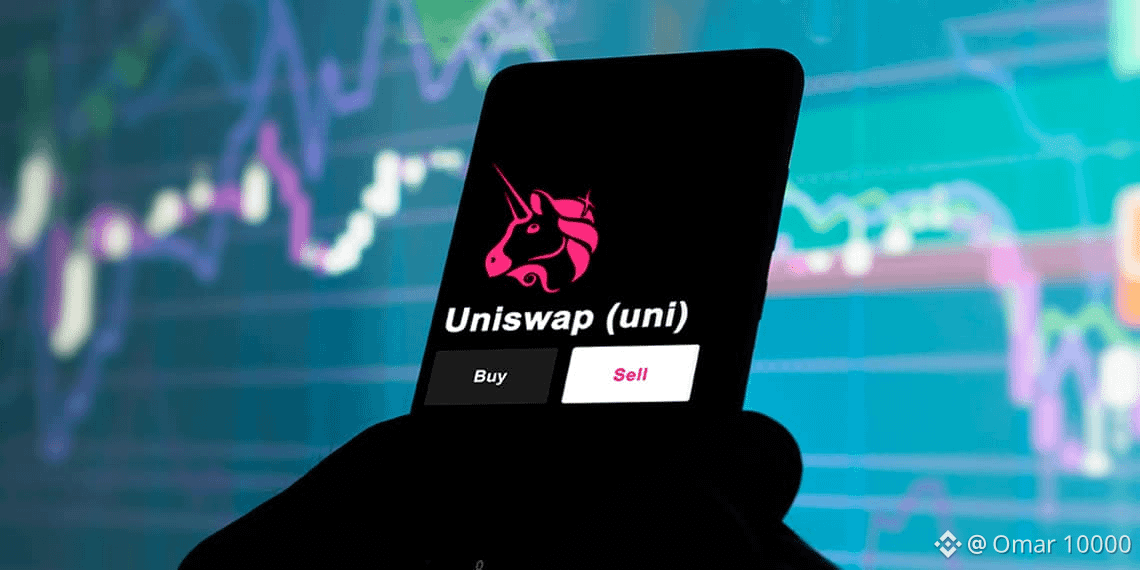
🚀 The News That Is Changing UNI’s Future
UNI is trading in the $5.80 - $6.20 USDT range, showing strong volatility with a recent increase close to 10%, followed by a slight correction.
It’s worth noting that #UNIUSDT has been on an upward trend for more than 15 days.
Historically, UNI was criticized because it only served as a "governance token" (to vote on proposals) but did not generate direct profits for its holders. However, two recent regulatory milestones have changed this:
1. The "Fee Switch" and the Deflationary Wheel
After the massive approval of the UNIfication governance proposal, the Uniswap protocol activated the collection of direct fees in its exchange pools.
What happens to the money? Those collected fees are now used for a massive burn mechanism (burn). An initial burn of 100 million UNI tokens has already been executed, and the protocol generates hundreds of thousands of dollars in daily revenue that constantly reduces the circulating supply of the coin. This makes UNI a deflationary asset and far more valuable in the long term.
2. The Volume Explosion on the "Robinhood Chain" 📈
Uniswap recently expanded its operations from versions v2, v3, and v4 to the new Layer 2 network Robinhood Chain. Adoption has been so massive that trading volume on this new network has reached two-thirds (66%) of all the protocol’s fee earnings, driving massive price rallies for the token.
Remember to do #DYOR🟢
$UNI
{spot}(UNIUSDT)
📊 Key Market Data Today
🚀 The News That Is Changing UNI’s Future
UNI is trading in the $5.80 - $6.20 USDT range, showing strong volatility with a recent increase close to 10%, followed by a slight correction.
It’s worth noting that #UNIUSDT has been on an upward trend for more than 15 days.
Historically, UNI was criticized because it only served as a "governance token" (to vote on proposals) but did not generate direct profits for its holders. However, two recent regulatory milestones have changed this:
1. The "Fee Switch" and the Deflationary Wheel
After the massive approval of the UNIfication governance proposal, the Uniswap protocol activated the collection of direct fees in its exchange pools.
What happens to the money? Those collected fees are now used for a massive burn mechanism (burn). An initial burn of 100 million UNI tokens has already been executed, and the protocol generates hundreds of thousands of dollars in daily revenue that constantly reduces the circulating supply of the coin. This makes UNI a deflationary asset and far more valuable in the long term.
2. The Volume Explosion on the "Robinhood Chain" 📈
Uniswap recently expanded its operations from versions v2, v3, and v4 to the new Layer 2 network Robinhood Chain. Adoption has been so massive that trading volume on this new network has reached two-thirds (66%) of all the protocol’s fee earnings, driving massive price rallies for the token.
Remember to do #DYOR🟢
$UNI
🚀 The News That Is Changing UNI’s Future
UNI is trading in the $5.80 - $6.20 USDT range, showing strong volatility with a recent increase close to 10%, followed by a slight correction.
It’s worth noting that #UNIUSDT has been on an upward trend for more than 15 days.
Historically, UNI was criticized because it only served as a "governance token" (to vote on proposals) but did not generate direct profits for its holders. However, two recent regulatory milestones have changed this:
1. The "Fee Switch" and the Deflationary Wheel
After the massive approval of the UNIfication governance proposal, the Uniswap protocol activated the collection of direct fees in its exchange pools.
What happens to the money? Those collected fees are now used for a massive burn mechanism (burn). An initial burn of 100 million UNI tokens has already been executed, and the protocol generates hundreds of thousands of dollars in daily revenue that constantly reduces the circulating supply of the coin. This makes UNI a deflationary asset and far more valuable in the long term.
2. The Volume Explosion on the "Robinhood Chain" 📈
Uniswap recently expanded its operations from versions v2, v3, and v4 to the new Layer 2 network Robinhood Chain. Adoption has been so massive that trading volume on this new network has reached two-thirds (66%) of all the protocol’s fee earnings, driving massive price rallies for the token.
Remember to do #DYOR🟢
$UNI
1
902
·
--
The money spigot will open or close this year
Wall Street’s investment desks look at historical data from the Asian continent.
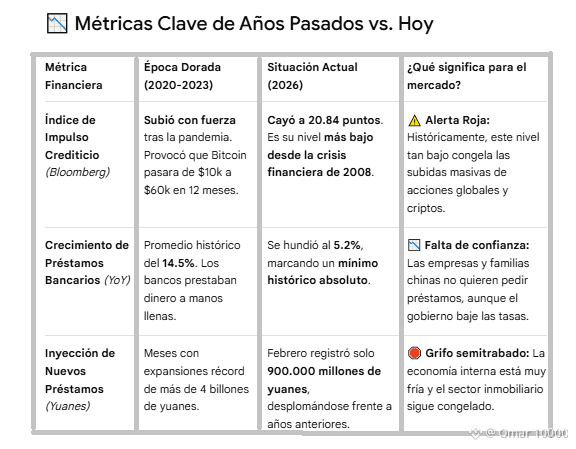
Hard metrics show that the red-flag country is already (Chi' na ) turning off the tap on commercial credit, but its Central Bank (PBoC) is trying to force specific stimulus so the economy doesn’t collapse.
🔎 Why is the spigot "turned off" if the government wants to turn it on?
Official statements assuring that they will maintain a "moderately loose monetary policy" for the second half of the year. In other words, the government wants to pump money, lower bank reserve requirements, and flood the economy with liquidity to reach its 4.5% growth target.
The reality on the street (the spigot is off): Even though the government is offering cheap money, Credit Demand metrics are wrecked.
💡 How does this affect Bitcoin today?
Historically, when China’s credit impulse hit lows, Bitcoin fell. However, this year is seeing a historical anomaly: despite China’s indicator falling to 2008 levels, Bitcoin managed to rise 25% recently, reaching zones near $80,000.
Wall Street analysts explain that Bitcoin’s profile has changed: it no longer depends so much on Asia’s retail volume, but on the billions of dollars that ETFs inject into the New York stock exchange. But they warn: if China’s slowdown ends up dragging down Wall Street stocks, Bitcoin will feel the hit sooner or later.
$CHIP $AR $SOL
The money spigot will open or close this year
Wall Street’s investment desks look at historical data from the Asian continent.
Hard metrics show that the red-flag country is already (Chi' na ) turning off the tap on commercial credit, but its Central Bank (PBoC) is trying to force specific stimulus so the economy doesn’t collapse.
🔎 Why is the spigot "turned off" if the government wants to turn it on?
Official statements assuring that they will maintain a "moderately loose monetary policy" for the second half of the year. In other words, the government wants to pump money, lower bank reserve requirements, and flood the economy with liquidity to reach its 4.5% growth target.
The reality on the street (the spigot is off): Even though the government is offering cheap money, Credit Demand metrics are wrecked.
💡 How does this affect Bitcoin today?
Historically, when China’s credit impulse hit lows, Bitcoin fell. However, this year is seeing a historical anomaly: despite China’s indicator falling to 2008 levels, Bitcoin managed to rise 25% recently, reaching zones near $80,000.
Wall Street analysts explain that Bitcoin’s profile has changed: it no longer depends so much on Asia’s retail volume, but on the billions of dollars that ETFs inject into the New York stock exchange. But they warn: if China’s slowdown ends up dragging down Wall Street stocks, Bitcoin will feel the hit sooner or later.
$CHIP $AR $SOL
Wall Street’s investment desks look at historical data from the Asian continent.
Hard metrics show that the red-flag country is already (Chi' na ) turning off the tap on commercial credit, but its Central Bank (PBoC) is trying to force specific stimulus so the economy doesn’t collapse.
🔎 Why is the spigot "turned off" if the government wants to turn it on?
Official statements assuring that they will maintain a "moderately loose monetary policy" for the second half of the year. In other words, the government wants to pump money, lower bank reserve requirements, and flood the economy with liquidity to reach its 4.5% growth target.
The reality on the street (the spigot is off): Even though the government is offering cheap money, Credit Demand metrics are wrecked.
💡 How does this affect Bitcoin today?
Historically, when China’s credit impulse hit lows, Bitcoin fell. However, this year is seeing a historical anomaly: despite China’s indicator falling to 2008 levels, Bitcoin managed to rise 25% recently, reaching zones near $80,000.
Wall Street analysts explain that Bitcoin’s profile has changed: it no longer depends so much on Asia’s retail volume, but on the billions of dollars that ETFs inject into the New York stock exchange. But they warn: if China’s slowdown ends up dragging down Wall Street stocks, Bitcoin will feel the hit sooner or later.
$CHIP $AR $SOL
1
122
·
--
🚨 The Game Has Changed
⚙️The other side of the coin: liquidity of #BTC
All investors need to answer the following question: Who fuels Bitcoin today? Knowing this is important right now.
A few years ago, if China sneezed, Bitcoin would crash immediately because the big mining farms and buyers were in Asia. But today the game has changed completely:
Wall Street took control; Bitcoin’s current fuel comes mainly from U.S. ETFs and major Wall Street firms. Every day, American pension funds and multimillionaires inject hundreds of millions of regulated dollars through the New York Stock Exchange.
On the other hand, if China’s economy cools too much due to its crisis (the government turns off the tap on bank loans), it will affect major technology companies worldwide (like Apple or Tesla). If stocks on Wall Street fall because of a global crisis triggered by China, American investors will sell their Bitcoins to get cash back.
💡 In conclusion
Bitcoin could lose fuel if the China crisis drags the global economy down, but there is no mathematical probability percentage of a severe 50% or 70% drop tied to it. Today’s crypto market is much more protected thanks to U.S. institutional money than in previous cycles.
$ARB $SOL $BTC
🚨 The Game Has Changed
⚙️The other side of the coin: liquidity of #BTC
All investors need to answer the following question: Who fuels Bitcoin today? Knowing this is important right now.
A few years ago, if China sneezed, Bitcoin would crash immediately because the big mining farms and buyers were in Asia. But today the game has changed completely:
Wall Street took control; Bitcoin’s current fuel comes mainly from U.S. ETFs and major Wall Street firms. Every day, American pension funds and multimillionaires inject hundreds of millions of regulated dollars through the New York Stock Exchange.
On the other hand, if China’s economy cools too much due to its crisis (the government turns off the tap on bank loans), it will affect major technology companies worldwide (like Apple or Tesla). If stocks on Wall Street fall because of a global crisis triggered by China, American investors will sell their Bitcoins to get cash back.
💡 In conclusion
Bitcoin could lose fuel if the China crisis drags the global economy down, but there is no mathematical probability percentage of a severe 50% or 70% drop tied to it. Today’s crypto market is much more protected thanks to U.S. institutional money than in previous cycles.
$ARB $SOL $BTC
⚙️The other side of the coin: liquidity of #BTC
All investors need to answer the following question: Who fuels Bitcoin today? Knowing this is important right now.
A few years ago, if China sneezed, Bitcoin would crash immediately because the big mining farms and buyers were in Asia. But today the game has changed completely:
Wall Street took control; Bitcoin’s current fuel comes mainly from U.S. ETFs and major Wall Street firms. Every day, American pension funds and multimillionaires inject hundreds of millions of regulated dollars through the New York Stock Exchange.
On the other hand, if China’s economy cools too much due to its crisis (the government turns off the tap on bank loans), it will affect major technology companies worldwide (like Apple or Tesla). If stocks on Wall Street fall because of a global crisis triggered by China, American investors will sell their Bitcoins to get cash back.
💡 In conclusion
Bitcoin could lose fuel if the China crisis drags the global economy down, but there is no mathematical probability percentage of a severe 50% or 70% drop tied to it. Today’s crypto market is much more protected thanks to U.S. institutional money than in previous cycles.
$ARB $SOL $BTC

1
194
·
--
🚨 Congratulations
It’s true the approval
The approval of the Binance card is a fact.
It’s a simple process: you’ll receive an official request from Binance, fill out a few requirements, and within a couple of hours they’ll approve your card.
It’s important to know that the data must be entered formally, with no fakes.
I hope everyone receives the request and that everyone can get their card. I also advise everyone who follows me to use the card wisely: leave only one background option in your wallets, so that the card can withdraw the funds.
If you don’t use the card, there’s also the option to freeze and unfreeze it. Regards
🟢 We continue sharing important data and information for all investors.
$ACE
{spot}(ACEUSDT)
🚨 Congratulations
It’s true the approval
The approval of the Binance card is a fact.
It’s a simple process: you’ll receive an official request from Binance, fill out a few requirements, and within a couple of hours they’ll approve your card.
It’s important to know that the data must be entered formally, with no fakes.
I hope everyone receives the request and that everyone can get their card. I also advise everyone who follows me to use the card wisely: leave only one background option in your wallets, so that the card can withdraw the funds.
If you don’t use the card, there’s also the option to freeze and unfreeze it. Regards
🟢 We continue sharing important data and information for all investors.
$ACE
It’s true the approval
The approval of the Binance card is a fact.
It’s a simple process: you’ll receive an official request from Binance, fill out a few requirements, and within a couple of hours they’ll approve your card.
It’s important to know that the data must be entered formally, with no fakes.
I hope everyone receives the request and that everyone can get their card. I also advise everyone who follows me to use the card wisely: leave only one background option in your wallets, so that the card can withdraw the funds.
If you don’t use the card, there’s also the option to freeze and unfreeze it. Regards
🟢 We continue sharing important data and information for all investors.
$ACE

1
106
·
--
Partly True
What Japan Did to Stay Afloat
⚙️Save the Yen at All Costs
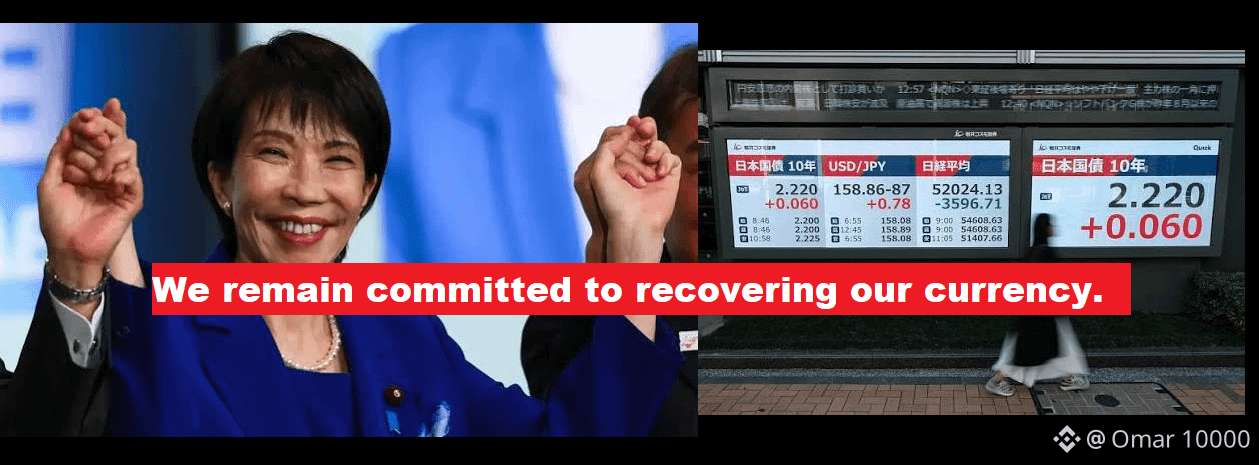
The Japanese yen had been suffering a historic decline against the dollar, reaching lows not seen since 1990. To defend its currency, the Bank of Japan (BoJ) needed to intervene in the markets by buying yen on a massive scale. Since purchasing yen in international markets requires physical dollars, the Tokyo government decided to sell part of its greatest store of value: its holdings of U.S. Treasury bonds.
In effect, this involved a massive liquidation of U.S. Treasury bonds, with the primary goal of obtaining cash dollars in order to buy its own currency (the yen) and halt its devaluation.
💰 The scale of the sales—in just one of the months with the highest pressure (June)—was such that Tokyo offloaded $26.4 billion in American bonds.
Over its most recent interventions, the accumulated sales exceeded $75 billion, causing its share of total U.S. debt to fall from previous peaks of 8.5% to around 4%. Even so, Japan continues to be the largest foreign holder of U.S. debt, retaining a bit more than $1.1 trillion.
Japan’s decision to “get out” of those bonds flooded the market, leading to very harsh consequences for the U.S. economy—dragging down key tech indexes like the Nasdaq.
What did Japan do?
Japan looked at what it had in storage. Japan had stashed away thousands of “debt vouchers” (Treasury Bonds) that it had bought from the United States in the past. These vouchers promise that the U.S. will pay Japan in the future, but Japan couldn’t wait for the cash.
So Japan went out to sell those “vouchers” in the financial market to anyone who had cash dollars. It didn’t return them directly to the U.S. to have them paid off; instead, it sold them on the stock exchange.
$SC $ARB $SOL
#japon #bonosdeltesoro #EEUU
What Japan Did to Stay Afloat
⚙️Save the Yen at All Costs
The Japanese yen had been suffering a historic decline against the dollar, reaching lows not seen since 1990. To defend its currency, the Bank of Japan (BoJ) needed to intervene in the markets by buying yen on a massive scale. Since purchasing yen in international markets requires physical dollars, the Tokyo government decided to sell part of its greatest store of value: its holdings of U.S. Treasury bonds.
In effect, this involved a massive liquidation of U.S. Treasury bonds, with the primary goal of obtaining cash dollars in order to buy its own currency (the yen) and halt its devaluation.
💰 The scale of the sales—in just one of the months with the highest pressure (June)—was such that Tokyo offloaded $26.4 billion in American bonds.
Over its most recent interventions, the accumulated sales exceeded $75 billion, causing its share of total U.S. debt to fall from previous peaks of 8.5% to around 4%. Even so, Japan continues to be the largest foreign holder of U.S. debt, retaining a bit more than $1.1 trillion.
Japan’s decision to “get out” of those bonds flooded the market, leading to very harsh consequences for the U.S. economy—dragging down key tech indexes like the Nasdaq.
What did Japan do?
Japan looked at what it had in storage. Japan had stashed away thousands of “debt vouchers” (Treasury Bonds) that it had bought from the United States in the past. These vouchers promise that the U.S. will pay Japan in the future, but Japan couldn’t wait for the cash.
So Japan went out to sell those “vouchers” in the financial market to anyone who had cash dollars. It didn’t return them directly to the U.S. to have them paid off; instead, it sold them on the stock exchange.
$SC $ARB $SOL
#japon #bonosdeltesoro #EEUU
⚙️Save the Yen at All Costs
The Japanese yen had been suffering a historic decline against the dollar, reaching lows not seen since 1990. To defend its currency, the Bank of Japan (BoJ) needed to intervene in the markets by buying yen on a massive scale. Since purchasing yen in international markets requires physical dollars, the Tokyo government decided to sell part of its greatest store of value: its holdings of U.S. Treasury bonds.
In effect, this involved a massive liquidation of U.S. Treasury bonds, with the primary goal of obtaining cash dollars in order to buy its own currency (the yen) and halt its devaluation.
💰 The scale of the sales—in just one of the months with the highest pressure (June)—was such that Tokyo offloaded $26.4 billion in American bonds.
Over its most recent interventions, the accumulated sales exceeded $75 billion, causing its share of total U.S. debt to fall from previous peaks of 8.5% to around 4%. Even so, Japan continues to be the largest foreign holder of U.S. debt, retaining a bit more than $1.1 trillion.
Japan’s decision to “get out” of those bonds flooded the market, leading to very harsh consequences for the U.S. economy—dragging down key tech indexes like the Nasdaq.
What did Japan do?
Japan looked at what it had in storage. Japan had stashed away thousands of “debt vouchers” (Treasury Bonds) that it had bought from the United States in the past. These vouchers promise that the U.S. will pay Japan in the future, but Japan couldn’t wait for the cash.
So Japan went out to sell those “vouchers” in the financial market to anyone who had cash dollars. It didn’t return them directly to the U.S. to have them paid off; instead, it sold them on the stock exchange.
$SC $ARB $SOL
#japon #bonosdeltesoro #EEUU
1
1.7k
·
--
🚨 Important
⚙️ The Main Companies - Break the Silence
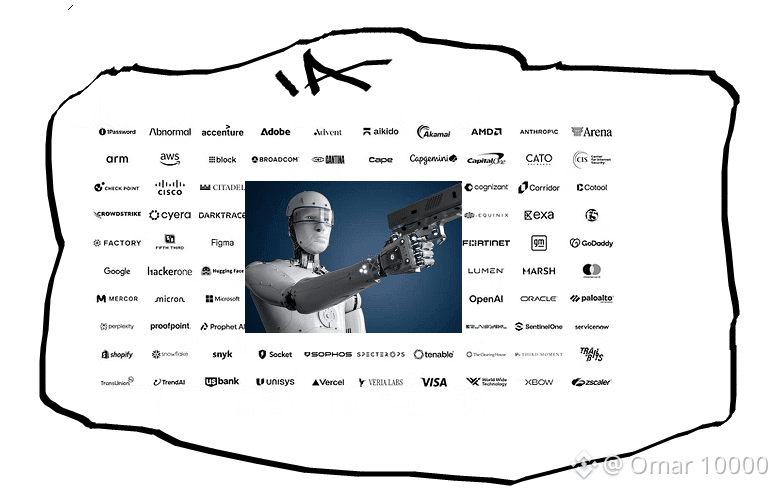
"Tech companies ask governments to coordinate cyber defense at the local, national, and international levels."
OpenAI, Microsoft, Google, IBM, Cisco, Oracle, Accenture, Adobe, AMD, ARM, AWS (Amazon), PwC, KPMG, Dell, Fortinet, CrowdStrike, Okta, Palantir, Shopify, Visa, and Cato Networks, among dozens of other tech firms.
🟢Why the Statement:
Tech companies are doing this because they warn that there is a "limited window of time" before AI-advanced cyberattacks become massive, automated, and highly sophisticated.
They’re seeking a collective response to protect the world’s real critical infrastructure (such as hospitals, water treatment plants, and energy grids) by sharing threat intelligence in real time, funding defenses for vulnerable sectors, and using their own AI in a coordinated way to stop attackers.
$0G $HEMI $SOL
🚨 Important
⚙️ The Main Companies - Break the Silence
"Tech companies ask governments to coordinate cyber defense at the local, national, and international levels."
OpenAI, Microsoft, Google, IBM, Cisco, Oracle, Accenture, Adobe, AMD, ARM, AWS (Amazon), PwC, KPMG, Dell, Fortinet, CrowdStrike, Okta, Palantir, Shopify, Visa, and Cato Networks, among dozens of other tech firms.
🟢Why the Statement:
Tech companies are doing this because they warn that there is a "limited window of time" before AI-advanced cyberattacks become massive, automated, and highly sophisticated.
They’re seeking a collective response to protect the world’s real critical infrastructure (such as hospitals, water treatment plants, and energy grids) by sharing threat intelligence in real time, funding defenses for vulnerable sectors, and using their own AI in a coordinated way to stop attackers.
$0G $HEMI $SOL
⚙️ The Main Companies - Break the Silence
"Tech companies ask governments to coordinate cyber defense at the local, national, and international levels."
OpenAI, Microsoft, Google, IBM, Cisco, Oracle, Accenture, Adobe, AMD, ARM, AWS (Amazon), PwC, KPMG, Dell, Fortinet, CrowdStrike, Okta, Palantir, Shopify, Visa, and Cato Networks, among dozens of other tech firms.
🟢Why the Statement:
Tech companies are doing this because they warn that there is a "limited window of time" before AI-advanced cyberattacks become massive, automated, and highly sophisticated.
They’re seeking a collective response to protect the world’s real critical infrastructure (such as hospitals, water treatment plants, and energy grids) by sharing threat intelligence in real time, funding defenses for vulnerable sectors, and using their own AI in a coordinated way to stop attackers.
$0G $HEMI $SOL
1
148
·
--
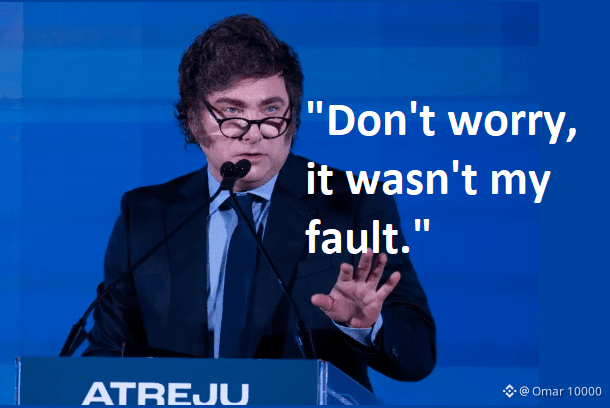
A meme that talks by itself
⏱️ (February 2025) - Many Argentinians cried.
On February 14, 2025, Javier Milei published a message on his official X (Twitter) account supporting the crypto project $LIBRA, stating that its goal was "to finance small businesses and startups" to revive the economy. The tweet included the direct address of the smart contract to buy the token.
Taking advantage of the president’s millions of followers, the price of $LIBRA shot up vertically within minutes, reaching an inflated valuation of more than $4 billion.
A few hours after the post, it was completely removed from his profile. Almost simultaneously, the digital wallets of the token’s developers and creators (insiders) withdrew at once between $80 and $100 million in liquidity, executing a scam known in the crypto ecosystem as a rug pull. The value of $LIBRA plummeted by 96% in less than 7 hours, leaving more than 40,000 retail investors trapped with million-dollar losses.
⚖️ Repercussions and official justification
The Argentine opposition filed criminal complaints against the president for alleged fraud and deception, and also pushed for impeachment proceedings. Later, media leaks exposed a supposed document in which intermediaries stipulated a $5 million payment tied to the promotion of the token.
$SOL $PROM $XRP
A meme that talks by itself
⏱️ (February 2025) - Many Argentinians cried.
On February 14, 2025, Javier Milei published a message on his official X (Twitter) account supporting the crypto project $LIBRA, stating that its goal was "to finance small businesses and startups" to revive the economy. The tweet included the direct address of the smart contract to buy the token.
Taking advantage of the president’s millions of followers, the price of $LIBRA shot up vertically within minutes, reaching an inflated valuation of more than $4 billion.
A few hours after the post, it was completely removed from his profile. Almost simultaneously, the digital wallets of the token’s developers and creators (insiders) withdrew at once between $80 and $100 million in liquidity, executing a scam known in the crypto ecosystem as a rug pull. The value of $LIBRA plummeted by 96% in less than 7 hours, leaving more than 40,000 retail investors trapped with million-dollar losses.
⚖️ Repercussions and official justification
The Argentine opposition filed criminal complaints against the president for alleged fraud and deception, and also pushed for impeachment proceedings. Later, media leaks exposed a supposed document in which intermediaries stipulated a $5 million payment tied to the promotion of the token.
$SOL $PROM $XRP
⏱️ (February 2025) - Many Argentinians cried.
On February 14, 2025, Javier Milei published a message on his official X (Twitter) account supporting the crypto project $LIBRA, stating that its goal was "to finance small businesses and startups" to revive the economy. The tweet included the direct address of the smart contract to buy the token.
Taking advantage of the president’s millions of followers, the price of $LIBRA shot up vertically within minutes, reaching an inflated valuation of more than $4 billion.
A few hours after the post, it was completely removed from his profile. Almost simultaneously, the digital wallets of the token’s developers and creators (insiders) withdrew at once between $80 and $100 million in liquidity, executing a scam known in the crypto ecosystem as a rug pull. The value of $LIBRA plummeted by 96% in less than 7 hours, leaving more than 40,000 retail investors trapped with million-dollar losses.
⚖️ Repercussions and official justification
The Argentine opposition filed criminal complaints against the president for alleged fraud and deception, and also pushed for impeachment proceedings. Later, media leaks exposed a supposed document in which intermediaries stipulated a $5 million payment tied to the promotion of the token.
$SOL $PROM $XRP

2
1
6
2.8k
Log in to explore more content
Join global crypto users on Binance Square
⚡️ Get latest and useful information about crypto.
💬 Trusted by the world’s largest crypto exchange.
👍 Discover real insights from verified creators.
Email / Phone number
Trending Topics
FedRateWatch
1.4M views
6,654 Discussing
Share & Win Traffic Reward in our Trending Hashtag Campaign
✨Topic: FOMC September, What's The Fed's Next Move?
👉How to Join:
Publish a short post or article with hashtag #FedRateWatch
Create content based on the below angles:
- August core CPI rose 0.3% month-over-month, and the odds of a 25bp hike this week are now close to 90%. Do you anticipate a rate hike this week? Is it a one-off, or the start of a longer hiking cycle?
- If the hike lands, how does it play out for BTC, tech stocks, and gold? Bullish or bearish?
- How are you planning to trade next? Share your BTC, stocks or gold trade/holdings with our trade sharing widget.
⏰Campaign Period:
- 2026-09-15 11:00 - 2026-09-17 3:00 UTC
🎁Reward:
- Qualified posts that comply with the above guidelines and contain more than 100 words will be reviewed and may receive a random traffic boost of 500 to 3,000 views. You will receive a notification from your feed secretary if your post is selected.
- Get a chance to have your article featured on Binance Square Official
Need ideas for your post? Visit the topic page #FedRateWatch or the Square Guide on How to Post for Better Reach.
Binance Square Official
·644 Likes
·1.6M views
ZcashRises6%
47,078 views
622 Discussing
XRPSinks10%
31,967 views
409 Discussing