
notton
4.9k Posts
notton
Report
Block User
no signals. no predictions. no shilling. no financial advice.
5.0K+ Following
3.2K+ Followers
406 Liked
Posts
All
Quotes
·
--
See translation
1.6.1
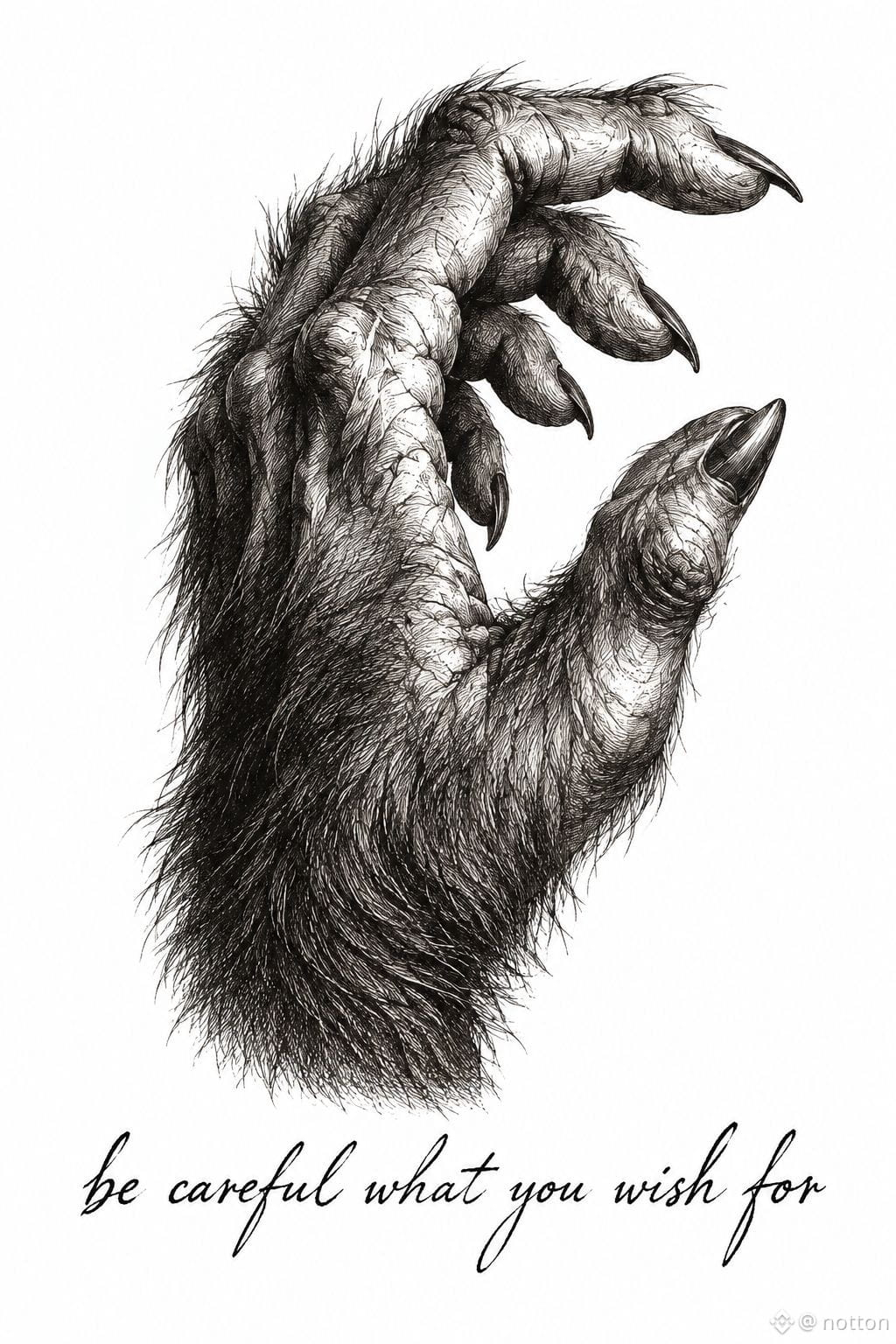
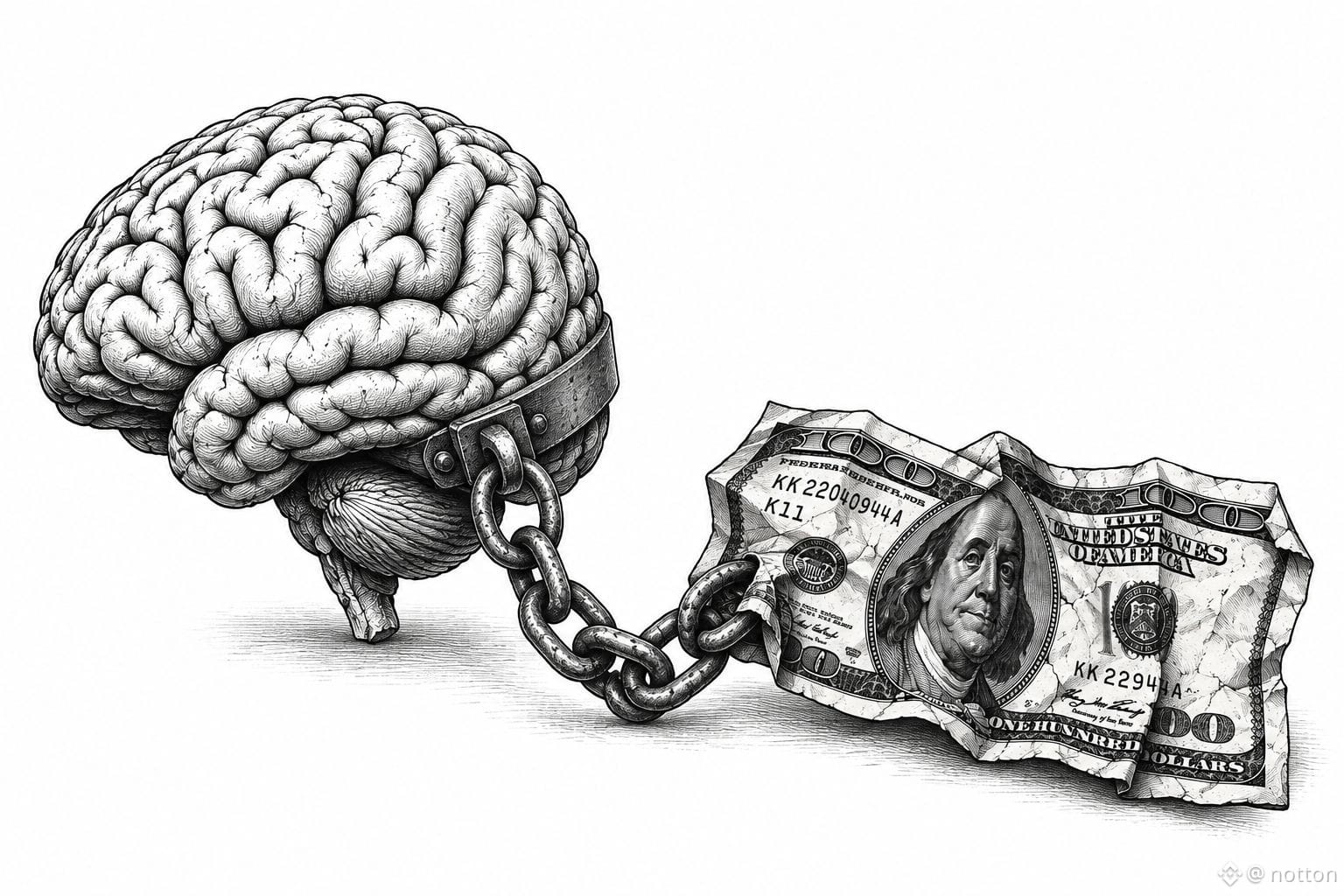
In W. W. Jacobs' famous story, "The Monkey's Paw", a family receives a magical monkey's paw that can grant wishes
- They make a wish for money
- They get it
But not in the way they expected
The money comes as compensation after their son dies in an accident
The family gets exactly what they asked for...
Just not what they wanted
That's the interesting part
In life, we often focus on the outcome we want and forget to think about the path that gets us there.
Money is no different:
- Make $10,000
- Double my money
- Get rich quickly
But what are you willing to risk to get there?
Sometimes the real question isn't:
- Can I get what I want?
It's:
- What could it cost me?
~ Think before you act
1.6.1
In W. W. Jacobs' famous story, "The Monkey's Paw", a family receives a magical monkey's paw that can grant wishes
- They make a wish for money
- They get it
But not in the way they expected
The money comes as compensation after their son dies in an accident
The family gets exactly what they asked for...
Just not what they wanted
That's the interesting part
In life, we often focus on the outcome we want and forget to think about the path that gets us there.
Money is no different:
- Make $10,000
- Double my money
- Get rich quickly
But what are you willing to risk to get there?
Sometimes the real question isn't:
- Can I get what I want?
It's:
- What could it cost me?
~ Think before you act
In W. W. Jacobs' famous story, "The Monkey's Paw", a family receives a magical monkey's paw that can grant wishes
- They make a wish for money
- They get it
But not in the way they expected
The money comes as compensation after their son dies in an accident
The family gets exactly what they asked for...
Just not what they wanted
That's the interesting part
In life, we often focus on the outcome we want and forget to think about the path that gets us there.
Money is no different:
- Make $10,000
- Double my money
- Get rich quickly
But what are you willing to risk to get there?
Sometimes the real question isn't:
- Can I get what I want?
It's:
- What could it cost me?
~ Think before you act
591
2
37
591
·
--
See translation
1.5.6
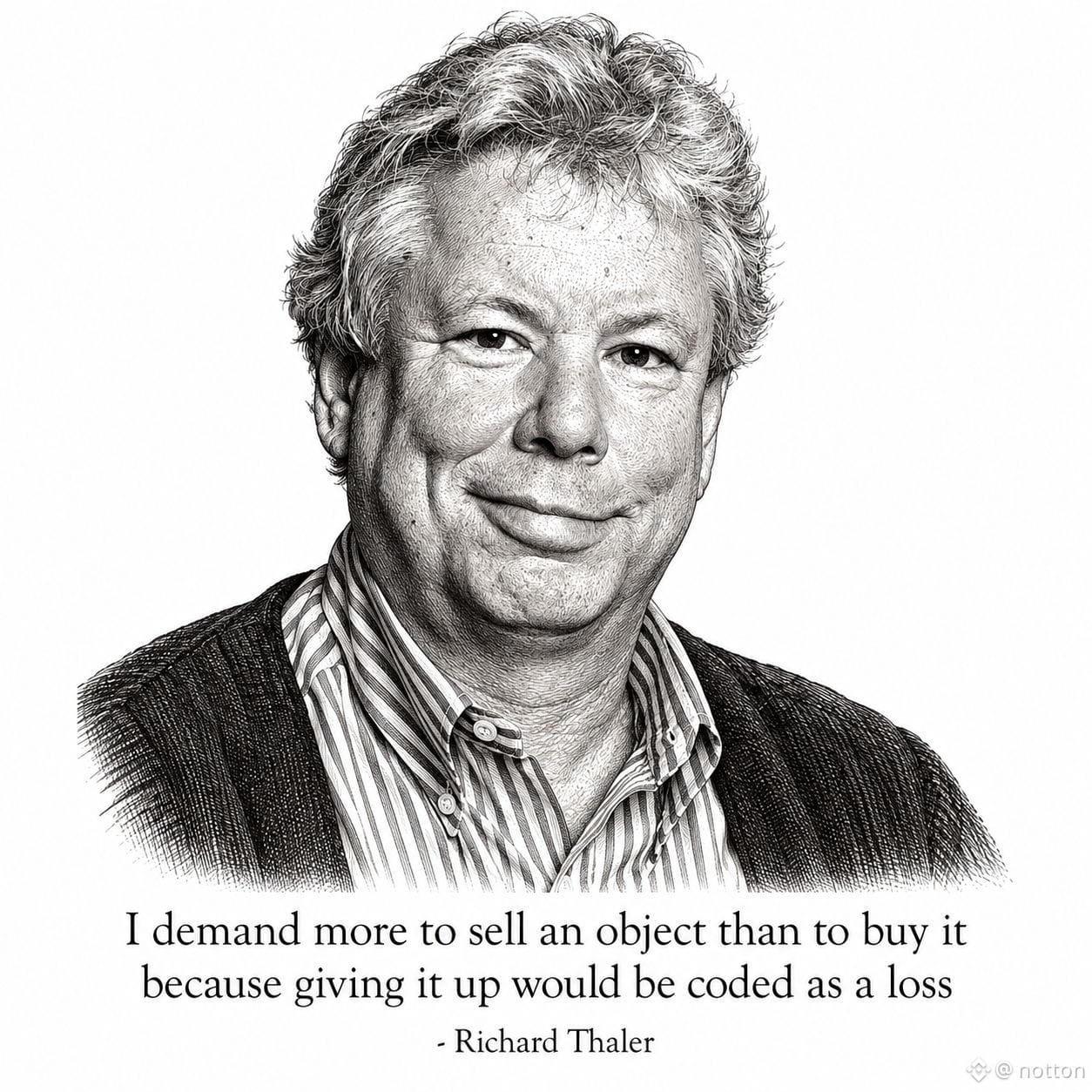
Why do we value things more once they become ours?
Imagine you own something worth $50
Someone offers you $60 for it
Instead of thinking:
“Would I buy this for $60?”
you think:
“But it's mine”
That's the endowment effect.
Ownership changes our perception of valuea nd money can make this dangerous
You buy a coin at $1 - It falls to $0.60.
Now selling it feels like you're giving something away
So you hold
Not because the investment still makes sense - but because letting go feels like a loss
Sometimes the hardest thing to sell isn't an asset
It's our ATTACHMENT to it!
~ Think before you act
1.5.6
Why do we value things more once they become ours?
Imagine you own something worth $50
Someone offers you $60 for it
Instead of thinking:
“Would I buy this for $60?”
you think:
“But it's mine”
That's the endowment effect.
Ownership changes our perception of valuea nd money can make this dangerous
You buy a coin at $1 - It falls to $0.60.
Now selling it feels like you're giving something away
So you hold
Not because the investment still makes sense - but because letting go feels like a loss
Sometimes the hardest thing to sell isn't an asset
It's our ATTACHMENT to it!
~ Think before you act
Why do we value things more once they become ours?
Imagine you own something worth $50
Someone offers you $60 for it
Instead of thinking:
“Would I buy this for $60?”
you think:
“But it's mine”
That's the endowment effect.
Ownership changes our perception of valuea nd money can make this dangerous
You buy a coin at $1 - It falls to $0.60.
Now selling it feels like you're giving something away
So you hold
Not because the investment still makes sense - but because letting go feels like a loss
Sometimes the hardest thing to sell isn't an asset
It's our ATTACHMENT to it!
~ Think before you act
649
2
47
649
·
--
See translation
1.5.5
0.00001567bnb - 50 slots
guess the riddle:
I can steal your money
without touching your wallet
I can make you buy things
you never planned to buy
I can make a good deal
feel impossible to ignore
You rarely notice me
until it's too late
What am I?
~ Think before you act
1.5.5
0.00001567bnb - 50 slots
guess the riddle:
I can steal your money
without touching your wallet
I can make you buy things
you never planned to buy
I can make a good deal
feel impossible to ignore
You rarely notice me
until it's too late
What am I?
~ Think before you act
0.00001567bnb - 50 slots
guess the riddle:
I can steal your money
without touching your wallet
I can make you buy things
you never planned to buy
I can make a good deal
feel impossible to ignore
You rarely notice me
until it's too late
What am I?
~ Think before you act
452
12
452
·
--
See translation
1.5.4
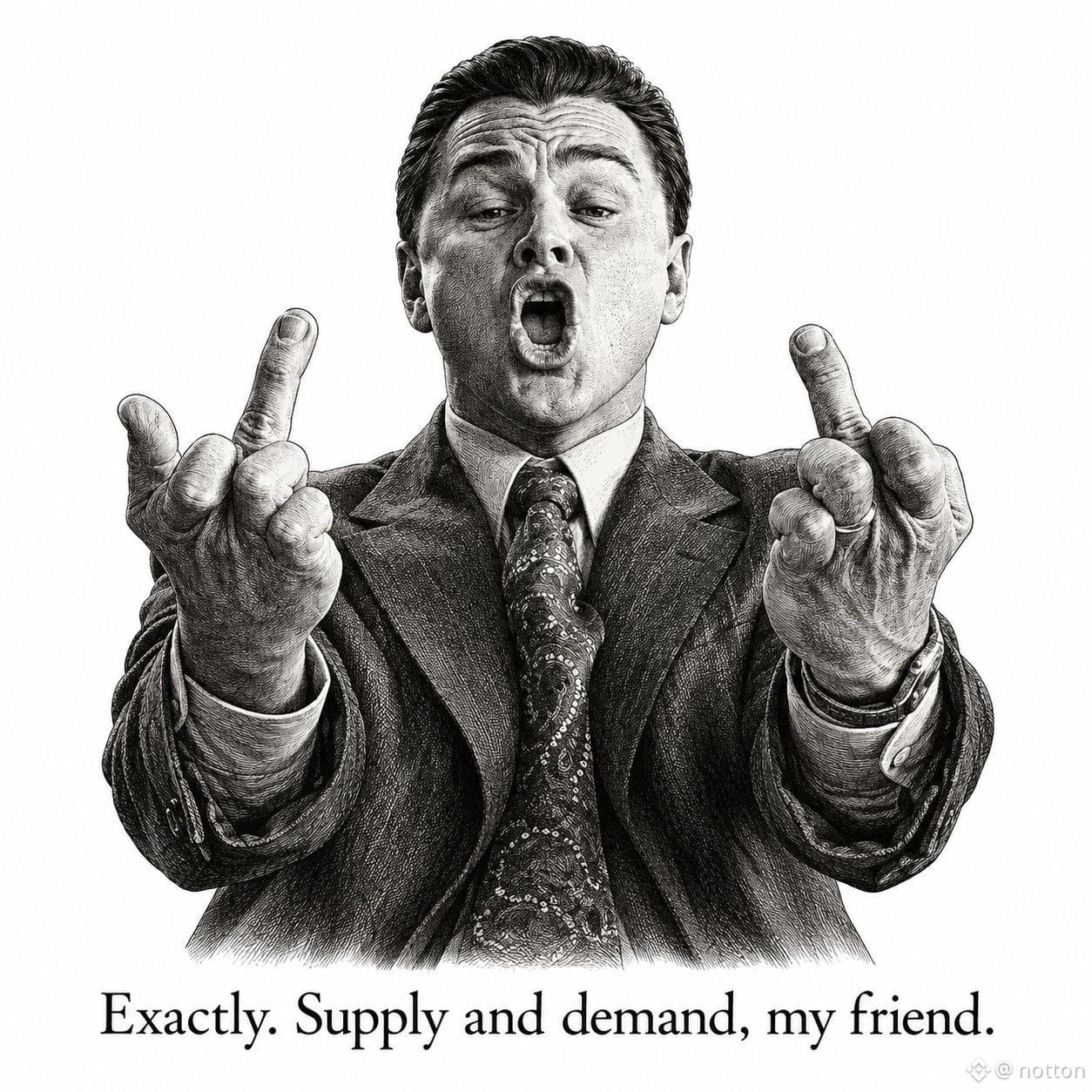
“BUY NOW”
“BREAKOUT CONFIRMED”
“THIS IS THE ONE”
"HIDDEN GEM"
"INDICATORS SAY..."
- You enter
- Price dumps
- The analyst disappears
Next day:
“🚨 NEW SETUP 🚨”
- Different coin
- Same confidence
Because your loss isn't their loss
Your trade is their product
They don't need you to win
They need you to CLICK
Before trusting the chart, check the business model behind the chart
Follow the incentive
~ Think before you act
1.5.4
“BUY NOW”
“BREAKOUT CONFIRMED”
“THIS IS THE ONE”
"HIDDEN GEM"
"INDICATORS SAY..."
- You enter
- Price dumps
- The analyst disappears
Next day:
“🚨 NEW SETUP 🚨”
- Different coin
- Same confidence
Because your loss isn't their loss
Your trade is their product
They don't need you to win
They need you to CLICK
Before trusting the chart, check the business model behind the chart
Follow the incentive
~ Think before you act
“BUY NOW”
“BREAKOUT CONFIRMED”
“THIS IS THE ONE”
"HIDDEN GEM"
"INDICATORS SAY..."
- You enter
- Price dumps
- The analyst disappears
Next day:
“🚨 NEW SETUP 🚨”
- Different coin
- Same confidence
Because your loss isn't their loss
Your trade is their product
They don't need you to win
They need you to CLICK
Before trusting the chart, check the business model behind the chart
Follow the incentive
~ Think before you act
443
23
443
·
--
See translation
1.5.3
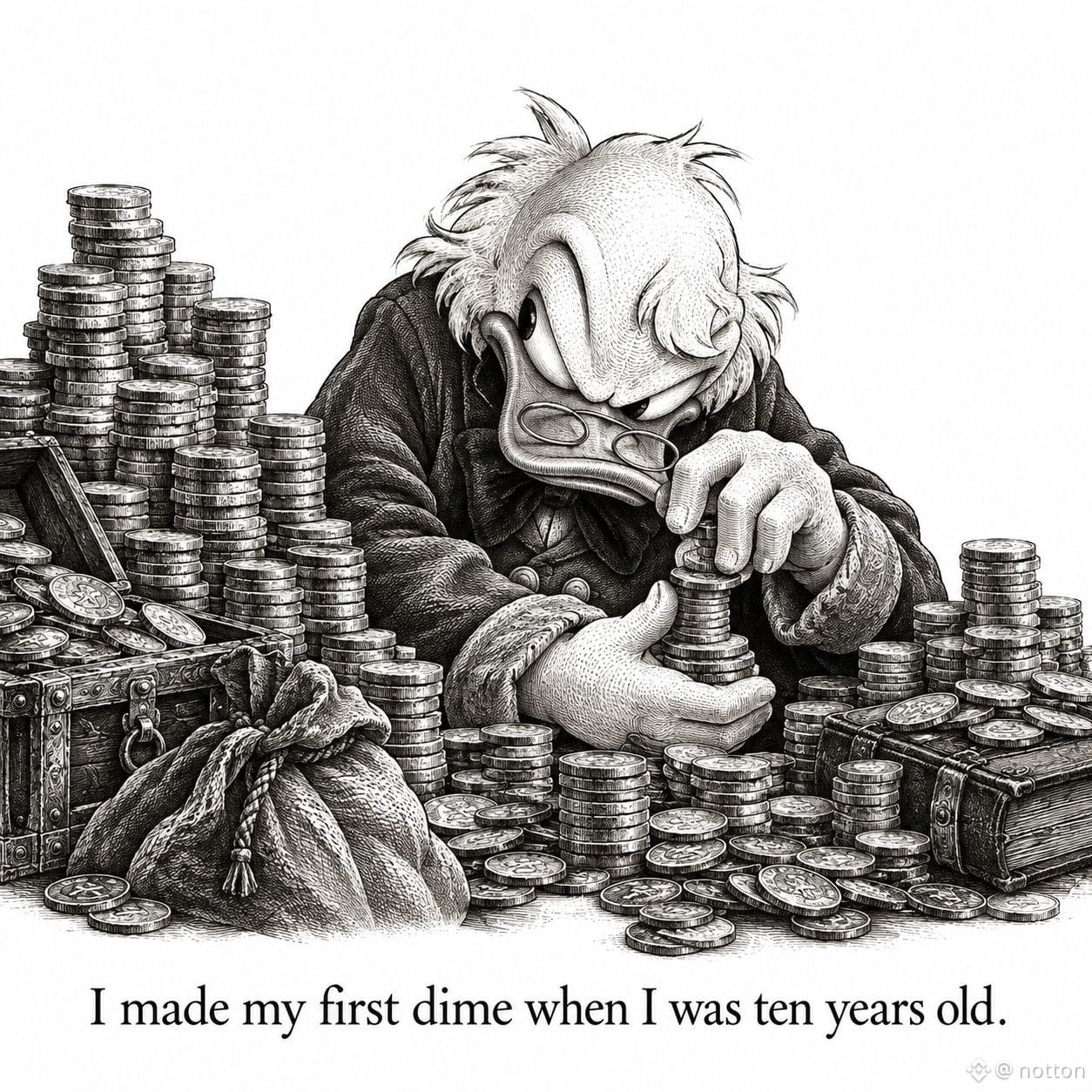
Why does a $20 bill feel different from four $5 bills?
It's the same $20, but our brain doesn't always treat money mathematically
-Four smaller bills can feel like more money to spend
- One larger bill can feel harder to break
That's why the way money is presented can change how we behave with it
Same value - Different psychology
And sometimes, our financial decisions aren't controlled by the amount
They're controlled by how the amount feels
~ Think before you act
1.5.3
Why does a $20 bill feel different from four $5 bills?
It's the same $20, but our brain doesn't always treat money mathematically
-Four smaller bills can feel like more money to spend
- One larger bill can feel harder to break
That's why the way money is presented can change how we behave with it
Same value - Different psychology
And sometimes, our financial decisions aren't controlled by the amount
They're controlled by how the amount feels
~ Think before you act
Why does a $20 bill feel different from four $5 bills?
It's the same $20, but our brain doesn't always treat money mathematically
-Four smaller bills can feel like more money to spend
- One larger bill can feel harder to break
That's why the way money is presented can change how we behave with it
Same value - Different psychology
And sometimes, our financial decisions aren't controlled by the amount
They're controlled by how the amount feels
~ Think before you act
322
20
322
·
--
See translation
1.5.2
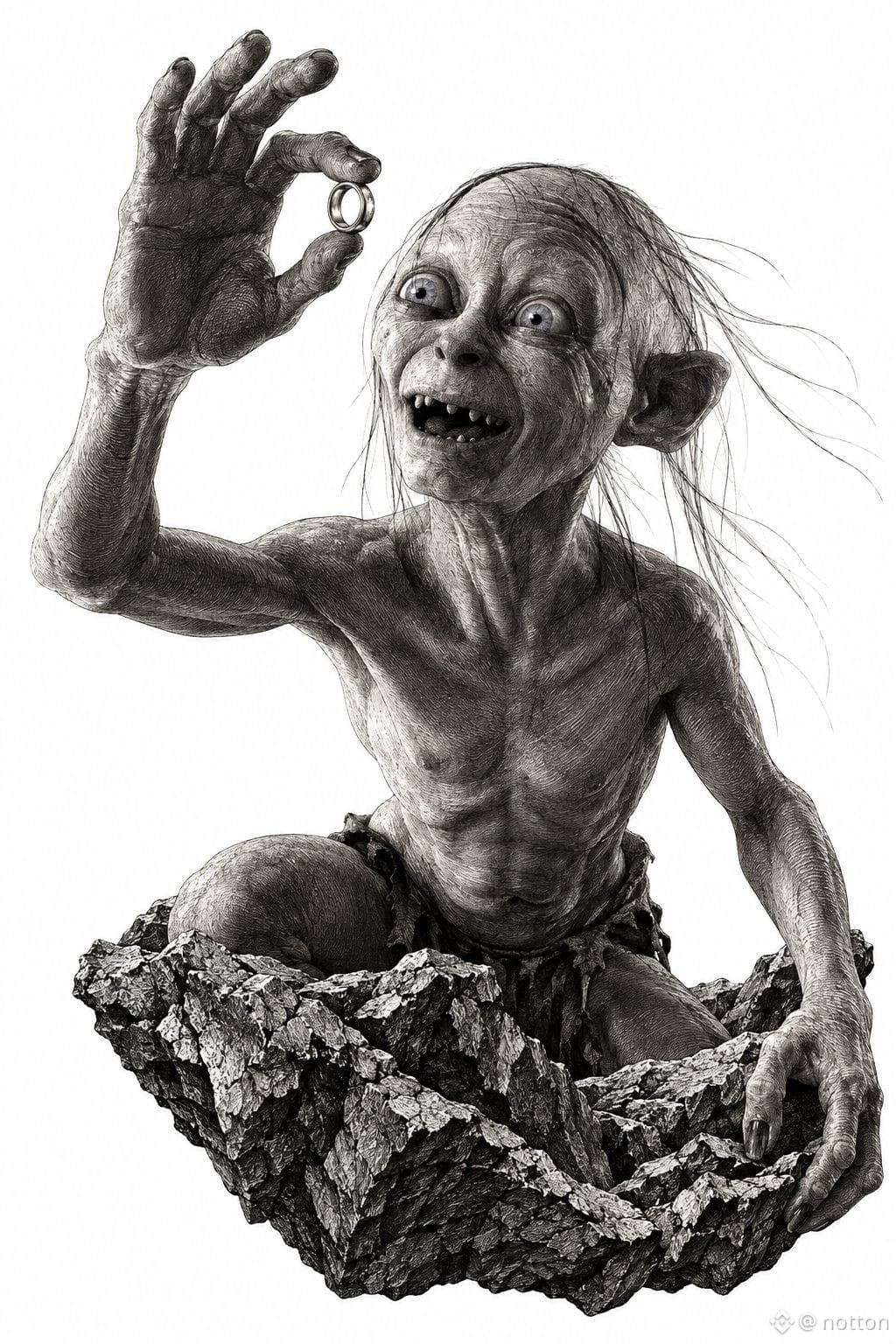
Gollum didn't start with a desire to destroy the world
- He wanted the Ring
- Then he wanted to keep it
- Then he couldn't imagine life without it
That's what makes greed dangerous.
It doesn't always say:
“I want everything”
Sometimes it says:
“Just a little more”
- One more trade
- One more win
- One more dollar
And eventually, "more" becomes the goal
Money isn't always what changes people
Sometimes it's the desire for more
~ Think before you act
1.5.2
Gollum didn't start with a desire to destroy the world
- He wanted the Ring
- Then he wanted to keep it
- Then he couldn't imagine life without it
That's what makes greed dangerous.
It doesn't always say:
“I want everything”
Sometimes it says:
“Just a little more”
- One more trade
- One more win
- One more dollar
And eventually, "more" becomes the goal
Money isn't always what changes people
Sometimes it's the desire for more
~ Think before you act
Gollum didn't start with a desire to destroy the world
- He wanted the Ring
- Then he wanted to keep it
- Then he couldn't imagine life without it
That's what makes greed dangerous.
It doesn't always say:
“I want everything”
Sometimes it says:
“Just a little more”
- One more trade
- One more win
- One more dollar
And eventually, "more" becomes the goal
Money isn't always what changes people
Sometimes it's the desire for more
~ Think before you act
578
19
578
·
--
See translation
1.5.1
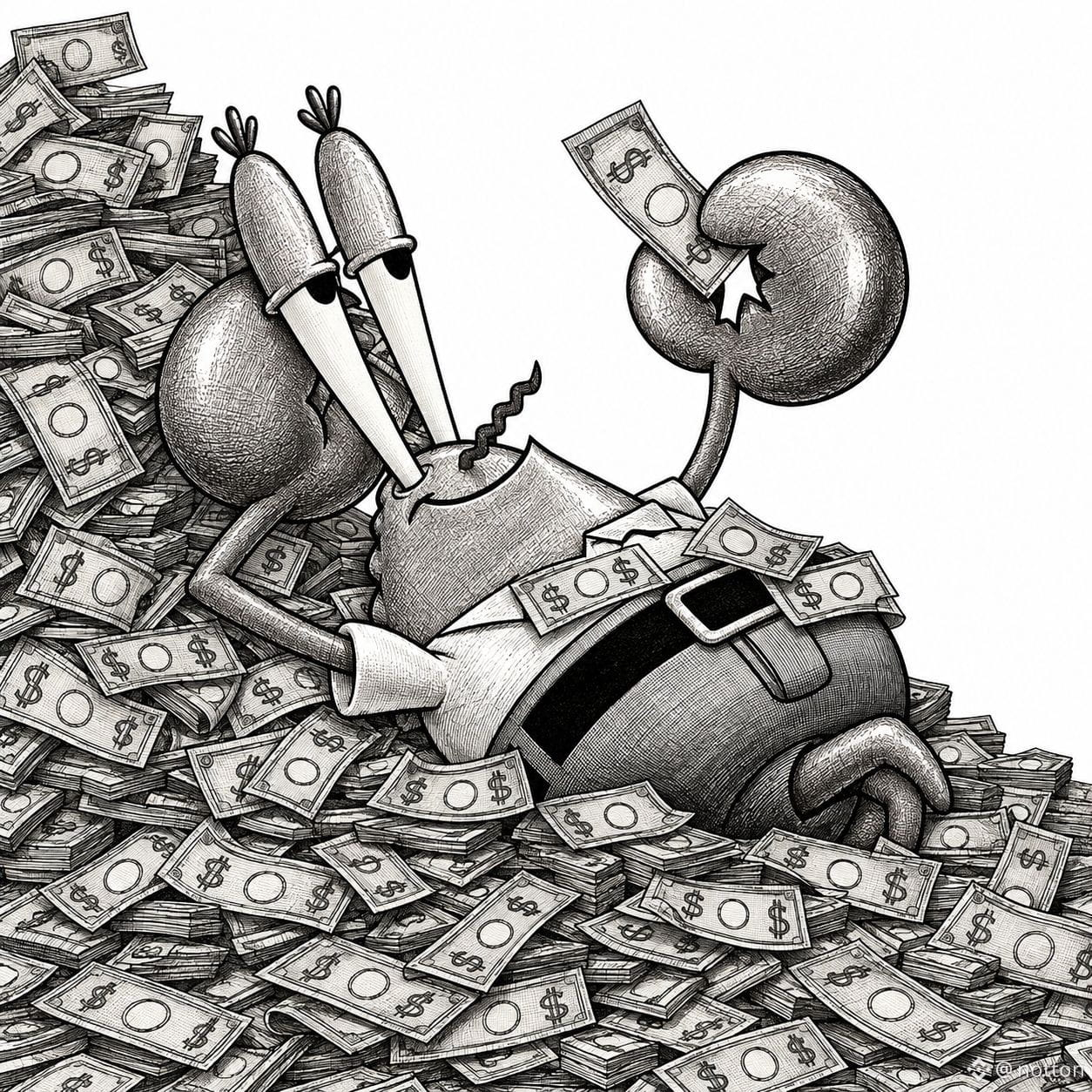
“A higher price means something is more expensive.”
Not necessarily
A $1 coin can be more expensive than a $1,000 coin
Why?
Because price alone tells you very little
A crypto token at $0.01 can have a larger market cap than a token at $100 if there are enough tokens in circulation.
We often look at the number attached to one unit and forget to ask:
“How many units exist?”
Cheap-looking isn't the same as cheap!
Expensive-looking isn't the same as expensive!
The number isn't the whole story!
~ Think before you act
1.5.1
“A higher price means something is more expensive.”
Not necessarily
A $1 coin can be more expensive than a $1,000 coin
Why?
Because price alone tells you very little
A crypto token at $0.01 can have a larger market cap than a token at $100 if there are enough tokens in circulation.
We often look at the number attached to one unit and forget to ask:
“How many units exist?”
Cheap-looking isn't the same as cheap!
Expensive-looking isn't the same as expensive!
The number isn't the whole story!
~ Think before you act
“A higher price means something is more expensive.”
Not necessarily
A $1 coin can be more expensive than a $1,000 coin
Why?
Because price alone tells you very little
A crypto token at $0.01 can have a larger market cap than a token at $100 if there are enough tokens in circulation.
We often look at the number attached to one unit and forget to ask:
“How many units exist?”
Cheap-looking isn't the same as cheap!
Expensive-looking isn't the same as expensive!
The number isn't the whole story!
~ Think before you act
490
1
15
490
·
--
See translation
can you guess the answer?
4 words
can you guess the answer?
4 words
4 words
notton
·
--
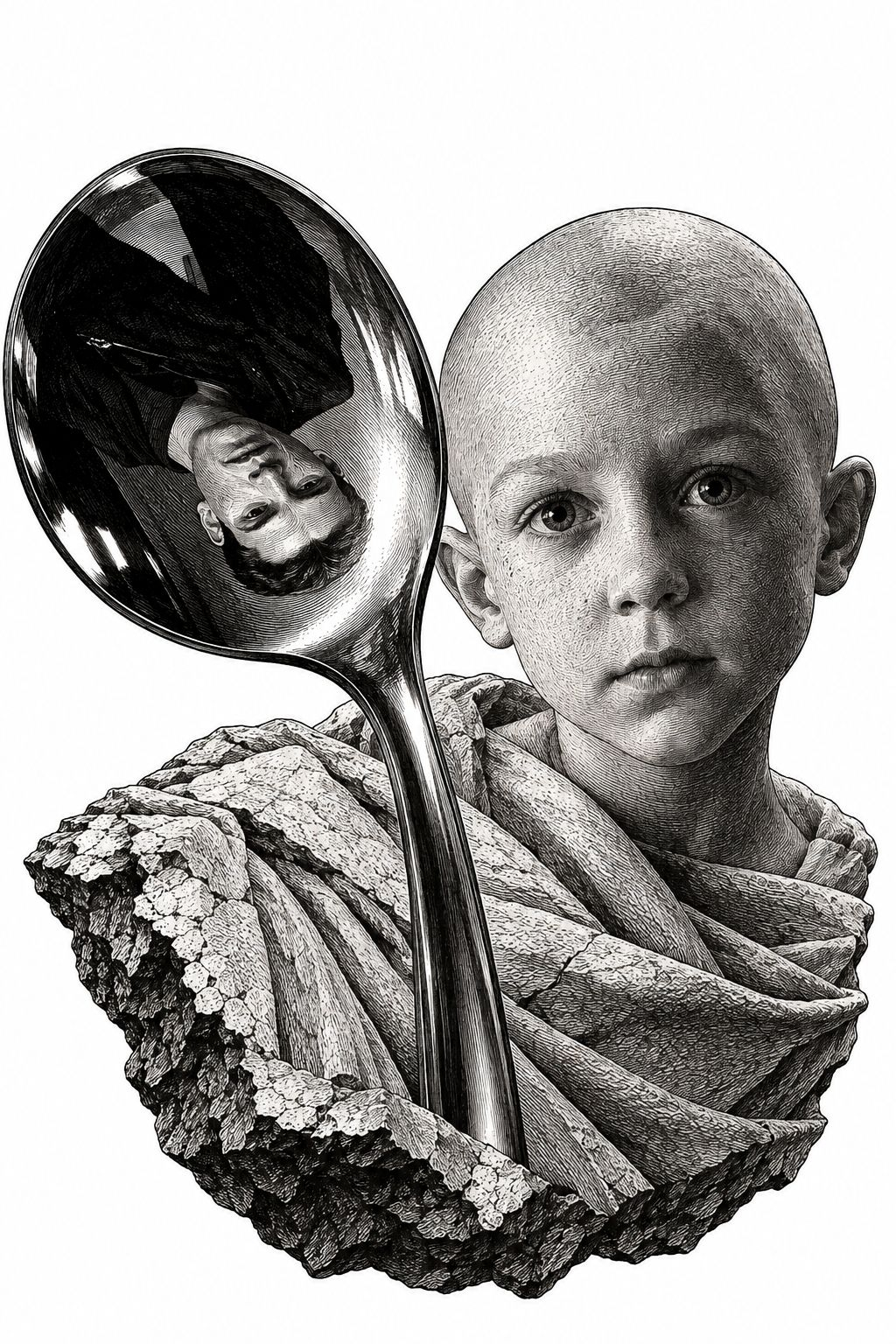
1.4.5
You look at something
You give it a name
You give it a value
Then you start making decisions based on that value
But what if the thing itself was never what you thought it was?
Maybe the real question isn't:
“What should I do?”
Maybe it's:
“What am I actually seeing?”
~ Think before you act
You look at something
You give it a name
You give it a value
Then you start making decisions based on that value
But what if the thing itself was never what you thought it was?
Maybe the real question isn't:
“What should I do?”
Maybe it's:
“What am I actually seeing?”
~ Think before you act
1
29
·
--
See translation
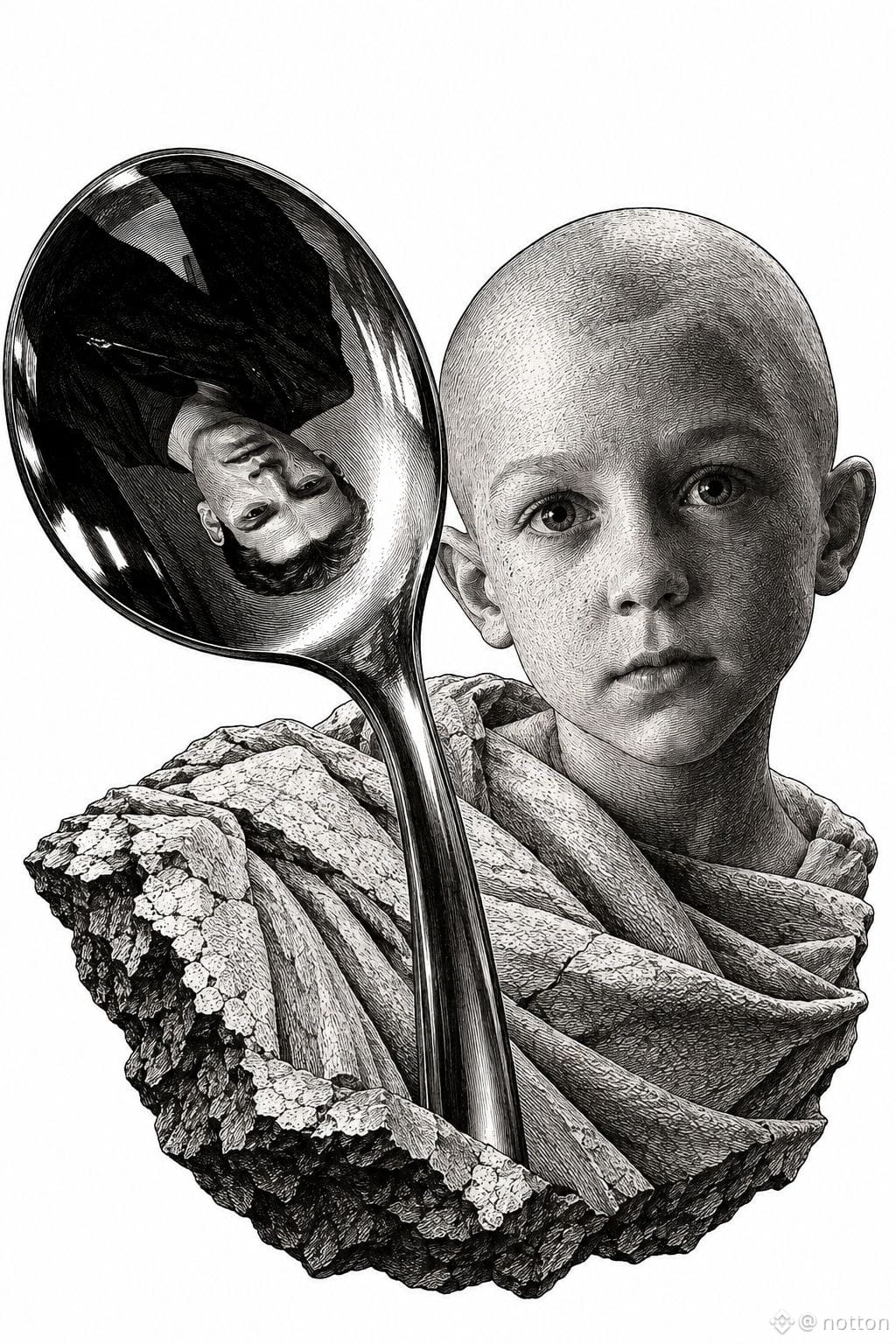
1.4.5
You look at something
You give it a name
You give it a value
Then you start making decisions based on that value
But what if the thing itself was never what you thought it was?
Maybe the real question isn't:
“What should I do?”
Maybe it's:
“What am I actually seeing?”
~ Think before you act
1.4.5
You look at something
You give it a name
You give it a value
Then you start making decisions based on that value
But what if the thing itself was never what you thought it was?
Maybe the real question isn't:
“What should I do?”
Maybe it's:
“What am I actually seeing?”
~ Think before you act
You look at something
You give it a name
You give it a value
Then you start making decisions based on that value
But what if the thing itself was never what you thought it was?
Maybe the real question isn't:
“What should I do?”
Maybe it's:
“What am I actually seeing?”
~ Think before you act
441
1
7
441
·
--
See translation
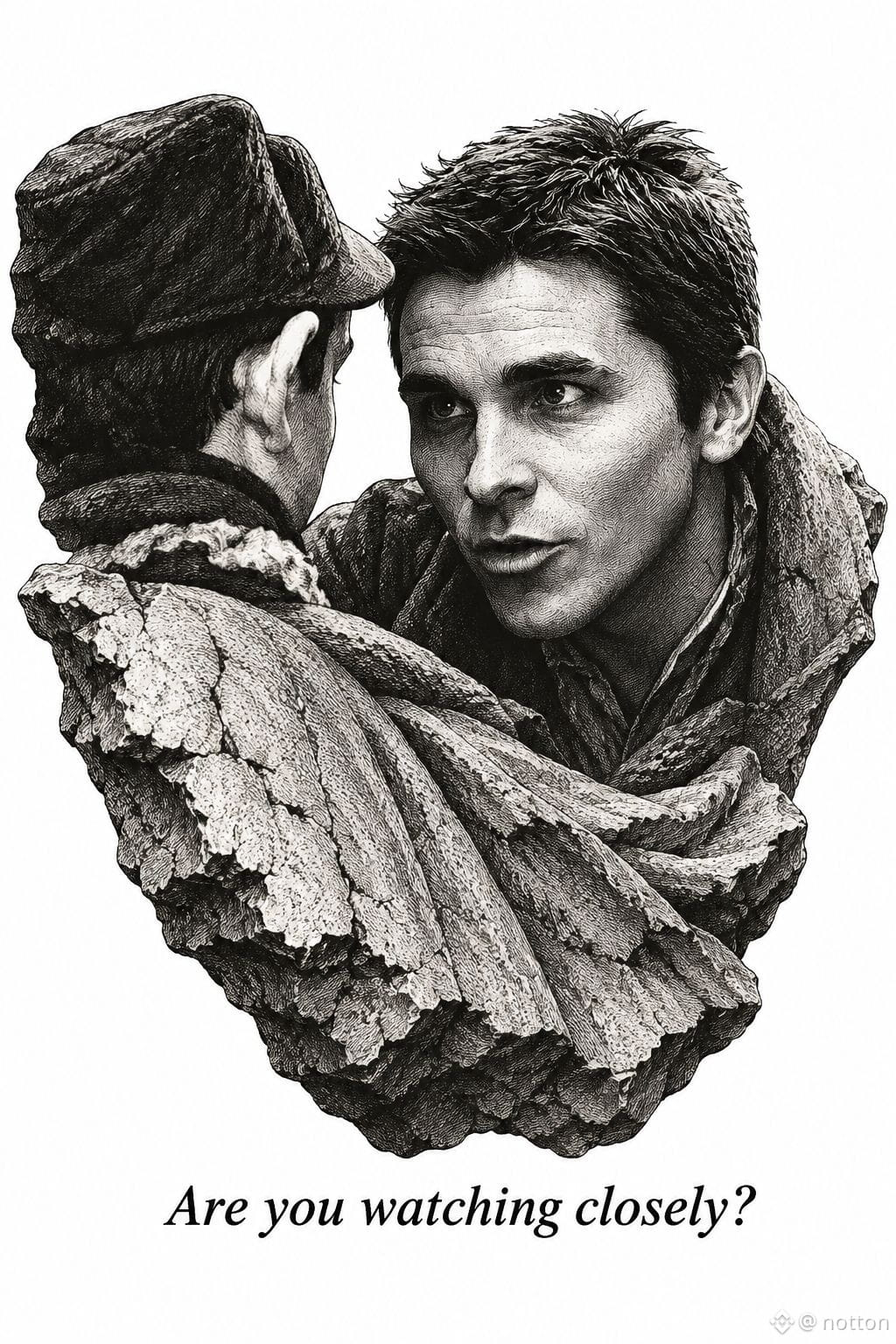
1.4.4
The Prestige
In The Prestige, two magicians become obsessed with beating each other
At first, they want to perform better
Then it becomes personal...
Every victory demands another
Every secret creates another secret.
Eventually, the question isn't:
“Is this worth it?”
It's more like:
“How far will I go to win?”
Money can create the same trap
You make one risky decision - It works
So you take a bigger risk... then another
Your goal quietly changes from making money to proving you were right
That's when the game owns you
The most expensive thing you can lose isn't always money
Sometimes it's the ability to walk away
~ Think before you act
1.4.4
The Prestige
In The Prestige, two magicians become obsessed with beating each other
At first, they want to perform better
Then it becomes personal...
Every victory demands another
Every secret creates another secret.
Eventually, the question isn't:
“Is this worth it?”
It's more like:
“How far will I go to win?”
Money can create the same trap
You make one risky decision - It works
So you take a bigger risk... then another
Your goal quietly changes from making money to proving you were right
That's when the game owns you
The most expensive thing you can lose isn't always money
Sometimes it's the ability to walk away
~ Think before you act
The Prestige
In The Prestige, two magicians become obsessed with beating each other
At first, they want to perform better
Then it becomes personal...
Every victory demands another
Every secret creates another secret.
Eventually, the question isn't:
“Is this worth it?”
It's more like:
“How far will I go to win?”
Money can create the same trap
You make one risky decision - It works
So you take a bigger risk... then another
Your goal quietly changes from making money to proving you were right
That's when the game owns you
The most expensive thing you can lose isn't always money
Sometimes it's the ability to walk away
~ Think before you act
473
1
26
473
·
--
See translation
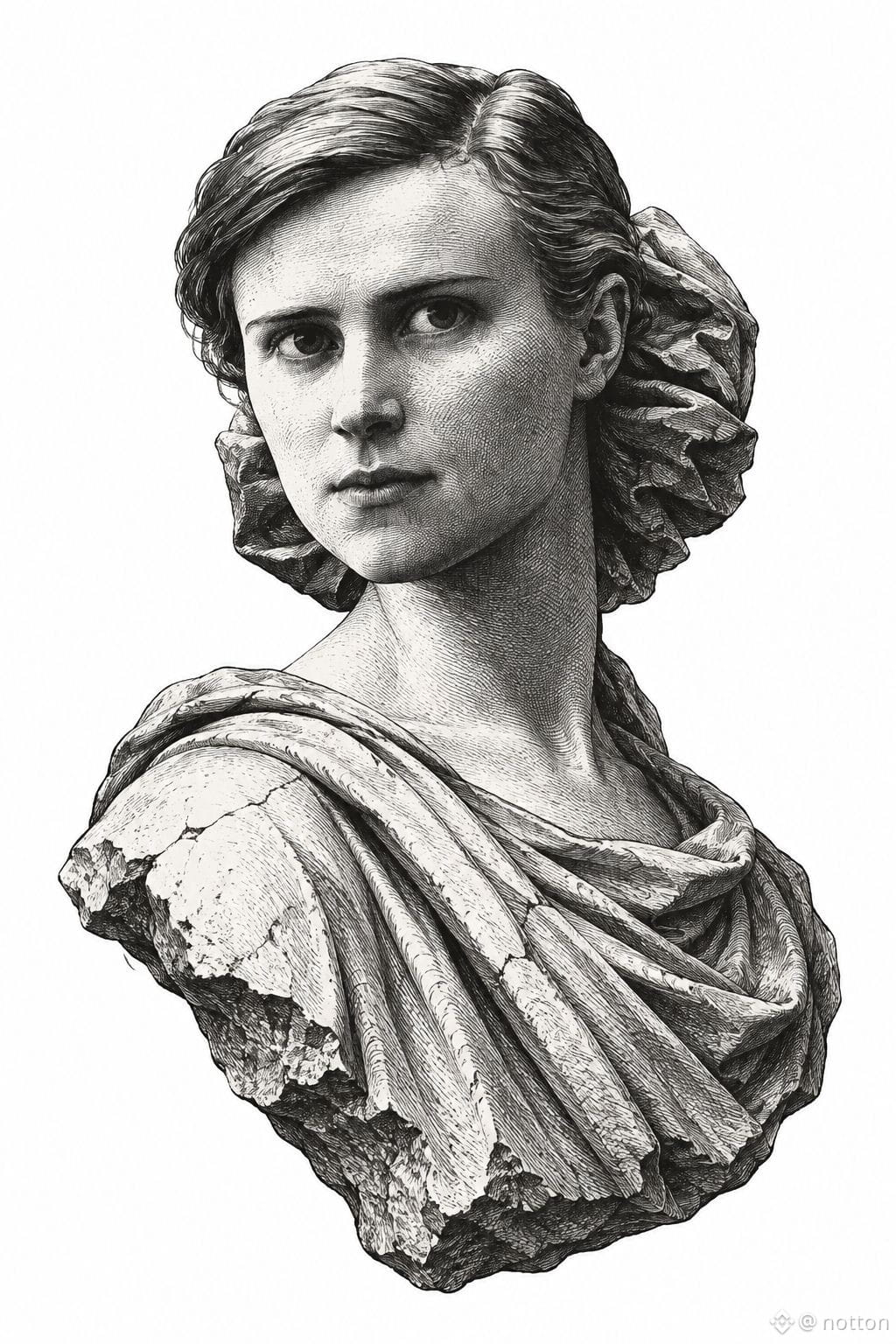
1.4.3
Why do people remember unfinished tasks better than finished ones?
It's called the Zeigarnik effect
Your brain keeps unfinished things active
That's why an open tab can bother you more than ten completed ones
Money has the same trap
You lose $100
Now your brain wants to “finish the story.”
You don't want to make a good decision anymore
You just want to get back to zero
And that's how a small loss can turn into a much bigger one
Sometimes the hardest thing to close isn't a position
It's the story in your head
~ Think before you act
1.4.3
Why do people remember unfinished tasks better than finished ones?
It's called the Zeigarnik effect
Your brain keeps unfinished things active
That's why an open tab can bother you more than ten completed ones
Money has the same trap
You lose $100
Now your brain wants to “finish the story.”
You don't want to make a good decision anymore
You just want to get back to zero
And that's how a small loss can turn into a much bigger one
Sometimes the hardest thing to close isn't a position
It's the story in your head
~ Think before you act
Why do people remember unfinished tasks better than finished ones?
It's called the Zeigarnik effect
Your brain keeps unfinished things active
That's why an open tab can bother you more than ten completed ones
Money has the same trap
You lose $100
Now your brain wants to “finish the story.”
You don't want to make a good decision anymore
You just want to get back to zero
And that's how a small loss can turn into a much bigger one
Sometimes the hardest thing to close isn't a position
It's the story in your head
~ Think before you act
353
11
353
·
--
See translation
1.4.2
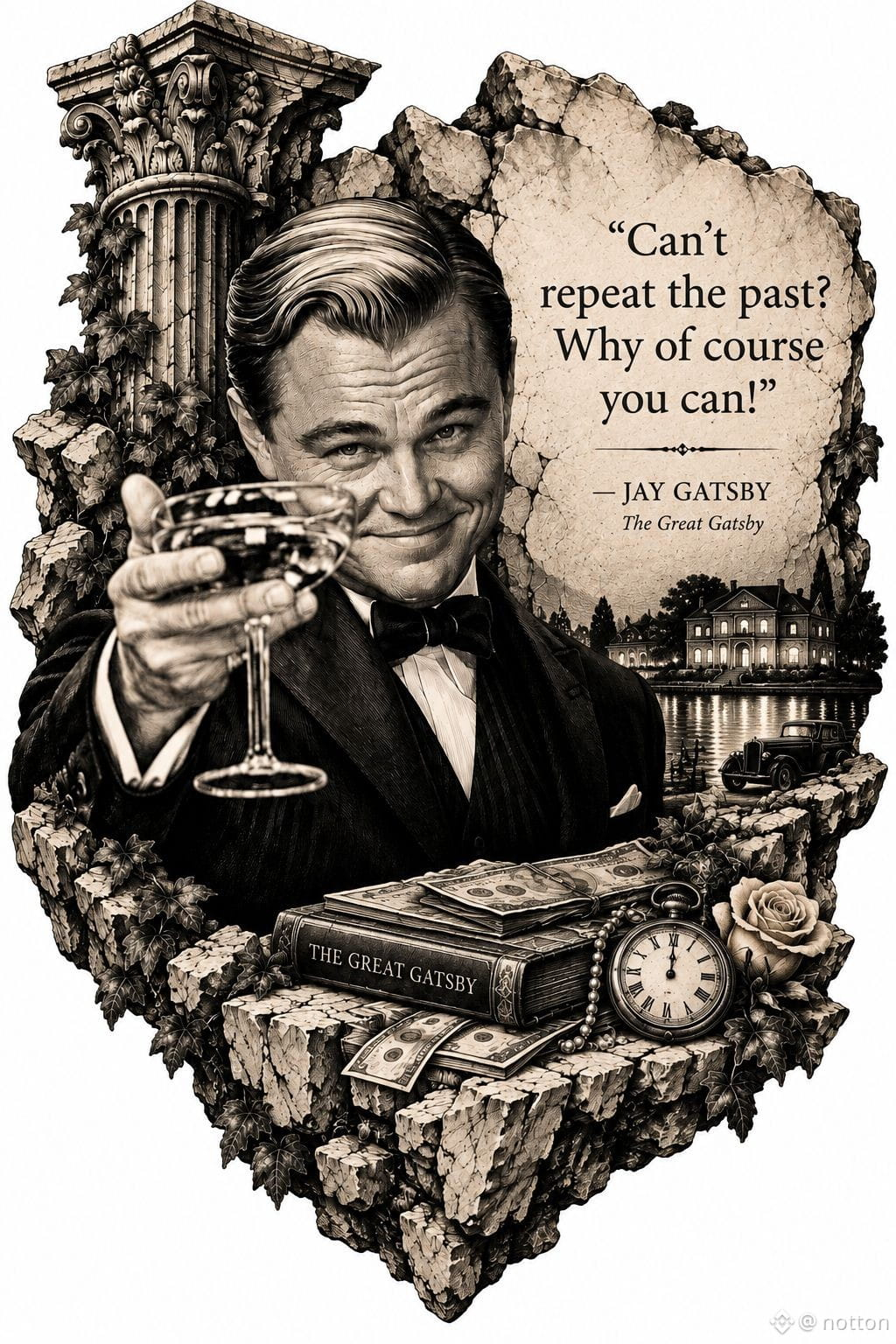
Why do we yawn when someone else yawns?
Nobody tells you to do it
You see someone yawn—and suddenly you're yawning too
It's called contagious yawning
And humans have another kind of contagion:
Financial behavior
Someone makes money - you want in.
Everyone is buying - you buy
Everyone is selling - you panic
Sometimes we don't make a financial decision
We CATCH one!
~ Think before you act
1.4.2
Why do we yawn when someone else yawns?
Nobody tells you to do it
You see someone yawn—and suddenly you're yawning too
It's called contagious yawning
And humans have another kind of contagion:
Financial behavior
Someone makes money - you want in.
Everyone is buying - you buy
Everyone is selling - you panic
Sometimes we don't make a financial decision
We CATCH one!
~ Think before you act
Why do we yawn when someone else yawns?
Nobody tells you to do it
You see someone yawn—and suddenly you're yawning too
It's called contagious yawning
And humans have another kind of contagion:
Financial behavior
Someone makes money - you want in.
Everyone is buying - you buy
Everyone is selling - you panic
Sometimes we don't make a financial decision
We CATCH one!
~ Think before you act
413
1
19
413
·
--
See translation
1.4.1
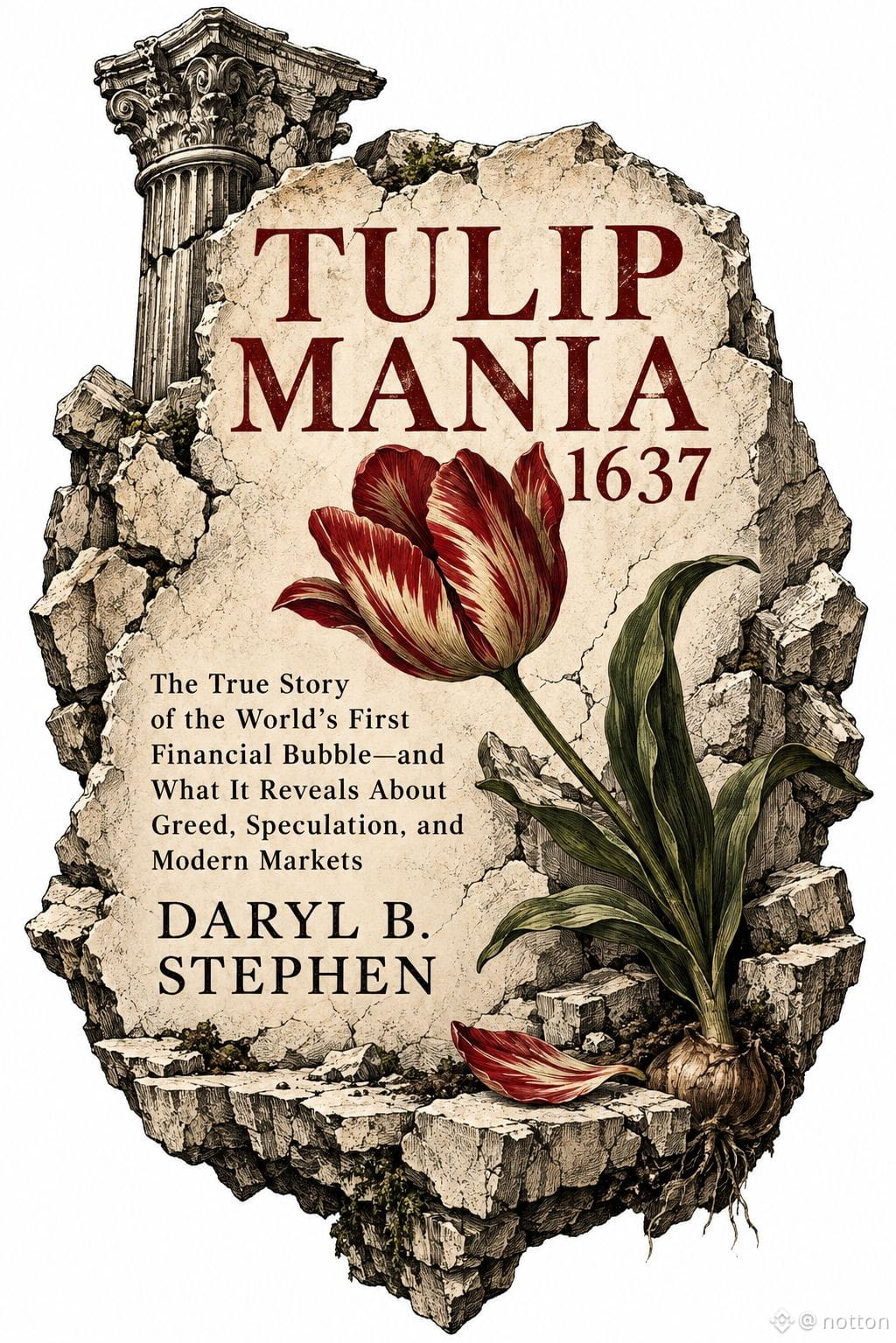
The Tulip Mania
In 17th-century Netherlands, tulip bulbs became objects of intense speculation
Prices rose dramatically as more people wanted to buy and sell them
But here's the part that matters:
People weren't only buying tulips because they loved tulips
Many were buying because other people were buying
The logic quietly changed:
“This is valuable”
became:
“Other people think this is valuable”
And eventually:
“Other people will pay even more”
That's how a crowd can turn an ordinary object into something that feels impossible to ignore
The lesson isn't that tulips were worthless
It's that price can influence our perception of value
When everyone around you is excited about something, it's worth asking:
“Would I still want this if nobody else wanted it?”
~ Think before you act.
1.4.1
The Tulip Mania
In 17th-century Netherlands, tulip bulbs became objects of intense speculation
Prices rose dramatically as more people wanted to buy and sell them
But here's the part that matters:
People weren't only buying tulips because they loved tulips
Many were buying because other people were buying
The logic quietly changed:
“This is valuable”
became:
“Other people think this is valuable”
And eventually:
“Other people will pay even more”
That's how a crowd can turn an ordinary object into something that feels impossible to ignore
The lesson isn't that tulips were worthless
It's that price can influence our perception of value
When everyone around you is excited about something, it's worth asking:
“Would I still want this if nobody else wanted it?”
~ Think before you act.
The Tulip Mania
In 17th-century Netherlands, tulip bulbs became objects of intense speculation
Prices rose dramatically as more people wanted to buy and sell them
But here's the part that matters:
People weren't only buying tulips because they loved tulips
Many were buying because other people were buying
The logic quietly changed:
“This is valuable”
became:
“Other people think this is valuable”
And eventually:
“Other people will pay even more”
That's how a crowd can turn an ordinary object into something that feels impossible to ignore
The lesson isn't that tulips were worthless
It's that price can influence our perception of value
When everyone around you is excited about something, it's worth asking:
“Would I still want this if nobody else wanted it?”
~ Think before you act.
220
1
16
220
·
--
See translation
1.3.3
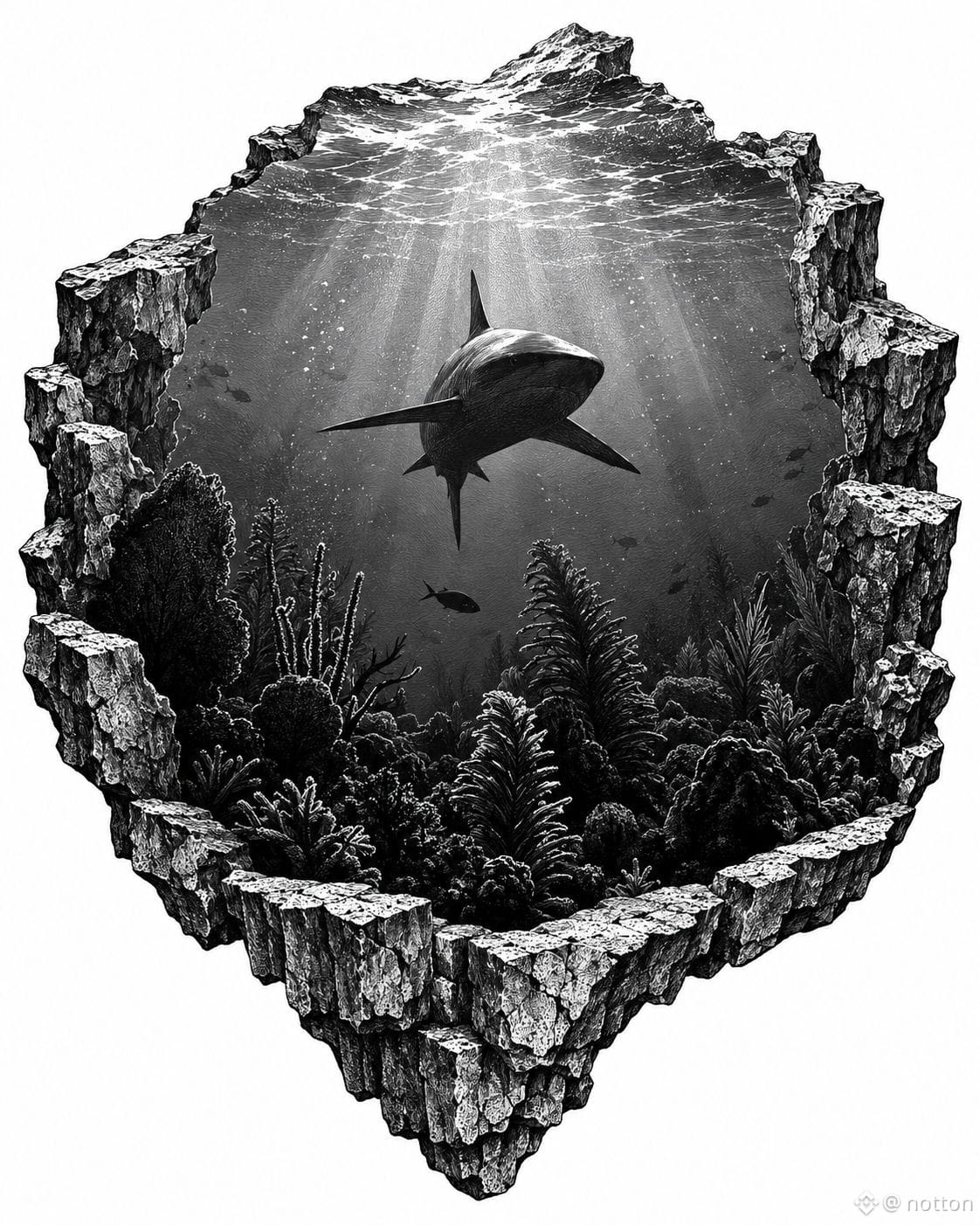
Did you know sharks are older than trees?
Sharks have existed for more than 400 million years
Trees, as we know them today, appeared much later
That means sharks were already swimming in the oceans before forests covered the Earth
And there's something interesting about that:
Survival doesn't always belong to the newest thing.
In finance, we're obsessed with what's new
New coin. New technology. New narrative. New opportunity.
But being new doesn't make something valuable
Sometimes the things that survive are the things that already proved they can survive
New gets attention
Time earns trust
~ Think before you act
1.3.3
Did you know sharks are older than trees?
Sharks have existed for more than 400 million years
Trees, as we know them today, appeared much later
That means sharks were already swimming in the oceans before forests covered the Earth
And there's something interesting about that:
Survival doesn't always belong to the newest thing.
In finance, we're obsessed with what's new
New coin. New technology. New narrative. New opportunity.
But being new doesn't make something valuable
Sometimes the things that survive are the things that already proved they can survive
New gets attention
Time earns trust
~ Think before you act
Did you know sharks are older than trees?
Sharks have existed for more than 400 million years
Trees, as we know them today, appeared much later
That means sharks were already swimming in the oceans before forests covered the Earth
And there's something interesting about that:
Survival doesn't always belong to the newest thing.
In finance, we're obsessed with what's new
New coin. New technology. New narrative. New opportunity.
But being new doesn't make something valuable
Sometimes the things that survive are the things that already proved they can survive
New gets attention
Time earns trust
~ Think before you act
382
18
382
·
--
See translation
1.3.2
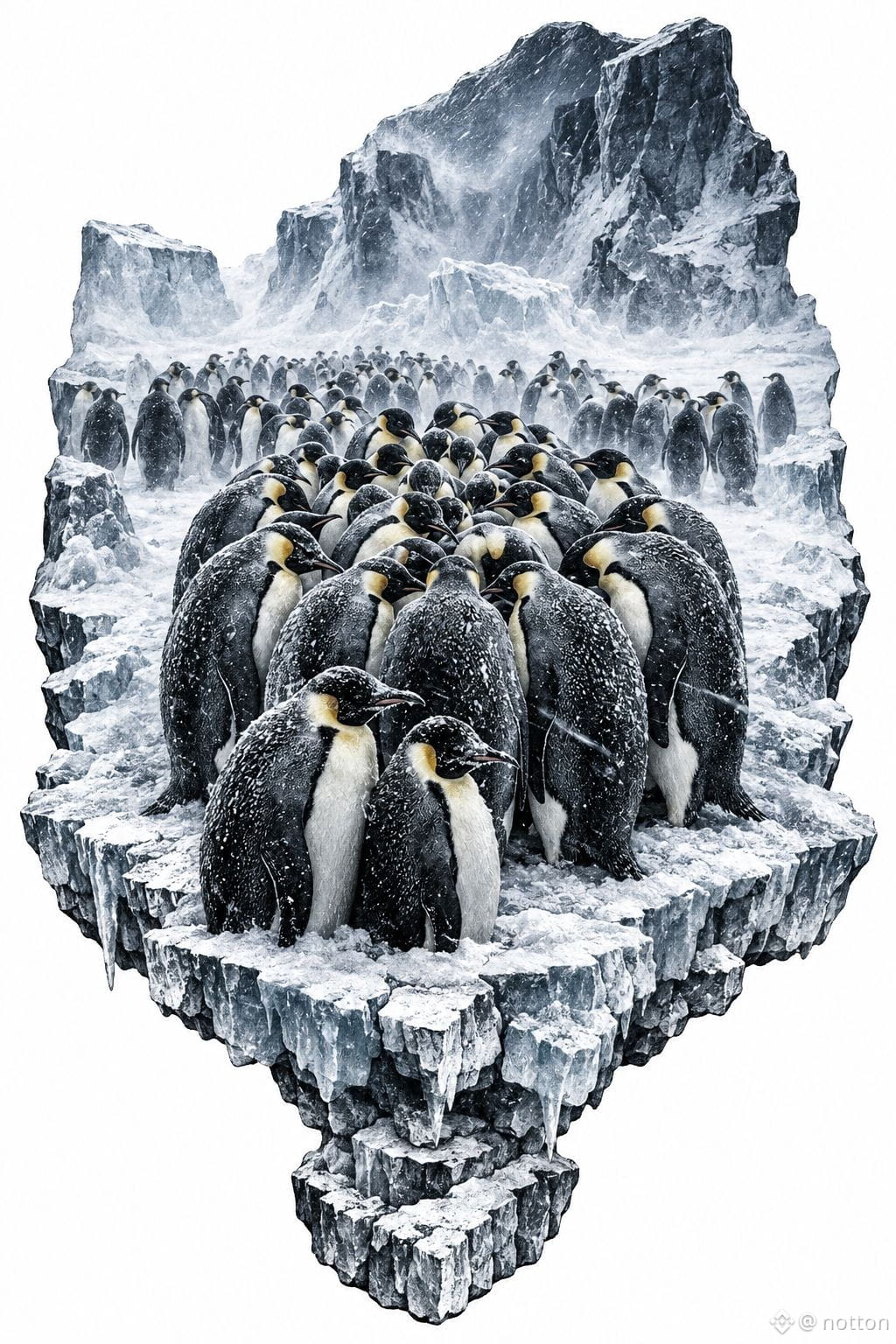
Why do penguins huddle together in Antarctica?
Because standing alone in extreme cold costs more energy
So they constantly move—those on the outside eventually move inward, while others take their place
No penguin stays protected forever.
And that creates an interesting lesson about money:
We often think financial strength means never needing anyone
But sometimes strength comes from building systems that protect you when conditions get bad.
A savings cushion
A reliable skill
A trusted network
A diversified income
You don't prepare for difficult times because you expect them tomorrow
You prepare because YOU DO NOT CONTROL the weather!!!
~ Think before you act
1.3.2
Why do penguins huddle together in Antarctica?
Because standing alone in extreme cold costs more energy
So they constantly move—those on the outside eventually move inward, while others take their place
No penguin stays protected forever.
And that creates an interesting lesson about money:
We often think financial strength means never needing anyone
But sometimes strength comes from building systems that protect you when conditions get bad.
A savings cushion
A reliable skill
A trusted network
A diversified income
You don't prepare for difficult times because you expect them tomorrow
You prepare because YOU DO NOT CONTROL the weather!!!
~ Think before you act
Why do penguins huddle together in Antarctica?
Because standing alone in extreme cold costs more energy
So they constantly move—those on the outside eventually move inward, while others take their place
No penguin stays protected forever.
And that creates an interesting lesson about money:
We often think financial strength means never needing anyone
But sometimes strength comes from building systems that protect you when conditions get bad.
A savings cushion
A reliable skill
A trusted network
A diversified income
You don't prepare for difficult times because you expect them tomorrow
You prepare because YOU DO NOT CONTROL the weather!!!
~ Think before you act
140
9
140
·
--
See translation
1.3.1
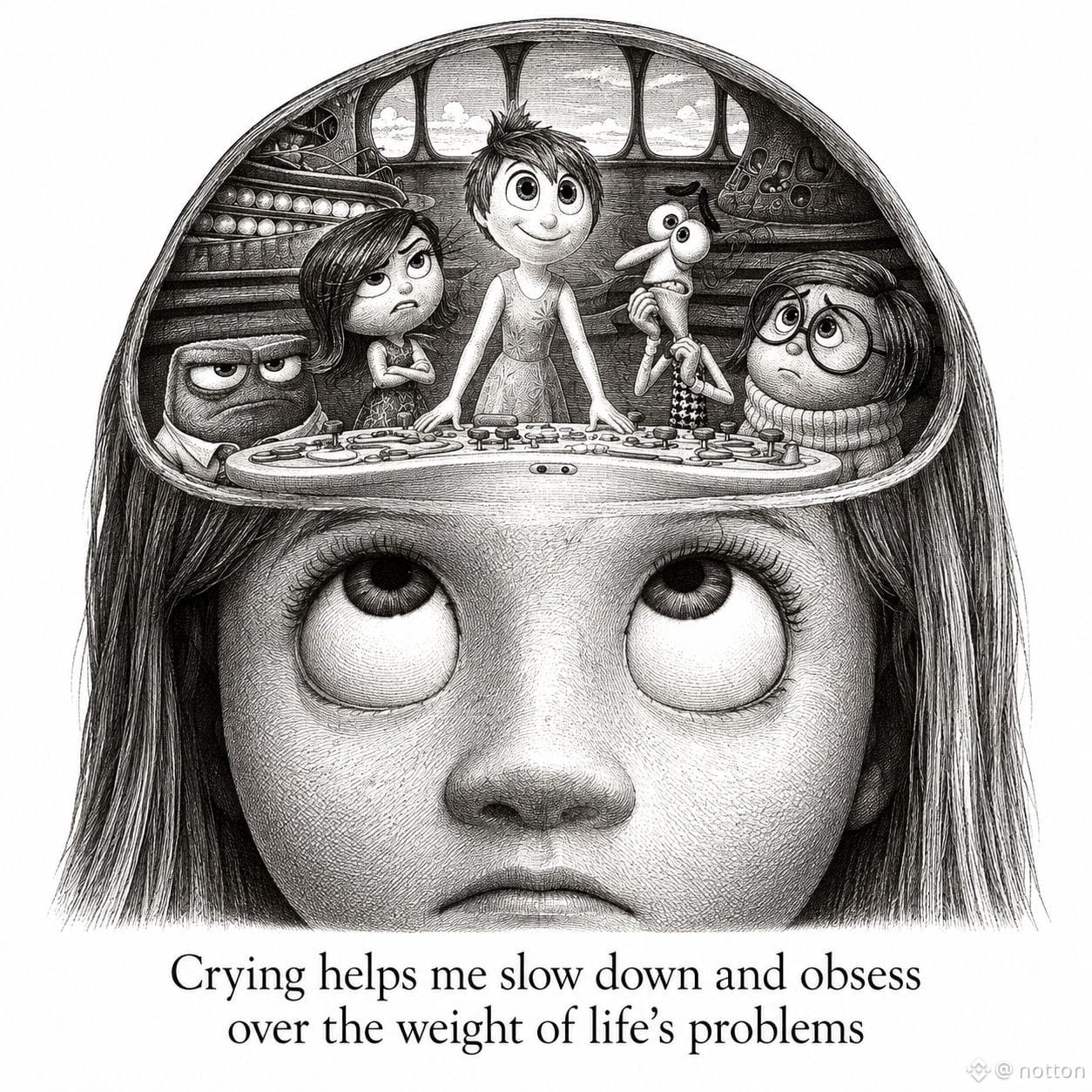
Why does losing $100 hurt more than gaining $100 feels good?
Because our brain doesn't treat gains and losses equally
Losing something feels like something was taken from us
So we naturally try to get it back...
That's why after losing money, people often make their next decision emotionally:
“I just need to recover it"
And suddenly a $100 loss becomes a $200 loss... then another $100... and another... and another...
and another...
The dangerous part isn't losing money
Dangerous is letting the loss decide what you do next
A loss is information!
It doesn't have to become a mission!!!
~ Think before you act
1.3.1
Why does losing $100 hurt more than gaining $100 feels good?
Because our brain doesn't treat gains and losses equally
Losing something feels like something was taken from us
So we naturally try to get it back...
That's why after losing money, people often make their next decision emotionally:
“I just need to recover it"
And suddenly a $100 loss becomes a $200 loss... then another $100... and another... and another...
and another...
The dangerous part isn't losing money
Dangerous is letting the loss decide what you do next
A loss is information!
It doesn't have to become a mission!!!
~ Think before you act
Why does losing $100 hurt more than gaining $100 feels good?
Because our brain doesn't treat gains and losses equally
Losing something feels like something was taken from us
So we naturally try to get it back...
That's why after losing money, people often make their next decision emotionally:
“I just need to recover it"
And suddenly a $100 loss becomes a $200 loss... then another $100... and another... and another...
and another...
The dangerous part isn't losing money
Dangerous is letting the loss decide what you do next
A loss is information!
It doesn't have to become a mission!!!
~ Think before you act
163
14
163
·
--
See translation
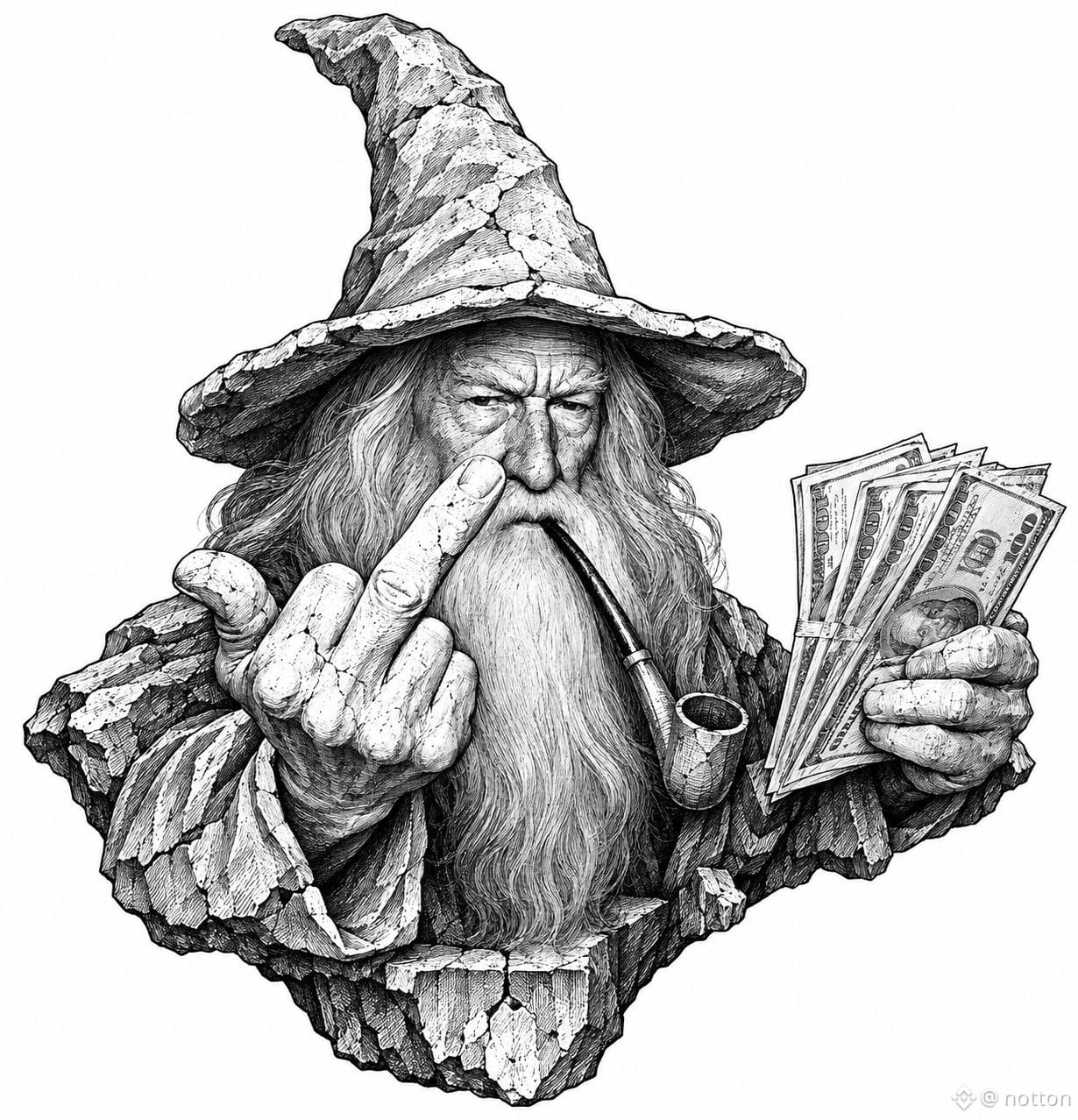
1.2.4
Why does a magician make you look somewhere else?
Because the easiest way to control someone's decision isn't to control their hand
It's to control their attention.
While you're watching the obvious thing, something important is happening somewhere else.
A flashy headline...
A huge percentage gain...
A countdown...
“Everyone is buying this”
“Don't miss that”
Your attention gets pulled toward the exciting part, and while you're looking there, you might forget to ask the boring question:
“What am I actually risking?”
The best financial defense isn't knowing every trick
It's knowing when someone is trying to direct your attention
~ Think before you act
1.2.4
Why does a magician make you look somewhere else?
Because the easiest way to control someone's decision isn't to control their hand
It's to control their attention.
While you're watching the obvious thing, something important is happening somewhere else.
A flashy headline...
A huge percentage gain...
A countdown...
“Everyone is buying this”
“Don't miss that”
Your attention gets pulled toward the exciting part, and while you're looking there, you might forget to ask the boring question:
“What am I actually risking?”
The best financial defense isn't knowing every trick
It's knowing when someone is trying to direct your attention
~ Think before you act
Why does a magician make you look somewhere else?
Because the easiest way to control someone's decision isn't to control their hand
It's to control their attention.
While you're watching the obvious thing, something important is happening somewhere else.
A flashy headline...
A huge percentage gain...
A countdown...
“Everyone is buying this”
“Don't miss that”
Your attention gets pulled toward the exciting part, and while you're looking there, you might forget to ask the boring question:
“What am I actually risking?”
The best financial defense isn't knowing every trick
It's knowing when someone is trying to direct your attention
~ Think before you act
207
1
10
207
·
--
See translation
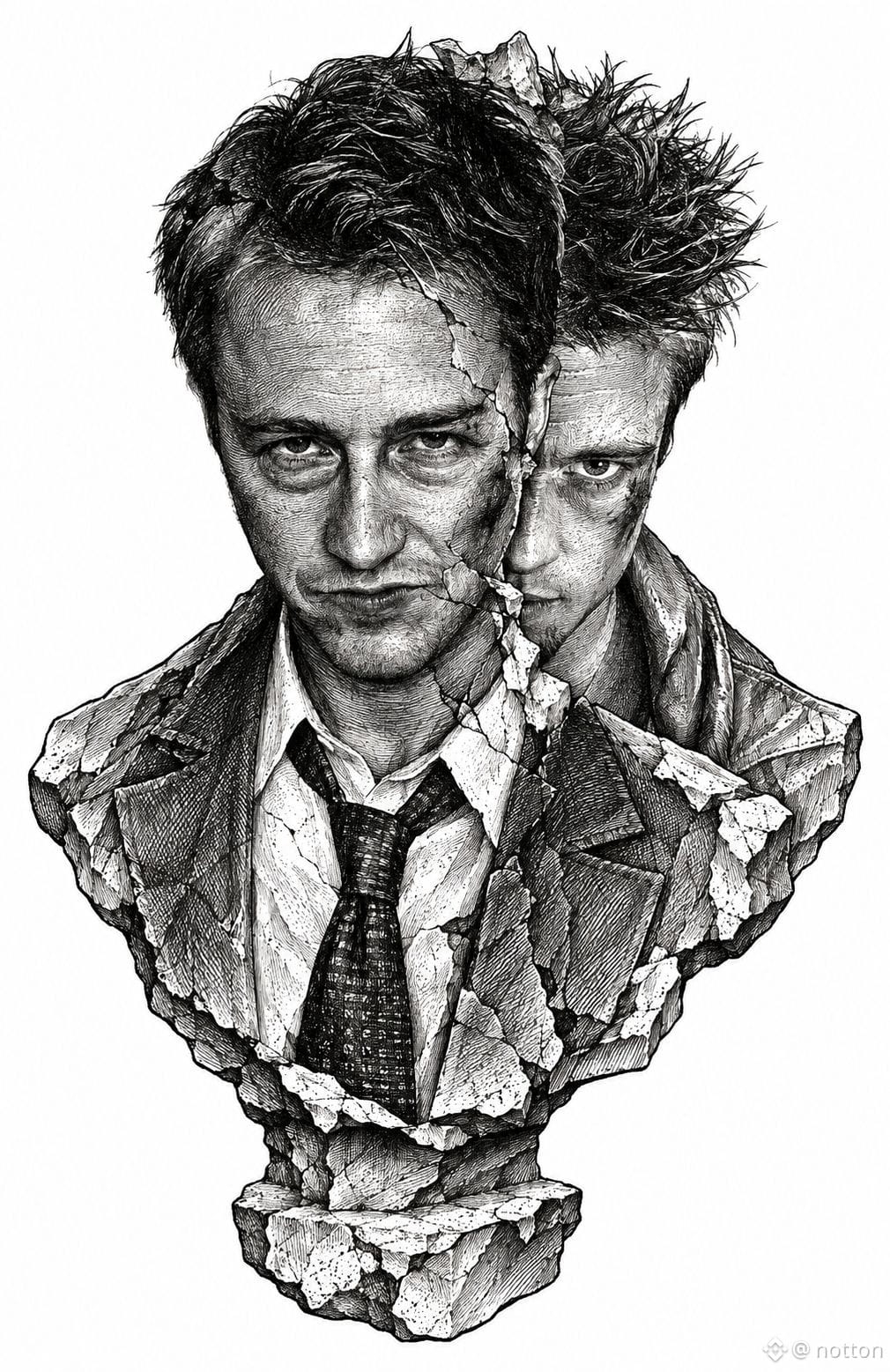
1.2.3
Why do auction bidders raise their hands?
Because once your hand is up, walking away feels harder
You become part of the competition.
Someone bids higher - you want to beat them.
They bid again - now you don't want to lose.
Suddenly, you're no longer asking:
“Is this worth it?”
You're asking:
“Can I win?”
And that's where money gets dangerous!!!
We can start with a price we consider reasonable—and end up paying far more simply because we don't want to lose.
Sometimes the real competition is with our own ego
~ Think before you act
1.2.3
Why do auction bidders raise their hands?
Because once your hand is up, walking away feels harder
You become part of the competition.
Someone bids higher - you want to beat them.
They bid again - now you don't want to lose.
Suddenly, you're no longer asking:
“Is this worth it?”
You're asking:
“Can I win?”
And that's where money gets dangerous!!!
We can start with a price we consider reasonable—and end up paying far more simply because we don't want to lose.
Sometimes the real competition is with our own ego
~ Think before you act
Why do auction bidders raise their hands?
Because once your hand is up, walking away feels harder
You become part of the competition.
Someone bids higher - you want to beat them.
They bid again - now you don't want to lose.
Suddenly, you're no longer asking:
“Is this worth it?”
You're asking:
“Can I win?”
And that's where money gets dangerous!!!
We can start with a price we consider reasonable—and end up paying far more simply because we don't want to lose.
Sometimes the real competition is with our own ego
~ Think before you act
148
7
148
·
--
See translation
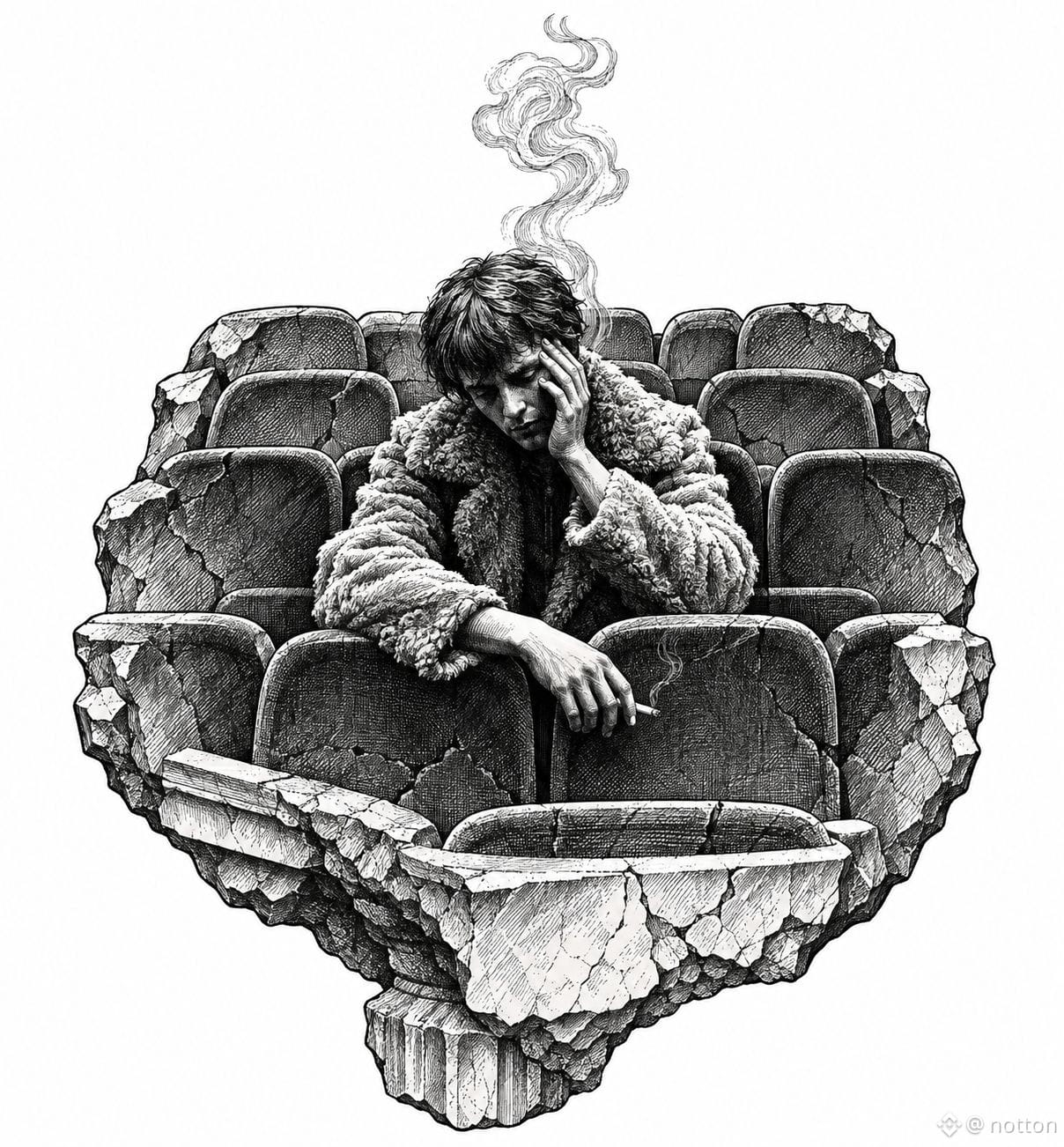
1.2.2
The Sunk Cost Trap
Imagine you paid $100 for a movie ticket
After 20 minutes, you realize the movie is terrible.
Would you leave?
Many people won't
They think:
“I already paid for it. I have to stay.”
But your $100 is gone whether you stay or leave
The only thing you control is what happens from this moment forward
The same thing happens with money, investments, businesses, careers, and even relationships.
We often protect the past instead of protecting the future
Sometimes the smartest financial decision isn't recovering what you lost
It's refusing to lose more
~ Think before you act
1.2.2
The Sunk Cost Trap
Imagine you paid $100 for a movie ticket
After 20 minutes, you realize the movie is terrible.
Would you leave?
Many people won't
They think:
“I already paid for it. I have to stay.”
But your $100 is gone whether you stay or leave
The only thing you control is what happens from this moment forward
The same thing happens with money, investments, businesses, careers, and even relationships.
We often protect the past instead of protecting the future
Sometimes the smartest financial decision isn't recovering what you lost
It's refusing to lose more
~ Think before you act
The Sunk Cost Trap
Imagine you paid $100 for a movie ticket
After 20 minutes, you realize the movie is terrible.
Would you leave?
Many people won't
They think:
“I already paid for it. I have to stay.”
But your $100 is gone whether you stay or leave
The only thing you control is what happens from this moment forward
The same thing happens with money, investments, businesses, careers, and even relationships.
We often protect the past instead of protecting the future
Sometimes the smartest financial decision isn't recovering what you lost
It's refusing to lose more
~ Think before you act
131
7
131
·
--
See translation
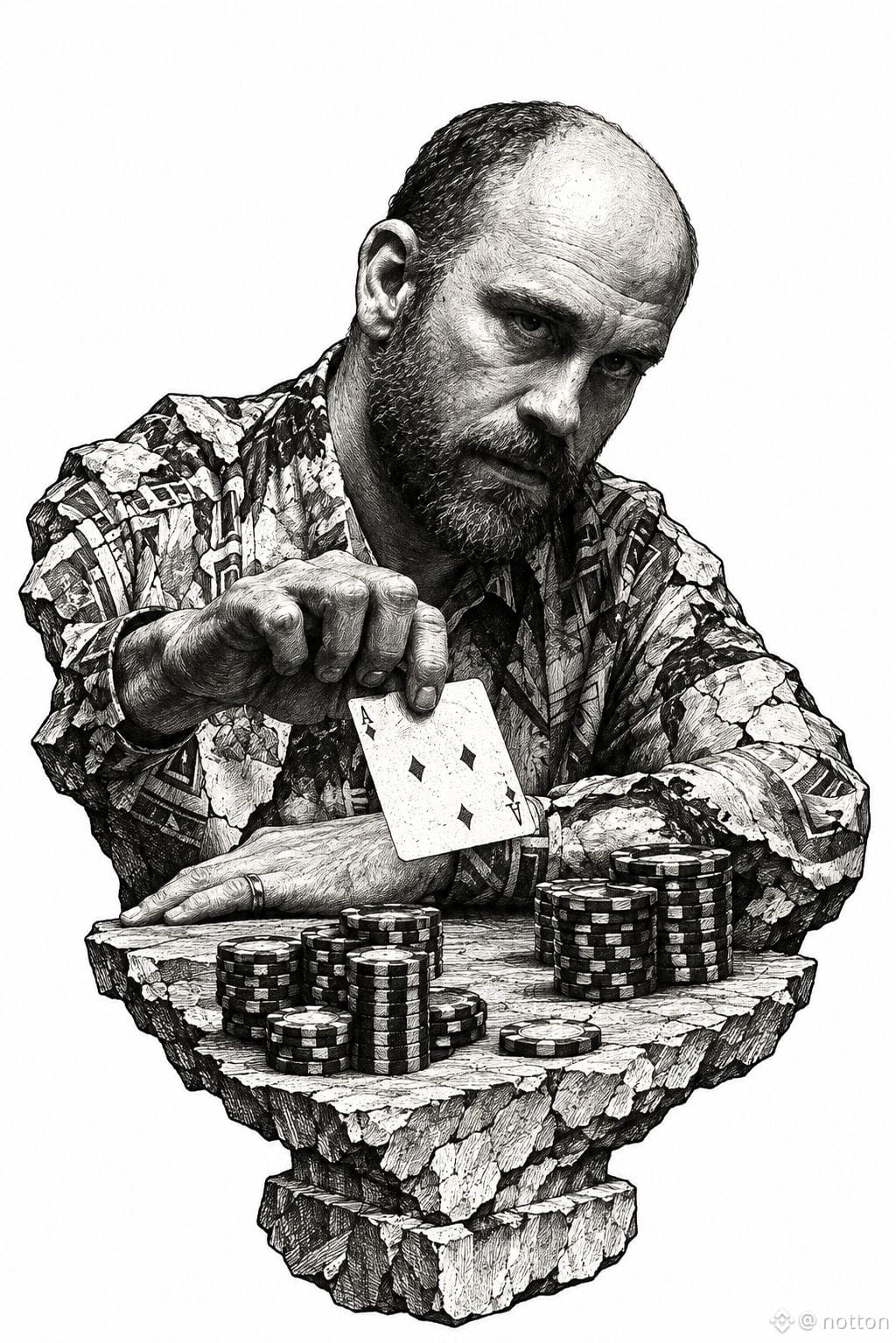
1.2
Why do casinos use chips instead of cash?
Because psychologically, exchanging a colorful plastic chip feels different from handing over actual money
The value is still there, but the emotional connection to the money becomes weaker.
And that's exactly what makes the casino environment so effective. When money stops feeling like money, spending becomes easier.
Sound familiar?
Online, you don't even hold the money.
You see:
+125 USDT
-80 USDT
just a number on a screen, right?
The psychology is still there
Different environment. Same human brain
~ Think before you act
1.2
Why do casinos use chips instead of cash?
Because psychologically, exchanging a colorful plastic chip feels different from handing over actual money
The value is still there, but the emotional connection to the money becomes weaker.
And that's exactly what makes the casino environment so effective. When money stops feeling like money, spending becomes easier.
Sound familiar?
Online, you don't even hold the money.
You see:
+125 USDT
-80 USDT
just a number on a screen, right?
The psychology is still there
Different environment. Same human brain
~ Think before you act
Why do casinos use chips instead of cash?
Because psychologically, exchanging a colorful plastic chip feels different from handing over actual money
The value is still there, but the emotional connection to the money becomes weaker.
And that's exactly what makes the casino environment so effective. When money stops feeling like money, spending becomes easier.
Sound familiar?
Online, you don't even hold the money.
You see:
+125 USDT
-80 USDT
just a number on a screen, right?
The psychology is still there
Different environment. Same human brain
~ Think before you act
123
4
123
Log in to explore more content
Join global crypto users on Binance Square
⚡️ Get latest and useful information about crypto.
💬 Trusted by the world’s largest crypto exchange.
👍 Discover real insights from verified creators.
Email / Phone number
Trending Topics
BTCBreaks80K
150,195 views
2,382 Discussing
#btcbreaks80k $BTC
BTC blasts past $80,000 — up 5.88% today
Bitcoin ripped higher, trading at $80,846 after opening at $76,355, hitting an intraday high of $81,238 — its best level since September 4. This is a sharp relief rally, recovering a chunk of the losses from a rough stretch that had BTC as low as $75,000 just days ago.
Driving it: the Fed's rate hike came with a dot plot showing rates falling to just 4.1% by end-2027 — signaling the tightening cycle is nearing its end. That, plus $159.5M in fresh ETF inflows and a weaker yen, boosted risk appetite broadly.
The move hit shorts hard: over $445 million in liquidations market-wide, with $230M+ from Bitcoin shorts alone — a classic short squeeze amplifying the rally.
Fair warning: analysts note this move happened fast, and BTC has rejected the $80K-81K range before this cycle. $76,000 remains the key level if momentum fades.
$BTC #Bitcoin
#BTCPriceAlert
Top Hatter 09
·3 Likes
·9.2k views
比特币突破8万
108,109 views
289 Discussing
BitcoinMarketCapTopsTesla
268 views
40 Discussing