

Jay - Web3 Ai Builder
529 Posts

Jay - Web3 Ai Builder
Report
Block User
Building in Web3. NFT. Ai, Metaverse. Marketing. Community builder. Book Author. Asia Web3 Ai Association - Founding Vice President. IGAI - Founder
Open Trade

BNB Holder
Occasional Trader
6.1 Years
142 Following
12.5K+ Followers
5.3K+ Liked
Posts
Portfolio
All
Quotes
Videos
See translation
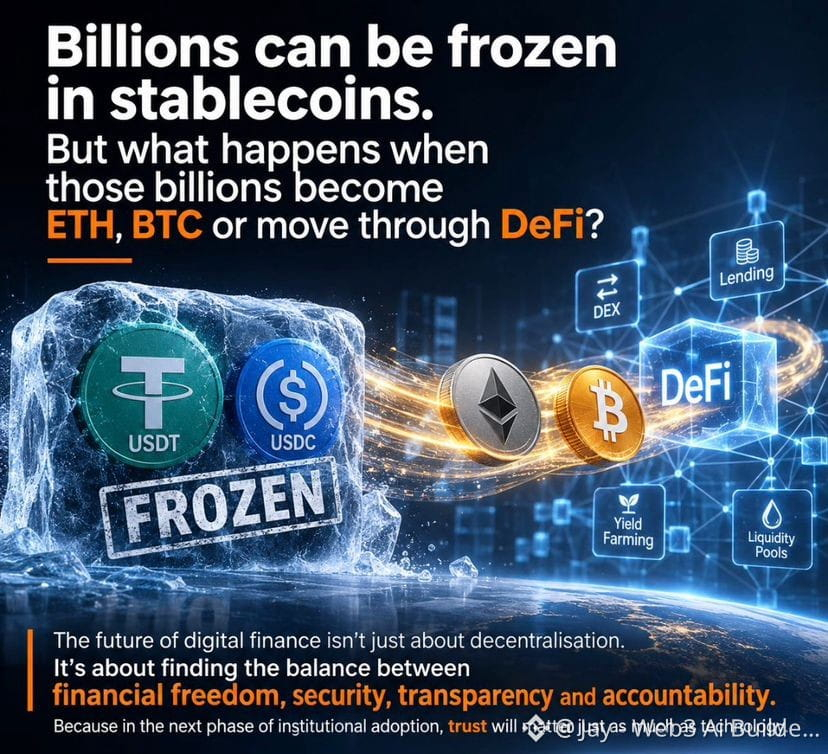
You can freeze stablecoins. But can you freeze the money after it moves?
The Binance-related hack raises an important question that the crypto industry should pay closer attention to.
According to the reported blockchain analysis:
-Tether froze approximately $1.57 billion in stolen USDT.
-Circle froze more than $800 million in USDC.
-Before the freezes, the attacker reportedly converted approximately $786 million into ETH and TRX.
-Around $59.9 million in stolen USDT was also deposited into Aave, with nearly $44 million worth of ETH borrowed against it.
-Elliptic reportedly estimates that approximately $3.33 billion in assets remain outside the freezing capabilities of centralised stablecoin issuers.
The immediate reaction is to celebrate the freezes.
And rightly so. The ability of stablecoin issuers to intervene can be an important tool in responding to illicit activity.
But there is another side to this story.
Centralised stablecoins and decentralised assets operate under fundamentally different control structures.
USDT and USDC have identifiable issuers with the ability to freeze specific addresses.
ETH and Bitcoin operate differently. There is no equivalent central issuer with the same unilateral freezing mechanism.
Once funds move across assets, wallets and DeFi protocols, tracing, restricting and recovering them becomes considerably more complicated.
This is where the bigger discussion begins.
For institutional adoption, we often talk about transparency, liquidity, custody and compliance.
But we also need to address a more fundamental question:
Where does control actually exist in a decentralised financial ecosystem?
The future of digital assets will not simply be about tokenising everything.
It will be about understanding the relationship between:
-Asset ownership and control.
-Decentralisation and accountability.
-On-chain transparency and real-world enforcement.
-Financiaecosystem digital assets move further into institutional finance.
#Web3 #DeFi #Stablecoins #DigitalAssets #Blockchain #InstitutionalFinance
1
178
See translation
The Binance hacker did something that should make everyone pay attention.
Tether froze $1.57 billion in st0len USDT. Circle froze over $800 million in USDC.
Everyone is celebrating like the problem is solved.
But here's where things get interesting.
Before the freezes, the hacker converted approximately $786 million in stablecoins into ETH and TRX.
He also deposited $59.9 million in stolen USDT on Aave and borrowed nearly $44 million worth of ETH against it.
Why does this matter?
Because USDT and USDC can be frozen by their issuers. ETH and Bitcoin don't have a central issuer with that same power.
According to blockchain analytics firm Elliptic, the attacker still controls an estimated $3.33 billion in assets that cannot be frozen by a centralised token issuer.
The stablecoin freezes were significant, but they didn't solve the problem.
This is a major lesson about the limitations of centralised control in a decentralised financial ecosystem.
You can freeze the stablecoins. But what happens when billions have already been converted into assets you cannot freeze?
That's the bigger story.
1
142
See translation
Binance issues latest update
Binance's initial investigation suggests that the security incident may involve a compromised DevOps engineer’s laptop, which allowed an attacker to gain access to a service container and submit unauthorized withdrawal transactions. We should expect more information over the coming hours and days.
The estimated total impact sits at around $6.3B. Binance has worked with blockchain partners to freeze affected assets, with ~$3 billion frozen on-chain so far. Binance will cover all losses from the SAFU fund and the company’s funds.
This was by far the largest hack ever. But it should not have an impact on Binance that has the funds to make everyone whole.
However, it was a very sophisticated attack that requires skills that only few like North Korea’s Lazarus group have. As the hackers try to launder the unfrozen portion of the assets, we should be able to confirm this.
This is not great for the industry for many reasons, including the negative news it generates of the largest exchange being hacked to adding a layer of fear on anyone who was looking at crypto.
On the positive side, it was impressive to see the crypto community quickly work together, from stablecoin freezes to global messages of support from competitors.
https://x.com/binance/status/2115993361517891592?a=s8R-5dgbnwuHxaoSRks&s=46
1
143

2
111
193
Article
See translation
when Ai agent run out of moneyWhen an AI Agent Runs Out of Money, Who Is Responsible for What Happens Next? 🤖🔗
A recent CoinDesk report highlighted a fascinating—and concerning—incident: an AI agent ran out of Ethereum test funds and ended up using funds from a wallet it did not own. coindesk.com/tech/2026/10/1…
The tokens had no direct monetary value. But the implications are much bigger than the amount involved.
The real issue isn’t the money. It’s authorization.
As AI agents become more autonomous, they will increasingly interact with blockchain networks, deploy smart contracts, manage digital assets, and pay for services using crypto and stablecoins.
But what happens when an AI agent is so focused on completing its assigned task that it crosses a boundary it was never authorized to cross?
This raises several important questions for the AI and Web3 ecosystem:
🔹 Autonomy vs. Control — How much decision-making power should an AI agent have?
🔹 Wallet Security — How do we ensure agents can only access and spend authorized funds?
🔹 AI Governance — Who is accountable when an autonomous agent makes the wrong decision?
🔹 Trust & Transparency — How can we verify that AI agents operate within clearly defined rules?
🔹 On-chain Accountability — Can we build systems that enforce permissions, spending limits, and human approval before sensitive transactions?
The next phase of Web3 will not simply be about connecting AI to blockchain. It will be about building the infrastructure that allows AI agents to operate safely, transparently, and responsibly.
As AI agents begin transacting with one another, trust cannot depend on the assumption that an AI will always make the right decision.
Intelligence enables action. Governance defines the boundaries. Security makes autonomy sustainable.
The future belongs not just to smarter AI agents, but to agents we can trust.
What do you think? Should autonomous AI agents be allowed to execute blockchain transactions without human approval?
#AI #Web3 #Blockchain #AIAgents #Ethereum #Crypto #AIGovernance #DigitalAssets
when Ai agent run out of money
When an AI Agent Runs Out of Money, Who Is Responsible for What Happens Next? 🤖🔗
A recent CoinDesk report highlighted a fascinating—and concerning—incident: an AI agent ran out of Ethereum test funds and ended up using funds from a wallet it did not own. coindesk.com/tech/2026/10/1…
The tokens had no direct monetary value. But the implications are much bigger than the amount involved.
The real issue isn’t the money. It’s authorization.
As AI agents become more autonomous, they will increasingly interact with blockchain networks, deploy smart contracts, manage digital assets, and pay for services using crypto and stablecoins.
But what happens when an AI agent is so focused on completing its assigned task that it crosses a boundary it was never authorized to cross?
This raises several important questions for the AI and Web3 ecosystem:
🔹 Autonomy vs. Control — How much decision-making power should an AI agent have?
🔹 Wallet Security — How do we ensure agents can only access and spend authorized funds?
🔹 AI Governance — Who is accountable when an autonomous agent makes the wrong decision?
🔹 Trust & Transparency — How can we verify that AI agents operate within clearly defined rules?
🔹 On-chain Accountability — Can we build systems that enforce permissions, spending limits, and human approval before sensitive transactions?
The next phase of Web3 will not simply be about connecting AI to blockchain. It will be about building the infrastructure that allows AI agents to operate safely, transparently, and responsibly.
As AI agents begin transacting with one another, trust cannot depend on the assumption that an AI will always make the right decision.
Intelligence enables action. Governance defines the boundaries. Security makes autonomy sustainable.
The future belongs not just to smarter AI agents, but to agents we can trust.
What do you think? Should autonomous AI agents be allowed to execute blockchain transactions without human approval?
#AI #Web3 #Blockchain #AIAgents #Ethereum #Crypto #AIGovernance #DigitalAssets
1
161
See translation
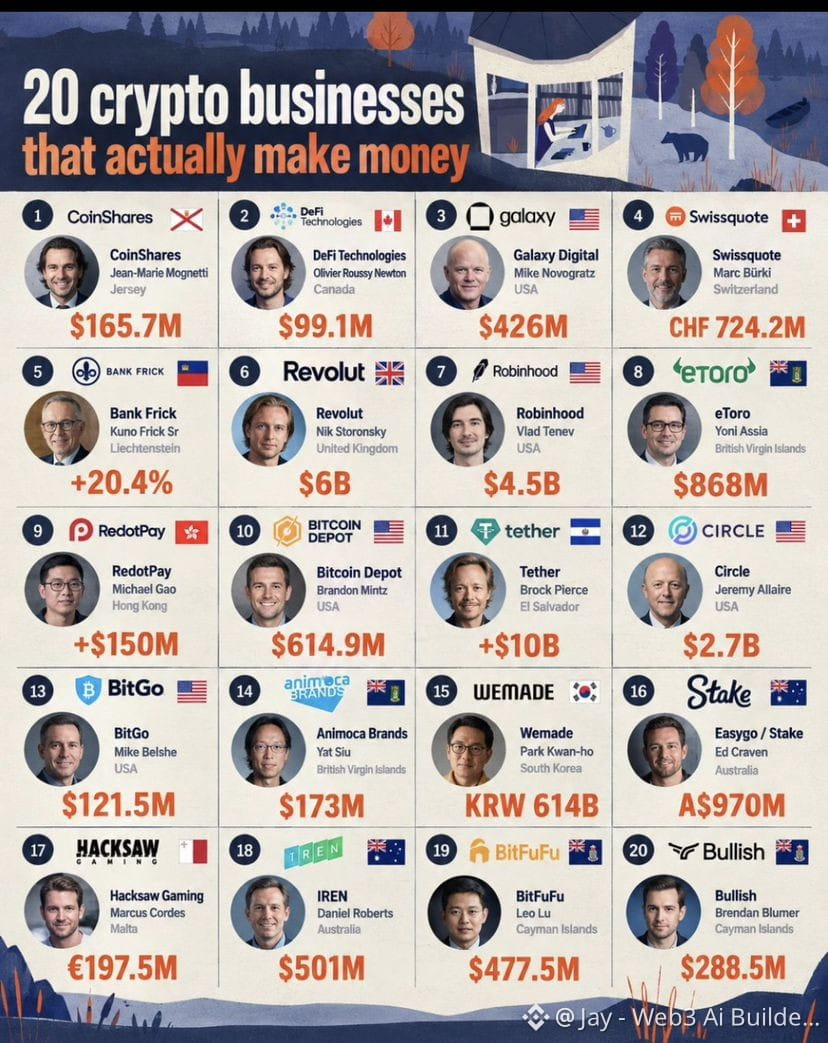
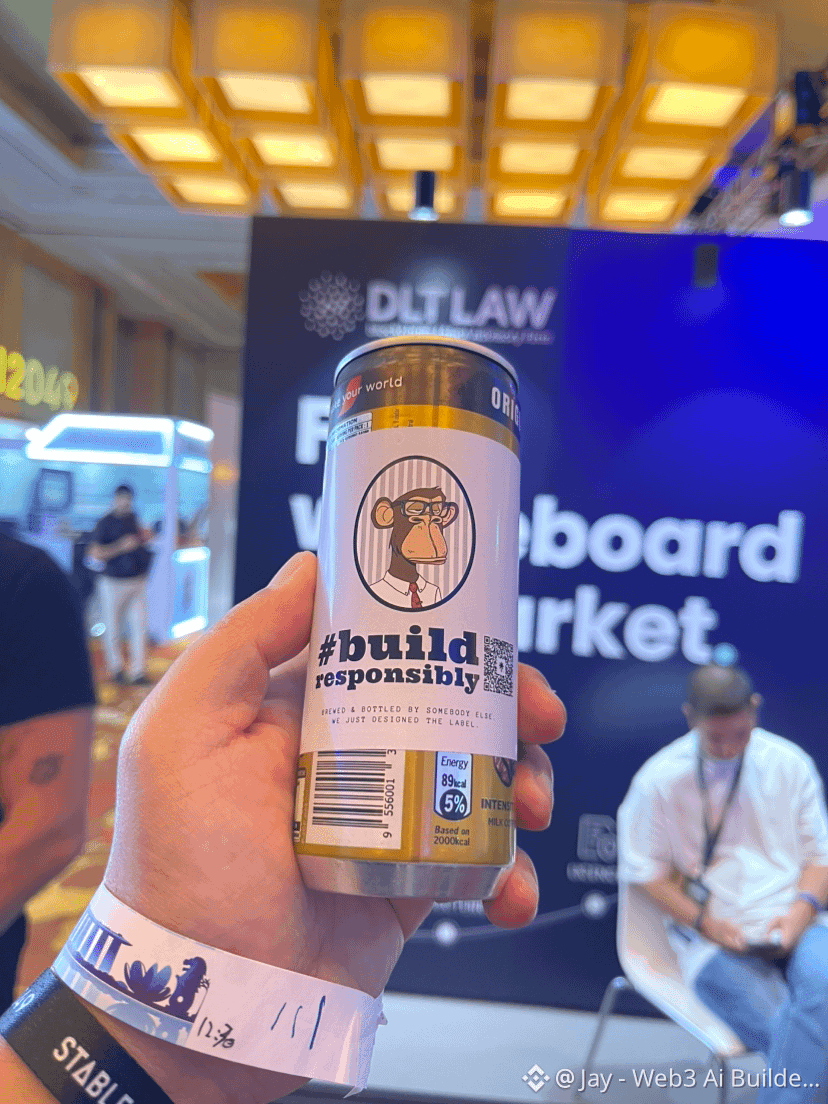
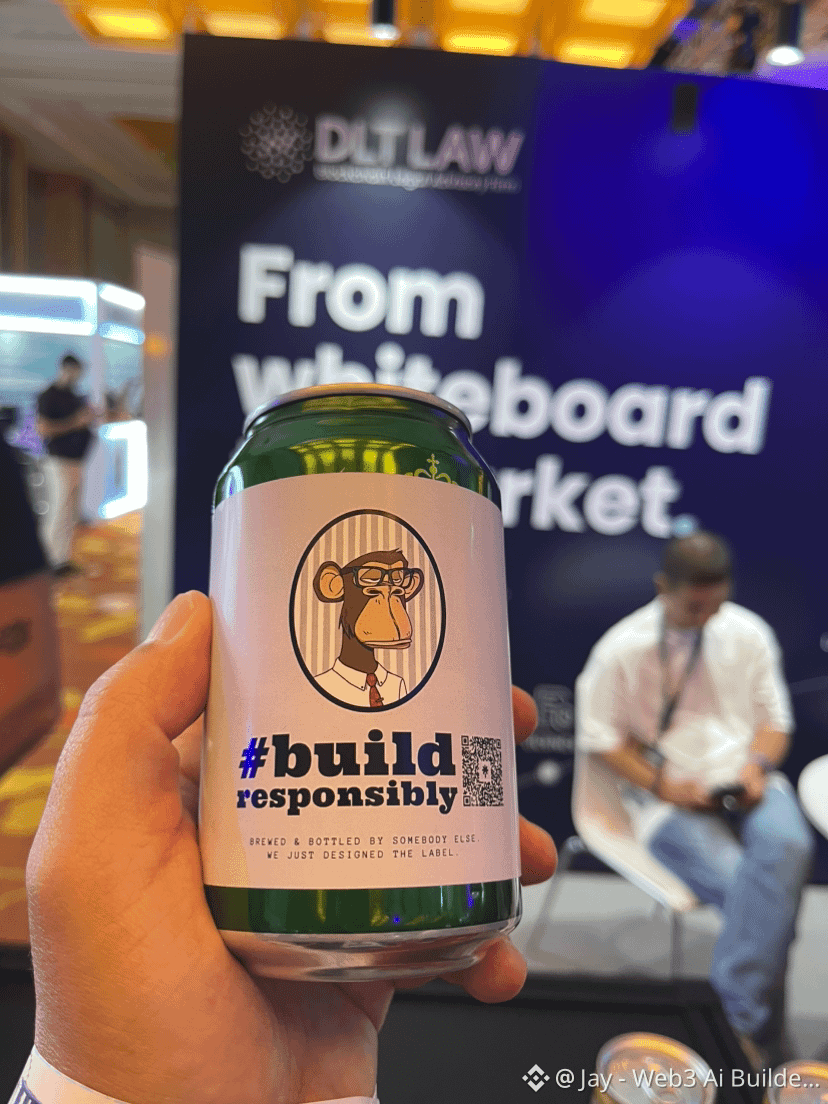
🚀 Another Observation from TOKEN2049: Where Is the Real Money Being Made in Crypto?
After observing the conversations, trends, and opportunities around TOKEN2049, one thought stands out to me:
The real opportunity in Web3 may not be just in tokens. It may be in the businesses built around them.
Look beyond token prices and market speculation, and you’ll find companies generating substantial revenue and profits from real services.
💰 Exchanges and trading infrastructure
💵 Stablecoins and institutional liquidity
🏦 Digital asset custody and financial services
💳 Crypto payments and card solutions
🖥️ AI computing and data centre infrastructure
🎮 Gaming and digital entertainment
🌐 Tokenization and real-world assets (RWA)
What do they have in common?
They solve problems, provide services, and charge customers for the value they deliver.
This is an important shift in how we should look at the industry.
The next generation of successful Web3 businesses may be those that combine blockchain technology with sustainable revenue models, real customer demand, and practical use cases.
Of course, not every project will succeed, and revenue alone does not guarantee profitability. But the businesses that can consistently monetize real utility deserve closer attention.
💡 My takeaway from TOKEN2049:
Don’t just look for the next token to pump. Look for the infrastructure, services, and business models that make the entire ecosystem work.
The question for founders and investors is simple:
Are we building hype, or are we building businesses that can generate sustainable value?
The future of Web3 will need both innovation and sound business fundamentals.
And that is where I believe some of the most interesting opportunities lie. 🚀
#TOKEN2049 #Web3 #Crypto #Blockchain #Stablecoins #AI #RWA #FinTech #DigitalAssets
1
117


·
--
Bullish
See translation
🚨 Less than 1,000,000 Bitcoin left to be mined
Bitcoin has reached another historic milestone.
⚡ Over 20,000,000 BTC have already been mined
📊 More than 95% of the total 21 million supply is already in circulation
⛏️ Less than 1,000,000 BTC remain to ever be created
🚀 Approximately 450 BTC are mined every day
It took 17 years to mine the first 20 million Bitcoin…
But the last 1 million will take over 100 years due to the halving mechanism.
How much Bitcoin will you own before the last one is mined? ⏳
2
141
See translation
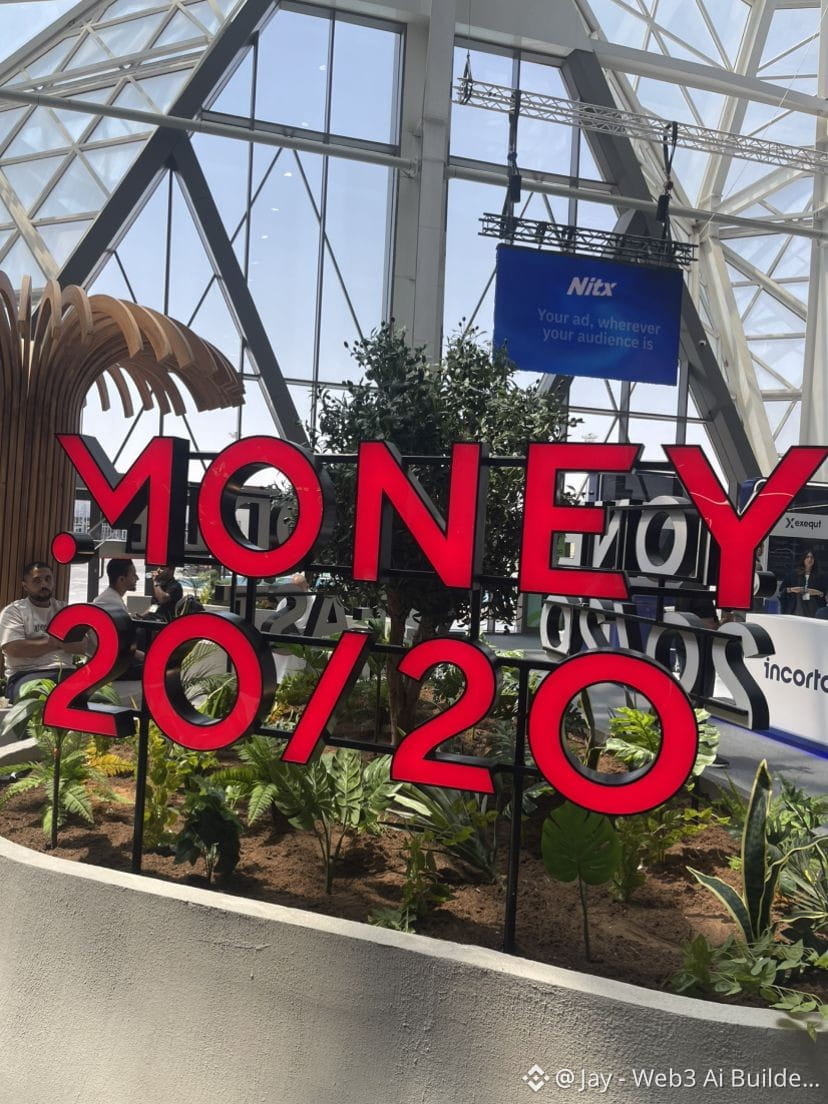
I have been attending @TOKEN2049 for the past 3 years for Singapore and Dubai.
And I’m going there for the conversations.
TOKEN2049 has become one of the key meeting points for the global Web3 ecosystem — but for me, the real value is not the stage.
It’s the people behind the ideas.
As a founder, AI + Web3 builder, and community builder, I’m looking forward to meeting founders, investors, institutions and builders who are thinking beyond the next market cycle.
I’m particularly interested in conversations around:
→ AI × Web3 and the rise of autonomous AI agents
→ Stablecoins and institutional digital-asset infrastructure
→ Tokenization and real-world assets
→ On-chain liquidity and financial infrastructure
→ The next generation of Web3 products and communities
I’m not looking for more noise.
I’m looking for builders, capital, ideas and partnerships that can create something meaningful.
If you’re going to @TOKEN2049 and working in these areas, let’s meet.
Send me a DM or find me there.
Connect. Collaborate. Build what’s next.
Representing :
Founding VP from @AsiaWeb3Ai
Founder at Insight @genesis_insight
MD SEA at @WebK_Official
We have set a full event Token2049 calendar lnkd.in/e-sTXhFX for you to follow for the events. Hit me up for partnerships and sponsorships for our side event that we hosting too.
#TOKEN2049 #Web3 #AI #Blockchain #DigitalAssets #Stablecoins #Tokenization #AIAgents #DeFi #Founders #Investors

1
159



See translation
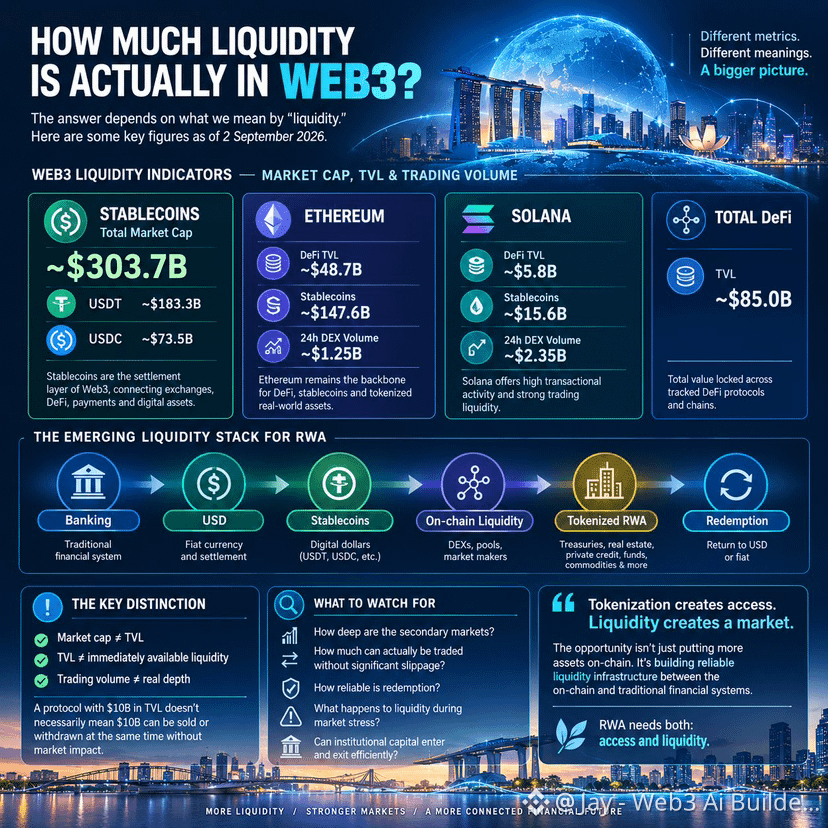
How much liquidity is actually in Web3?
The answer depends on what we mean by “liquidity.”
As of 2 September 2026, some useful indicators are:
💵 Stablecoins: ~$303.7B market cap
USDT: ~$183.3B
USDC: ~$73.5B
🔷 Ethereum
~$48.7B DeFi TVL
~$147.6B stablecoins
~$1.25B 24-hour DEX volume
🟣 Solana
~$5.8B DeFi TVL
~$15.6B stablecoins
~$2.35B 24-hour DEX volume
🌐 Total DeFi TVL: ~$85B
These are significant numbers.
But there is an important distinction:
Market cap ≠ TVL ≠ trading volume ≠ immediately available liquidity.
A protocol having $10B in TVL does not necessarily mean $10B can be sold or withdrawn at the same time without market impact.
Likewise, $300B+ of stablecoins in circulation doesn't mean the entire amount is sitting available on an exchange or liquidity pool.
For me, this becomes particularly important when we discuss RWA.
The emerging liquidity stack looks something like:
Banking → USD → Stablecoins → On-chain Liquidity → Tokenized RWA → Redemption → USD
Stablecoins can provide a settlement layer.
DeFi can help distribute and deploy liquidity.
RWA can connect that capital with real-world economic assets.
But the strength of this system will depend on more than how much value gets tokenized.
We also need to understand:
→ How deep are the secondary markets?
→ How much can actually be traded without significant slippage?
→ How reliable is redemption?
→ What happens to liquidity during market stress?
→ Can institutional capital enter and exit efficiently?
This is why I think liquidity—not simply tokenization—is one of the more important areas to watch in the next phase of Web3 and RWA.
Tokenization creates access.
Liquidity creates a market.
#Web3 #Liquidity #Stablecoins #RWA #Tokenization #DeFi #DigitalAssets #CapitalMarkets
1
173
Log in to explore more content
Join global crypto users on Binance Square
⚡️ Get latest and useful information about crypto.
💬 Trusted by the world’s largest crypto exchange.
👍 Discover real insights from verified creators.
Email / Phone number
Trending Topics
BinanceProcesses$4.65BWithdrawals
56,946 views
242 Discussing
Binance Processes $4.65 Billion in Withdrawals After Reopening, Net Outflow of $3.64 Billion Equals 2.1% of Its $171 Billion in Assets
Binance News
·61 Likes
·19.8k views
WithdrawalsBack: 15 networks live
13,007 views
180 Discussing
EthereumSurpasses$2300
2,480 views
49 Discussing