

The Crypto Jack
6.9k Posts

The Crypto Jack
 Square Verified+
Report
Block User
Trading bits since 2019. ( X: @cryptojack4u )

4 Holder
High-Frequency Trader
5 Years
48 Following
48.6K+ Followers
17.6K+ Liked
Posts
All
Quotes
Videos
Live
PINNED
·
--
Bullish
See translation
Zcash (ZEC) is a privacy-focused cryptocurrency, and like Bitcoin, it undergoes a "halving" event approximately every four years. During a halving, the block reward given to miners is reduced by 50%, which decreases the rate at which new ZEC coins are generated.
### Key Points about Zcash Halving:
1. **Purpose**: The halving process is designed to reduce inflation over time and control the total supply of Zcash. The total supply is capped at 21 million ZEC, similar to Bitcoin.
2. **Next Halving**: Zcash’s last halving occurred in November 2020, which reduced the block reward from 6.25 ZEC to 3.125 ZEC. The next halving is in 49 days, further reducing the reward to 1.5625 ZEC.
3. **Impact**: The reduction in supply typically generates interest in the market, as fewer new coins are introduced, potentially affecting ZEC's price. Past halvings for cryptocurrencies have often led to increased market activity and speculation about price appreciation.
4. **Mining**: Zcash uses a proof-of-work consensus mechanism, and the halving impacts miners directly by reducing their earnings per block mined. This could lead to reduced miner participation if prices do not rise proportionally to offset the reduced rewards.
5. **Privacy Focus**: A unique aspect of Zcash is its zero-knowledge proof protocol called zk-SNARKs, which allows transactions to be shielded for privacy. The halving event does not affect the technology itself but is significant from a supply-demand perspective.
Overall, Zcash halvings are an important mechanism that can influence market dynamics, miner behavior, and ZEC’s price over time.
#BinanceLaunchpoolHMSTR #SpotGoldATH #CATIonBinance #BTCReboundsAfterFOMC #NeiroOnBinance
$NEIRO $BTC $PEPE

12
10
57
24.5k
·
--
Bullish
See translation
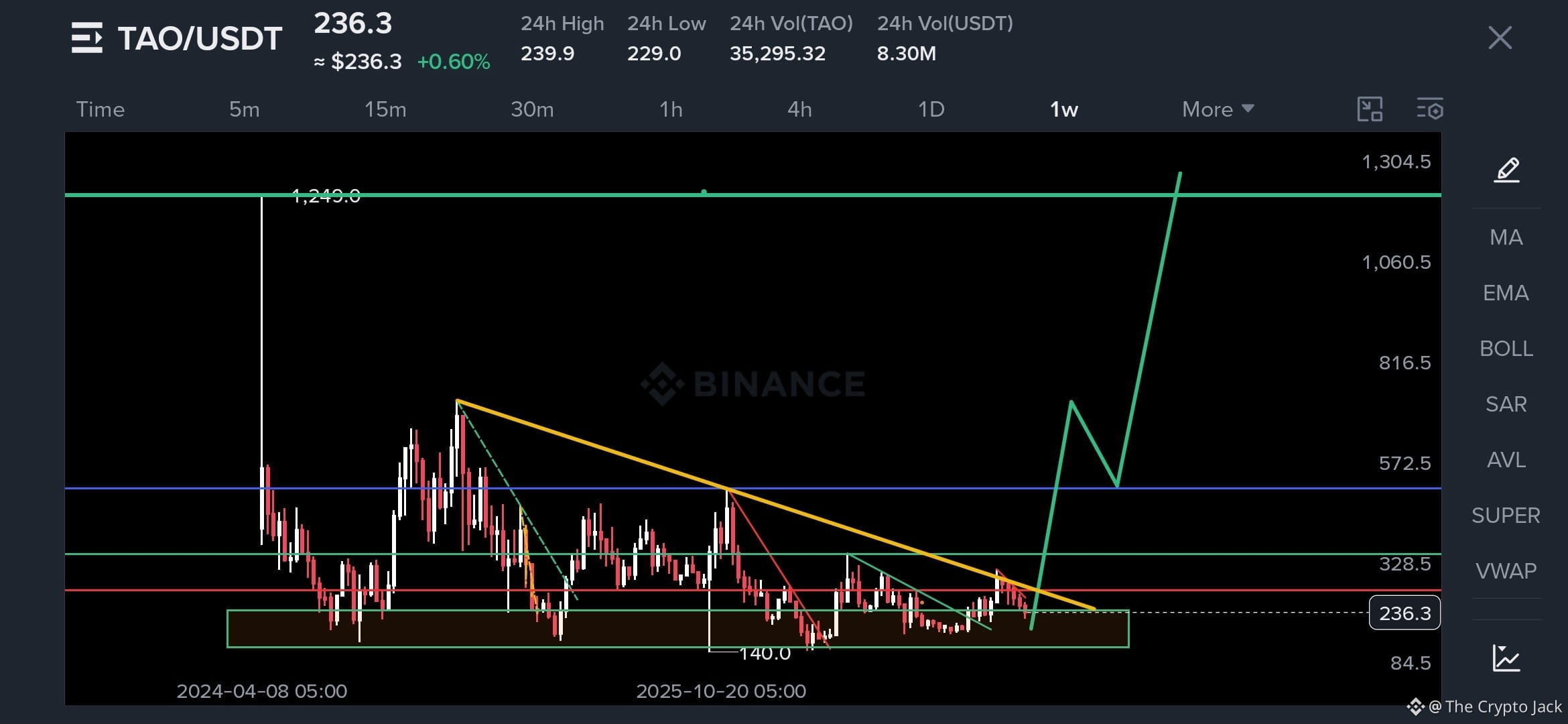
$TAO Back to Golden Green Pocket.
Opportunity to Buy and make generational Wealth.
Build your Swing 100x Longs and SPOT Trade in the green Box.
Sell Above $1200 and Leave.
.
.
.
.
.
.
$LSK $AIN
$TAO Back to Golden Green Pocket.
Opportunity to Buy and make generational Wealth.
Build your Swing 100x Longs and SPOT Trade in the green Box.
Sell Above $1200 and Leave.
.
.
.
.
.
.
$LSK $AIN
Opportunity to Buy and make generational Wealth.
Build your Swing 100x Longs and SPOT Trade in the green Box.
Sell Above $1200 and Leave.
.
.
.
.
.
.
$LSK $AIN
2
3
2.3k
·
--
Bullish
See translation
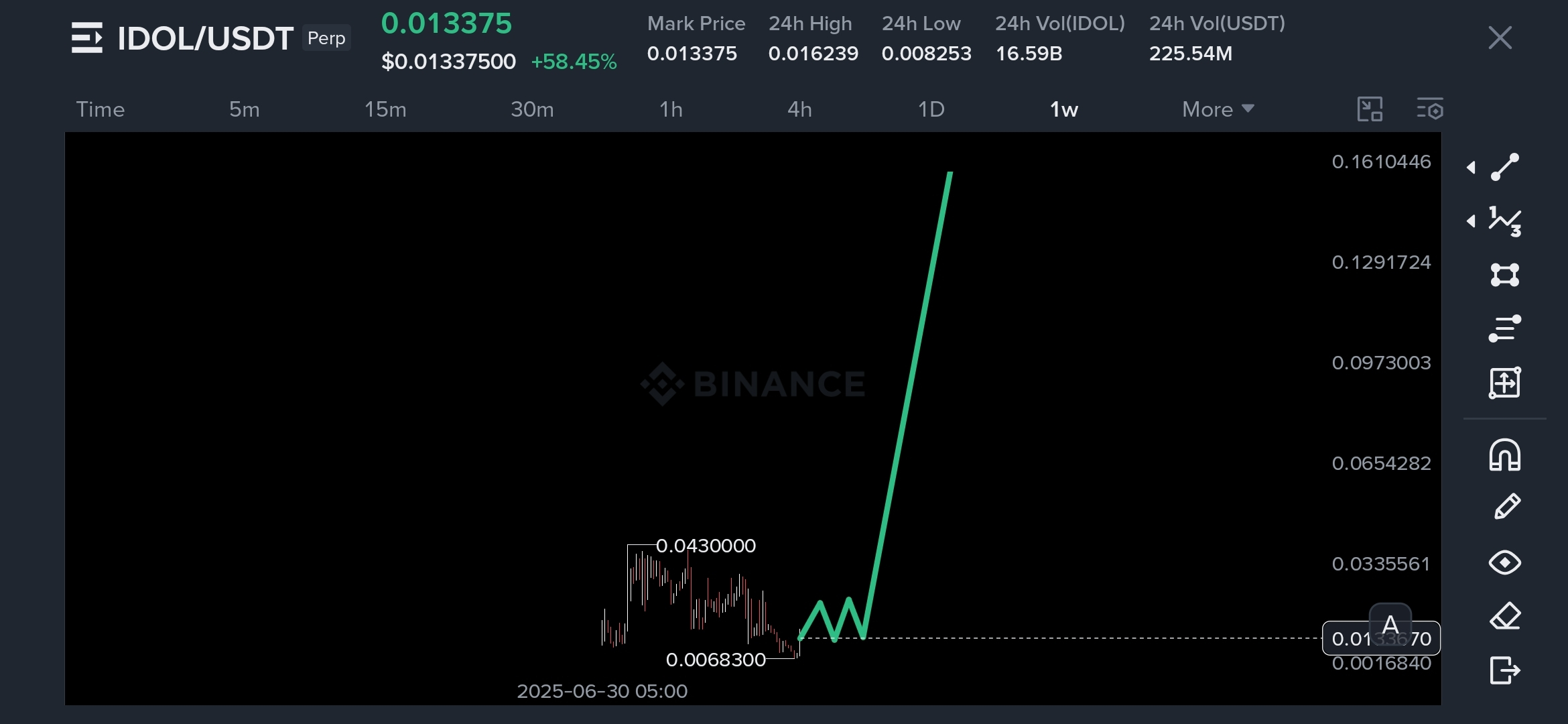
Check the $IDOL price now.
Trust Jack and Learn.
My chatroom is open. Join to make good money.
100x Better calls in my chatroom soon.
.
.
.
.
.
$BTW $BTC
Check the $IDOL price now.
Trust Jack and Learn.
My chatroom is open. Join to make good money.
100x Better calls in my chatroom soon.
.
.
.
.
.
$BTW $BTC
Trust Jack and Learn.
My chatroom is open. Join to make good money.
100x Better calls in my chatroom soon.
.
.
.
.
.
$BTW $BTC
The Crypto Jack
·
--
Bullish$IDOL Trust me or not,
IDOL is the next $BTW or $IRYS
Fade at your own Risk.
Expecting same big moves on it as we have seen in the past.
Same AI narrative. Potential risk to reward is very high.
Will see how it goes.
IDOL is the next $BTW or $IRYS
Fade at your own Risk.
Expecting same big moves on it as we have seen in the past.
Same AI narrative. Potential risk to reward is very high.
Will see how it goes.
1
2
1.5k
·
--
Bullish
See translation
$ZRO TO $8 IS COMING. 100x Swing LONGS
ZRO has been trading inside a massive descending channel after its initial rally. After months of correction and consolidation, the price is now pushing toward the upper boundary of that channel. If this breakout holds, we could see a major change in the trend.
First, LayerZero is solving a real problem in crypto. As more blockchains enter the market, they need a reliable way to communicate and transfer assets between each other. LayerZero is building the infrastructure that makes this possible, and its technology already connects a large number of blockchain networks.
Second, the ecosystem is expanding beyond cross chain messaging. LayerZero is building Zero, a new blockchain designed for high performance applications, financial markets, and payments. If this ecosystem attracts significant activity, ZRO could become much more important to the network.
Third, the tokenomics are getting interesting.
LayerZero has introduced revenue funded ZRO buybacks through Stargate. Revenue generated by Stargate is used to purchase ZRO from the open market, creating a direct connection between product usage and token demand.
The upcoming Zero ecosystem also gives ZRO additional utility through network security, transaction fees, and governance. If adoption grows, the potential demand for the token could increase significantly.
Now look at the bigger picture.
LayerZero is positioning itself at the centre of a multichain world. Instead of betting on which blockchain will win, it is building infrastructure that allows different networks to work together.
If cross chain activity continues to grow and Zero gains traction, I believe ZRO has the potential to surprise the market.
My target is $8.
From the current price of around $1.69, that's roughly a 4.7X move.
On the chart, I'm watching for a sustained breakout from this long descending channel. If the breakout holds and momentum builds, the next major move could be much bigger than people expect.
$BLESS $BEAMX

5
7
2.7k
·
--
Bullish
See translation
$PENDLE TO $6 IS COMING. MARK MY WORDS. Best Swing trade OPPORTUNITY.
Look at the weekly chart.
PENDLE has been stuck in a massive descending channel since its 2024 highs. After a brutal correction, the price is now sitting around $1.70, right around a zone or yellow box that has played an important role in its previous price action.
First, Pendle is solving a real problem in DeFi. It allows users to separate the principal and future yield of yield bearing assets, opening the door to fixed yields, yield trading, and strategies to hedge exposure to changing returns.
Second, the protocol is expanding beyond its original product. Pendle's ecosystem includes Boros, which brings onchain trading of interest rate exposure into the picture. If on chain financial markets continue to grow, Pendle is positioned in a sector with real potential.
Third, the tokenomics are getting interesting.
Pendle introduced sPENDLE in 2026, replacing the old long locking model with a more flexible staking system. Protocol revenue is used for PENDLE buybacks, with rewards distributed to eligible sPENDLE holders. The new incentive model is also designed to reduce emissions by around 30%.
If protocol activity grows while token emissions become more efficient, that's a combination worth watching.
Now look at the bigger picture.
PENDLE has already traded above $7 in the previous cycle. The current price is a long way from those highs, and a strong DeFi recovery could bring it back into the spotlight.
My target is $6.
From $1.70, that's roughly a 3.5X move.
On the chart, I'm watching for a sustained recovery from this long downtrend, followed by a breakout that could open the door to a much bigger rally.
$BEAMX $BLESS

8
1
7
4k
See translation
$NEAR Told you to build 100x Shorts.
Now see.
Hahahahahahahah
$NEAR Told you to build 100x Shorts.
Now see.
Hahahahahahahah
Now see.
Hahahahahahahah
The Crypto Jack
·
--
Bearish$NEAR Keep SHORTING it.
100x SHORTS till $2.2
Its going nowhere. 2.2 is the destination.
.
.
.
.
.
$BR $CT
100x SHORTS till $2.2
Its going nowhere. 2.2 is the destination.
.
.
.
.
.
$BR $CT

1
5
2k
·
--
Bearish
See translation
hahahahahahahahhahahaha look at $SUI now.
100x Shorts Tp hit.
Learn from Jack
hahahahahahahahhahahaha look at $SUI now.
100x Shorts Tp hit.
Learn from Jack
100x Shorts Tp hit.
Learn from Jack
The Crypto Jack
·
--
Bearish$SUI YOU STILL HAVE ALOT OF TIME TO 100x SHORT SUI.
TARGET is $0.87
100x SHORT WEALTH OPPORTUNITY.
.
.
.
.
.
$AGT $EPIC
TARGET is $0.87
100x SHORT WEALTH OPPORTUNITY.
.
.
.
.
.
$AGT $EPIC

3
1.1k
See translation
HAHAHAHAHAHAHAHHAHAHAHA Look @ $SOL Now.
Learn from Jack.
HAHAHAHAHAHAHAHHAHAHAHA Look @ $SOL Now.
Learn from Jack.
Learn from Jack.
The Crypto Jack
·
--
Bearish$SOL NO ONE BELIEVE ME RIGHT NOW.
BUT EVERYONE WILL BELIEVE IN FUTURE.
$70 IS COMING FOR SOLANA.
100X SHORTS ALREADY ACTIVATED.
.
.
.
.
.
$NMR $ORCA
BUT EVERYONE WILL BELIEVE IN FUTURE.
$70 IS COMING FOR SOLANA.
100X SHORTS ALREADY ACTIVATED.
.
.
.
.
.
$NMR $ORCA

3
935
·
--
Bearish
See translation
Attention!
The Binance hacker is now dumping $PEPE, $UNI, $LINK, and other tokens on-chain for $ETH.
Please note:
The hacker still holds large amounts of the following altcoins, which could face heavy selling pressure:
217.497M $ENA ($39.51M)
7.579T $PEPE ($34.41M)
2.575M $LINK ($28.07M)
128.034K $AAVE ($15.9M)
74.56M $ARB ($11.54M)
1.938M $UNI ($12.62M)
21.852M $ONDO ($8.52M)
17.318M $WLD ($6.73M)
714.911M $FUN ($6.29M)
87.853M $ZAMA ($6.02M)
3.602M $ZRO ($5.69M)
3.382B $RSR ($5.02M)
Attention!
The Binance hacker is now dumping $PEPE , $UNI, $LINK , and other tokens on-chain for $ETH.
Please note:
The hacker still holds large amounts of the following altcoins, which could face heavy selling pressure:
217.497M $ENA ($39.51M)
7.579T $PEPE ($34.41M)
2.575M $LINK ($28.07M)
128.034K $AAVE ($15.9M)
74.56M $ARB ($11.54M)
1.938M $UNI ($12.62M)
21.852M $ONDO ($8.52M)
17.318M $WLD ($6.73M)
714.911M $FUN ($6.29M)
87.853M $ZAMA ($6.02M)
3.602M $ZRO ($5.69M)
3.382B $RSR ($5.02M)

5
1.6k
·
--
Bullish
See translation
$4 . No need to worry.
You'll see soon. EVERYTHING will be okay.
Stay calm. @Binance_Labs is bigger than all and stronger than ever before
People will soon start blaming @CZ for no reason. As usual paid campaign.
Its time to send #4usdt to billions now.
$4 . No need to worry.
You'll see soon. EVERYTHING will be okay.
Stay calm. @Binance Labs is bigger than all and stronger than ever before
People will soon start blaming @CZ for no reason. As usual paid campaign.
Its time to send #4usdt to billions now.
You'll see soon. EVERYTHING will be okay.
Stay calm. @Binance Labs is bigger than all and stronger than ever before
People will soon start blaming @CZ for no reason. As usual paid campaign.
Its time to send #4usdt to billions now.

1
4
1.6k
·
--
Bullish
Verified
See translation
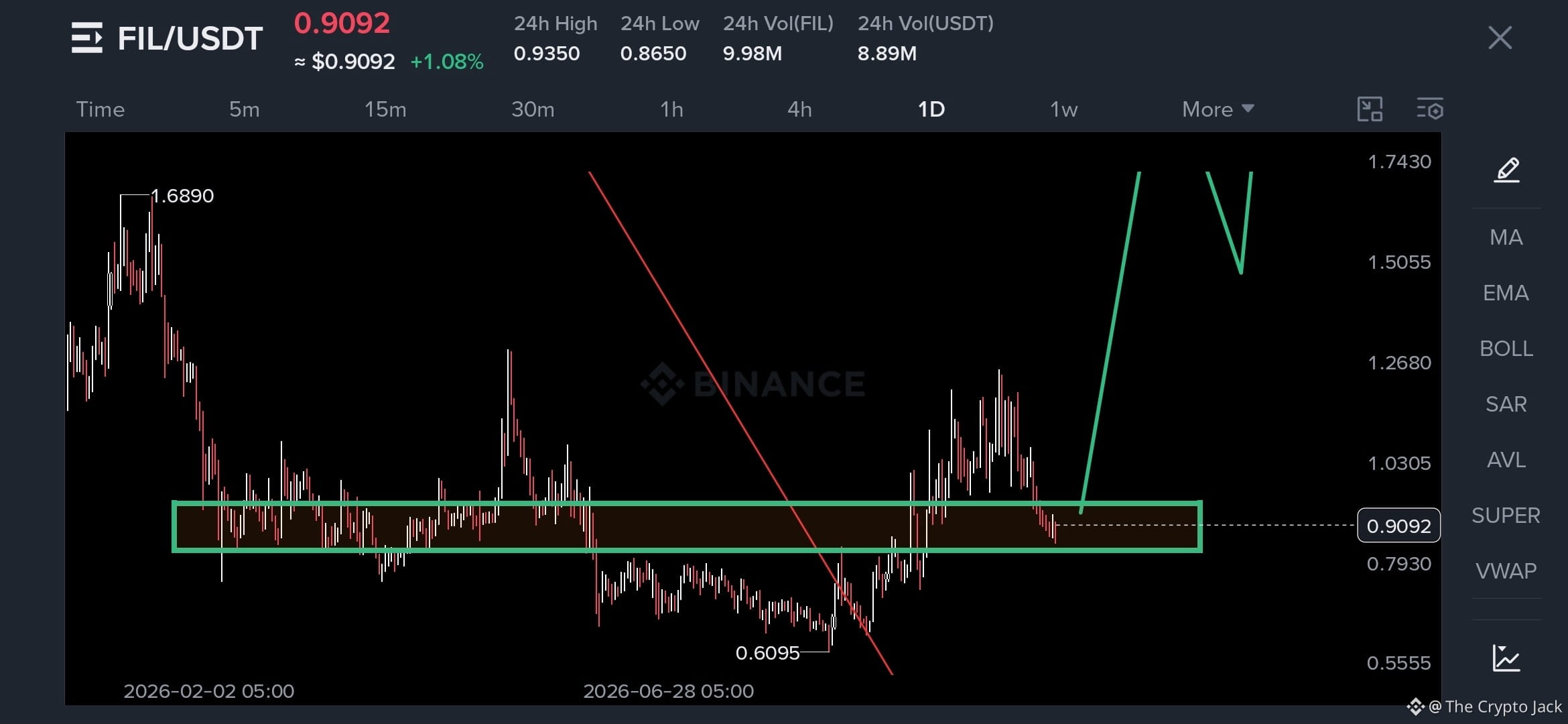
$FIL TO $3 SOON. THE MARKET IS SLEEPING ON THIS ONE.
Everyone is busy chasing the latest hype coins, but I'm watching projects that have real infrastructure behind them.
And Filecoin is one of them.
Look at the chart.
FIL has already bounced strongly from its $0.60 low, broken out of its long downtrend, and pushed above $1 before pulling back. Now it's testing a zone that could become the launchpad for its next major move.
But the chart is only half the story.
Filecoin is building something much bigger than a place to store files.
AI is generating massive amounts of data, and that data needs reliable storage. Filecoin is positioning itself to serve this growing market with decentralized storage, verifiable data, and programmable on-chain services.
Its Filecoin Onchain Cloud is already live on mainnet, bringing storage, retrieval, and payments together. Developers can build applications where data and payments are verifiable on-chain.
And there is another interesting development.
In October 2026, Filecoin announced new reward mechanics designed to prioritize services that attract paying customers. The scheduled end of certain vesting releases is also expected to reduce daily token supply growth by roughly 75%.
That's a major change worth watching.
Now imagine decentralized storage and AI infrastructure becoming major crypto narratives again. A project with Filecoin's history and technology could attract serious attention if adoption and demand start growing.
My target is simple.
Current price on my chart: $0.9092.
Target: $3.
That's more than a 3.3X from here.
I'm not saying it will happen overnight. But after such a long downtrend, a genuine recovery could surprise people who have already written FIL off.
$IDOL $ON
11
7
8.3k
·
--
Bullish
See translation
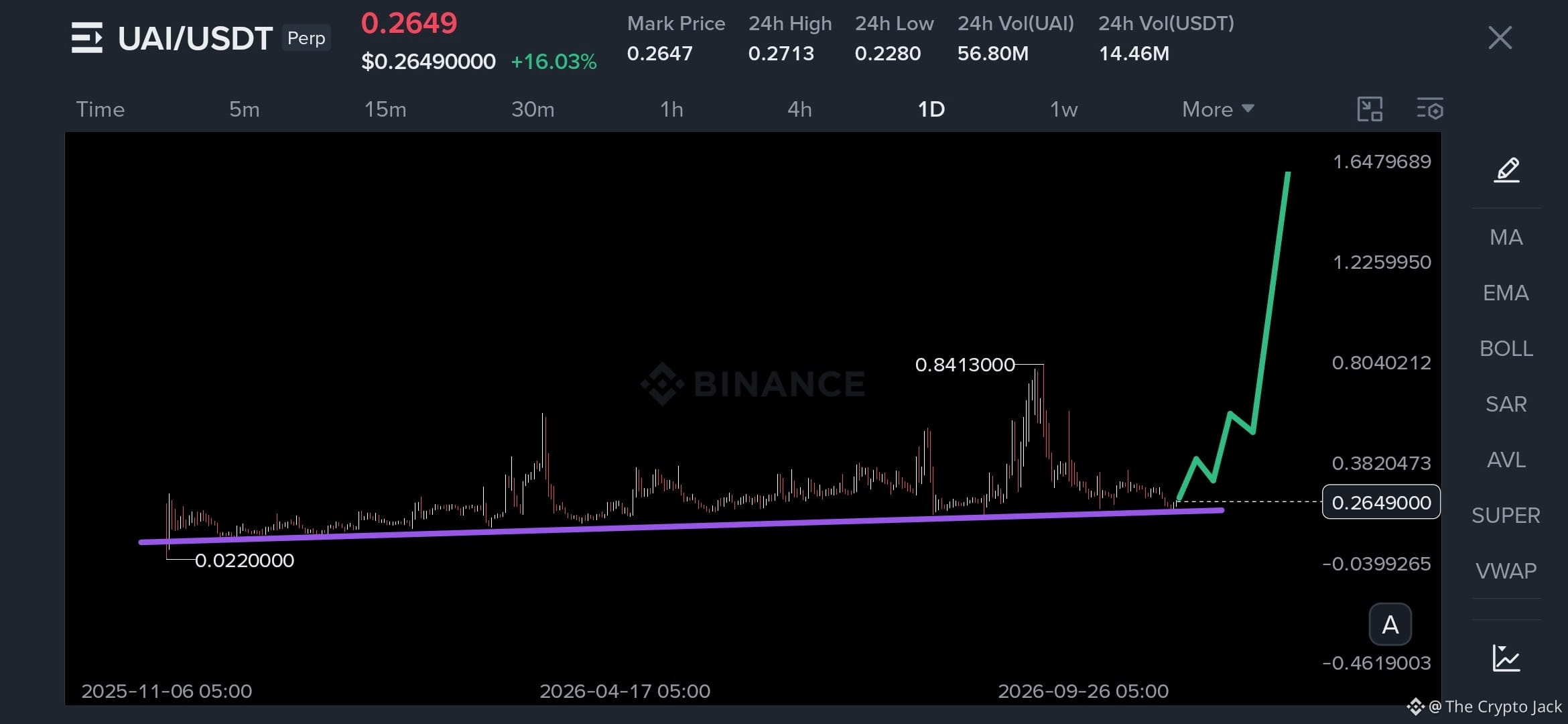
$UAI looks ready for a BIG move.
Biggest manipulated PUMP of this season is coming same like BTW
100x LONGS till $1.5
Never miss these opportunities of lifetime.
.
.
.
.
$APR $BULLA
$UAI looks ready for a BIG move.
Biggest manipulated PUMP of this season is coming same like BTW
100x LONGS till $1.5
Never miss these opportunities of lifetime.
.
.
.
.
$APR $BULLA
Biggest manipulated PUMP of this season is coming same like BTW
100x LONGS till $1.5
Never miss these opportunities of lifetime.
.
.
.
.
$APR $BULLA
1
3
559
·
--
Bullish
See translation
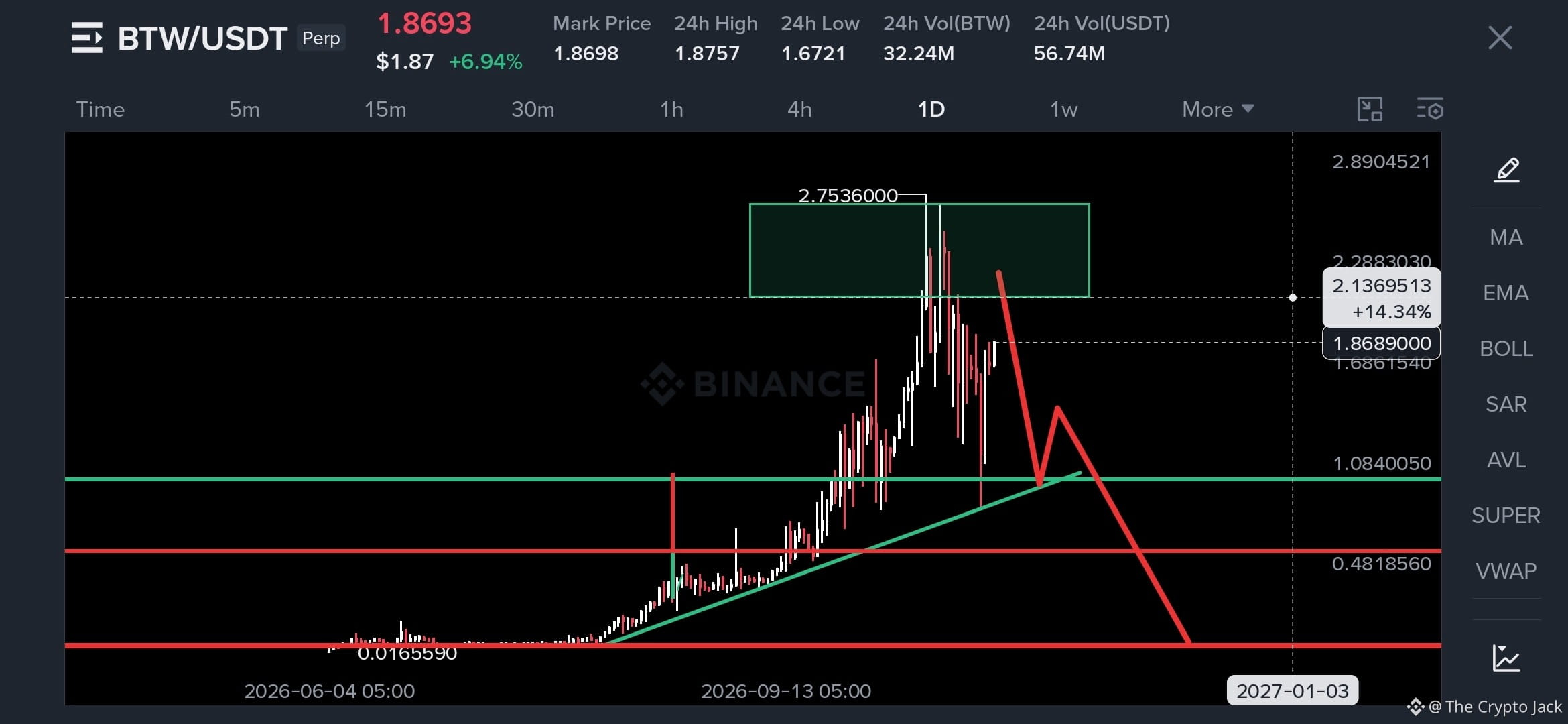
$BTW BEST COIN TO SHORT WITH 100X.
Place your LIMIT SHORT ORDERS ABOVE $2.1 and wait patiently.
Mcap is already too high.
New supply is about to hit the market.
They wont be able to keep the price this high for too long.
SHORT IT IMMEDIATELY.
.
.
.
$APR $IDOL
$BTW BEST COIN TO SHORT WITH 100X.
Place your LIMIT SHORT ORDERS ABOVE $2.1 and wait patiently.
Mcap is already too high.
New supply is about to hit the market.
They wont be able to keep the price this high for too long.
SHORT IT IMMEDIATELY.
.
.
.
$APR $IDOL
Place your LIMIT SHORT ORDERS ABOVE $2.1 and wait patiently.
Mcap is already too high.
New supply is about to hit the market.
They wont be able to keep the price this high for too long.
SHORT IT IMMEDIATELY.
.
.
.
$APR $IDOL
4
6
2.8k
·
--
Bullish
See translation
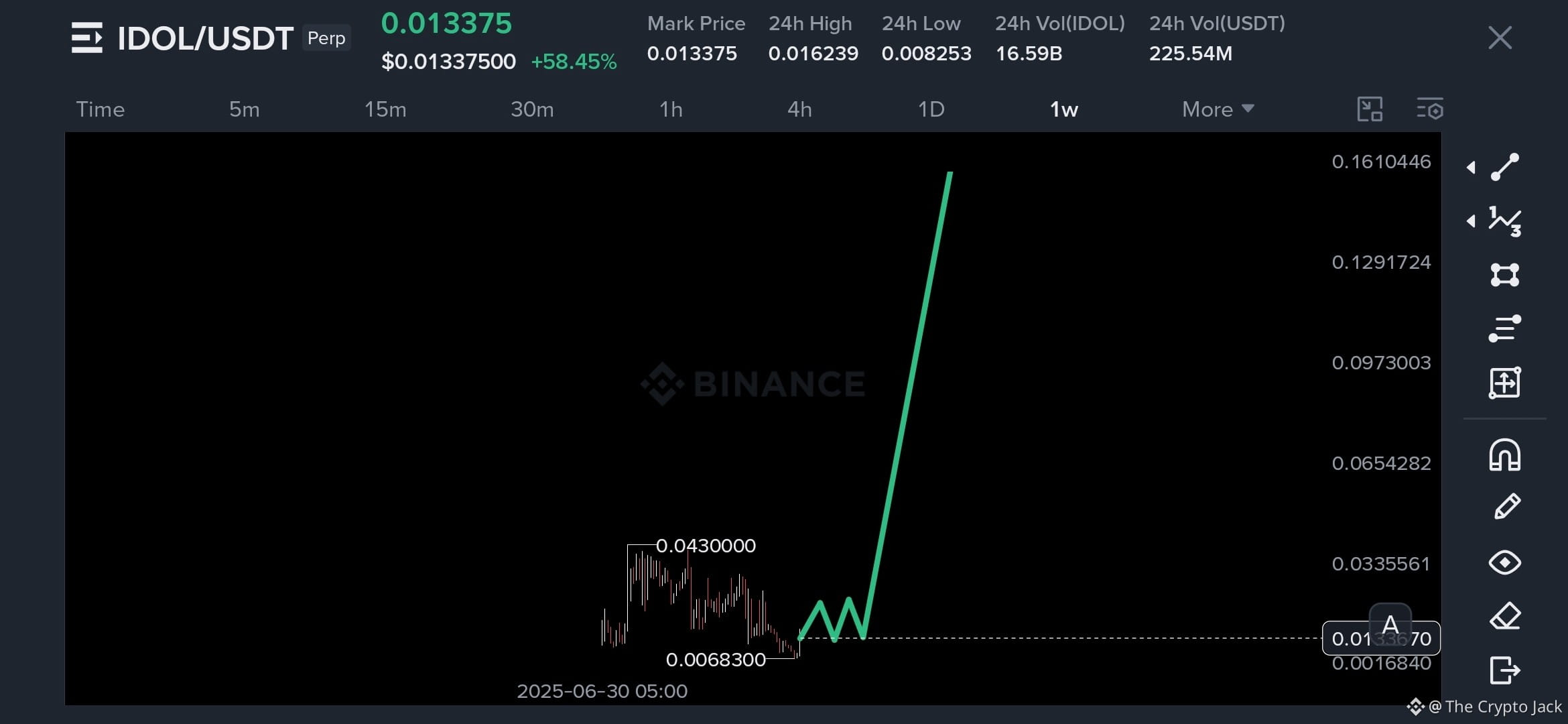
$IDOL Trust me or not,
IDOL is the next $BTW or $IRYS
Fade at your own Risk.
Expecting same big moves on it as we have seen in the past.
Same AI narrative. Potential risk to reward is very high.
Will see how it goes.
$IDOL Trust me or not,
IDOL is the next $BTW or $IRYS
Fade at your own Risk.
Expecting same big moves on it as we have seen in the past.
Same AI narrative. Potential risk to reward is very high.
Will see how it goes.
IDOL is the next $BTW or $IRYS
Fade at your own Risk.
Expecting same big moves on it as we have seen in the past.
Same AI narrative. Potential risk to reward is very high.
Will see how it goes.
4
1
1
3.2k
·
--
Bearish
See translation
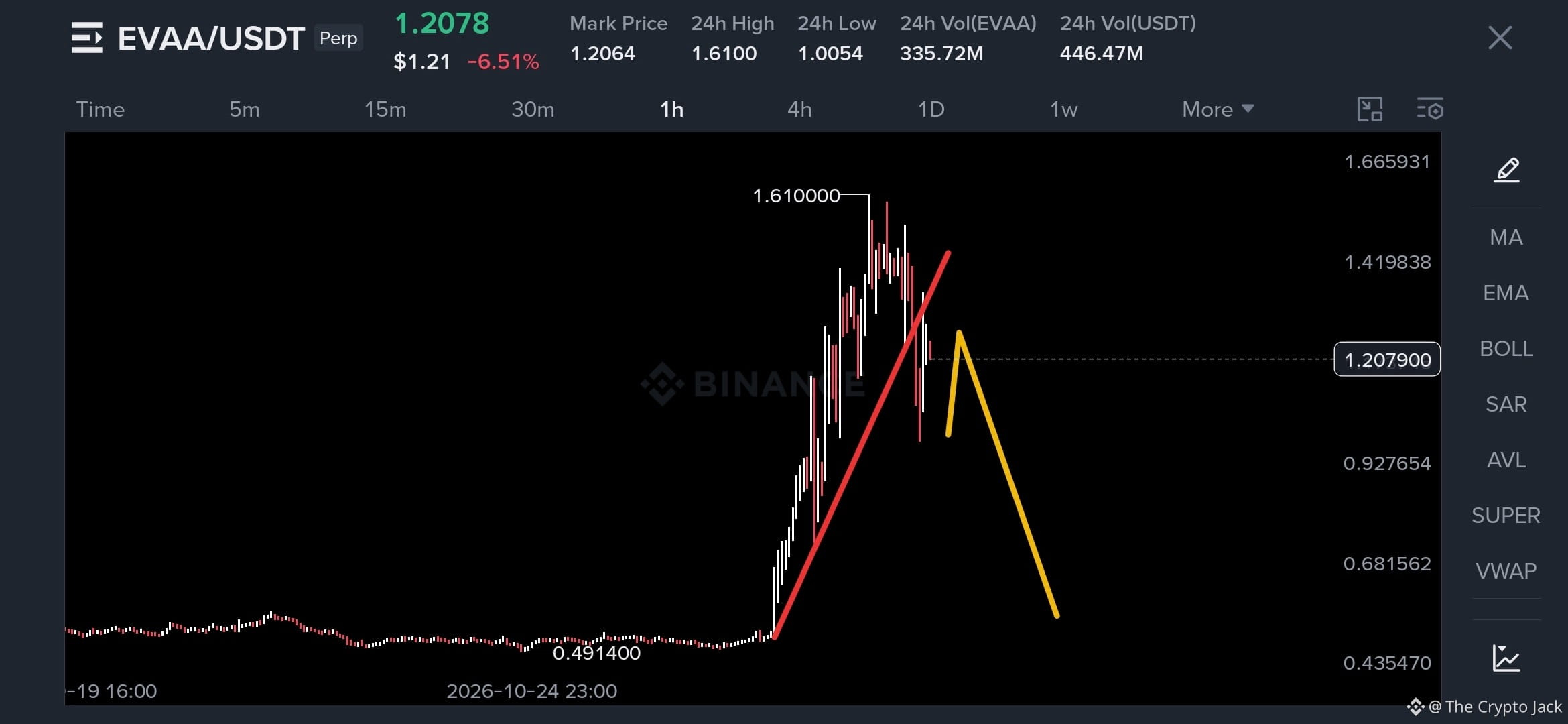
$EVAA Best OPPORTUNITY To Short Here.
After a quick pump, price looks exhausted and the 4H trend has broken and Retested now.
Best 100x SHORTS If you want quick money.
...
.
.
.
.
.
.
$INIT $BTW
$EVAA Best OPPORTUNITY To Short Here.
After a quick pump, price looks exhausted and the 4H trend has broken and Retested now.
Best 100x SHORTS If you want quick money.
...
.
.
.
.
.
.
$INIT $BTW
After a quick pump, price looks exhausted and the 4H trend has broken and Retested now.
Best 100x SHORTS If you want quick money.
...
.
.
.
.
.
.
$INIT $BTW
5
1
3
2.9k
·
--
Bullish
See translation
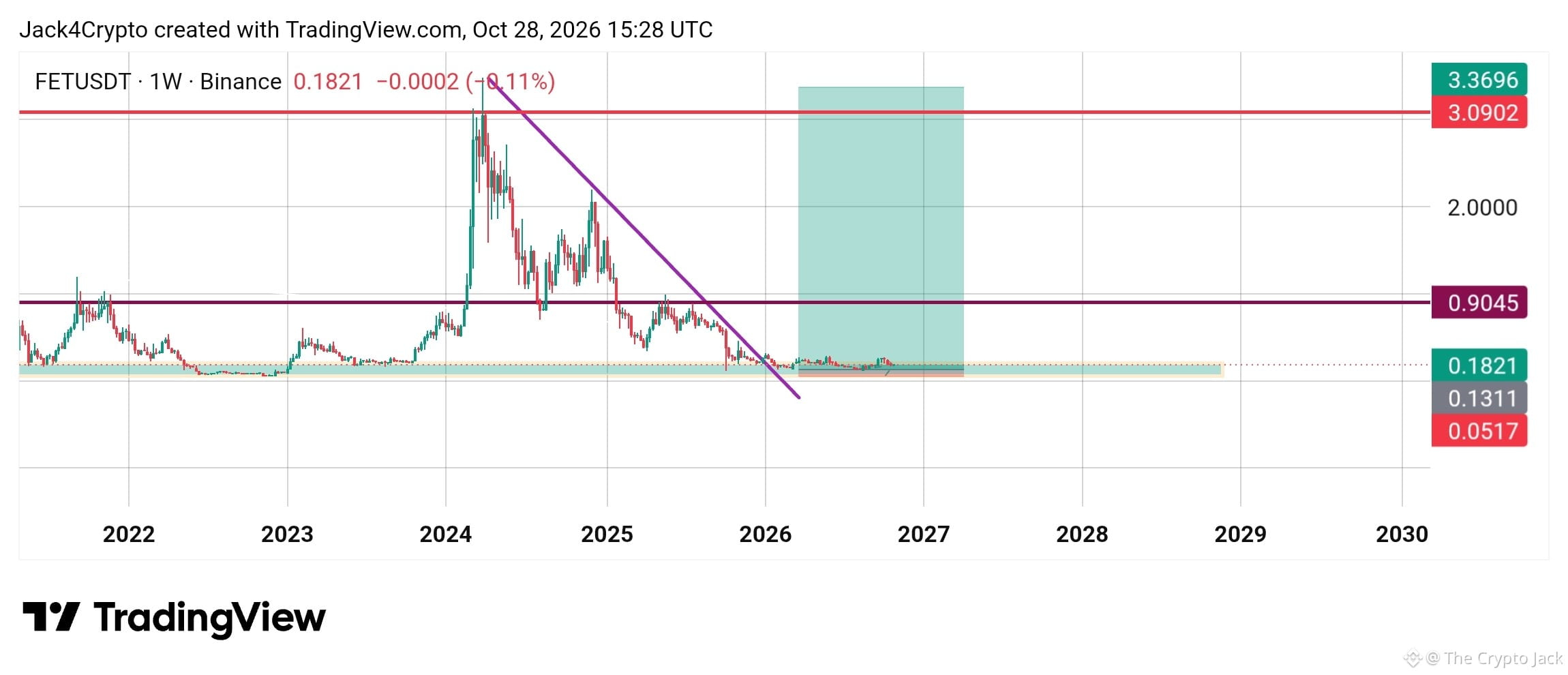
$FET TO $3 BY MID-2027. MARK MY WORDS.
Everyone wants to buy AI coins after they have already pumped. I'm more interested in the ones that have been beaten down, forgotten, and left for dead.
Look at FET.
After its massive 2024 rally, the price has been bleeding for months. But what if this is the accumulation phase before the next big AI run?
I'm keeping my eyes on this one for three reasons.
First, AI agents could become one of the biggest narratives in crypto. We are moving beyond simple chatbots toward AI agents that can perform tasks, interact with applications, and operate with greater independence.
Second, Fetch.ai is actually building in this space. Through the ASI Alliance, it is part of a broader push toward decentralized AI, autonomous agents, and AI infrastructure. If this sector takes off, FET has a story that could attract serious attention.
Third, never underestimate what happens when an old market favorite returns to the spotlight. FET has already traded above $3 in the previous cycle. If the AI narrative comes back hard and the project delivers, a strong recovery is not out of the question.
Now look at the opportunity.
Current price on my chart: $0.1821.
My target: $3 by mid-2027.
That's roughly a 16.5X from here.
Yes, it's an aggressive target. But crypto has shown us time and again that the biggest moves often come when nobody wants to touch an asset.
Imagine ignoring AI agents today and chasing them after the entire market starts talking about them again.
$3 by mid 2027.
$EVAA $XAN
5
5
3.8k
·
--
Bullish
See translation
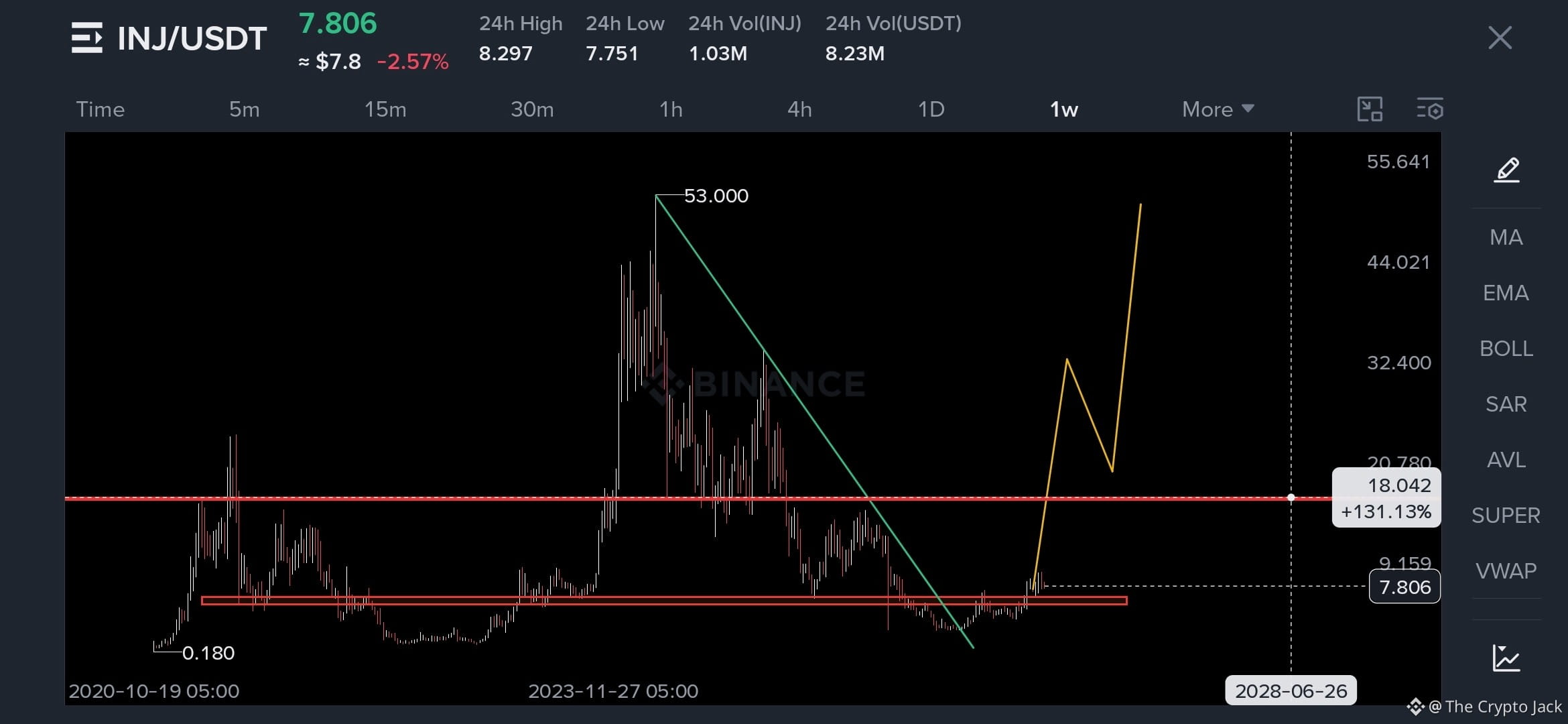
$INJ I FOCUS more on MACRO TARGETS instead of Short term moves.
INJ is programmed to be above $15+ in mid term targets.
I accumulate and accumulate at lows and distribute at my targets.
You have the best opportunity to copy me.
.
.
.
.
.
.
.
.
.
$EVAA $APR
$INJ I FOCUS more on MACRO TARGETS instead of Short term moves.
INJ is programmed to be above $15+ in mid term targets.
I accumulate and accumulate at lows and distribute at my targets.
You have the best opportunity to copy me.
.
.
.
.
.
.
.
.
.
$EVAA $APR
INJ is programmed to be above $15+ in mid term targets.
I accumulate and accumulate at lows and distribute at my targets.
You have the best opportunity to copy me.
.
.
.
.
.
.
.
.
.
$EVAA $APR
3
4
2.5k
·
--
Bullish
See translation
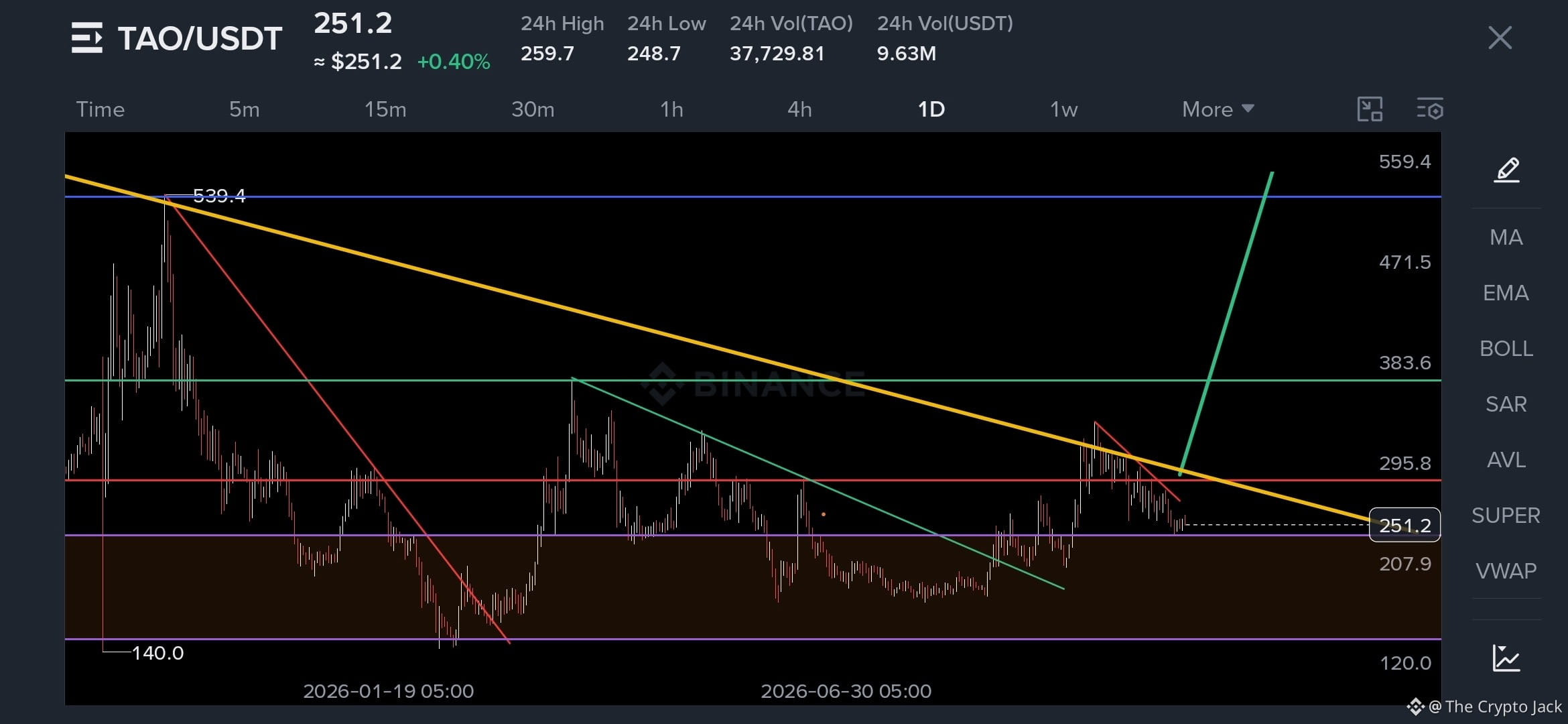
$TAO Best time to accumulate.
Journey to $1200 Will start at any moment any day.
You wont see these prices again on TAO.
Choice is easy here.
.
.
.
.
.
.
$EVAA $APR
$TAO Best time to accumulate.
Journey to $1200 Will start at any moment any day.
You wont see these prices again on TAO.
Choice is easy here.
.
.
.
.
.
.
$EVAA $APR
Journey to $1200 Will start at any moment any day.
You wont see these prices again on TAO.
Choice is easy here.
.
.
.
.
.
.
$EVAA $APR
4
4
4.2k
·
--
Bullish
See translation
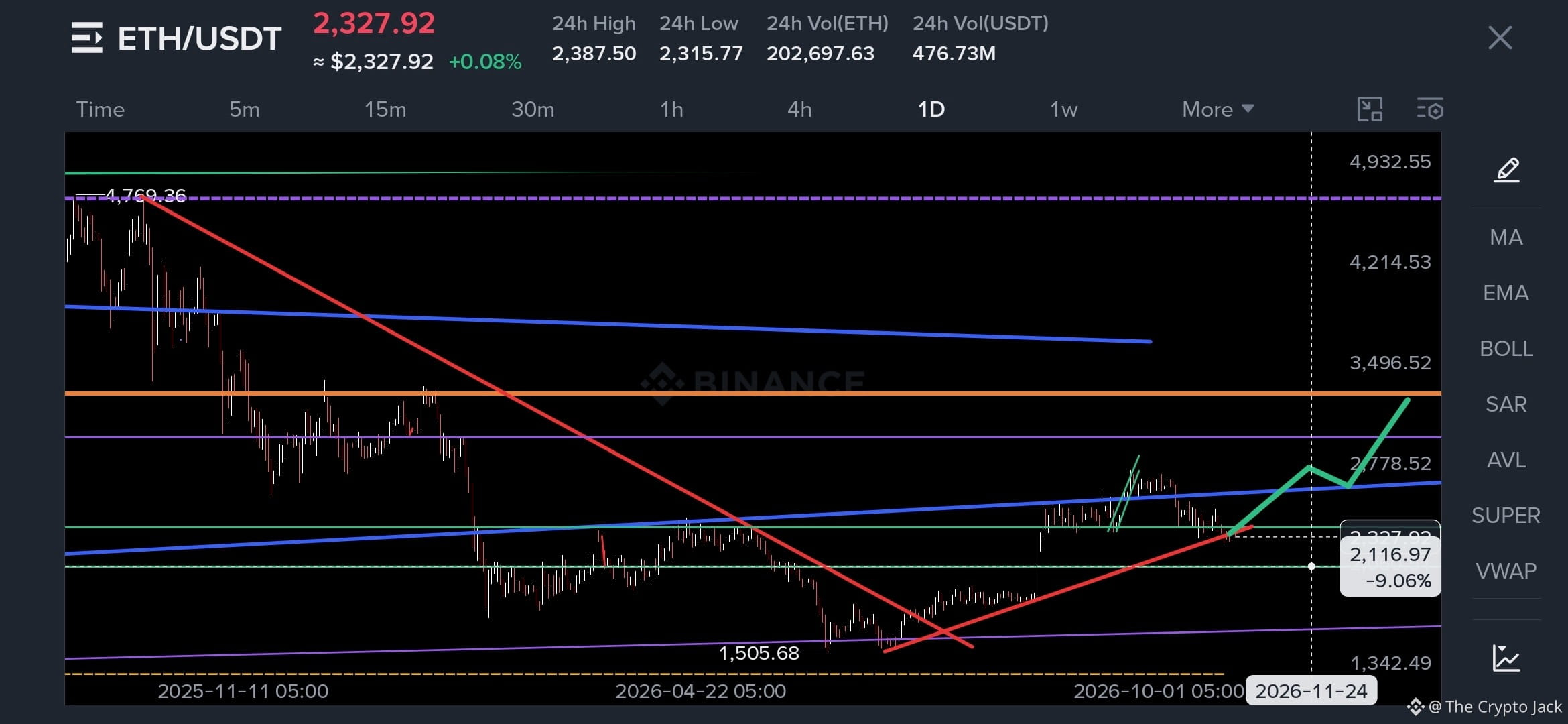
$ETH below $2350 till $2116 You have a GOLDEN OPPORTUNITY to buy as much as you can.
TIME IS FLYING AND THE LIFE CHANGING OPPORTUNITY IS FADING.
$3k CANDLE COMING ANY DAY.
AND ETH MACRO TARGET IS ABOVE $6k.
IMAGINE FADING IT.
.
.
.
$EVAA $AIN
$ETH below $2350 till $2116 You have a GOLDEN OPPORTUNITY to buy as much as you can.
TIME IS FLYING AND THE LIFE CHANGING OPPORTUNITY IS FADING.
$3k CANDLE COMING ANY DAY.
AND ETH MACRO TARGET IS ABOVE $6k.
IMAGINE FADING IT.
.
.
.
$EVAA $AIN
TIME IS FLYING AND THE LIFE CHANGING OPPORTUNITY IS FADING.
$3k CANDLE COMING ANY DAY.
AND ETH MACRO TARGET IS ABOVE $6k.
IMAGINE FADING IT.
.
.
.
$EVAA $AIN
2
4
3.2k
Article
See translation
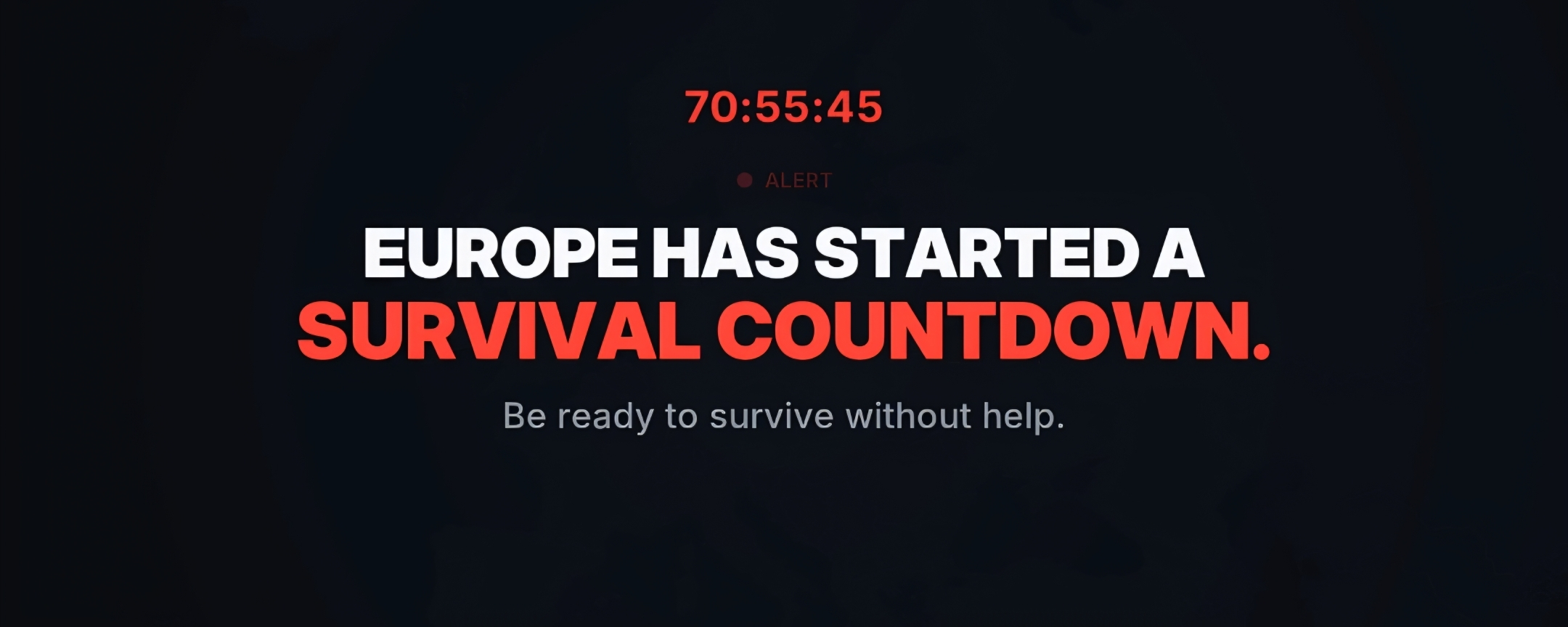
Alert! Something dangerous is coming. Be safe 🚨Europe has started a SURVIVAL COUNTDOWN.
Governments are now ordering citizens to STOCKPILE and prepare to survive without their help.
Water. Food. First-aid kits. Cash. Powerbanks. Radios.
Here’s how long each country wants YOU to last on your own:
UK: 3 days
Germany: up to 10 days
Sweden: 7 days
Norway: 7 days
Estonia: 7 days
Switzerland: 7 days
Taiwan: 7 days
Ireland: 3 days
Poland: 3 days
Denmark: 3 days
France: 72 hours
Belgium: 72 hours
Netherlands: 72 hours
Finland: 72 hours
Latvia: 72 hours
Lithuania: 72 hours
EU: 72 hours
They weren’t all issued at once. Some date back years.
And the reasons sound ordinary: storms, blackouts, supply disruptions, cyberattacks.
But if the reasons are so ordinary, why is everyone preparing at once?
There isn’t one shared timetable. But recent events show why these warnings are getting attention.
- Websites worldwide were taken offline as hackers made MILLIONS of attempts to exploit security flaws.
- In the UK, 3 of its 4 nuclear-armed submarines went to sea at once, the first time in 7 years.
- At their home base where Britain’s nuclear subs are stationed, ballistic shelters are now being built.
- The same day, the UK warned that the “risk of sudden escalation is high” across 15 countries.
- In the US, the Pentagon ordered major bases ready to run for 90 days without outside support.
- In the Middle East, Americans have started being pulled out as Iranian plots to kill have reached “advanced stages.”
- US officials say forces are ready to strike Iran within 96 hours of Trump's order.
- US intelligence warned Iran and the Houthis are ready to retaliate, potentially beyond the region.
- Iran is preparing for a possible ground operation inside its own territory.
- In Moscow, Iran’s FM says Russia and Iran have “never” worked so closely.
- In Israel, Netanyahu held up a map of Middle East alliances that placed Russia as "Iran-friendly".
- In Beijing, China announced it’s sending special envoys to the region to stop things from getting worse.
- Saudi, Turkish and Pakistani officials flew to Tehran for emergency de-escalation talks.
Each of these on its own could be explained.
Now look at the 2 leaders who started this war.
Netanyahu faced his first election since the Iran war began. Counting continues with no clear winner yet.
If Netanyahu wins, Trump’s endorsed ally stays in power.
If he loses, rival Eisenkot also backs attacking Iran to destroy its nuclear capability.
Either way, further strikes remain on the table.
In the US, midterms are in 6 days.
Trump says the results will have “no impact” on his Iran decisions.
Even if Democrats win Congress, the new lawmakers take office in January.
That leaves a 2-month window, right when officials say the strikes are most likely to come.
Strikes that Iran has promised to answer.
So what is coming?
No confirmed answer. Just instructions to prepare.
$EVAA $APR $BTW
Alert! Something dangerous is coming. Be safe 🚨
Europe has started a SURVIVAL COUNTDOWN.
Governments are now ordering citizens to STOCKPILE and prepare to survive without their help.
Water. Food. First-aid kits. Cash. Powerbanks. Radios.
Here’s how long each country wants YOU to last on your own:
UK: 3 days
Germany: up to 10 days
Sweden: 7 days
Norway: 7 days
Estonia: 7 days
Switzerland: 7 days
Taiwan: 7 days
Ireland: 3 days
Poland: 3 days
Denmark: 3 days
France: 72 hours
Belgium: 72 hours
Netherlands: 72 hours
Finland: 72 hours
Latvia: 72 hours
Lithuania: 72 hours
EU: 72 hours
They weren’t all issued at once. Some date back years.
And the reasons sound ordinary: storms, blackouts, supply disruptions, cyberattacks.
But if the reasons are so ordinary, why is everyone preparing at once?
There isn’t one shared timetable. But recent events show why these warnings are getting attention.
- Websites worldwide were taken offline as hackers made MILLIONS of attempts to exploit security flaws.
- In the UK, 3 of its 4 nuclear-armed submarines went to sea at once, the first time in 7 years.
- At their home base where Britain’s nuclear subs are stationed, ballistic shelters are now being built.
- The same day, the UK warned that the “risk of sudden escalation is high” across 15 countries.
- In the US, the Pentagon ordered major bases ready to run for 90 days without outside support.
- In the Middle East, Americans have started being pulled out as Iranian plots to kill have reached “advanced stages.”
- US officials say forces are ready to strike Iran within 96 hours of Trump's order.
- US intelligence warned Iran and the Houthis are ready to retaliate, potentially beyond the region.
- Iran is preparing for a possible ground operation inside its own territory.
- In Moscow, Iran’s FM says Russia and Iran have “never” worked so closely.
- In Israel, Netanyahu held up a map of Middle East alliances that placed Russia as "Iran-friendly".
- In Beijing, China announced it’s sending special envoys to the region to stop things from getting worse.
- Saudi, Turkish and Pakistani officials flew to Tehran for emergency de-escalation talks.
Each of these on its own could be explained.
Now look at the 2 leaders who started this war.
Netanyahu faced his first election since the Iran war began. Counting continues with no clear winner yet.
If Netanyahu wins, Trump’s endorsed ally stays in power.
If he loses, rival Eisenkot also backs attacking Iran to destroy its nuclear capability.
Either way, further strikes remain on the table.
In the US, midterms are in 6 days.
Trump says the results will have “no impact” on his Iran decisions.
Even if Democrats win Congress, the new lawmakers take office in January.
That leaves a 2-month window, right when officials say the strikes are most likely to come.
Strikes that Iran has promised to answer.
So what is coming?
No confirmed answer. Just instructions to prepare.
$EVAA $APR $BTW
4
11
18.2k
Log in to explore more content
Join global crypto users on Binance Square
⚡️ Get latest and useful information about crypto.
💬 Trusted by the world’s largest crypto exchange.
👍 Discover real insights from verified creators.
Email / Phone number