

CryptoMind学道
4.3k Posts

CryptoMind学道
Report
Block User
交易员 | Reading Liquidity, Flow & Structure | Spot • Futures • New Listings | BTC ETH BNB & Momentum Alts | Risk First
High-Frequency Trader
2.8 Years
8 Following
809 Followers
2.8K+ Liked
Posts
All
Quotes
Live
·
--
See translation
⚡ TOP 3 TODAY’S BREAKOUT SURGES — WHO IS ACTUALLY GOING PARABOLIC? 🙄 💫
🥇 $ESPORTS — $0.01129 | Target $0.01268 🚀
🥈 $MAGMA — $0.44864 | Target $0.48400 🔥
🥉 $POWR — $0.06641 | Target $0.07000 📈
⚠️ Volume is exploding and these charts are getting vertical, but they are all grinding right into heavy local resistance. The key question isn't just "who holds the pump?" — it's "who gets left holding the bags when the first wave of profit-taking hits?"
Could POWR break above $0.0700, or is a swift rejection coming? 👀
Which one pumps hardest tomorrow? 📈
$ESPORTS
$MAGMA
$POWR
19 hr(s) left
2.1k
·
--

Article
See translation
They're celebrating the flow. Price is telling another story...The crowd sees $199 million pour into Solana spot funds in a single week and calls it validation. They read the headlines about institutional adoption and assume the price must follow.
That assumption is the comfort. It's the story repeated across every feed that needs the crowd to stay calm.
The reality is more nuanced. SOL is trading near $186, down roughly eight percent despite the strongest ETF debut the asset has ever seen. The funds absorbed the supply. The price still fell.
This is the divergence that matters. Institutional demand is real. It's just not the same thing as price strength.
Look at the flows inside the flow. Bitwise's fund drew $197 million while another provider saw a fraction of that. The demand is concentrated, not broad.
At the same time, over $425 million in tokens moved across wallets in thirty minutes, with part of that flowing toward Coinbase. That isn't accumulation. It's repositioning.
The crowd is watching the headline number. The insiders are watching who is moving what, and where.
I'm watching $BTC at the $110,000 line. It's holding above it after the Fed's quarter-point cut, but the tape feels heavy. A sustained move below $108,000 opens the path toward $106,000, where the next layer of borrowed conviction sits. A reclaim above $111,500 tells you the caution is fading.
{future}(BTCUSDT)
$SOL is the center of this story. The $180 line is the boundary between a controlled reset and a deeper slide. If it holds, the ETF narrative survives. If it fails on a daily close, the $170 to $175 zone becomes the next place where the structure either stabilizes or gives way.
{future}(SOLUSDT)
$XRP is the third fracture. It's near $2.50, waiting on an ETF decision expected mid-November. The $2.43 line is the last anchor. If it holds, the approval narrative keeps its bid. If it breaks, $2.30 comes into view, and below that $2.15 becomes the conversation.
{future}(XRPUSDT)
The flows will keep coming. The headlines will keep printing. None of it changes the simple fact that price and narrative are not the same thing.
The only question that matters now is whether you're watching the flow, or the price that flow was supposed to move.
They're celebrating the flow. Price is telling another story...
The crowd sees $199 million pour into Solana spot funds in a single week and calls it validation. They read the headlines about institutional adoption and assume the price must follow.
That assumption is the comfort. It's the story repeated across every feed that needs the crowd to stay calm.
The reality is more nuanced. SOL is trading near $186, down roughly eight percent despite the strongest ETF debut the asset has ever seen. The funds absorbed the supply. The price still fell.
This is the divergence that matters. Institutional demand is real. It's just not the same thing as price strength.
Look at the flows inside the flow. Bitwise's fund drew $197 million while another provider saw a fraction of that. The demand is concentrated, not broad.
At the same time, over $425 million in tokens moved across wallets in thirty minutes, with part of that flowing toward Coinbase. That isn't accumulation. It's repositioning.
The crowd is watching the headline number. The insiders are watching who is moving what, and where.
I'm watching $BTC at the $110,000 line. It's holding above it after the Fed's quarter-point cut, but the tape feels heavy. A sustained move below $108,000 opens the path toward $106,000, where the next layer of borrowed conviction sits. A reclaim above $111,500 tells you the caution is fading.
$SOL is the center of this story. The $180 line is the boundary between a controlled reset and a deeper slide. If it holds, the ETF narrative survives. If it fails on a daily close, the $170 to $175 zone becomes the next place where the structure either stabilizes or gives way.
$XRP is the third fracture. It's near $2.50, waiting on an ETF decision expected mid-November. The $2.43 line is the last anchor. If it holds, the approval narrative keeps its bid. If it breaks, $2.30 comes into view, and below that $2.15 becomes the conversation.
The flows will keep coming. The headlines will keep printing. None of it changes the simple fact that price and narrative are not the same thing.
The only question that matters now is whether you're watching the flow, or the price that flow was supposed to move.
132
·
--
See translation
Everyone was panicking about the $6.3B hack, but they missed the real reason why your funds didn't vanish overnight... 🤯
While the crowd was fear-selling, the ultimate safety net quietly activated. 🛡️
Enter SAFU (Secure Asset Fund for Users.
Most people think it's just a buzzword. It's not It’s a massive emergency war chest funded by trading fees since 2018. And the craziest part? It’s not even sitting in Binance's hot wallets. It’s held by a regulated custodian in Abu Dhabi.
When the exploit hit, this is exactly what kicked in Binance didn't just say trust us. They deployed SAFU, the Futures Insurance Fund, and their own corporate treasury to backfill 90% of the stolen assets instantly.
They are now refilling SAFU back to $1 Billion so the shield stays strong.
This is what separates a bulletproof exchange from a house of cards. Security isn't just about 2FA; it's about having a massive reserve ready to deploy when the worst happens.
Do you check an exchange's reserve funds before parking your crypto, or do you just chase the yields?
#BinanceSAFUFundTransferCompleted7499BTC #CZSaysCompensationIsinPlaceUsersAreProtected #YiHe:ProofOfReserves:10TokensAt100%Backing

470
·
--
Bearish
See translation
Guys Drawing a massive red arrow on a chart and calling the top makes you feel like a trading god. Until the market humbles you in seconds... 📉
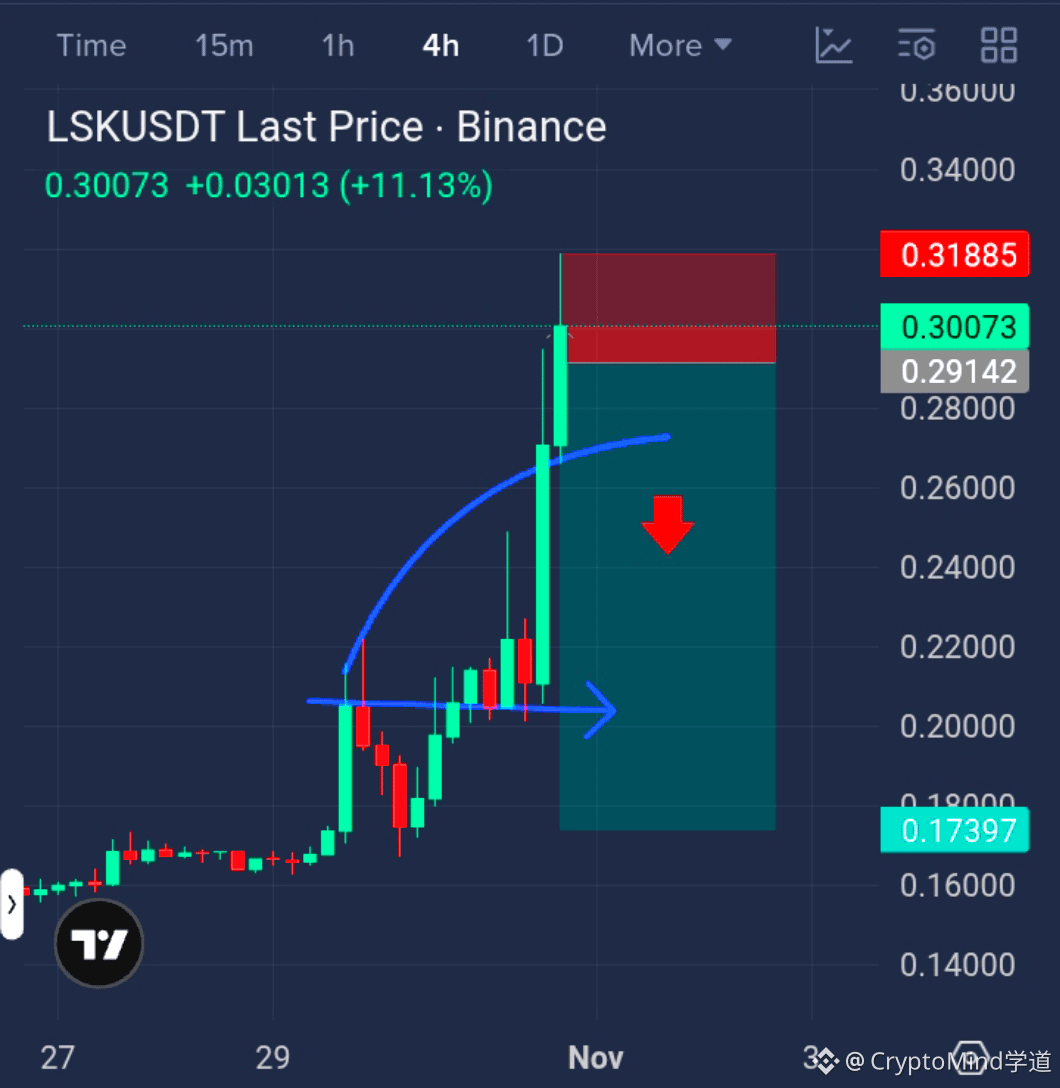
Look at this $LSK chart. It just sent a parabolic +50% pump, hit resistance, and got a nasty rejection wick. Your brain sees that and screams, "Perfect short setup! It's going to zero!" So you slam the short button.
But shorting a violently strong trend before the structure actually breaks is how you get liquidated.
The problem? You're trying to predict the exact top. The market doesn't care about your drawn arrows. One random green candle could squeeze you out of your position right before the actual dump happens.
The real alpha? Wait for confirmation.
Don't short the first red candle. Let $LSK print a clear lower high and break its local support level. If the trend is genuinely dead, the chart will prove it to you. Give it time to show its hand.
By waiting for a structural break, you stop getting chopped up by volatility. You get a safer entry, a tighter stop-loss, and you avoid becoming the exit liquidity for the whales who are actually controlling the price.
Are you the type to short the very first wick, or do you wait for the structure to completely break down?
Drop your strategy below. 👇
{future}(LSKUSDT)
Guys Drawing a massive red arrow on a chart and calling the top makes you feel like a trading god. Until the market humbles you in seconds... 📉
Look at this $LSK chart. It just sent a parabolic +50% pump, hit resistance, and got a nasty rejection wick. Your brain sees that and screams, "Perfect short setup! It's going to zero!" So you slam the short button.
But shorting a violently strong trend before the structure actually breaks is how you get liquidated.
The problem? You're trying to predict the exact top. The market doesn't care about your drawn arrows. One random green candle could squeeze you out of your position right before the actual dump happens.
The real alpha? Wait for confirmation.
Don't short the first red candle. Let $LSK print a clear lower high and break its local support level. If the trend is genuinely dead, the chart will prove it to you. Give it time to show its hand.
By waiting for a structural break, you stop getting chopped up by volatility. You get a safer entry, a tighter stop-loss, and you avoid becoming the exit liquidity for the whales who are actually controlling the price.
Are you the type to short the very first wick, or do you wait for the structure to completely break down?
Drop your strategy below. 👇
2
352
·
--
Bearish
See translation
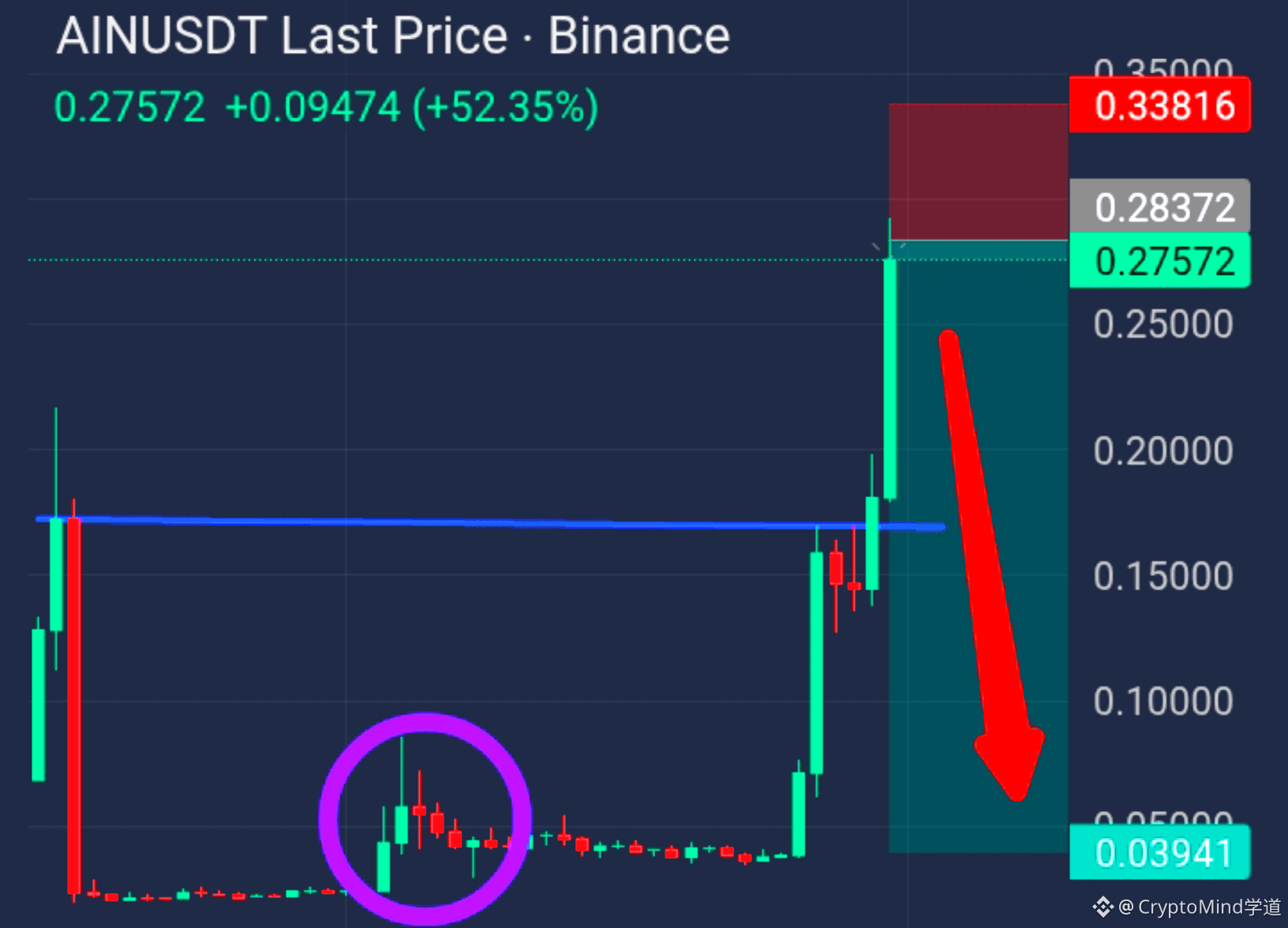
Listen everything this $AIN vertical candle is pure exit liquidity... 😘
this is a SHORT setup. Look at the daily chart—a 64% parabolic pump with zero structural support underneath. Retail is blindly FOMOing into this green candle, handing early whales a perfect exit. Once the buying pressure stalls, gravity is going to drag this straight back to the base.
Entry: 0.2750 - 0.2850
TP1: 0.1500
TP2: 0.0500
Stop Loss: 0.3380
I won't short a green candle blindly; I need a 1H break of structure to confirm the momentum shift. If we reclaim 0.33, the setup is dead.
Are you fading this massive $AIN pump or trying to catch the falling knife later? Follow for elite setups.
{future}(AINUSDT)
Listen everything this $AIN vertical candle is pure exit liquidity... 😘
this is a SHORT setup. Look at the daily chart—a 64% parabolic pump with zero structural support underneath. Retail is blindly FOMOing into this green candle, handing early whales a perfect exit. Once the buying pressure stalls, gravity is going to drag this straight back to the base.
Entry: 0.2750 - 0.2850
TP1: 0.1500
TP2: 0.0500
Stop Loss: 0.3380
I won't short a green candle blindly; I need a 1H break of structure to confirm the momentum shift. If we reclaim 0.33, the setup is dead.
Are you fading this massive $AIN pump or trying to catch the falling knife later? Follow for elite setups.
305
·
--
See translation
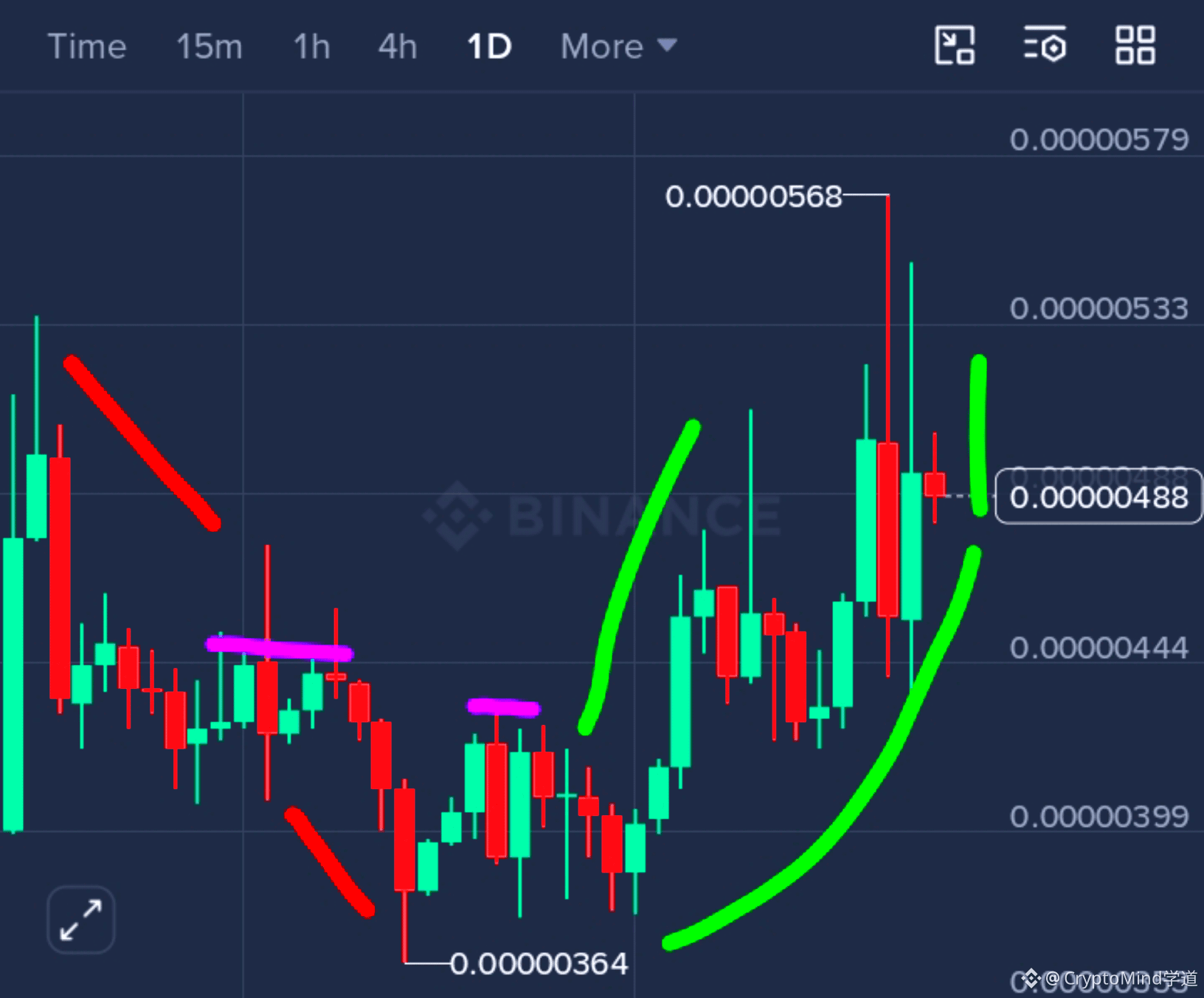
I always buy these things way too early... 🐸
the rejection from 0.00000568 was ugly. But the volume on this pullback is completely dry. I held dead meme bags before and it stung, so I'm not going all in.
Scaling into $PEPE near 0.00000480 and 0.00000440 First target 0.00000520, second 0.00000560 Getting out if we lose 0.00000400
Patience is the only edge you have.
Are you buying this dip or waiting for the trend to flip?
{spot}(PEPEUSDT)
I always buy these things way too early... 🐸
the rejection from 0.00000568 was ugly. But the volume on this pullback is completely dry. I held dead meme bags before and it stung, so I'm not going all in.
Scaling into $PEPE near 0.00000480 and 0.00000440 First target 0.00000520, second 0.00000560 Getting out if we lose 0.00000400
Patience is the only edge you have.
Are you buying this dip or waiting for the trend to flip?
189
·
--
Article
See translation
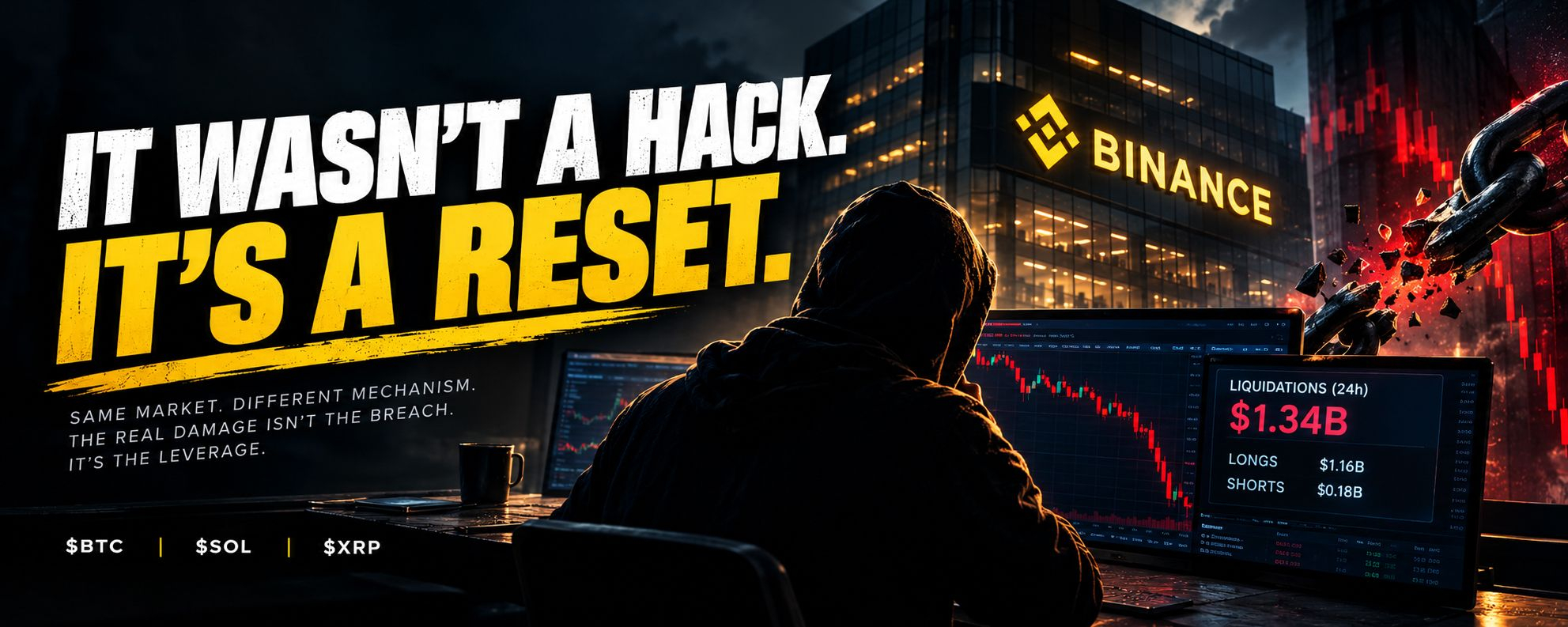
They called it a hack. It's a reset...the crowd believes a single breach broke the market. They see the headlines about Binance and assume the damage is contained, that the exchange's reserve fund will absorb the blow and the tape will snap back by Monday.
That belief is the comfort. It's the story repeated across every feed, the one that lets people keep their positions open and their eyes fixed on the next catalyst.
The reality is colder. The incident was the spark, not the fire. The structure underneath was already leaning.
Over $1.34 billion in leveraged positions were forcibly closed in twenty-four hours, and $1.16 billion of that came from people positioned for higher prices. That isn't panic. It's a mechanical unwind that was waiting for a reason.
Bitcoin fell below $77,000 before finding a temporary floor. The move wasn't driven by stolen coins. It was driven by borrowed conviction stacked too high on a single narrative and a single venue.
The exchange says deposits are processing and withdrawals remain paused while security checks run. That distinction matters. When people can't move their coins, they move their risk instead.
The insiders aren't reading the post-mortem. They're watching the field clear. The forced exits you saw weren't conviction leaving the market. They were borrowed conviction being removed from the system.
I'm watching $BTC at the $77,000 line. It's not a number. It's the boundary between a contained reset and a deeper slide. A reclaim above $80,000 that holds for more than a session tells you the forced selling is exhausted. A failure below $76,000 opens the path toward $74,000, where the next layer of borrowed positions waits.
{future}(BTCUSDT)
$SOL is the second fracture. It broke below $100 and slid faster than Bitcoin, not because it was involved, but because its books are thinner and its pairs are leveraged. The $77 to $78 zone is the current floor being tested. If it holds, the $85 to $90 ceiling comes back into view. If it fails, the $73 to $76 region is the next place where the structure either stabilizes or gives way.
{future}(SOLUSDT)
$XRP is the third. It's trading near $1.29, below every major moving average, while large wallets hold the highest share of supply since late 2022. That looks like confidence to the crowd. It isn't a promise. The line that defines the trend is $1.24. If it holds, a double-bottom narrative gains credibility. If it fails, $1.17 and then $1.04 come into the conversation.
{future}(XRPUSDT)
The incident will be resolved. Withdrawals will reopen. The full report will be published. None of it changes the mechanism that already started moving.
The only question that matters now is whether you're still standing in the path of that mechanism, waiting for a rescue that was never part of the structure.
They called it a hack. It's a reset...
the crowd believes a single breach broke the market. They see the headlines about Binance and assume the damage is contained, that the exchange's reserve fund will absorb the blow and the tape will snap back by Monday.
That belief is the comfort. It's the story repeated across every feed, the one that lets people keep their positions open and their eyes fixed on the next catalyst.
The reality is colder. The incident was the spark, not the fire. The structure underneath was already leaning.
Over $1.34 billion in leveraged positions were forcibly closed in twenty-four hours, and $1.16 billion of that came from people positioned for higher prices. That isn't panic. It's a mechanical unwind that was waiting for a reason.
Bitcoin fell below $77,000 before finding a temporary floor. The move wasn't driven by stolen coins. It was driven by borrowed conviction stacked too high on a single narrative and a single venue.
The exchange says deposits are processing and withdrawals remain paused while security checks run. That distinction matters. When people can't move their coins, they move their risk instead.
The insiders aren't reading the post-mortem. They're watching the field clear. The forced exits you saw weren't conviction leaving the market. They were borrowed conviction being removed from the system.
I'm watching $BTC at the $77,000 line. It's not a number. It's the boundary between a contained reset and a deeper slide. A reclaim above $80,000 that holds for more than a session tells you the forced selling is exhausted. A failure below $76,000 opens the path toward $74,000, where the next layer of borrowed positions waits.
$SOL is the second fracture. It broke below $100 and slid faster than Bitcoin, not because it was involved, but because its books are thinner and its pairs are leveraged. The $77 to $78 zone is the current floor being tested. If it holds, the $85 to $90 ceiling comes back into view. If it fails, the $73 to $76 region is the next place where the structure either stabilizes or gives way.
$XRP is the third. It's trading near $1.29, below every major moving average, while large wallets hold the highest share of supply since late 2022. That looks like confidence to the crowd. It isn't a promise. The line that defines the trend is $1.24. If it holds, a double-bottom narrative gains credibility. If it fails, $1.17 and then $1.04 come into the conversation.
The incident will be resolved. Withdrawals will reopen. The full report will be published. None of it changes the mechanism that already started moving.
The only question that matters now is whether you're still standing in the path of that mechanism, waiting for a rescue that was never part of the structure.
1
167
·
--
Article
See translation
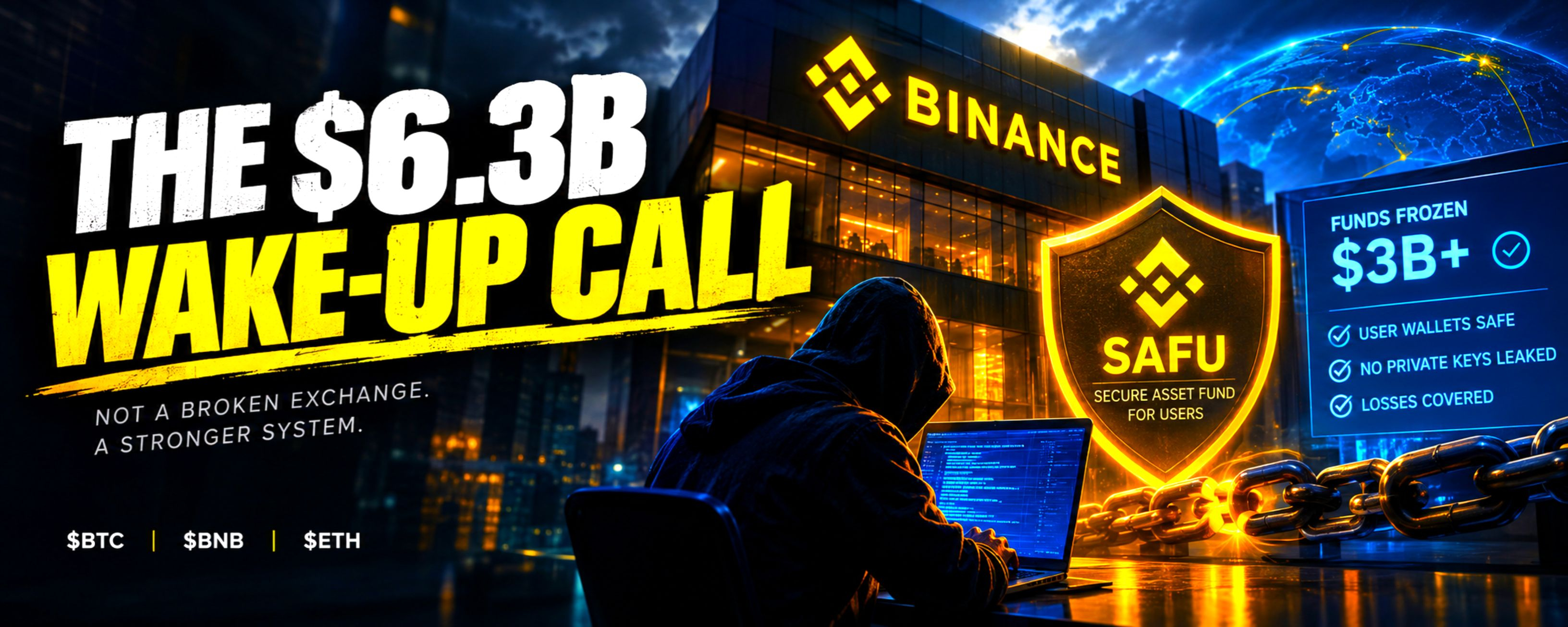
The $6.3 Billion Wake-Up Call: What the Binance Exploit Actually Teaches Us 🚨If you woke up to the news of a $6.3 billion security incident at Binance, you probably felt that familiar knot in your stomach. The immediate instinct for most traders is to panic, assume the worst, and start moving funds.
But if you take a step back and look at the actual mechanics of what just happened, the story is completely different. This isn't a tale of a broken exchange; it's a masterclass in crisis management and why liquidity infrastructure matters.
Let’s break down the facts without the FUD
The Anatomy of the Attack
This wasn't a smart contract exploit or a compromised private key. Binance’s initial investigation traced the root cause to a compromised DevOps engineer’s laptop. The attacker used this entry point to access a service container and initiate unauthorized withdrawals.
It’s a chilling reminder of how sophisticated hackers have become. They aren't just attacking the blockchain anymore; they are attacking the humans who build the infrastructure.
The $3 Billion Counter-Punch
Here is where the script flips. The estimated impact was $6.3 billion. However, Binance immediately coordinated with blockchain intelligence partners and successfully froze over $3 billion on-chain.
Think about that for a second. Half of the stolen funds were locked down before the hacker could even move them. This level of rapid response is only possible when an exchange has deep ties with global law enforcement and on-chain analysts.
The SAFU Fund: The Ultimate Safety Net
The biggest fear in crypto is losing your funds to a hack. But Binance confirmed two massive things:
1. No private keys were leaked. User wallets are safe.
2. Binance will cover all remaining losses using the SAFU fund and company funds.
This is why the SAFU (Secure Asset Fund for Users) exists. When the worst-case scenario happens, the exchange's balance sheet takes the hit so yours doesn't.
What This Means For Your Strategy
Yes, withdrawals are temporarily paused as a strict security measure, and deposits are functioning normally. The team is working around the clock, and a Proof of Reserves update will follow.
The real lesson here isn't to panic-sell. The lesson is about counterparty risk. In a world where hackers target centralized vulnerabilities, having your assets on an exchange with a massive safety net is a calculated risk.
The market might shake, and $BNB might see some short-term volatility, but the structural integrity of the platform remains intact.
The crypto space is a constant game of cat and mouse. The hackers will always try, but the real test is how the defenders respond. This time, the defenders won.
What are you doing today? Are you moving your funds to a cold wallet out of caution, or are you buying this panic dip? Let me know in the comments. 👇
#$1.5BInLeveragedCryptoBetsLiquidated #CZ #BinanceNews #safu #BinanceHack2026
The $6.3 Billion Wake-Up Call: What the Binance Exploit Actually Teaches Us 🚨
If you woke up to the news of a $6.3 billion security incident at Binance, you probably felt that familiar knot in your stomach. The immediate instinct for most traders is to panic, assume the worst, and start moving funds.
But if you take a step back and look at the actual mechanics of what just happened, the story is completely different. This isn't a tale of a broken exchange; it's a masterclass in crisis management and why liquidity infrastructure matters.
Let’s break down the facts without the FUD
The Anatomy of the Attack
This wasn't a smart contract exploit or a compromised private key. Binance’s initial investigation traced the root cause to a compromised DevOps engineer’s laptop. The attacker used this entry point to access a service container and initiate unauthorized withdrawals.
It’s a chilling reminder of how sophisticated hackers have become. They aren't just attacking the blockchain anymore; they are attacking the humans who build the infrastructure.
The $3 Billion Counter-Punch
Here is where the script flips. The estimated impact was $6.3 billion. However, Binance immediately coordinated with blockchain intelligence partners and successfully froze over $3 billion on-chain.
Think about that for a second. Half of the stolen funds were locked down before the hacker could even move them. This level of rapid response is only possible when an exchange has deep ties with global law enforcement and on-chain analysts.
The SAFU Fund: The Ultimate Safety Net
The biggest fear in crypto is losing your funds to a hack. But Binance confirmed two massive things:
1. No private keys were leaked. User wallets are safe.
2. Binance will cover all remaining losses using the SAFU fund and company funds.
This is why the SAFU (Secure Asset Fund for Users) exists. When the worst-case scenario happens, the exchange's balance sheet takes the hit so yours doesn't.
What This Means For Your Strategy
Yes, withdrawals are temporarily paused as a strict security measure, and deposits are functioning normally. The team is working around the clock, and a Proof of Reserves update will follow.
The real lesson here isn't to panic-sell. The lesson is about counterparty risk. In a world where hackers target centralized vulnerabilities, having your assets on an exchange with a massive safety net is a calculated risk.
The market might shake, and $BNB might see some short-term volatility, but the structural integrity of the platform remains intact.
The crypto space is a constant game of cat and mouse. The hackers will always try, but the real test is how the defenders respond. This time, the defenders won.
What are you doing today? Are you moving your funds to a cold wallet out of caution, or are you buying this panic dip? Let me know in the comments. 👇
#$1.5BInLeveragedCryptoBetsLiquidated #CZ #BinanceNews #safu #BinanceHack2026
84
·
--
Partly True
See translation
Brent crude is quietly doing the Fed’s tightening, and the semiconductor complex is taking the collateral damage... 📝
the macro mechanism is a classic supply-side inflation shock cascading into the cost of capital. Energy prices have broken out, with Brent pressing above $113 as geopolitical supply disruptions persist. This forces the inflation narrative to reprice higher, pushing December Fed rate-hike odds back onto the table and keeping the 10-year Treasury yield anchored near the 5% threshold.
High-multiple semiconductors are the most sensitive assets to this regime. They are long-duration growth instruments, and when the discount rate stays elevated, their present value gets compressed. The AI capex cycle is now facing a funding-cost wall. The narrative of "AI return skepticism" is merely the spark; the structural fuel is the bond market refusing to ease.
$SOXL has been gutted, collapsing over 43% in October as leveraged longs capitulated. The RSI sits at 31, reflecting exhaustion but not yet a structural floor. $INTC was crushed to an RSI of 18 after a guidance shock exposed the PC-market cracks, showing how quickly idiosyncratic weakness gets amplified when the liquidity backdrop is hostile.
Meanwhile, $BZ is the only asset in this trio with pricing power, sitting at an RSI of 80 near $115. Capital is rotating from growth into energy and value.
If energy-driven inflation keeps the Fed boxed in, which asset class actually provides real protection?
{future}(SOXLUSDT)
{future}(INTCUSDT)
{future}(BZUSDT)
Brent crude is quietly doing the Fed’s tightening, and the semiconductor complex is taking the collateral damage... 📝
the macro mechanism is a classic supply-side inflation shock cascading into the cost of capital. Energy prices have broken out, with Brent pressing above $113 as geopolitical supply disruptions persist. This forces the inflation narrative to reprice higher, pushing December Fed rate-hike odds back onto the table and keeping the 10-year Treasury yield anchored near the 5% threshold.
High-multiple semiconductors are the most sensitive assets to this regime. They are long-duration growth instruments, and when the discount rate stays elevated, their present value gets compressed. The AI capex cycle is now facing a funding-cost wall. The narrative of "AI return skepticism" is merely the spark; the structural fuel is the bond market refusing to ease.
$SOXL has been gutted, collapsing over 43% in October as leveraged longs capitulated. The RSI sits at 31, reflecting exhaustion but not yet a structural floor. $INTC was crushed to an RSI of 18 after a guidance shock exposed the PC-market cracks, showing how quickly idiosyncratic weakness gets amplified when the liquidity backdrop is hostile.
Meanwhile, $BZ is the only asset in this trio with pricing power, sitting at an RSI of 80 near $115. Capital is rotating from growth into energy and value.
If energy-driven inflation keeps the Fed boxed in, which asset class actually provides real protection?
1k
·
--
See translation
If you woke up to the news of a $6.3B security incident at Binance, take a deep breath... 😘
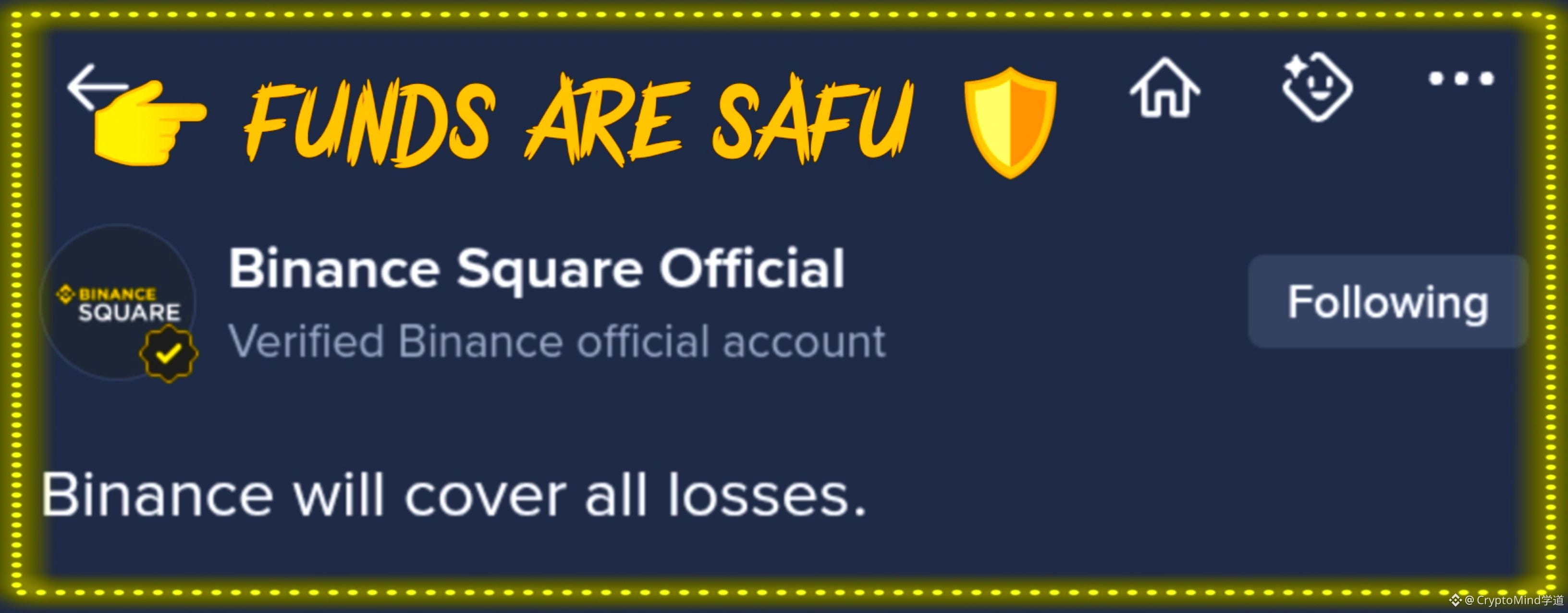
I know the market is panicking right now, but your funds are completely safe. Binance has officially confirmed they are covering all the losses, and the SAFU fund is fully backing it up. They literally said no user will lose a single dollar.
Here is the crazy part though. The root cause of this whole mess was traced back to a compromised DevOps laptop. It just shows how sophisticated hackers are getting these days.
To play it absolutely safe, withdrawals are paused for the next 48 hours while they do a full security revamp. But deposits are still working normally.
The team is working round the clock to fix this. Honestly, this is why I keep my funds on a secure exchange.
$BEAMX
$PARTI
$LSK
Are you guys buying this panic dip, or waiting for withdrawals to open before making a move? 👇
#Binance #SAFU #CryptoNews #CryptoMarket
1
873
·
--
See translation
Chasing a V-shaped recovery is the quickest way to turn your portfolio into a charity fund for whales... 🤡
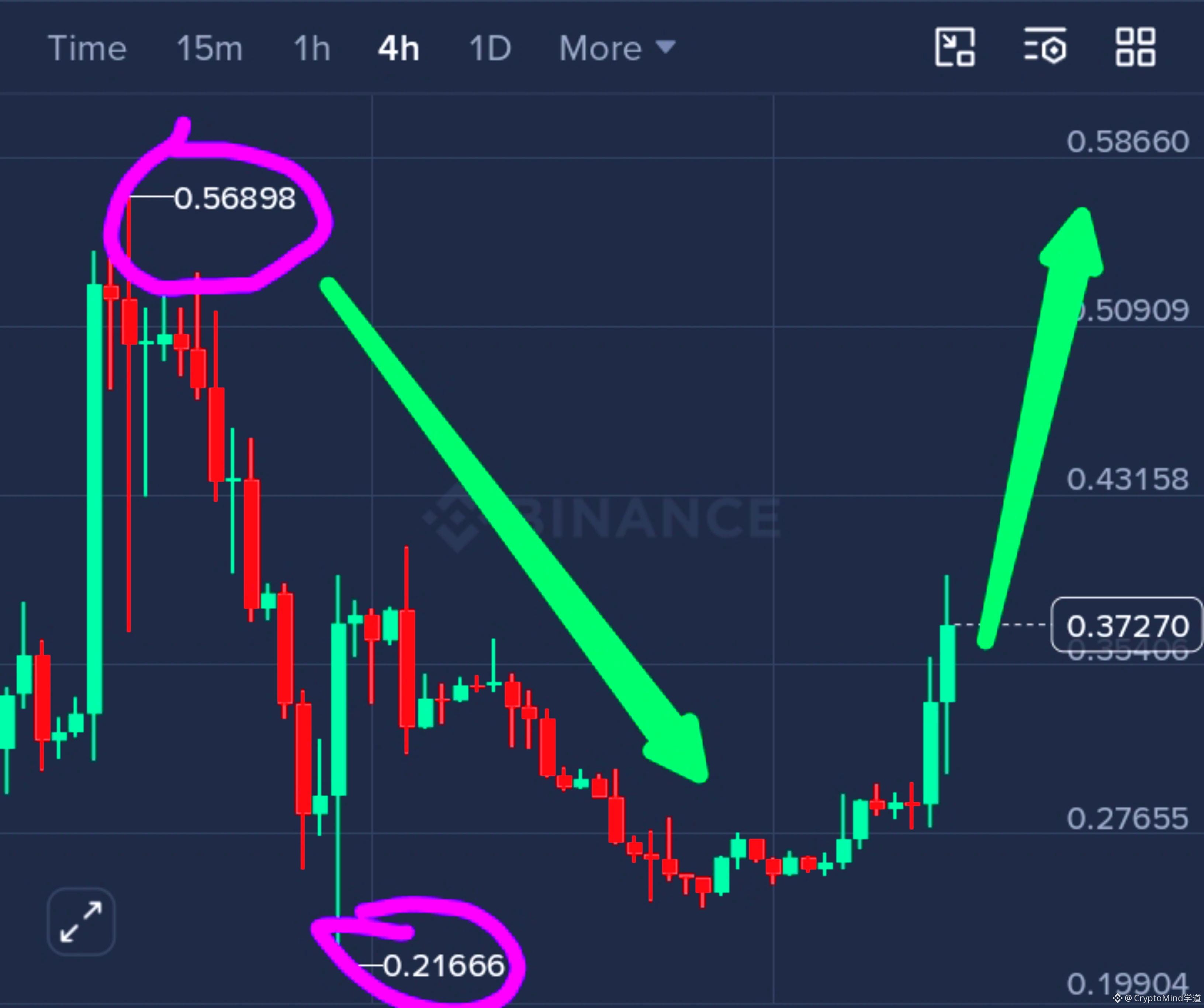
Look at $MAGMA right now. Someone drew a massive green arrow and your degen brain instantly screams, It’s going back to the top! I need in NOW!
But zoom in. The RSI is literally sitting at 91 It is screaming hot. If you FOMO into this massive green candle, you are just providing exit liquidity for the OGs who actually bought the bottom. The second you hit market buy, it will pull back and leave you holding the bag.
Stop buying straight vertical lines. Let the FOMO cool off.
The real alpha? Wait for the retrace. Let the RSI drop back down and see if the chart can actually print a higher low. If the trend is real, there will be a safer entry. If it just dumps back to where it started, you just saved yourself from getting completely rekt.
By resisting the urge to chase green dildos, you protect your capital and get a tight stop-loss. You stop being the exit liquidity and start trading like a sniper.
Who here has FOMO'd a chart like this right at the top, only to watch it instantly bleed out? Drop your worst entry below. 👇💀
{future}(MAGMAUSDT)
Chasing a V-shaped recovery is the quickest way to turn your portfolio into a charity fund for whales... 🤡
Look at $MAGMA right now. Someone drew a massive green arrow and your degen brain instantly screams, It’s going back to the top! I need in NOW!
But zoom in. The RSI is literally sitting at 91 It is screaming hot. If you FOMO into this massive green candle, you are just providing exit liquidity for the OGs who actually bought the bottom. The second you hit market buy, it will pull back and leave you holding the bag.
Stop buying straight vertical lines. Let the FOMO cool off.
The real alpha? Wait for the retrace. Let the RSI drop back down and see if the chart can actually print a higher low. If the trend is real, there will be a safer entry. If it just dumps back to where it started, you just saved yourself from getting completely rekt.
By resisting the urge to chase green dildos, you protect your capital and get a tight stop-loss. You stop being the exit liquidity and start trading like a sniper.
Who here has FOMO'd a chart like this right at the top, only to watch it instantly bleed out? Drop your worst entry below. 👇💀
182
·
--
See translation
🚨 TOP 3 TODAY'S ROCKETING GAINERS — WHICH ONE IS SETTING A TRAP? 🐂 💀
🥇 $PARTI — $0.05600 | Target $0.06434 🔥
🥈 $HYPE — $93.121 | Target $97.193 🚀
🥉 $BLESS — $0.012860 | Target $0.014597 📈
👀 these parabolic moves are printing massive green candles, but those upper wicks are screaming exhaustion. The key question now isn't just who goes higher? — it's who gets left holding the bags when the music stops?
{future}(PARTIUSDT)
{future}(HYPEUSDT)
{future}(BLESSUSDT)
Could HYPE smash through $97.19, or is a brutal rejection incoming?
Which one are you fading? 👀
🚨 TOP 3 TODAY'S ROCKETING GAINERS — WHICH ONE IS SETTING A TRAP? 🐂 💀
🥇 $PARTI — $0.05600 | Target $0.06434 🔥
🥈 $HYPE — $93.121 | Target $97.193 🚀
🥉 $BLESS — $0.012860 | Target $0.014597 📈
👀 these parabolic moves are printing massive green candles, but those upper wicks are screaming exhaustion. The key question now isn't just who goes higher? — it's who gets left holding the bags when the music stops?
Could HYPE smash through $97.19, or is a brutal rejection incoming?
Which one are you fading? 👀
$PARTI
28%
$HYPE
34%
$BLESS
38%
29 votes • Voting closed
1.5k
·
--
Partly True
Article
See translation
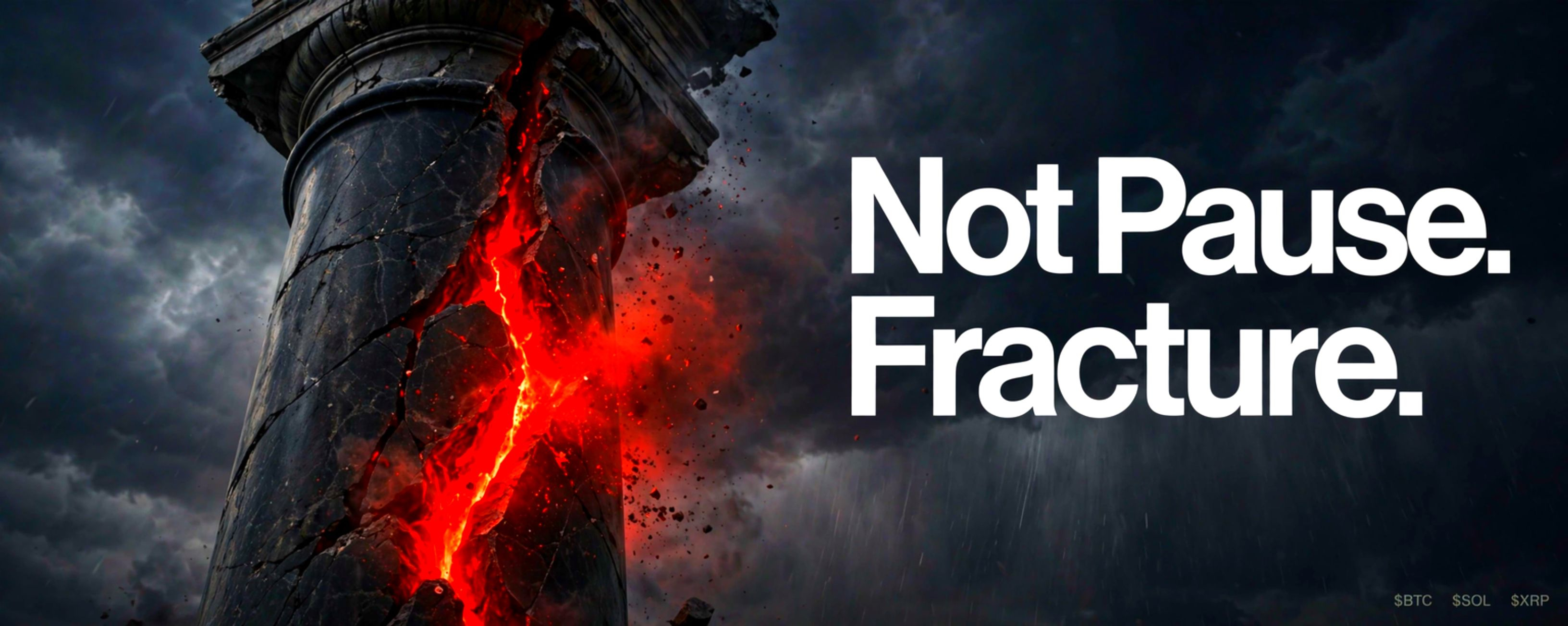
They call it a pause It's a fracturethe crowd sees the Fed holding rates steady and reads it as safety. They watch $80,000 hold and call it conviction. That reading is the comfort. It's the story repeated across every hopeful feed, every analyst note that needs the crowd to stay calm.
The reality is already written in the dissent. Two members of the committee voted against the hold, and both wanted higher rates. That isn't a pause. It's a crack inside the institution itself, and the tape reacted before the press conference even ended.
Bitcoin touched $81,700 on the headline, then lost the entire $80,000 line and slid to $79,607. Over $367 million in leveraged positions were forcibly closed in twenty-four hours, and nearly sixty percent of that damage came from people positioned for higher prices. The mechanism didn't wait for the statement. It fired on the dissent.
The data beneath the surface is colder than the price suggests. Three wallets moved 6,168 Bitcoin into Coinbase Prime in a single deposit, worth nearly half a billion dollars. That isn't accumulation. That's preparation.
The crowd is watching the wrong screen. They're parsing the Fed's language while the structure underneath them is being quietly rearranged by hands that don't need a press conference to act.
I'm watching $BTC at the $79,500 line. It's not a number. It's the boundary between a contained reset and a deeper mechanical slide. A reclaim above $81,500 that holds tells you the forced selling is exhausted. A failure below $79,000 opens the path toward $77,000, where the next layer of borrowed conviction waits to be unwound.
{future}(BTCUSDT)
$SOL is the second fracture. A single wallet sold 1.02 million tokens over five days, worth $104 million, while spot funds bled $27.38 million across two sessions. The $100 line is the last anchor. If it breaks on a daily close, the next zone that matters is $80, and the silence around that move will be louder than any headline.
{future}(SOLUSDT)
$XRP is the third. It's trading at $1.29, sixty-five percent below its record, while spot funds have quietly shed $231 million this month. The institutional narrative is loud. The flows are not. The line that defines the trend is $1.26. If it fails, $1.20 comes into view, and below that $1.11 becomes the conversation nobody wants to have.
{future}(XRPUSDT)
The Fed will speak again. The words will be parsed again. None of it changes the mechanism that already started moving.
The only question that matters now is whether you're still standing in the path of that mechanism, waiting for a rescue that was never part of the script.
They call it a pause It's a fracture
the crowd sees the Fed holding rates steady and reads it as safety. They watch $80,000 hold and call it conviction. That reading is the comfort. It's the story repeated across every hopeful feed, every analyst note that needs the crowd to stay calm.
The reality is already written in the dissent. Two members of the committee voted against the hold, and both wanted higher rates. That isn't a pause. It's a crack inside the institution itself, and the tape reacted before the press conference even ended.
Bitcoin touched $81,700 on the headline, then lost the entire $80,000 line and slid to $79,607. Over $367 million in leveraged positions were forcibly closed in twenty-four hours, and nearly sixty percent of that damage came from people positioned for higher prices. The mechanism didn't wait for the statement. It fired on the dissent.
The data beneath the surface is colder than the price suggests. Three wallets moved 6,168 Bitcoin into Coinbase Prime in a single deposit, worth nearly half a billion dollars. That isn't accumulation. That's preparation.
The crowd is watching the wrong screen. They're parsing the Fed's language while the structure underneath them is being quietly rearranged by hands that don't need a press conference to act.
I'm watching $BTC at the $79,500 line. It's not a number. It's the boundary between a contained reset and a deeper mechanical slide. A reclaim above $81,500 that holds tells you the forced selling is exhausted. A failure below $79,000 opens the path toward $77,000, where the next layer of borrowed conviction waits to be unwound.
$SOL is the second fracture. A single wallet sold 1.02 million tokens over five days, worth $104 million, while spot funds bled $27.38 million across two sessions. The $100 line is the last anchor. If it breaks on a daily close, the next zone that matters is $80, and the silence around that move will be louder than any headline.
$XRP is the third. It's trading at $1.29, sixty-five percent below its record, while spot funds have quietly shed $231 million this month. The institutional narrative is loud. The flows are not. The line that defines the trend is $1.26. If it fails, $1.20 comes into view, and below that $1.11 becomes the conversation nobody wants to have.
The Fed will speak again. The words will be parsed again. None of it changes the mechanism that already started moving.
The only question that matters now is whether you're still standing in the path of that mechanism, waiting for a rescue that was never part of the script.
199
·
--
Verified
Article
See translation
The Night Insider Wallets Sold A Story I BelievedI was on my phone at 2:30 a.m. when I saw the first post from ZachXBT. "Insiders obtained over 76 million tokens from a multi-sig. Then they sold."
I didn't need to read the rest. I already knew what the chart looked like.
AXIS dropped 40% in 24 hours. A small-cap robotics token that had been trending on every feed, now bleeding out in real time. Over $12 million worth of tokens dumped through DEXs and bridged to exchanges. One insider alone sold 42 million tokens and was sitting on $5.04 million in USDC across eight wallets.
I've been on the wrong side of a small-cap insider dump before. Back in 2021, I bought a token because the narrative was perfect and the team looked credible. Then a wallet I'd never seen before started moving tokens to an exchange. I watched the chart collapse and refresh the page like the number would come back. It didn't. The lesson wasn't about doing more research. It was about understanding who was actually holding the supply.
Here's what actually happened with AXIS.
The project team issued a statement on October 30. They said the team, investors, and other locked allocations — 835 million AXIS, 83.5% of total supply — remained in a custody contract co-managed with Binance. No tokens had been transferred out. No unlocks before the 12-month cliff. The sell-off wasn't them.
They pointed the finger at an over-the-counter counterparty. The tokens that hit the market came from the initial circulating supply's "ecological allocation," which had been delivered through a single OTC counterparty with written lock-up terms. The project believes that counterparty sold on the open market, violating the agreement. They've suspended further transactions and are reviewing the agreement with legal counsel.
That's the part nobody's talking about.
Everyone is calling this an insider rug. But the on-chain evidence the team provided — verifiable through the Binance custody contract — suggests the locked supply is still locked. The selling came from a tranche that was supposed to be locked by a counterparty, not by the team. That doesn't make the 40% crash hurt less. But it changes who you should be angry at.
I'm not defending the project. I'm saying the crowd is already telling a simple story: team dumped, token died, move on. The tape tells a more complicated one: a small-cap token with thin liquidity got hit by a counterparty that may have broken its agreement. The difference matters because the next small-cap with an OTC allocation could face the exact same risk.
The level that matters now is the pre-dump support zone. If AXIS holds above the level it broke from and the team's legal action produces a clear outcome, the selling pressure from that specific counterparty may be exhausted. If it doesn't, the next support sits where the remaining unlocked supply might meet demand. There's no clean map here. Small-cap order books are thin. The same vacuum that let the price collapse can let it rip on any real bid.
Liquidation cascades don't tell you direction. They tell you positioning. But this wasn't a liquidation cascade. It was a supply shock from a single tranche that was supposed to be locked. That's a different kind of lesson.
The market doesn't care about your narrative. It cares about who holds the supply and whether they're following the rules they agreed to.
$AXIS
{alpha}(84530x5be75e3b0aff5d1a042a5363ae36acb1d6d755ea)
$BTC
{future}(BTCUSDT)
$ETH
{future}(ETHUSDT)
#crypto #altcoins #RiskManagement
If you've ever bought a small-cap because the story was good, did you check who actually controlled the tokens — or did you just get angry when it dumped?
The Night Insider Wallets Sold A Story I Believed
I was on my phone at 2:30 a.m. when I saw the first post from ZachXBT. "Insiders obtained over 76 million tokens from a multi-sig. Then they sold."
I didn't need to read the rest. I already knew what the chart looked like.
AXIS dropped 40% in 24 hours. A small-cap robotics token that had been trending on every feed, now bleeding out in real time. Over $12 million worth of tokens dumped through DEXs and bridged to exchanges. One insider alone sold 42 million tokens and was sitting on $5.04 million in USDC across eight wallets.
I've been on the wrong side of a small-cap insider dump before. Back in 2021, I bought a token because the narrative was perfect and the team looked credible. Then a wallet I'd never seen before started moving tokens to an exchange. I watched the chart collapse and refresh the page like the number would come back. It didn't. The lesson wasn't about doing more research. It was about understanding who was actually holding the supply.
Here's what actually happened with AXIS.
The project team issued a statement on October 30. They said the team, investors, and other locked allocations — 835 million AXIS, 83.5% of total supply — remained in a custody contract co-managed with Binance. No tokens had been transferred out. No unlocks before the 12-month cliff. The sell-off wasn't them.
They pointed the finger at an over-the-counter counterparty. The tokens that hit the market came from the initial circulating supply's "ecological allocation," which had been delivered through a single OTC counterparty with written lock-up terms. The project believes that counterparty sold on the open market, violating the agreement. They've suspended further transactions and are reviewing the agreement with legal counsel.
That's the part nobody's talking about.
Everyone is calling this an insider rug. But the on-chain evidence the team provided — verifiable through the Binance custody contract — suggests the locked supply is still locked. The selling came from a tranche that was supposed to be locked by a counterparty, not by the team. That doesn't make the 40% crash hurt less. But it changes who you should be angry at.
I'm not defending the project. I'm saying the crowd is already telling a simple story: team dumped, token died, move on. The tape tells a more complicated one: a small-cap token with thin liquidity got hit by a counterparty that may have broken its agreement. The difference matters because the next small-cap with an OTC allocation could face the exact same risk.
The level that matters now is the pre-dump support zone. If AXIS holds above the level it broke from and the team's legal action produces a clear outcome, the selling pressure from that specific counterparty may be exhausted. If it doesn't, the next support sits where the remaining unlocked supply might meet demand. There's no clean map here. Small-cap order books are thin. The same vacuum that let the price collapse can let it rip on any real bid.
Liquidation cascades don't tell you direction. They tell you positioning. But this wasn't a liquidation cascade. It was a supply shock from a single tranche that was supposed to be locked. That's a different kind of lesson.
The market doesn't care about your narrative. It cares about who holds the supply and whether they're following the rules they agreed to.
$AXIS
$BTC
$ETH
#crypto #altcoins #RiskManagement
If you've ever bought a small-cap because the story was good, did you check who actually controlled the tokens — or did you just get angry when it dumped?
776
·
--
See translation
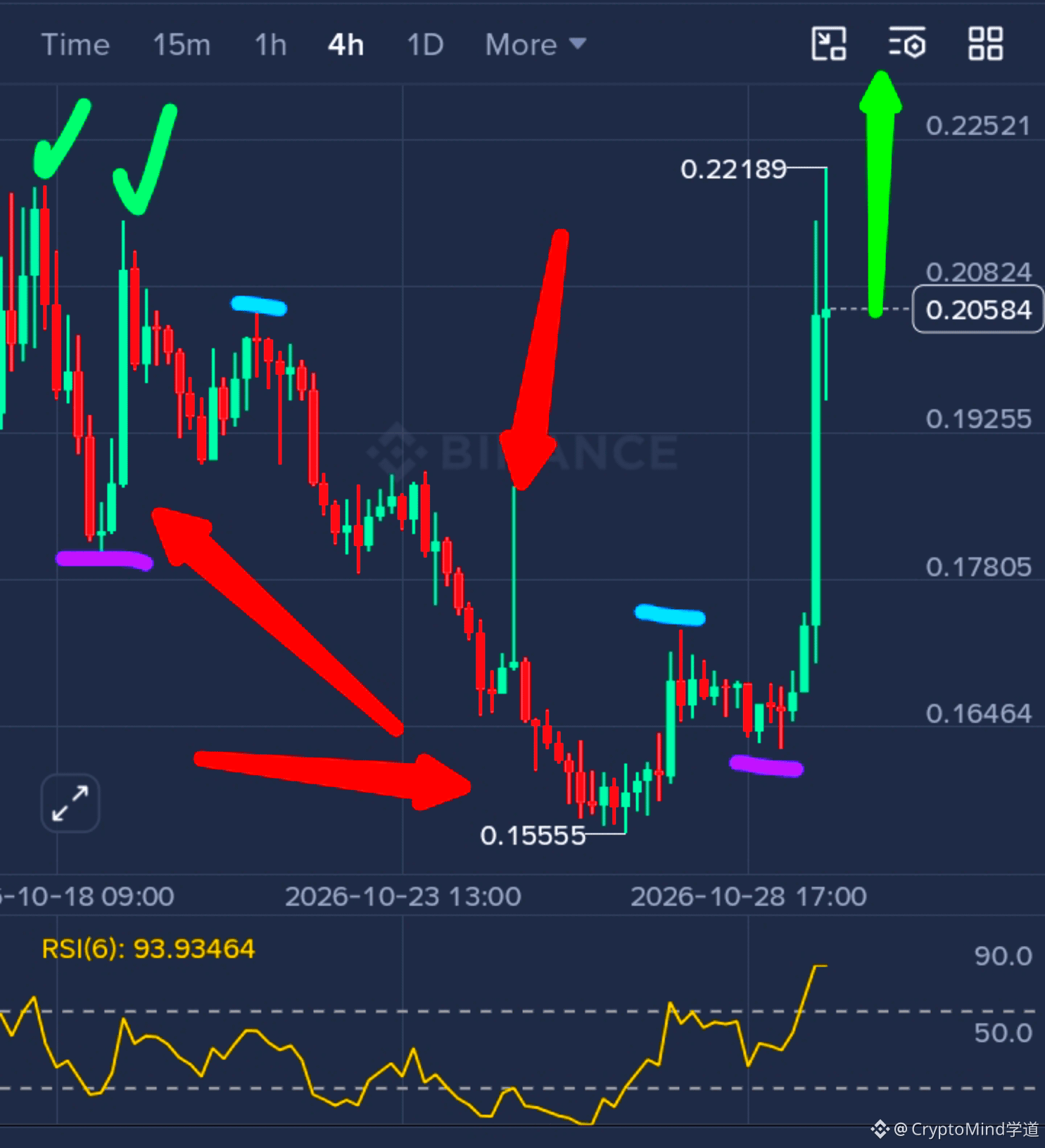
Chasing this $LSK pump is pure exit liquidity...
Guys this is a LONG setup, but only for the patient. The 4H chart shows a massive vertical break, but that RSI at 94 is screaming danger. Retail is blindly FOMOing into this 25% candle while smart money is preparing to distribute. I want to see a retracement to the previous resistance zone before committing any capital.
Entry: 0.1850 - 0.1950
TP1: 0.2210
TP2: 0.2450
Stop Loss: 0.1650
I refuse to buy the top of a parabolic wick; if we don't get a structured pullback on $LSK, I sit on my hands.
Are you fading this overbought signal or waiting for a dip to long? Follow for elite setups.
{future}(LSKUSDT)
Chasing this $LSK pump is pure exit liquidity...
Guys this is a LONG setup, but only for the patient. The 4H chart shows a massive vertical break, but that RSI at 94 is screaming danger. Retail is blindly FOMOing into this 25% candle while smart money is preparing to distribute. I want to see a retracement to the previous resistance zone before committing any capital.
Entry: 0.1850 - 0.1950
TP1: 0.2210
TP2: 0.2450
Stop Loss: 0.1650
I refuse to buy the top of a parabolic wick; if we don't get a structured pullback on $LSK , I sit on my hands.
Are you fading this overbought signal or waiting for a dip to long? Follow for elite setups.
310
·
--
See translation
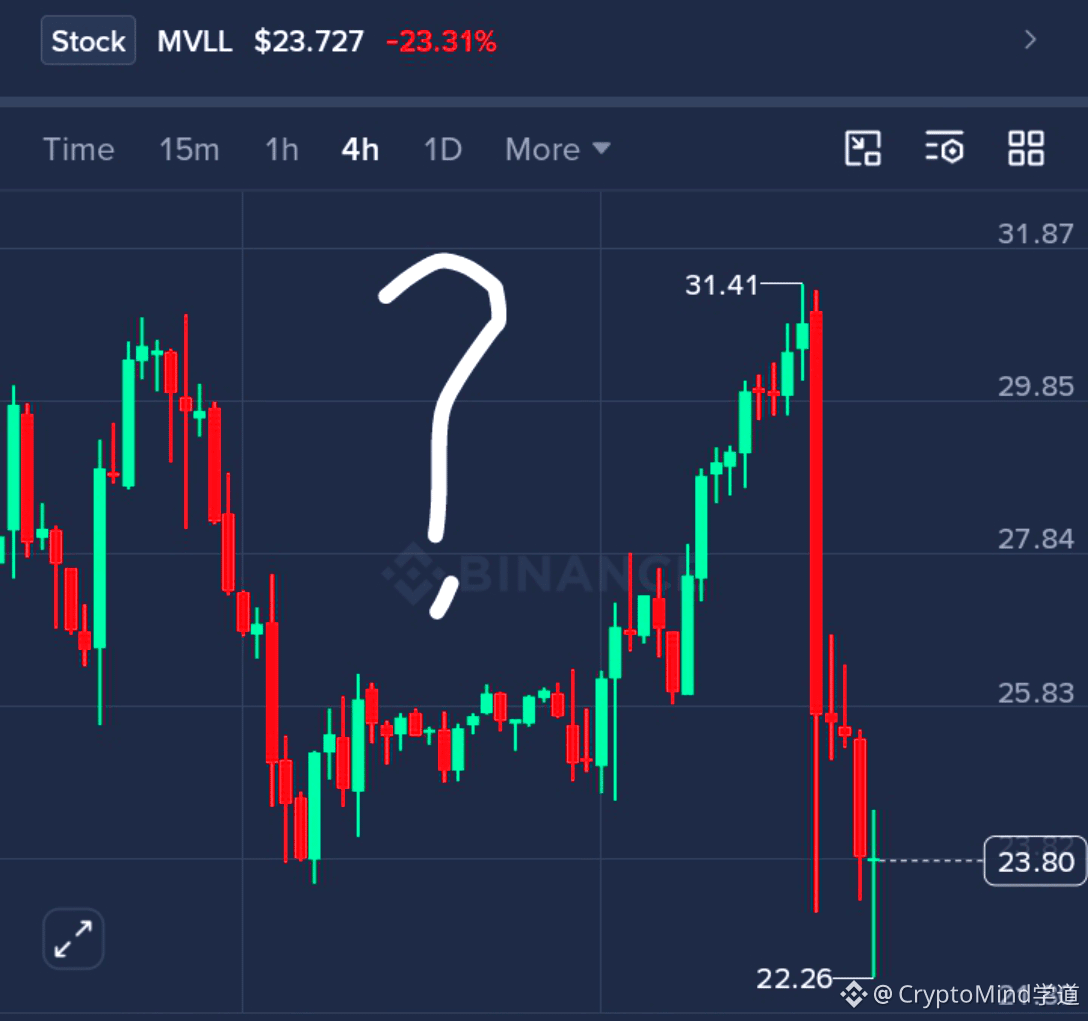
Buying the dip on a tokenized stock just because the RSI looks "oversold" is how you get financially nuked... 💀
Look at $MVLLB right now. Down 21% in a single day, straight into the dirt.
You see that massive red candle and the RSI screaming at 18, and your brain tells you, "It has to bounce, let's buy the bottom!"
But this isn't your average crypto coin. $MVLLB is a tokenized stock ETF. You aren't just trading crypto anymore—you are trading traditional equities on-chain.
The problem? You're treating a TradFi asset like a memecoin. When the underlying stock (MRVL) takes a hit, the token follows. Spotting a "bounce" on a crypto exchange won't save you if the actual stock market is bleeding.
Stop blindly buying red candles on tokenized stocks. Respect the traditional markets.
Before you touch $MVLLB, you need to zoom out and check the actual stock market. Look at the underlying asset's earnings, its daily structure, and the broader market sentiment. Don't trade a tokenized equity based on a 15-minute crypto chart.
By actually understanding what you're holding, you protect your capital from catastrophic drawdowns. You stop becoming exit liquidity for tradfi whales crossing over into Web3. You survive to trade another day.
Have you ever invested in tokenized stocks on-chain, or do you strictly stick to crypto? Drop your thoughts below. 👇📉
{spot}(MVLLBUSDT)
#MVLLB #MVLLBUSDT
Buying the dip on a tokenized stock just because the RSI looks "oversold" is how you get financially nuked... 💀
Look at $MVLLB right now. Down 21% in a single day, straight into the dirt.
You see that massive red candle and the RSI screaming at 18, and your brain tells you, "It has to bounce, let's buy the bottom!"
But this isn't your average crypto coin. $MVLLB is a tokenized stock ETF. You aren't just trading crypto anymore—you are trading traditional equities on-chain.
The problem? You're treating a TradFi asset like a memecoin. When the underlying stock (MRVL) takes a hit, the token follows. Spotting a "bounce" on a crypto exchange won't save you if the actual stock market is bleeding.
Stop blindly buying red candles on tokenized stocks. Respect the traditional markets.
Before you touch $MVLLB , you need to zoom out and check the actual stock market. Look at the underlying asset's earnings, its daily structure, and the broader market sentiment. Don't trade a tokenized equity based on a 15-minute crypto chart.
By actually understanding what you're holding, you protect your capital from catastrophic drawdowns. You stop becoming exit liquidity for tradfi whales crossing over into Web3. You survive to trade another day.
Have you ever invested in tokenized stocks on-chain, or do you strictly stick to crypto? Drop your thoughts below. 👇📉
#MVLLB #MVLLBUSDT
151
·
--
See translation
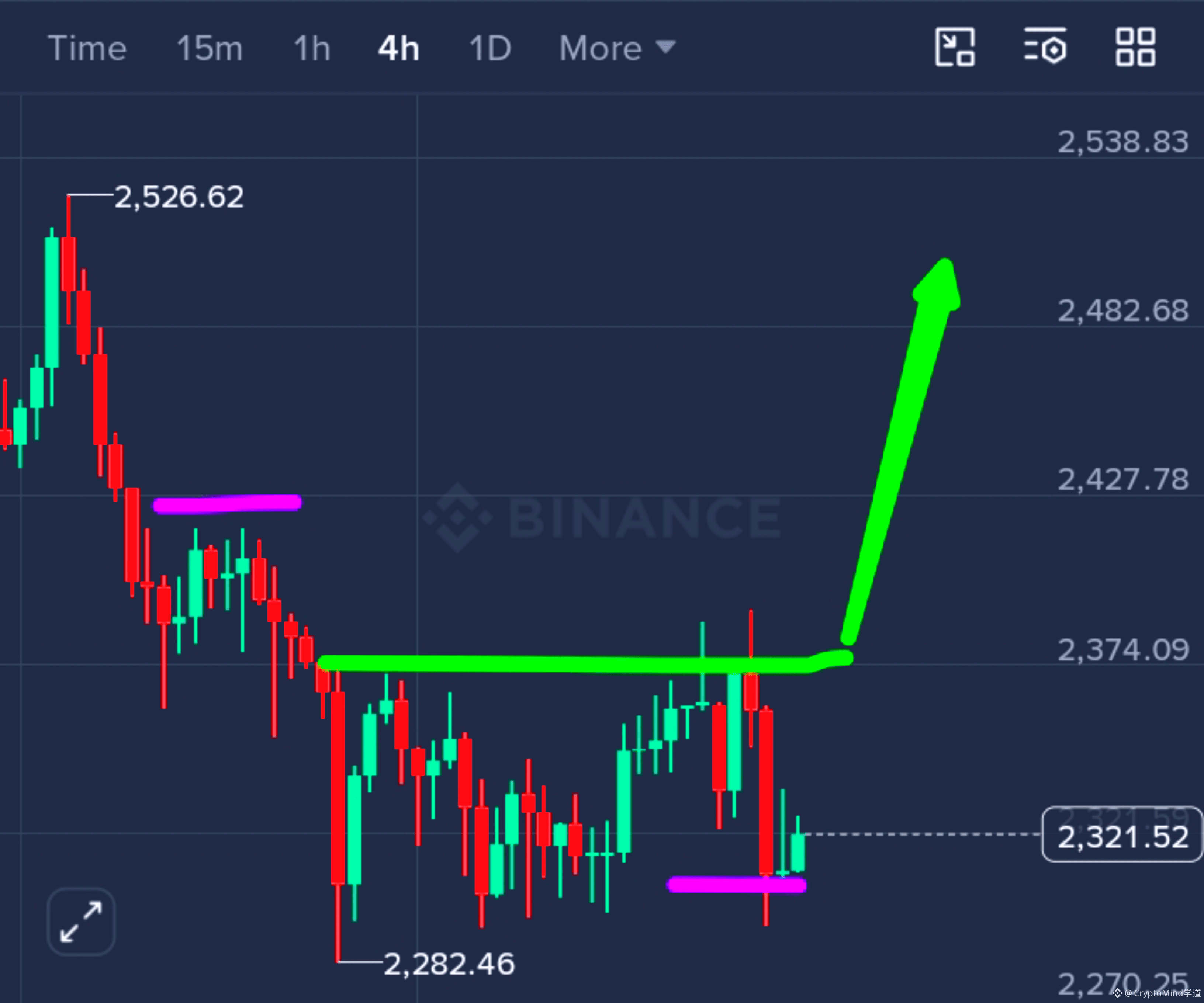
You see a safe floor. I see their exit liquidity...
Everyone's safety nets hide right under 2,282.46. Whales desperately need that specific volume to absorb heavy bags.
Wait for the 4H candle to close. If price sweeps 2,282.46, the downside pressure vanishes.
Expect a sharp reaction for $ETH back toward 2,374.09.
I will only act if the 4H closes above 2,391.55. Playing inside this messy chop is suicide.
Will you keep providing cheap fills or finally wait for confirmation?
{future}(ETHUSDT)
You see a safe floor. I see their exit liquidity...
Everyone's safety nets hide right under 2,282.46. Whales desperately need that specific volume to absorb heavy bags.
Wait for the 4H candle to close. If price sweeps 2,282.46, the downside pressure vanishes.
Expect a sharp reaction for $ETH back toward 2,374.09.
I will only act if the 4H closes above 2,391.55. Playing inside this messy chop is suicide.
Will you keep providing cheap fills or finally wait for confirmation?
98
·
--
See translation
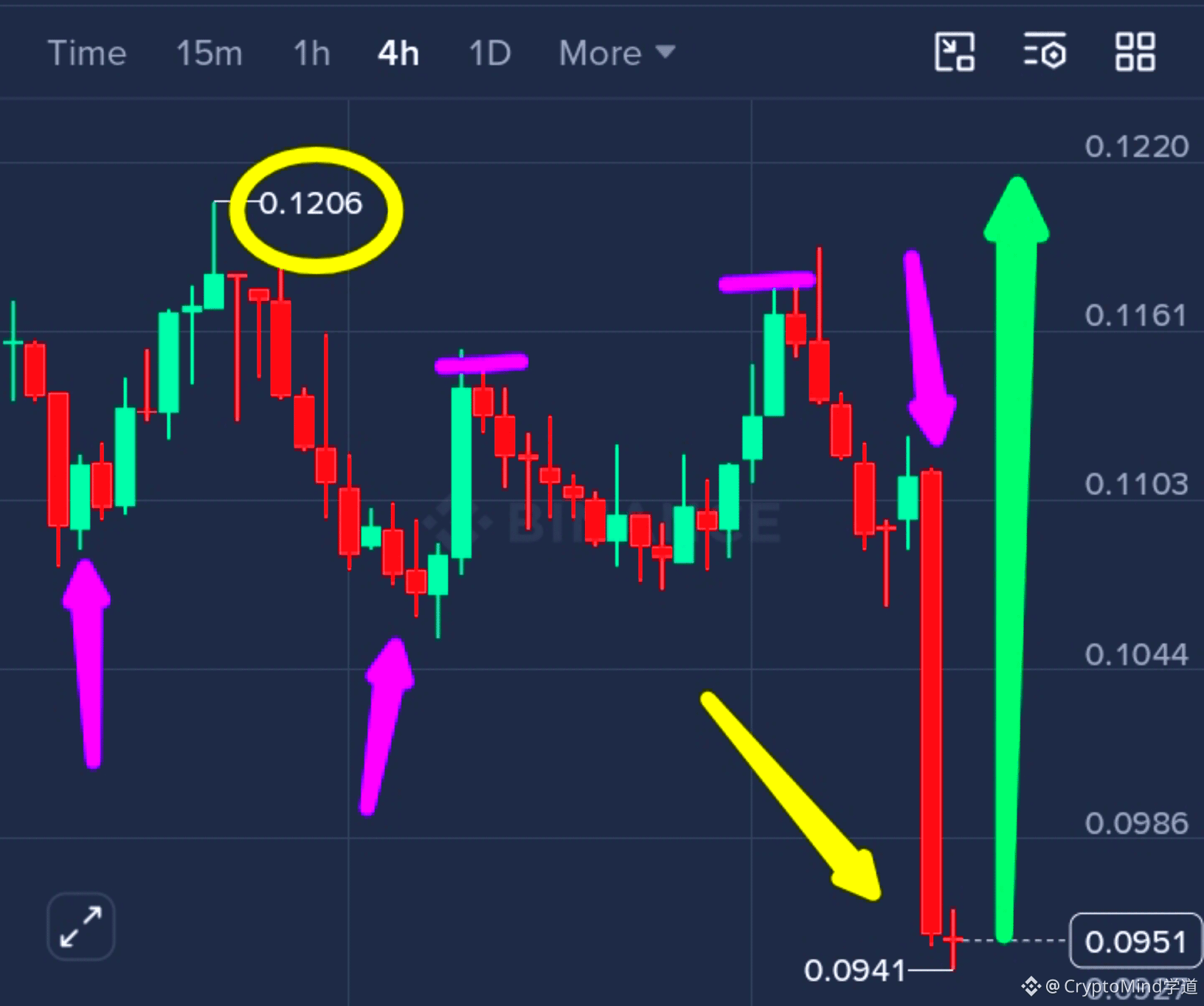
I hate buying when it looks this dead... 🙄
Look at that wick down to 0.0941 RSI at 16 I've held bags through a 20% flush and it ruined my sleep, but this is where liquidity hides.
Slowly adding $DUSK around 0.095 Adding if we sweep 0.090 Dead cat bounce to 0.105 then 0.115 If it closes below 0.085 I'm out.
You don't have to catch the exact bottom
Are you buying this flush or waiting for confirmation?
{spot}(DUSKUSDT)
I hate buying when it looks this dead... 🙄
Look at that wick down to 0.0941 RSI at 16 I've held bags through a 20% flush and it ruined my sleep, but this is where liquidity hides.
Slowly adding $DUSK around 0.095 Adding if we sweep 0.090 Dead cat bounce to 0.105 then 0.115 If it closes below 0.085 I'm out.
You don't have to catch the exact bottom
Are you buying this flush or waiting for confirmation?
170
·
--

Article
See translation
They're calling it a recovery. It's a reprieve...The crowd sees $80,000 holding and calls it strength. They read the Fed headlines and assume the script ends with a bounce. That assumption is the comfort. It's the story repeated across every hopeful feed, every voice that needs the crowd to stay calm.
the Fed is expected to hold rates steady, and the crowd reads that as safety. It isn't. A hold is simply a pause in a story that was already breaking before the meeting was scheduled.
the reality is already written in the flows. Over $815 million in leveraged positions were forcibly closed in twenty-four hours, and the majority of that damage came from people positioned for higher prices. Two hundred thousand traders learned the same lesson at the same moment. The mechanism didn't wait for the Fed. It fired early.
Look at the tape beneath the price. U.S. spot Bitcoin funds lost $774 million across two sessions before a modest $110 million return. October remains net negative. That isn't patience. That's institutional capital stepping back from the table.
The on-chain data is colder than the headlines. Small holders sent coins to exchanges at the fastest rate in six months while whale inflows declined for two months straight. Nearly $500 million moved to Coinbase Prime overnight, including one deposit that realized a fifteen-million-dollar loss. That isn't accumulation. It's preparation.
The rally in tech stocks gave the crowd a reason to feel safe. That reason is borrowed. The crypto market didn't rise because of the Fed. It rose because the forced selling paused.
The insiders aren't watching the statement. They're watching the forced unwind finish its work, clearing the field before the next move begins.
I'm watching $BTC at the $79,500 line. It's not a number. It's the boundary between a contained reset and a deeper mechanical slide. A reclaim above $81,250 that holds tells you the forced selling is exhausted. A failure below $79,000 opens the path toward $76,000 where the next layer of borrowed conviction waits to be unwound.
{future}(BTCUSDT)
$SOL is the second fracture. It's clinging to $102 after a session range that touched $99.16. The $99 line is the last anchor. If it breaks with volume, the next zone that matters is $94 to $96, and the silence around that move will be louder than any headline. A push above $104 changes the conversation, but only if it holds for more than a session.
{future}(SOLUSDT)
$XRP is the third. Ripple's Swell conference, an OCC charter, and an eleven-day ETF inflow streak have made it the loudest ticker in the market The price isn't confirming It's near $1.29 below both the fifty-day and two-hundred-day averages. The line that defines the trend is $1.36. If it fails, $1.20 comes into view. If it reclaims $1.38 and holds, the headlines finally matter.
{future}(XRPUSDT)
The Fed will speak. The words will be parsed. The press conference will be narrated. None of it changes the mechanism that already started moving.
The only question that matters now is whether you're still standing in the path of that mechanism, waiting for a rescue that was never part of the script.
They're calling it a recovery. It's a reprieve...
The crowd sees $80,000 holding and calls it strength. They read the Fed headlines and assume the script ends with a bounce. That assumption is the comfort. It's the story repeated across every hopeful feed, every voice that needs the crowd to stay calm.
the Fed is expected to hold rates steady, and the crowd reads that as safety. It isn't. A hold is simply a pause in a story that was already breaking before the meeting was scheduled.
the reality is already written in the flows. Over $815 million in leveraged positions were forcibly closed in twenty-four hours, and the majority of that damage came from people positioned for higher prices. Two hundred thousand traders learned the same lesson at the same moment. The mechanism didn't wait for the Fed. It fired early.
Look at the tape beneath the price. U.S. spot Bitcoin funds lost $774 million across two sessions before a modest $110 million return. October remains net negative. That isn't patience. That's institutional capital stepping back from the table.
The on-chain data is colder than the headlines. Small holders sent coins to exchanges at the fastest rate in six months while whale inflows declined for two months straight. Nearly $500 million moved to Coinbase Prime overnight, including one deposit that realized a fifteen-million-dollar loss. That isn't accumulation. It's preparation.
The rally in tech stocks gave the crowd a reason to feel safe. That reason is borrowed. The crypto market didn't rise because of the Fed. It rose because the forced selling paused.
The insiders aren't watching the statement. They're watching the forced unwind finish its work, clearing the field before the next move begins.
I'm watching $BTC at the $79,500 line. It's not a number. It's the boundary between a contained reset and a deeper mechanical slide. A reclaim above $81,250 that holds tells you the forced selling is exhausted. A failure below $79,000 opens the path toward $76,000 where the next layer of borrowed conviction waits to be unwound.
$SOL is the second fracture. It's clinging to $102 after a session range that touched $99.16. The $99 line is the last anchor. If it breaks with volume, the next zone that matters is $94 to $96, and the silence around that move will be louder than any headline. A push above $104 changes the conversation, but only if it holds for more than a session.
$XRP is the third. Ripple's Swell conference, an OCC charter, and an eleven-day ETF inflow streak have made it the loudest ticker in the market The price isn't confirming It's near $1.29 below both the fifty-day and two-hundred-day averages. The line that defines the trend is $1.36. If it fails, $1.20 comes into view. If it reclaims $1.38 and holds, the headlines finally matter.
The Fed will speak. The words will be parsed. The press conference will be narrated. None of it changes the mechanism that already started moving.
The only question that matters now is whether you're still standing in the path of that mechanism, waiting for a rescue that was never part of the script.
135
·
--

Article
See translation
Why the Alpha Crowd Is Already Late...Predict.fun’s premarket token is trading near 14.52, up 18.96% before a single public candle has printed. It’s happening because Binance Alpha is hosting a two-hour Pre-TGE sale today, and the crowd is treating access as a guarantee.
You believe this is the next prediction-market empire, a billion-dollar protocol being handed to early believers at the ground floor. That’s the story the Alpha points and the FDV are selling.
The reality is colder. The premarket price already implies a 1.64 billion valuation, and the only people buying at that level are those who need you to believe the story.
The sale is capped at 6 BNB per user, a deliberate design that manufactures the illusion of exclusivity while concentrating allocation among the fastest wallets. It’s not a distribution. It’s a rehearsal for exit.
And the tokenomics tell you everything the hype won’t. Nearly 52% sits in ecosystem and community, 26% belongs to early backers, and only 7% is carved out for the Season 1 airdrop. The float will be thin, the unlock schedule will be patient, and the crowd will be asked to hold the line.
Watch $PREDICT near 14.50 If the premarket bid fades below that line before the real token trades, the exclusivity narrative collapses into a queue of sellers who arrived too early to leave.
{future}(PREDICTUSDT)
Then look at BitcoinOS. It just went live on Alpha with no premarket fanfare and no points requirement, and it sits near 0.0075 with almost no volume worth measuring. That’s the quiet alternative the crowd won’t discuss.
Now watch $BOS near 0.0070. If it can’t hold that level while the PREDICT circus absorbs all the attention, the Alpha rotation will leave it behind without a headline.
And don’t overlook MOODENG. It rose 128% to 0.1649 on a perpetual listing, a move that had nothing to do with prediction markets. That’s the rotation the crowd is ignoring while it stares at a countdown timer.
Watch $MOODENG near 0.1600. When a listing-driven bid loses its edge, the same crowd that chased the announcement becomes the supply that ends it.
{future}(MOODENGUSDT)
The crowd sees access. The architects see a window. And the only question that matters now is whether you’re the one inside the sale or the one who understood why the door was only open for two hours.
Why the Alpha Crowd Is Already Late...
Predict.fun’s premarket token is trading near 14.52, up 18.96% before a single public candle has printed. It’s happening because Binance Alpha is hosting a two-hour Pre-TGE sale today, and the crowd is treating access as a guarantee.
You believe this is the next prediction-market empire, a billion-dollar protocol being handed to early believers at the ground floor. That’s the story the Alpha points and the FDV are selling.
The reality is colder. The premarket price already implies a 1.64 billion valuation, and the only people buying at that level are those who need you to believe the story.
The sale is capped at 6 BNB per user, a deliberate design that manufactures the illusion of exclusivity while concentrating allocation among the fastest wallets. It’s not a distribution. It’s a rehearsal for exit.
And the tokenomics tell you everything the hype won’t. Nearly 52% sits in ecosystem and community, 26% belongs to early backers, and only 7% is carved out for the Season 1 airdrop. The float will be thin, the unlock schedule will be patient, and the crowd will be asked to hold the line.
Watch $PREDICT near 14.50 If the premarket bid fades below that line before the real token trades, the exclusivity narrative collapses into a queue of sellers who arrived too early to leave.
Then look at BitcoinOS. It just went live on Alpha with no premarket fanfare and no points requirement, and it sits near 0.0075 with almost no volume worth measuring. That’s the quiet alternative the crowd won’t discuss.
Now watch $BOS near 0.0070. If it can’t hold that level while the PREDICT circus absorbs all the attention, the Alpha rotation will leave it behind without a headline.
And don’t overlook MOODENG. It rose 128% to 0.1649 on a perpetual listing, a move that had nothing to do with prediction markets. That’s the rotation the crowd is ignoring while it stares at a countdown timer.
Watch $MOODENG near 0.1600. When a listing-driven bid loses its edge, the same crowd that chased the announcement becomes the supply that ends it.
The crowd sees access. The architects see a window. And the only question that matters now is whether you’re the one inside the sale or the one who understood why the door was only open for two hours.
516
Log in to explore more content
Join global crypto users on Binance Square
⚡️ Get latest and useful information about crypto.
💬 Trusted by the world’s largest crypto exchange.
👍 Discover real insights from verified creators.
Email / Phone number
Trending Topics
BinanceRestoresWithdrawalsForEthereumNetwork&BNBSmartChain
310 views
25 Discussing
Binance Restores Withdrawals for ETH and BSC Networks in Phased Rollout
Binance News
·16 Likes
·6.9k views
BinanceUpdatesProofofReservesAddresses
3,496 views
172 Discussing
BinanceToResumePhaseOneOfWithdrawals
20,351 views
503 Discussing